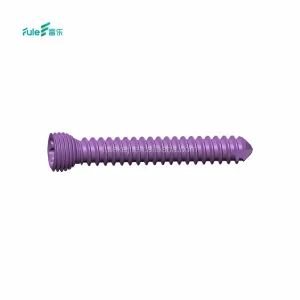
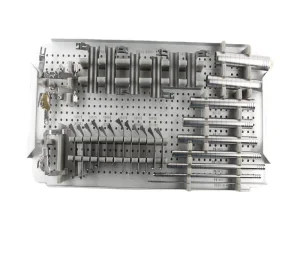
Discover our globally exported, CE-marked medical devices engineered for high-precision clinical interventions.

Written by Fule Medical Group Regulatory Affairs and Technical R&D Committee
The global landscape of obstetric care demands diagnostic solutions that offer absolute reliability, real-time data accuracy, and seamless integration with hospital network infrastructures. Fetal Monitoring Systems (Cardiotocographs - CTG) represent the frontline diagnostic mechanism in safeguarding maternal-fetal health during critical antepartum and intrapartum phases. As a premier Chinese manufacturer with 29 years of medical system engineering expertise, Fule Medical Group introduces this comprehensive industry brief detailing the technical architectures, clinical workflows, and global manufacturing realities of high-capacity fetal monitoring equipment.
Primary Strategic Takeaway: With rising high-risk pregnancies worldwide, integrating telemetry, signal-to-noise ratio optimization, and digital analysis in CTG devices directly translates to lower clinical risks and optimized hospital workflow efficiency.
In modern clinical environments, fetal monitors are no longer standalone devices. The deployment of fetal monitoring solutions must integrate with existing Hospital Information Systems (HIS) and Electronic Medical Record (EMR) suites via standard HL7 data protocols. Modern solutions necessitate centralized obstetric monitoring stations where a single clinical hub can oversee up to 32 labor suites simultaneously.
Our technology incorporates advanced Ultrasound Doppler transducers coupled with high-sensitivity TOCO (Tockdynamometer) sensors to deliver lag-free tracings of Fetal Heart Rate (FHR) and Uterine Activity (UA). By streamlining the routing of raw medical data, clinics can dramatically reduce the rate of preventable perinatal interventions.
The international market for fetal monitors and orthopedic implants is undergoing a phase of consolidation and rigorous regulatory oversight. Importers face the dual challenge of satisfying strict local regulatory frameworks (such as EU MDR and US FDA) while maintaining cost-effective operations. Fule Medical Group bridges this gap by leveraging localized supply chains and a 10,000 square meter ISO 13485 certified facility in China to deliver medical systems at highly competitive wholesale rates without compromising component integrity.
Fetal monitoring equipment must execute flawless performance across varying clinical demands:
The future of fetal monitoring is fundamentally anchored in Artificial Intelligence (AI) and Machine Learning. By utilizing deep learning algorithms trained on expansive, validated clinical CTG databases, next-generation monitors will provide automated alert overlays indicating prospective fetal hypoxia or distress trends.
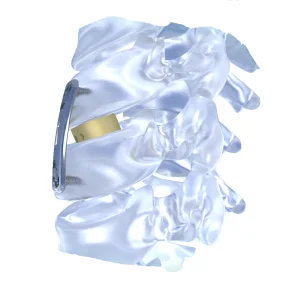
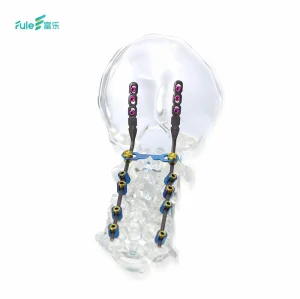
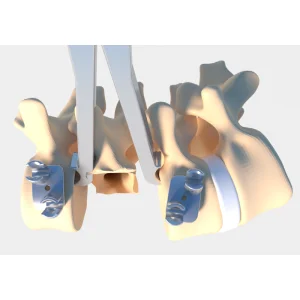
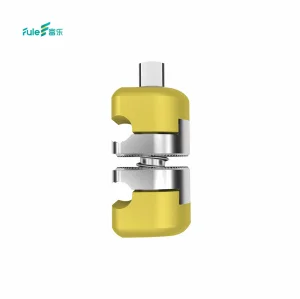
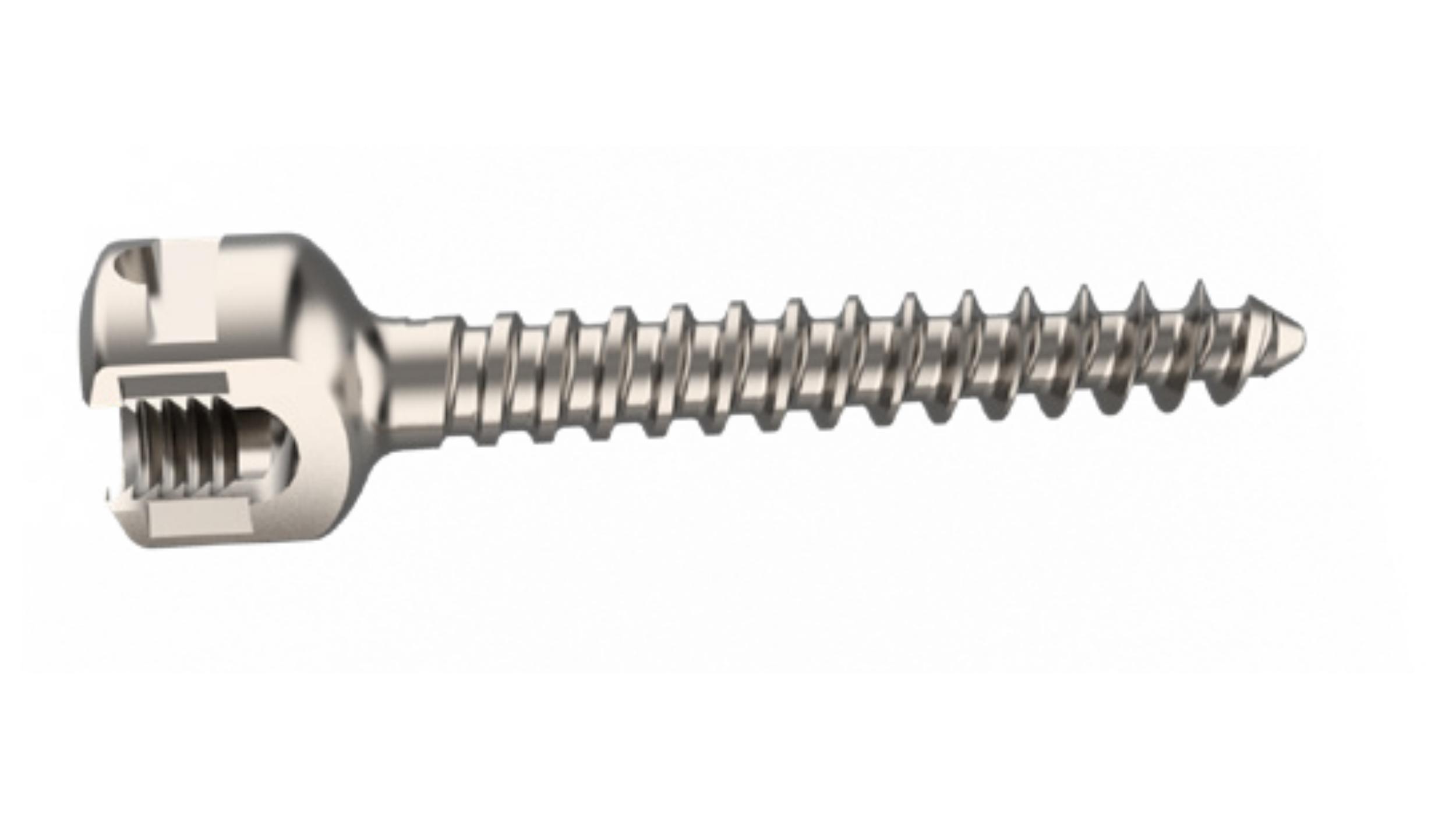
Simultaneously, Fule Medical Group continues to pioneer materials research in our Orthopedic and Spinal Implants division, ensuring our titanium fabrication and biocompatible coatings technologies are integrated across all patient-contact products.
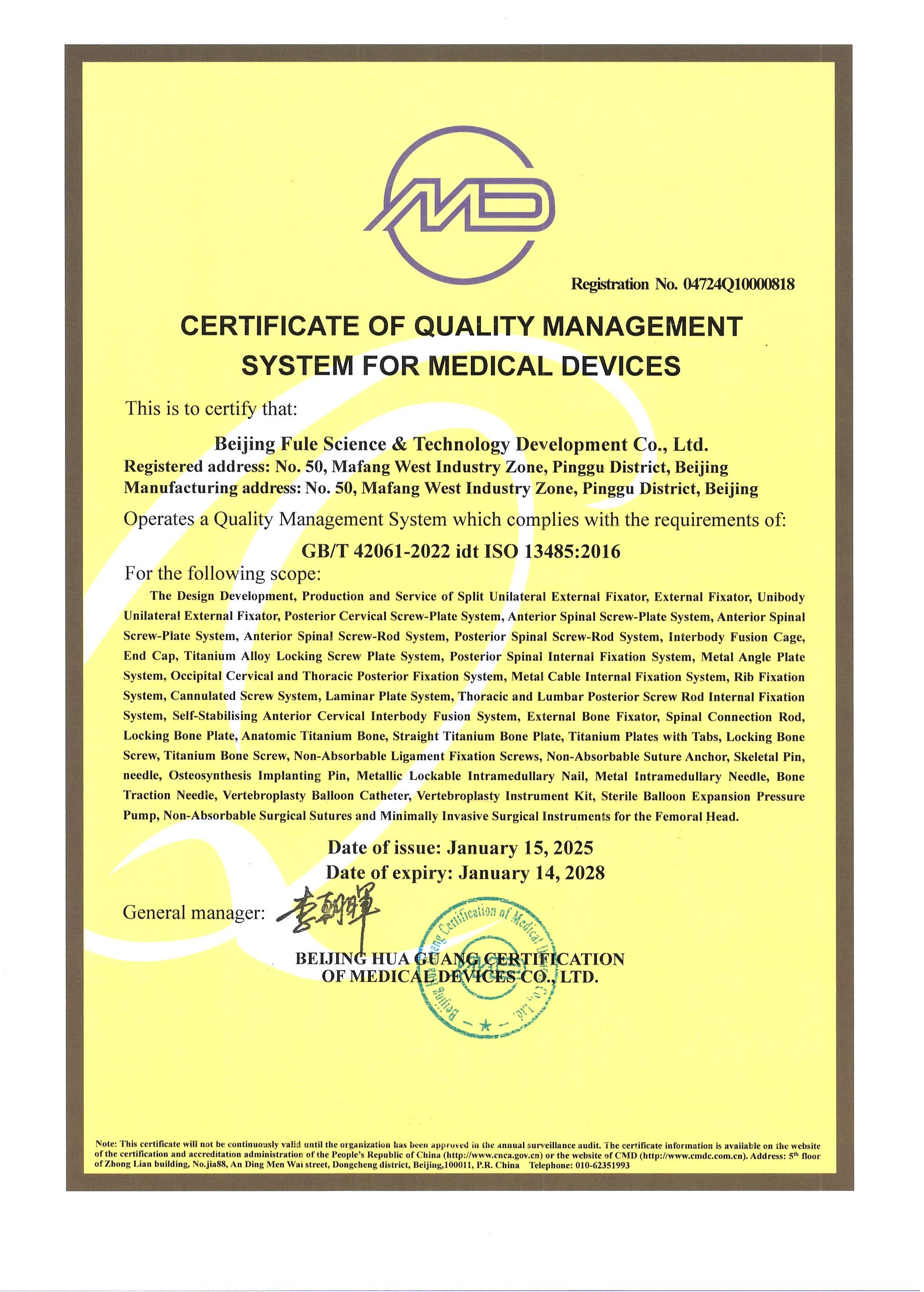
 ISO13485 Quality Standard Compliant (No. 04724Q10000818)
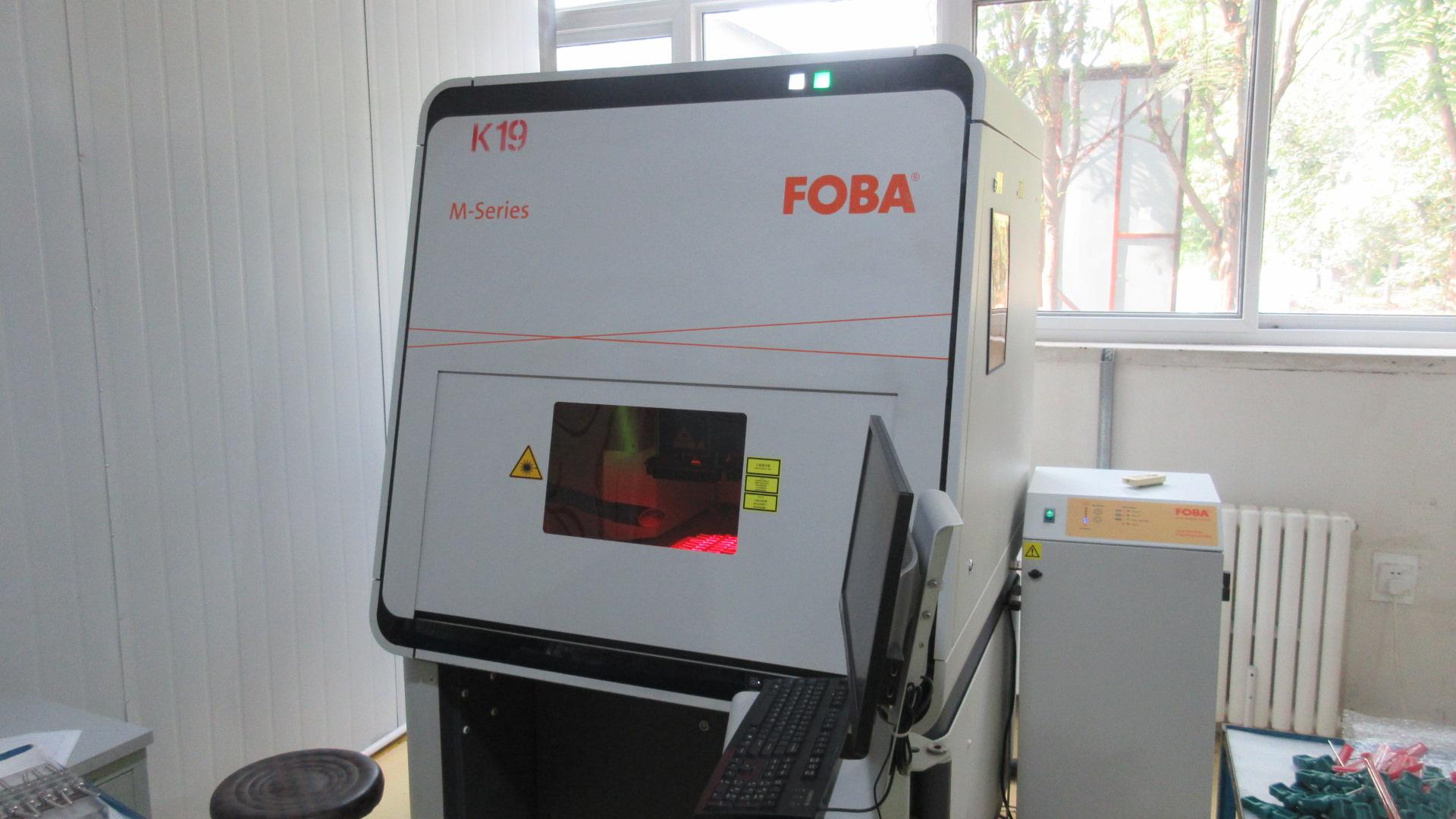
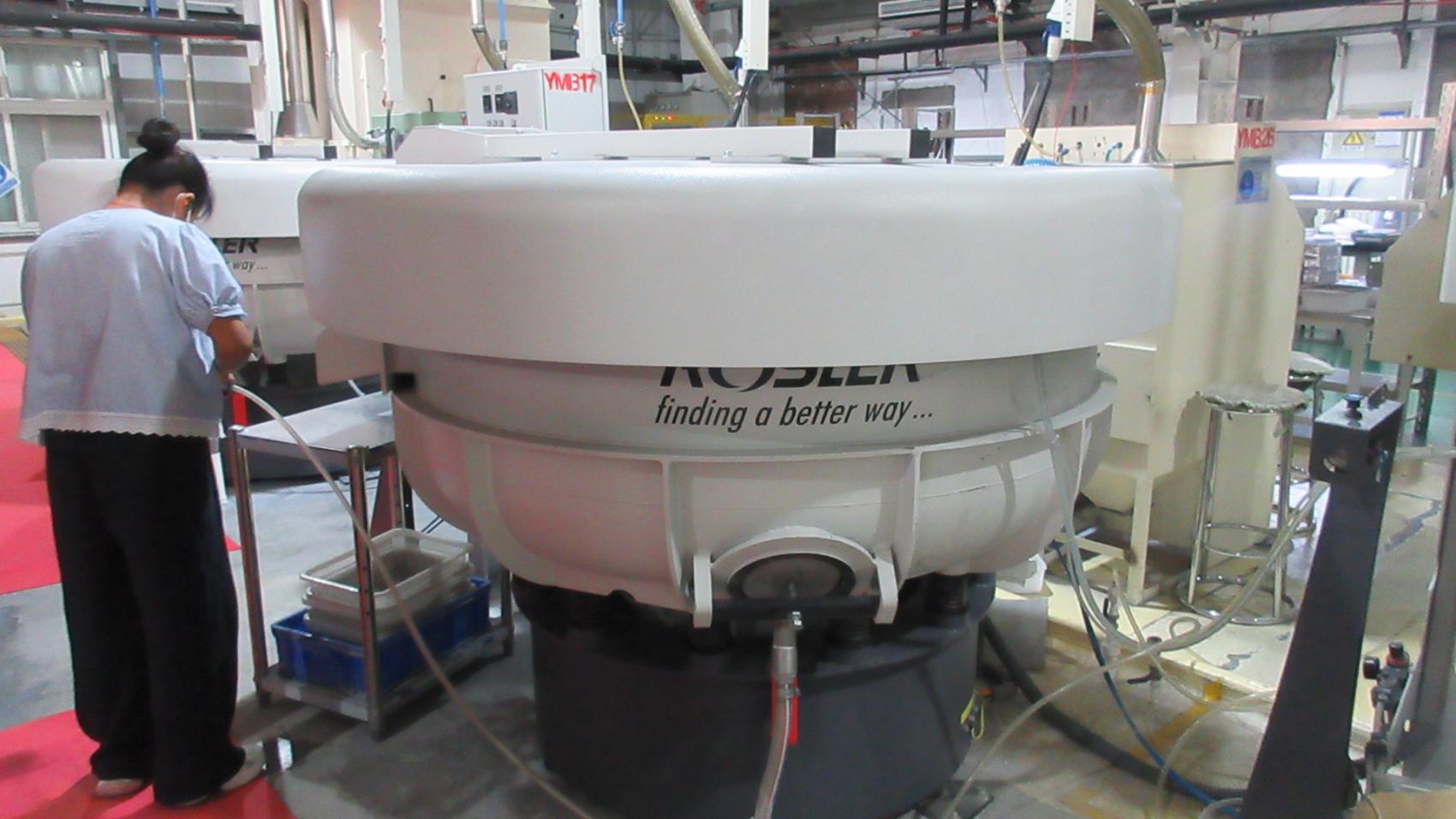
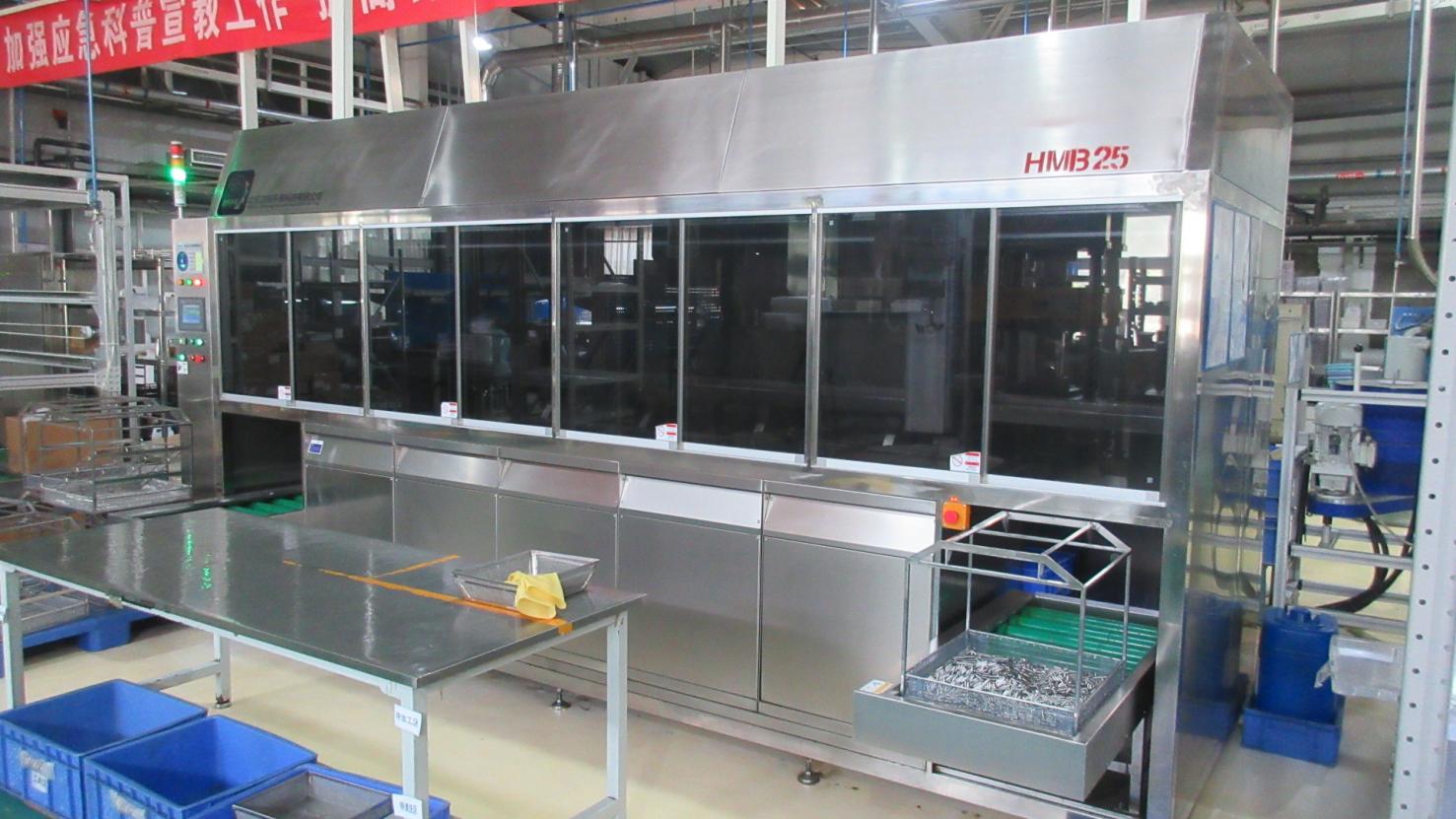
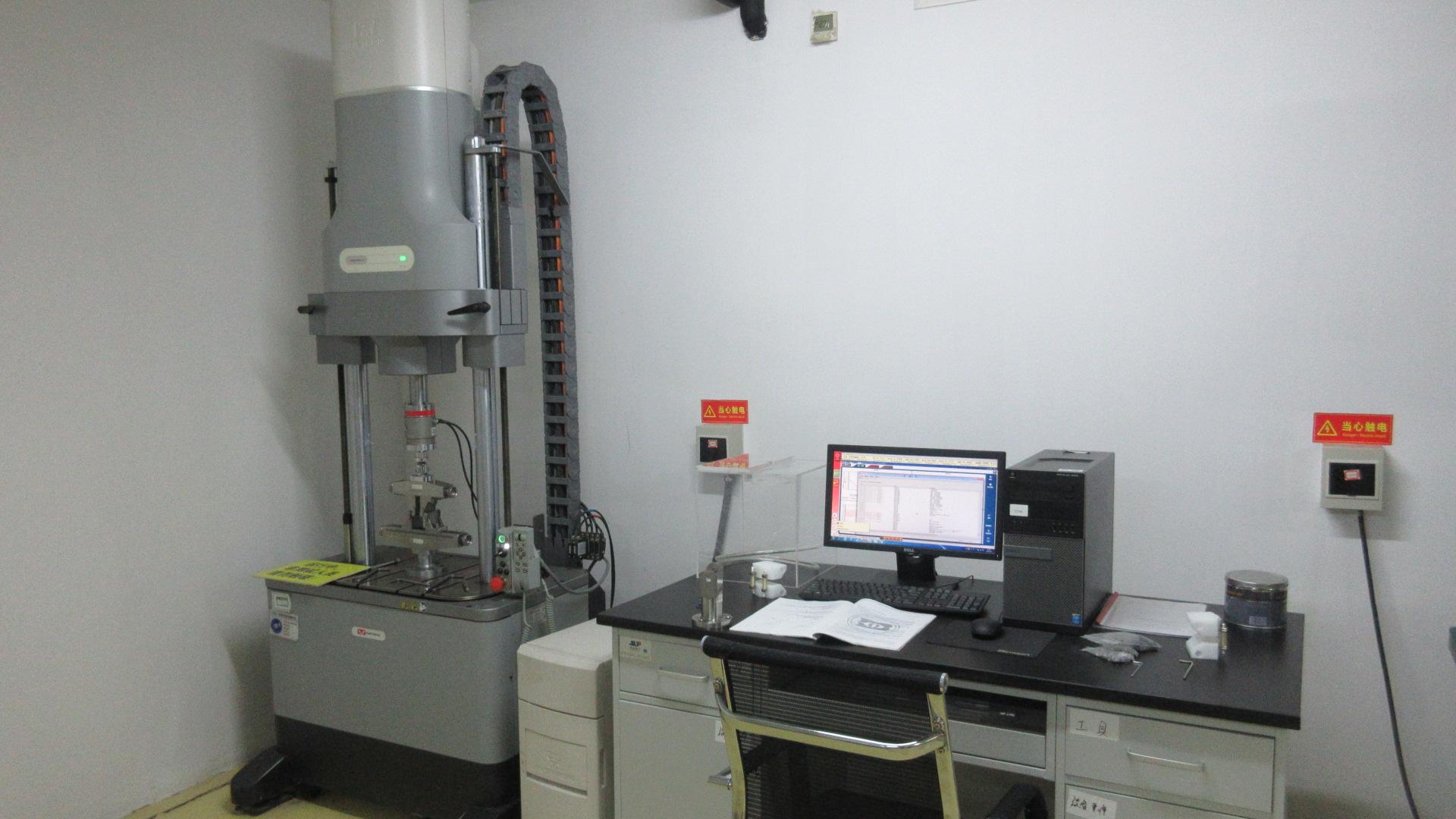
Overview of our clinical-grade infrastructure, cleanrooms, and sophisticated manufacturing assembly lines.


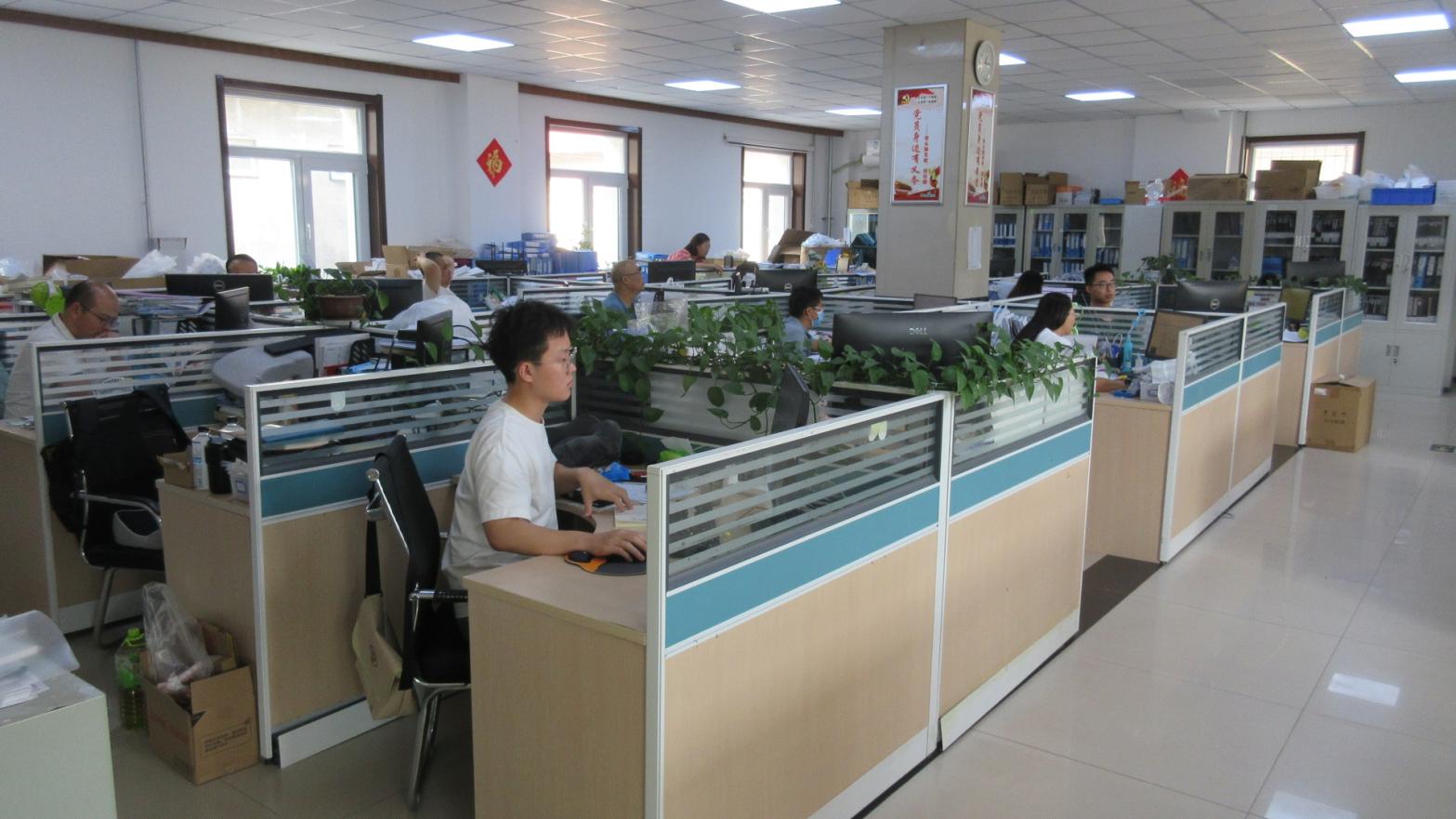
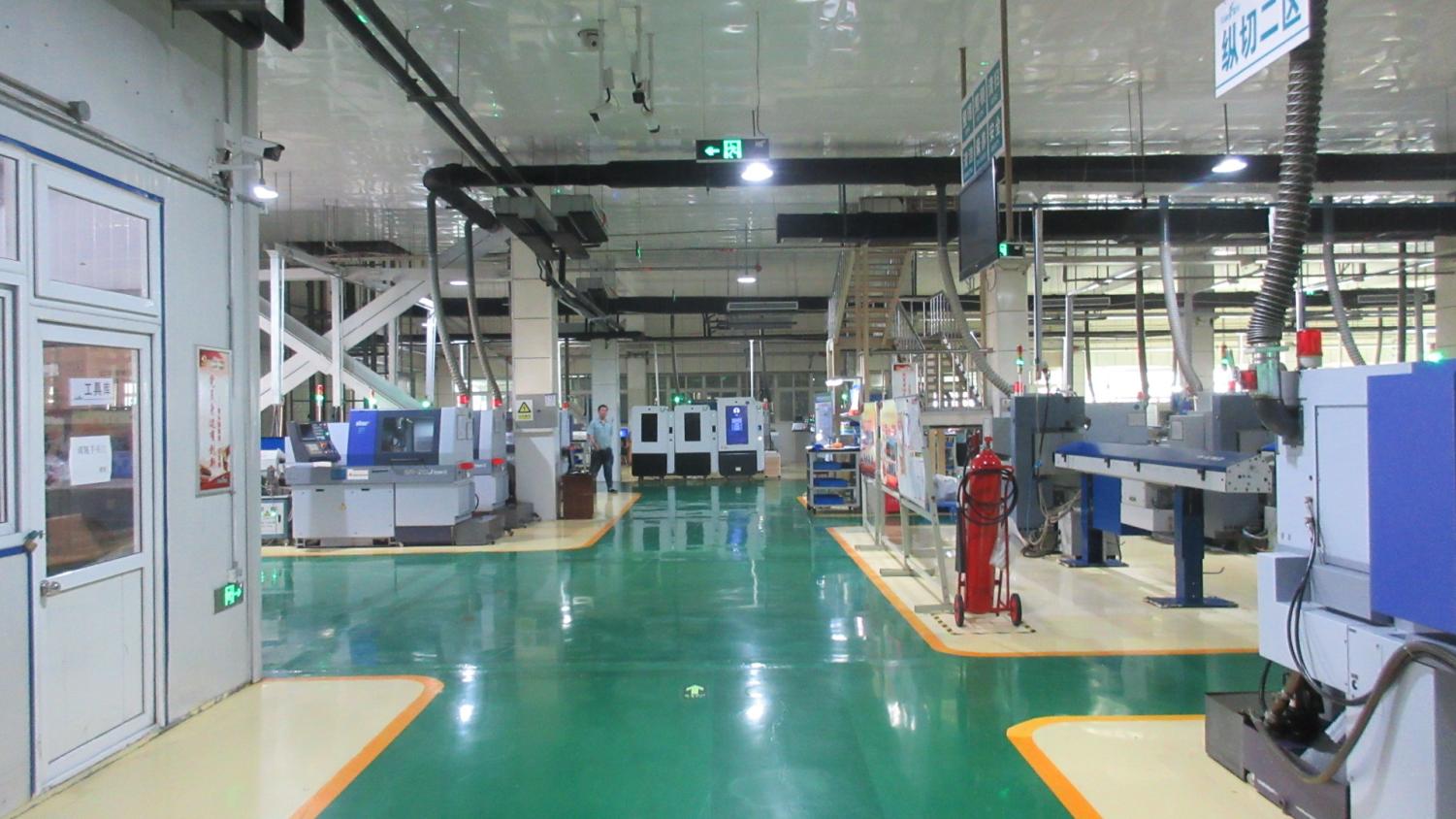
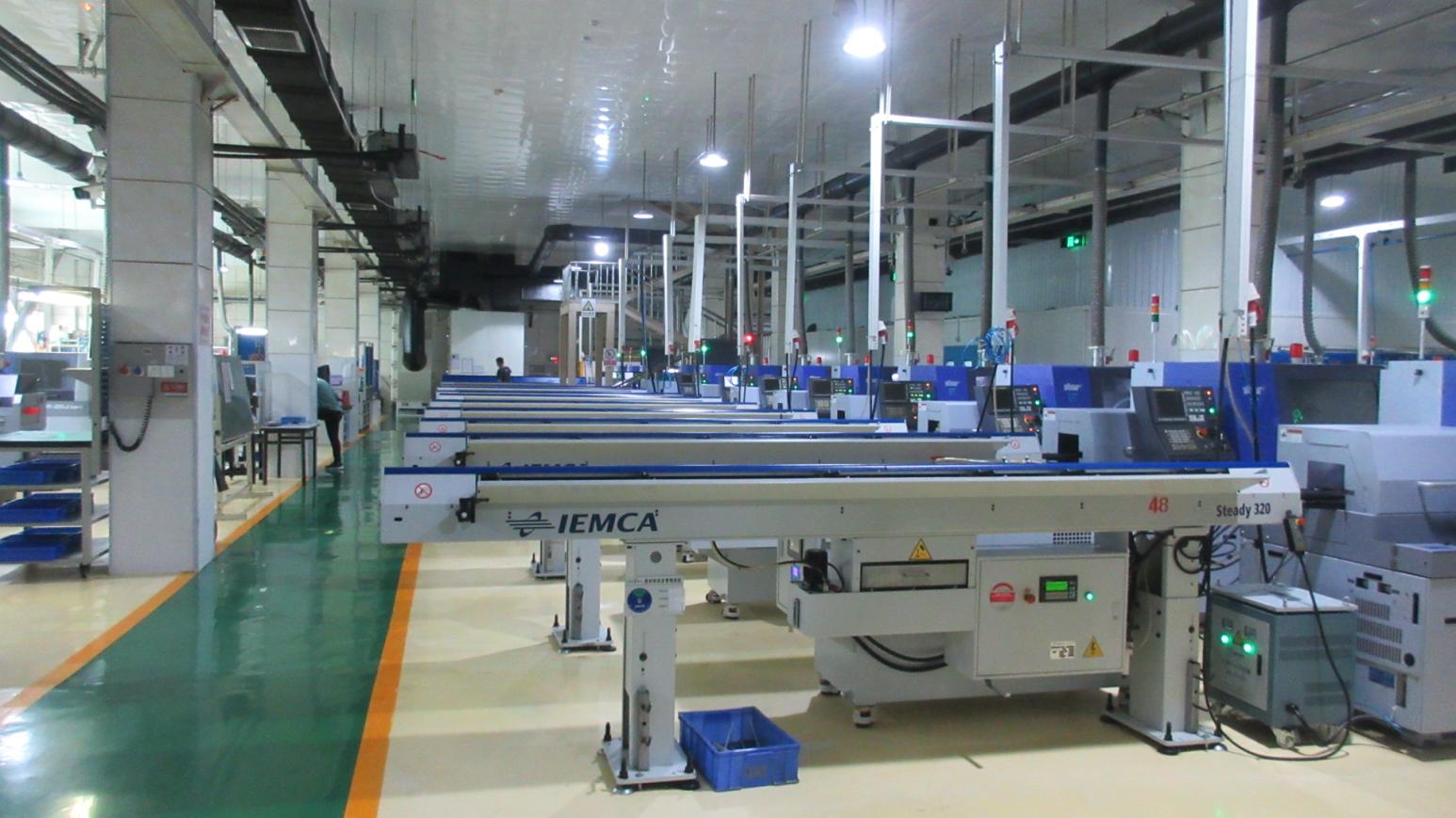
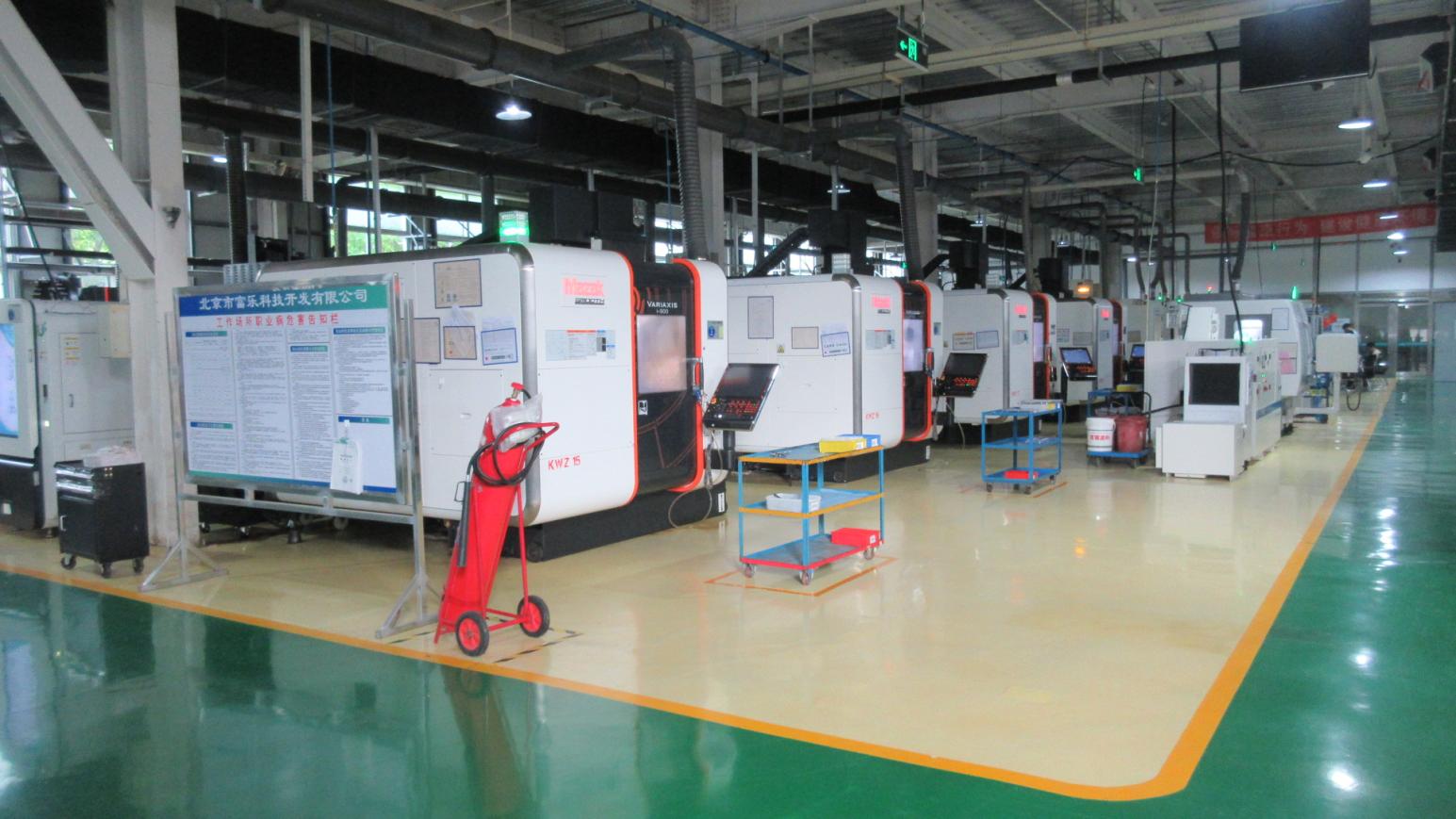
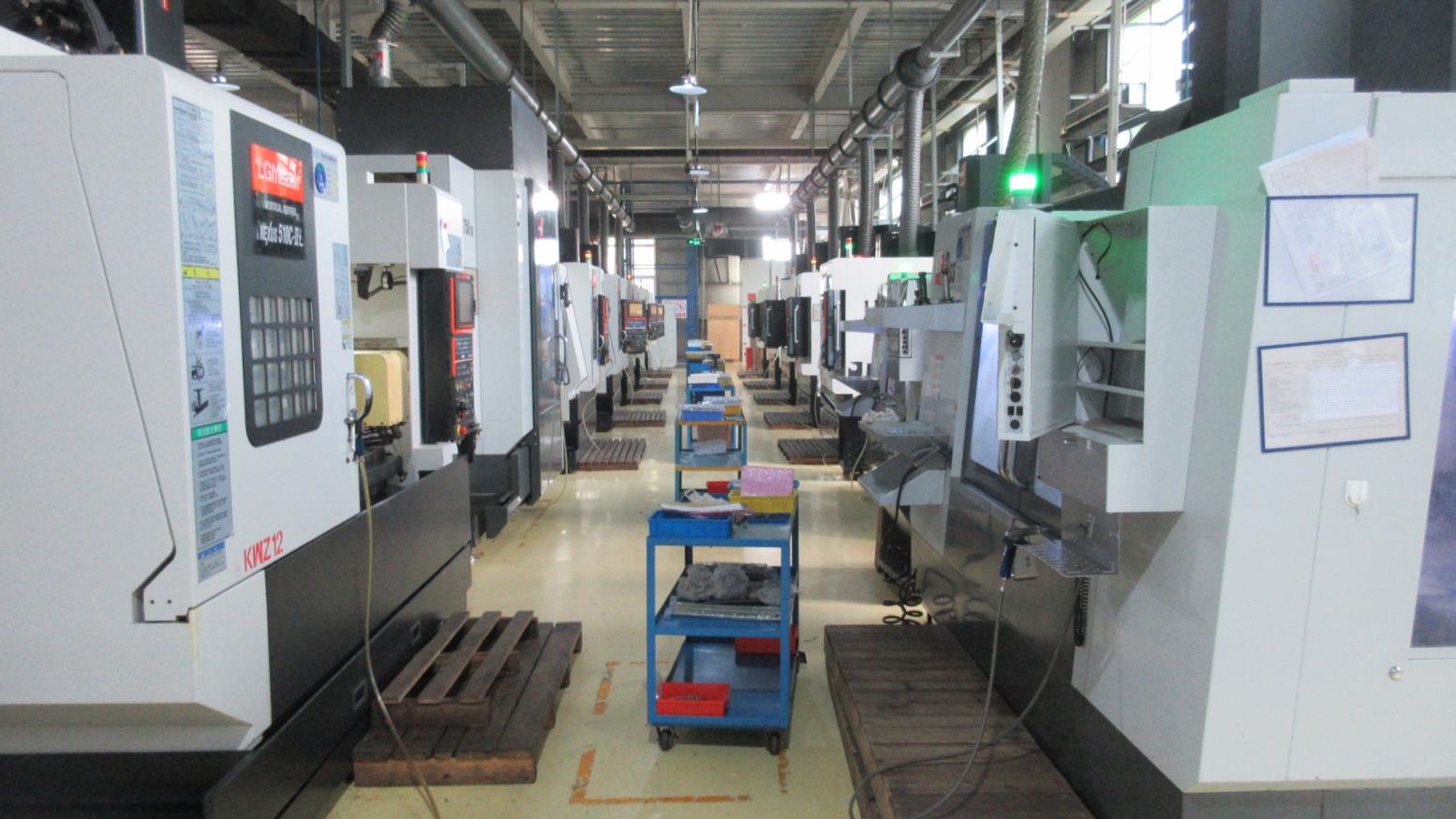
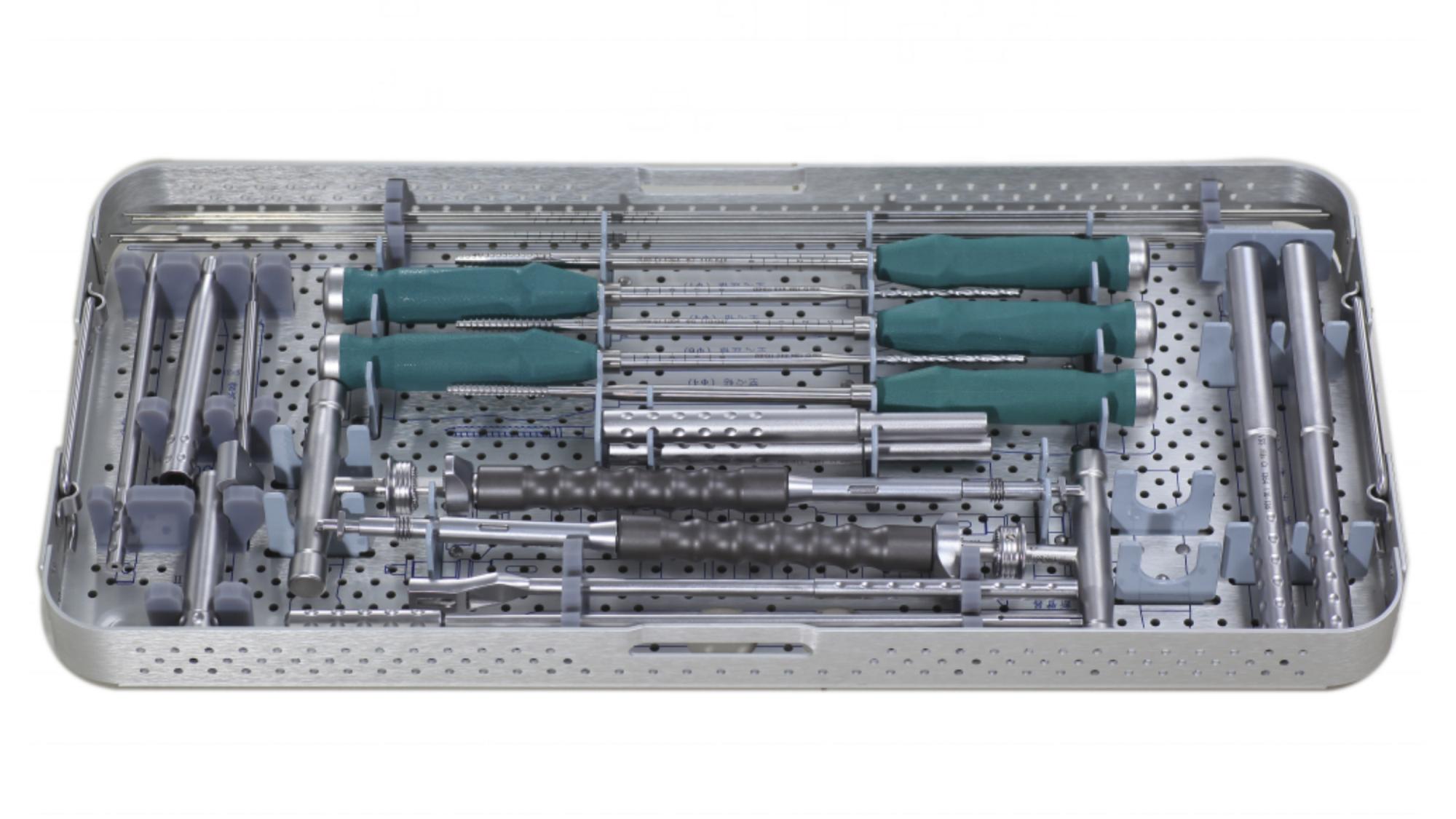
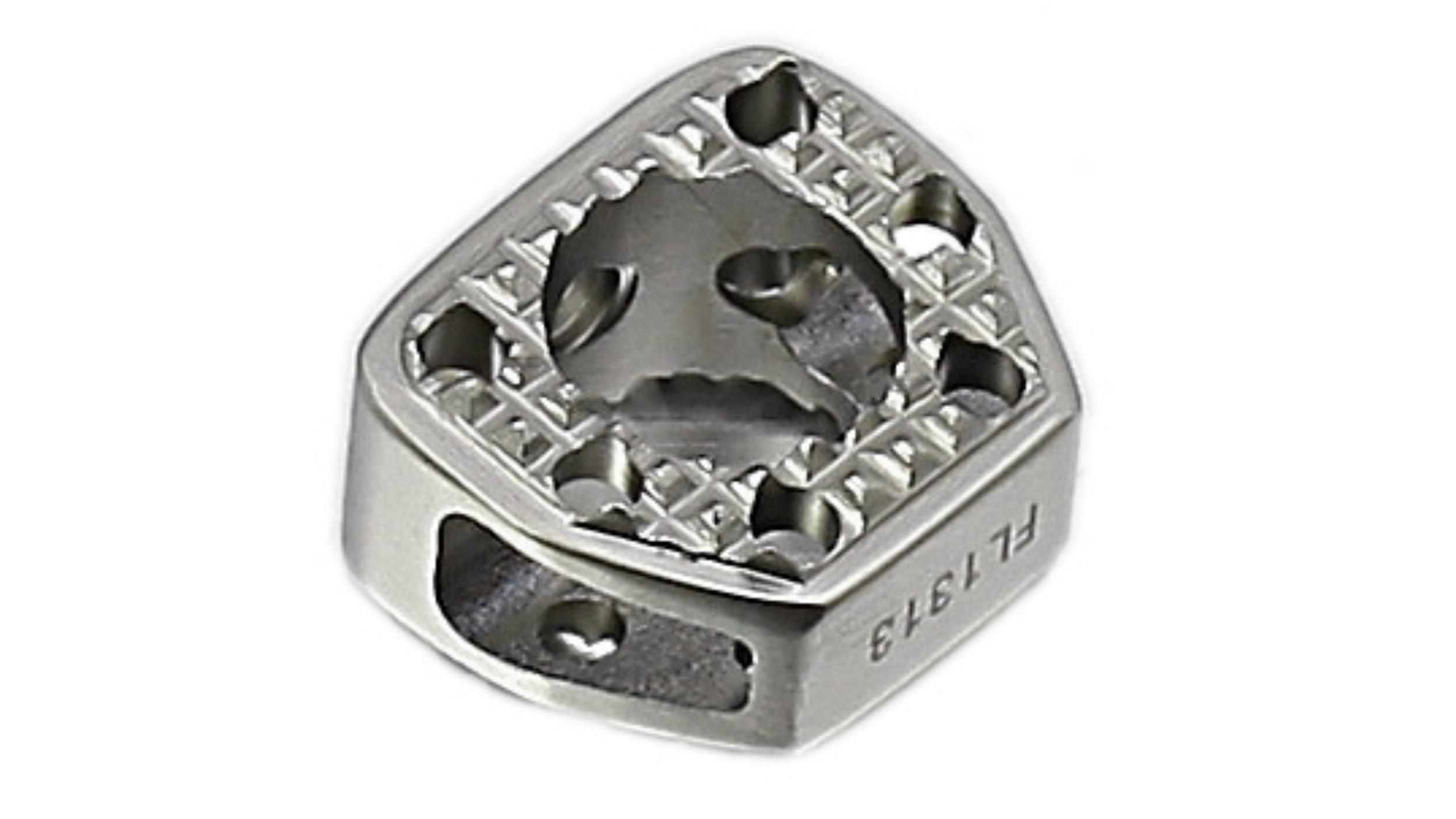
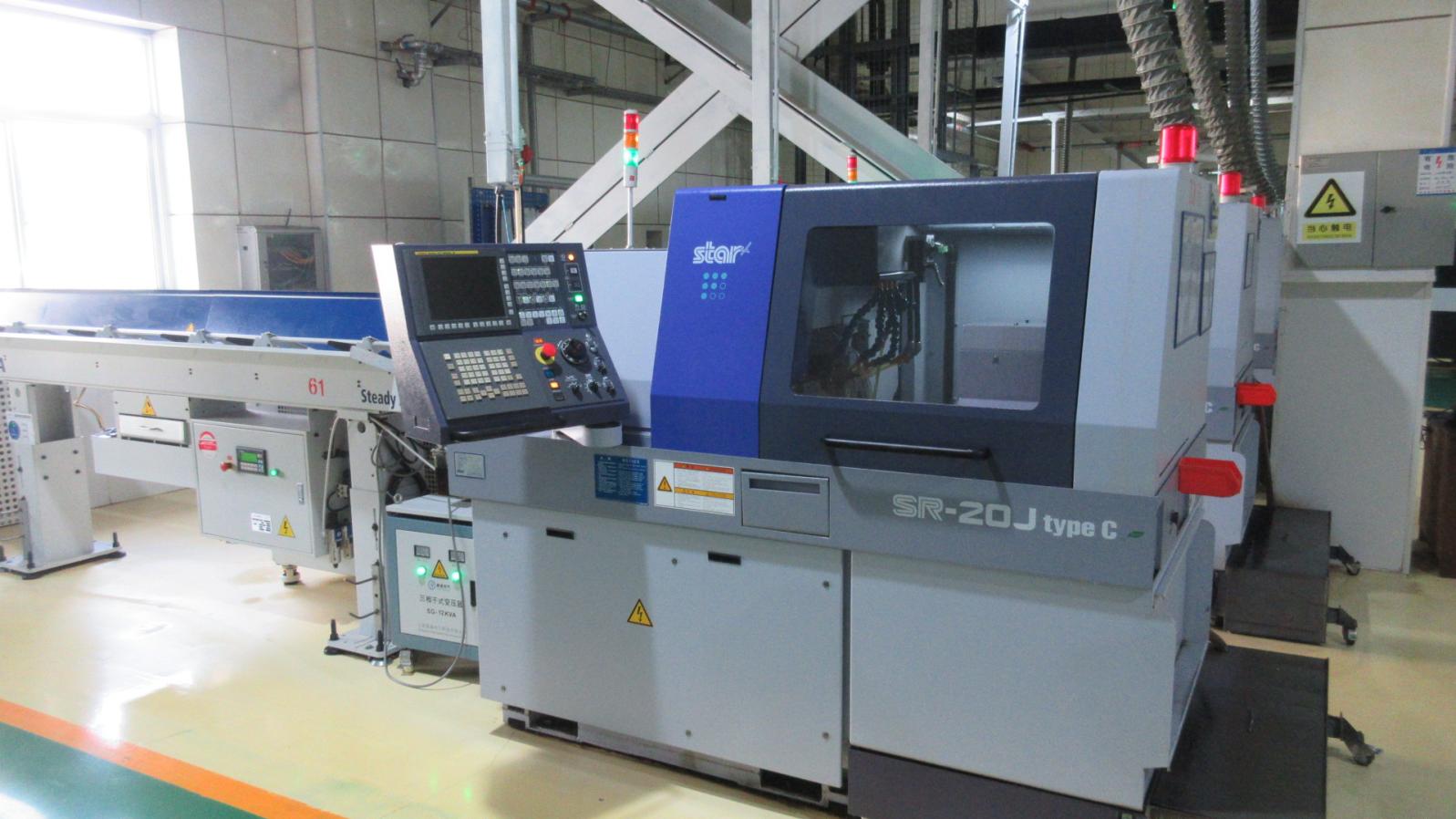
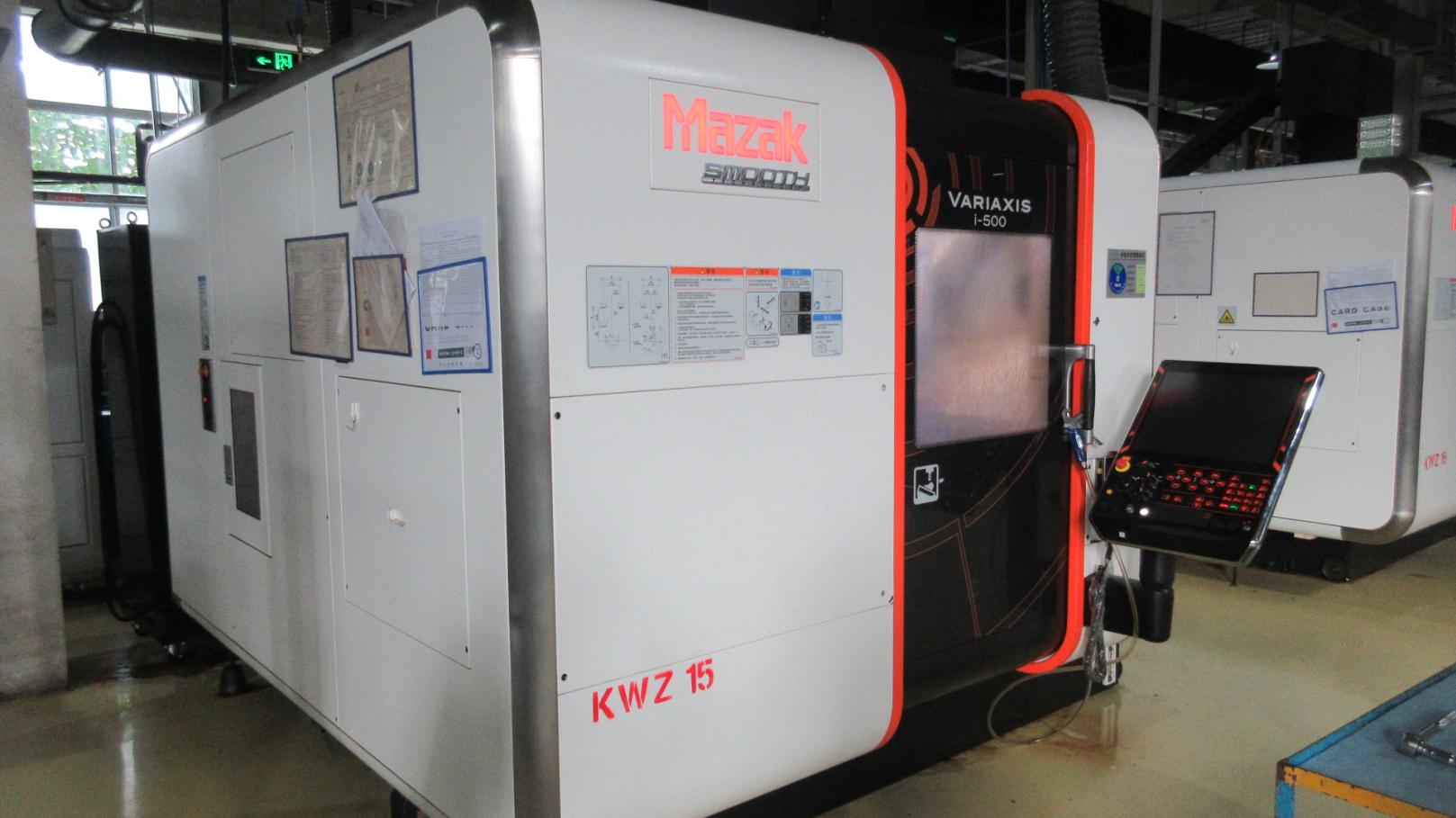
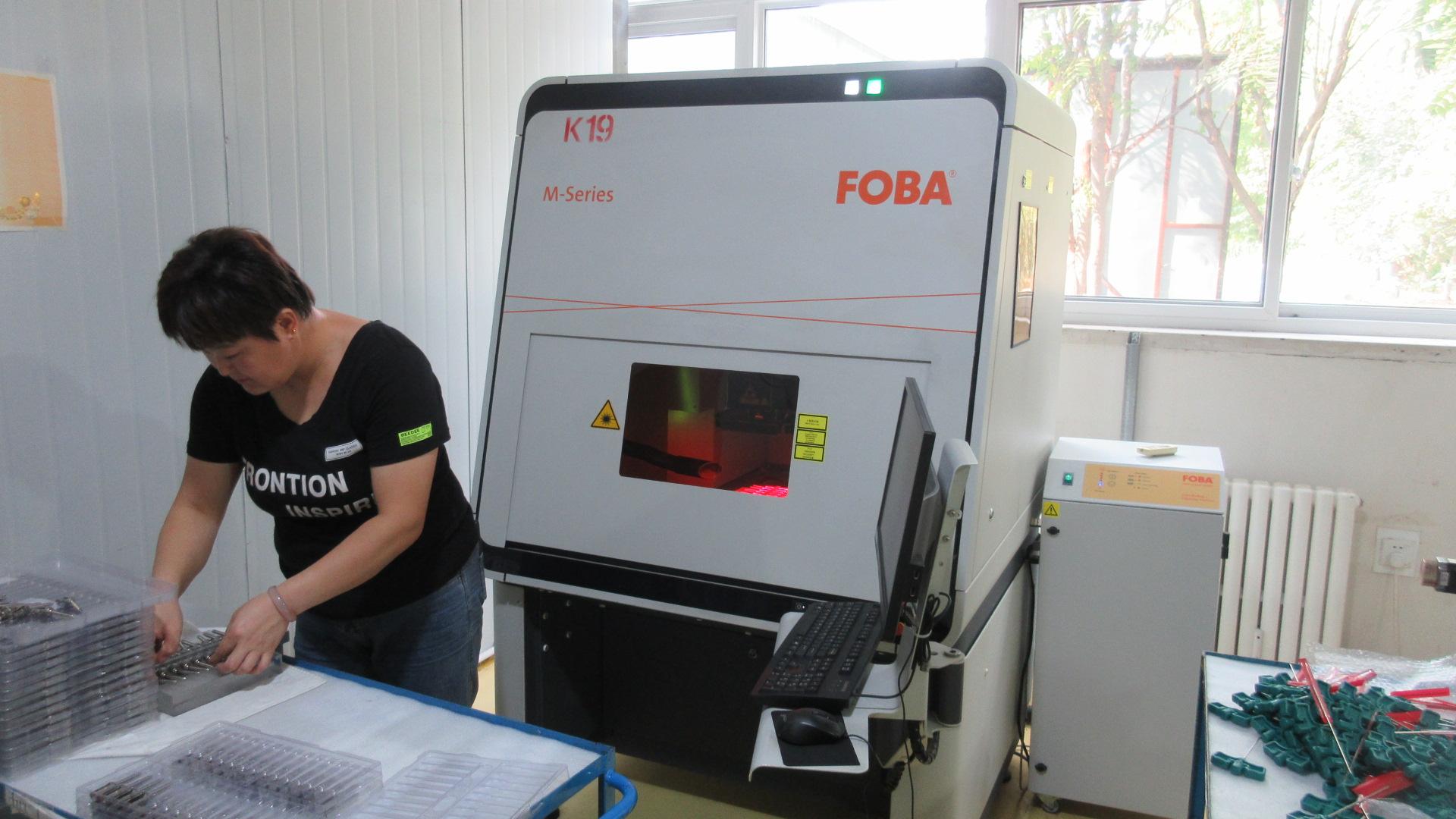
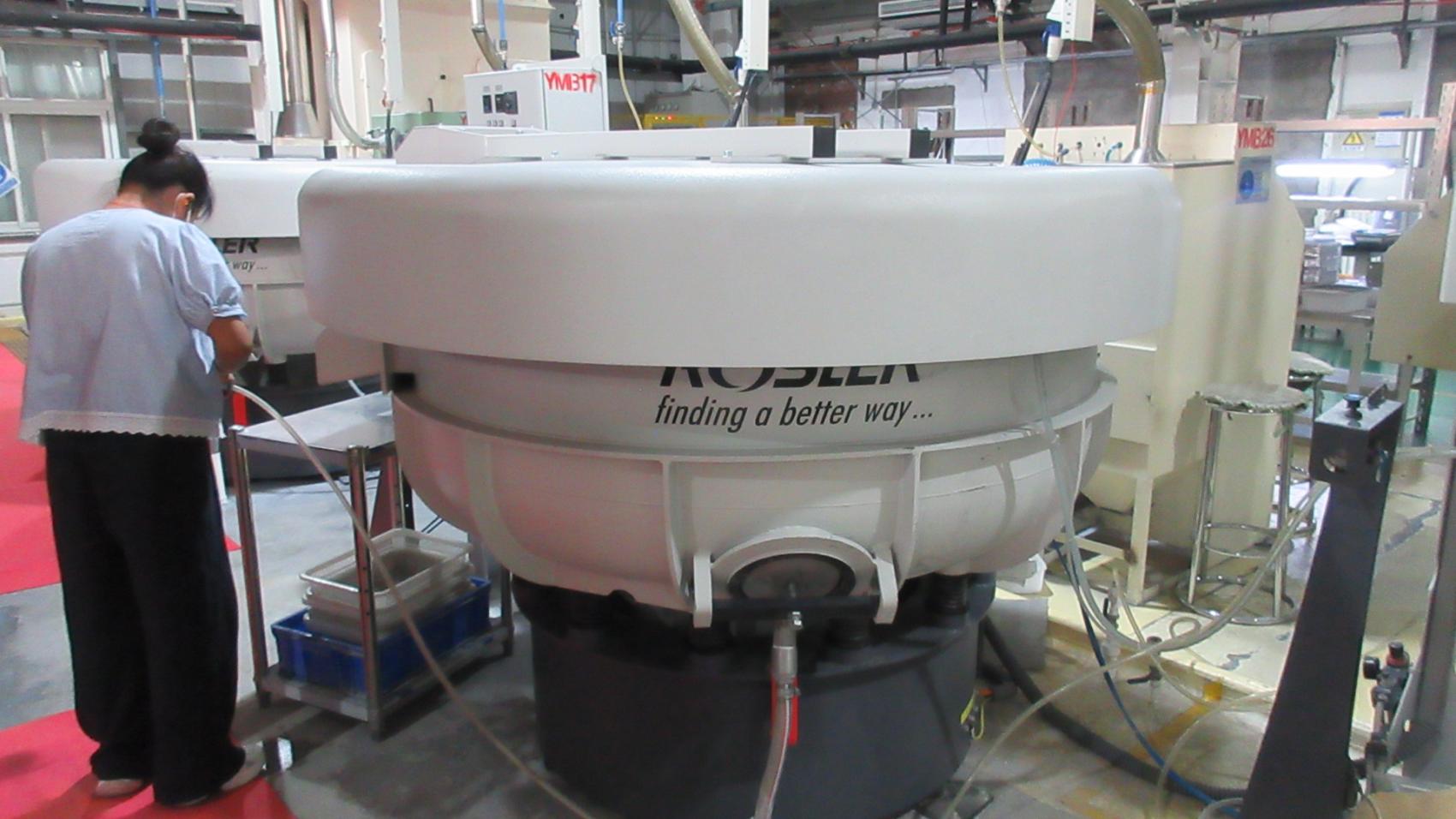
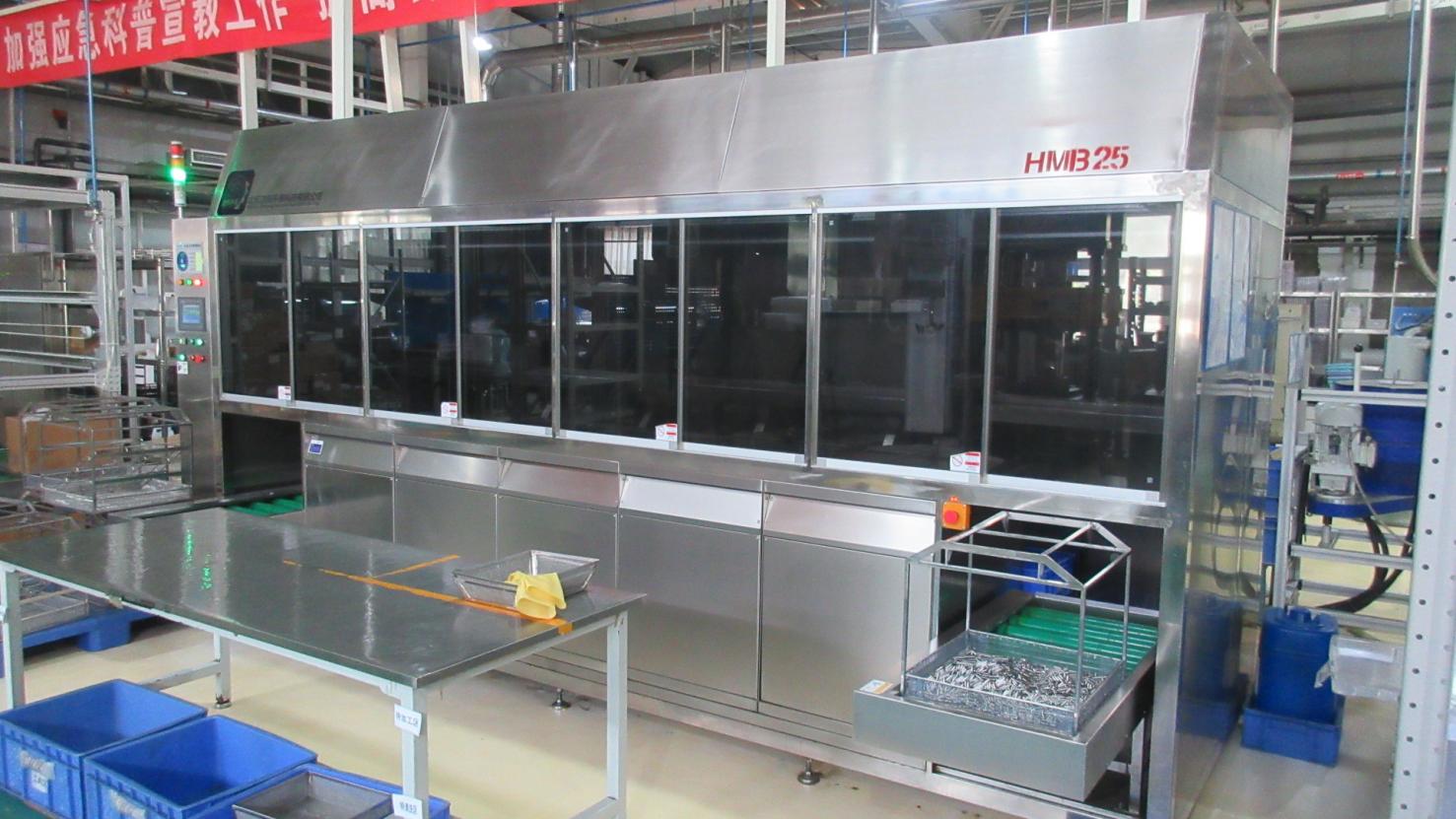
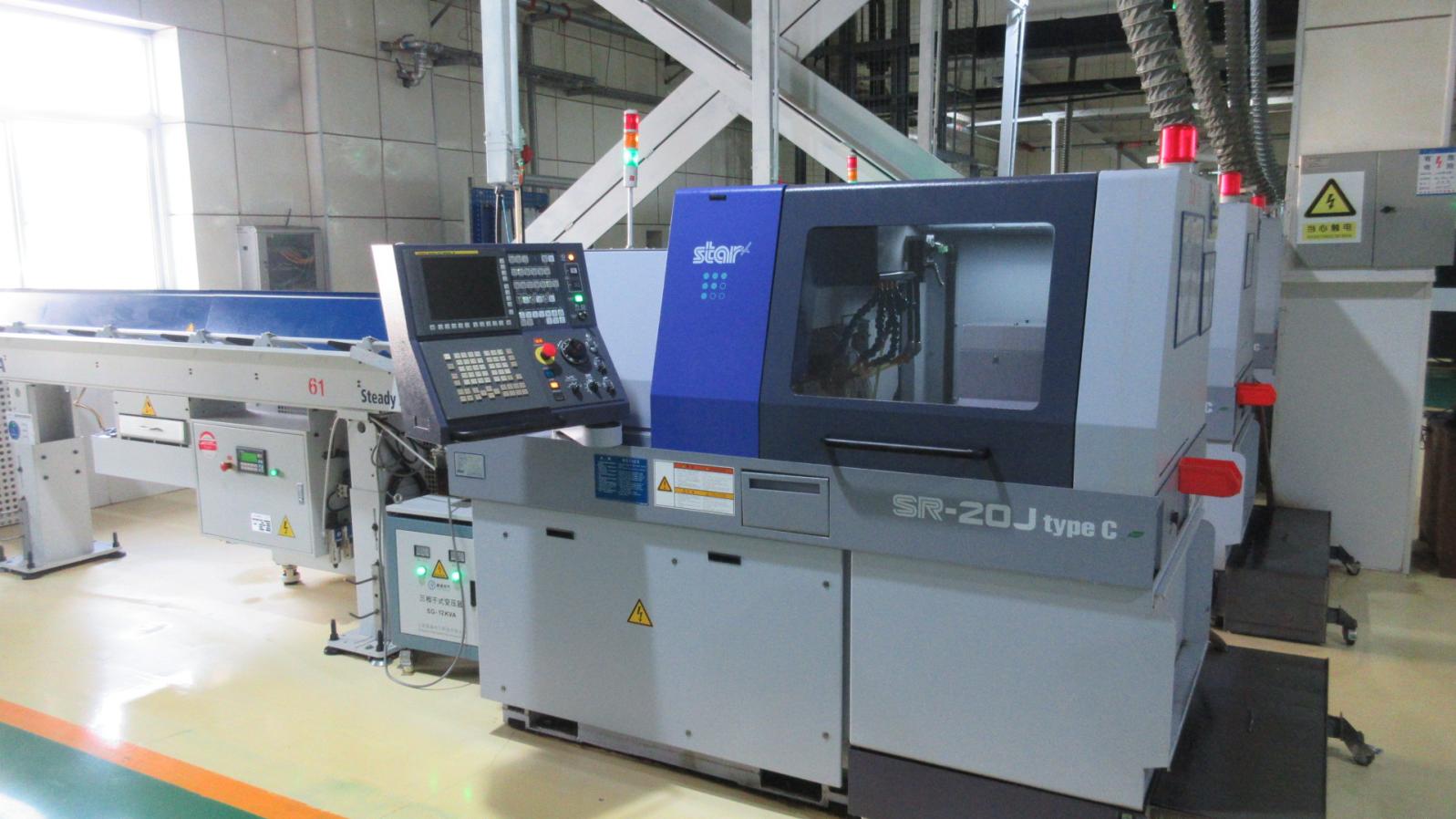
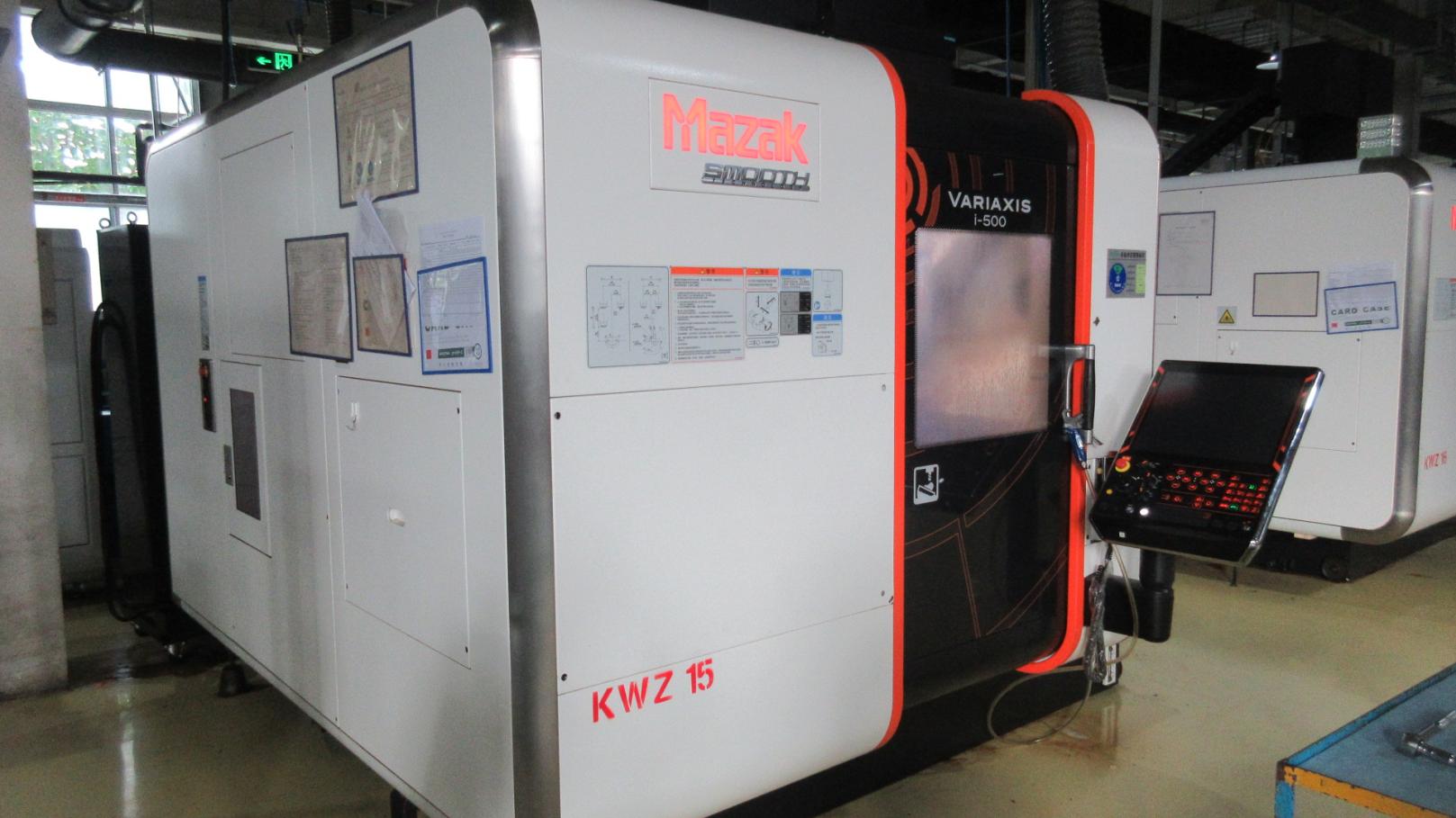
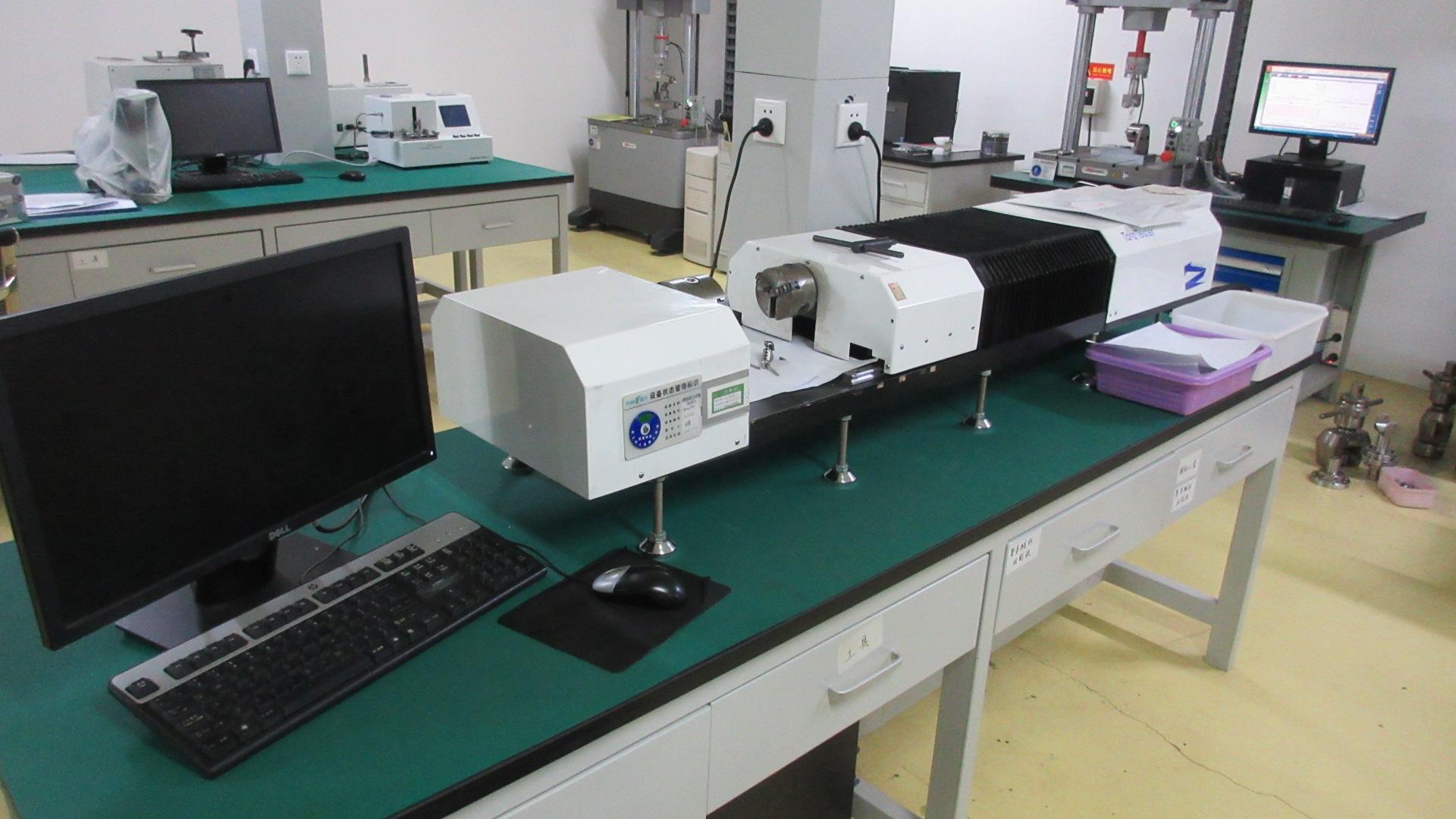
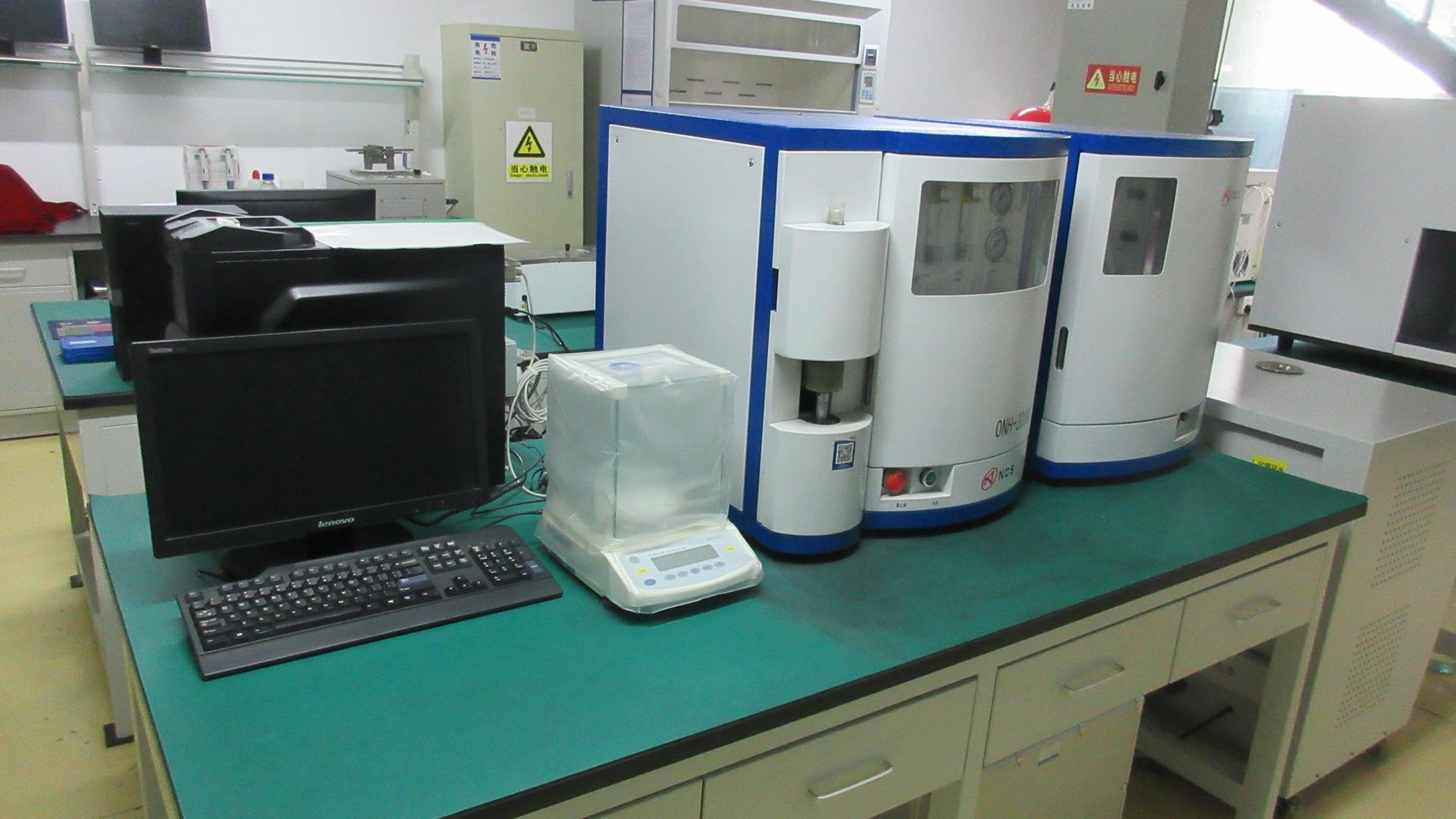
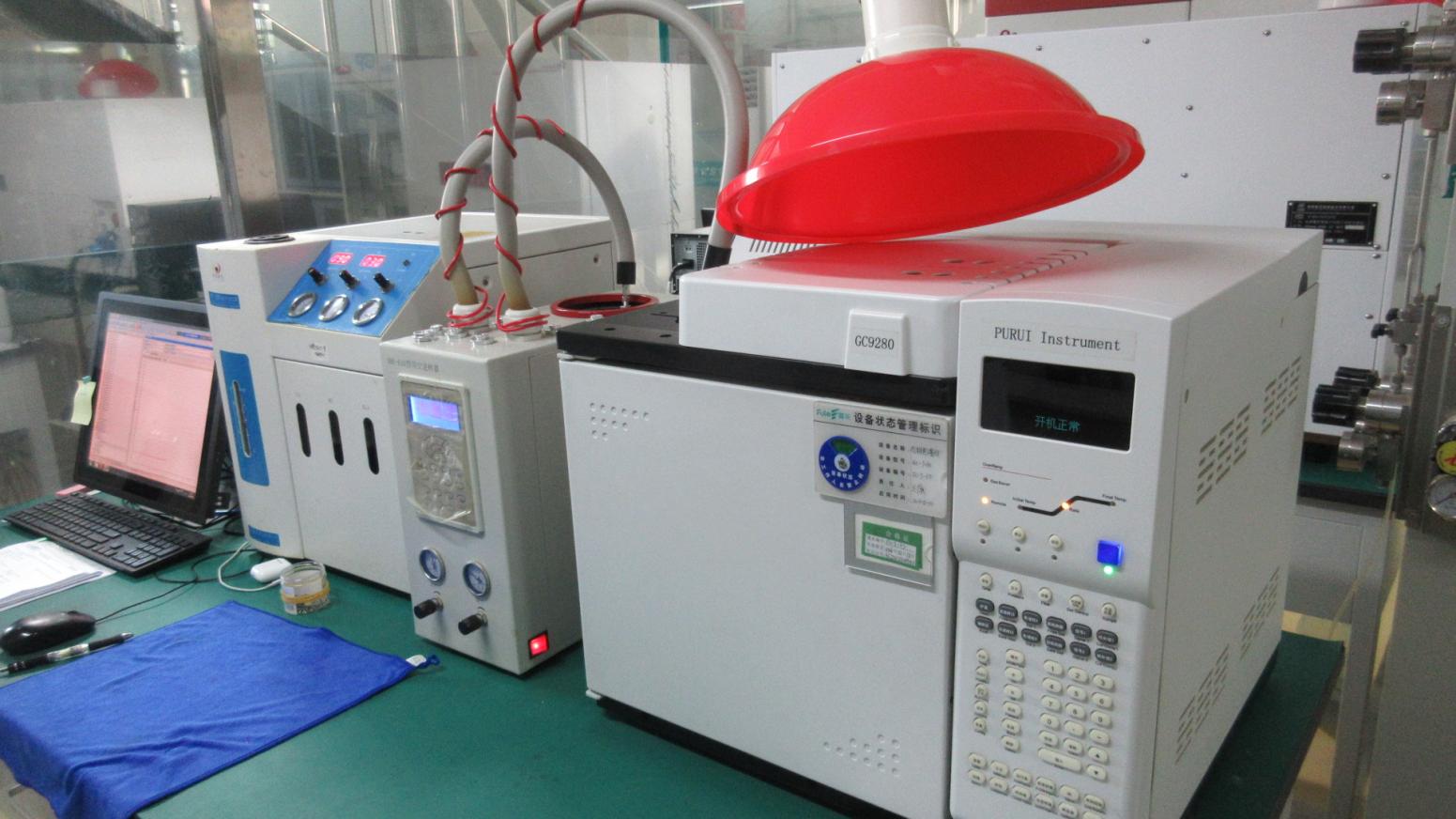
Operating across various borders requires thorough adherence to international standards.
To ensure reliable supply and patient safety globally, our systems comply with rigorous local norms. We maintain robust clinical data tracking and documentation to support imports into North America, the European Union, Southeast Asia, and Eastern Europe. With 70 trusted supply chain partners worldwide, we actively assist distributors in local licensing, registration, and product clearance protocols.
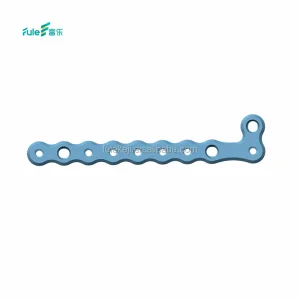
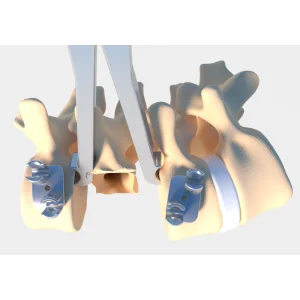
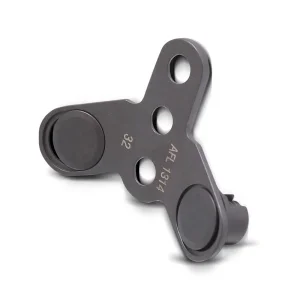
Explore our CE-certified premium titanium alloy orthopaedic systems manufactured under high-precision criteria.


 Fule
Fule