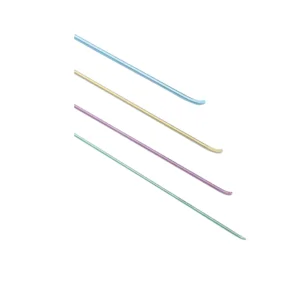
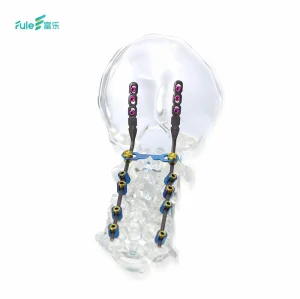
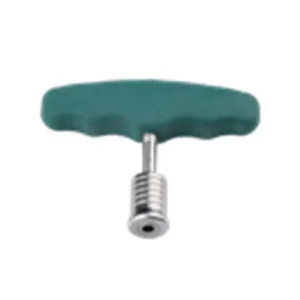
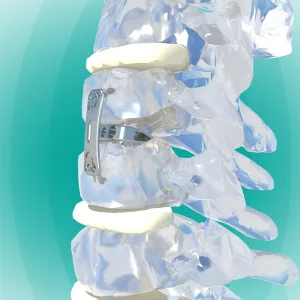
The global spinal surgery market is undergoing a significant transformation, driven by an aging global population and the increasing prevalence of degenerative disc diseases. Systems like the Posterior Spinal System Miko II are at the forefront of this evolution, offering surgeons the precision required for complex stabilization. The shift toward minimally invasive surgery (MIS) has necessitated higher standards for implant biocompatibility and mechanical strength, where titanium alloys remain the gold standard.
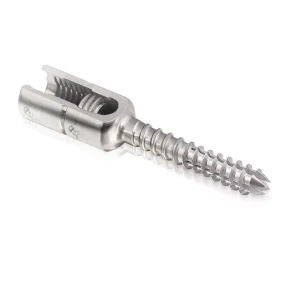
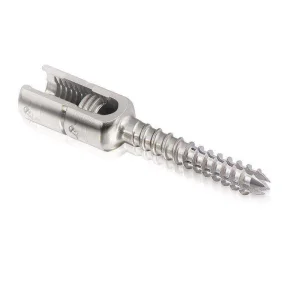
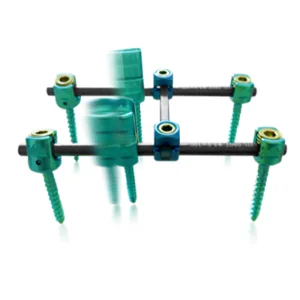
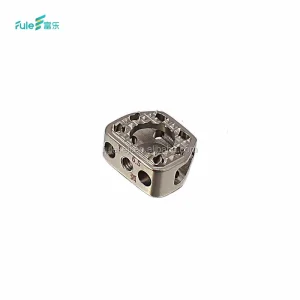
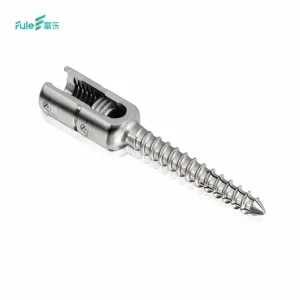
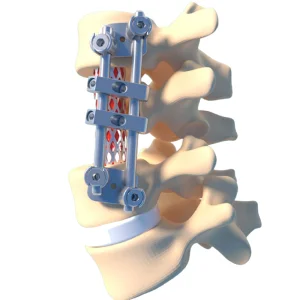
The Miko II system is specifically engineered for thoracic and lumbar posterior fixation. As a Class III CE certified medical device, it provides the structural integrity needed for treating fractures, dislocations, and spinal instabilities. With features like low-profile screw heads and multi-axial capability, it allows for anatomical adaptation that minimizes soft tissue irritation—a key requirement for modern spinal healthcare providers worldwide.
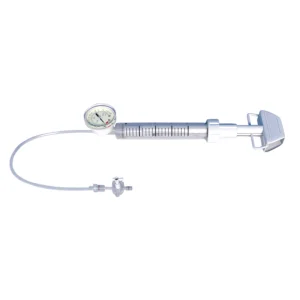
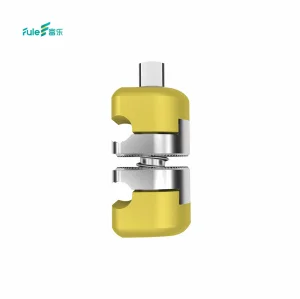
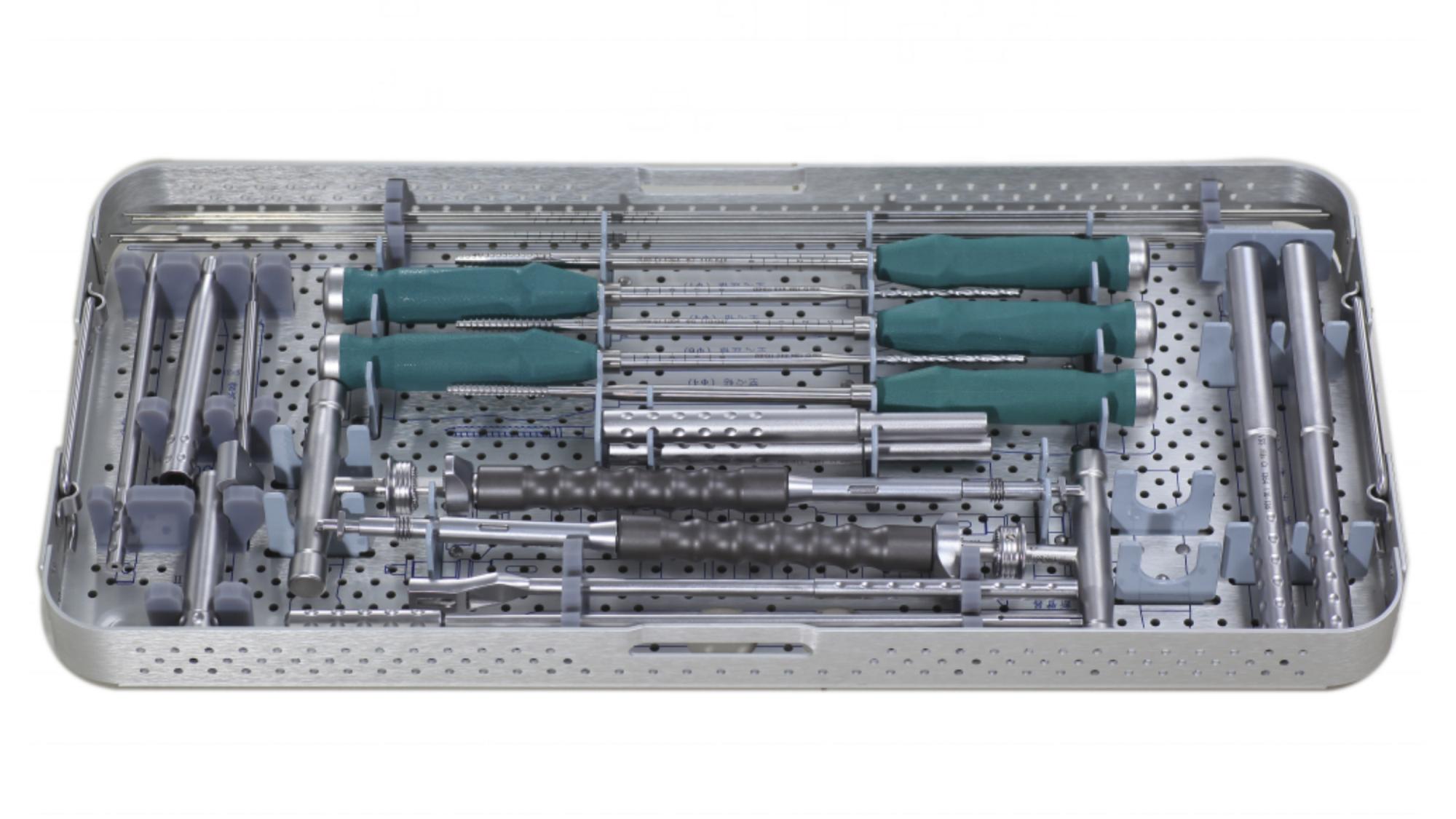
Hospitals and medical distributors are increasingly seeking factory-direct spinal systems to balance cost-efficiency with uncompromising quality. Today's procurement demands involve rigorous traceability, long-term warranties (5+ years), and comprehensive instrument sets. Our Miko II series meets these global standards, providing a complete solution from screws and rods to specialized surgical instruments.
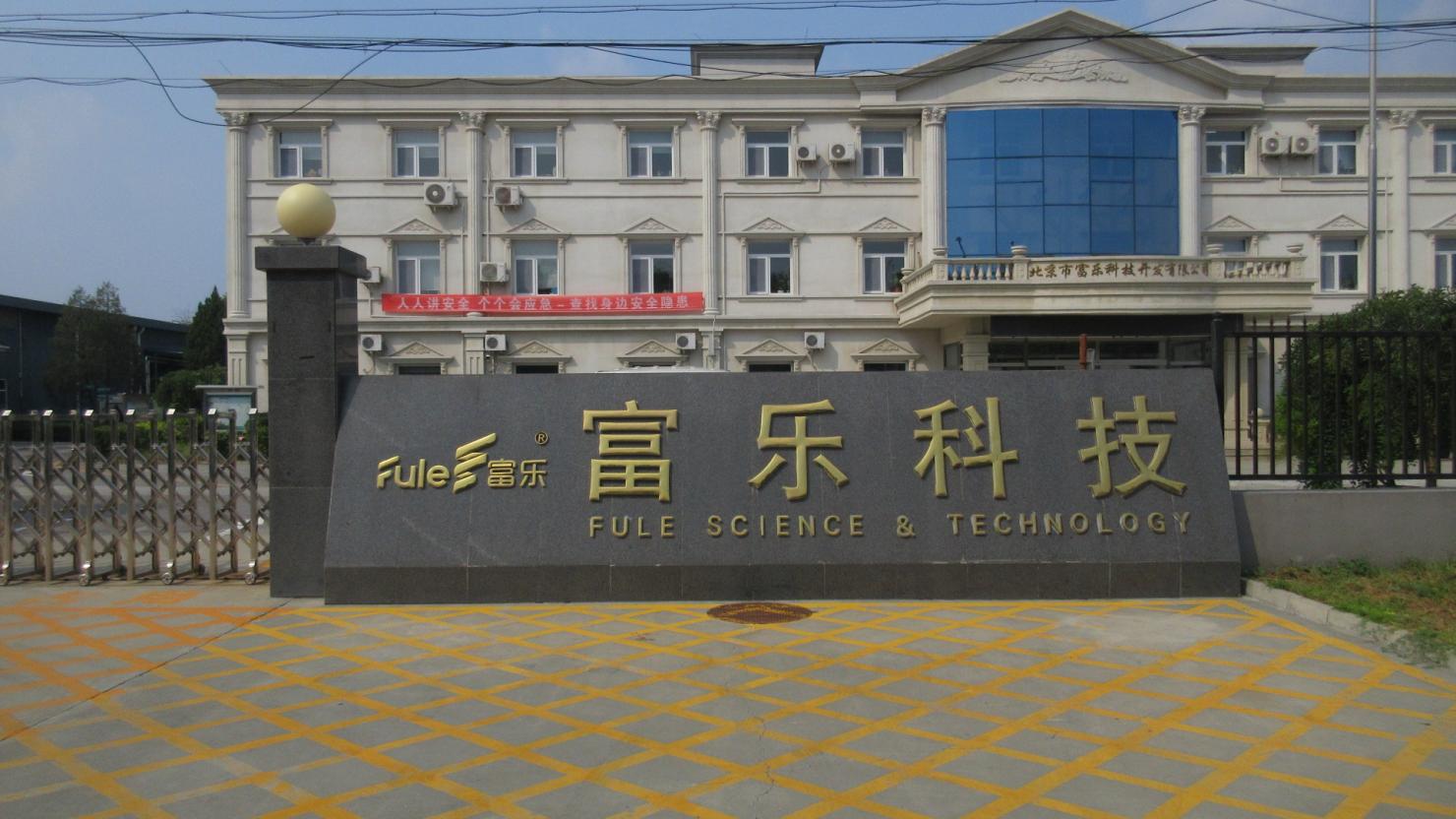
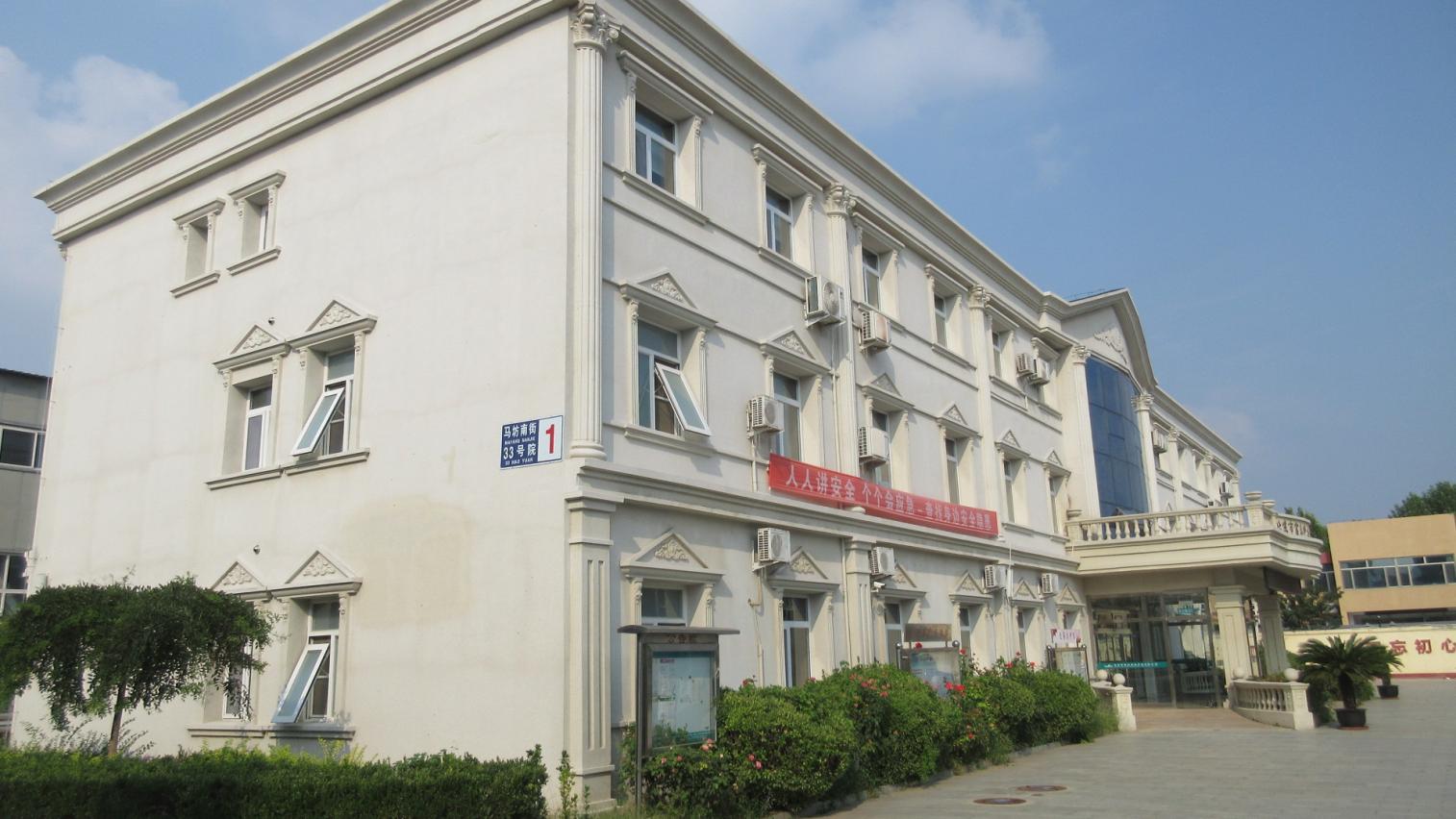
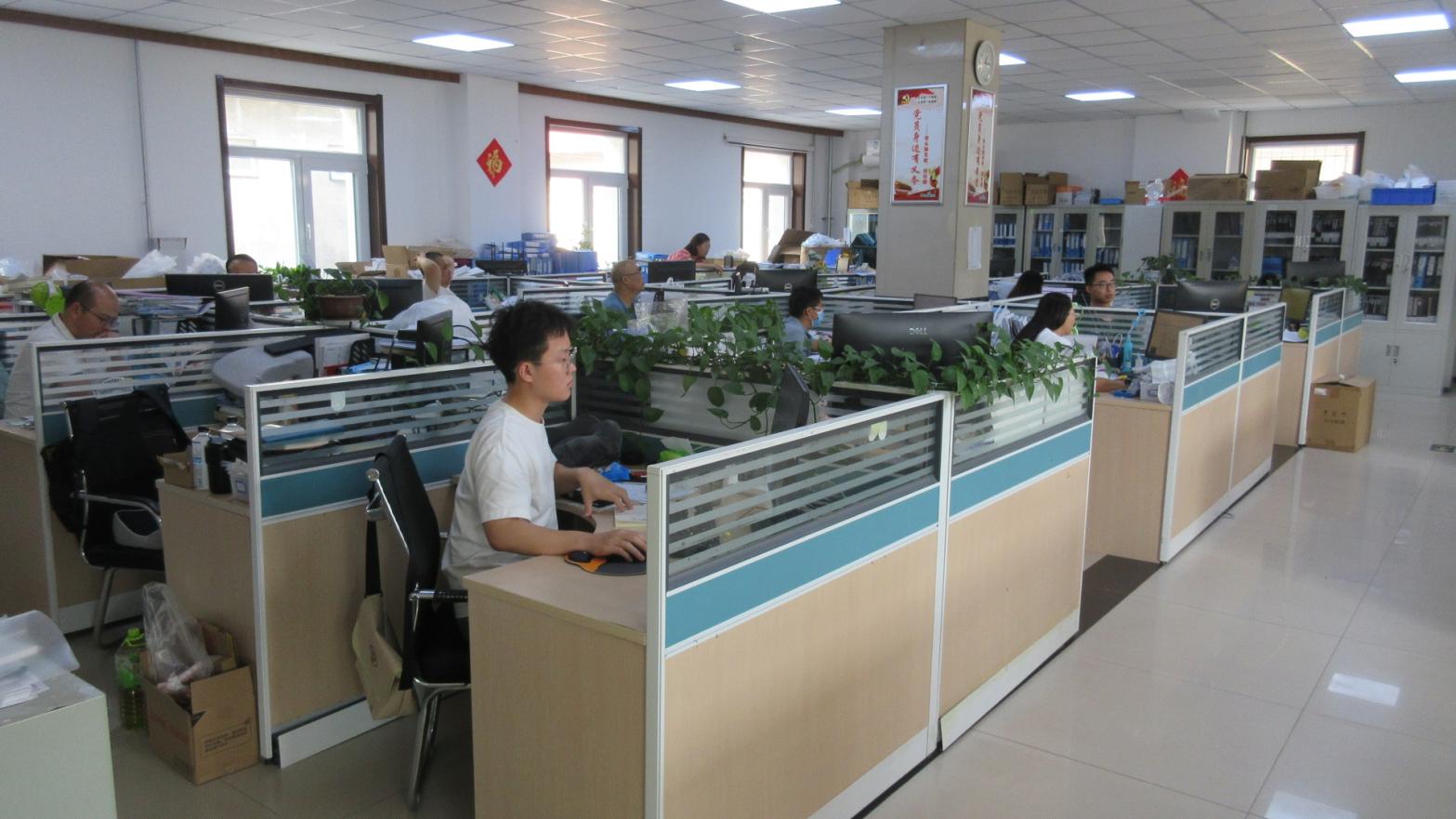
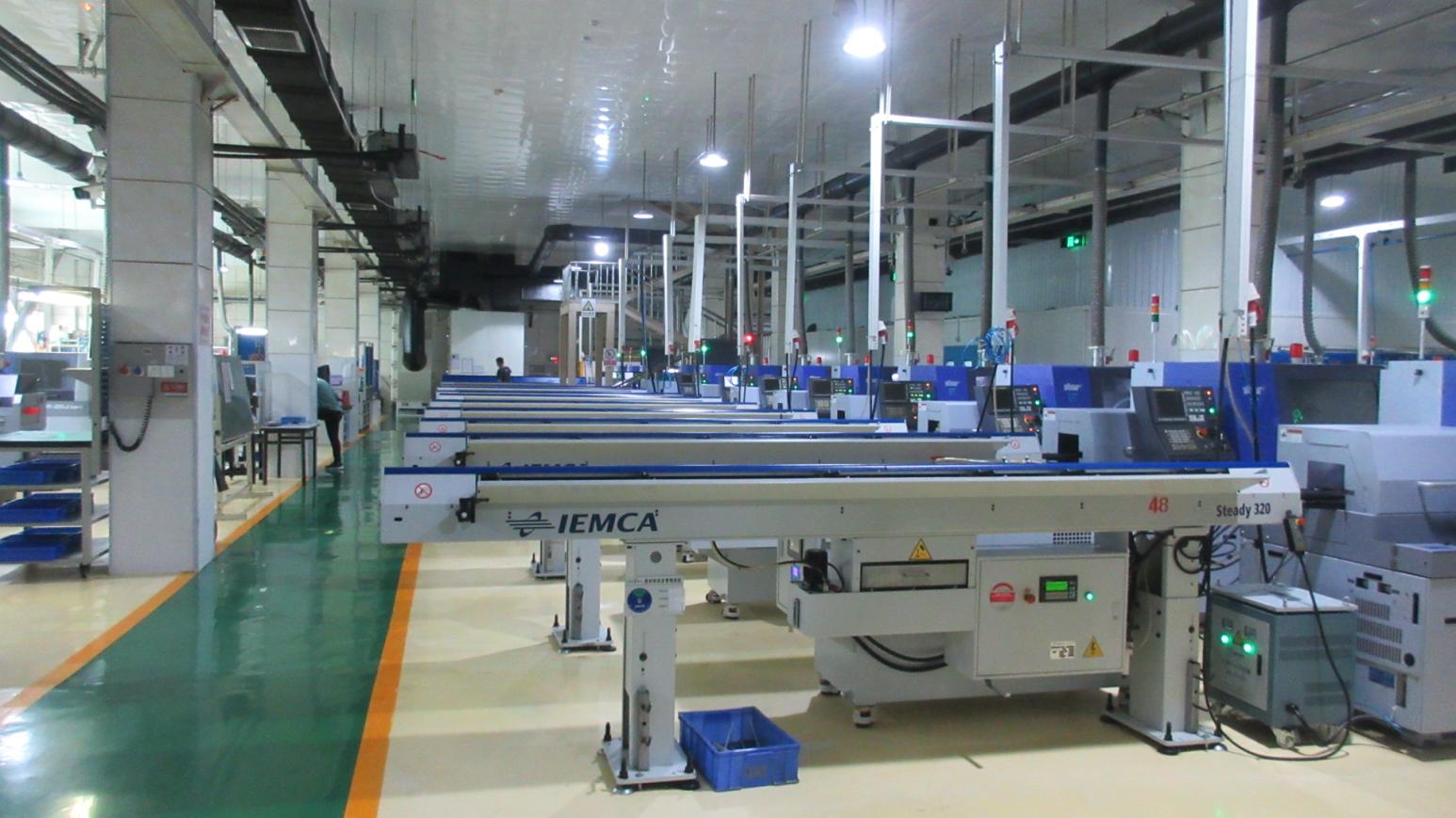
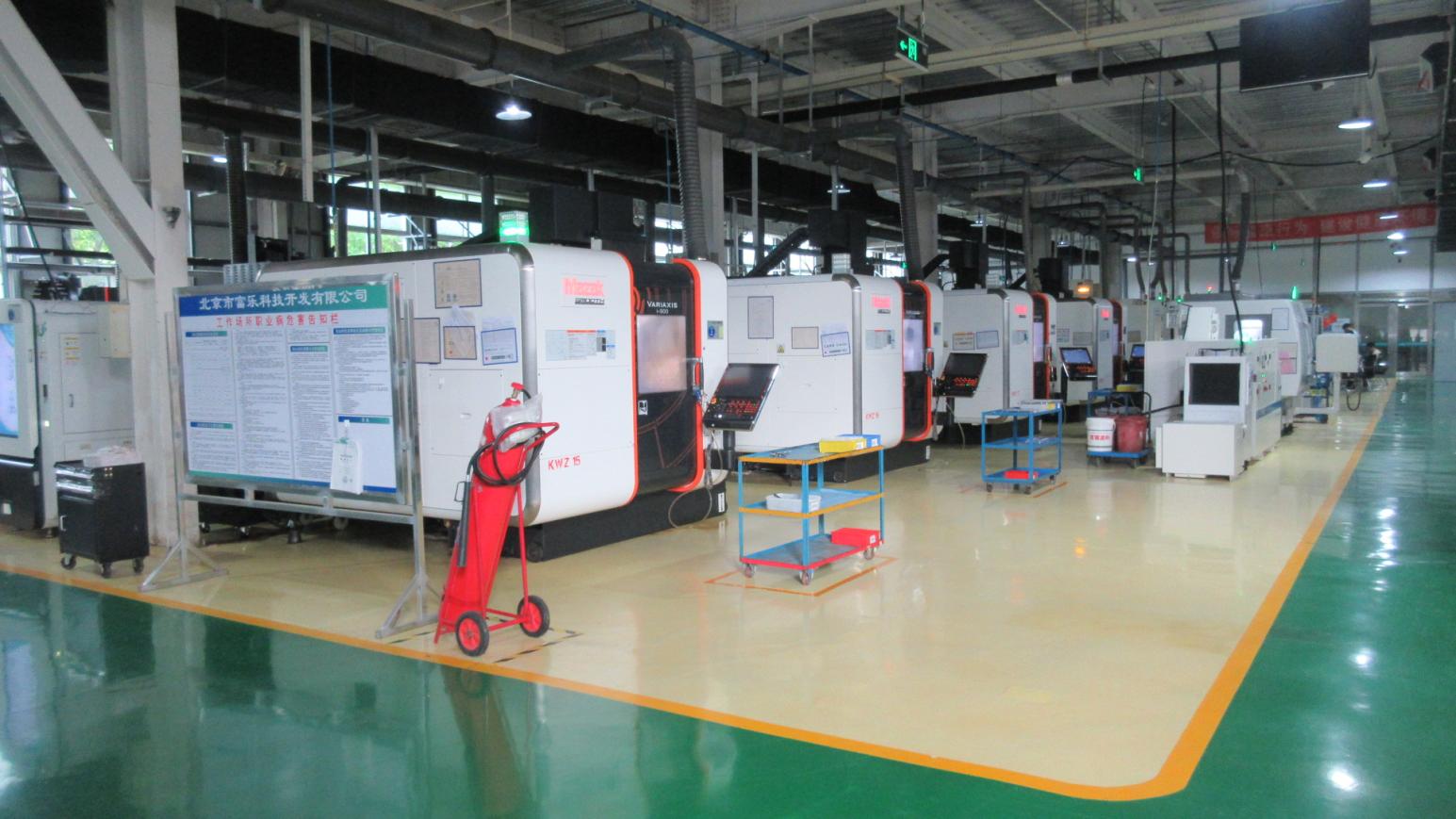
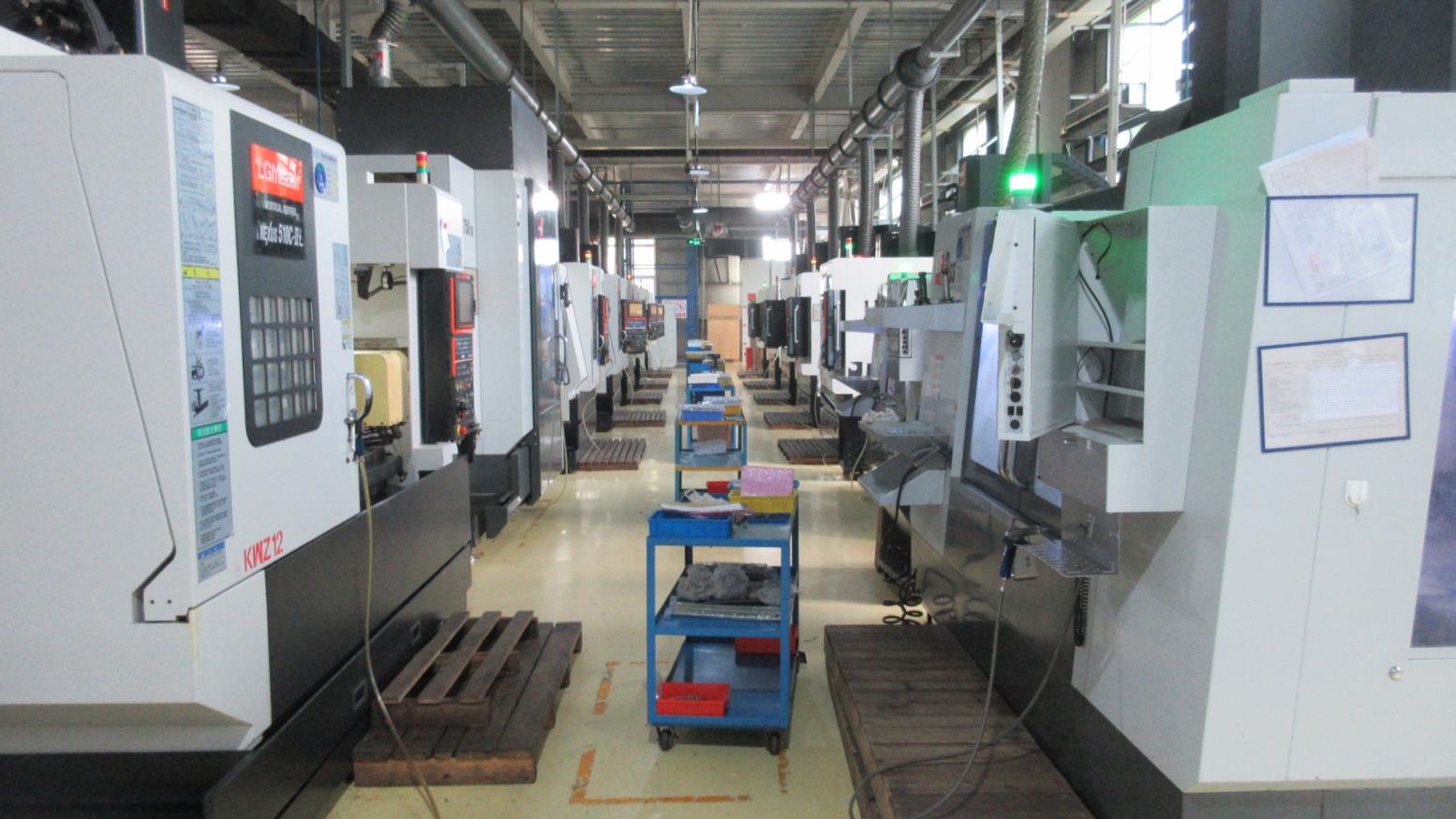
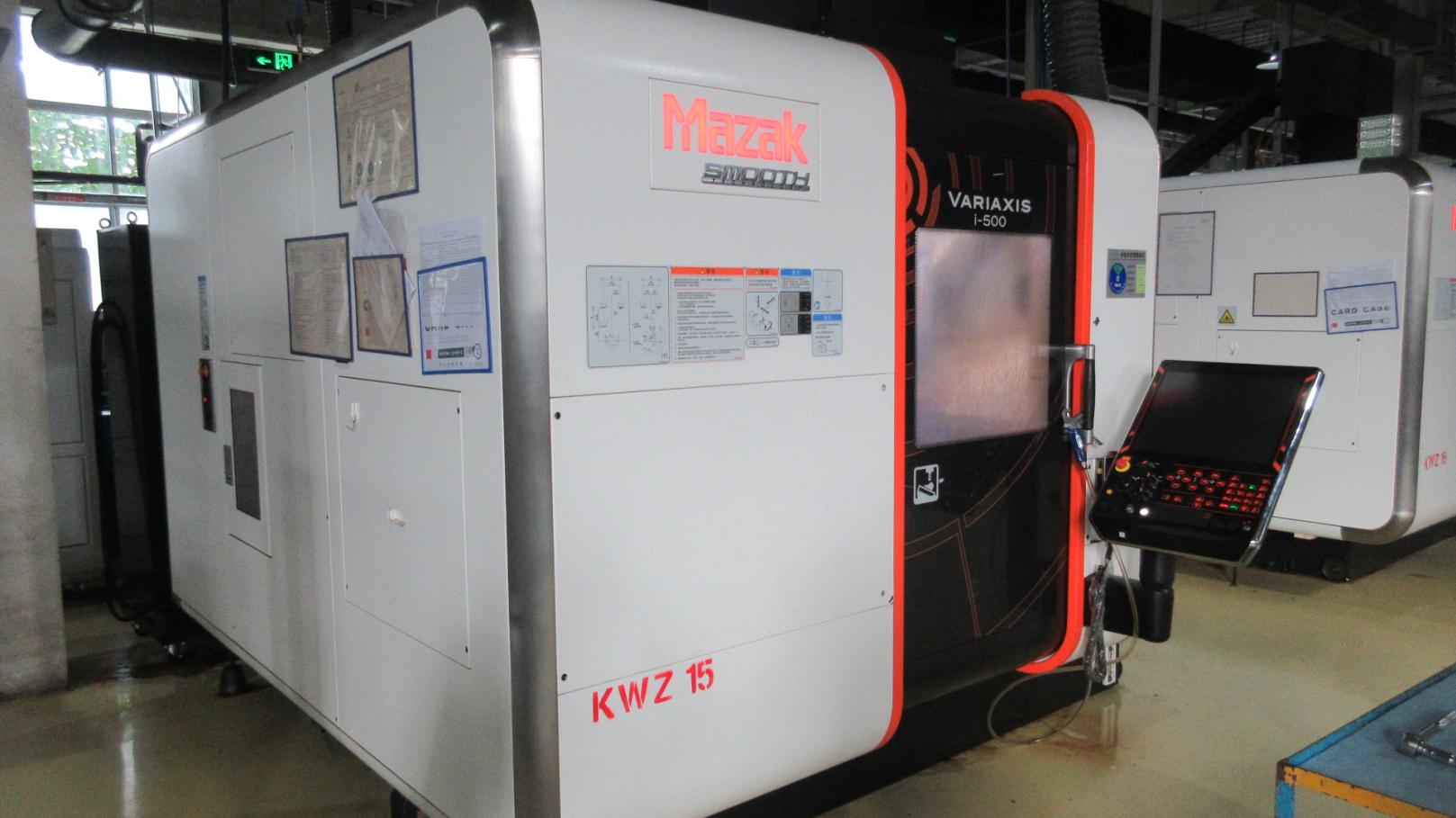
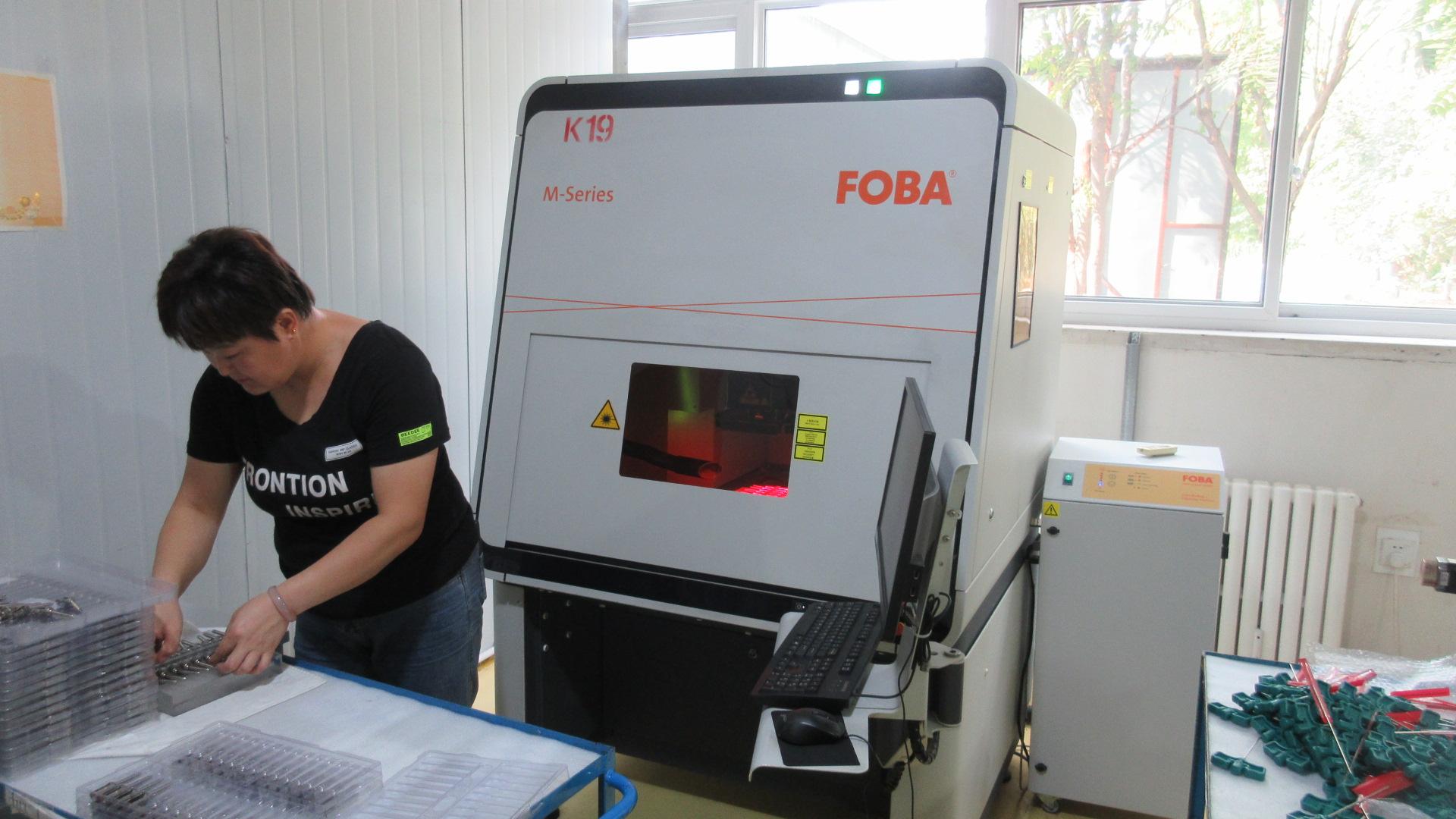
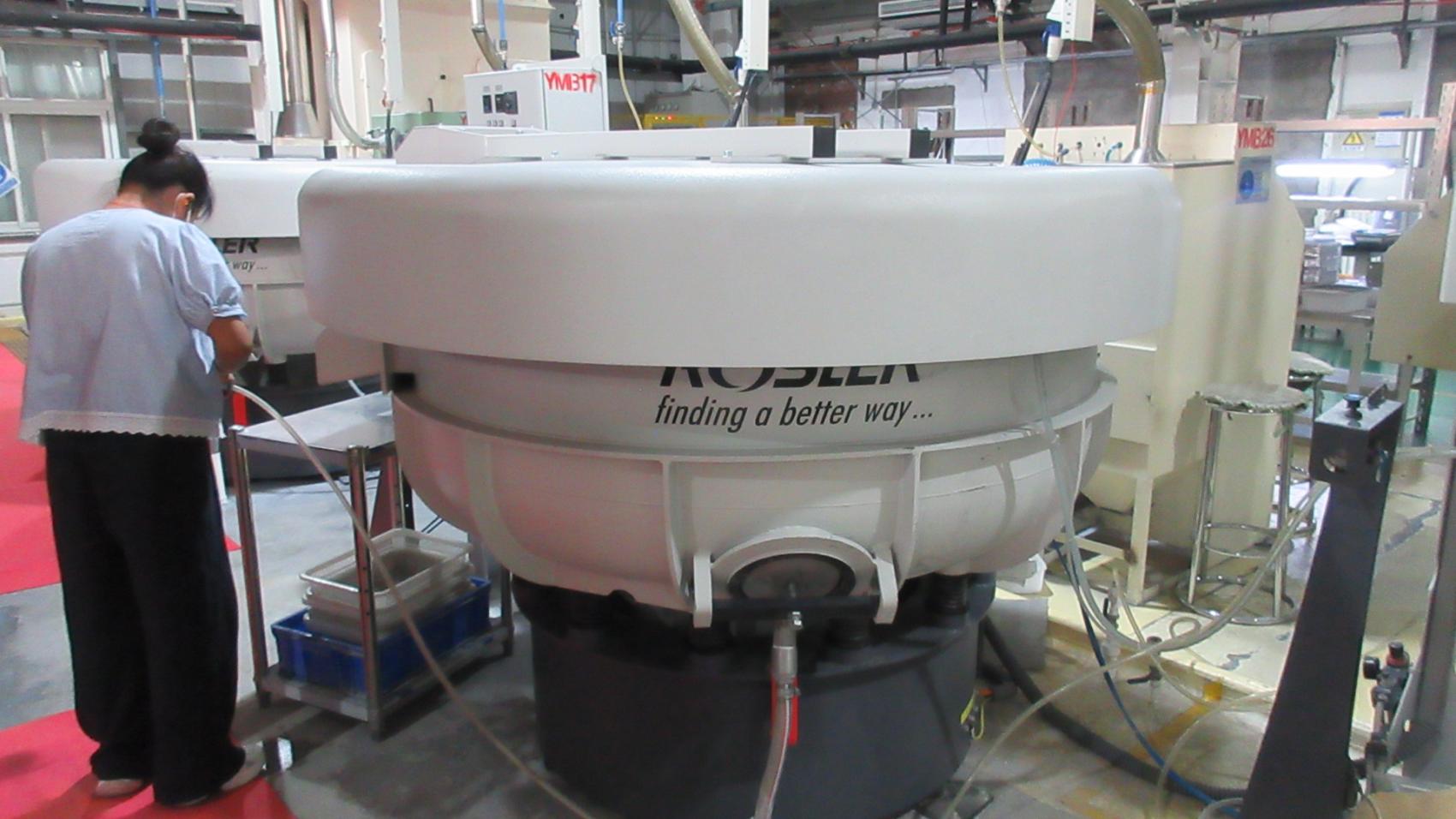
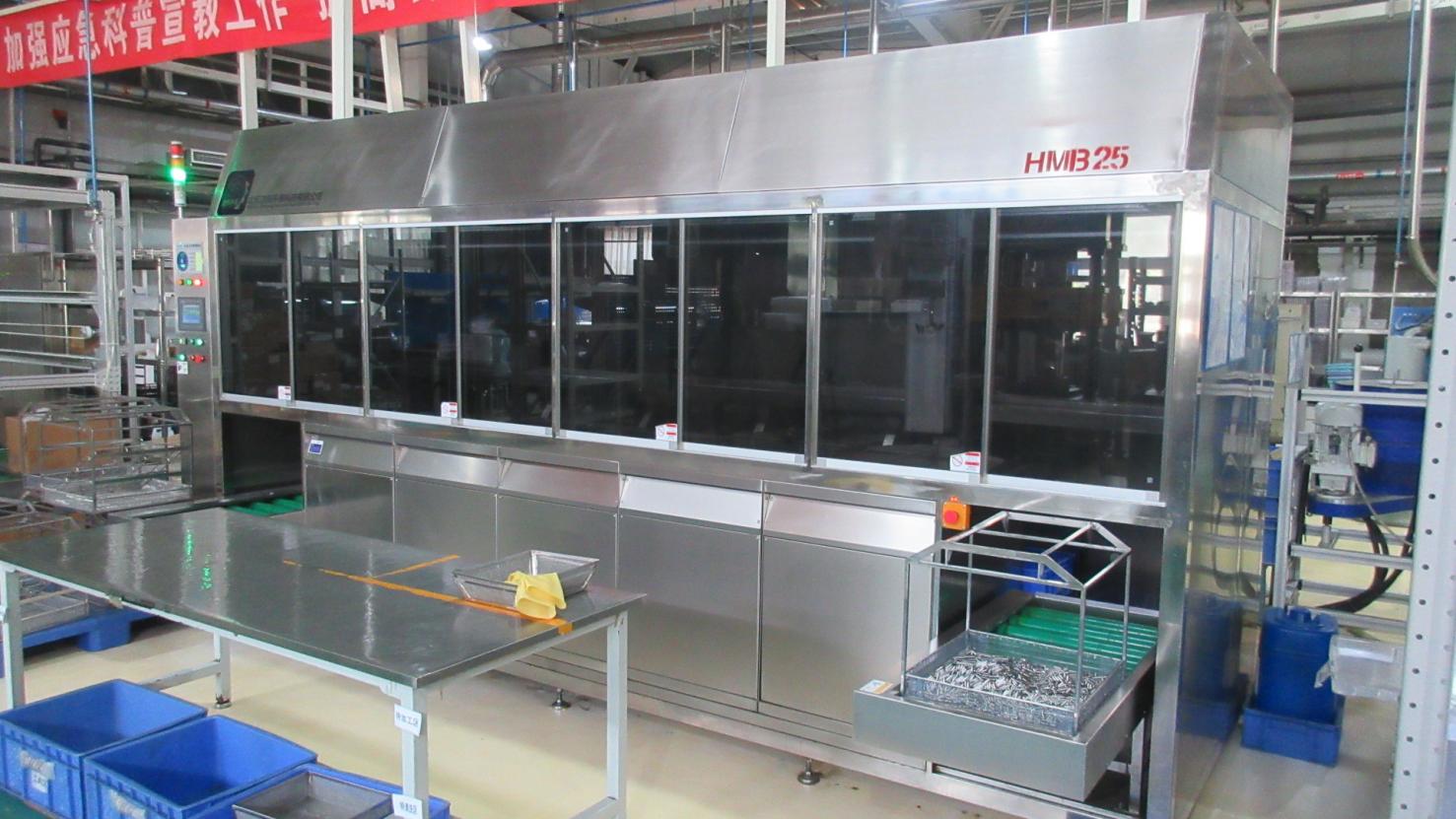
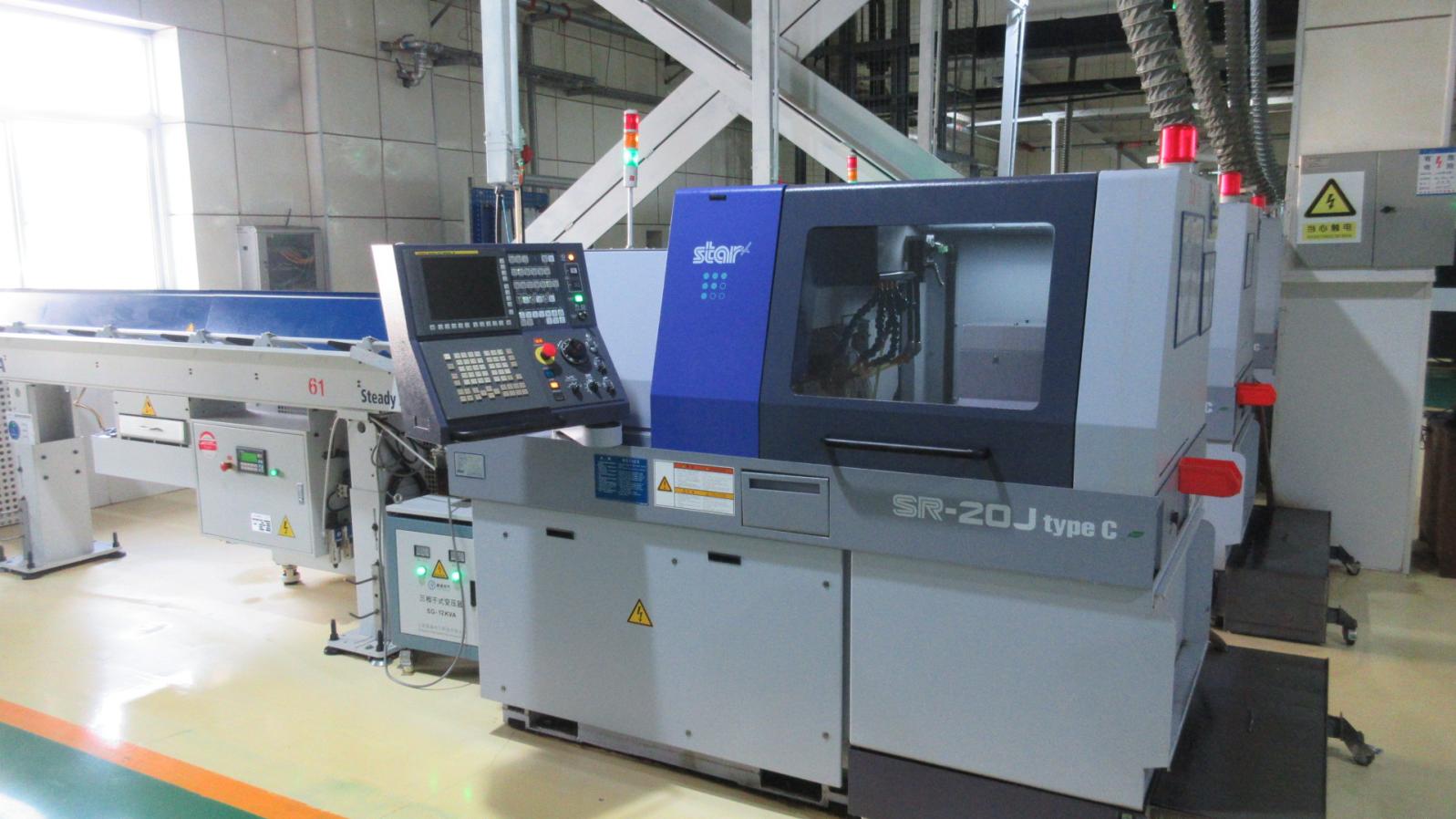
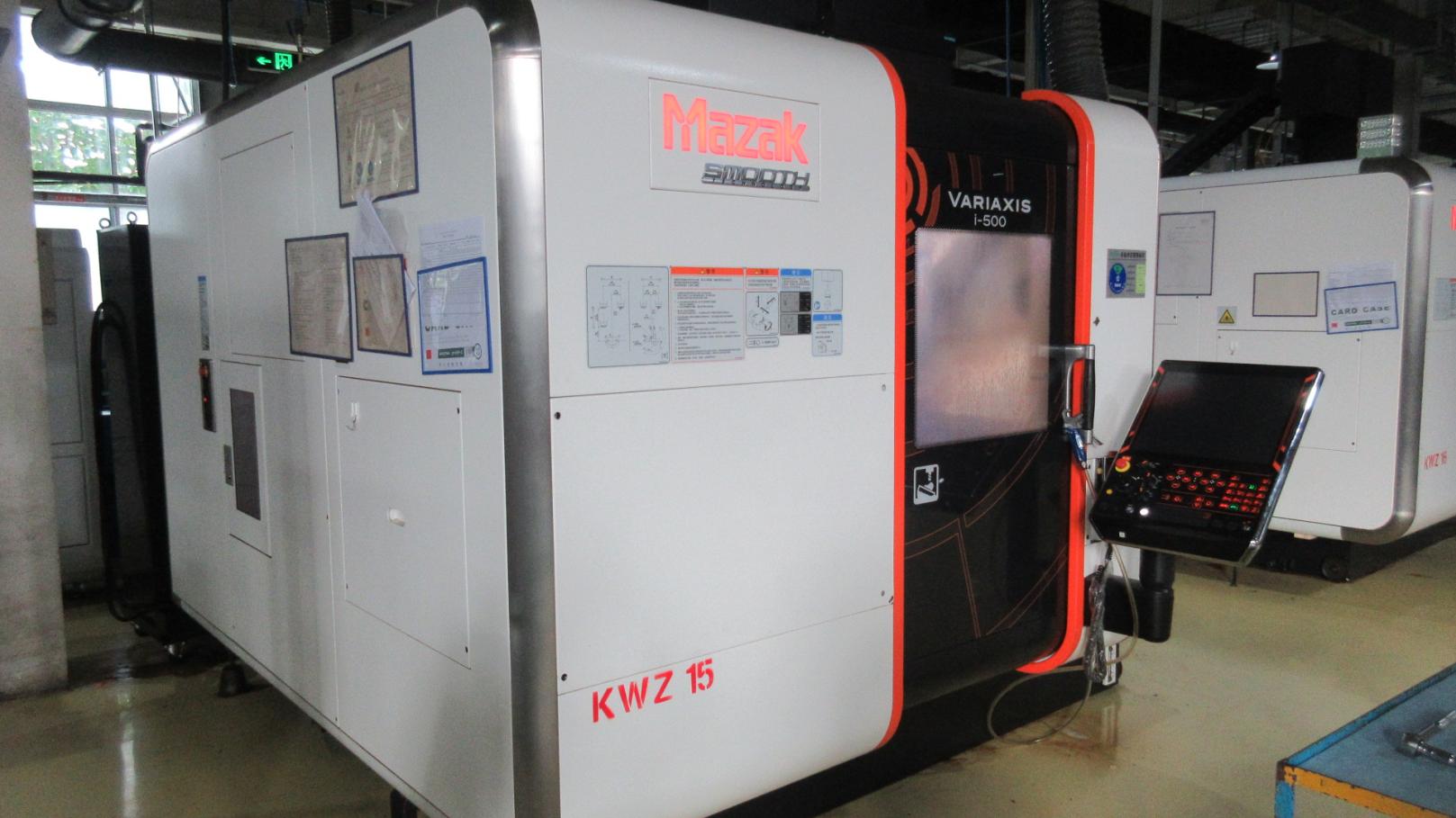
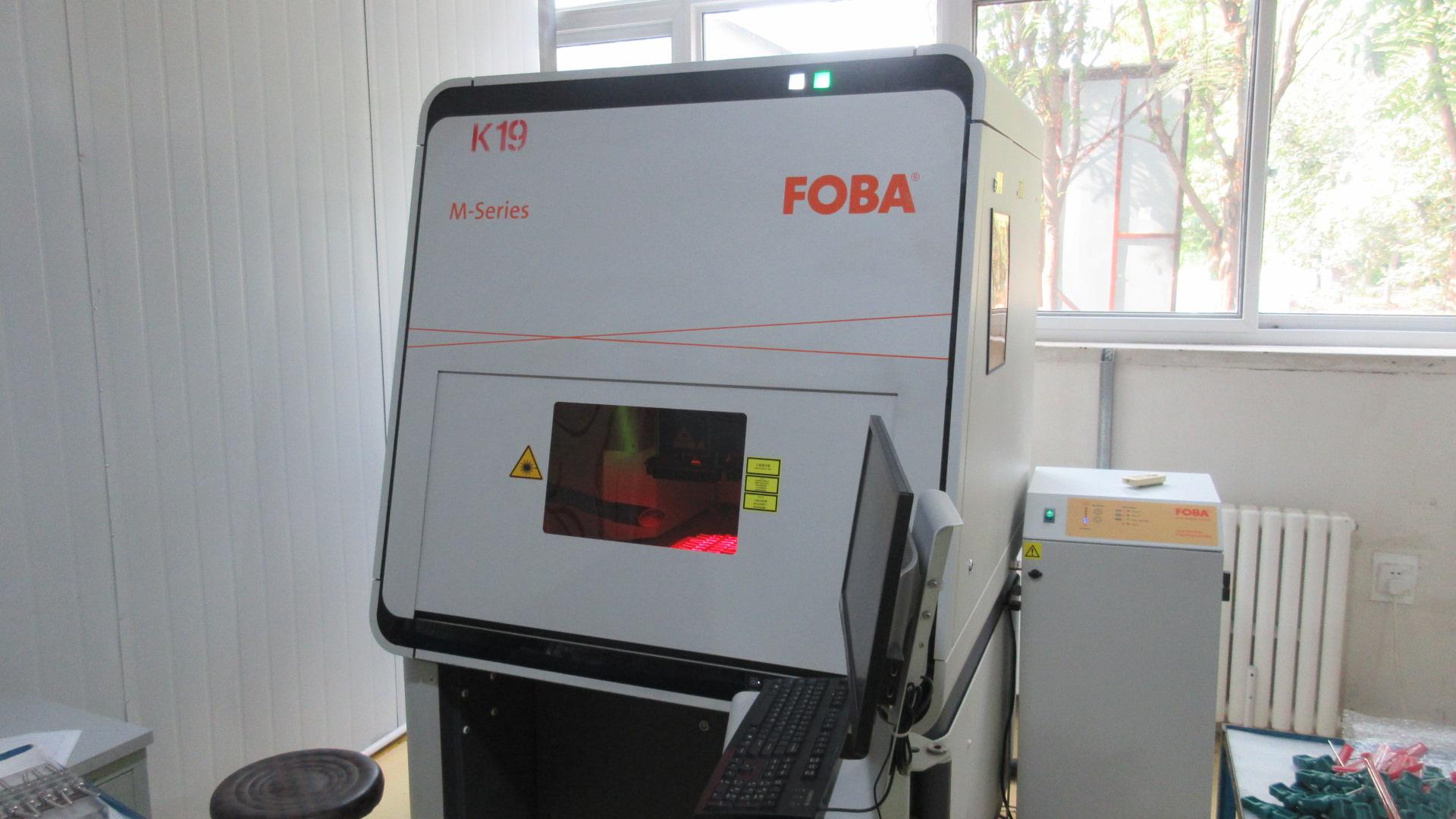
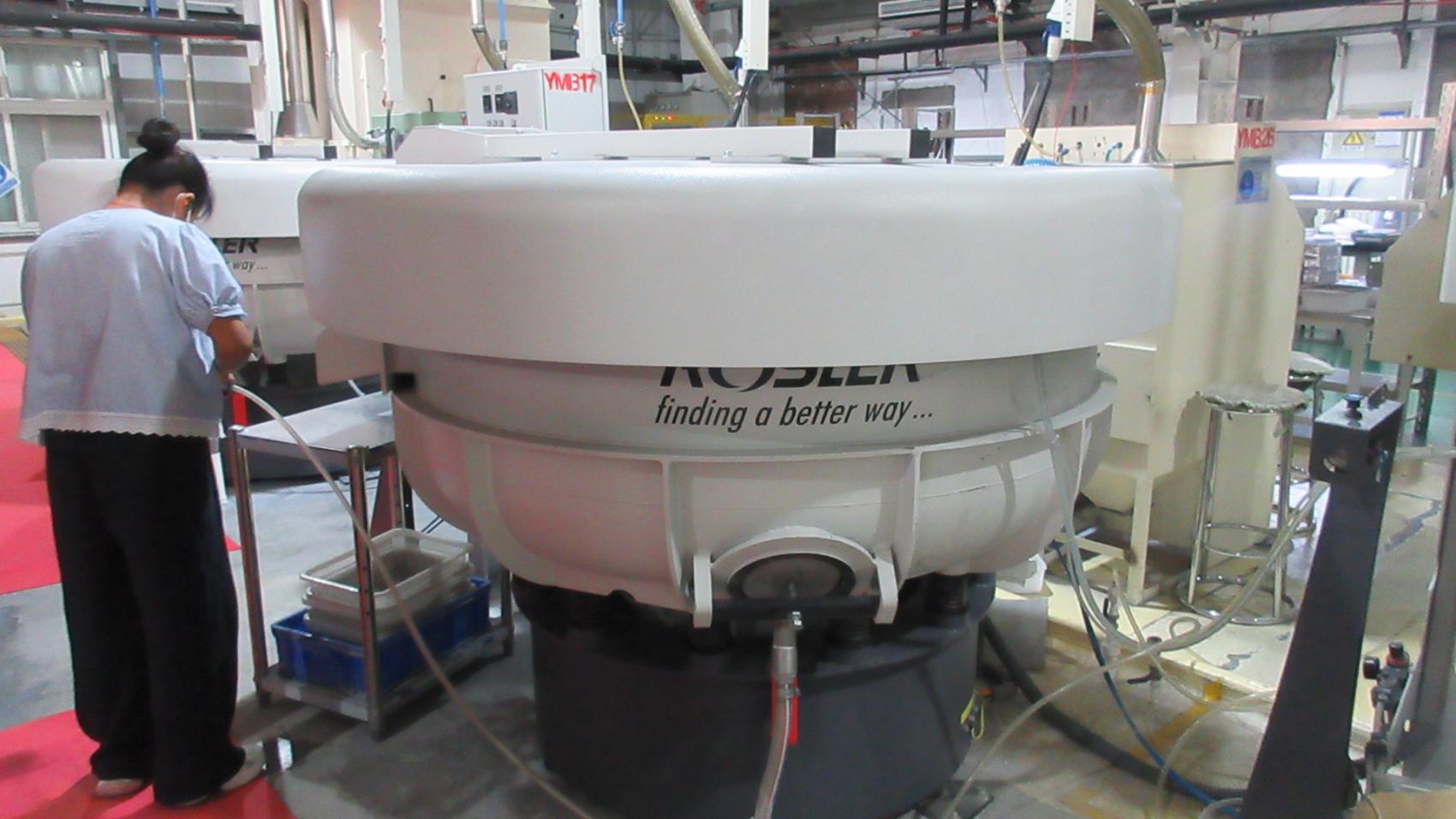
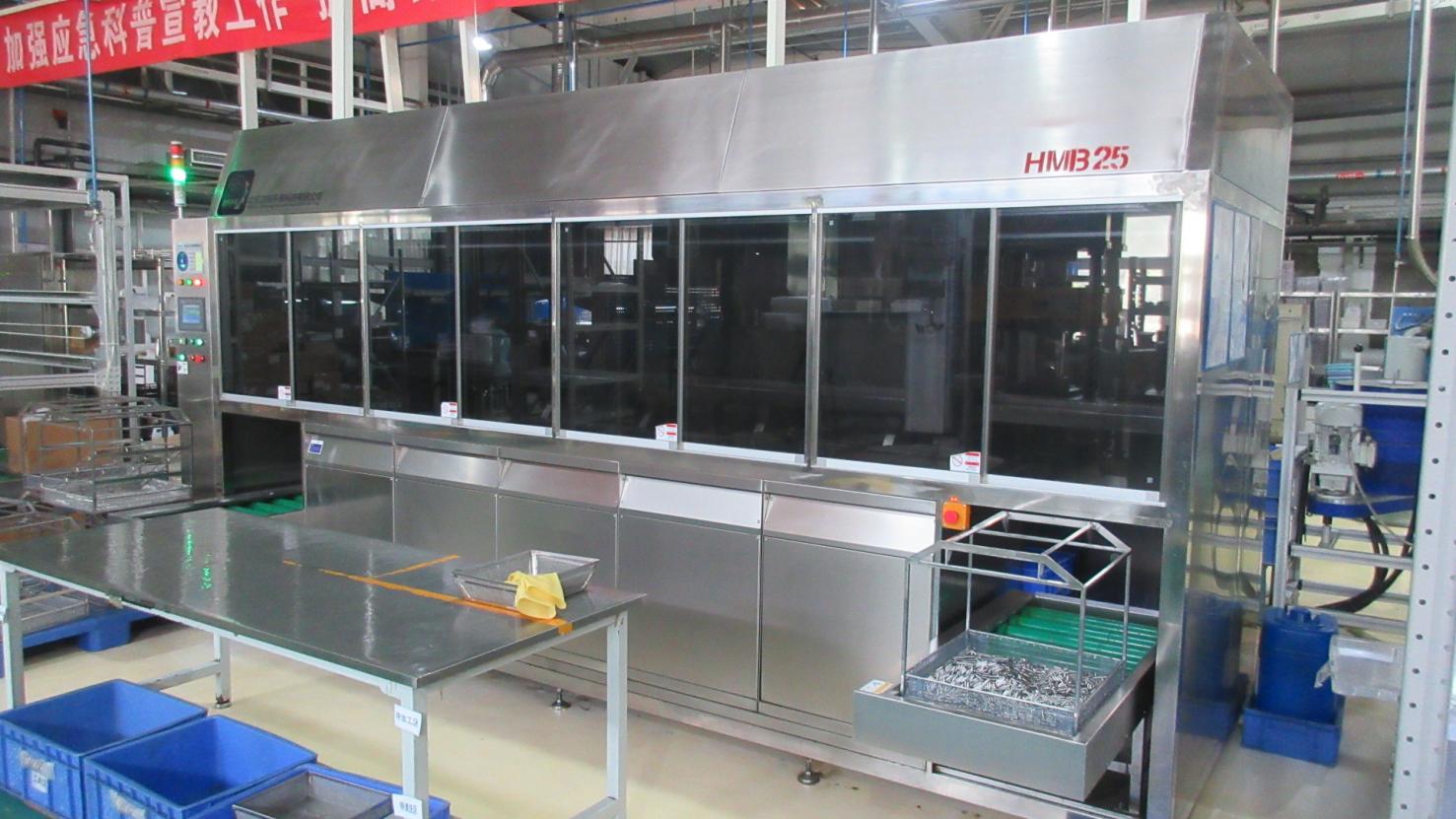
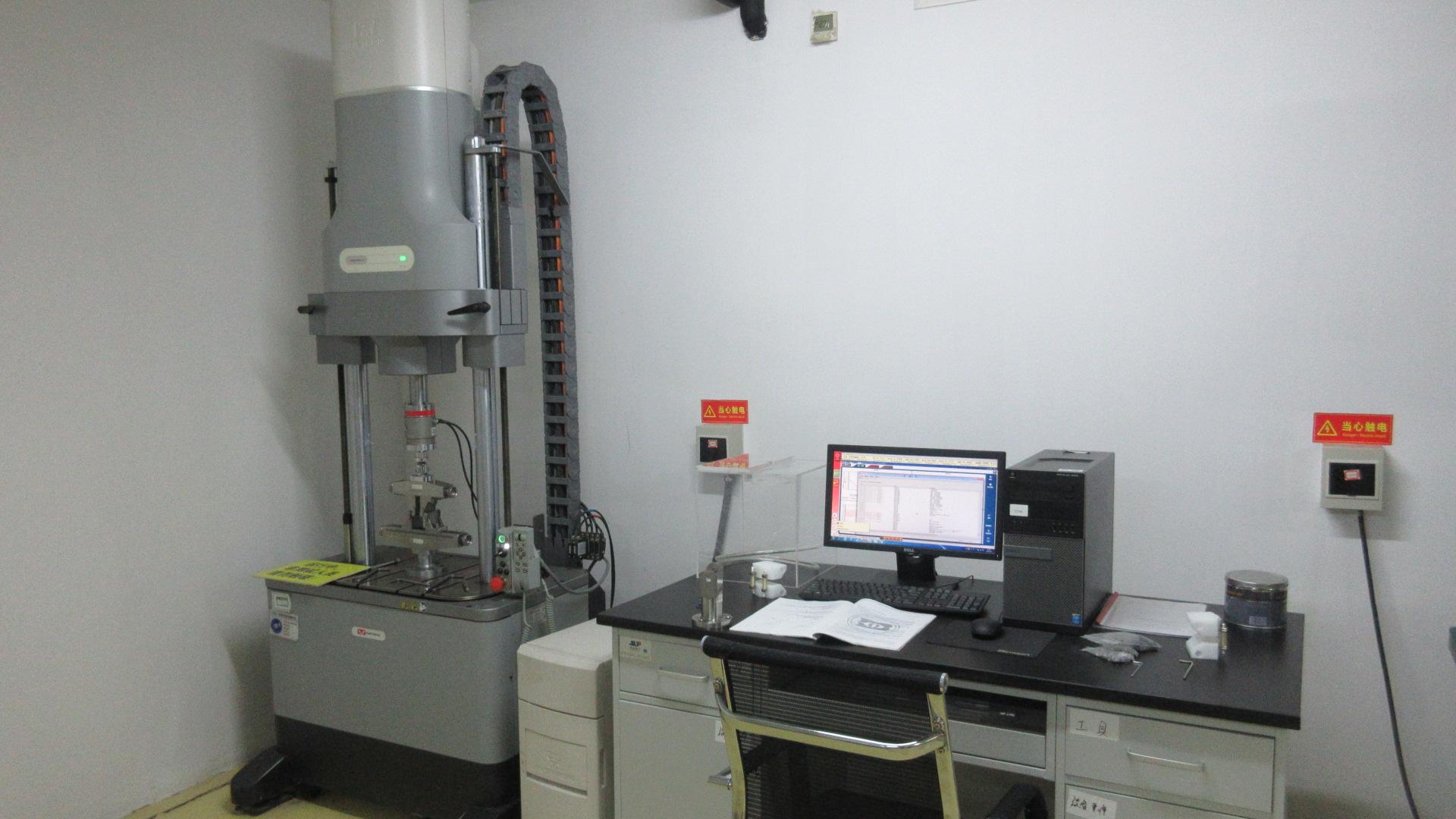
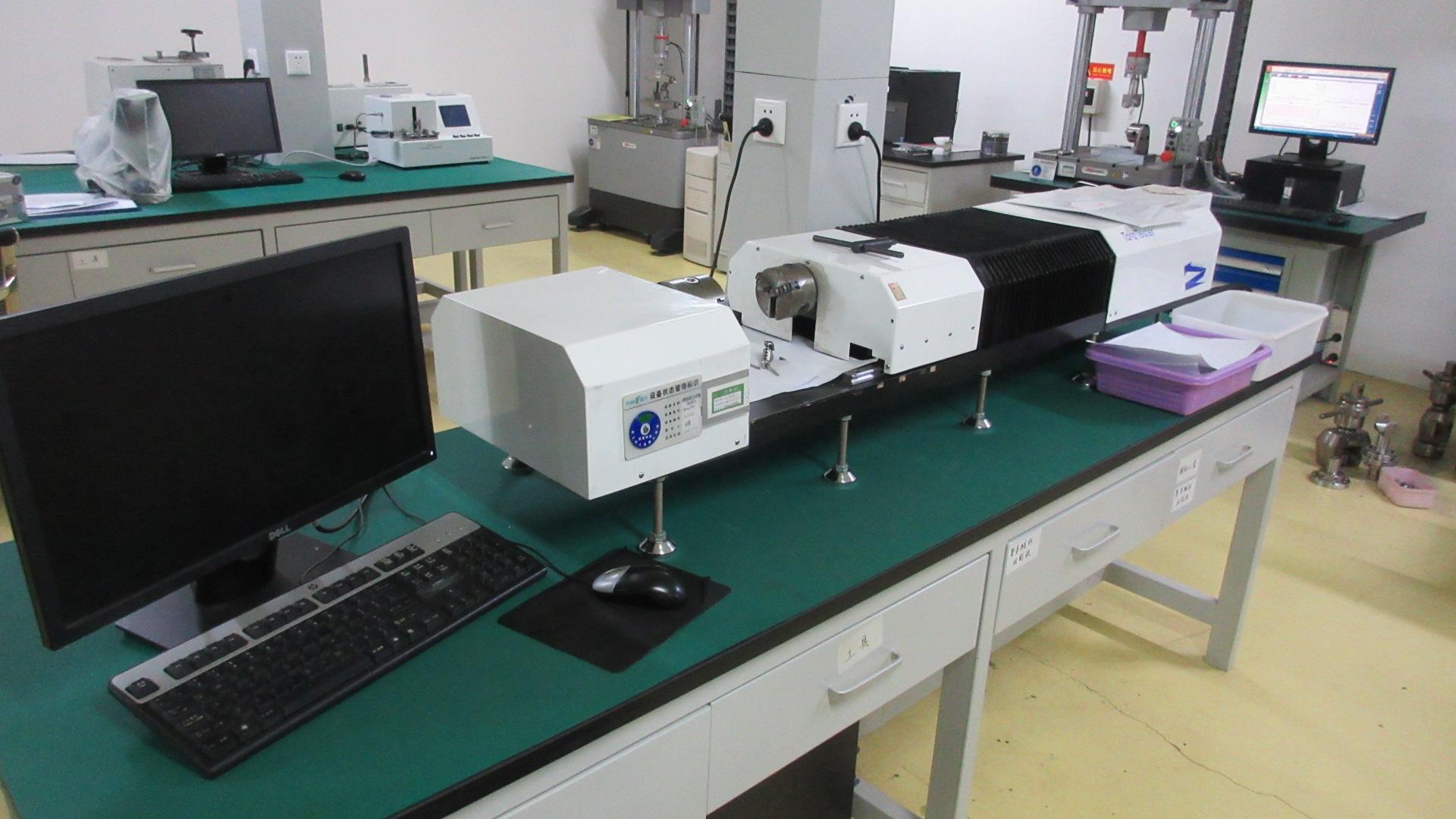
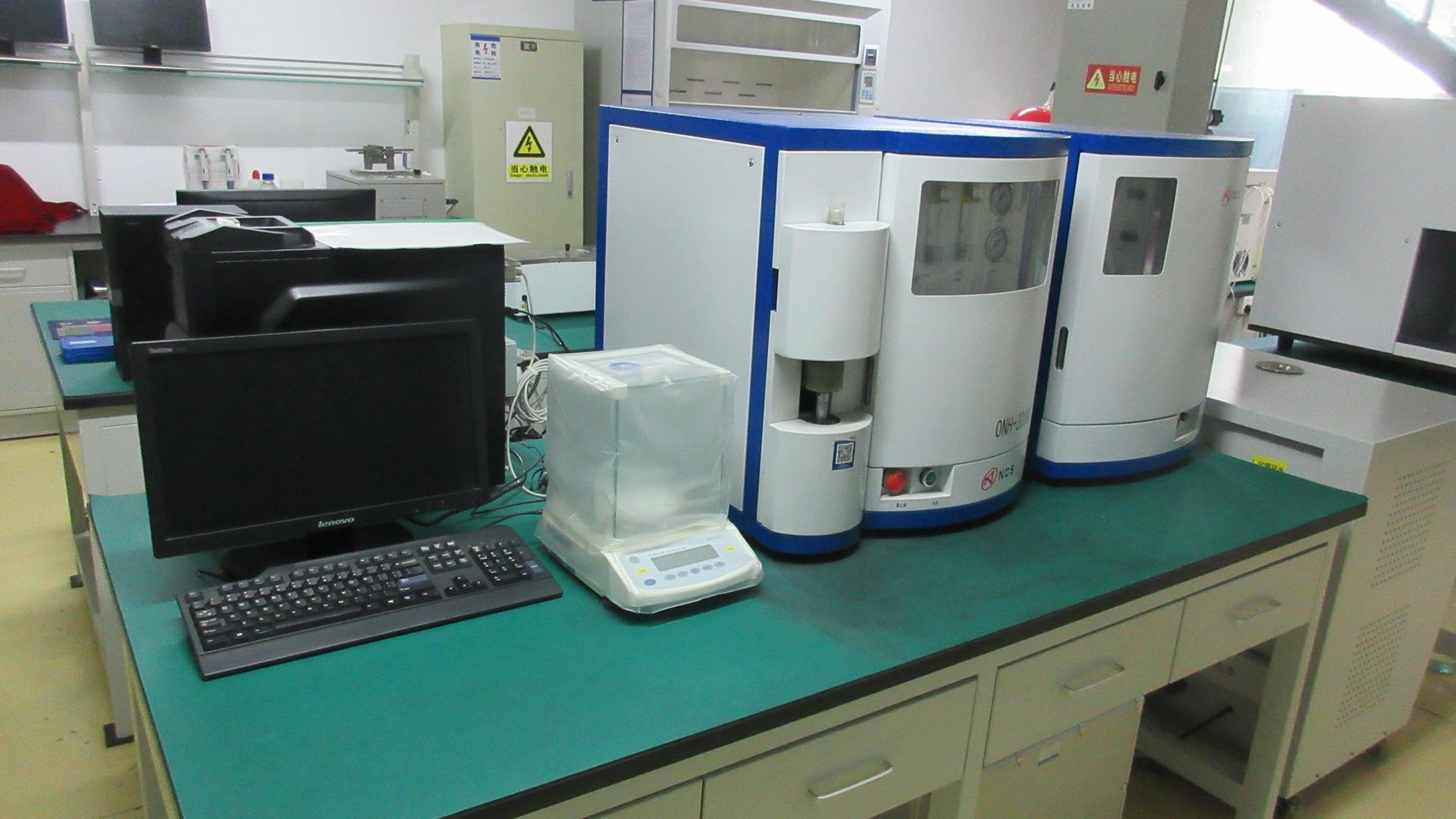
As a leading Posterior Spinal System Miko II manufacturer, our factory integrates 29 years of medical industrial knowledge with modern AI-assisted manufacturing techniques. We operate a massive 10,000㎡ facility equipped with 102 state-of-the-art production machines. Our commitment to the E-E-A-T principle is evidenced by our ISO13485 certification and our rigorous 100% inspection protocol. Every screw and plate undergoes meticulous testing to ensure it can withstand the biomechanical stresses of the human spine.
The Miko II Posterior Spinal System utilizes ultra-high-grade medical titanium alloys. This material choice is critical for long-term implantation, providing an optimal balance between strength and modulus of elasticity closer to human bone. This reduces the risk of stress shielding, a common complication in spinal fusion. Our R&D team, consisting of 20 high-level engineers (including 15 with graduate degrees), continuously optimizes the screw thread design to maximize pull-out strength in both cortical and cancellous bone structures.
From bustling trauma centers in Southeast Asia to specialized orthopedic clinics in Eastern Europe, the Miko II system is designed for versatility. It excels in:
• Degenerative Disc Disease: Providing stability during fusion.
• Spondylolisthesis: Effective reduction and fixation.
• Traumatic Fractures: Rapid stabilization of the thoracic and lumbar segments.
• Spinal Deformity: Gradual correction and long-term support.
Choosing a Chinese manufacturer like Fule means accessing a sophisticated supply chain that has matured over three decades. We offer sample processing, graphic processing, and customized demand fulfillment. With 20 new products launched annually, we provide our global partners with the latest innovations at a competitive price point that Western manufacturers often cannot match, without sacrificing the Class III medical quality standards.
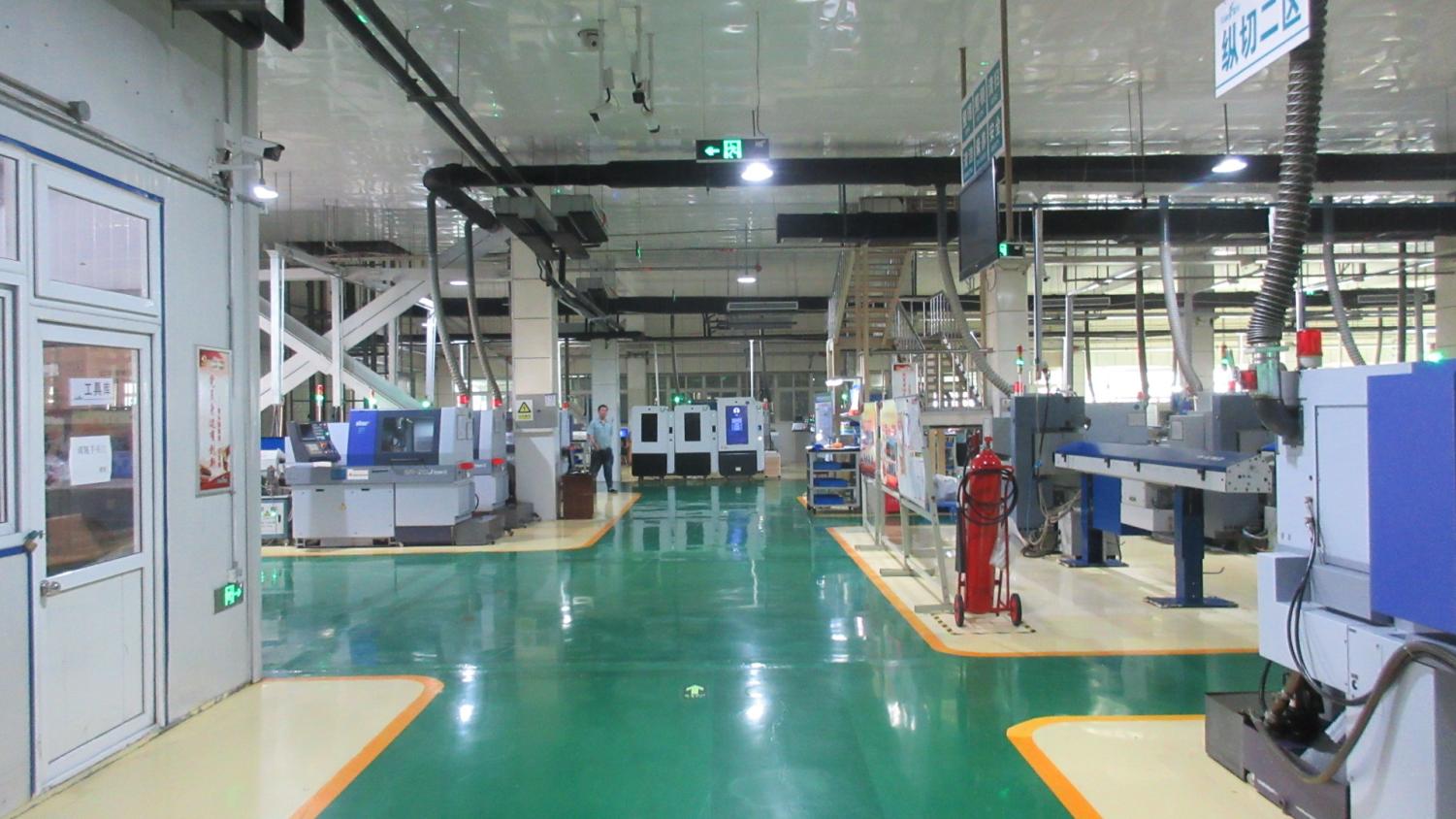
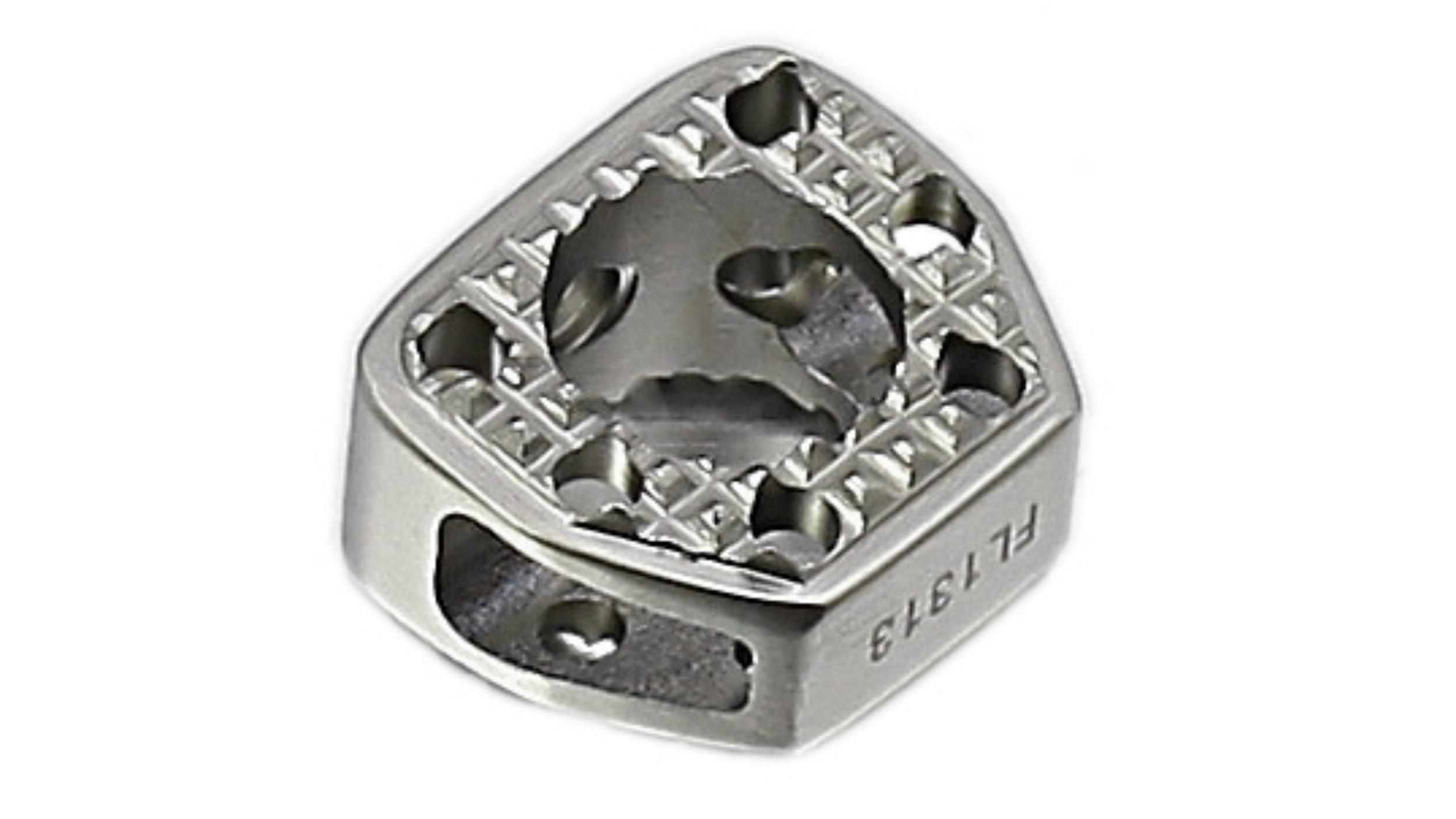
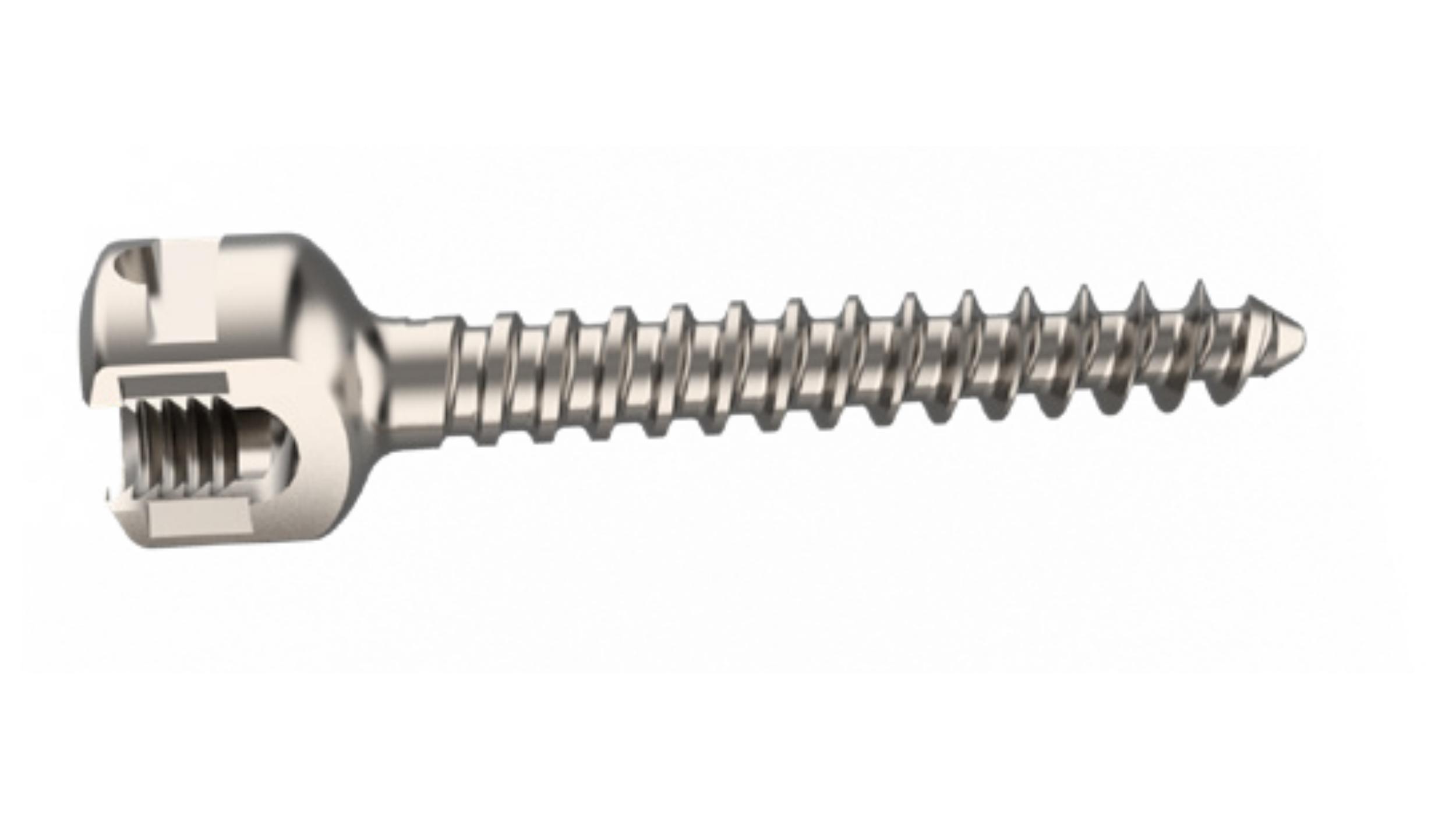
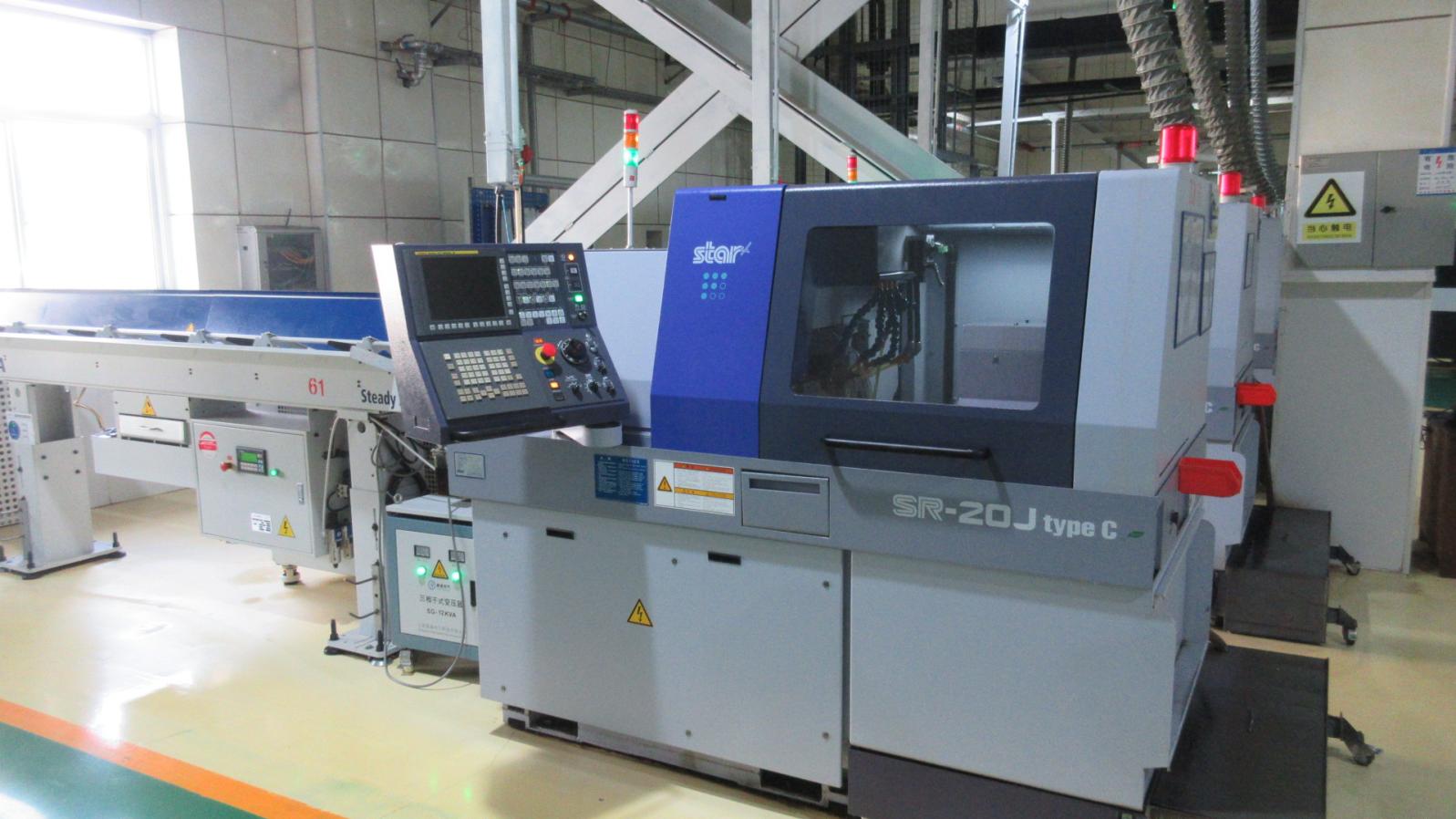
Our quality control system ensures traceability of all raw materials. From the moment the medical-grade titanium enters our factory to the final sterilization and packaging, every step is logged. This reliability is why we can confidently offer a 5+ year warranty on our spinal implants. With 15 dedicated QA/QC inspectors, we guarantee that every Miko II system delivered meets the exact specifications required by orthopedic surgeons.
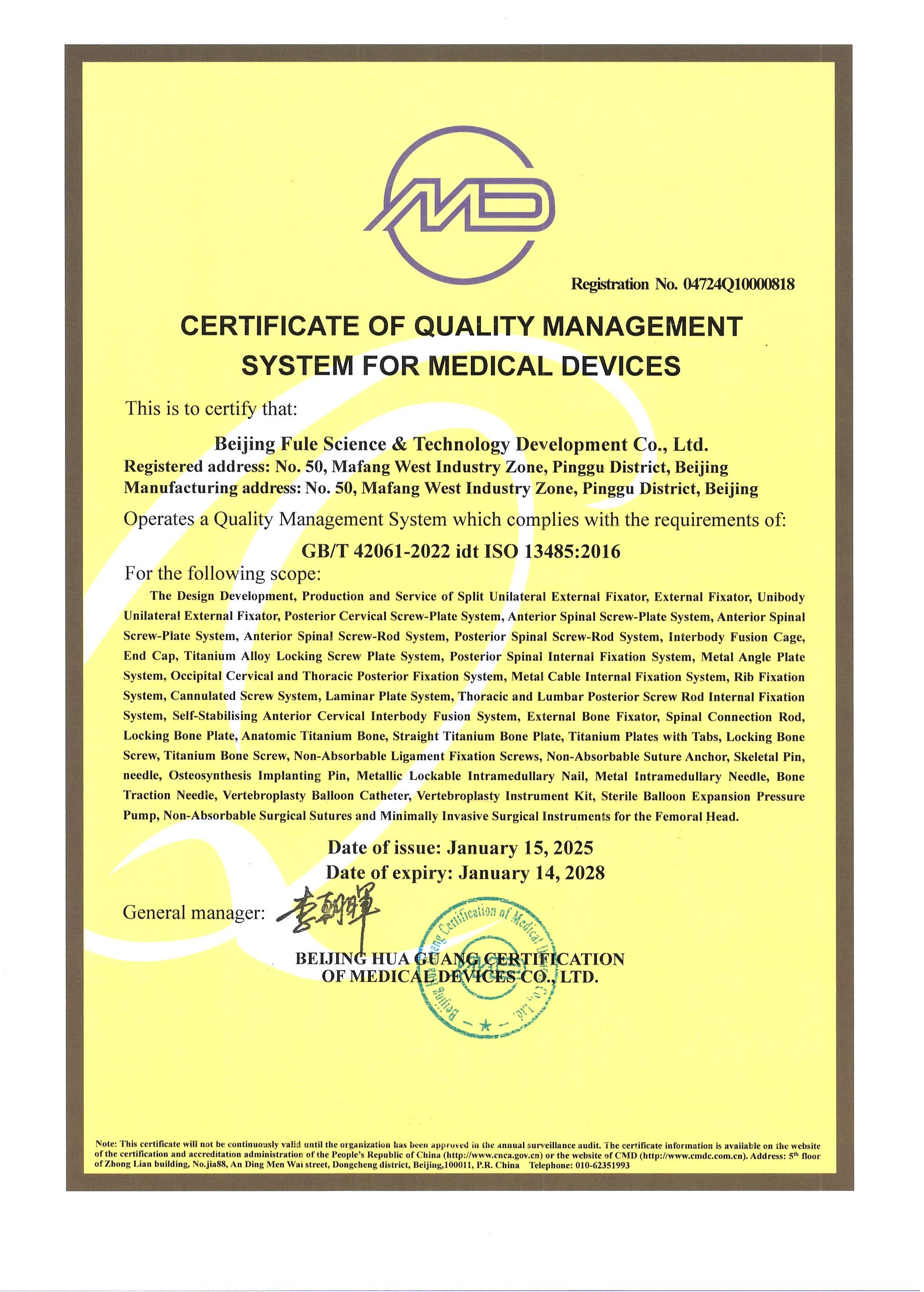
Certified Excellence: ISO13485:2016 Medical devices — Quality management systems. Our manufacturing processes are aligned with the highest international standards for implantable devices.
The future of spinal surgery lies in the integration of digital planning and patient-specific implants. While the Miko II Posterior Spinal System provides the robust mechanical foundation required today, our R&D department is already working on the next generation of 3D-printed porous titanium cages and AI-driven surgical navigation compatibility. By choosing us as your manufacturer, you are partnering with a factory that looks 29 years into the past for experience and 29 years into the future for innovation.
 Fule
Fule