The global market for Humeral Locking Plate Systems has seen exponential growth. Humeral fractures represent approximately 5-8% of all adult fractures. As professional Locking Plate System Humeral manufacturers, we observe a shift from traditional immobilization to internal fixation using locking technology, which provides superior stability in osteoporotic bone.
Modern production utilizes high-grade Titanium Alloy (Ti6Al4V) and Medical-grade Stainless Steel. The industry now demands anatomical pre-contouring to minimize intraoperative plate bending, ensuring better clinical outcomes and shorter recovery times for patients worldwide.
North America and Europe remain dominant markets due to high healthcare expenditure. However, the Asia-Pacific region is the fastest-growing sector. Global sourcing agents are increasingly looking for reliable manufacturers who can balance high-quality ISO-certified production with cost-efficiency.
Integration of MIS techniques allows for smaller incisions, reducing soft tissue damage and preserving the vascular supply to the humeral bone. Our systems are designed for percutaneous insertion.
Development of biocompatible coatings and PEEK materials to reduce stress shielding and improve radiolucency, allowing surgeons to monitor bone healing more effectively during follow-ups.
Customized humeral plates tailored to complex patient anatomy. While mass-produced plates remain the standard, 3D modeling is shaping the R&D of next-generation locking systems.
The synergy between humeral plates and navigation systems is increasing. Precision placement of locking screws is becoming the gold standard in trauma surgery.
Global medical device distributors and hospital procurement departments prioritize three pillars:
Humeral locking plates are primarily used in:
• Proximal Humeral Fractures: Often seen in elderly patients with osteoporotic bone where screw-holding power is critical.
• Humeral Shaft Non-unions: Requiring rigid compression and locking stability to encourage secondary bone healing.
• Distal Humeral Trauma: Complex intra-articular fractures where double plating techniques are often applied using our low-profile anatomical designs.
With nearly 30 years of industrial expertise, we represent the pinnacle of Chinese medical manufacturing, blending AI-driven precision with traditional craftsmanship.


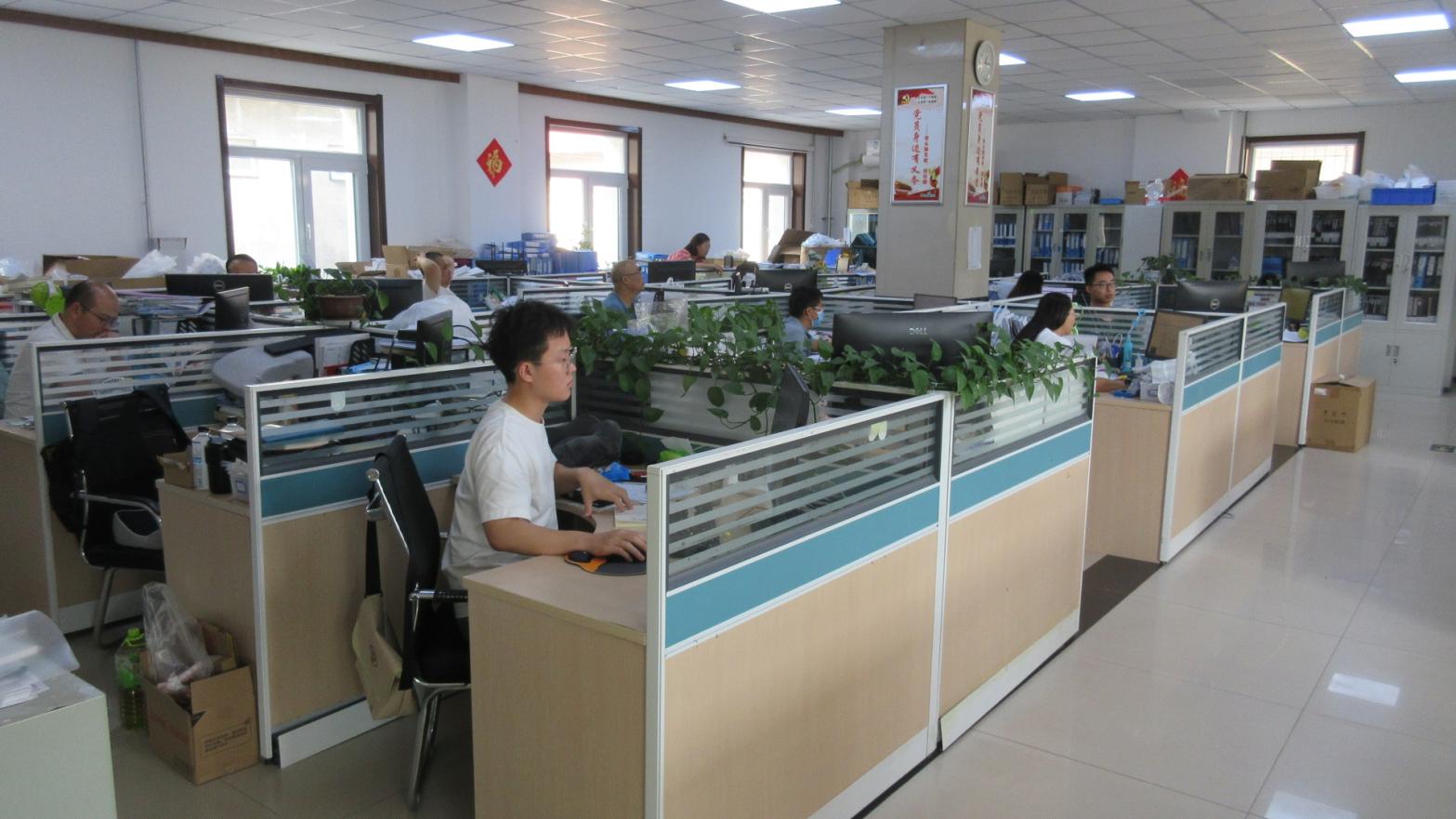
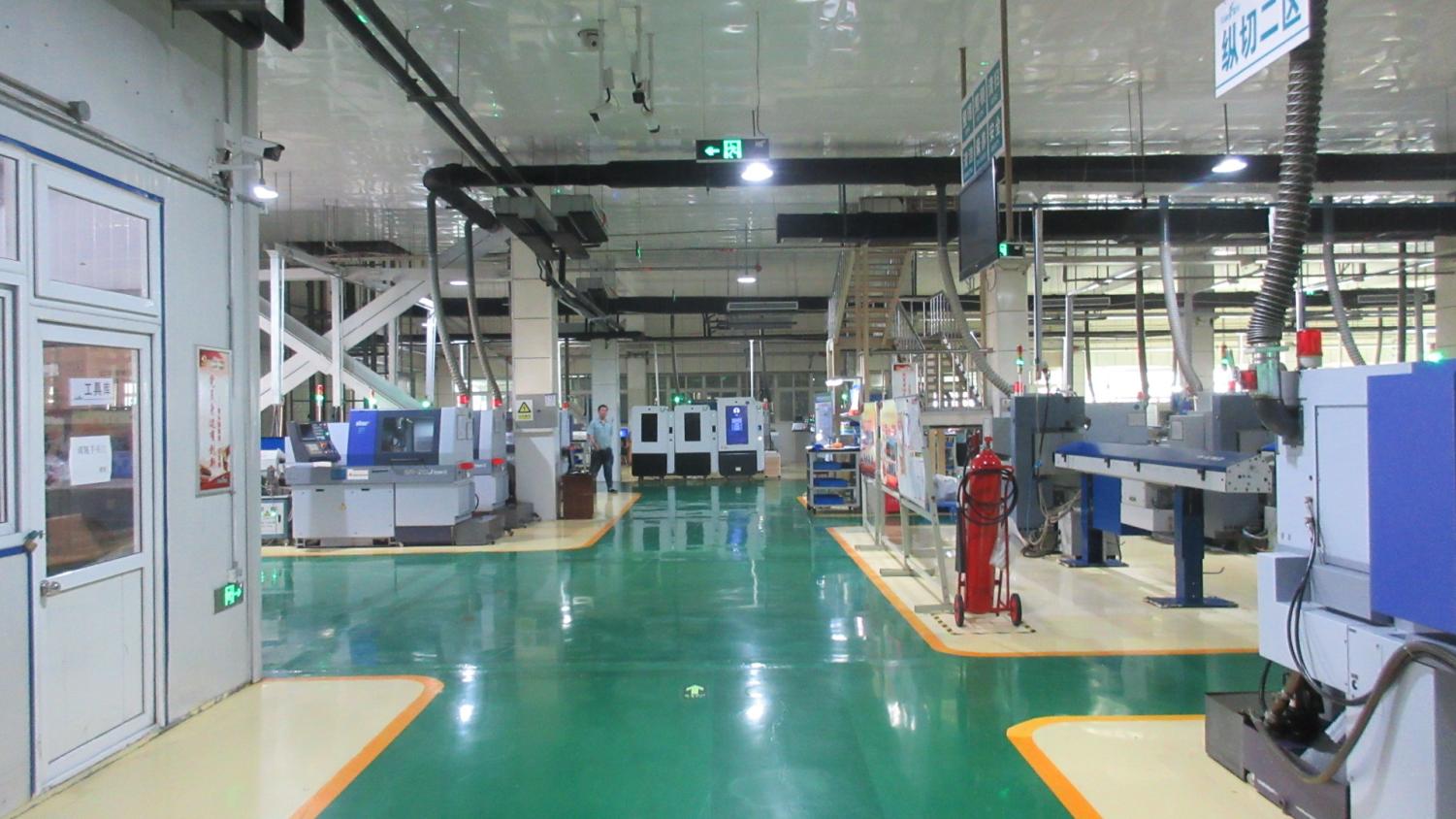
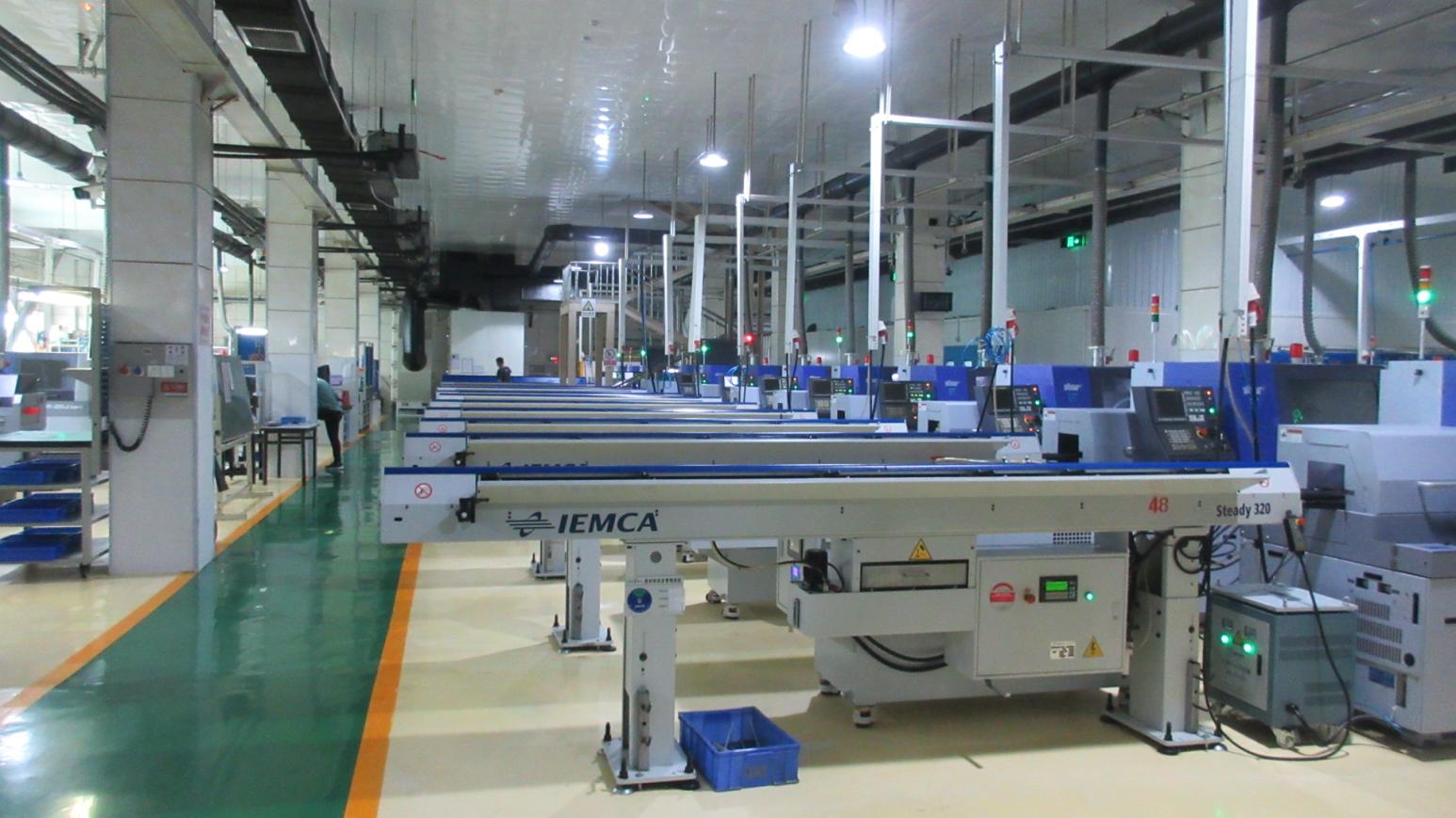
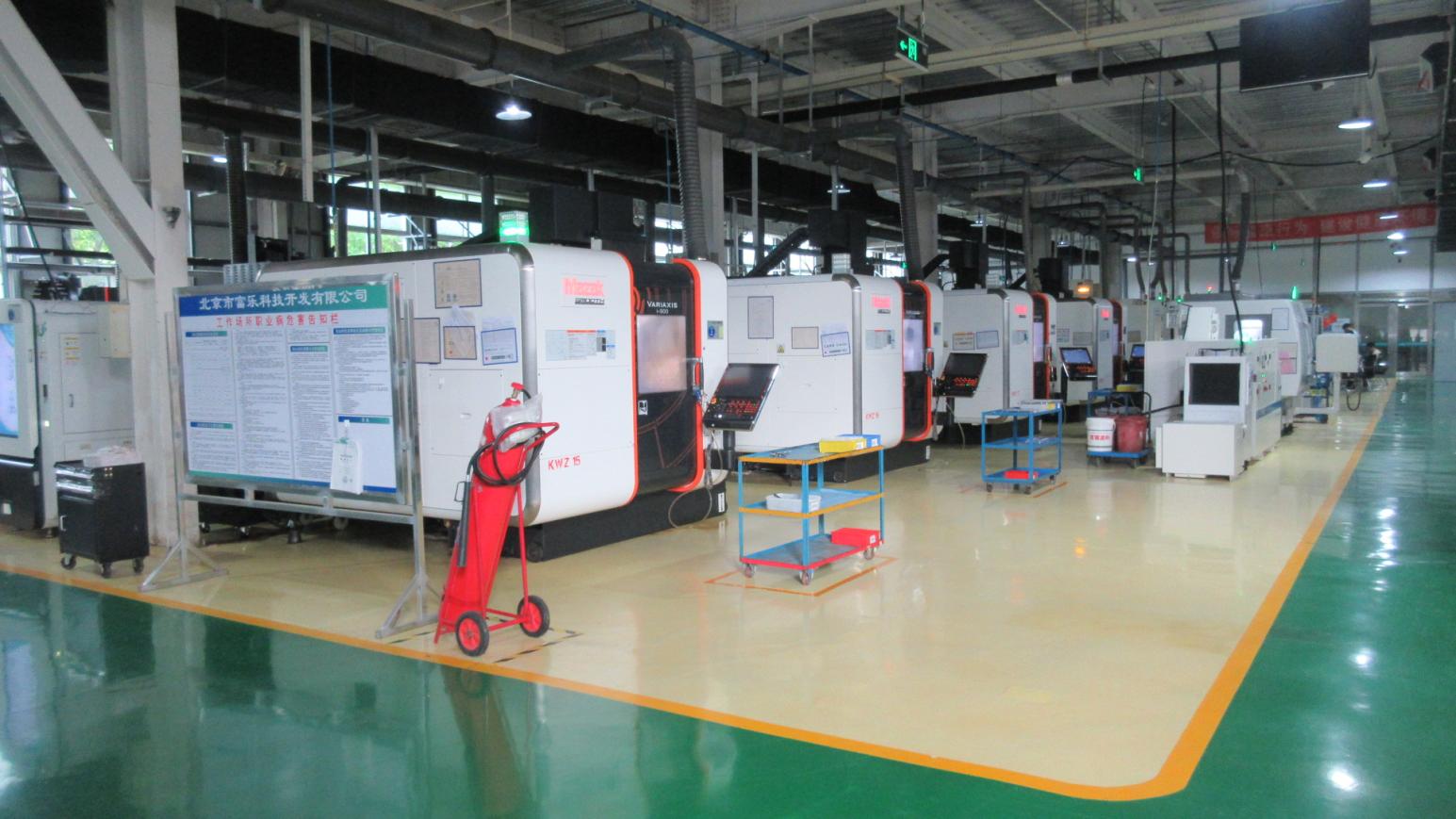
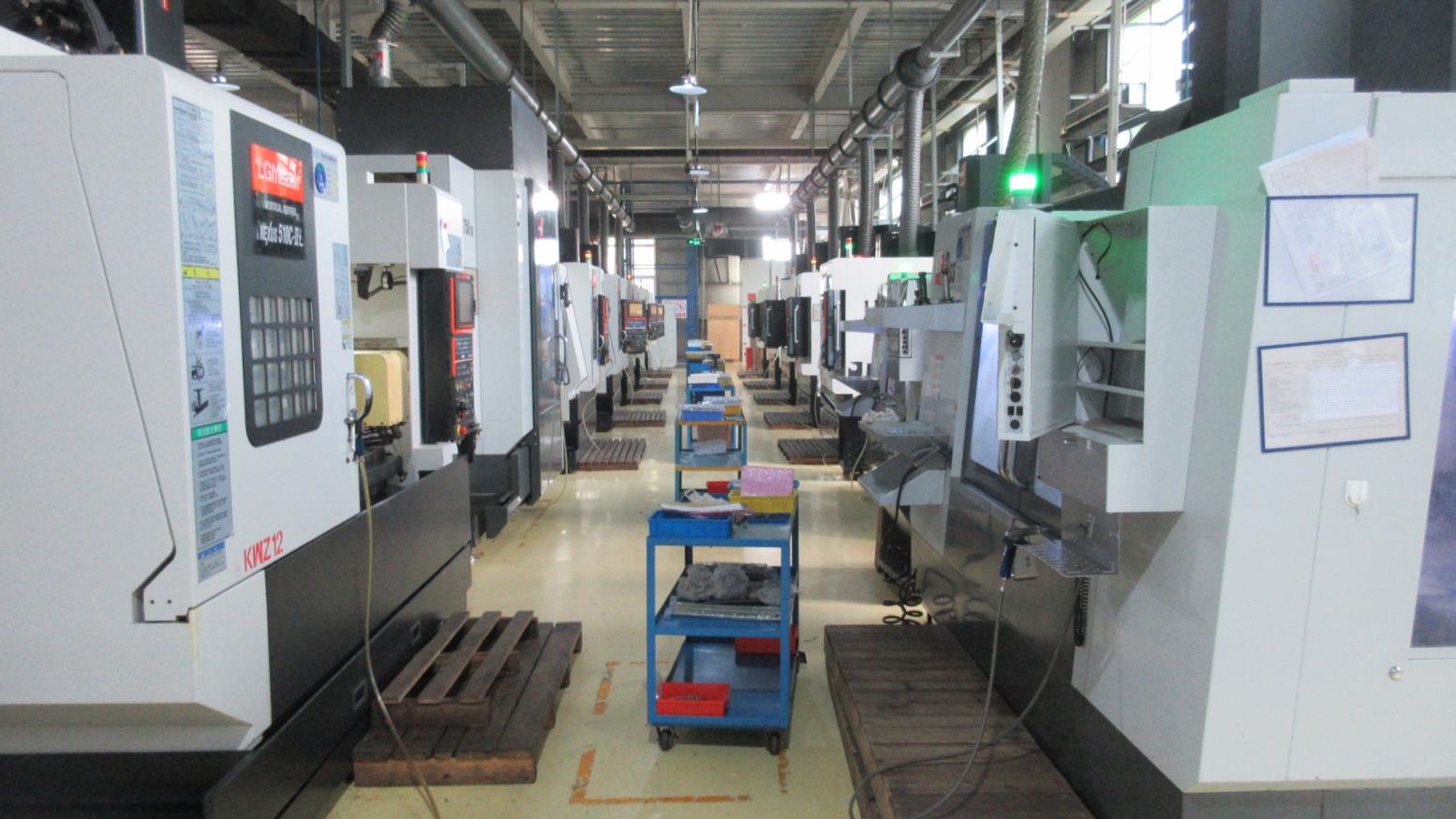
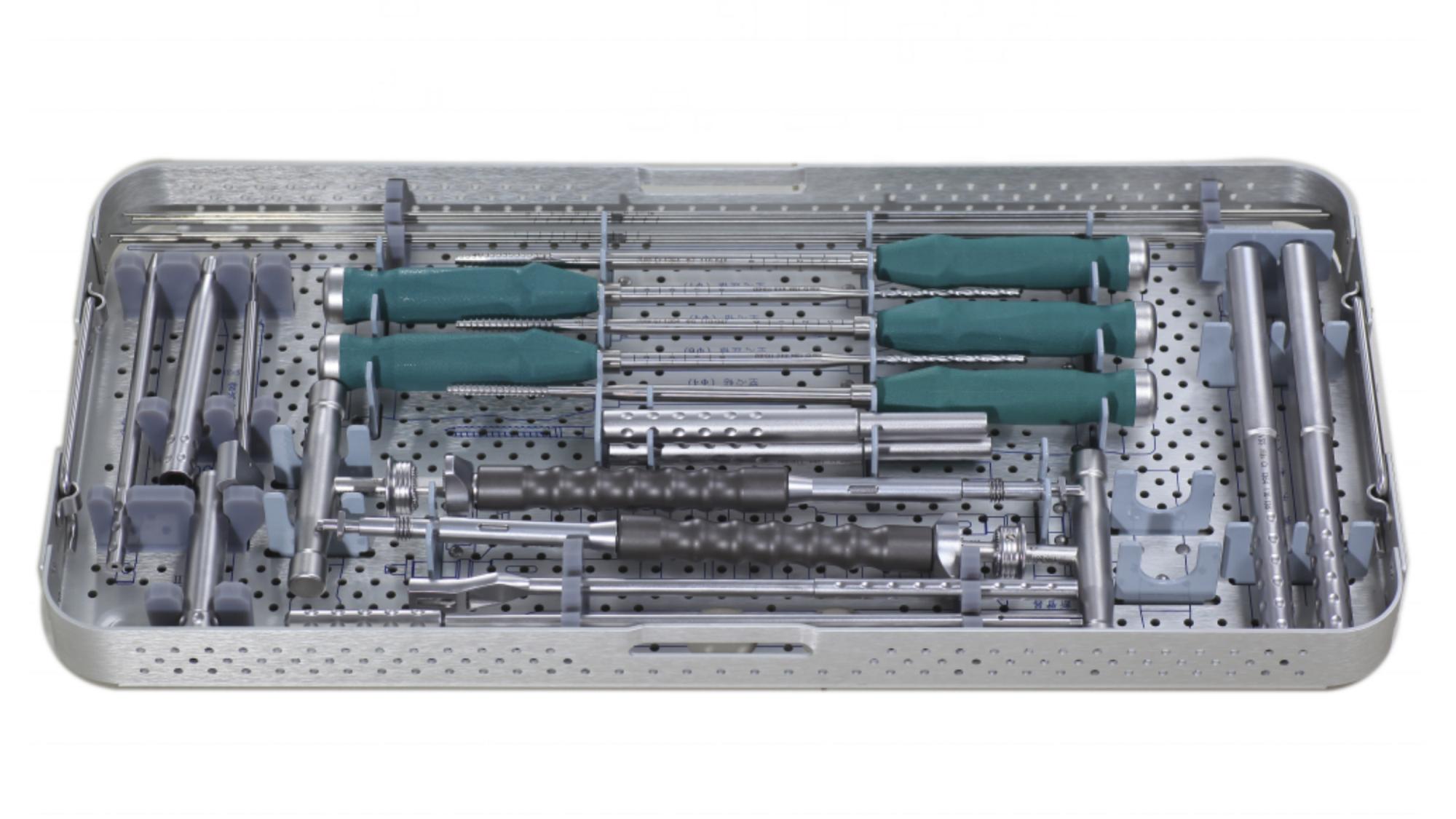
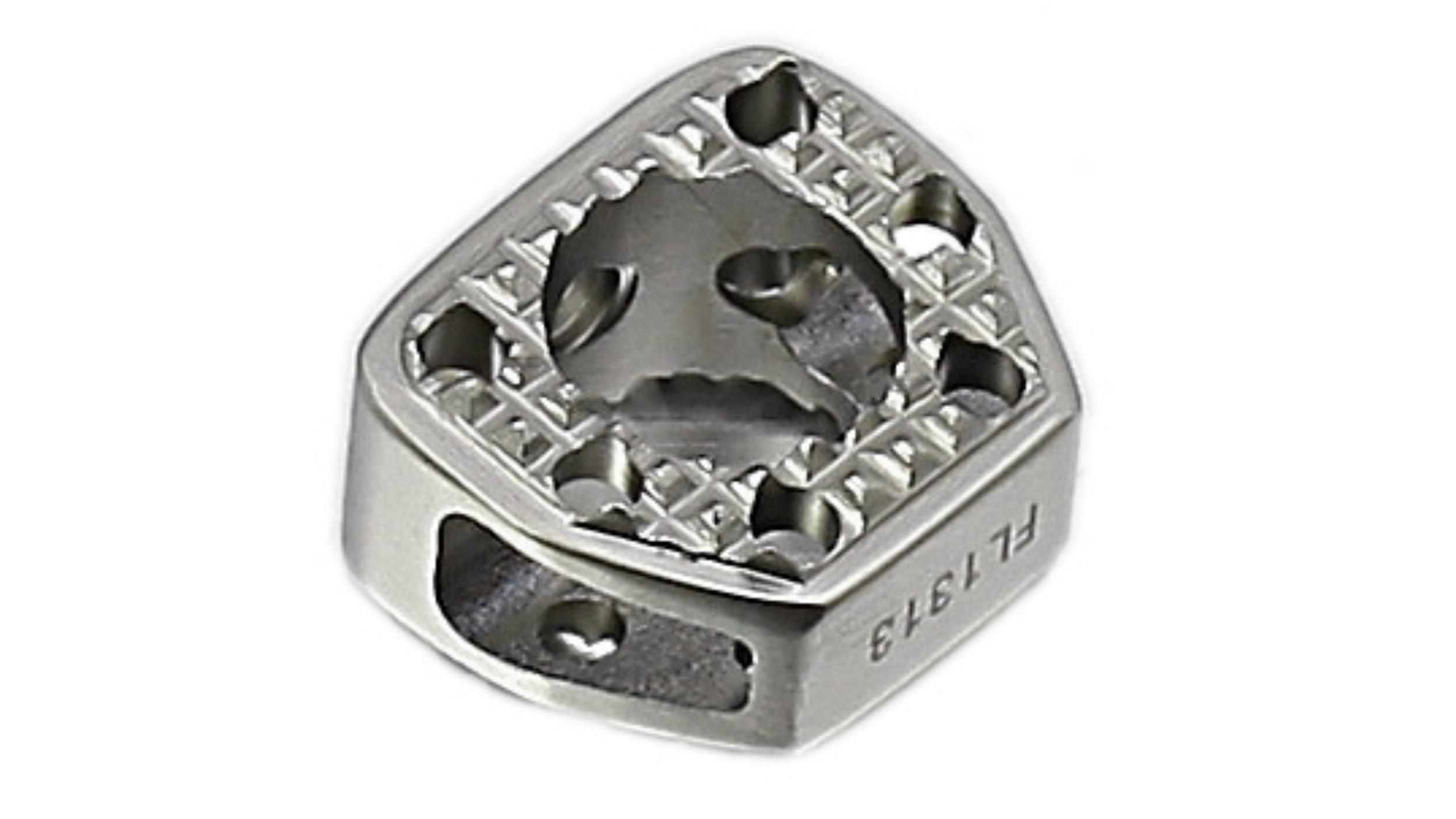
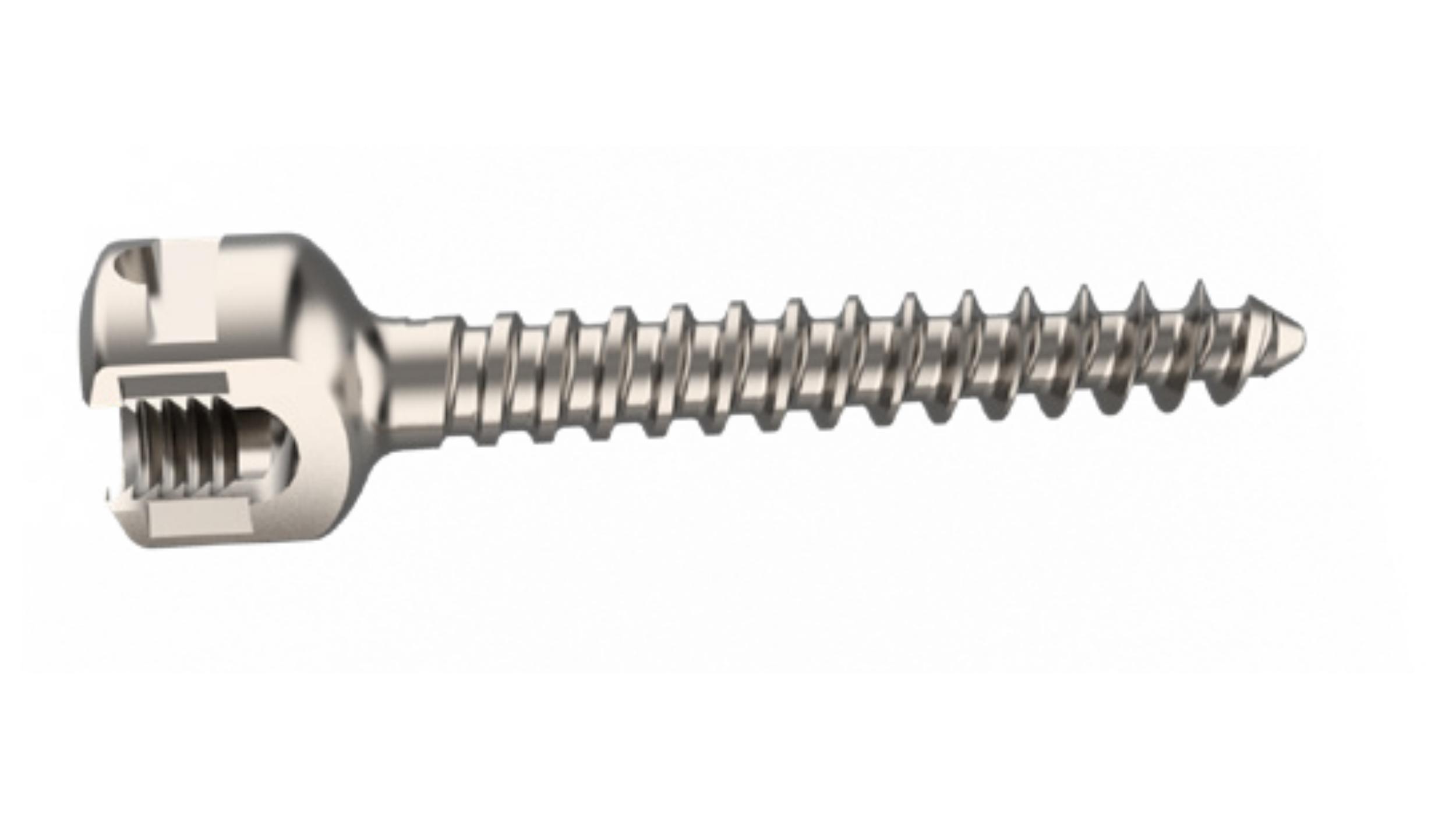
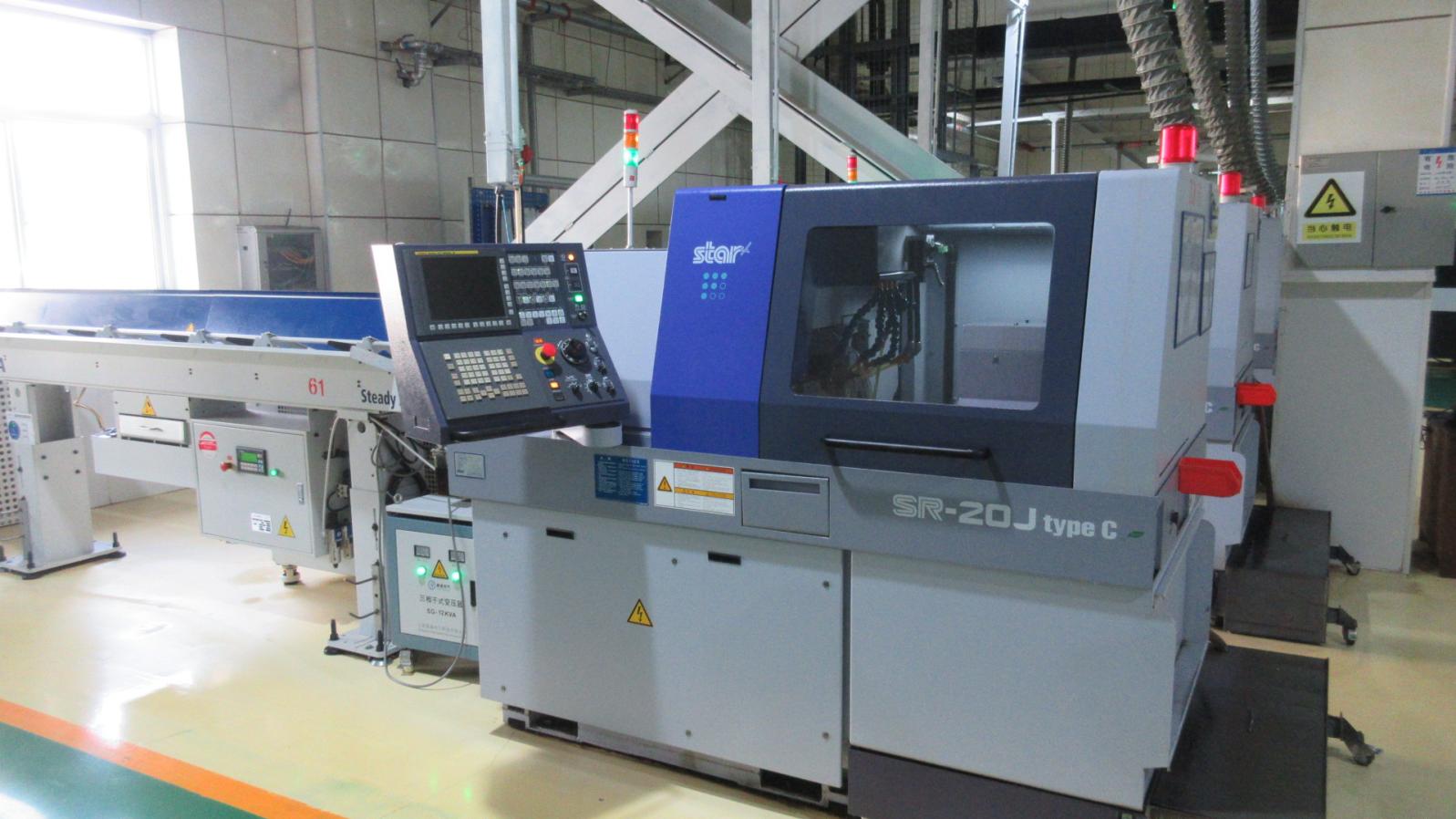
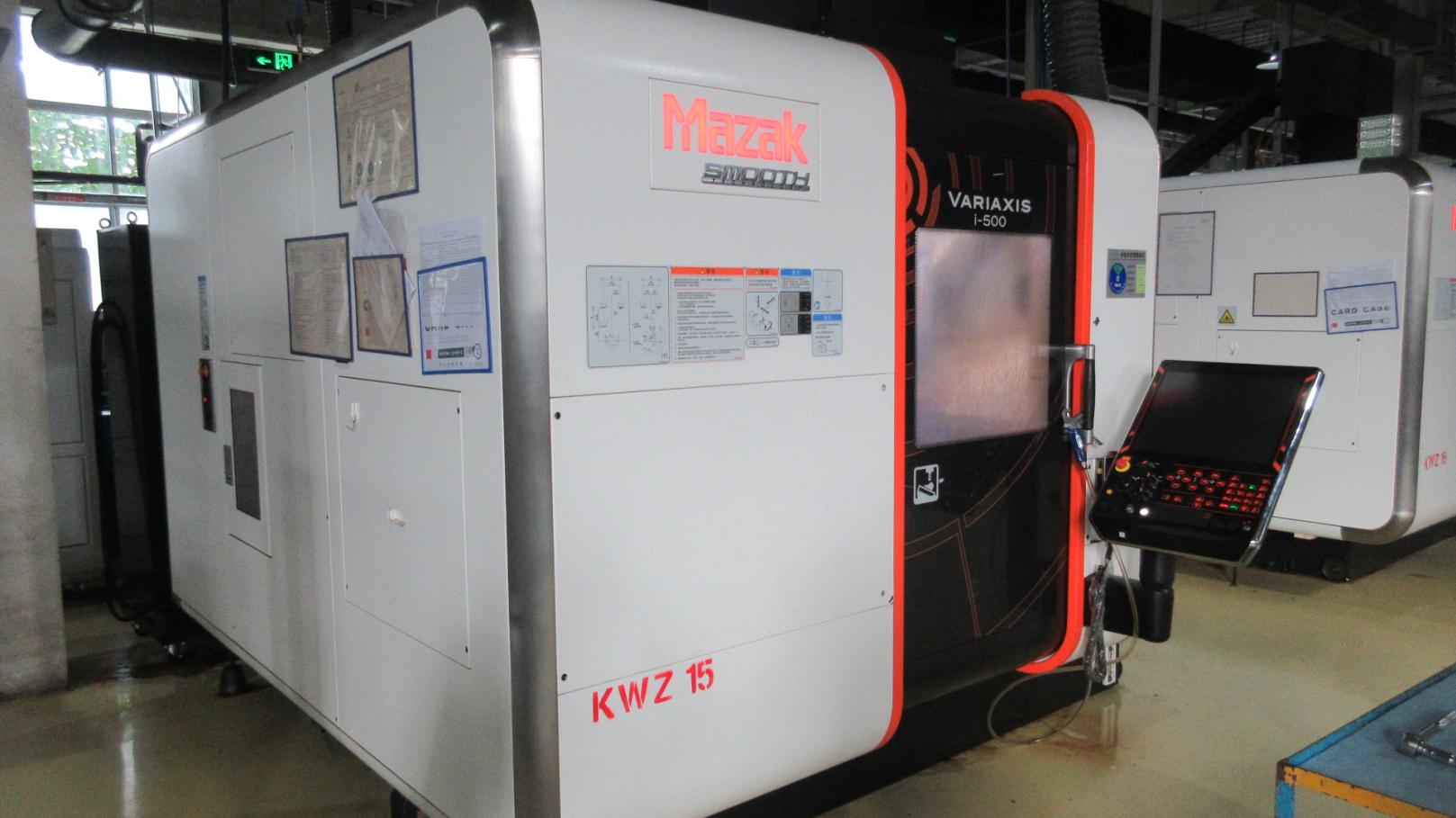
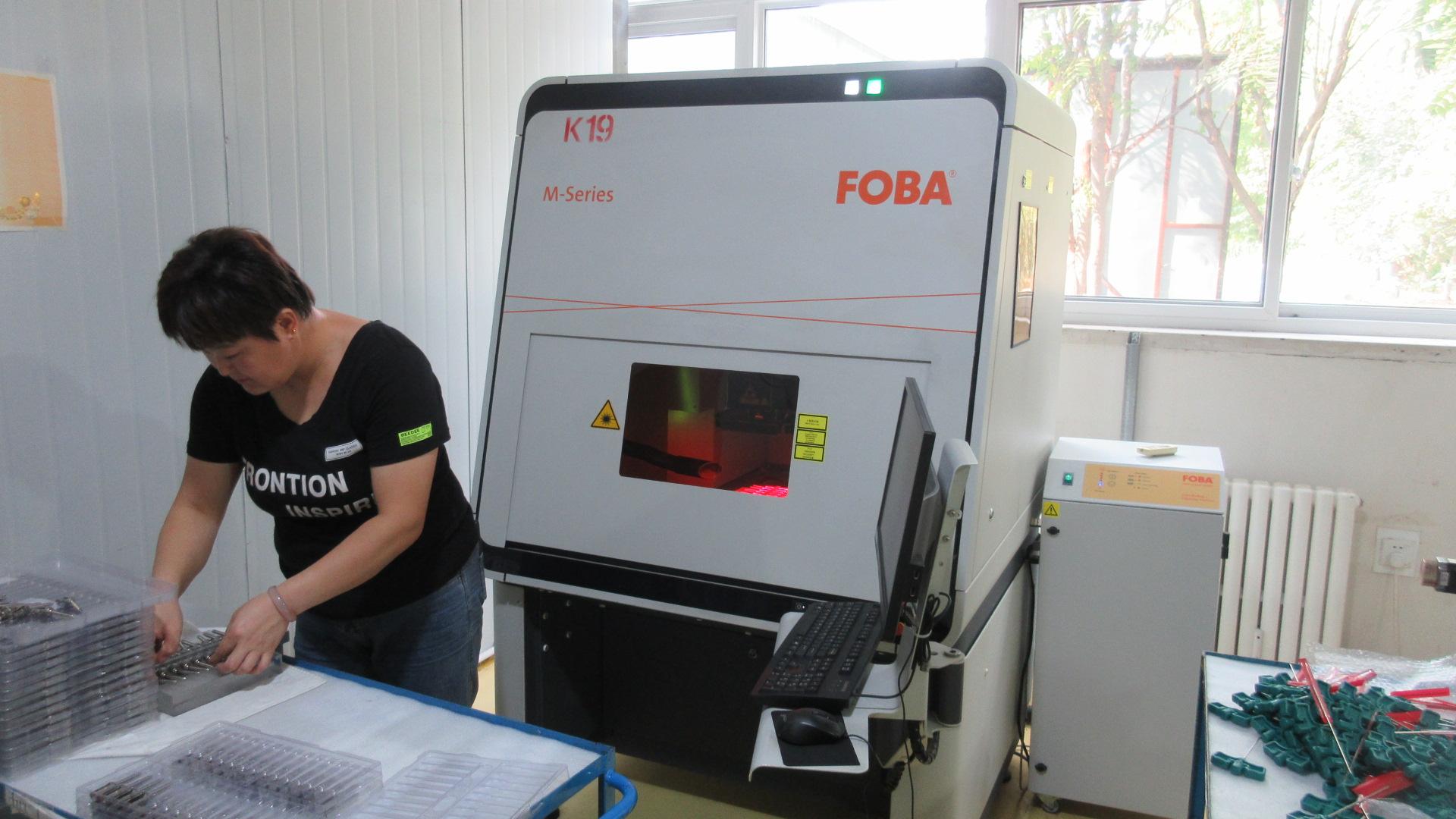
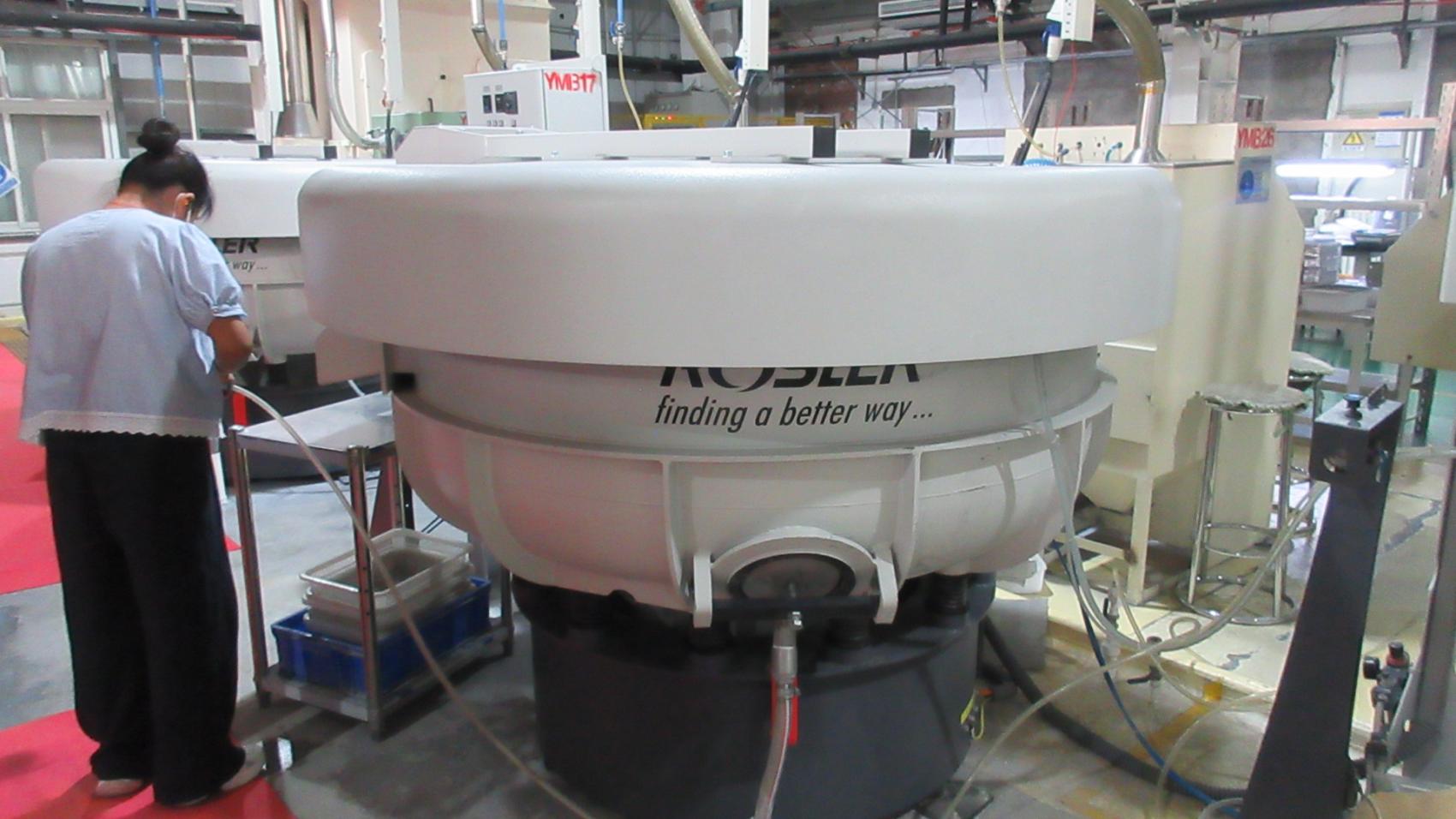
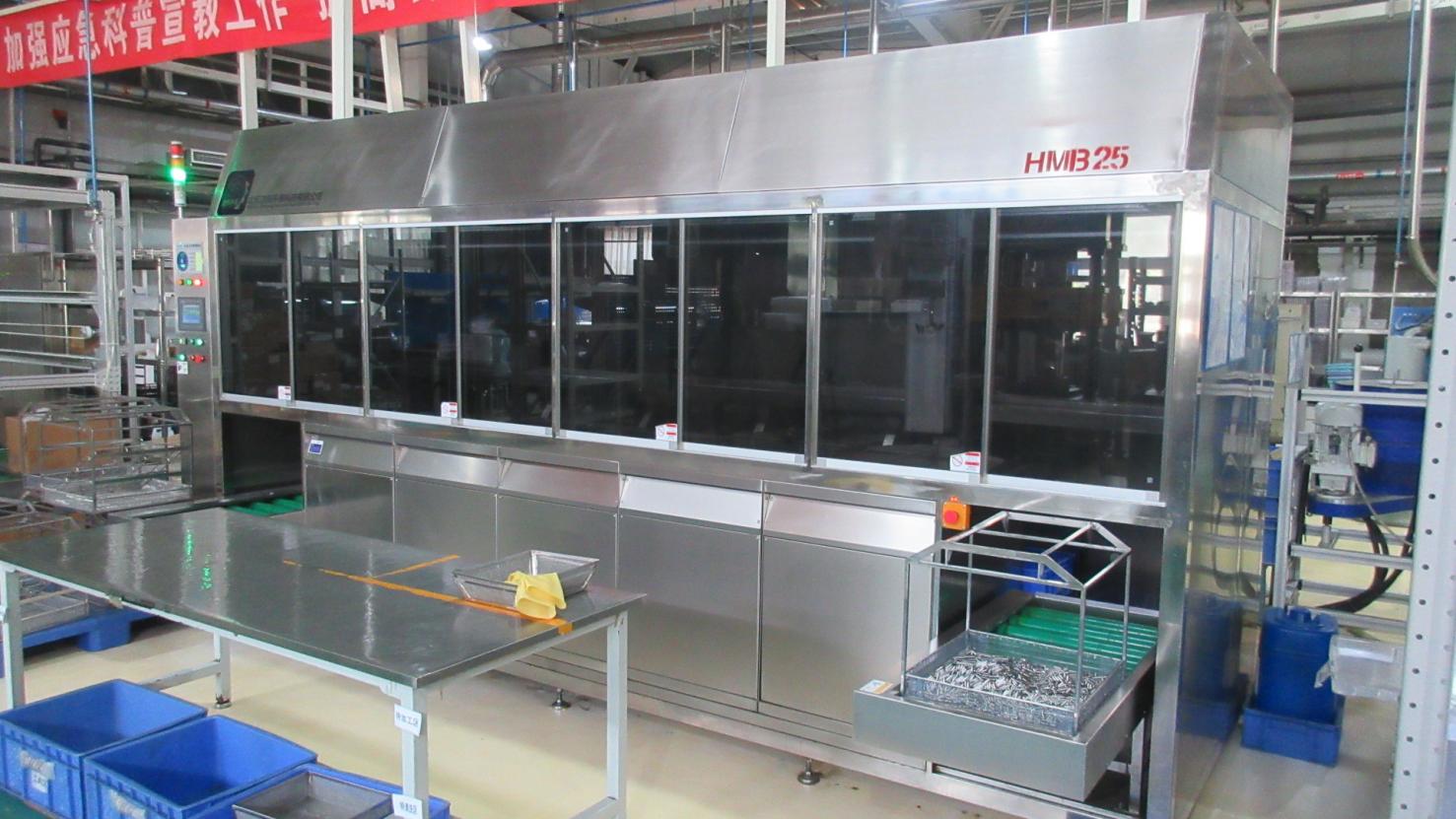
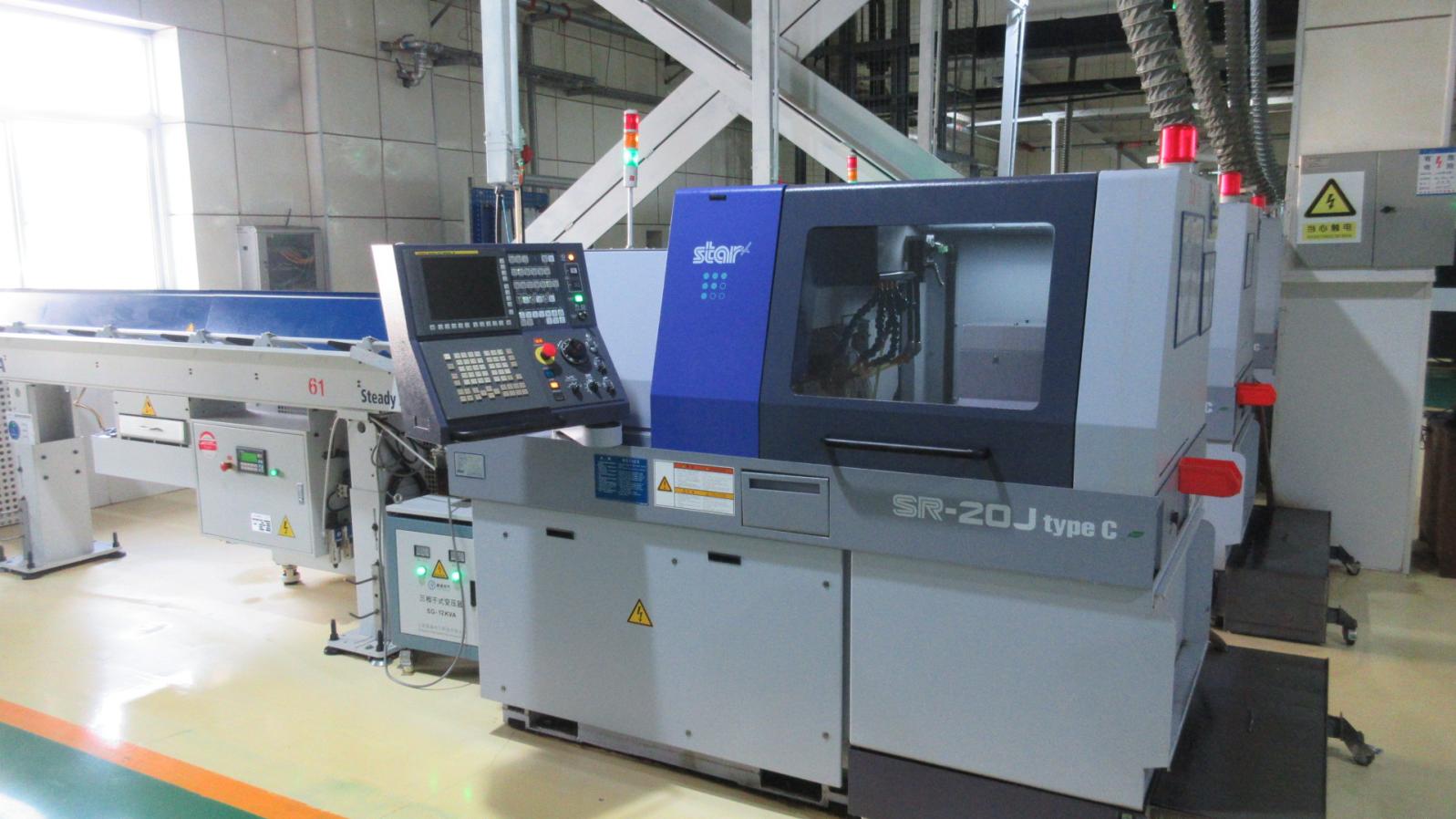
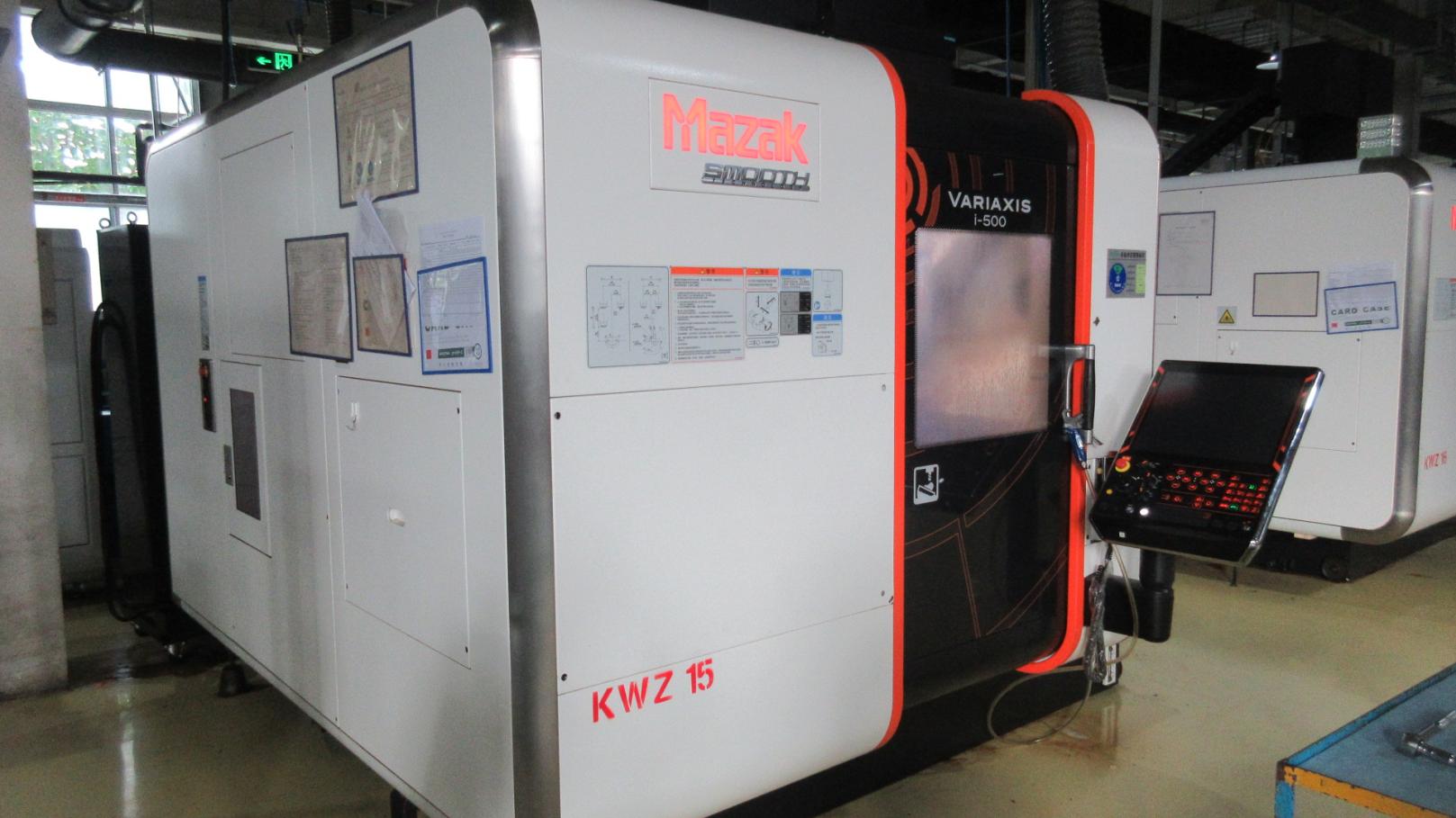
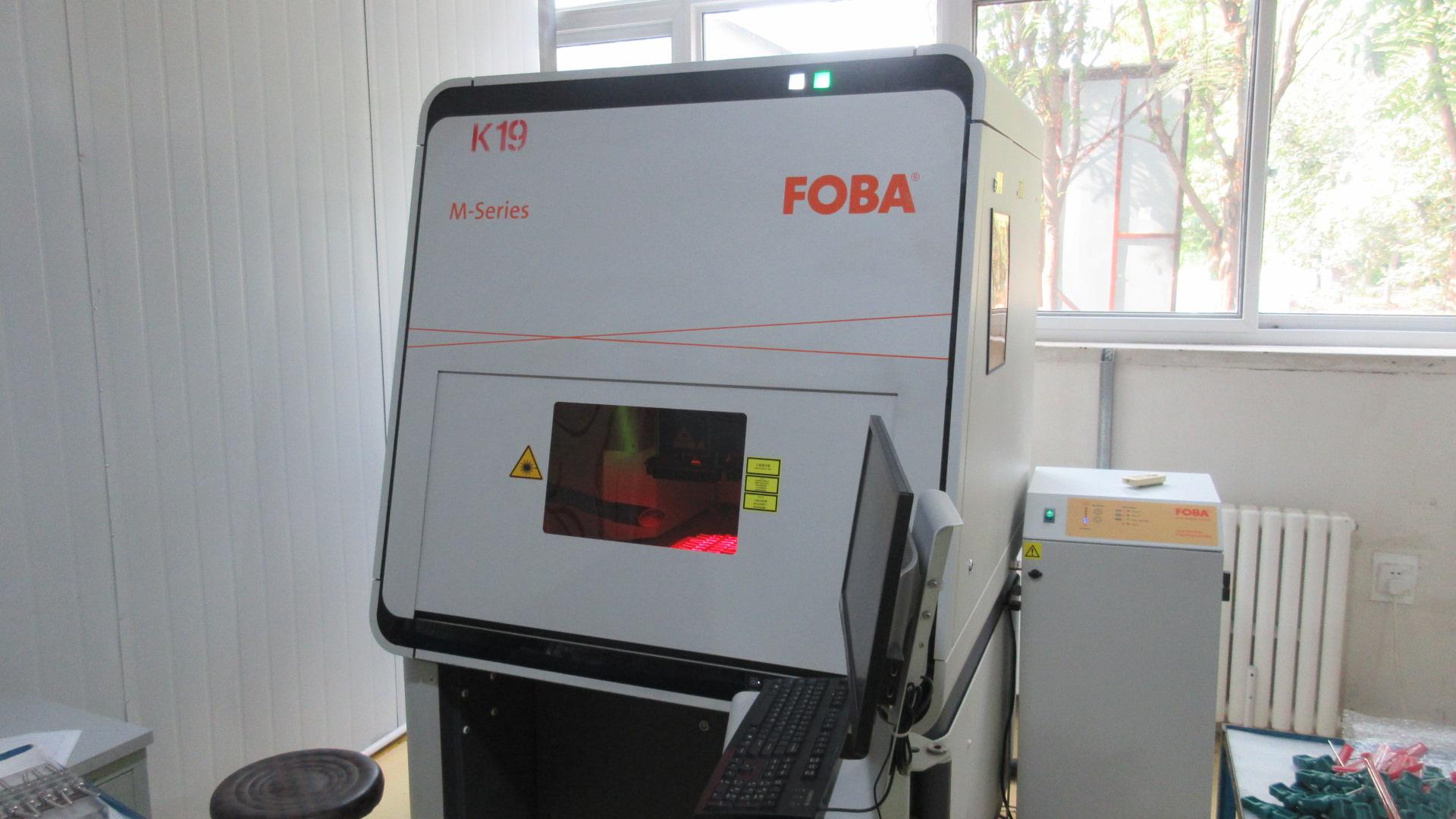
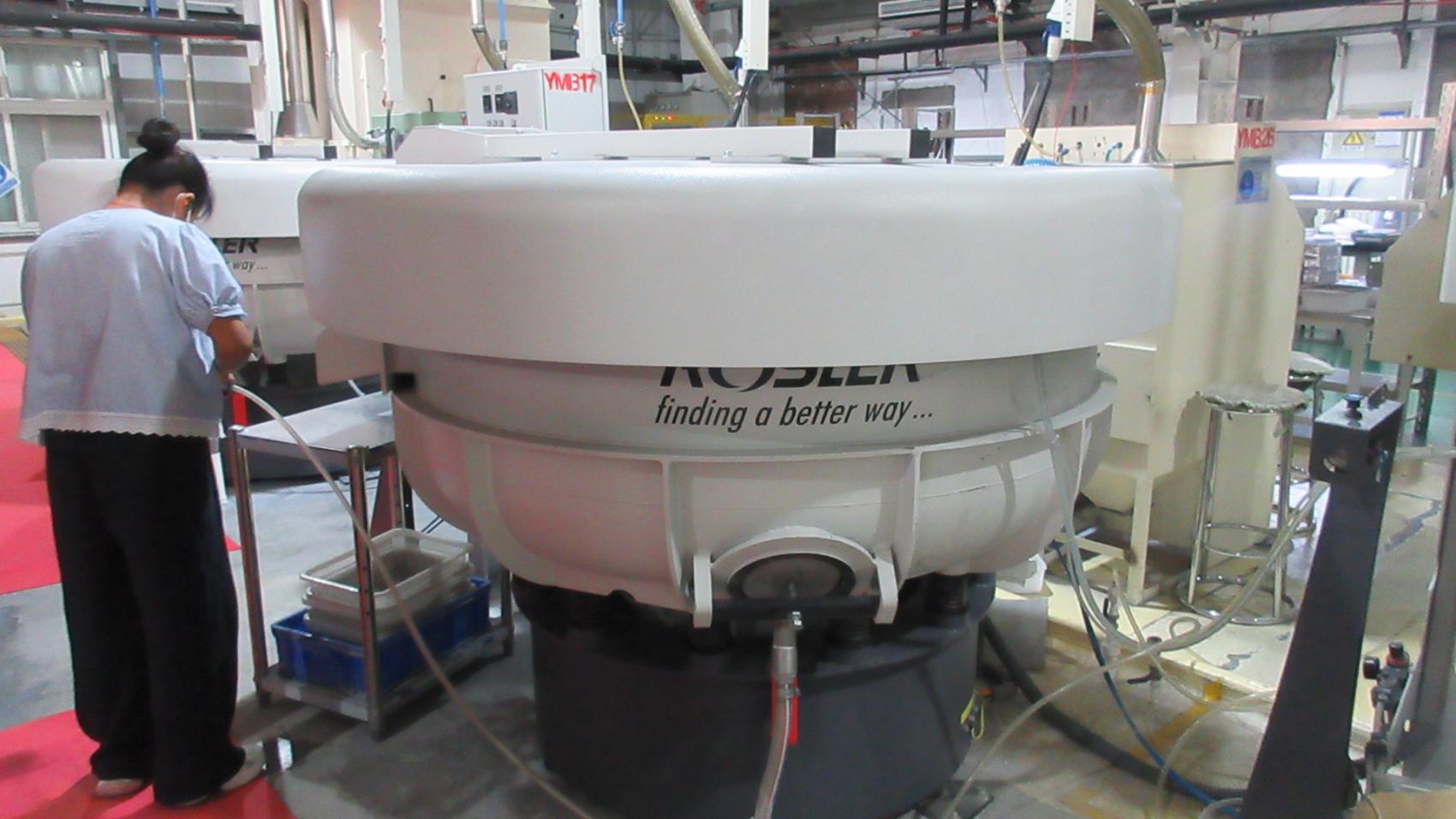
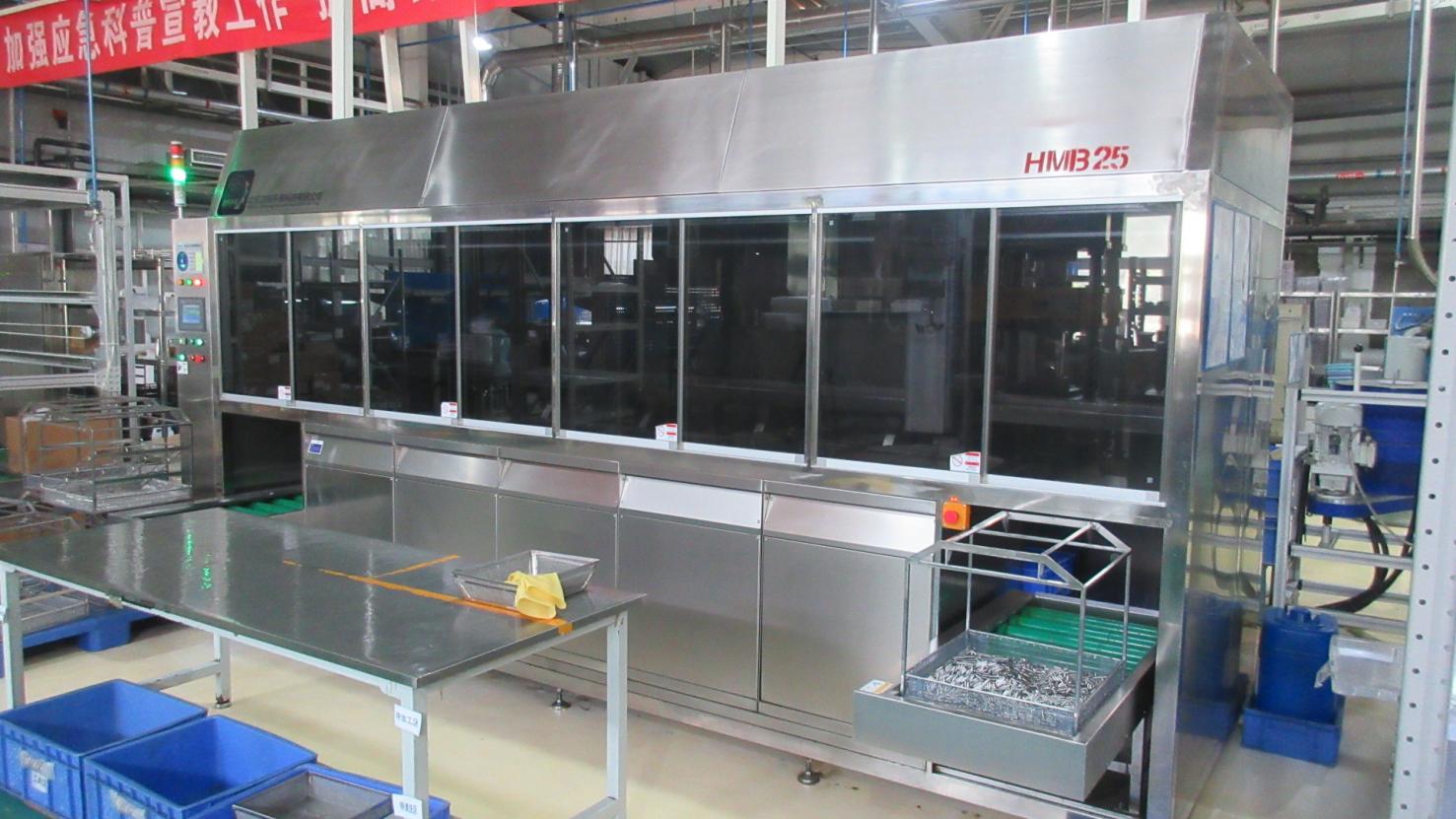
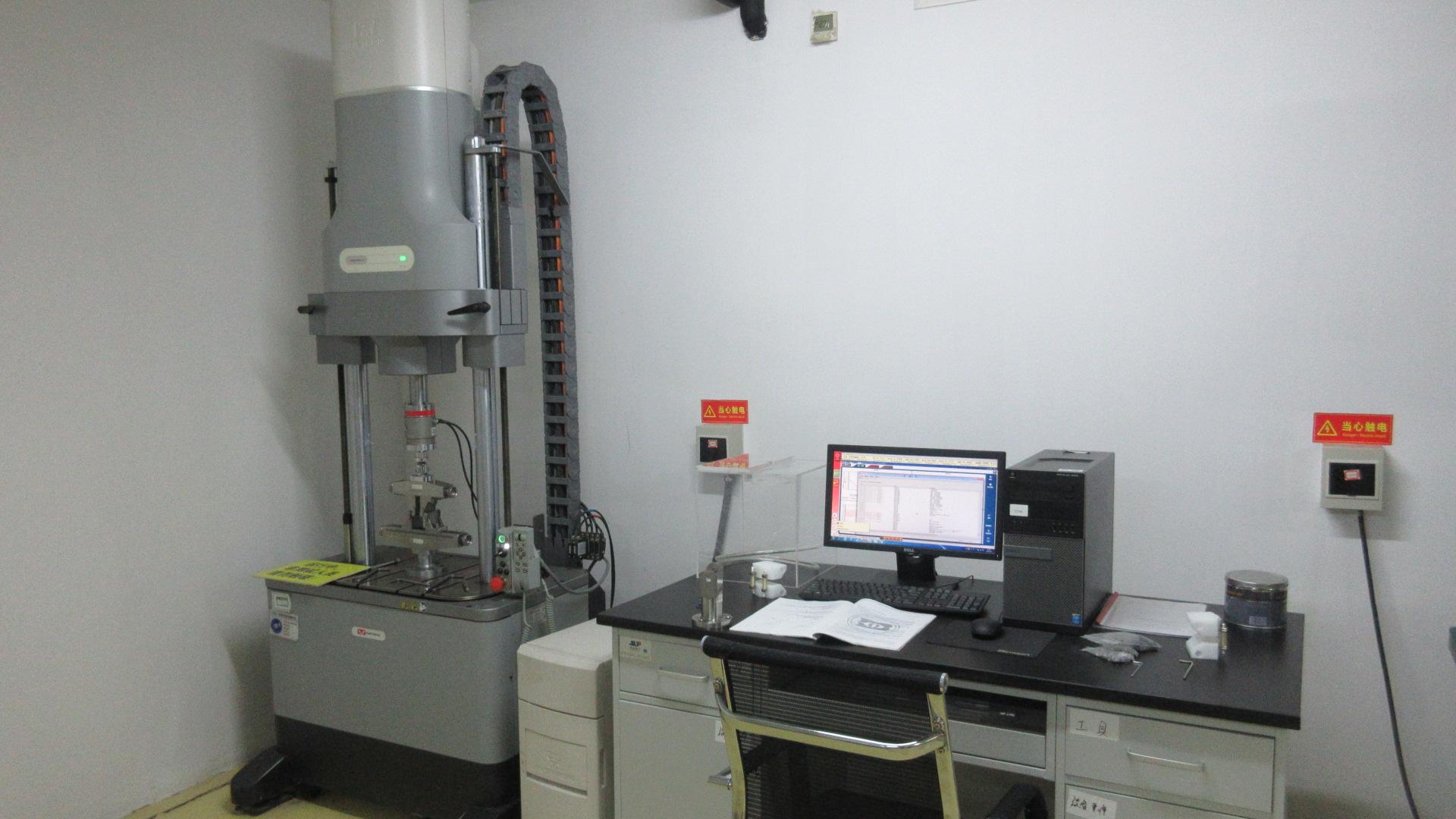
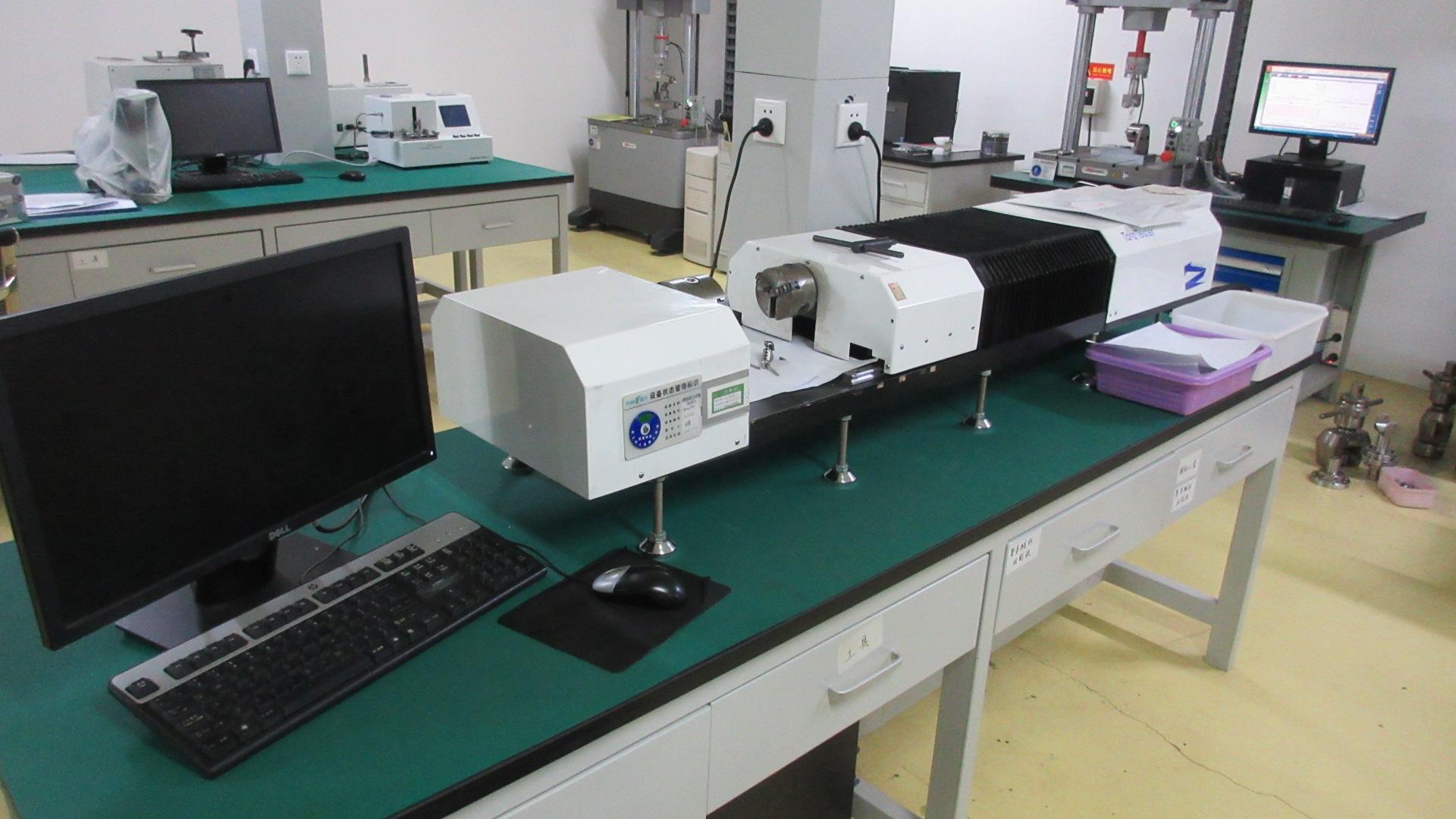
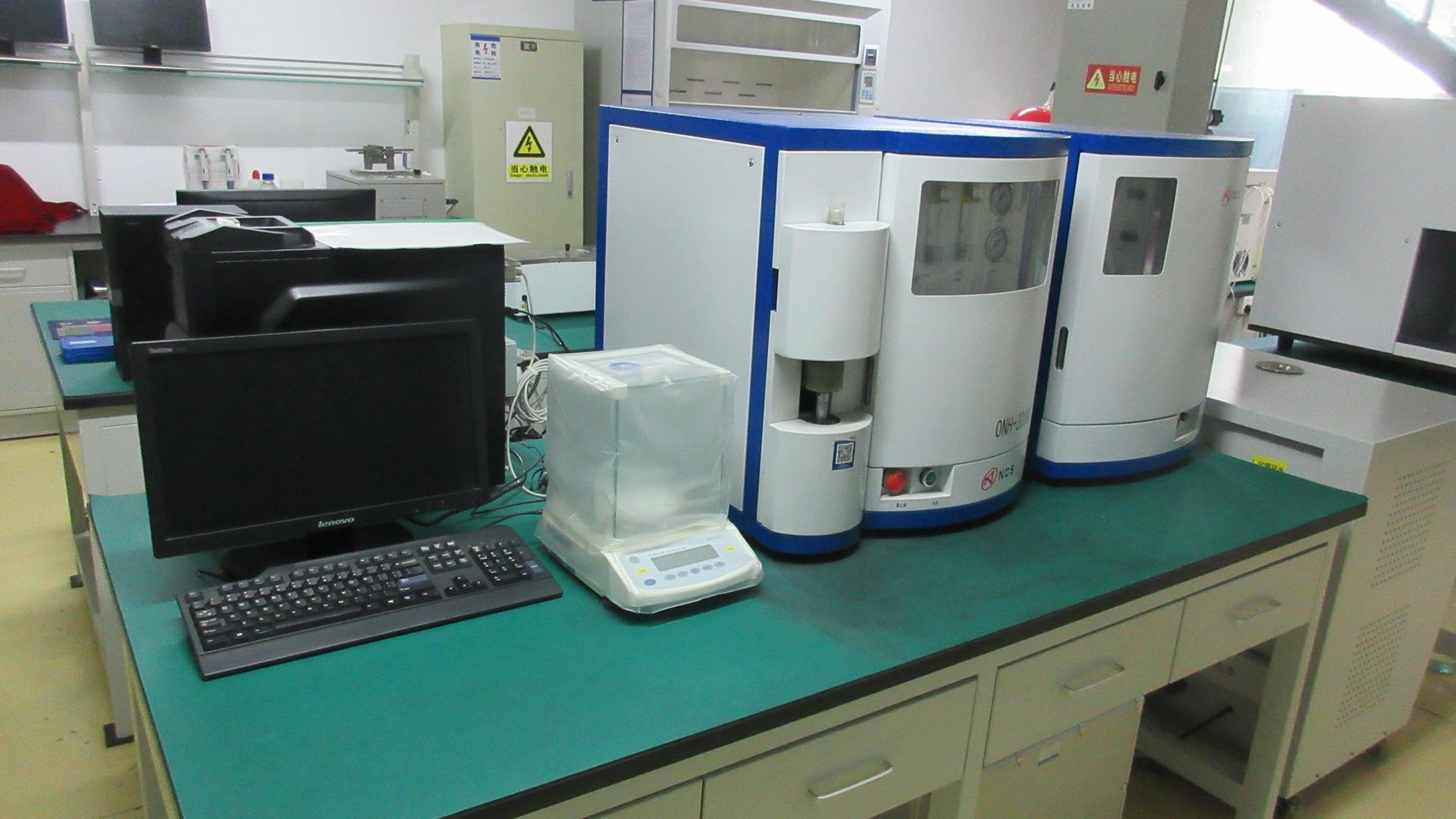
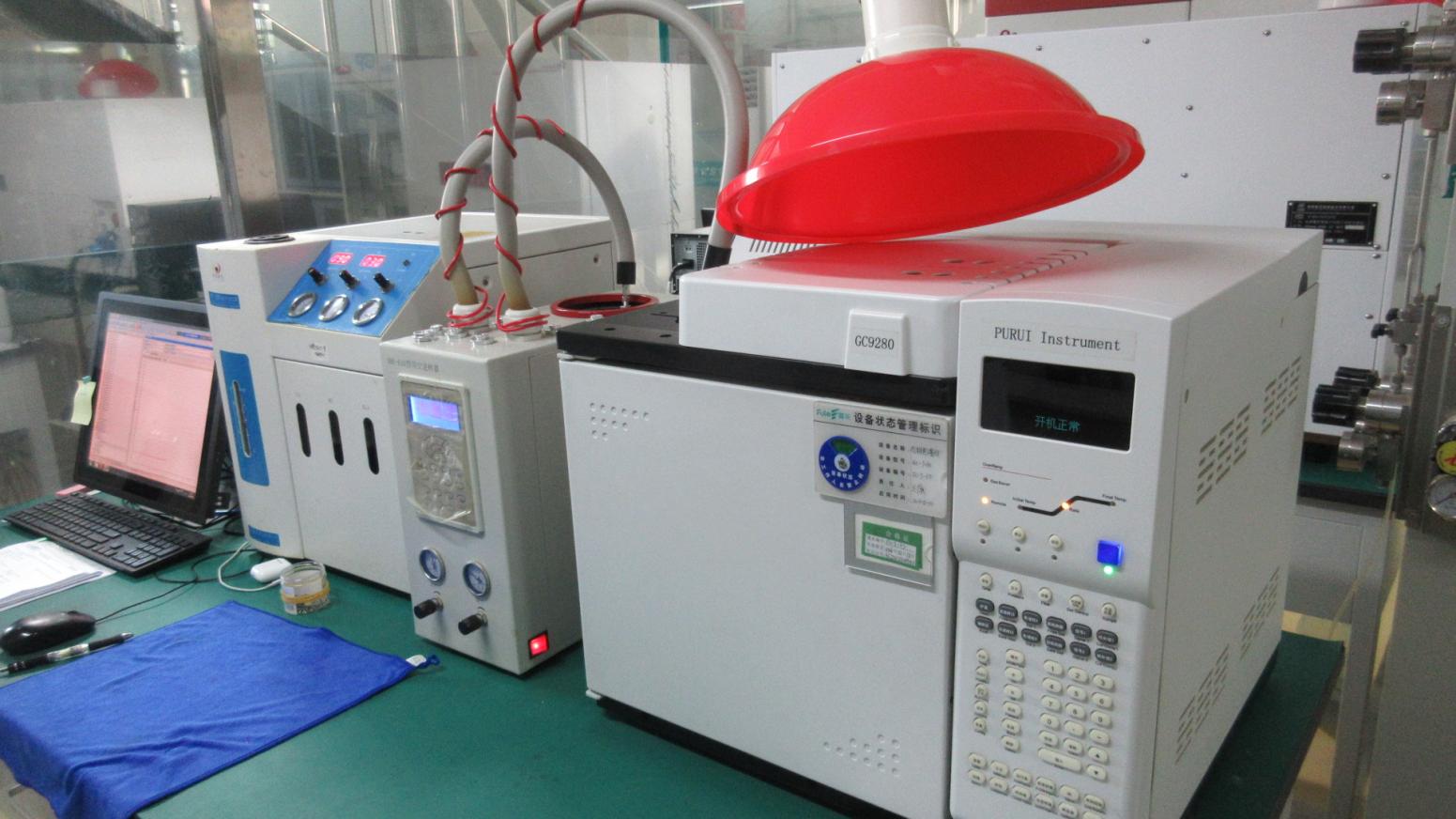
We implement a rigorous 100% inspection protocol. Our 15 QA/QC inspectors utilize advanced coordinate measuring machines (CMM) and fatigue testing equipment to ensure that every Humeral Locking Plate meets international Class III standards.
Raw material integrity is the foundation of patient safety. We provide full traceability for all titanium and stainless steel medical-grade alloys, ensuring that each implant used in surgery is biocompatible and durable for 5+ years.
Our R&D team consists of 20 engineers, many with graduate-level education. We collaborate with orthopedic surgeons to refine the anatomical fit of our plates, ensuring they match the complex contours of the humerus.
 Fule
Fule