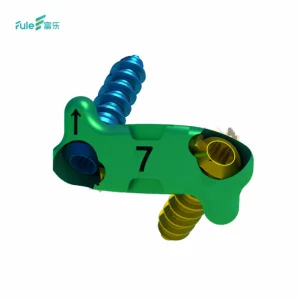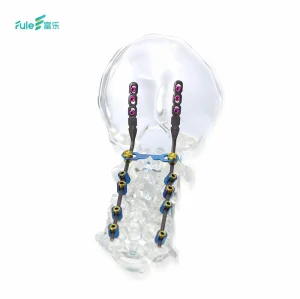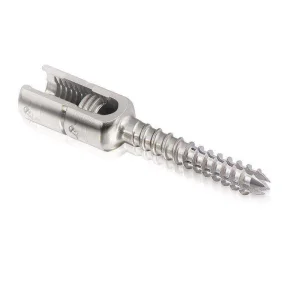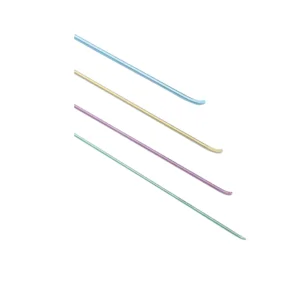
The global orthopedic trauma market, specifically focusing on Locking Plate Systems for the Tibia and Fibula, is witnessing unprecedented growth. As the weight-bearing pillars of the human lower leg, the tibia and fibula are highly susceptible to high-energy trauma, sports injuries, and age-related fragility fractures. Modern surgical interventions have shifted from traditional compression plates to advanced anatomically pre-contoured locking systems.
Recent industrial data suggests that the demand for titanium-alloy locking plates is surging in North America and Europe due to an aging population, while emerging economies in Asia-Pacific are seeing a spike in demand driven by road traffic accidents and infrastructure development. As a leading supplier and exporter, we recognize that the locking plate system's ability to maintain blood supply and provide stable fixation in osteoporotic bone is the gold standard in contemporary trauma care.
Expected CAGR of 6.5% in the trauma fixation segment through 2030, driven by technical innovations.
Transition from stainless steel to high-strength, biocompatible Grade 5 Titanium for better imaging and healing.
High procurement needs in SE Asia and Eastern Europe for cost-effective, high-quality medical devices.
The industry is moving toward Minimally Invasive Percutaneous Osteosynthesis (MIPO) techniques. This approach requires locking plate systems that are not only durable but also low-profile to reduce soft tissue irritation around the distal tibia and fibula. Current trends include:
As a China-based factory with 29 years of experience, we integrate these trends into our R&D cycle, launching over 20 new products annually to stay ahead of surgical requirements.
Hospitals, medical distributors, and trauma centers worldwide look for reliability and traceability when sourcing locking plate systems. For a Tibia/Fibula system, the localized application varies significantly:
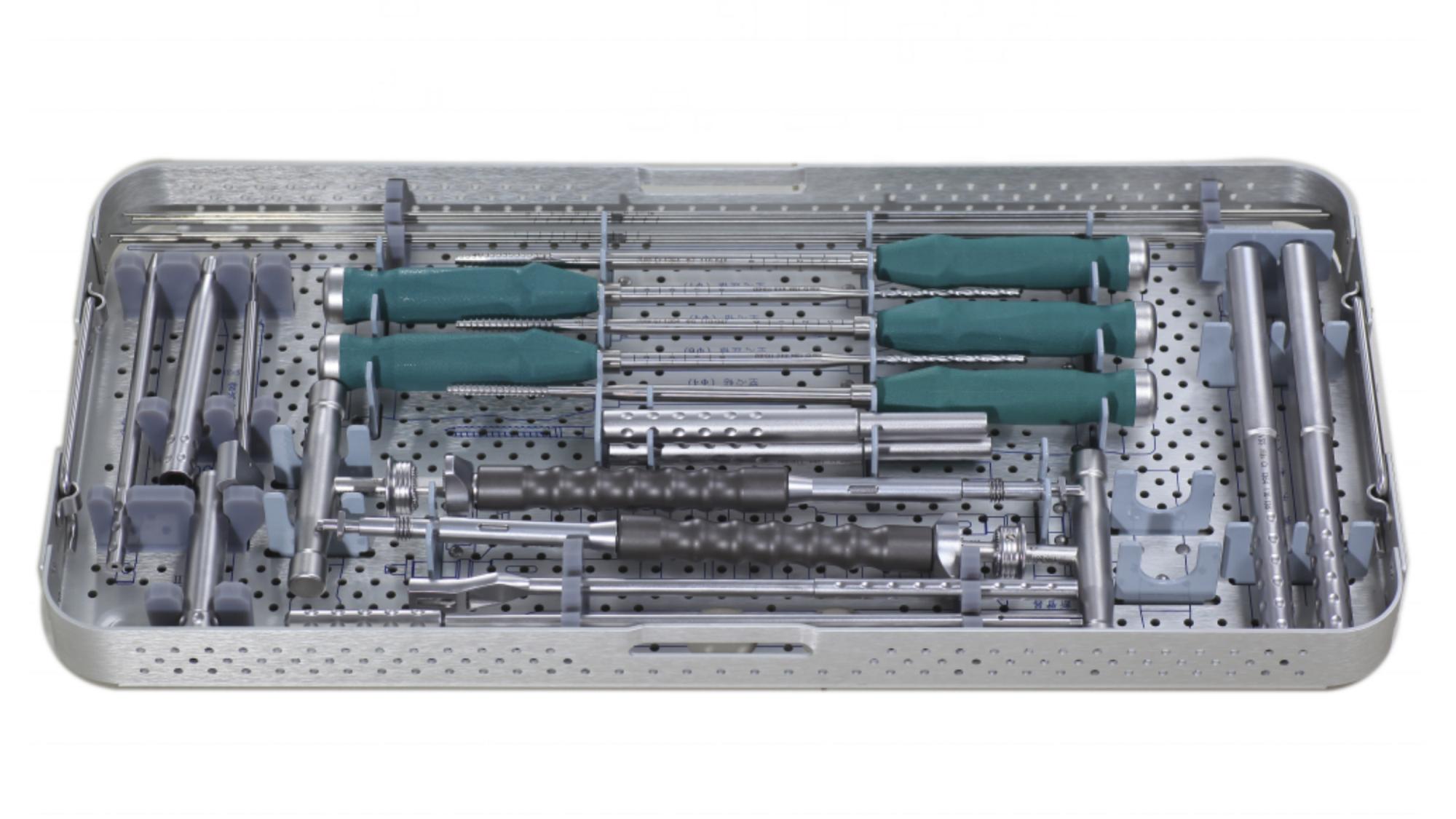
In metropolitan trauma centers, the focus is on high-speed surgical kits and specialized distal tibia plates for complex pilon fractures. Conversely, in developing regions, the demand is for durable, multi-purpose sets that can handle a wide variety of shaft fractures with minimal inventory.
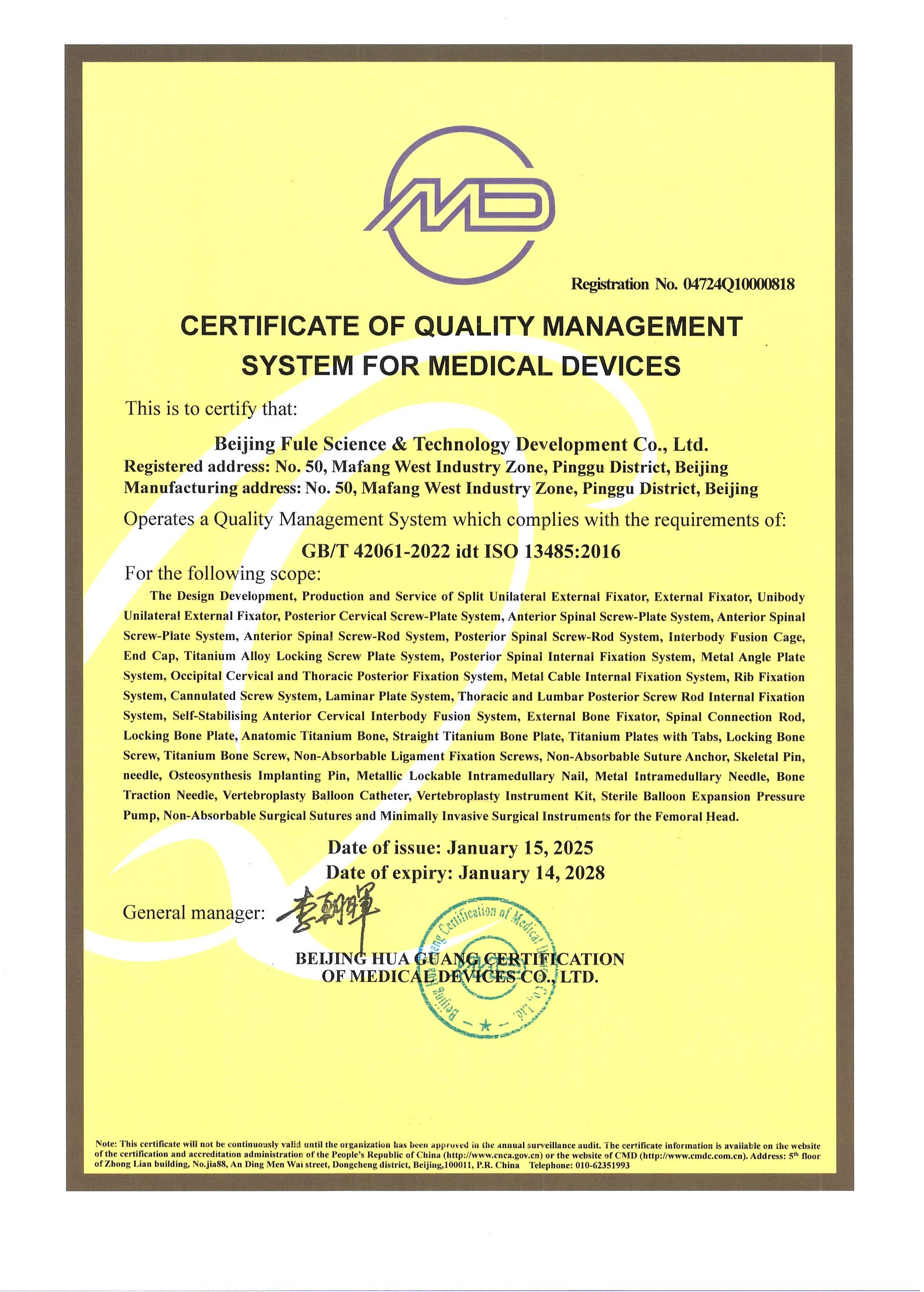
Our export strategy caters to both. With ISO13485 certification and 100% product inspection, we provide the "Reliability" required by European retailers and the "Durability" needed by healthcare providers in Southeast Asia and South America.
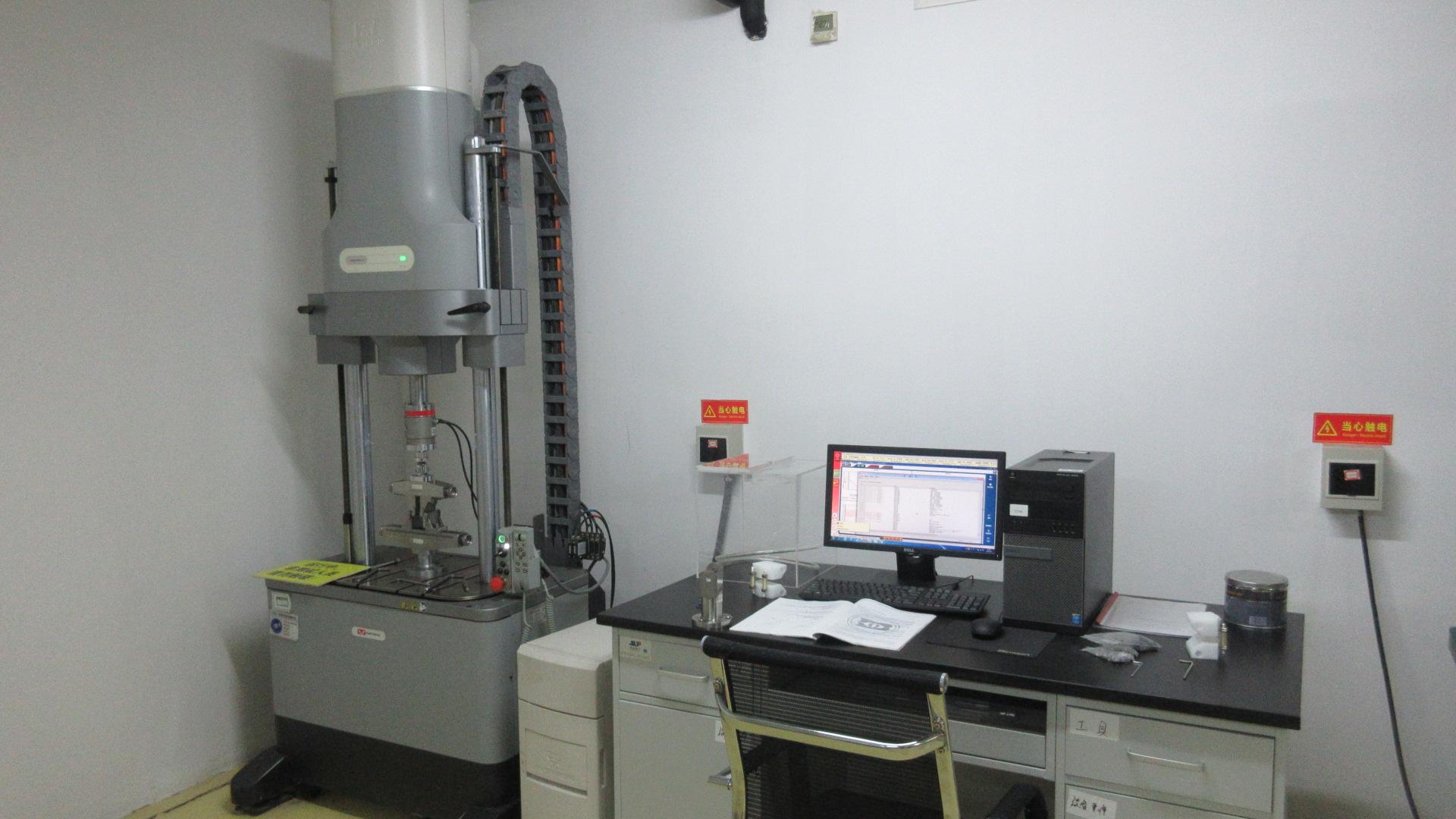
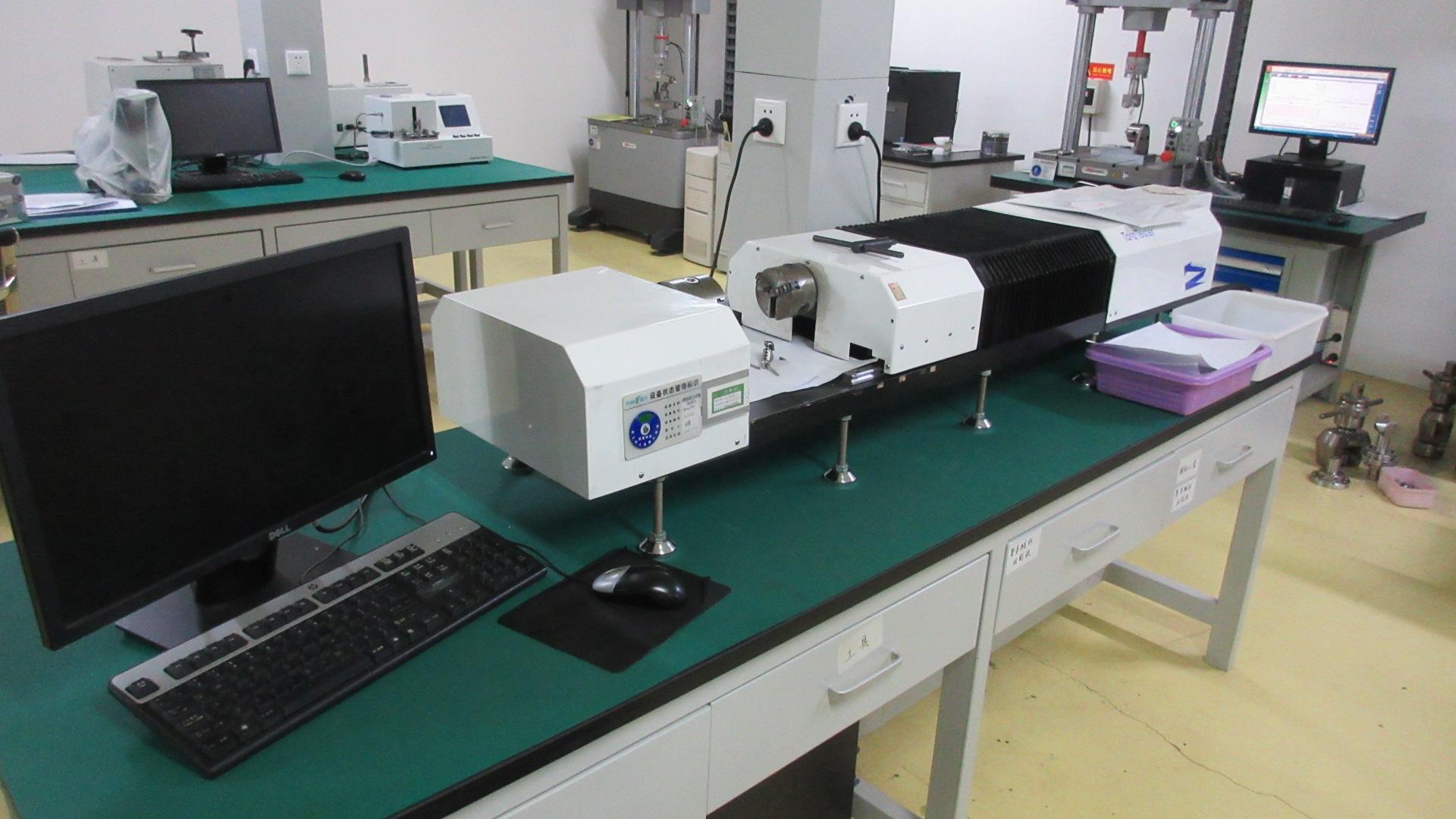
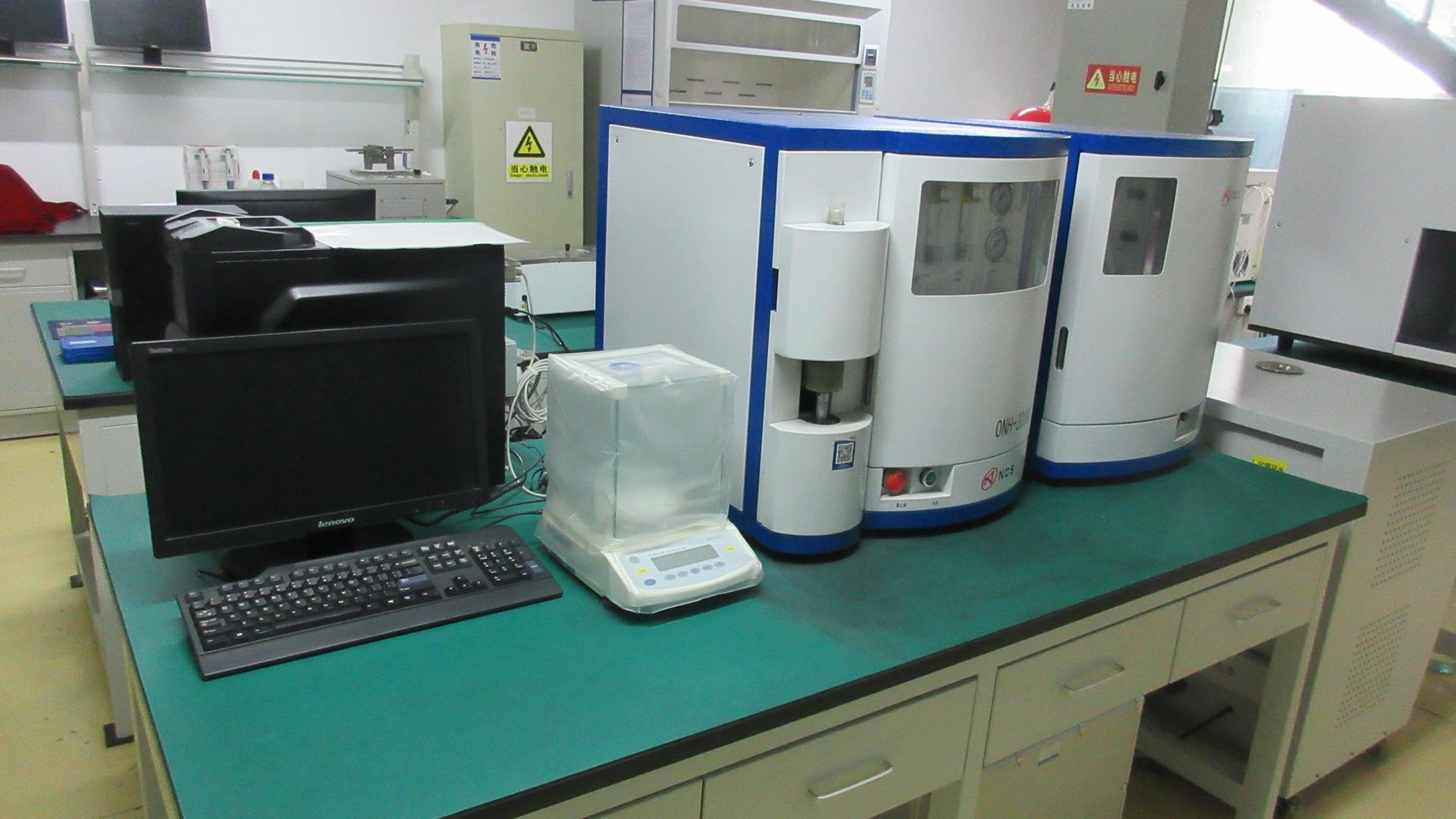
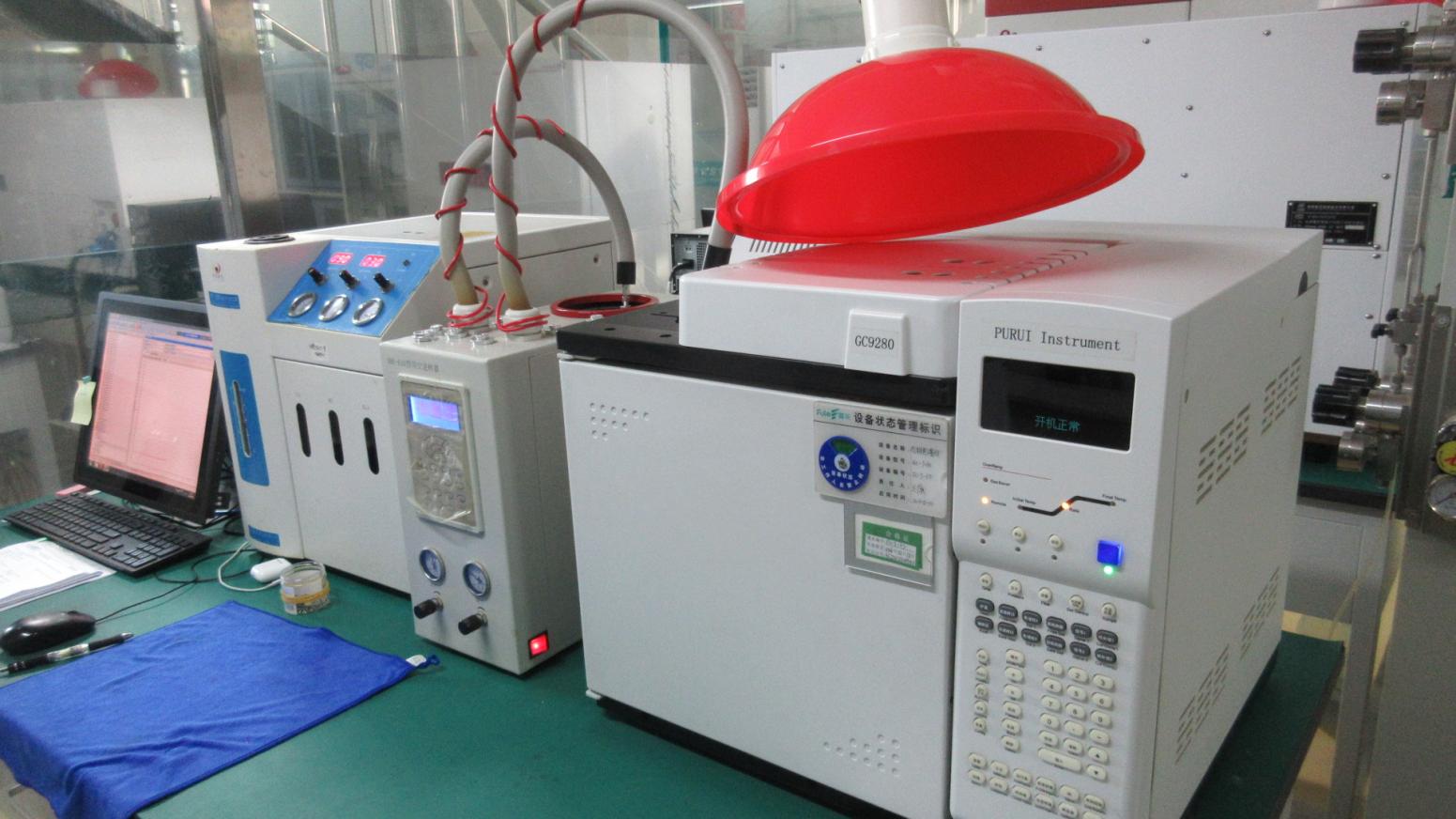
With 15 dedicated QA/QC inspectors and full traceability of raw materials, every titanium plate meets Class III medical device standards.
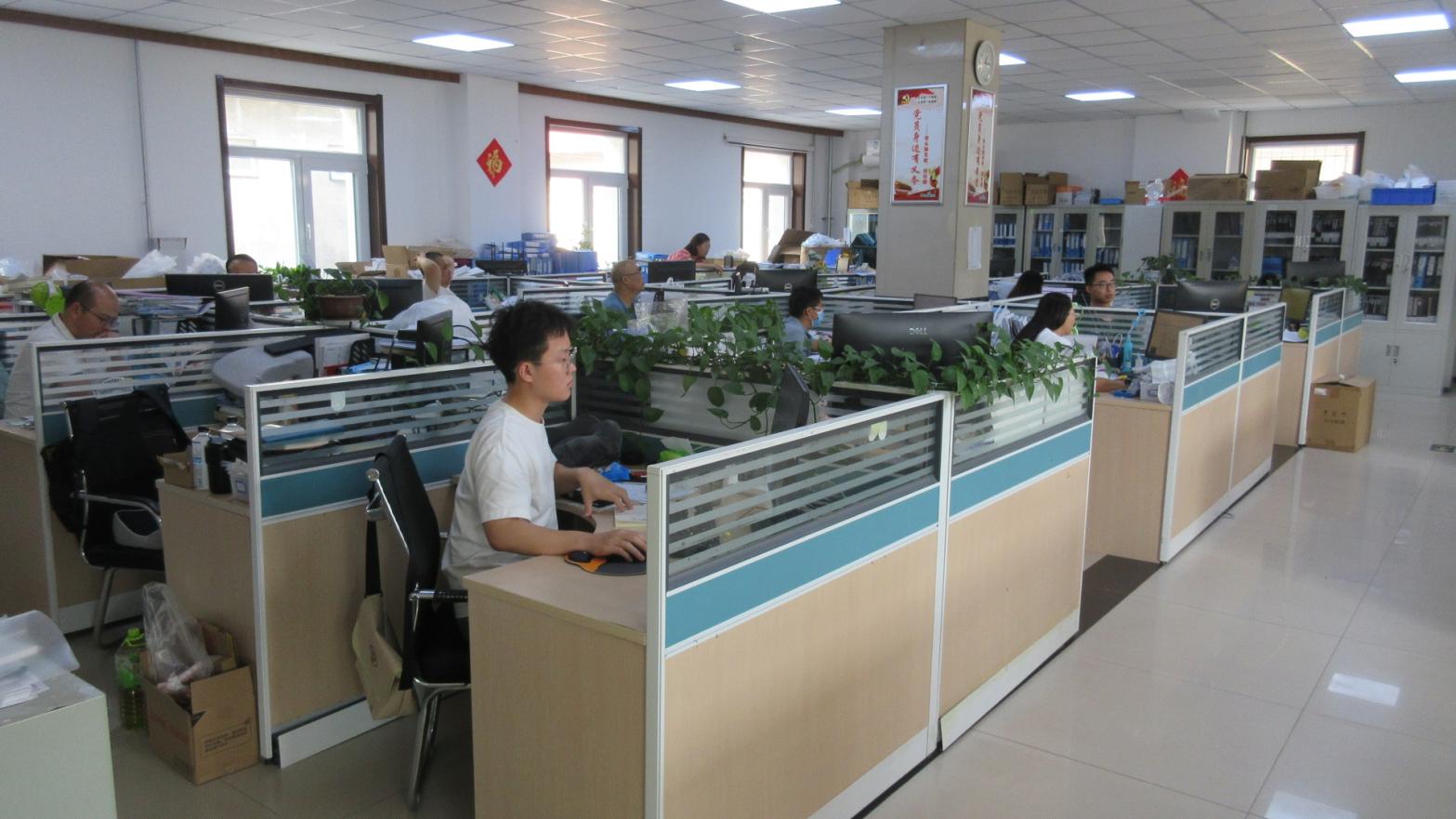
Our team of 20 engineers (including 15 graduates) specializes in sample processing and customized graphic design for OEM/ODM clients.
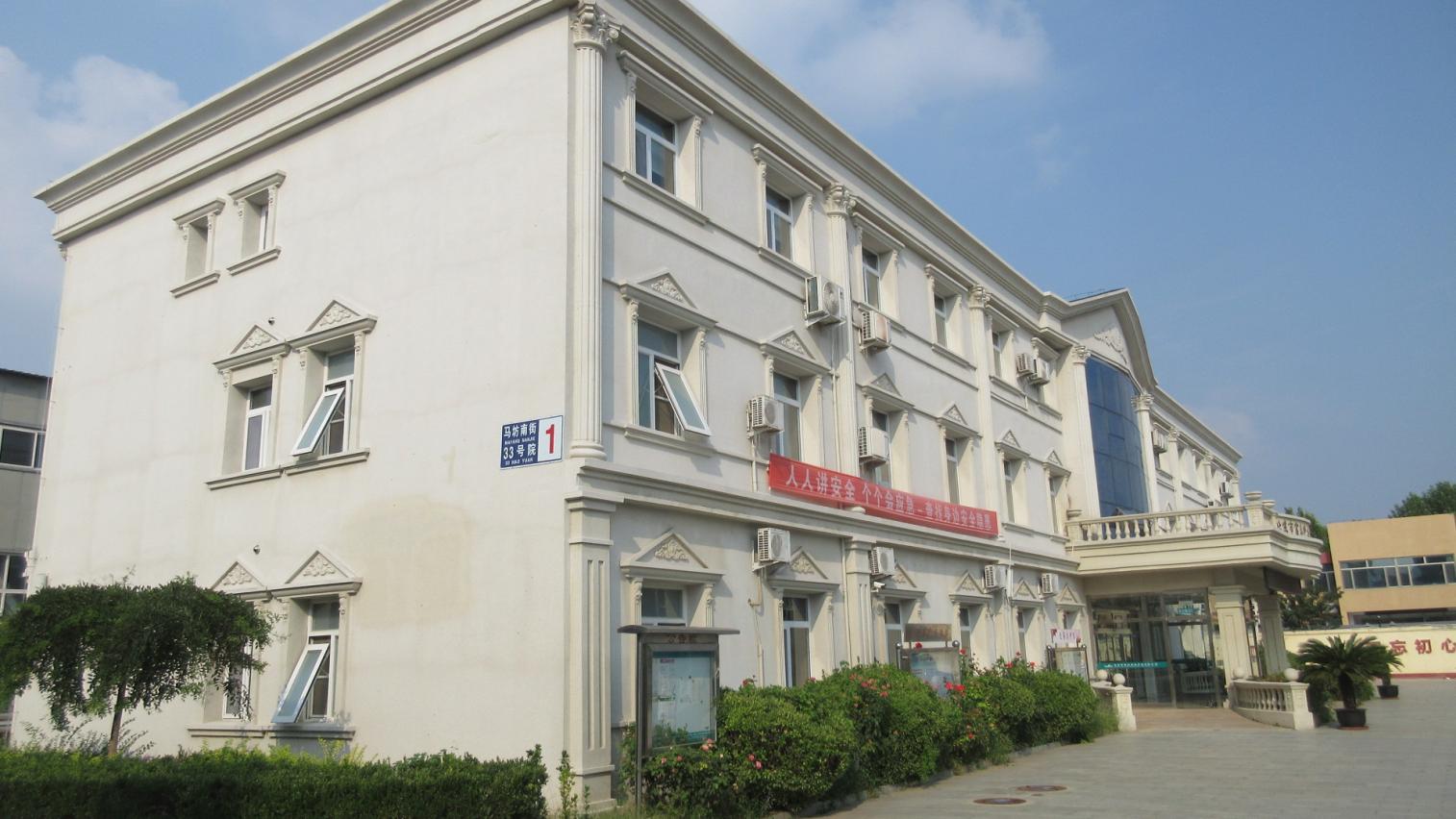
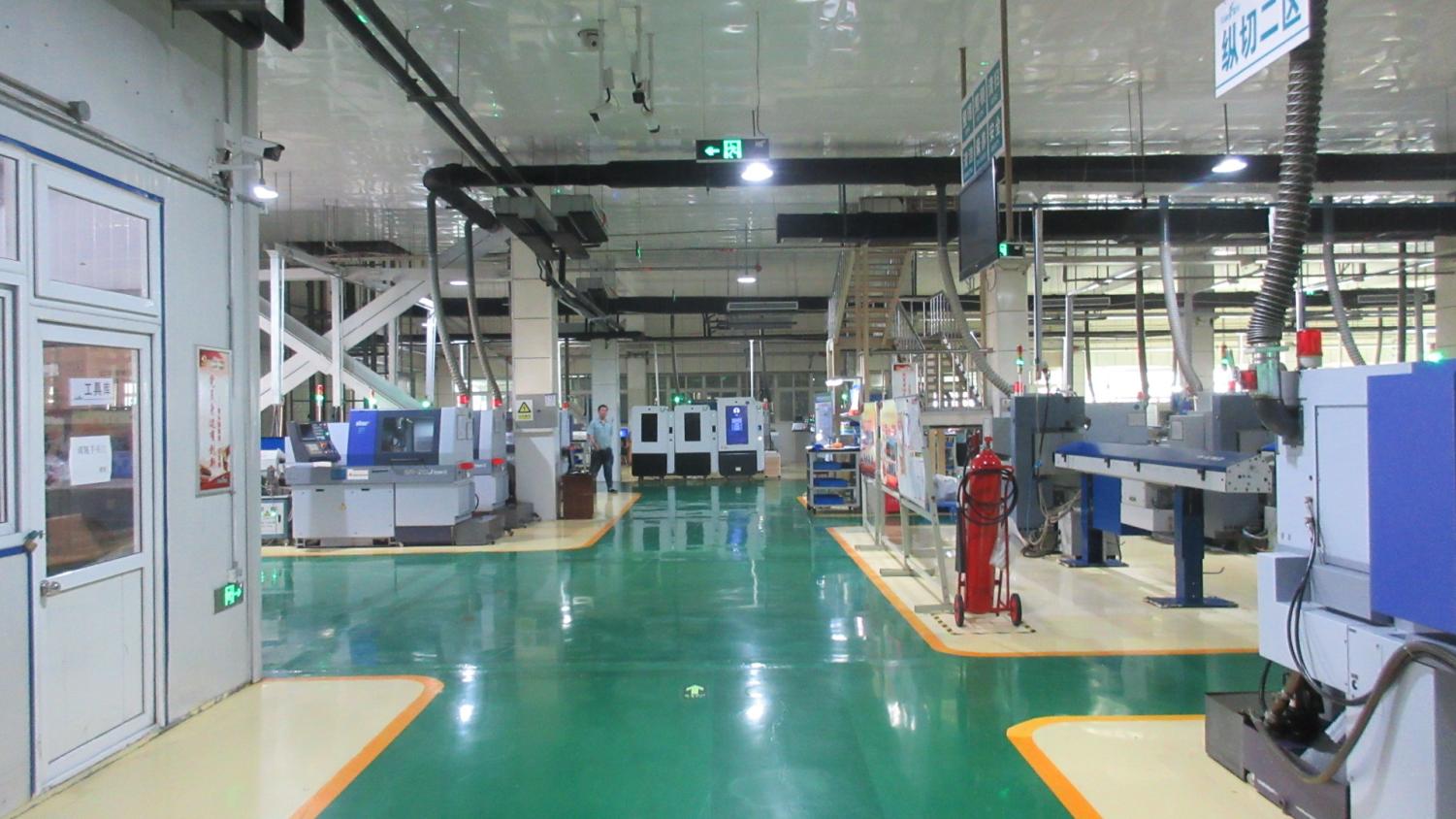
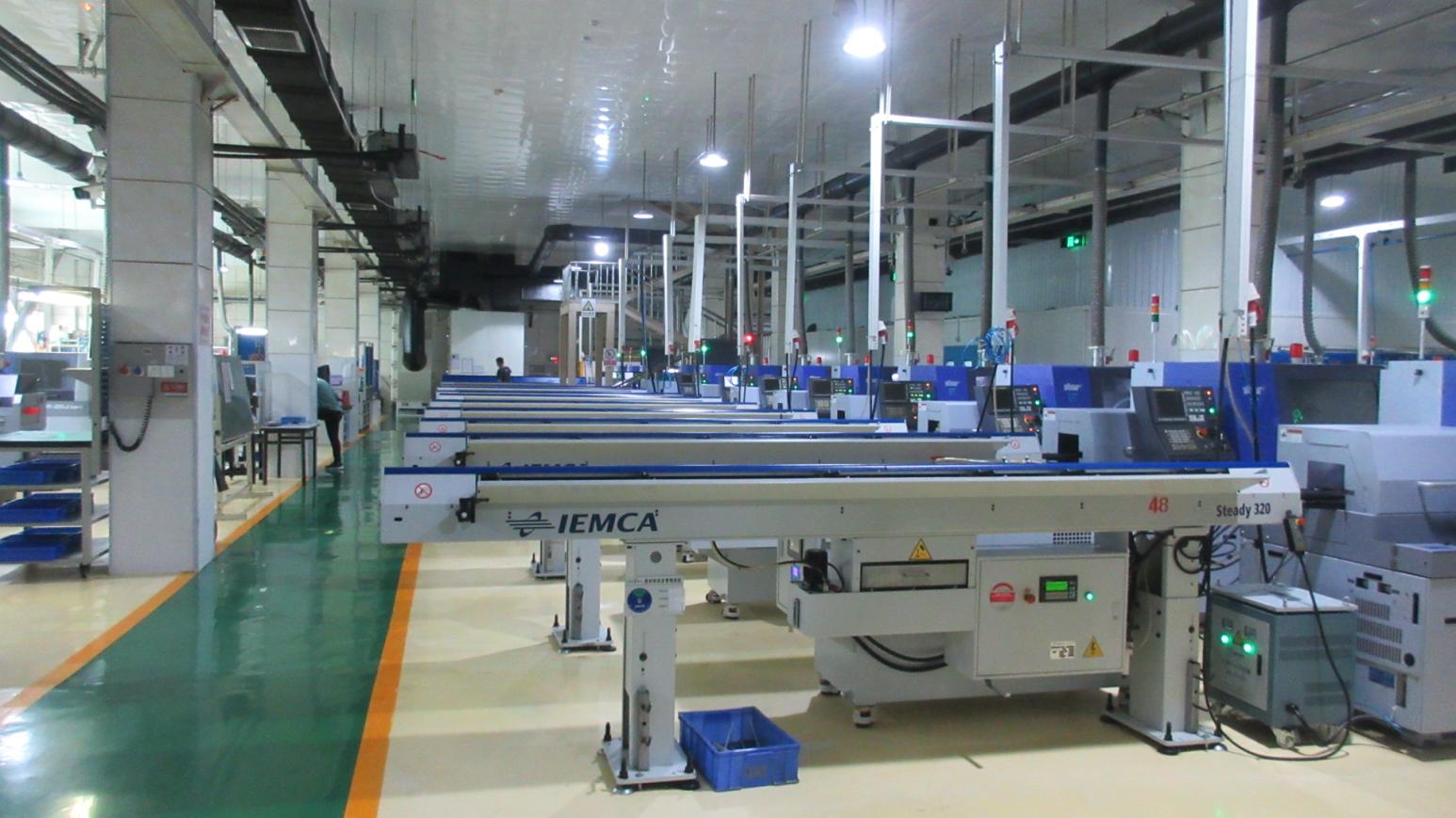
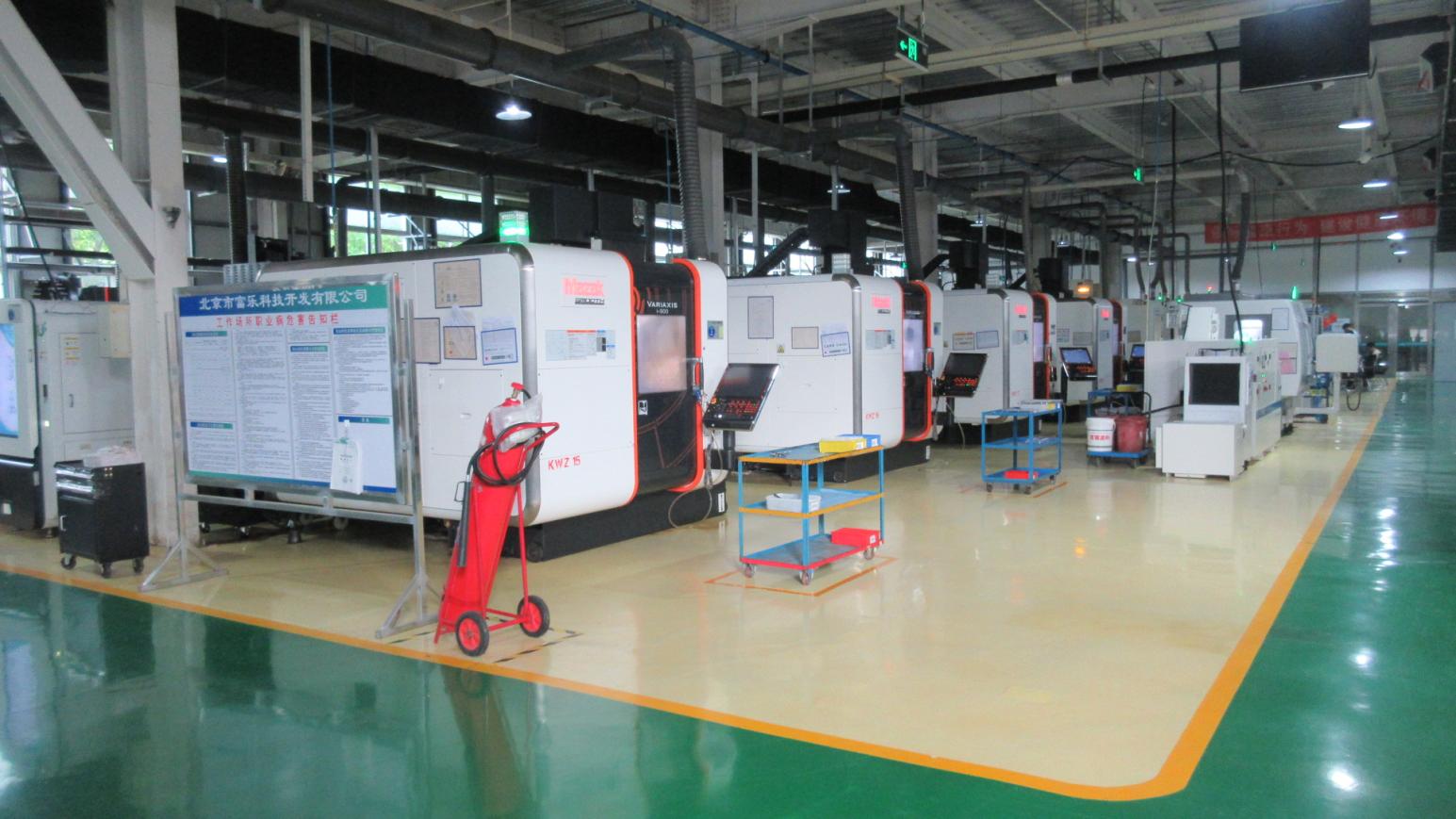
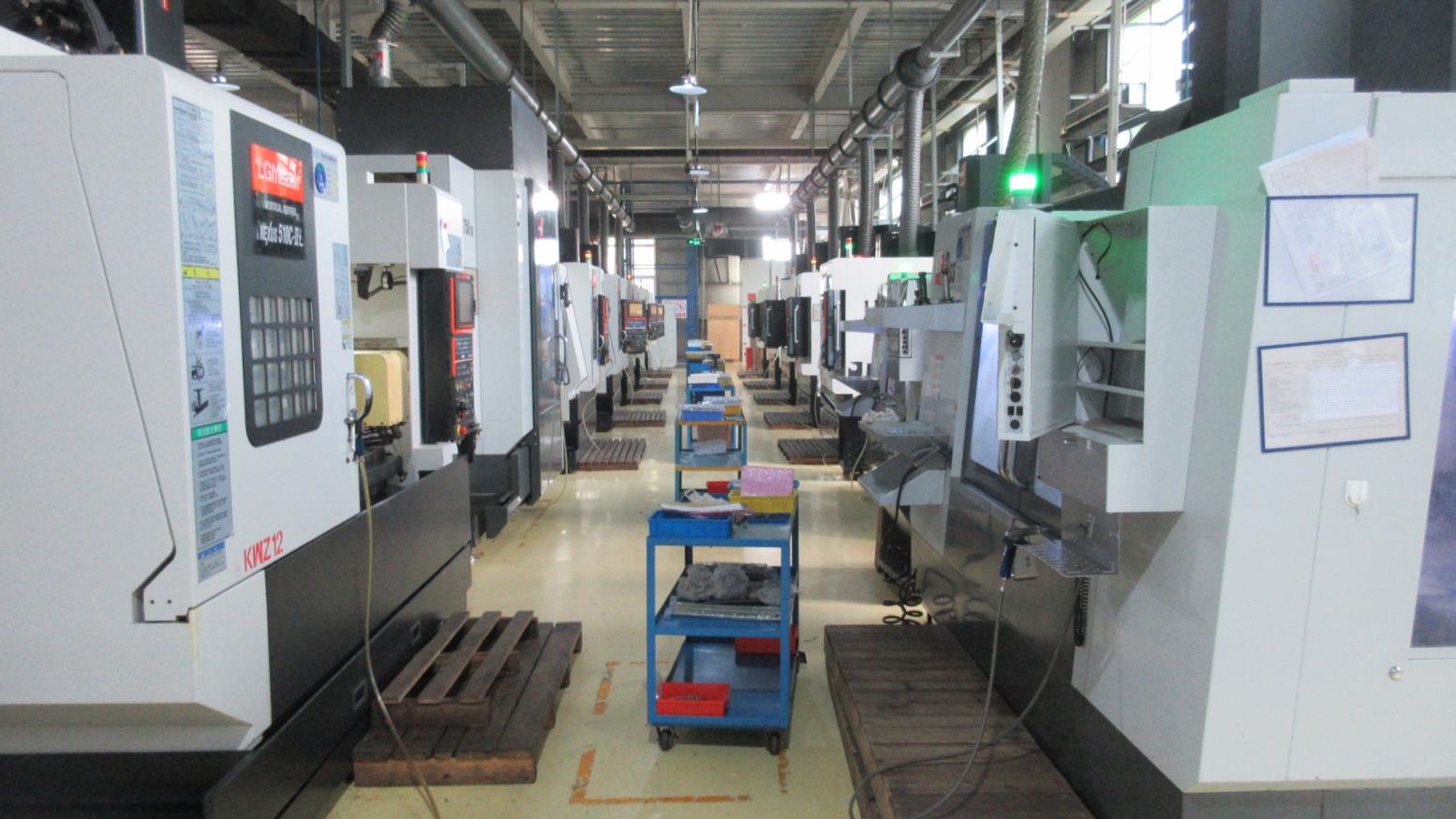
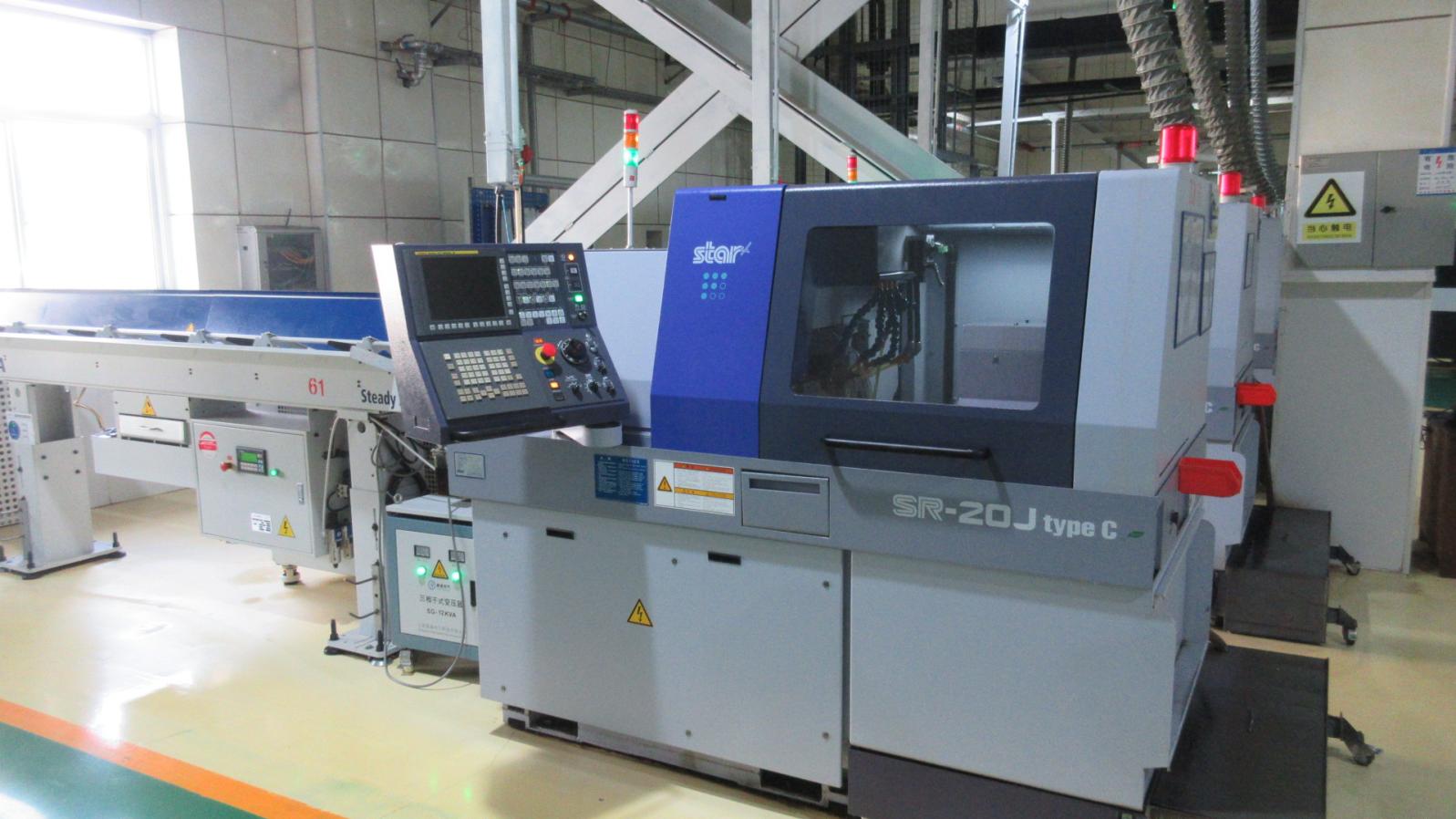
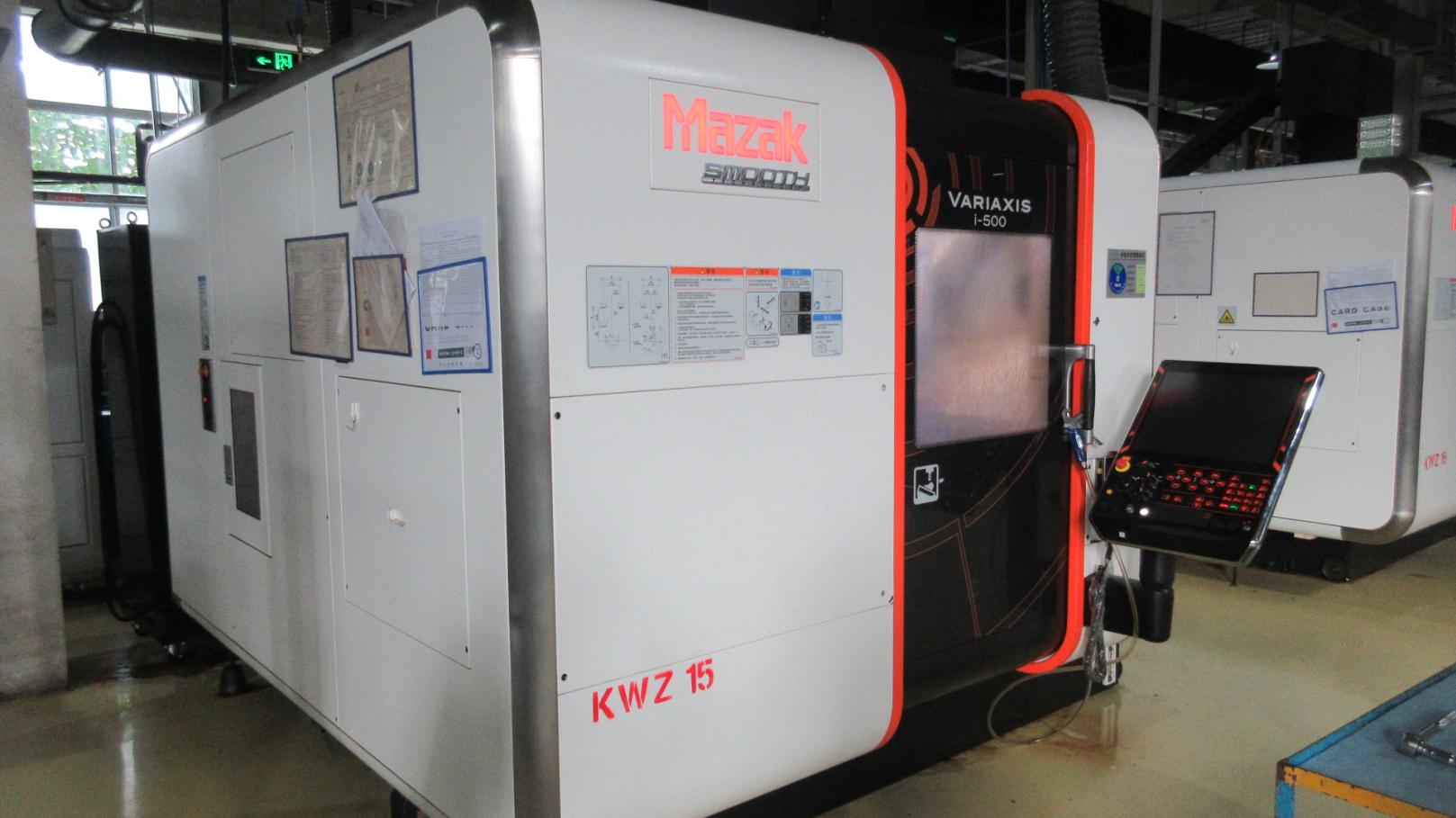
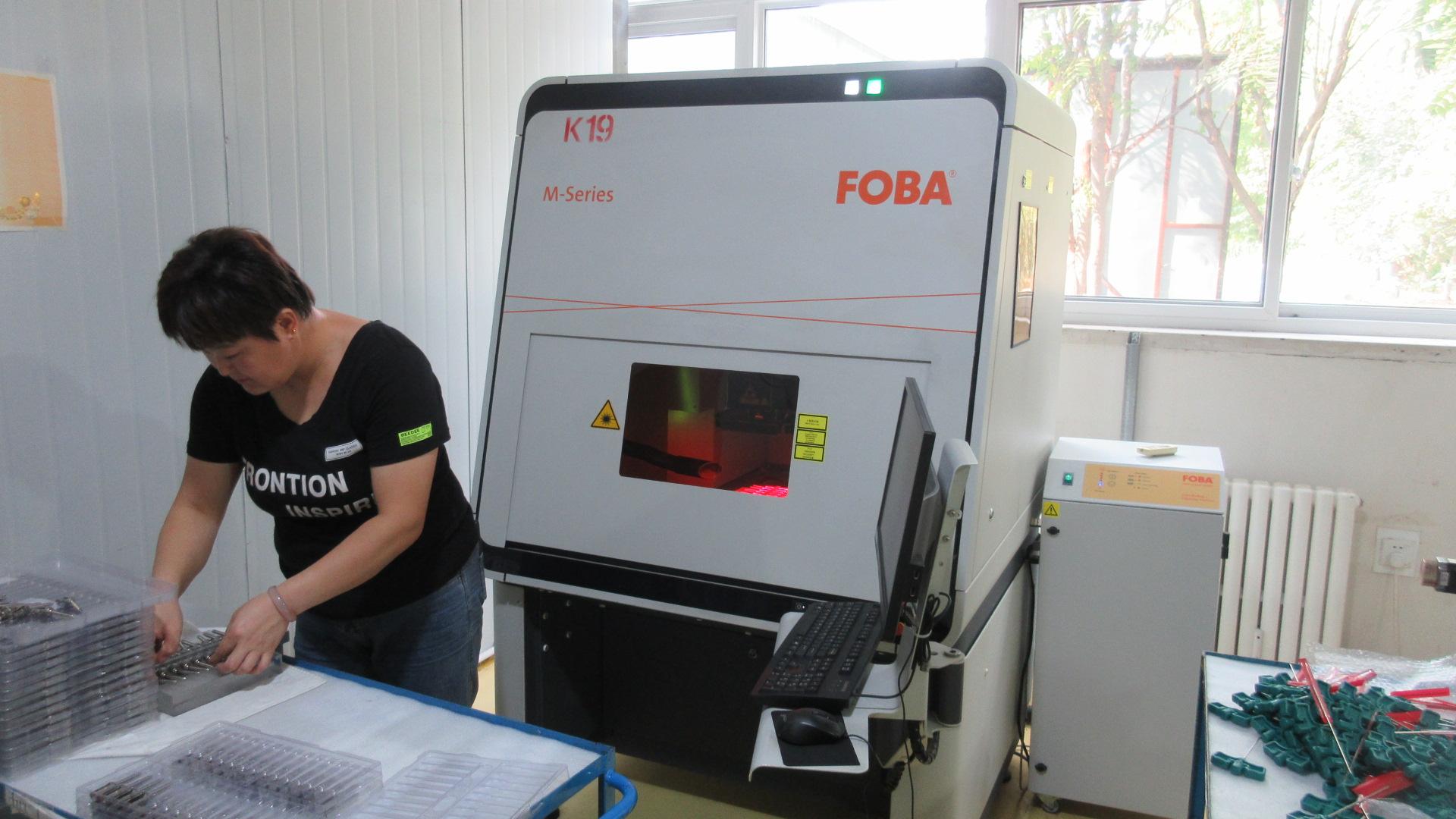
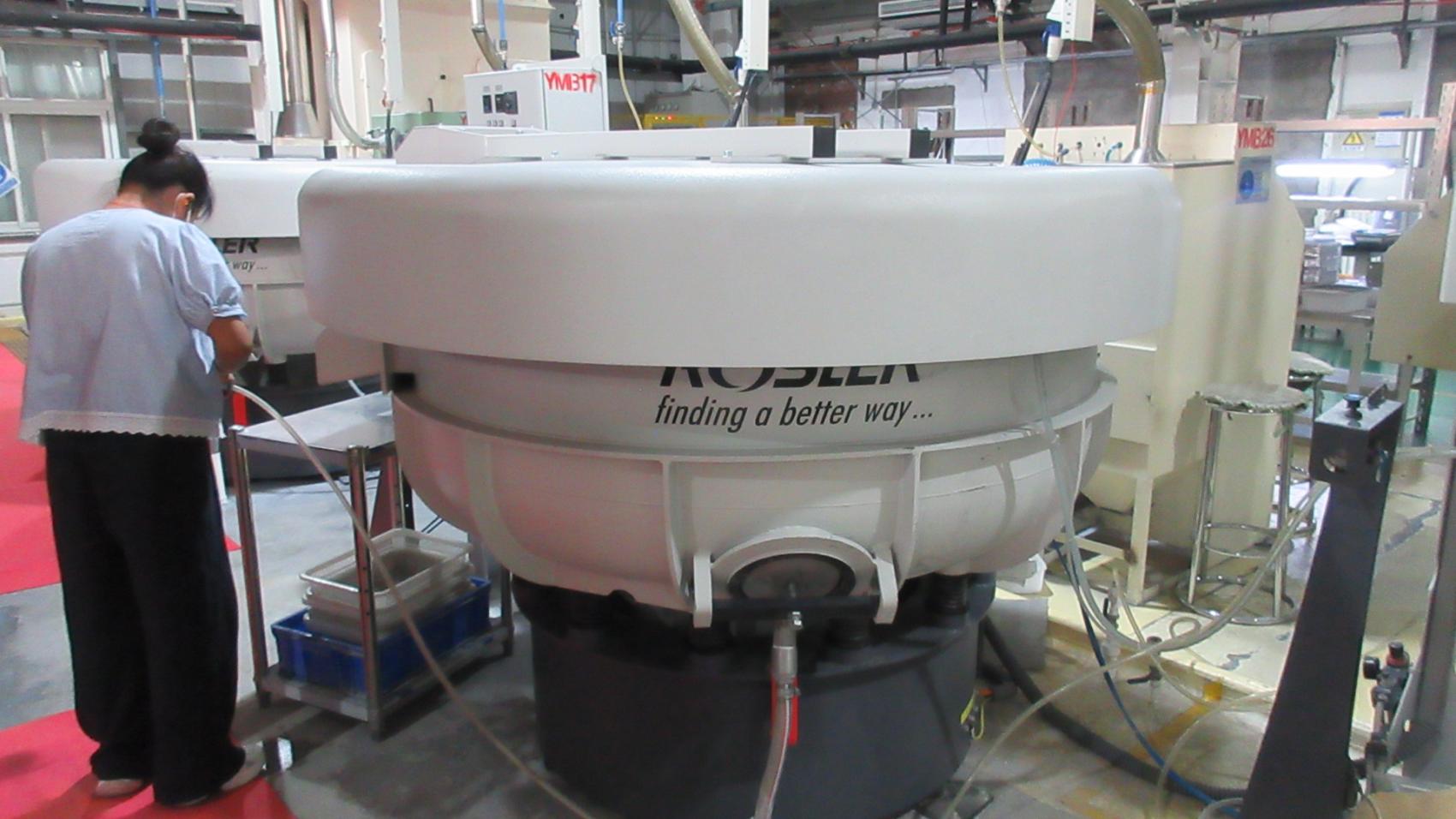
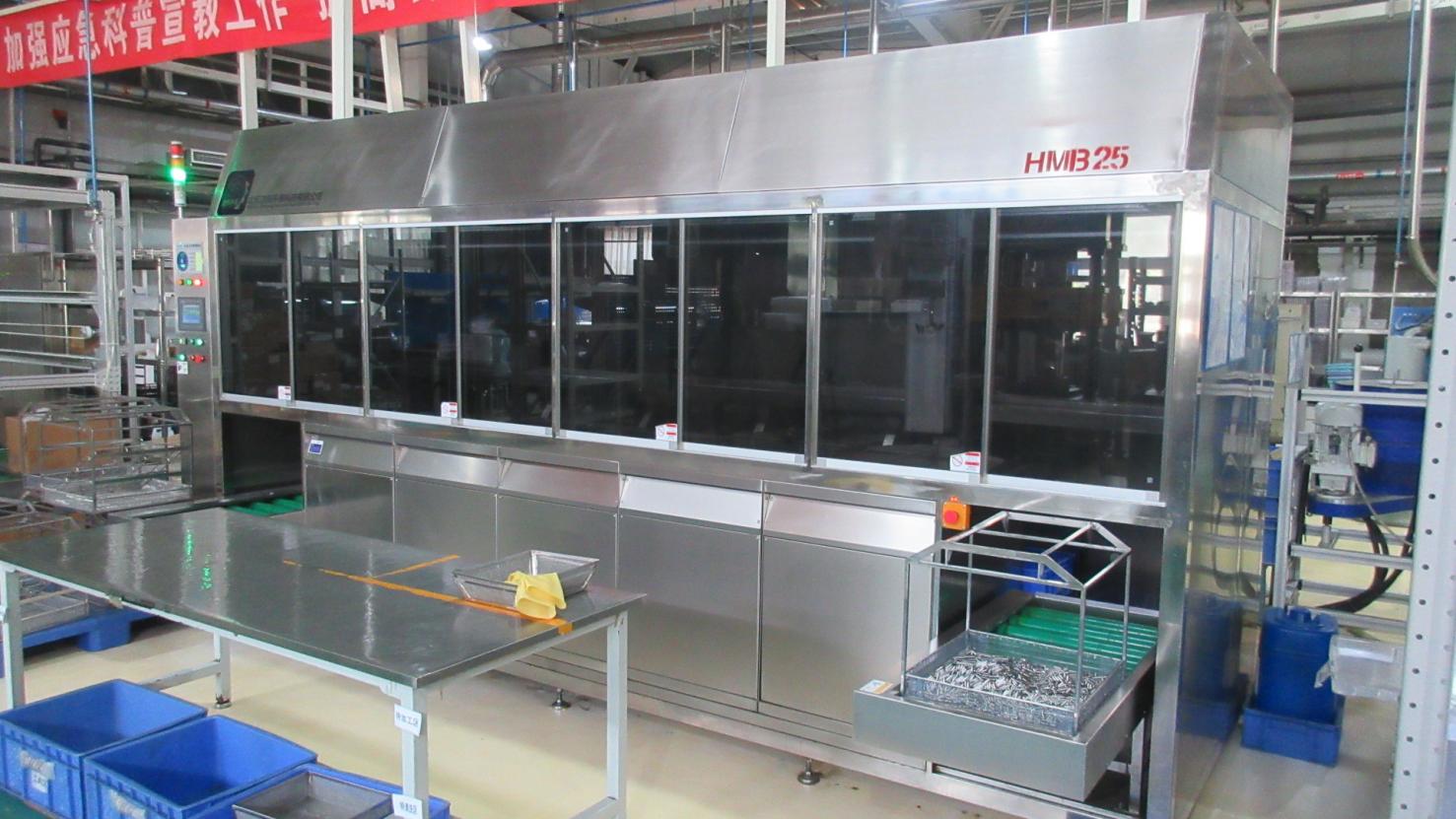
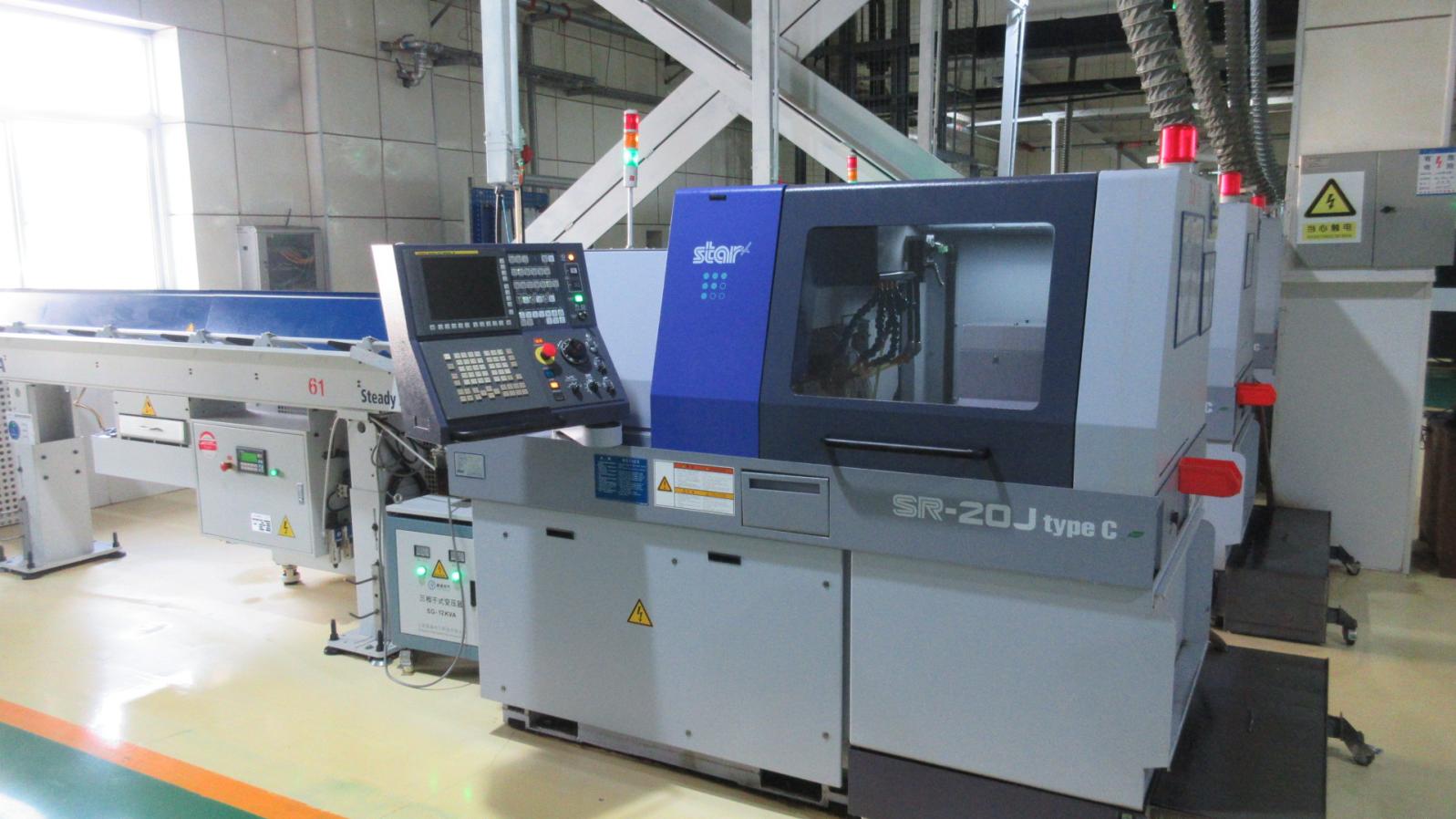
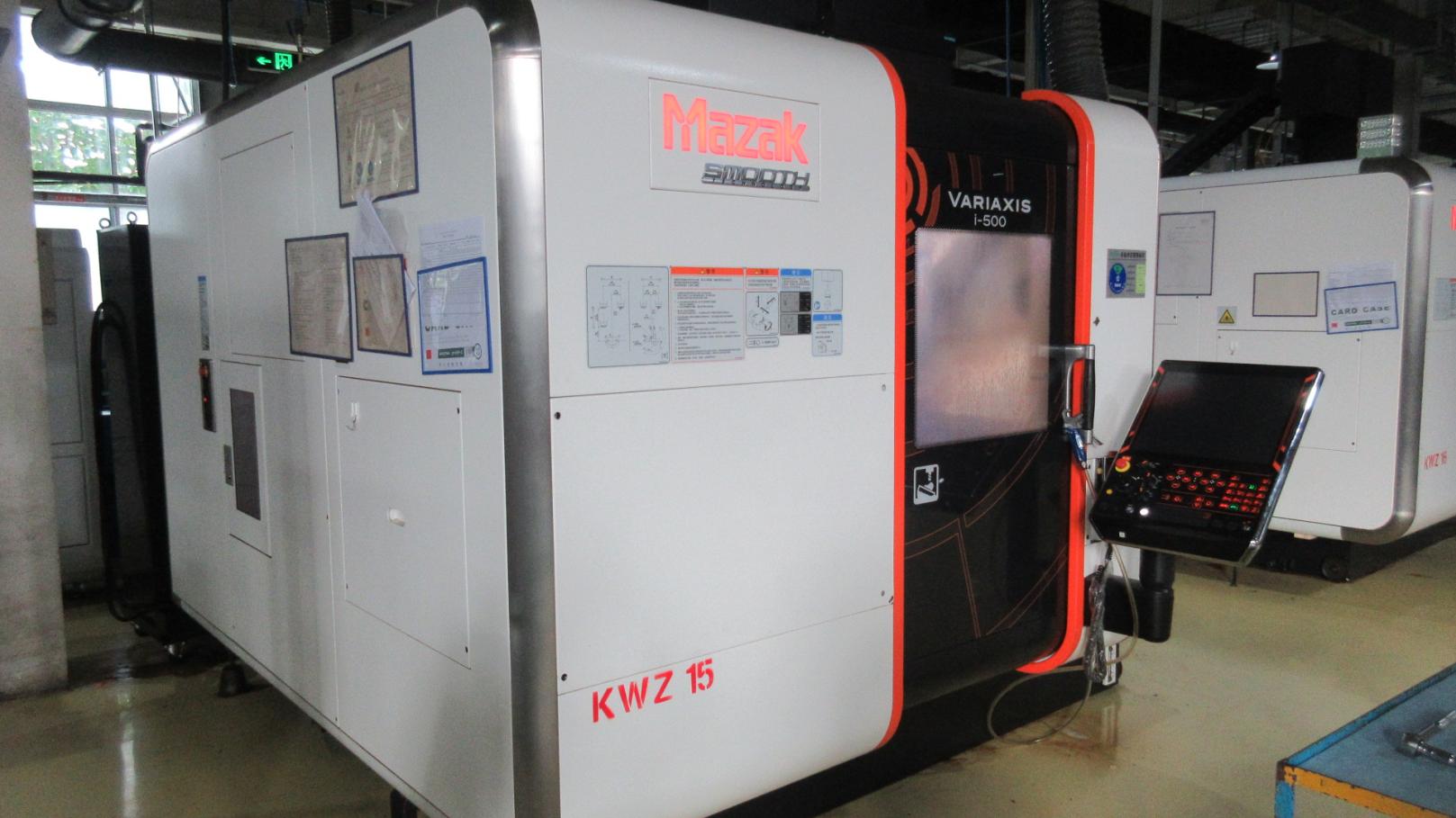
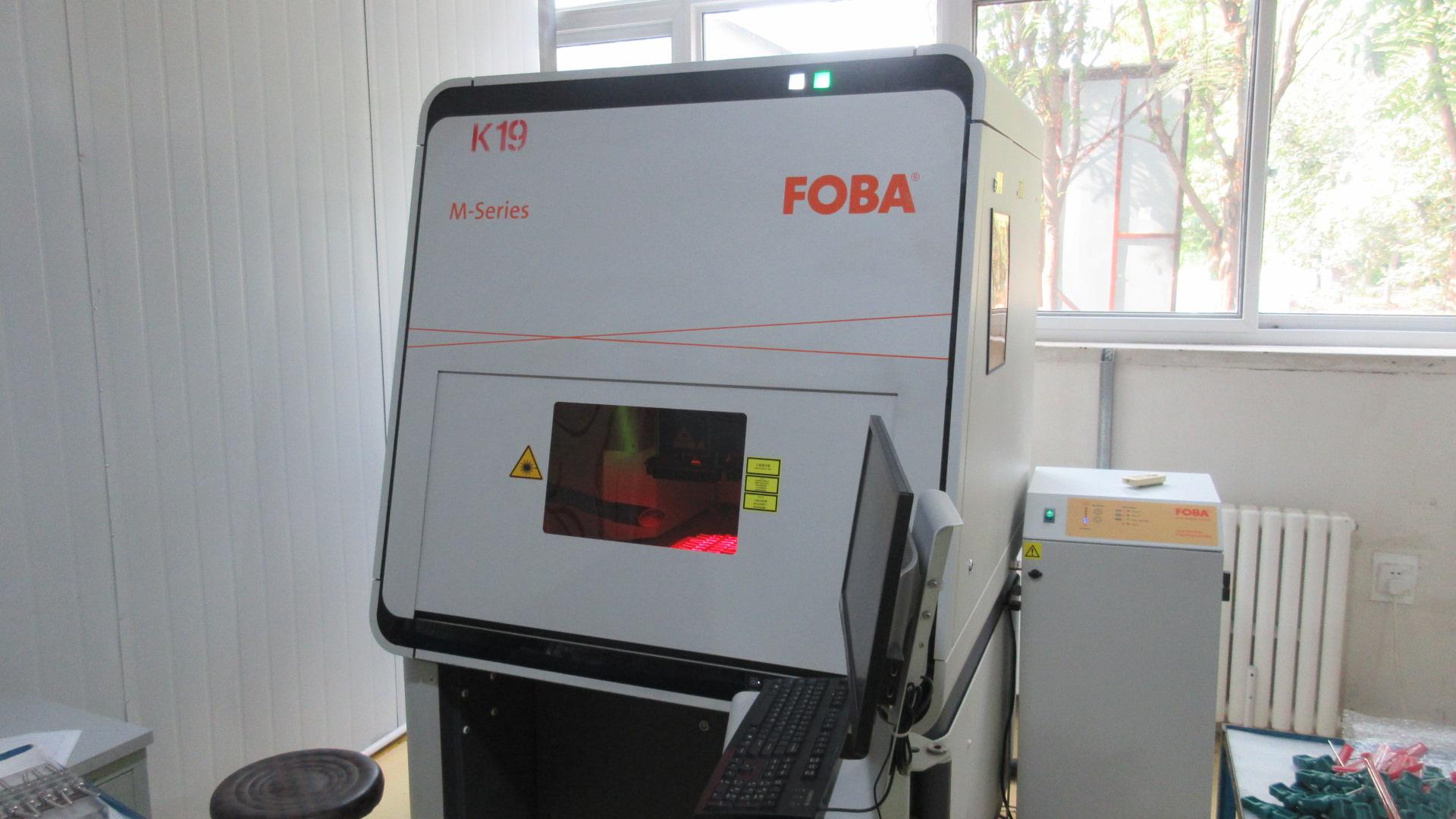
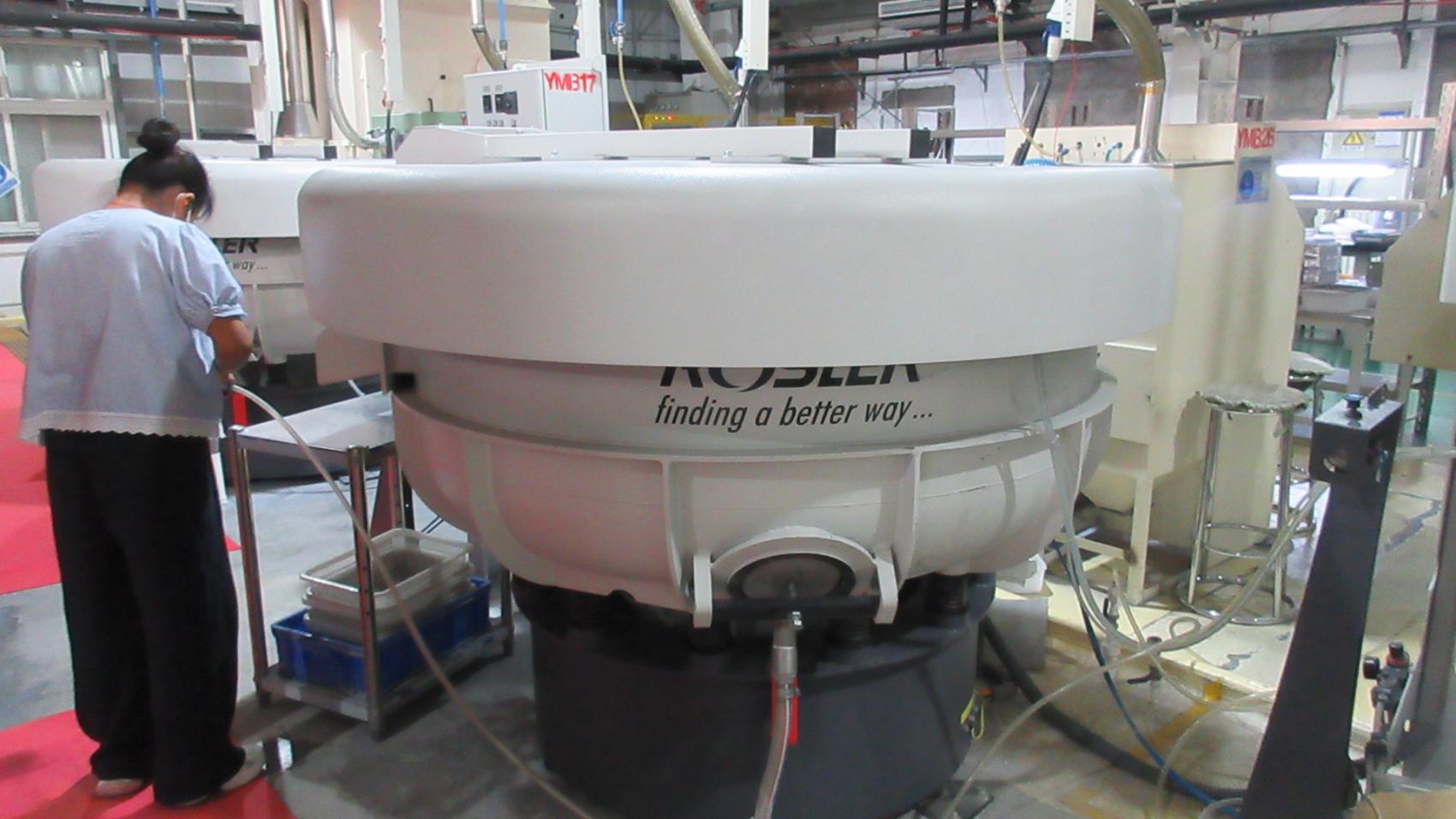
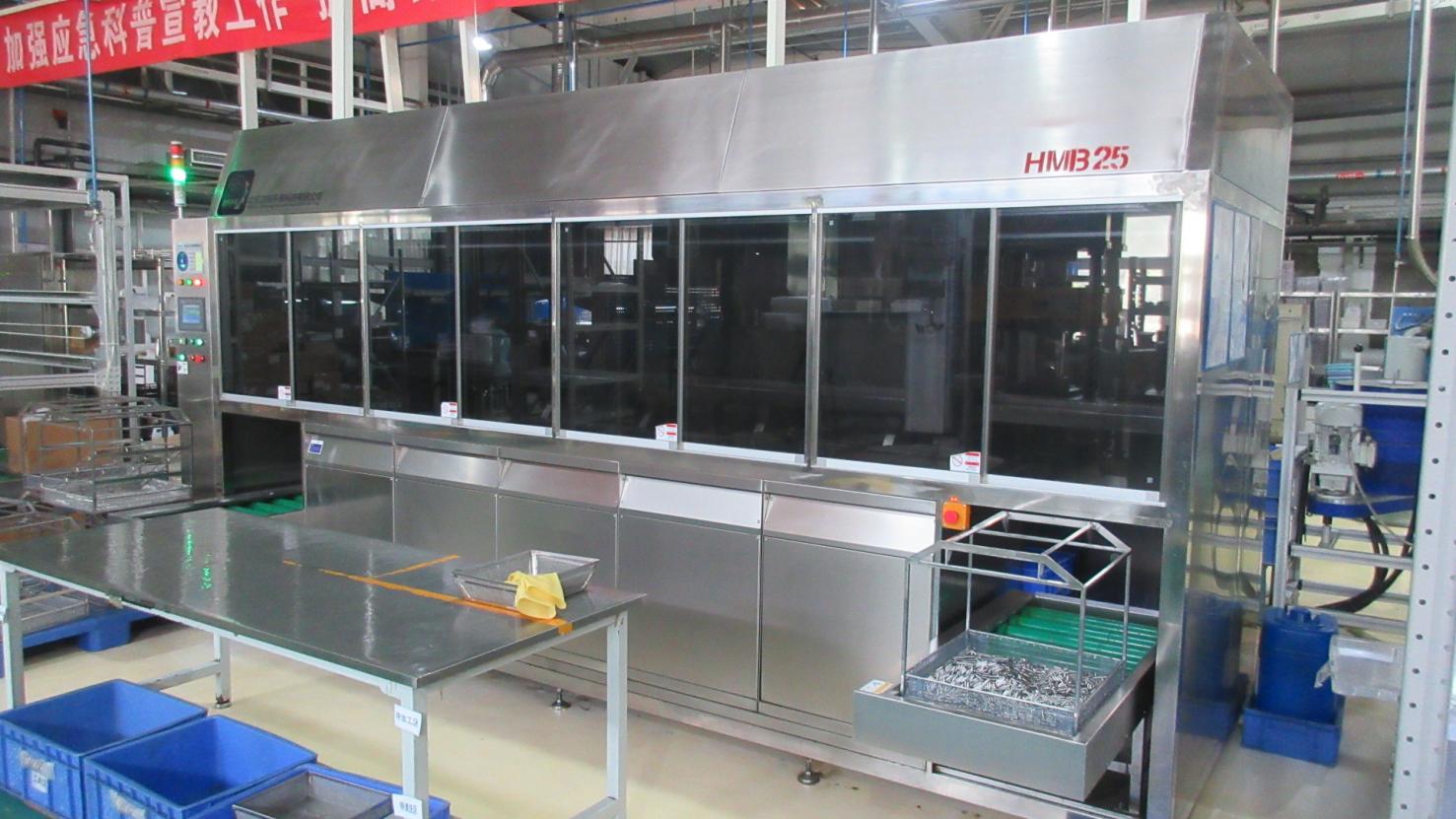
Operating from a 10,000㎡ facility with 70 supply chain partners, we ensure consistent lead times even for large-scale global tenders.
Registration Date: 1996-06-28
Floor Space: 10,000 ㎡
Total Annual Output: 508,000 Units
Main Markets: Domestic (40%), Eastern Europe (15%), Southeast Asia (10%)
Quality Management: ISO13485 Certified
R&D Strength: 20 Engineers / 20 New Products Per Year
Inspection: 100% Product Inspection Policy
Customization: Sample/Graphic Processing & Demand Customization

 Fule
Fule