The global orthopedic market is witnessing a significant surge in demand for Posterior Spinal Systems. As a leading manufacturer and supplier, we recognize that the industry is no longer just about basic stabilization. It has evolved into a complex field of biomechanical engineering. Globally, the rise in geriatric populations and the increasing prevalence of spinal disorders—such as degenerative disc disease, spondylolisthesis, and spinal stenosis—have positioned posterior fixation as a gold standard in surgical intervention.
Today's industrial landscape is dominated by the need for multi-axial pedicle screws, low-profile rods, and cross-links that offer maximum stability with minimal tissue disruption. Companies across North America, Europe, and Asia are competing to provide systems that are not only biocompatible but also optimized for Minimally Invasive Surgery (MIS). As a China-based factory with nearly three decades of expertise, we sit at the heart of this global supply chain, providing high-precision instruments that meet the stringent Class III medical device standards required by international health authorities.
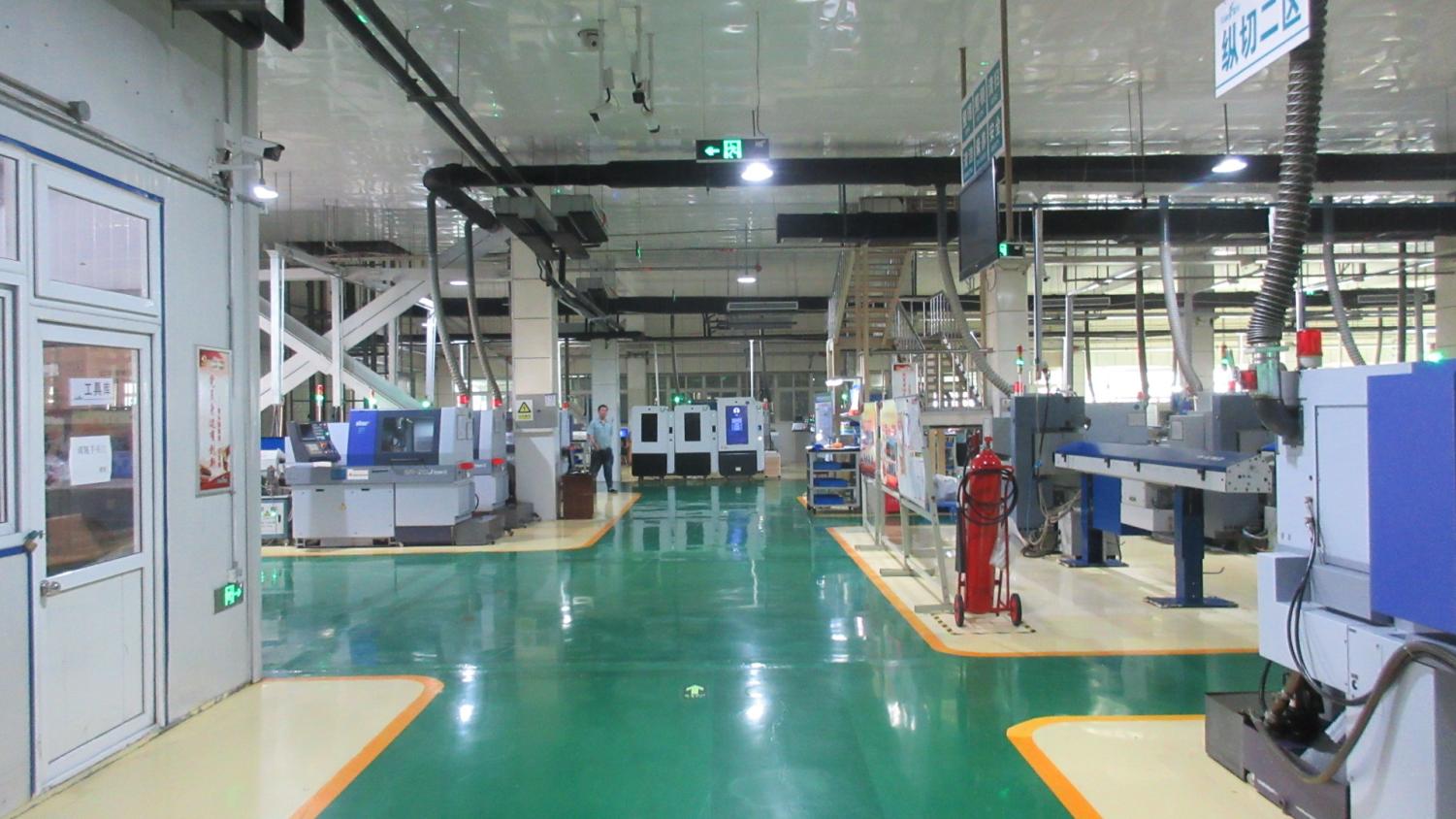
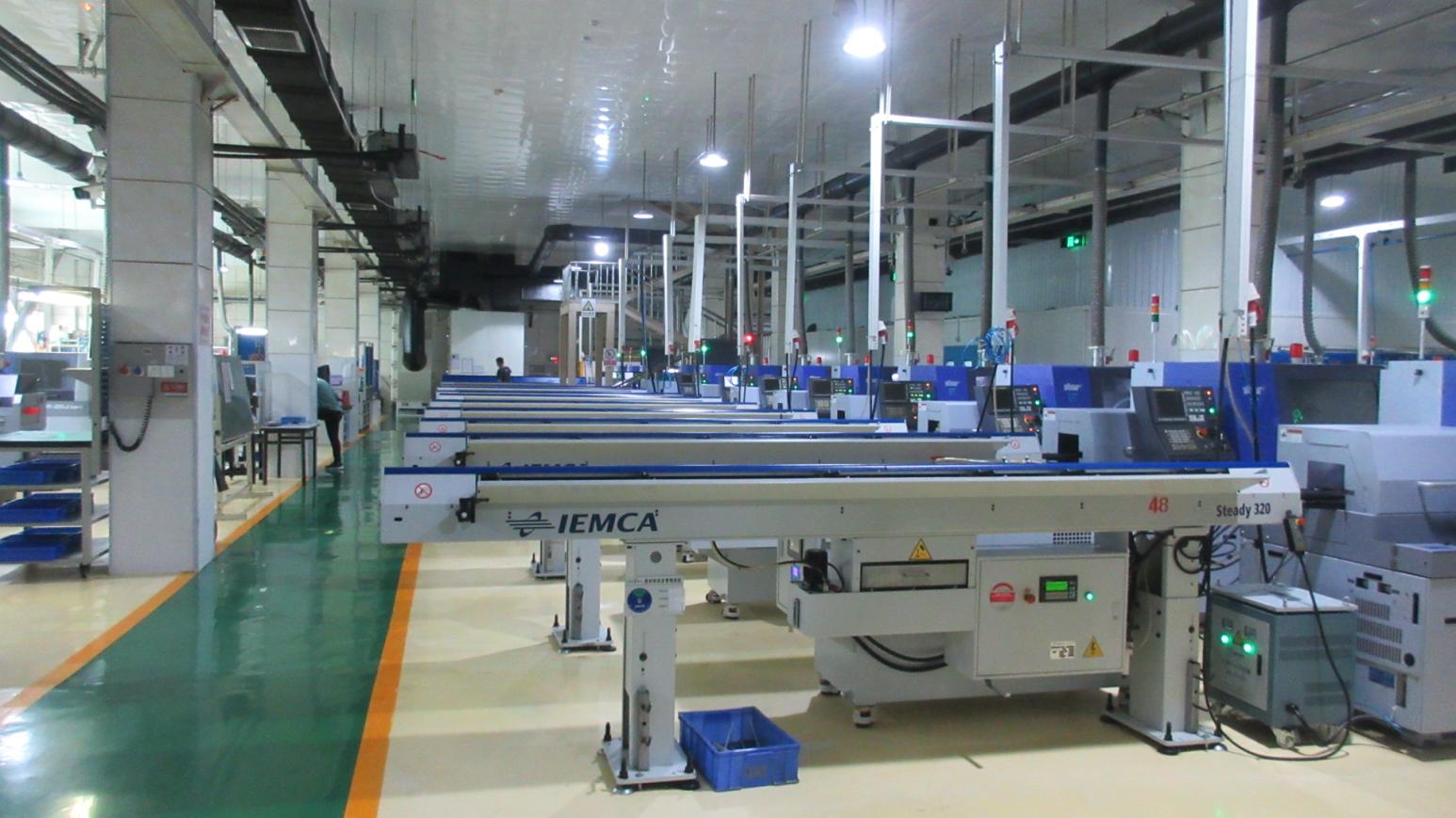
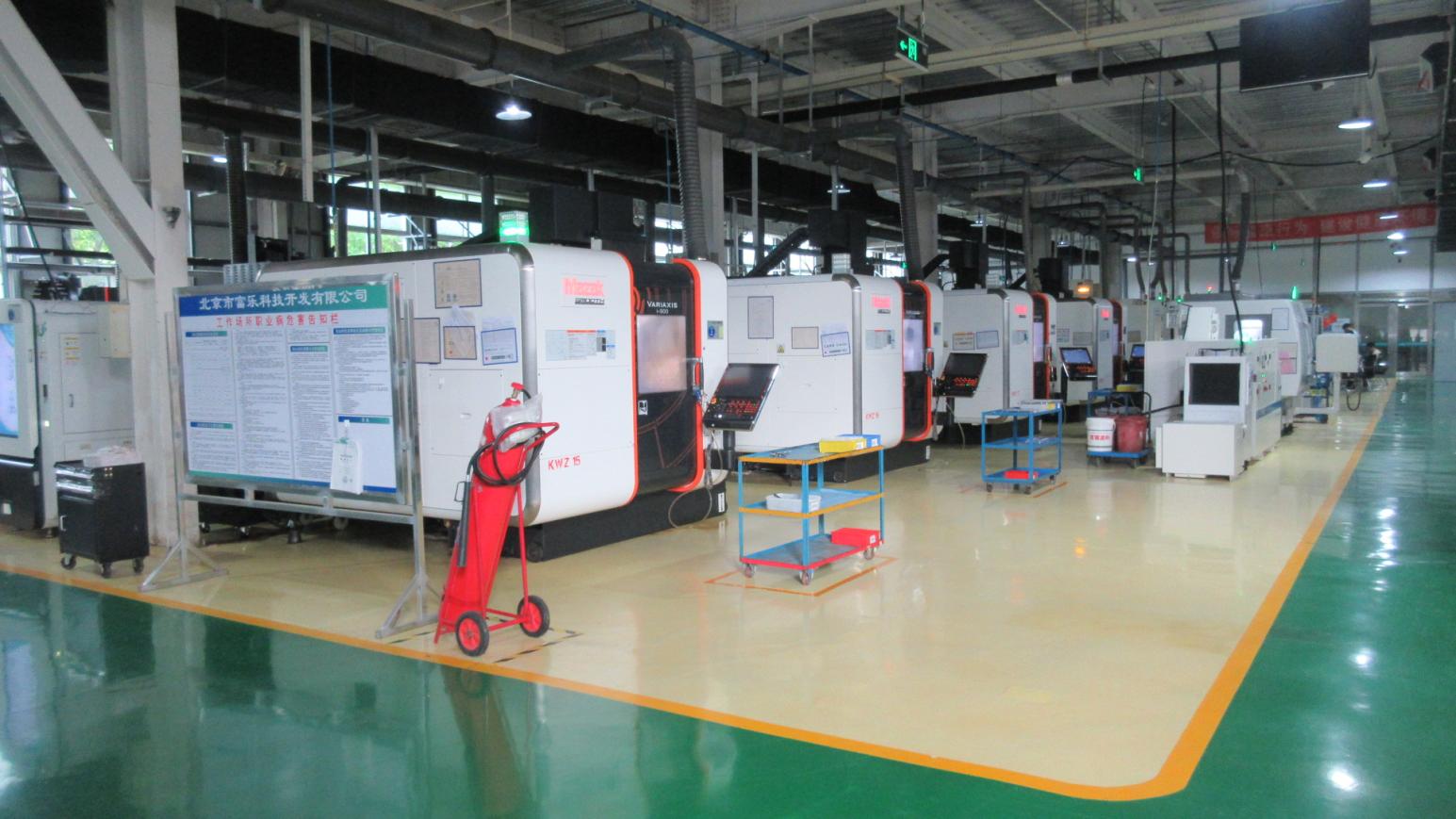
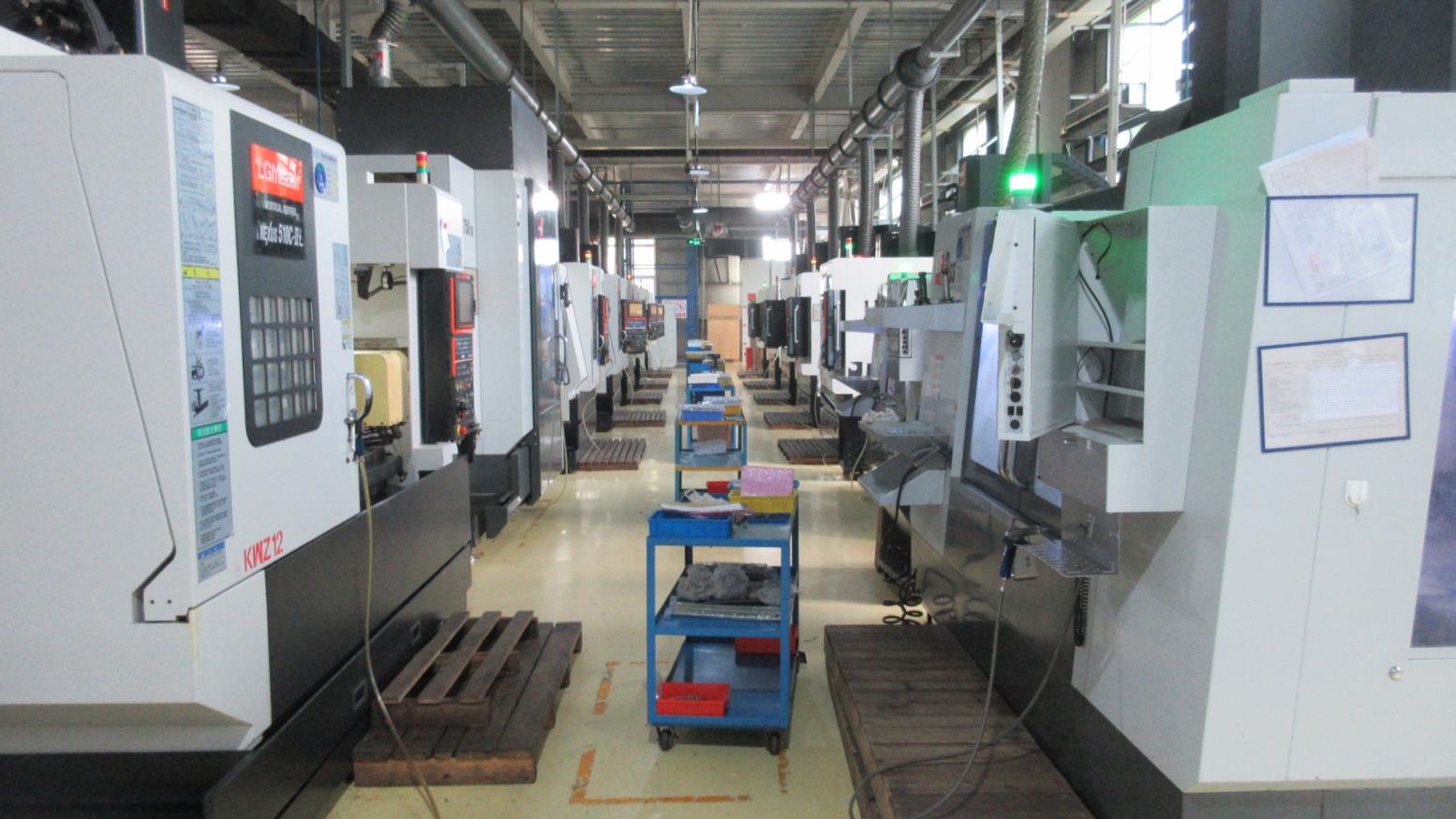
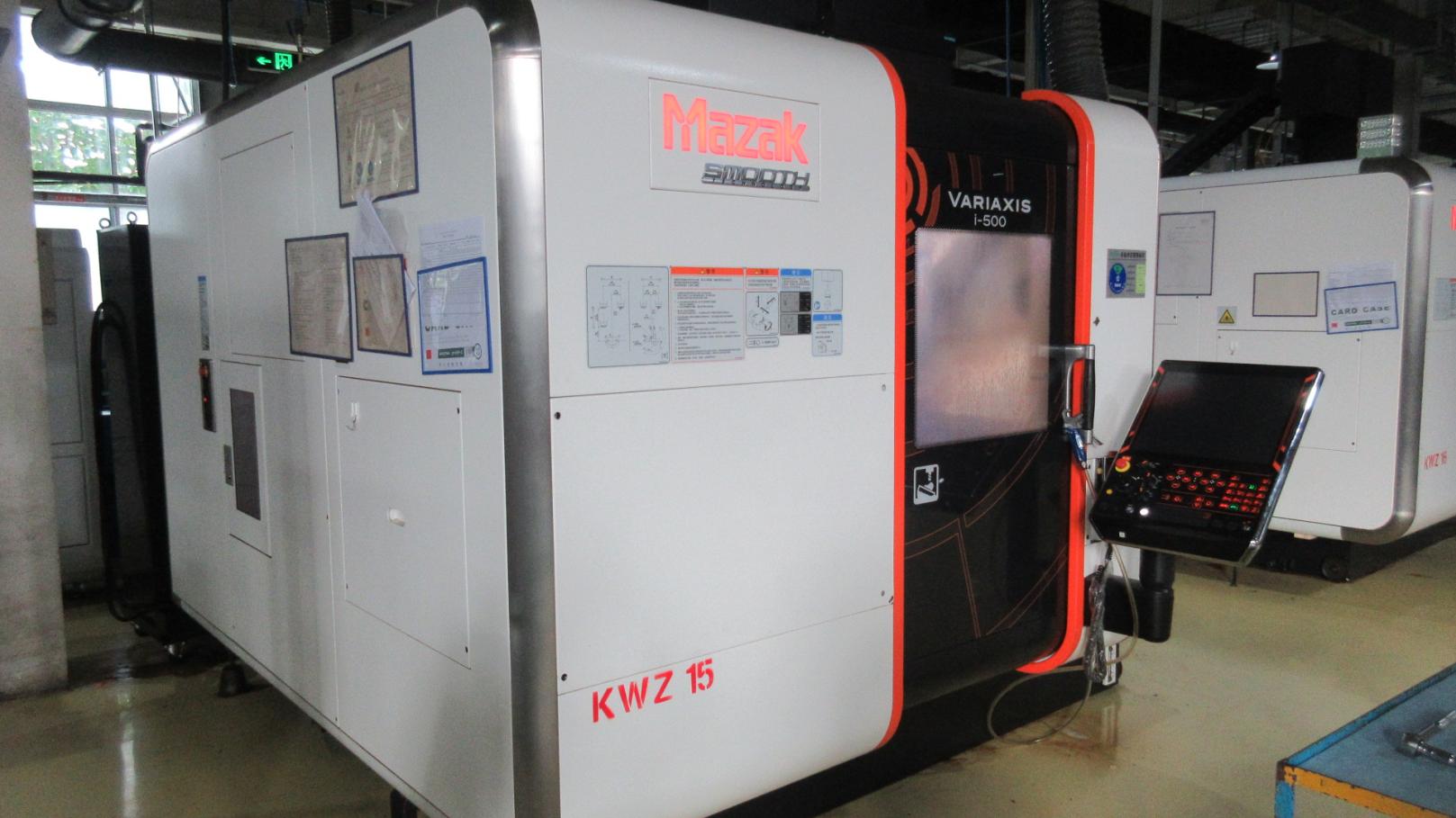
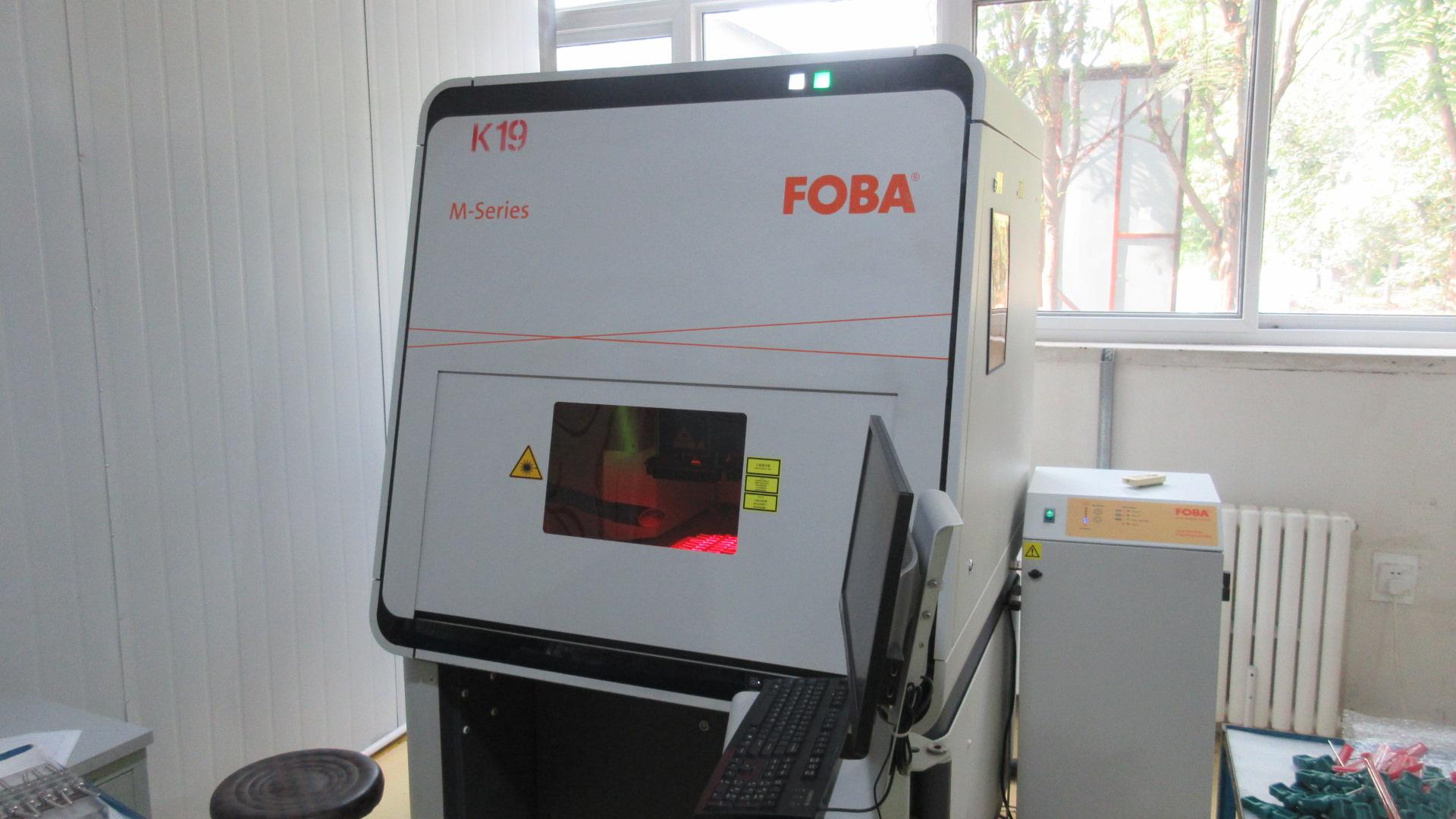
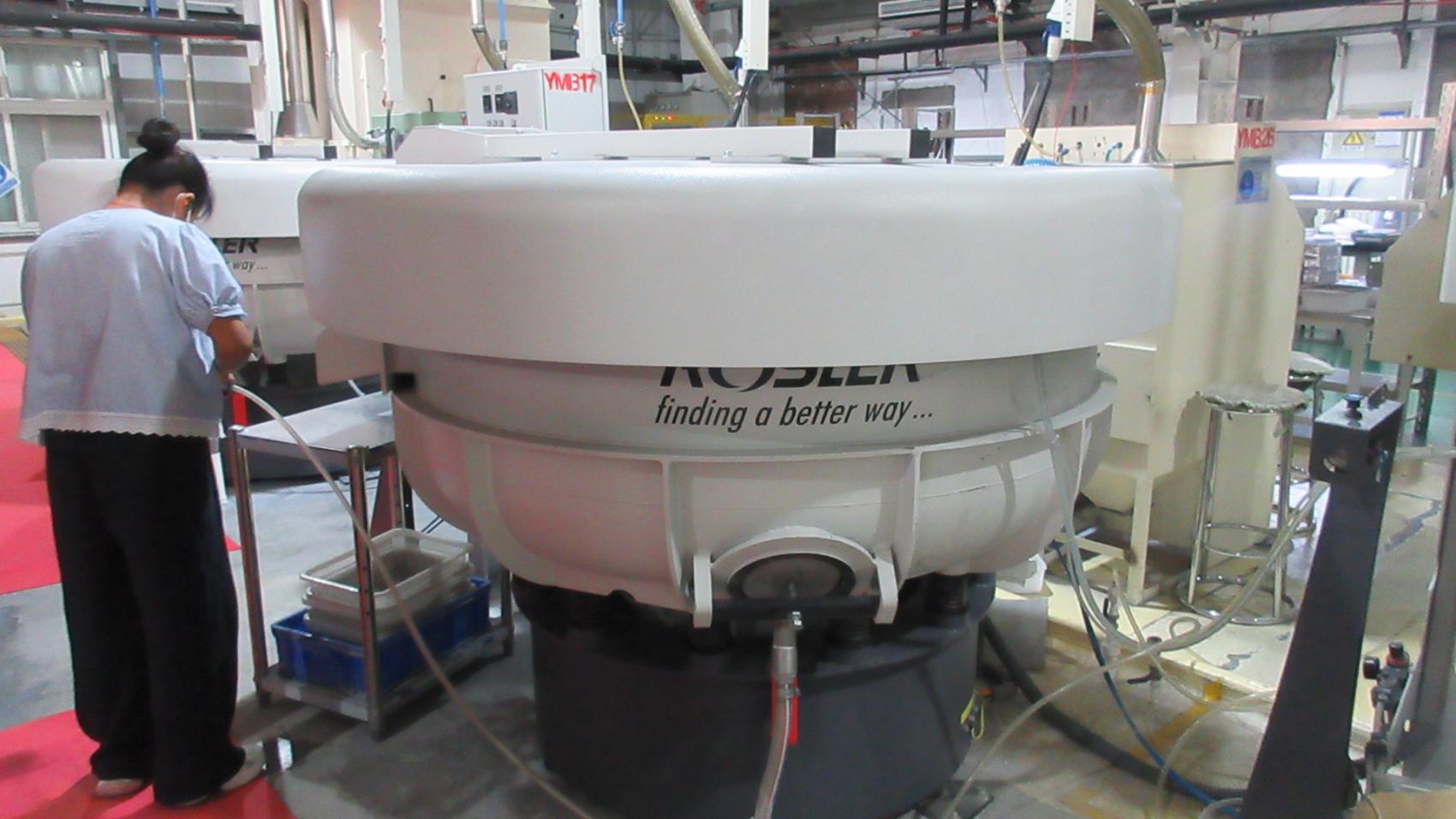
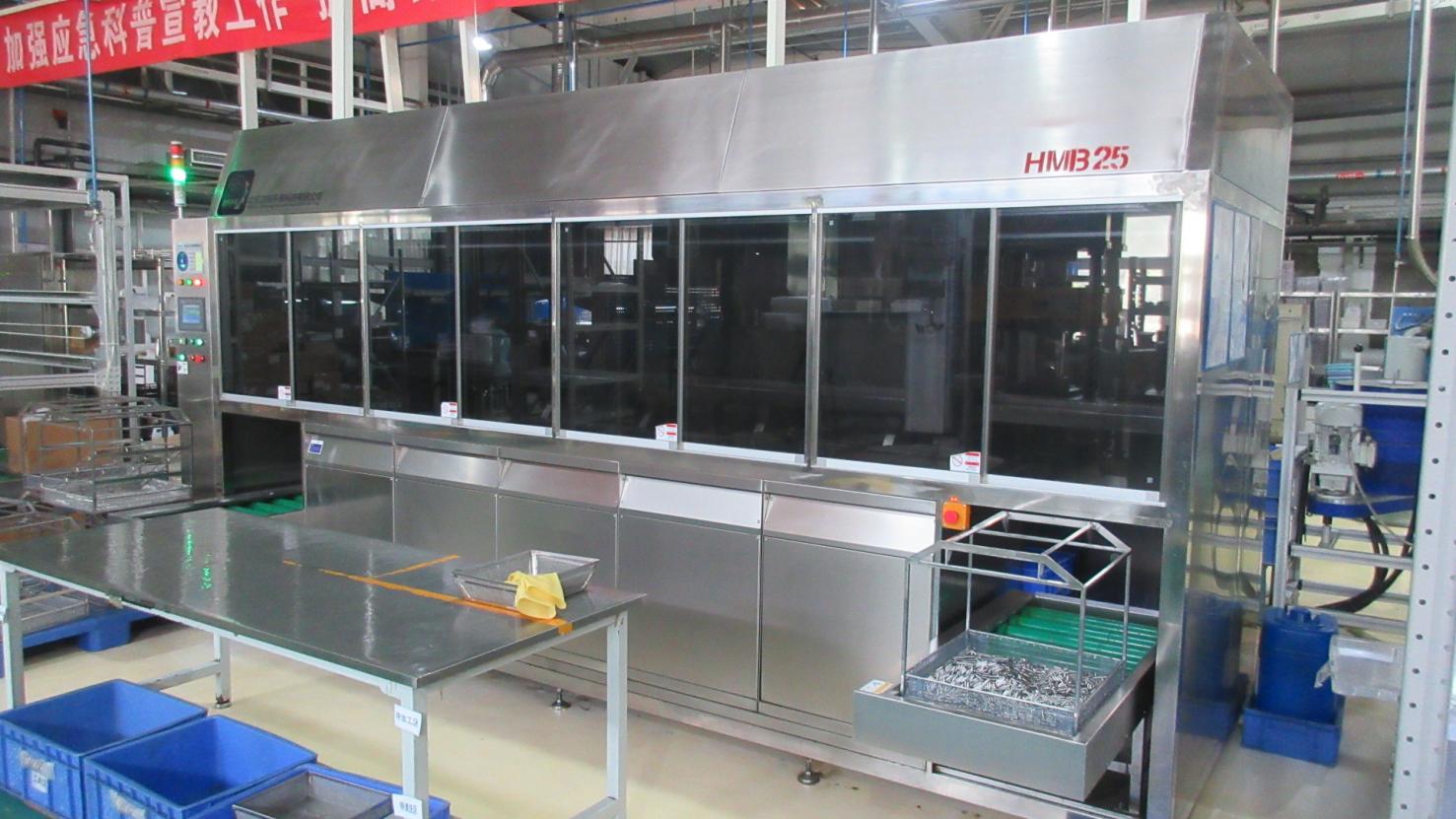
Utilizing 102 advanced production machines to ensure each pedicle screw and rod meets micron-level tolerances for perfect surgical fit.
With 29 years of export experience, our systems are utilized in Eastern Europe, Southeast Asia, and domestic markets, supporting thousands of surgeries annually.
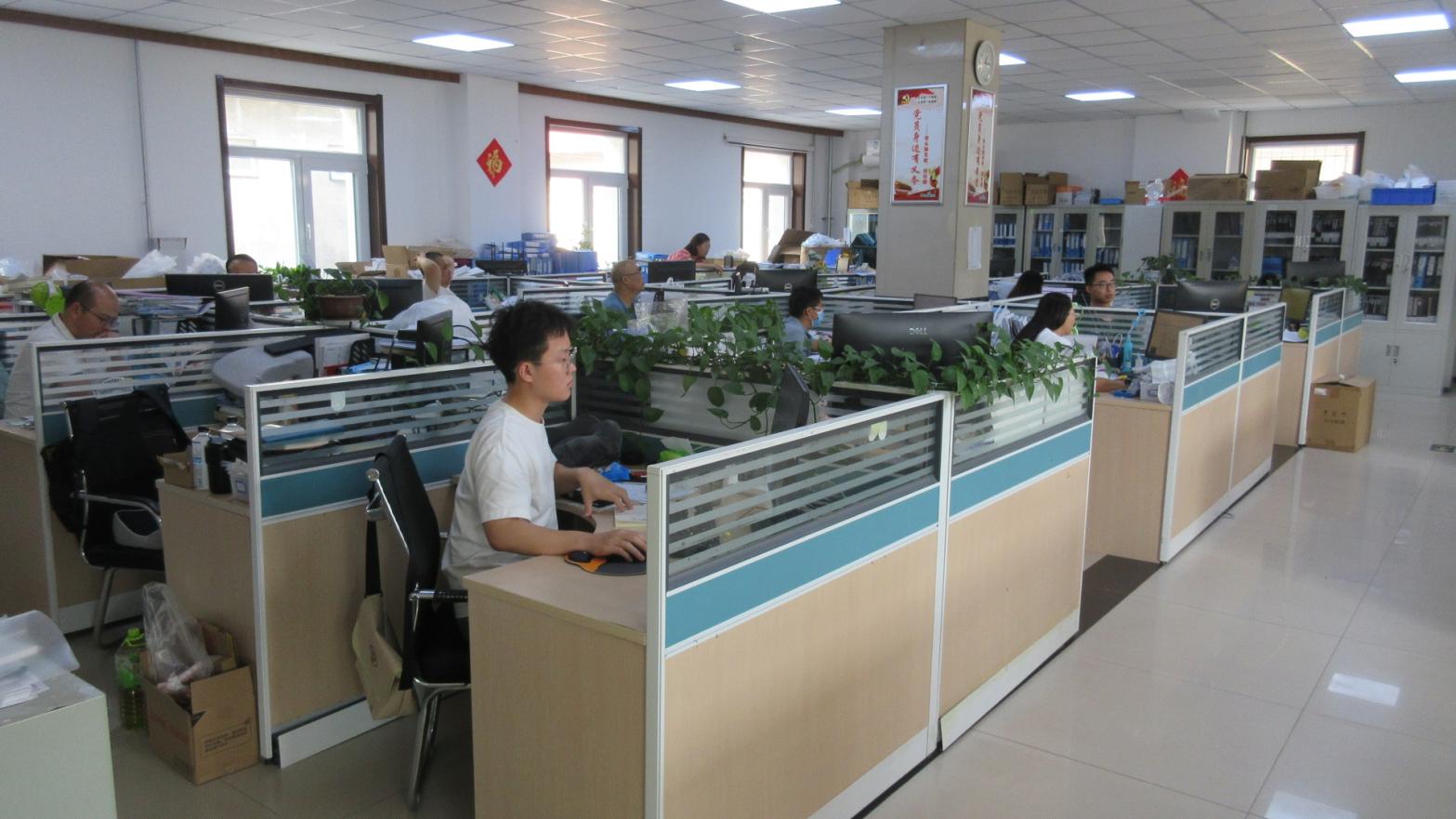
100% product inspection protocol supported by 15 dedicated QA/QC inspectors ensures every implant is safe for long-term human integration.
The spinal implant industry is shifting toward smart materials and personalized medicine. We are seeing a transition from traditional stainless steel to high-grade Titanium Alloys (Ti6Al4V) and PEEK (Polyetheretherketone). These materials offer superior modulus of elasticity, reducing the "stress shielding" effect and promoting better osseointegration.
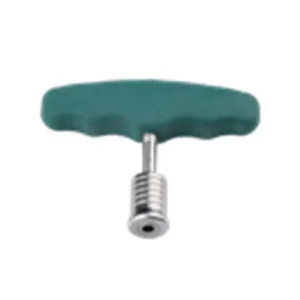
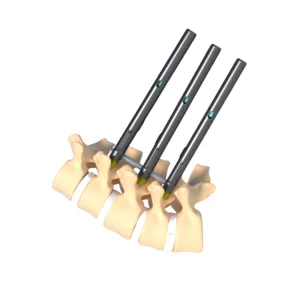
Minimally Invasive Surgery (MIS): There is a massive demand for extended-arm systems and percutaneous screw placement tools that reduce patient recovery time and hospital stays.
Biomechanical Synergy: Dynamic stabilization systems are gaining traction over rigid fusion for specific indications, allowing for preserved motion while maintaining spinal alignment.

Understanding the local context of a surgical procedure is vital for a Posterior Spinal System Supplier. In different regions, the procurement needs vary significantly based on healthcare infrastructure and economic factors:
In developed regions, hospitals demand comprehensive sets including Usmart Titanium Screw-Rod Systems that are compatible with intraoperative navigation and robotic guidance.
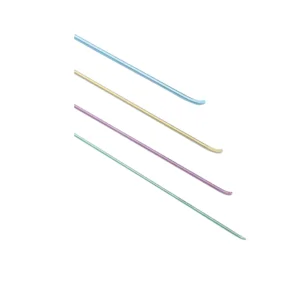
Emergency orthopedic centers prioritize ready-stock availability of Hoffman External Fixator Kits and intramedullary needles for rapid stabilization of complex fractures.
Global distributors look for high-volume manufacturing partners who can provide CE Certified Class III products with customizable branding (OEM) and reliable 5-year warranties.
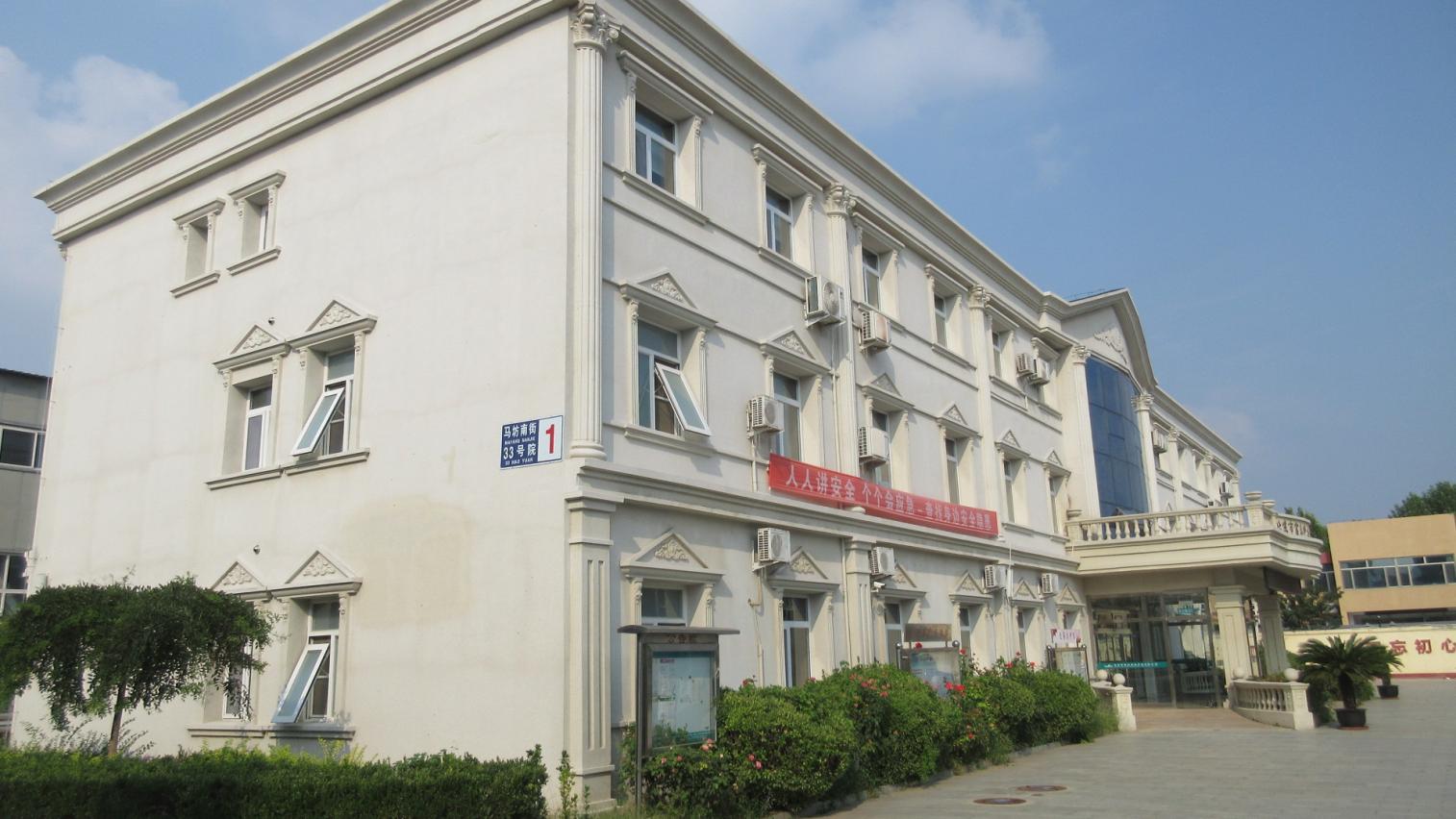
As a leading Chinese manufacturer, we offer a unique combination of scale, speed, and sophistication. Our 10,000 sqm facility and 29 years of industry tenure allow us to optimize production costs without compromising on the high-grade materials required for Class III medical devices. We provide:
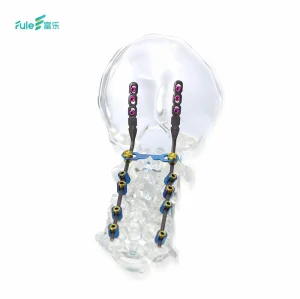
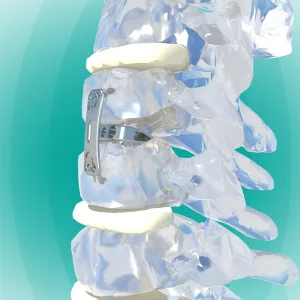
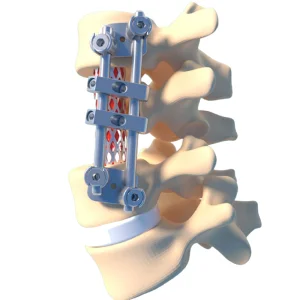
The Posterior Spinal System is a comprehensive solution designed to provide immobilization and stabilization of spinal segments. Our systems are engineered to address a wide range of clinical indications, including:
1. Degenerative Disc Disease: Defined as discogenic back pain with degeneration of the disc confirmed by history and radiographic studies.
2. Spondylolisthesis: Ensuring the realignment and stabilization of vertebrae that have slipped out of position.
3. Trauma: Providing immediate rigidity for spinal fractures or dislocations.
4. Spinal Stenosis: Assisting in stabilization following decompressive procedures.
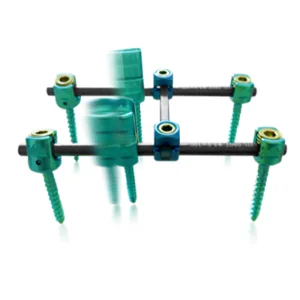
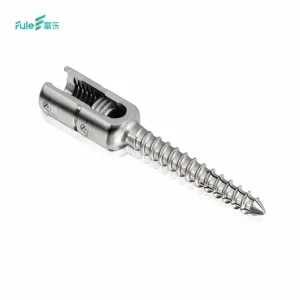
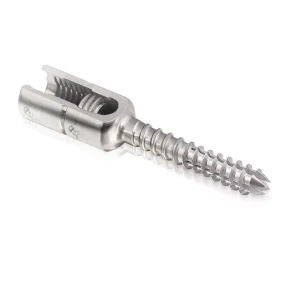
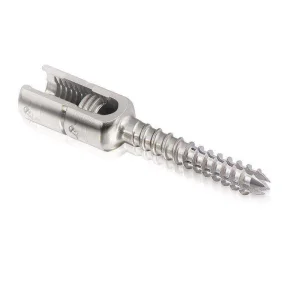
Our flagship 5.0mm CSS System and Usmart Screw-Rod System are built on the principles of biomechanical stability. The pedicle screws feature a sophisticated thread design that maximizes pull-out strength, especially in osteoporotic bone. The rods are available in both pre-contoured and straight versions, allowing surgeons the flexibility to adapt to the patient's unique spinal anatomy.
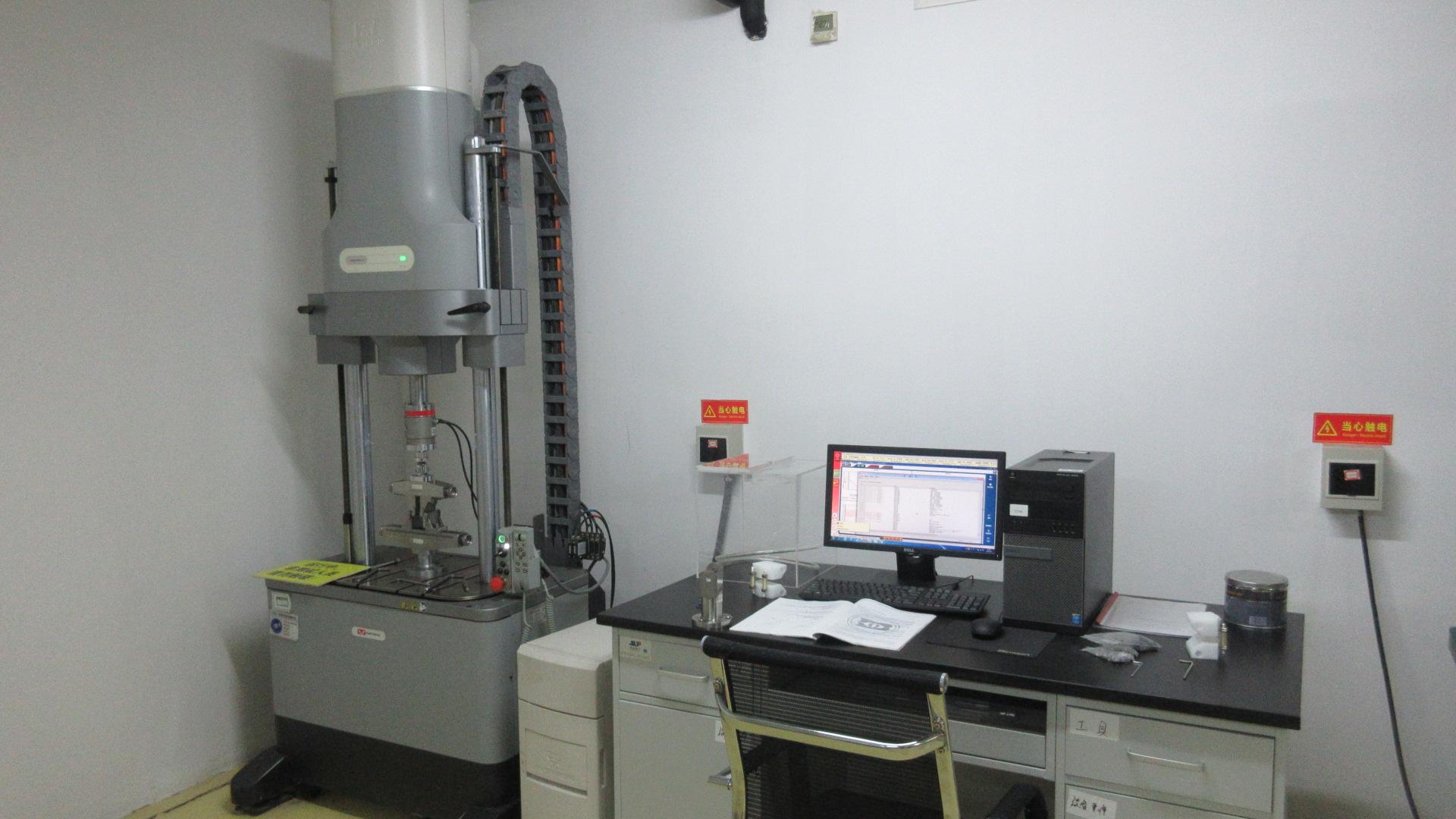
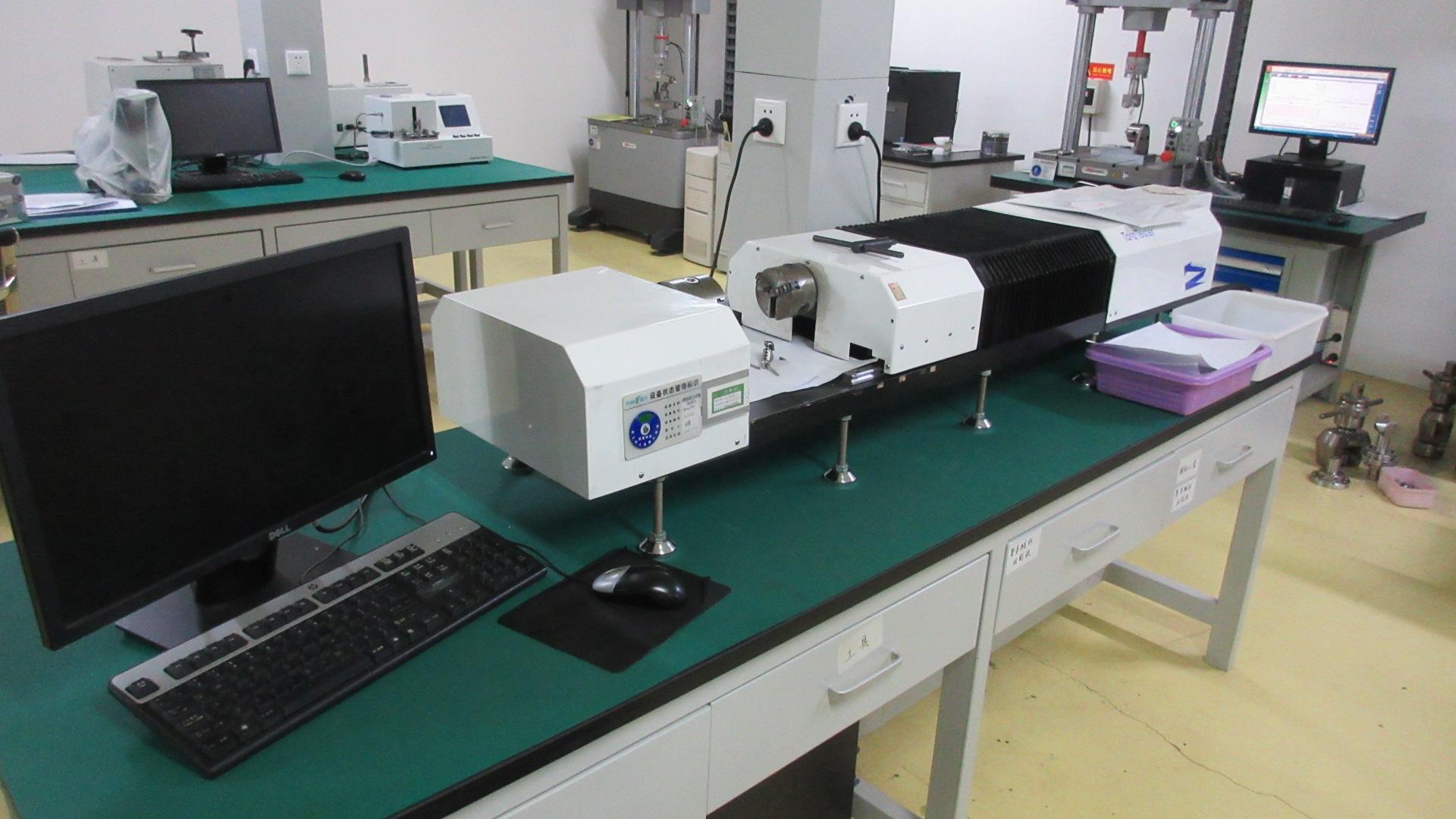
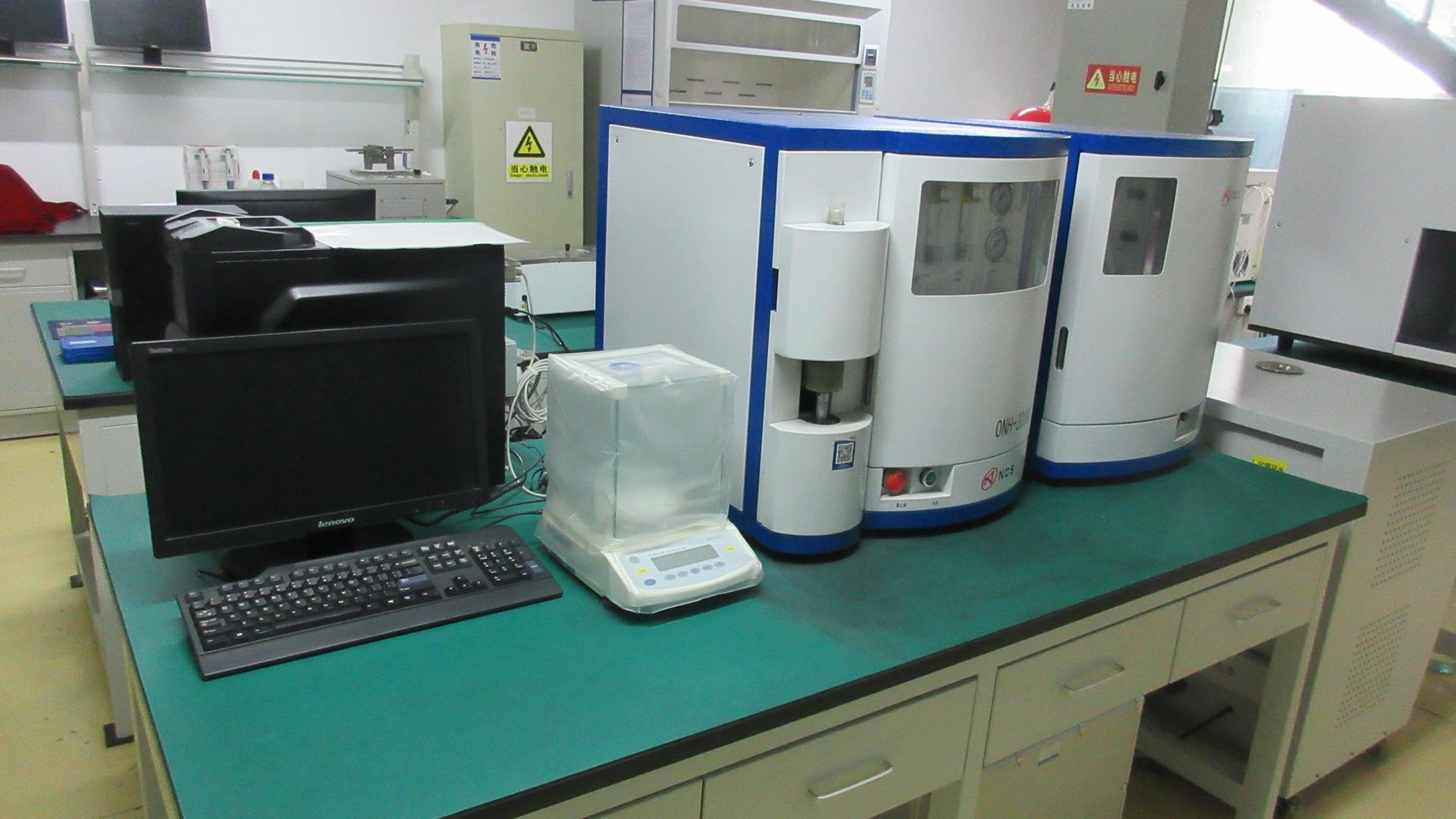
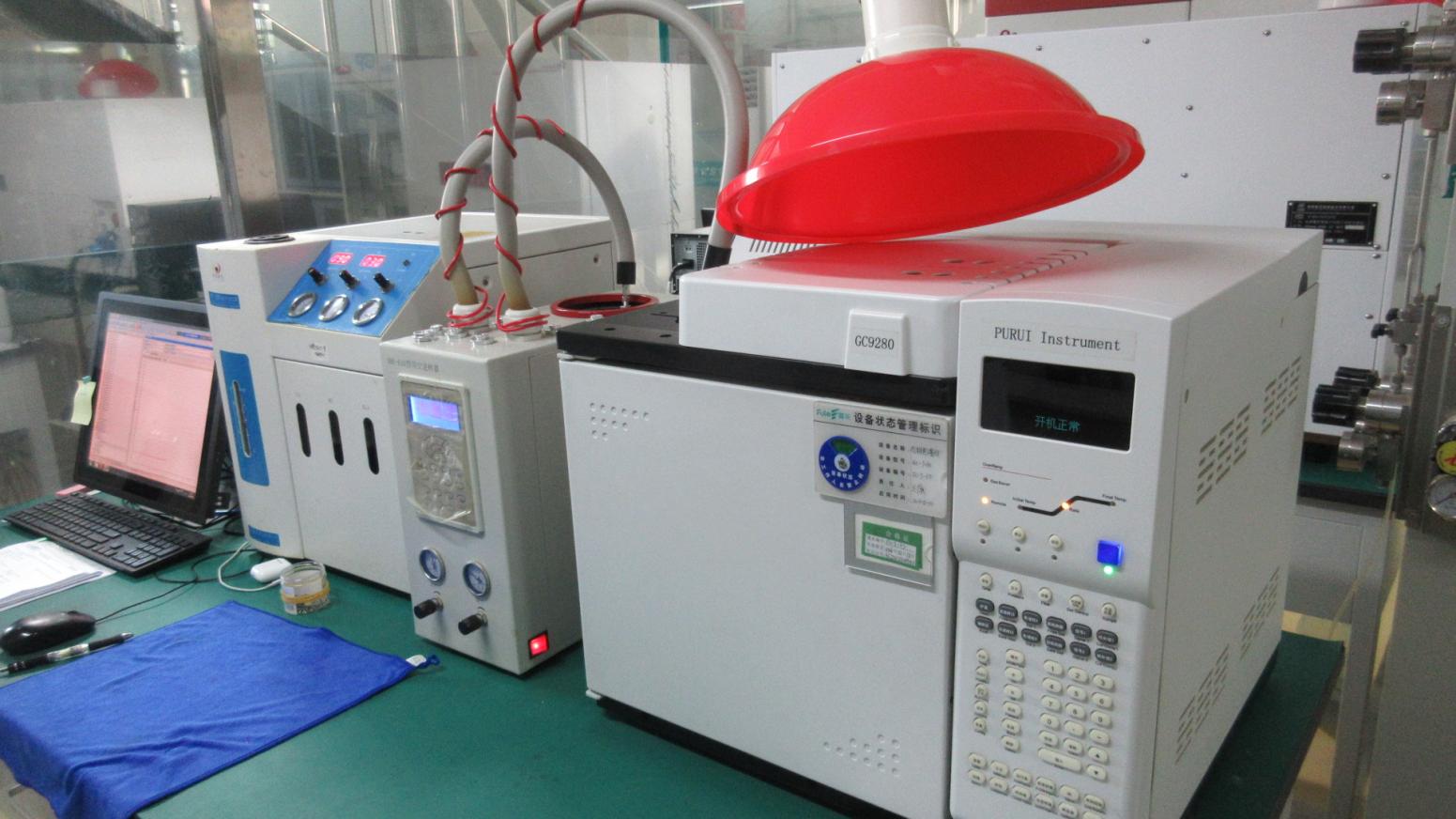
Strict Quality Controls: As an ISO13485 certified manufacturer, every batch of implants undergoes rigorous fatigue testing and static compression tests. We understand that in spinal surgery, there is zero room for error. Our 15 QA/QC inspectors utilize advanced measuring tools to verify every angle and thread pitch.
Furthermore, our MIKO II Series and VSSII Minimally Invasive Systems represent the cutting edge of surgical efficiency. By reducing the incision size and muscle stripping, these systems facilitate faster recovery, lower infection rates, and improved aesthetic outcomes for patients. As a global supplier, we provide these advanced technologies at a price point that makes high-quality spinal care accessible to a broader population.
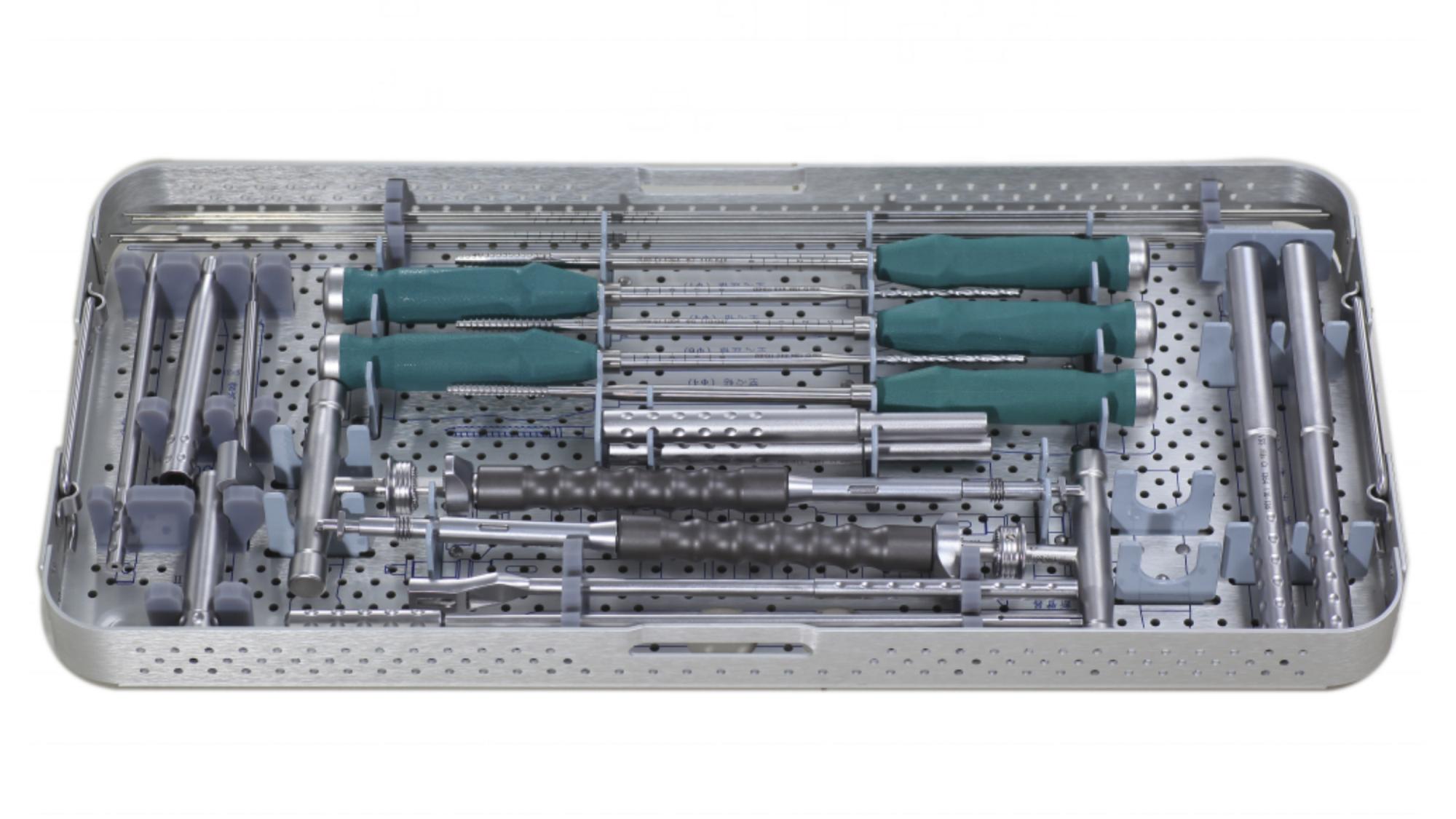
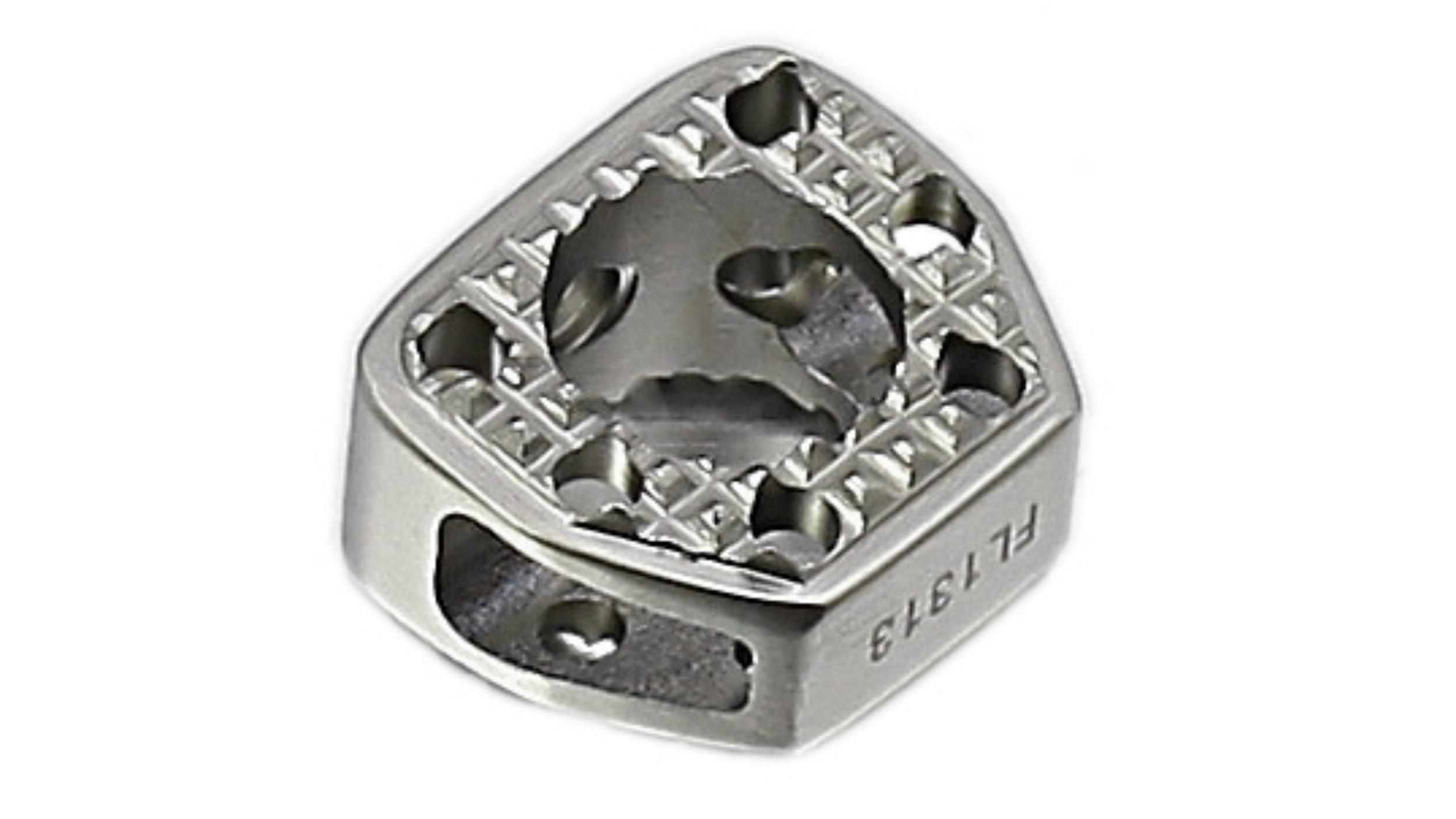
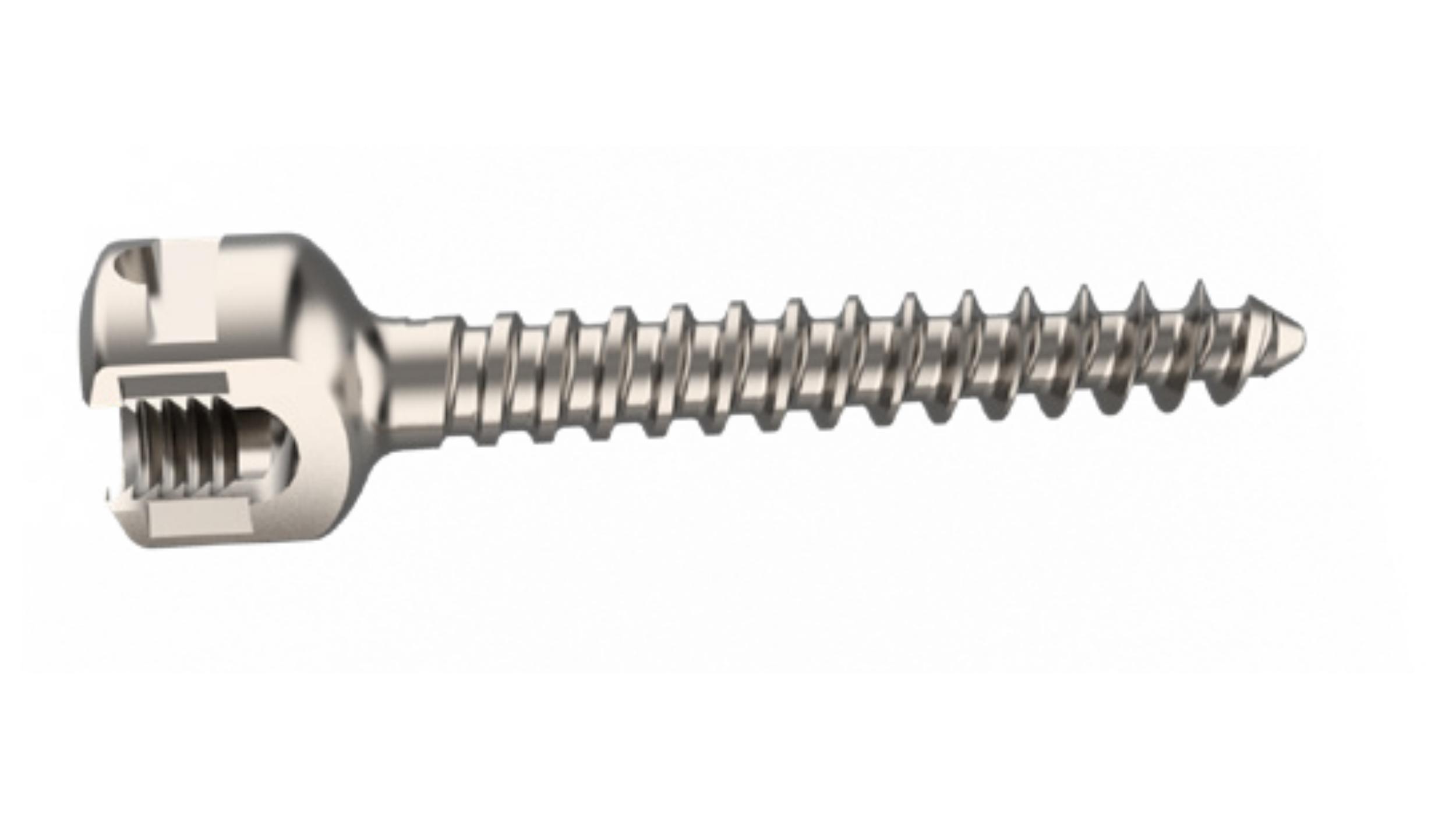
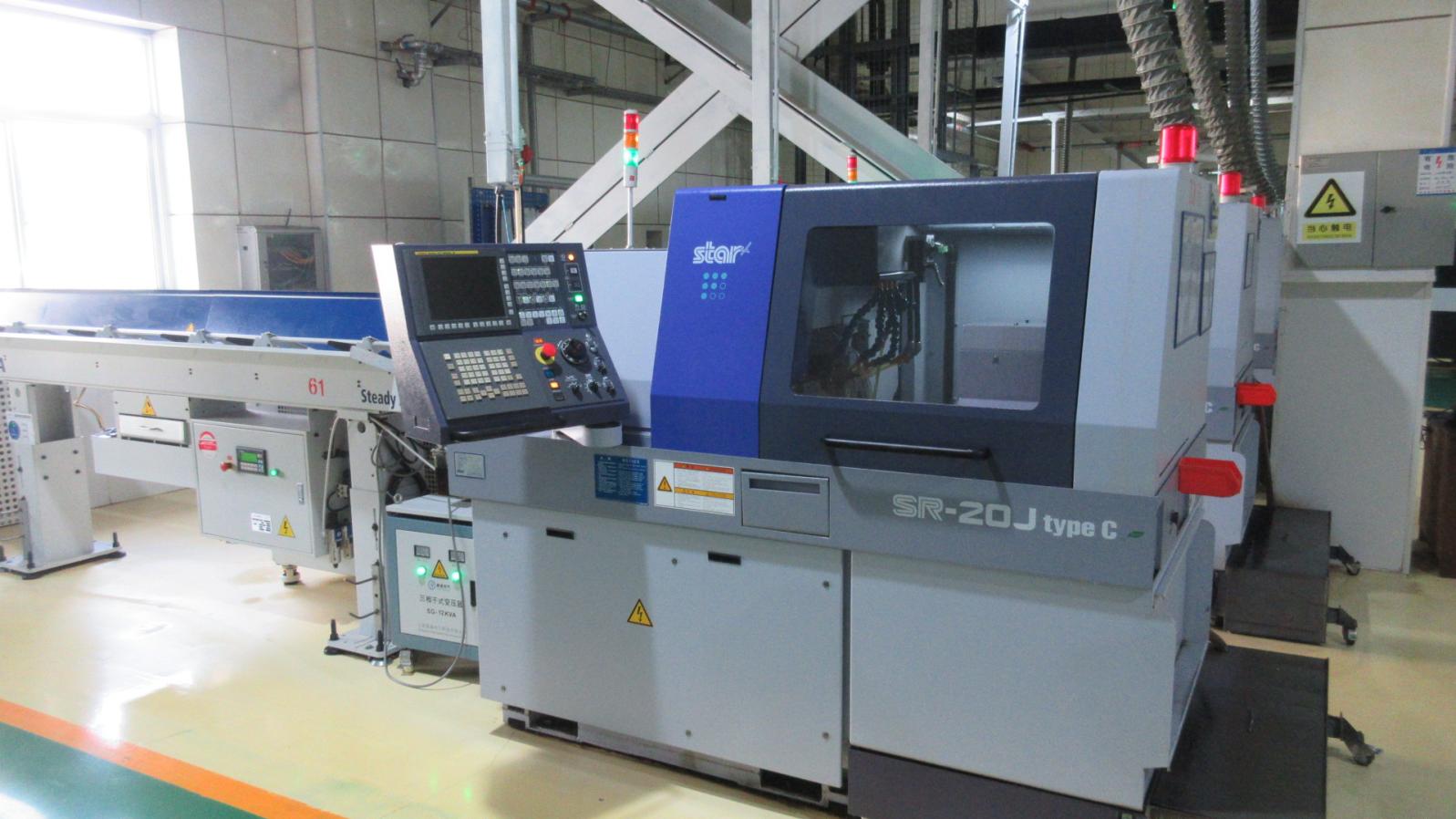
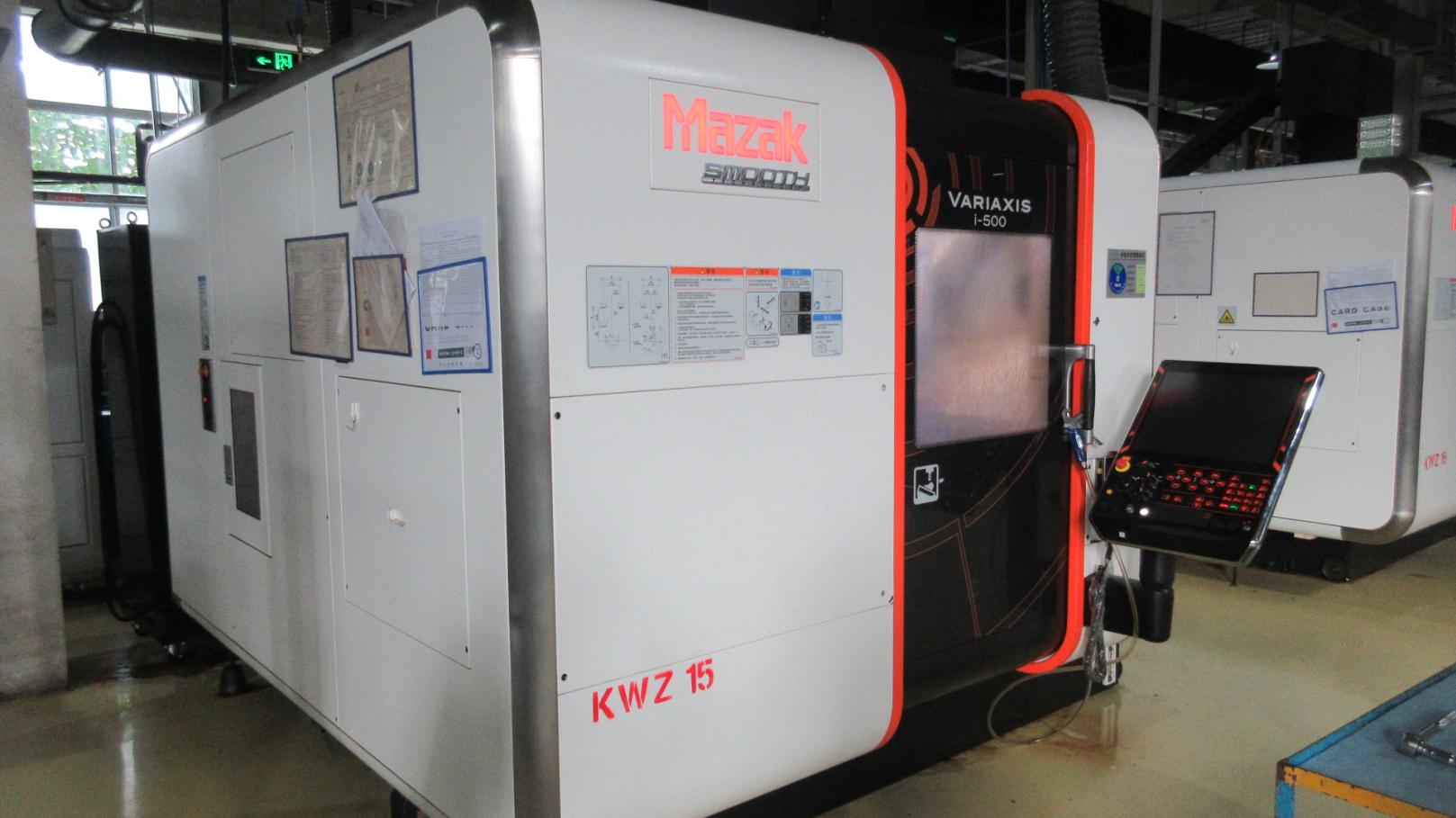
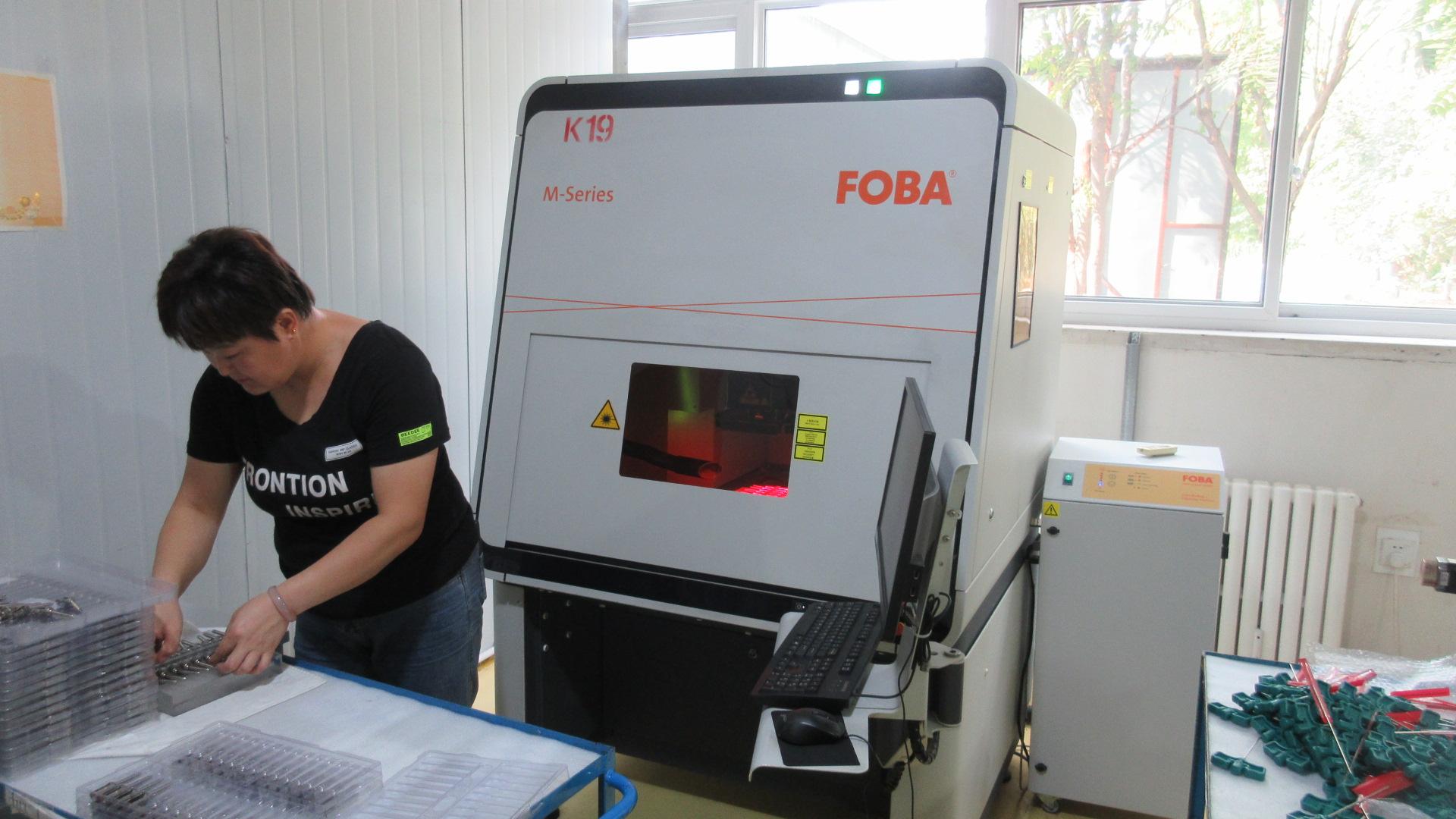
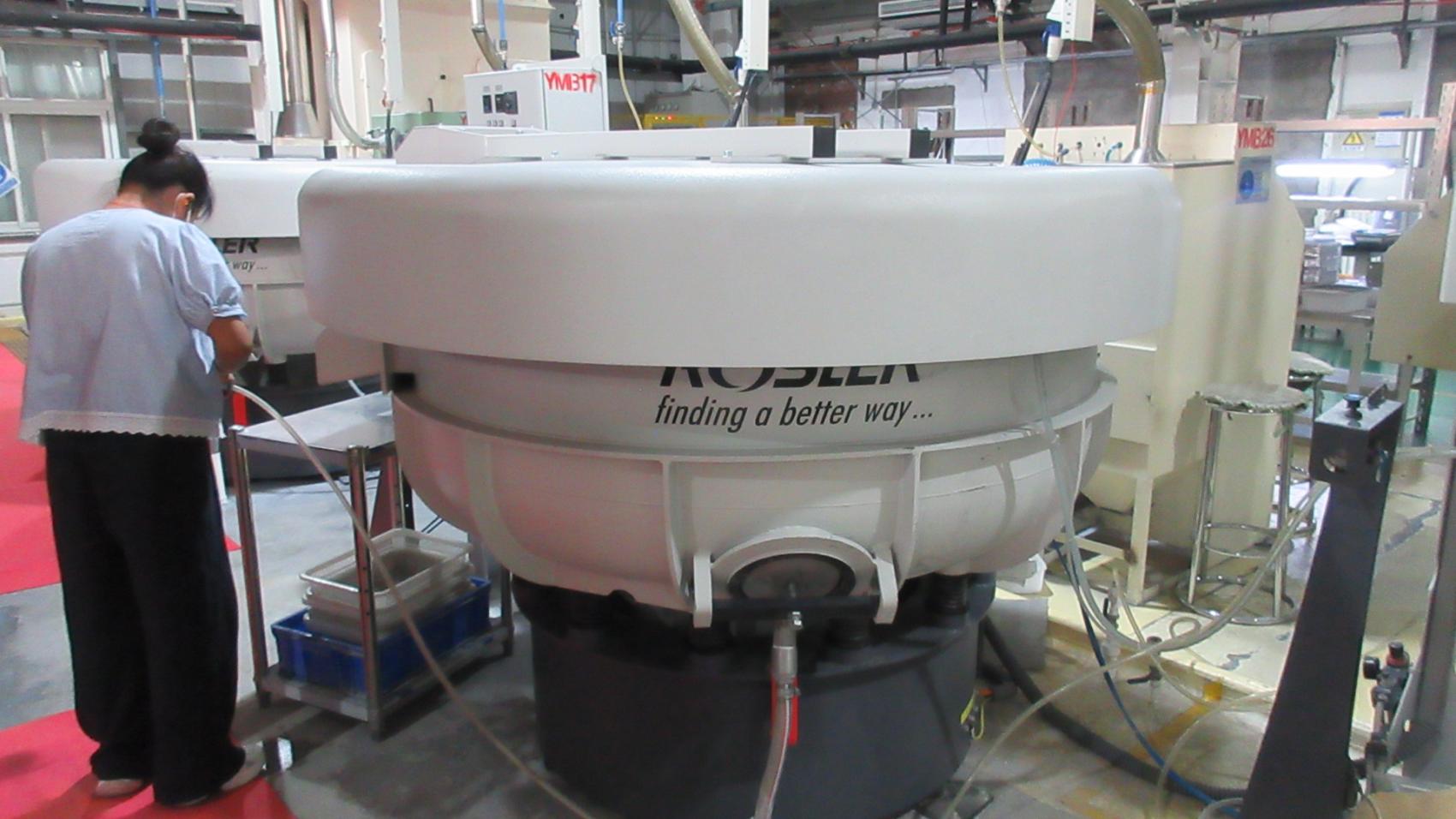
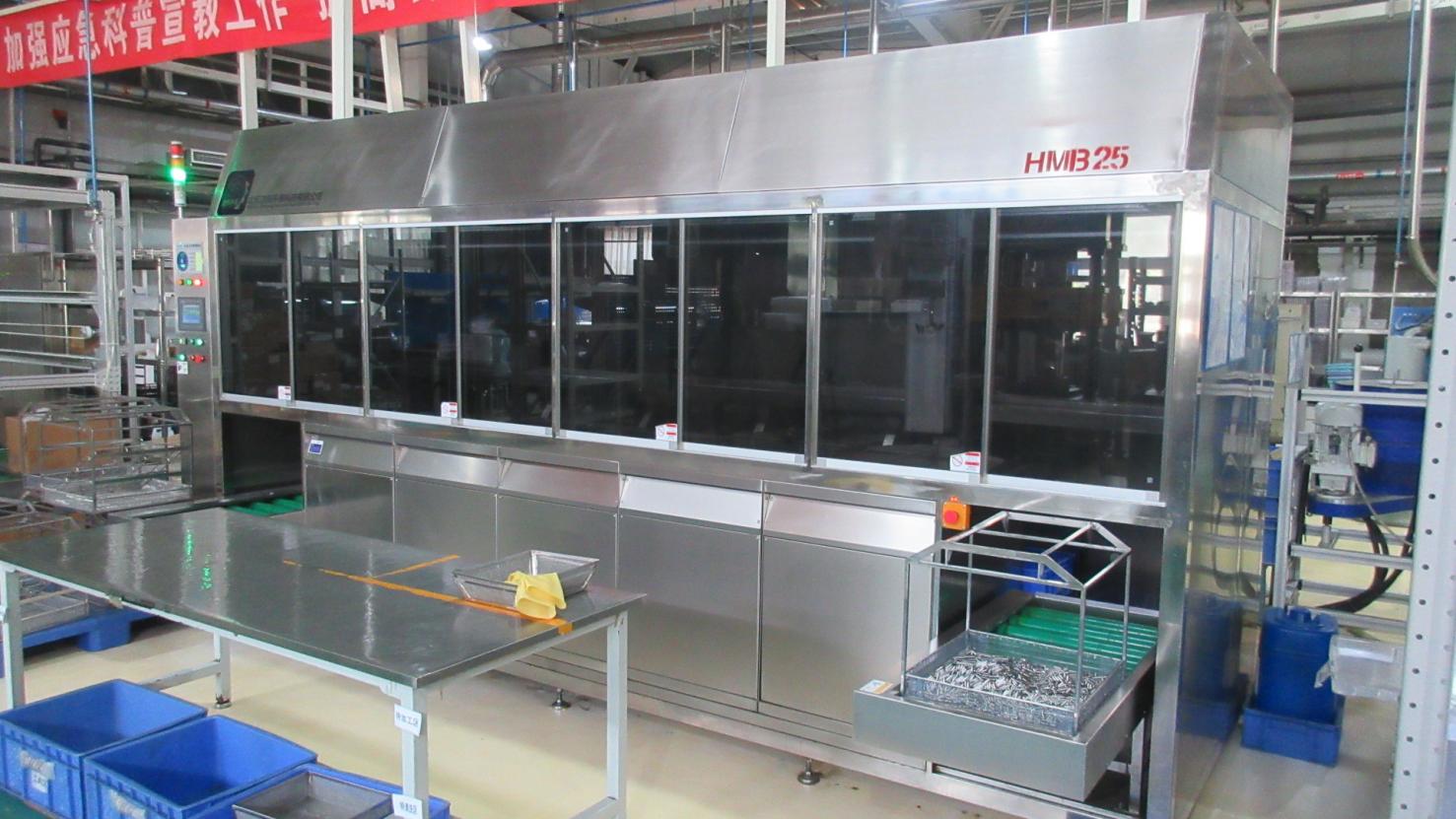
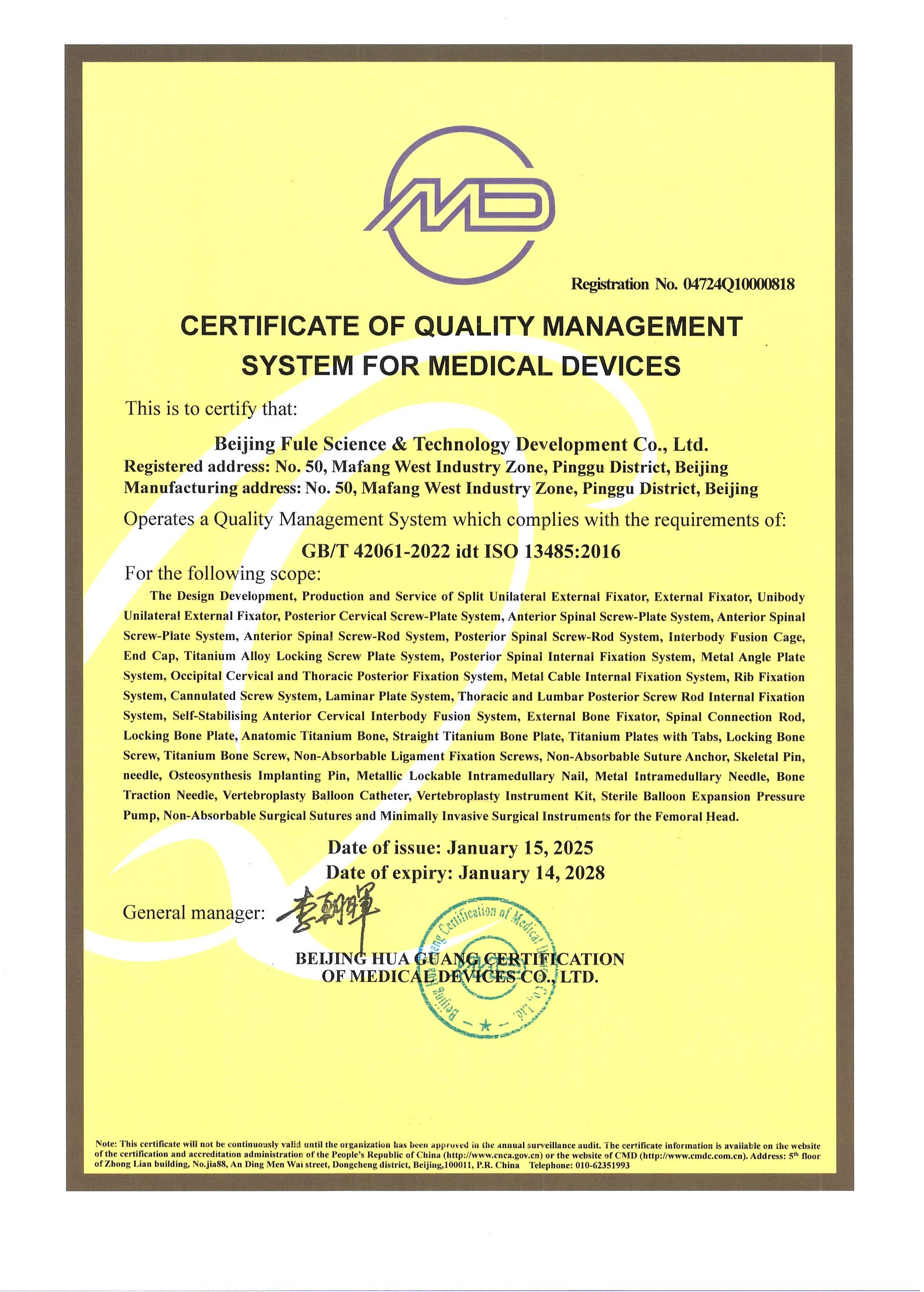
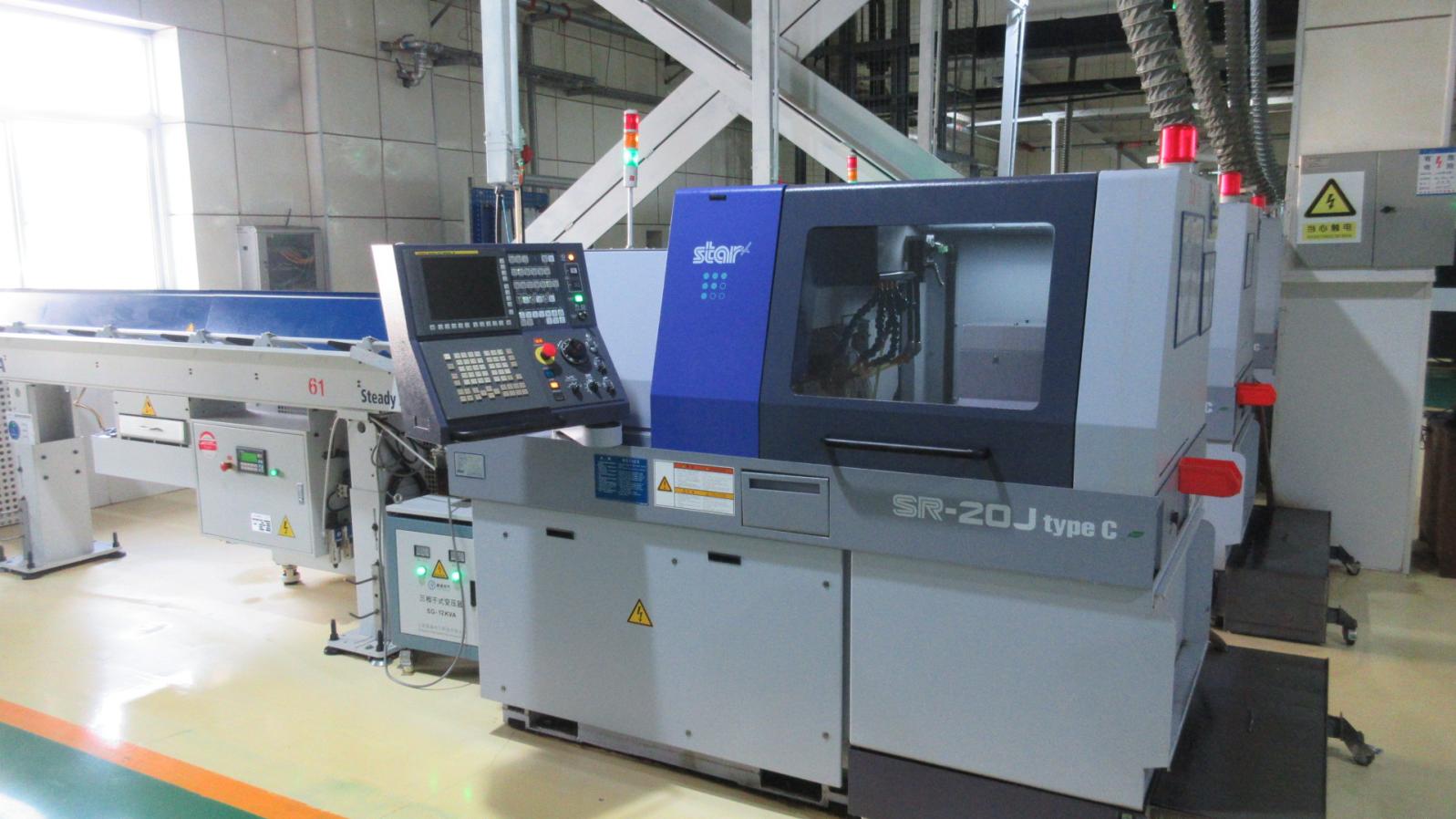
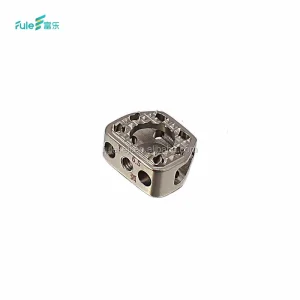
Expertise Summary: With an annual output of 508,000 units and a robust infrastructure consisting of 102 production machines, we are equipped to handle large-scale global procurement needs. Our focus on Titanium Spinal Systems has established us as a trustworthy partner for wholesalers and retailers in Eastern Europe, Southeast Asia, and beyond. Every product, from the ALIF cage sets to the VSSII minimally invasive systems, reflects our commitment to orthopedic excellence and patient safety.
 Fule
Fule