As the primary medical hub of the Philippines, Manila has seen a significant surge in the demand for high-quality orthopedic implants, particularly those targeting tibia and fibula fractures. With the rapid urbanization of Metro Manila and the increasing volume of road traffic, orthopedic trauma cases—ranging from simple fractures to complex comminuted breaks—have become a daily challenge for hospitals like the Philippine General Hospital (PGH) and St. Luke's Medical Center.
Our role as a leading tibia and fibula supplier in Manila is to bridge the gap between advanced manufacturing and local clinical needs. We provide surgeons with the tools they need to perform intramedullary nailing, plating, and external fixation with precision. The anatomical complexity of the lower leg requires implants that offer both biological compatibility and mechanical stability, ensuring that patients across the National Capital Region can return to their daily lives faster.
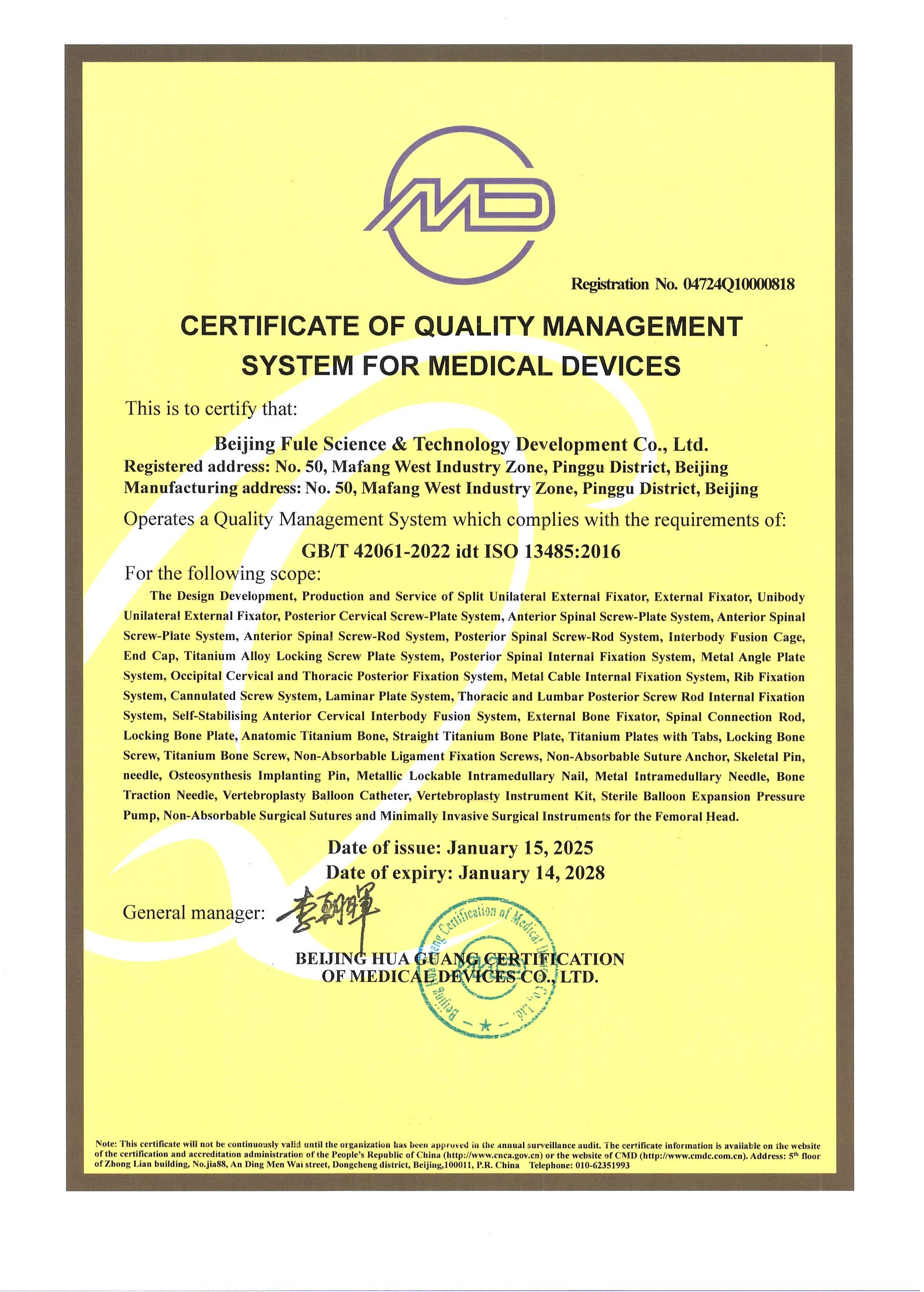
The industrial landscape in Manila for medical devices is evolving. Distributors in areas like Binondo, Quezon City, and Makati are increasingly looking for CE-certified and ISO-compliant manufacturers. The Philippine government’s focus on modernizing public healthcare facilities through the Department of Health (DOH) has opened new avenues for high-grade titanium implants. As a supplier, we understand the logistical nuances of Manila—from navigating the Port of Manila to ensuring timely delivery to surgical suites in Alabang or Ortigas.
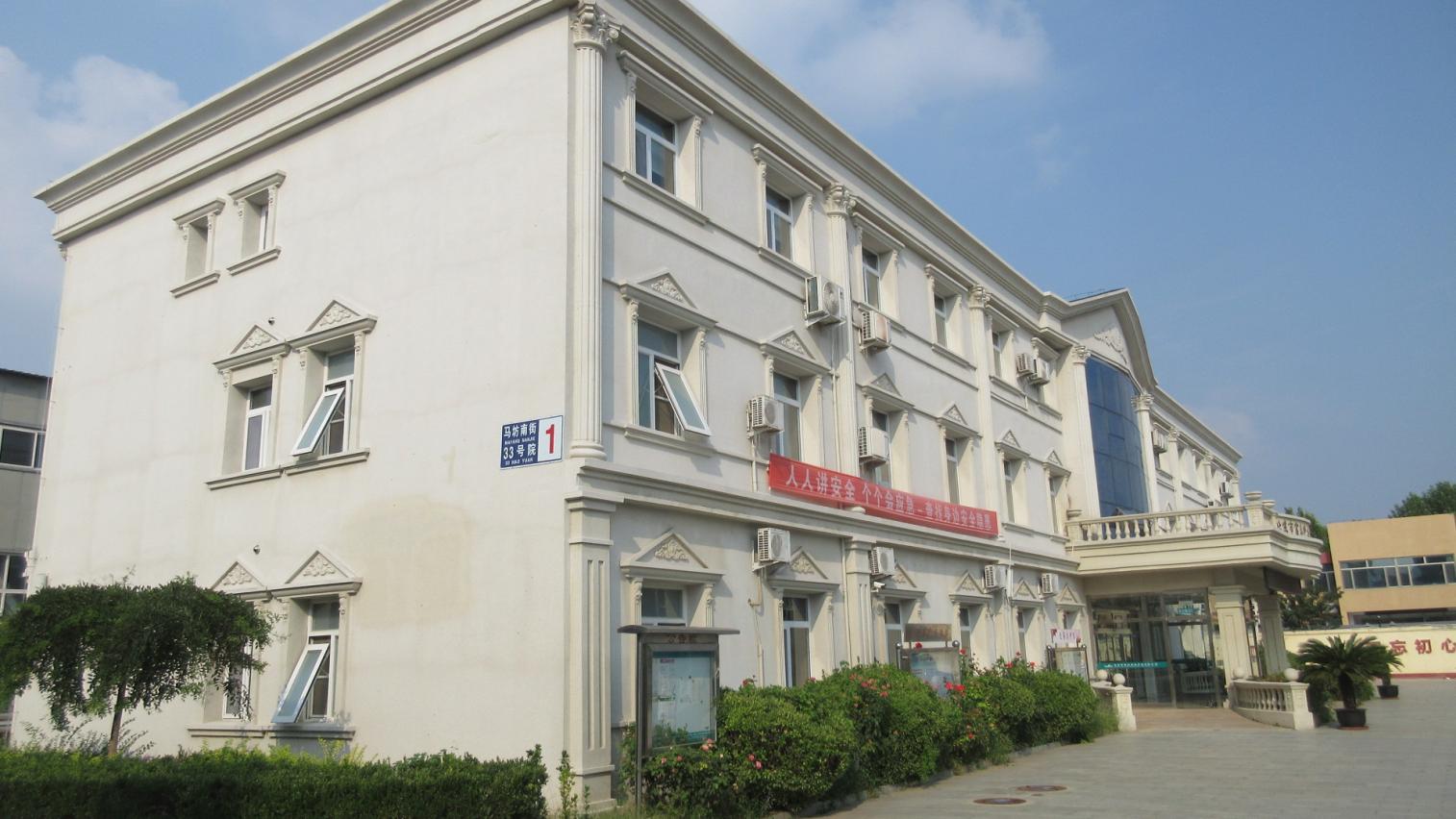
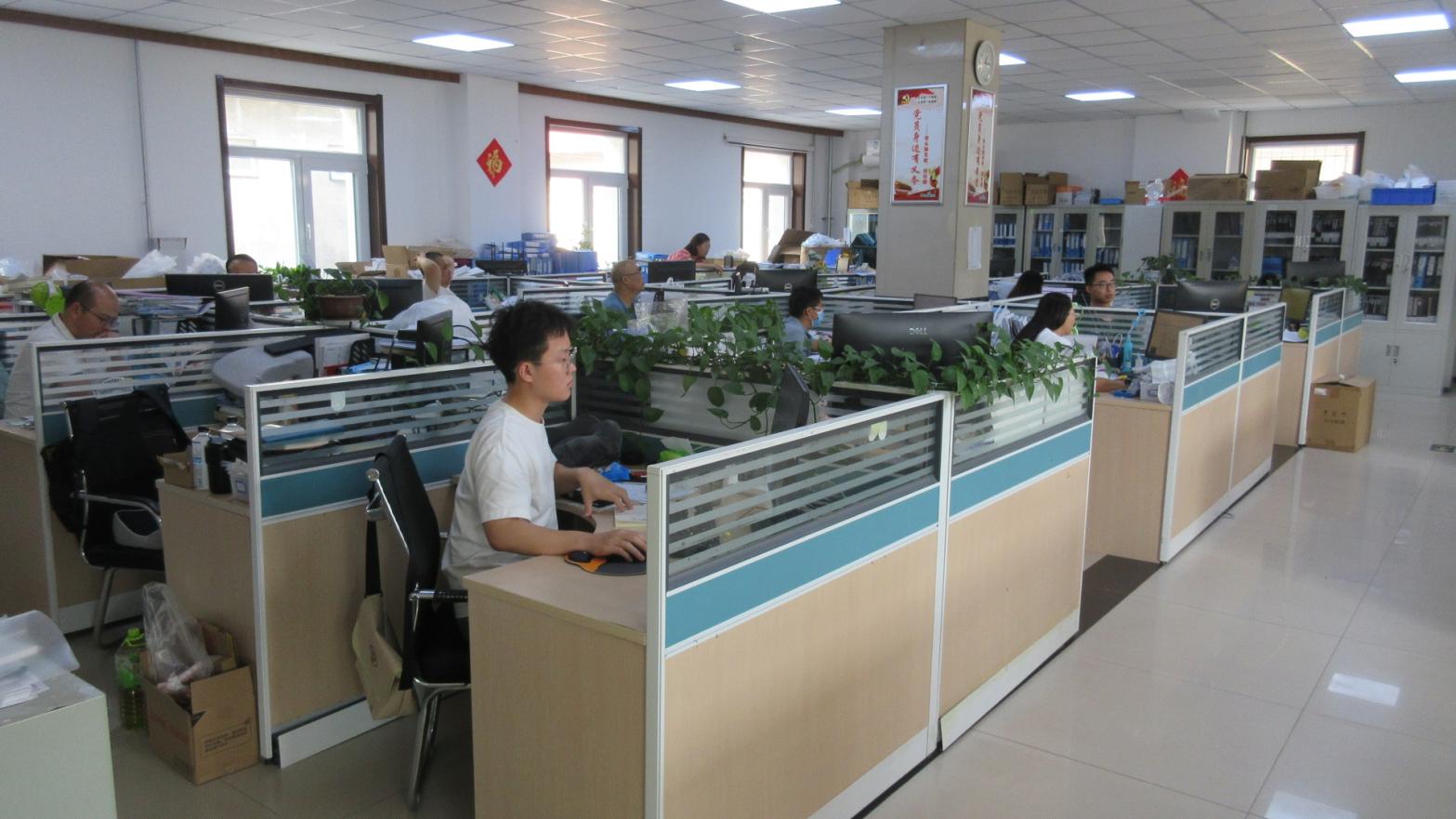
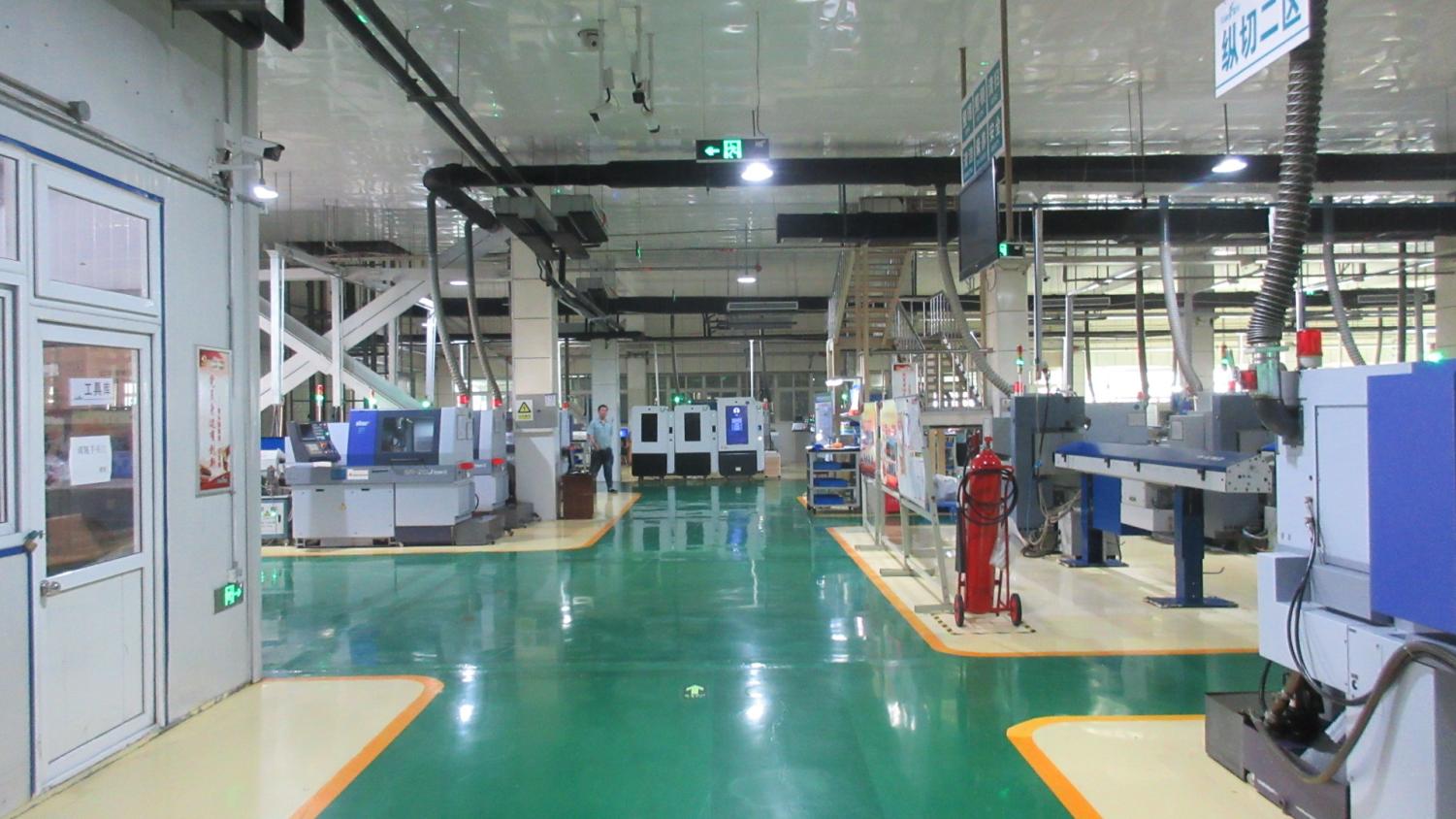
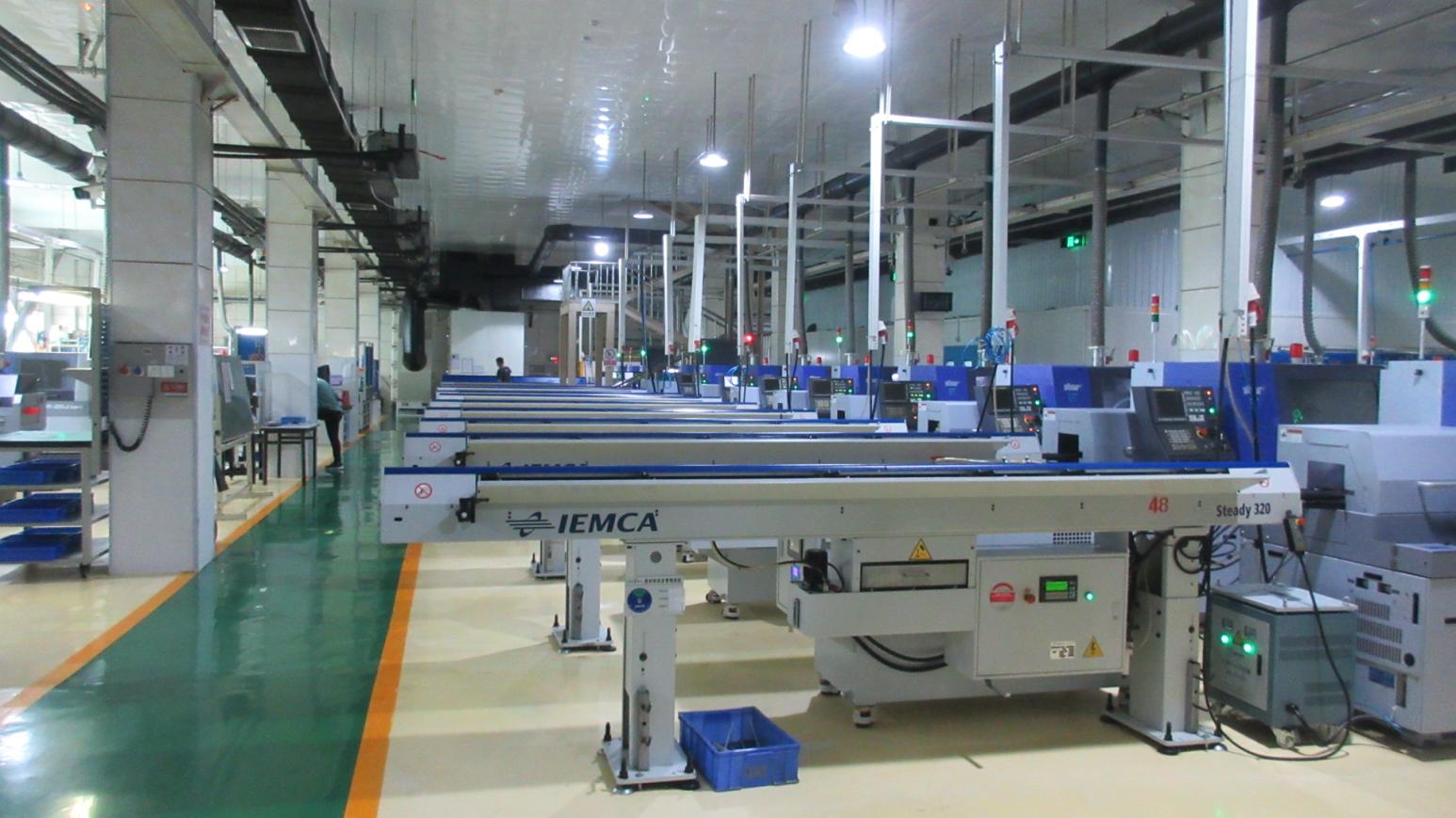
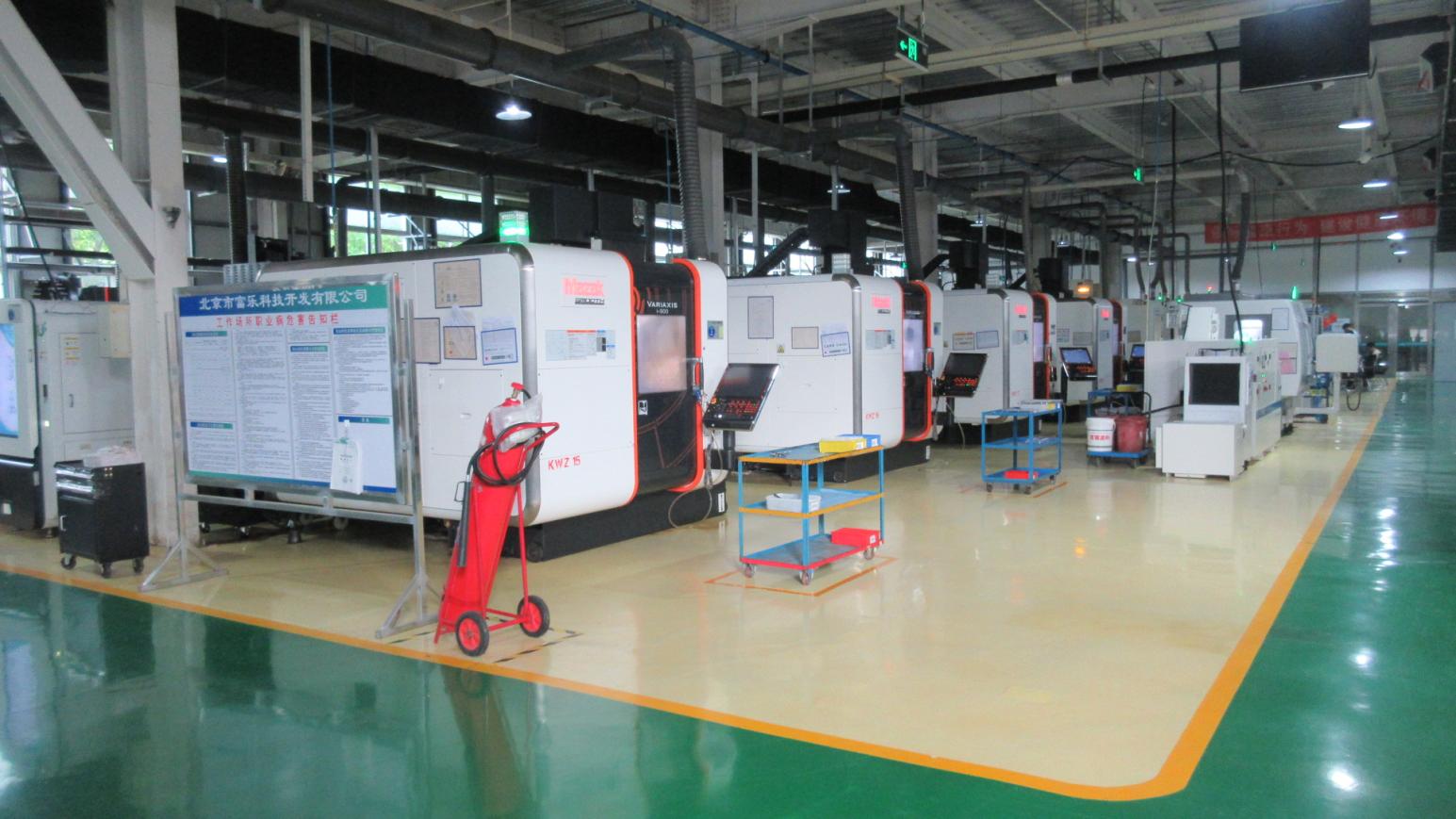
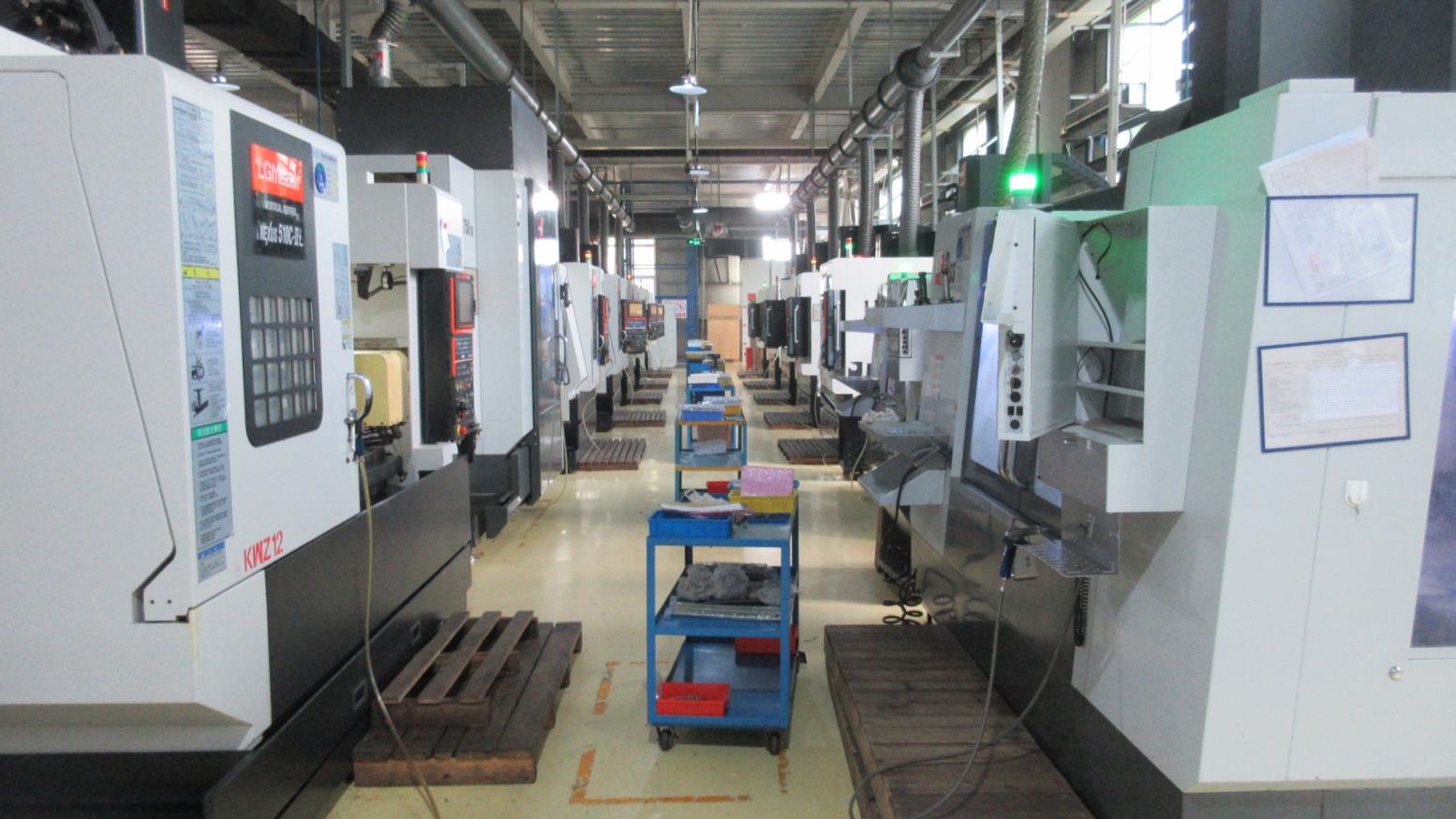
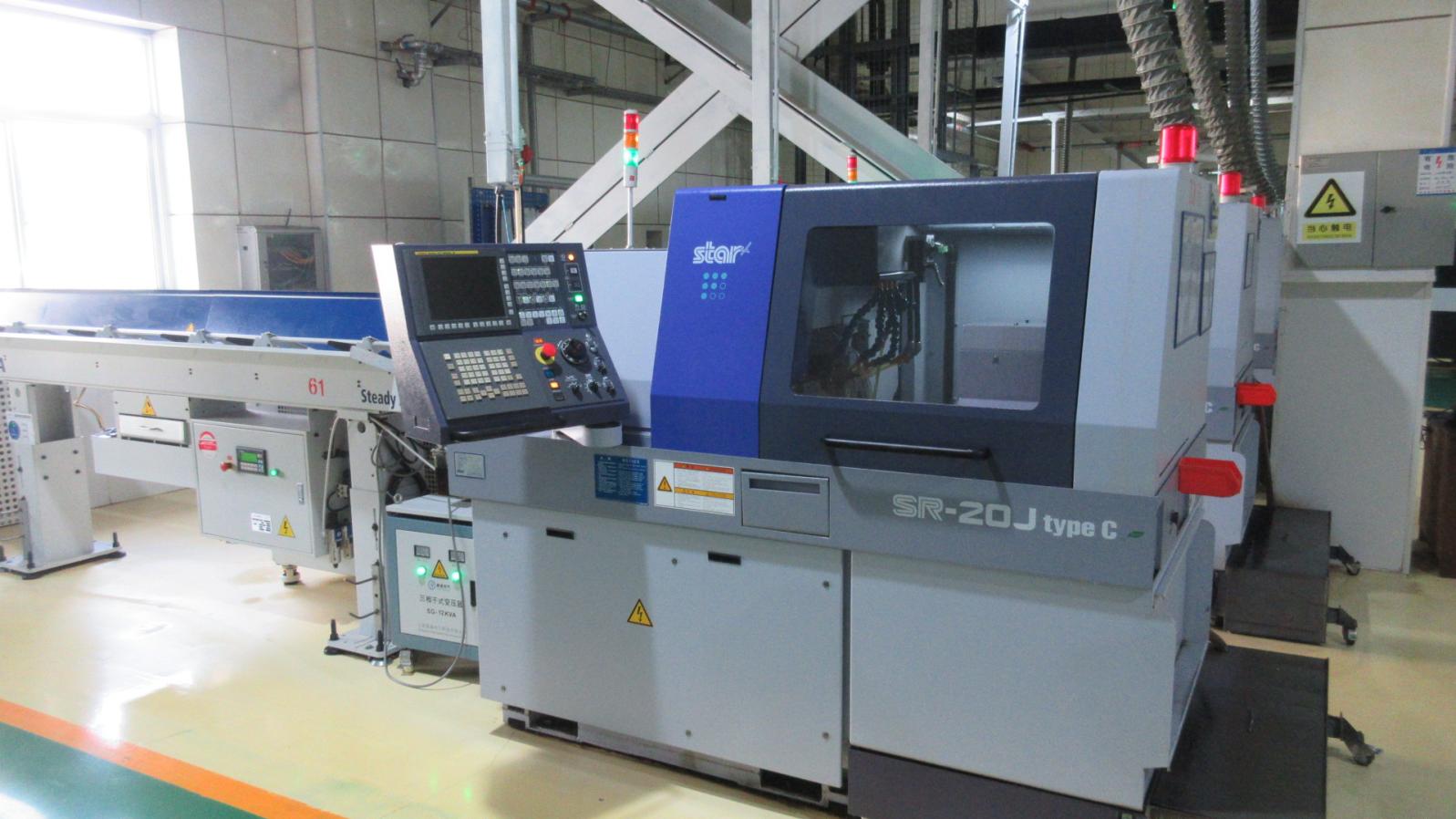
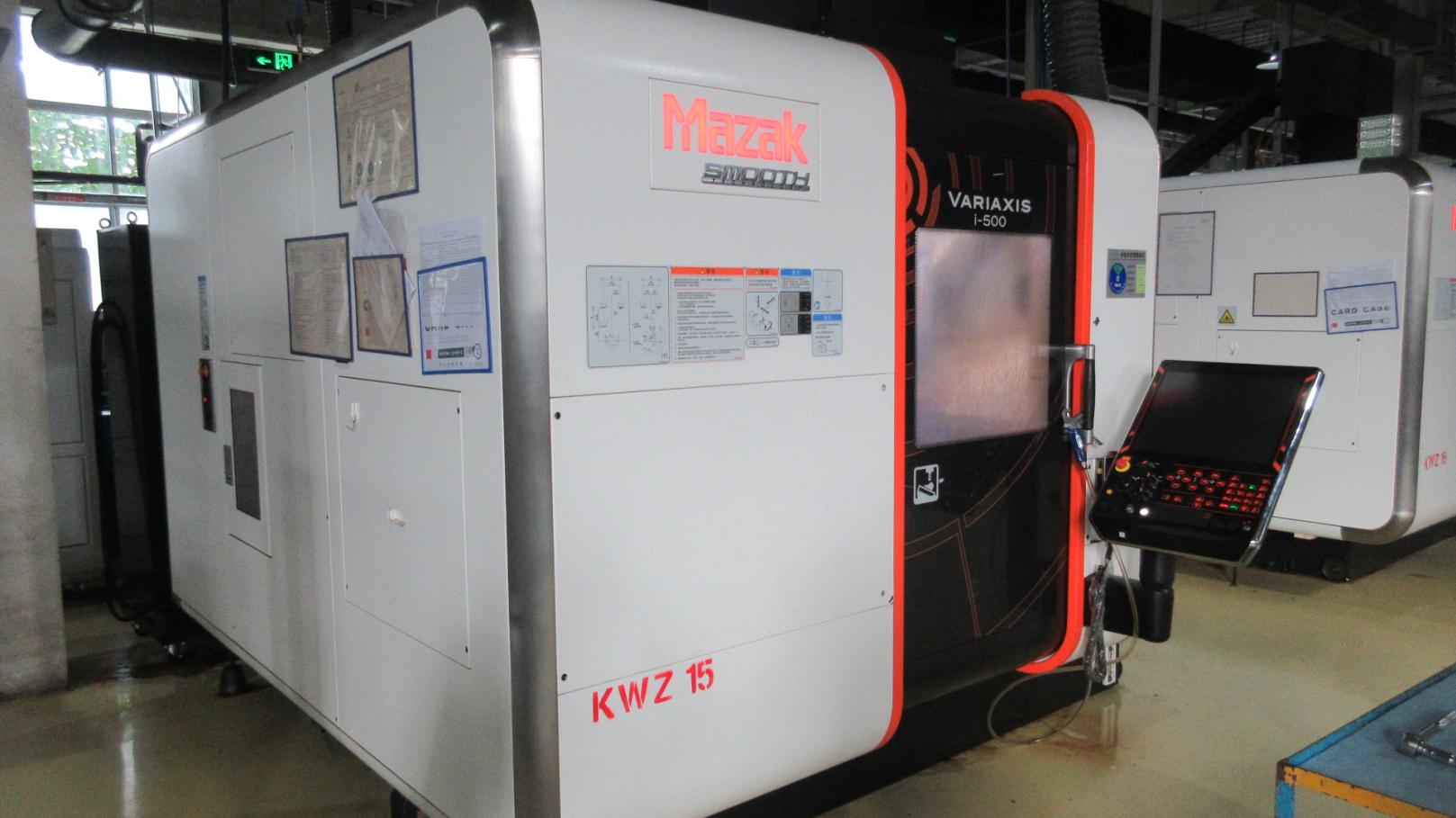
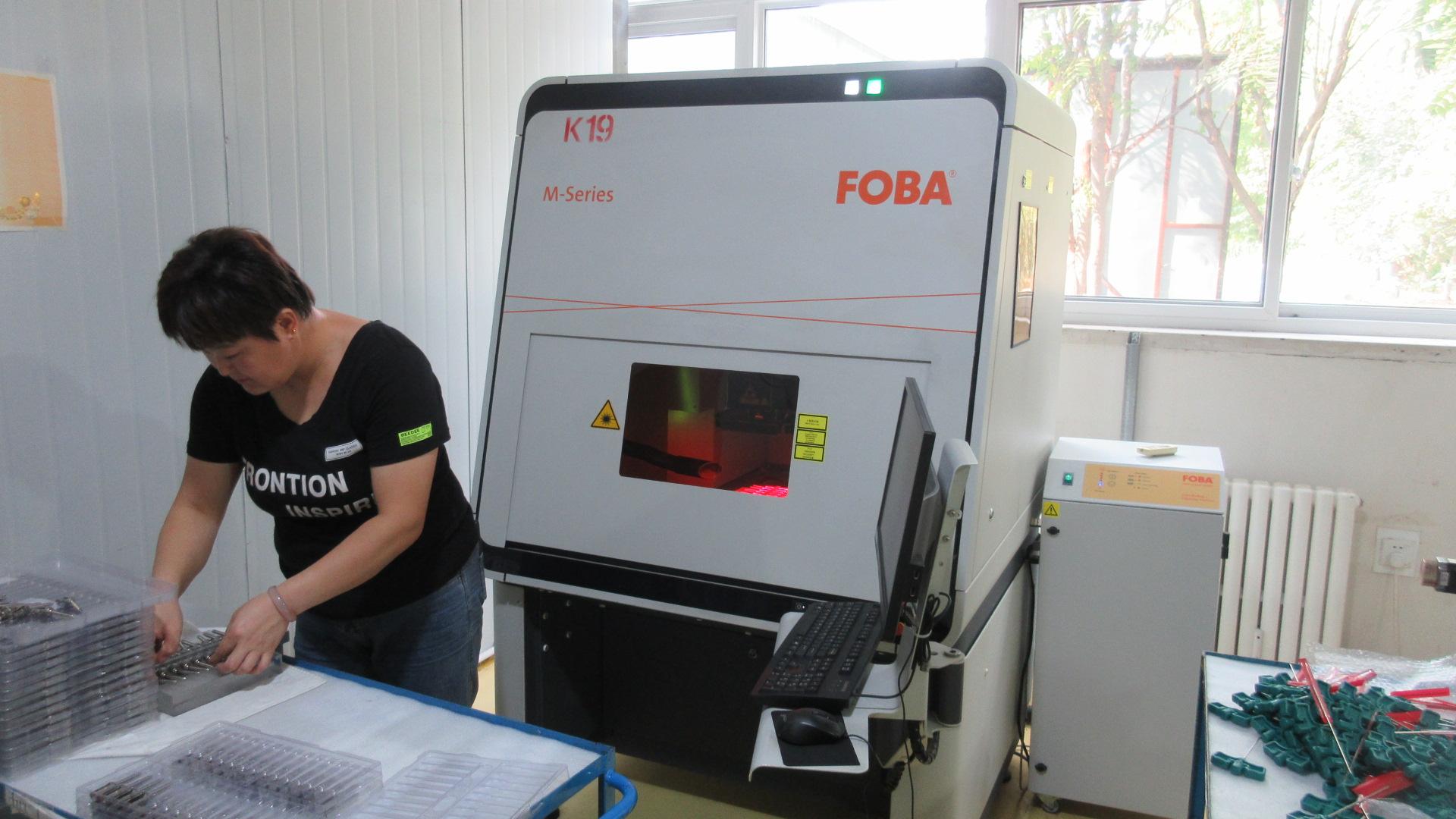
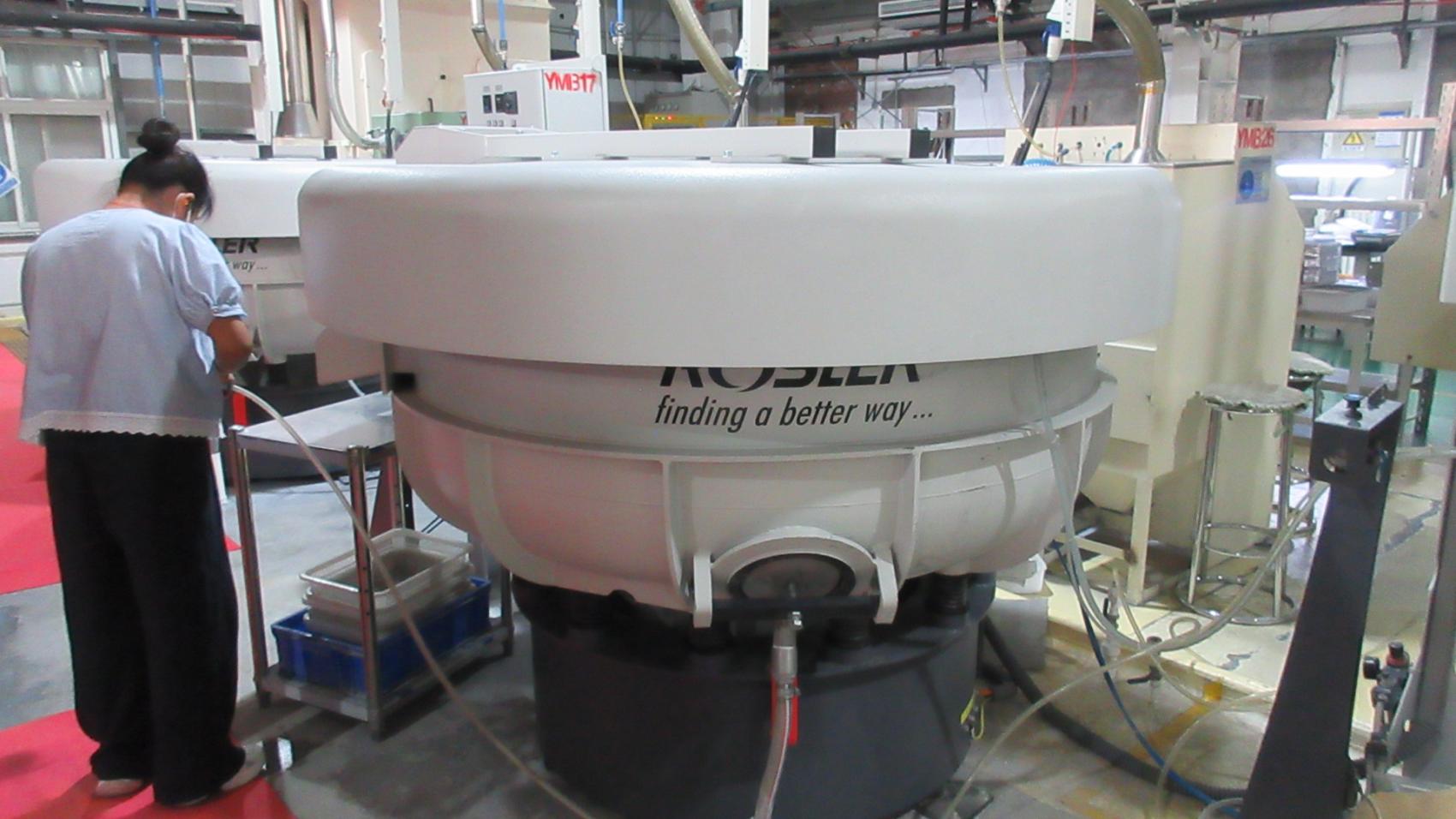
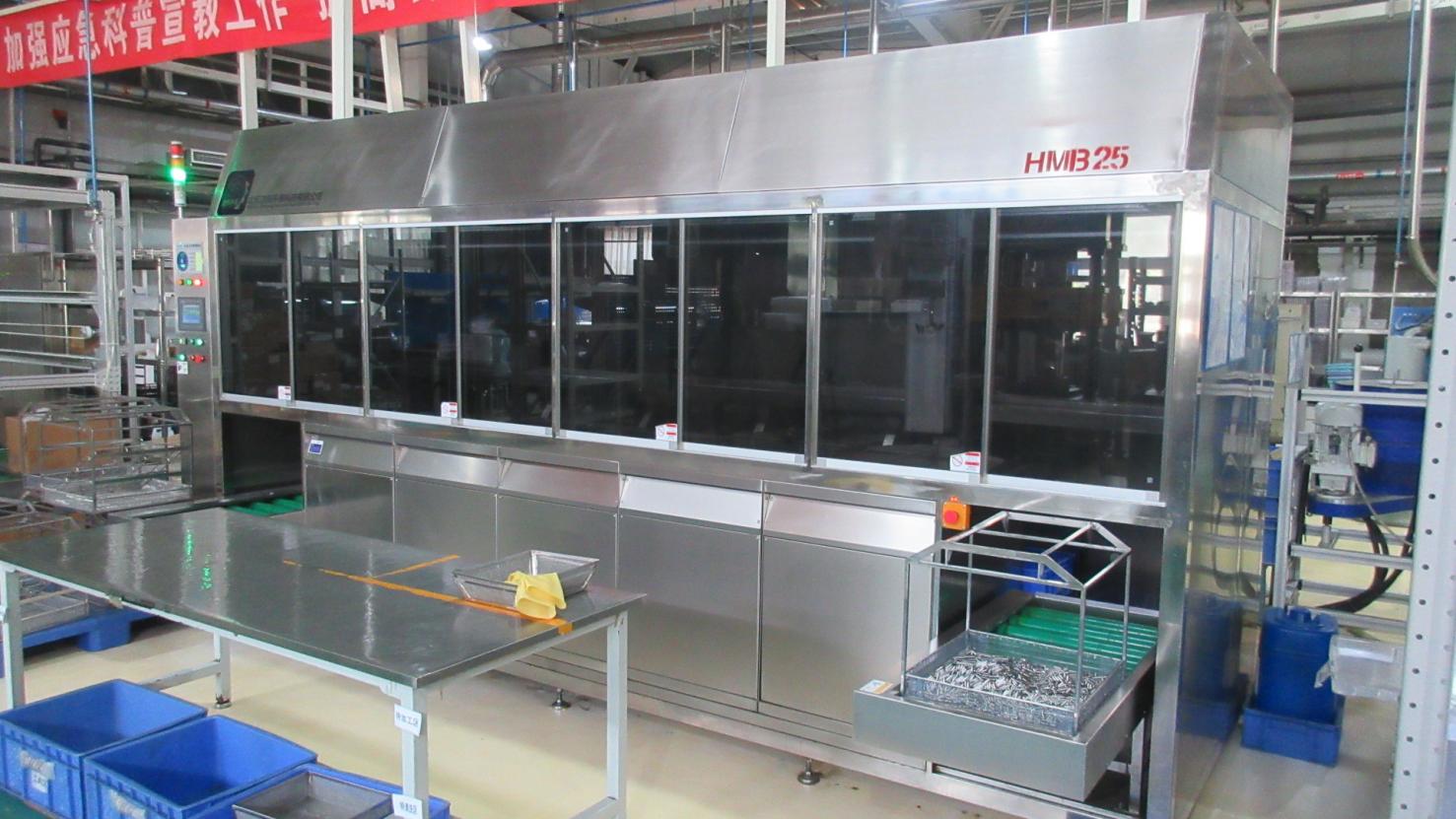
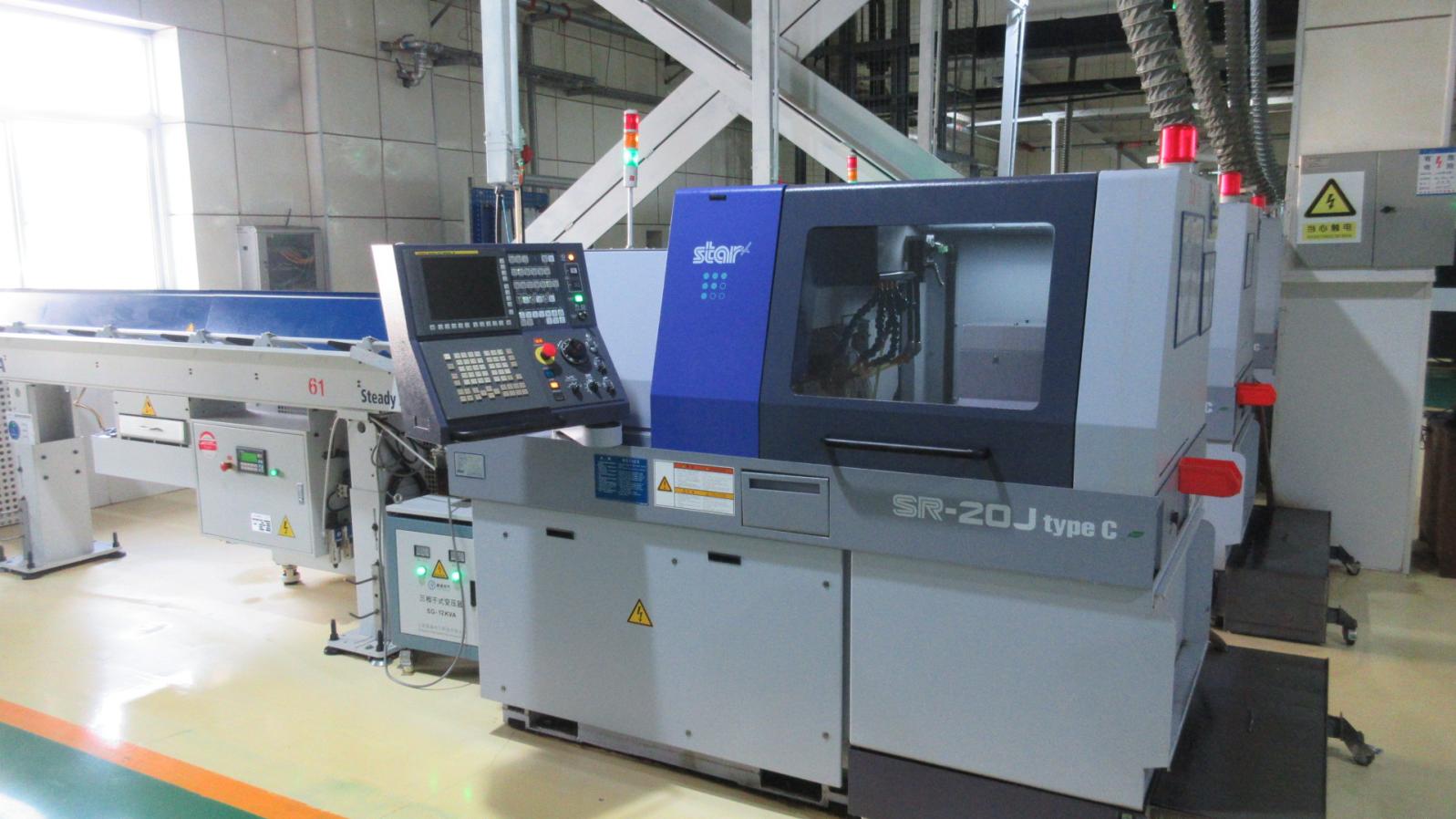
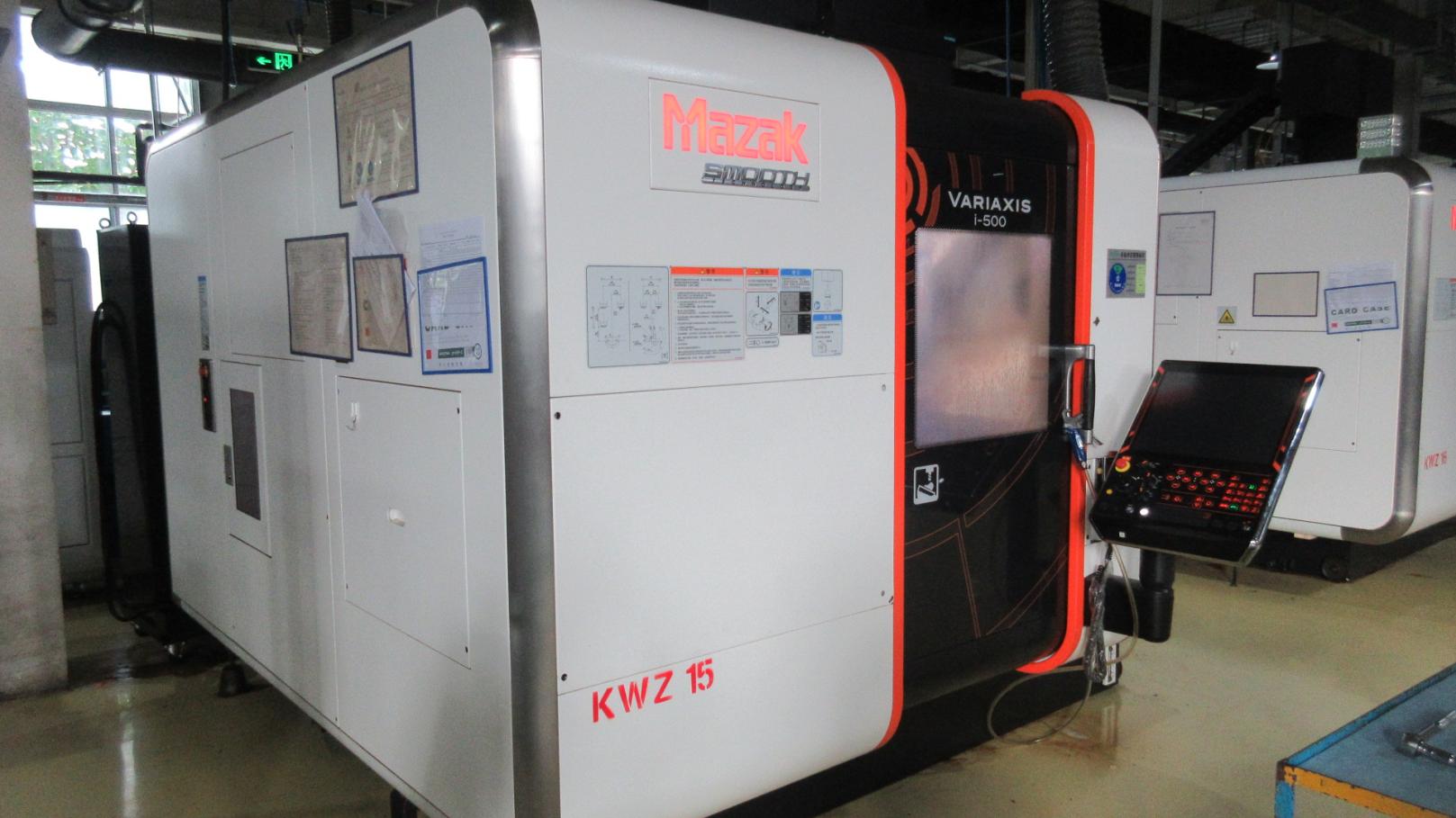
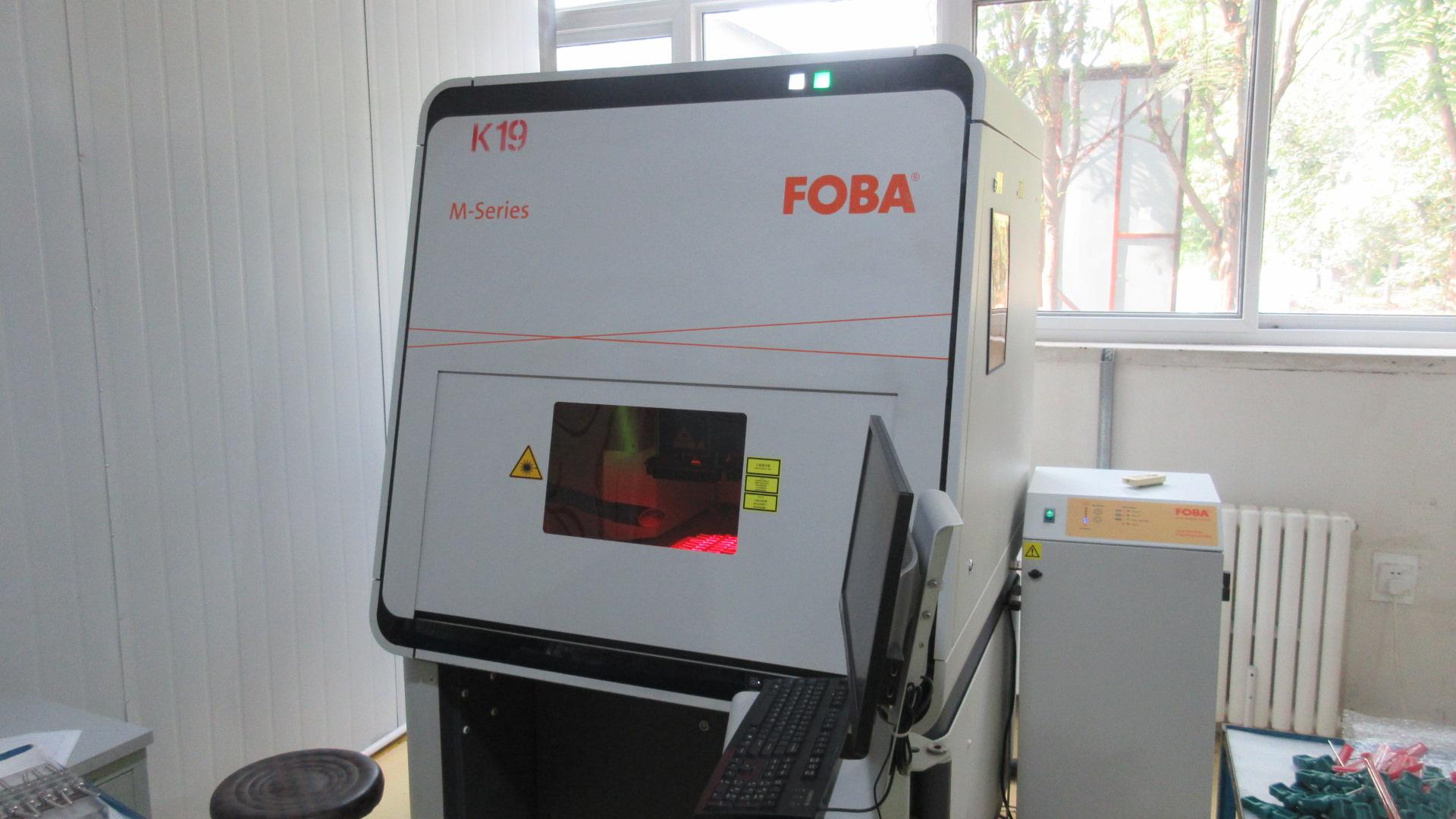
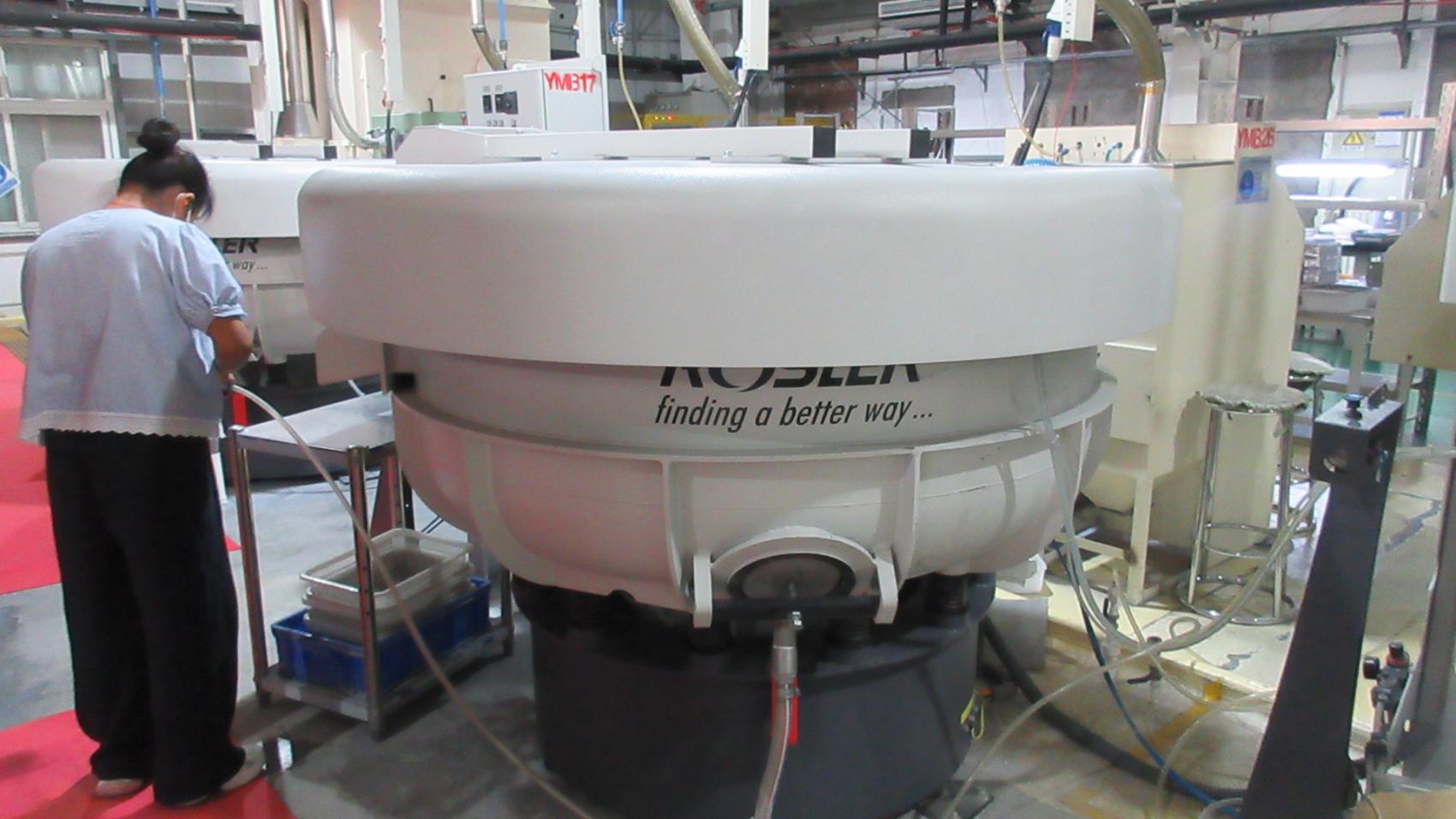
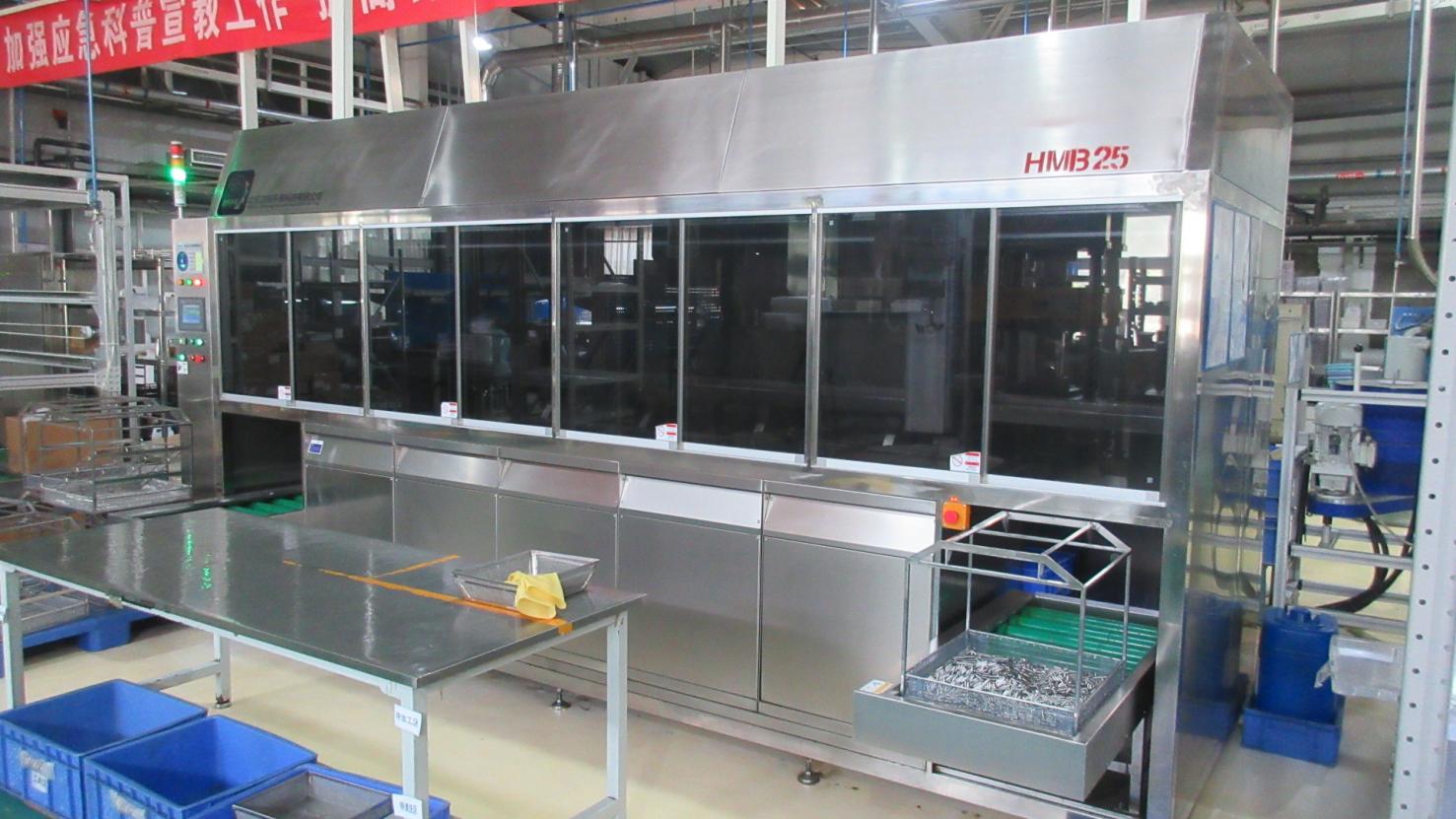
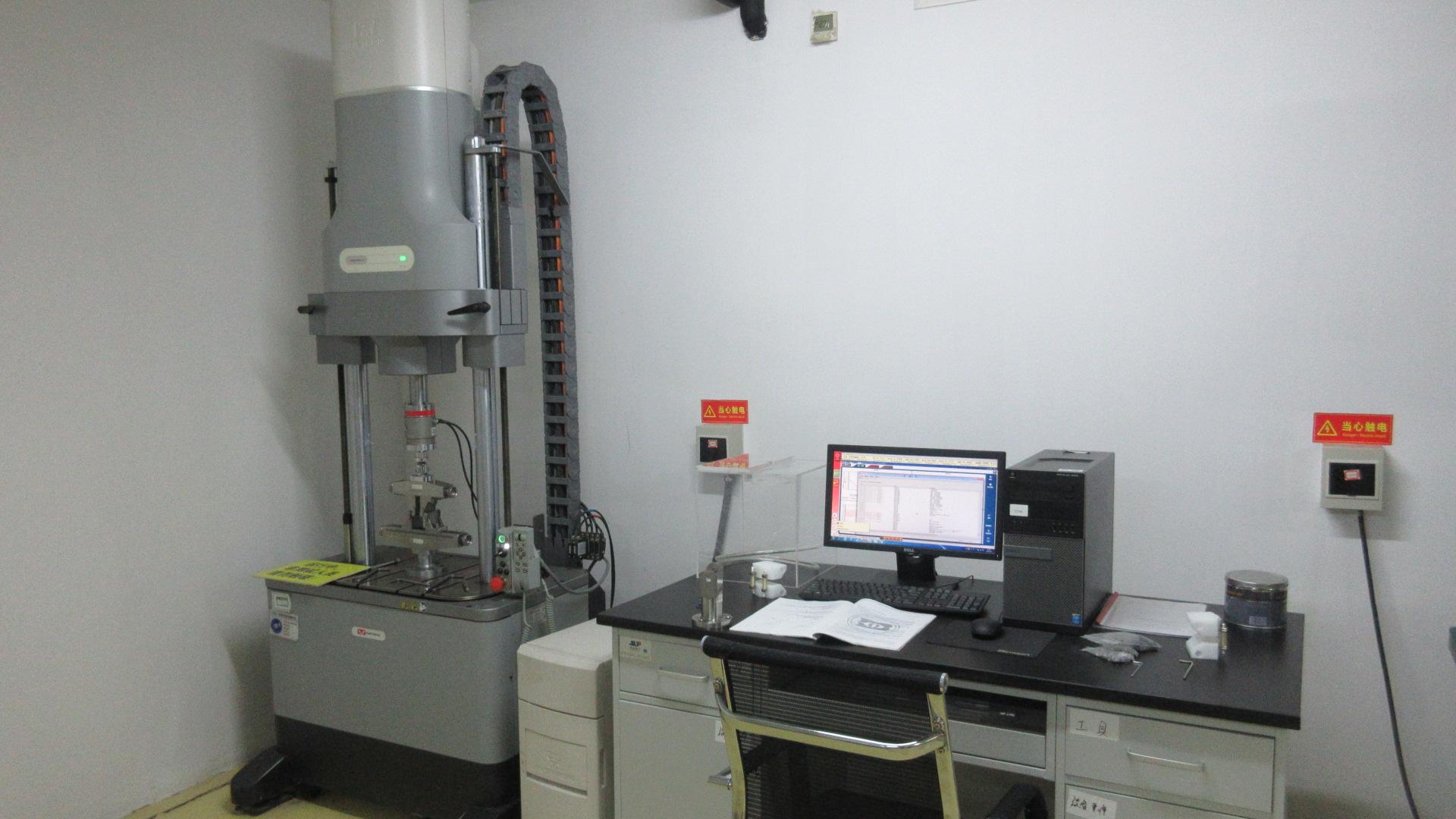
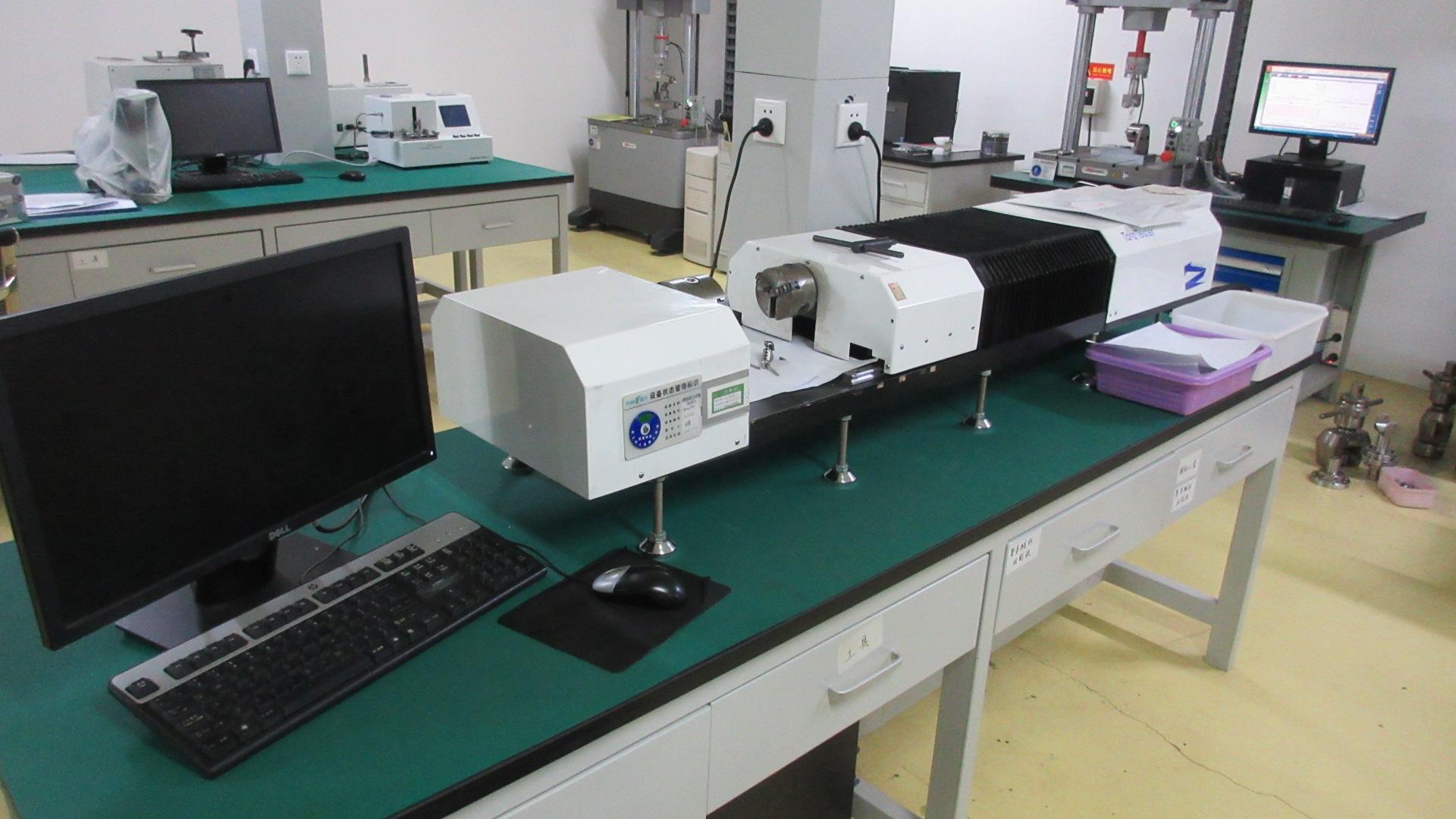
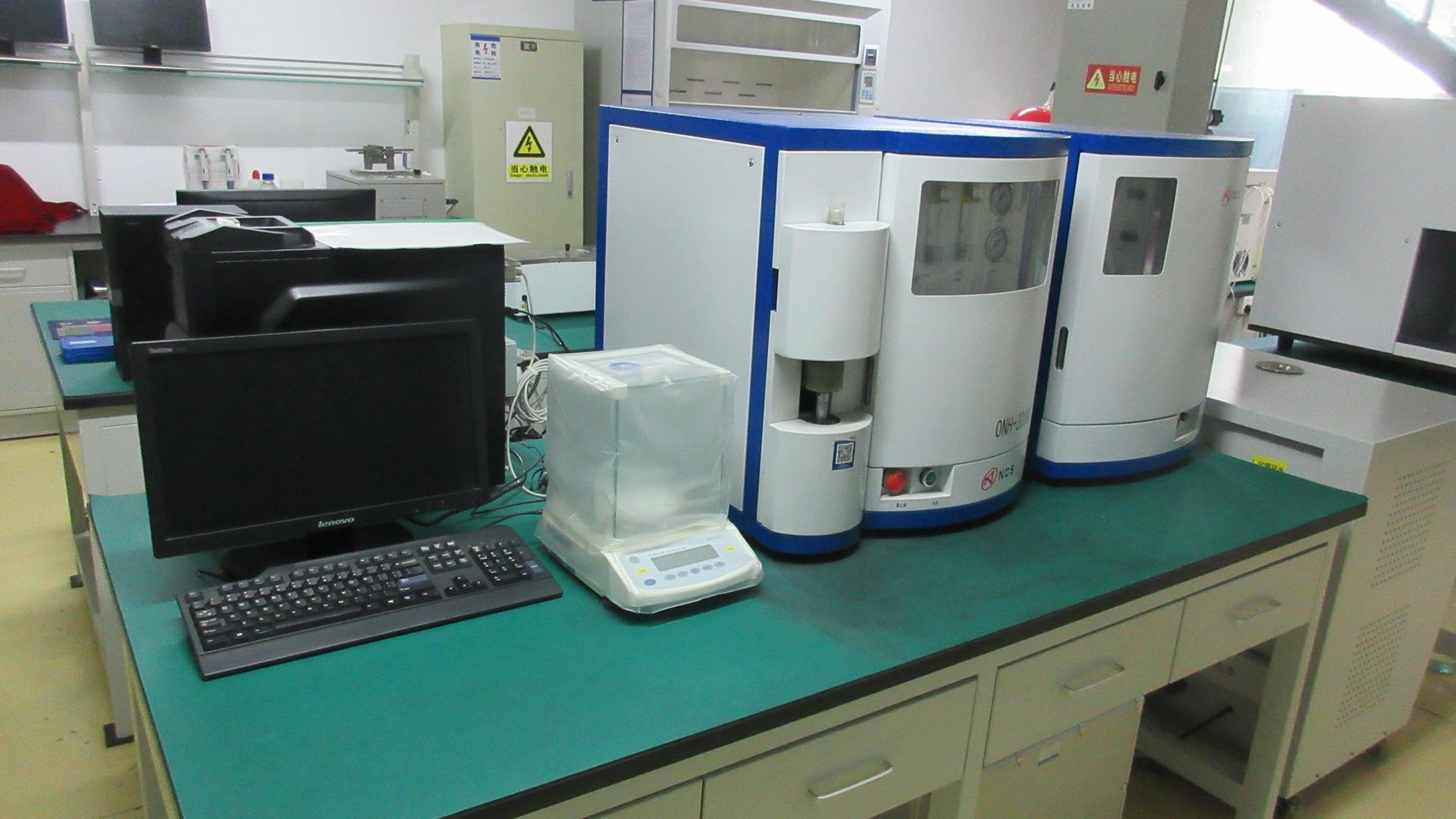
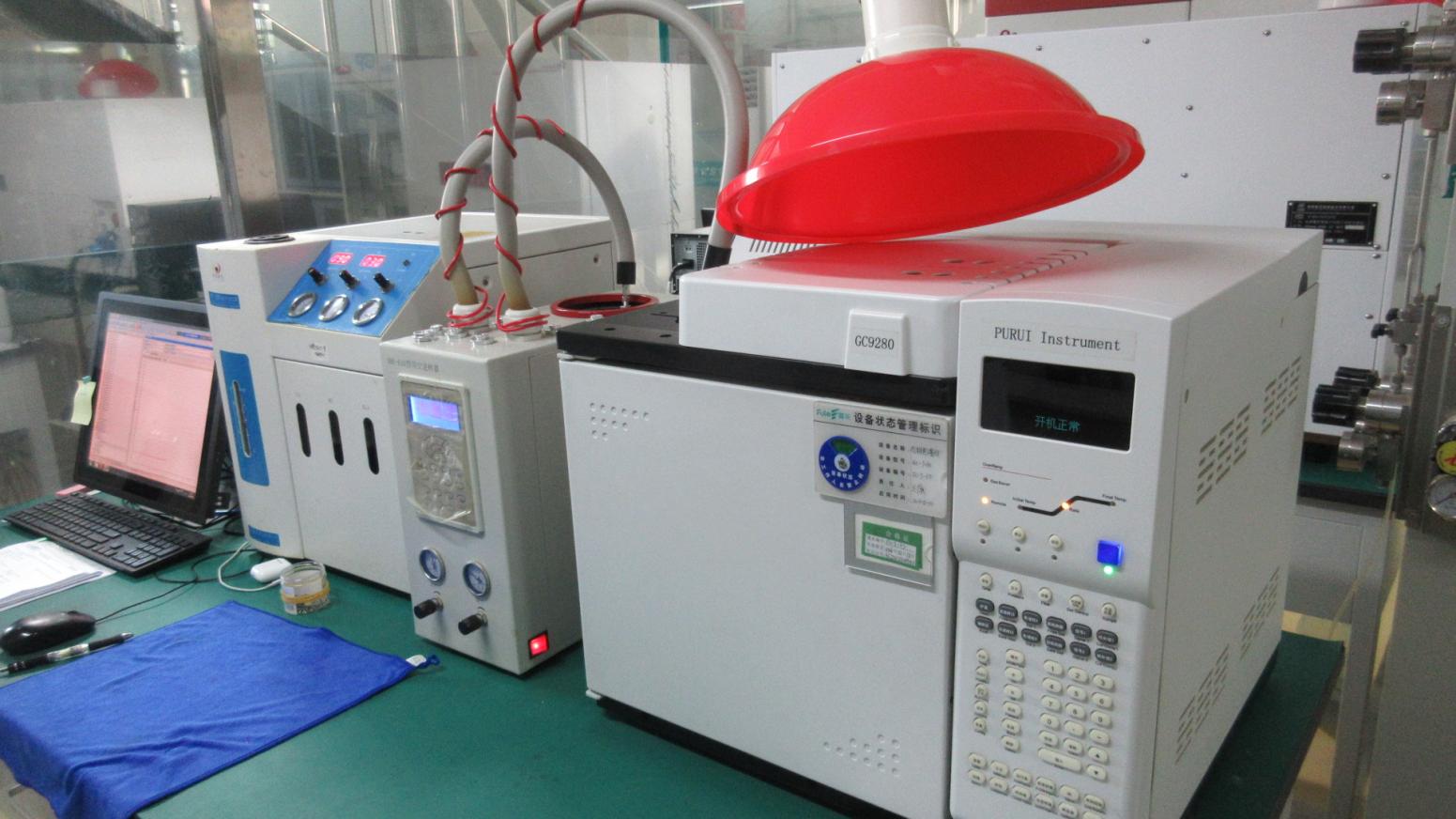
When it comes to implantable medical devices, trust is built on a foundation of expertise and reliability. Our manufacturing facility, established in 1996, spans over 10,000 square meters and is equipped with the latest CNC technology. We don't just supply products; we provide 29 years of orthopedic engineering wisdom.
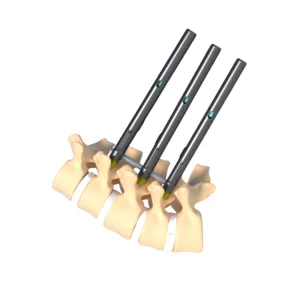
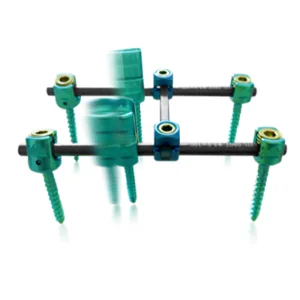
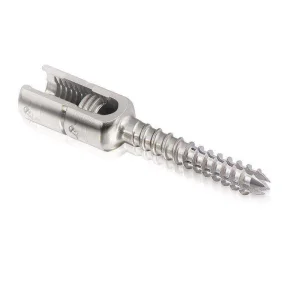
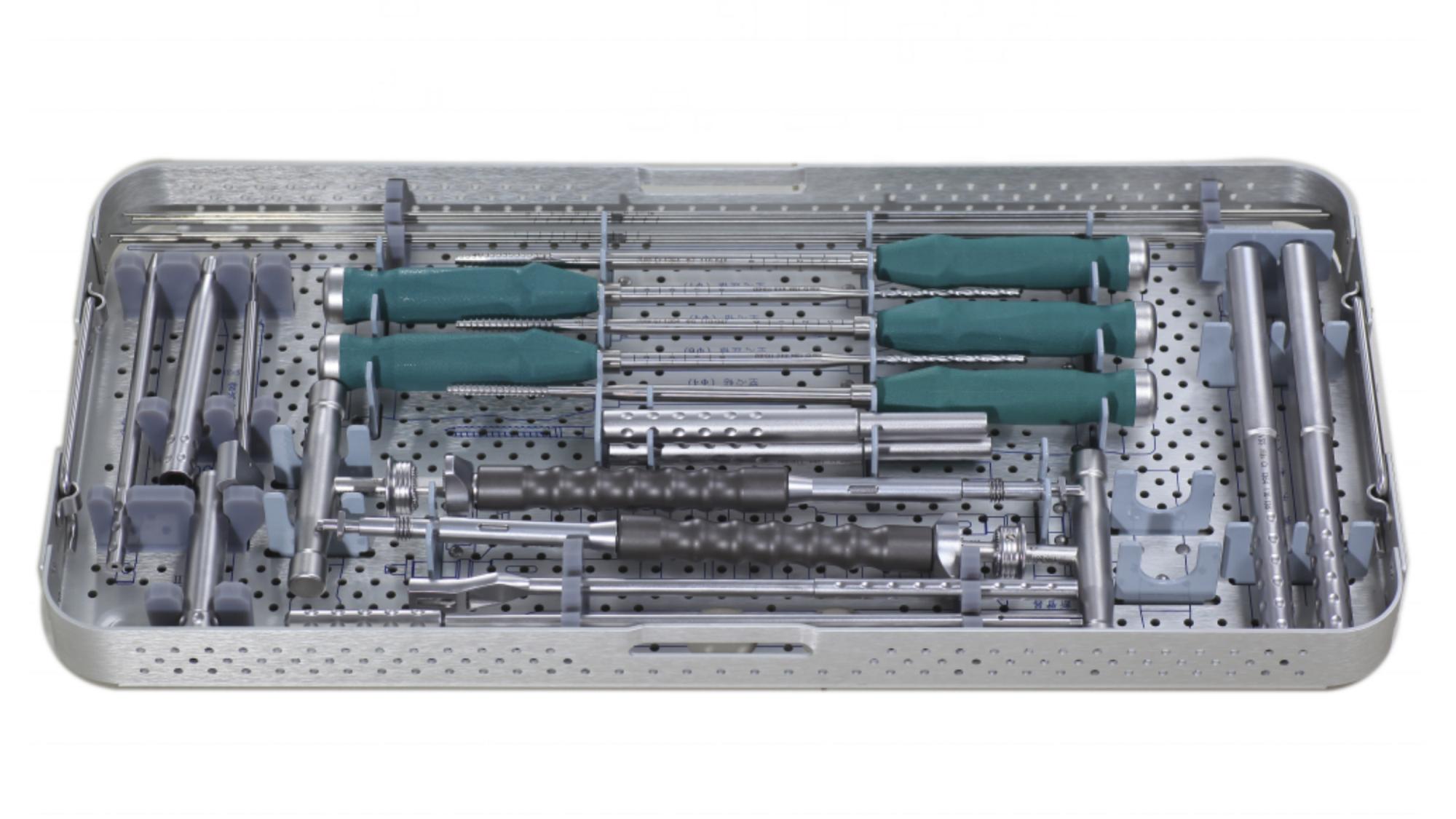
The orthopedic trend in Manila is shifting toward Minimally Invasive Surgery (MIS). Modern patients demand smaller incisions, less blood loss, and shorter hospital stays. Our latest VSSII 85mm Extended Arm system is specifically designed for these types of procedures. By reducing the surgical footprint, we help Manila's orthopedic clinics improve patient outcomes and bed turnover rates.
The tibia (shinbone) is the most commonly fractured long bone in the human body. Because the tibia has a thin layer of soft tissue covering it, open fractures are frequent in high-impact Manila road accidents. The fibula, while smaller, often fractures alongside the tibia, compromising the stability of the ankle joint.
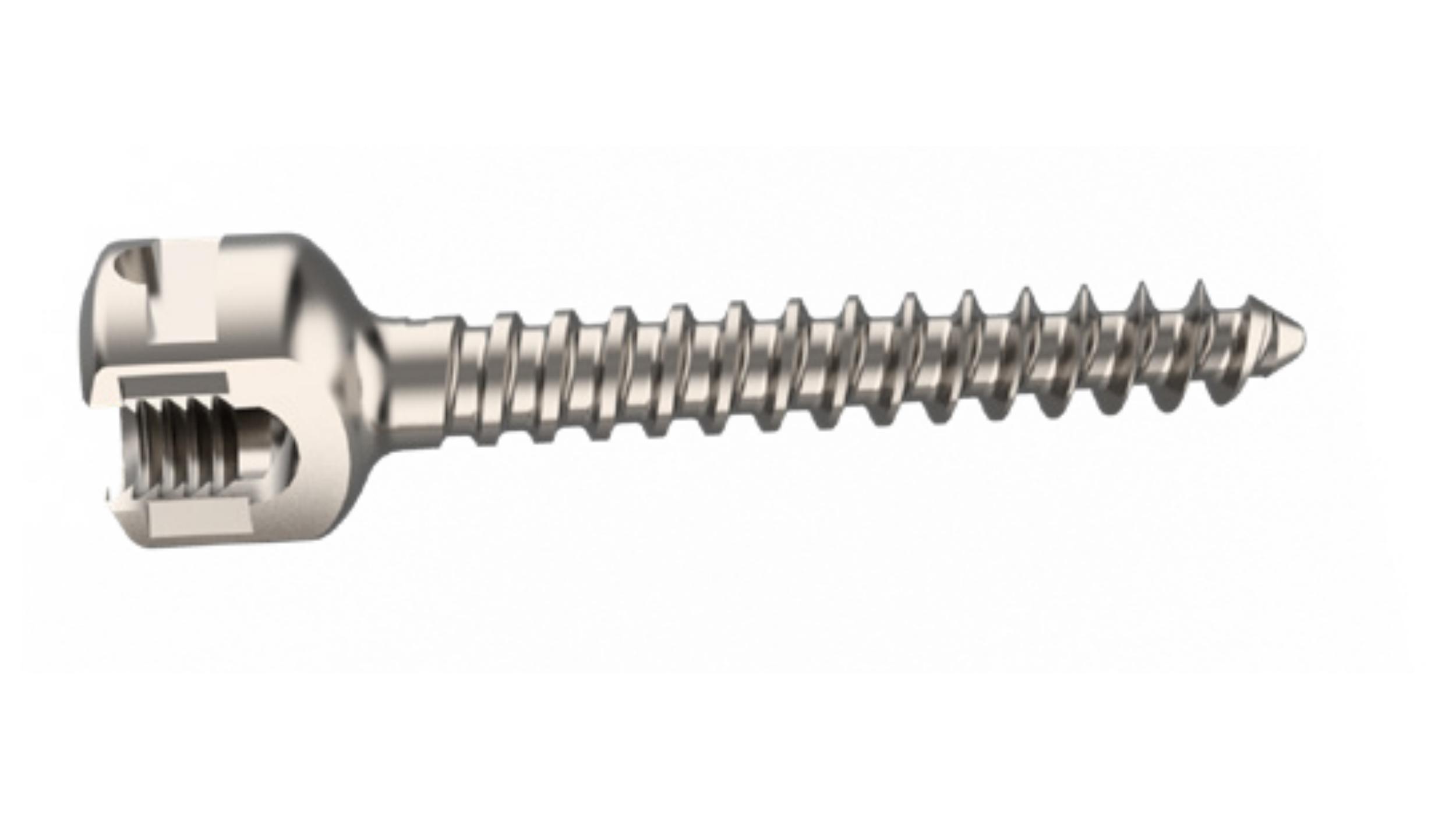
Our titanium plate systems and intramedullary nails are designed to provide:
1. Rotational Stability: Essential for preventing malunion in Manila trauma cases.
2. Load-Sharing Properties: Allowing for early weight-bearing, which is critical for patients in active labor markets like the construction and transport sectors in Quezon City.
3. Corrosion Resistance: Crucial for the humid, tropical climate of the Philippines, ensuring the longevity of the implant within the body.
Looking ahead, the integration of 3D printing and AI-guided surgery is the next frontier. As a forward-thinking supplier in Manila, we are exploring ways to integrate digital planning with our hardware. By providing precise anatomical fits, we reduce the time spent in the operating room, which is a major benefit for the busy, high-volume surgical schedules found in Manila's public hospitals. Our commitment is to remain at the forefront of this technological revolution, ensuring our partners in the Philippines always have access to world-class medical tech.
 Fule
Fule