High-performance biomechanical solutions optimized for immediate integration within Benin's leading hospital operating theaters.
Bridging the gap between elite biomedical manufacturing and West African surgical demands.
In recent years, the medical infrastructure within the Republic of Benin—specifically across clinical hubs in Cotonou, Porto-Novo, and Parakou—has undergone rapid modernization. Government programs alongside private health sector investments have significantly expanded local neurosurgical capacities. The treating of complex craniocervical instability, severe spinal traumas resulting from motor vehicle accidents, and degenerative disk diseases now occurs locally, reducing the historical reliance on overseas medical evacuations.
However, the lack of highly specialized domestic manufacturing for Class III implantable devices, such as the Occipitocervical Thoracic Posterior Spinal System, creates critical supply chain challenges. Benin's premier medical facilities, including the Centre National Hospitalier et Universitaire Hubert Koutoukou Maga (CNHU-HKM), depend on reliable international partners to deliver implants that offer absolute mechanical stability, biocompatibility, and ease of surgical navigation.
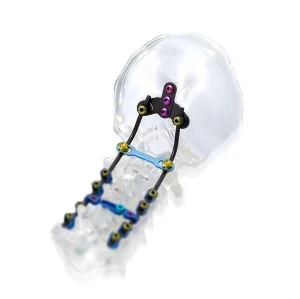
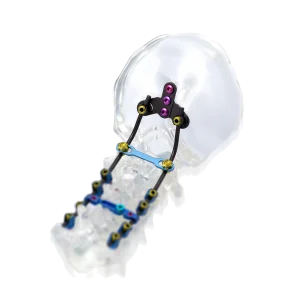
The biomechanical transition zone at the craniovertebral junction represents one of the most mechanically demanding environments in the human body. Stabilizing the occipitocervical transition requires a system that balances rigid structural support with a low-profile footprint to prevent soft tissue irritation and dysphagia.
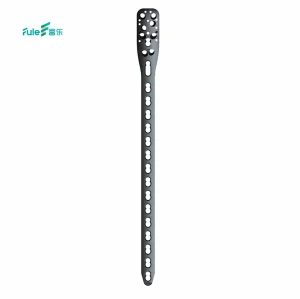
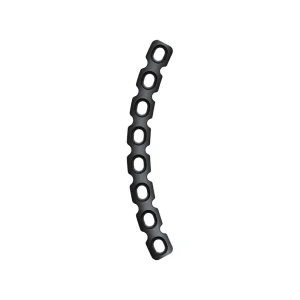
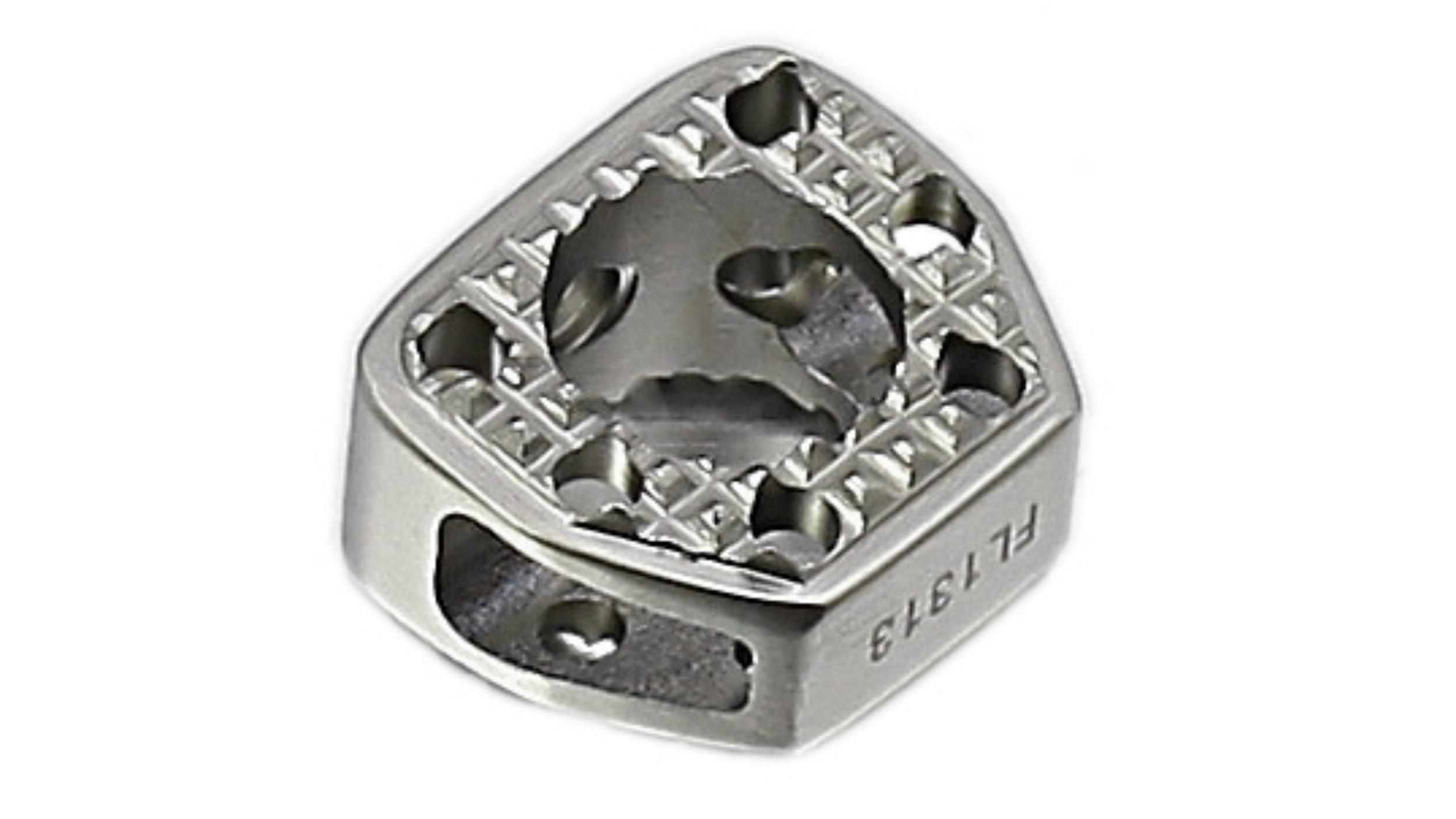
Our occipital plates are engineered from medical-grade Titanium Alloy (Ti-6Al-4V ELI). They feature a pre-contoured, low-profile design that aligns precisely with the occipital bone. The system provides multi-axial screw placement options to ensure maximum bone purchase at the thickest areas of the suboccipital bone, providing a foundation that resists translational and rotational forces.
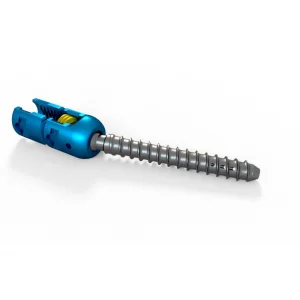
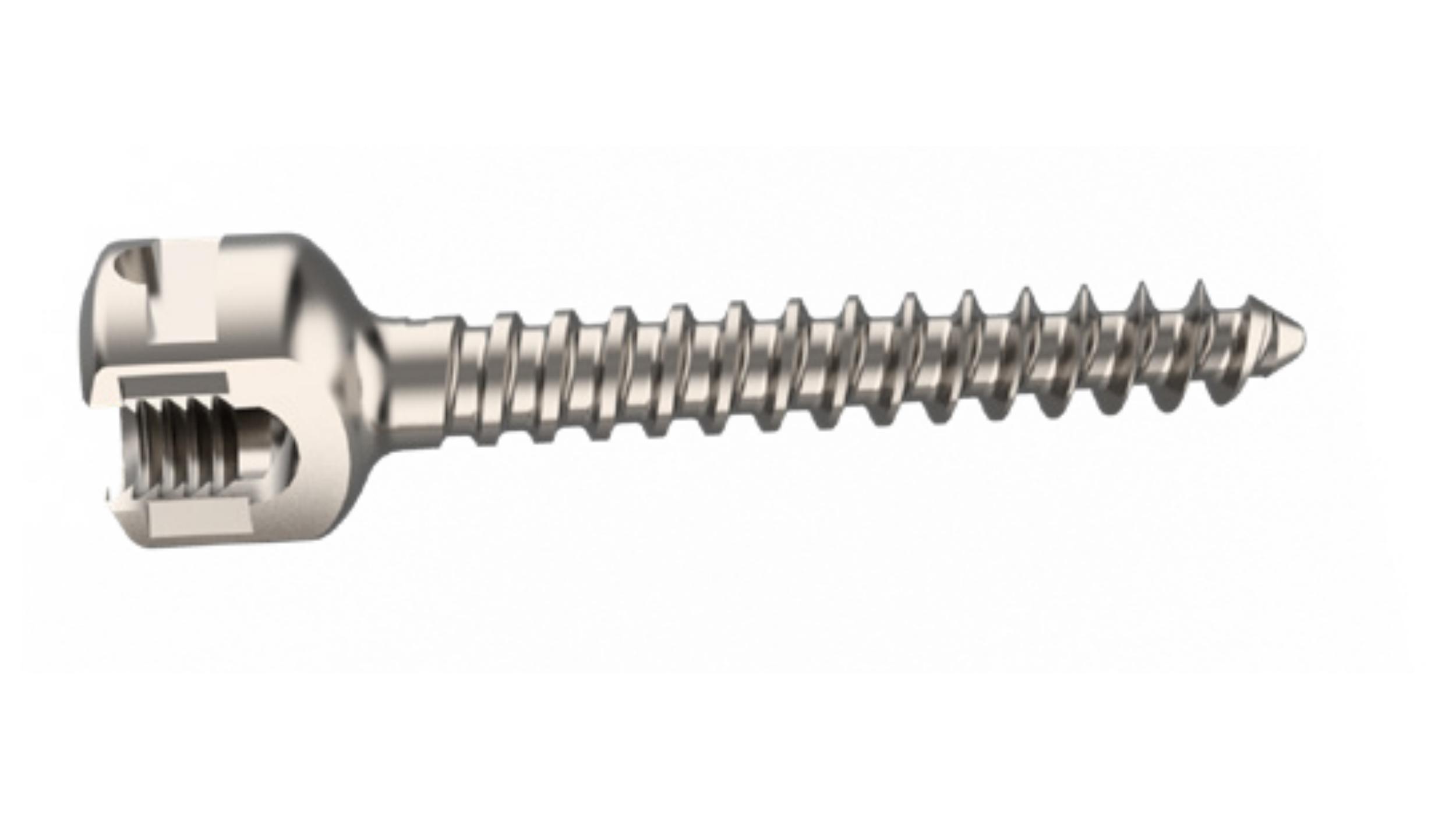
To span from the cervical to the upper thoracic spine, the CFS system incorporates polyaxial screws with 60 degrees of angulation. This enables easier rod capture in complex anatomy. Our dual-diameter transition rods (3.0mm to 5.5mm) allow direct, seamless integration between the cervical region and the larger thoracic pedicle screws, minimizing the mechanical notch-effect associated with standard rod-to-rod connectors.
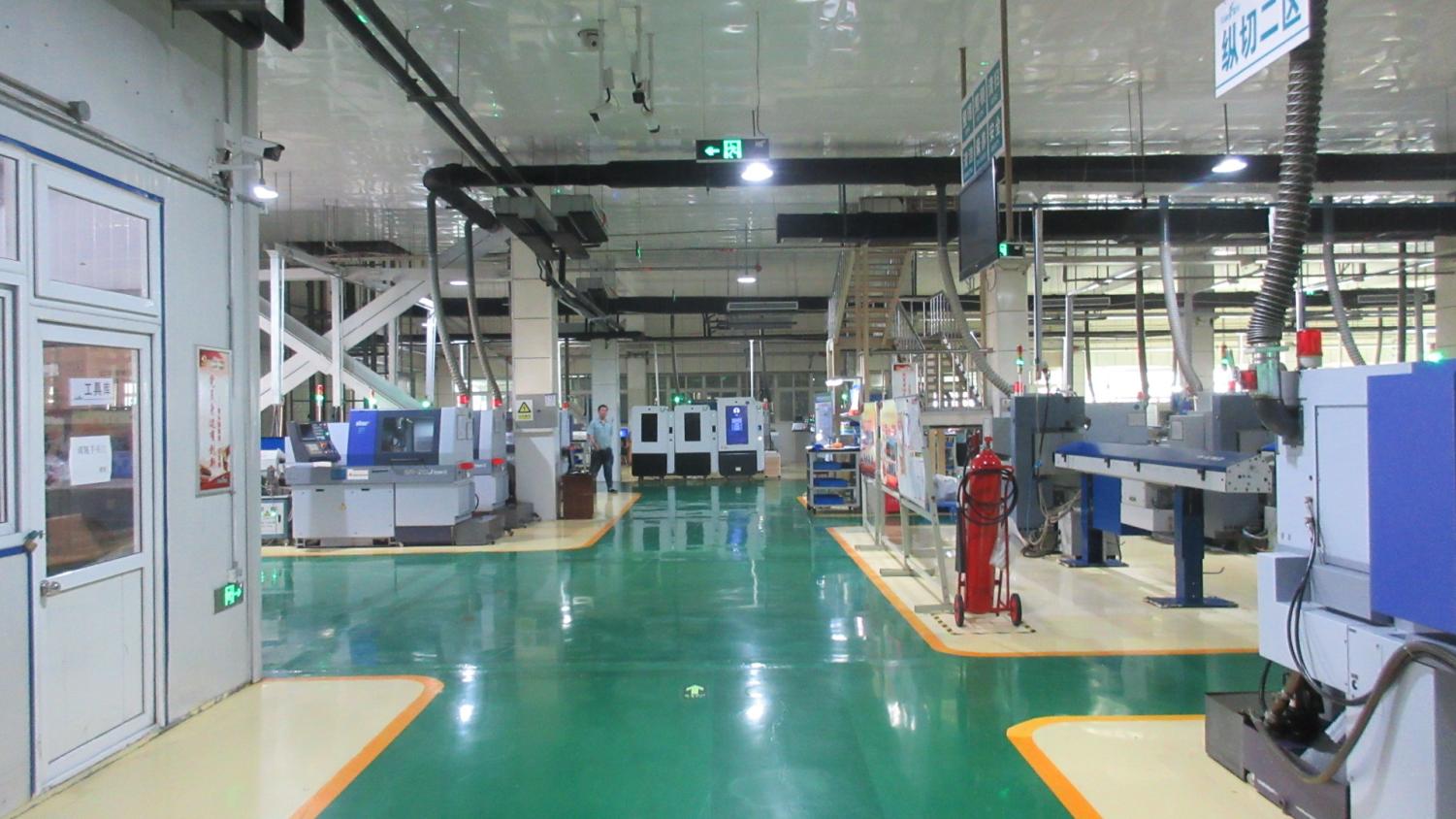
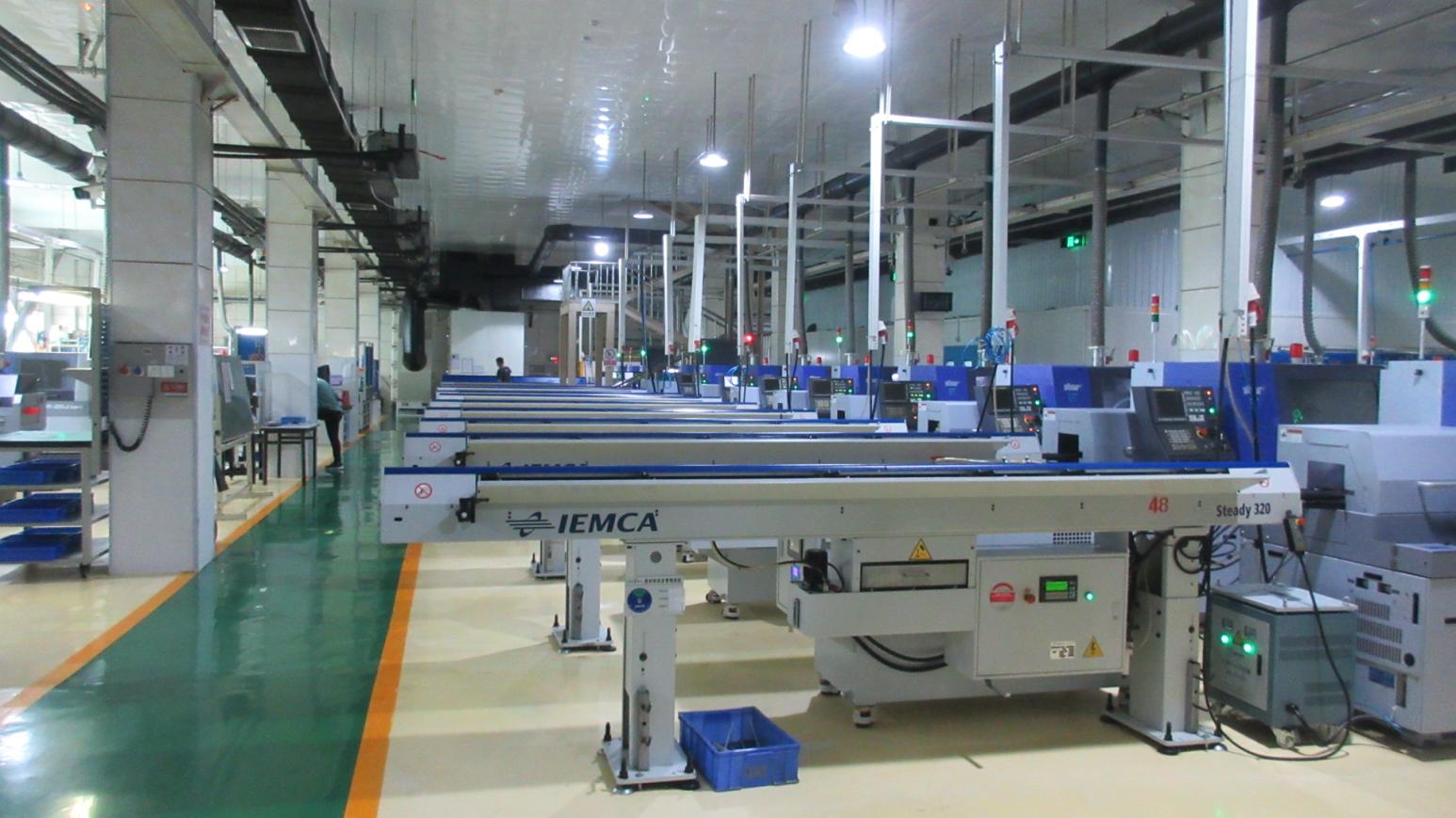
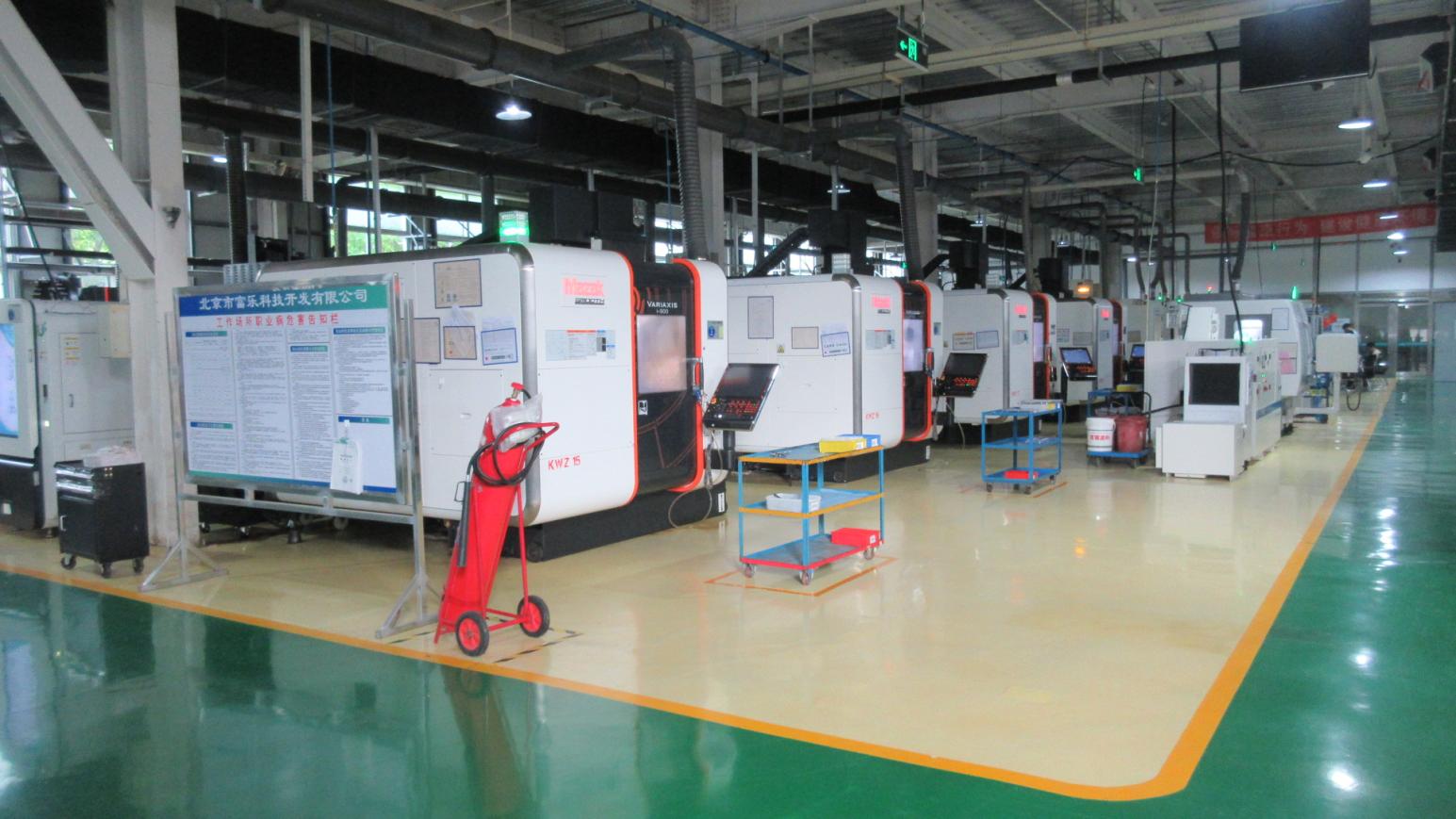
Utilizing advanced robotic machining, strict traceability, and robust engineering to ensure implant perfection.
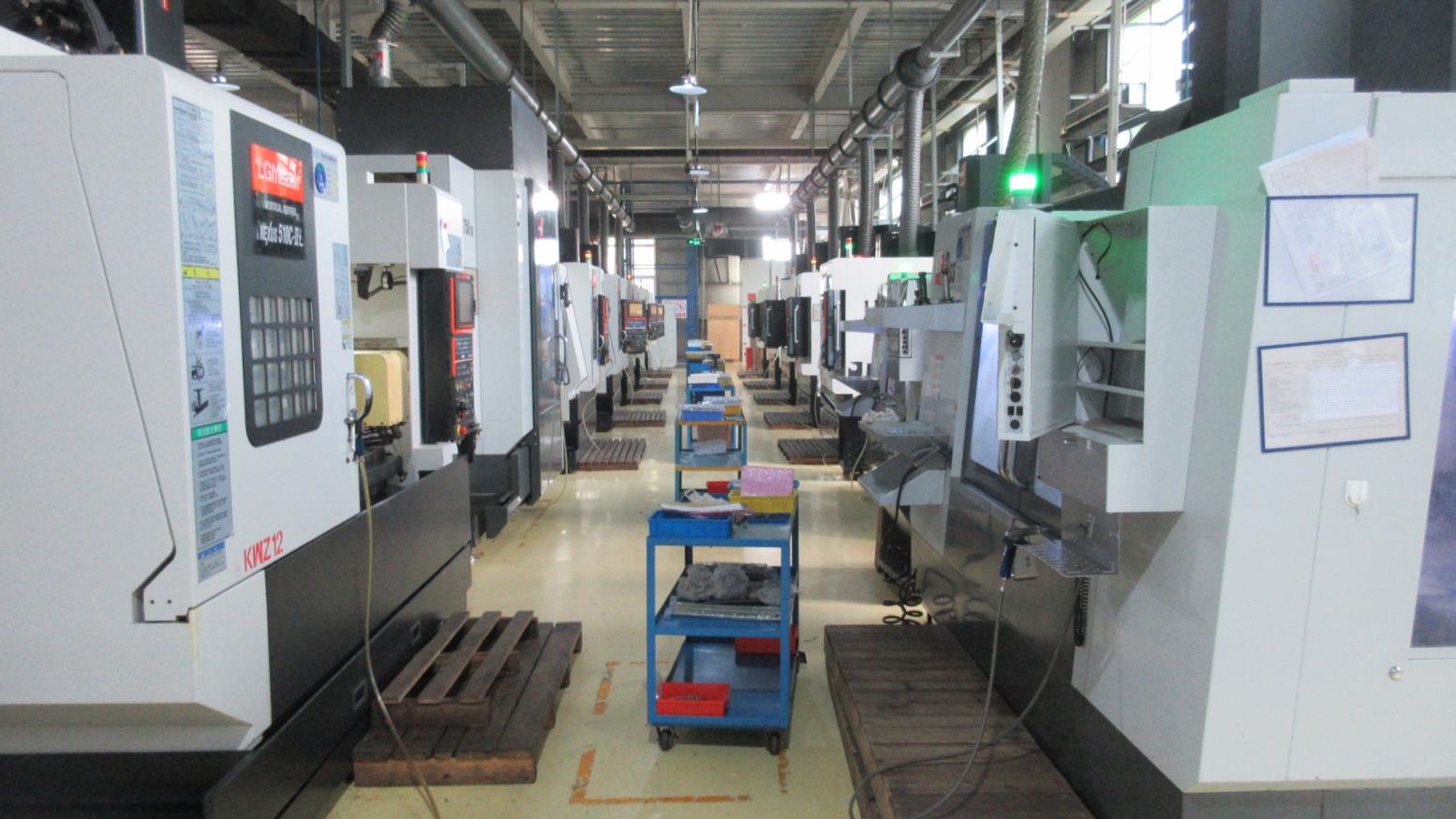
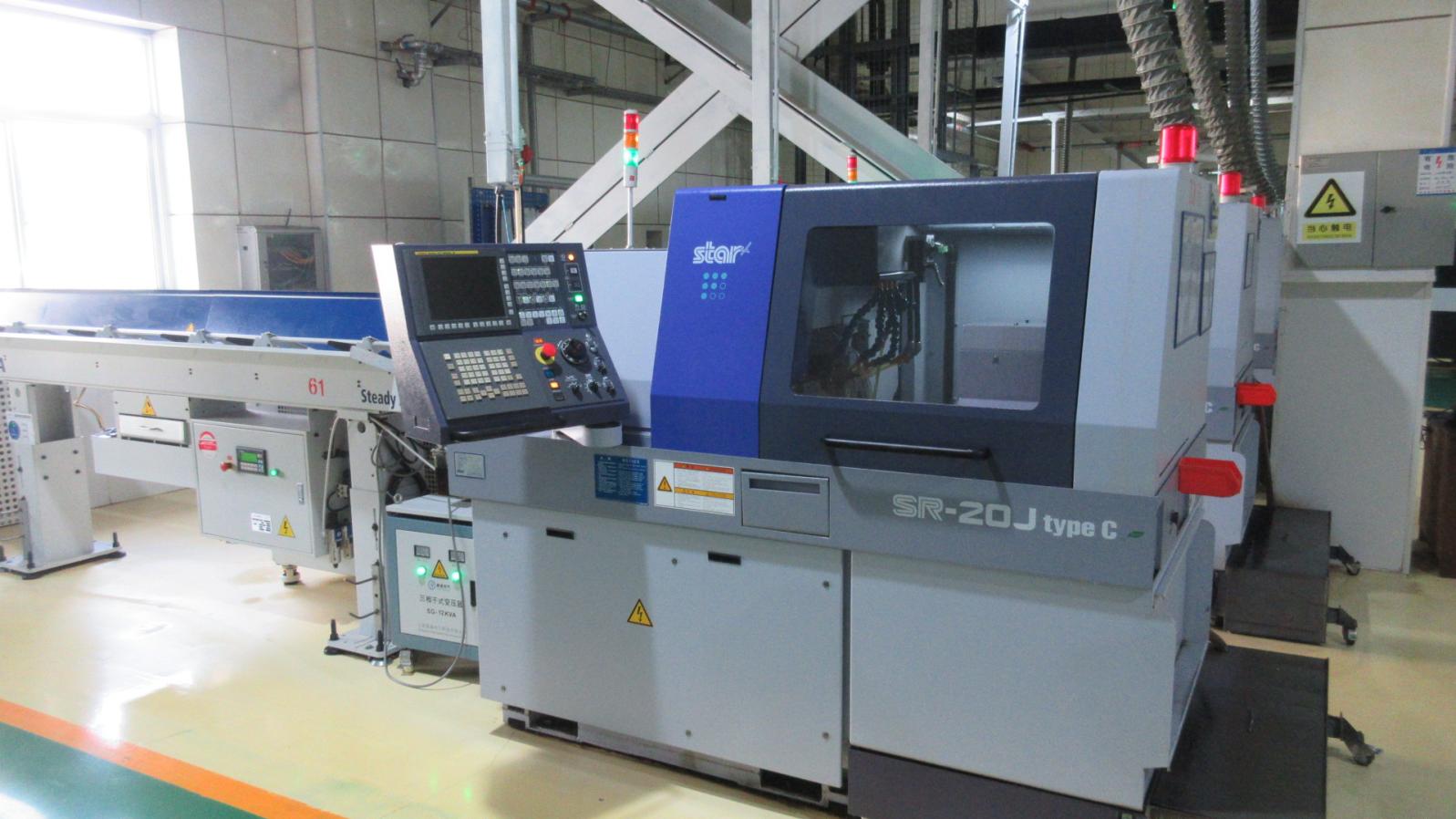
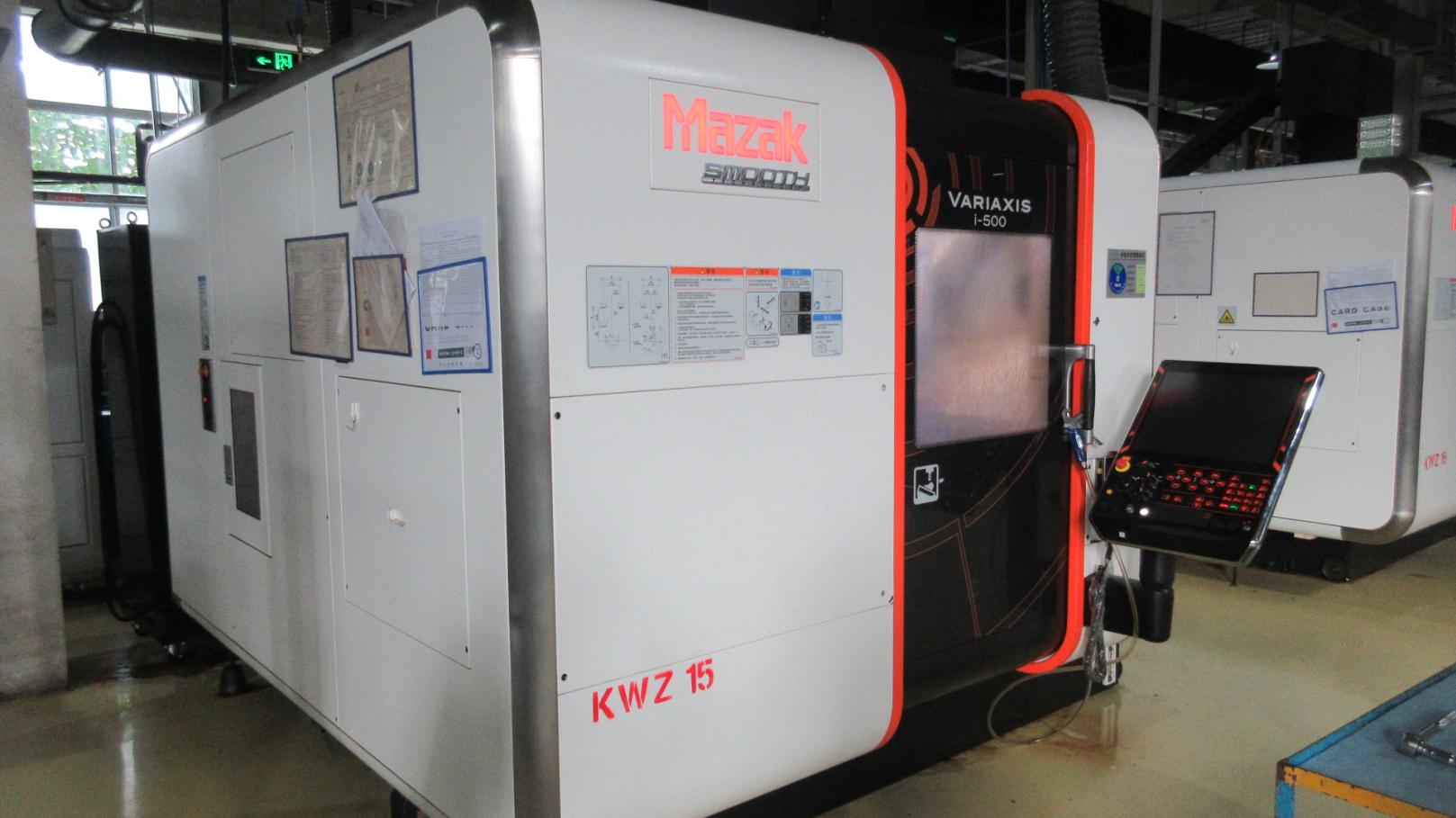
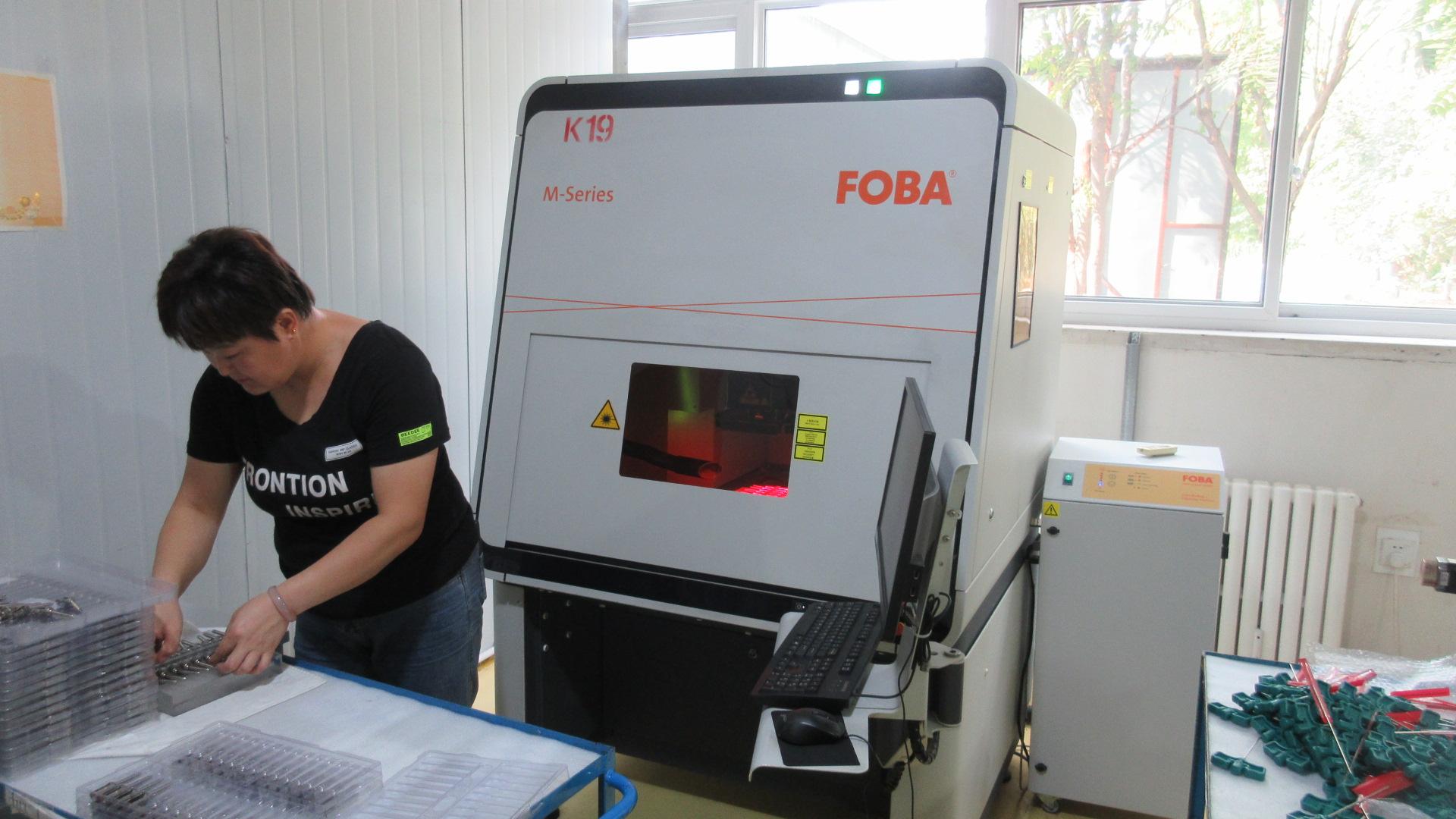
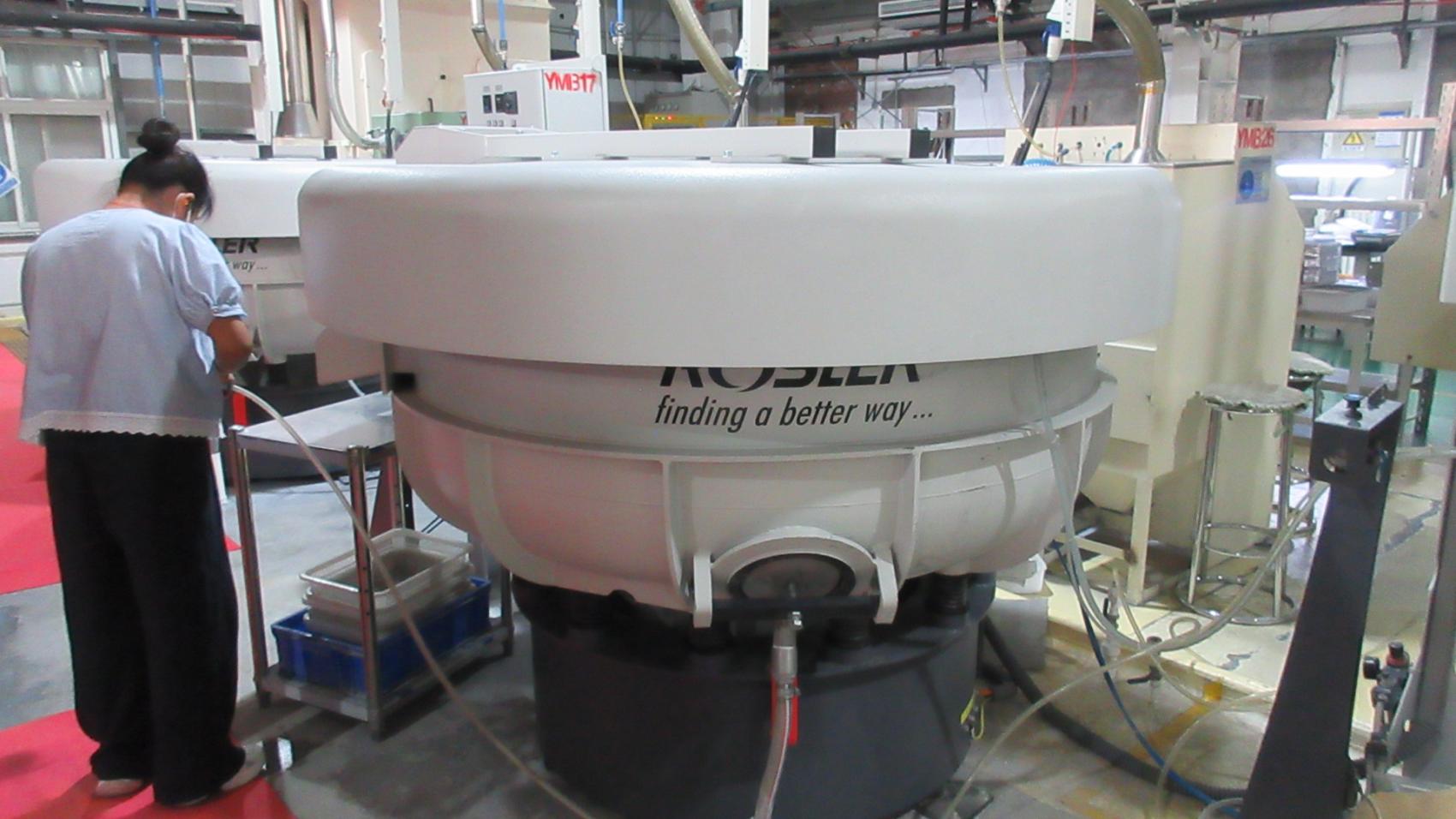
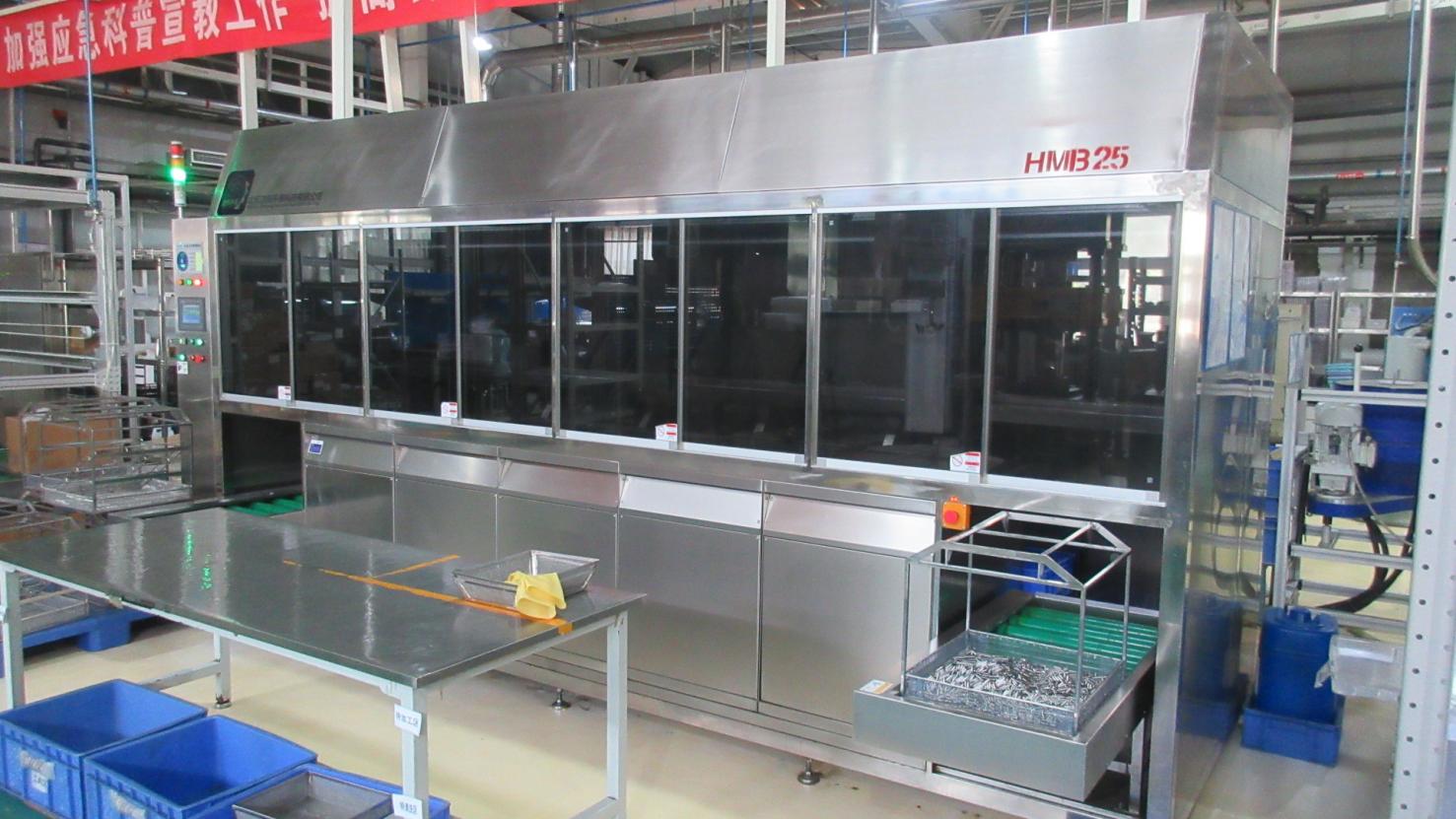
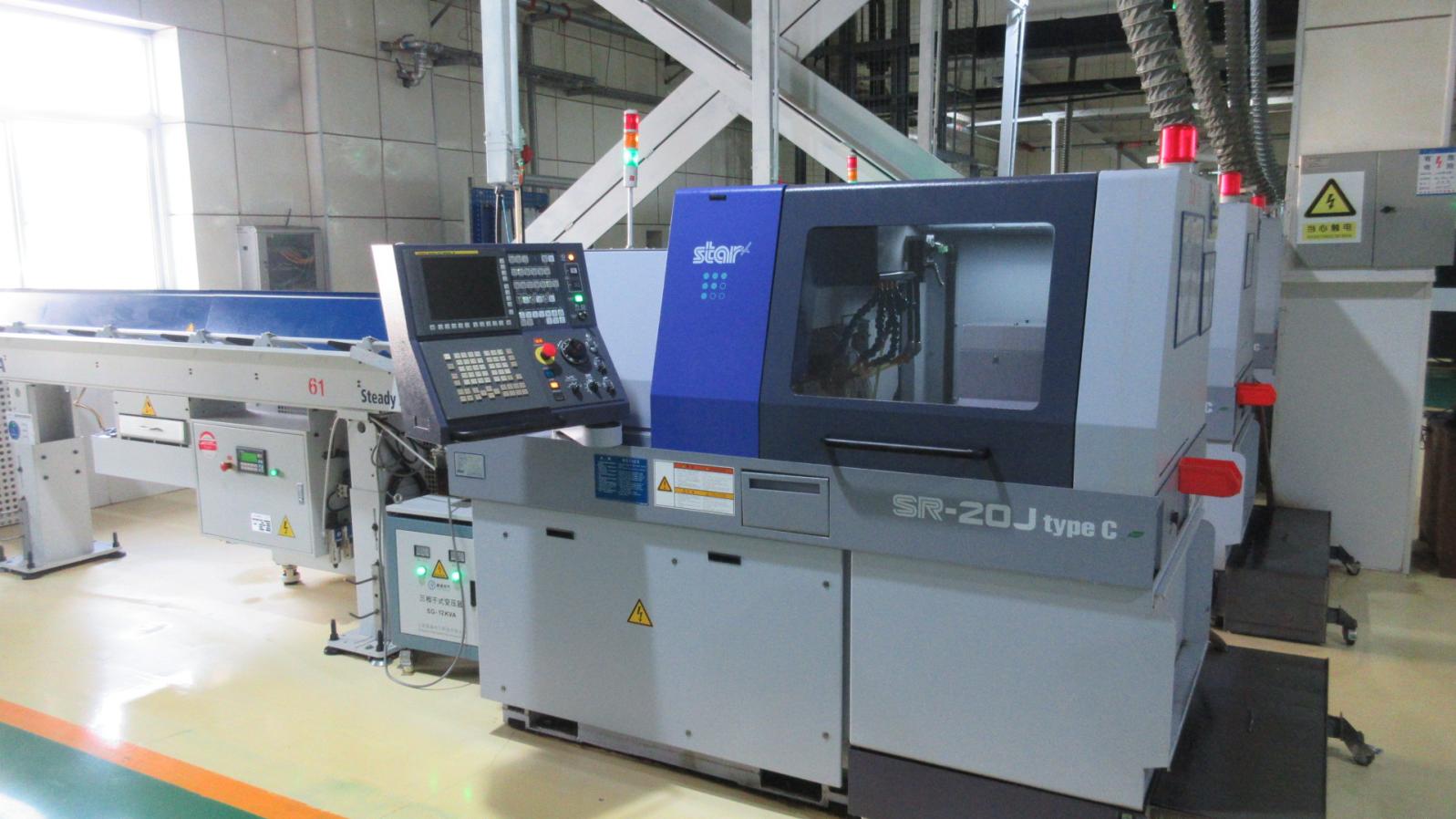
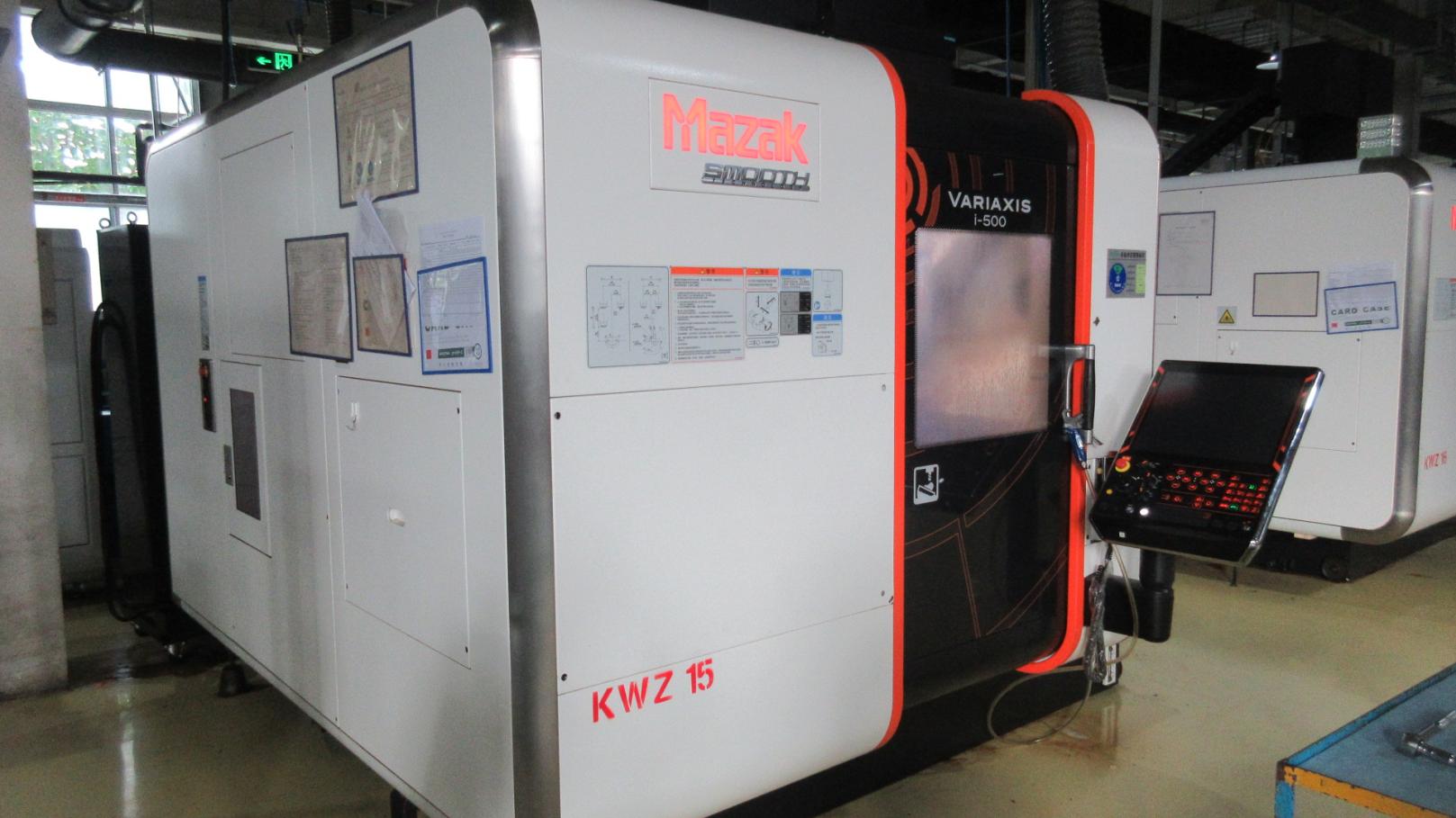
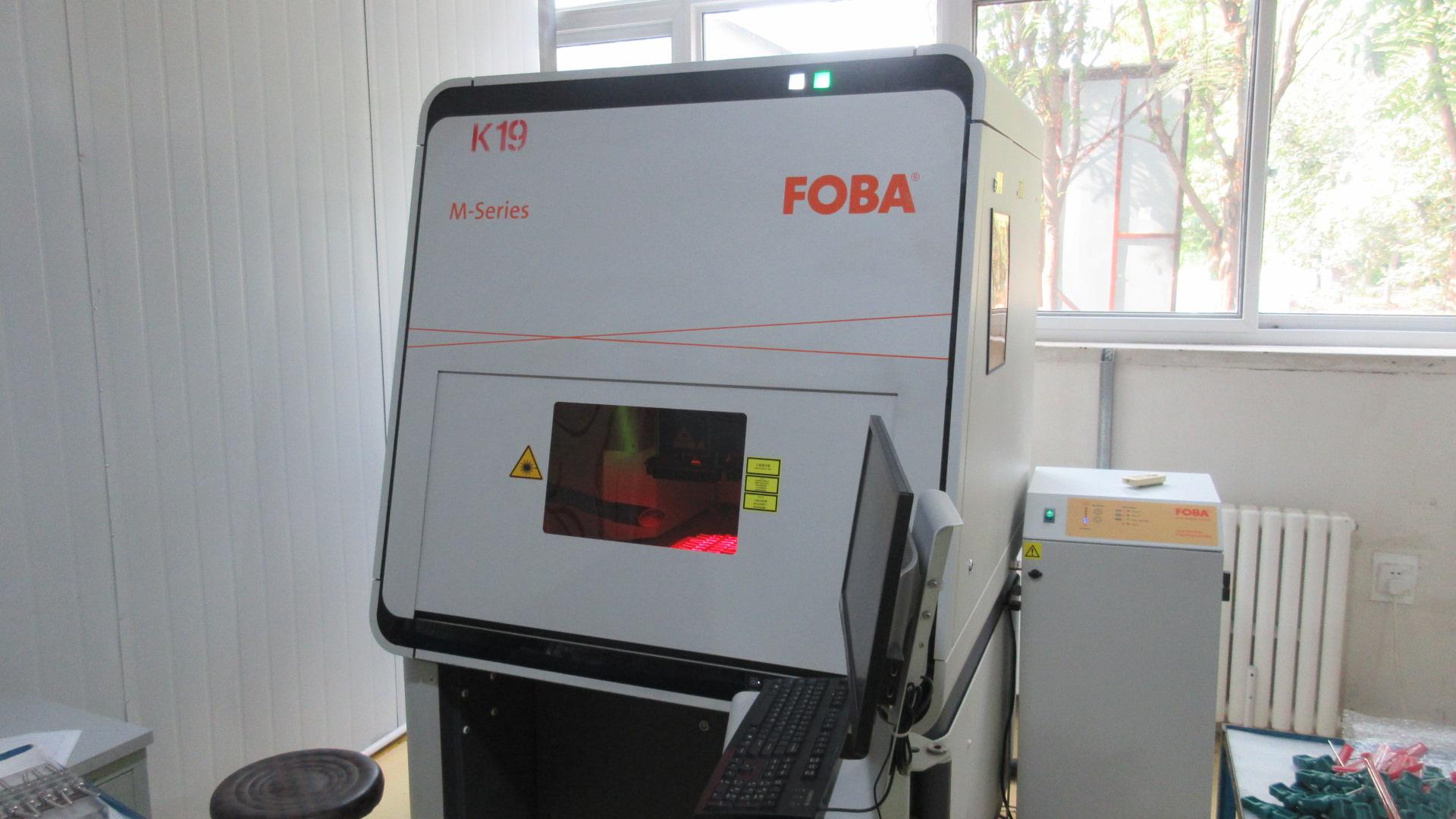
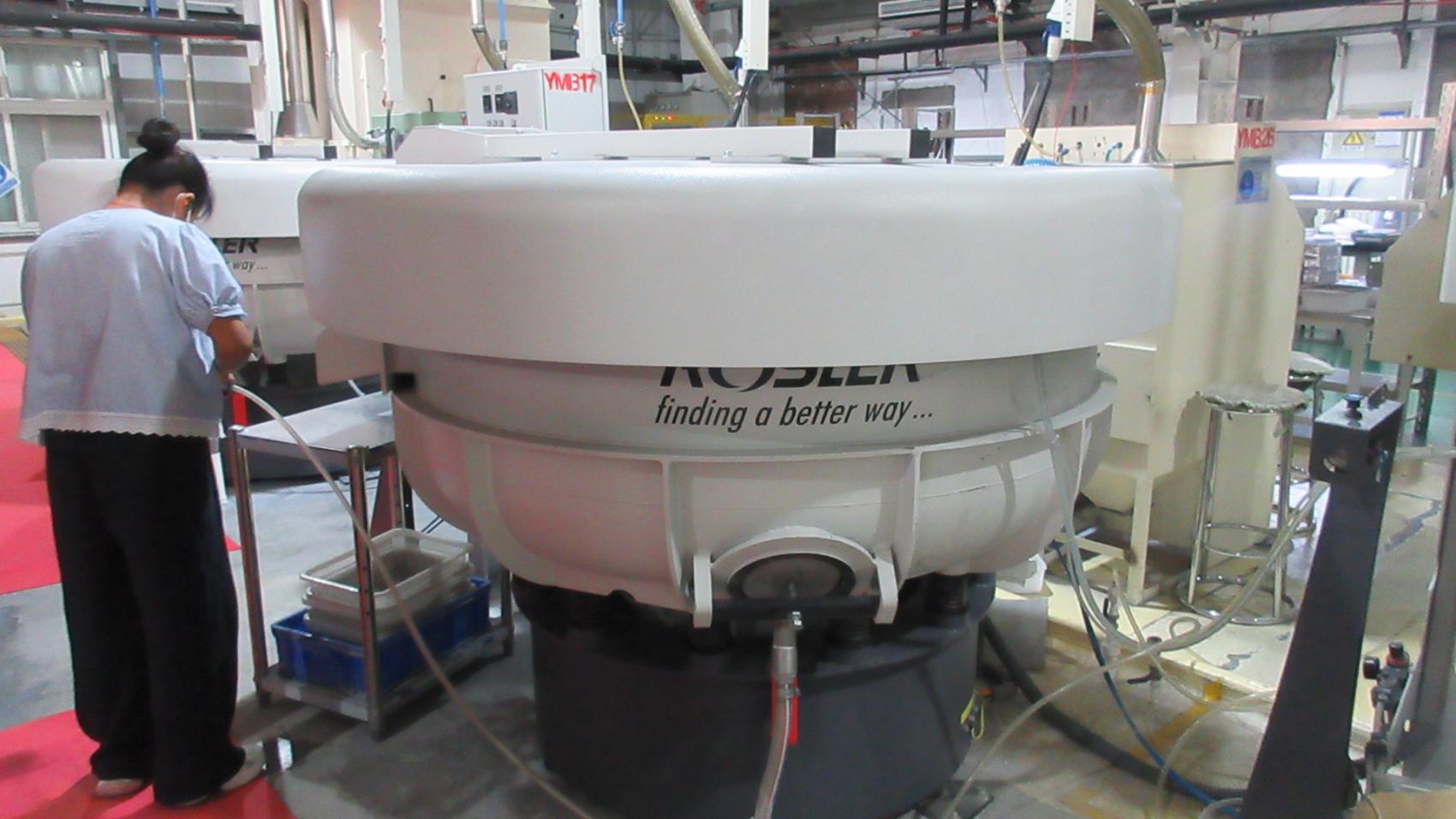
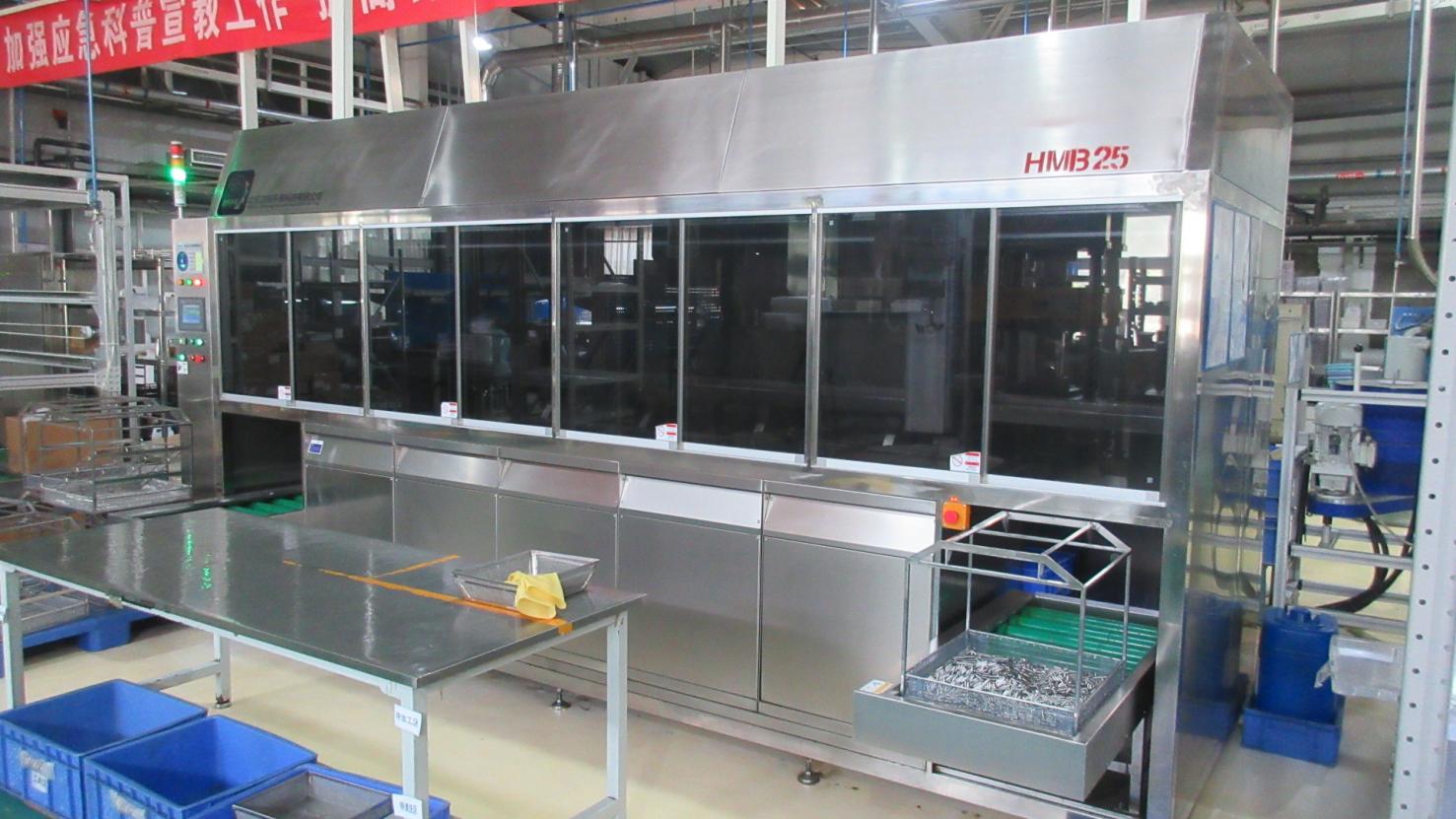
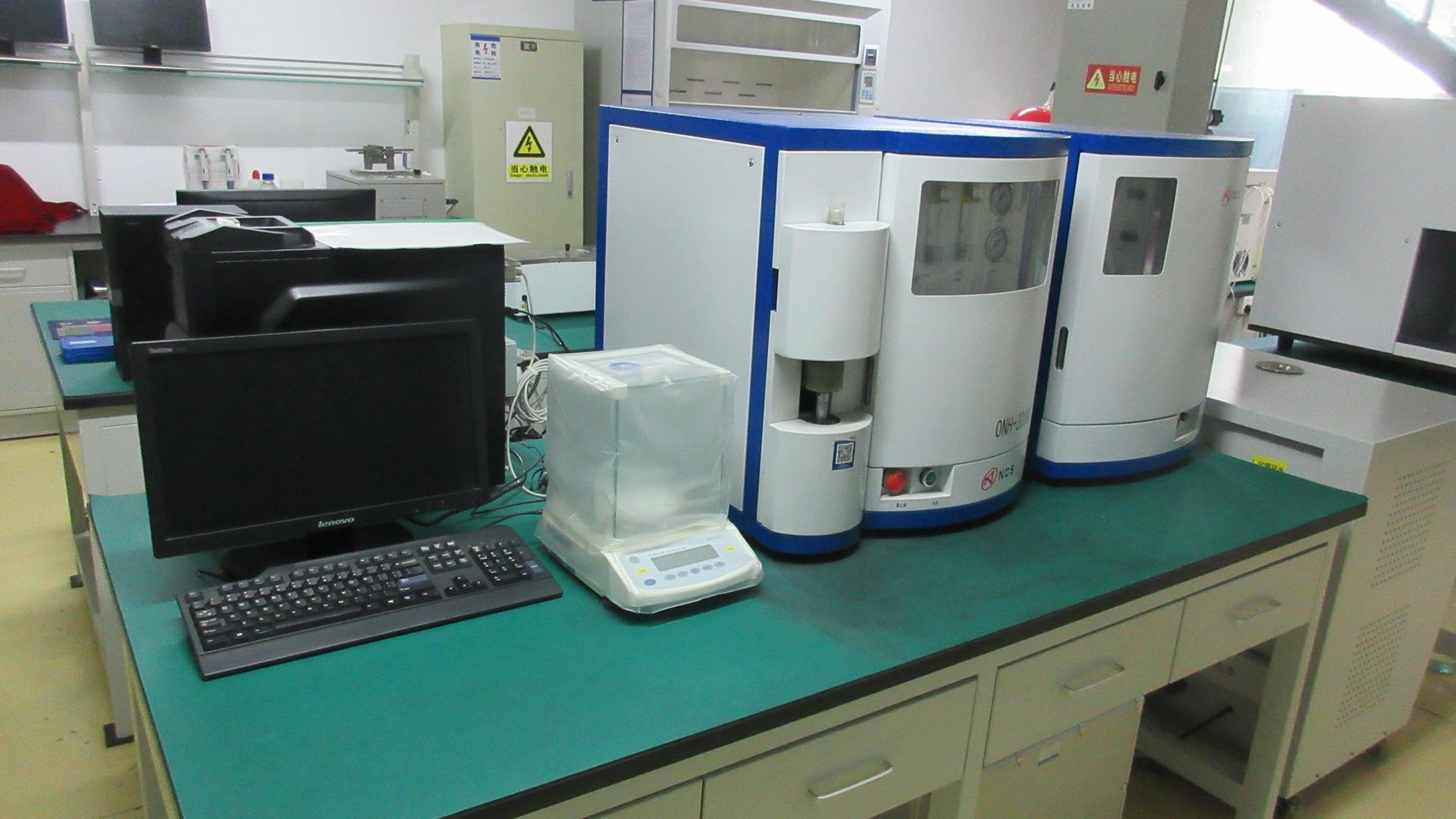
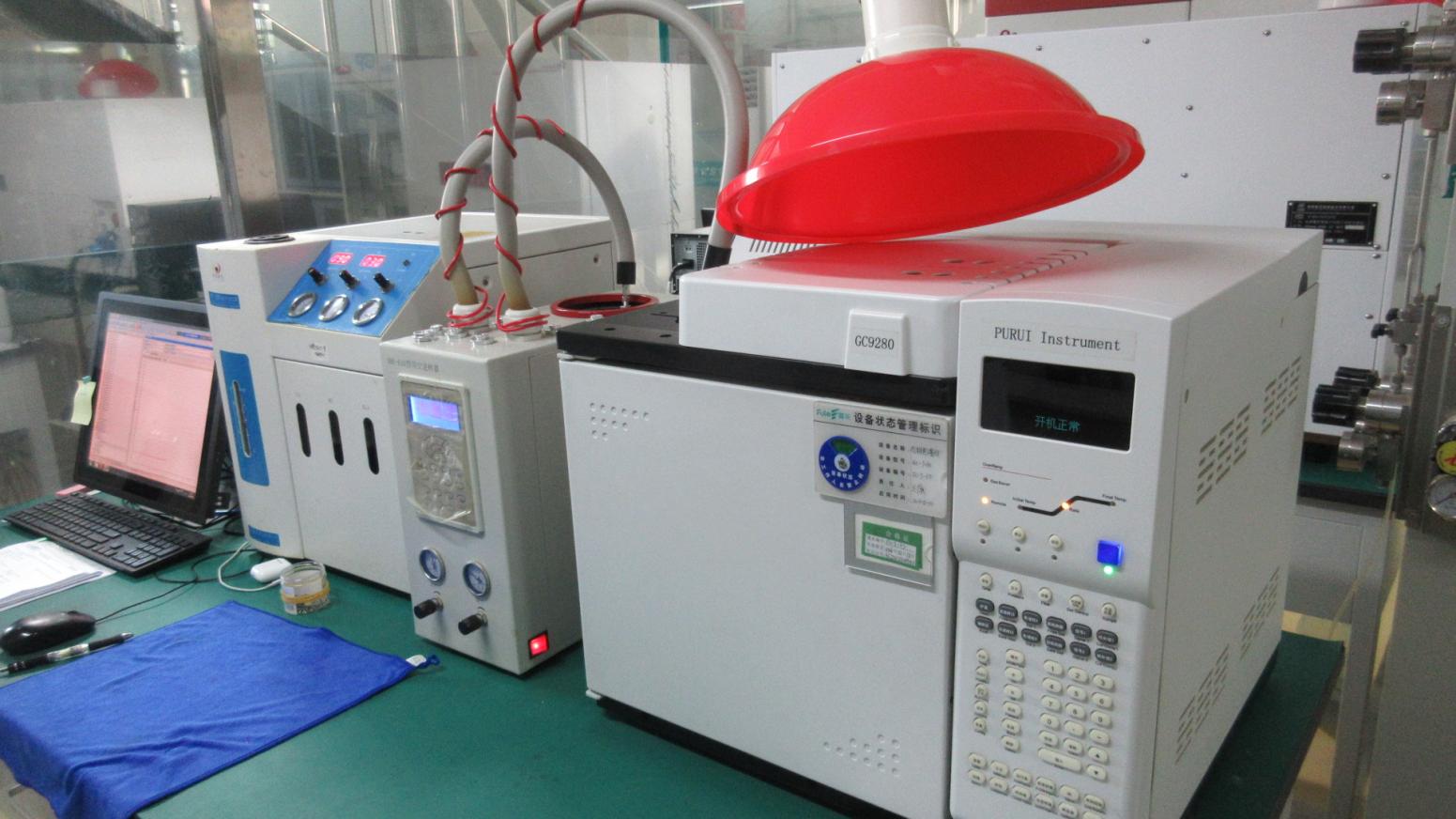
With 29 years of medical export history, our manufacturing facility operates under the Factory 4.0 standard. We combine advanced German and Japanese CNC milling centers, cleanroom packaging facilities, and fully integrated coordinate measuring machine (CMM) testing to guarantee that every bone plate, spinal rod, and locking screw conforms to the exact design specifications.
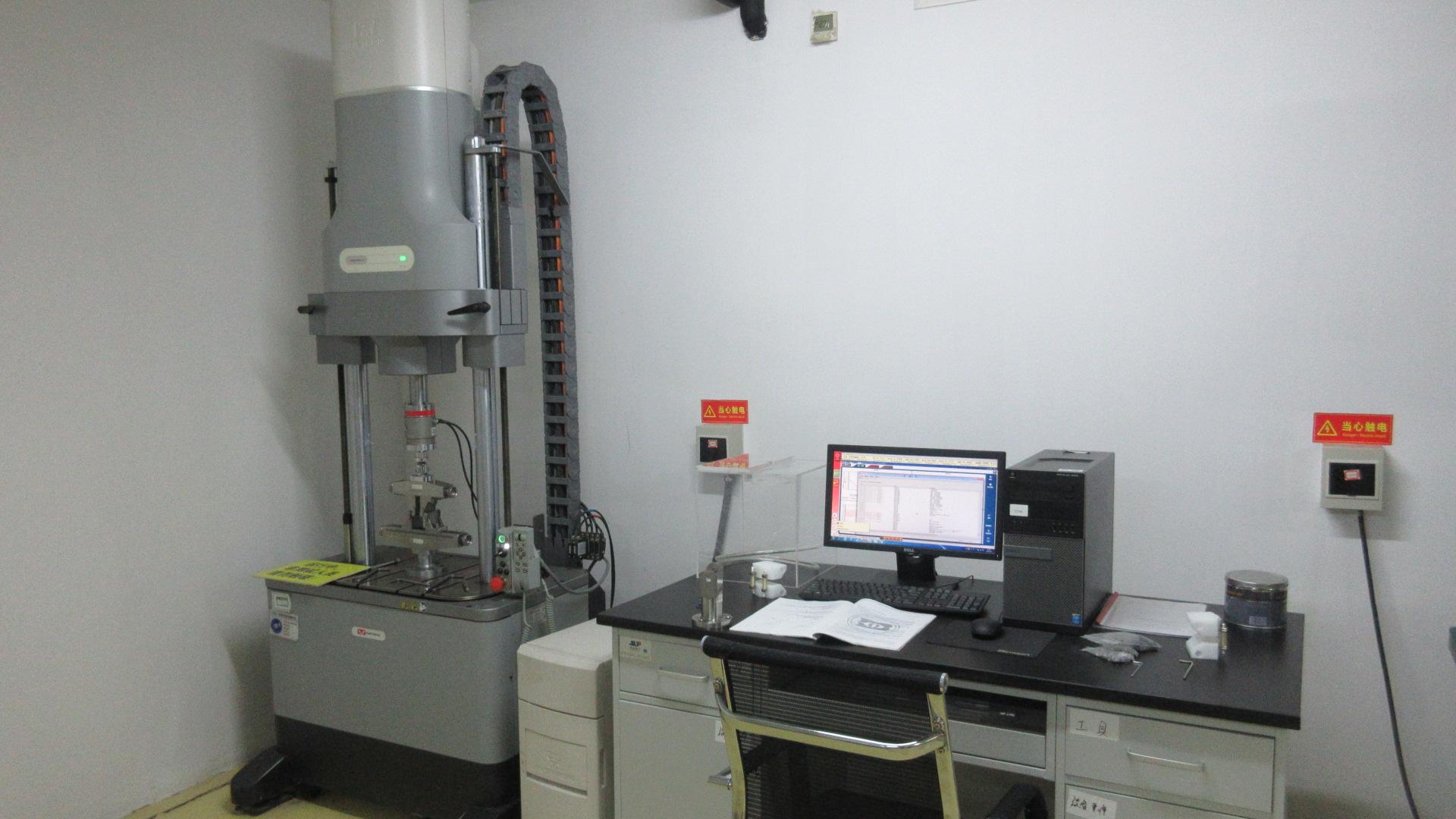
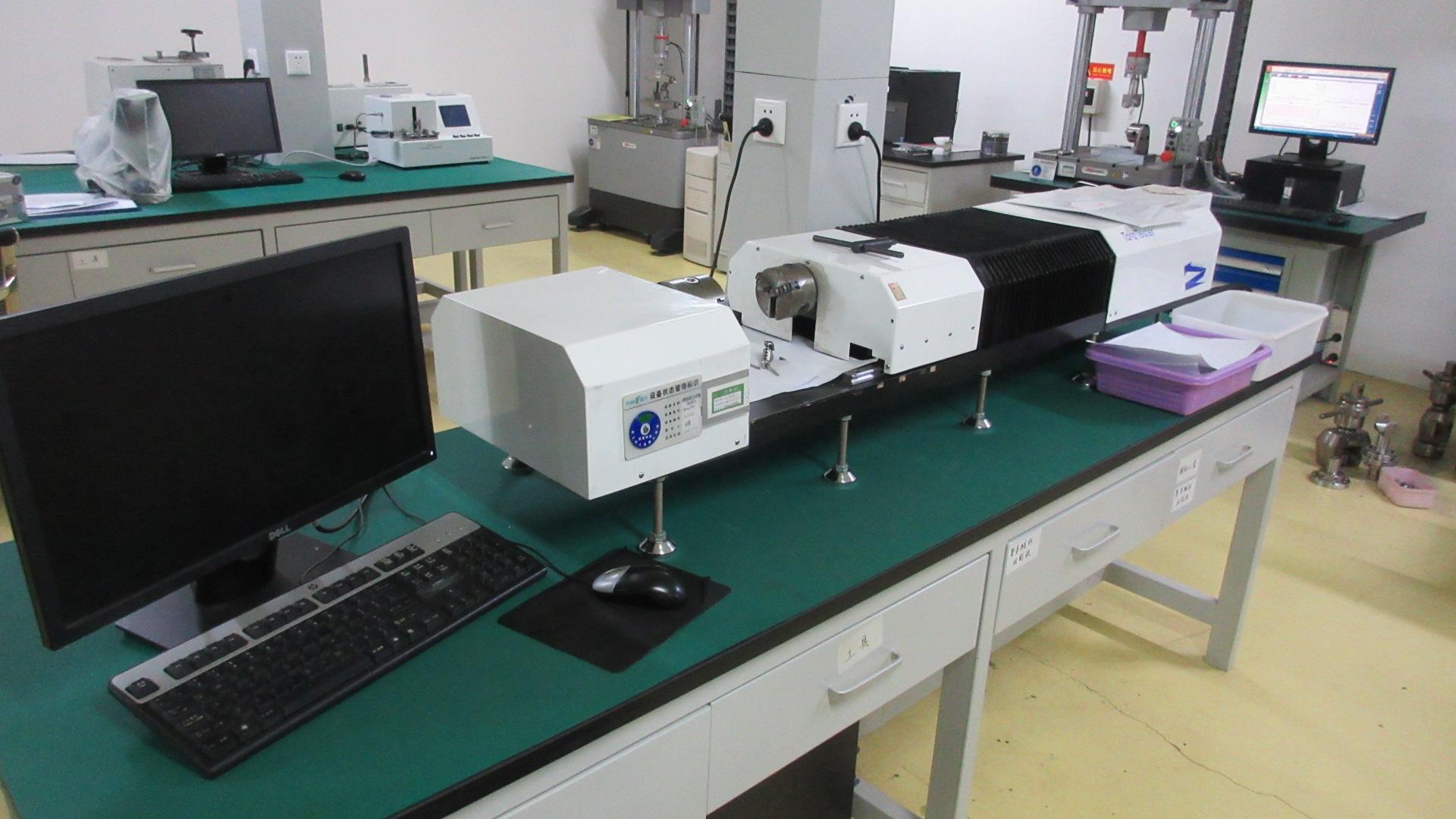
Our Quality Assurance department consists of 15 dedicated specialists managing comprehensive raw material traceability. From the initial titanium bar stock import to the sterile packaging line, each component is logged with a unique serial number, matching mechanical testing profiles directly to batch outputs. For orthopedic distributors in Benin, this provides an uncompromised guarantee of patient safety.
| Parameter | Capability Details |
|---|---|
| QA Inspectors | 15 Certified Engineers |
| Inspection Protocol | 100% Comprehensive Product Inspection |
| Customization Options | Graphic processing, Sample processing, OEM/ODM |
| R&D Engineers | 20 (15 Post-Graduate Level) |
| Traceability | Full raw material chemical & physical certificates |
Explore our full selection of spine, joint, trauma, and surgical instrumentation systems available for global shipment.
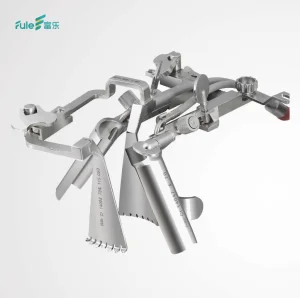
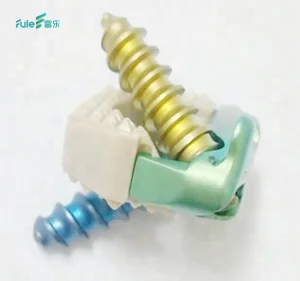
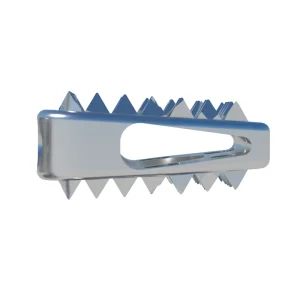
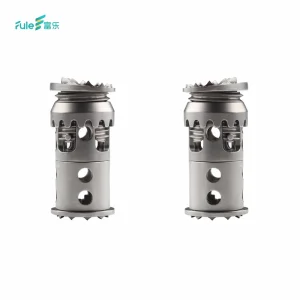
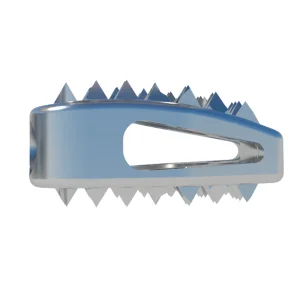
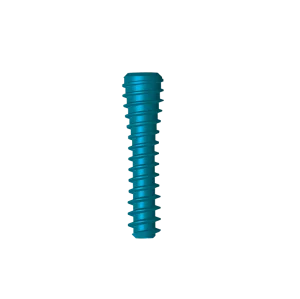
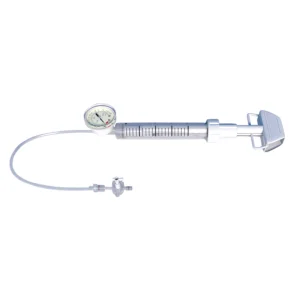
Streamlining registration pathways, clearing customs, and securing delivery to West Africa's leading healthcare markets.
Importing implantable medical devices into West Africa requires adherence to strict quality oversight. Our manufacturing systems carry CE certification and ISO 13485 compliance audits, enabling faster local registration with the Benin Ministry of Health (Ministère de la Santé du Bénin).
To facilitate effortless logistics and customs processing, we cooperate directly with major West African shipping lines and air cargo services operating through Cadjehoun Airport (COO) in Cotonou. Every shipment includes comprehensive documentation:
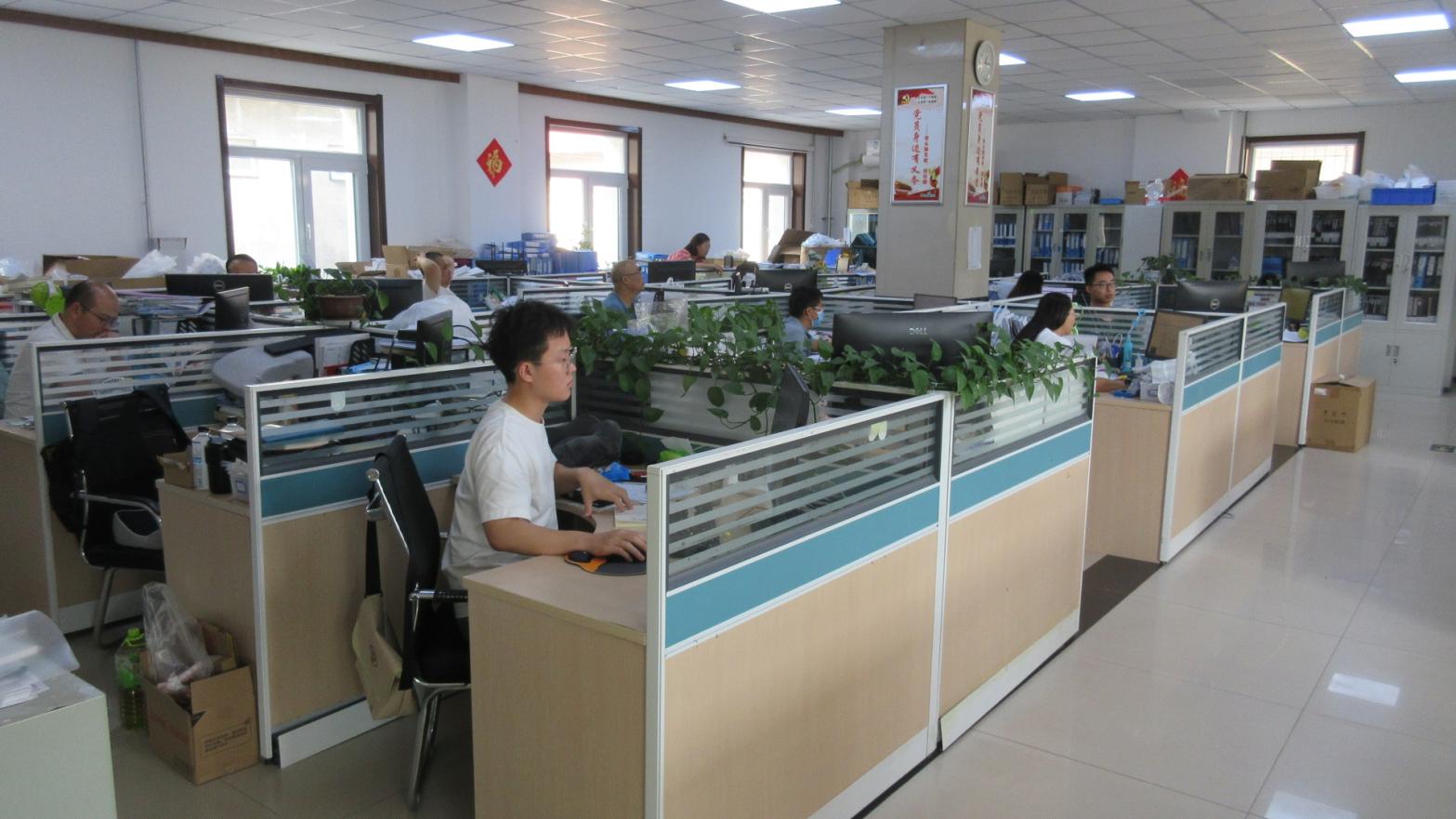
Operational transparency and structural integrity verified through advanced imaging and clinical trial documentation.

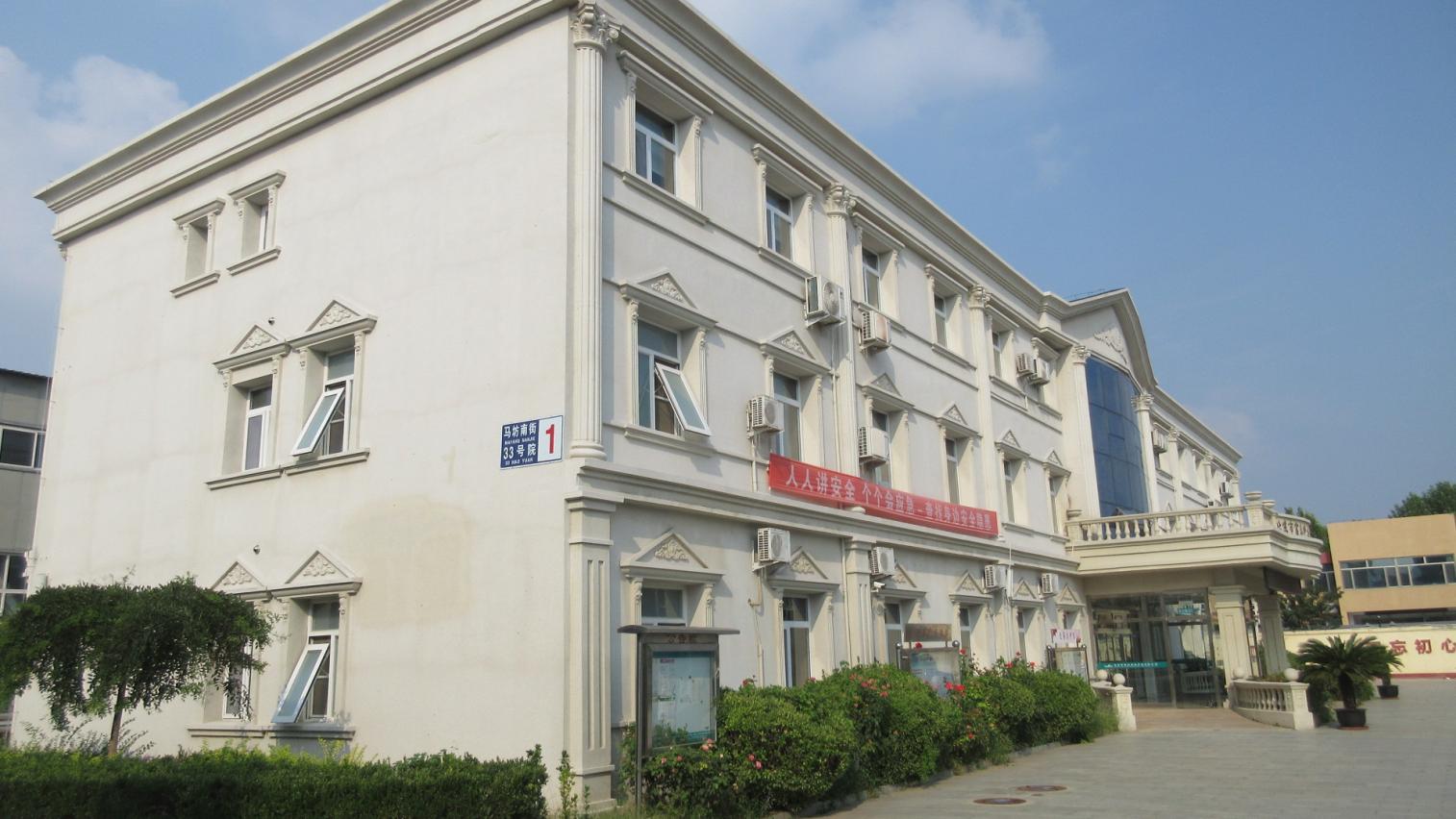
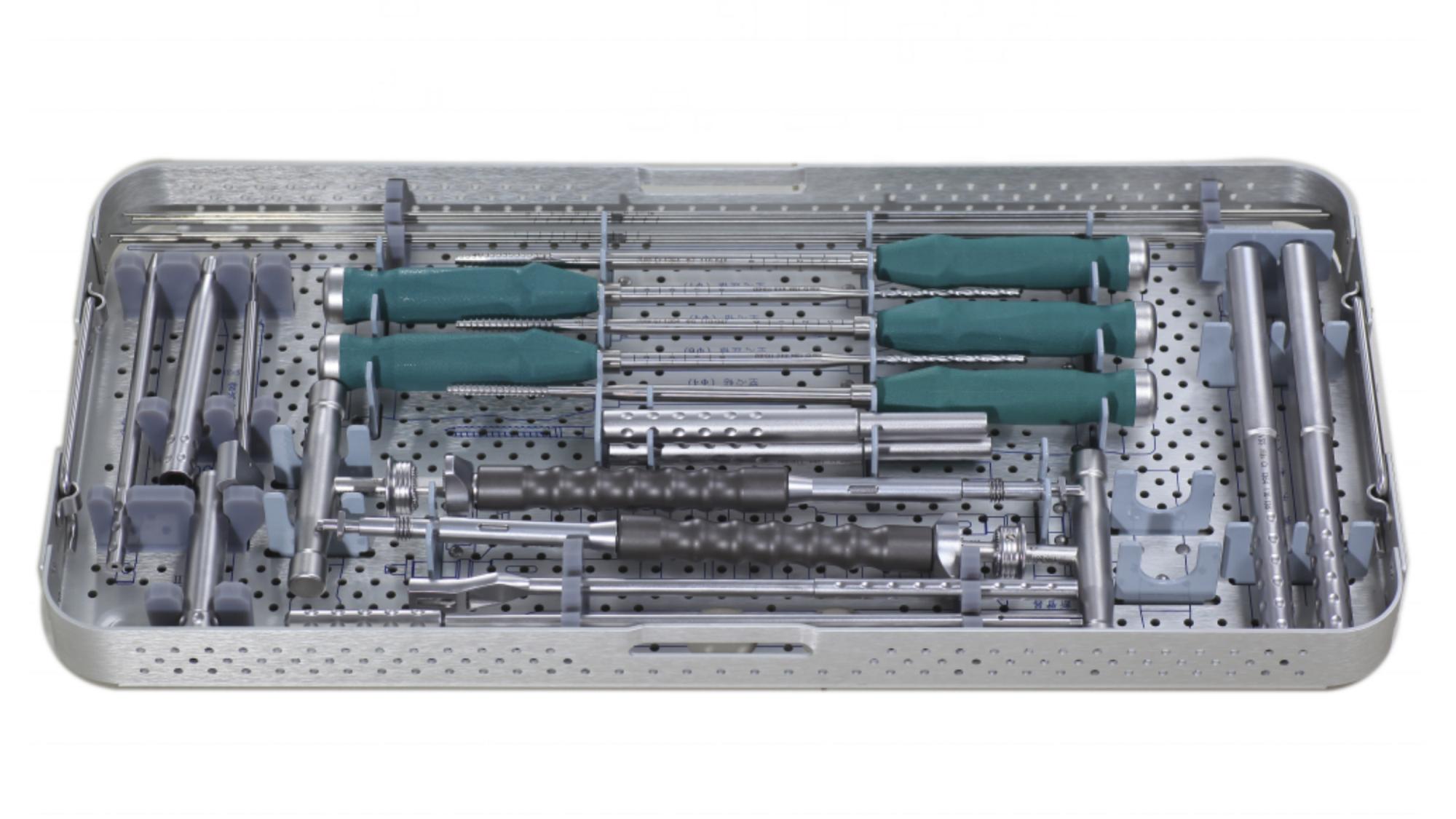
Answers to critical questions regarding engineering, surgical specifications, and importing protocols.
Partner directly with an ISO13485 certified manufacturer. Acquire robust clinical implants, reduce hospital overhead costs, and optimize patient outcomes across West Africa.
Send Inquiry Now Fule
Fule