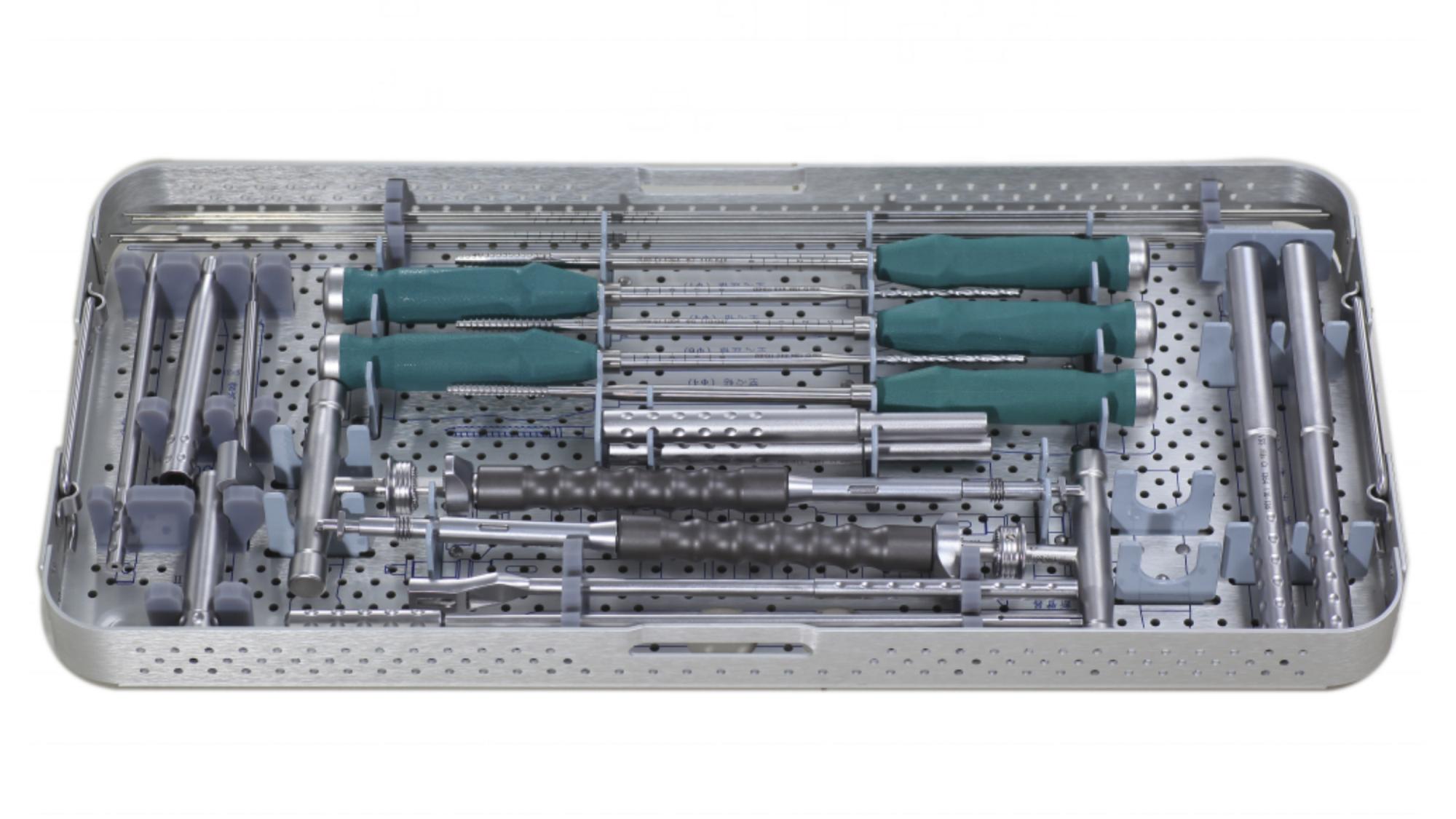
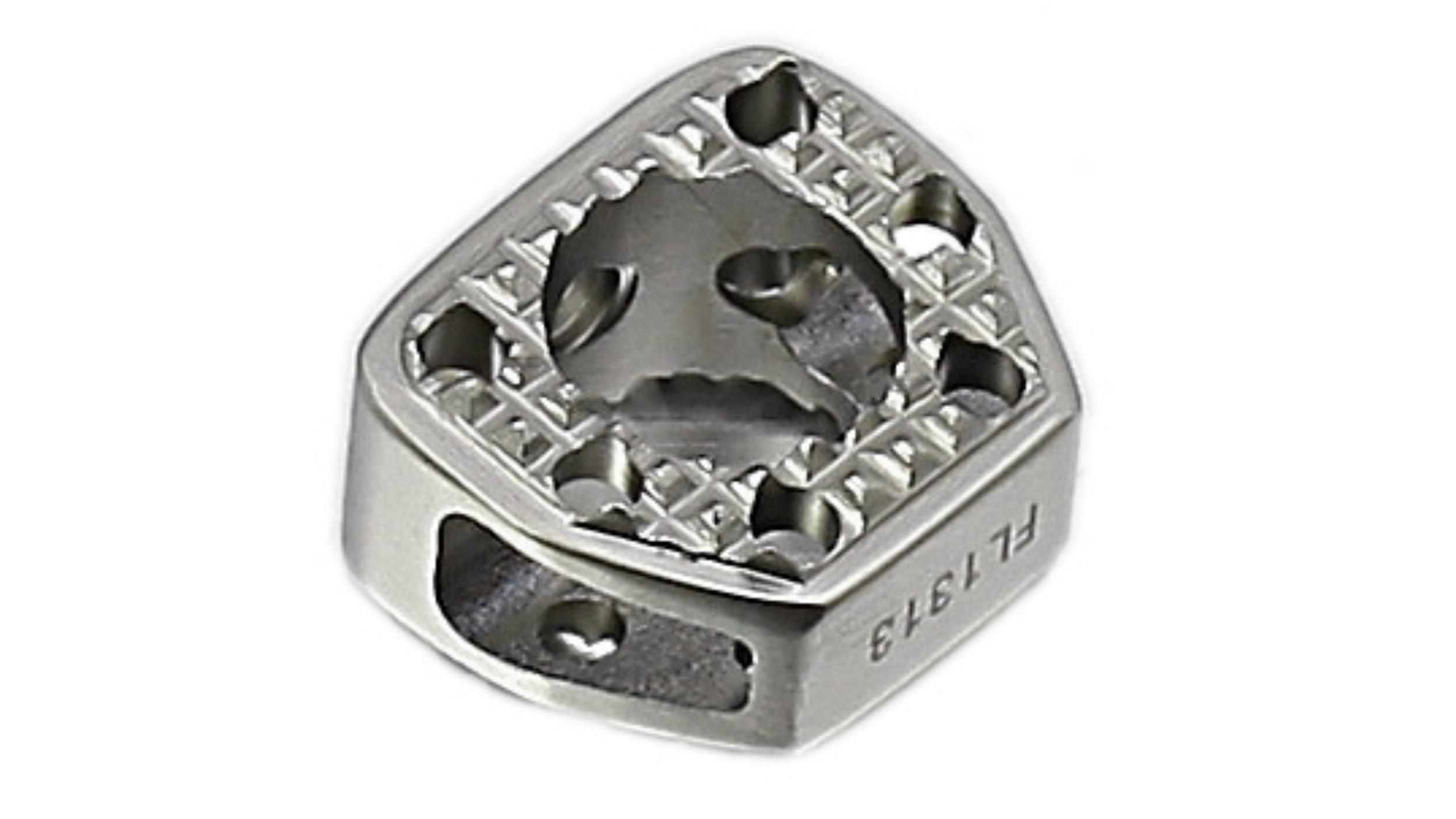
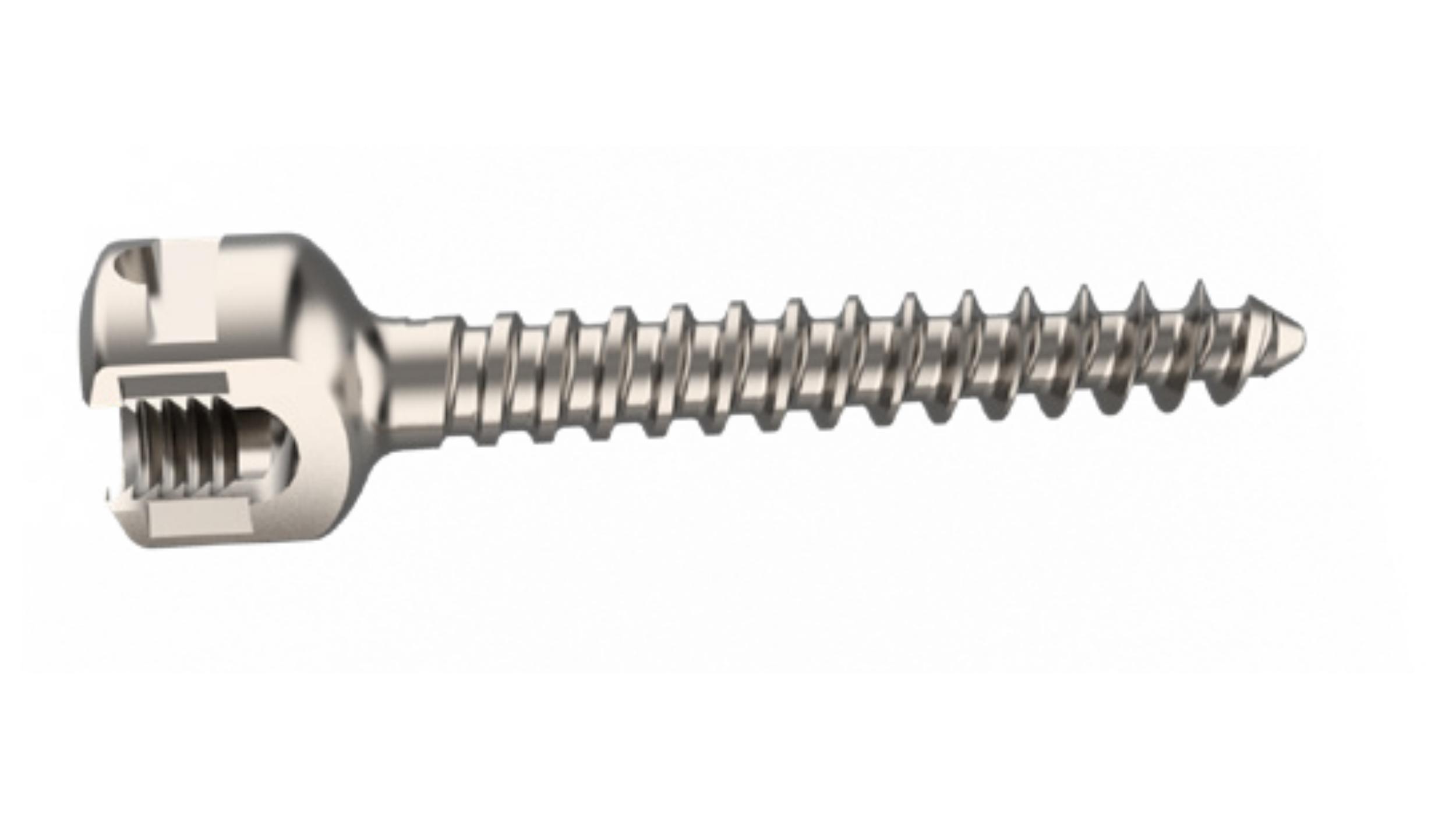
As Japan continues to navigate the challenges of a "super-aging" society, the demand for sophisticated orthopedic solutions has reached unprecedented levels. The Locking Plate System has emerged as a cornerstone in Japanese trauma and reconstructive surgery. Unlike traditional compression plates, locking plates provide a fixed-angle construct that is essential for treating osteoporotic fractures, which are increasingly common among the Japanese elderly population in prefectures like Tokyo, Osaka, and Fukuoka.
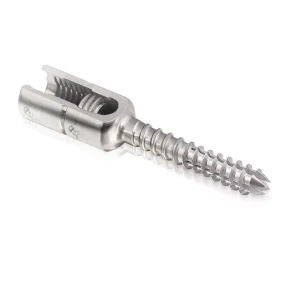
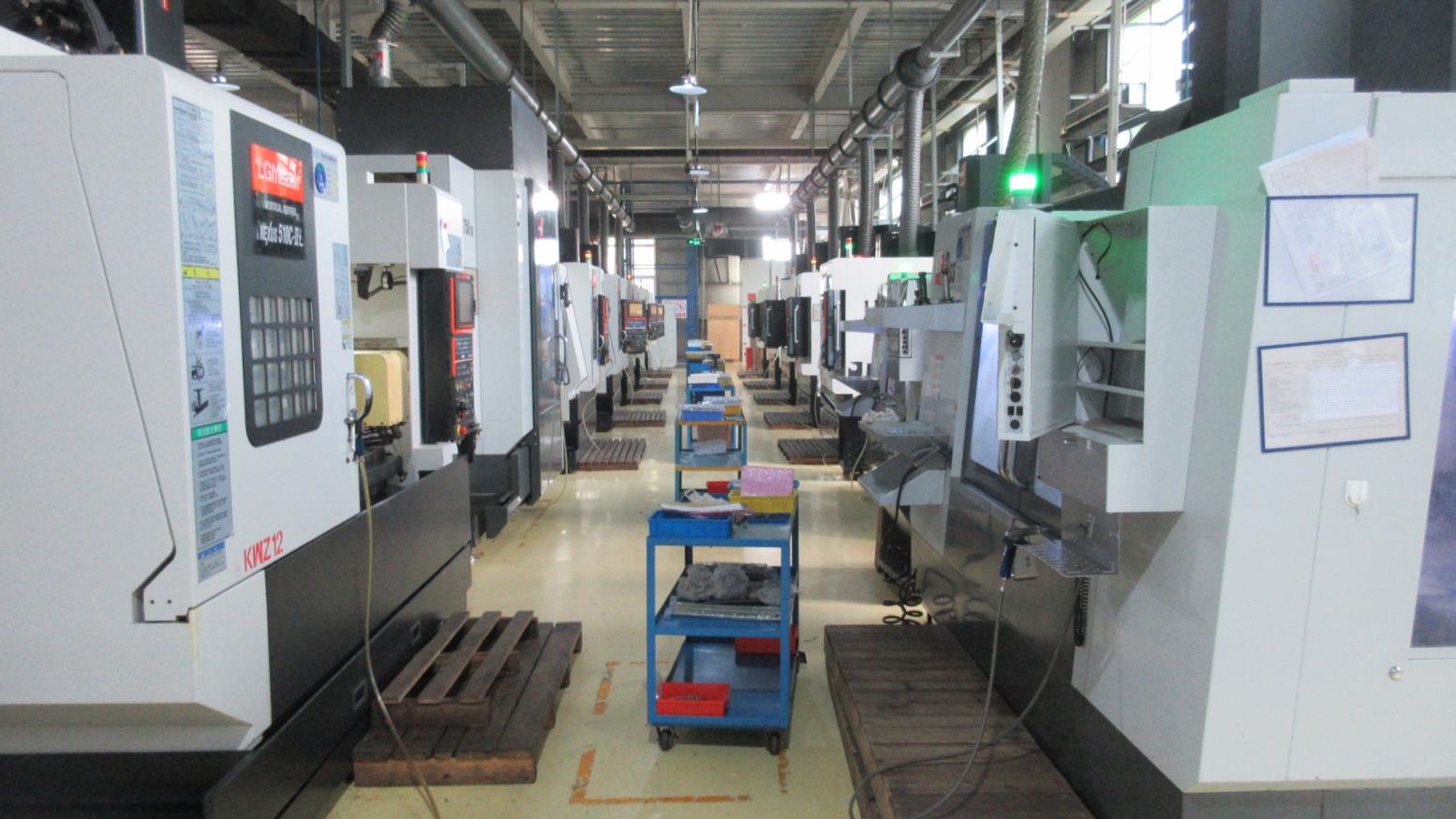
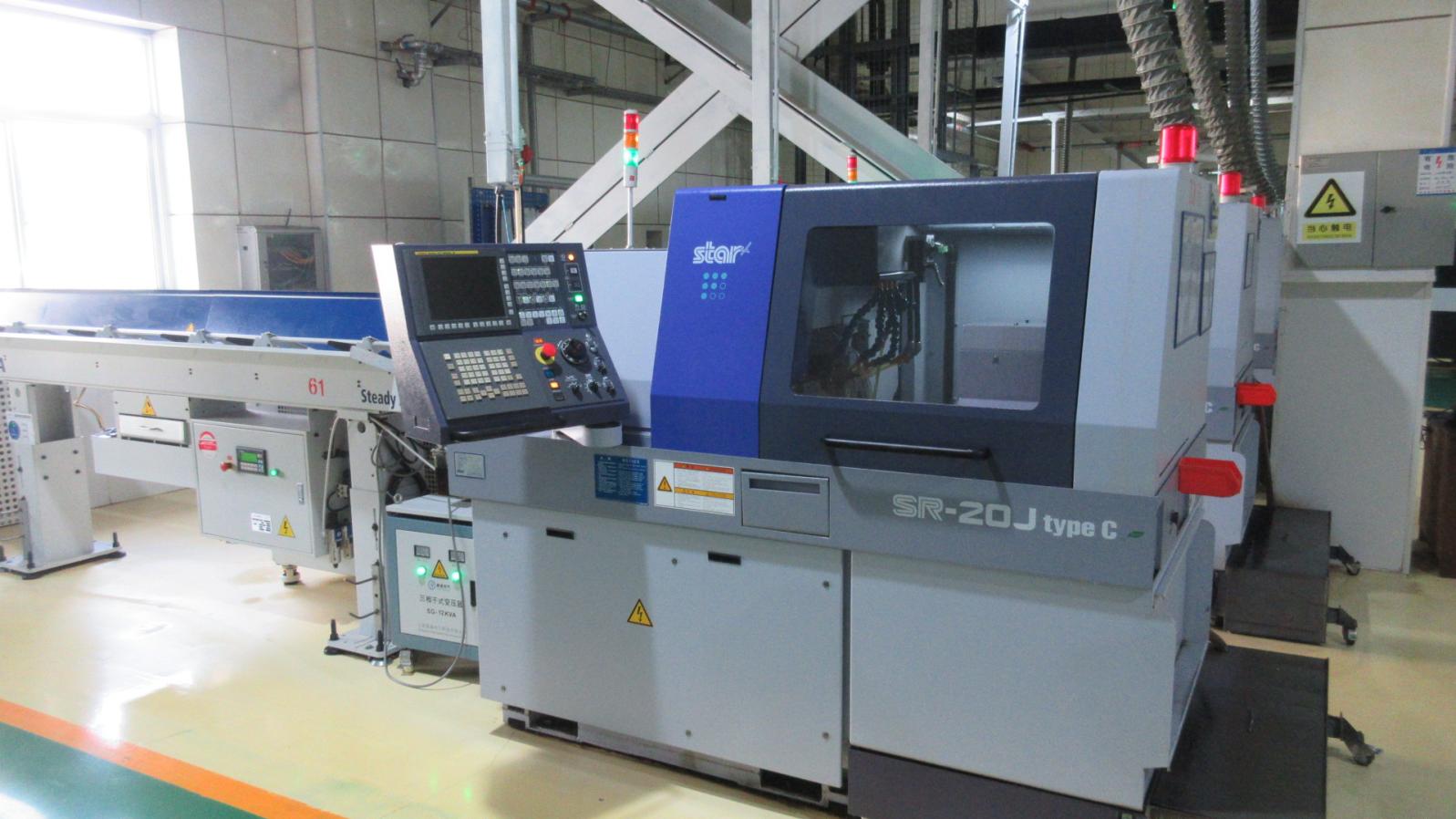
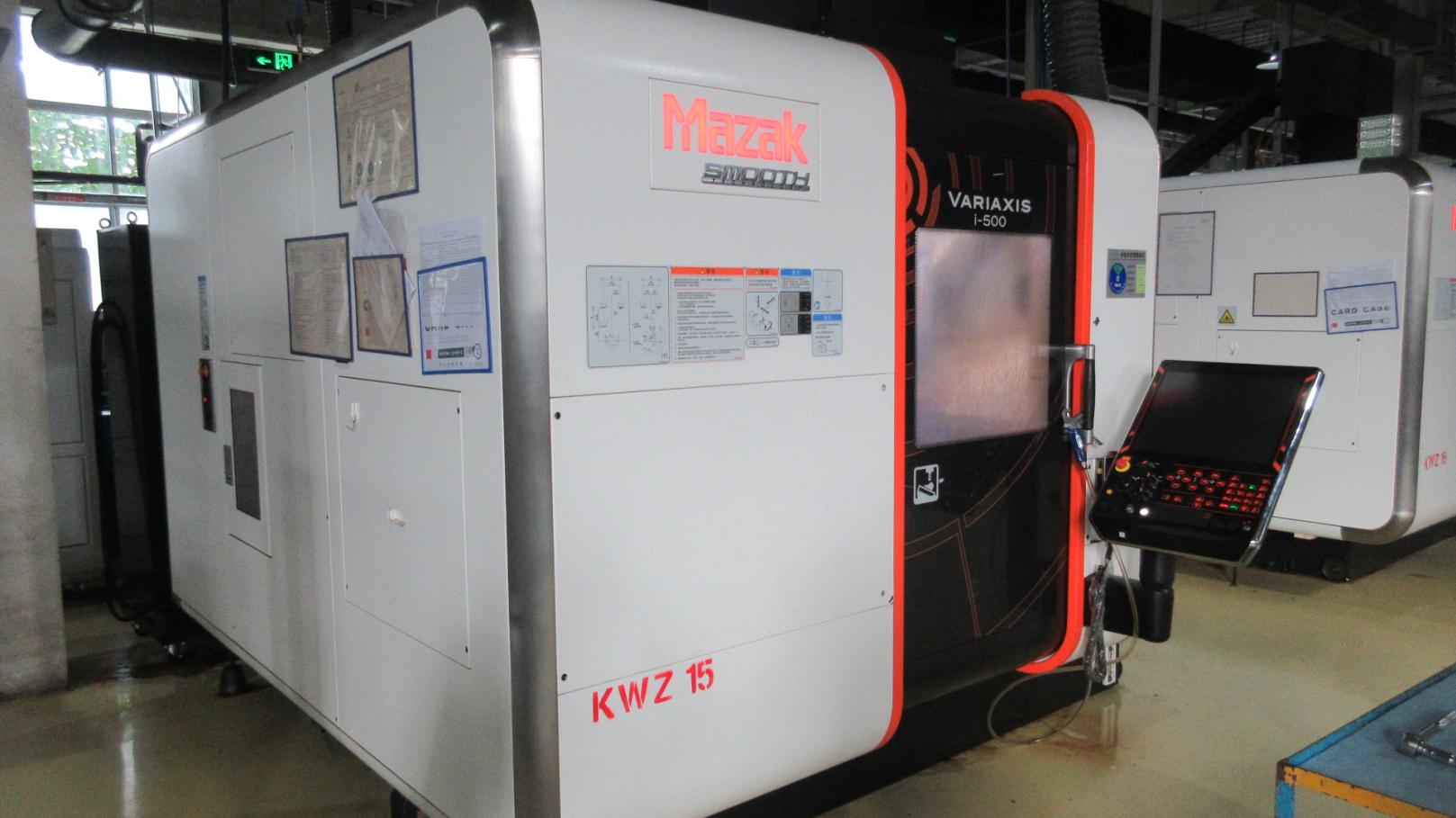
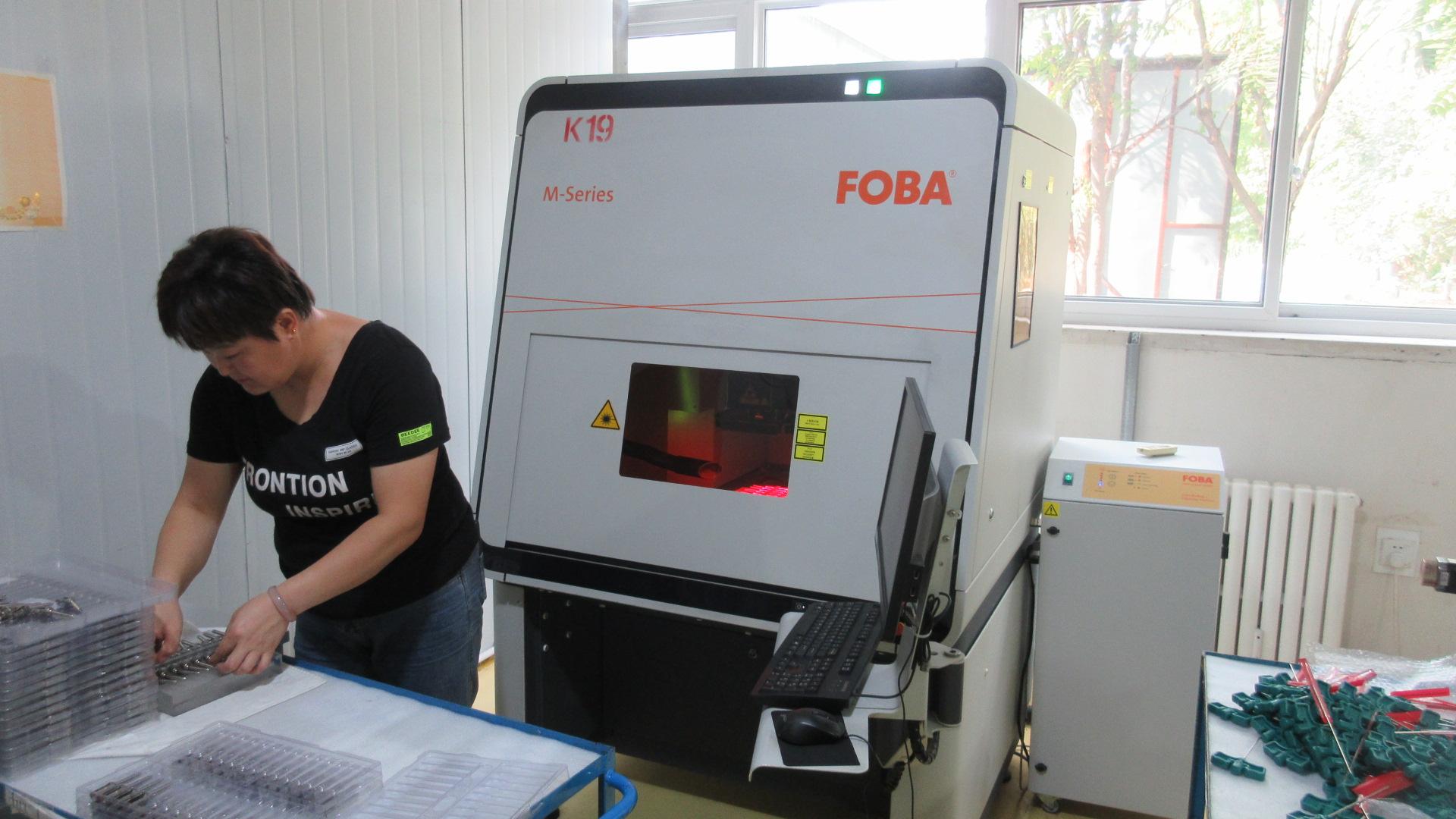
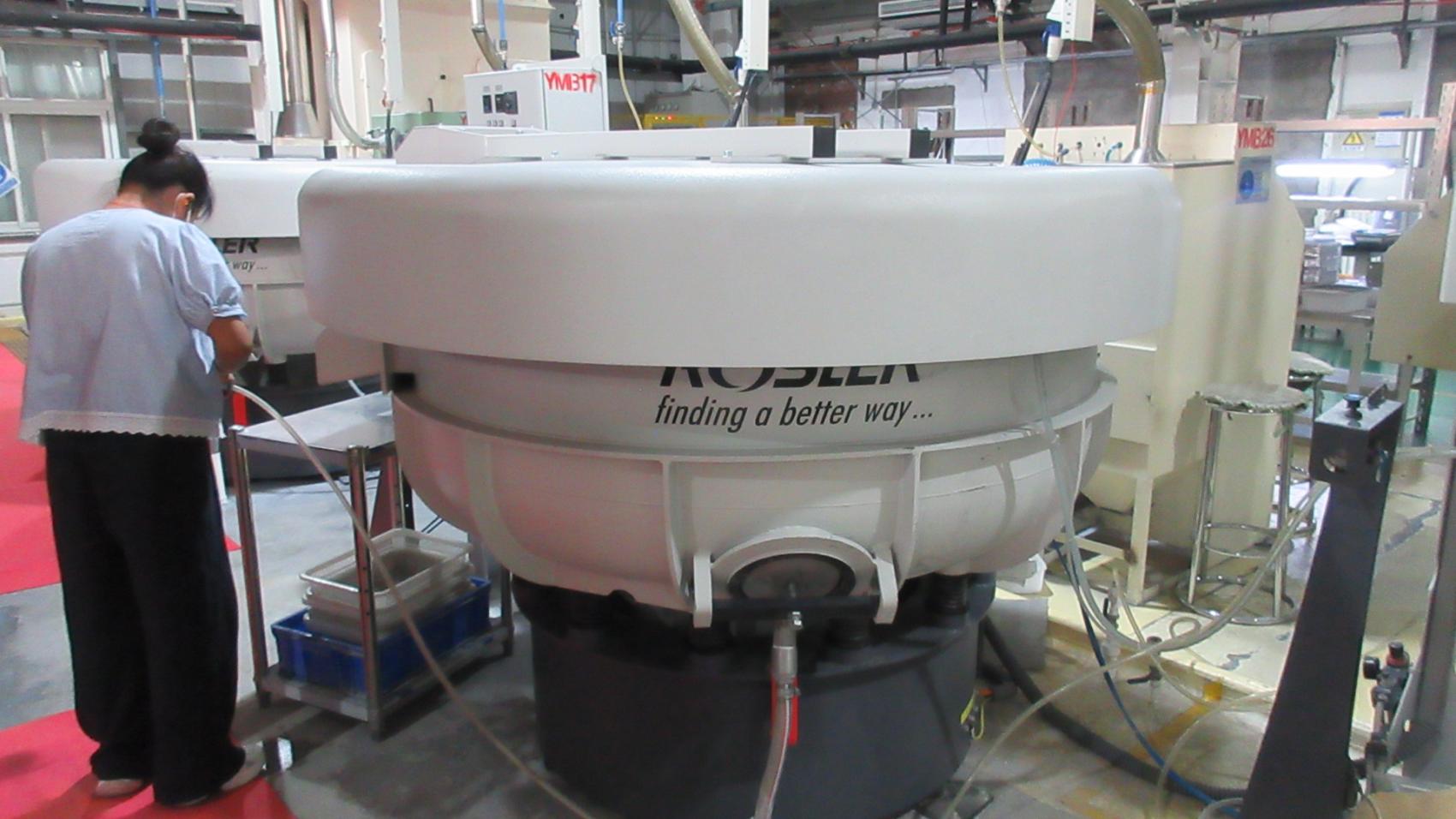
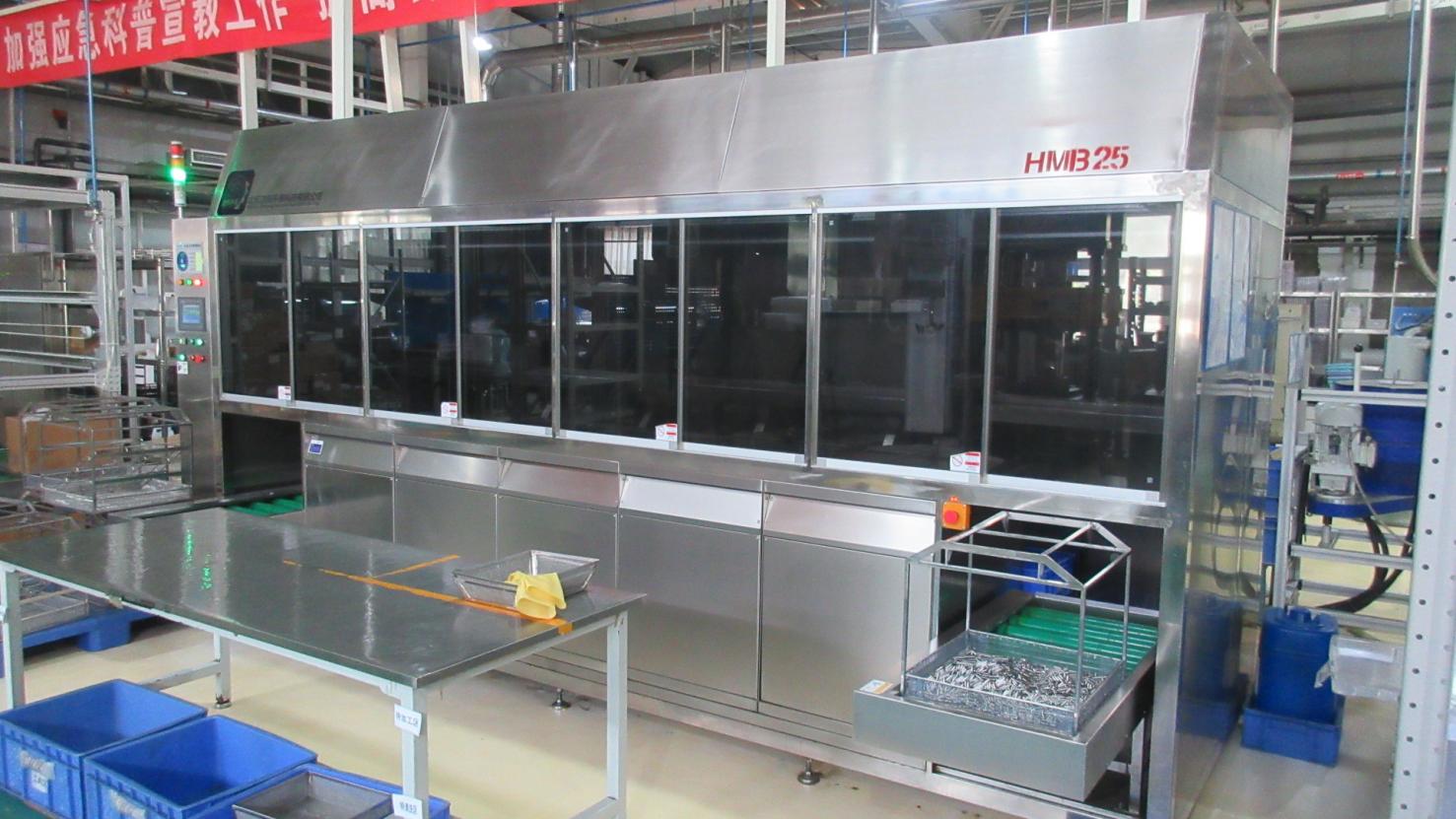
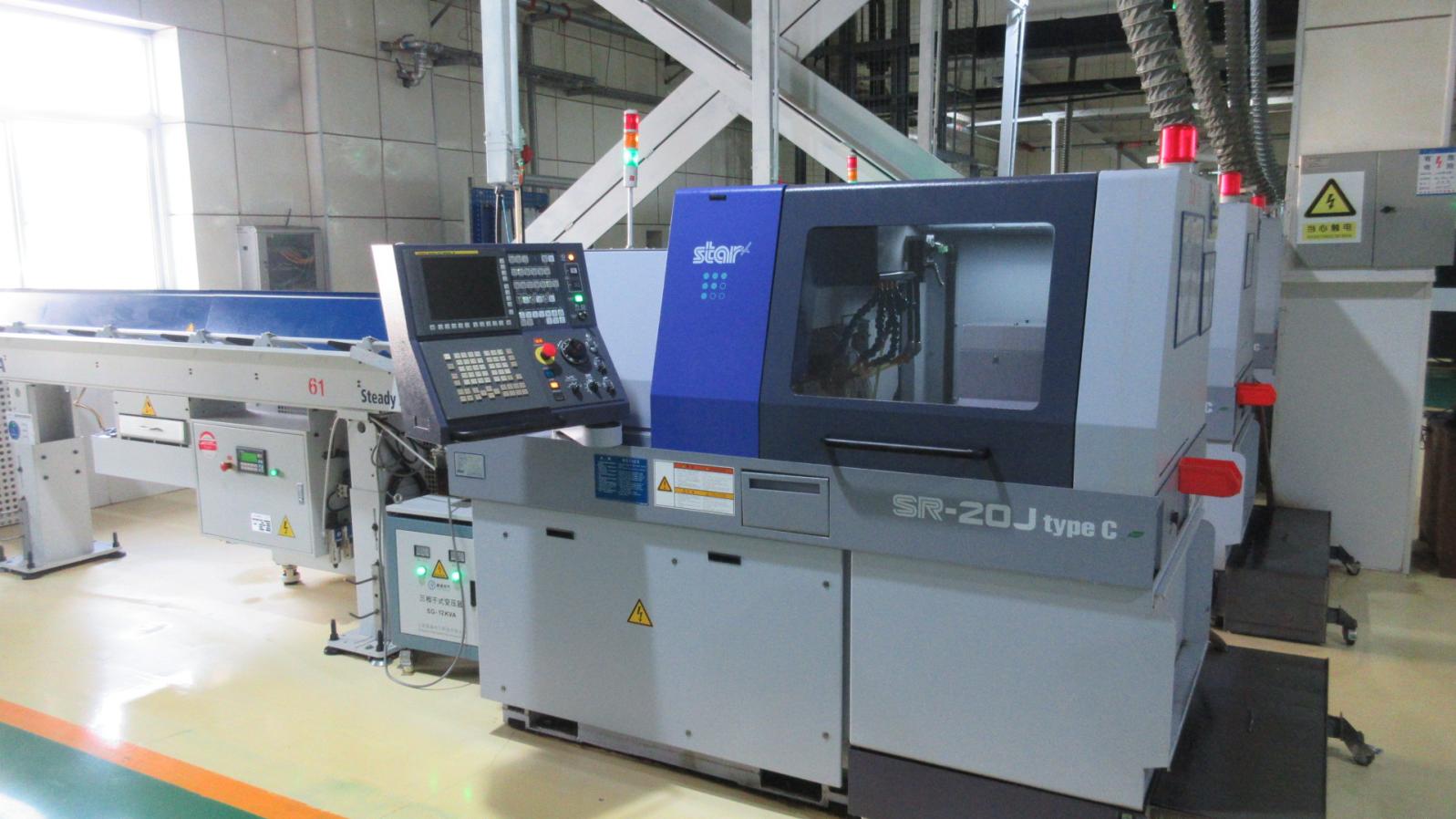
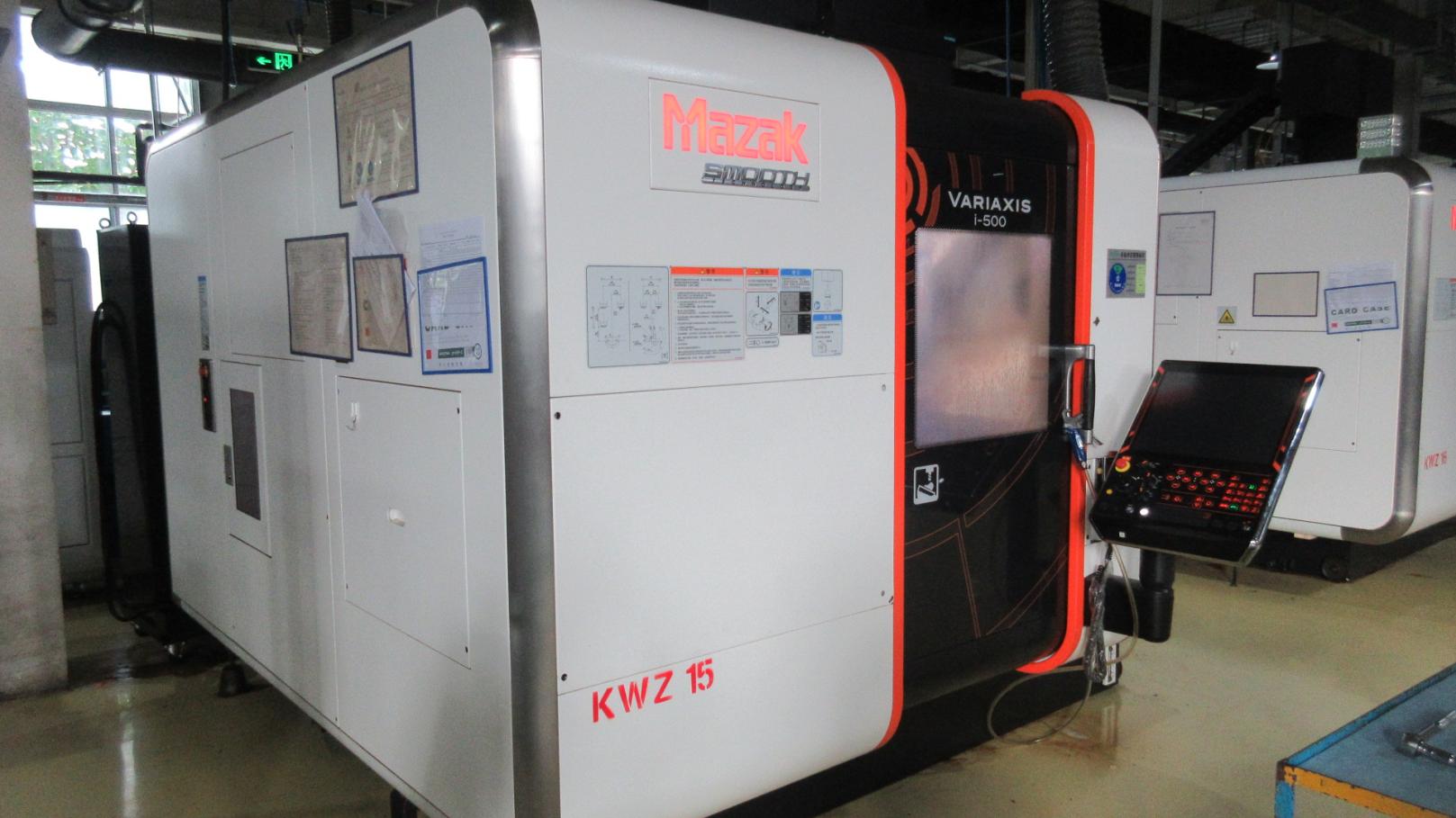
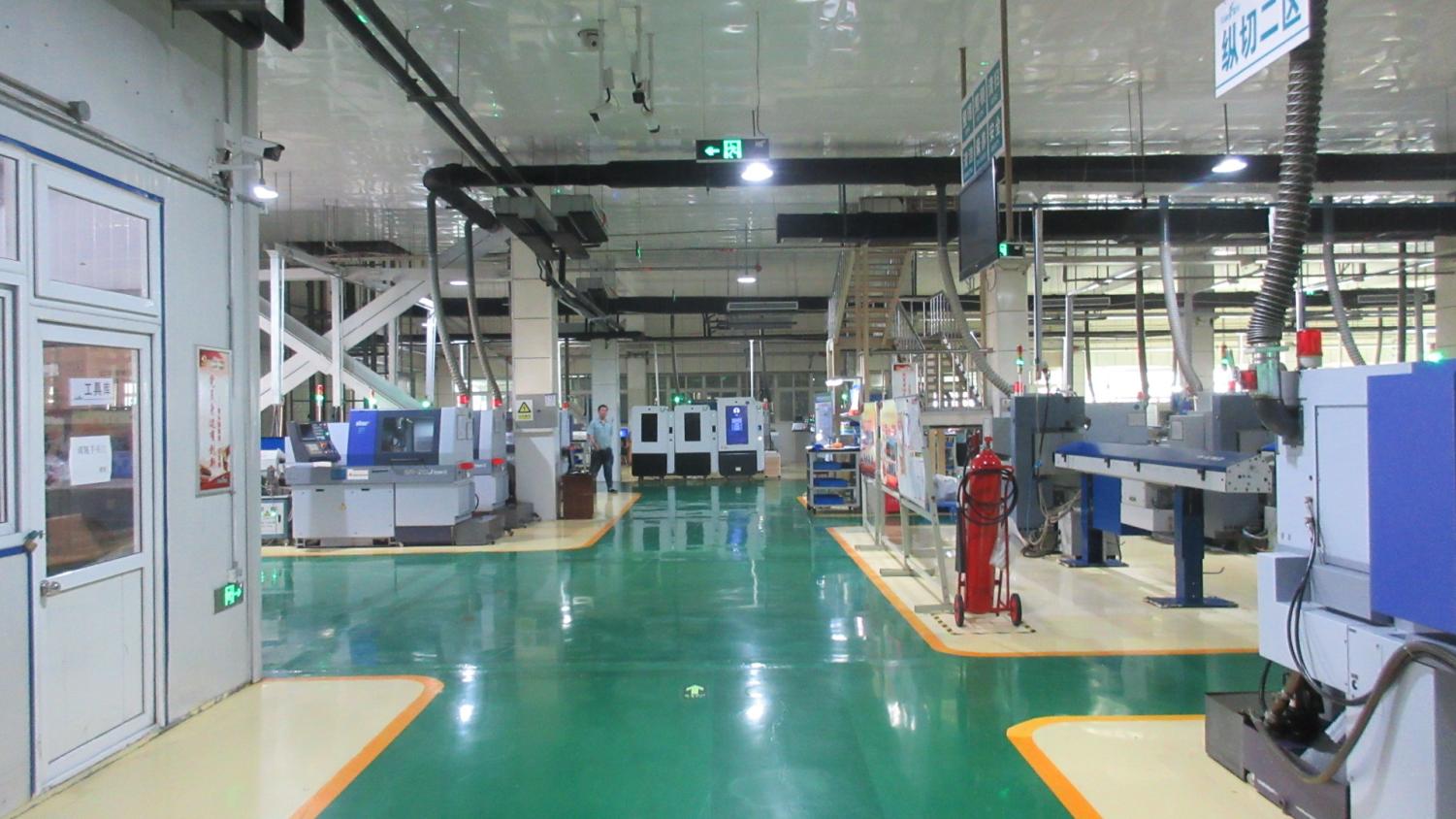
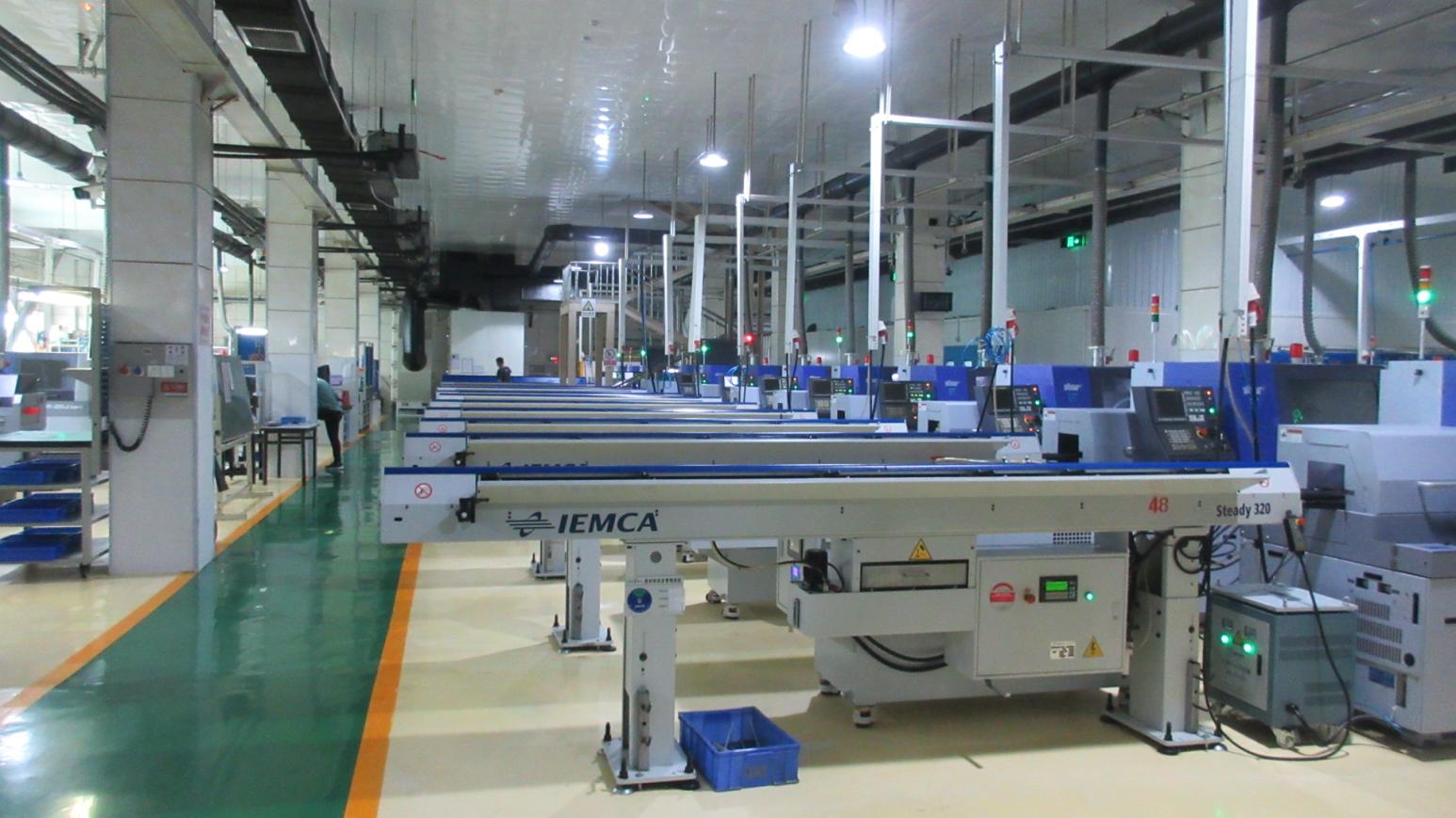
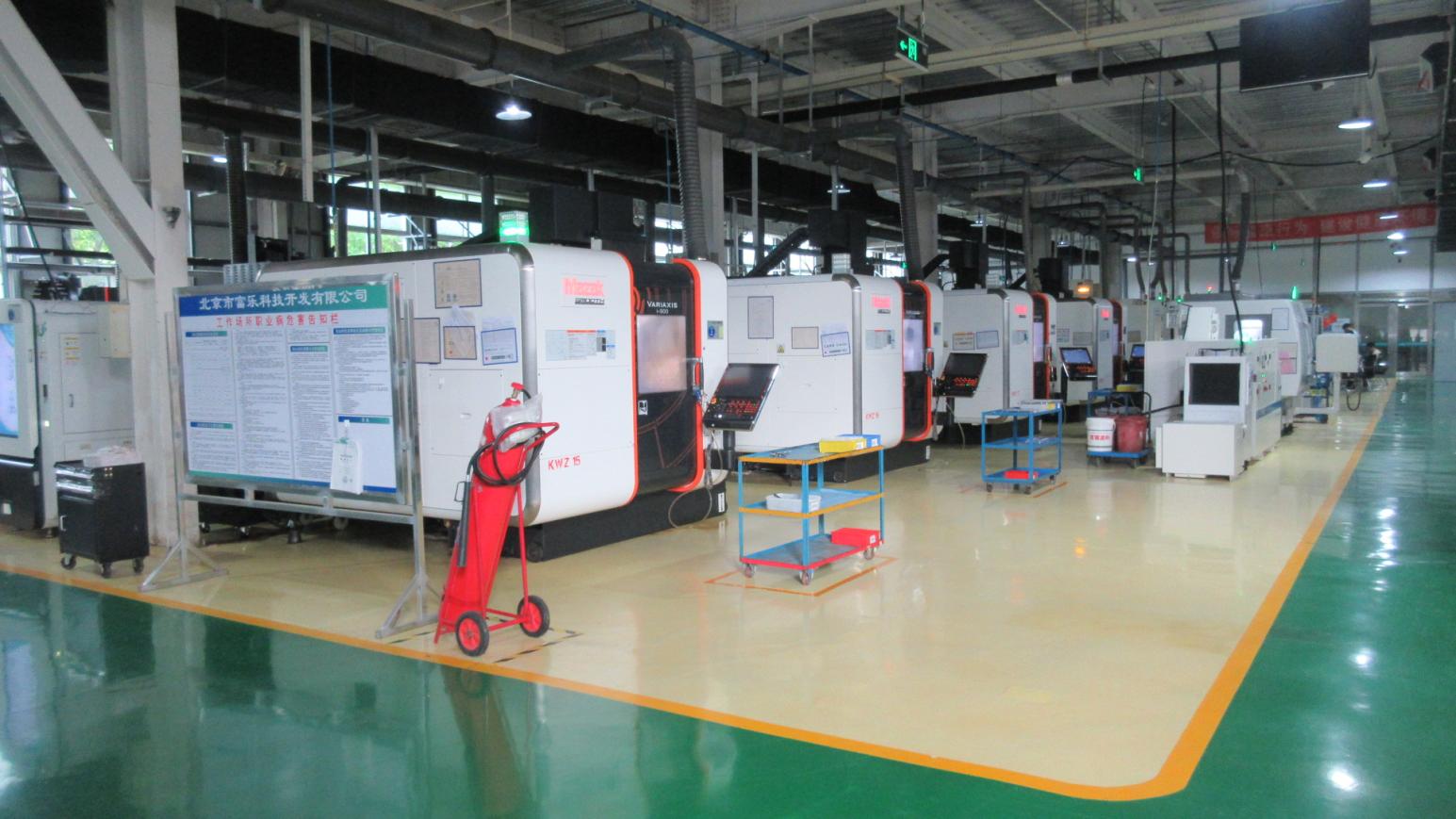
Leveraging the Japanese "Monozukuri" philosophy, our locking plate systems are manufactured with micron-level precision to ensure perfect screw-plate interface stability.
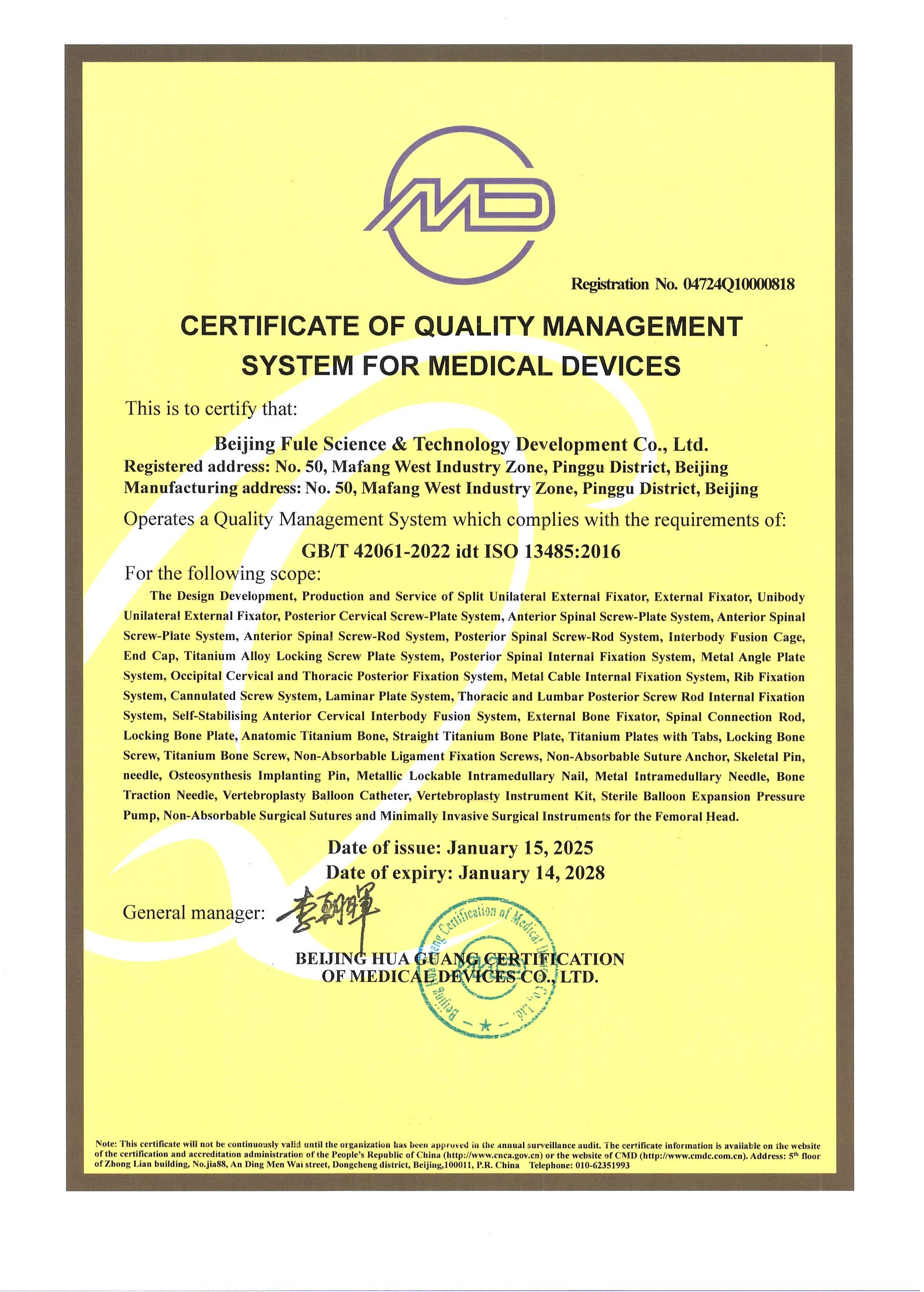
We utilize ultra-high-grade Titanium and PEEK materials that meet stringent PMDA (Pharmaceuticals and Medical Devices Agency) standards for long-term implantation.
Our systems offer superior angular stability, significantly reducing the risk of screw loosening and secondary displacement in complex fractures.
The industrial trend in Japan’s orthopedic sector is rapidly shifting toward Minimally Invasive Surgery (MIS). Modern Japanese surgeons prioritize systems that allow for smaller incisions, reduced soft tissue damage, and faster post-operative recovery. Our locking plate systems are designed with low-profile contours and anatomically pre-shaped designs specifically tailored to Asian skeletal morphology, ensuring a precise fit for Japanese patients.
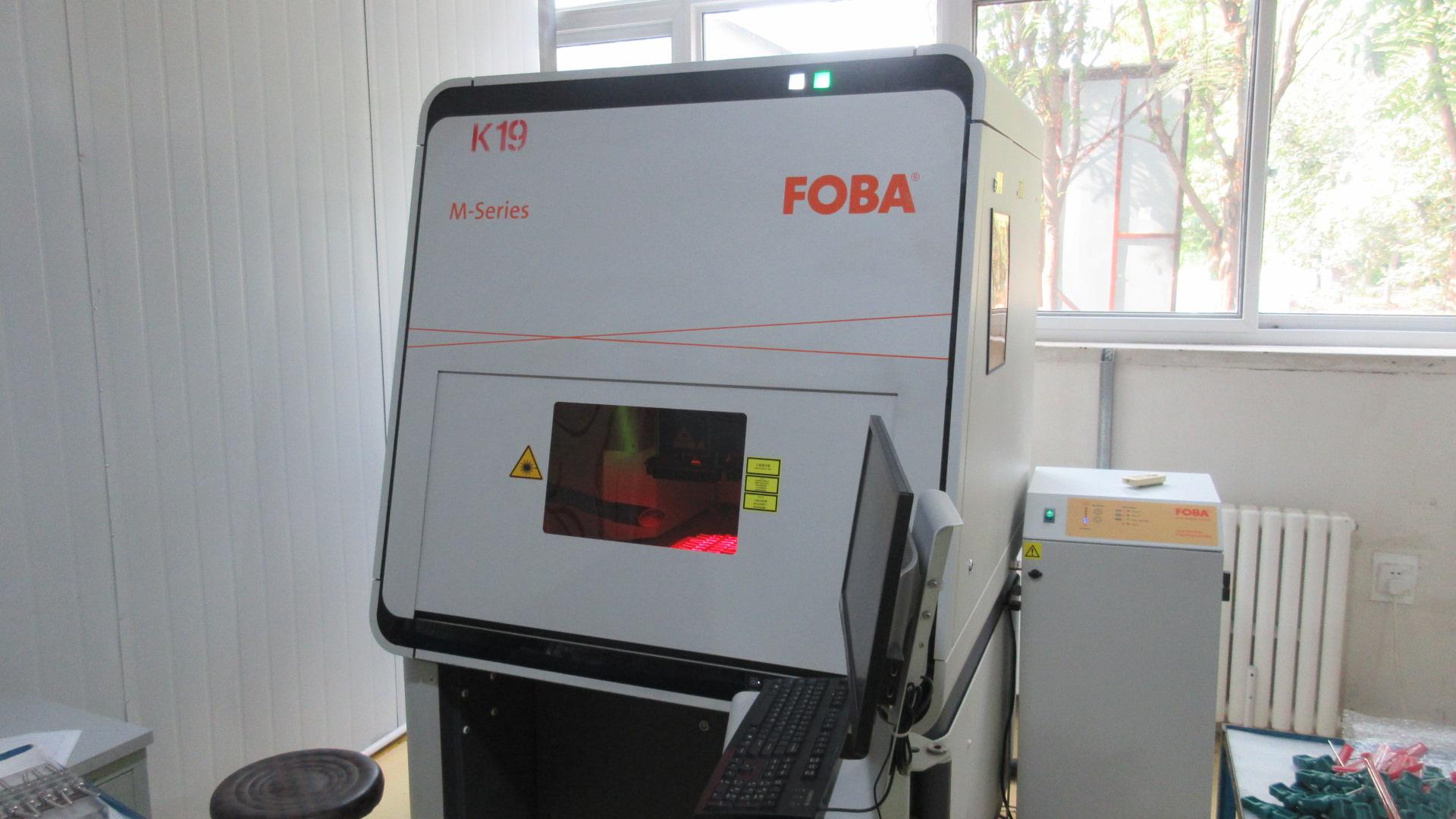
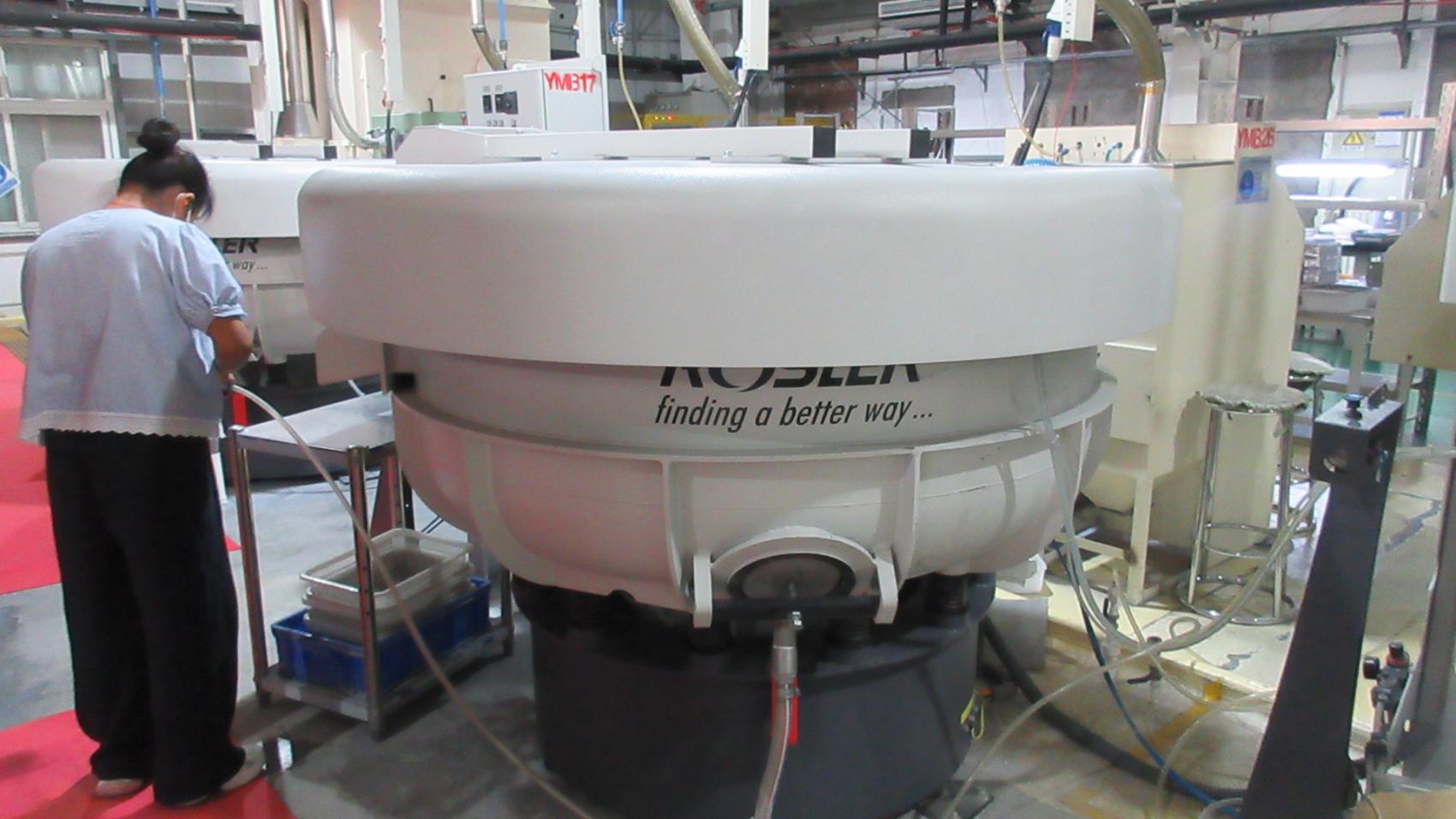
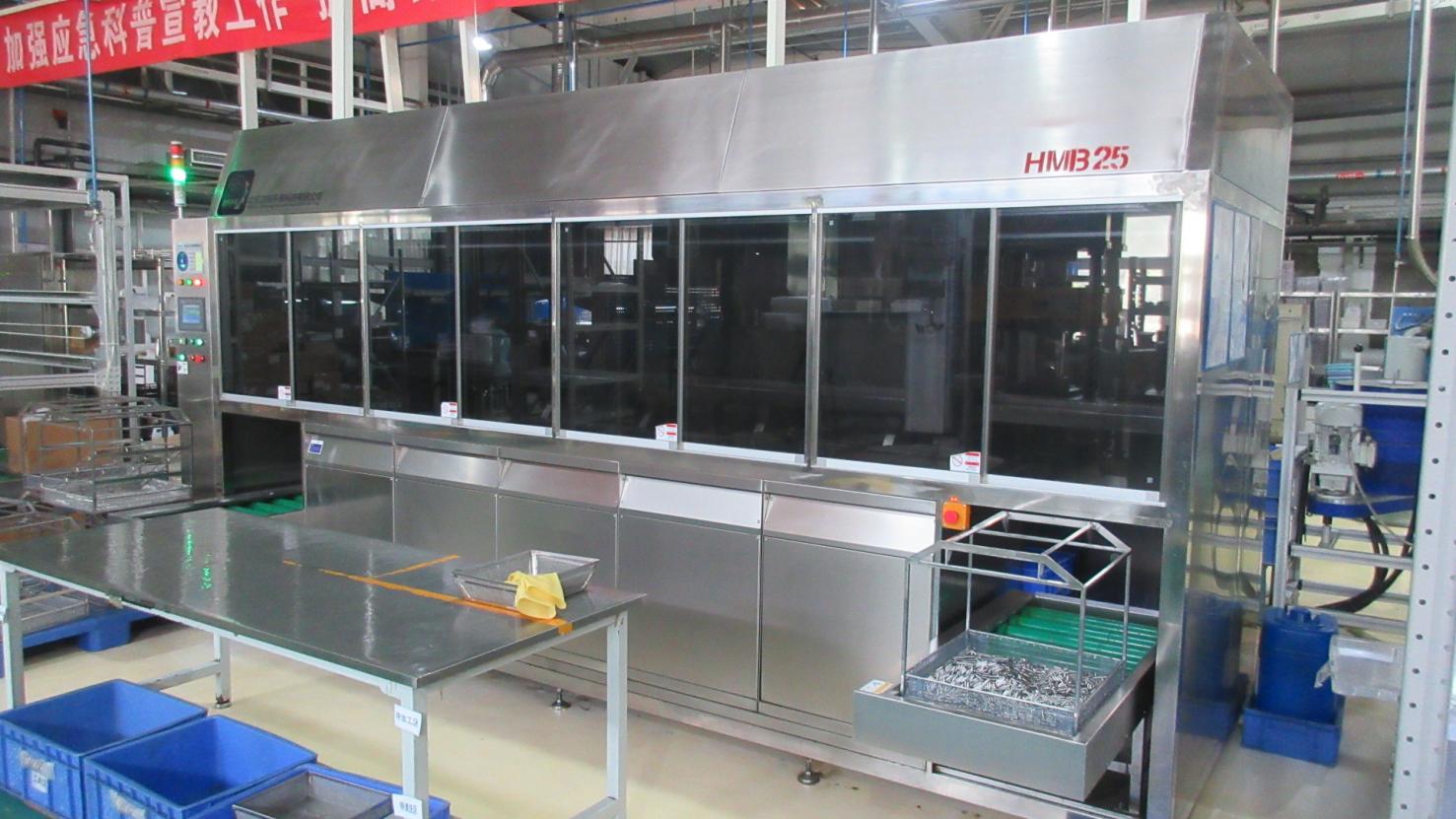
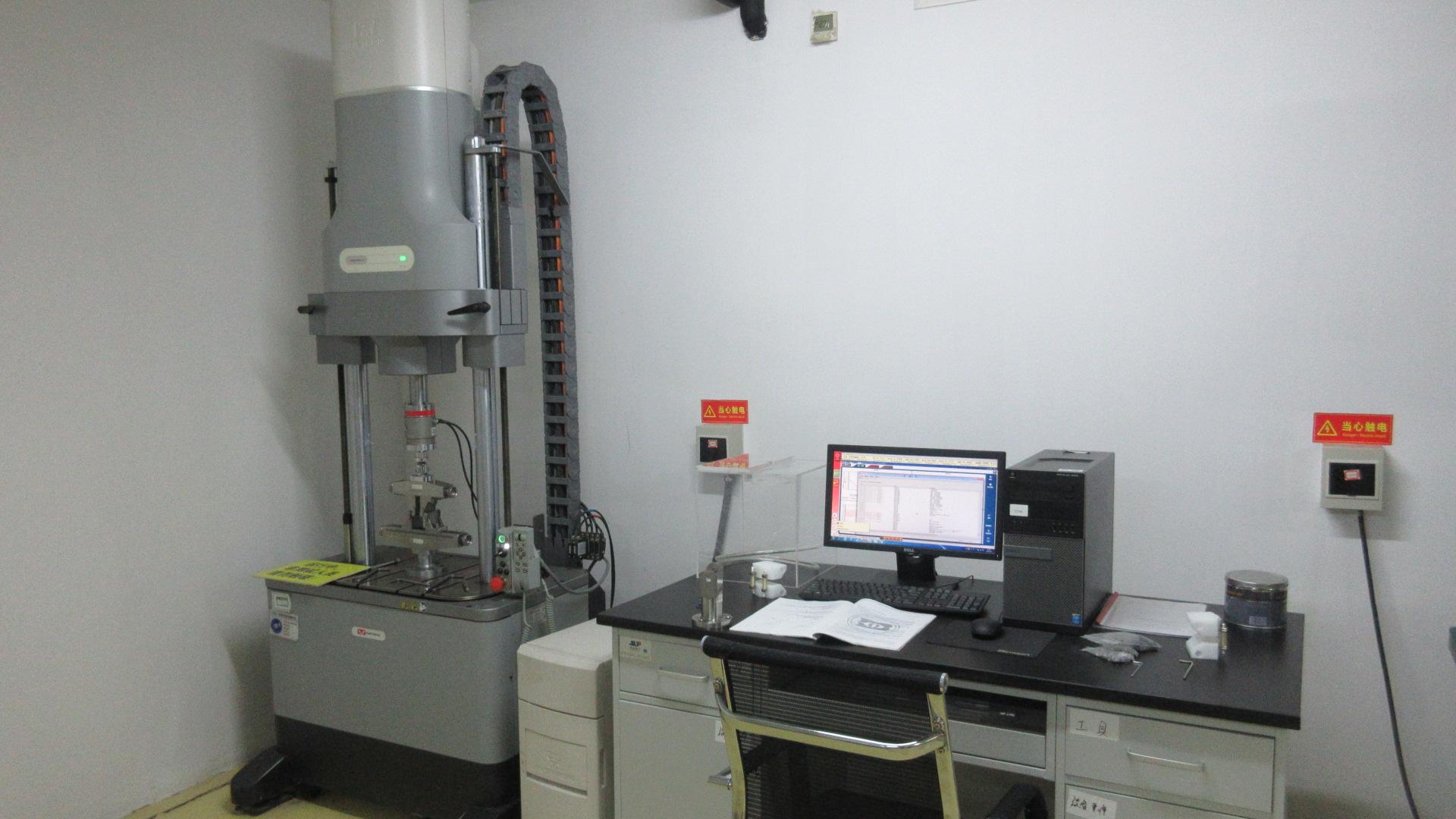
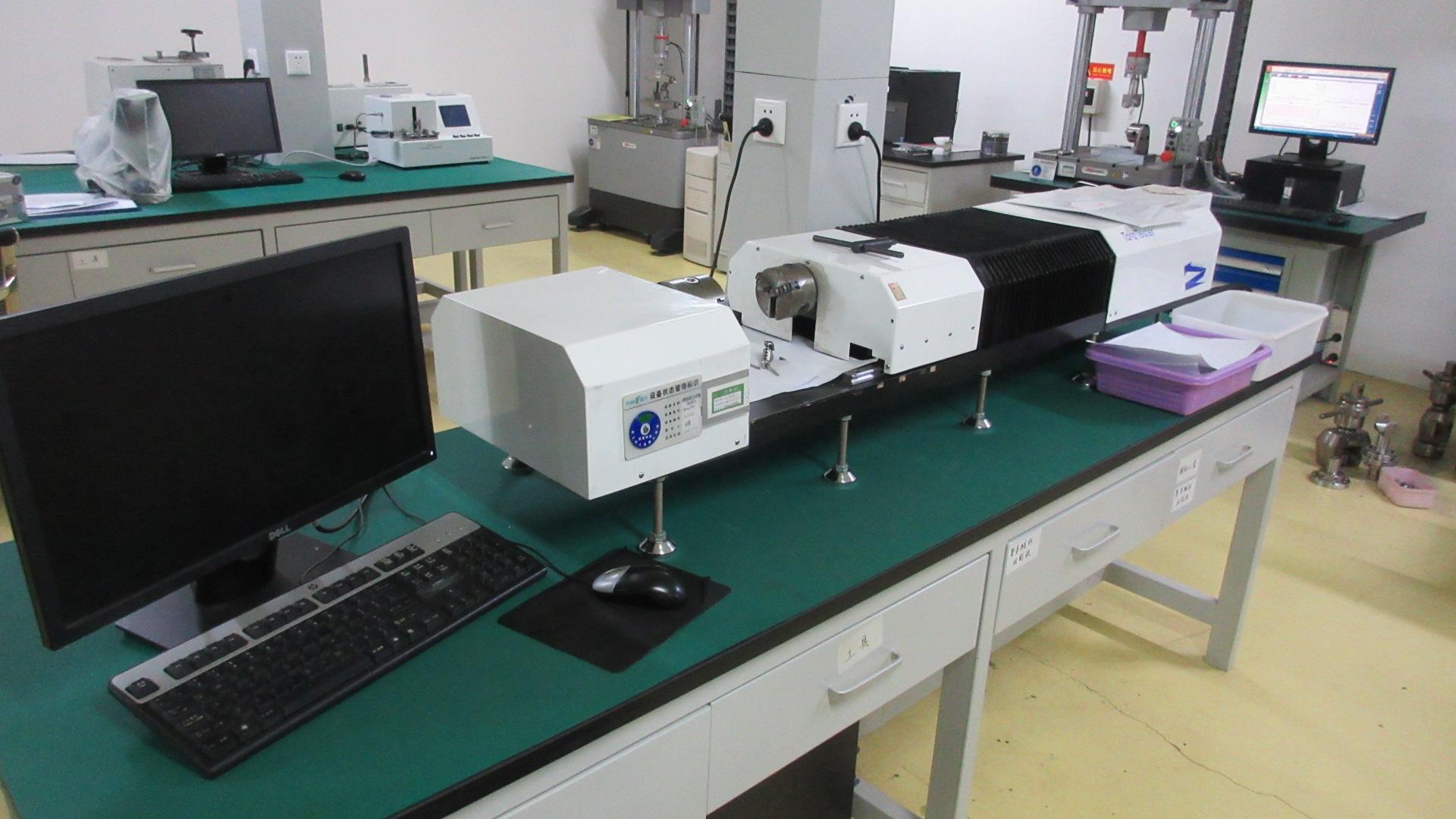
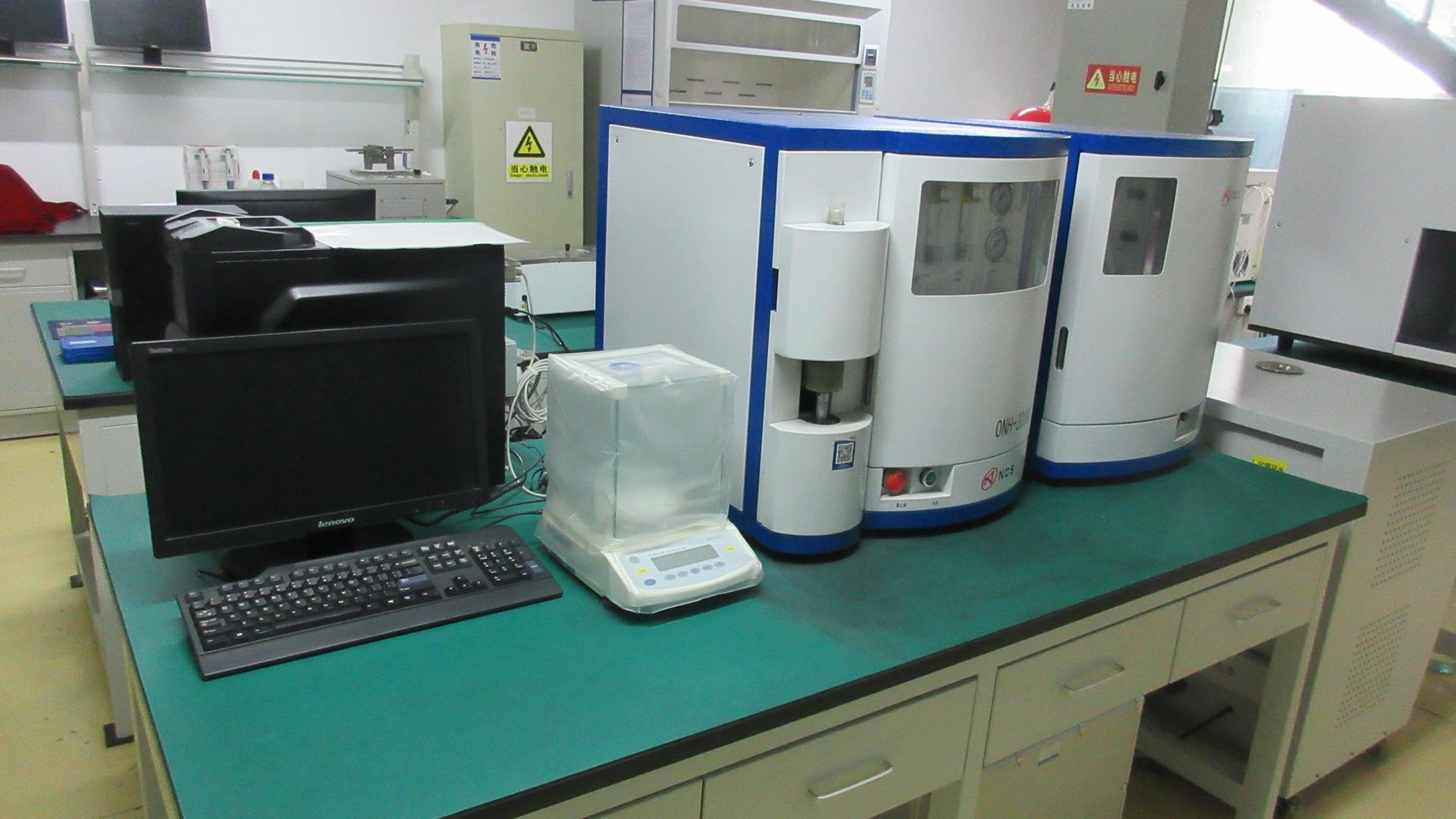
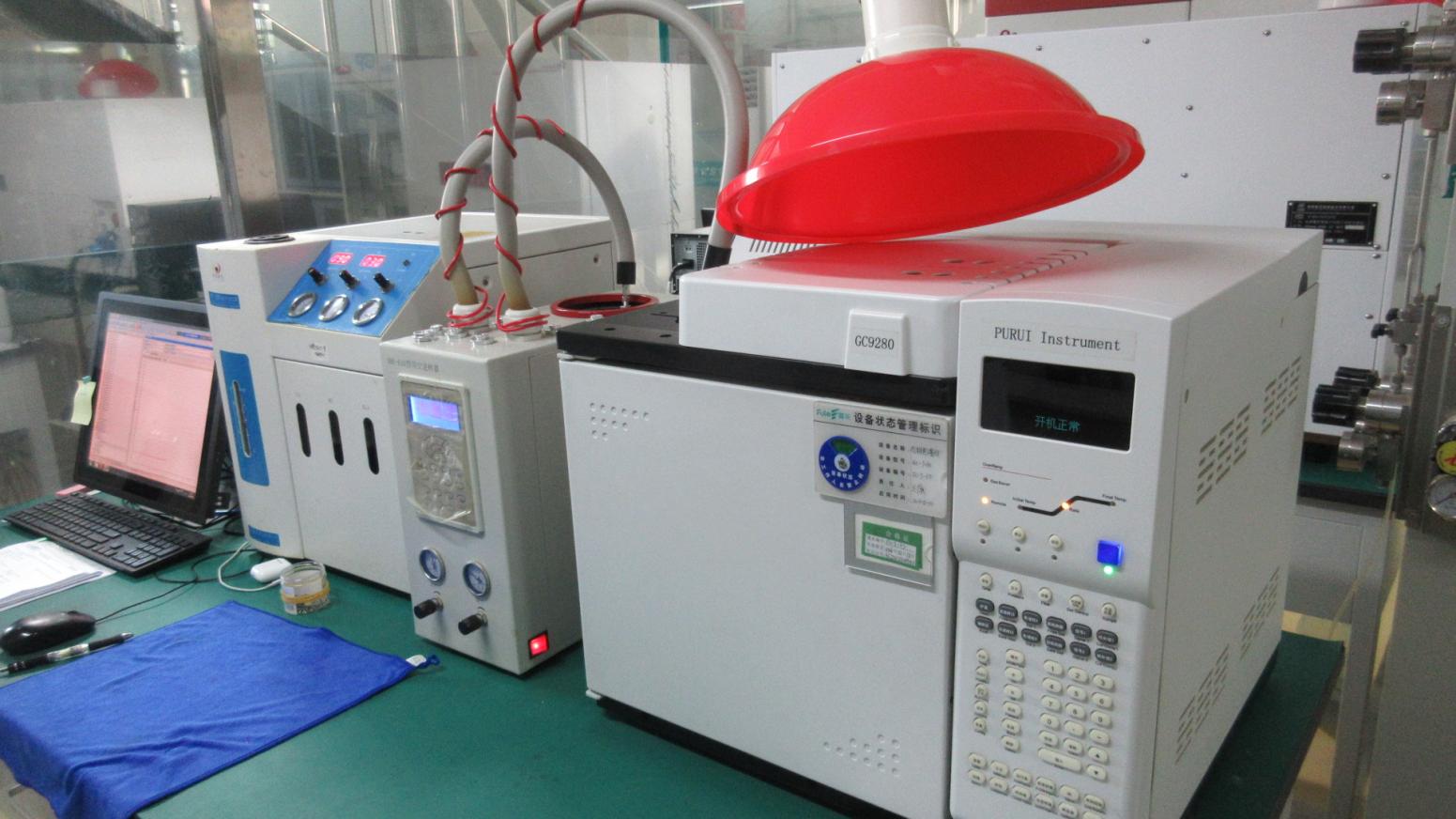
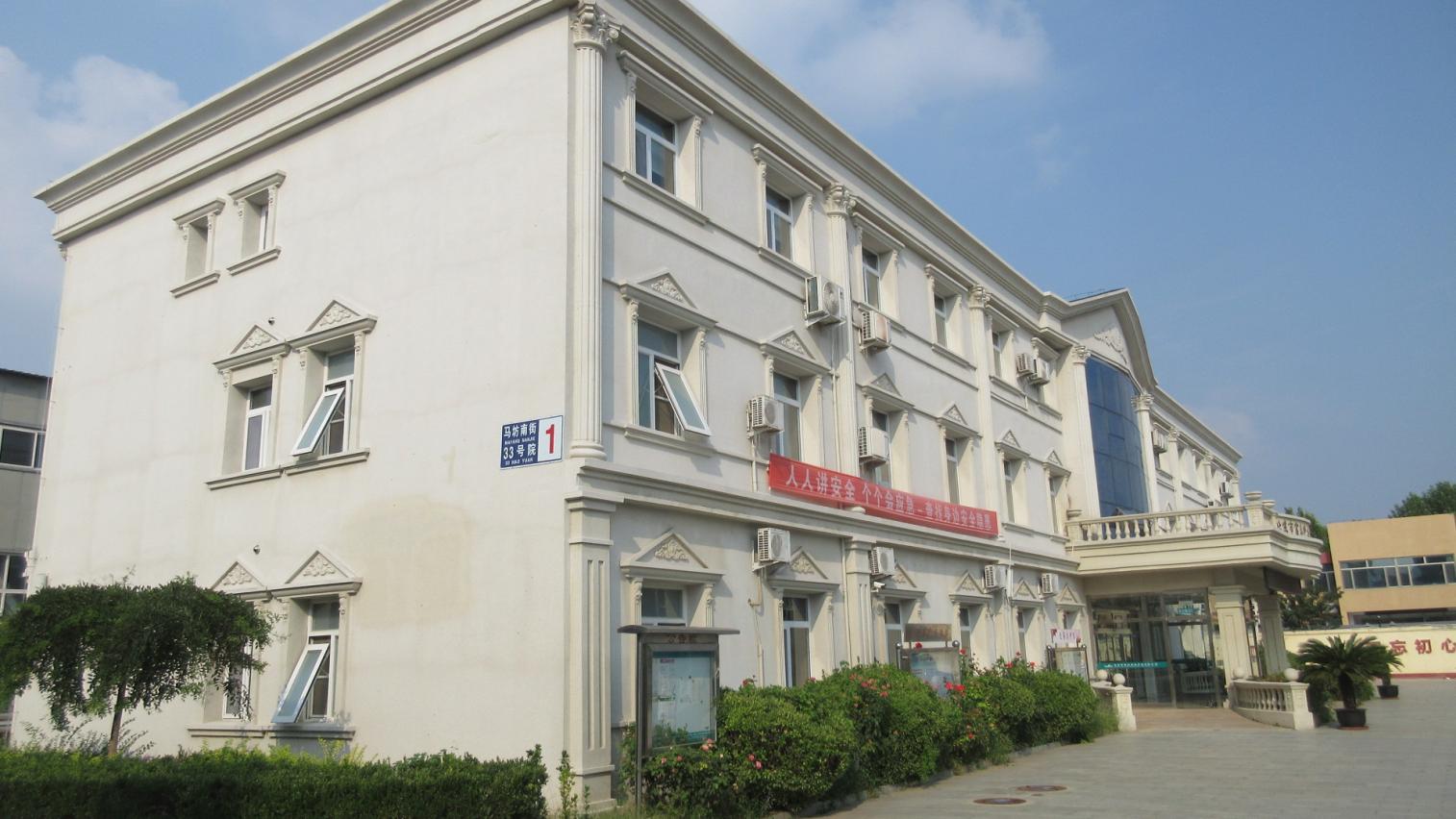
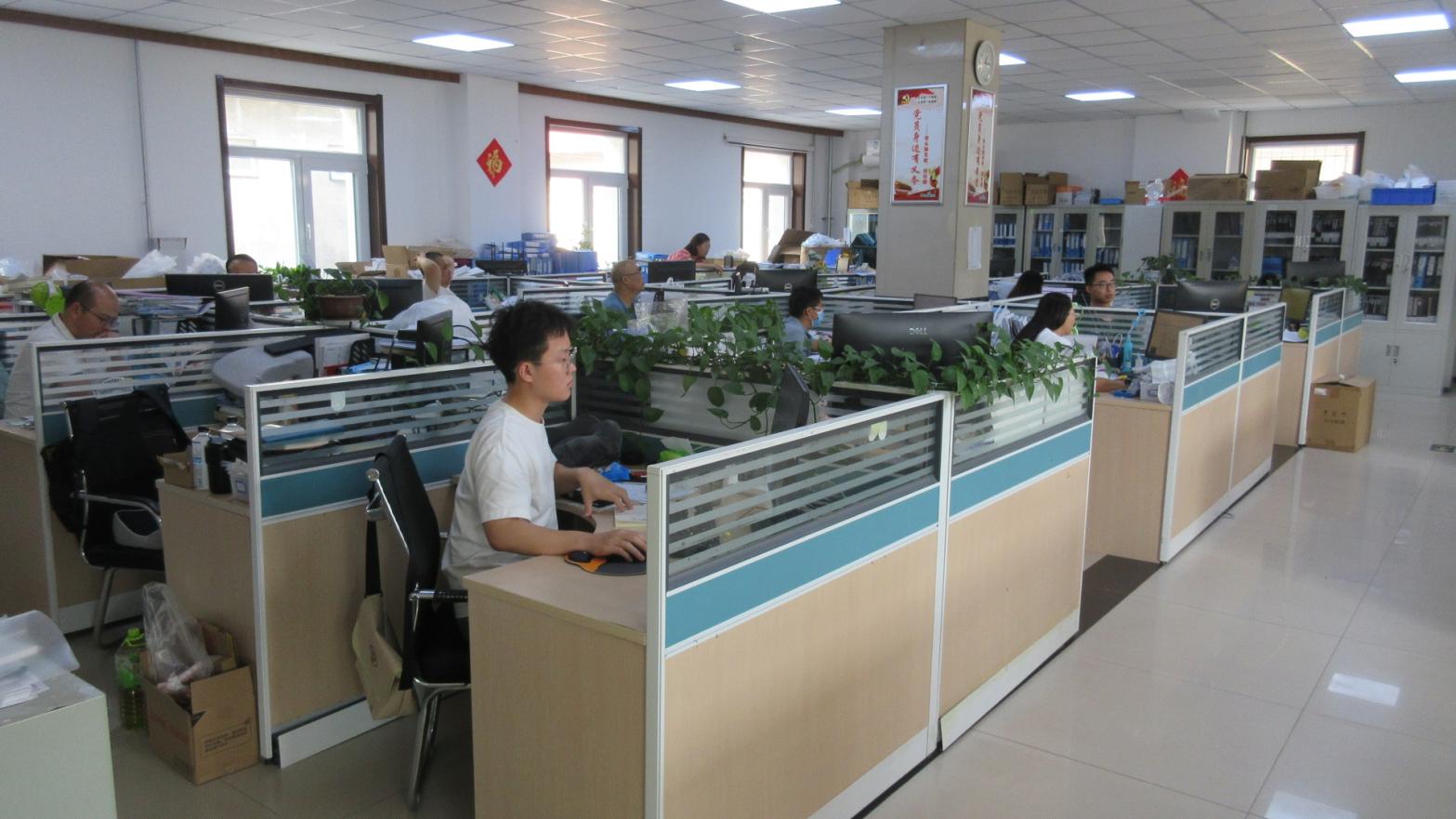
Founded in 1996, our facility spans 10,000㎡ and is dedicated to the R&D and production of high-end orthopedic implants. With a team of 20 R&D engineers (most holding graduate degrees), we stay at the forefront of surgical innovation. Our quality control protocol is rigorous: 100% inspection is conducted on every single product leaving our line, ensuring that Japanese hospitals receive only the most reliable medical devices.
In regions with high elderly density like Nagano, our locking plates are used extensively for distal radius and proximal humerus fractures, where bone density is compromised.
Japan’s active lifestyle leads to many ligament and joint injuries. Our small fragment locking systems provide the necessary rigidity for athletes returning to competition.
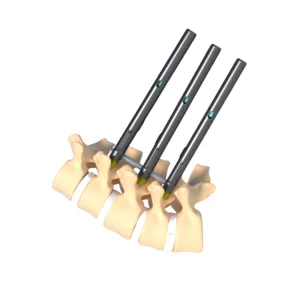
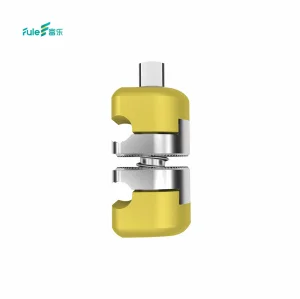
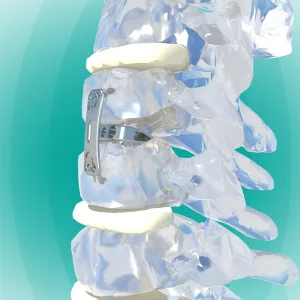
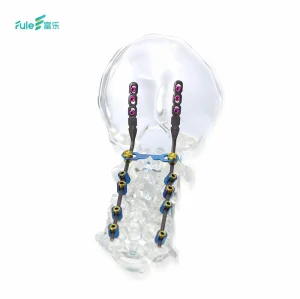
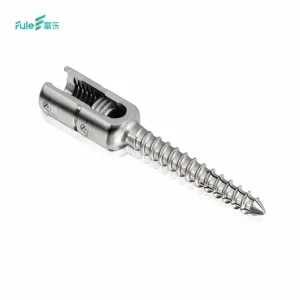
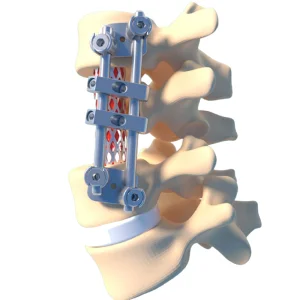
Collaborating with top university hospitals in Kyoto, our cervical and thoracolumbar systems support complex deformity corrections and spinal stabilization.
The core of our Locking Plate System technology lies in the combi-holes, which allow surgeons to choose between dynamic compression and locking fixation based on the intraoperative assessment. In the Japanese market, where surgical precision is paramount, this flexibility is highly valued.
Looking forward, the Japanese medical market is moving toward personalized medicine. 3D-printed locking plates and patient-specific implants (PSI) are beginning to transition from research labs in Osaka University to clinical reality. Our R&D team is actively exploring these frontiers, ensuring that our partners in Japan have access to the latest innovations in fracture fixation.
As a leading supplier, we understand that reliability is not just about the product; it's about the entire supply chain. With over 70 supply chain partners and a robust export history spanning 29 years, we provide a stable and trustworthy partnership for Japanese wholesalers and retailers looking to secure high-quality orthopedic inventory at competitive price points.

Get a comprehensive catalog and custom quote for your orthopedic facility.
Send Inquiry Now Fule
Fule