In the heart of the Middle East, Dubai has evolved into a global epicenter for medical excellence, pioneering top-tier healthcare infrastructures and becoming a major hub for medical tourism. With the expansion of specialized institutions like Dubai Healthcare City (DHCC) and the integration of advanced medical technologies within both public and private hospital groups, the demand for high-end orthopedic and trauma implants—especially femoral and spinal systems—has grown exponentially.
In patients presenting with severe trauma, degenerative bone disorders, or osteoporotic complications, the mechanical integrity of femoral and spinal implants is critical. As surgeons demand highly bio-compatible, fatigue-resistant titanium constructs, manufacturers must align with rigorous regulatory metrics set by the United Arab Emirates Ministry of Health and Prevention (MoHAP). The sourcing of implants is no longer merely a logistical acquisition; it is a critical clinical decision-making pathway where reliability, material quality, and design customizability directly dictate long-term patient outcomes and fusion rates.
Utilizing Medical Grade Titanium Alloy (Ti-6Al-4V ELI) and PEEK configurations designed for high-load skeletal systems, ensuring zero cytotoxicity and swift osteointegration.
CE and ISO13485 certified workflows that guarantee traceably verified raw materials, meticulous cleanroom packaging, and robust surgical instrumentation compatibility.
With rapid air-freight routes from our major manufacturing bases, we support custom distribution and rapid supply chain continuity for Jebel Ali (Dubai) ports.
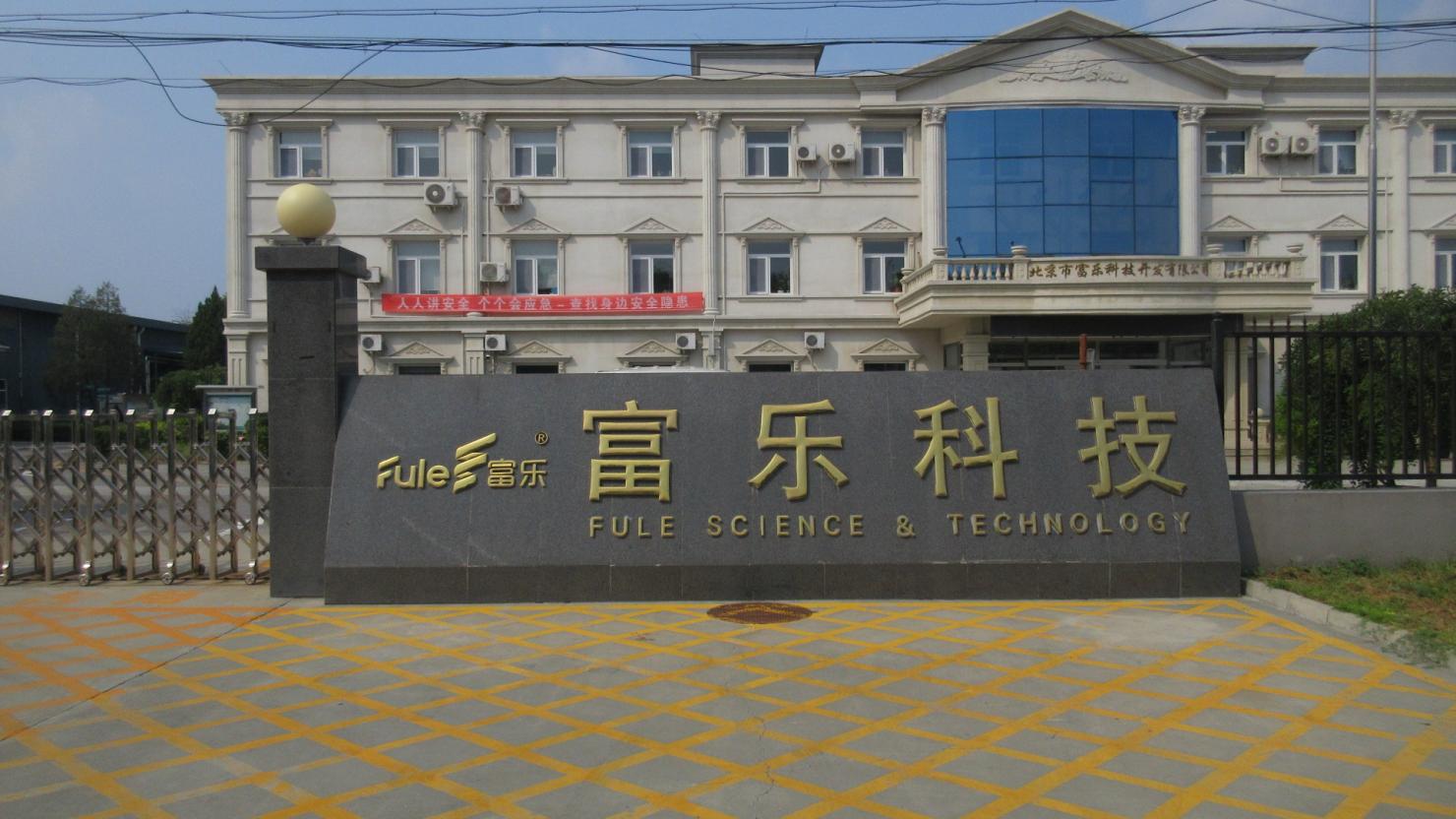
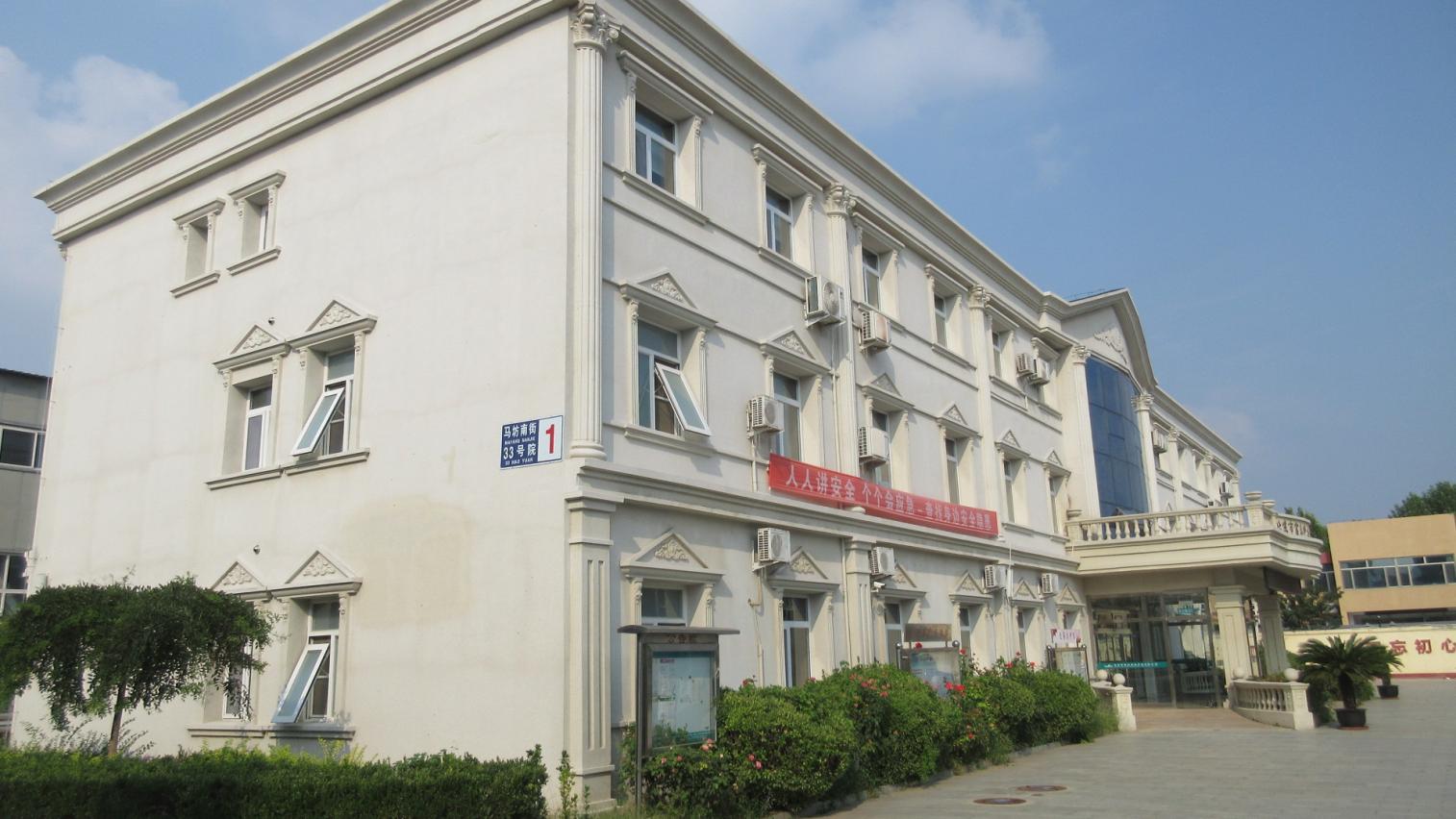
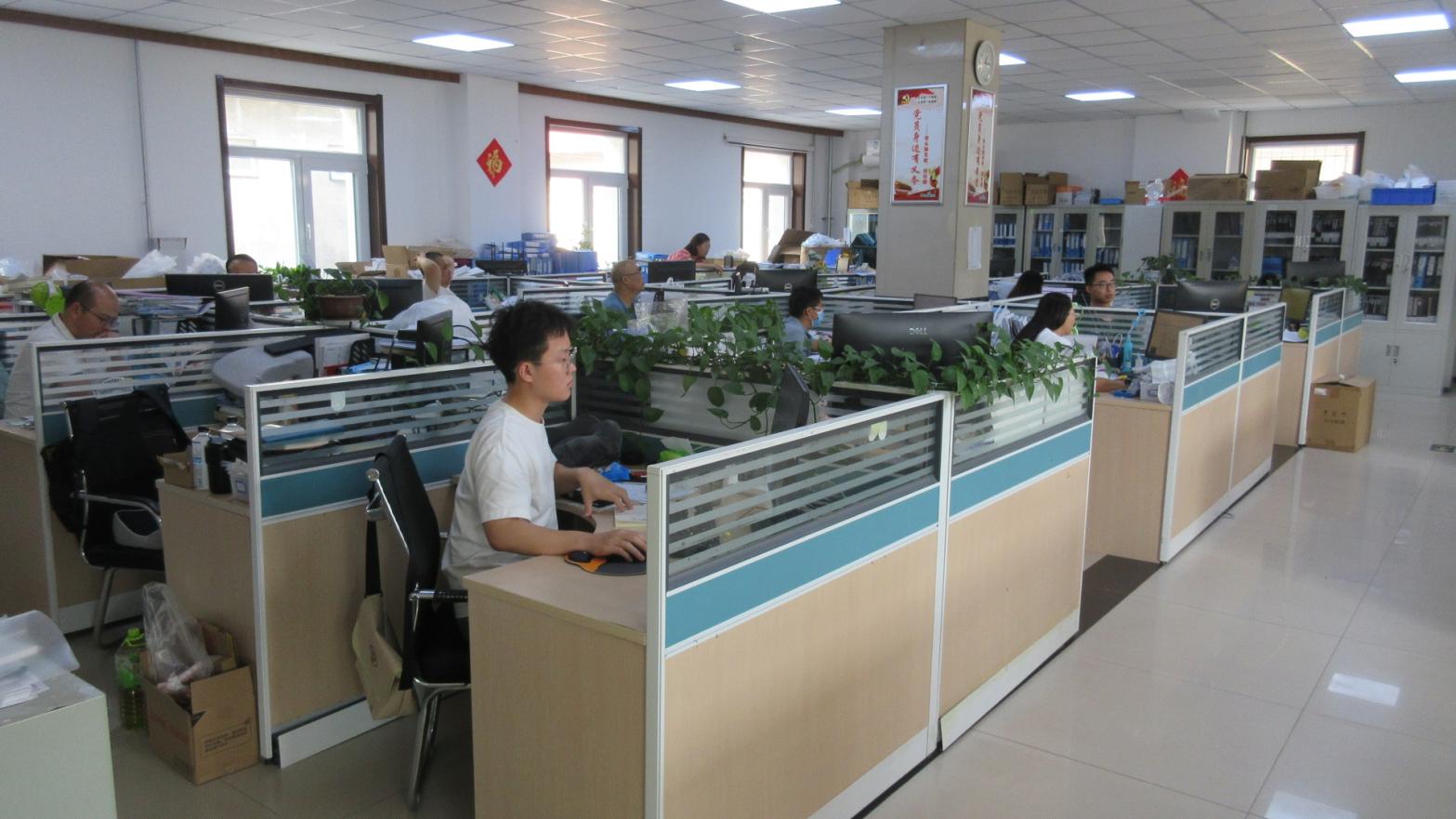
Founded in 1996, we have dedicated nearly three decades to design engineering, precision manufacturing, and quality assurance processes for complex spine, trauma, and orthopedic reconstructive hardware.
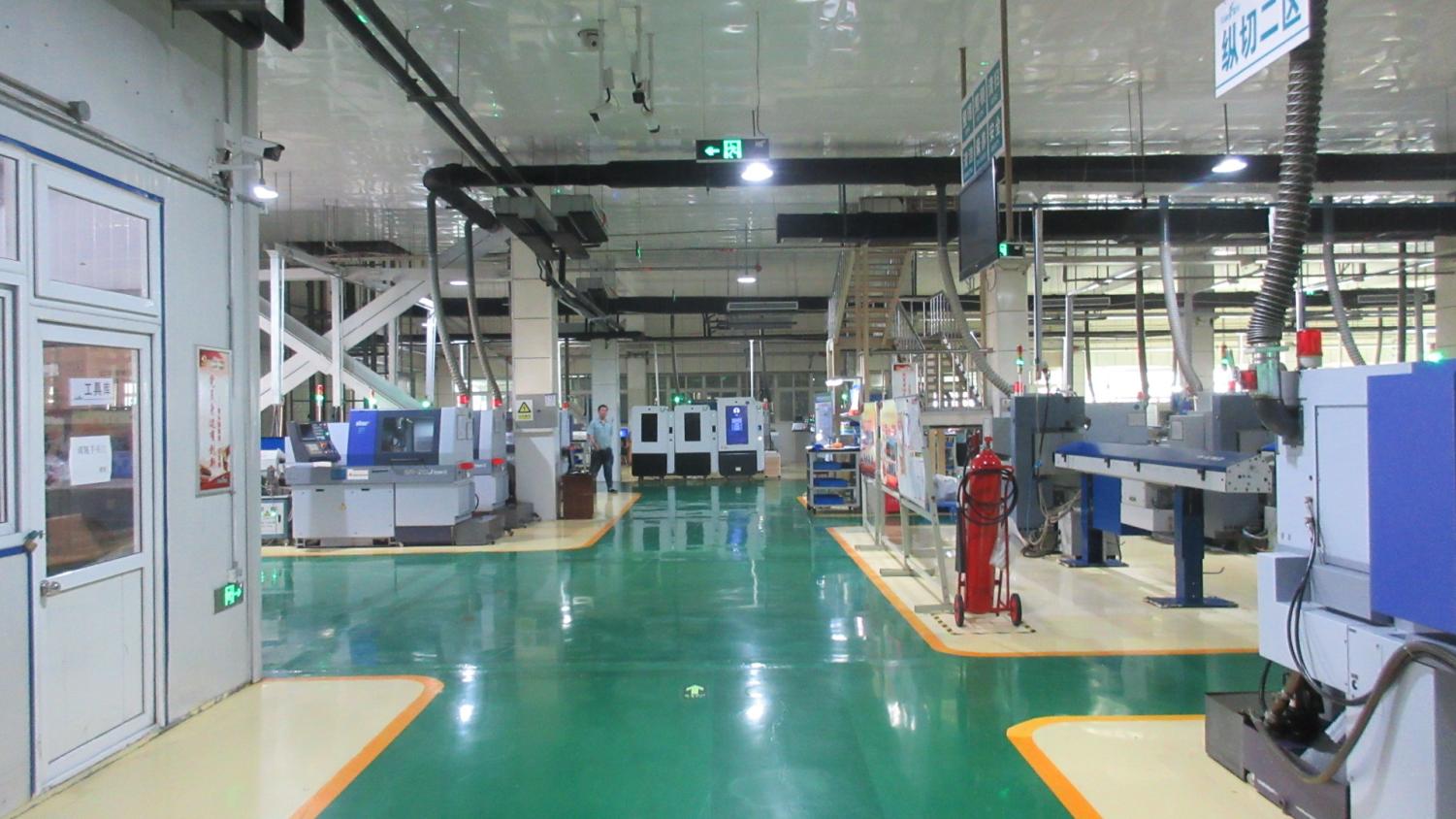
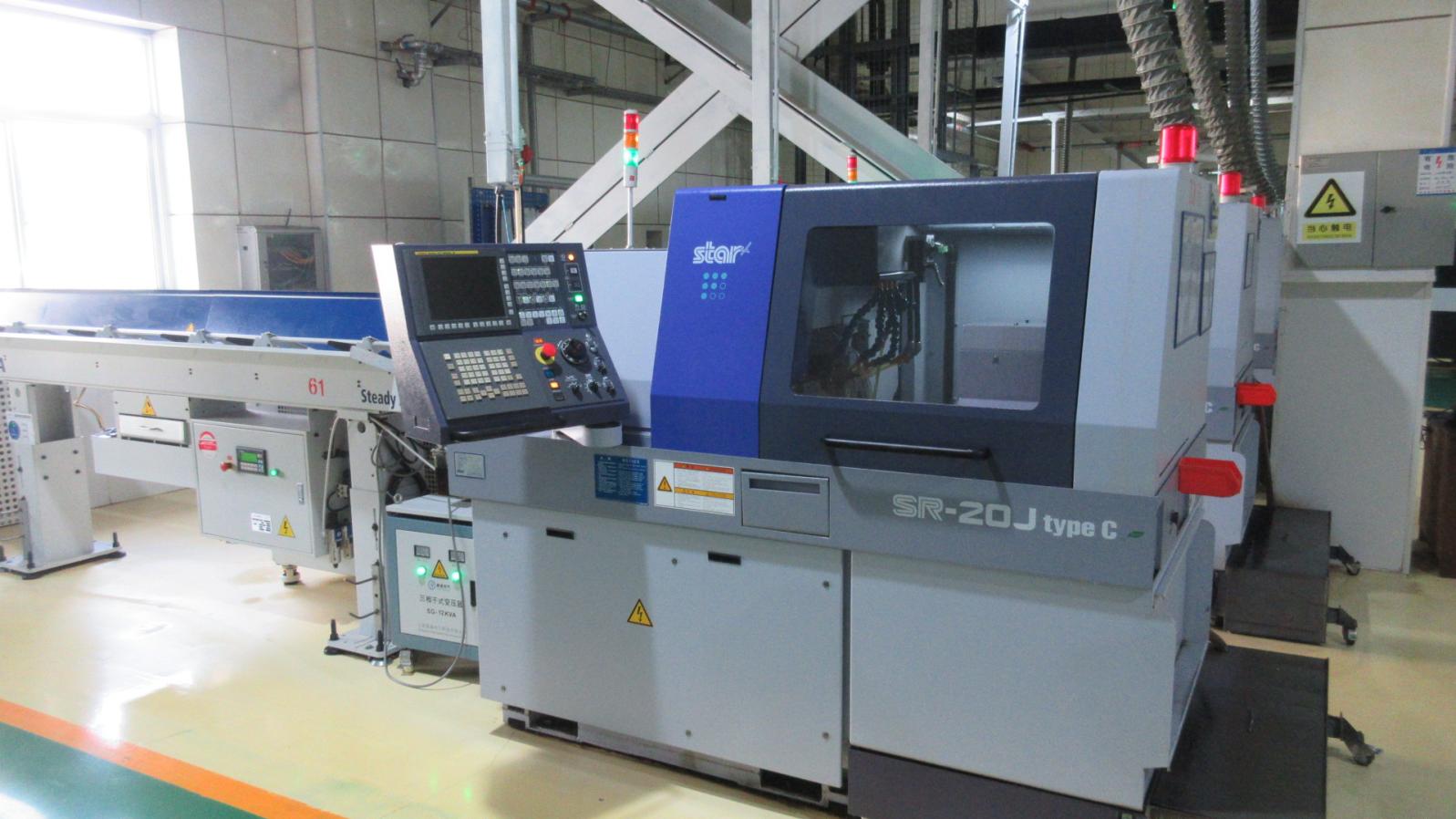
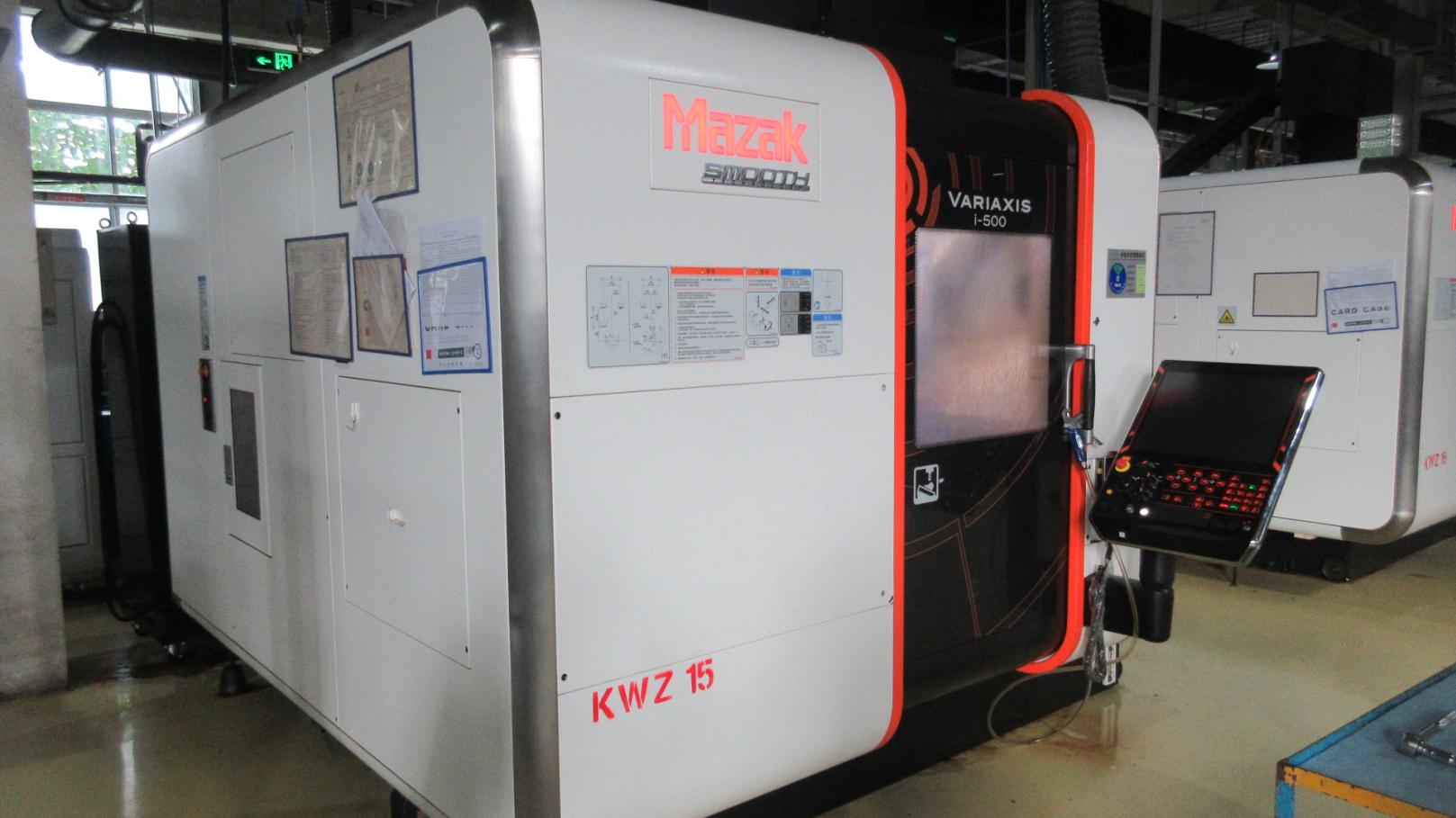
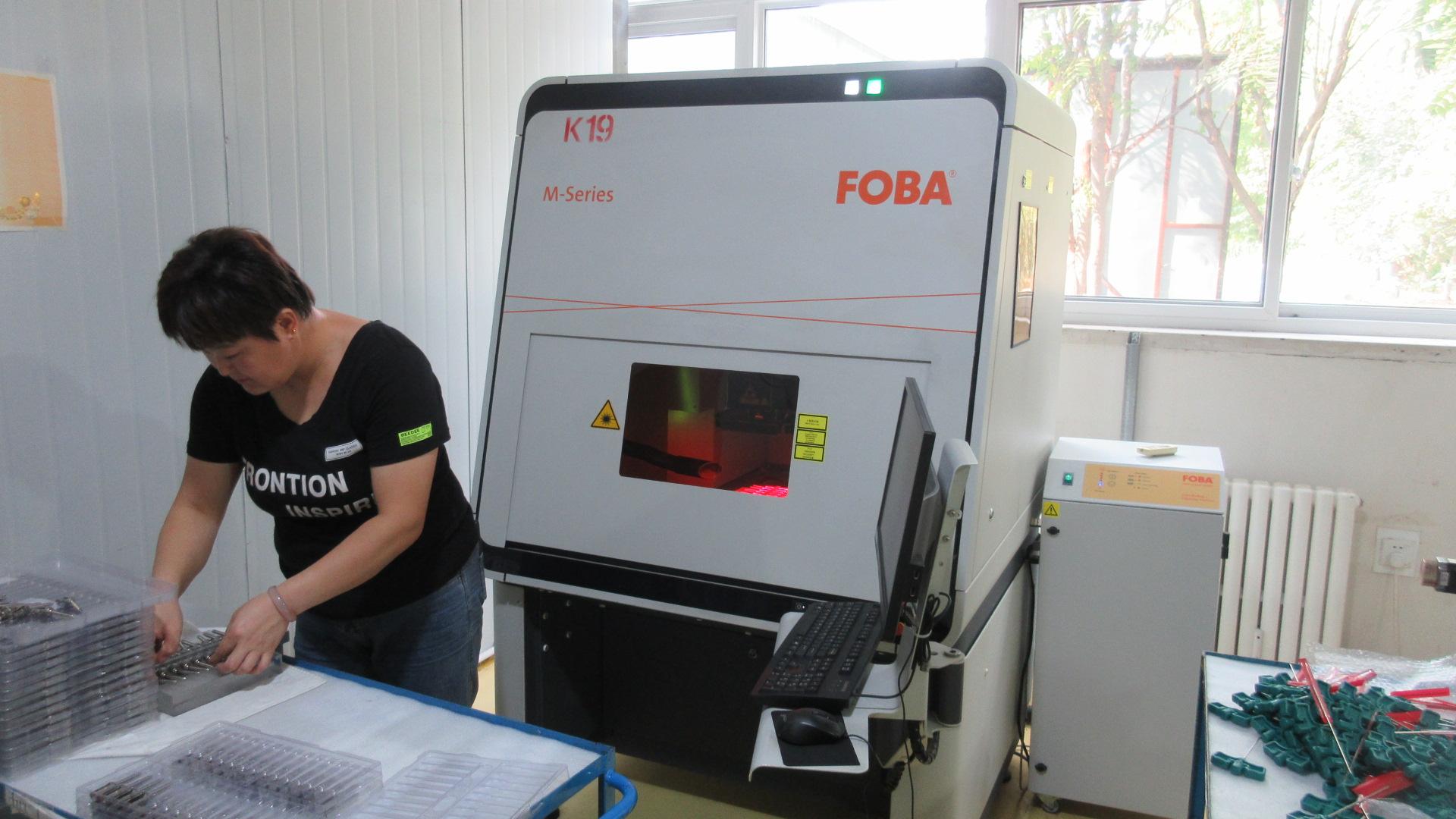
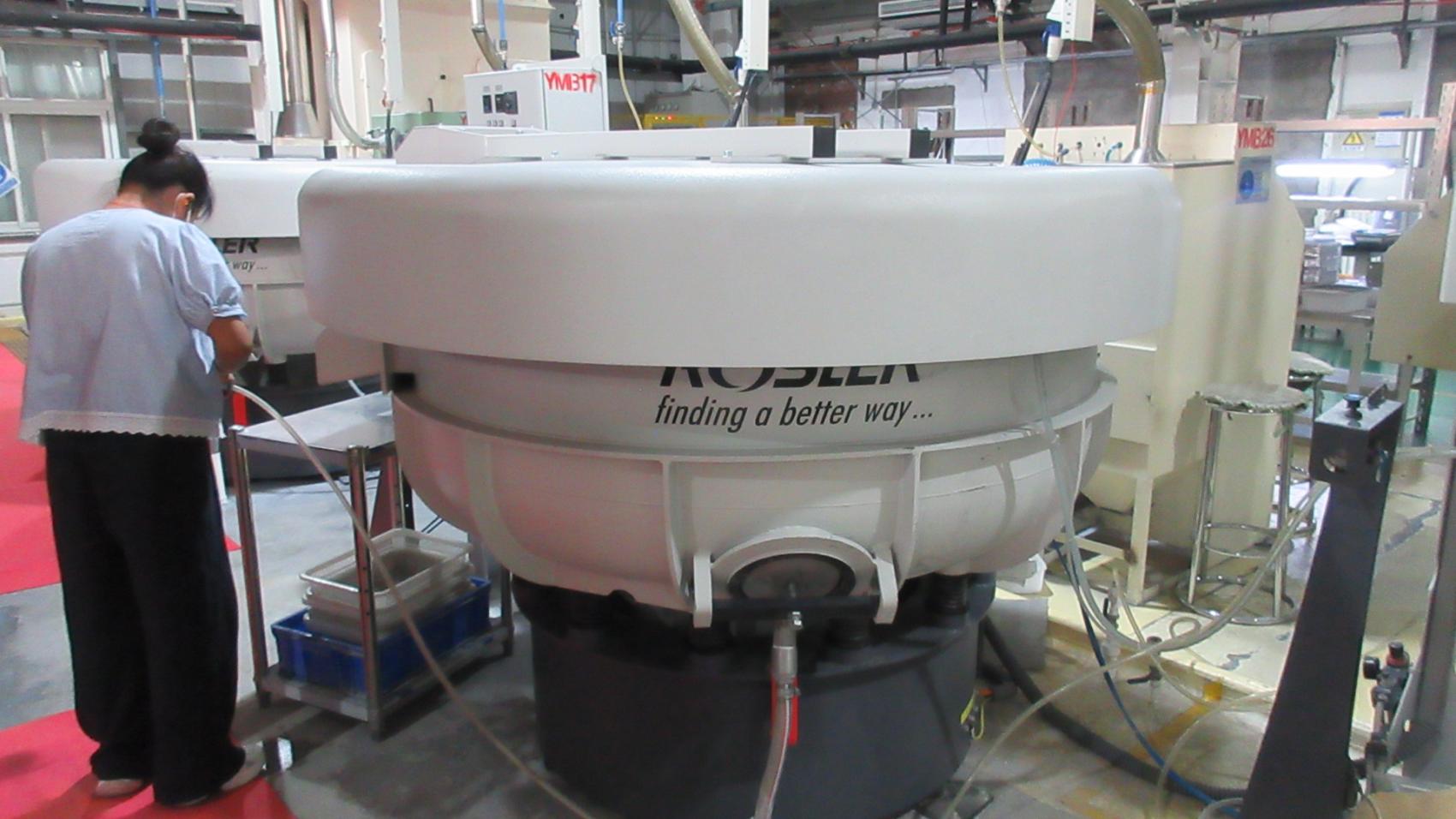
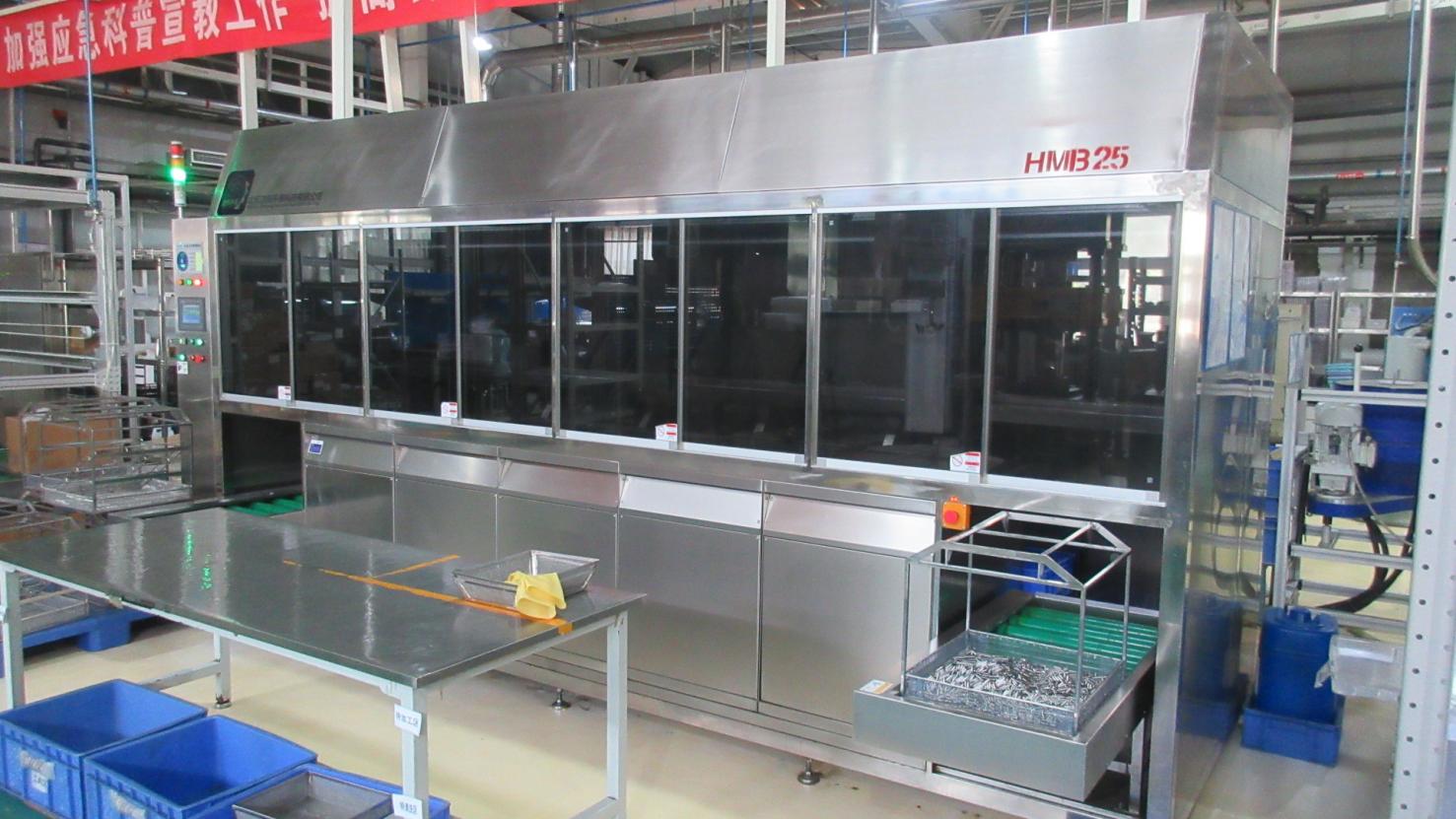
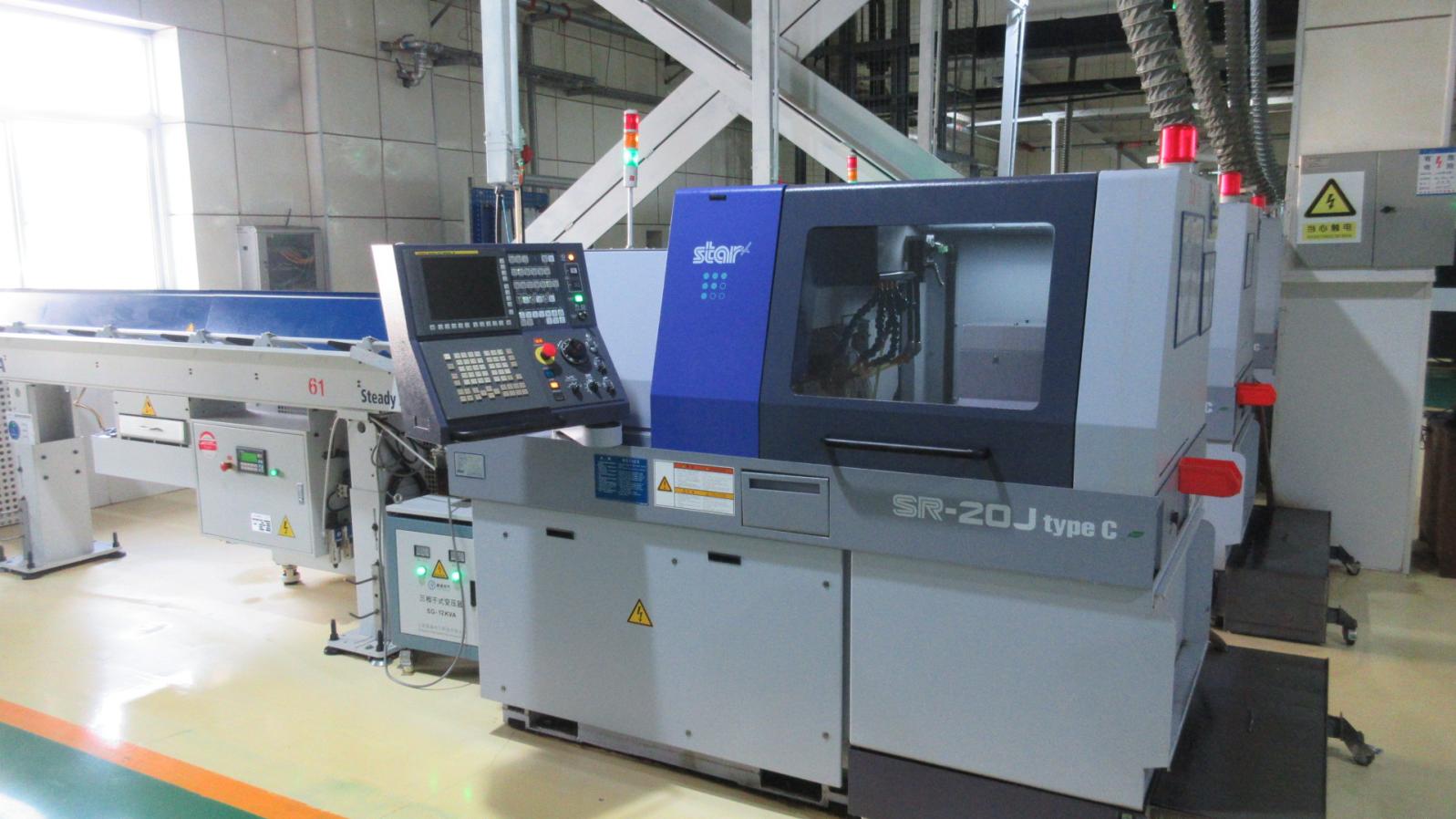
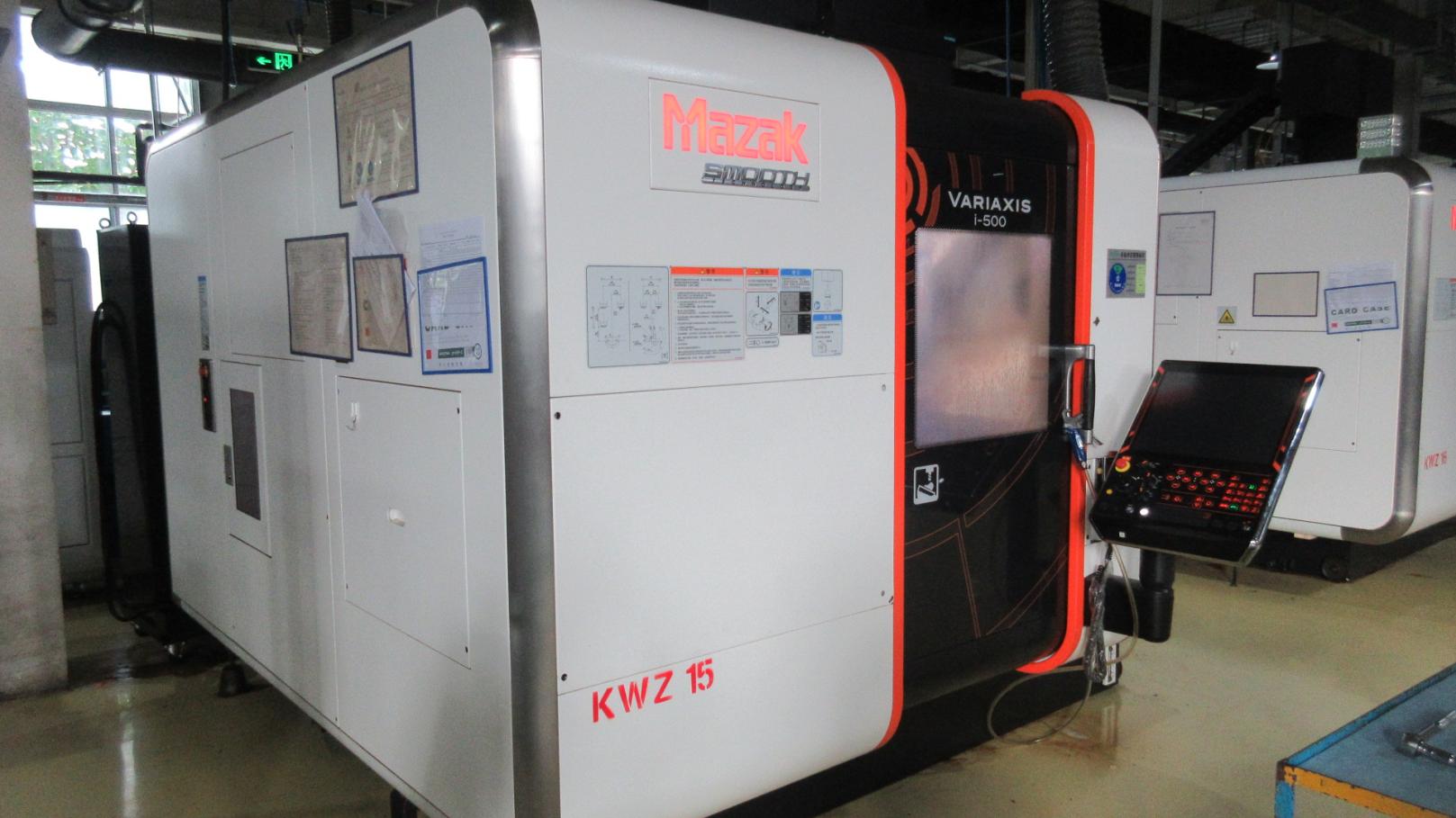
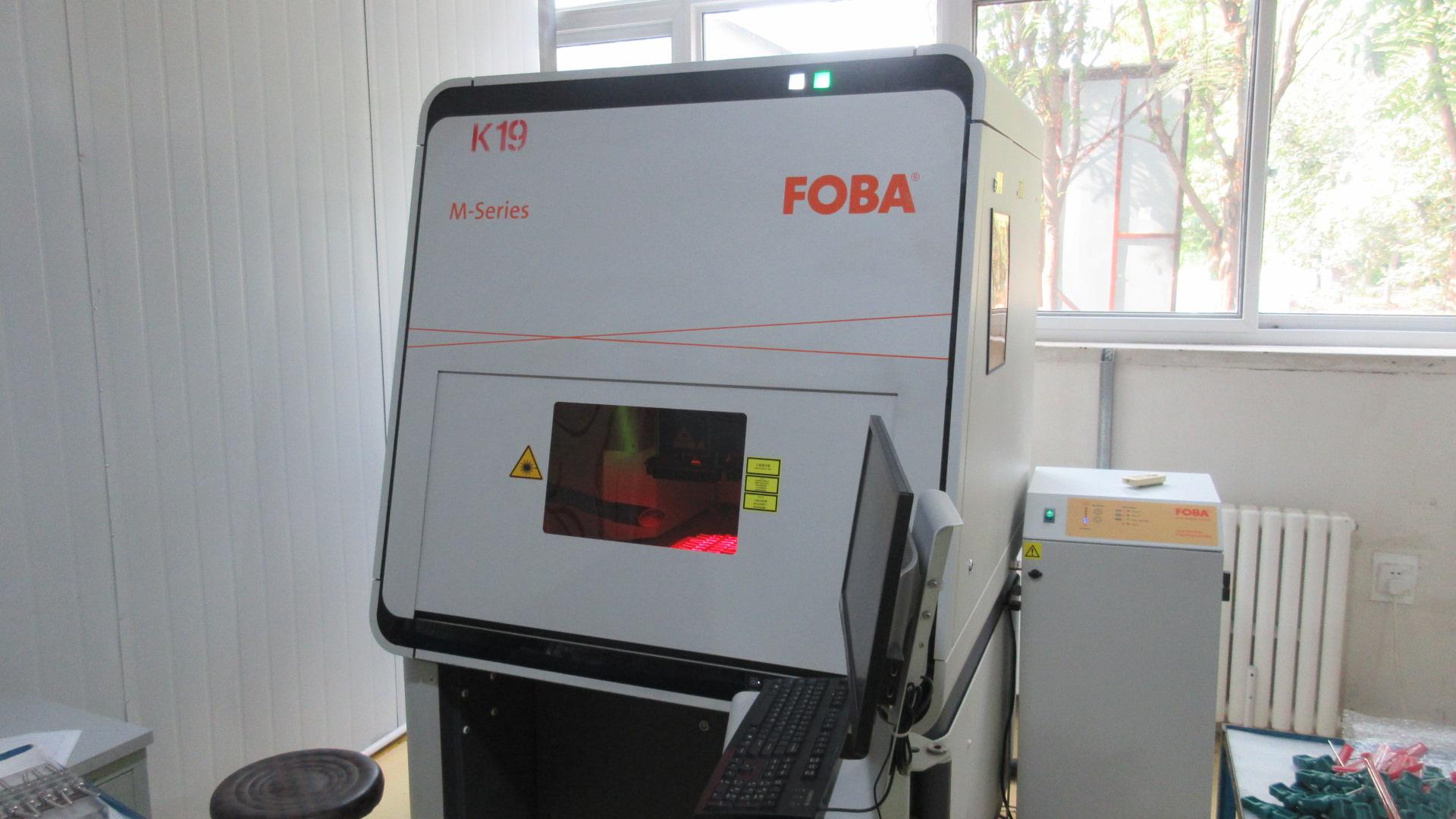
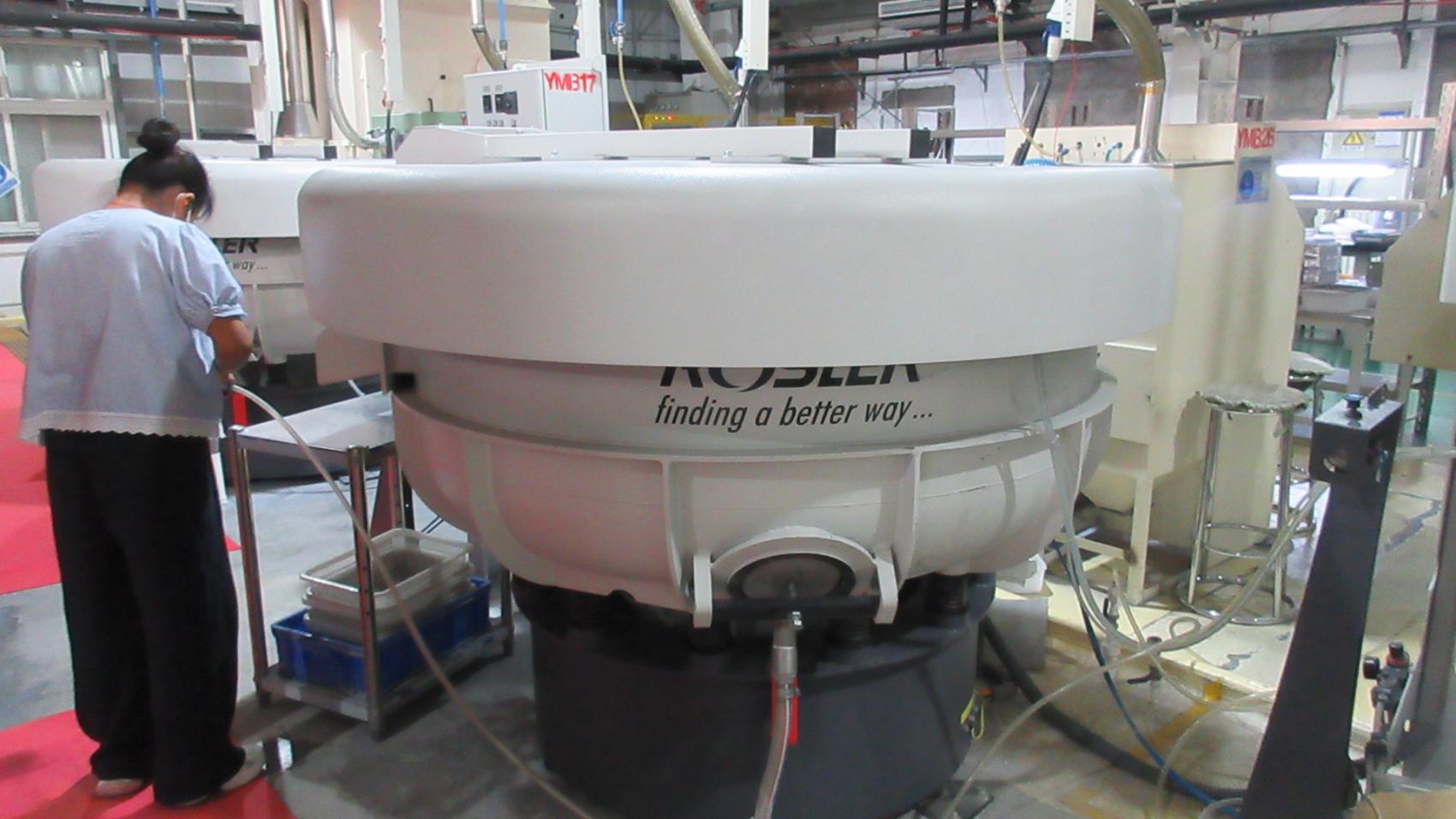
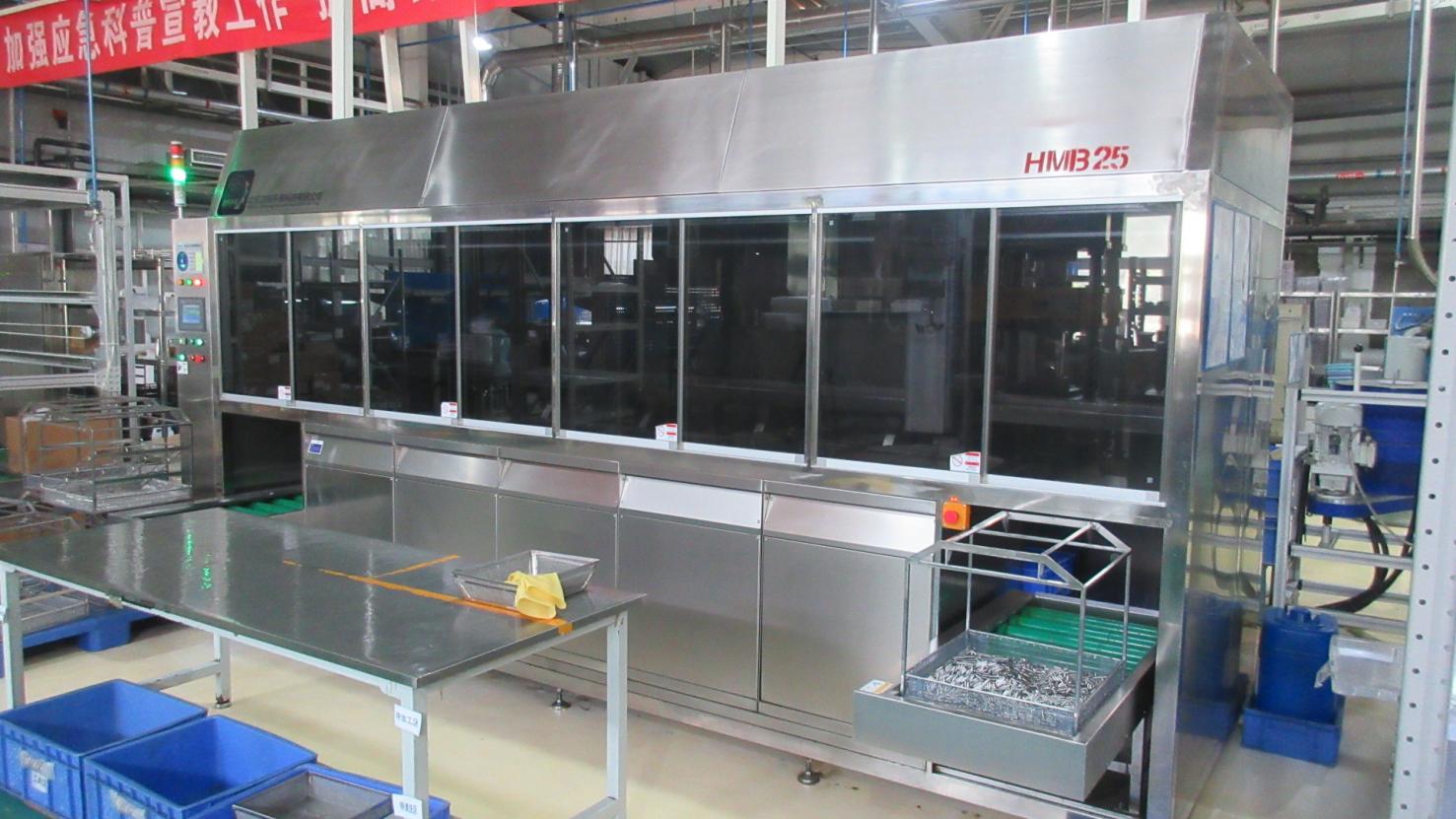
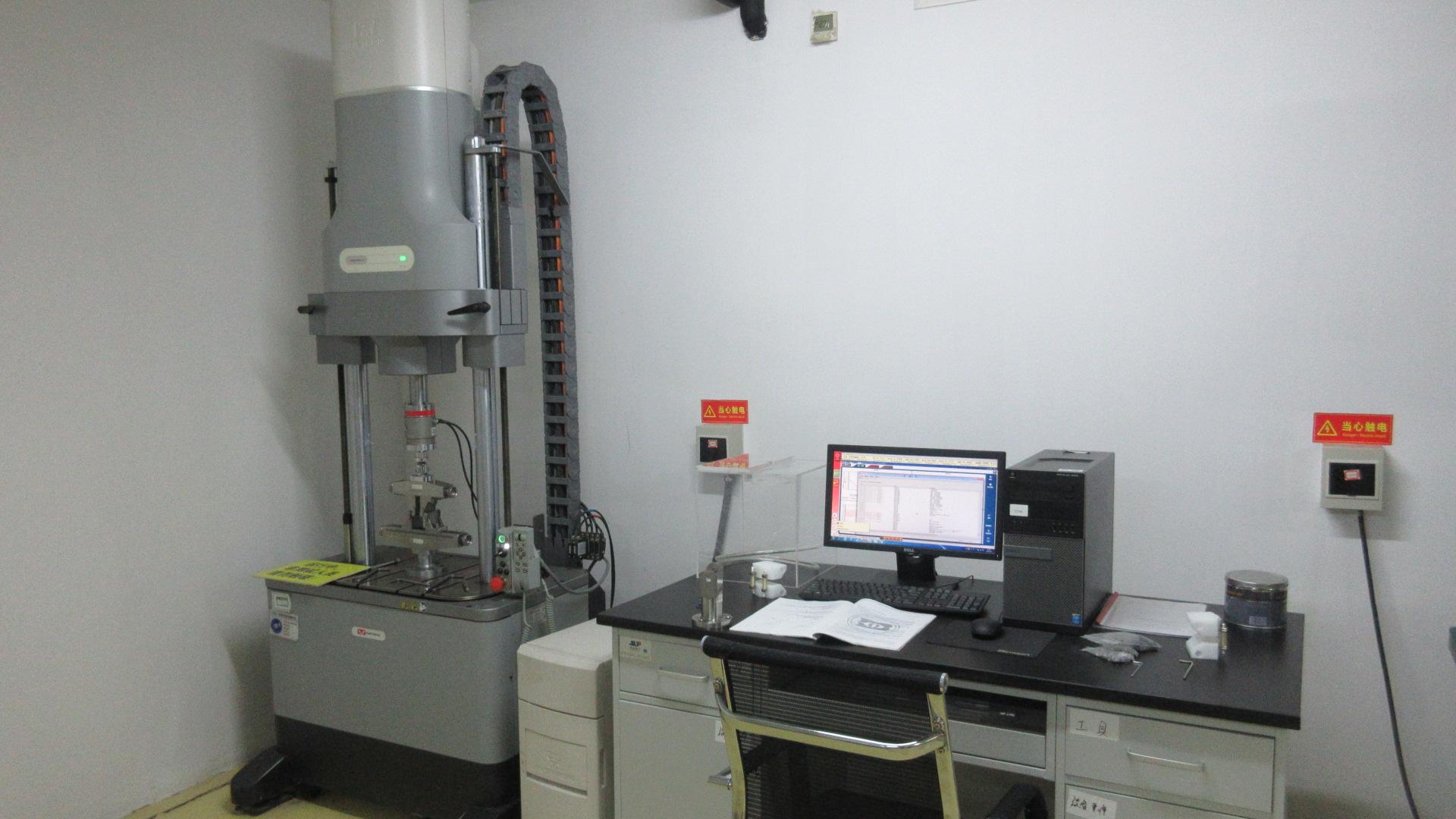
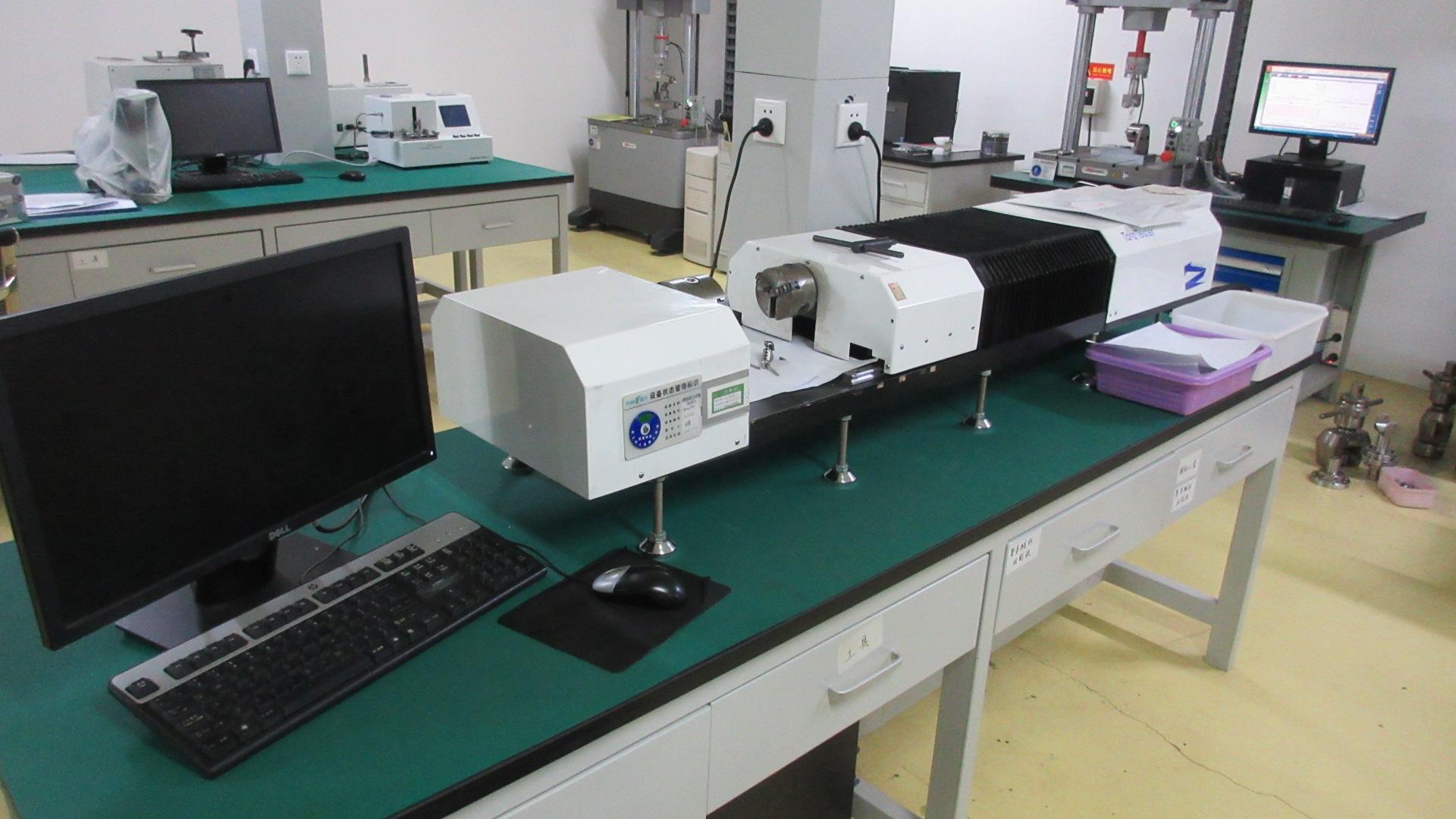
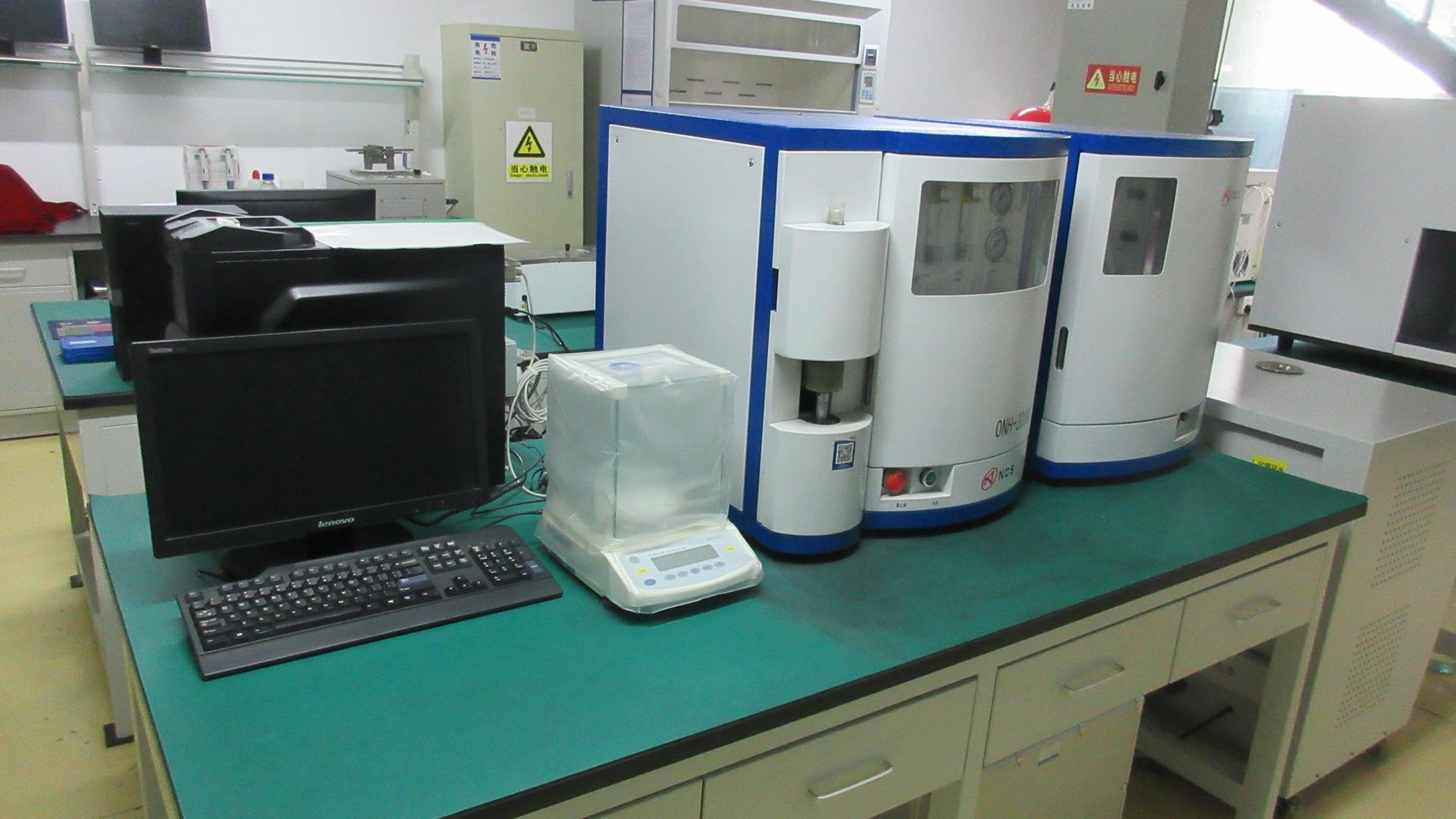
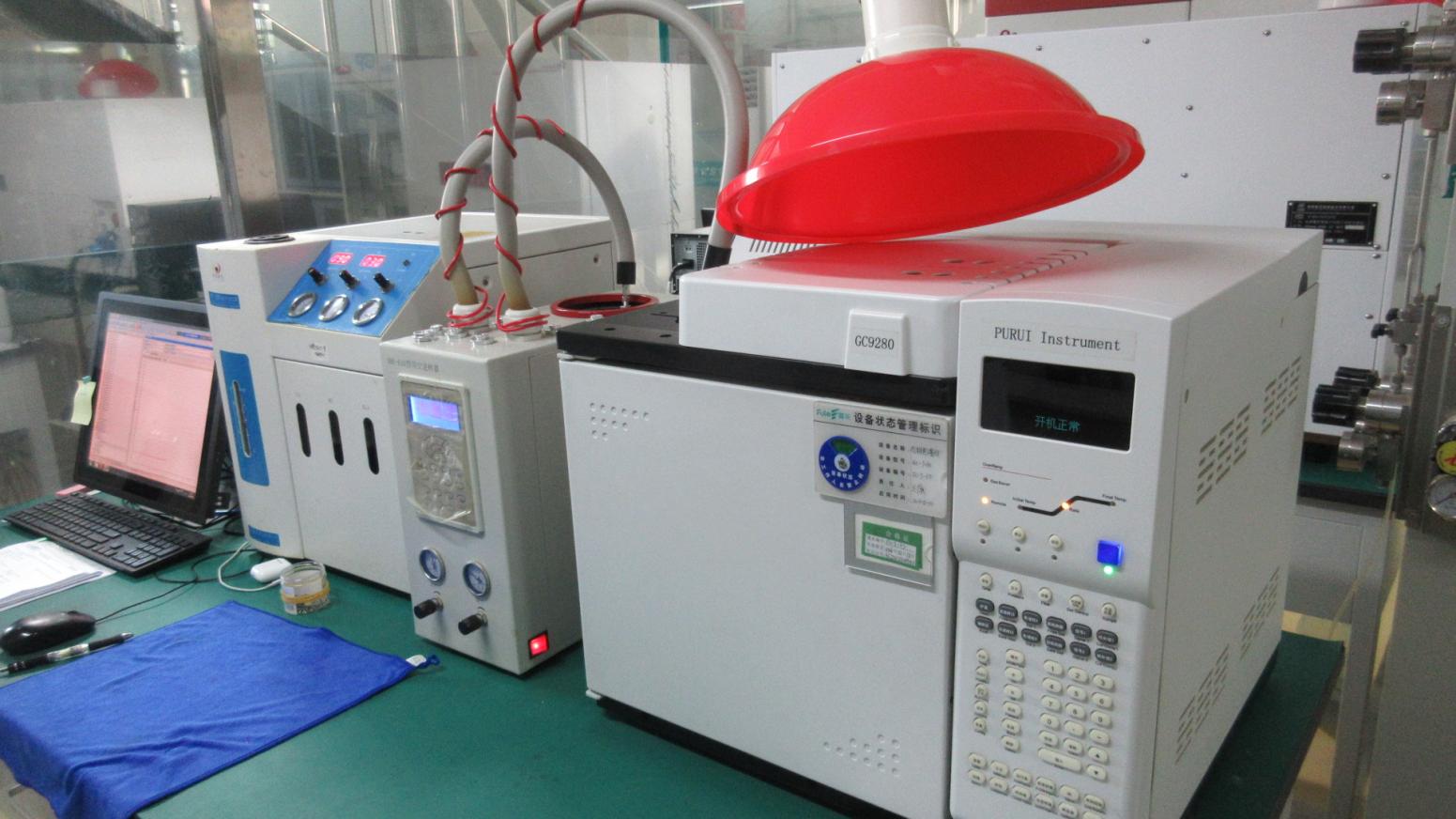
Step inside our Class 10,000 cleanroom environments, computerized raw-material testing facilities, and high-precision milling hubs ensuring every implant complies with ISO 13485 standard matrices.
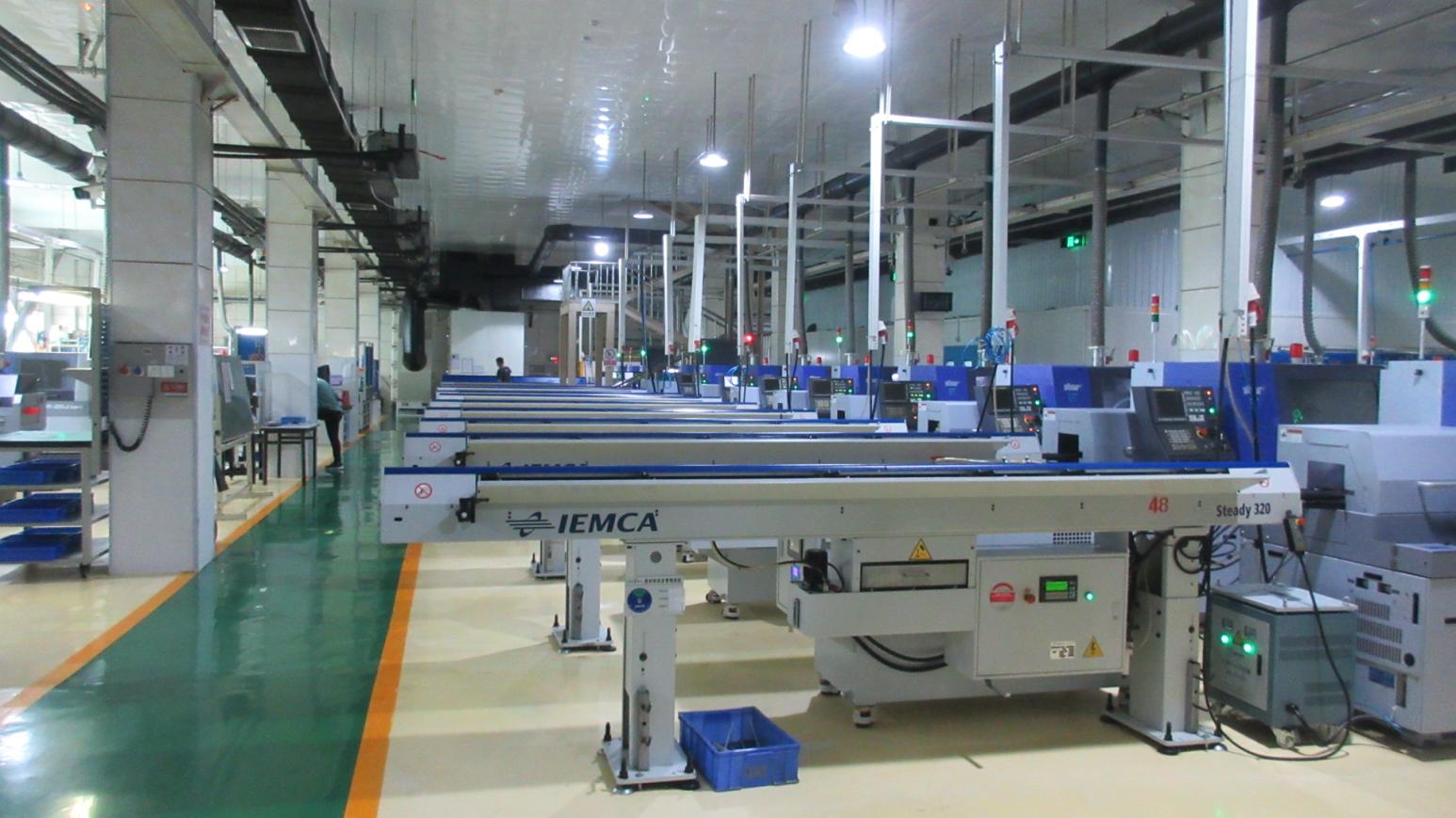
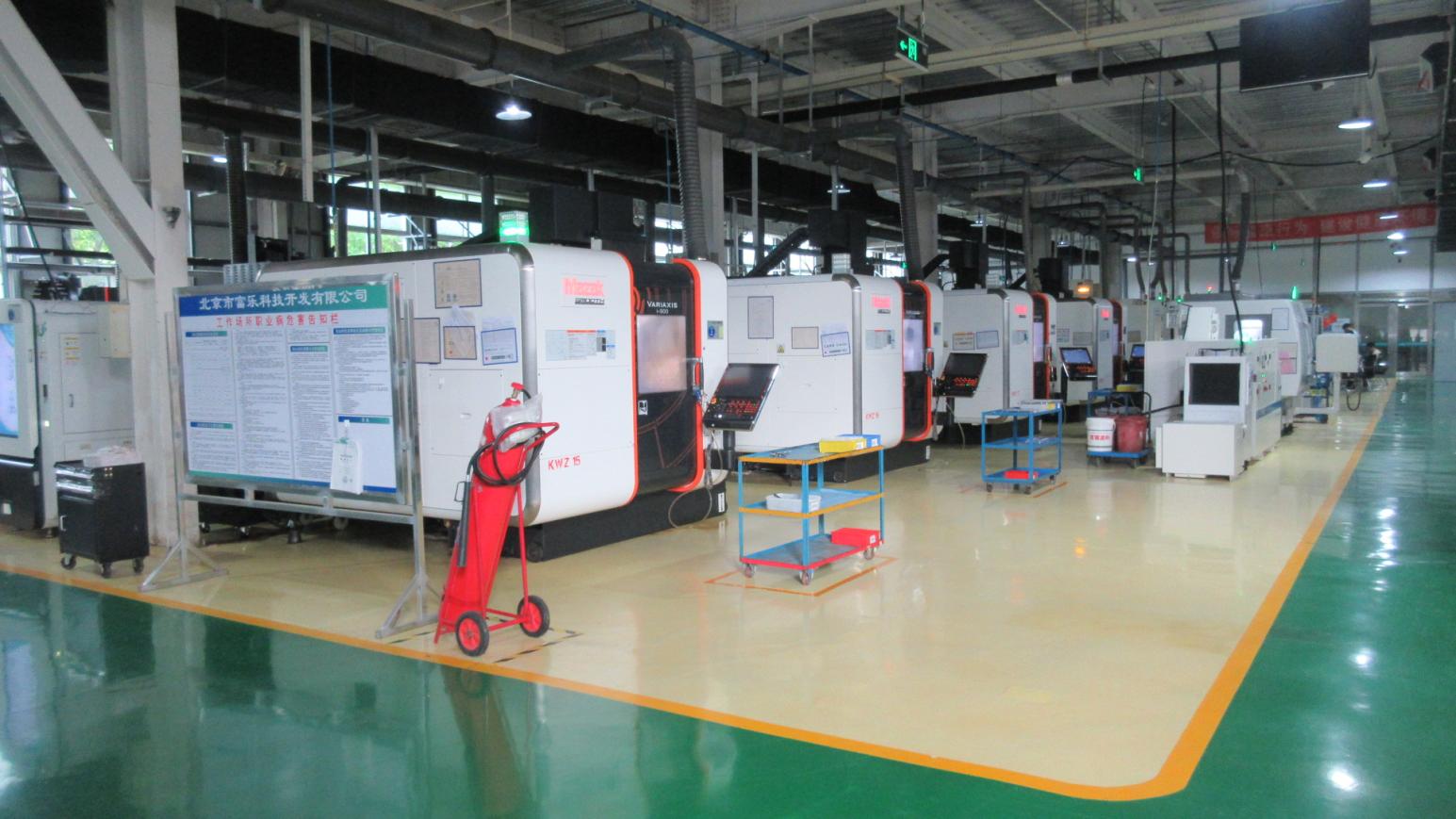
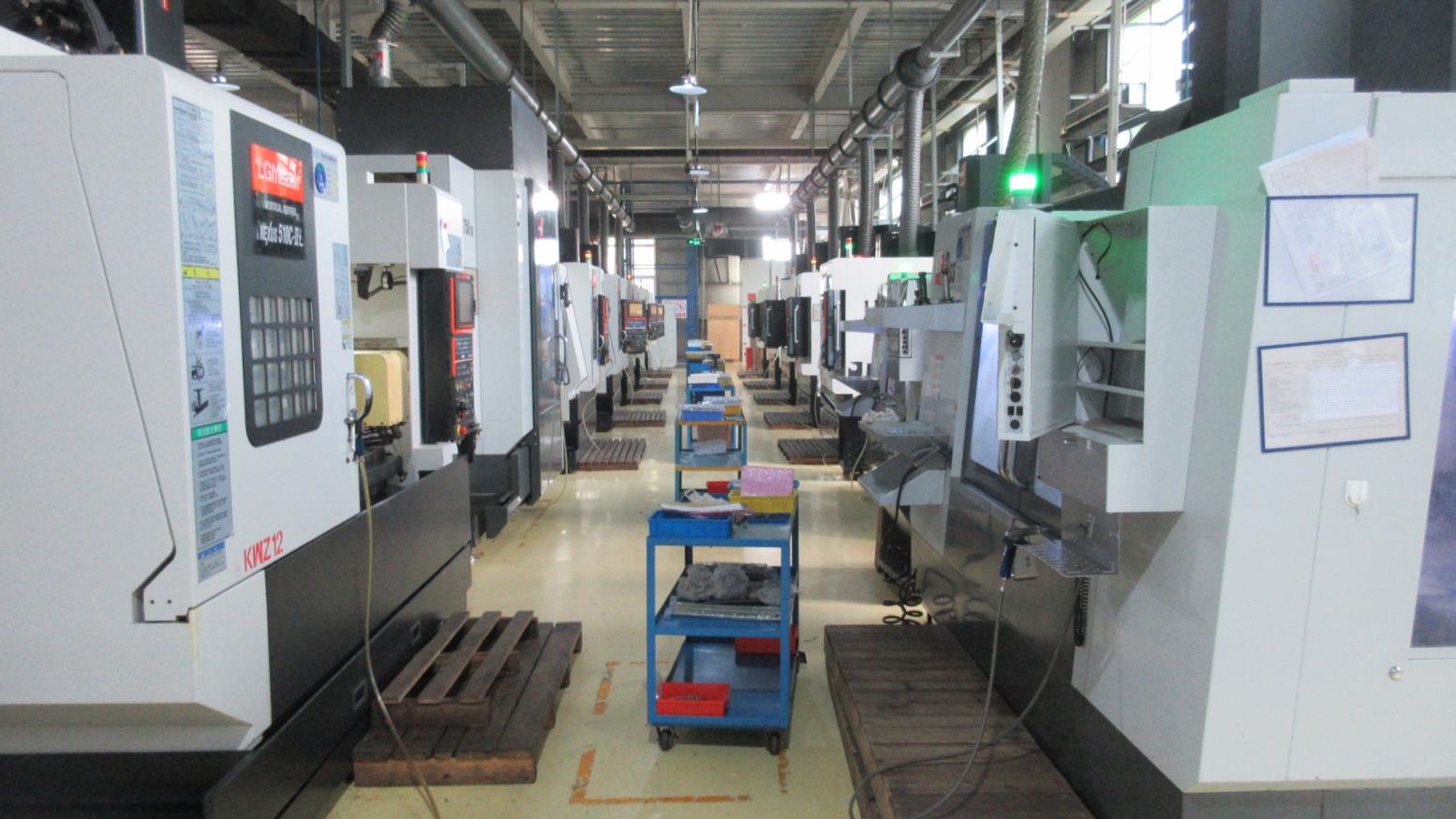
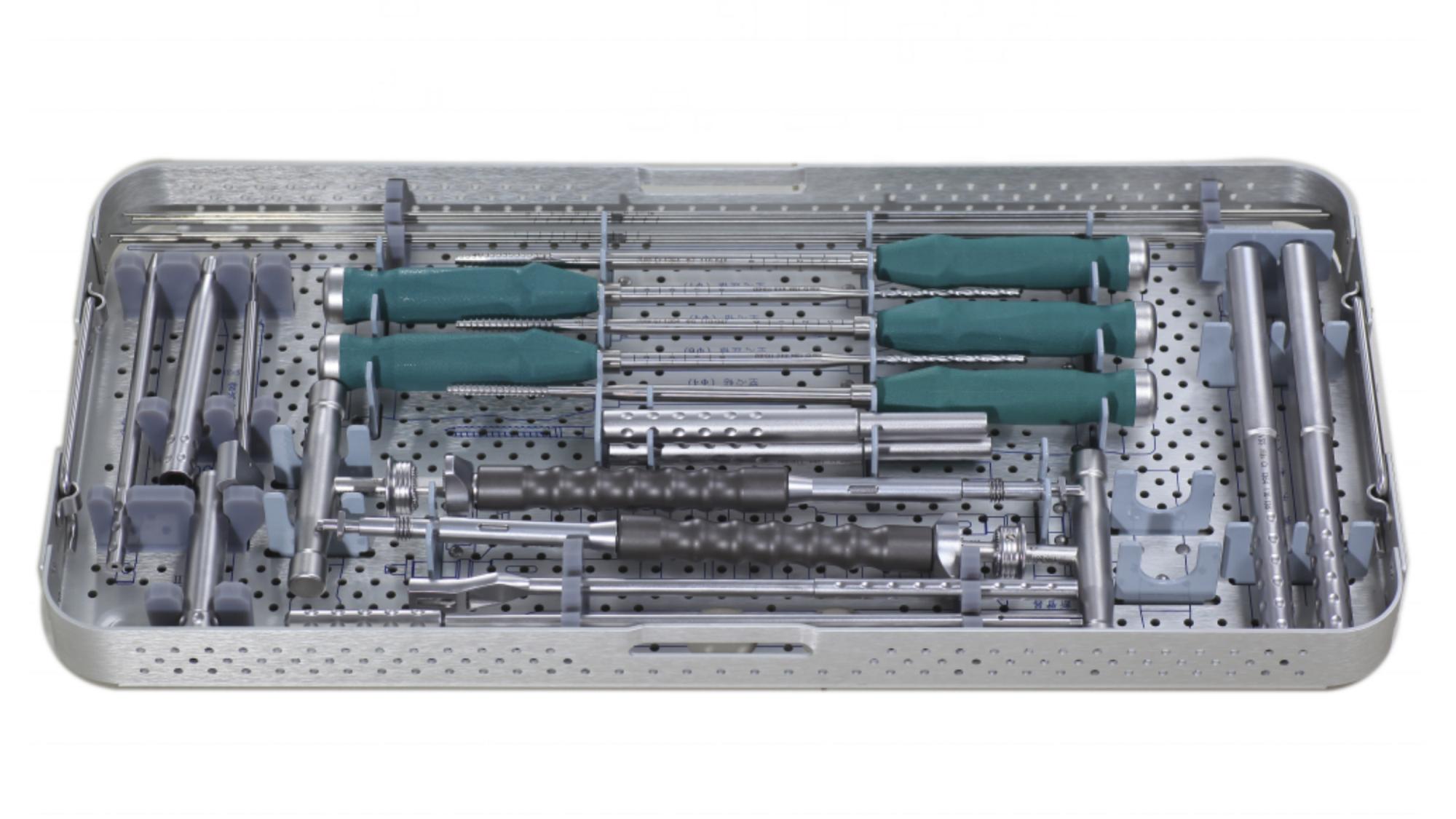
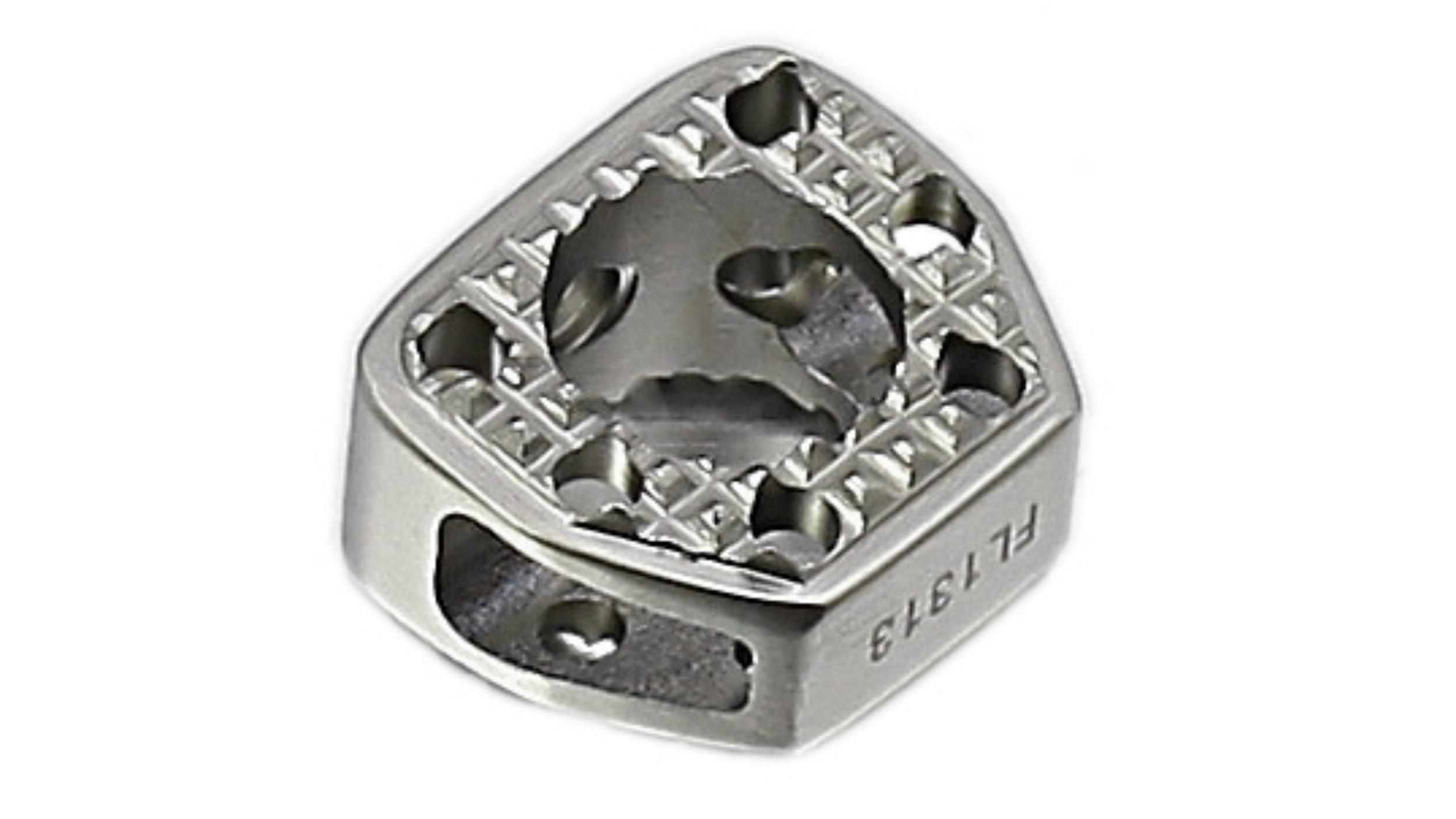
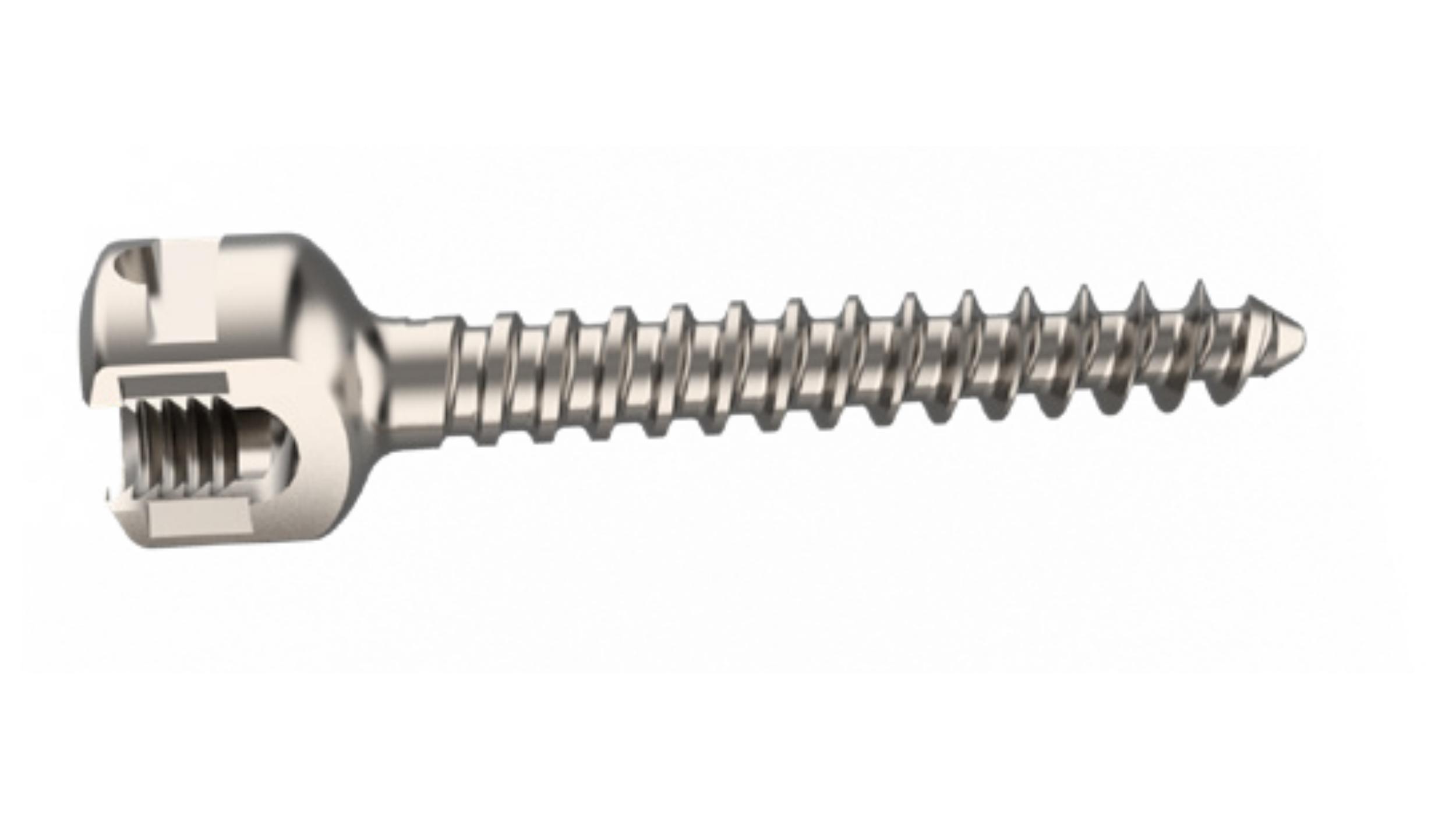
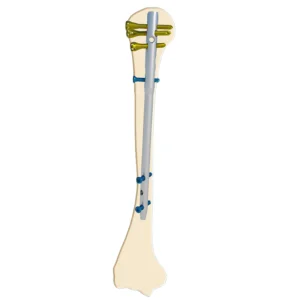
The global orthopedics landscape is witnessing a paradigm shift driven by minimally invasive surgery (MIS) practices, the adoption of customized anatomically pre-contoured plates, and the development of bioactive interfaces that facilitate fast bony integration. High-velocity accidents, construction site traumas in the rapidly expanding Gulf Cooperation Council (GCC) infrastructure, and age-related osteoporotic fractures are the leading indications requiring immediate surgical intervention using distal femoral plates, proximal femoral nails, and intramedullary stabilization systems.
Advanced trauma implants must perform flawlessly under cyclical dynamic loading. To achieve this, our manufacturing pipeline relies on aerospace-grade Ti-6Al-4V titanium alloys. This material provides an optimal modulus of elasticity closer to that of cortical bone compared to traditional stainless steel, thereby reducing the risk of "stress shielding" and post-operative implant loosening. Additionally, surface treatments such as anodic oxidation and micro-arc oxidation are employed to create porous oxide coatings, accelerating bone cell adhesion and reducing surgical downtime for patients across the GCC.
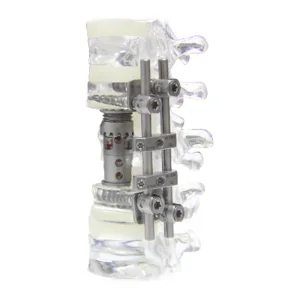
In municipal hubs like Dubai and Abu Dhabi, orthopedic surgeons frequently perform complicated reconstruction surgeries resulting from geriatric falls or high-impact athletic traumas. Specialized configurations such as the Mini Trauma Anatomic Plates and Vertebral Body Replacement Implants are highly valued in level-1 trauma wards for their structural adaptability. By using pre-contoured anatomically sound plates, surgeons spend less time intraoperatively bending the metal, drastically lowering the risk of mechanical failure and post-operative infection.
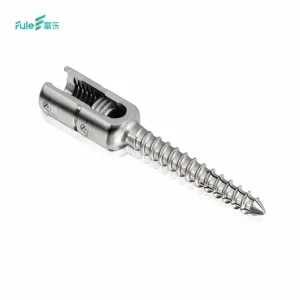
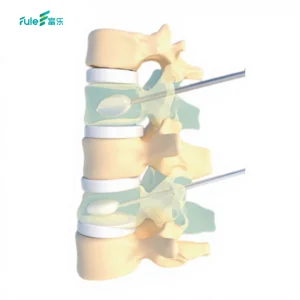
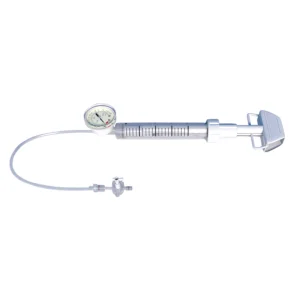
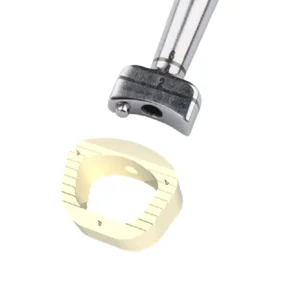
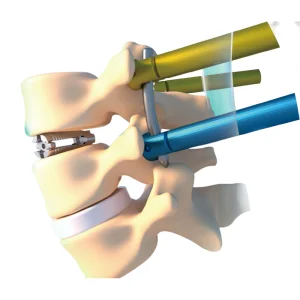
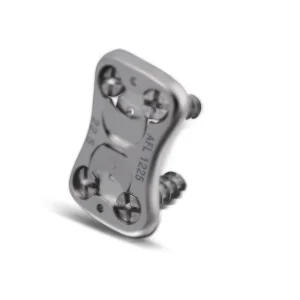
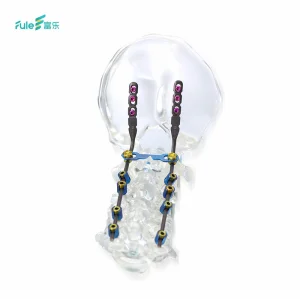
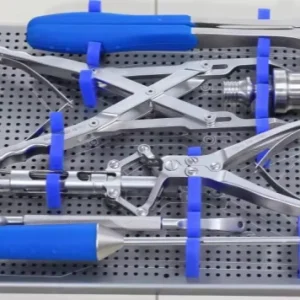
Looking toward the 2026–2030 surgical framework, orthopedics is integrating smart implant mechanics. Through bio-active mineralized surfaces, our research center is exploring hydroxyapatite-coated titanium surfaces that chemically bond with live tissue, speeding recovery. Additionally, 3D printing of trabecular microstructures is revolutionizing custom femoral implants, offering optimal biomechanics for bone ingrowth compared to traditional solid alloys.
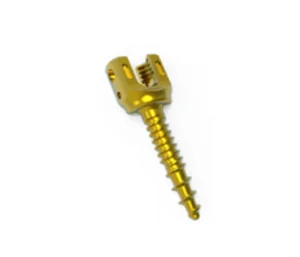
In parallel, the rise of intraoperative navigation and robotic spine surgery systems in leading medical centers in Dubai demands tight tolerance limits. Our titanium spinal rods, polyaxial pedicle screws, and anterior cervical plates undergo computerized manufacturing to interface with modern robotic surgery arrays. This prevents clinical cross-threading and achieves placement precision down to the sub-millimeter level.
For standardized stock orders (such as our standard Usmart pedicle screws or anterior cervical plates), dispatch takes 3–5 business days. Transit time via air freight to Dubai International (DXB) is 48–72 hours, while ocean freight to Jebel Ali Port ranges between 15–20 days depending on the selected shipping lane and customs clearance protocols.
Yes, our medical devices are manufactured under strict ISO 13485 quality management systems and carry CE marks (Class IIb and Class III). We work closely with registered medical distributors in Dubai to provide the necessary dossiers, sterilization certifications, and manufacturer authorization letters required for UAE MoHAP product registration.
We source implant-grade Titanium Alloy (Ti-6Al-4V ELI) complying with ASTM F136 and ISO 5832-3 standards. This material features high mechanical tensile strength and biocompatibility, making it suitable for long-term implantation in load-bearing scenarios.
Yes, our R&D center features 20 senior design engineers equipped to support custom prototyping based on clinical parameters, CAD models, or custom design requests. This process aligns with our ISO 13485-compliant manufacturing protocols.
 Fule
Fule