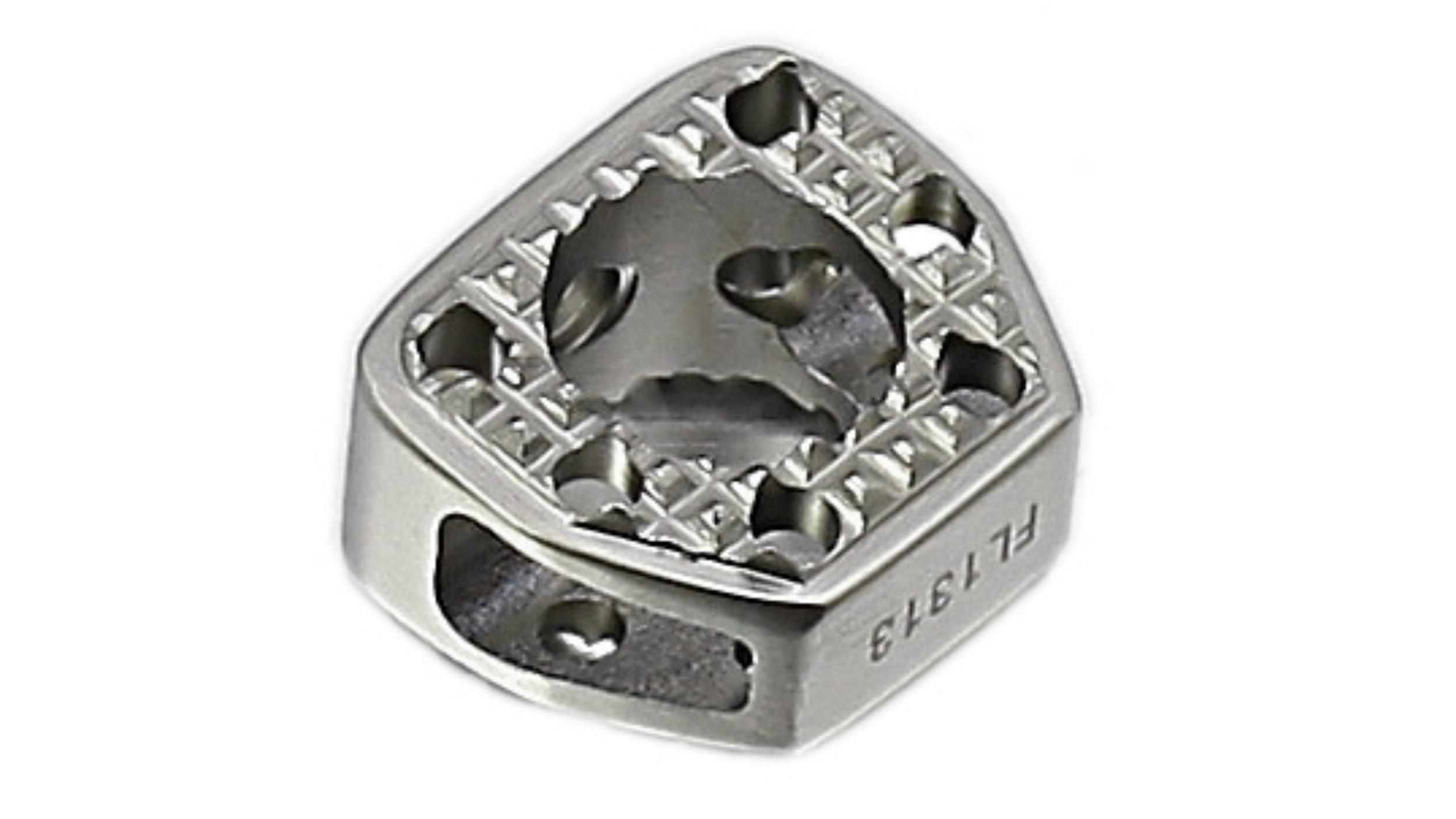
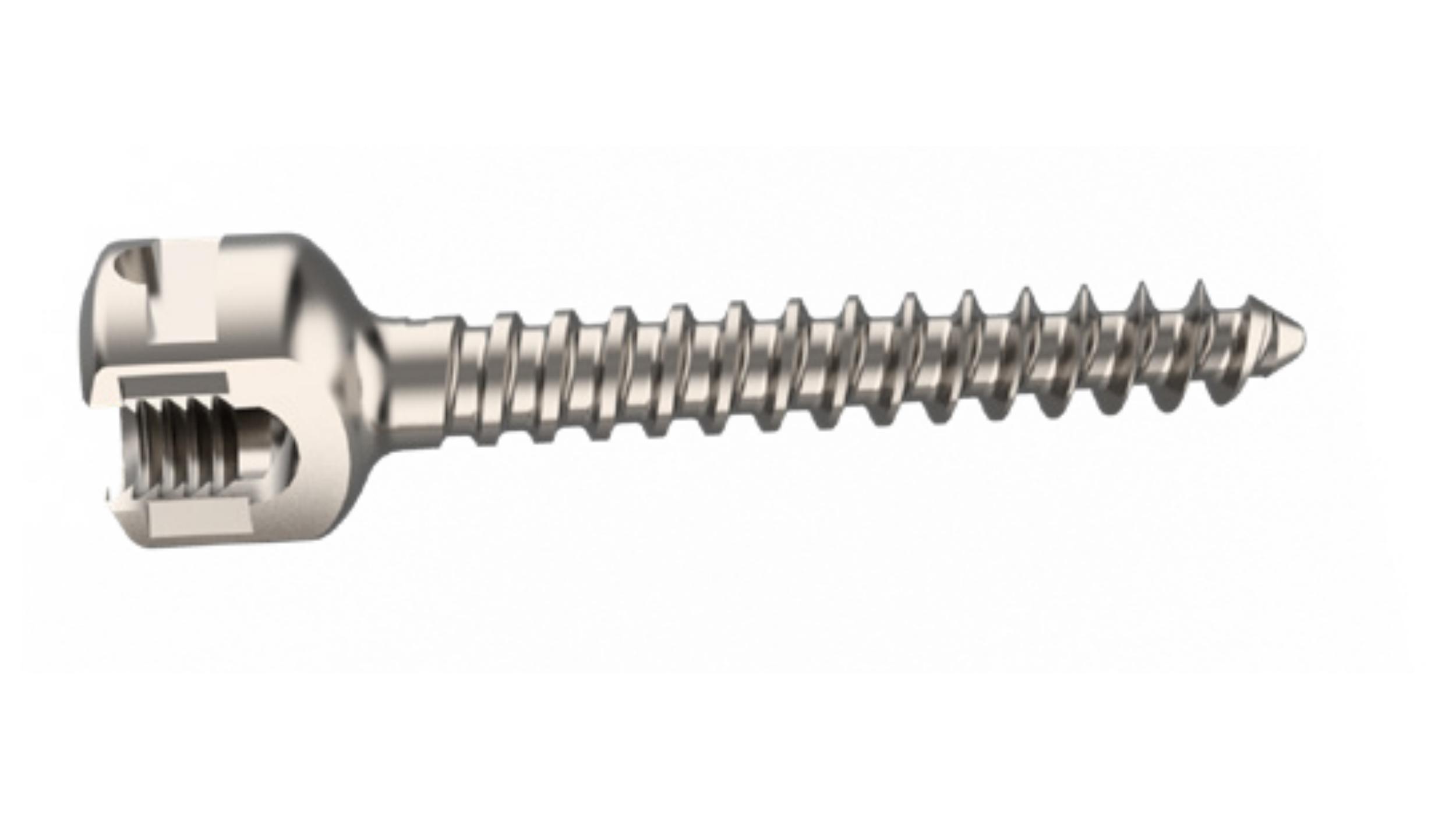
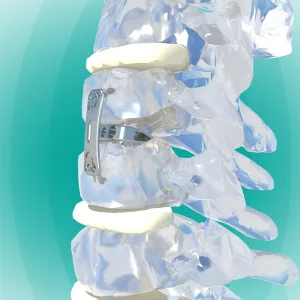
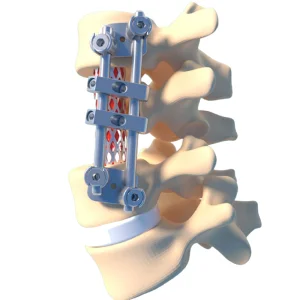
The global medical landscape is witnessing an unprecedented surge in demand for high-quality trauma kits and orthopedic fixation systems. As urbanization increases and aging populations grow worldwide, the frequency of bone fractures, spinal injuries, and traumatic accidents has reached new heights. Today, "Trauma Kits" do not just refer to basic first-aid; in the professional manufacturing sector, they represent advanced surgical systems—including titanium plates, intramedullary nails, and spinal screws—designed to restore human mobility and save lives.
The industry is currently valued at billions of dollars, with a projected CAGR of over 6.5% through 2030. Leading trauma kits manufacturers are no longer just suppliers; they are R&D powerhouses integrating AI-driven design with biocompatible materials like Titanium Grade 5 and PEEK (Polyether ether ketone). This sector is the backbone of emergency response and rehabilitative surgery, bridging the gap between critical injury and functional recovery.
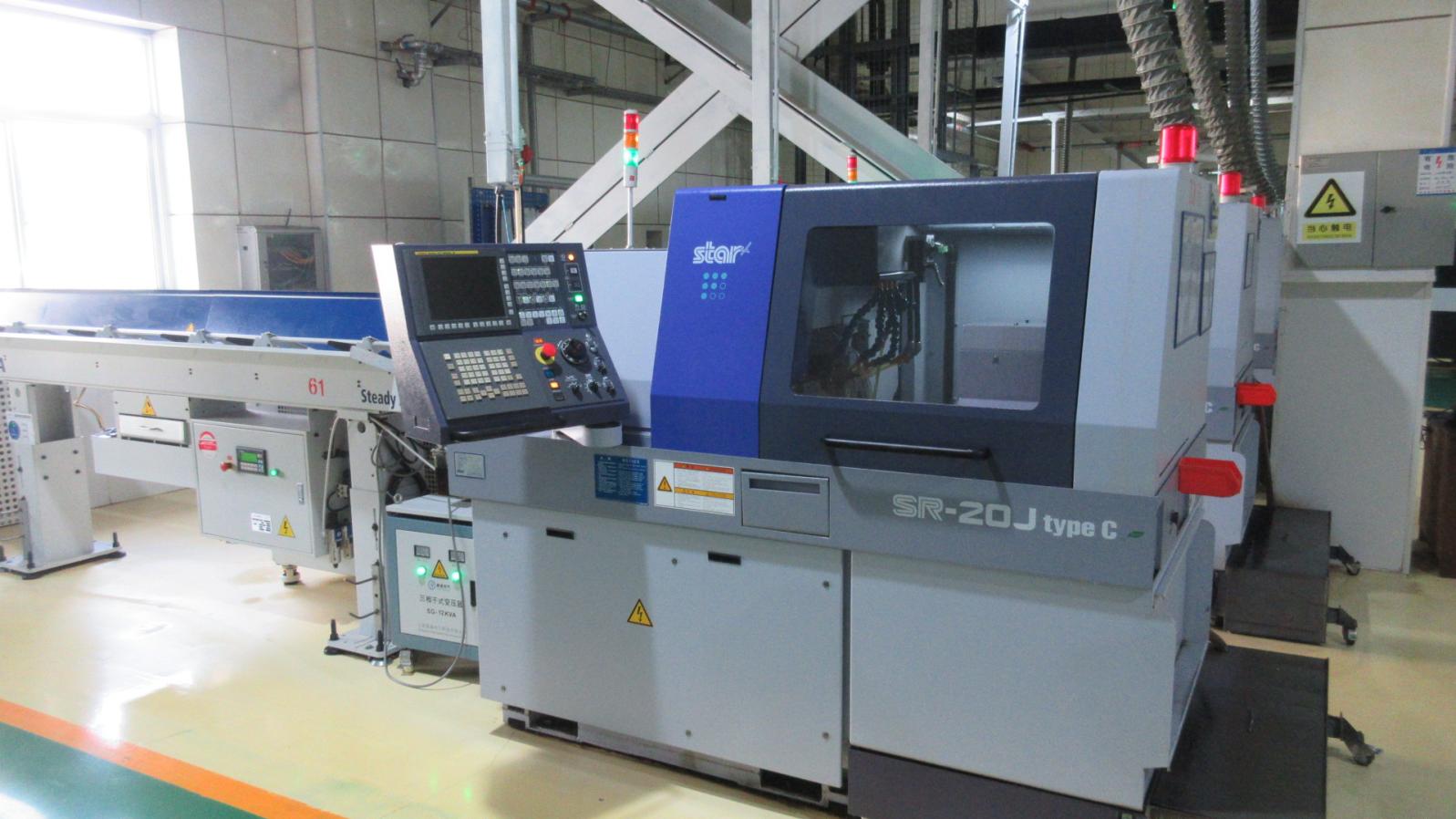
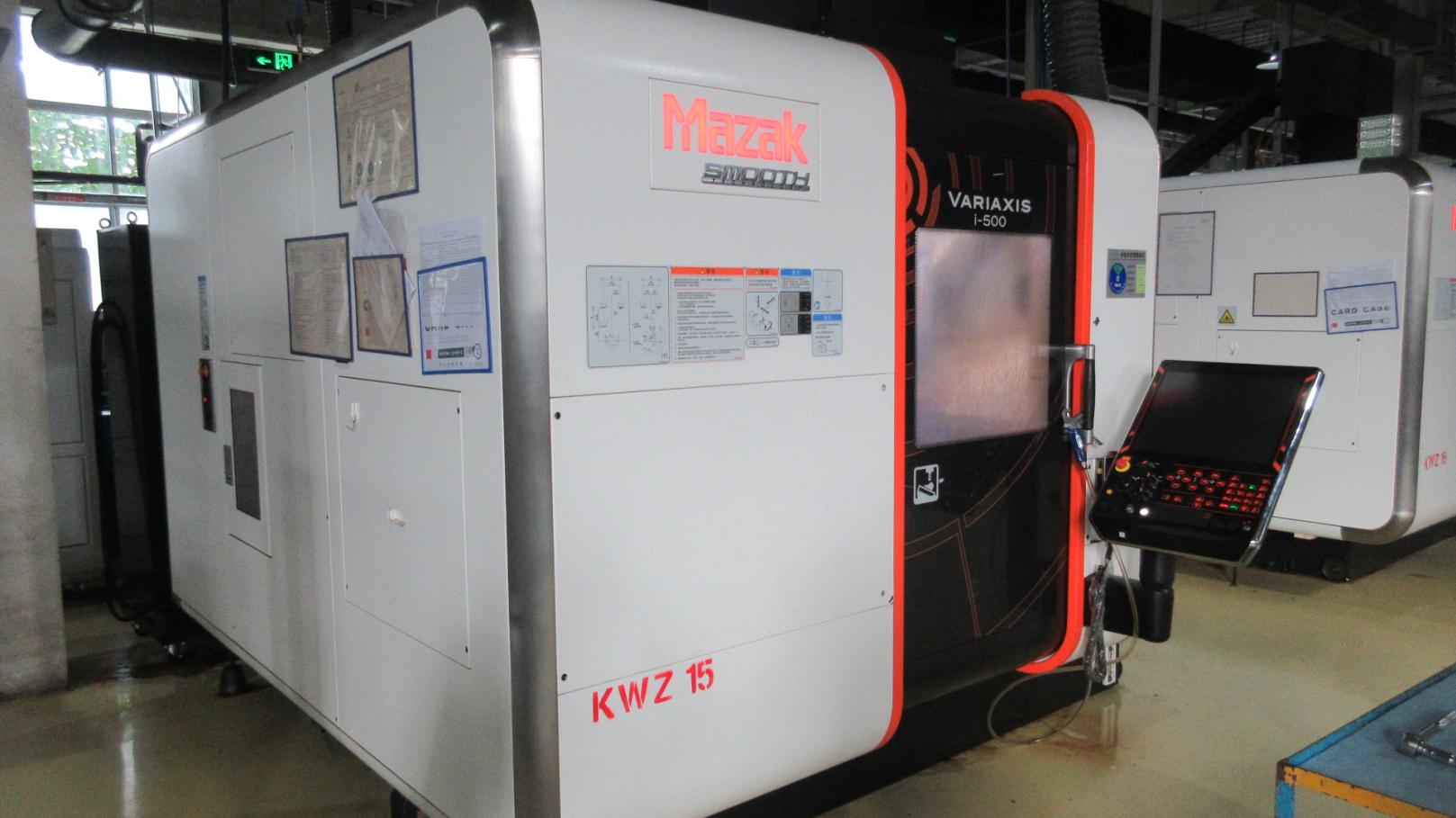
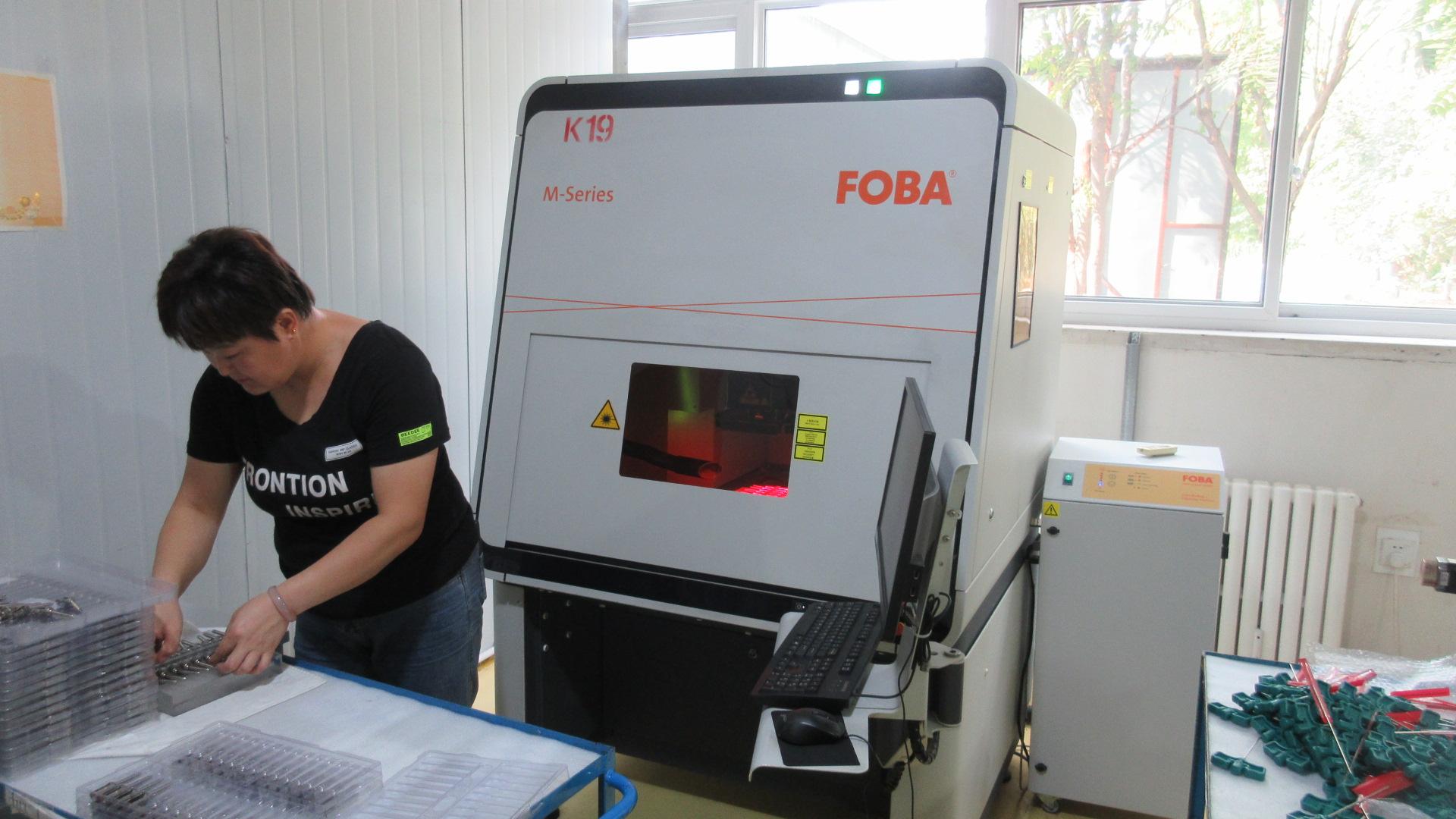
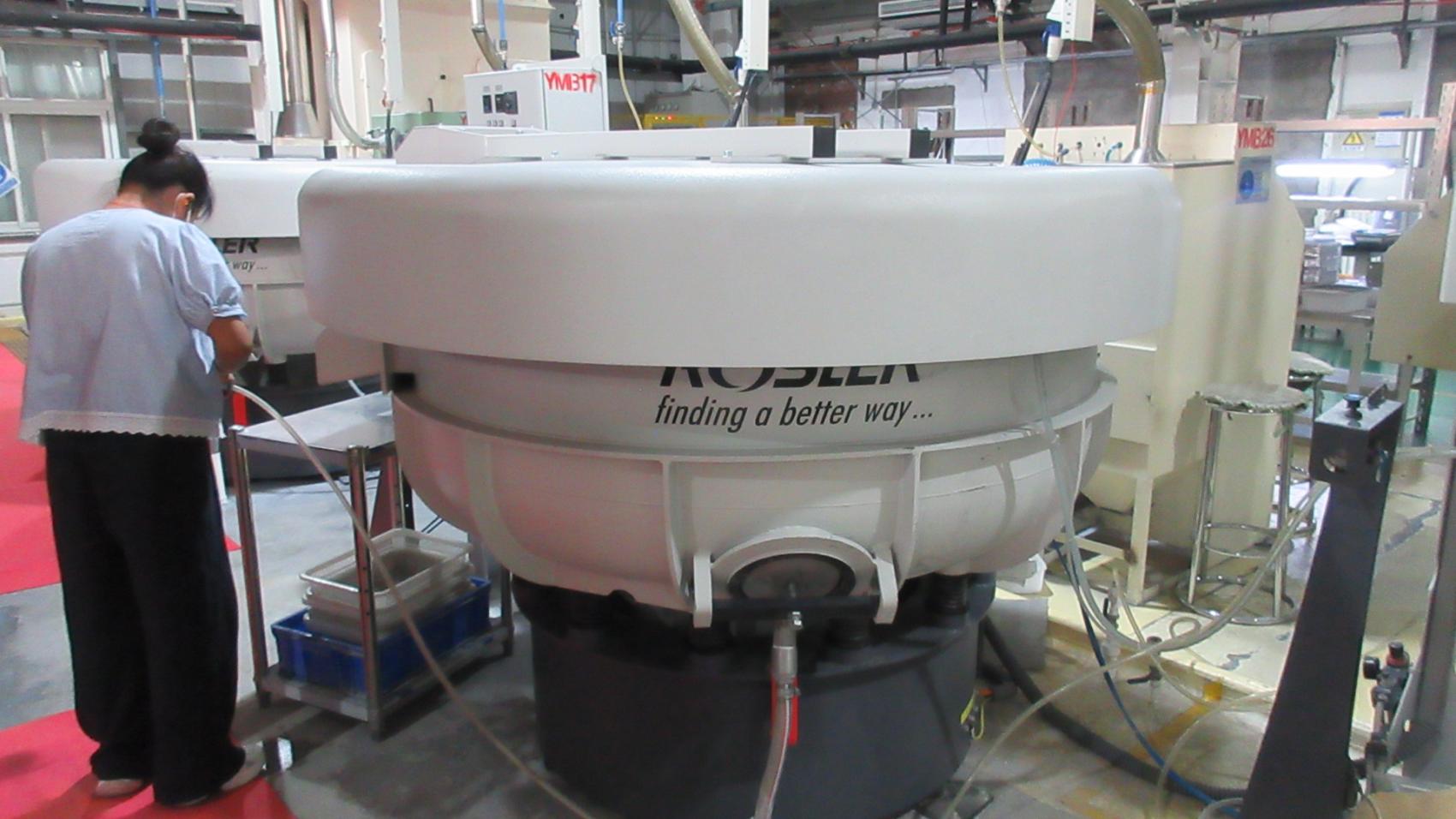
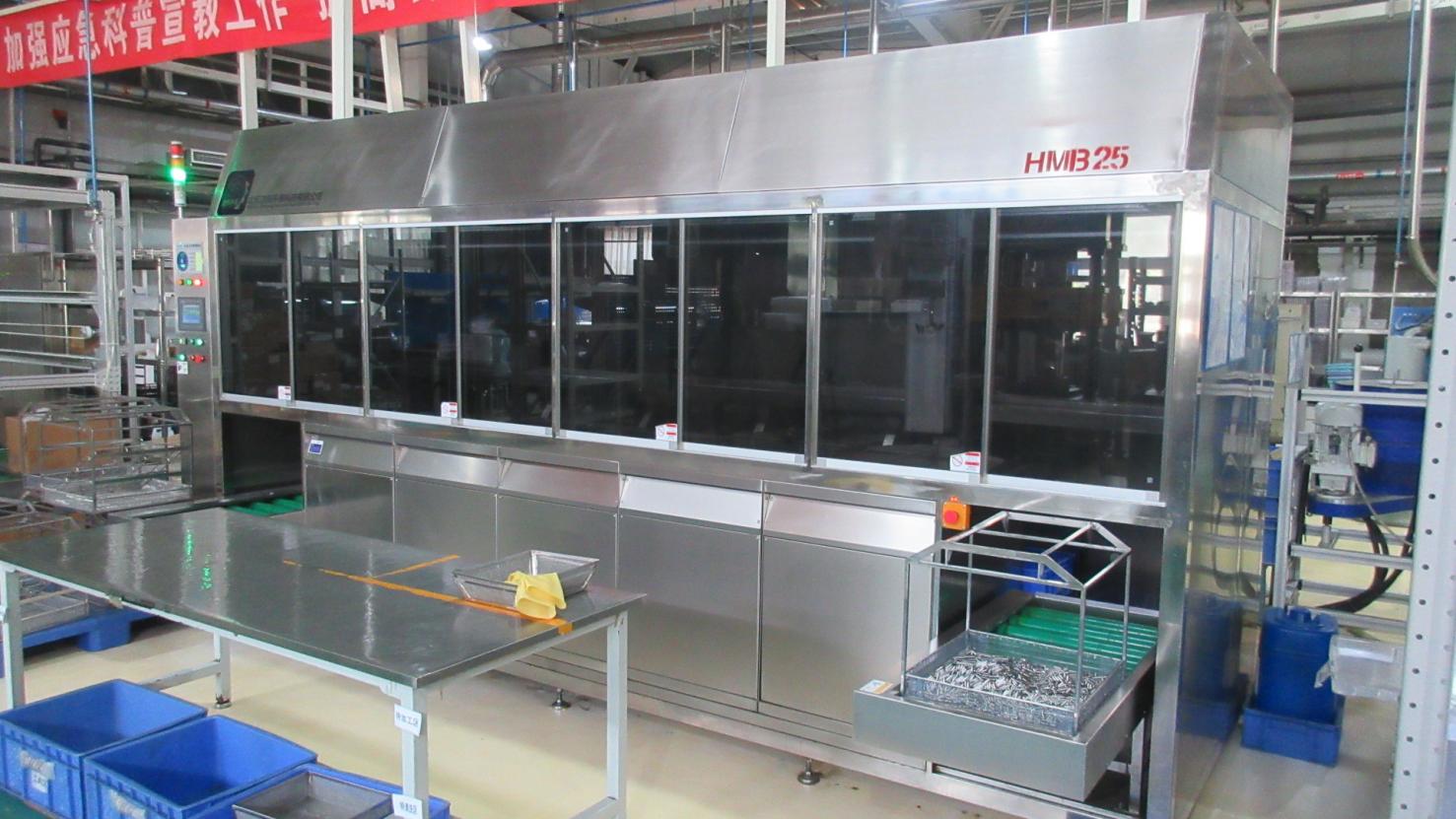
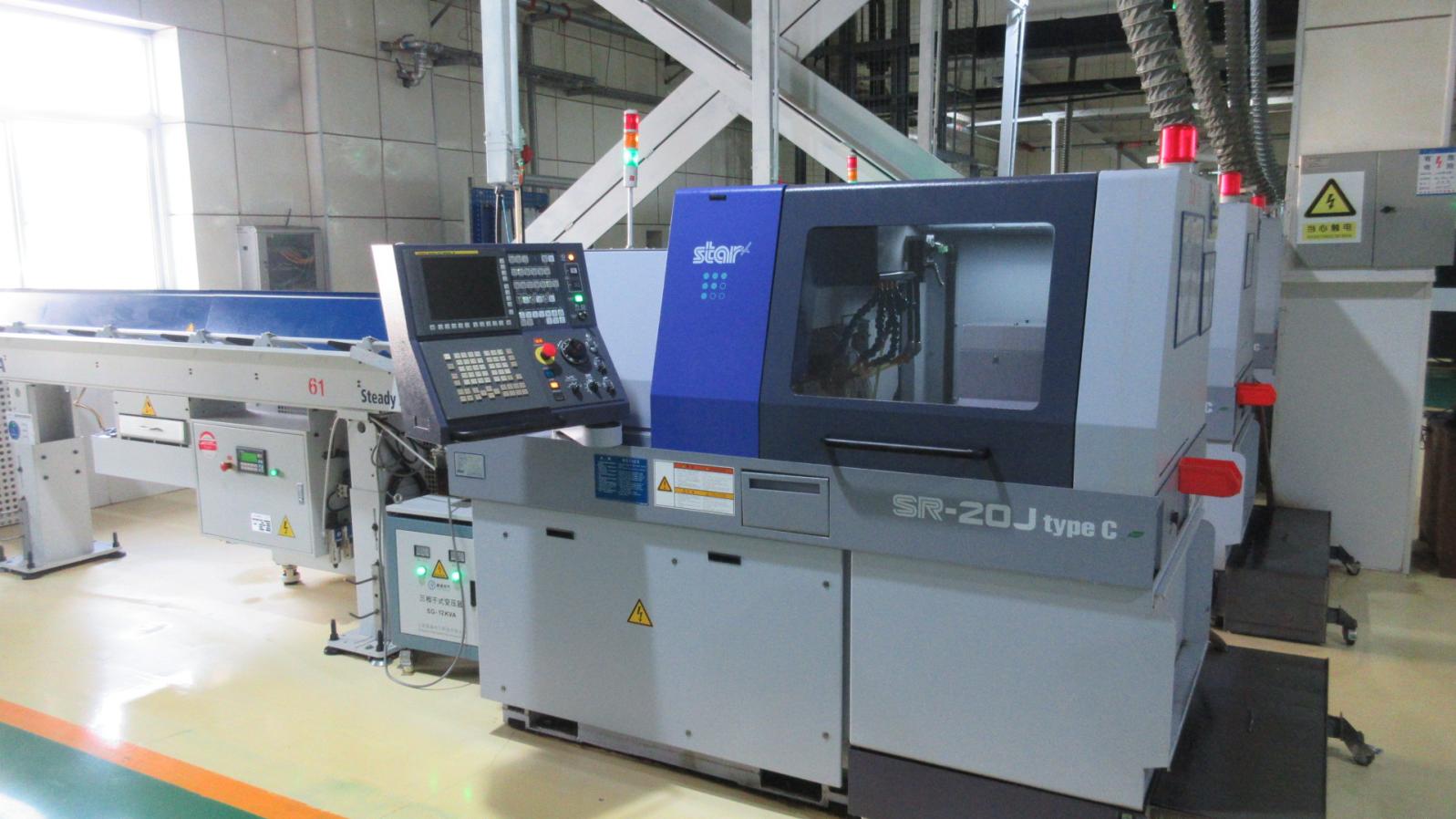
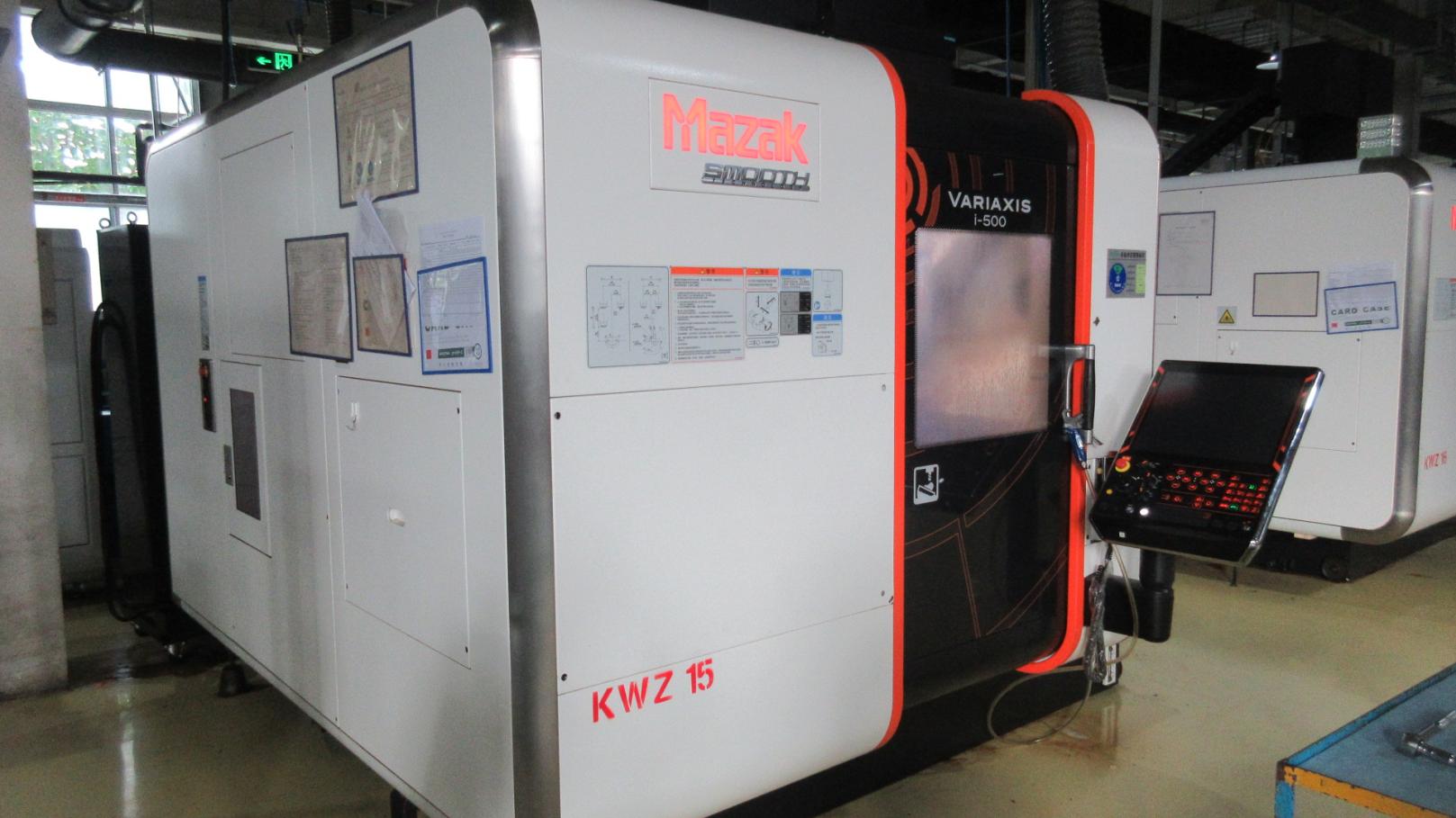
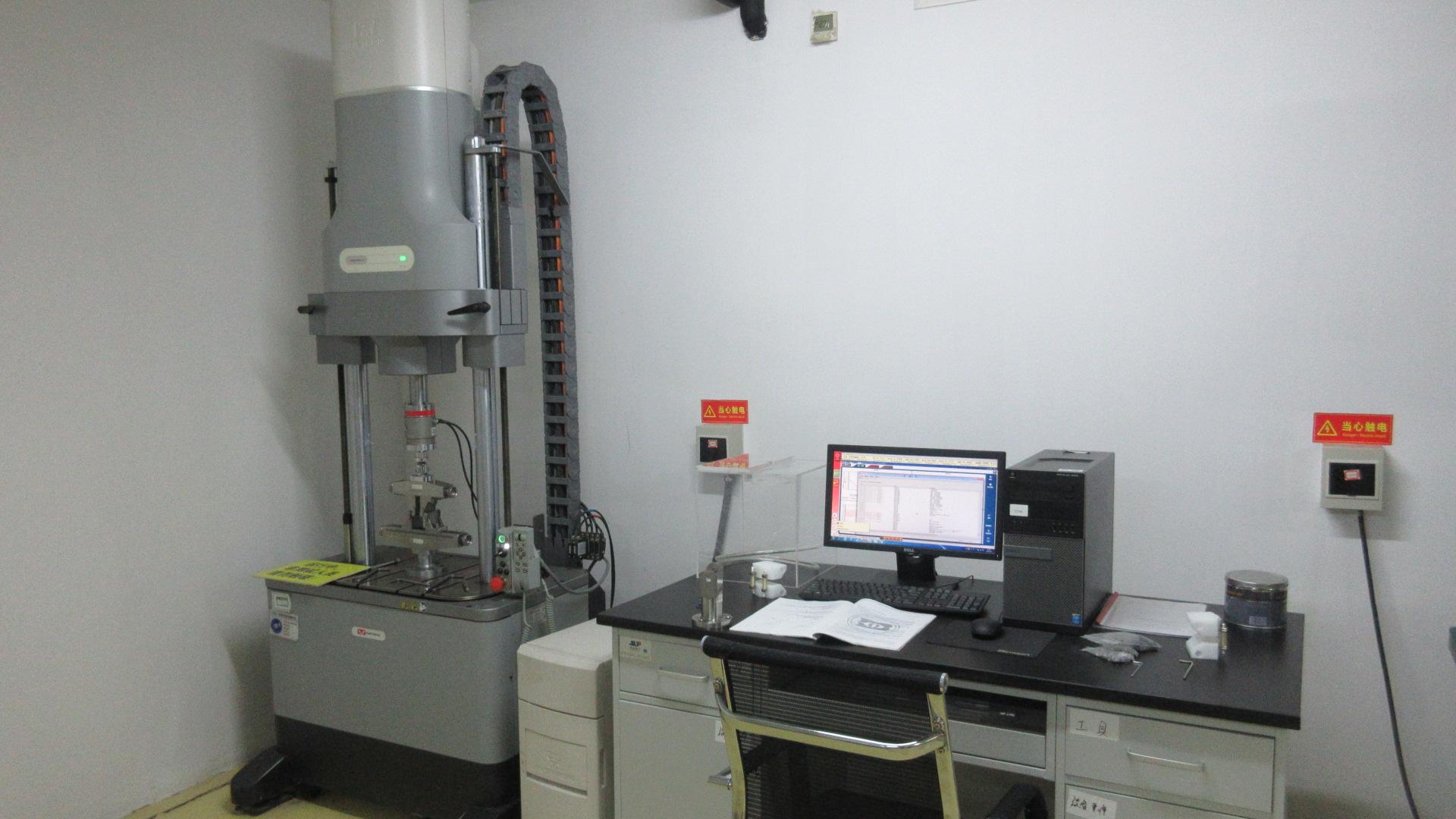
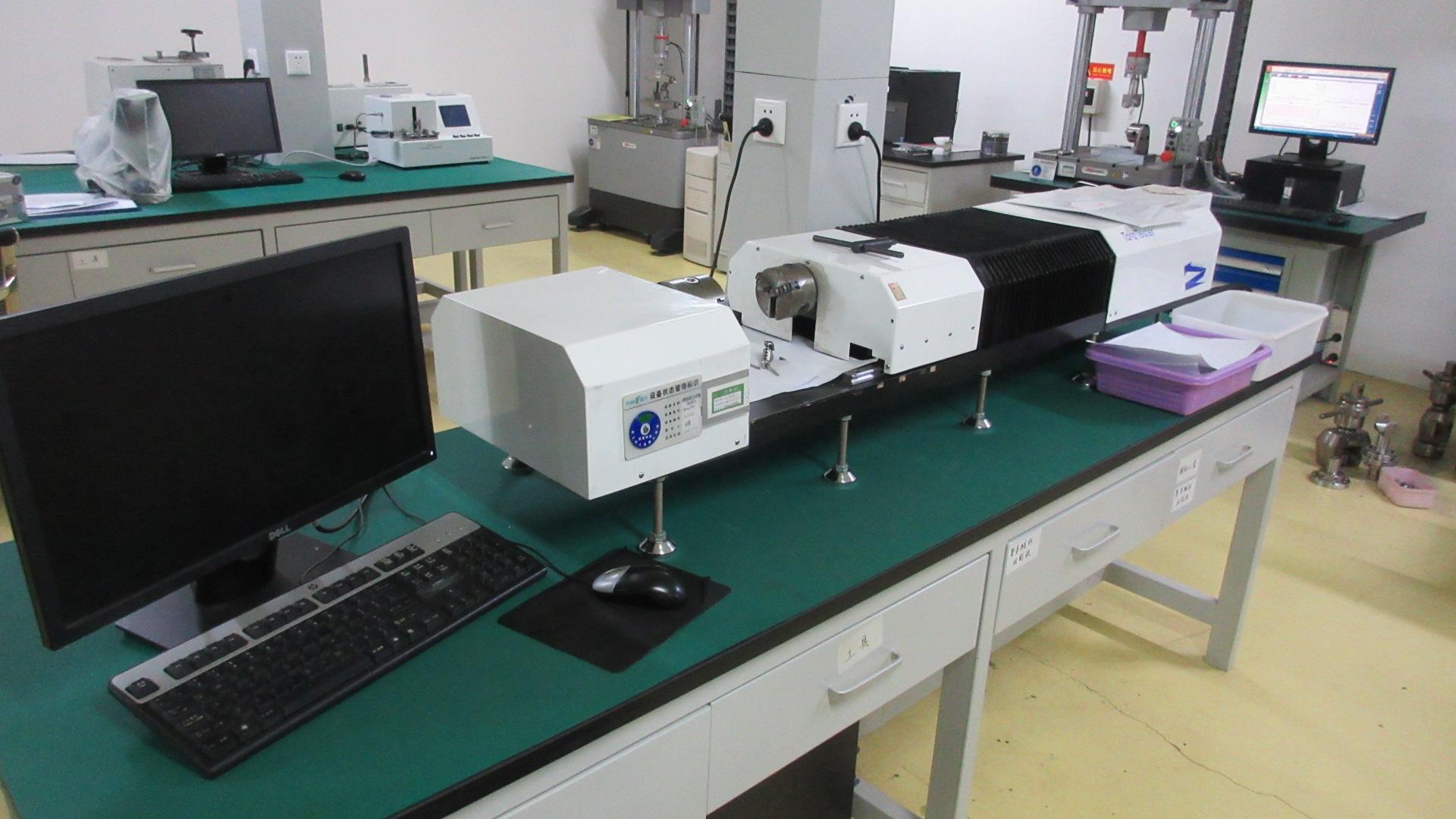
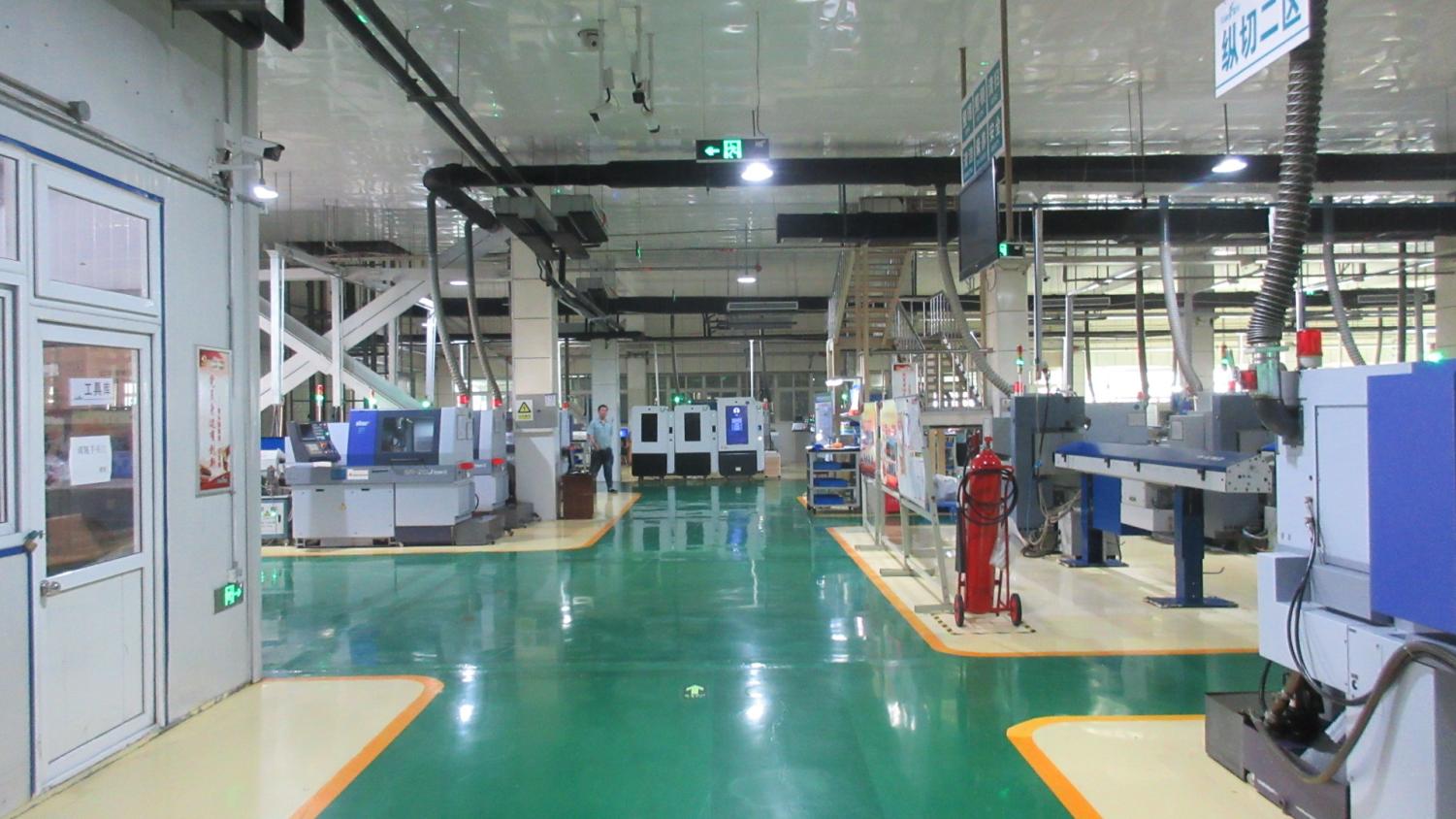
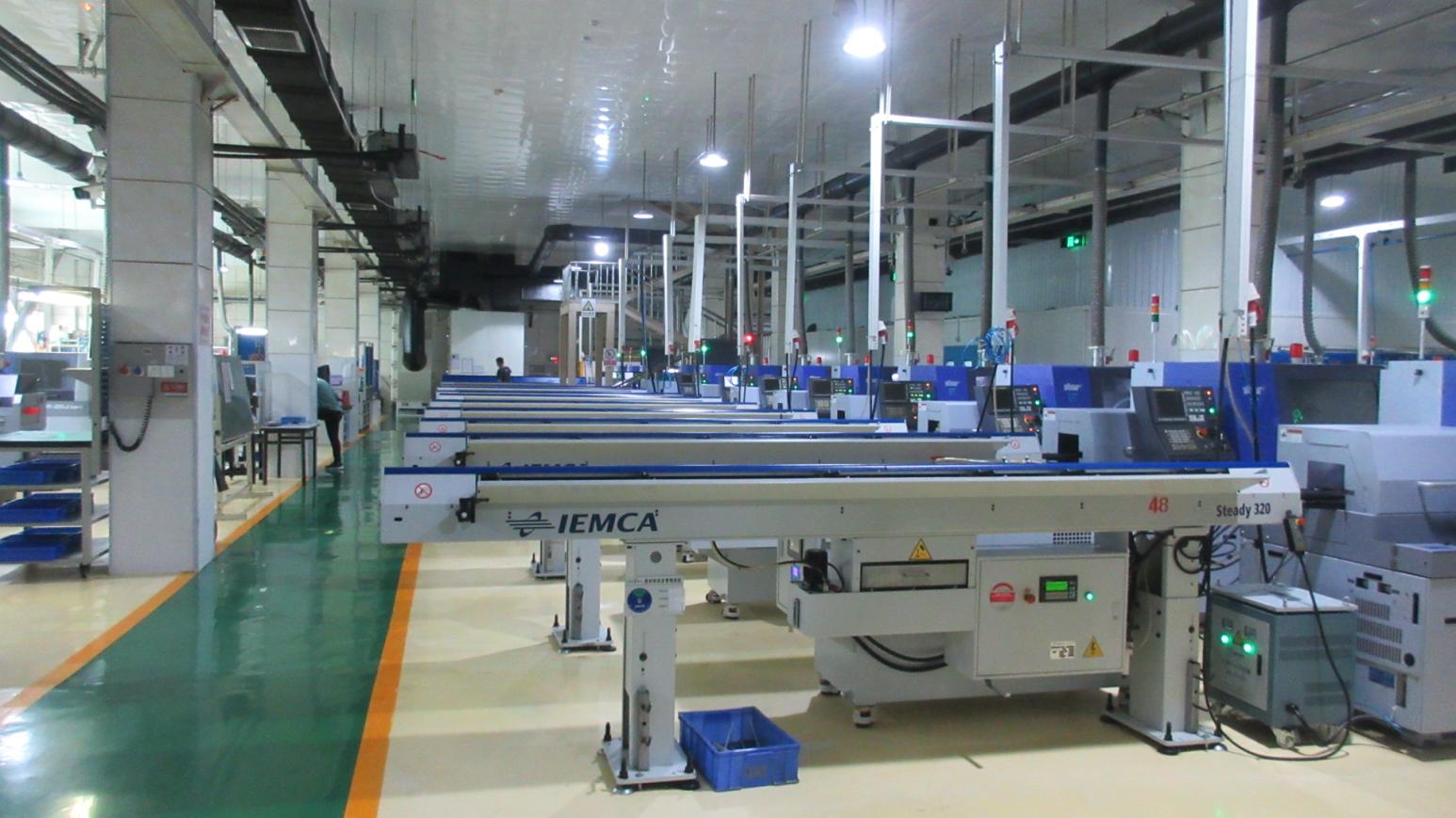
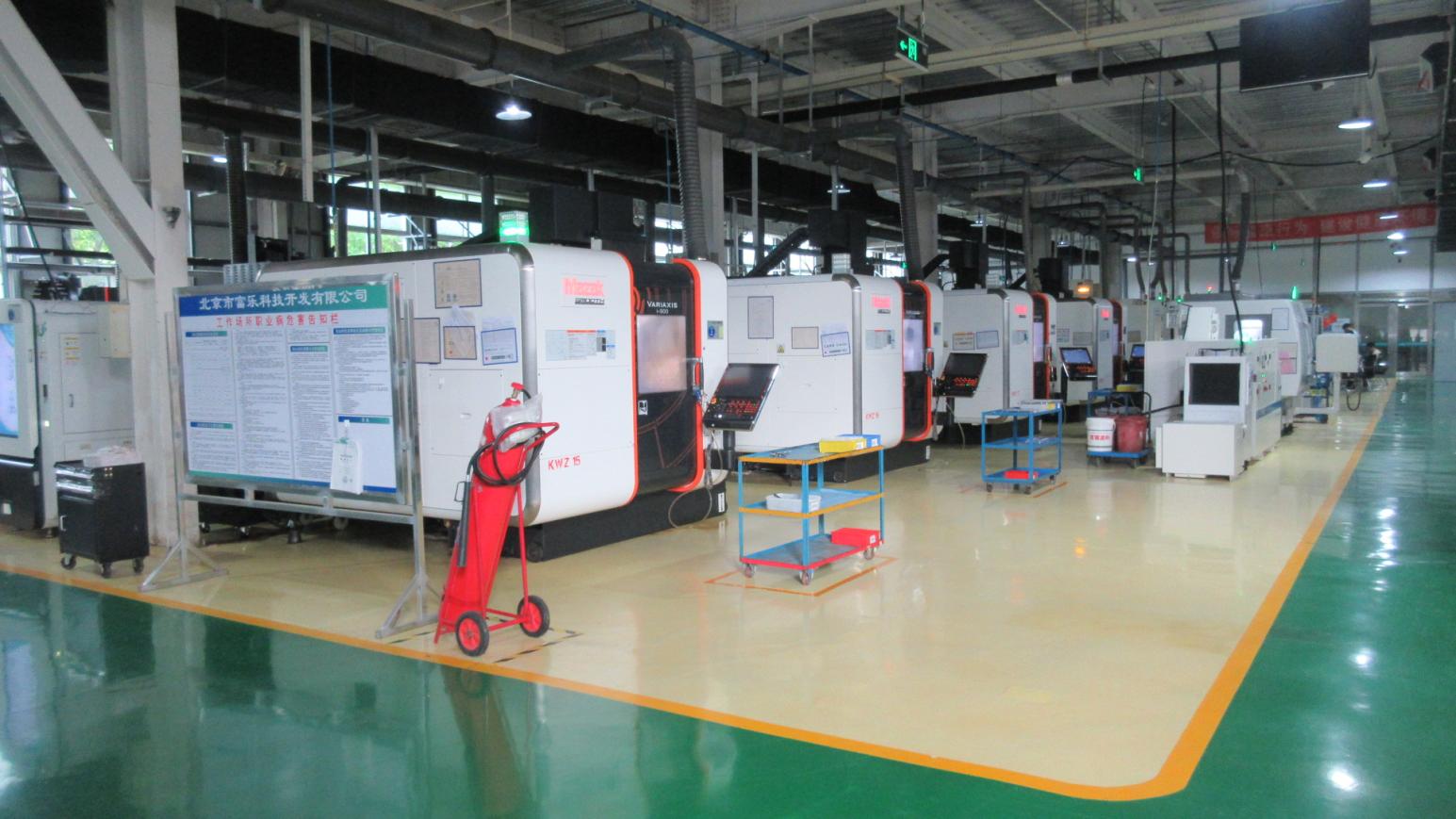
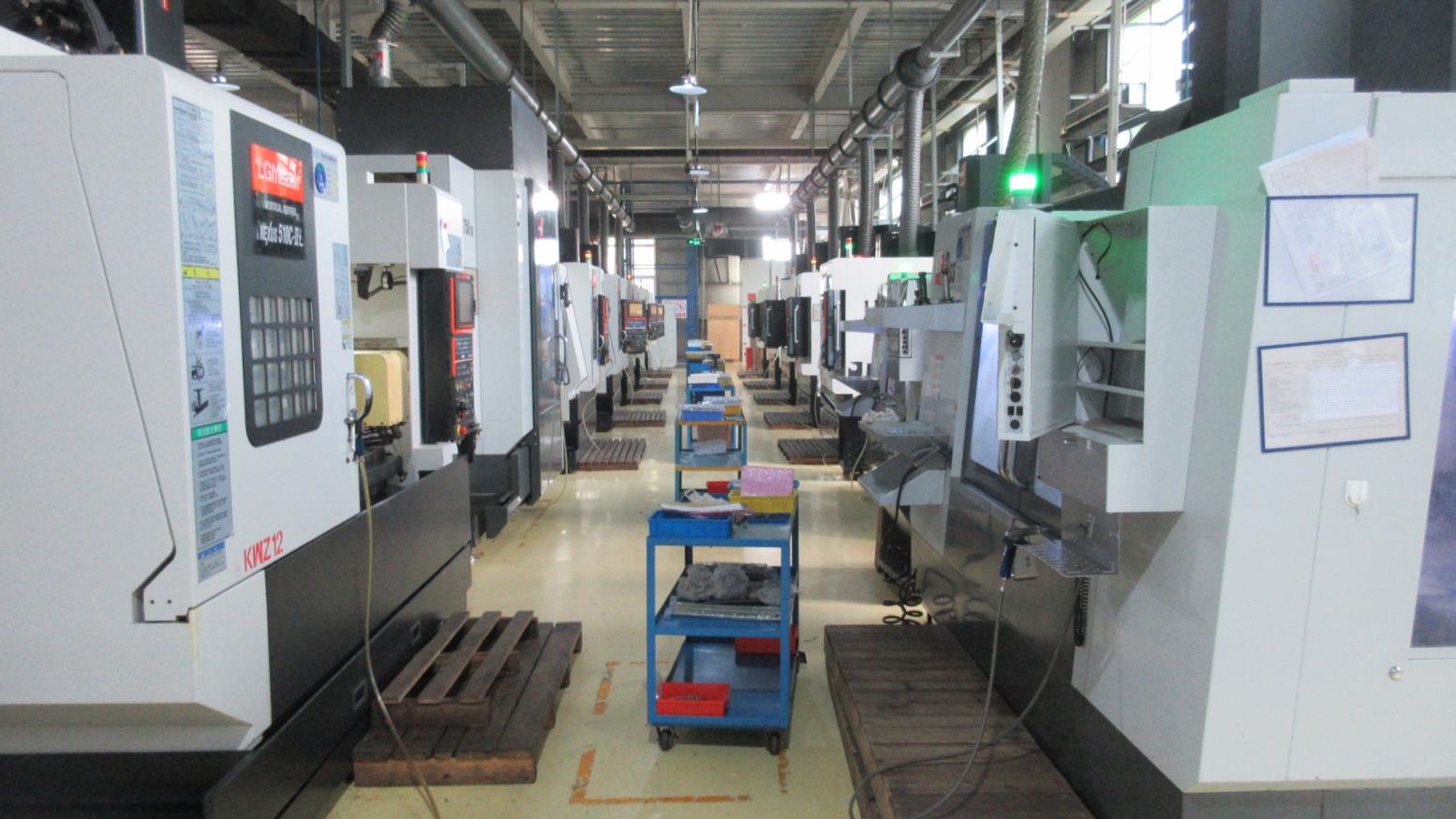
Modern trauma manufacturing utilizes multi-axis CNC machining to ensure tolerances within microns, essential for spinal and joint implants.
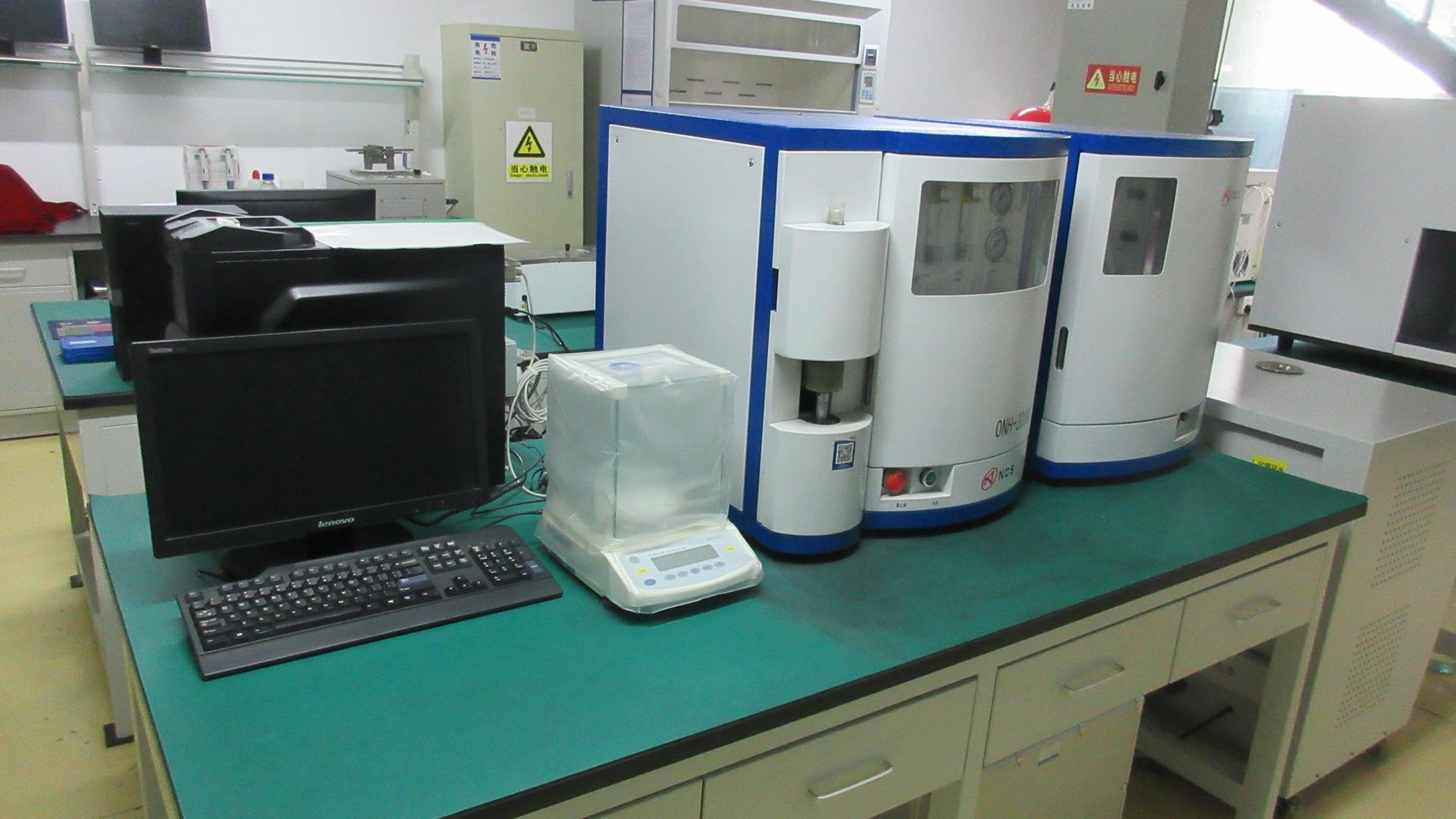
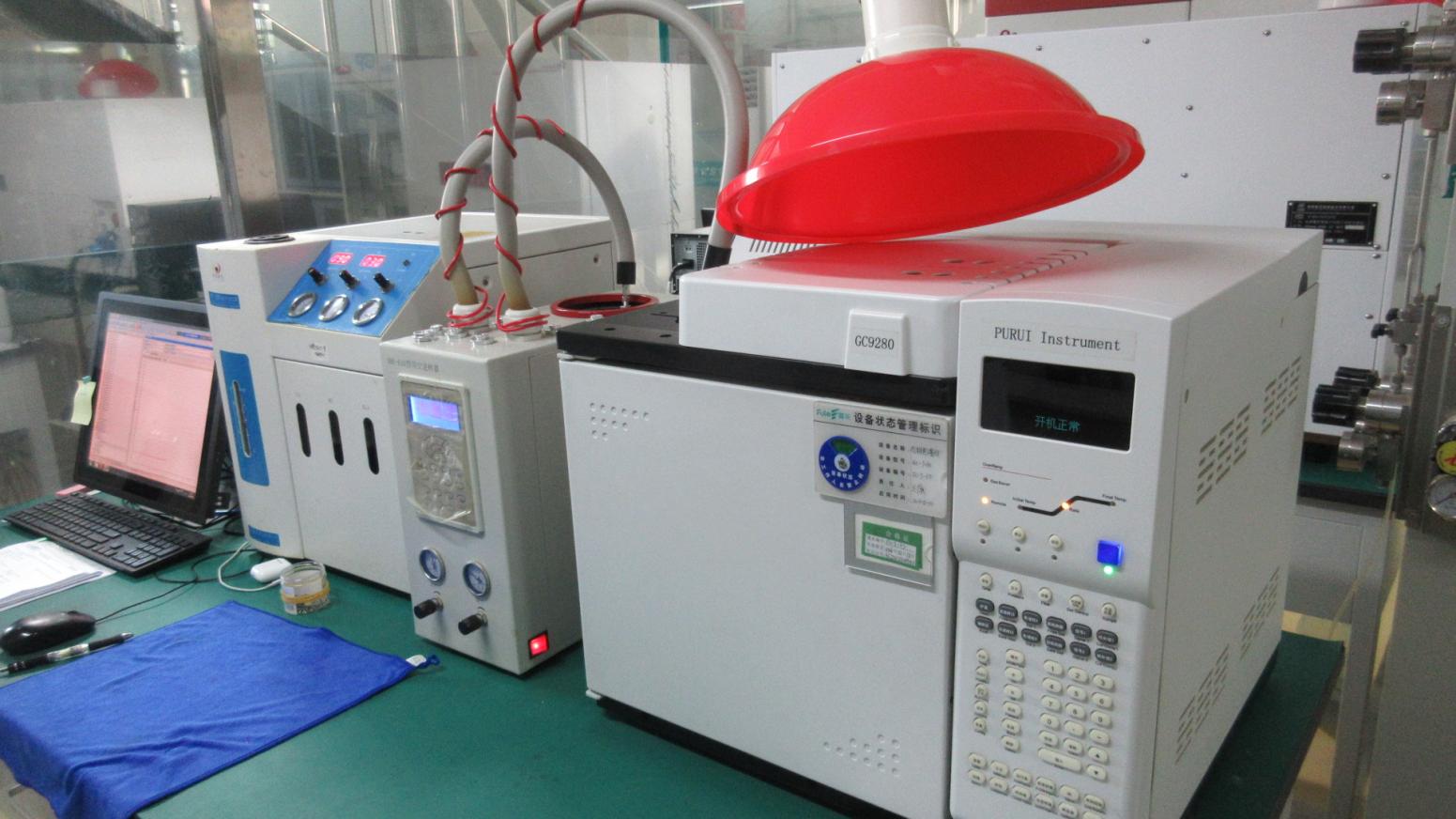
Leading manufacturers prioritize CE and ISO13485 certifications, ensuring every implant is biocompatible and corrosion-resistant.
With global supply chain shifts, centralized hubs like China have become the primary source for high-volume, high-quality medical devices.
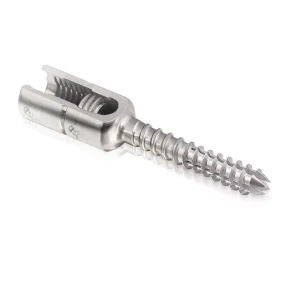
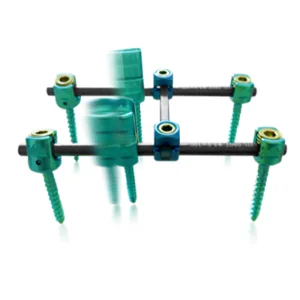
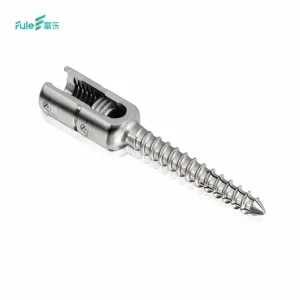
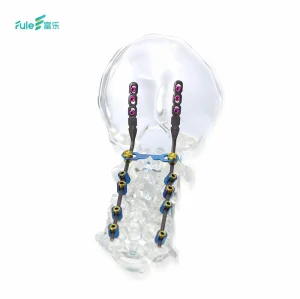
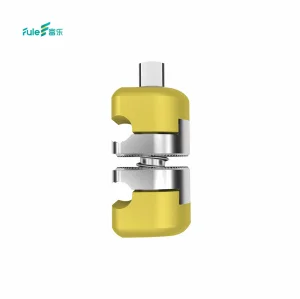
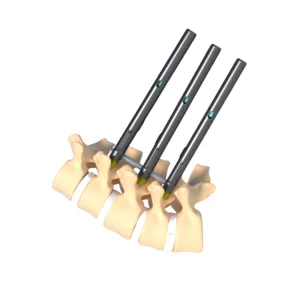
The transition toward MIS is the most significant trend. Manufacturers like Fule Brand are developing extended-arm systems (e.g., VSSII 85mm) that allow surgeons to stabilize fractures through tiny incisions, drastically reducing recovery time and infection rates.
Future trauma kits are experimenting with materials that the body can eventually absorb, eliminating the need for a second surgery to remove hardware. While titanium remains the gold standard for load-bearing, PEEK cages are becoming the norm for spinal fusions due to their radiolucency.

When hospitals in Europe, Southeast Asia, or the Americas look for a trauma kits manufacturer, they increasingly turn to specialized Chinese factories. The reasons go beyond mere cost-effectiveness:

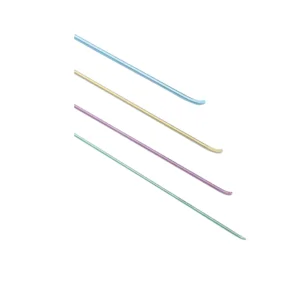
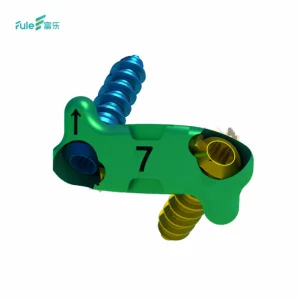
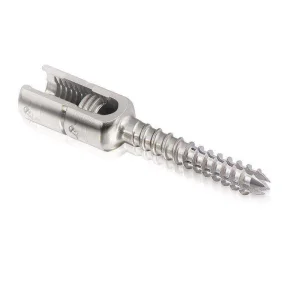
High-volume Level 1 trauma centers require ready-stock spinal plate systems and intramedullary nails for immediate surgical intervention in multi-trauma patients.
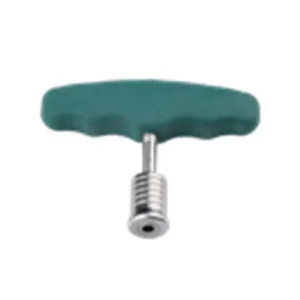
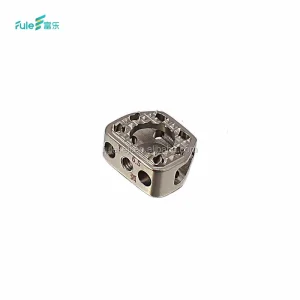
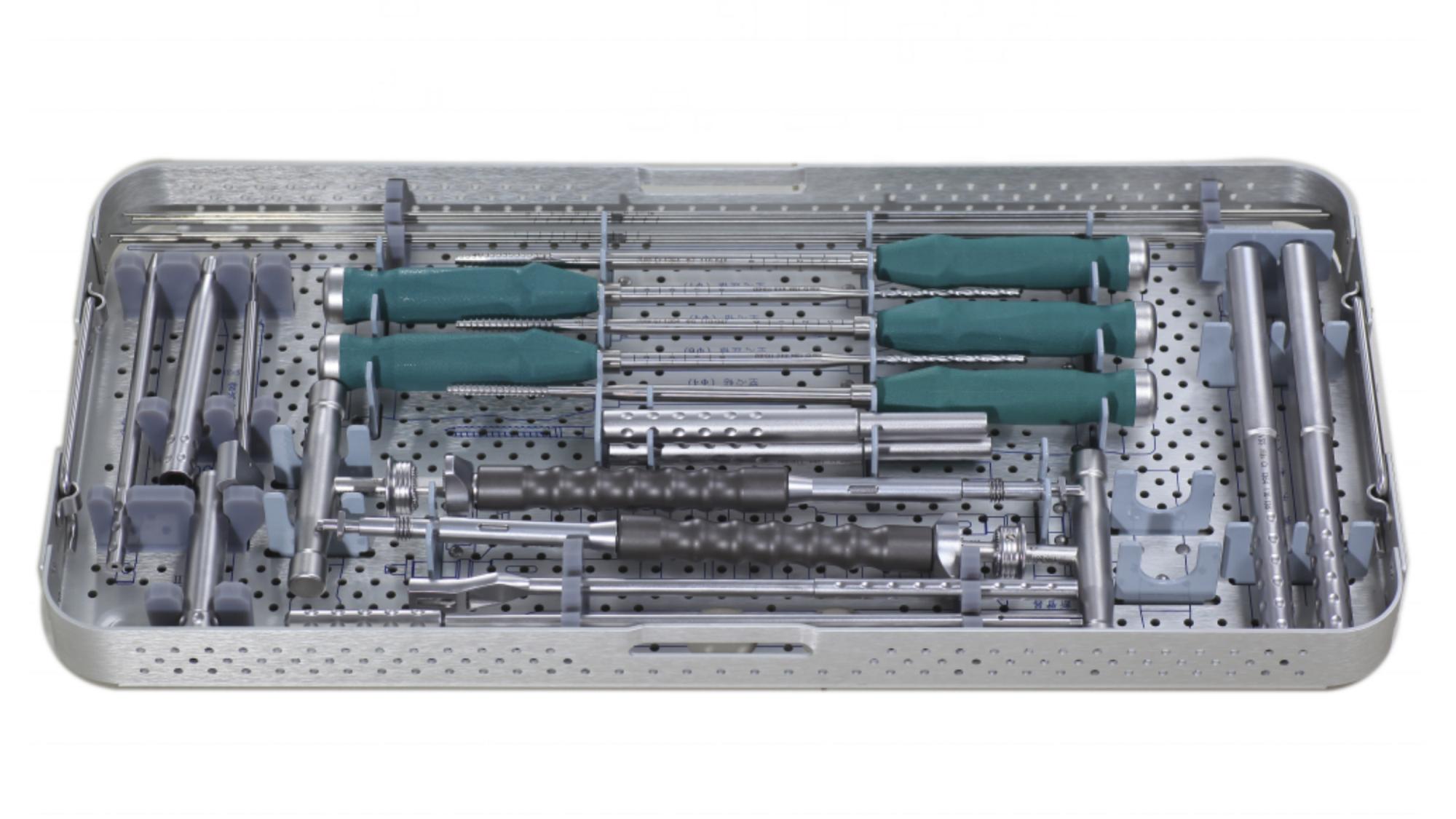
Focusing on spinal fusion and degenerative diseases, these clinics demand high-precision PEEK fusion cages and pedicle screw instruments with ergonomic handles.
External fixator kits (Hoffman type) are essential for stabilizing fractures in non-sterile or field environments where internal fixation is temporarily impossible.
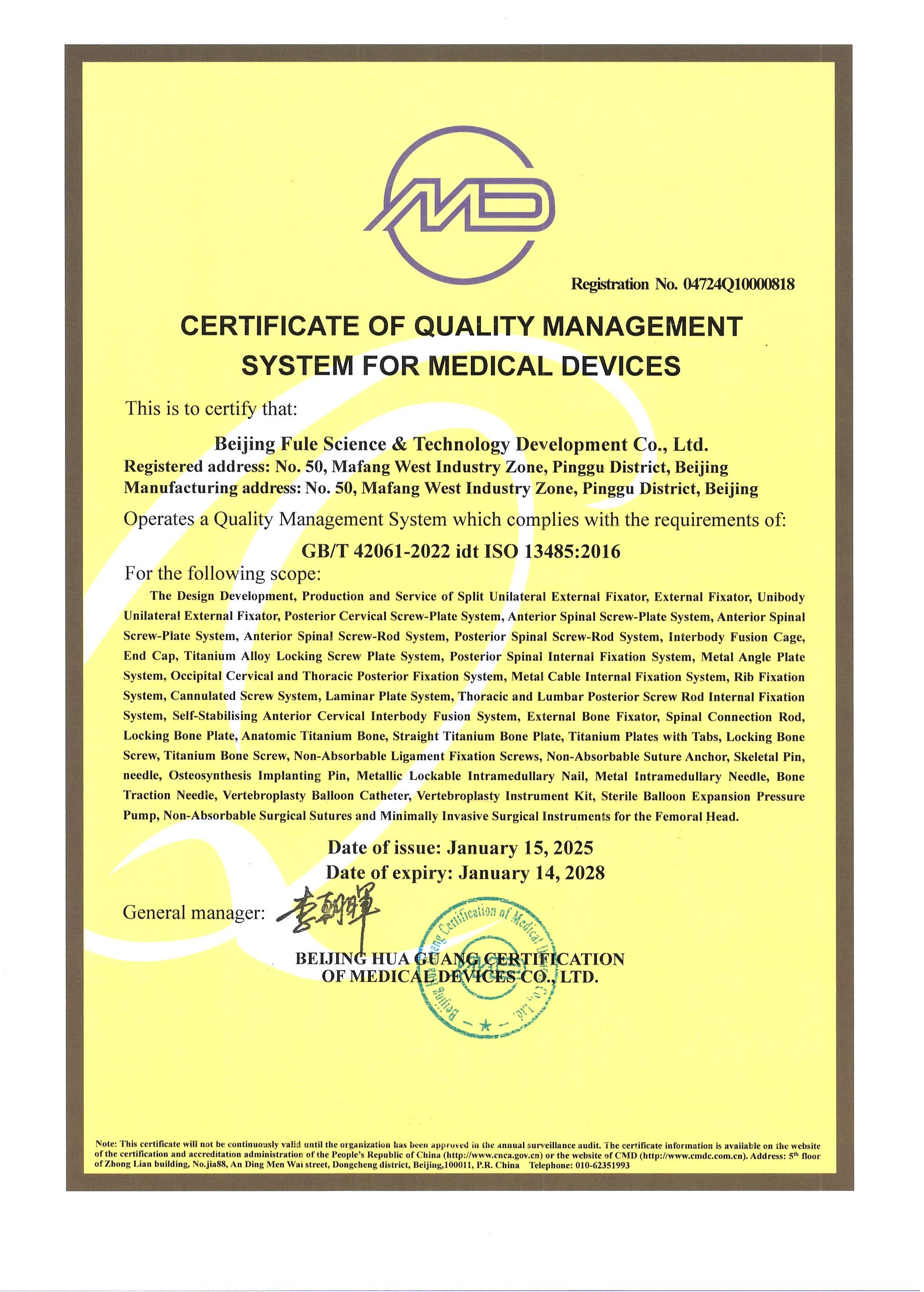

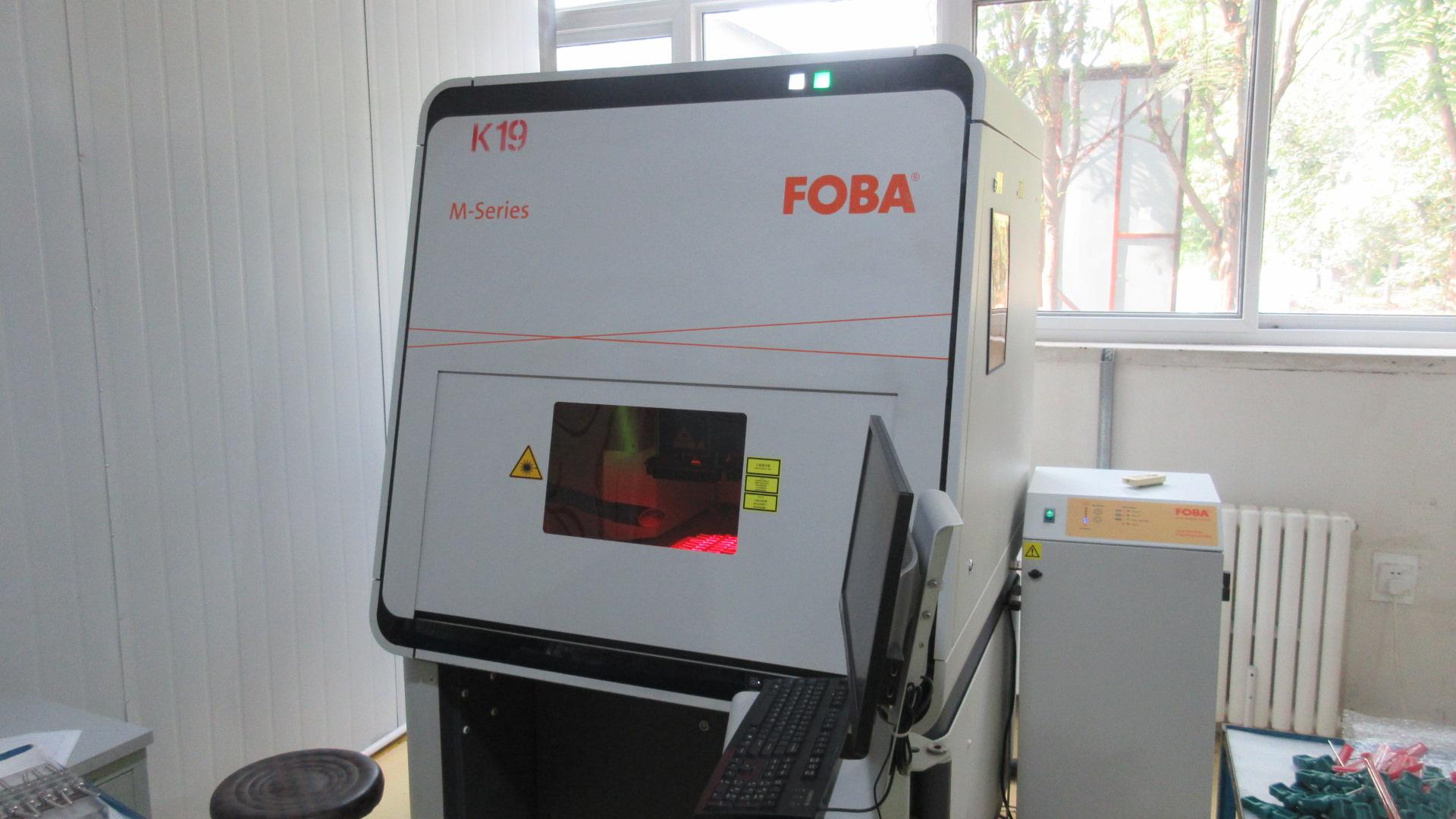
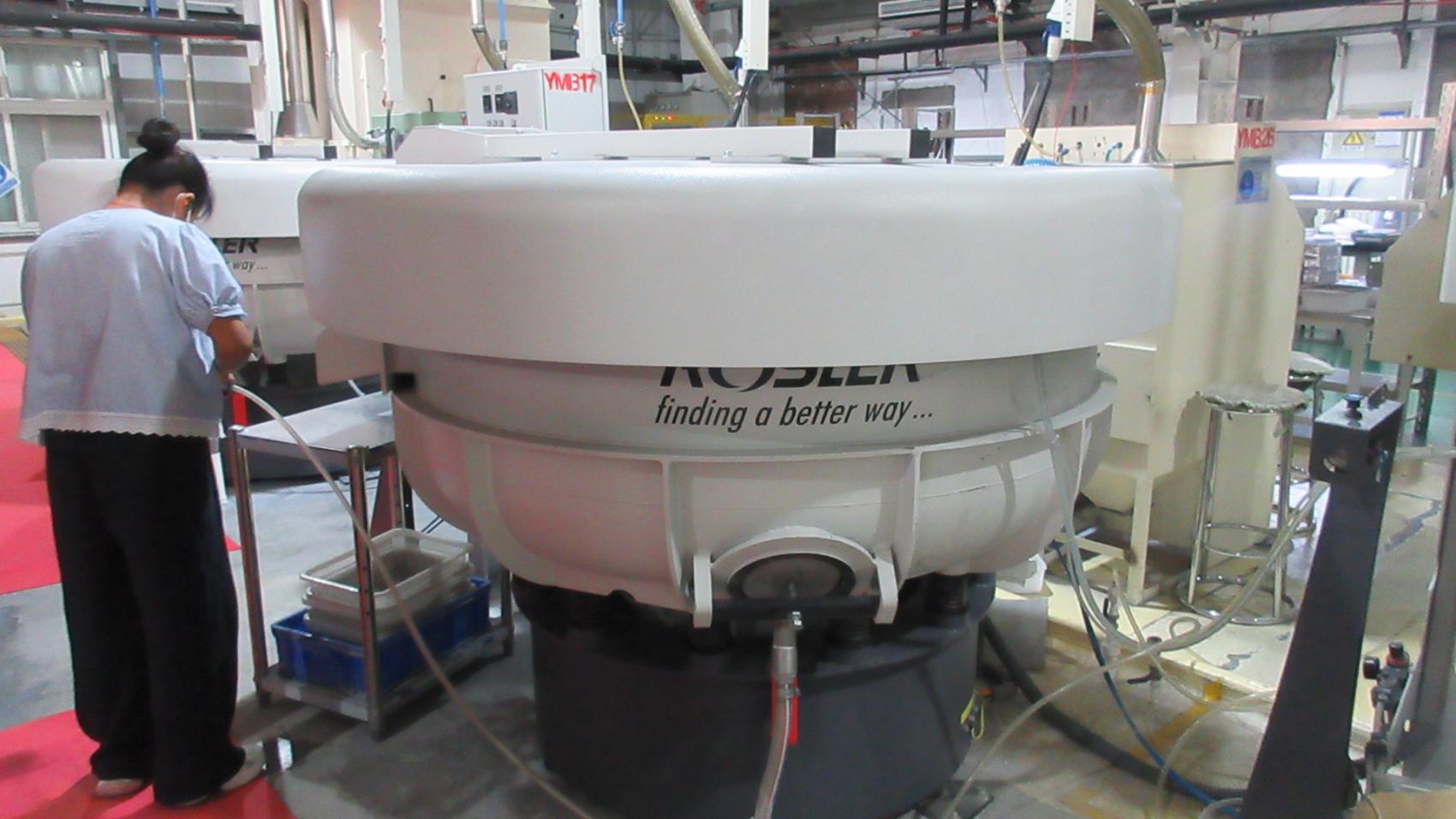
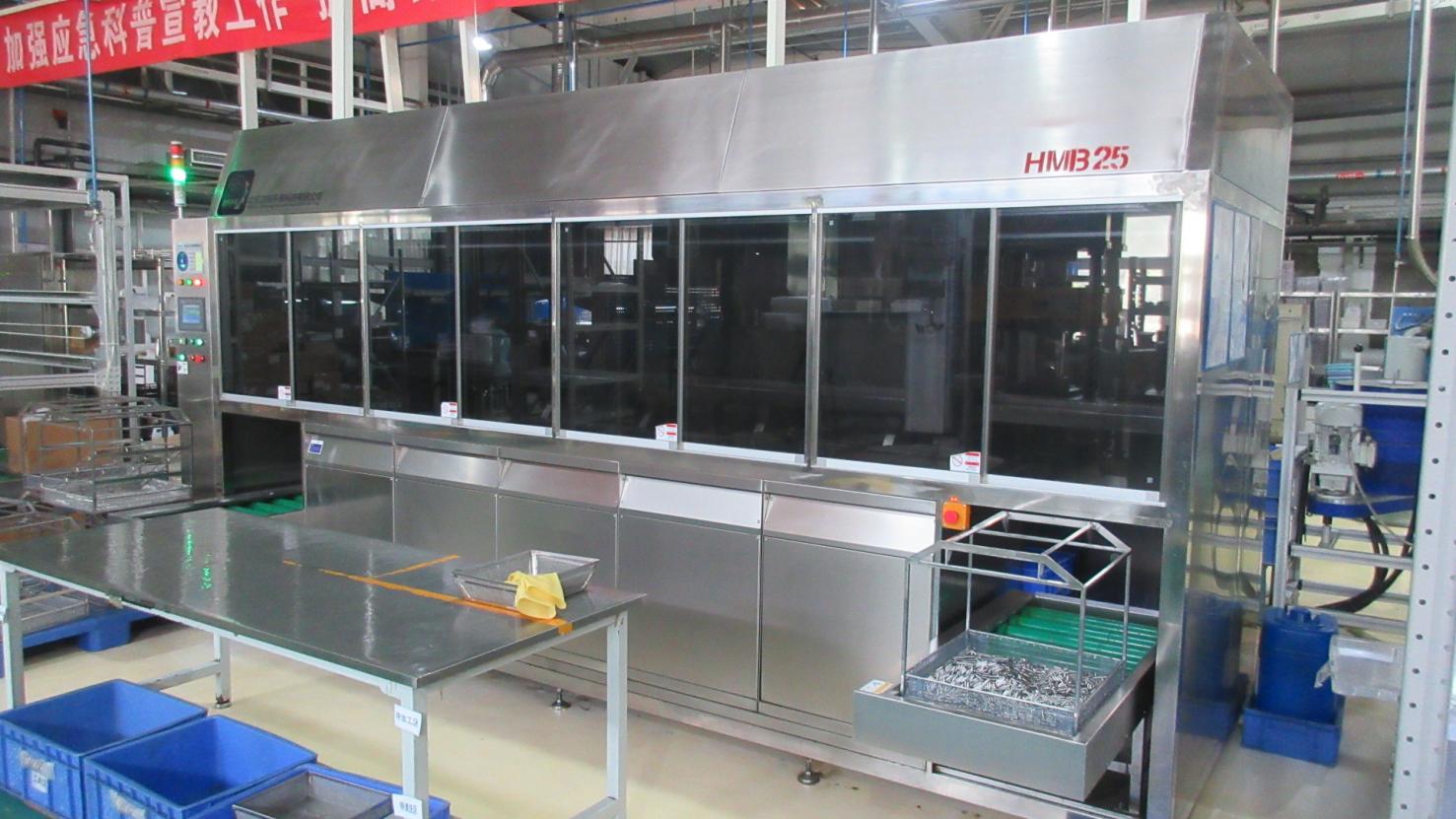
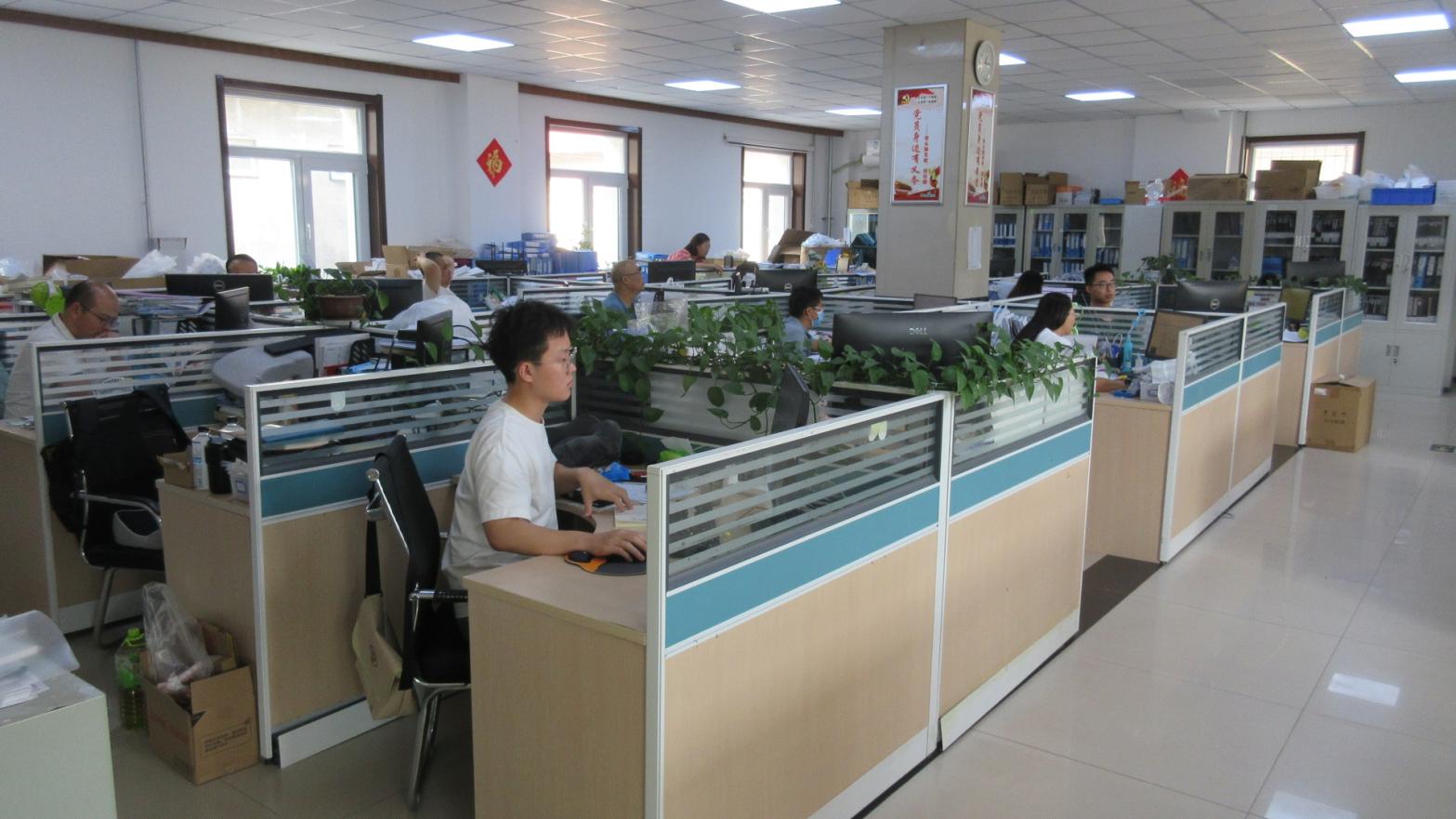
Operating under the philosophy of "Precision for Life," we have integrated sample processing and customized on-demand manufacturing into our core workflow, ensuring every medical partner gets exactly what their surgical team needs.
 Fule
Fule