Explore our leading Class III implantable systems, manufactured using premium medical titanium alloys and state-of-the-art precision machining lines to ensure absolute clinical efficacy and long-term biological stabilization.
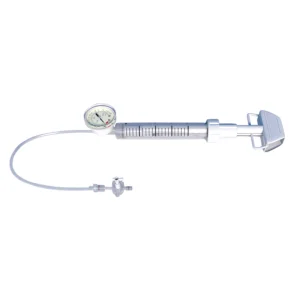
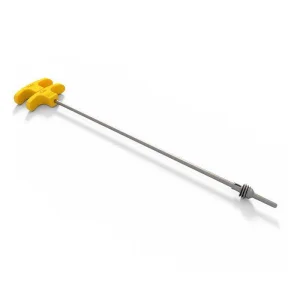
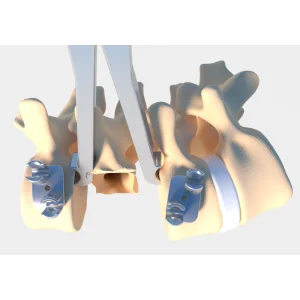
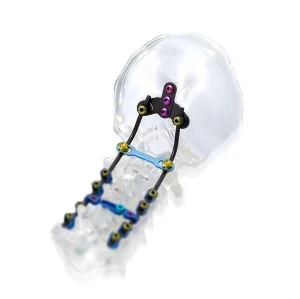
The global landscape for medical devices and surgical implants is undergoing a major paradigm shift. Large healthcare networks, medical distributors, and hospital procurement organizations are demanding highly integrated, custom OEM/ODM solutions to address the complexity of modern orthopedics. Purchasing patient care devices such as spinal stabilization systems, bone cages, and percutaneous vertebroplasty tools requires navigating tough technical specifications, material safety protocols, and supply chain resilience.
For global buyers, the key criteria go beyond simple unit cost. They focus heavily on mechanical reliability, surface bio-compatibility (primarily using titanium alloys like Ti-6Al-4V ELI conforming to ASTM F136), cleanroom assembly, and micro-precision machining tolerances. As a leading manufacturer, Beijing Fule delivers customized orthopedic products that meet these rigorous procurement parameters. Our services span from initial custom graphic and sample processing to full commercial production, giving our B2B partners a reliable path from design to surgical application.
By consolidating multi-tier production capabilities under one roof, we eliminate supply chain bottlenecks for international distributors. This ensures that implantable devices are manufactured, cleaned, sterilized (where applicable), and packaged with complete end-to-end material traceability.
Orthopedic surgery demands extremely high precision. Clinical issues like spinal instability, degenerative disc disease, osteoporotic vertebral compression fractures, and traumatic skeletal injuries require targeted mechanical solutions. The engineering path from a surgeon's clinical concept to a regulatory-cleared implant requires deep expertise in both biomechanics and materials science.
Our macro-industry solutions bridge this gap by focusing on three key anatomical regions:
Providing rigid stabilization and restoration of cervical alignment through micro-plates, occipital clamps, and polyaxial screw-rod networks designed to preserve delicate neurological structures.
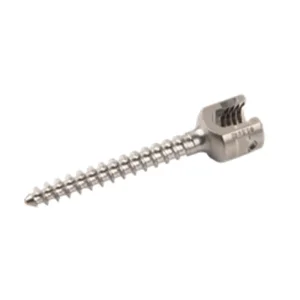
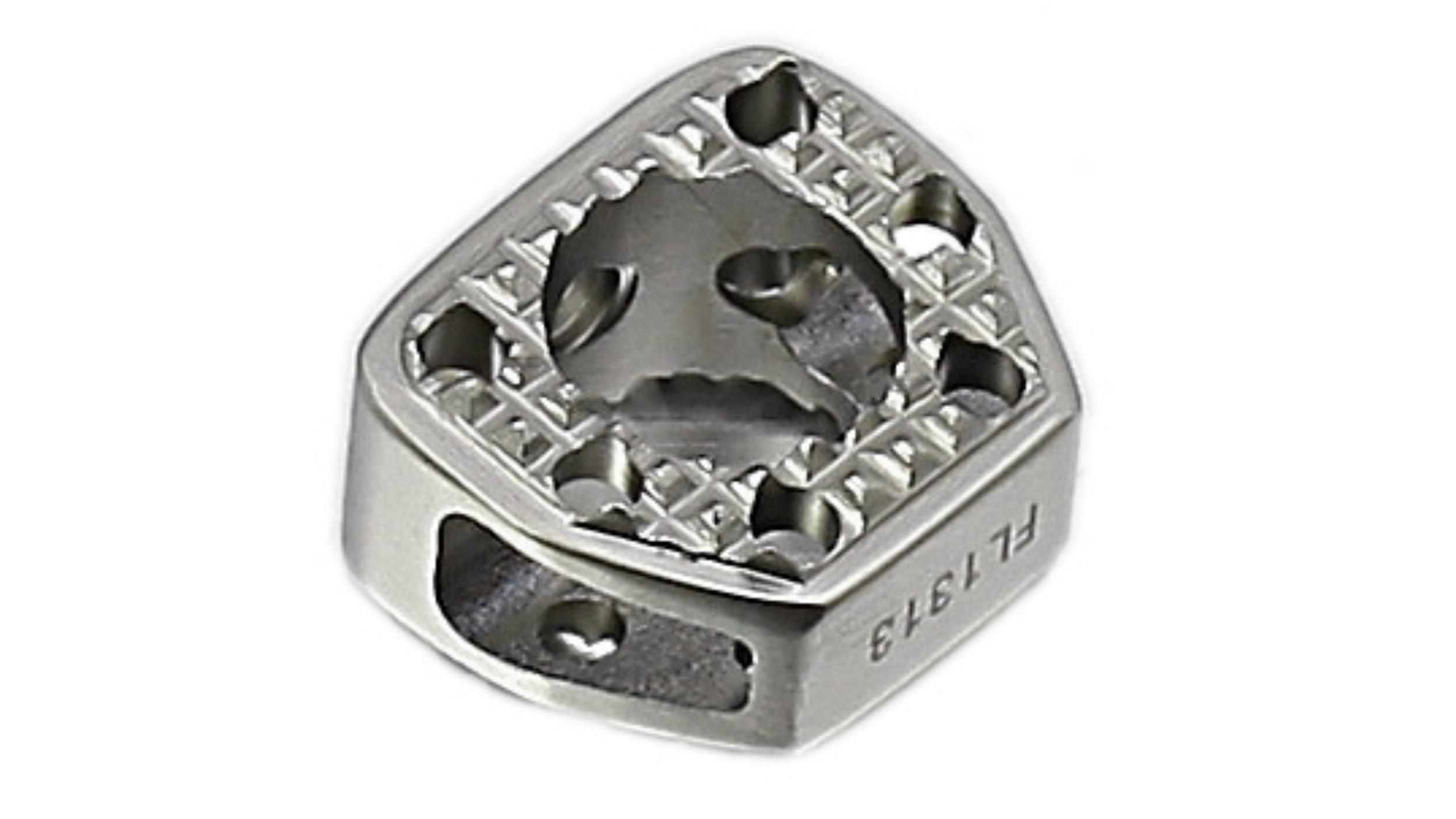
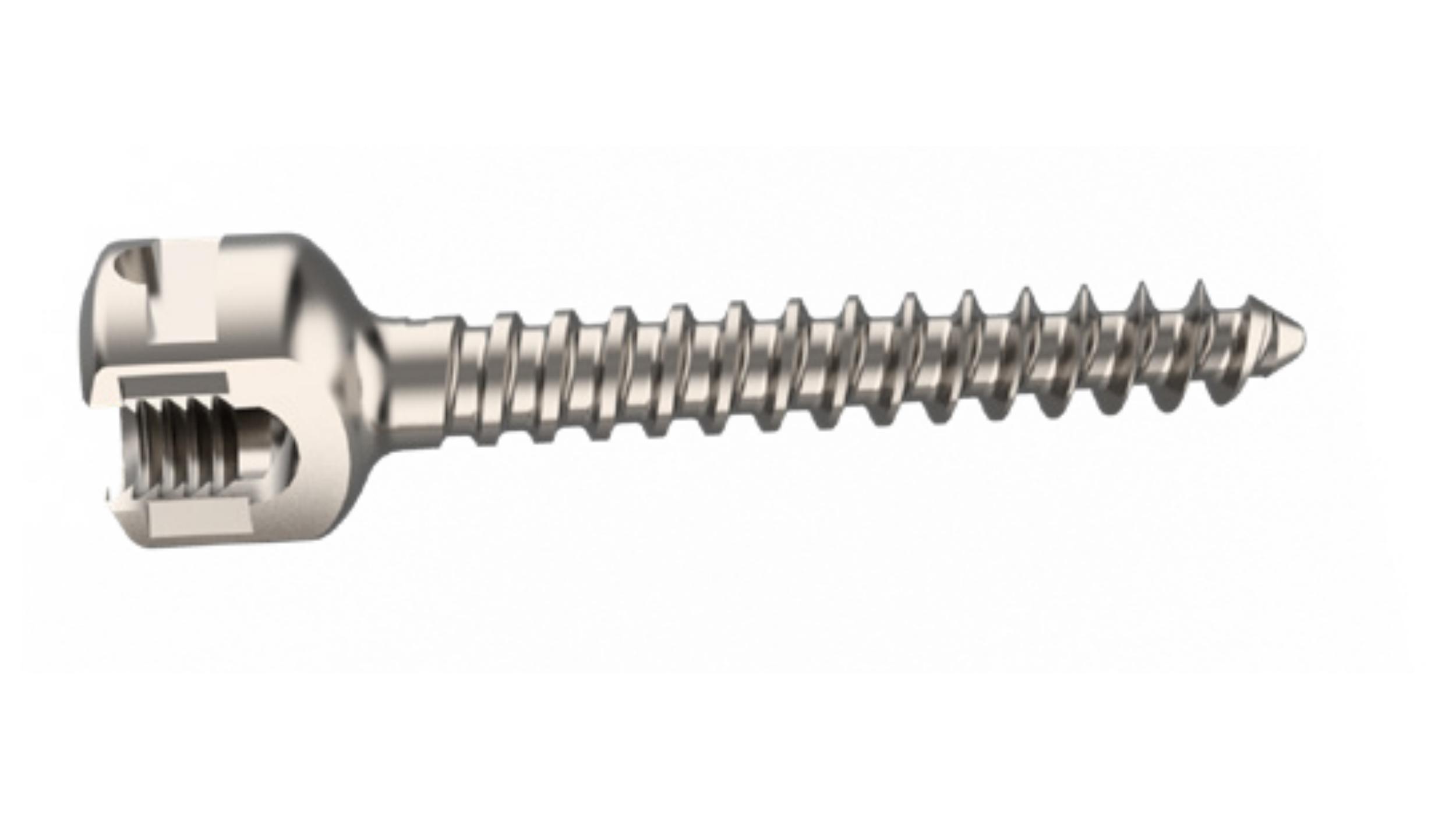
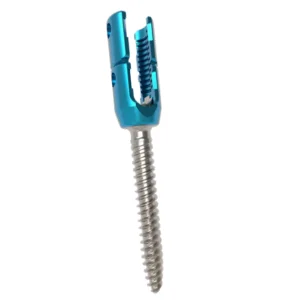
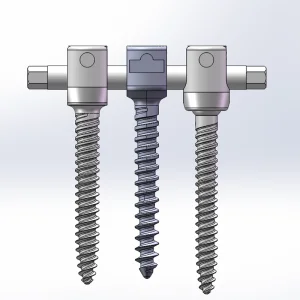
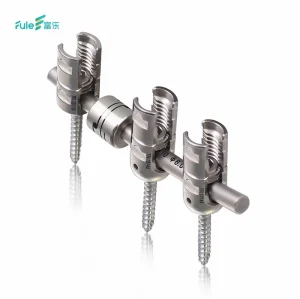
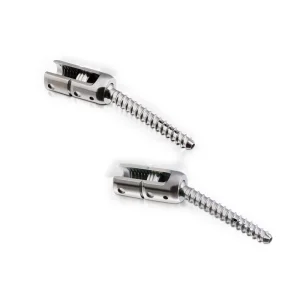
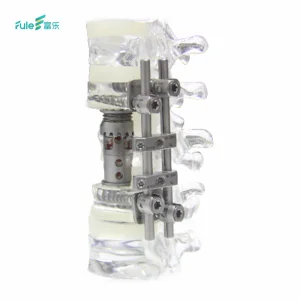
Using posterior spinal fixation screws, expansible interbody cages, and anterior plates designed to handle high mechanical loads, promote fusion, and prevent subsidence.
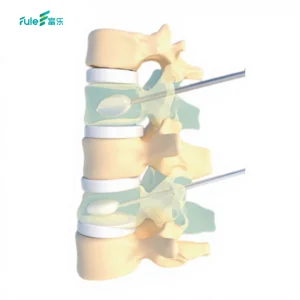
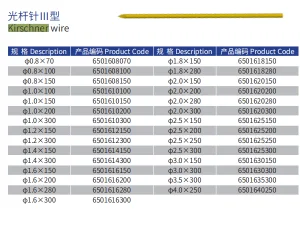
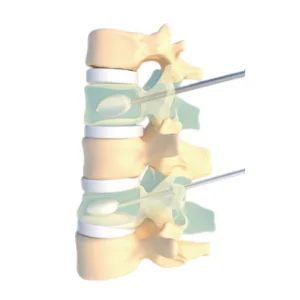
Developing interventional puncture needles, guide wires, and bone cement injection screws to stabilize vertebral bodies and provide immediate pain relief for compression fractures.
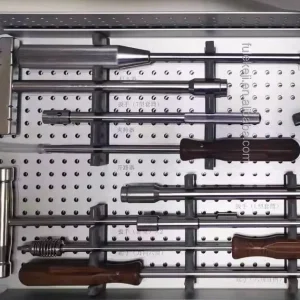
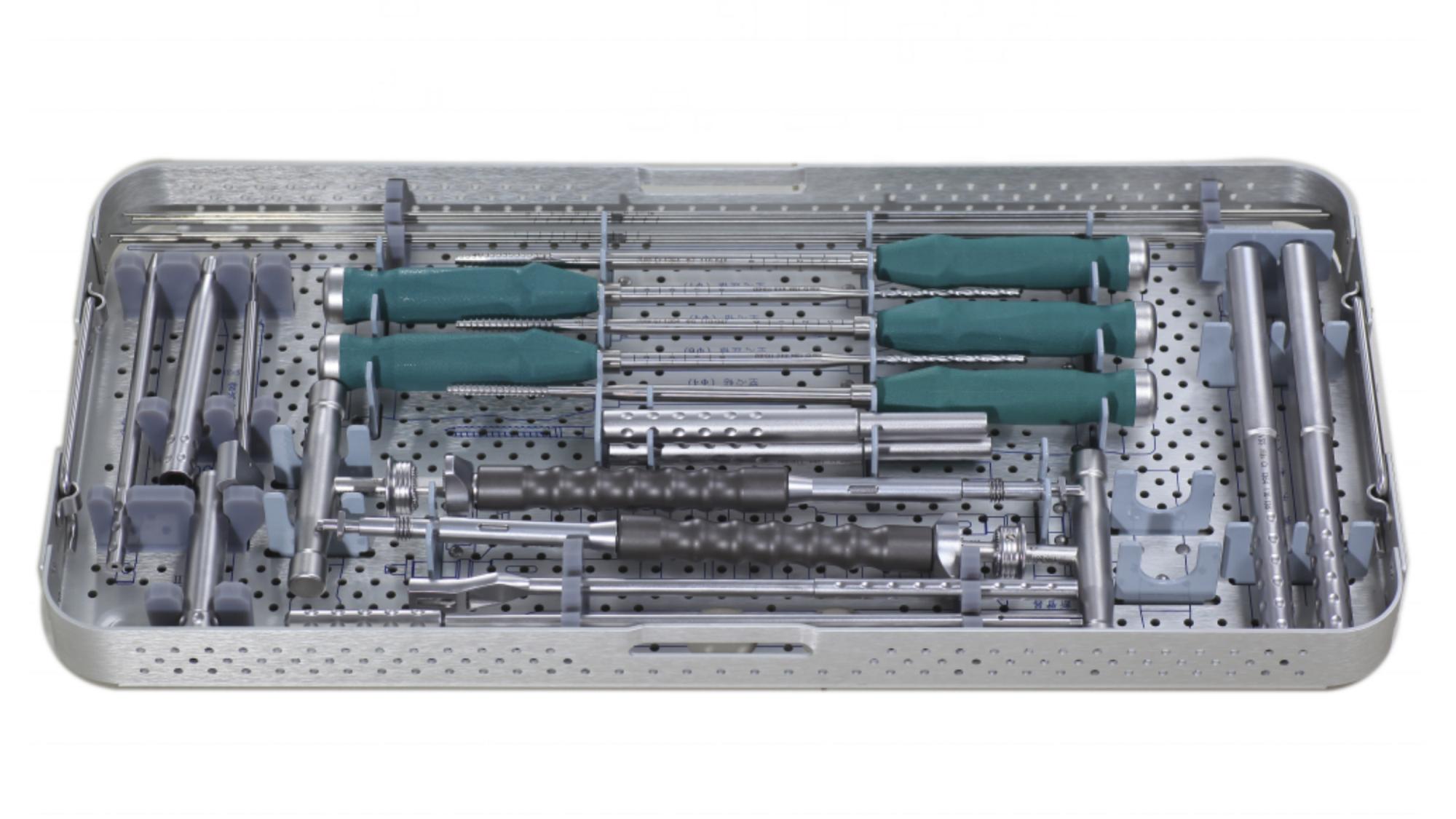
By designing and manufacturing matching instrument kits alongside our implants, we deliver complete surgical solutions. This ensures compatibility during surgery, reduces risk, and shortens operation times for surgical teams worldwide.
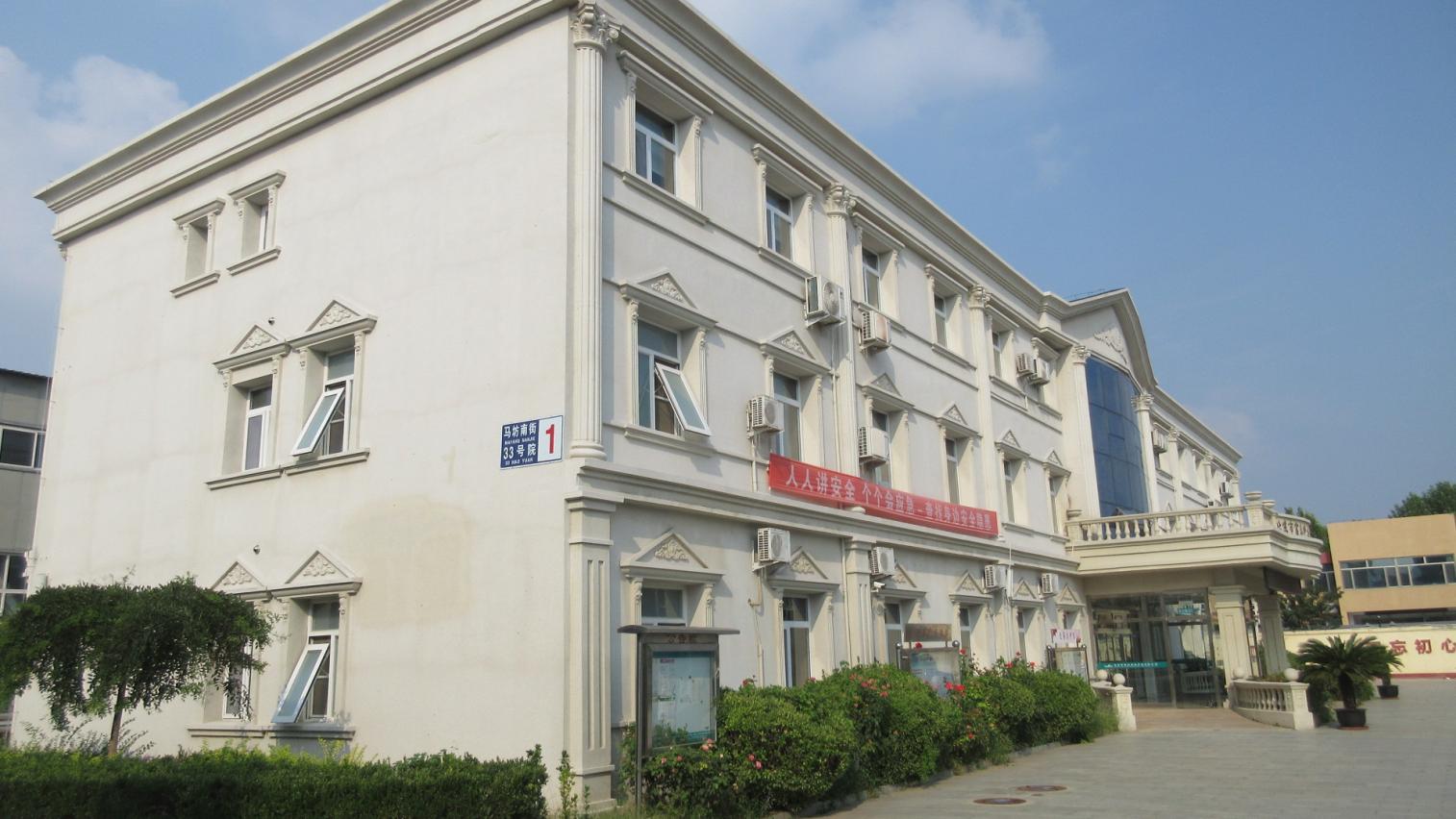
Established in 1996, Beijing Fule has grown to become a cornerstone manufacturer of high-precision orthopedic systems. Our modern production facility covers 10,000 square meters and is optimized for advanced metallurgy, cleanroom packaging, and rigorous product testing.
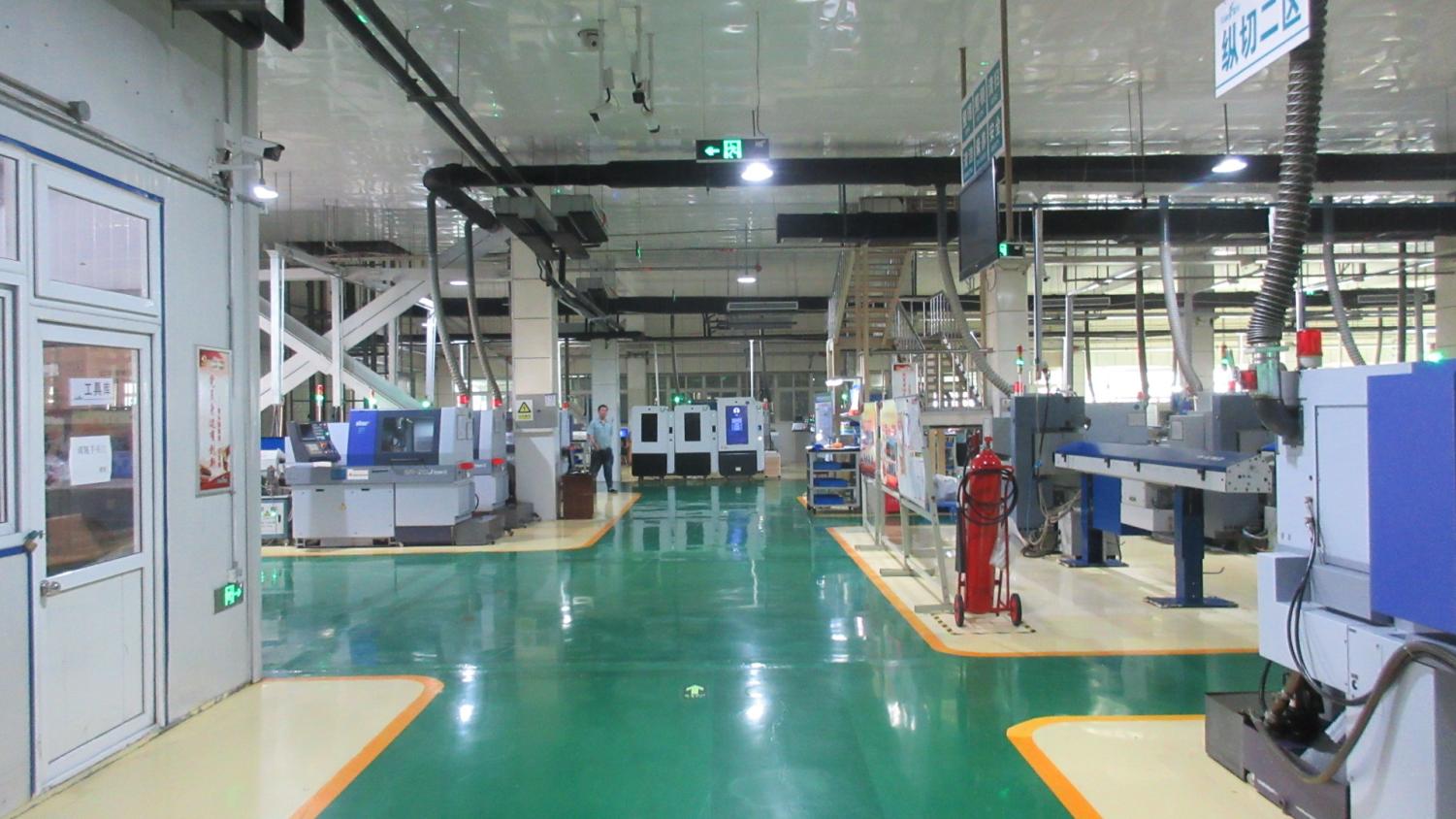
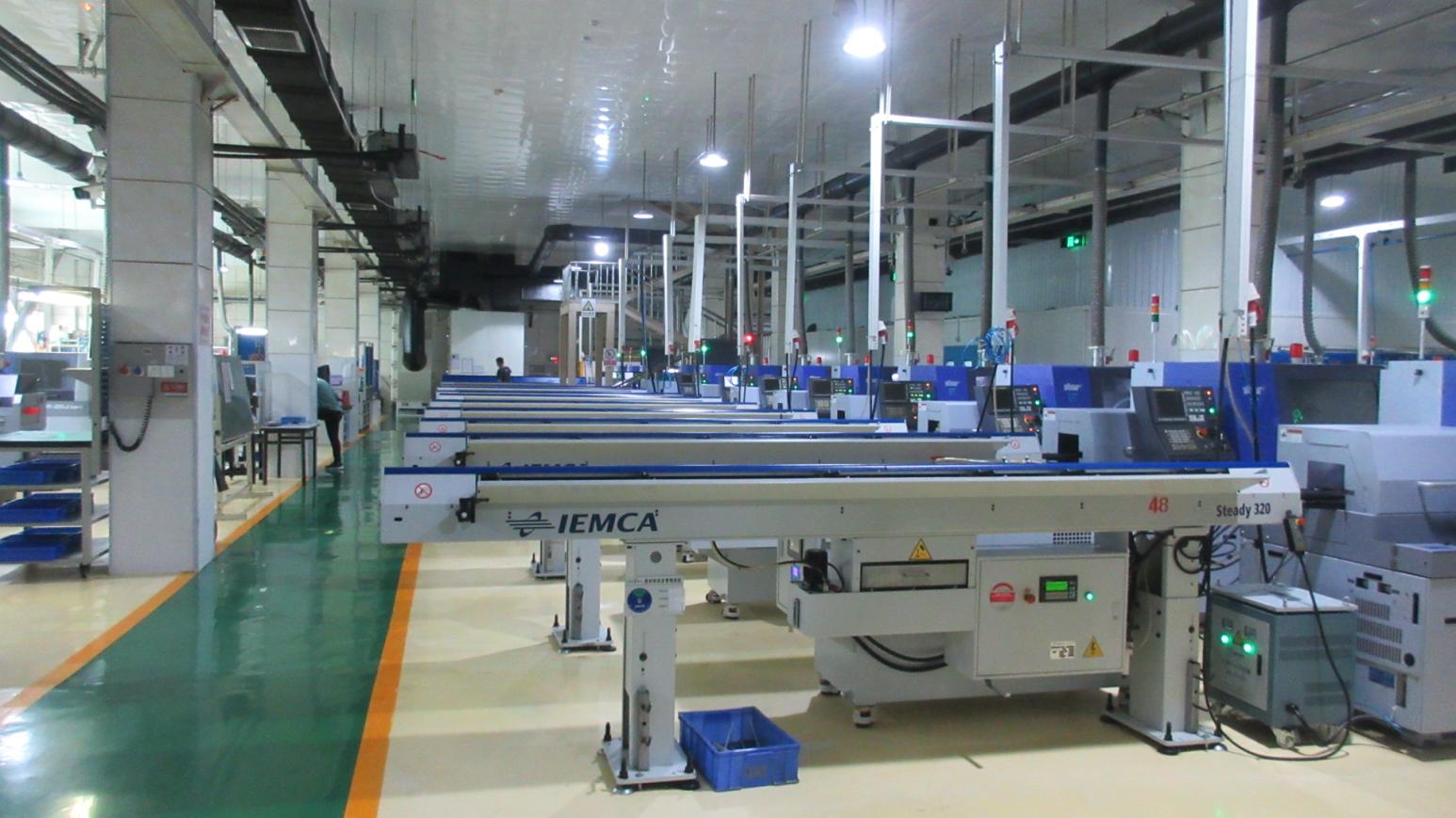
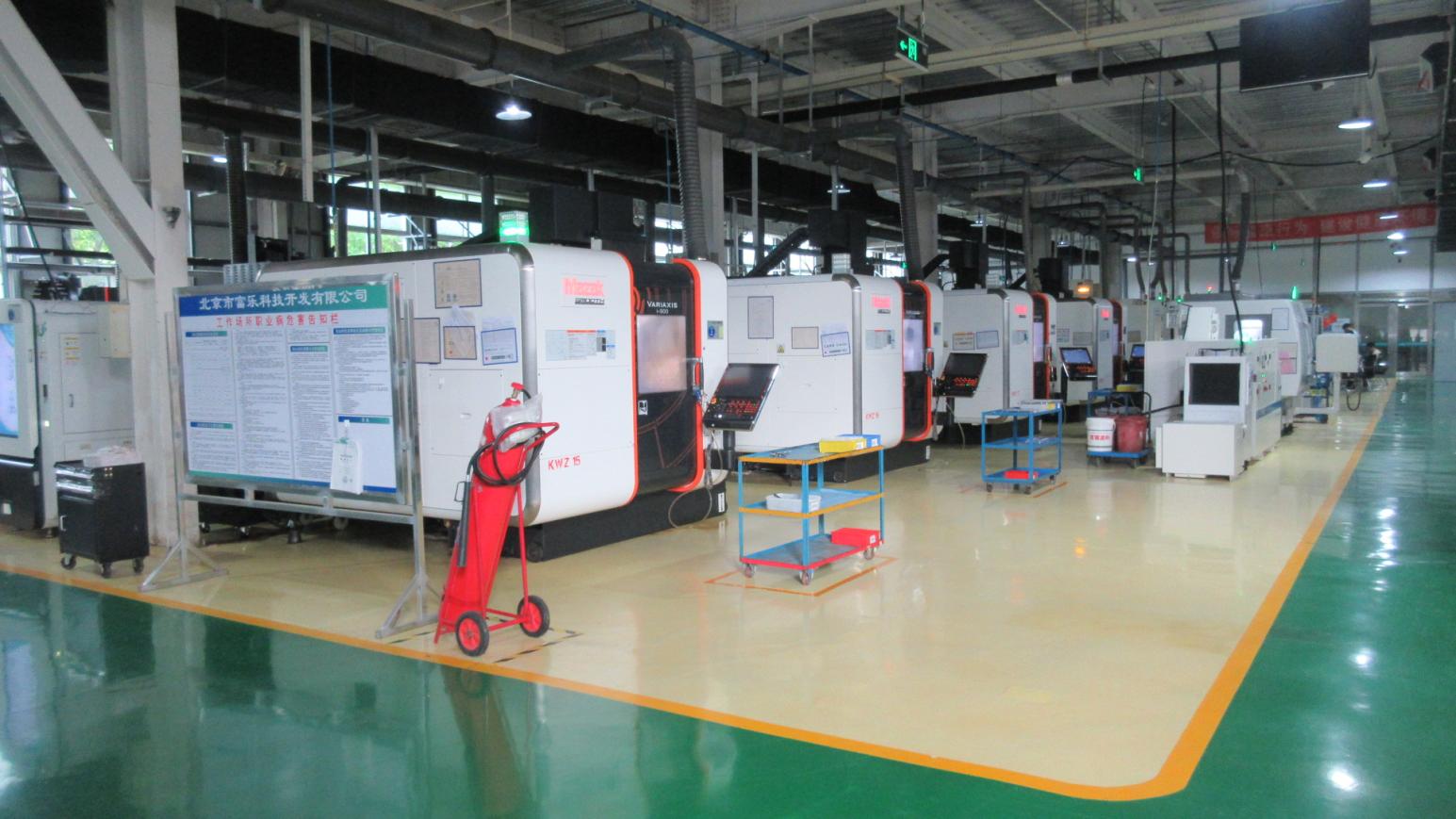
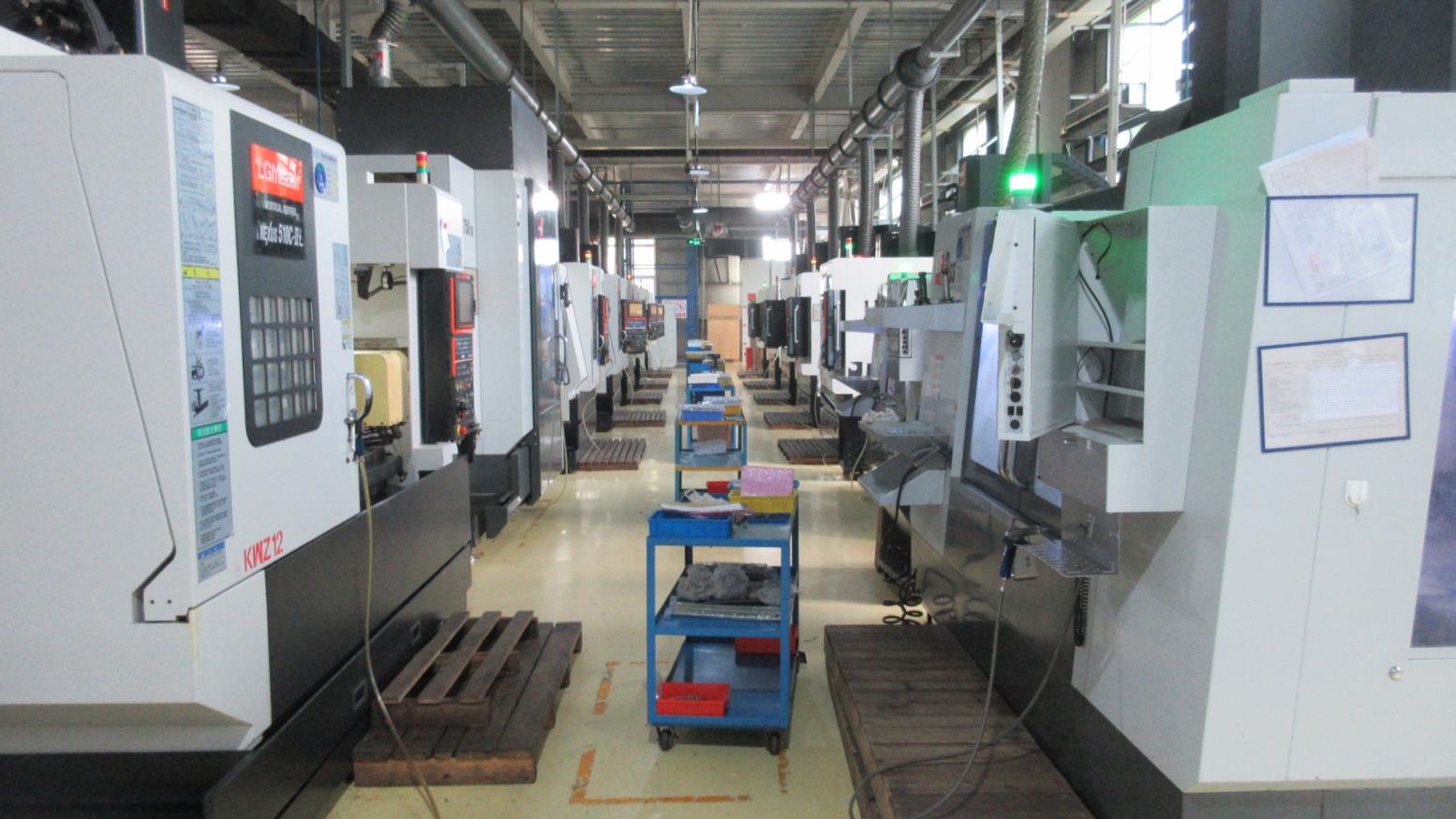
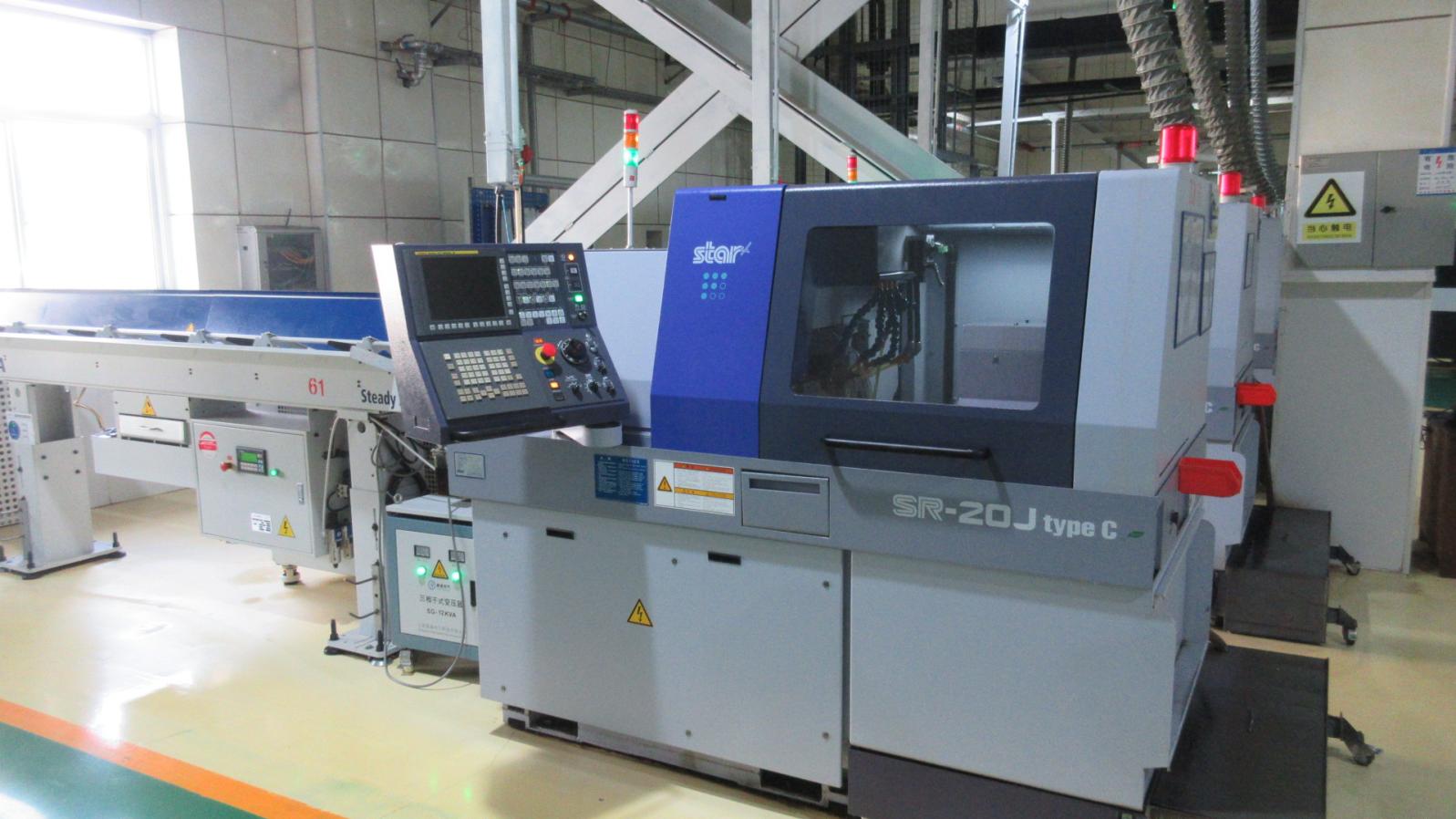
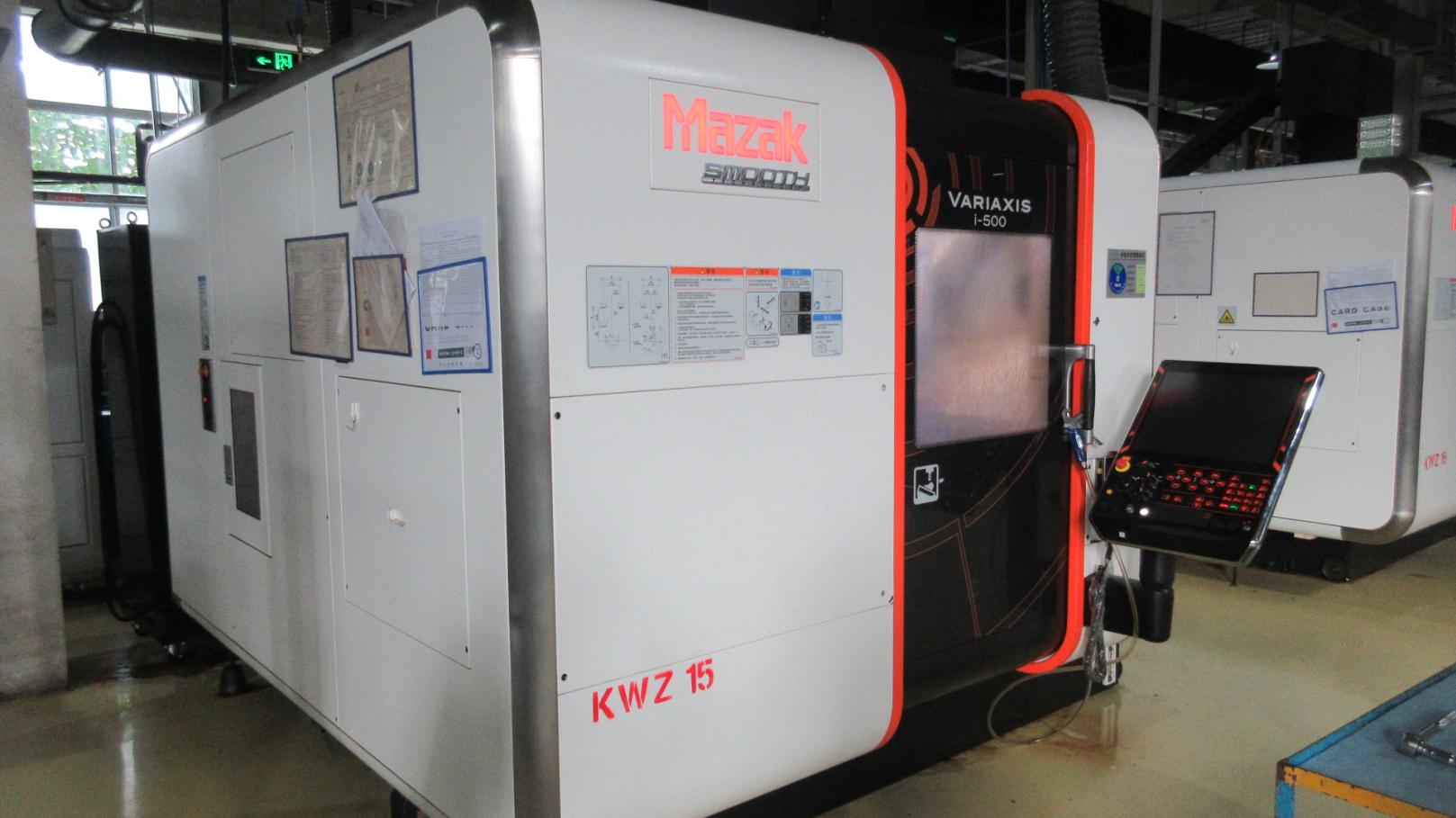
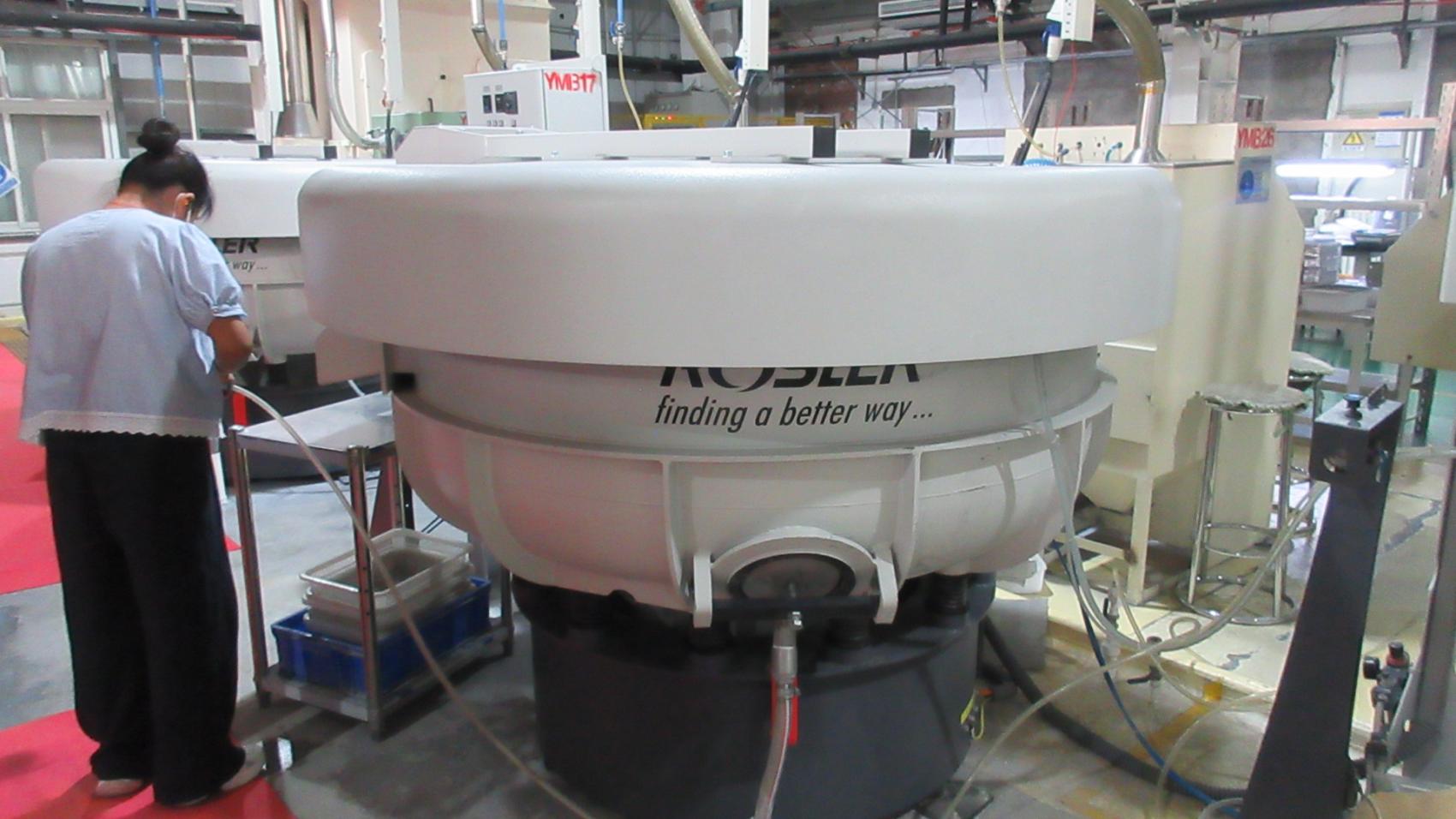
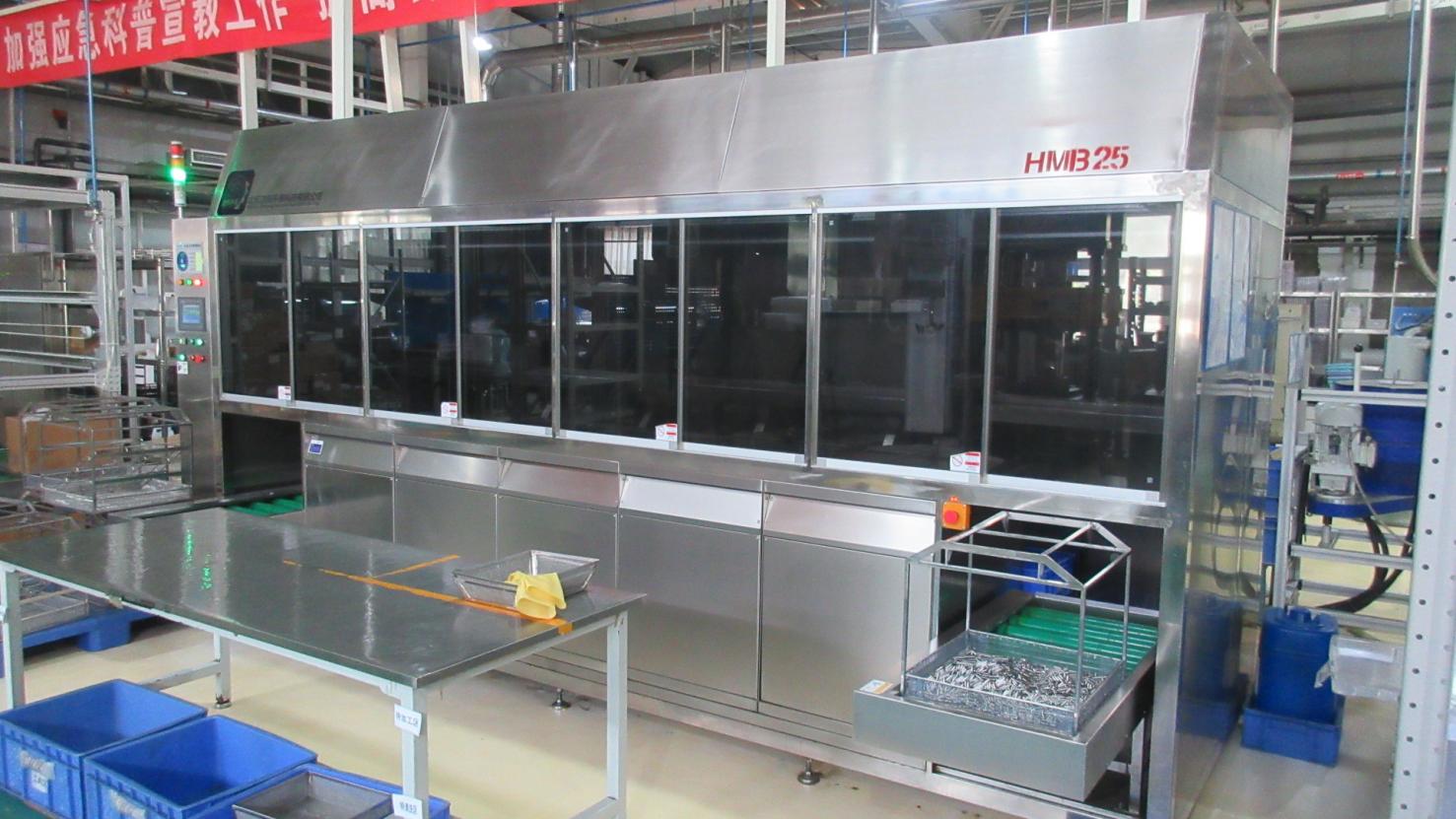
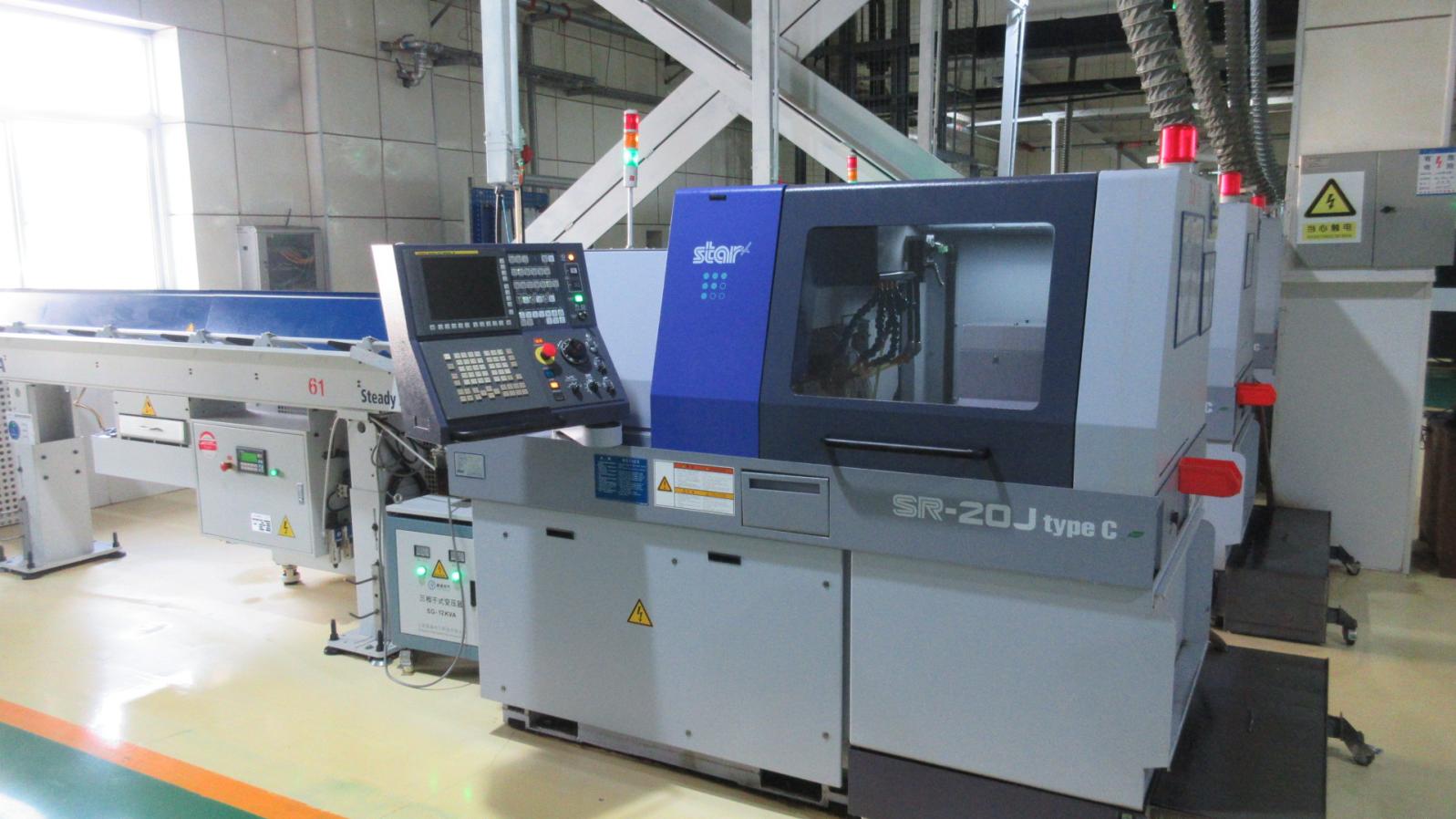
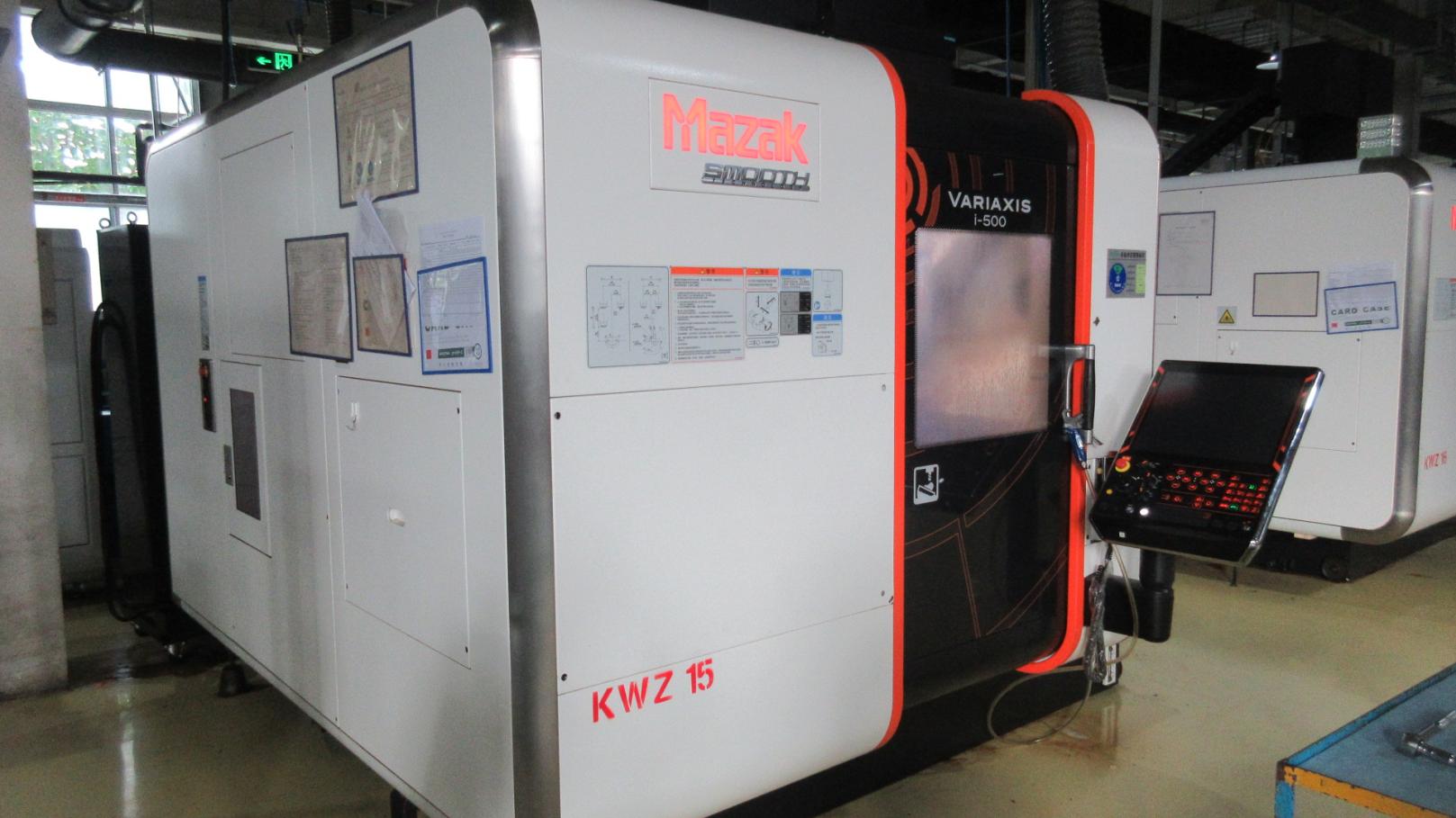
As a dedicated Class III medical device manufacturer, our production floor is equipped with 102 state-of-the-art multi-axis CNC Swiss lathes, milling machines, and automated surface treatment systems. This machinery allows us to maintain tight tolerances down to single-digit microns, ensuring that every pedicle screw, spinal plate, and interbody cage matches its CAD model perfectly.
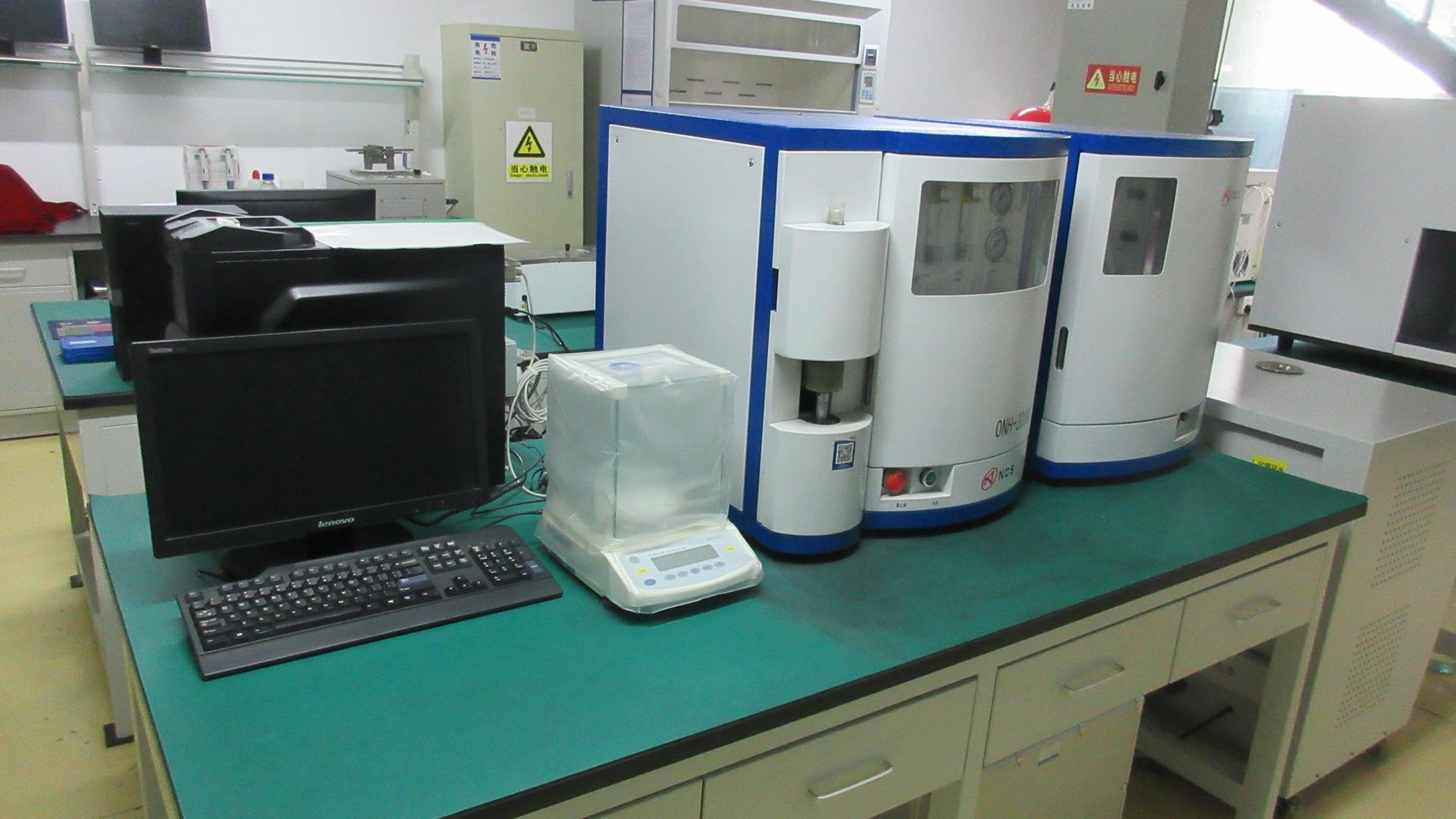
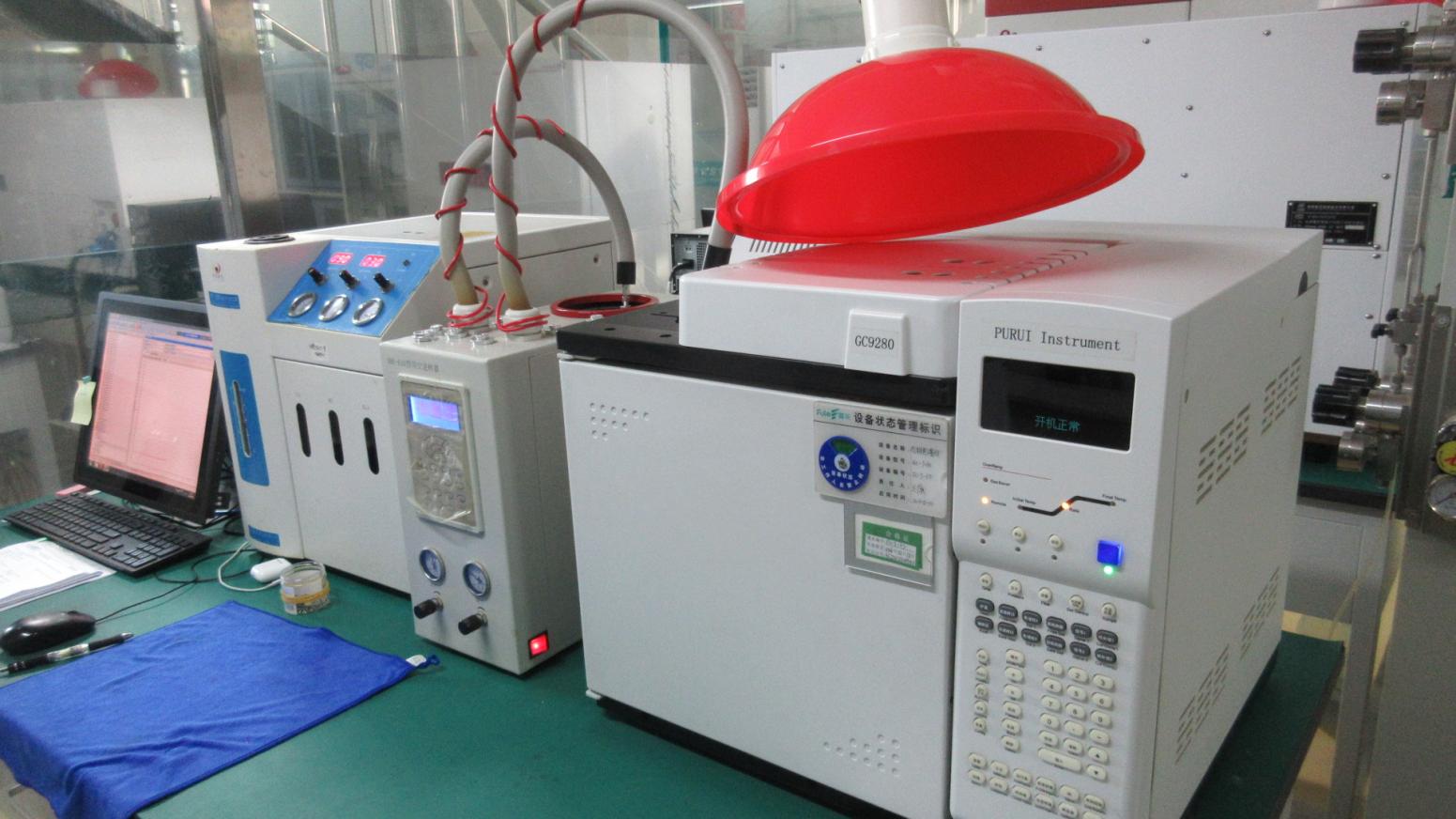
Quality control is integrated into every step of our manufacturing process. We maintain complete traceability of raw materials from the moment medical titanium billets arrive at our facility. Every production line is monitored, and 100% of finished products undergo inspection.
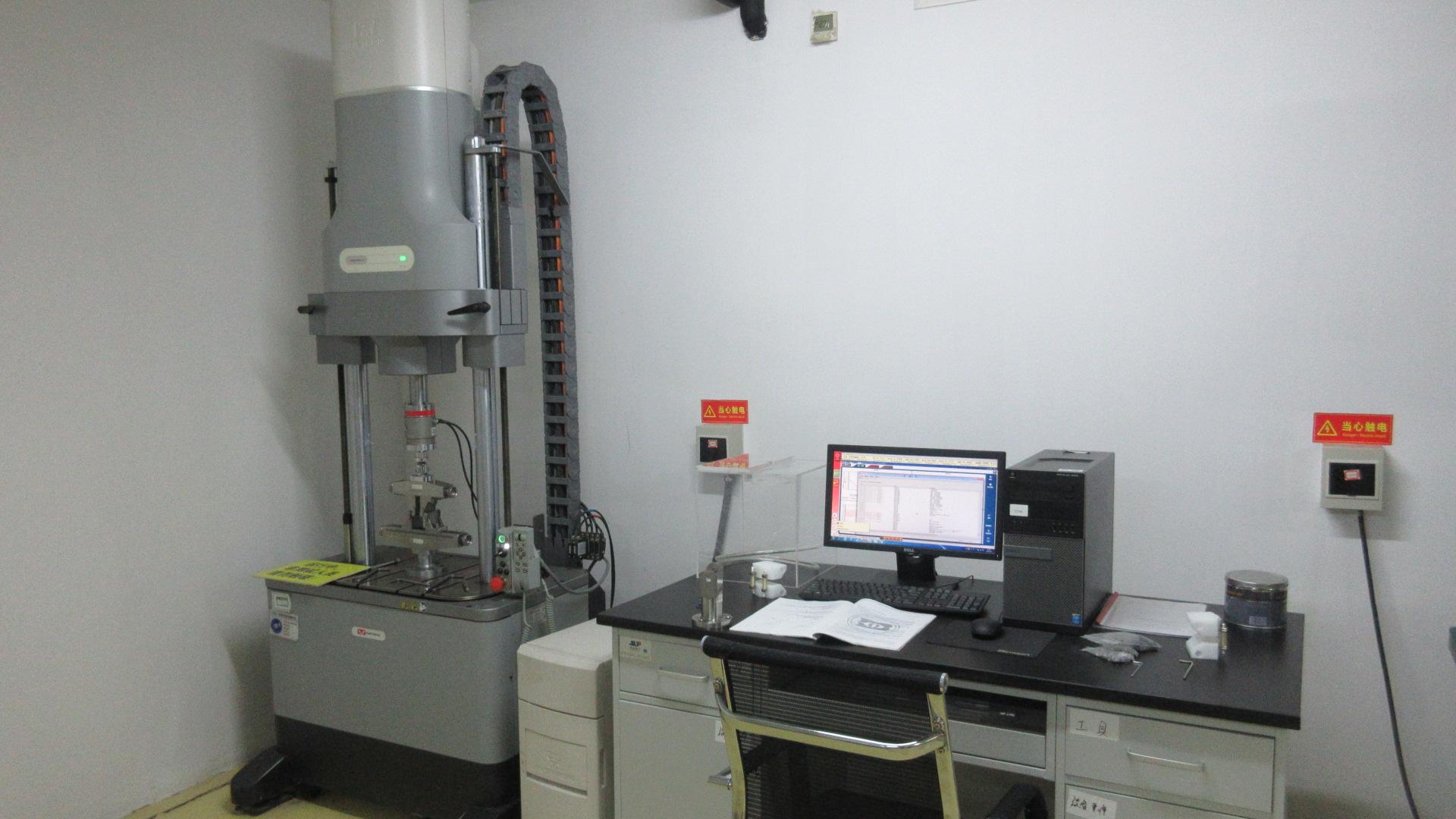
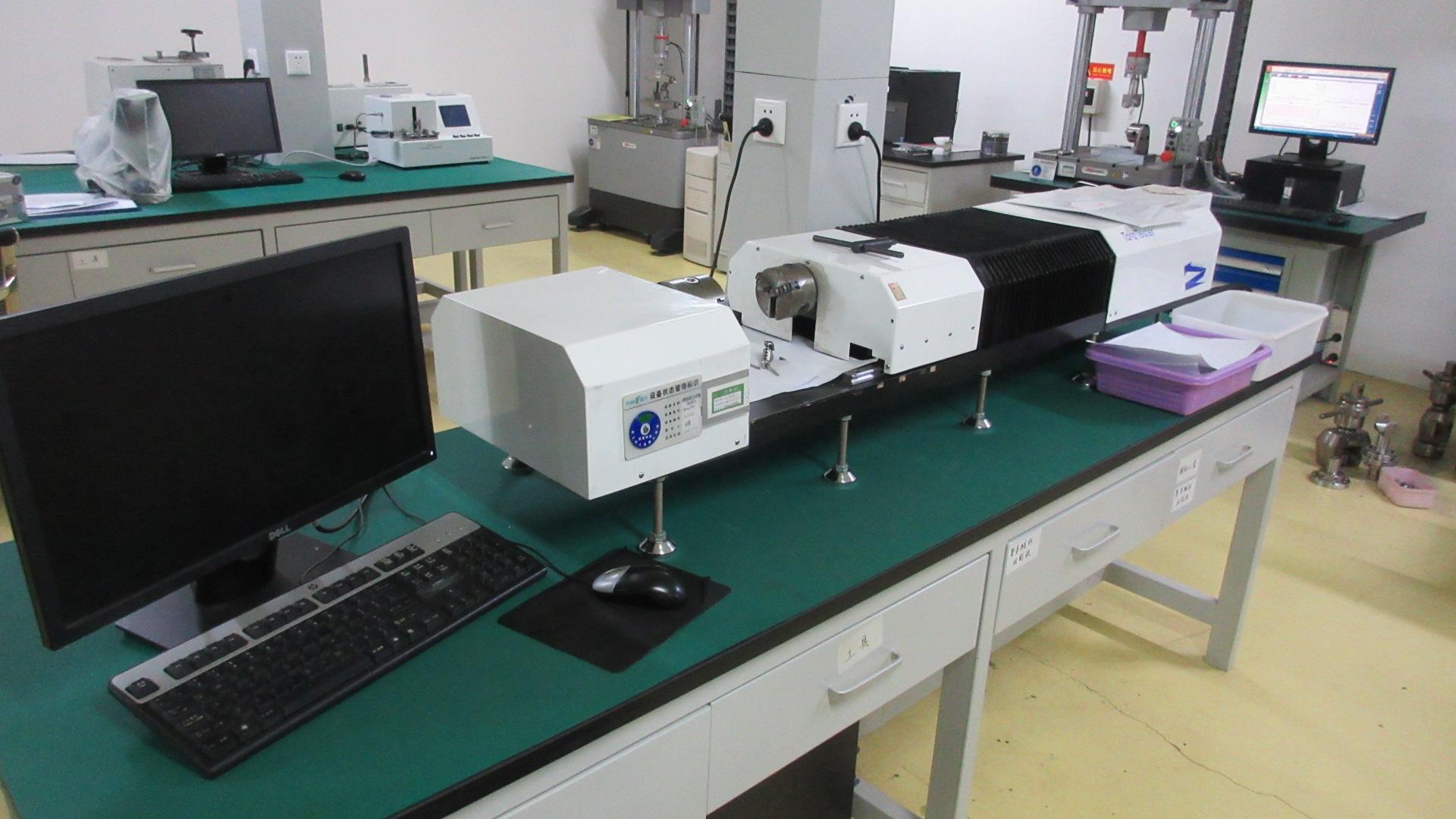
Our dedicated team of 15 QA/QC inspectors uses optical comparators, coordinate measuring machines (CMM), and digital surface roughness testers to verify every critical dimension. In addition, we conduct regular mechanical testing—including fatigue, static compression, and torsion testing—to ensure our implants can withstand long-term physiological stress.
This focus on quality has helped us earn and maintain our ISO 13485 certification, providing our global partners with the reliability and regulatory confidence they need.
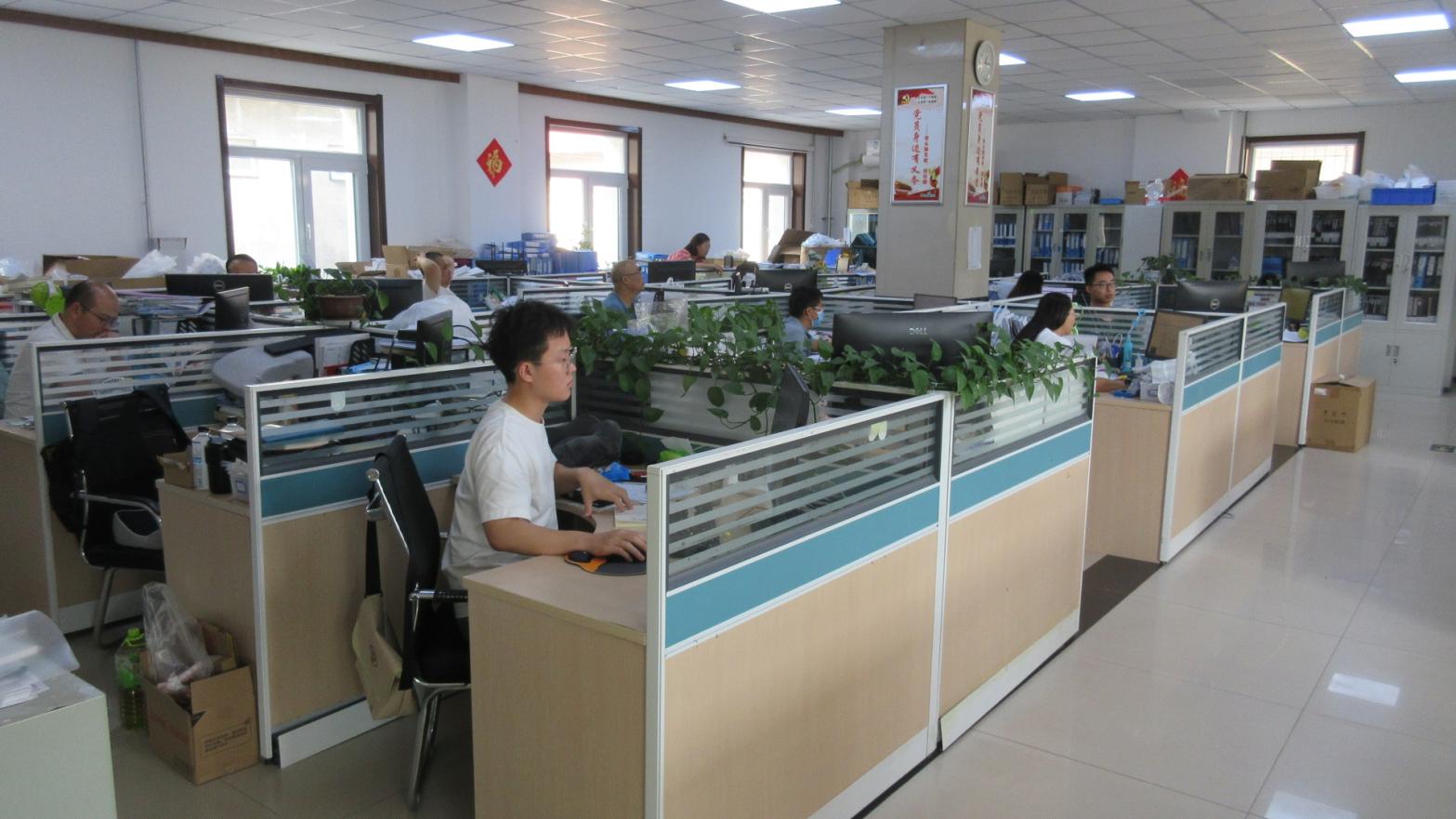
At Beijing Fule, we are committed to continuous innovation. Driven by our 20-person R&D engineering team, we focus on developing next-generation orthopedic technologies to improve patient outcomes and simplify surgical workflows.
Our long-term R&D efforts are focused on several key areas:
Developing 3D-printed titanium cages with porous structures that mimic natural trabecular bone, encouraging rapid osseointegration and stronger biological fixation.
Applying advanced anodization and bioactive mineral coatings to reduce bacterial adhesion and accelerate bone growth around titanium screws and plates.
Refining our percutaneous access instruments and low-profile fixation systems to minimize muscle trauma, reduce bleeding, and support faster patient recovery.
We are also researching biodegradable polymers and smart implants with integrated sensors to monitor bone fusion and structural loading in real time. This forward-looking approach ensures our partners always have access to modern, competitive orthopedic products.
Serving diverse international markets requires a clear understanding of regional medical regulations and distribution standards. Our global business is structured to help distributors and clinical providers navigate these requirements smoothly. Currently, our sales are balanced between our domestic market (40%), Eastern Europe (15%), Southeast Asia (10%), and the rest of the world (35%).
To support these global regions, we ensure our documentation is comprehensive and aligned with local requirements. We provide full technical files, CE certification documentation, material compliance certificates, and biocompatibility studies. This helps speed up the registration process with ministries of health and regulatory bodies around the world.
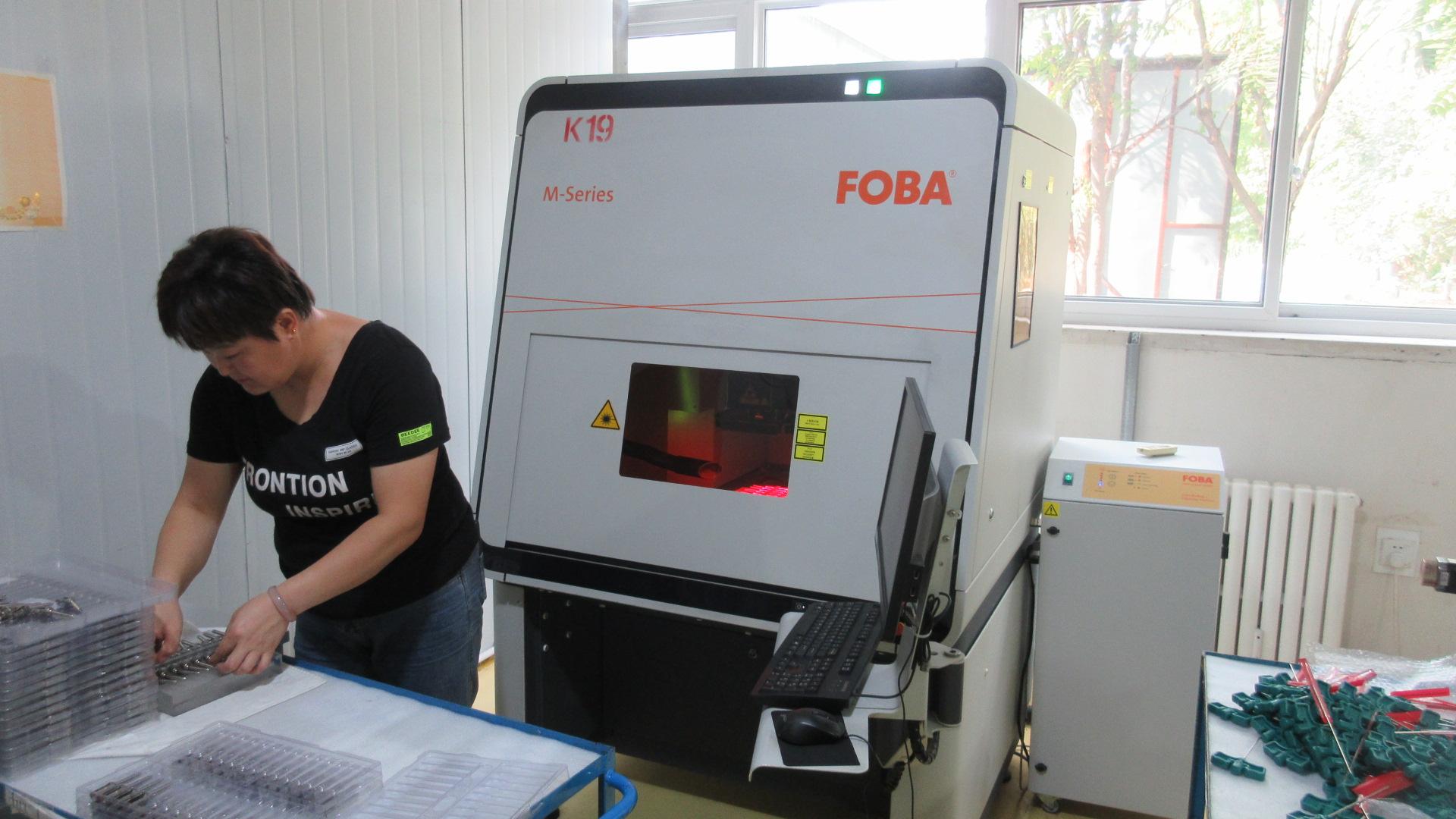
Additionally, our logistical network is designed to ensure safe, on-time delivery. We use customized protective packaging for all implants and instruments to prevent contamination or damage during transport. This ensures our products arrive in perfect sterile or cleanroom-ready condition, anywhere in the world.
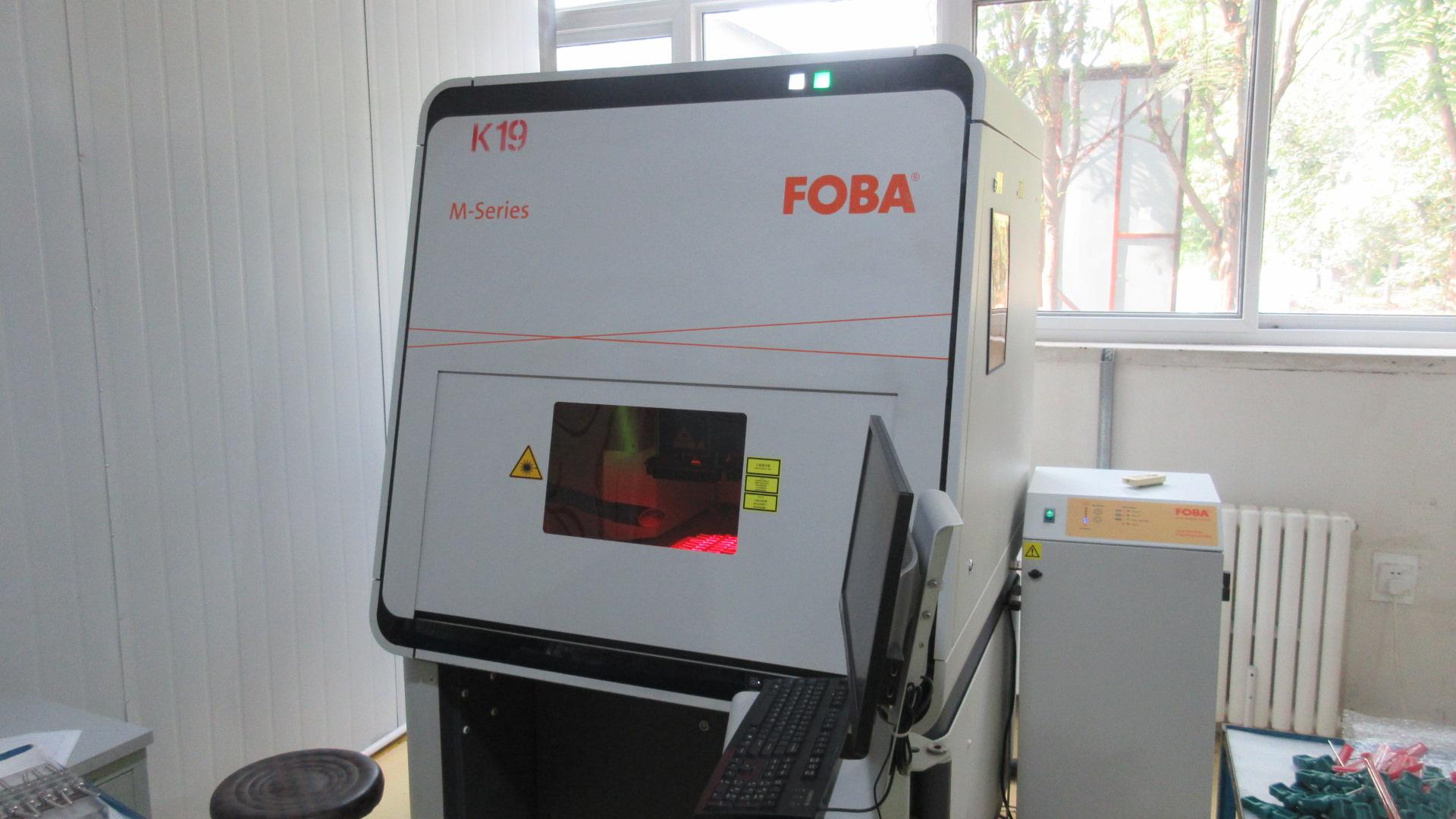
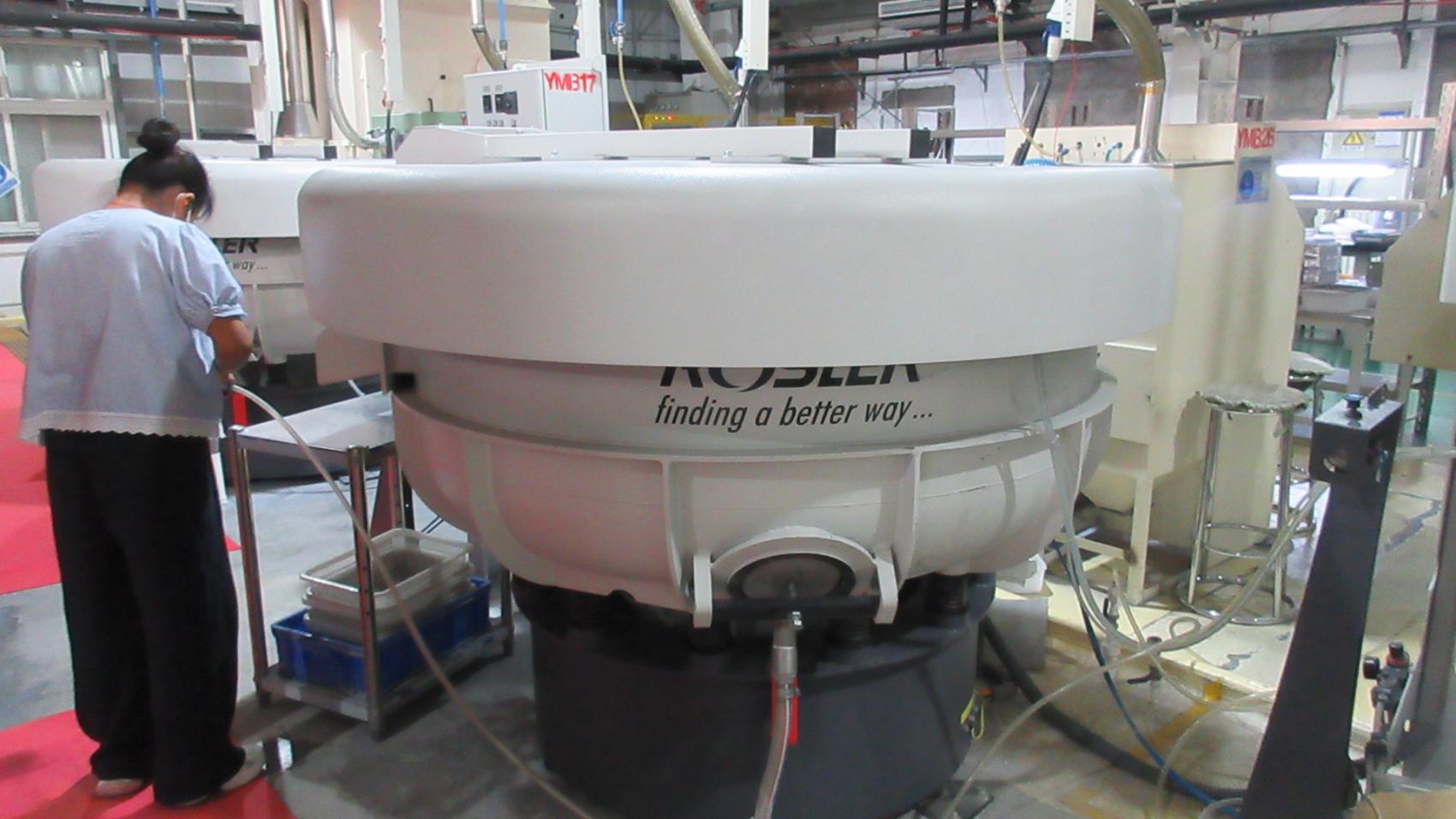
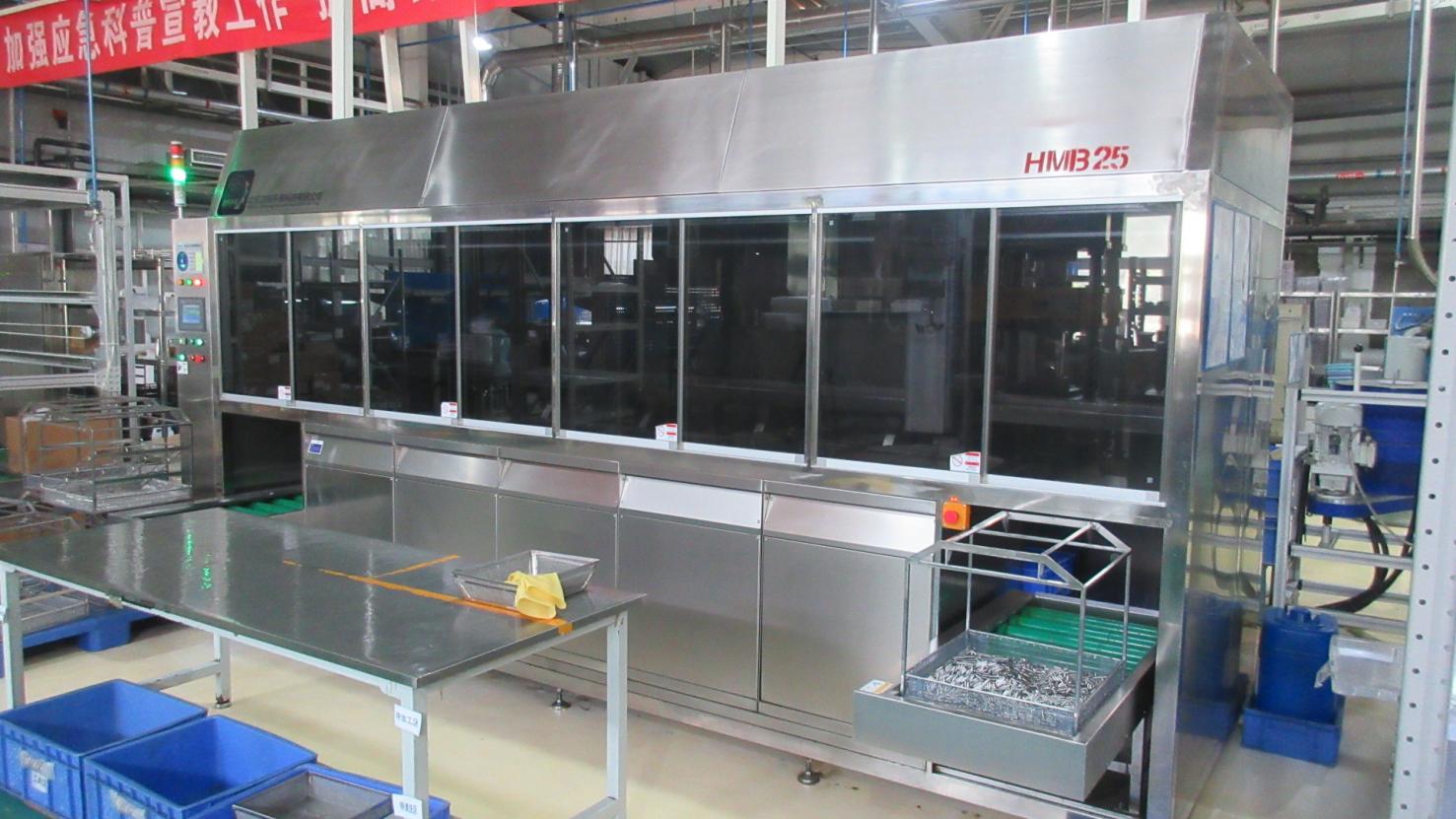
A visual look inside our manufacturing processes, including CNC machining centers, automated polishing areas, inspection zones, and cleanroom packaging facilities.

Find answers to common questions about material specifications, customization capabilities, quality control standards, and regulatory compliance.
Explore our specialized range of bone screws, interbody cages, and minimally invasive accessories engineered to support successful clinical outcomes.
 Fule
Fule