The global market for Occipitocervical Thoracic Posterior Spinal Systems is witnessing unprecedented growth. As the aging population increases worldwide, the demand for complex spinal reconstruction—addressing degenerative diseases, trauma, and tumors—has surged. Modern surgical techniques now prioritize stability and fusion at the craniocervical junction, driving the need for sophisticated posterior fixation systems.
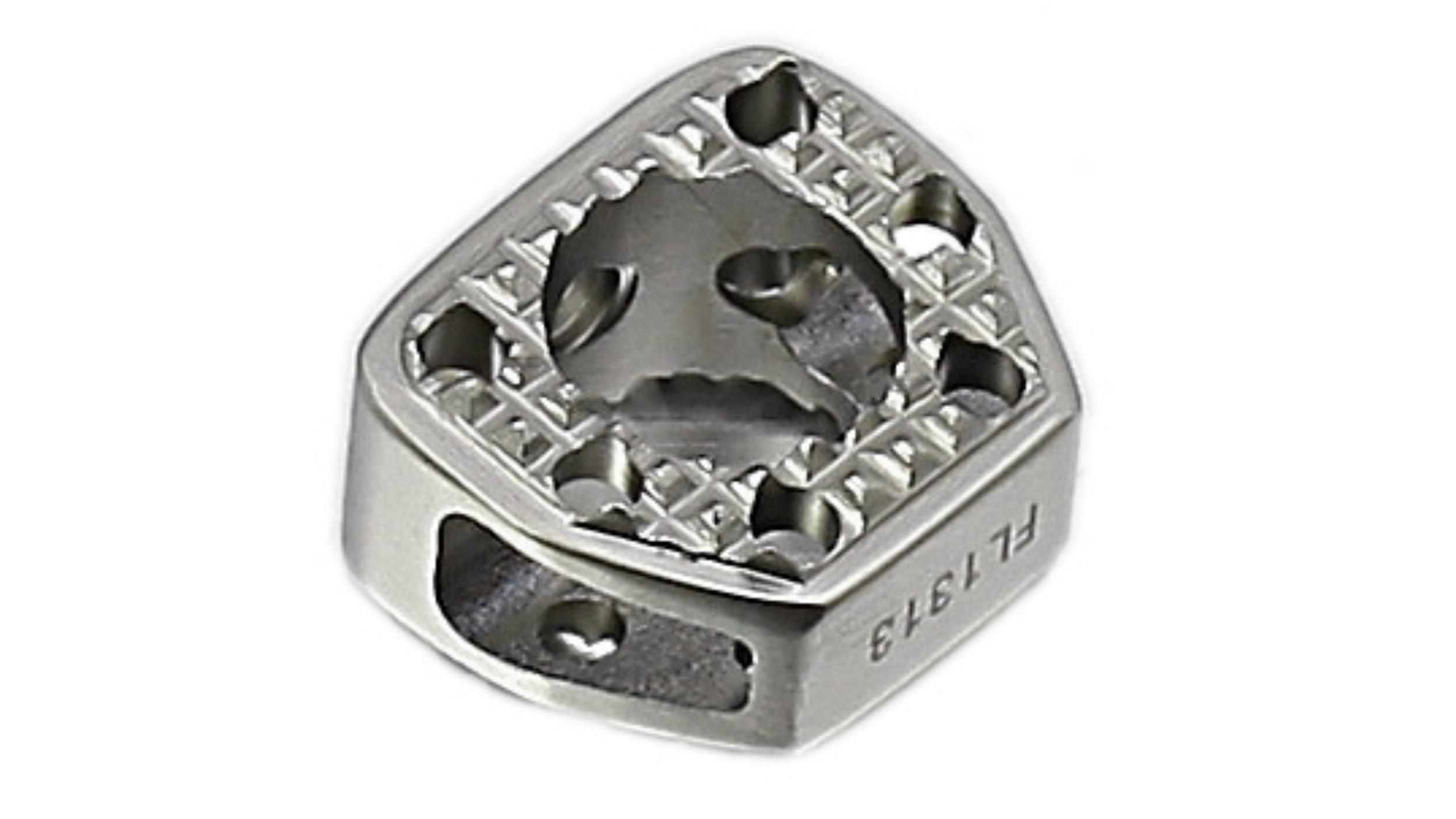
Current trends are shifting toward Minimally Invasive Surgery (MIS) and Robotic-Assisted Navigation. Manufacturers are focusing on low-profile designs to reduce soft tissue irritation and utilizing advanced biocompatible materials like Grade 5 Titanium and PEEK. The integration of 3D-printed porous structures for better osseointegration is becoming a standard in high-end spinal implants.
Global healthcare providers and distributors are increasingly seeking "Value-Based Procurement." This means a demand for systems that offer clinical excellence (CE/ISO certified) without the exorbitant costs of traditional Western brands. Reliability, long-term clinical data, and comprehensive instrument sets are the top priorities for international hospital tenders.
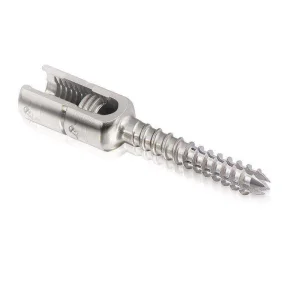
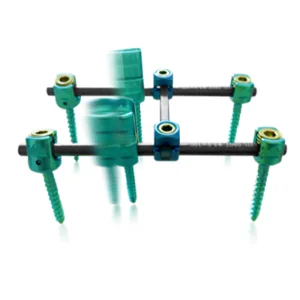
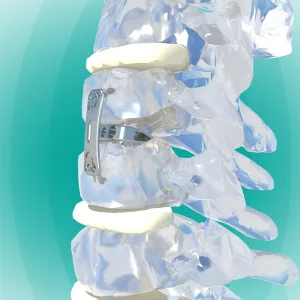
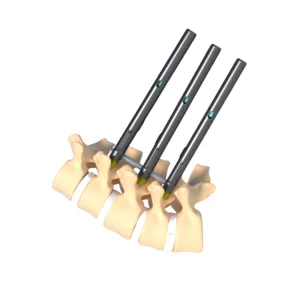
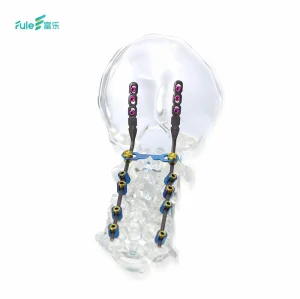
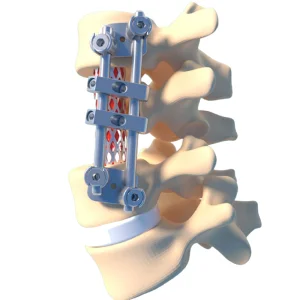
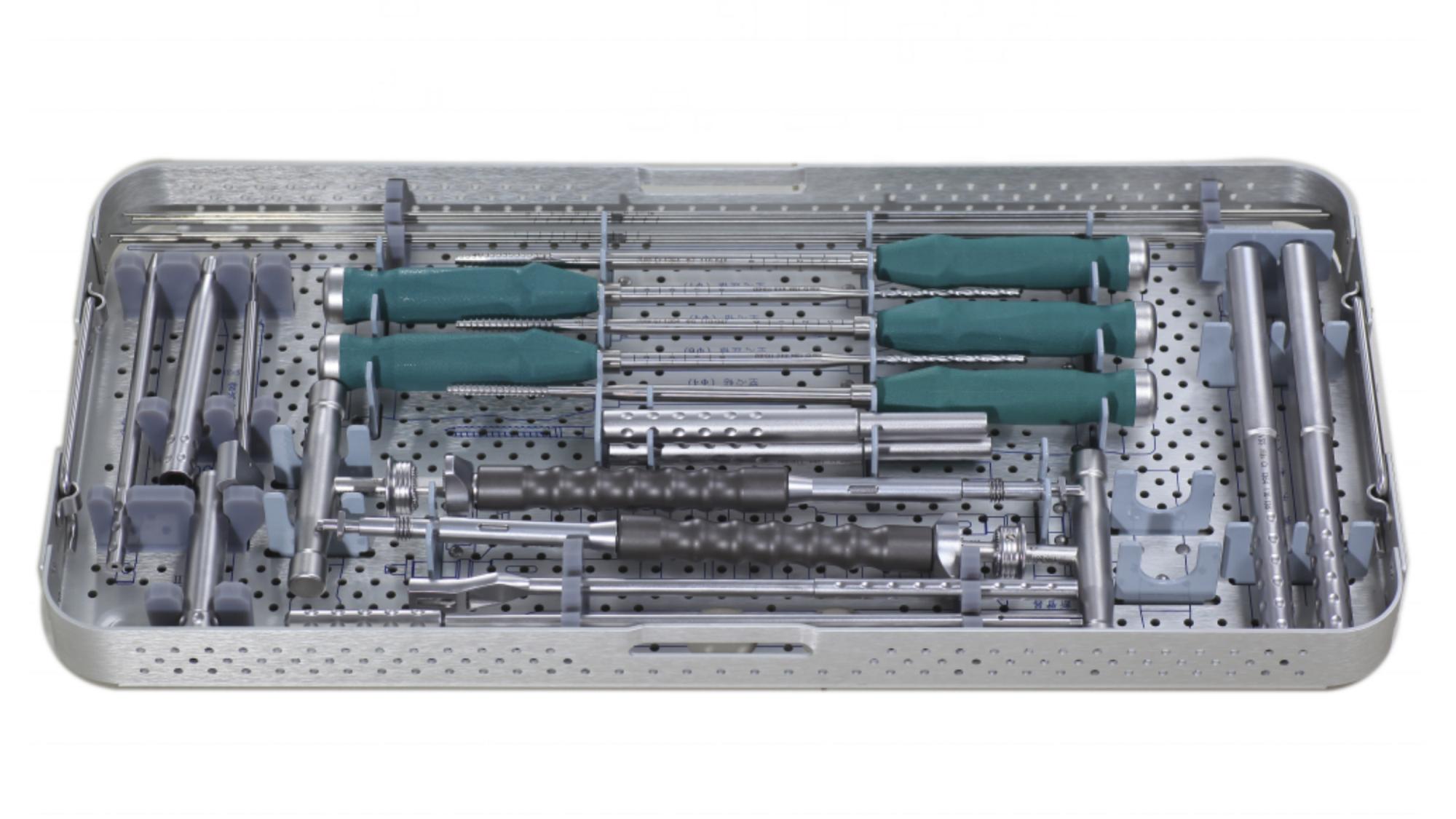
The Occipitocervical Thoracic Posterior Spinal System is a critical tool for surgeons dealing with complex instability. Our systems are designed to provide rigid fixation from the occiput to the upper thoracic spine.
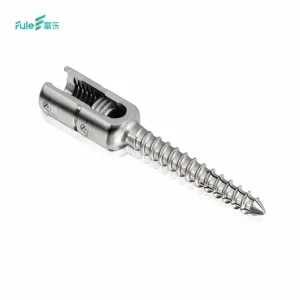
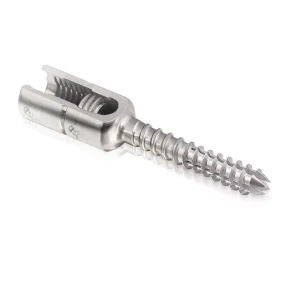
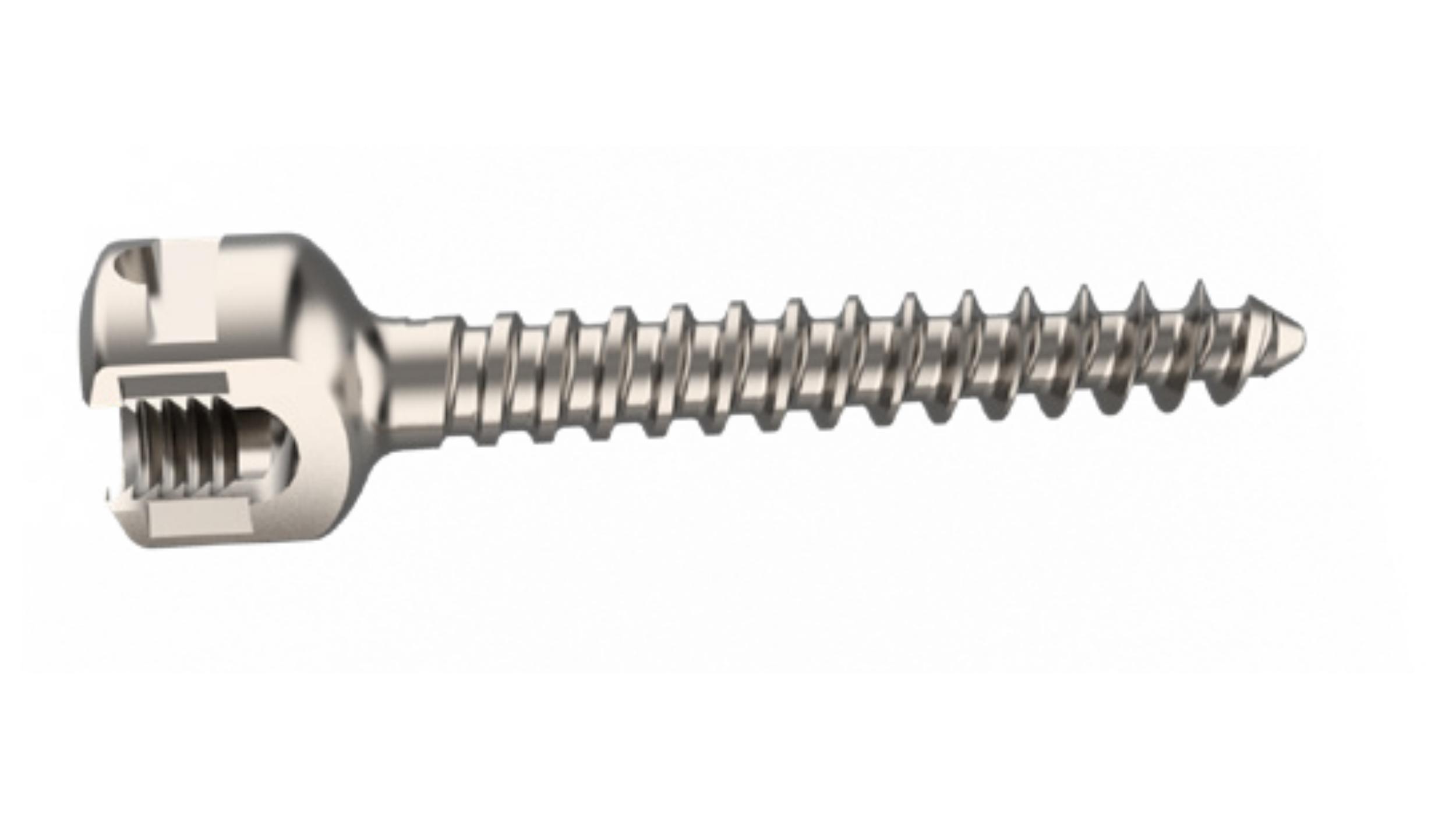
In high-impact trauma cases involving cervical fractures or dislocations, our posterior systems provide immediate stabilization. The multi-axial screw designs allow for easier rod placement even in distorted anatomy, ensuring faster surgical times in critical care environments.
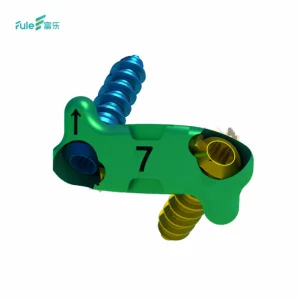
For patients suffering from severe rheumatoid arthritis or cervical spondylotic myelopathy, our system offers the necessary support for long-segment fusion. The low-profile plates and hooks minimize the risk of post-operative dysphagia and discomfort.
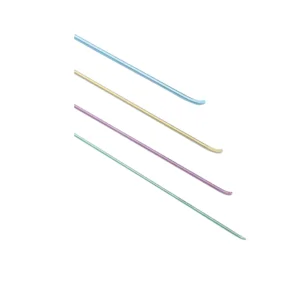
In cases of spinal tumor resection or pediatric deformity correction, the versatility of the Occipitocervical Thoracic system is paramount. Our customizable rod lengths and various connector options allow surgeons to tailor the construct to the patient's unique anatomy.
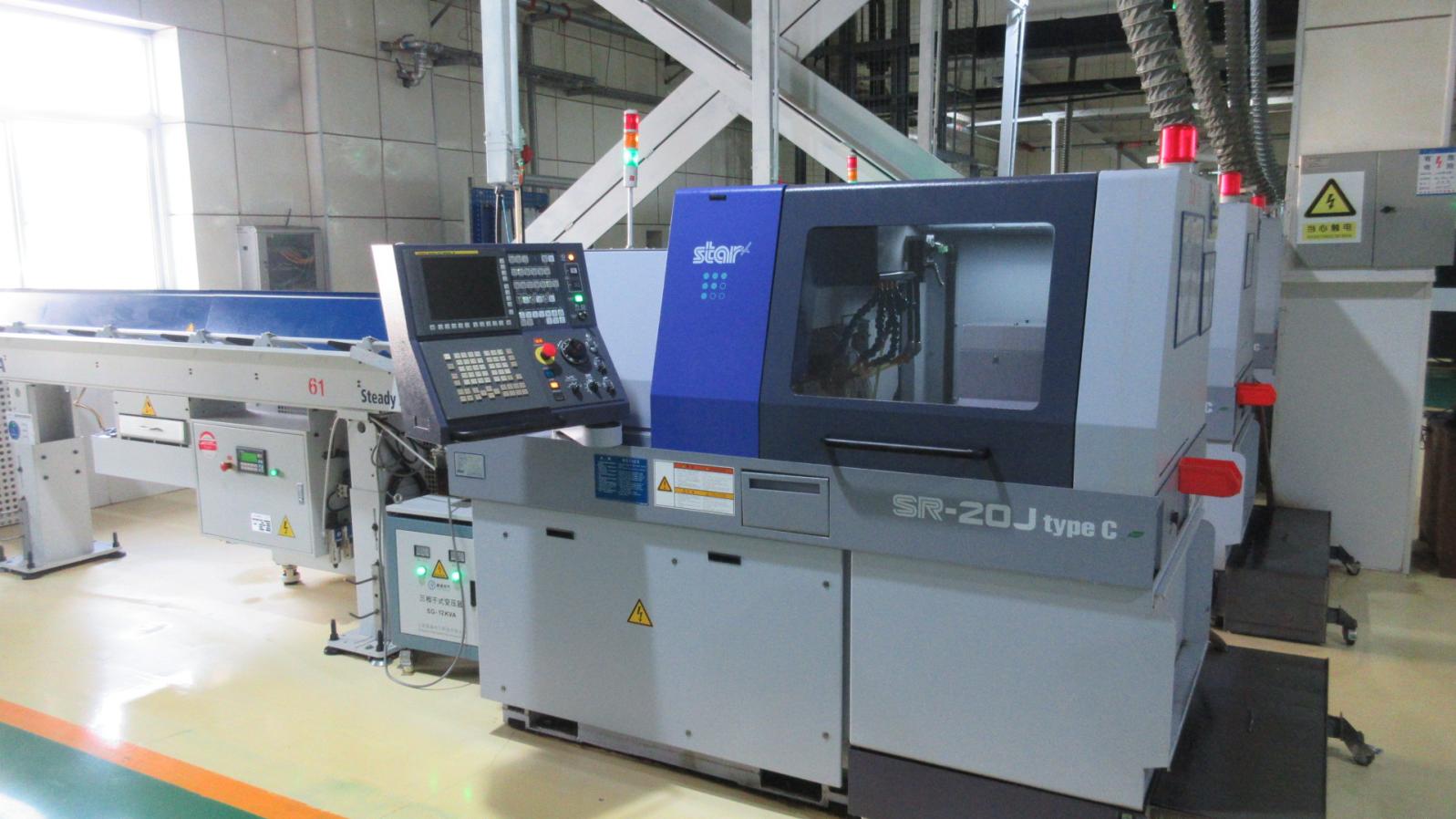
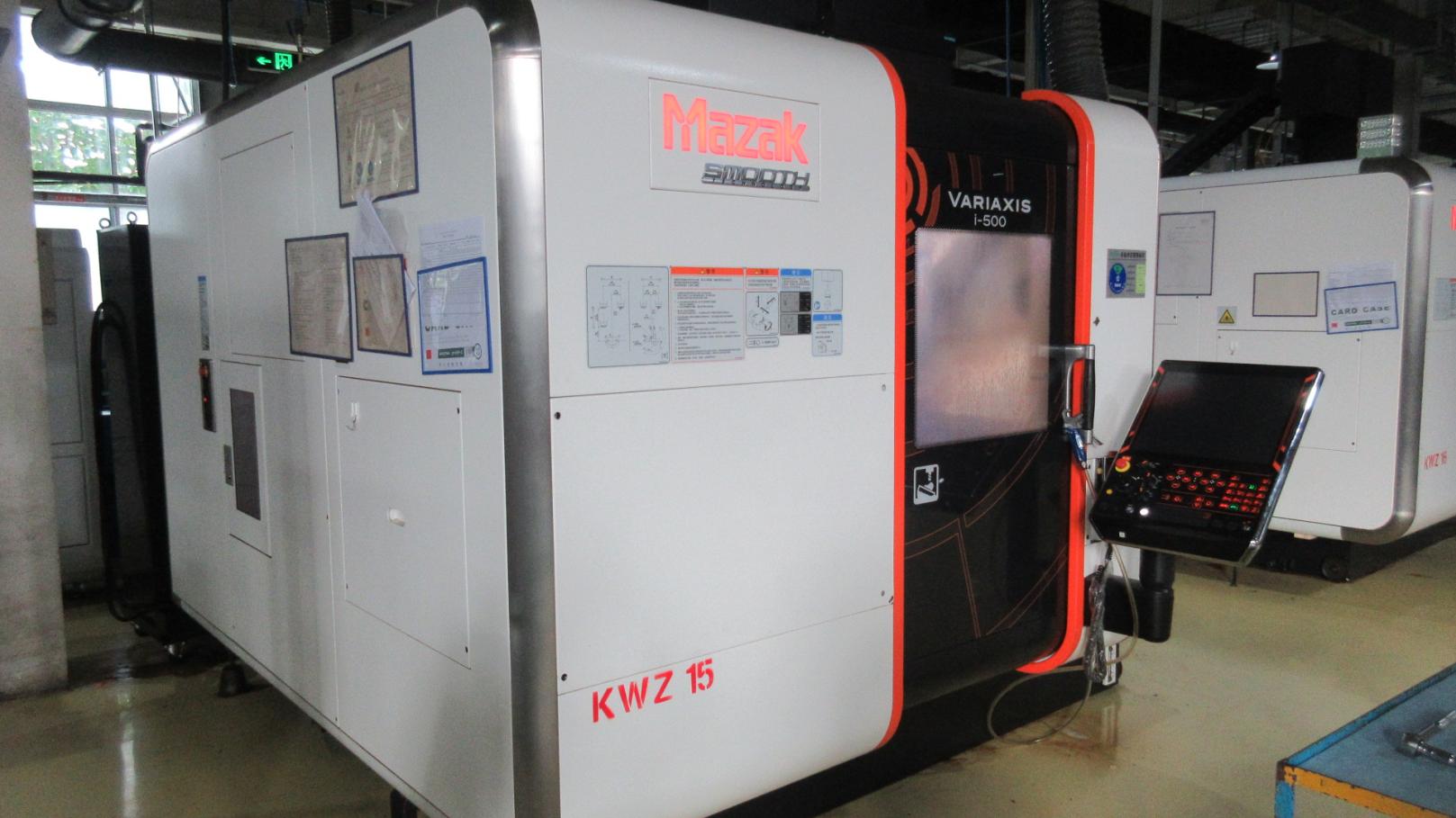
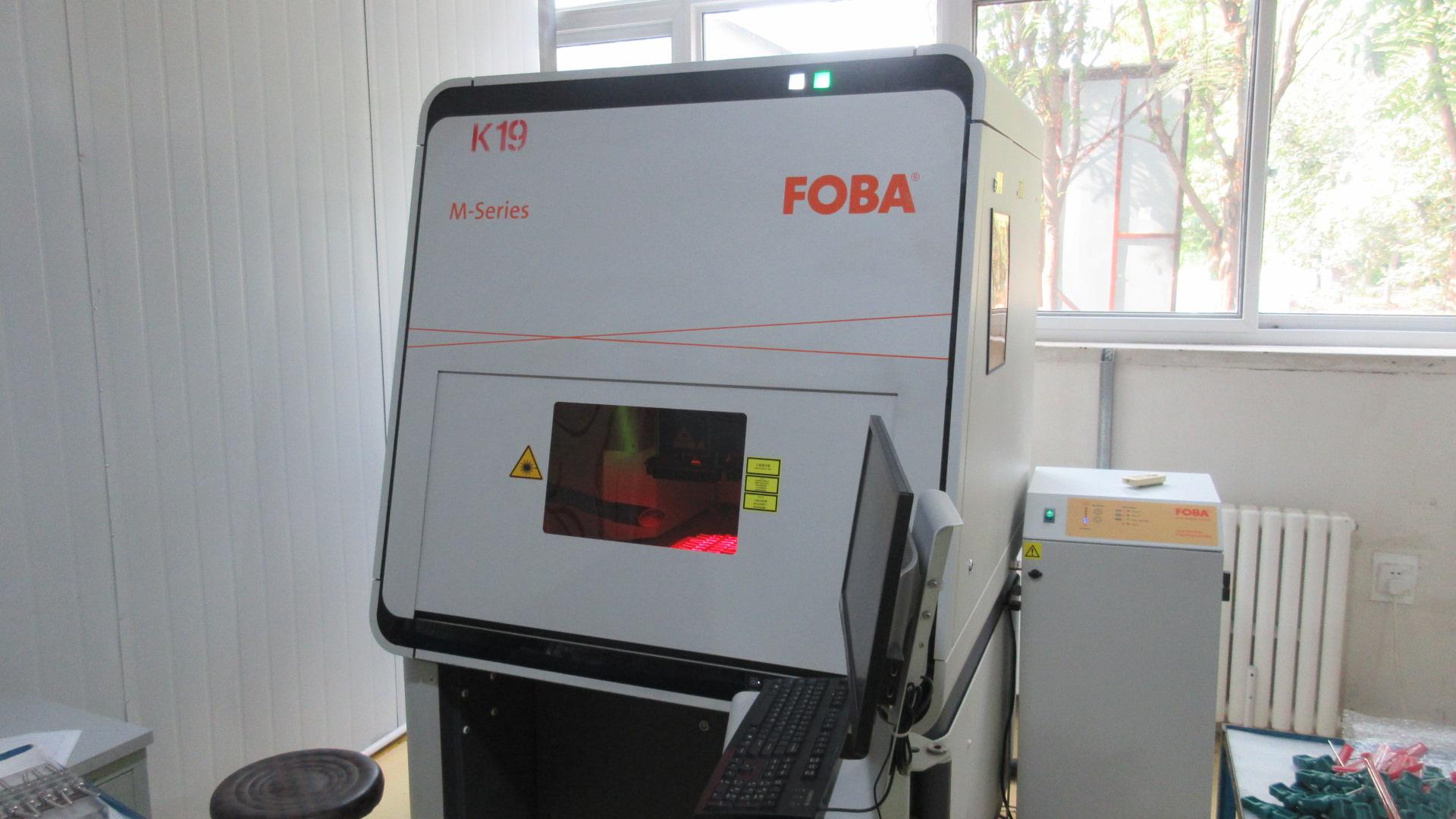
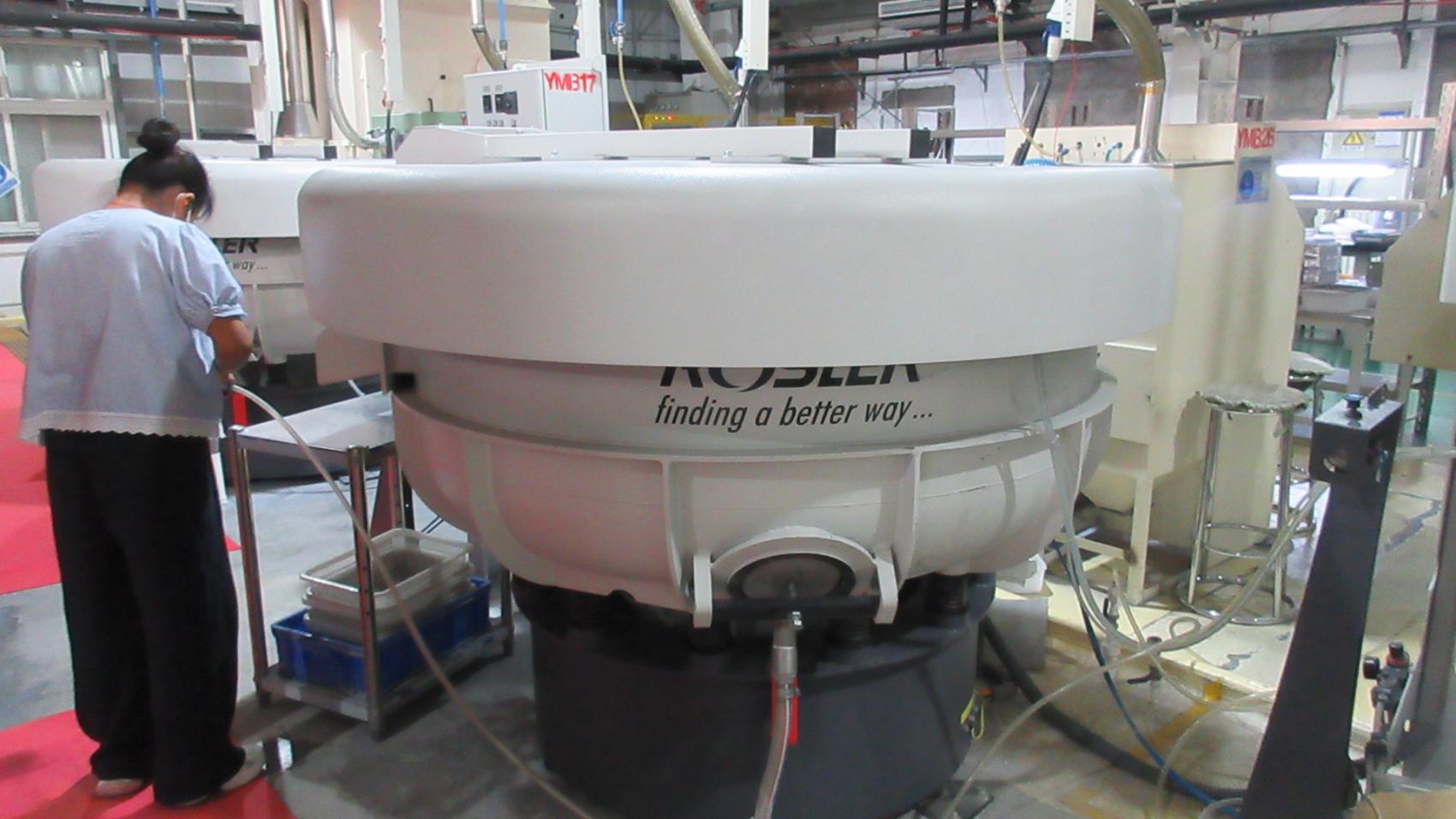
With nearly three decades of experience since 1996, we have evolved alongside the global orthopedic industry. Our expertise isn't just in manufacturing; it's in understanding the surgical nuances that make an implant successful in the OR.
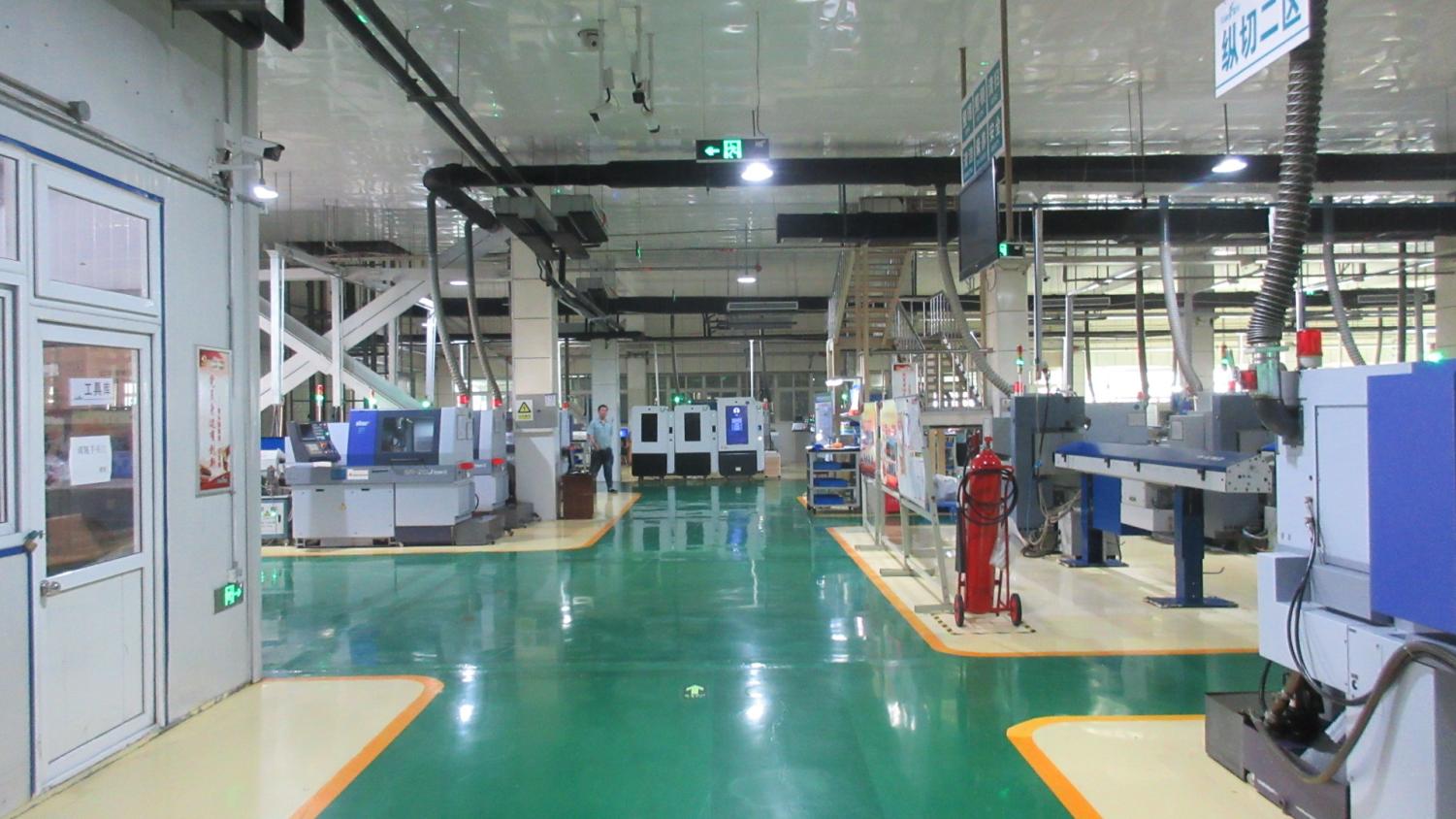
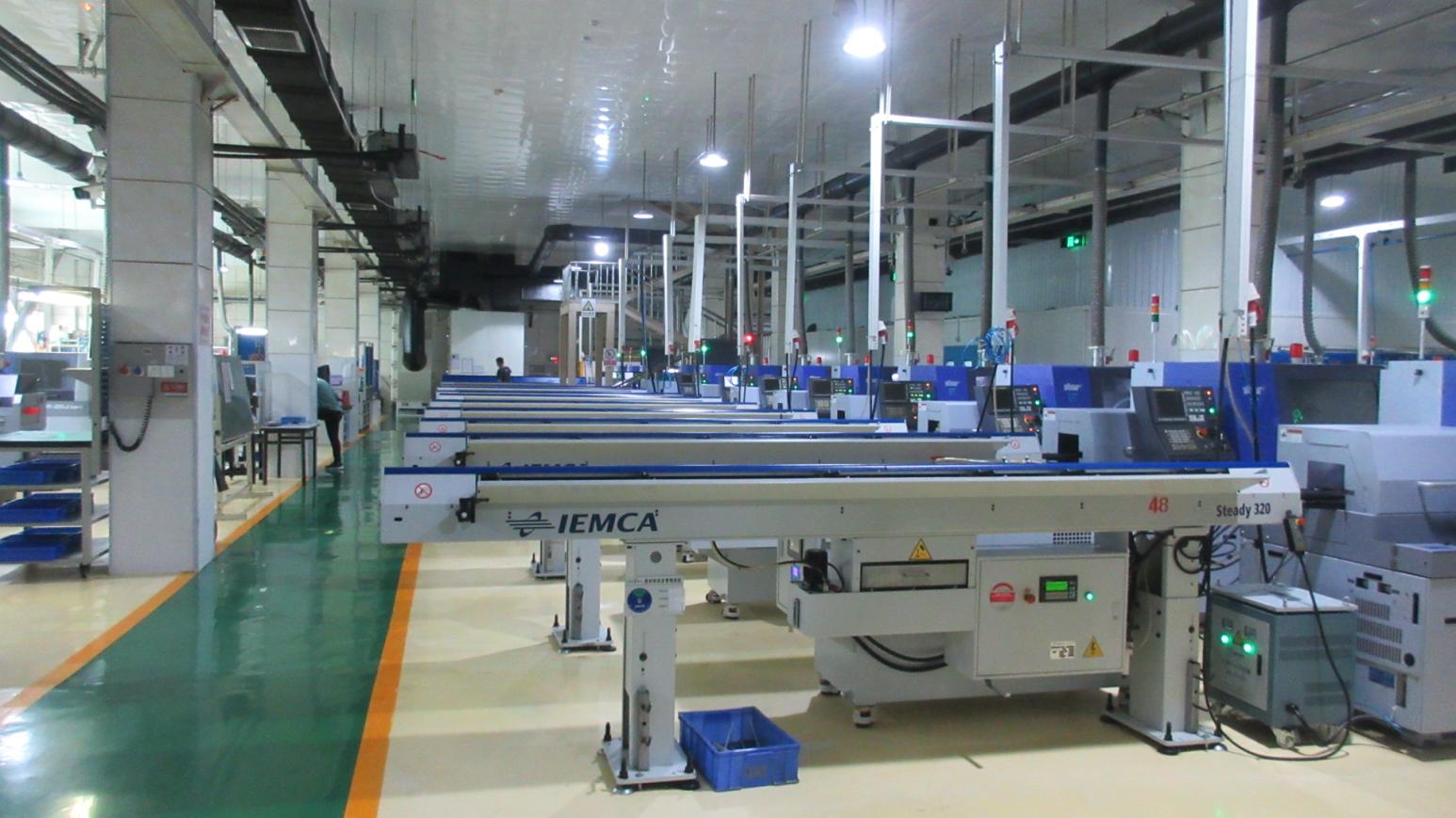
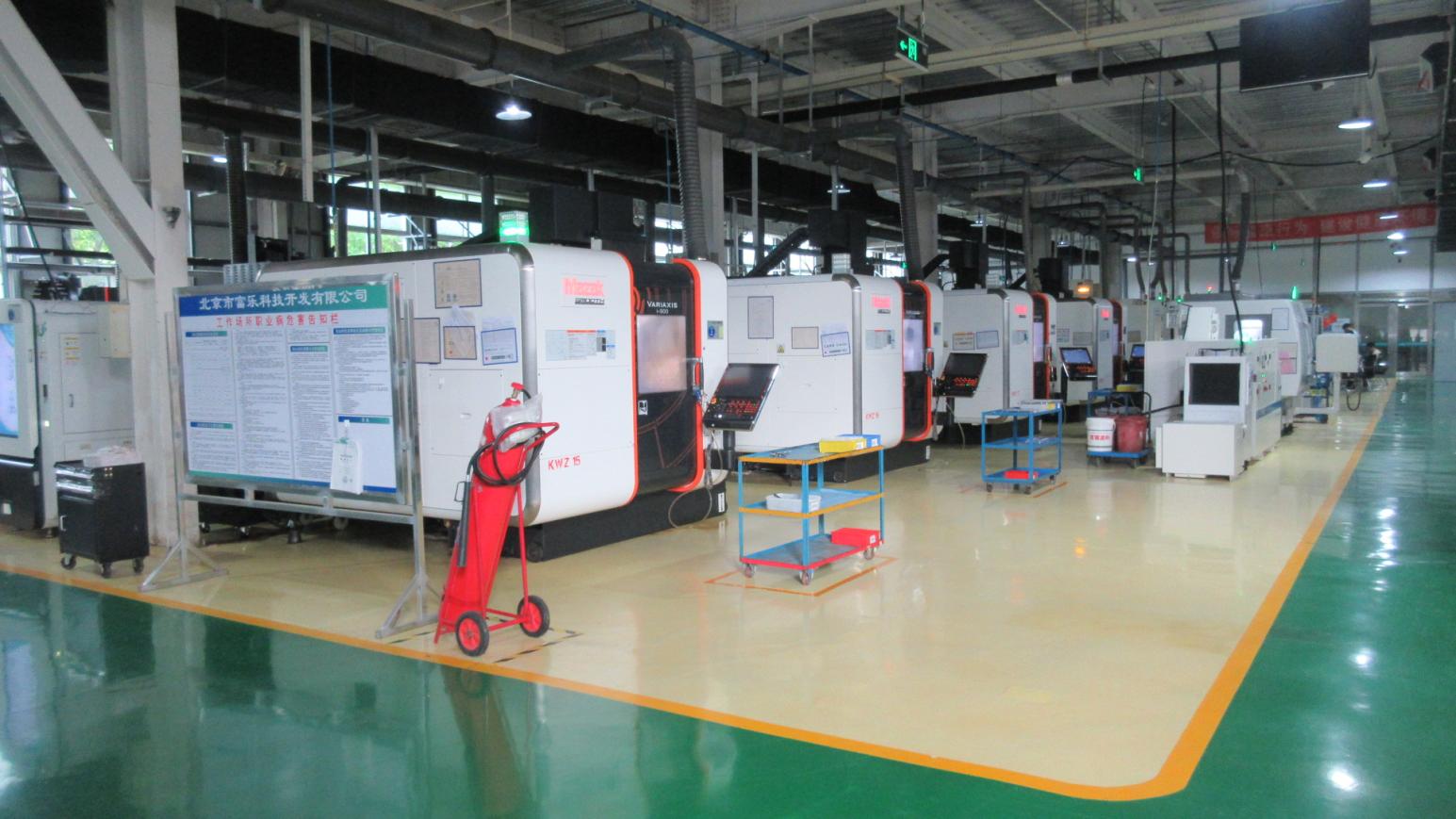
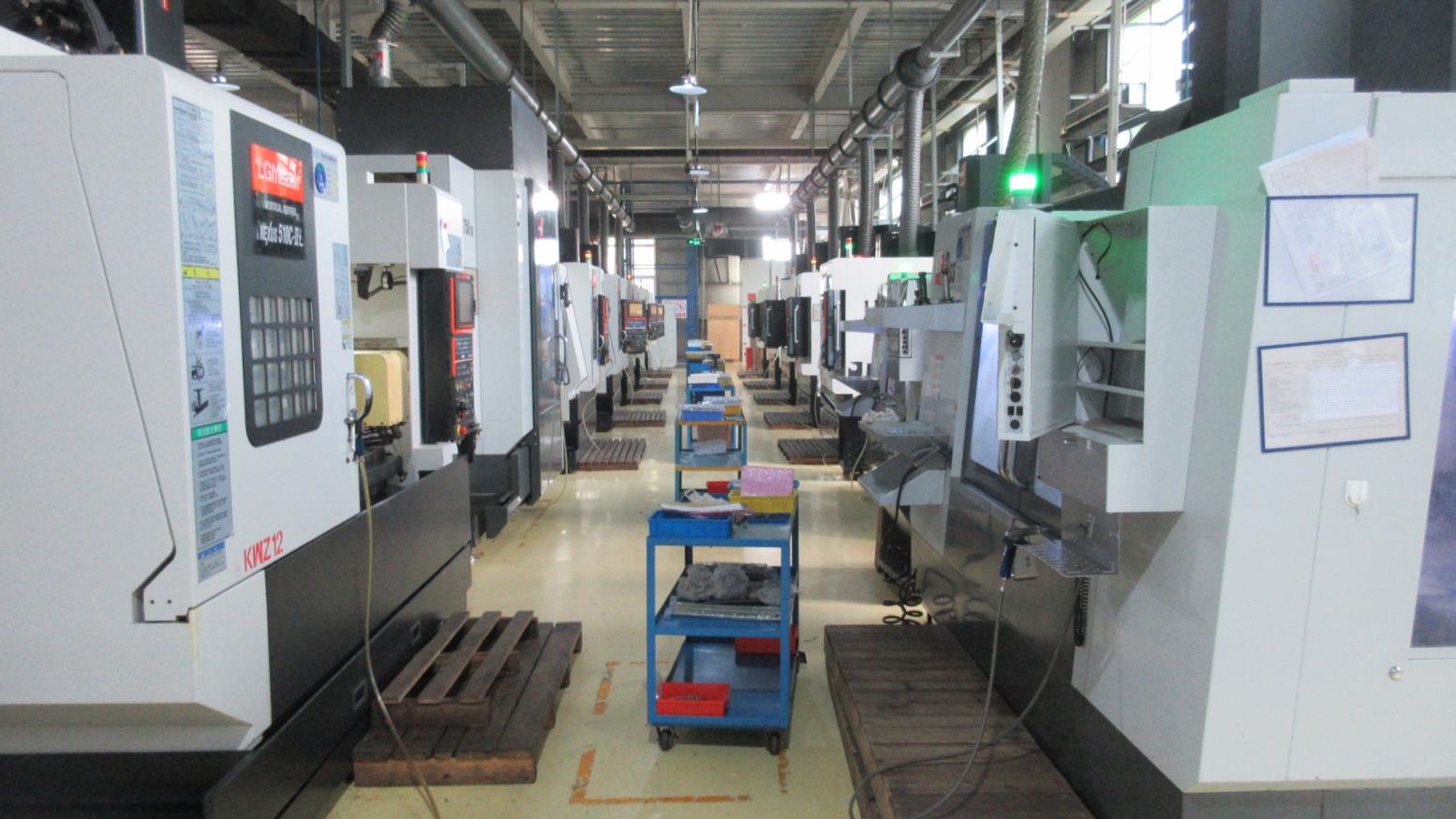
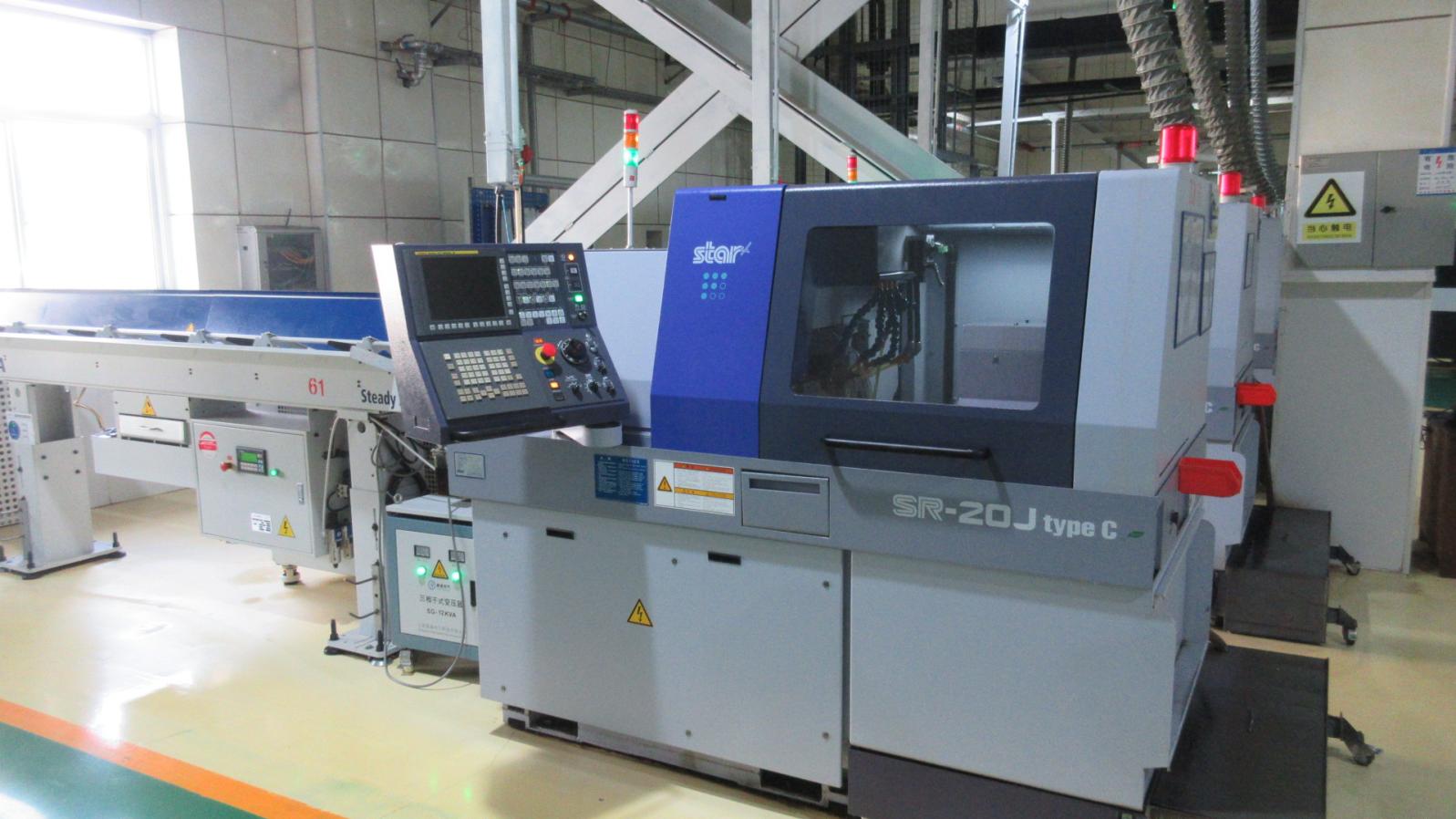
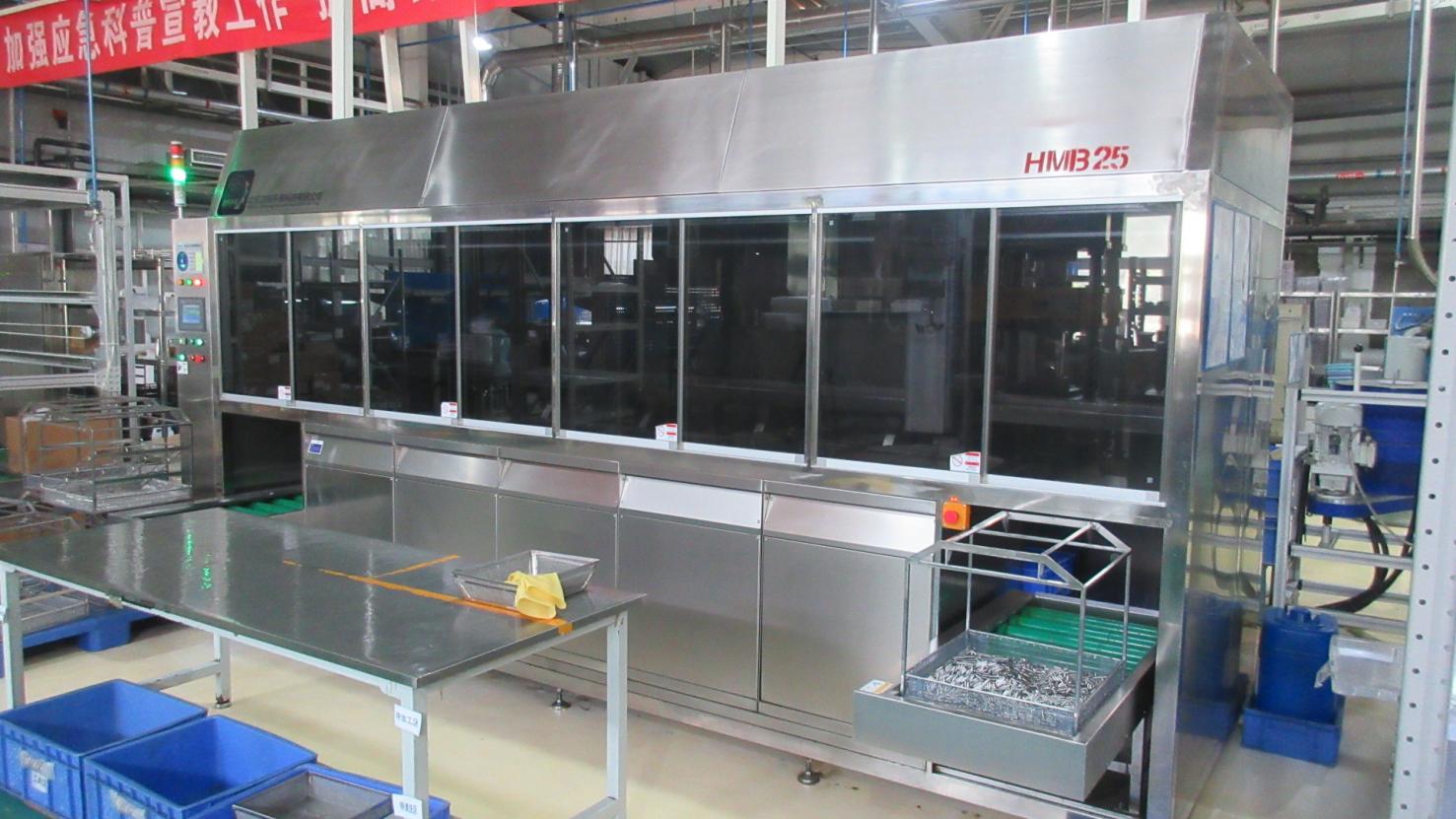
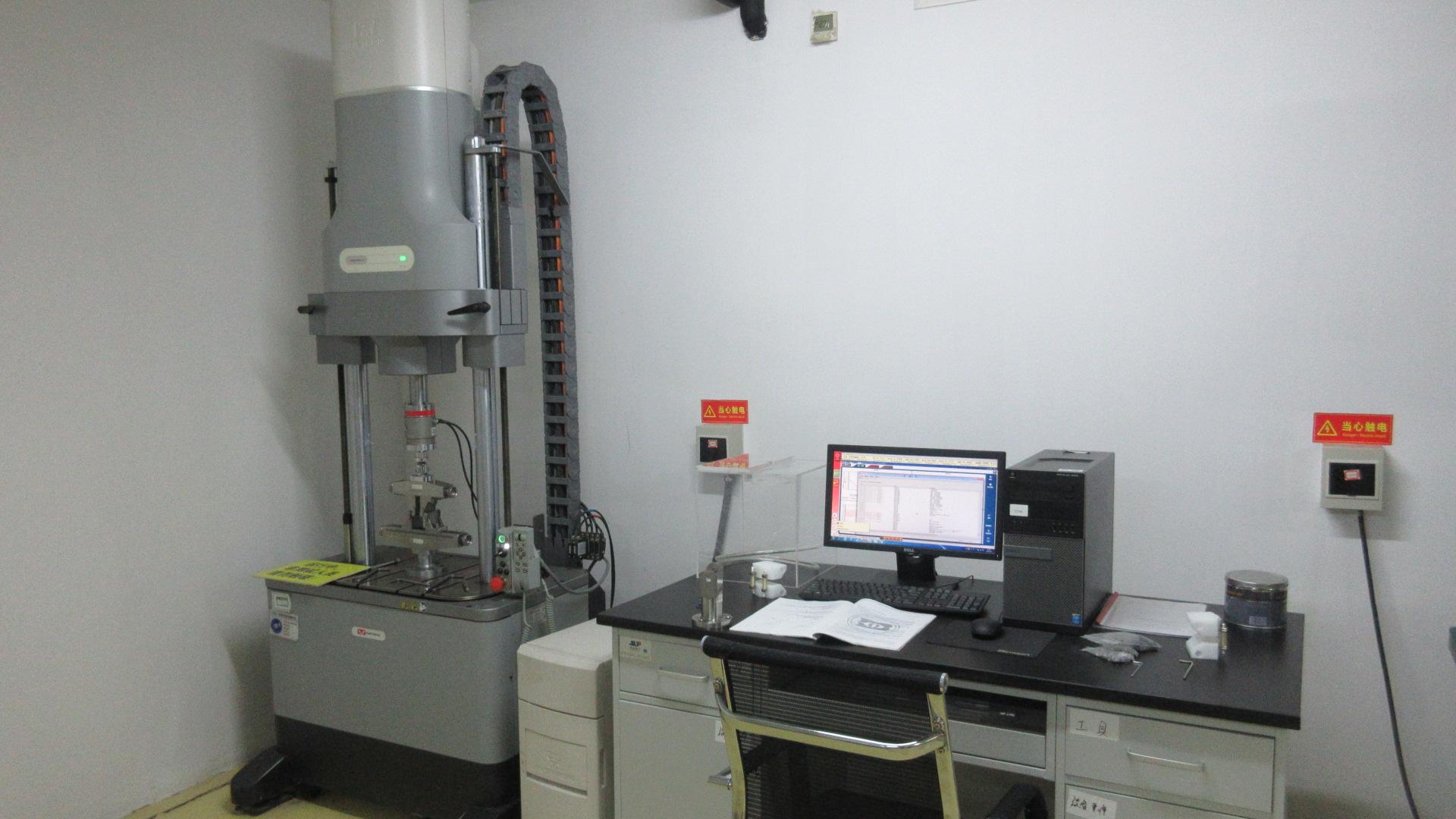
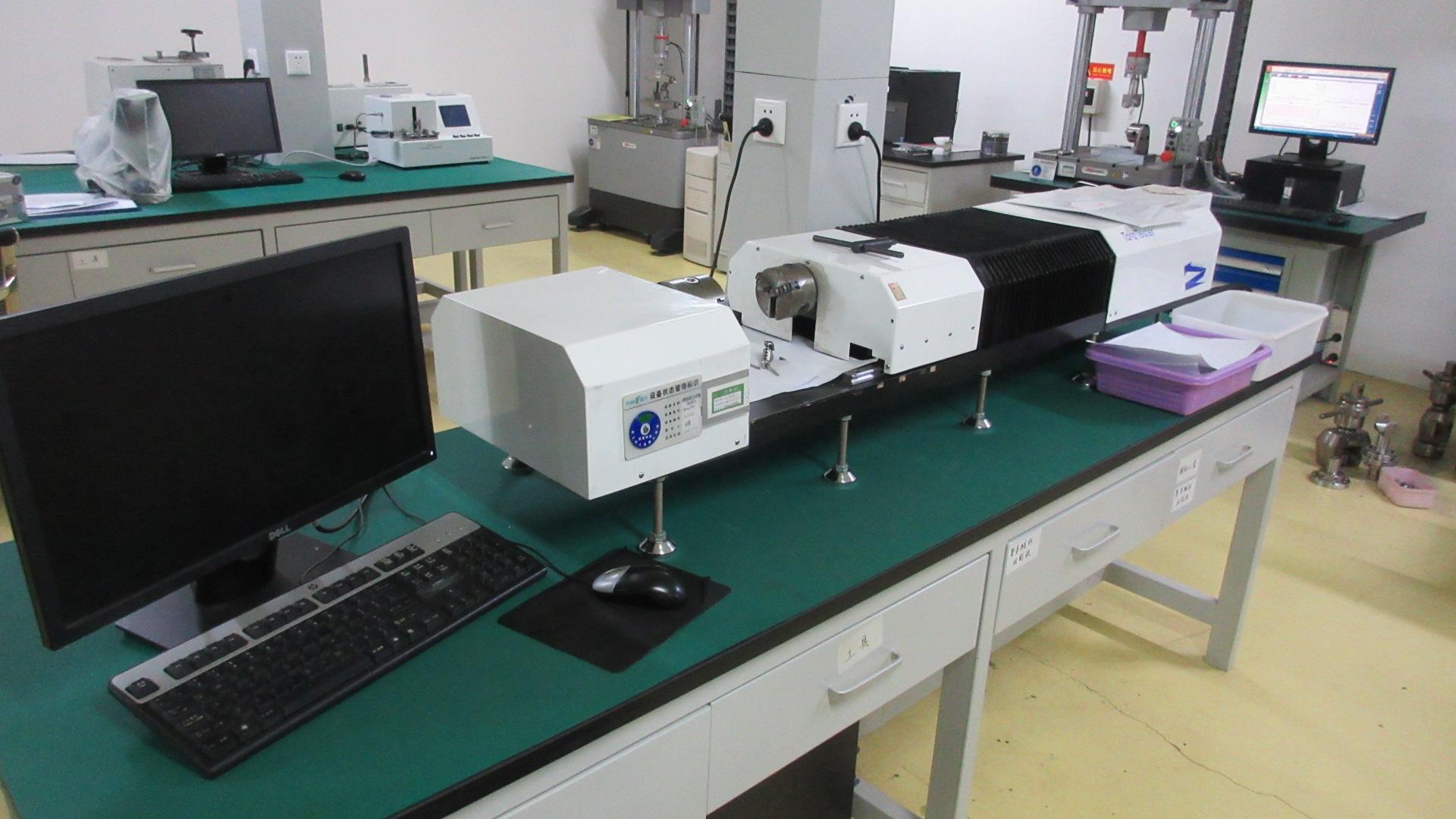
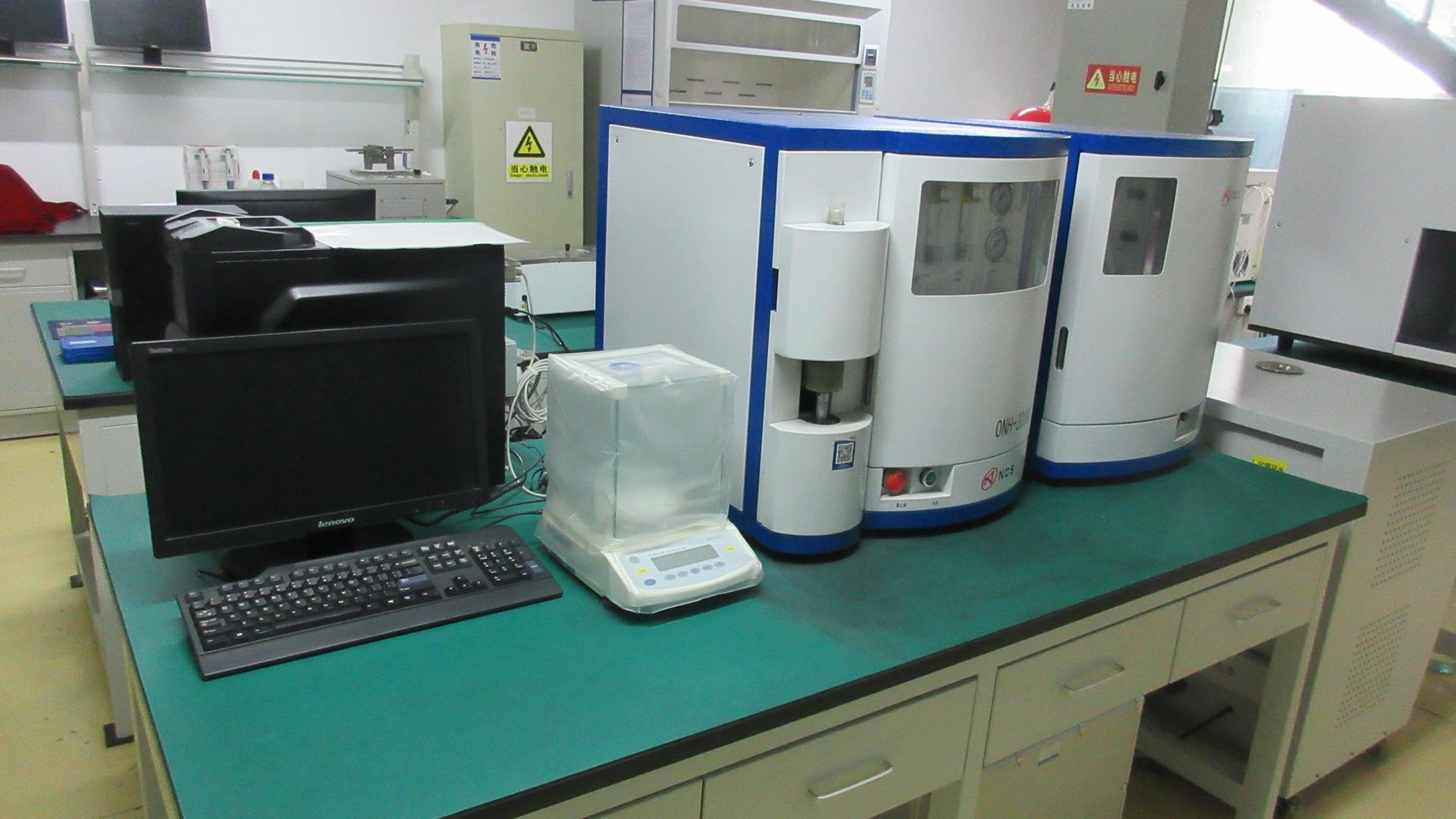
Our 15 QA/QC inspectors ensure that every single screw and rod meets the highest international standards. We maintain full traceability of raw materials, ensuring that every titanium alloy component is medical-grade and safe for long-term implantation.
As a top exporter with 29 years of trade background, we have built a robust network of 70+ supply chain partners. This allows us to maintain competitive pricing and reliable delivery schedules, even for large-scale hospital tenders.



 Fule
Fule