Explore our premium select range of CE-certified orthopedic implants and Class III spinal fixation systems, manufactured under strict international quality guidelines.
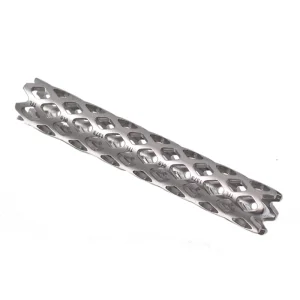
In the highly regulated arena of healthcare procurement, global sourcing of Class III/IV medical devices—particularly implantable spinal and orthopedic systems—calls for an unyielding commitment to security, biocompatibility, and uninterrupted supply chains. Crucial buyers, including hospital networks, municipal ministries of health, and specialized orthopedics distributors across Europe, Southeast Asia, and the Americas, must navigate strict compliance landscapes (such as the EU Medical Device Regulation MDR 2017/745 and US FDA 510(k)) to ensure patient safety.
As mechanical stress tolerances and anatomical configurations differ among populations, manufacturers must offer vast customization options, ranging from sample-based adjustments to bespoke engineering. Advanced orthopedics demand that titanium-alloy implants feature high tensile strength and an optimized modulus of elasticity to mitigate stress shielding. Global procurers prioritize manufacturers with verified traceability from raw titanium ingots through cleanroom packaging (Class 100,000 / ISO Class 8) to reduce contamination risks during surgical intervention.
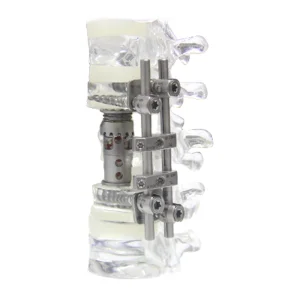
Modern clinical orthopedics requires comprehensive solutions rather than standalone hardware. From degenerative disc disorders and trauma stabilization to complex spinal deformities like scoliosis, the treatment path relies heavily on how well implants interface with live bone tissue. Macro-industry solutions focus on enhancing osteointegration—the direct structural and functional connection between living bone and the surface of a load-bearing implant.
Optimized load sharing reduces stress shielding, preventing adjacent segment degeneration and bone resorption.
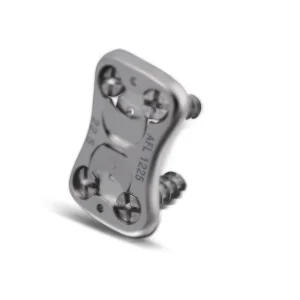
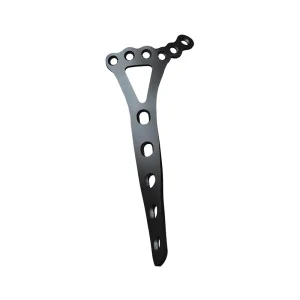
Anatomically pre-bent plates match natural skeletal curvatures, minimizing intraoperative adjustment time.
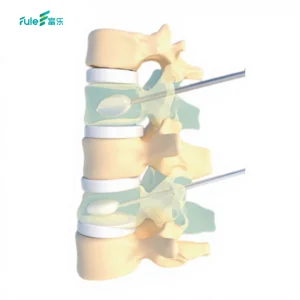
Specialized guide-needle mechanics for Percutaneous Vertebroplasty (PVP) ensure accurate targeting, reducing fluoroscopy exposure.
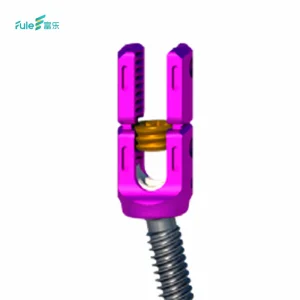
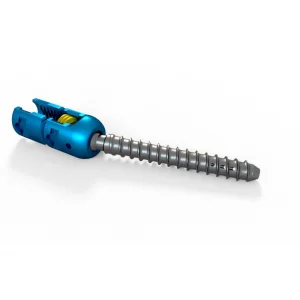
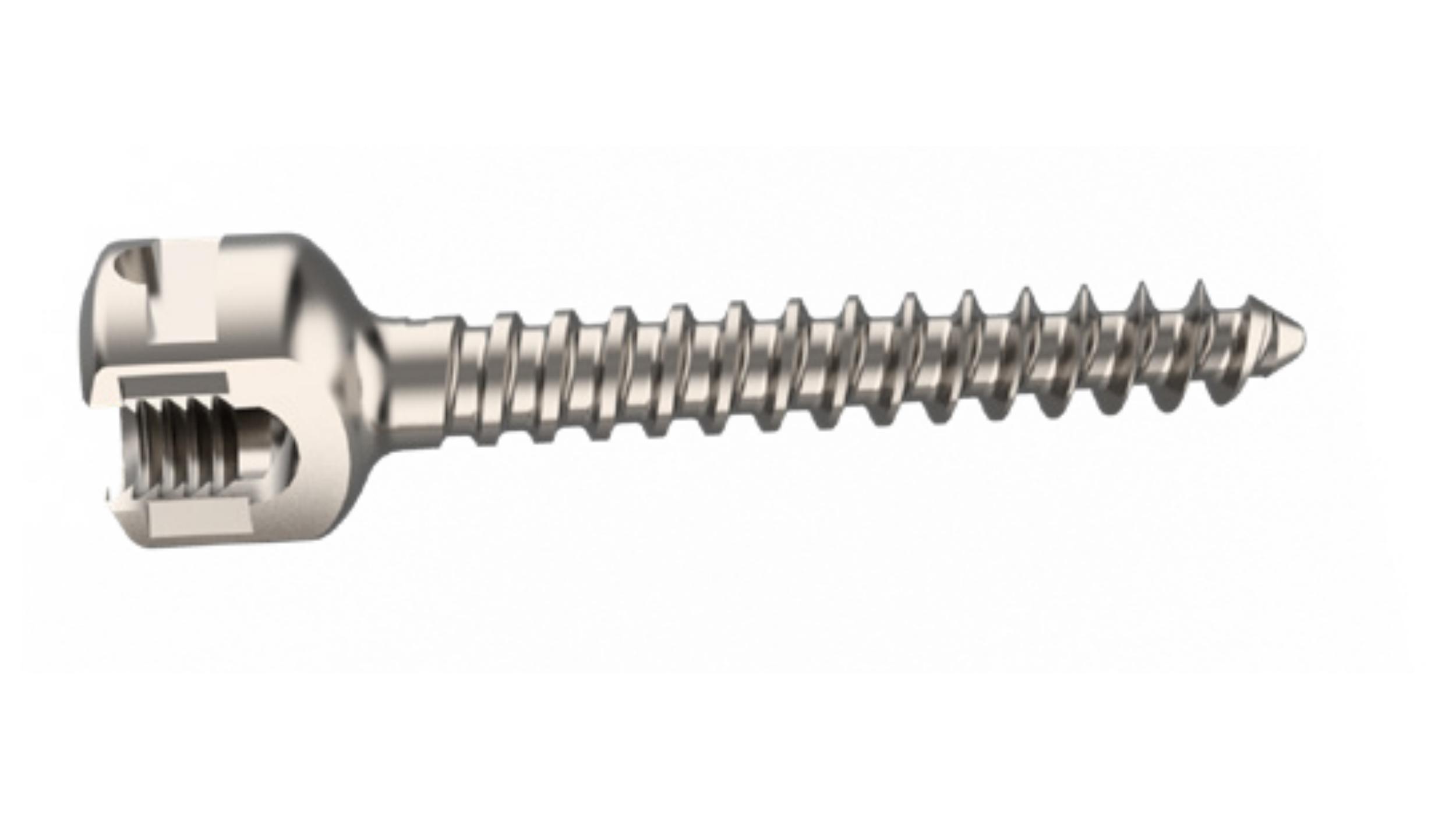
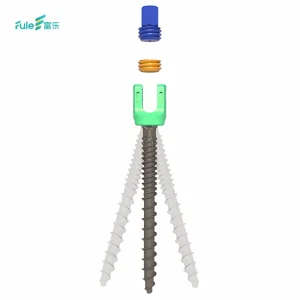
By using medical-grade Titanium and Titanium Alloys (such as Ti-6Al-4V ELI), our designs maintain exceptional fatigue resistance while remaining lightweight. For example, our Anterior Cervical Spine Plate System is engineered with a low-profile construct to lower the risk of postoperative dysphagia. Similarly, our 5.5mm Titanium Spinal Screw System features polyaxial configurations, giving surgeons up to 25 degrees of angulation. This flexibility makes it easier to align and secure rods during complex deformity corrections.
The manufacturing landscape for implantable medical devices is shifting from traditional subtractive machining to advanced cyber-physical production. Below is the development roadmap focusing on implant longevity, customized care, and smart diagnostics:
| Technology Category | Current Status (2024-2025) | Medium-Term Development (2026-2028) | Future Horizon (2029+) |
|---|---|---|---|
| Additive Manufacturing | 3D-printed porous cages (PEEK & Titanium) | Patient-specific orthopedic constructs matching exact bone density profiles | Direct bio-printing of scaffolds for synchronized bone regeneration |
| Surface Modification | Acid-etched and sandblasted surfaces (SLA) for basic osteointegration | Nanostructured antimicrobial coatings to reduce surgical site infections | Smart bioactive coatings infused with osteoinductive proteins |
| Intelligent Instrumentation | High-precision navigation-ready instrument sets (5.5mm/6.0mm specs) | Inertial-sensor-integrated surgical drills tracking real-time drilling depth | Smart micro-embedded sensors monitoring real-time load distribution |
China has grown into a major hub for medical device manufacturing, moving from basic component fabrication to advanced, high-tech engineering. Companies like Beijing Fule Science & Technology Development Co., Ltd. lead this shift by combining cost-efficiency with high quality. Backed by 29 years of experience, we produce over 508,000 units annually. This capacity ensures a stable and reliable supply chain for global distributors, wholesalers, and healthcare providers.
By locating our facilities within established industrial zones, we enjoy direct access to raw medical-grade materials, specialized toolmakers, and skilled technical experts. This concentrated environment helps us manage costs effectively. It allows us to offer competitively priced Class III titanium implants without compromising on crucial safety and performance certifications like CE and ISO 13485.
Maintaining high quality is a core priority in our manufacturing facility. Every production line undergoes strict quality checks. Fifteen dedicated QA/QC inspectors oversee the entire process, checking raw titanium materials, inspecting semi-finished products, and reviewing final cleanroom packaging. Our factory floor spans over 10,000 square meters and features 102 high-end production machines. This infrastructure allows us to maintain tight dimensional tolerances, which are critical for smooth implant integration during surgery.


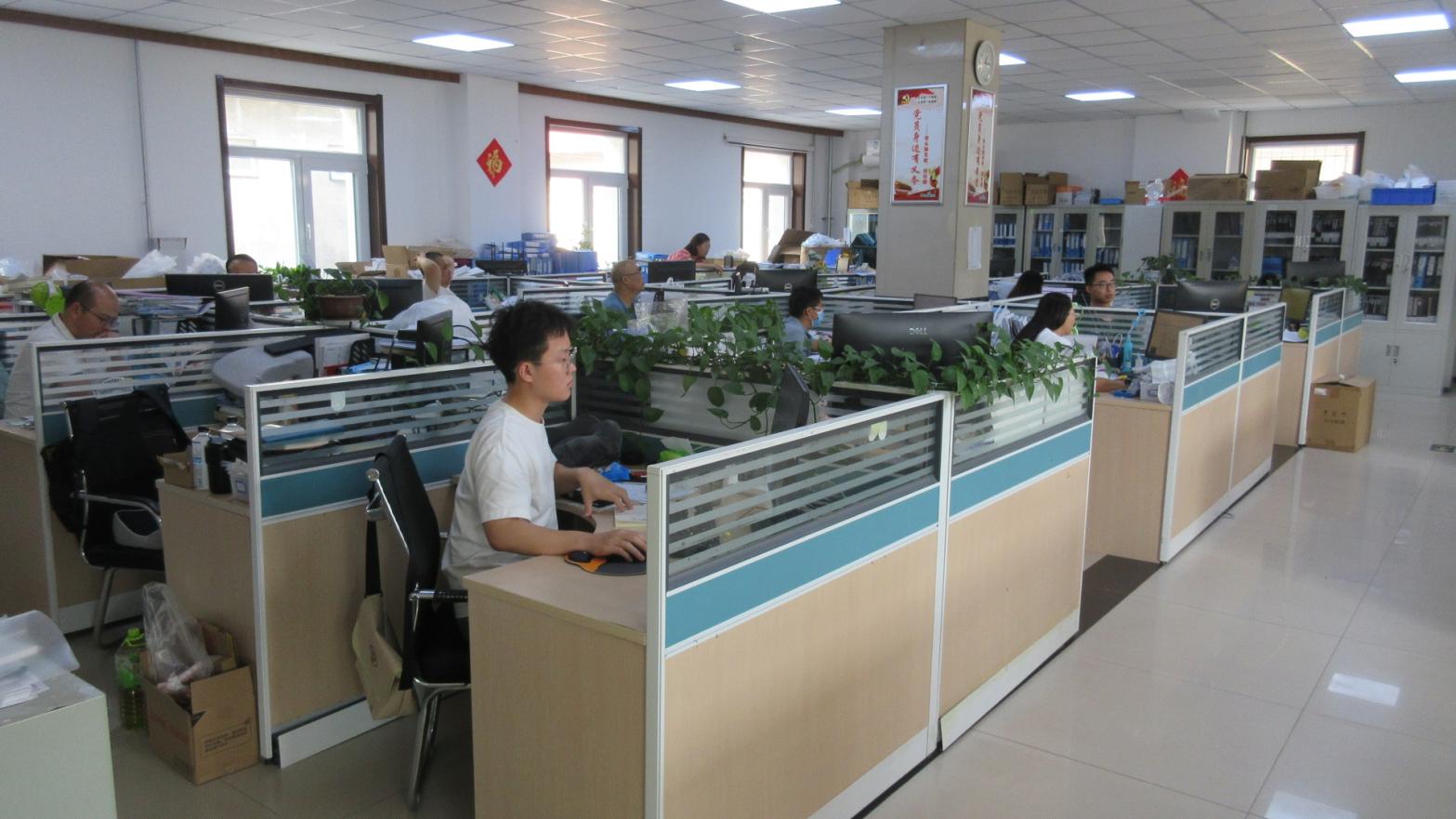
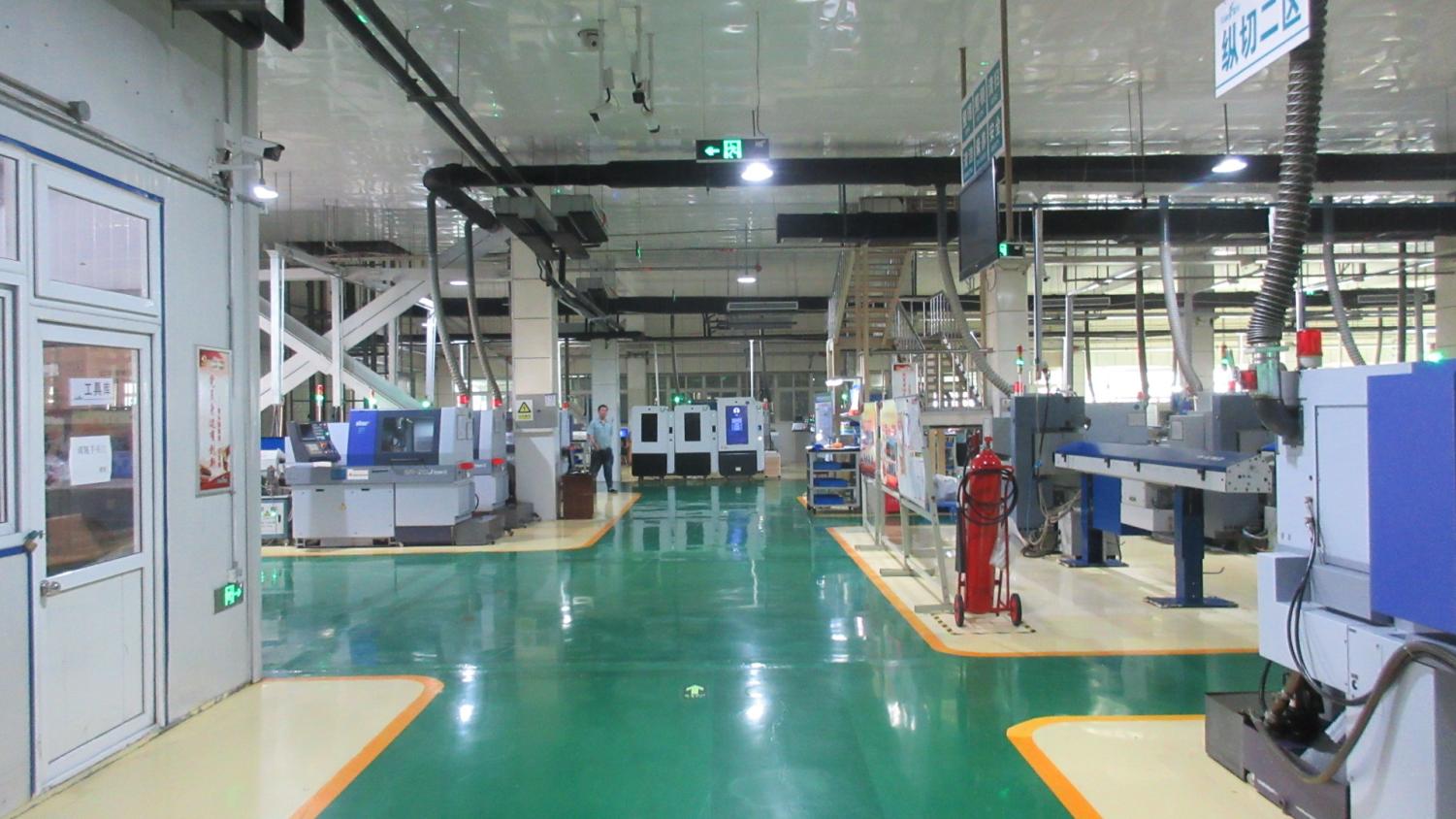
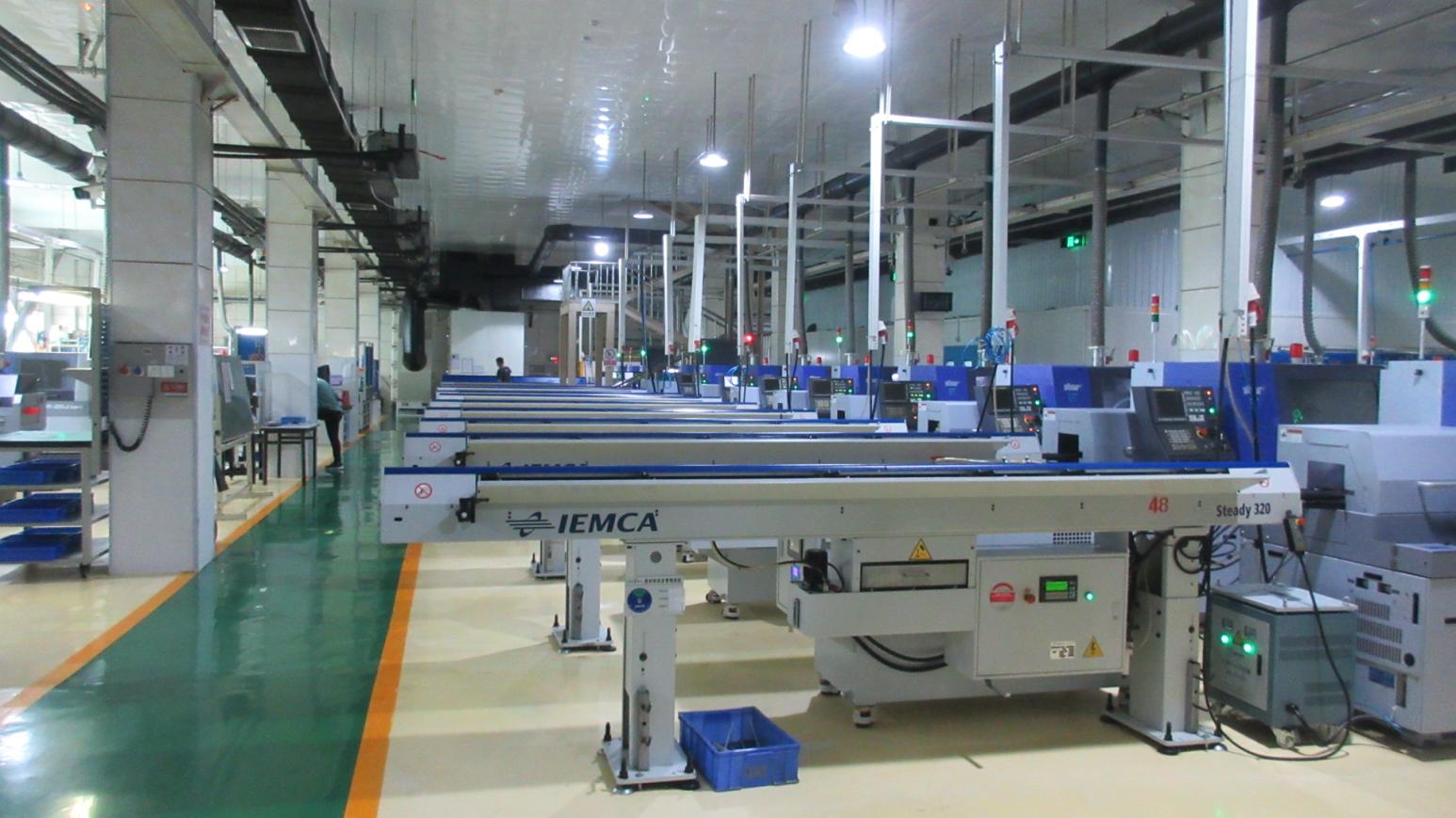
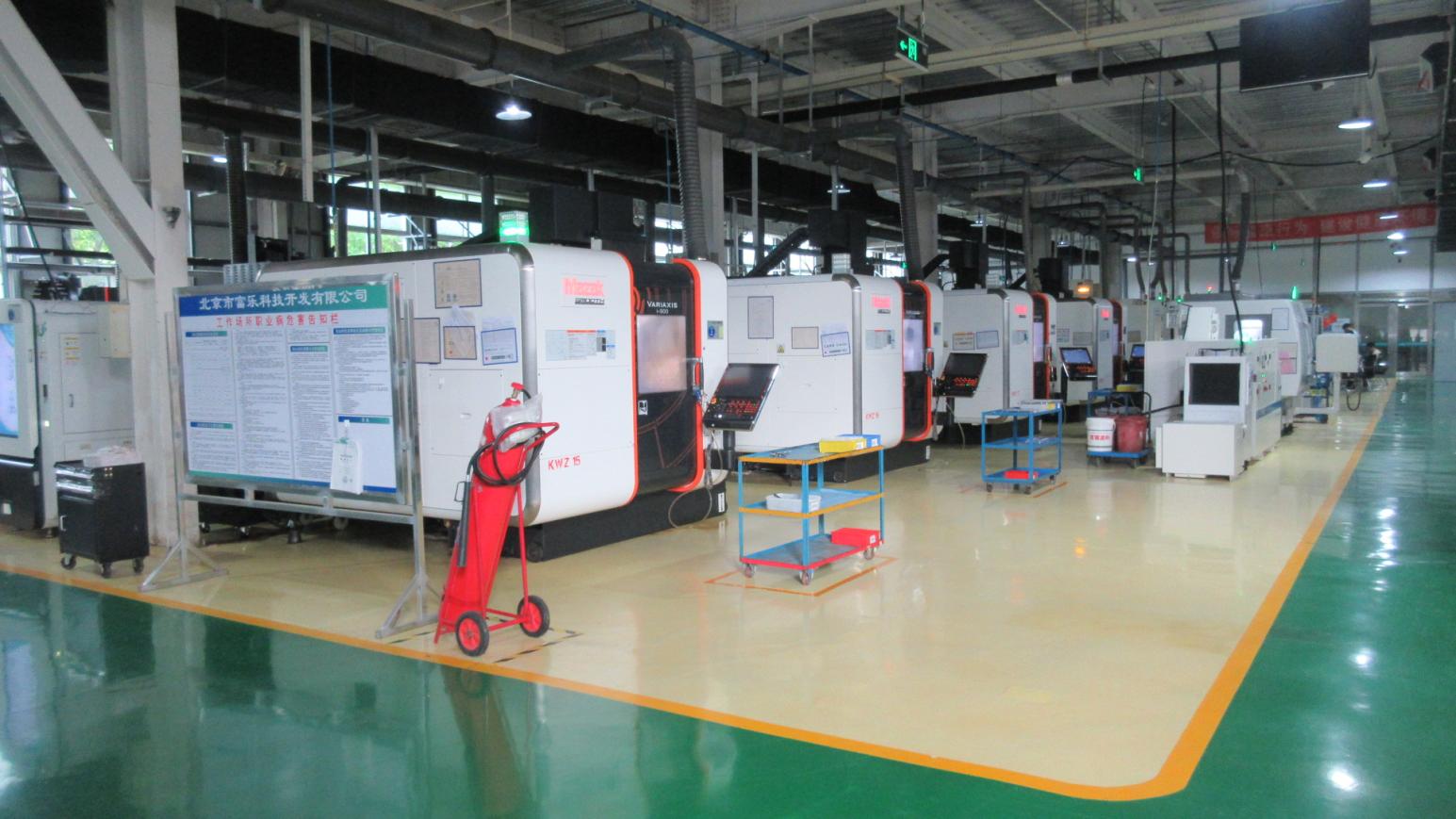
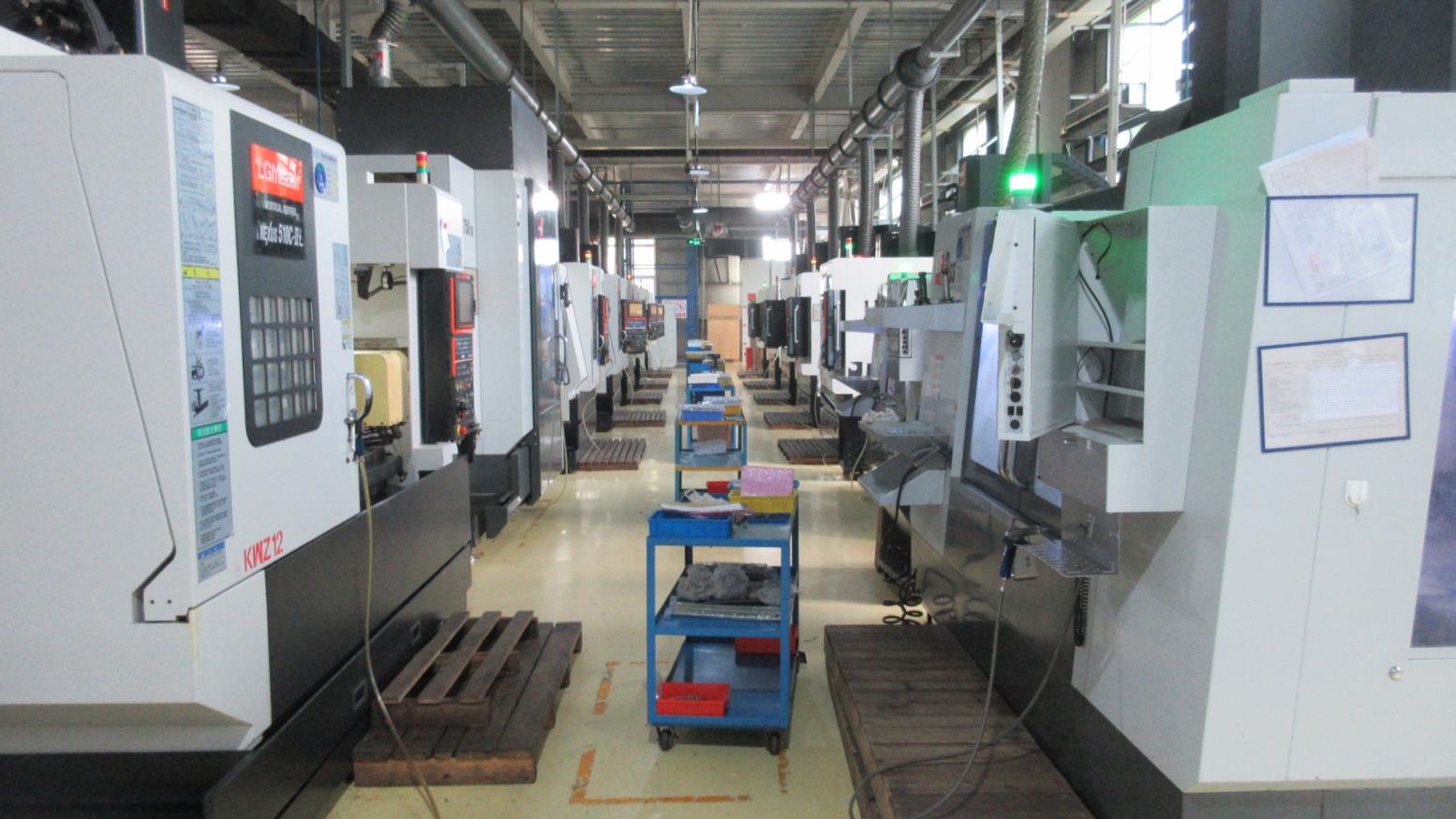
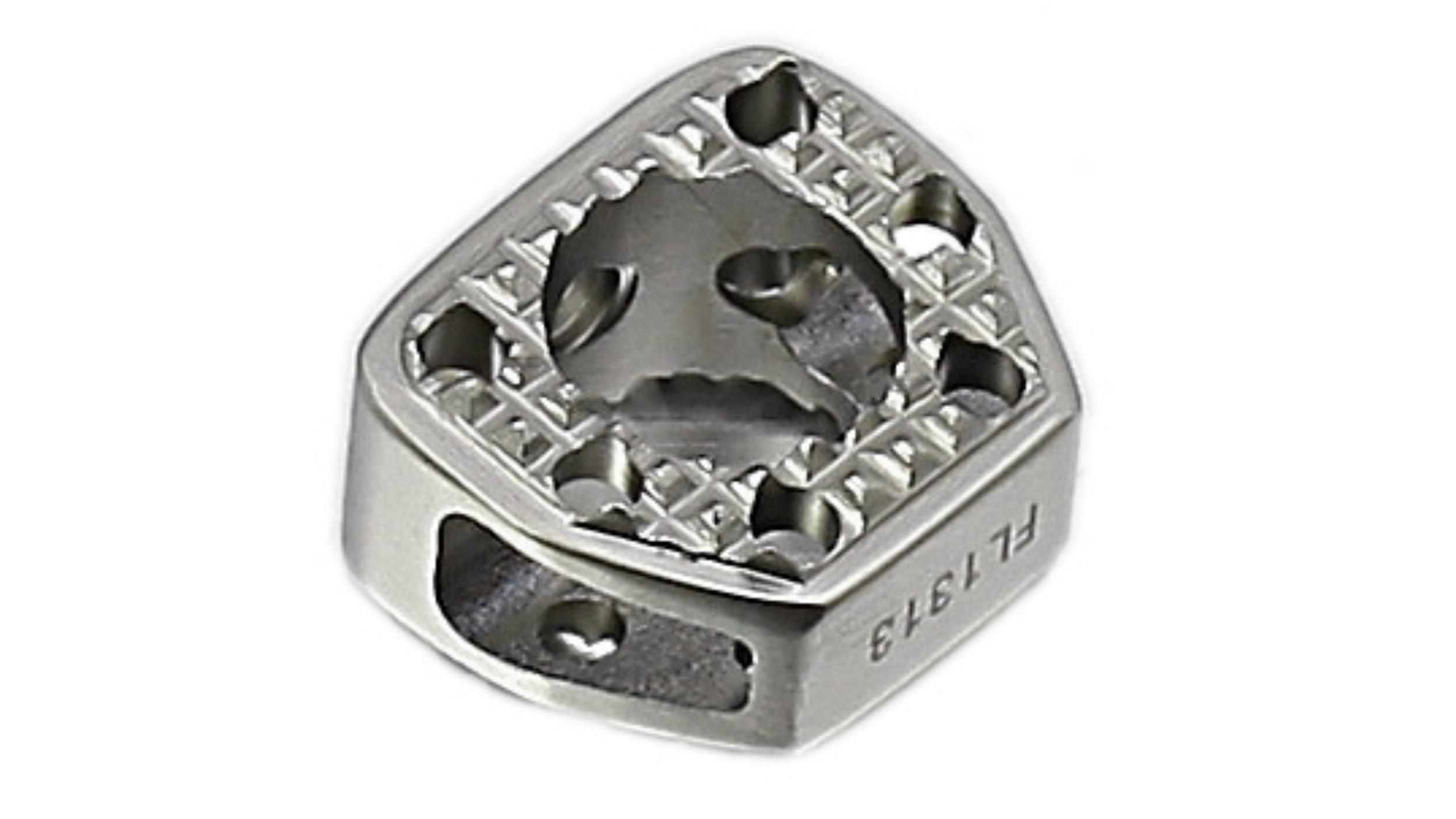
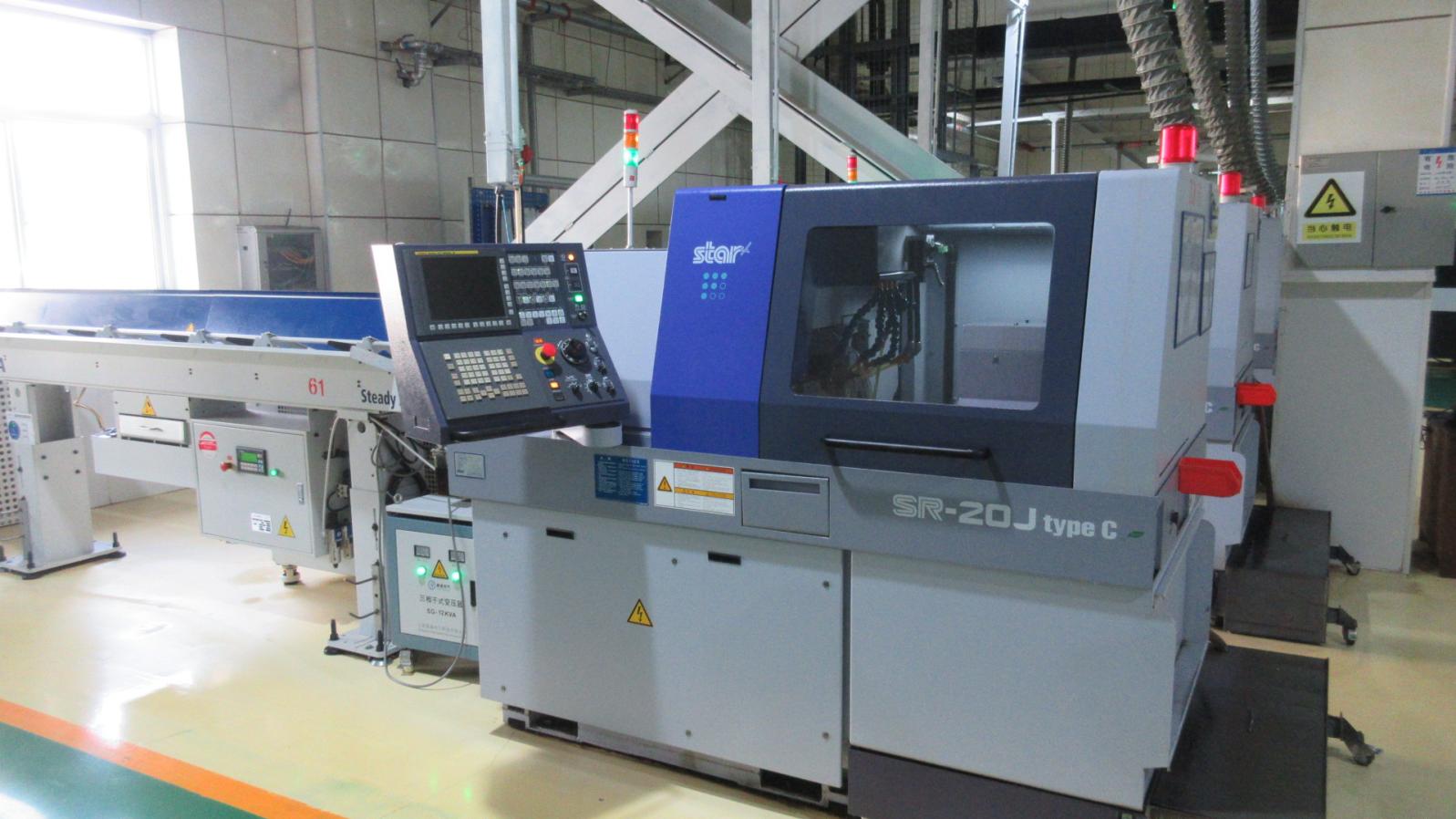
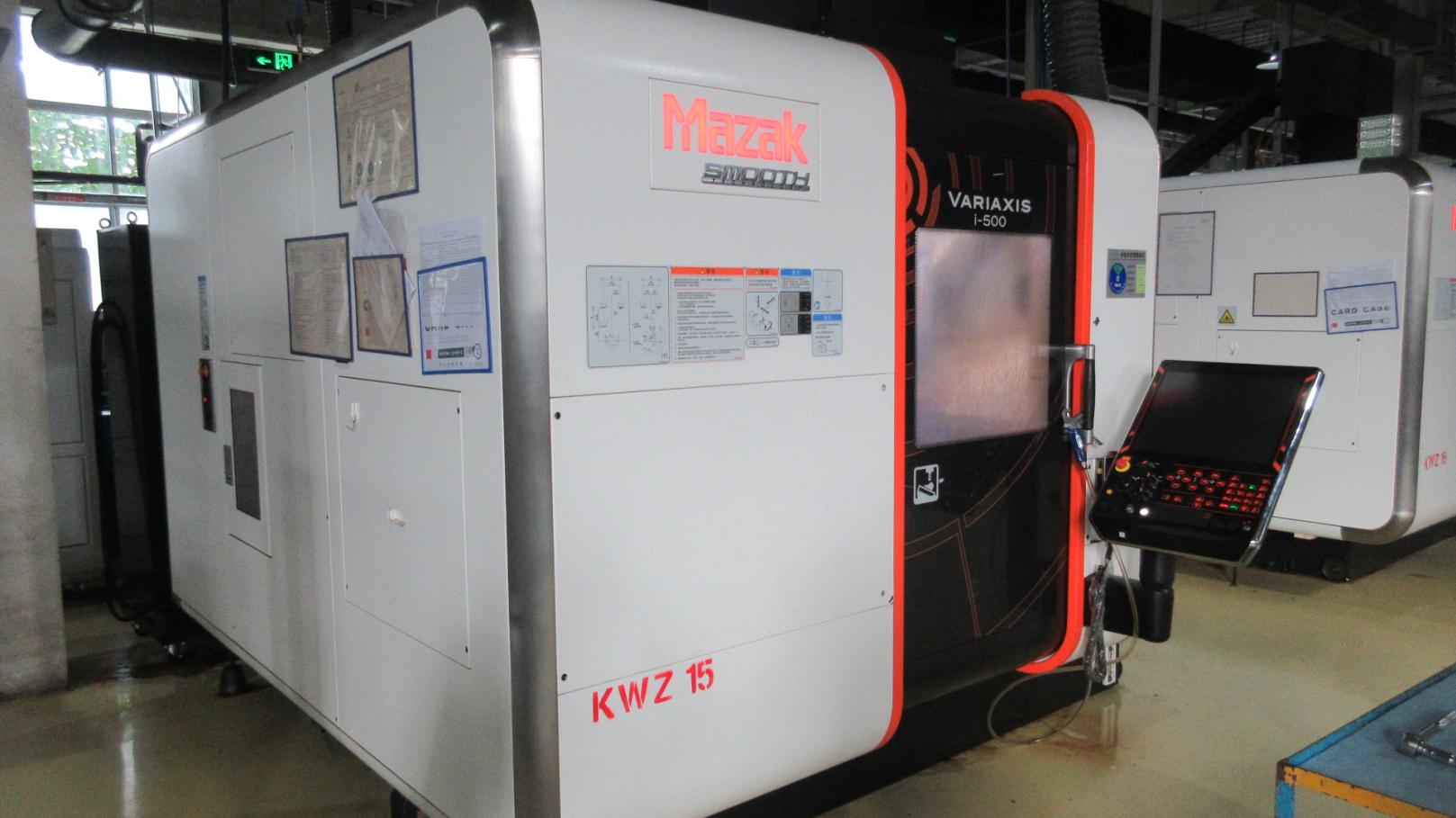
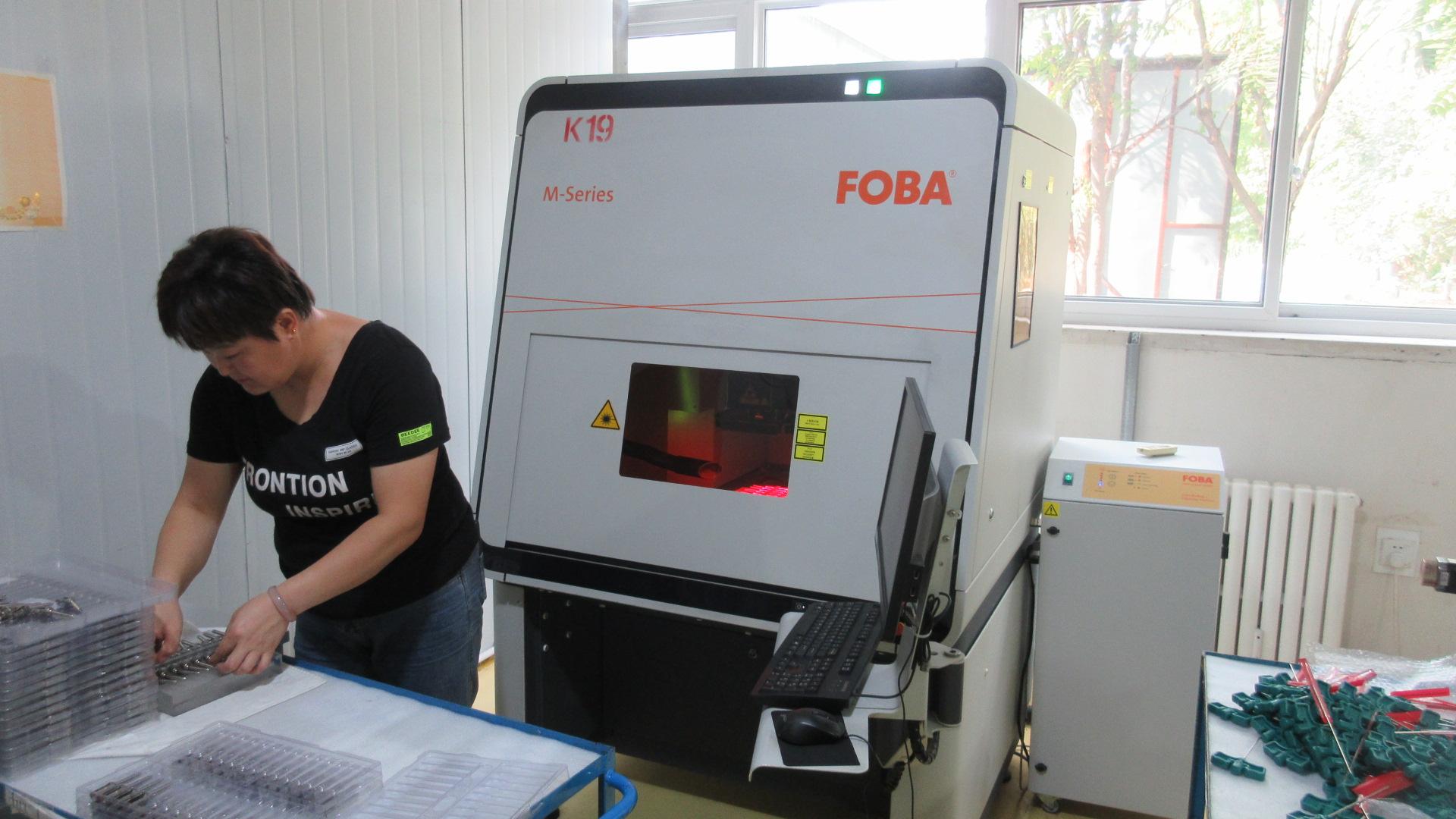
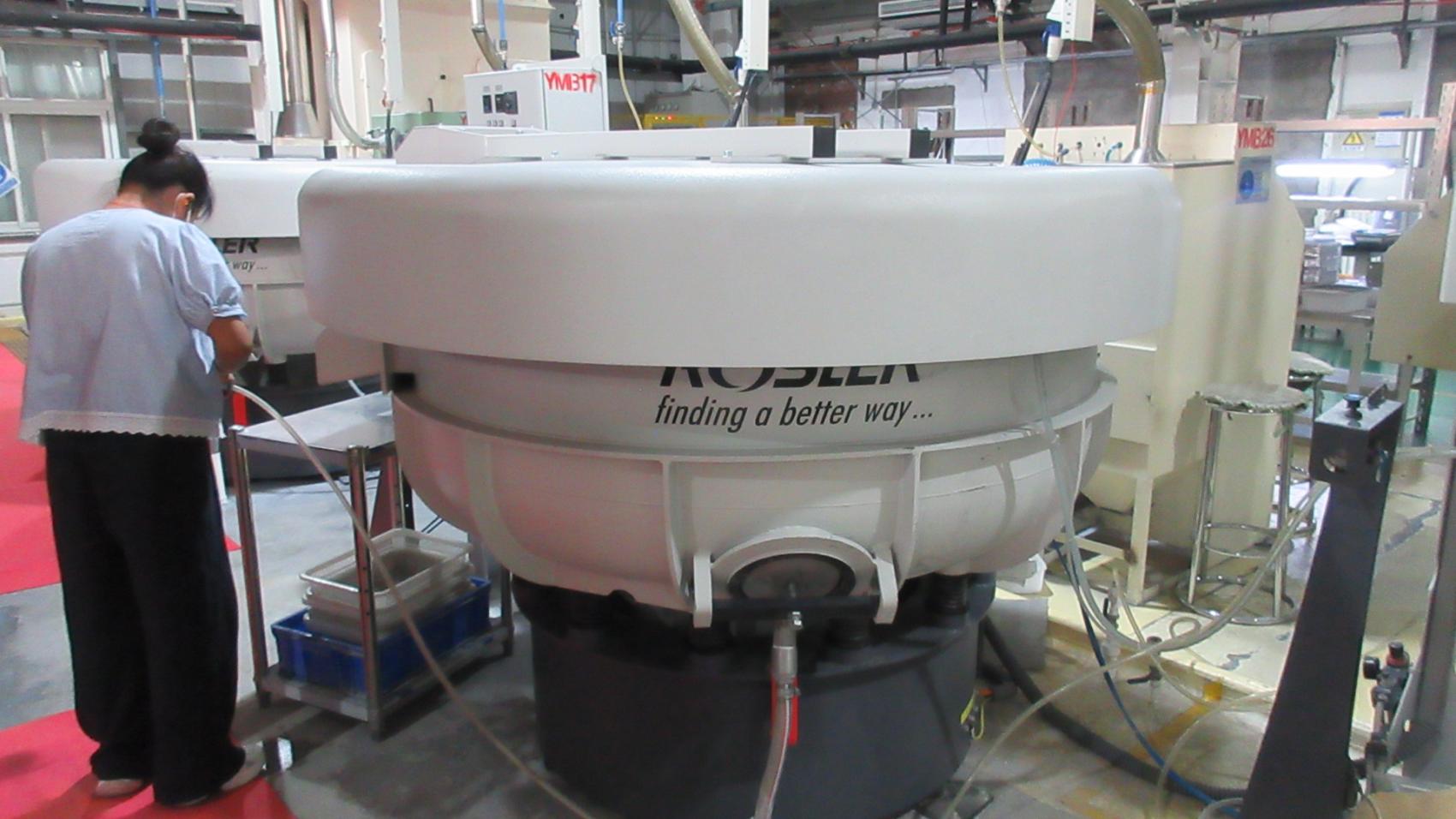
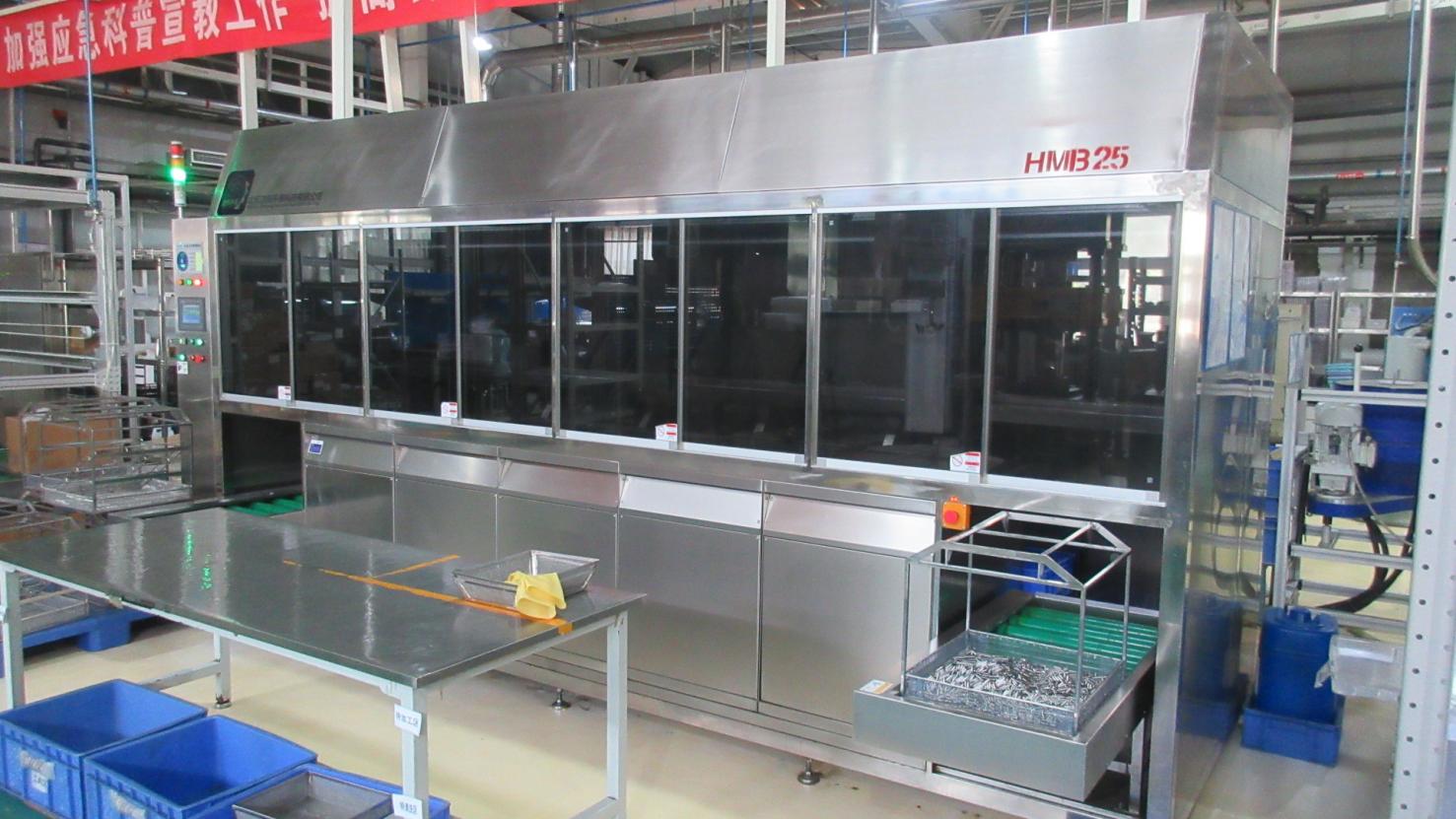
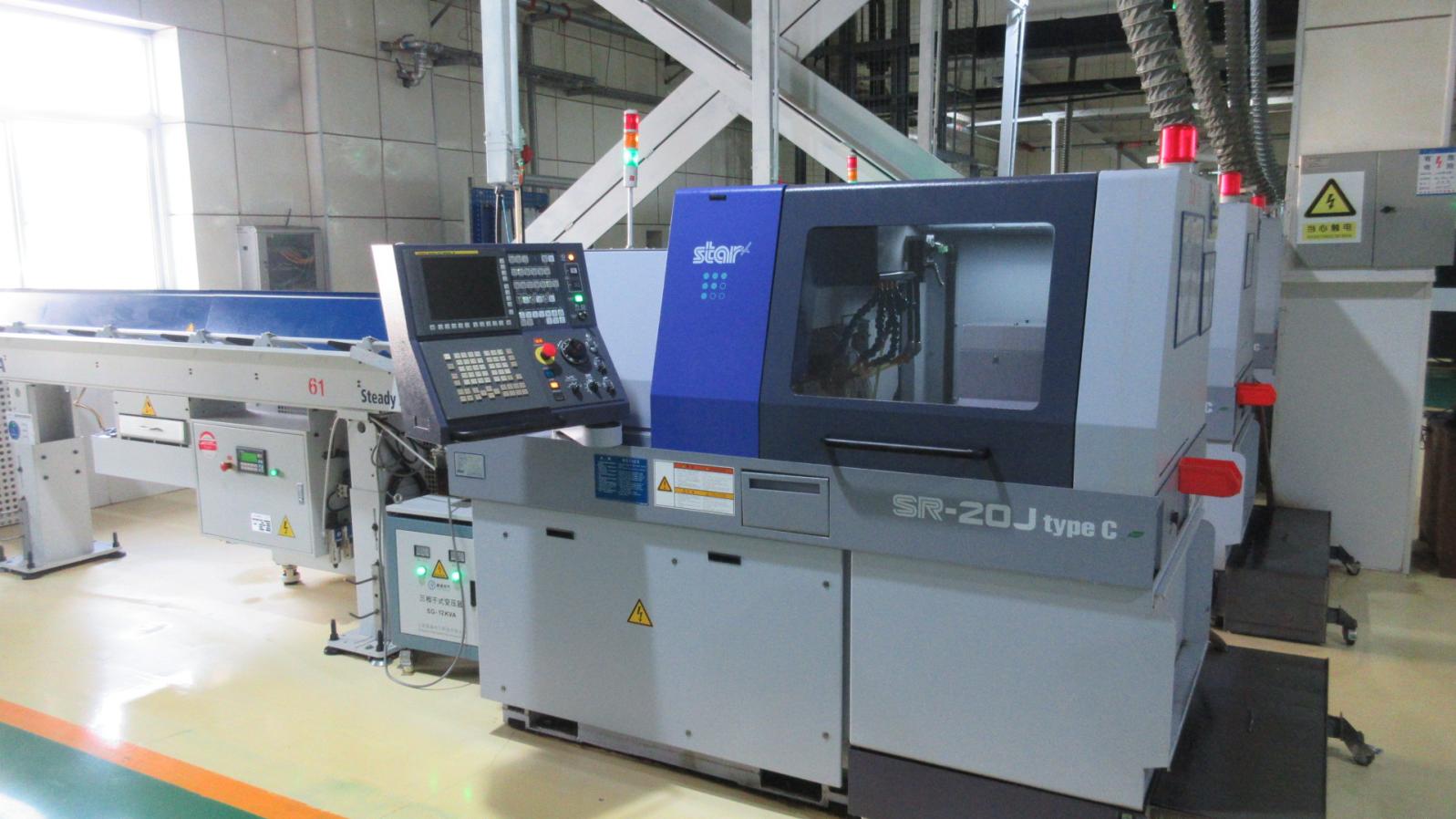
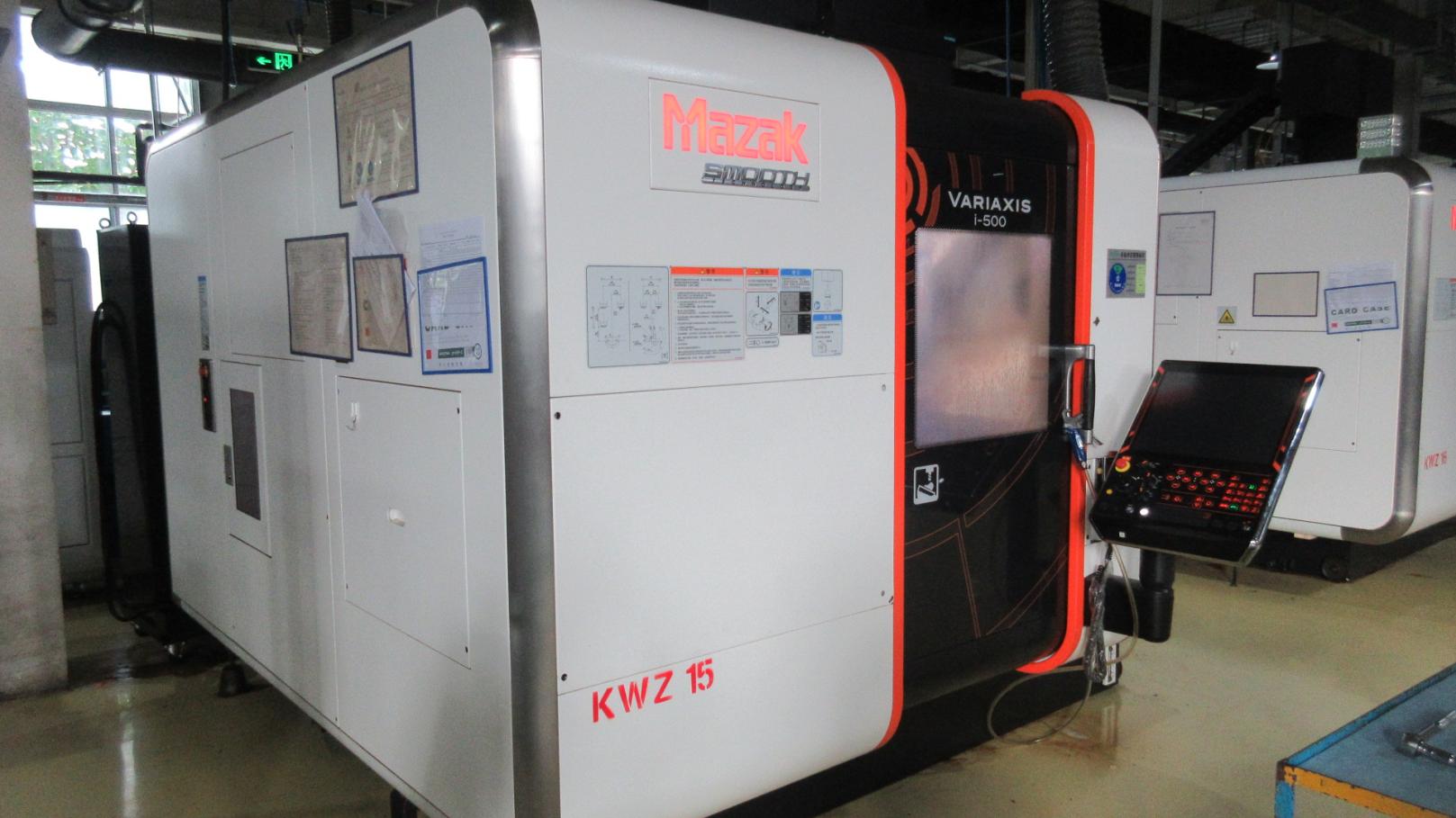
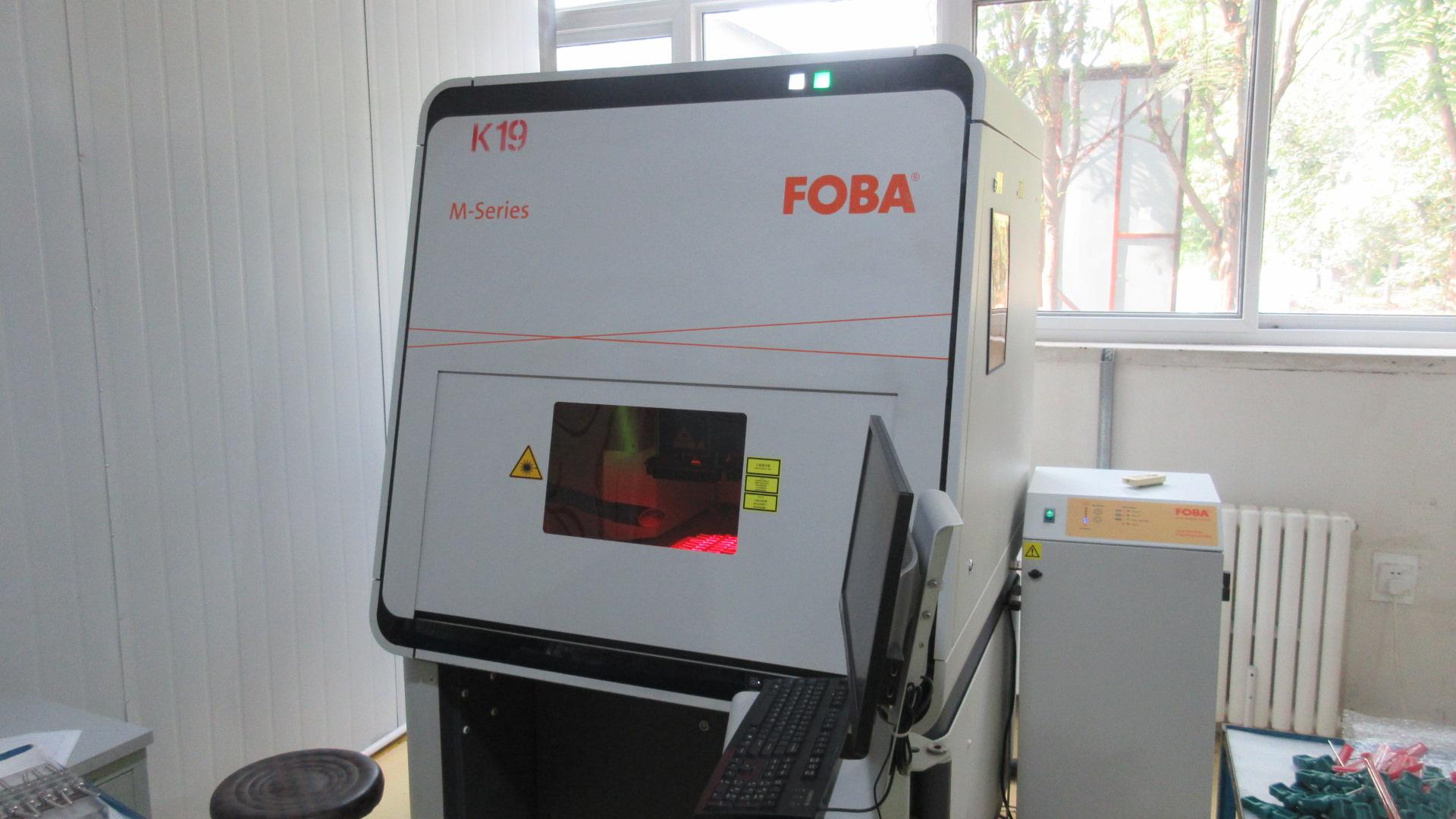
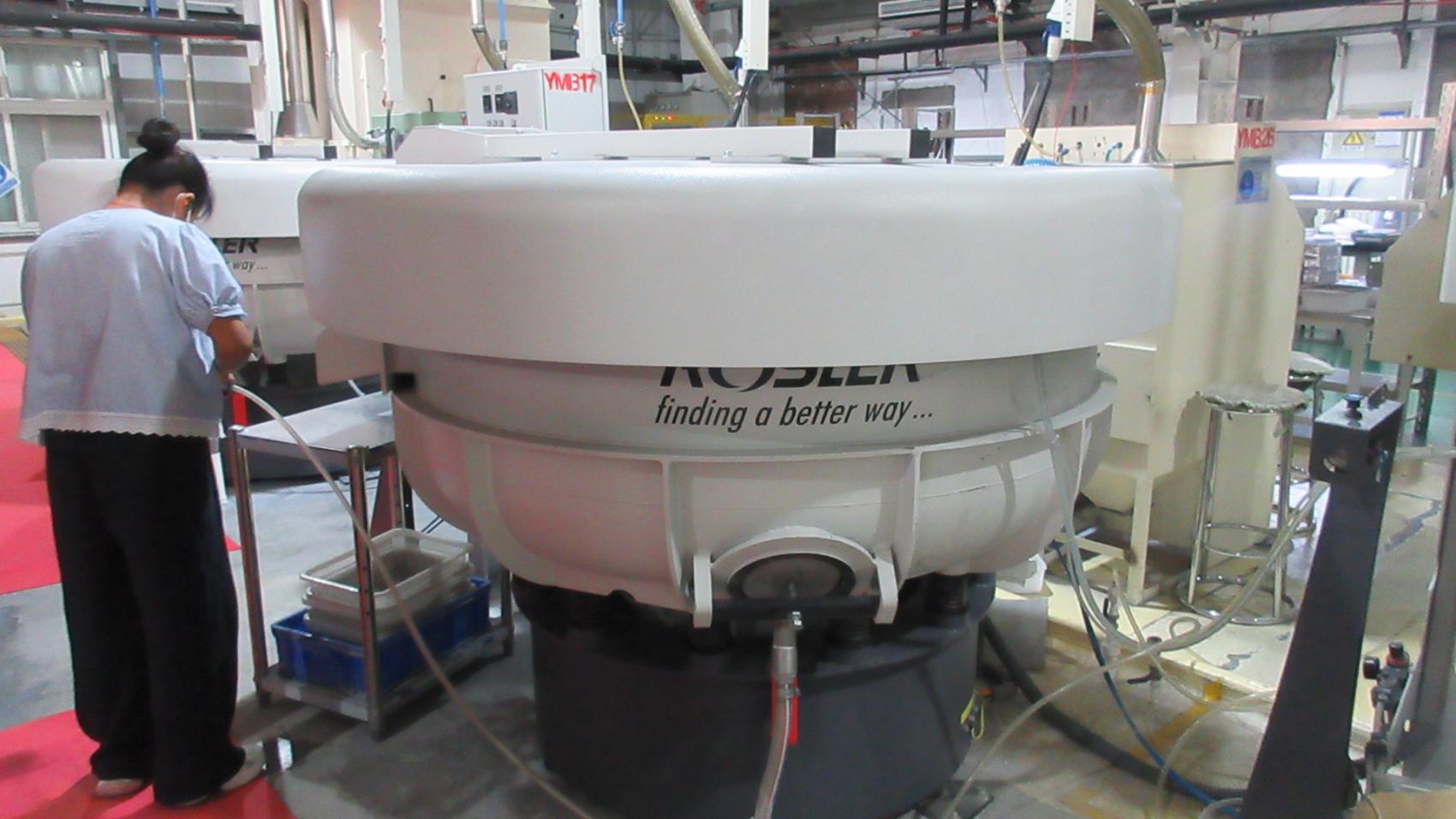
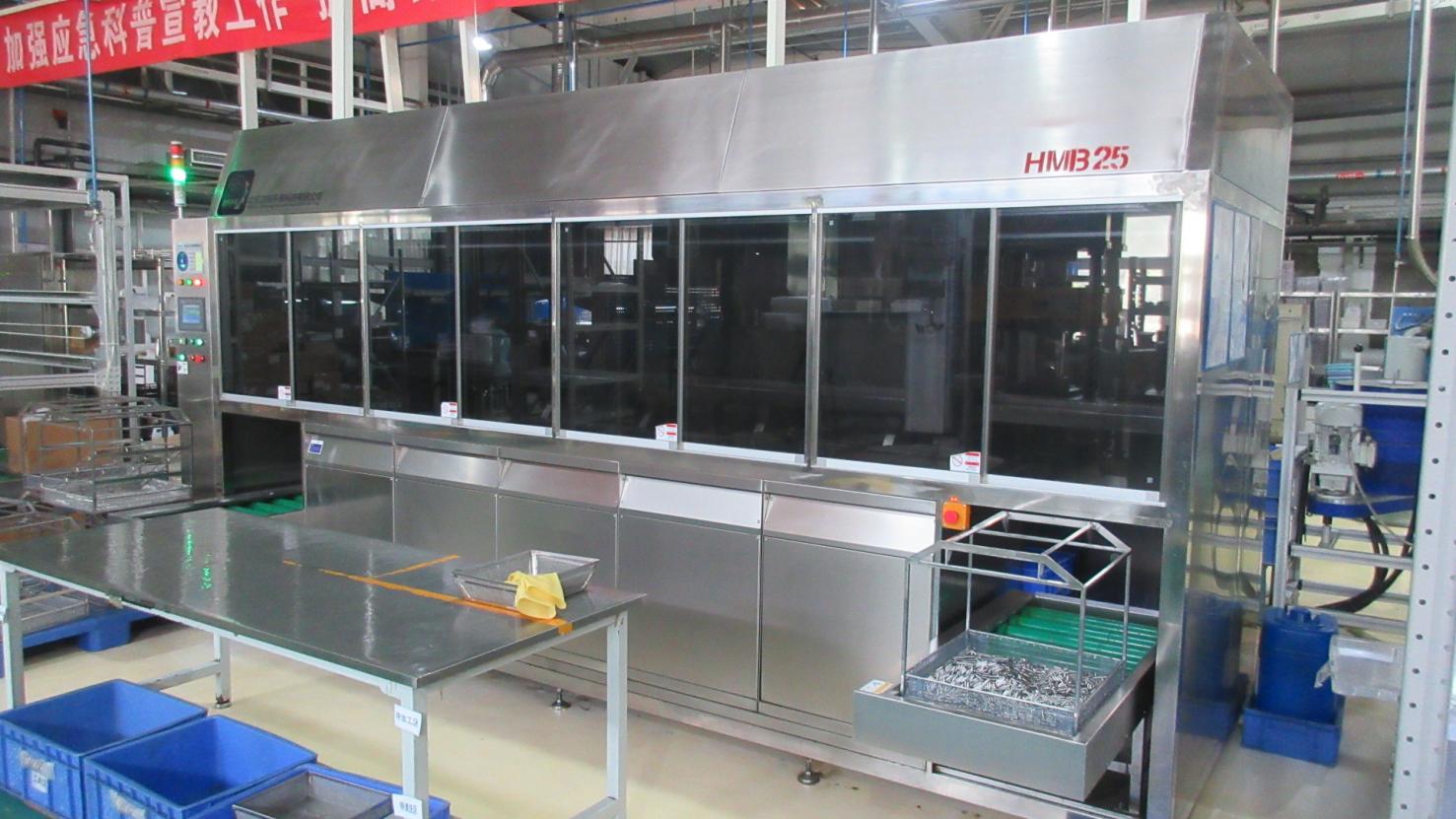
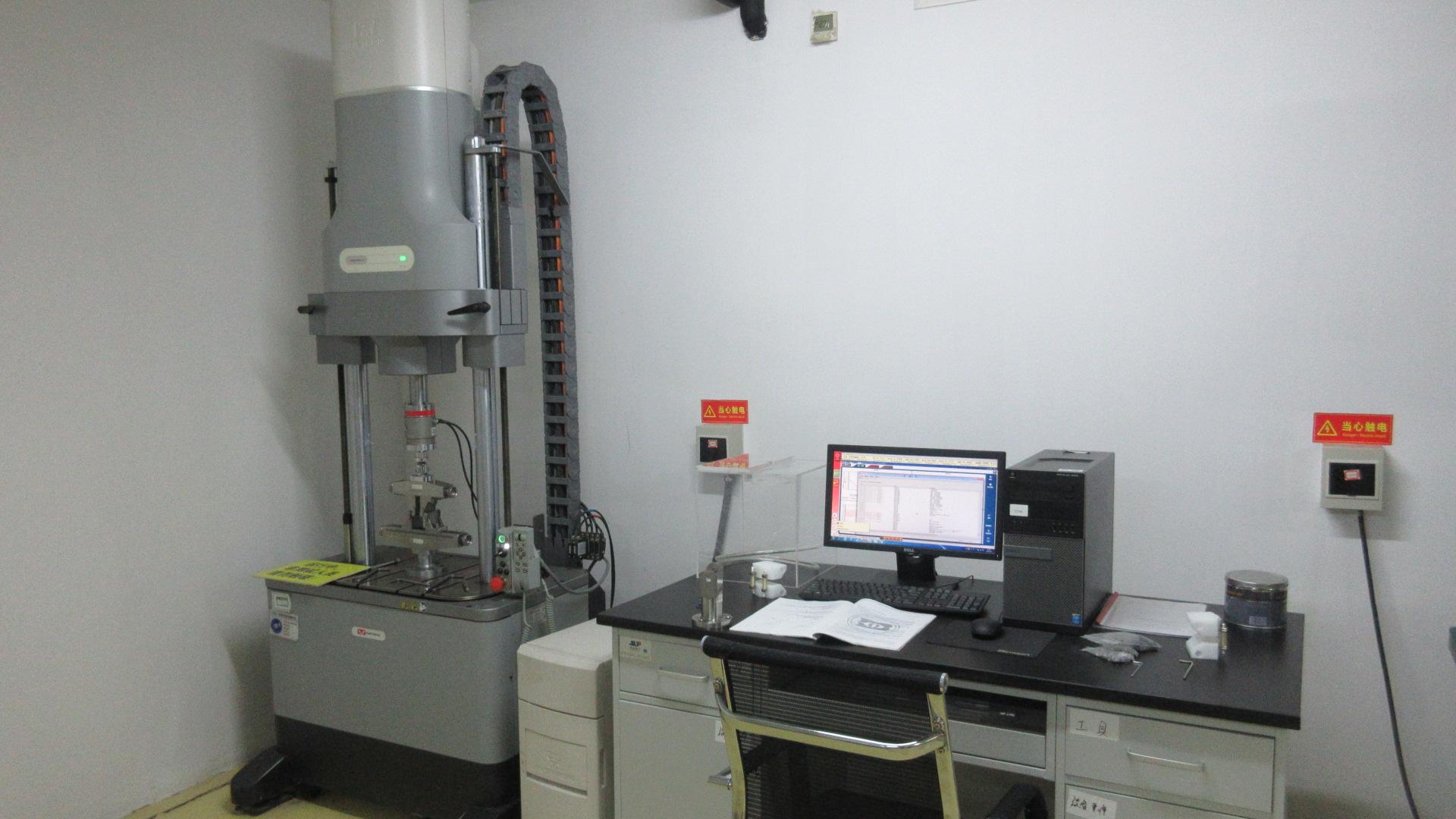
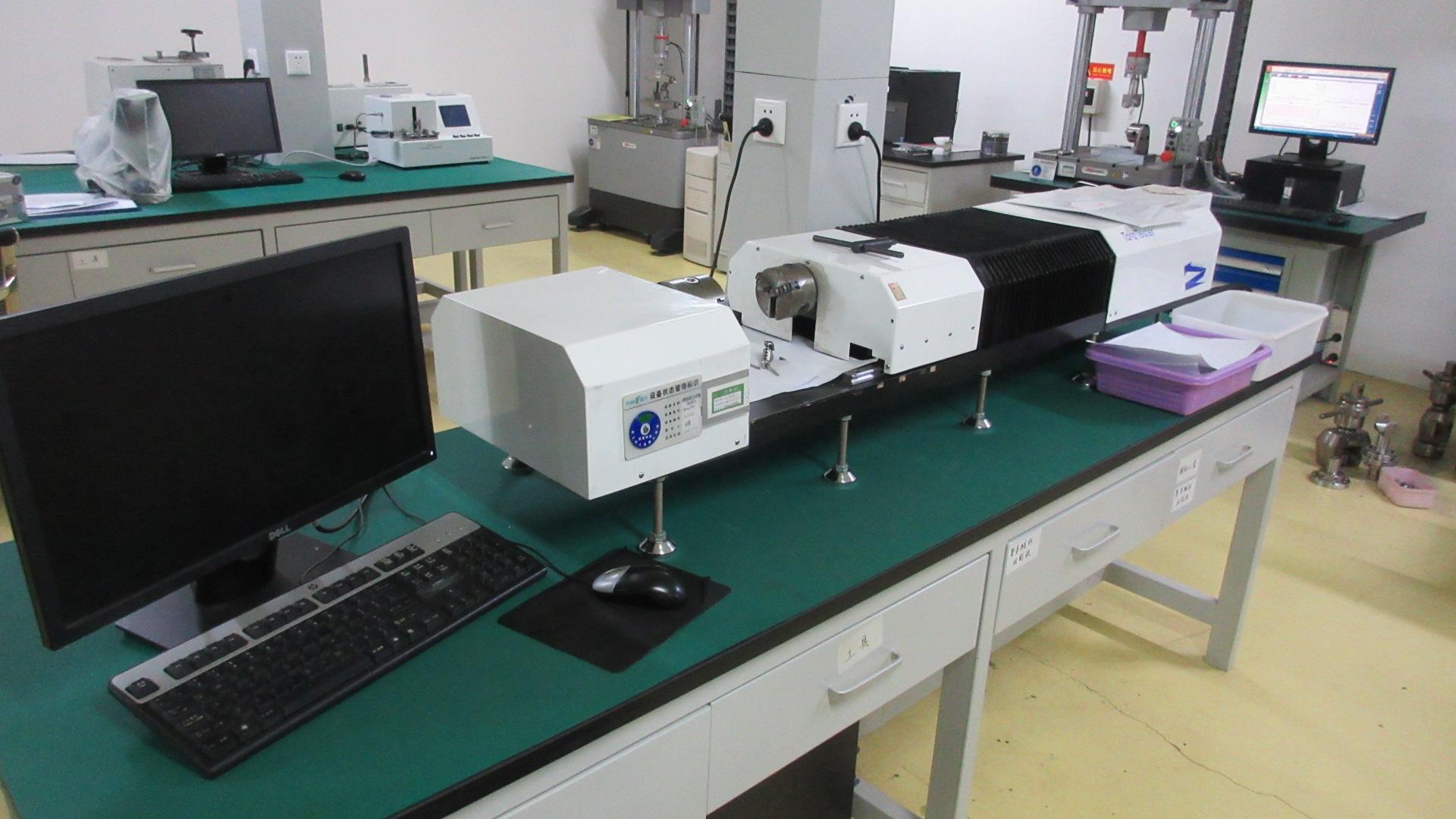
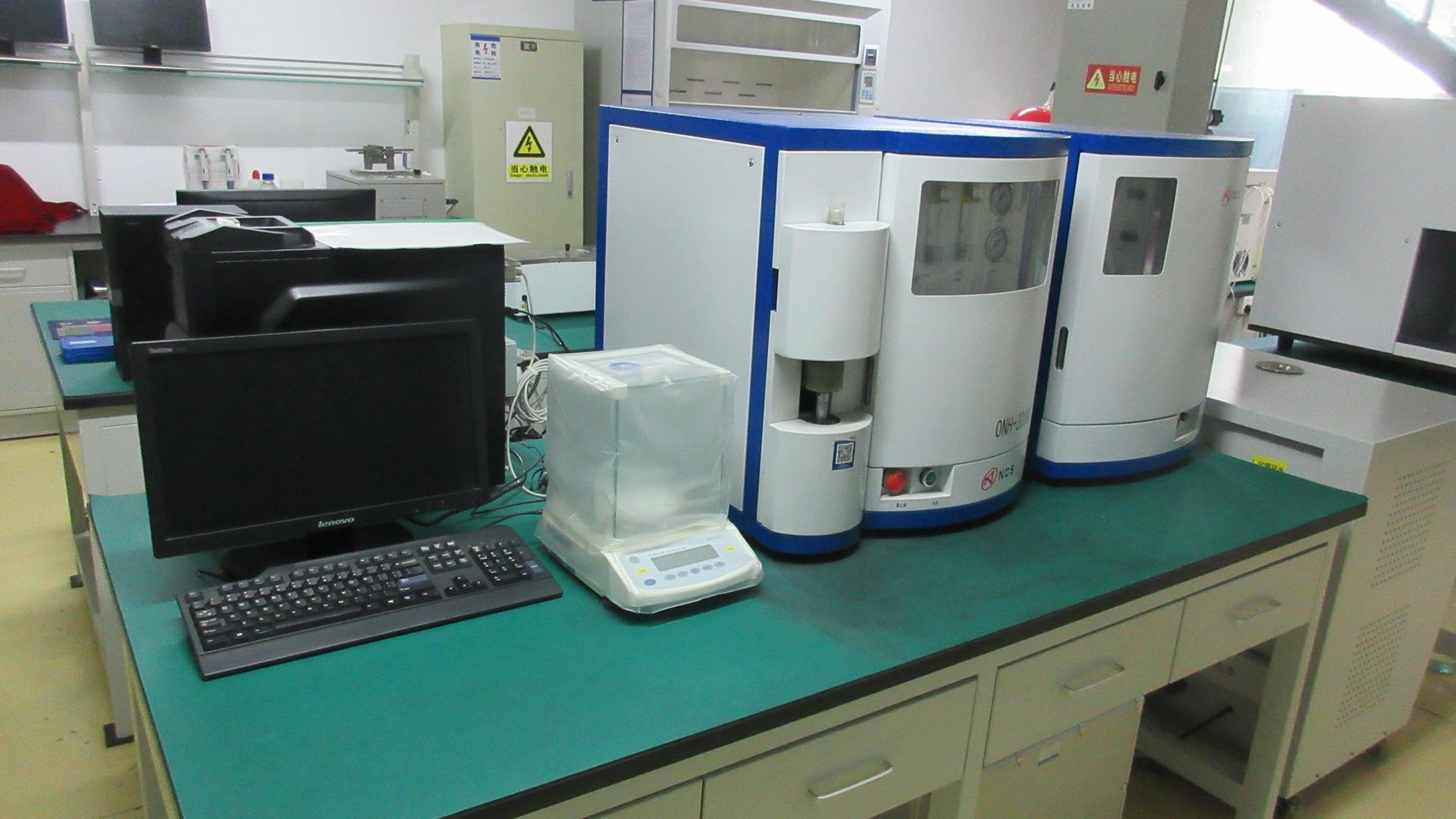
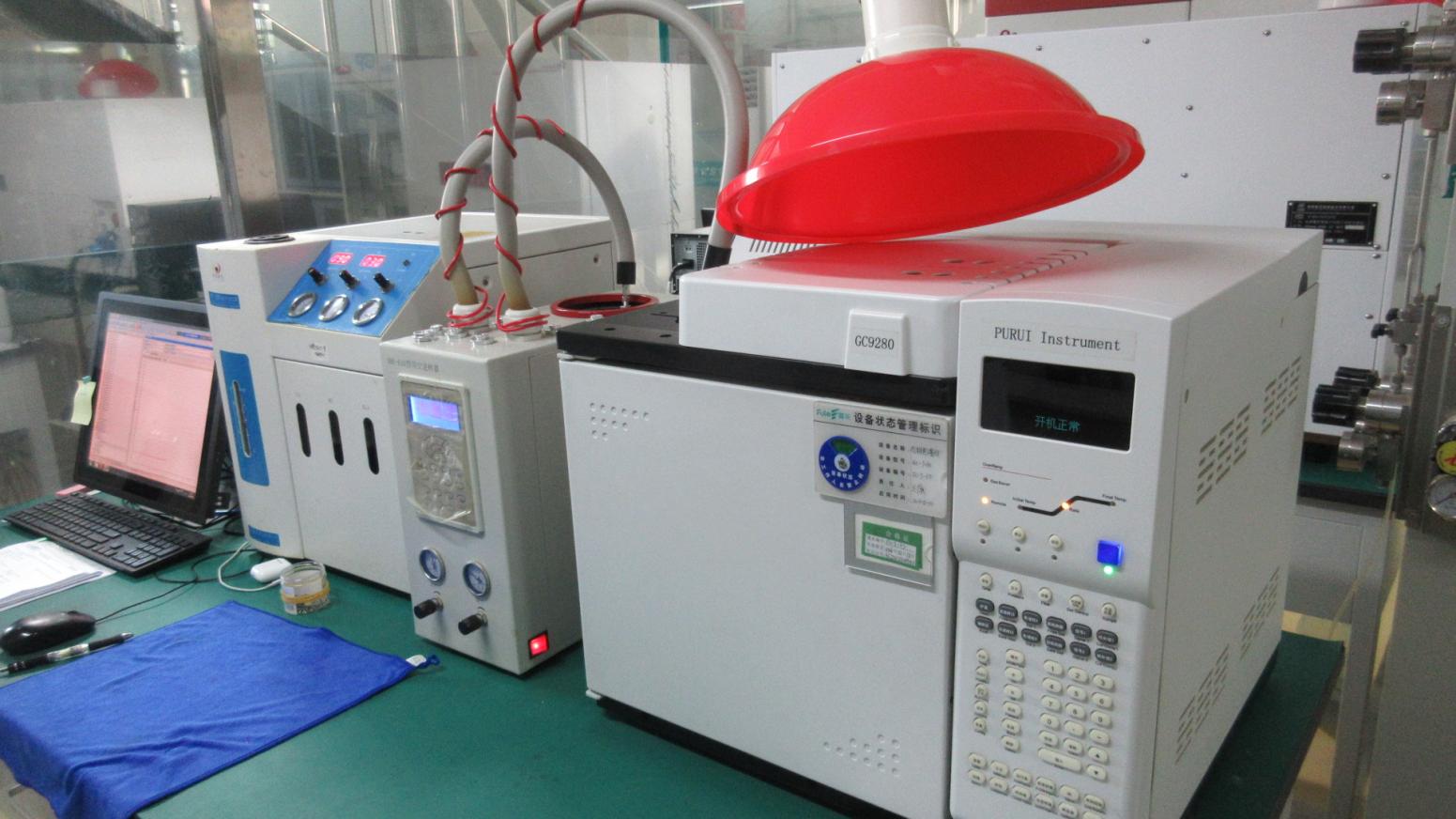
Founded on June 28, 1996, Beijing Fule Science & Technology Development Co., Ltd. has grown into an international leader in titanium orthopedic implants. Our manufacturing capabilities support customized requests, including sample-based processing, technical drawing processing, and custom development. This versatility allows us to meet the specific requirements of clinical healthcare settings worldwide.
| Key Enterprise Metrics & Operational Capacity | |
|---|---|
| Establishment Date | 1996-06-28 (29 Years of Industry Expertise) |
| Production Floor Space | 10,000 square meters |
| Key Certifications | ISO13485 Certified (Reg. No. 04724Q10000818) |
| Annual Production Yield | 508,000 Units |
| Total Production Lines | 1 Core High-Precision Integrated Line |
| Equipment Array | 102 Advanced CNC & Testing Machines |
| Quality Control Staff | 15 Dedicated QA/QC Inspectors |
| R&D Department Strength | 20 Engineers (15 Graduates, 5 Technical Specialists) |
| Primary Markets | Domestic (40%), Eastern Europe (15%), Southeast Asia (10%), Rest of the World (35%) |
| Active Partners | 70+ Premium Supply Chain Partners Globally |
Exporting implantable medical devices requires navigating complex regulatory standards. To support this, we maintain detailed documentation files—including mechanical testing reports, biocompatibility test results, and clinical study data. We work closely with our partners' regulatory teams to streamline the product registration process with local health ministries.
We provide localized technical assistance, training manuals, and complete instrument kits. This support ensures that orthopedic surgeons and surgical technicians have everything they need to handle the implants safely and effectively. Our customer service team operates in English to ensure clear, precise communication with partners across various international jurisdictions.
Providing direct, transparent, and authoritative answers to the most common inquiries from B2B sourcing specialists.
Our facility operates under an ISO 13485 quality management system. Every product batch is traceable back to the raw titanium ingots. We perform 100% inspections on critical dimensions and conduct fatigue and mechanical limit tests to ensure the implants meet clinical standards.
Yes. Backed by our 20-member R&D engineering team, we support customization based on sample physical designs or detailed technical drawings. This flexibility allows us to tailor systems to meet localized anatomical requirements.
Our products are packaged within a Class 100,000 (ISO Class 8) cleanroom environment. We offer implants in both non-sterile and pre-sterile packaging. Pre-sterile items are processed using gamma radiation or ethylene oxide (EO) to guarantee sterile delivery to medical facilities.
Standard catalog configurations are typically shipped from our ready stock. For custom OEM/ODM orders, lead times range from 30 to 45 days, depending on the complexity of the design, precision tooling requirements, and the size of the production run.
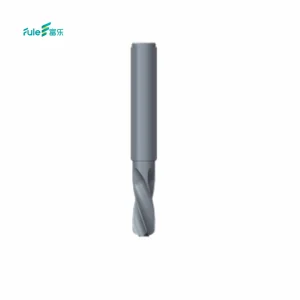
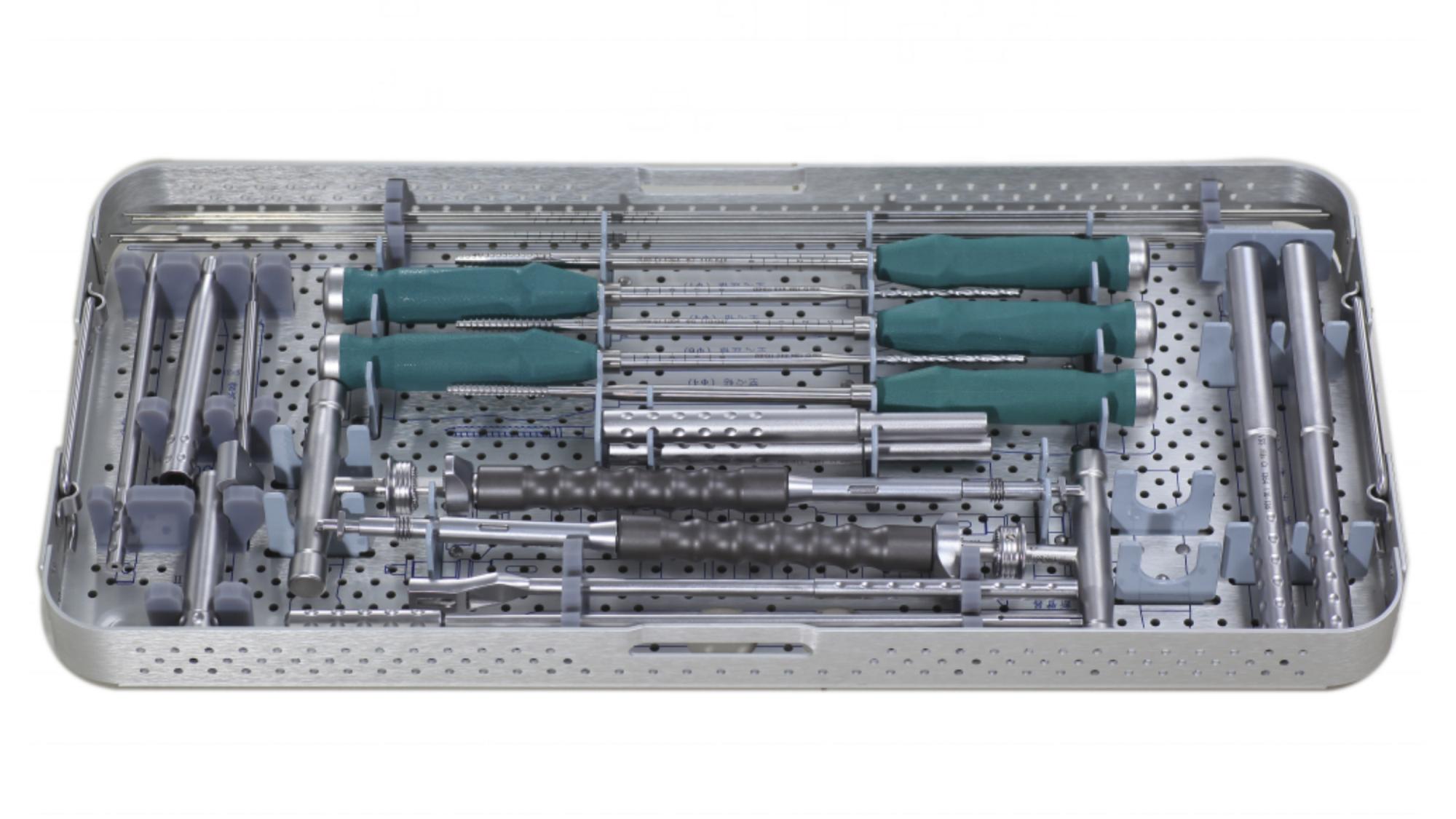
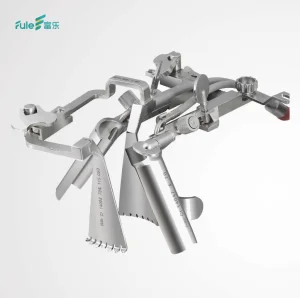
Yes, we provide matching instrument sets, such as the Titanium Spinal Surgical Instruments Set. These kits are designed for specific implant lines to facilitate accurate positioning and secure fixation during surgical procedures.
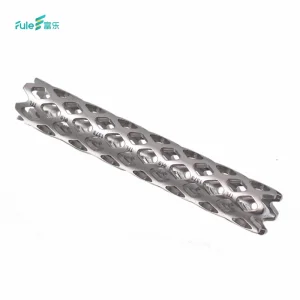
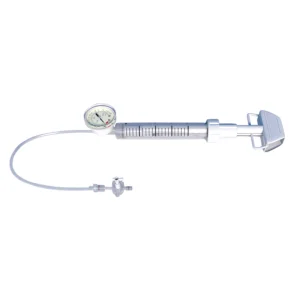
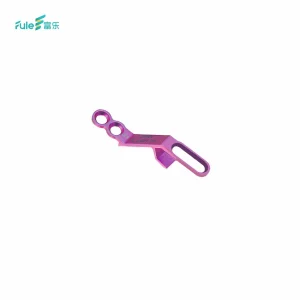
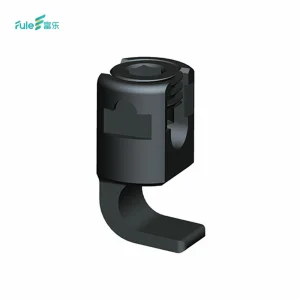
Complete your medical inventory with our specialized spinal stabilizers, connector hooks, and trauma nails, engineered for long-term patient recovery.
 Fule
Fule