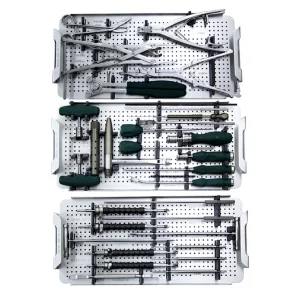
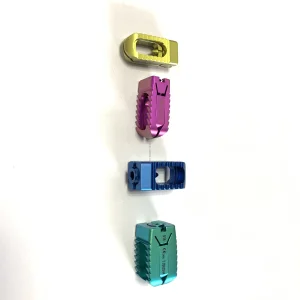
Our flagship range of high-tolerance medical implants and surgical systems manufactured under ISO 13485 and CE standards.
Pulmonary drug delivery represents one of the most clinically effective and technologically demanding routes of drug administration. Historically associated primarily with asthma and Chronic Obstructive Pulmonary Disease (COPD), the inhalation route is increasingly utilized for systemic drug delivery, including peptides, proteins, and systemically active small molecules.
The global inhalation devices market, valued at approximately USD 32.5 billion in recent assessments, is projected to expand at a compound annual growth rate (CAGR) exceeding 6.2% over the next decade. This growth is propelled by escalating global rates of respiratory conditions, a rapidly aging population, and advances in biotechnology requiring rapid systemic absorption without hepatic first-pass metabolism. Leading manufacturers and exporters operate within highly regulated, high-precision spaces requiring ISO 13485 certification, class-level cleanrooms, and sophisticated aerodynamic testing pipelines.
Modern inhalation therapy is built on three core device formats: Metered Dose Inhalers (MDIs), Dry Powder Inhalers (DPIs), and Soft Mist Inhalers (SMIs). Navigating the engineering challenges of these devices requires high-precision molds, surface finish optimization to prevent drug adhesion, and consistent dosage delivery.
DPIs are breath-actuated devices requiring no propellants. Aerodynamic particle dispersion is achieved purely via the patient's inspiratory effort, demanding strict internal pathway geometry control.
IoT integration allows real-time monitoring of patient adherence, inhalation flow rates, and technique correction via mobile applications, converting simple delivery systems into smart therapeutics.
The phasing out of traditional HFAs in favor of low global warming potential (GWP) propellants like HFA-152a is forcing a complete redesign of valve materials and metering chambers.
For inhaled medications to bypass the upper airways and deposit in the deep lung (alveoli), the Mass Median Aerodynamic Diameter (MMAD) must fall precisely between 1 to 5 microns. Manufacturers must utilize advanced computational fluid dynamics (CFD) to design internal air channels, mesh apertures, and static mixers. Any minor variation in the internal plastic tooling can result in failure of clinical efficacy.
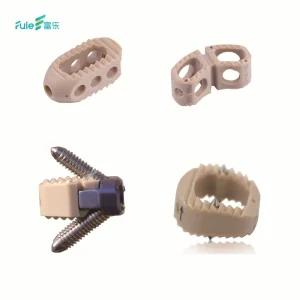
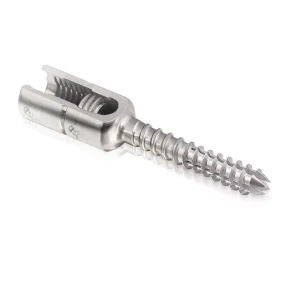
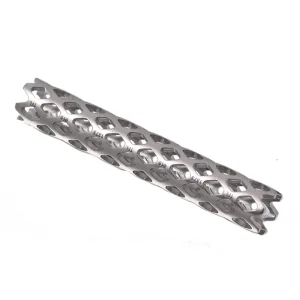
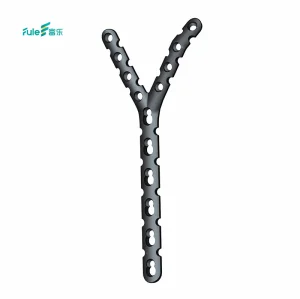
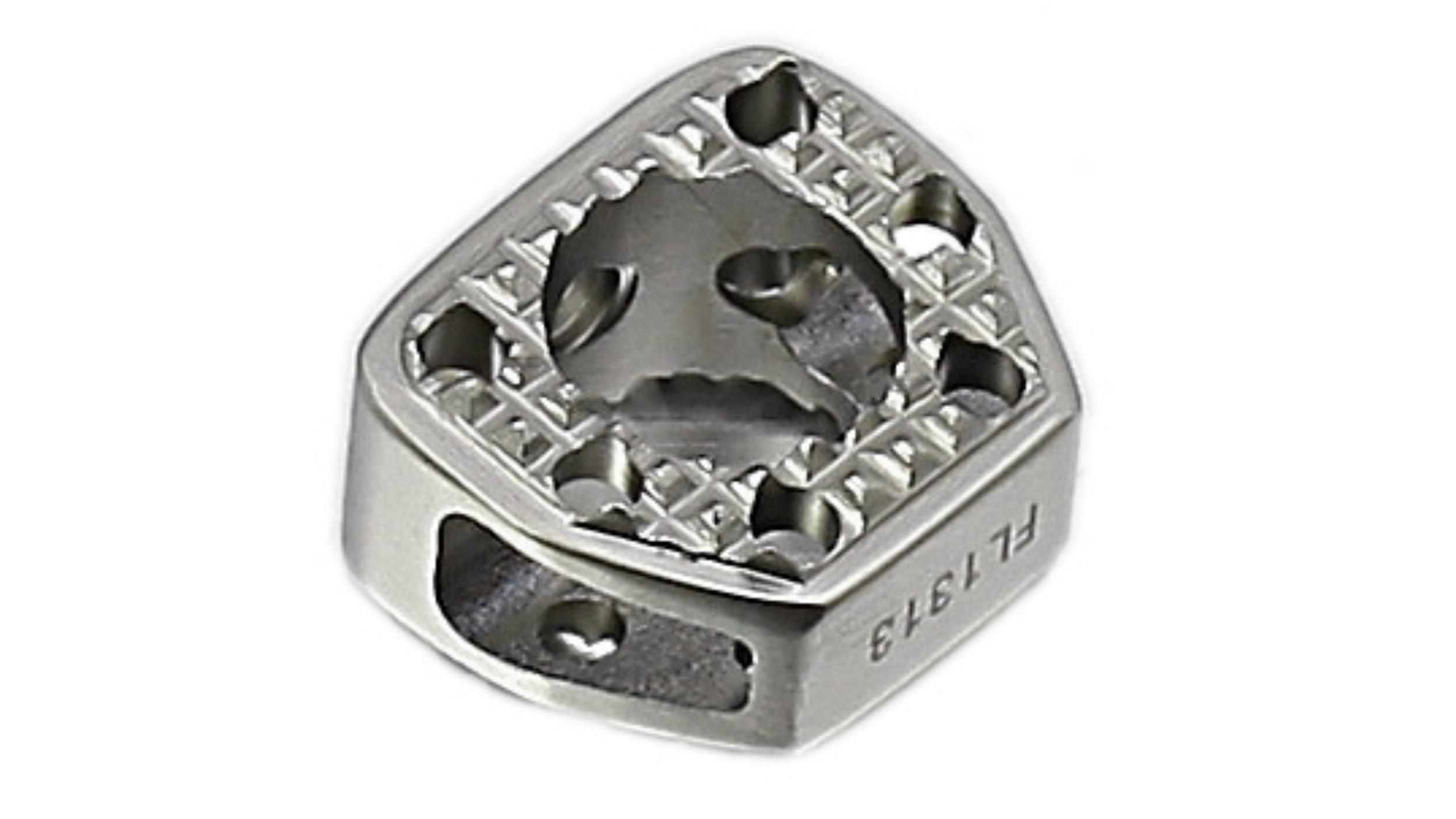
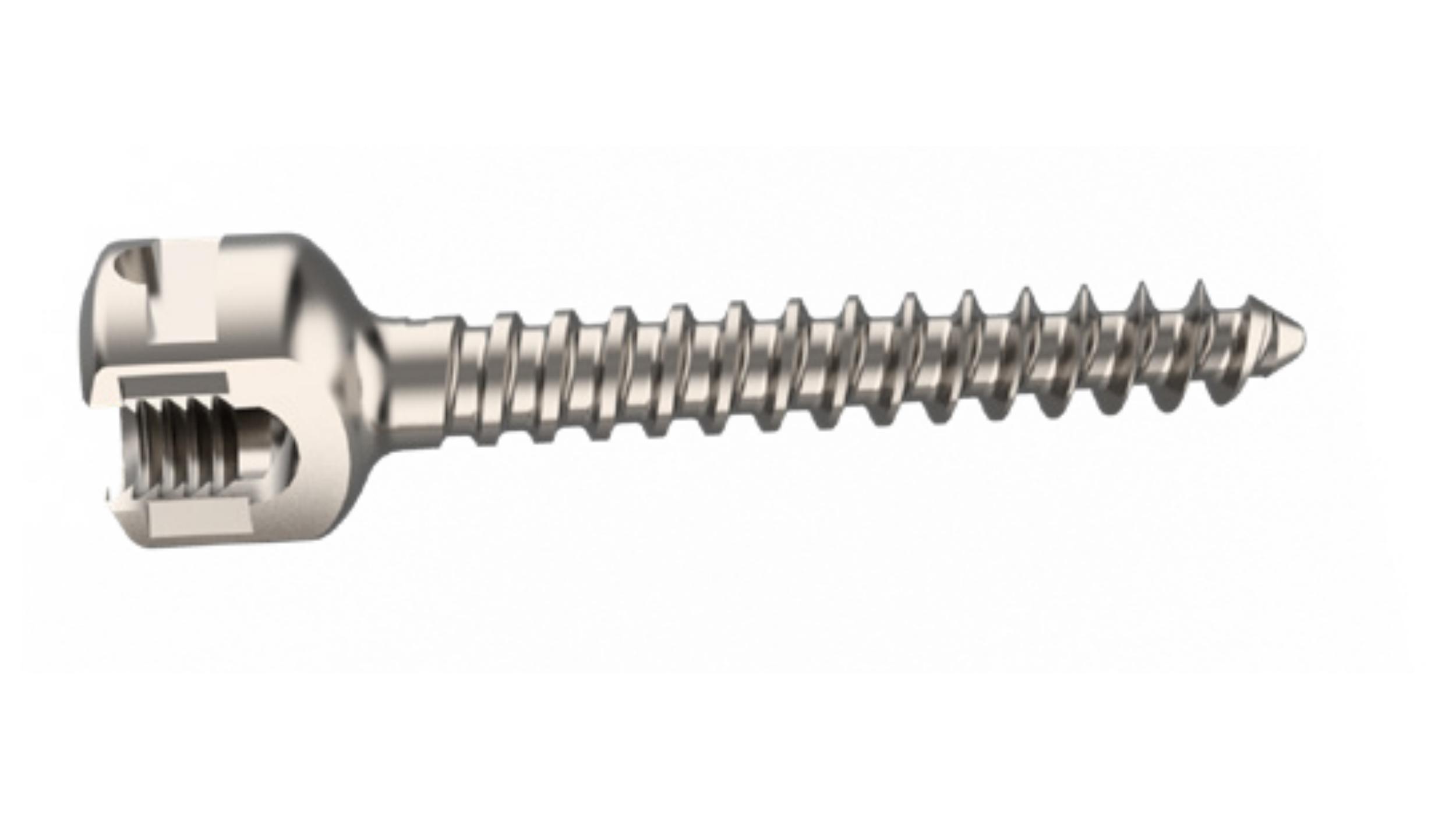
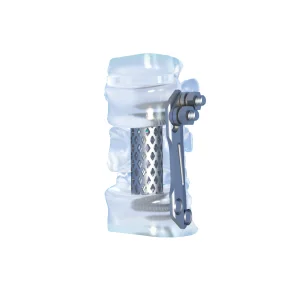
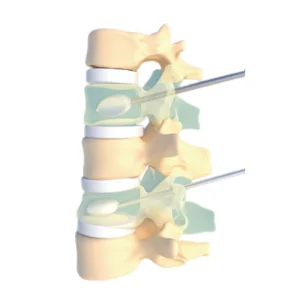
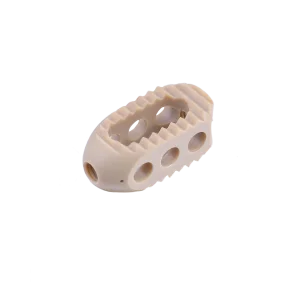
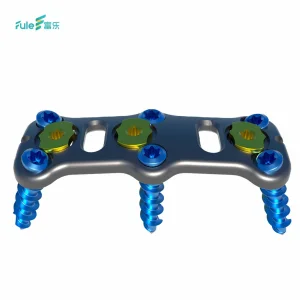
The manufacturing requirements of high-precision Class III orthopedic implants (such as titanium cervical plates and PEEK lumbar cages) share a foundational technology stack with advanced inhalation devices. Both require extreme biocompatibility, ultra-precise sub-micron tolerance molding, cleanroom assembly, and rigorous ISO 13485 compliance.
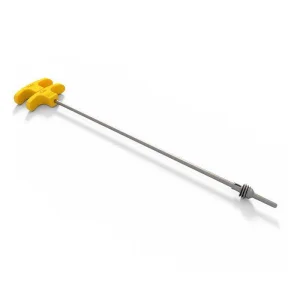
By leveraging robust CNC machining, titanium alloy manufacturing, and sterile interventional material supply chains, premium medical equipment manufacturers are uniquely positioned to deliver critical metal and high-performance polymer components for inhaler systems (such as high-tolerance valve components, structural orthopedic guides, and custom instrumentation).
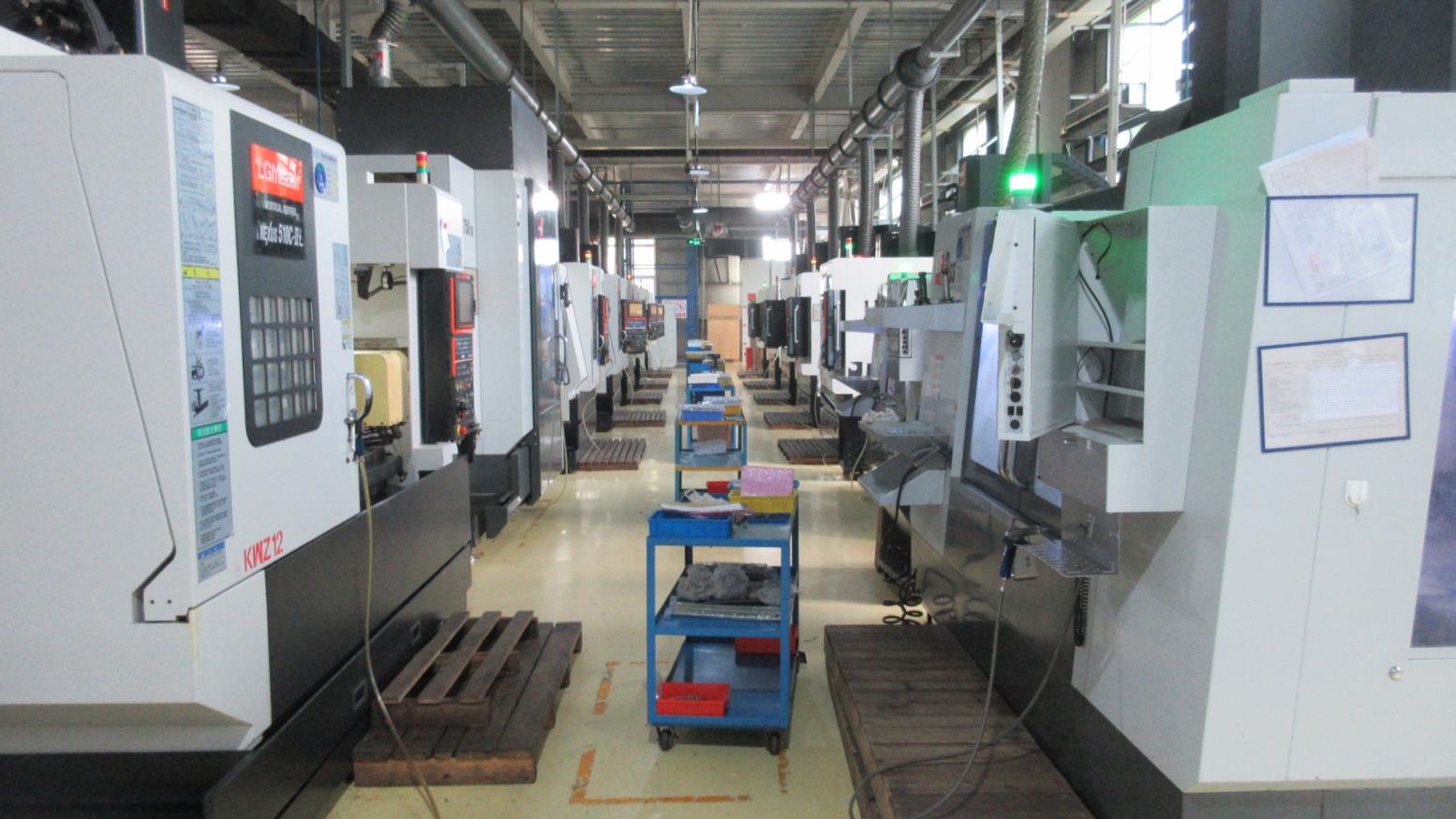
Overview of manufacturing standards, infrastructure, and international certifications backing our medical device exports.
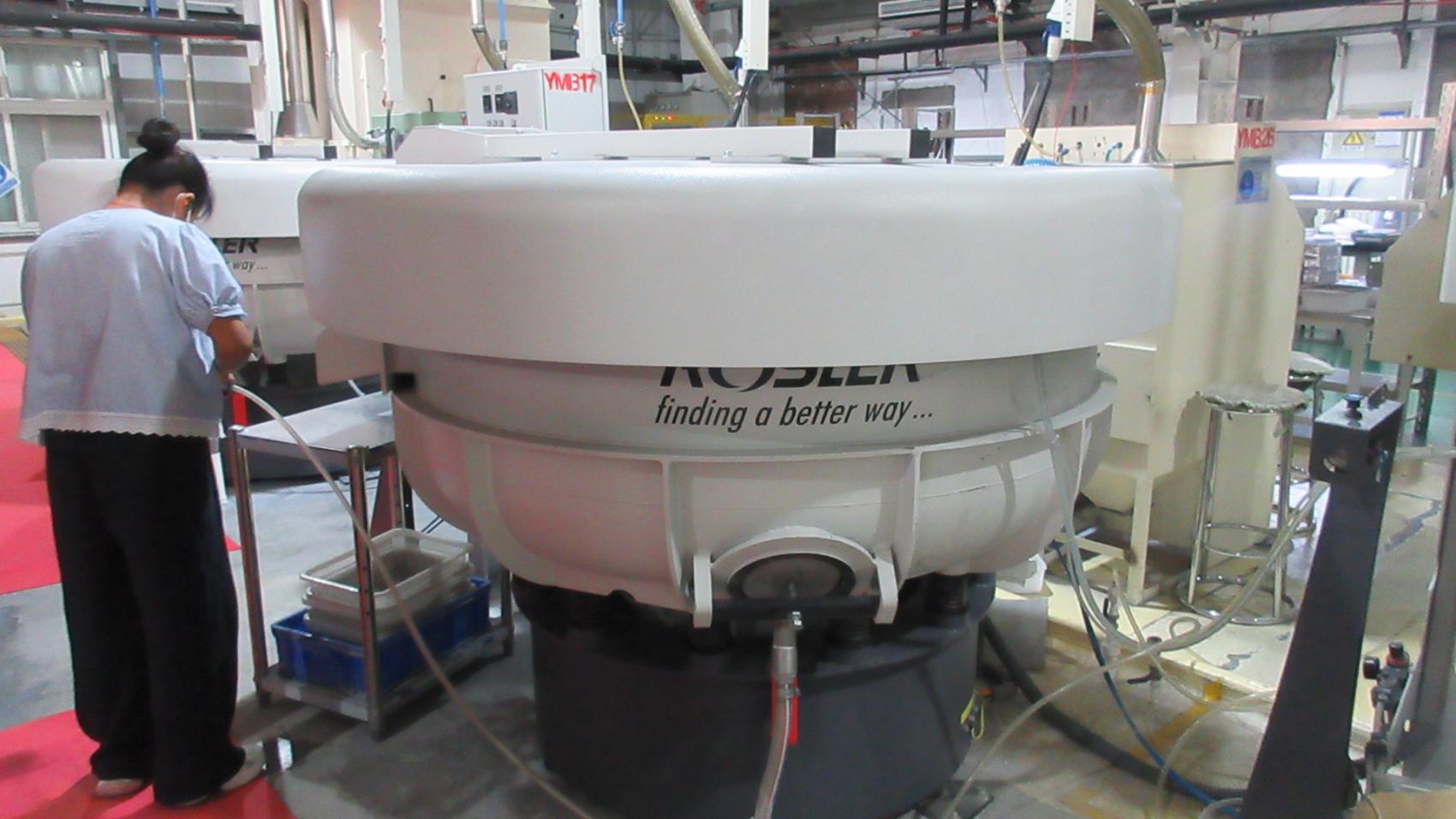
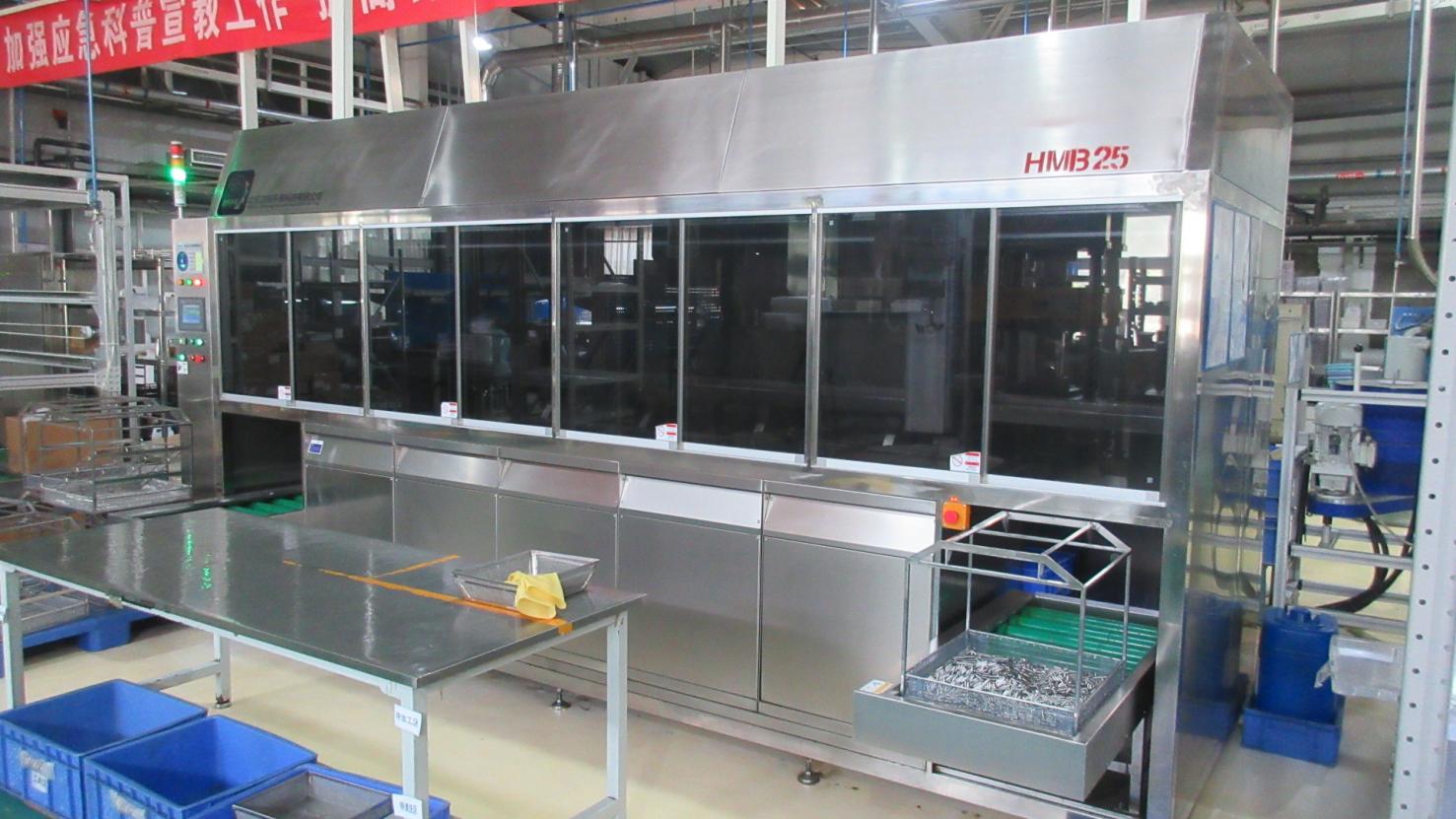
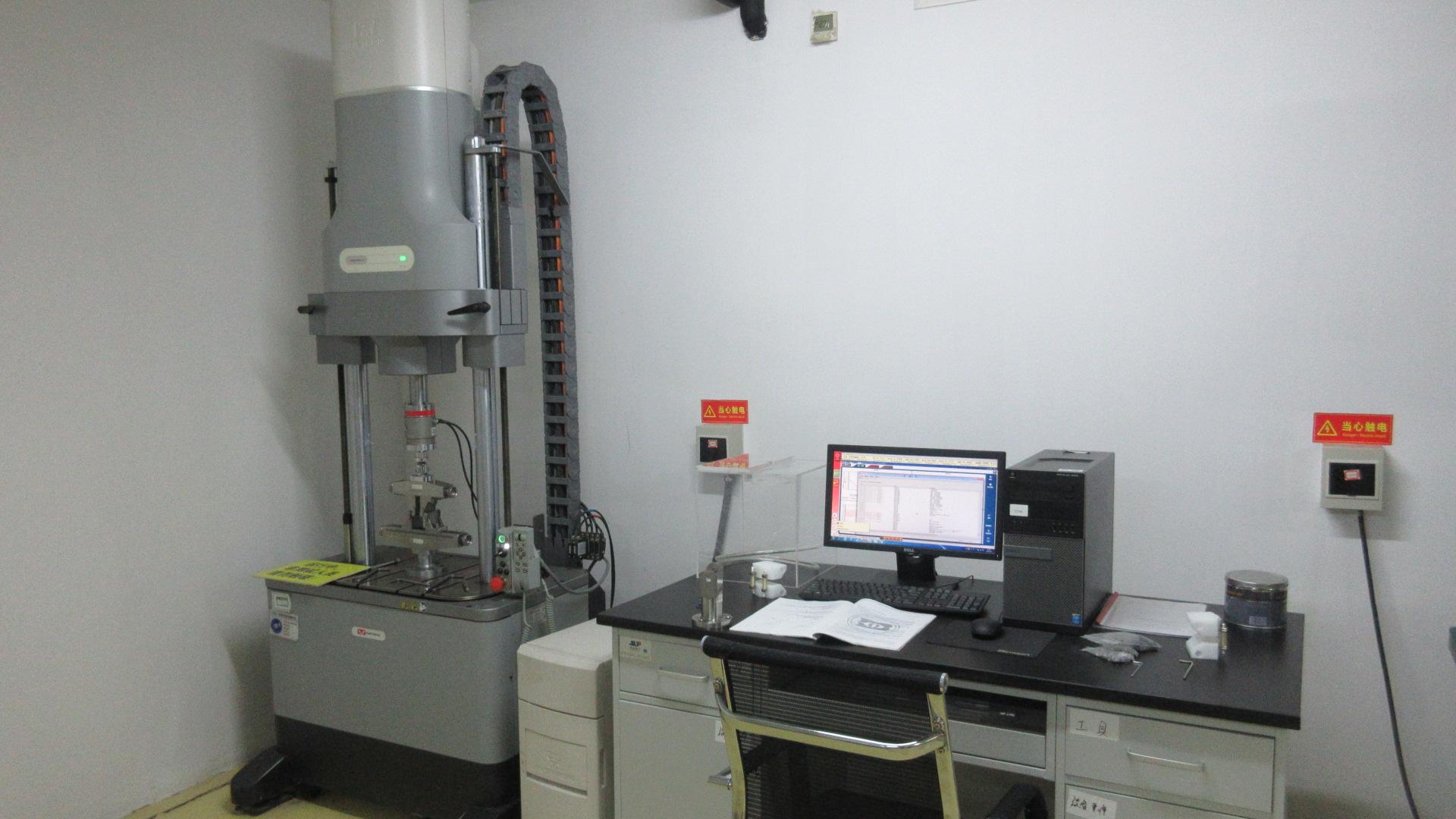
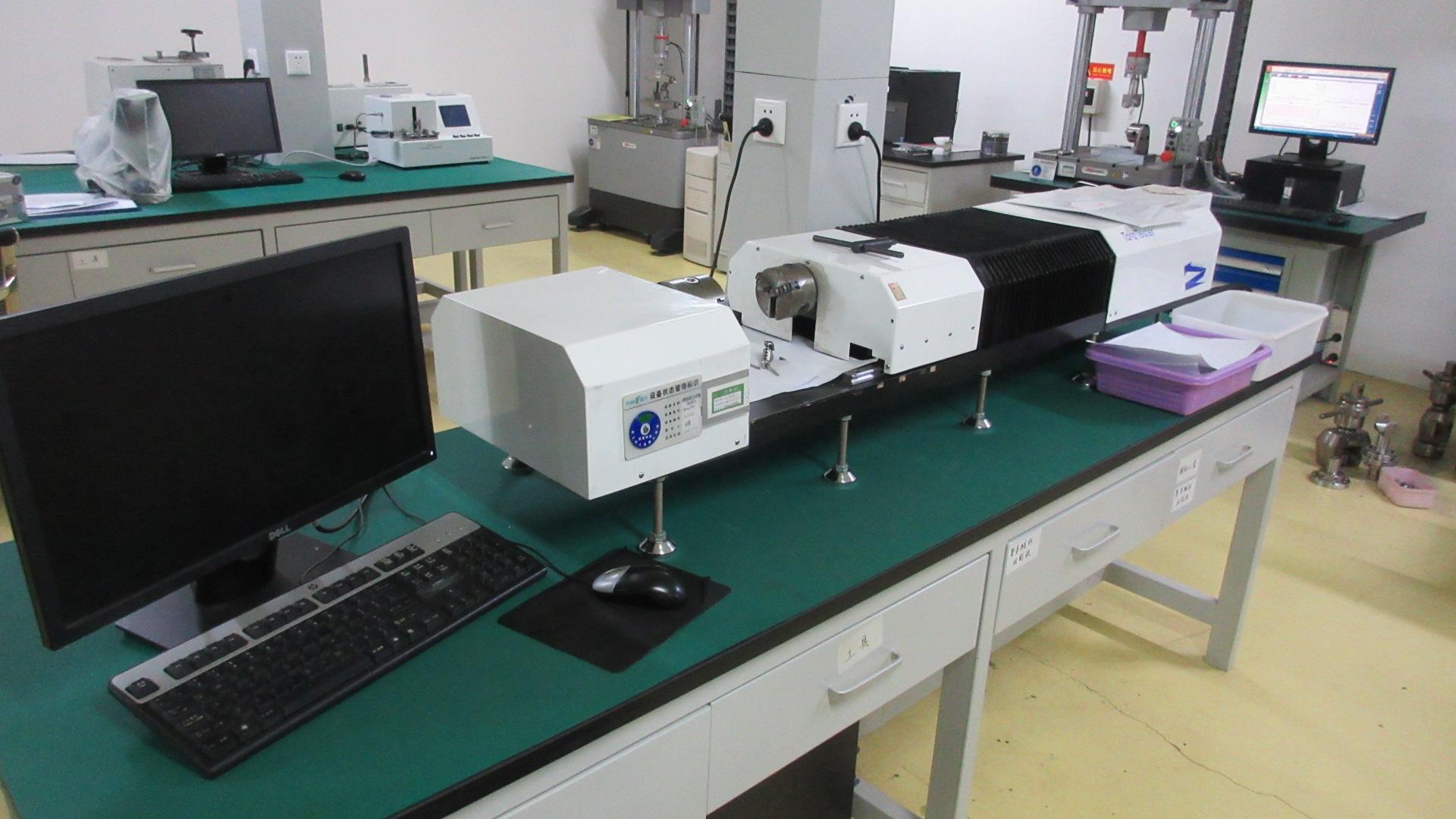
Visual journey inside our ISO-certified cleanrooms, CNC machining zones, and precision testing labs.



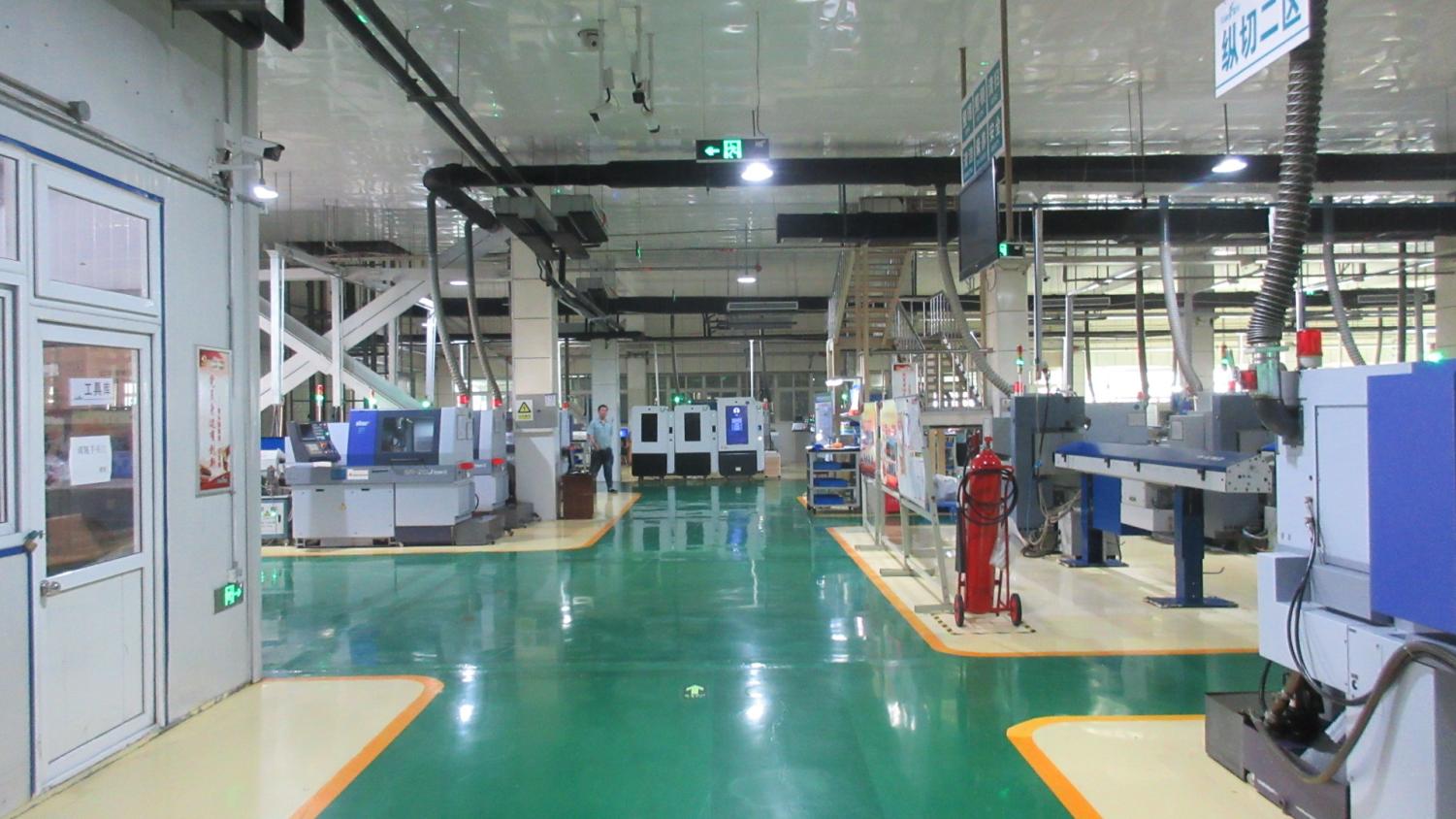
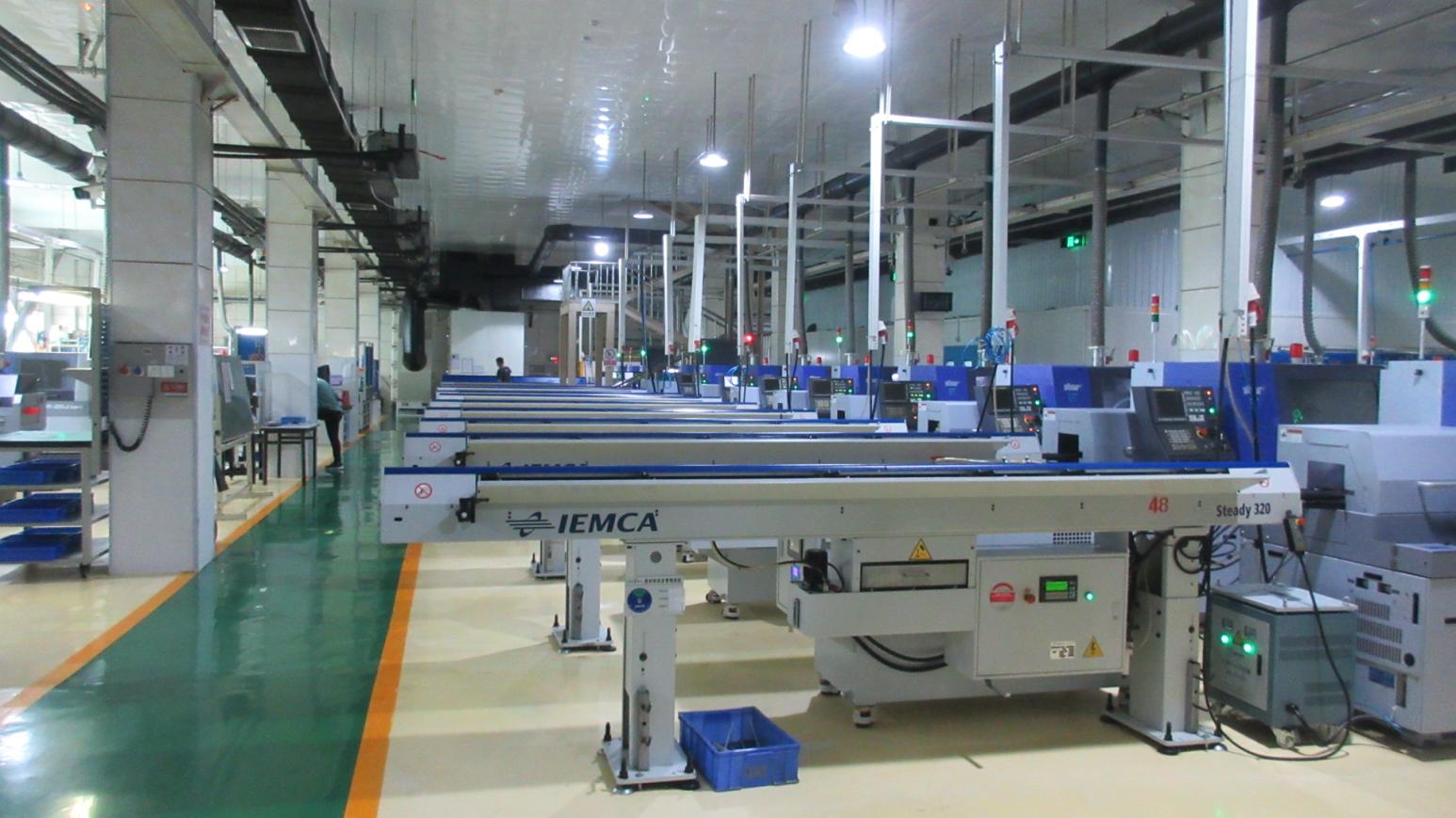
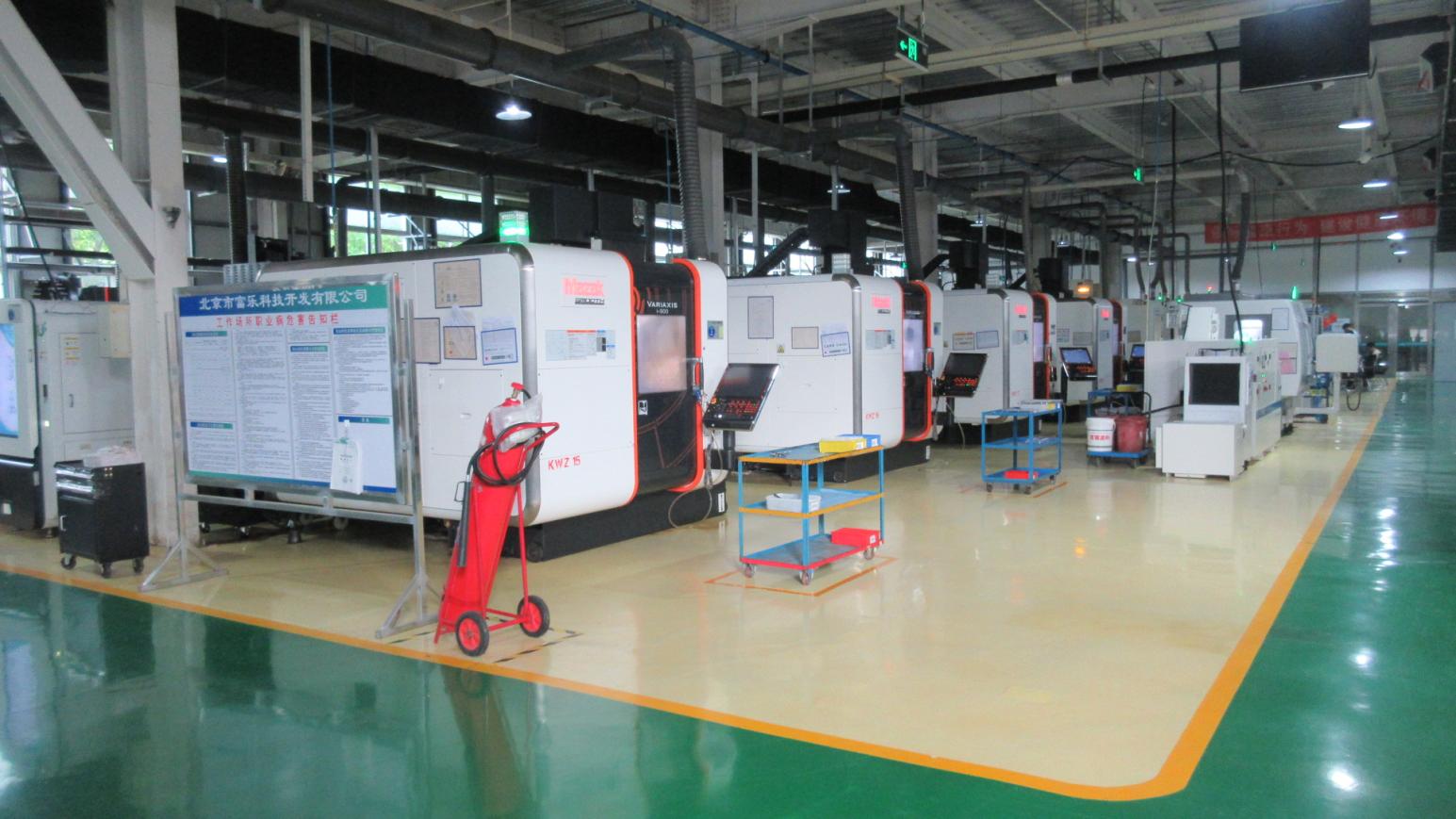
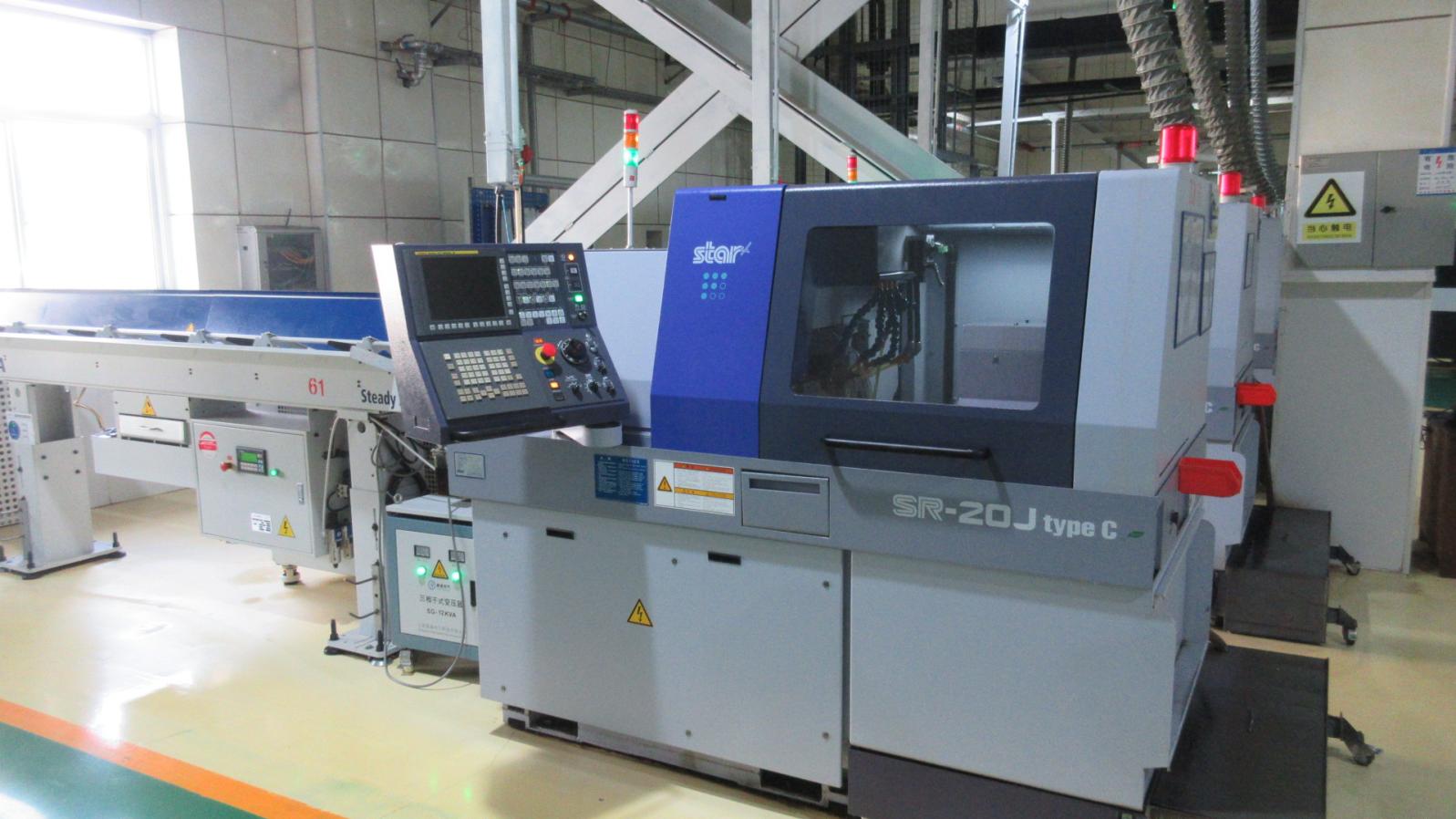
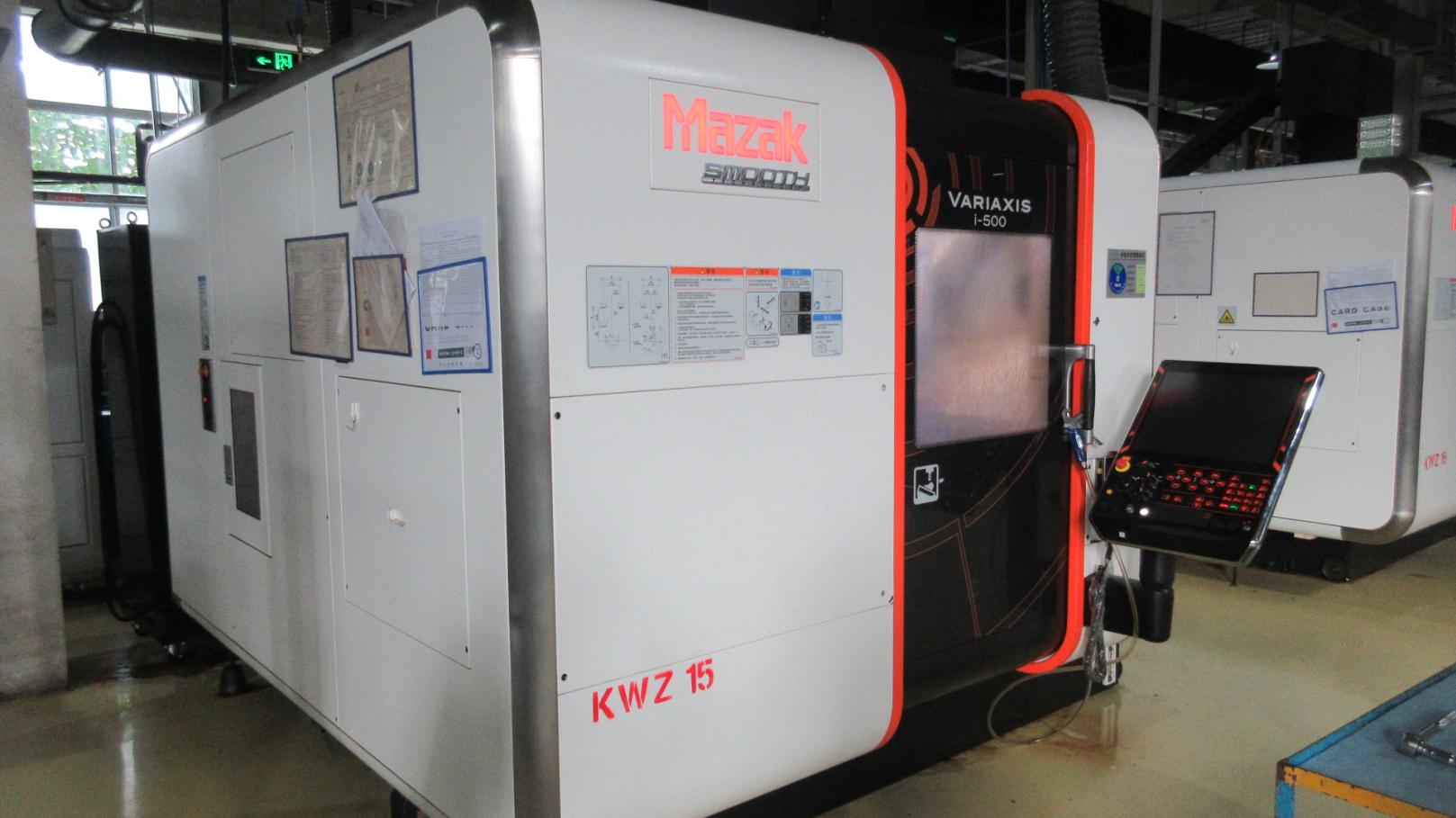
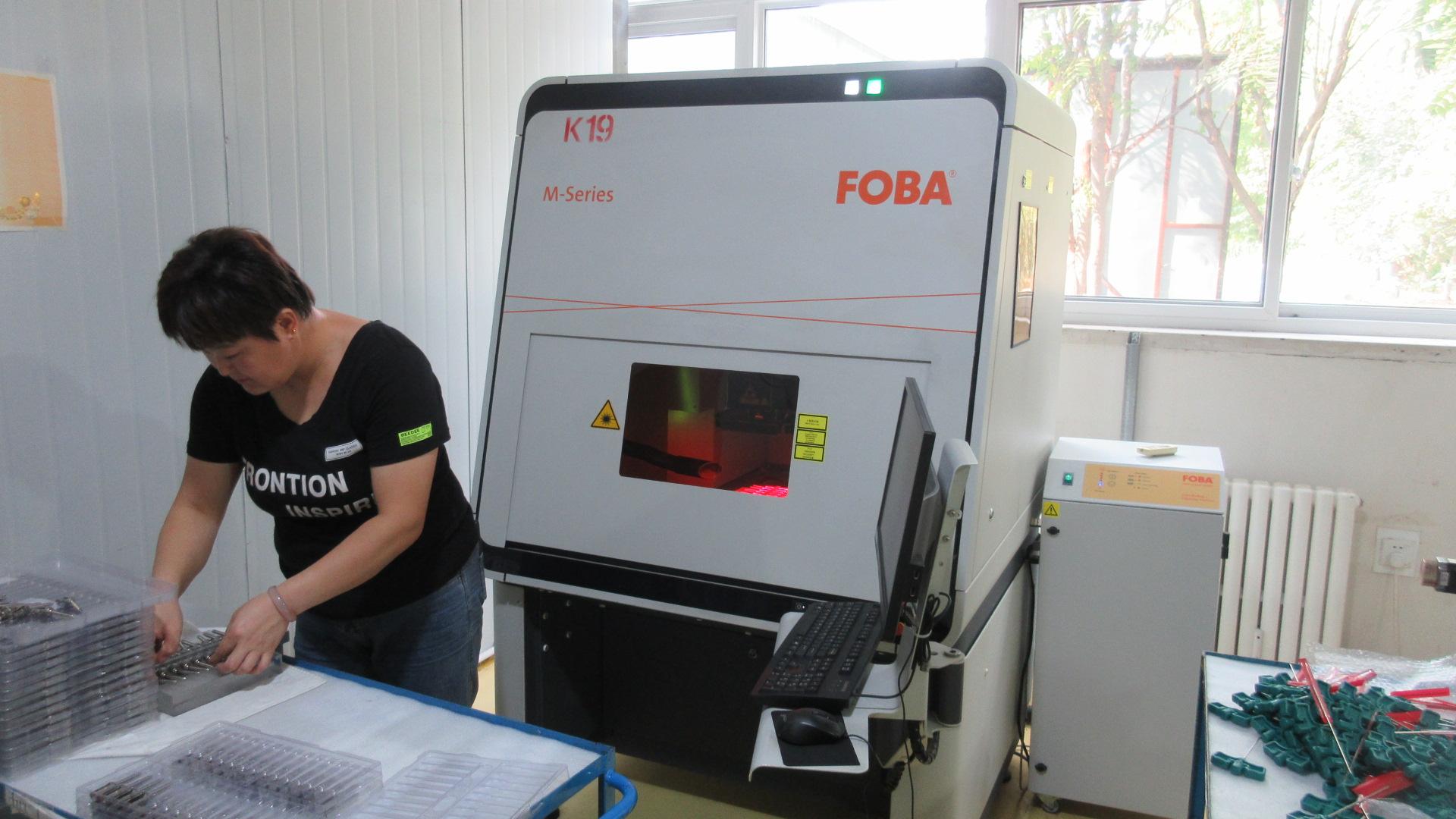
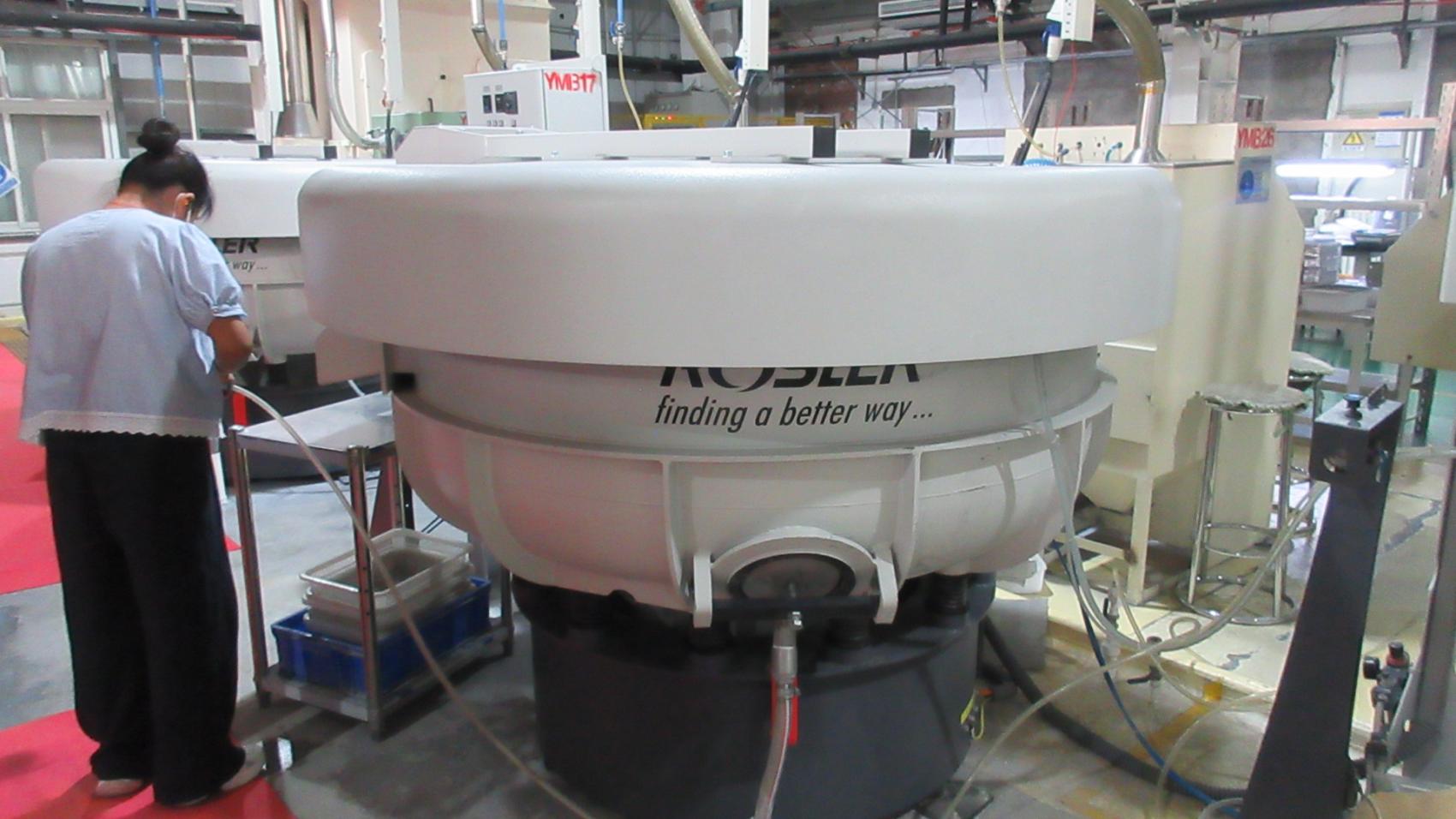
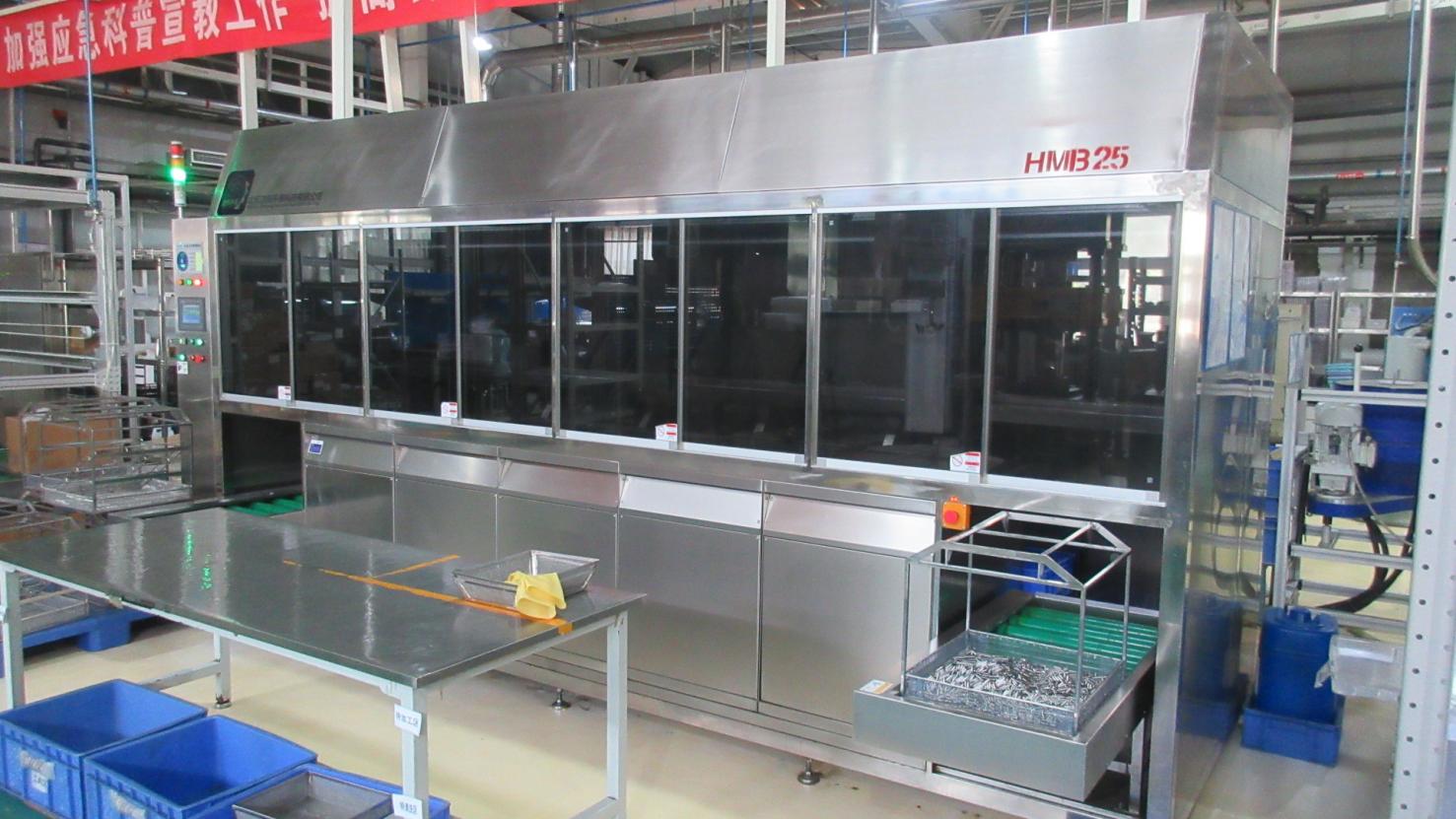
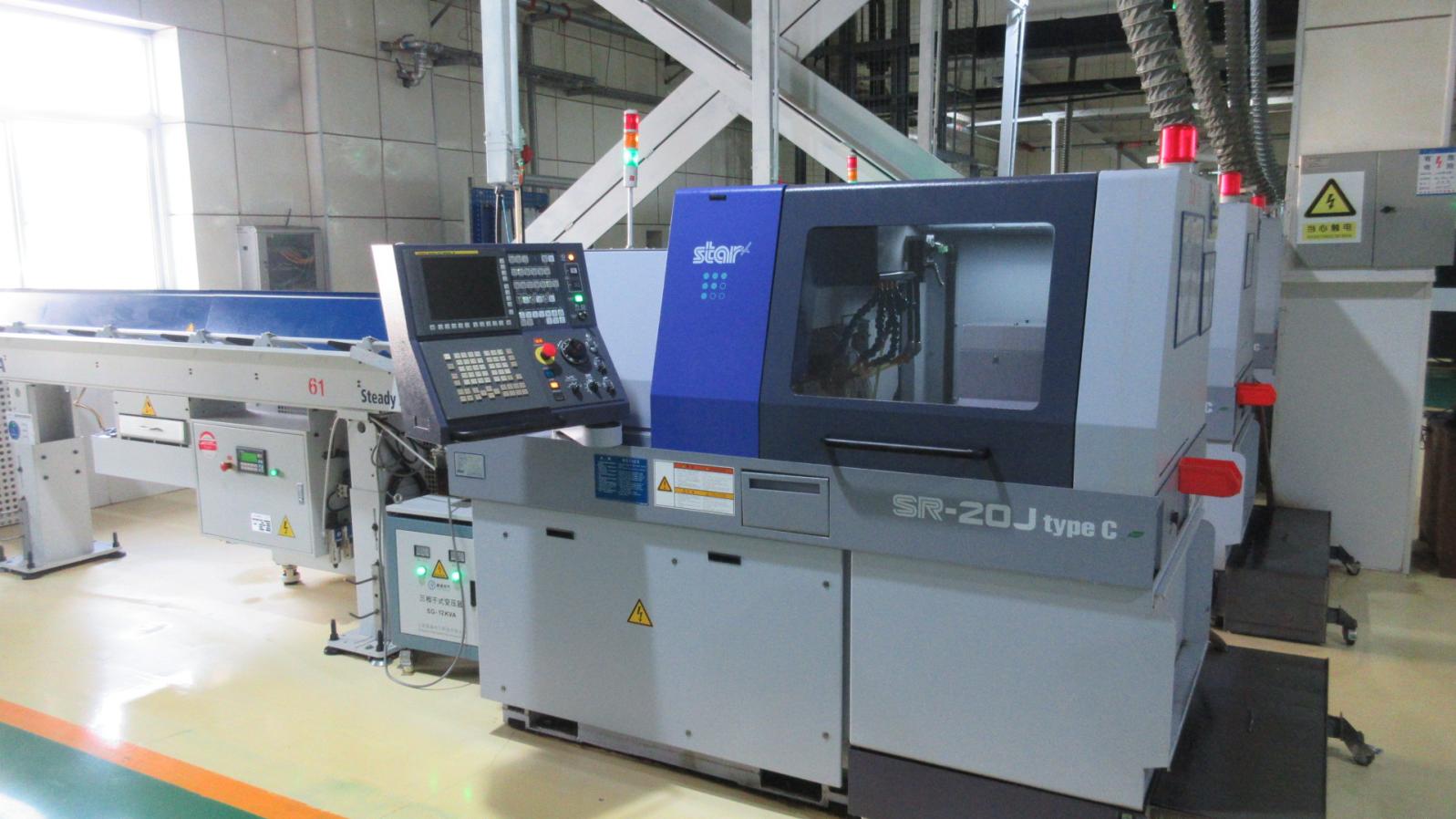
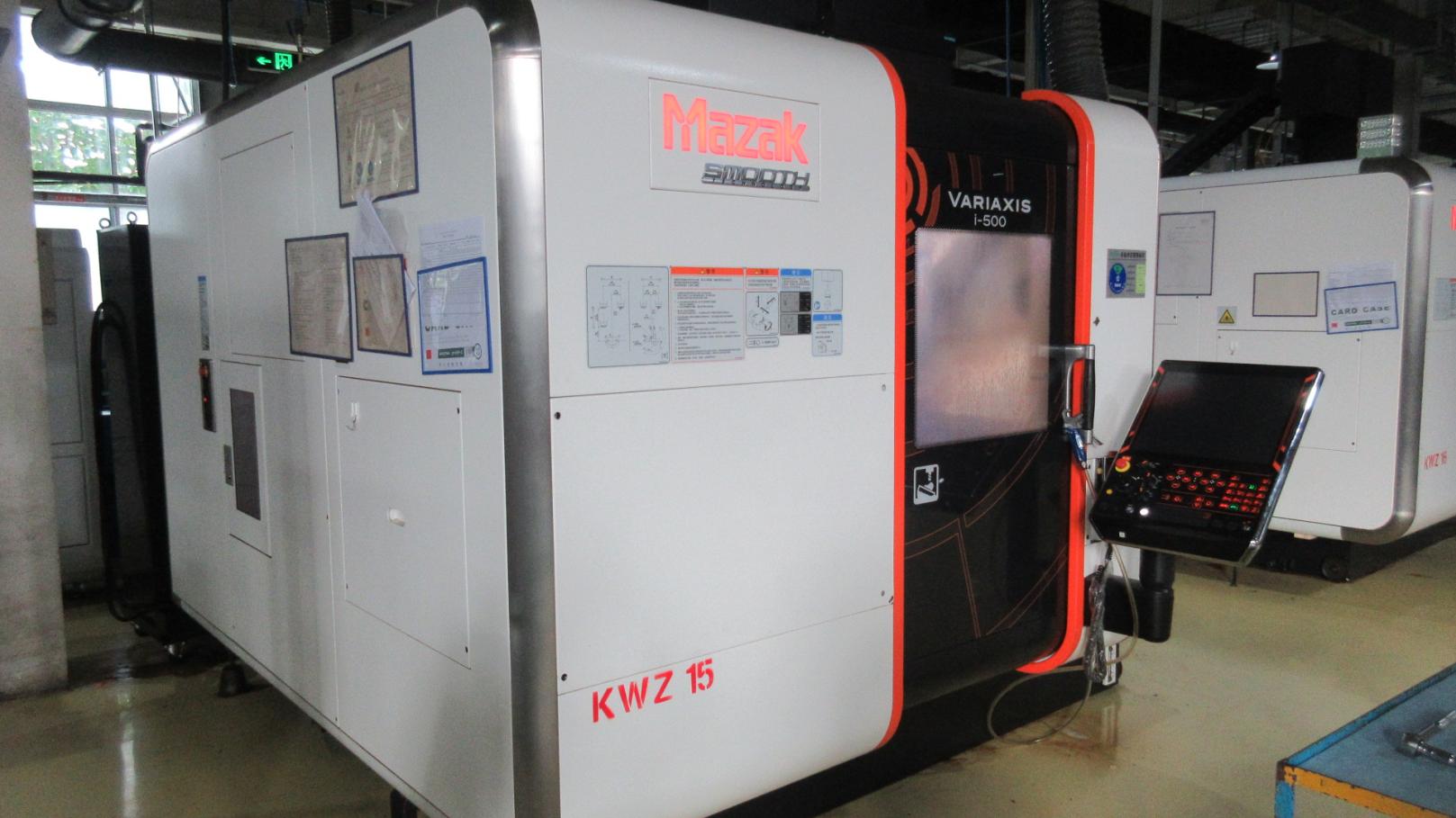
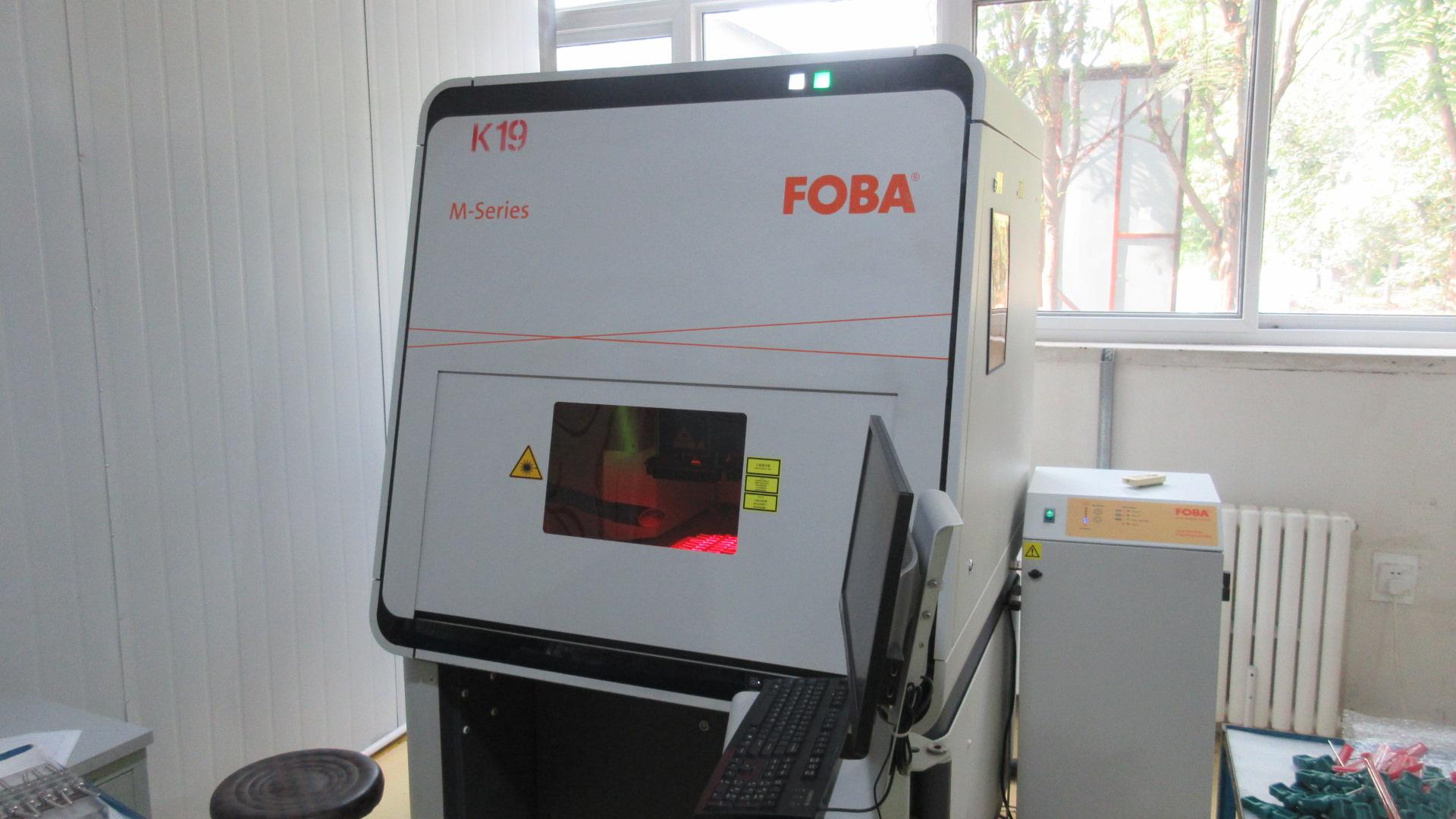
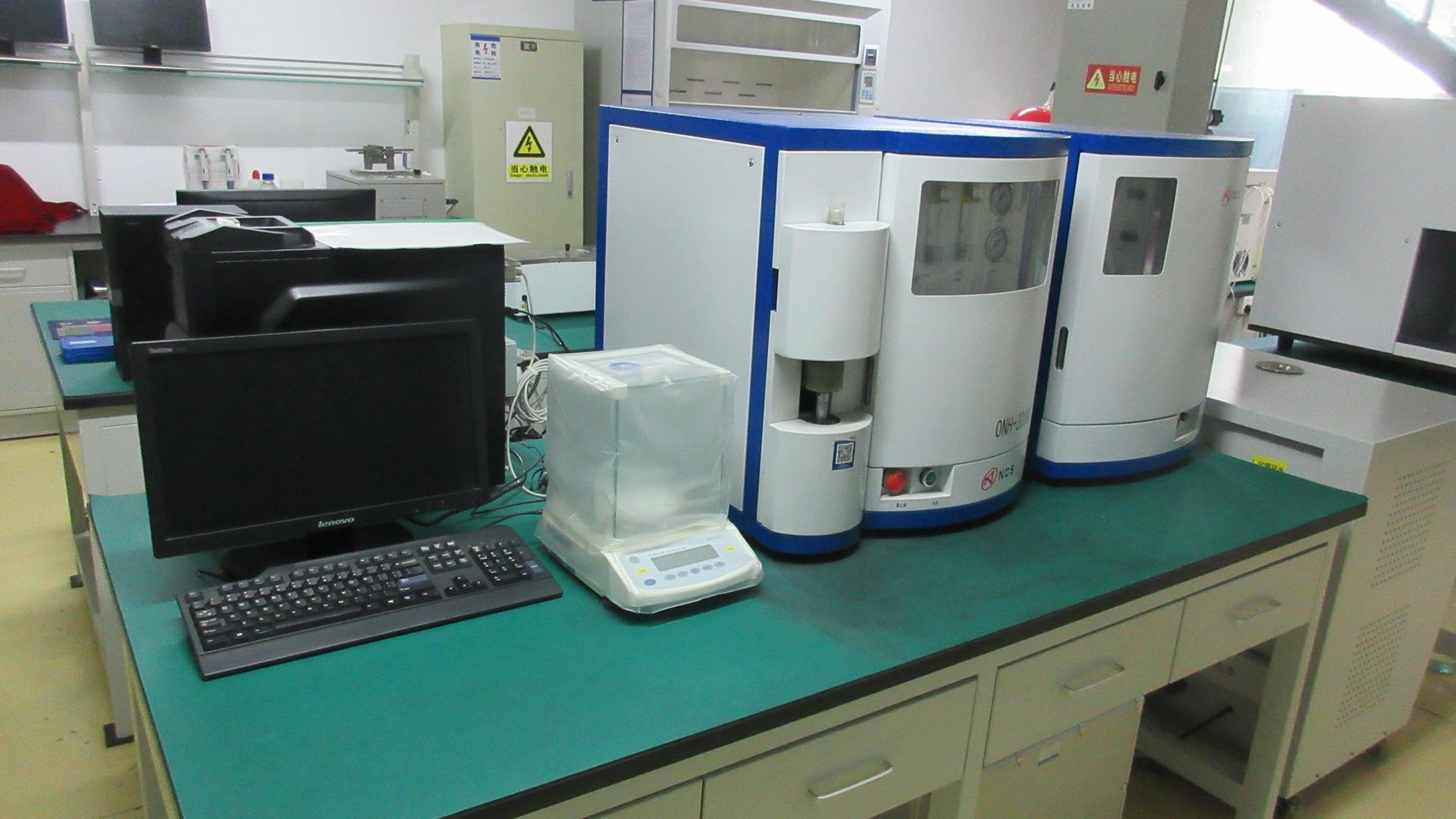
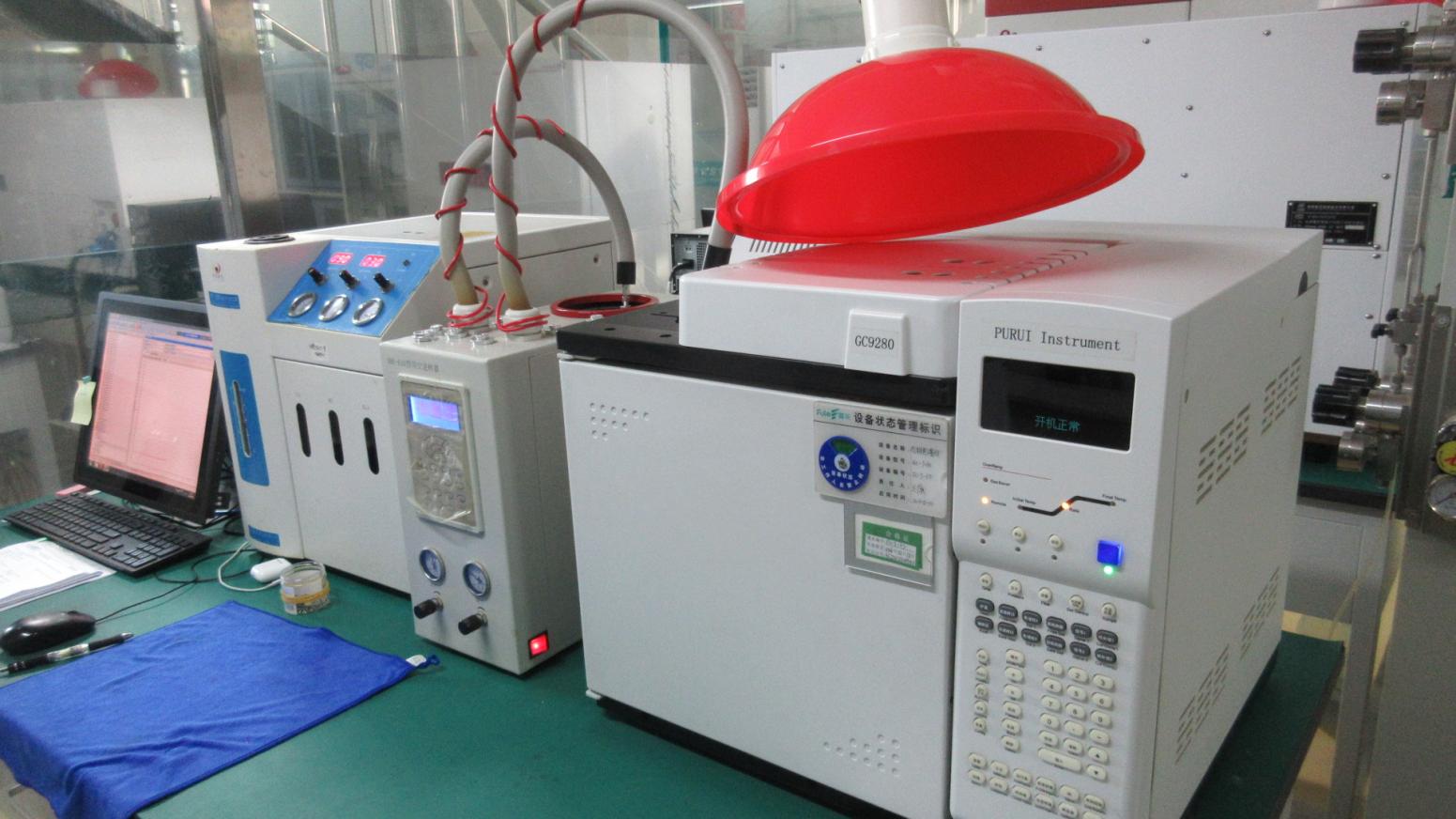
The landscape of inhalation systems is shifting rapidly towards digital integration, patient-centric design, and biological therapies. In response, top manufacturers and exporters are investing heavily in specific technology verticals:
Inhalation systems are not universal; their efficacy is heavily reliant on the clinical environment and patient demographic.
In high-pressure clinical environments, inhalation devices must integrate seamlessly with ventilator circuits. In-line vibrating mesh nebulizers (VMNs) are standard in modern ICUs because they allow continuous aerosol drug delivery without causing loss of circuit pressure or volume.
Elderly and pediatric populations often fail to achieve the minimum inspiratory flow rate of 30-60 L/min required to actuate standard Dry Powder Inhalers. For these scenarios, active propellant-based MDIs paired with anti-static spacers, or ultra-low resistance soft mist devices, are prescribed to ensure accurate drug delivery irrespective of the patient's lung capacity.
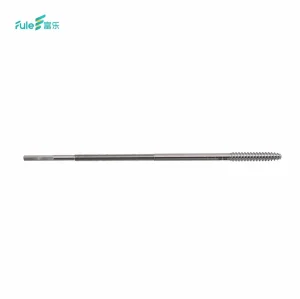
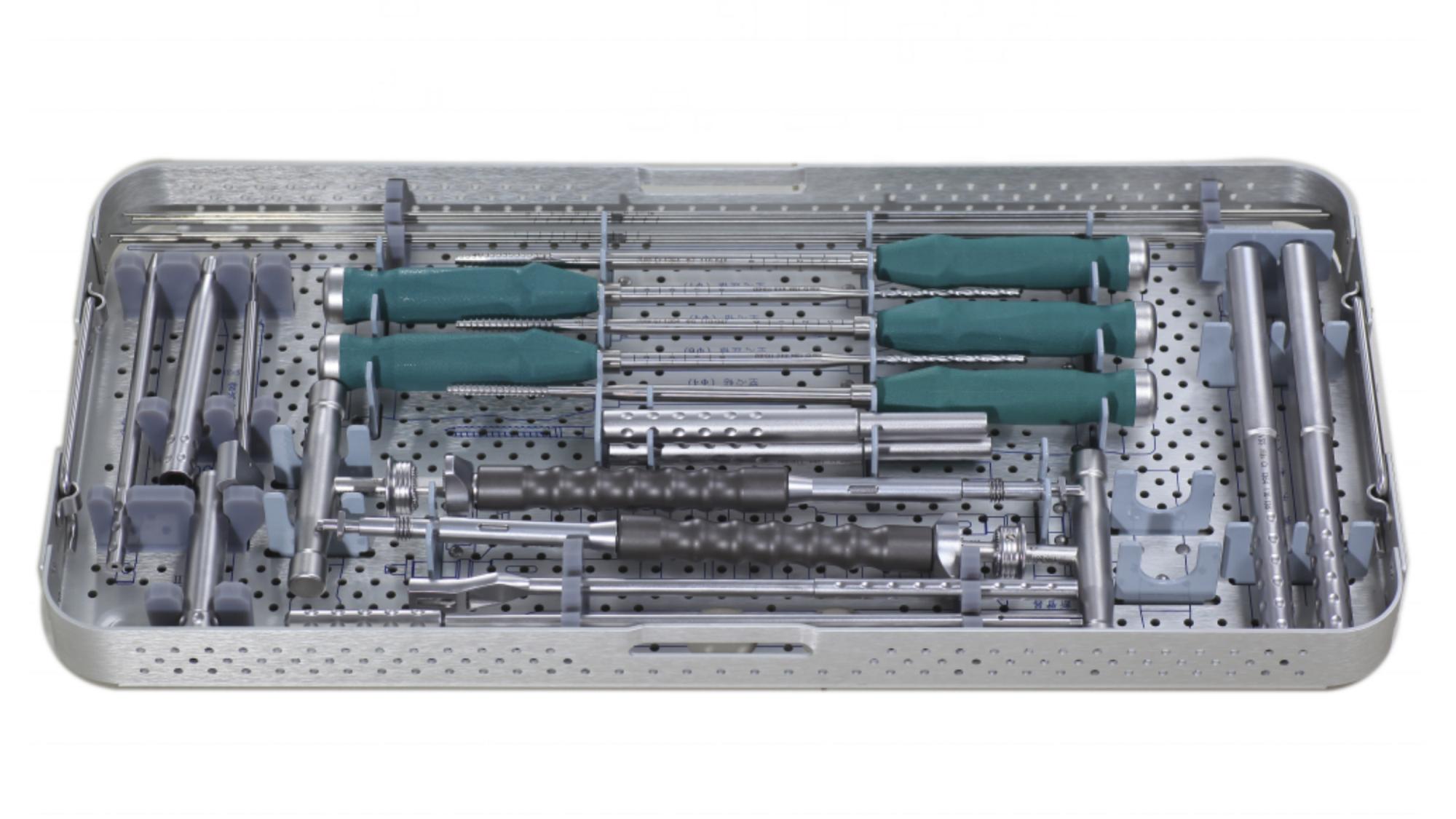
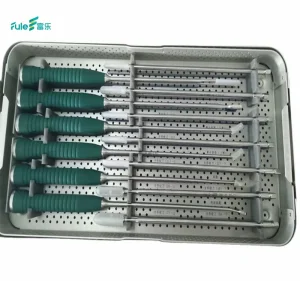
Further components and specialized clinical tools engineered for advanced operating rooms and surgical integration.
 Fule
Fule