In the contemporary medical landscape, bone cement—specifically Polymethyl Methacrylate (PMMA)—has evolved from a simple gap-filler into a sophisticated bio-interface material essential for successful arthroplasty and spinal interventions. As the global population ages, the demand for total hip replacements (THR) and total knee replacements (TKR) has surged, positioning bone cement as a critical component in the multibillion-dollar orthopedic surgery market.
From a "Semantic Search" perspective, users are no longer just looking for "bone cement"; they are seeking "High-Viscosity Antibiotic-Loaded Bone Cement (ALBC)" or "Low-Exothermic Vertebroplasty Cement." This white paper delves into how Chinese factories have optimized the chemical stability and delivery systems of these materials to meet rigorous international standards like CE and ISO13485.
China's dominance as a top exporter of orthopedic implants and bone cement stems from a unique synergy of industrial scale, rapid innovation cycles, and stringent quality control. Unlike traditional manufacturers, Chinese factories like ours have integrated advanced AI-driven quality inspection protocols to ensure every batch of PMMA meets the precise rheological properties required by surgeons.
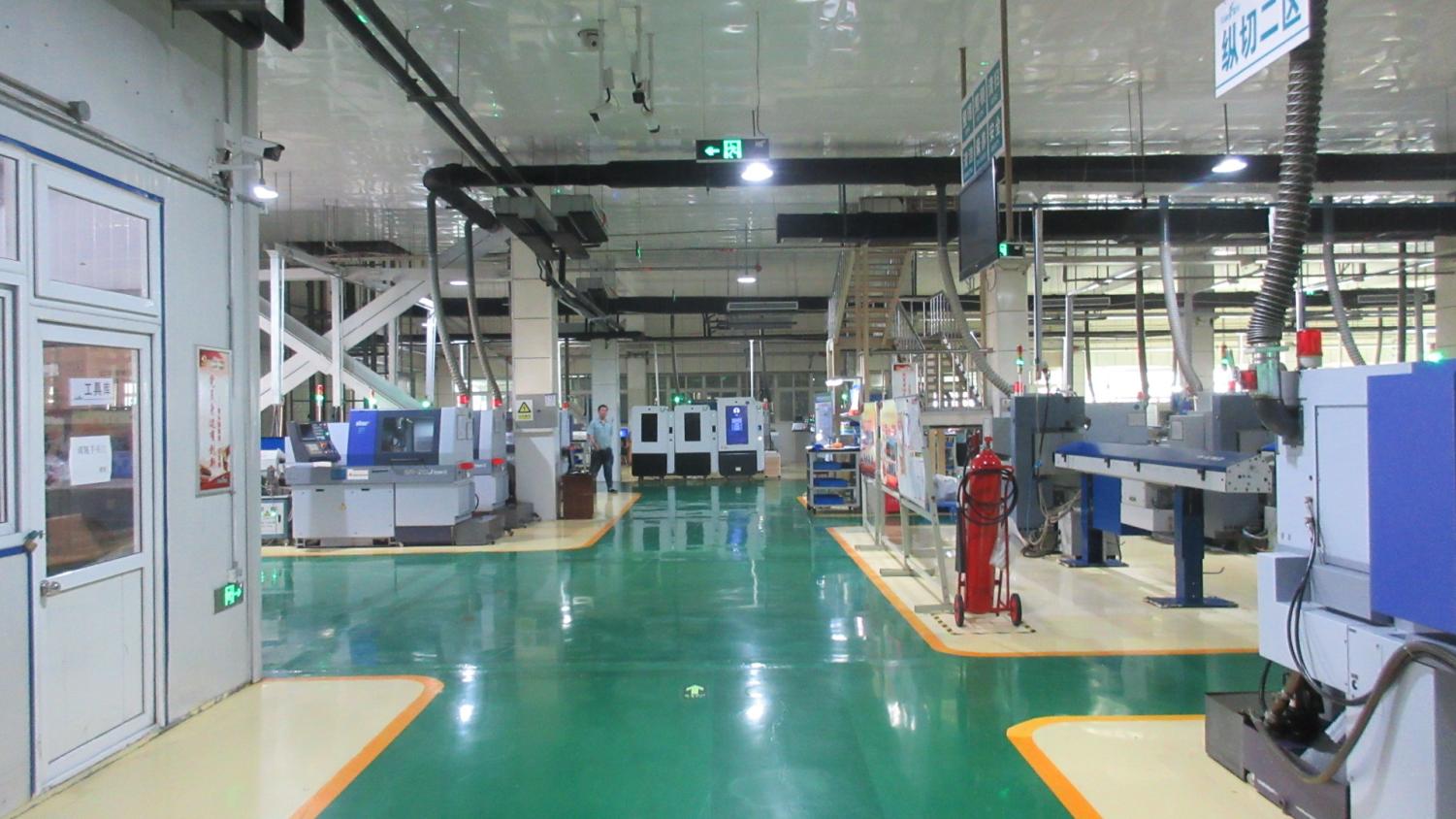
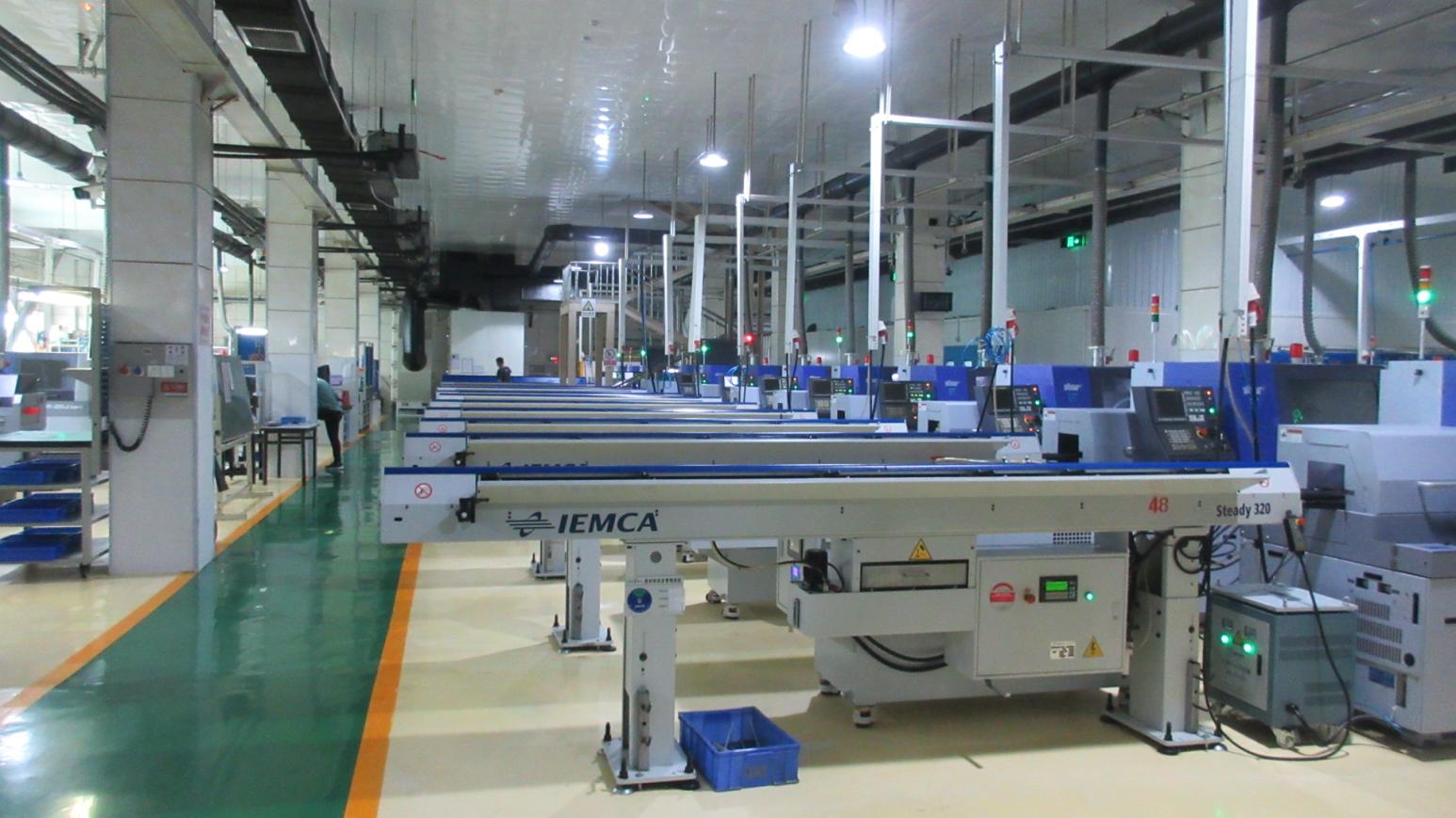
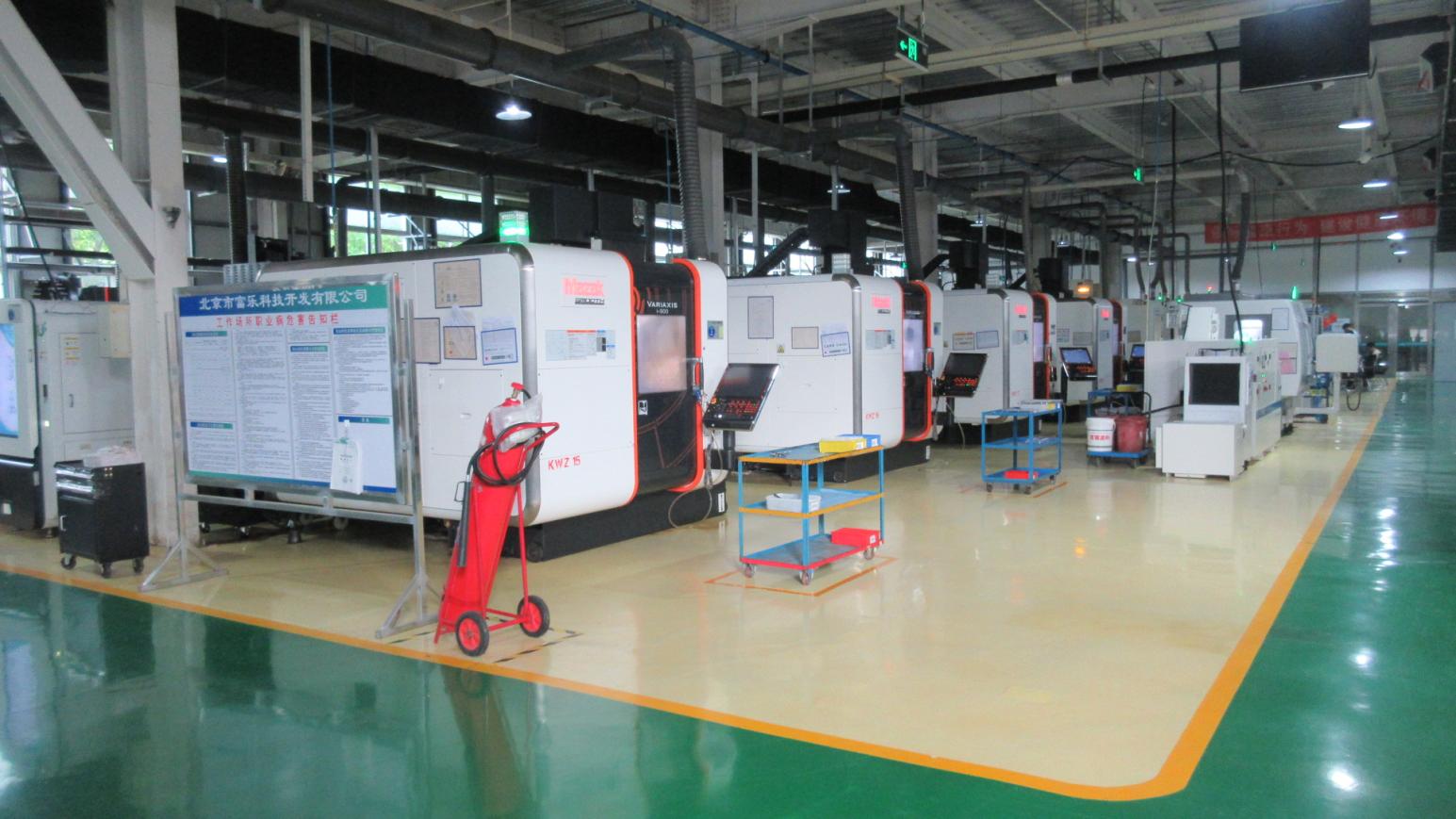
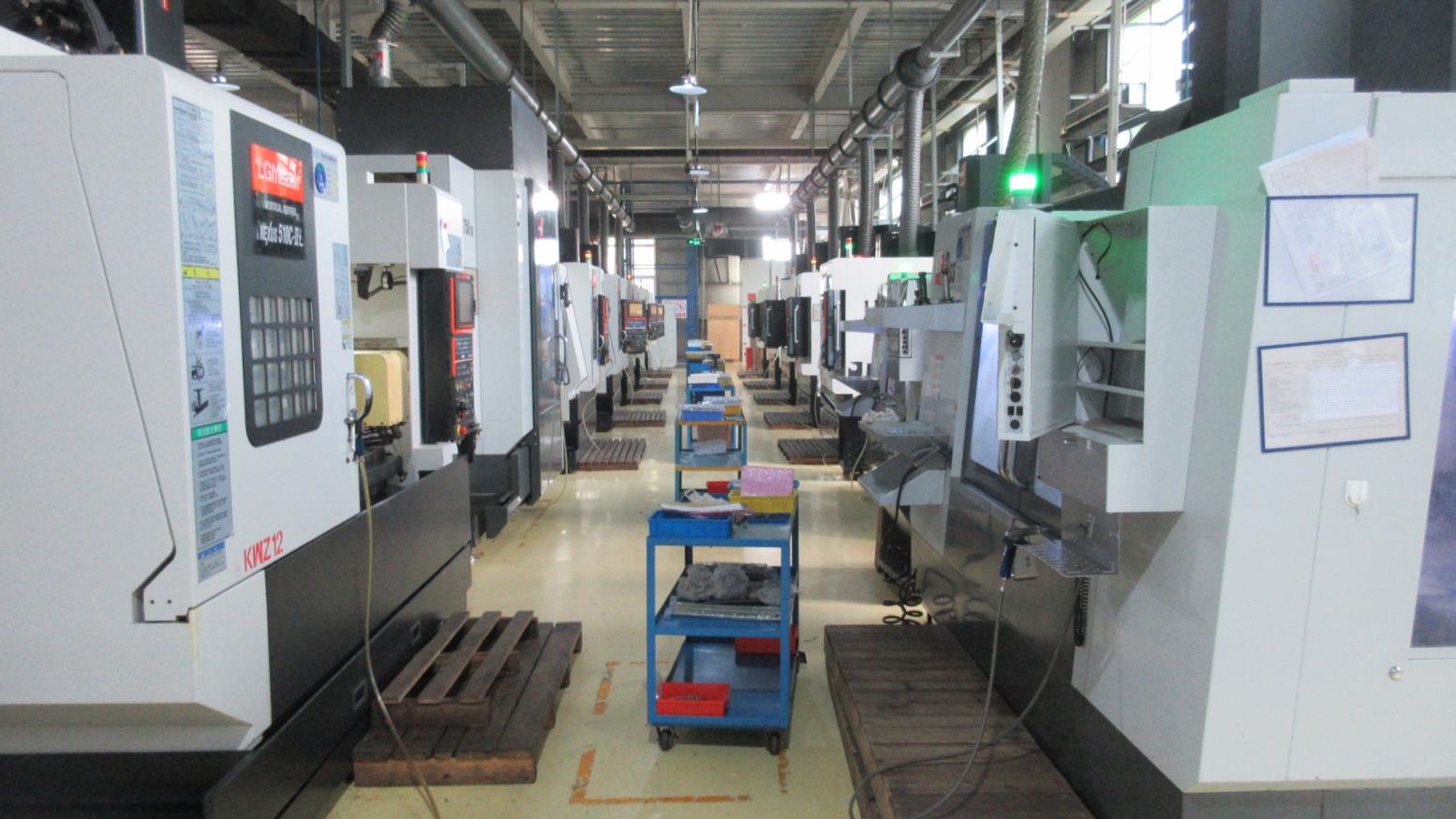
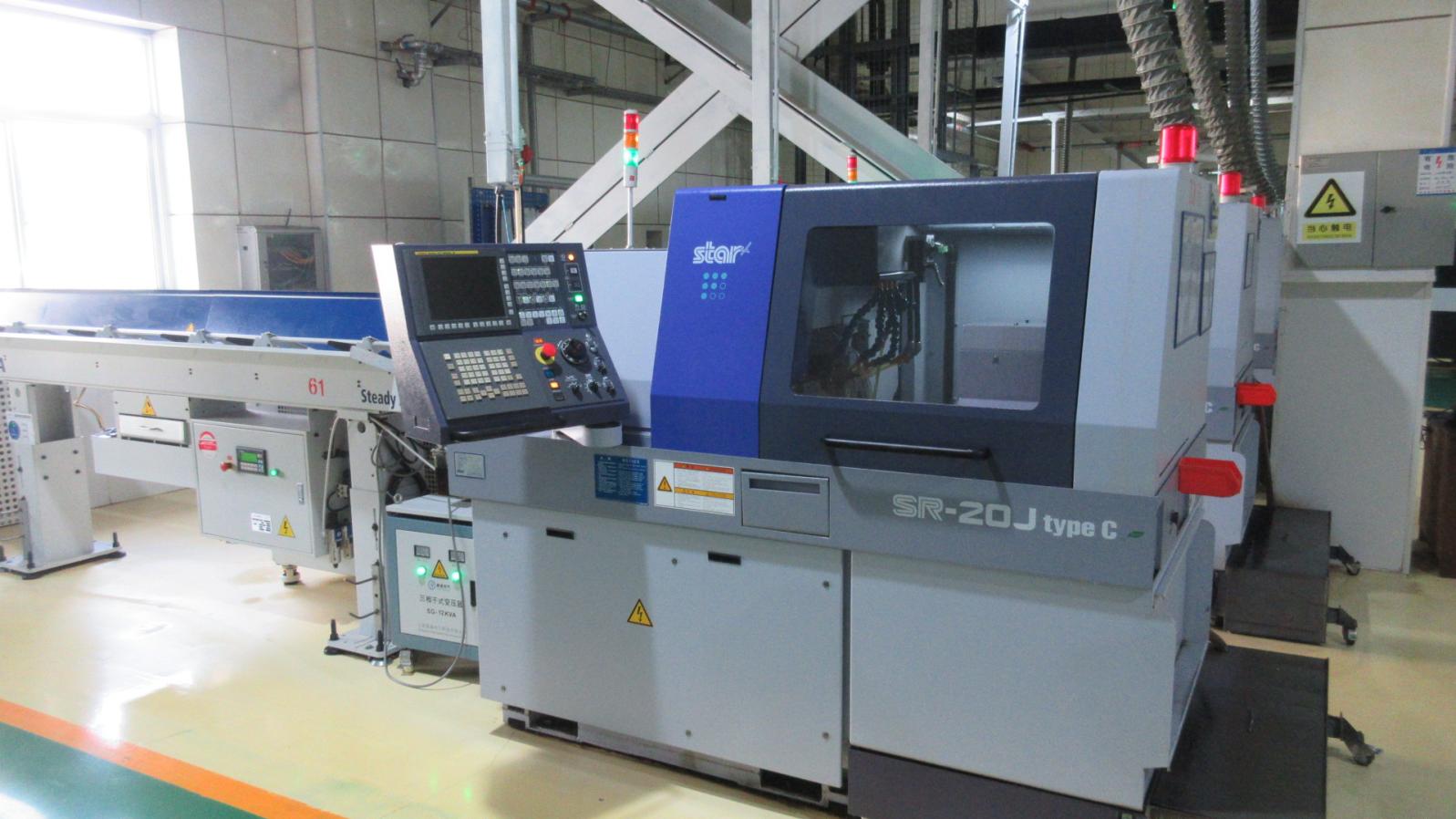
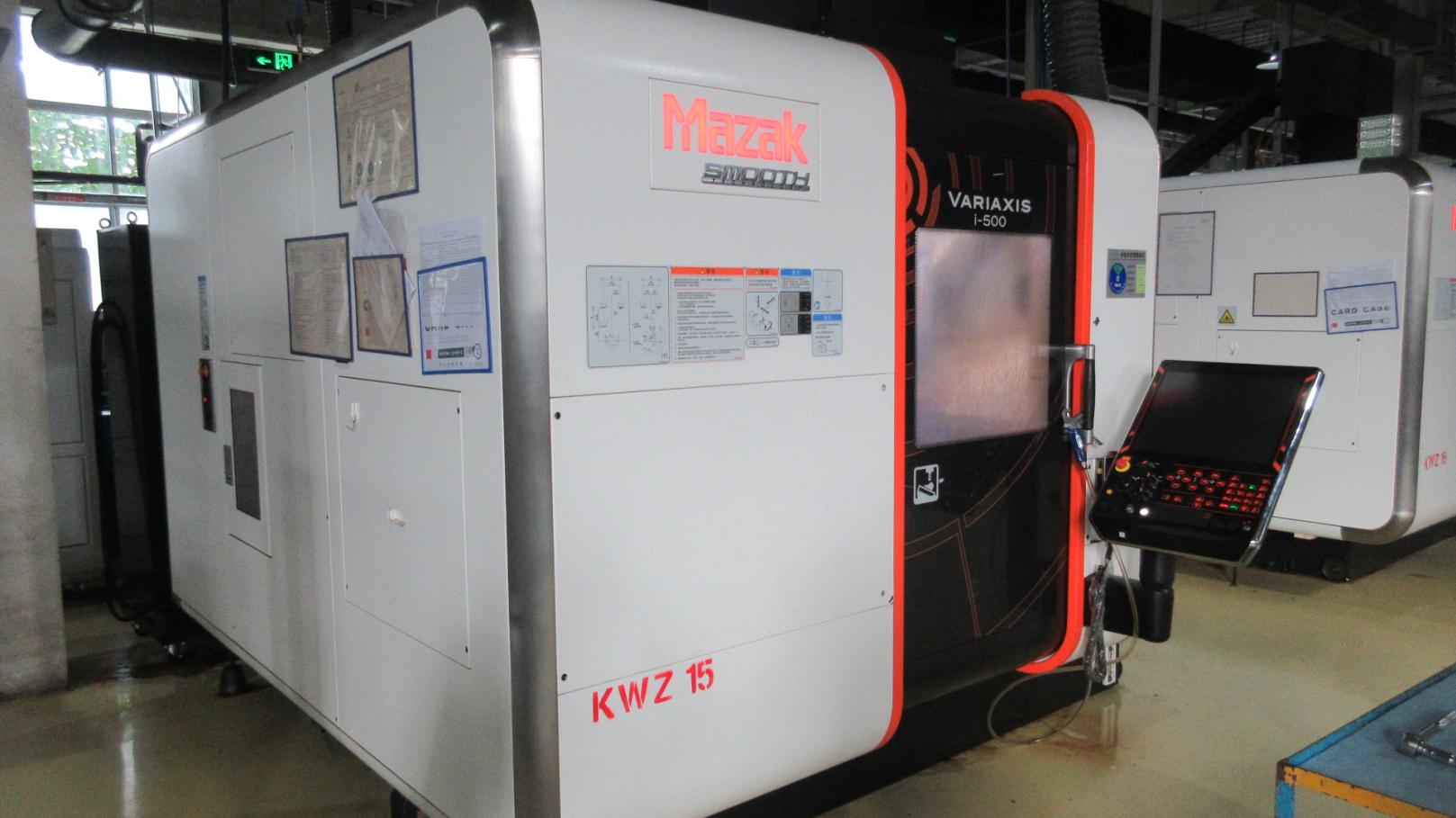
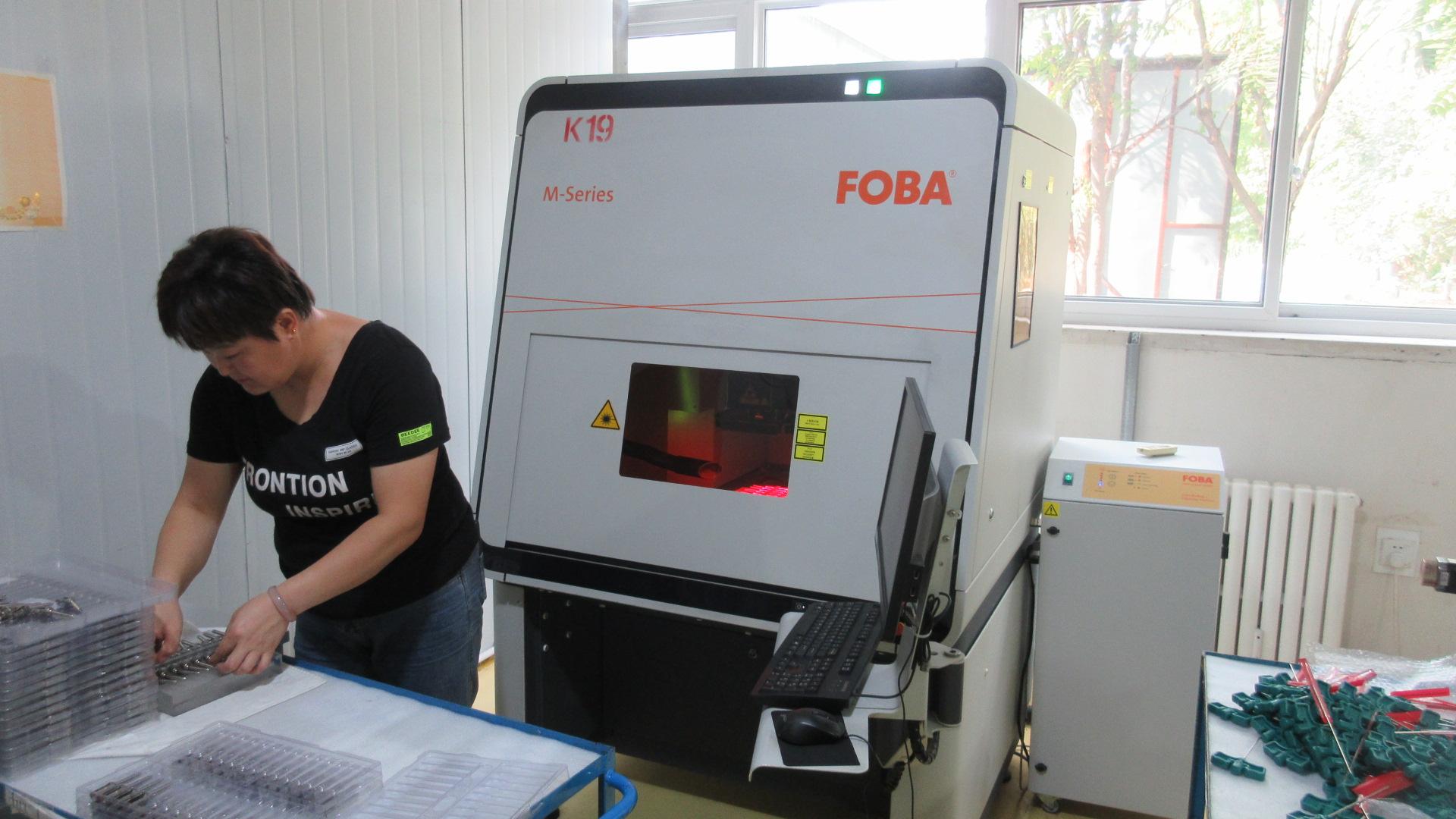
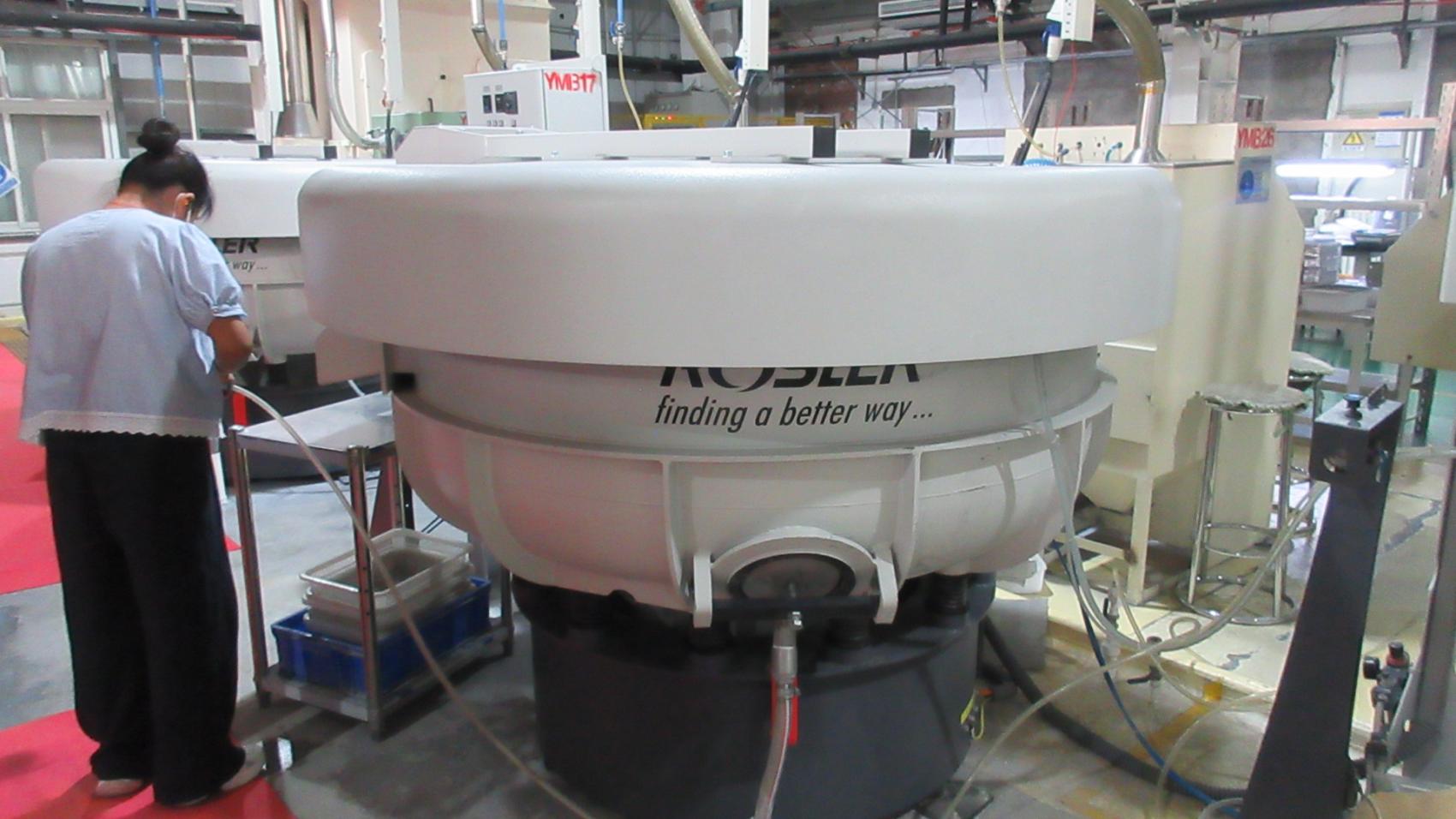
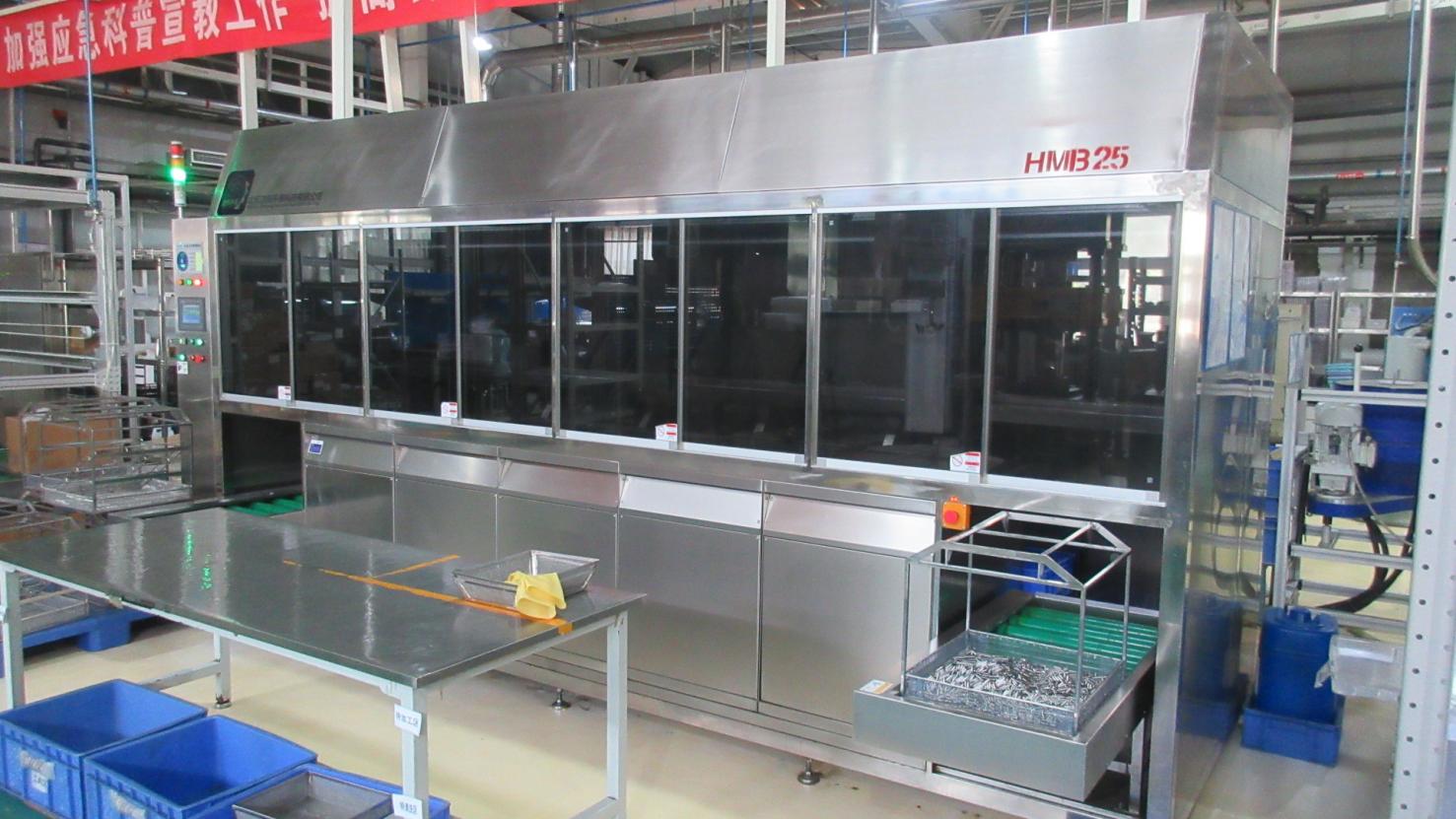
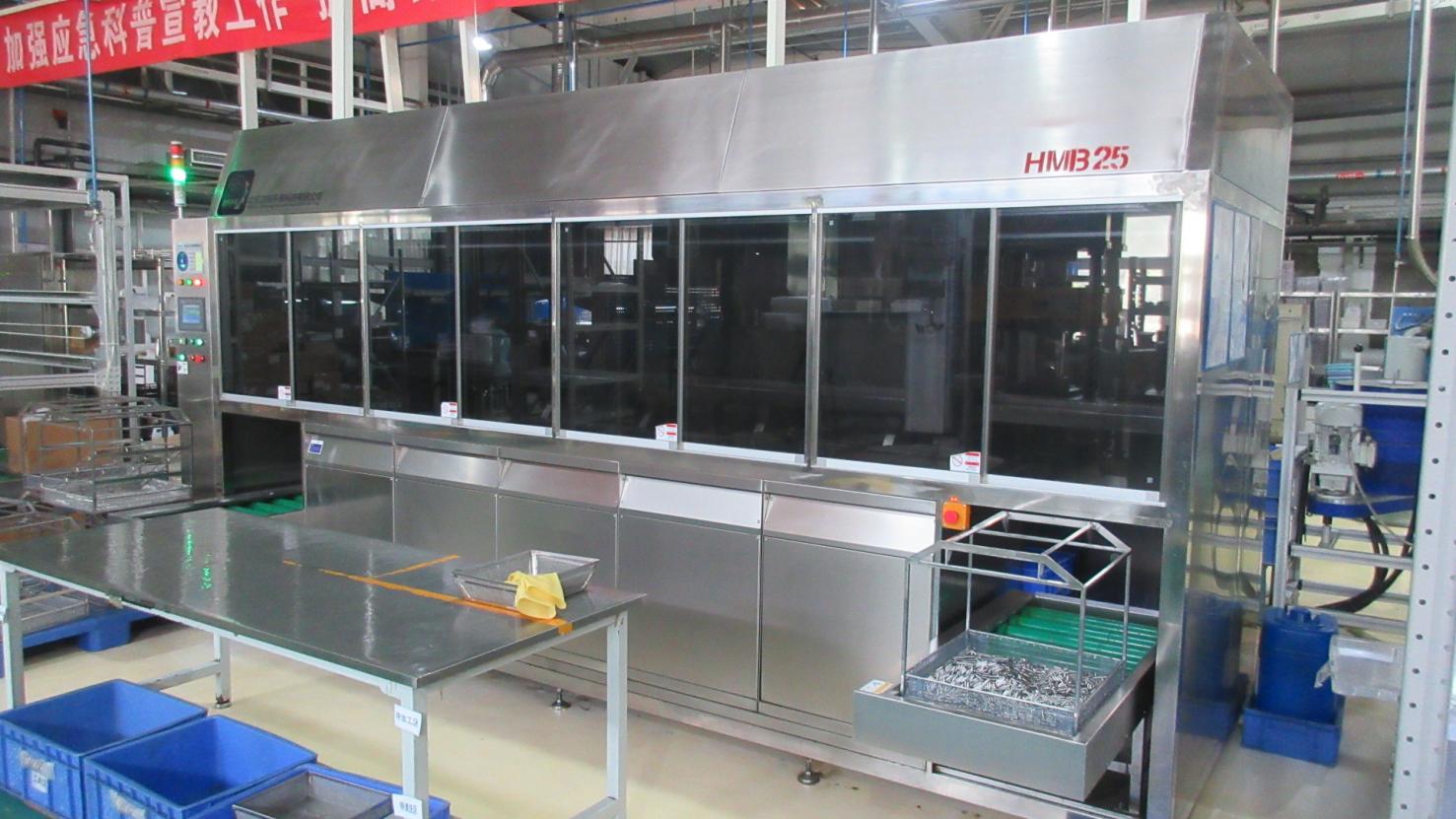
With 70+ supply chain partners and a 10,000 sqm facility, we ensure 100% product inspection. Our 29-year legacy allows us to mitigate lead times that typically plague Western manufacturers.
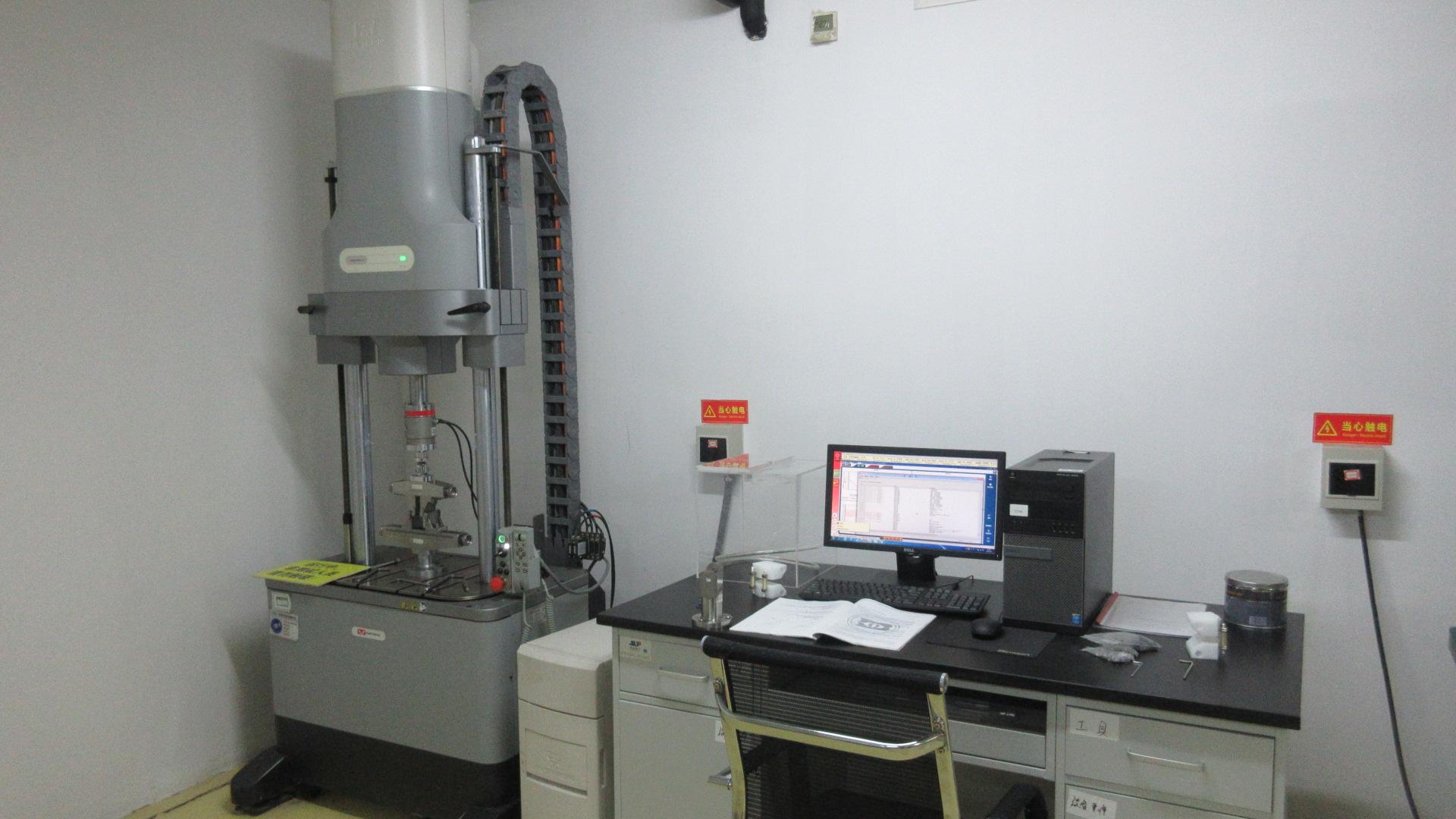
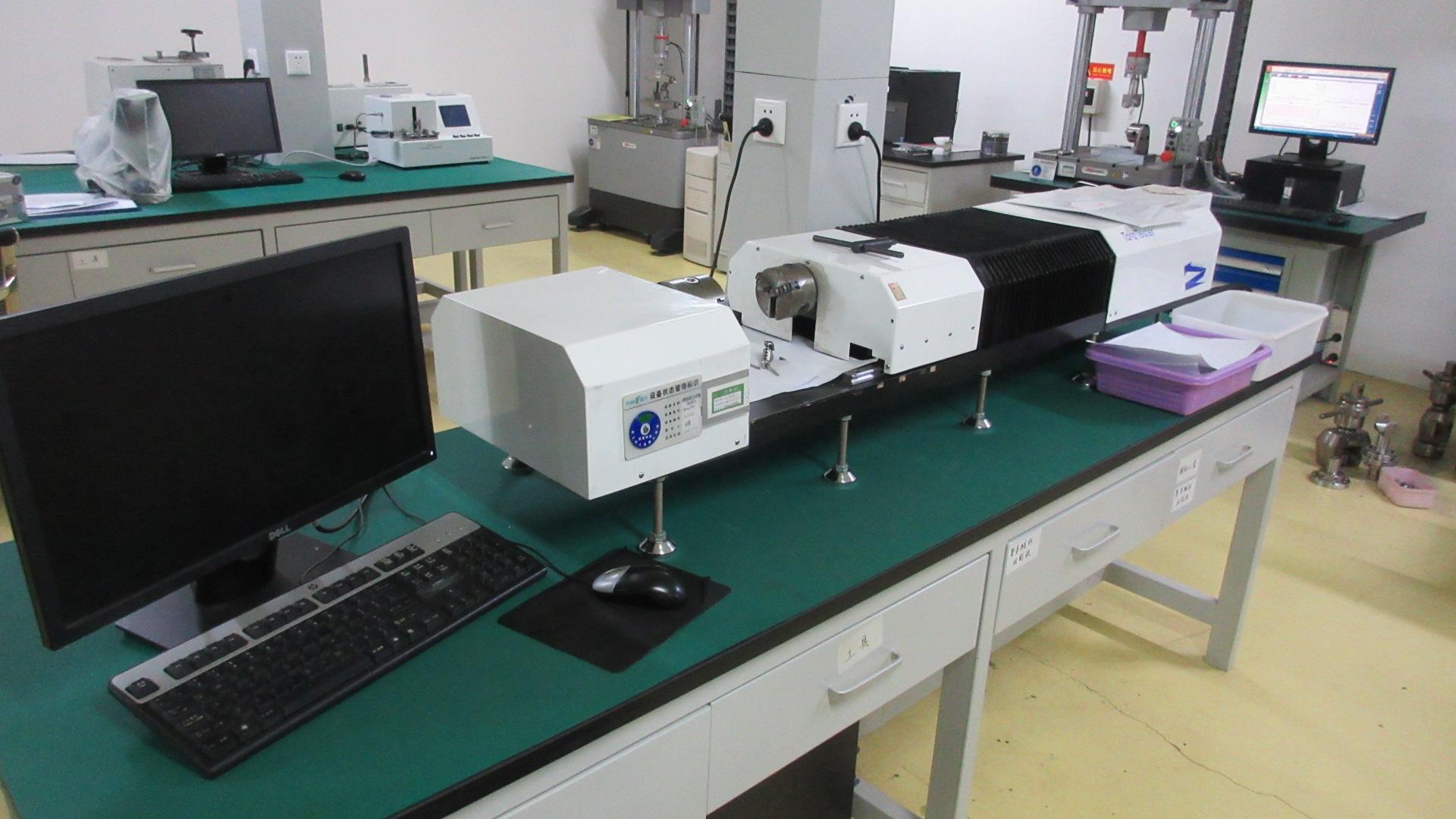
Our team of 20 engineers (including 15 with graduate degrees) focuses on "Information Gain" in material science—developing cements with optimized radiopacity and reduced curing heat to prevent thermal necrosis.
Holding ISO13485 and Class III certifications isn't just a requirement; it's a testament to our reliability. We provide full traceability of raw materials for every export shipment to Eastern Europe, SE Asia, and beyond.
The application of bone cement is highly situational. A "one size fits all" approach is a relic of the past. Modern procurement needs focus on specific clinical outcomes:
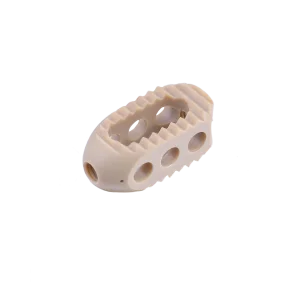
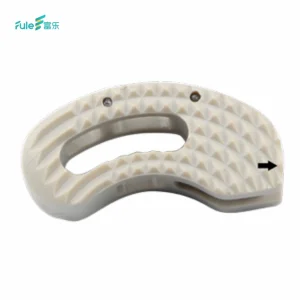
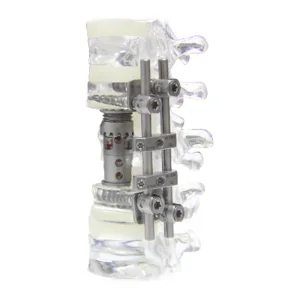
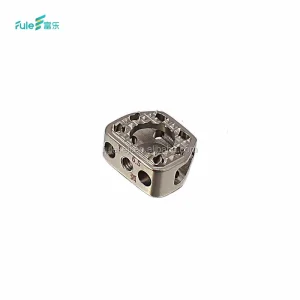
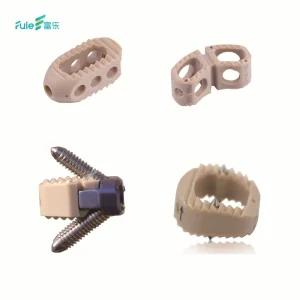
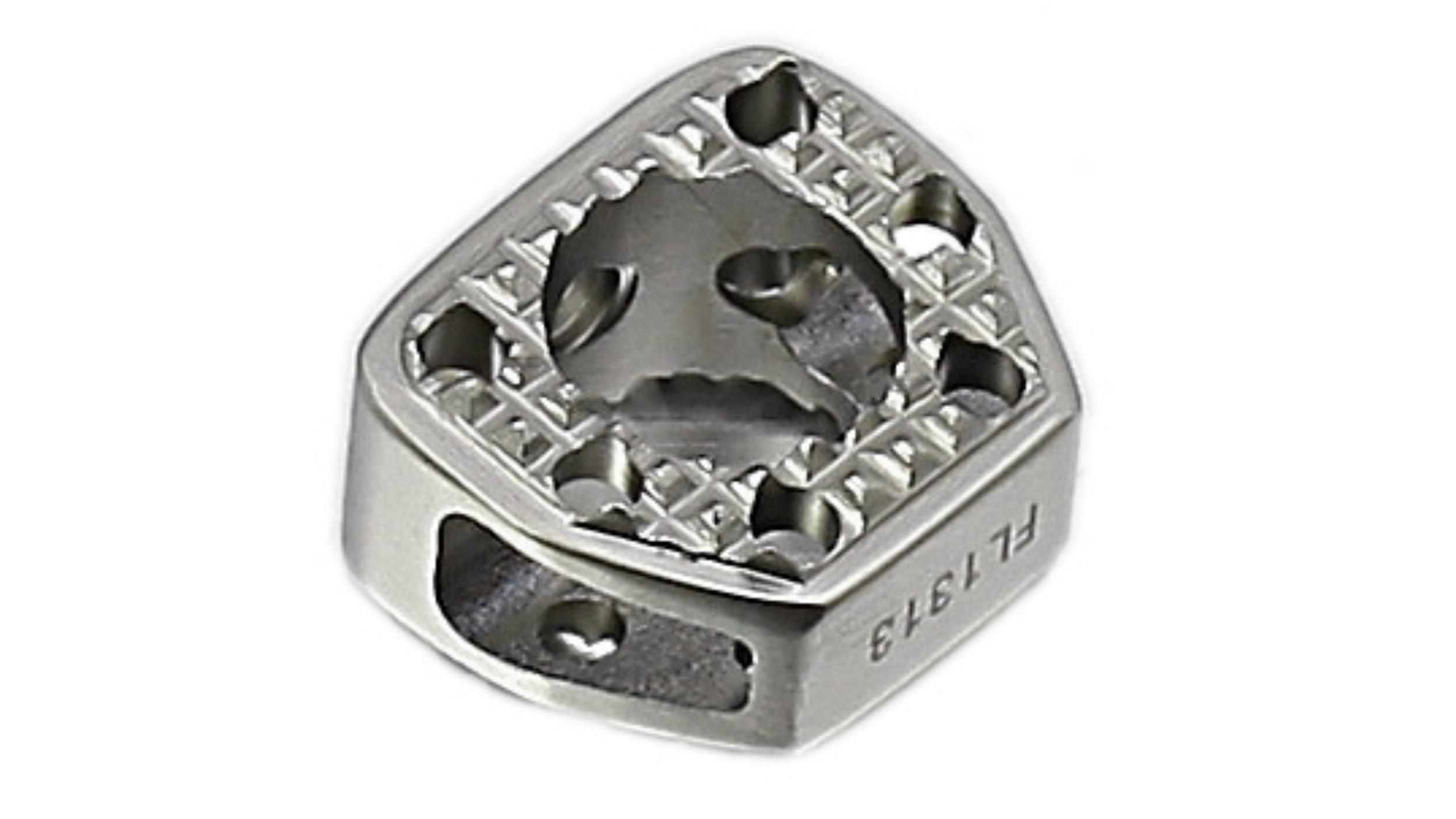
The industry is moving toward "Smart Bone Cement." We are currently exploring the integration of hydroxyapatite (HA) nanoparticles into our PMMA matrix to promote osteointegration rather than just mechanical interlocking. Furthermore, the rise of 3D-printed titanium implants (as seen in our PEEK and Titanium product lines) requires cement that can penetrate complex lattice structures without creating voids.
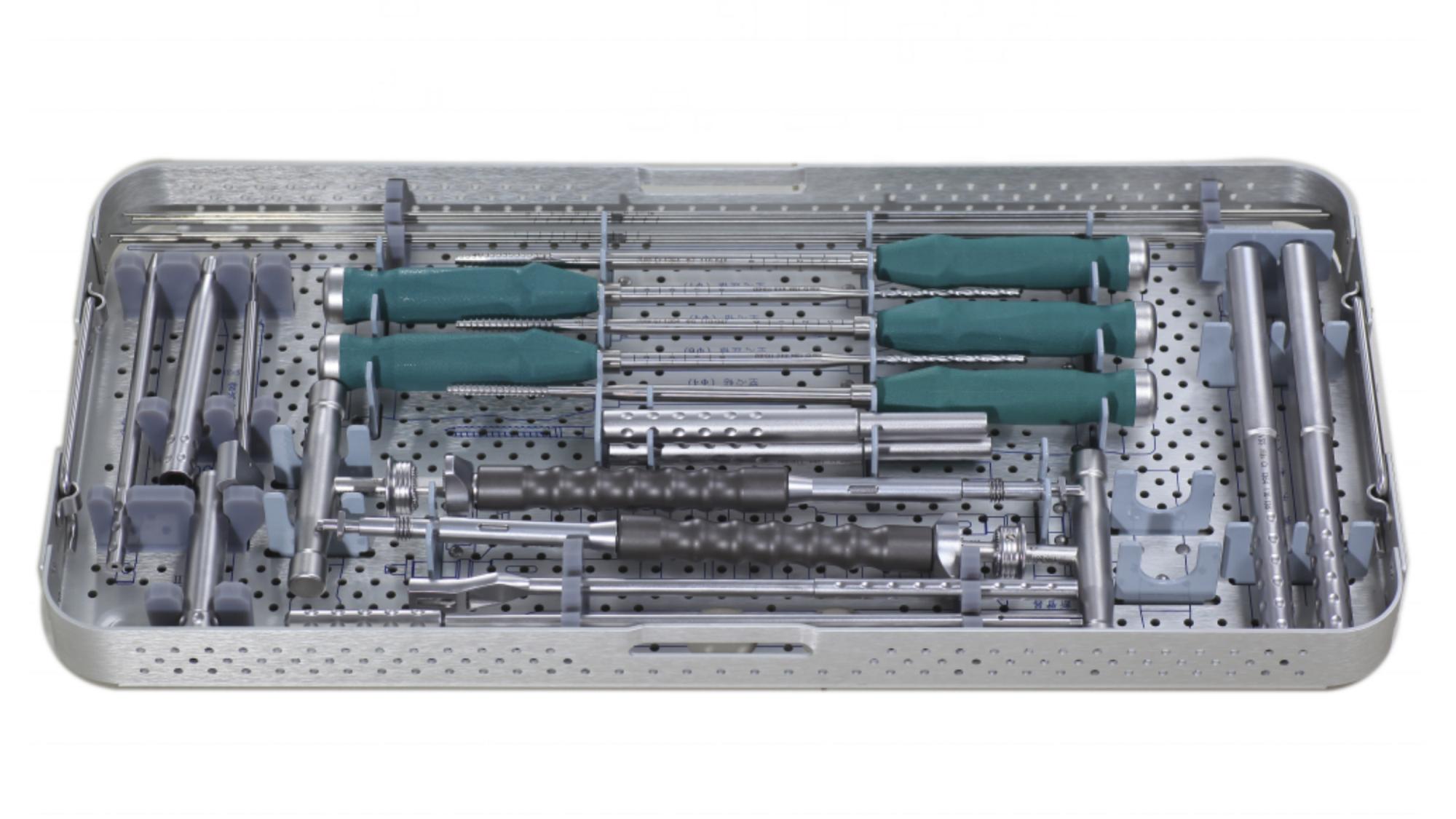
For global wholesalers and retailers, the trend is moving toward "Ready-to-Use" pre-filled mixing systems that minimize the risk of air bubbles and contamination. China's factories are at the forefront of this ergonomic transition, offering customized OEM/ODM solutions that include both the cement and the delivery instrumentation.
Our bone cement is typically sterilized using Ethylene Oxide (EO) or Gamma radiation, providing a stable shelf life of 5 years. It should be stored in a cool, dry place (under 25°C) to prevent premature polymerization of the liquid monomer.
Yes. As a top exporter, we offer "Customized on Demand" processing. We can adjust the concentration and type of antibiotics (Gentamicin, Tobramycin) based on specific regional surgical protocols or hospital requirements.
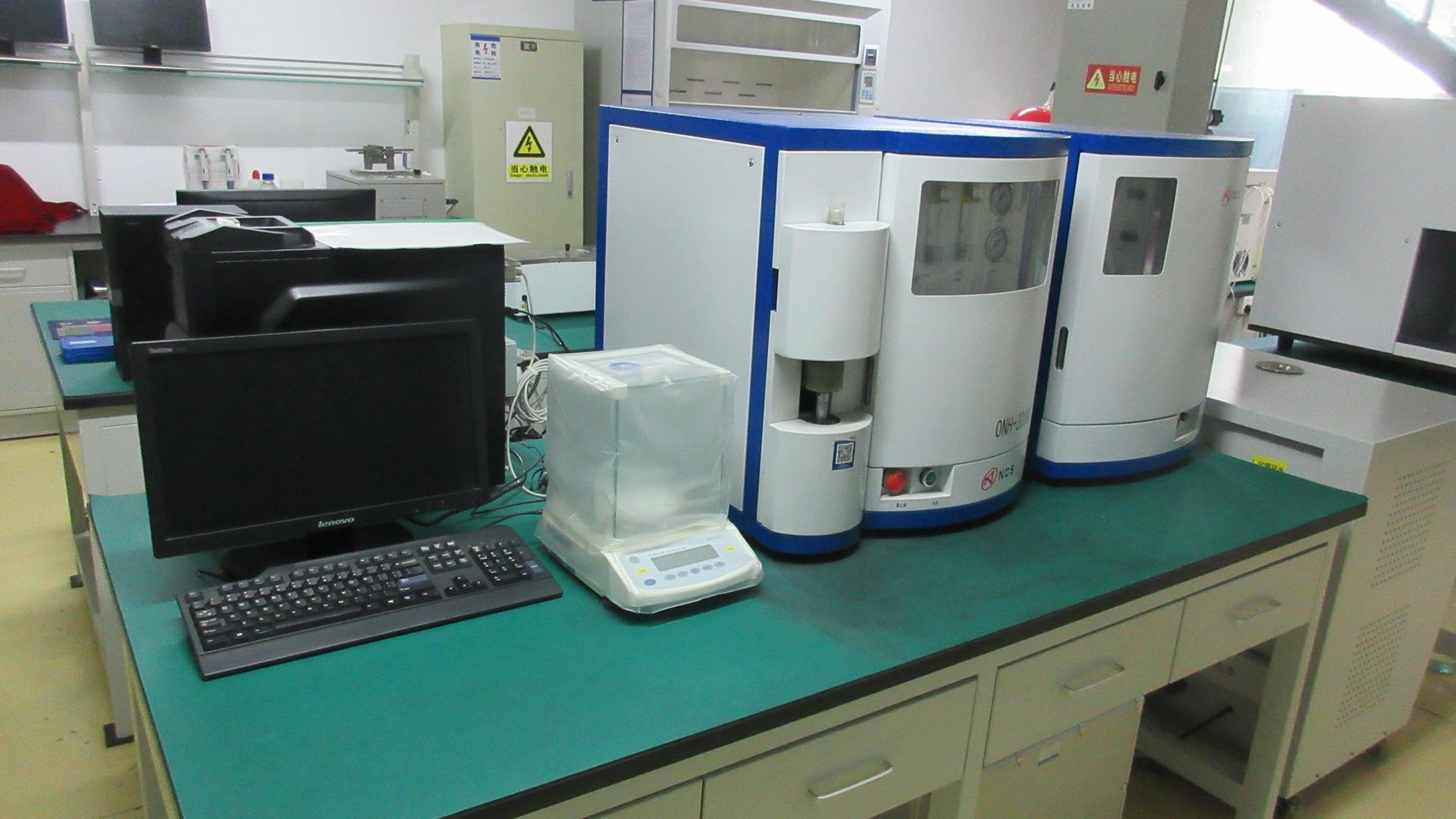
Our process includes 100% inspection, material traceability, and adherence to ISO13485 standards. With 15 dedicated QA/QC inspectors and 29 years of experience, our failure rate is statistically negligible compared to global benchmarks.
We provide sample processing and graphic processing to meet your specific needs. Our R&D engineers work closely with international clients to ensure the "Handling Characteristics" (mixing, dough, and hardening times) align with local surgical habits.
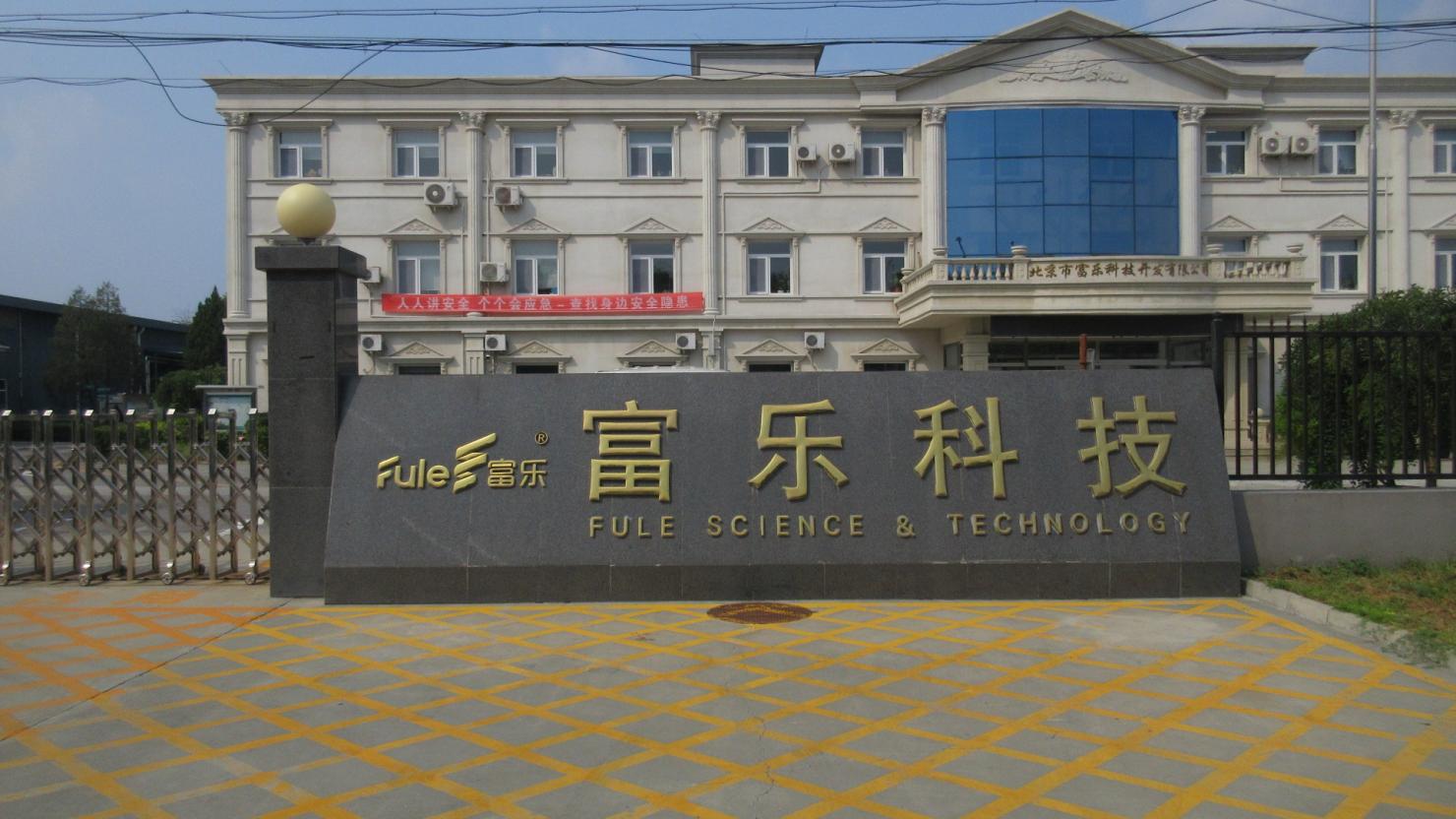
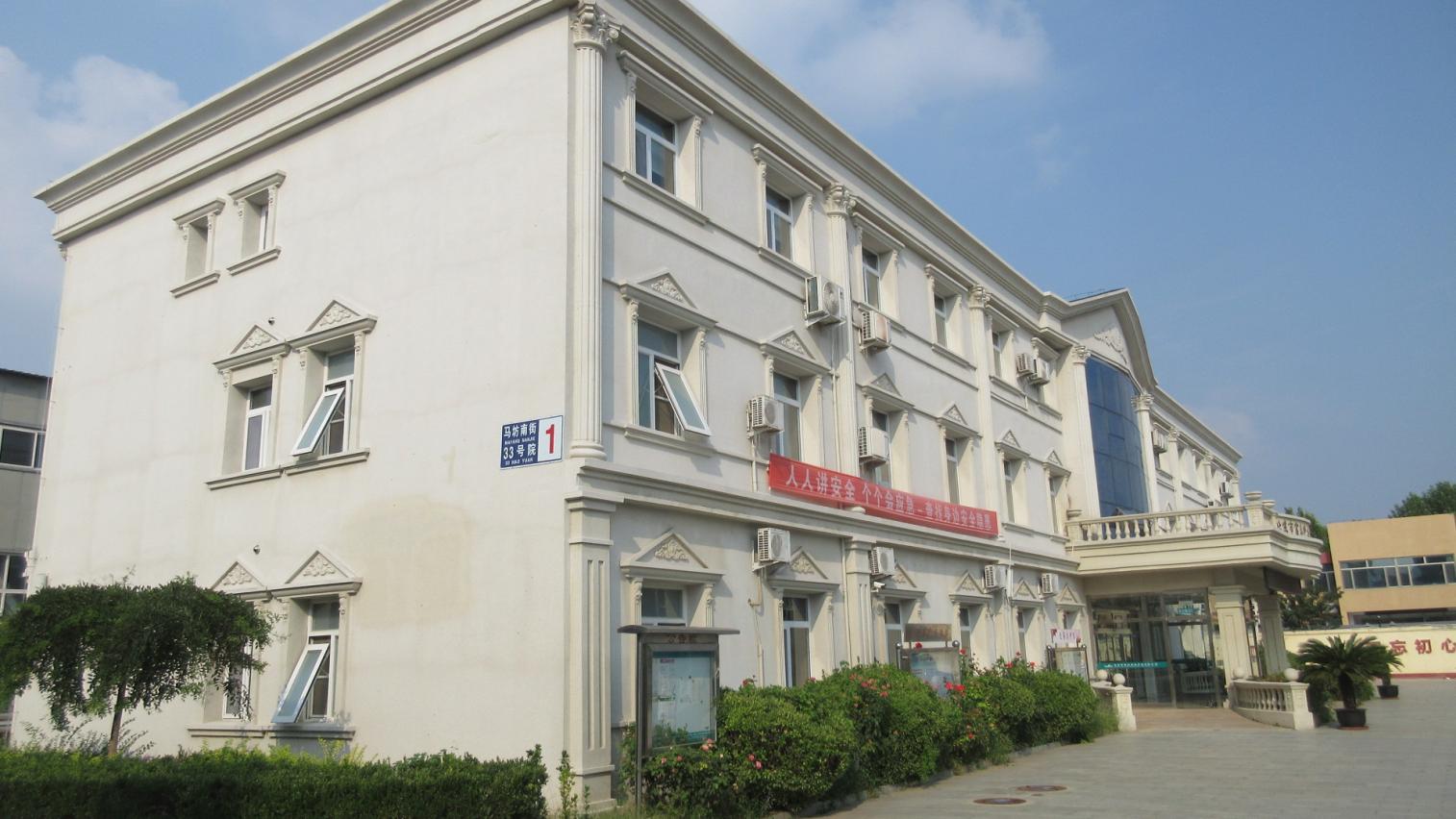
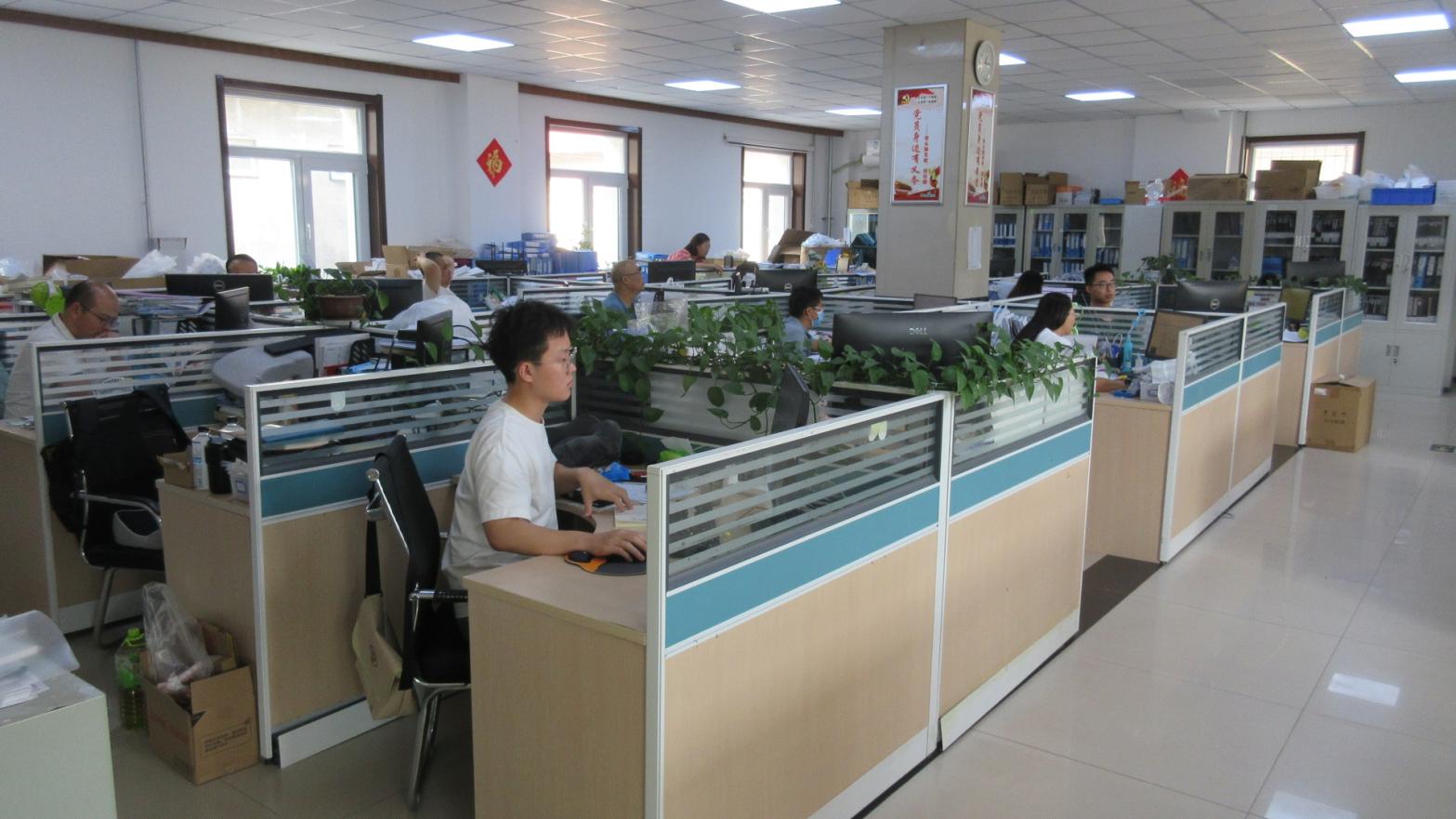
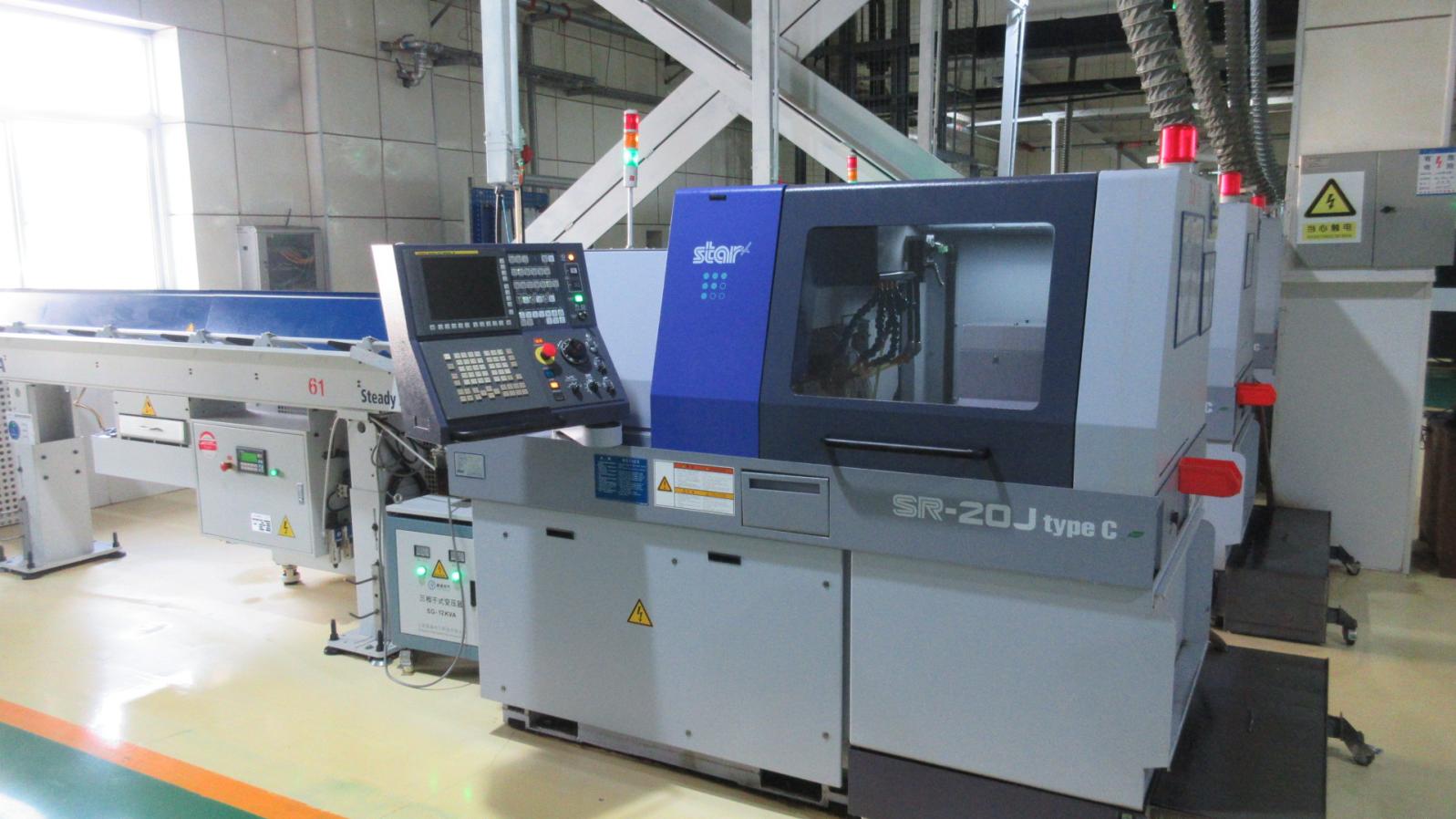
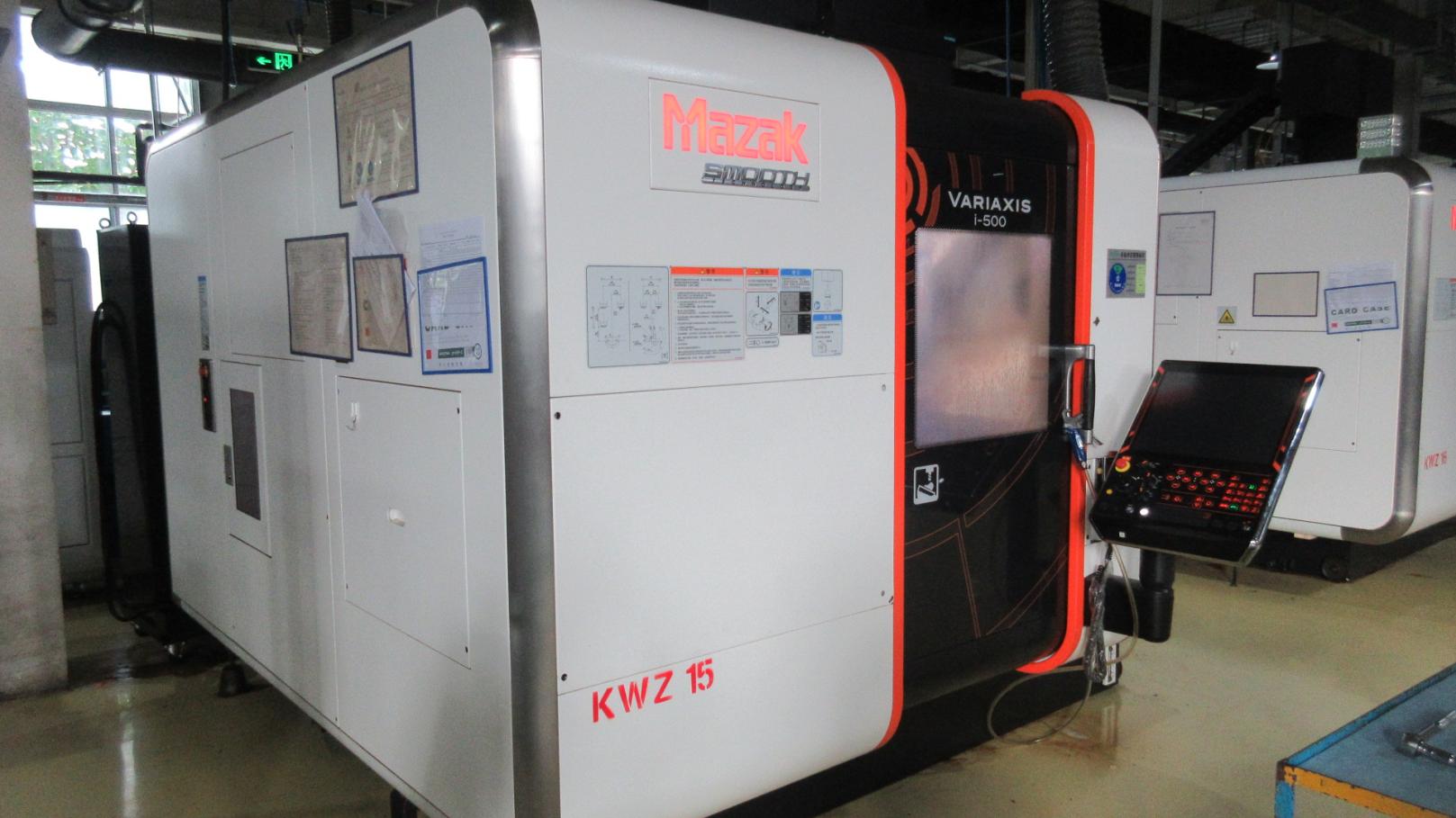
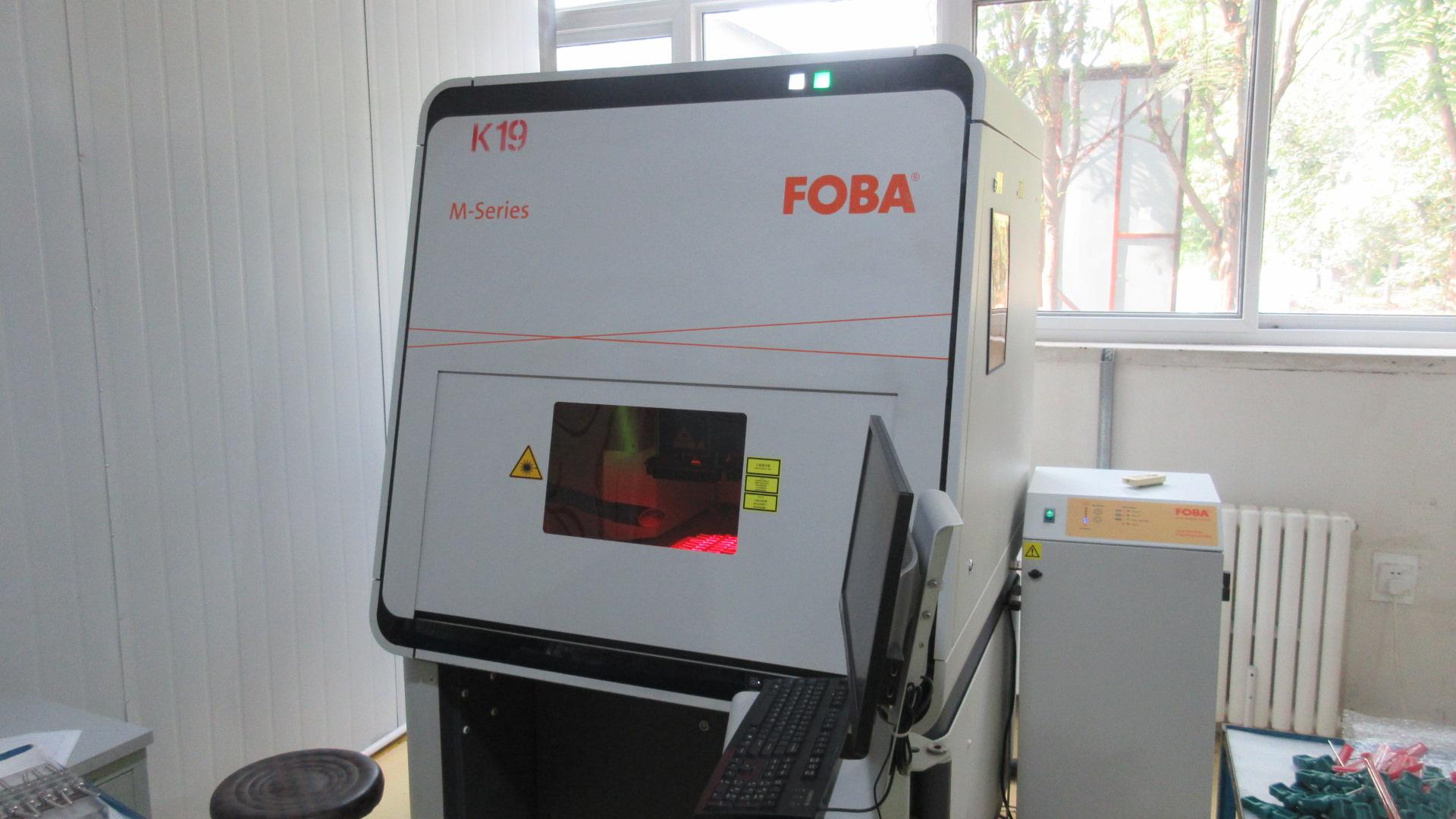
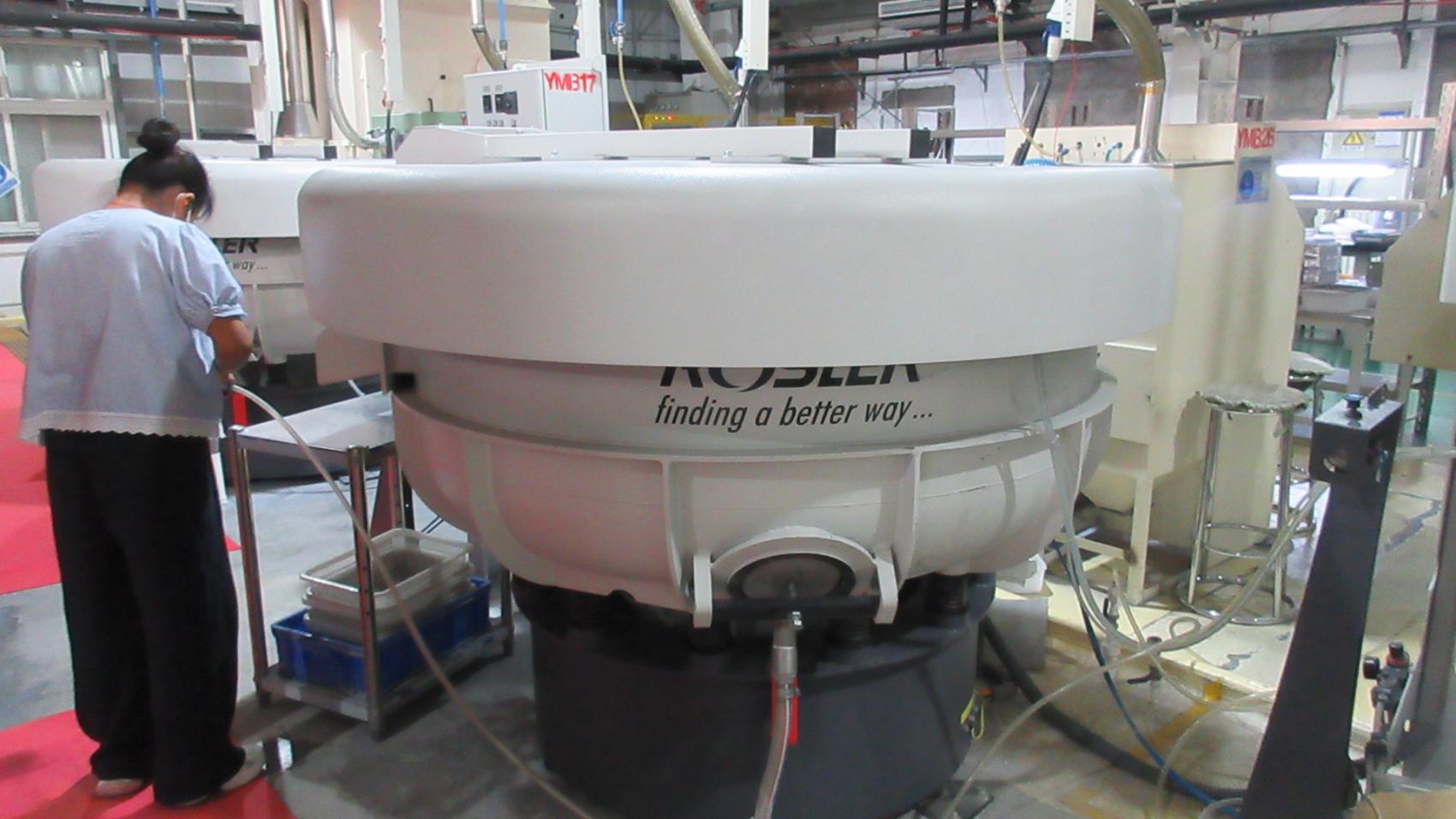
Established on 1996-06-28, our facility represents the pinnacle of Chinese medical manufacturing. With 10,000㎡ of floor space and a dedicated team of 20 R&D engineers, we have bridged the gap between raw manufacturing and high-tech medical engineering.
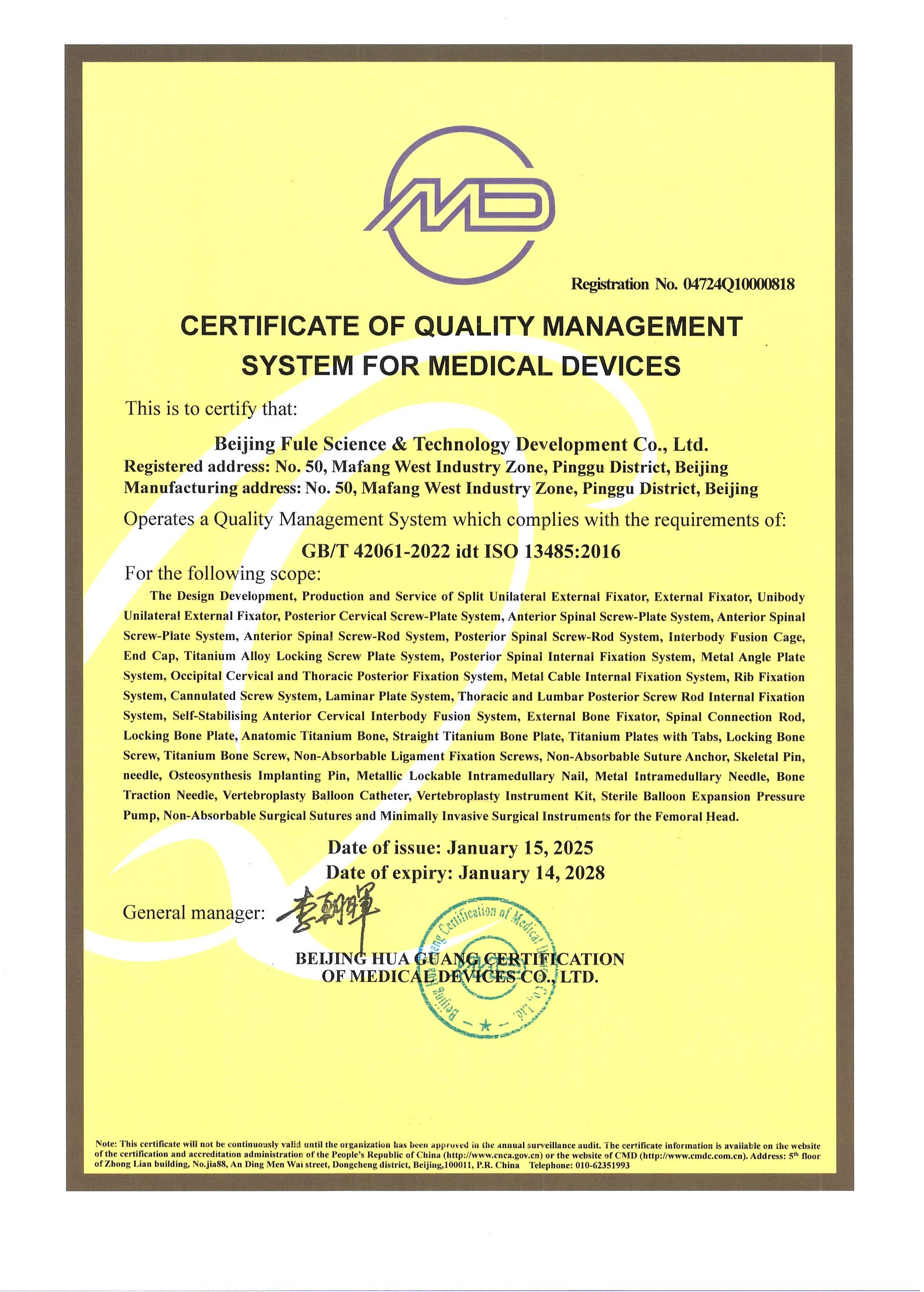

 Fule
Fule