Pre-sterilized, biocompatible orthopedic implants configured to meet the urgent surgical trauma caseloads of Gitarama and the wider Muhanga District.
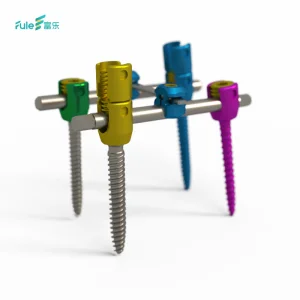
Gitarama, historically recognized as Rwanda’s second-largest urban center and the heart of Muhanga District, is a vital logistics and medical hub in the Southern Province. Positioned dynamically along the main national corridor (RN1) linking Kigali with Huye and the Democratic Republic of Congo (DRC), the region experiences high traffic density. Consequently, orthopedic trauma centers in the area, notably the historic and highly specialized Kabgayi District Hospital, face a continuous demand for advanced orthopedic and spinal fixation systems. Surgical teams require rapid access to dependable spine subsystems to treat high-energy trauma cases, degenerative spinal conditions, and congenital vertebral deformities.
"Sustainable surgical growth in developing clinical centers like those in Gitarama depends heavily on secure supply chains for Class III implantable systems. Medical facilities must balance premium biomechanical performance with economic realities to ensure patients receive modern treatments without financial catastrophe."
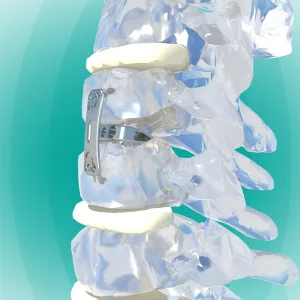
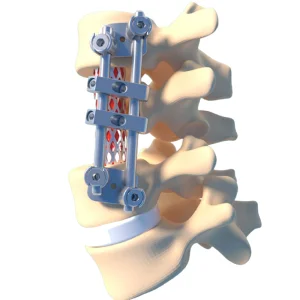
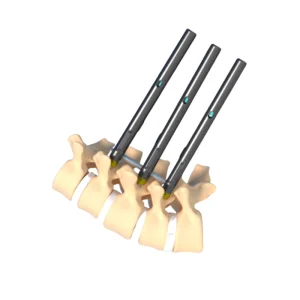
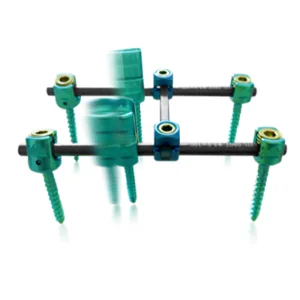
The demographic shift in Southern Rwanda has introduced dual healthcare challenges. First, acute orthopedic injuries resulting from road accidents and agricultural activities require stabilization systems such as posterior thoracolumbar pedicle screws and rods. Second, a rising elderly population displays a greater incidence of spinal stenosis and disc degeneration, which demands cervical cages, artificial vertebral bodies, and posterior laminoplasty plates. The integration of Chinese-manufactured titanium alloy (Ti6Al4V ELI) implants allows regional hospitals to execute complex spinal arthrodesis operations at a fraction of the cost associated with European or American counterparts, without sacrificing clinical outcomes.
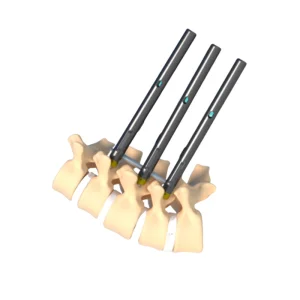
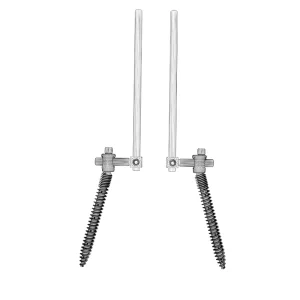
Hospitals across East Africa are rapidly adopting Minimally Invasive Spine Surgery (MISS) protocols. MISS techniques limit muscle dissection, reduce intraoperative blood loss, and shorten hospital stays—a critical advantage where bed capacity is limited. Implants with low-profile designs, such as the MikoII 5.5 and VSS1I 85mm Extended Arm minimally invasive systems, are specifically tailored for percutaneous screw placement, satisfying the modern surgical requirements of Gitarama’s advancing clinical teams.
Verified manufacturing capacities and international certifications demonstrating clinical reliability and supply-chain stability.
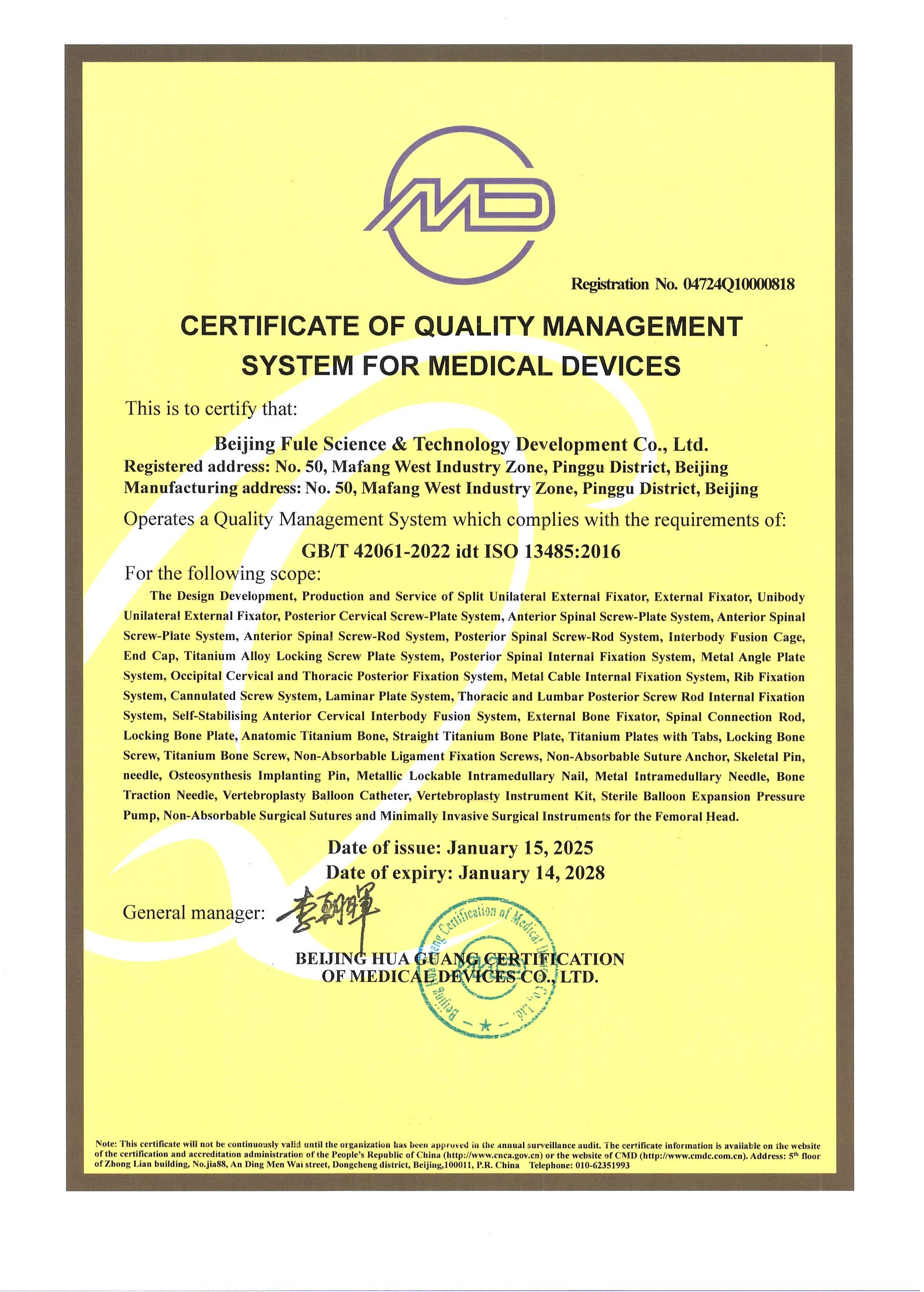 ISO Quality Management Verified Registration
 ISO13485 Medical Device Manufacturing
Premium biomaterial constructs engineered to provide immediate mechanical stabilization for complex deformity correction and reconstructive trauma procedures.
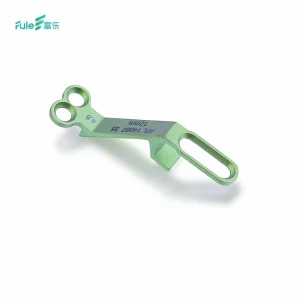
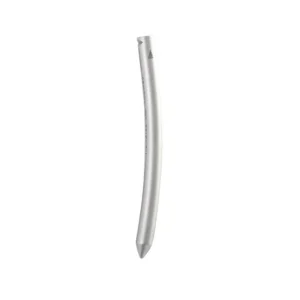
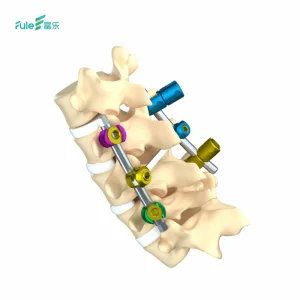
A major bottleneck in developing clinical environments is the inconsistent availability of implants. Sourcing medical subsystems directly from Chinese manufacturing facilities overcomes this barrier. With a capacity exceeding 508,000 units annually, our production operations run with tight quality control procedures to satisfy high-volume requirements. We maintain extensive raw material inventory (medical-grade Titanium and PEEK) to shield international procurement partners from regional logistics delays.
Exporting Class III implantable devices to Rwanda requires strict adherence to the **Rwanda Food and Drugs Authority (Rwanda FDA)** guidelines. Implantable spine devices fall under the high-risk category, demanding exhaustive dossiers detailing biocompatibility testing, clinical evaluation reports (CER), sterilization validation records, and continuous post-market surveillance plans. Our systems carry CE certification alongside ISO 13485 credentials, simplifying the registration and import processes at Kigali International Airport before road transport to Gitarama.
We provide end-to-end supply chain integration. Shipments are packaged in double-barrier sterile conditions, accompanied by dynamic tracking and temperature monitoring when required. Furthermore, we recognize that physical implants are only part of the solution; surgical teams in Muhanga District require specialized instrumentation and training. Our products are shipped alongside customized spinal fixation instrument kits, and we offer step-by-step video training and technical data sheets to support local biomedical engineers and clinical technicians.
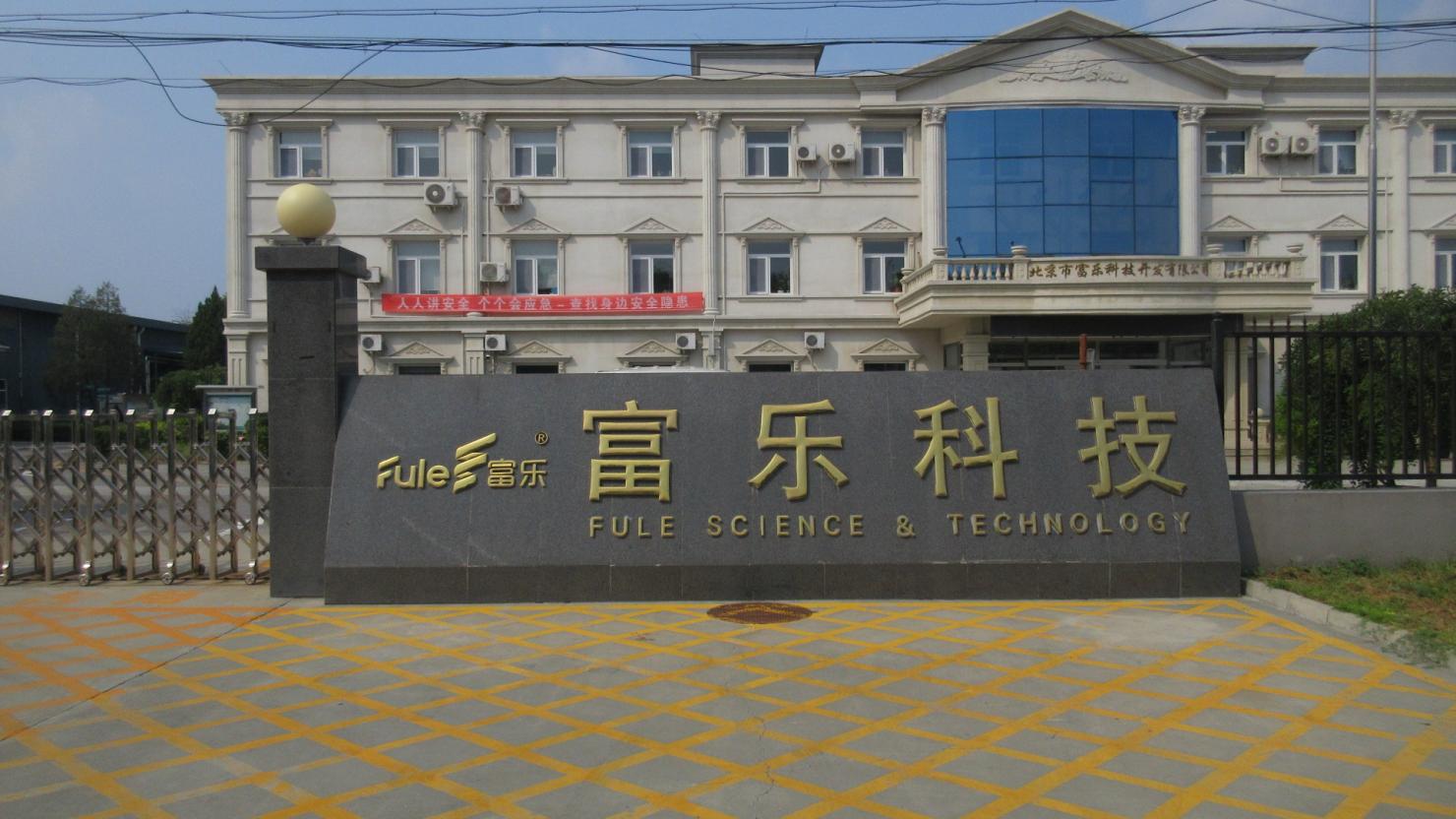
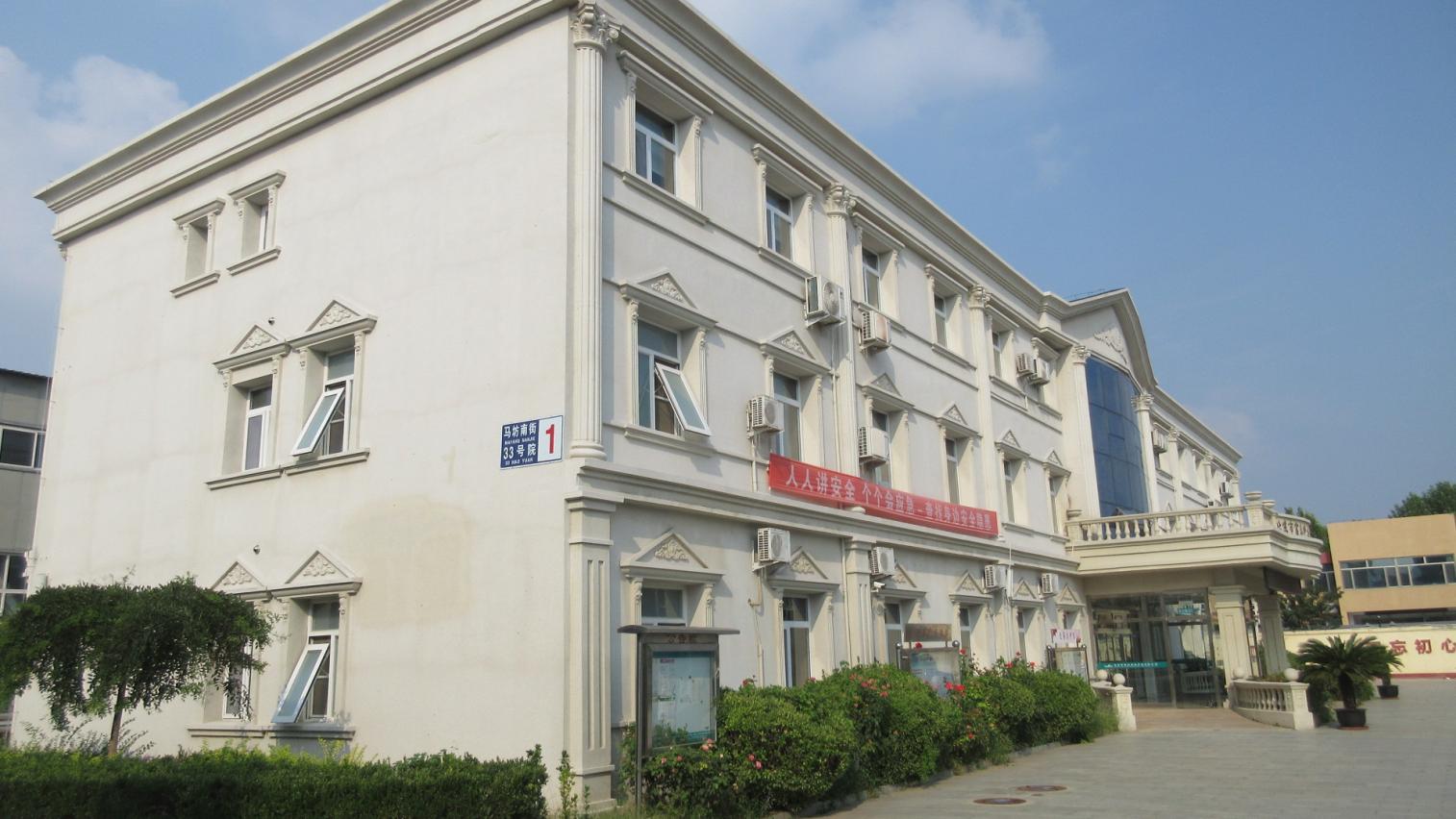
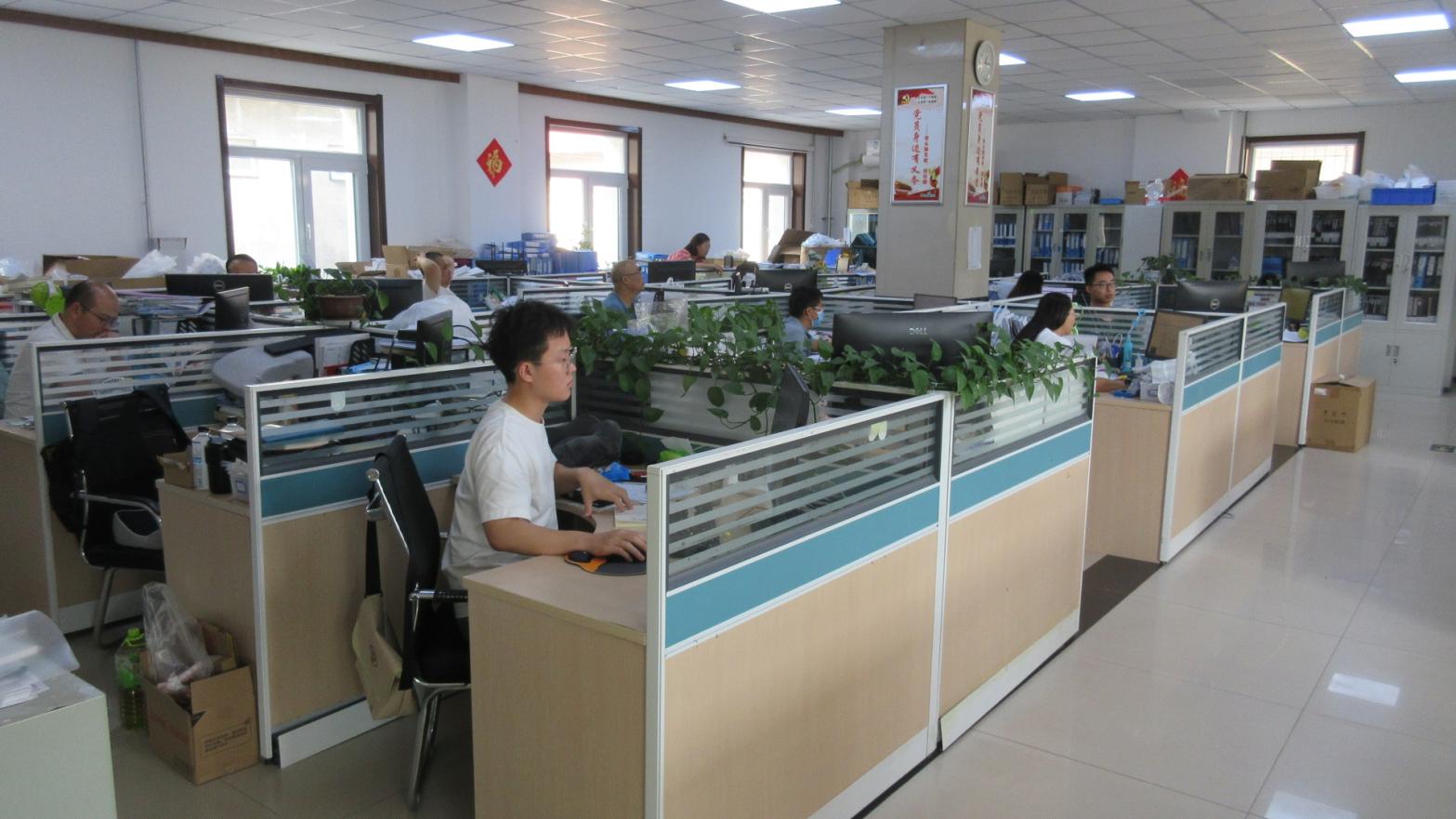
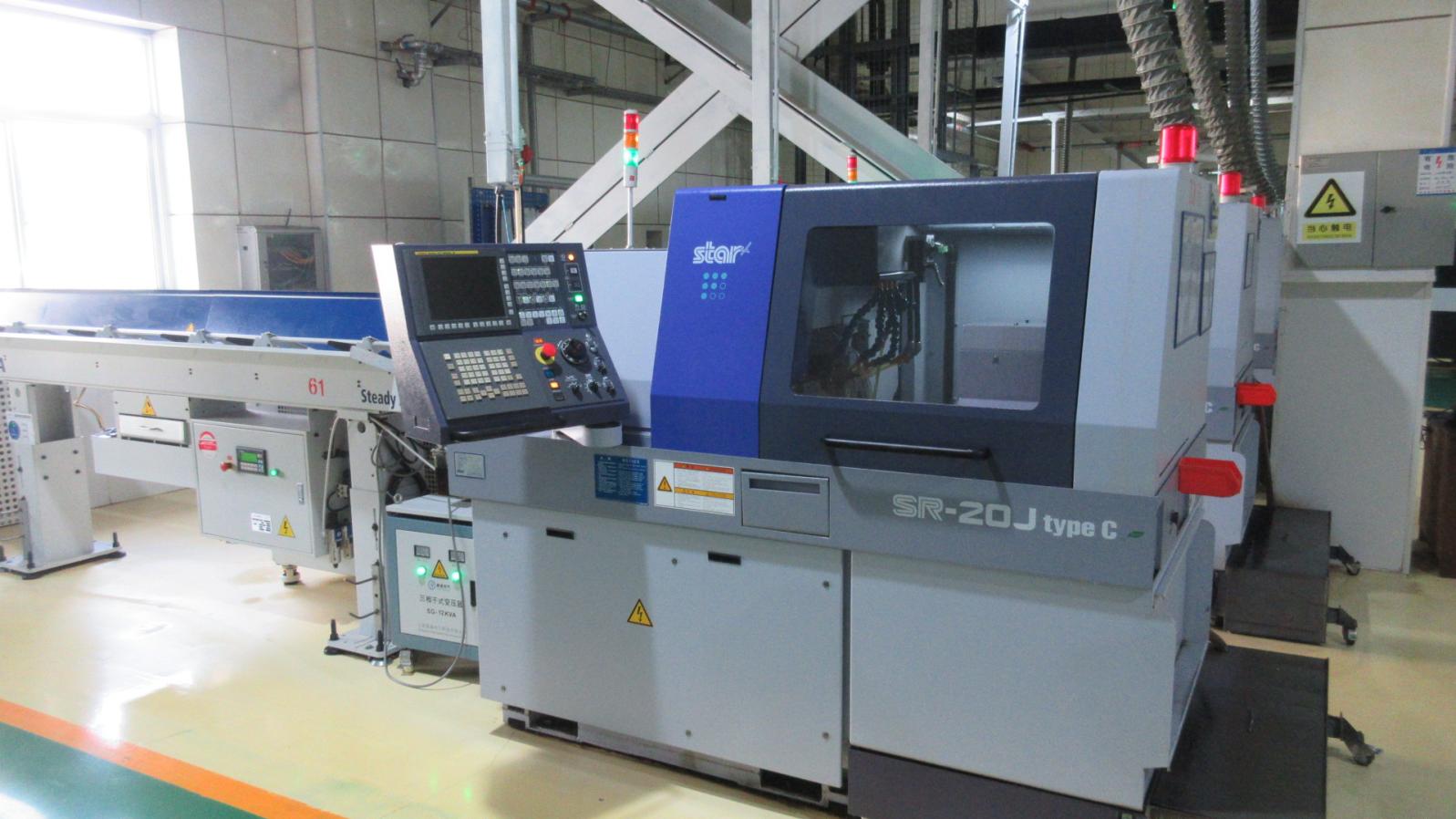
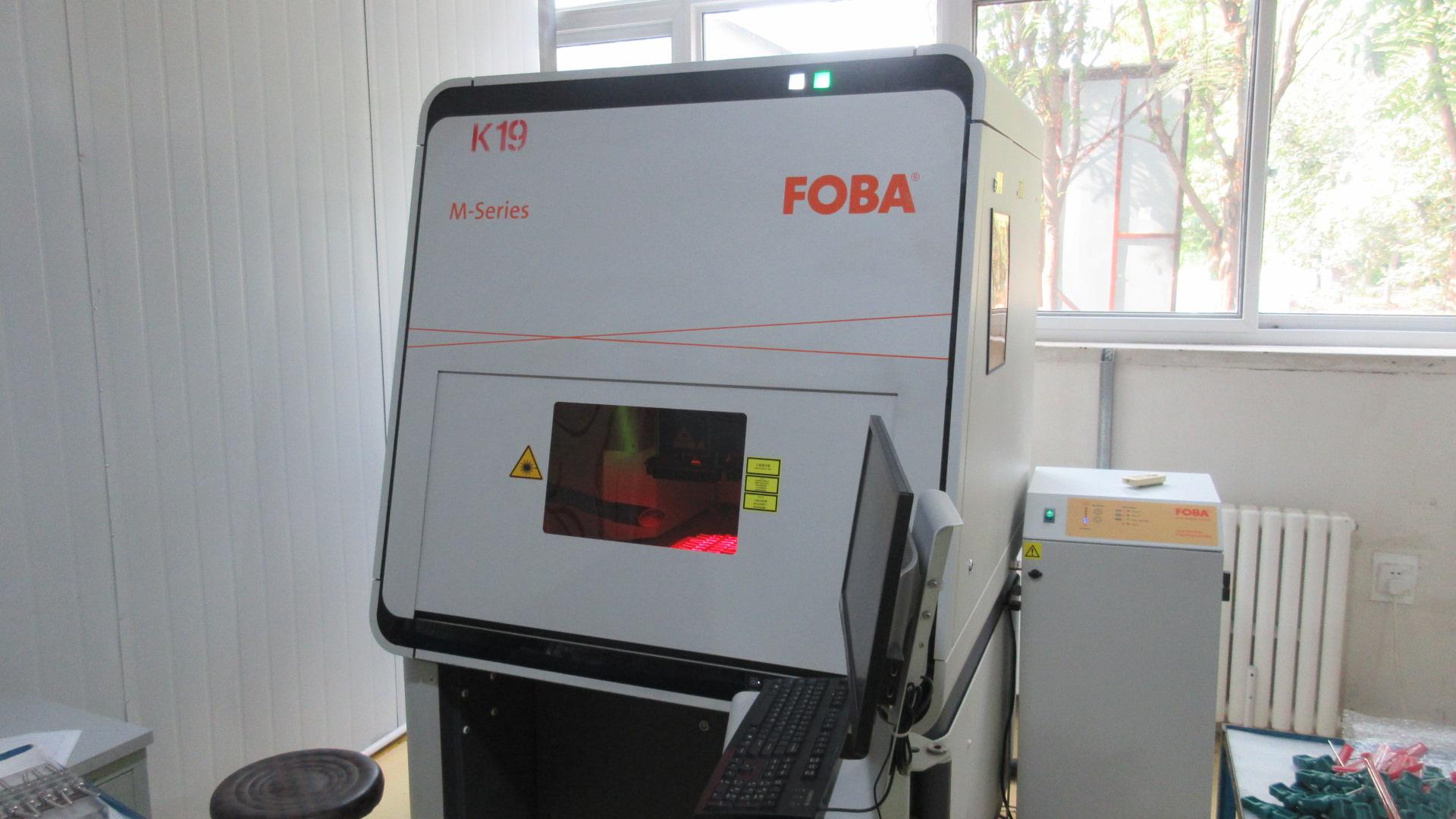
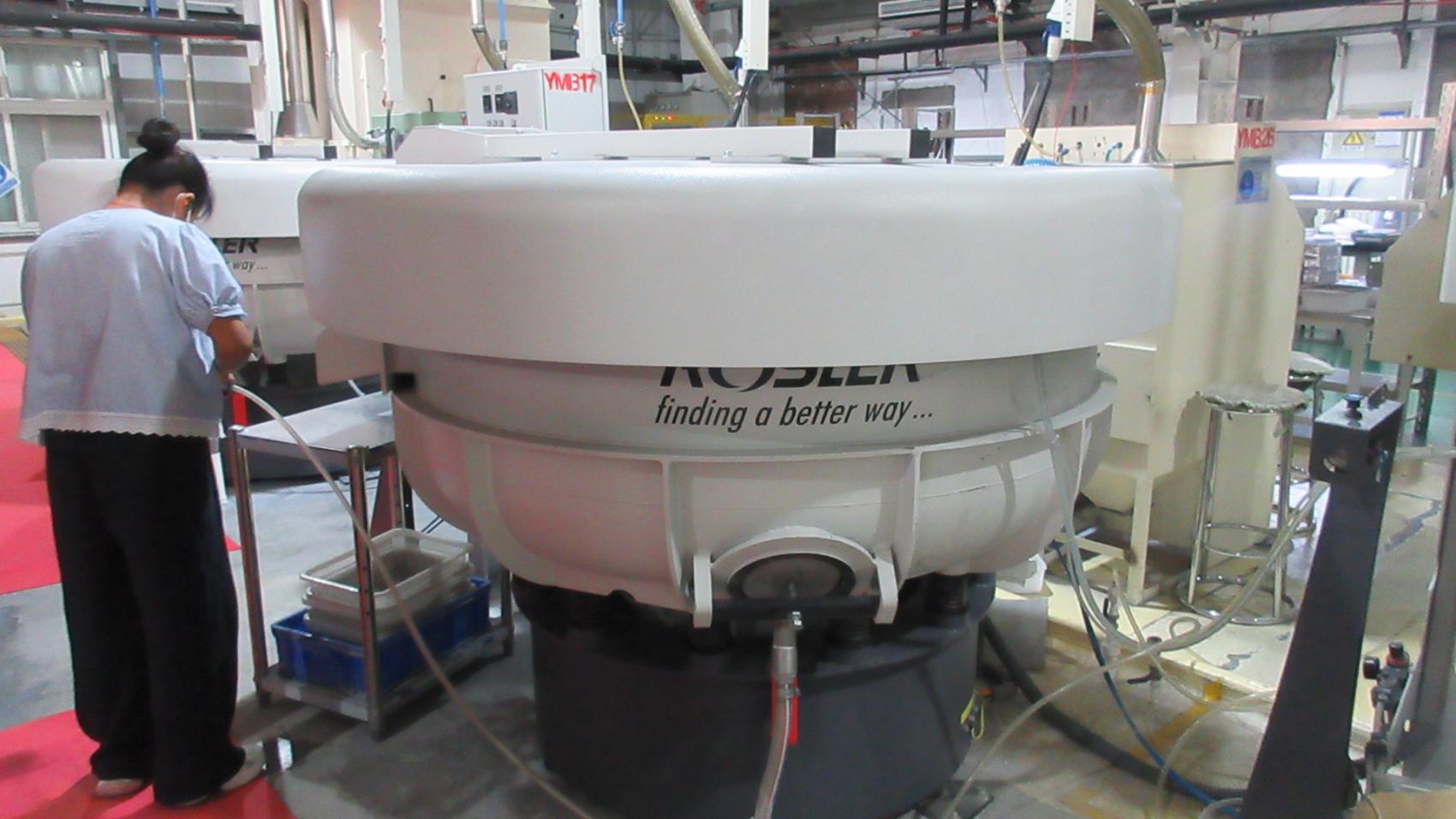
Uncompromising hygiene standards, 100,000-level cleanrooms, and high-precision German/Japanese CNC milling centers ensuring surgical safety.
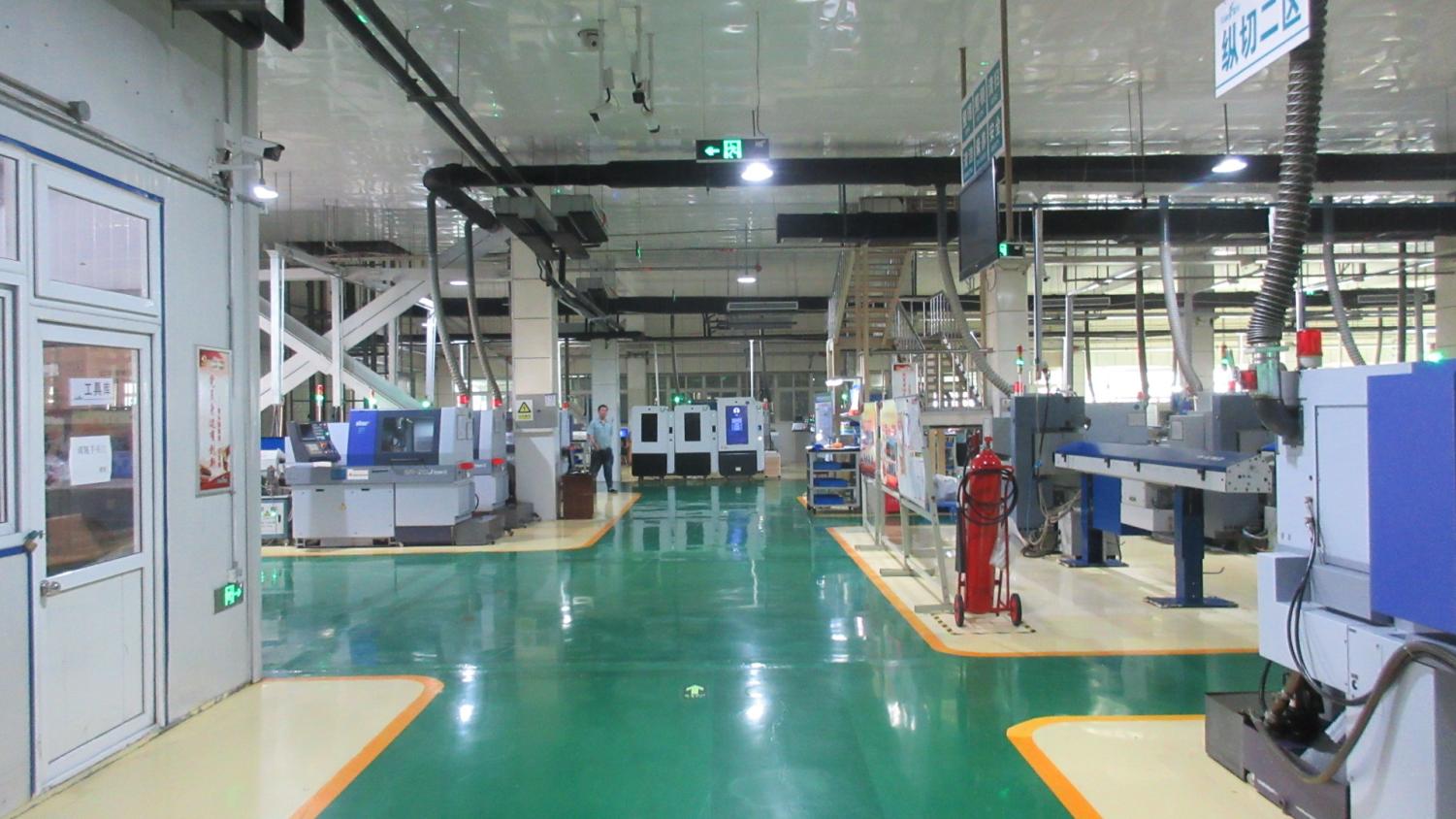
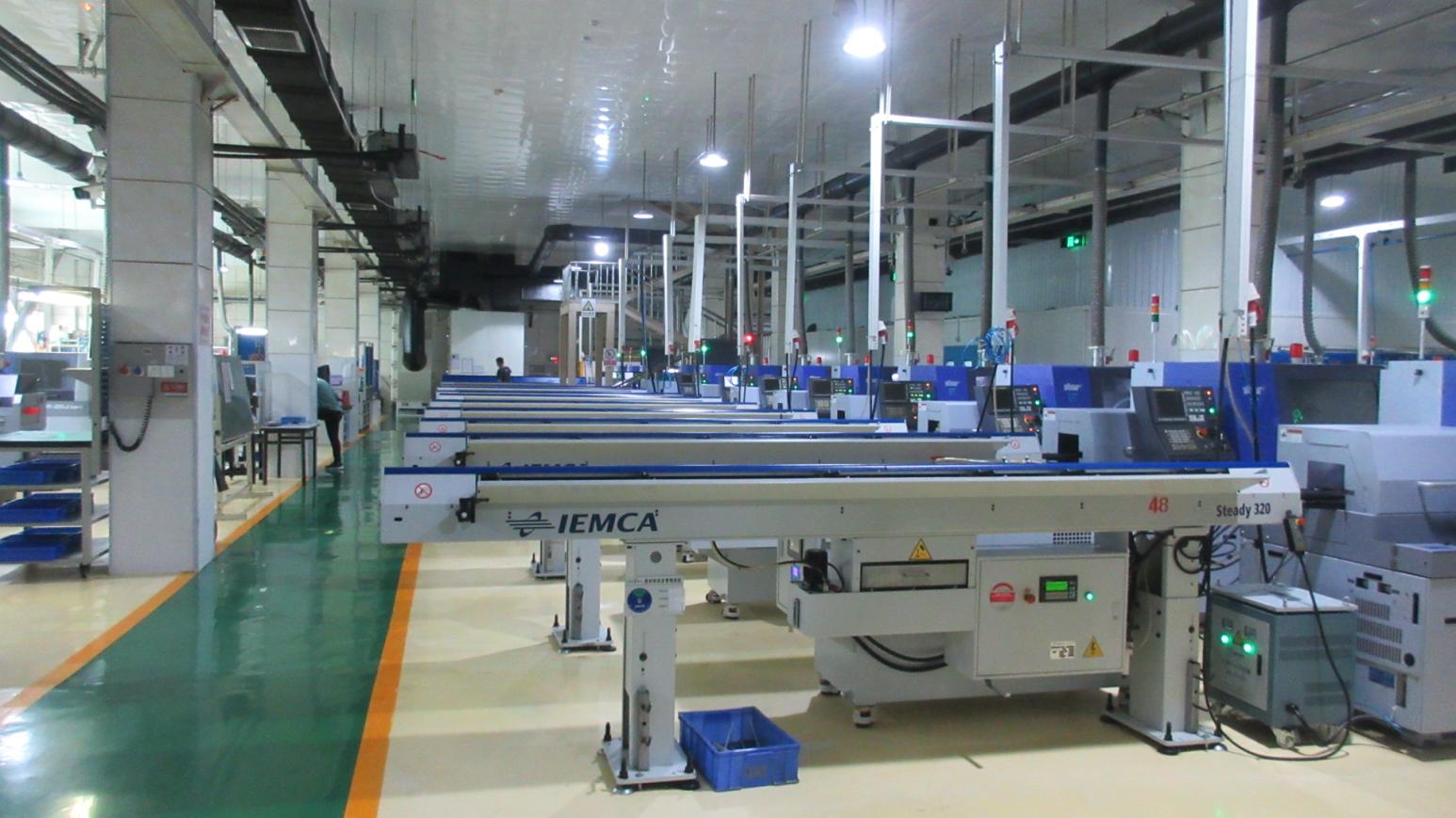
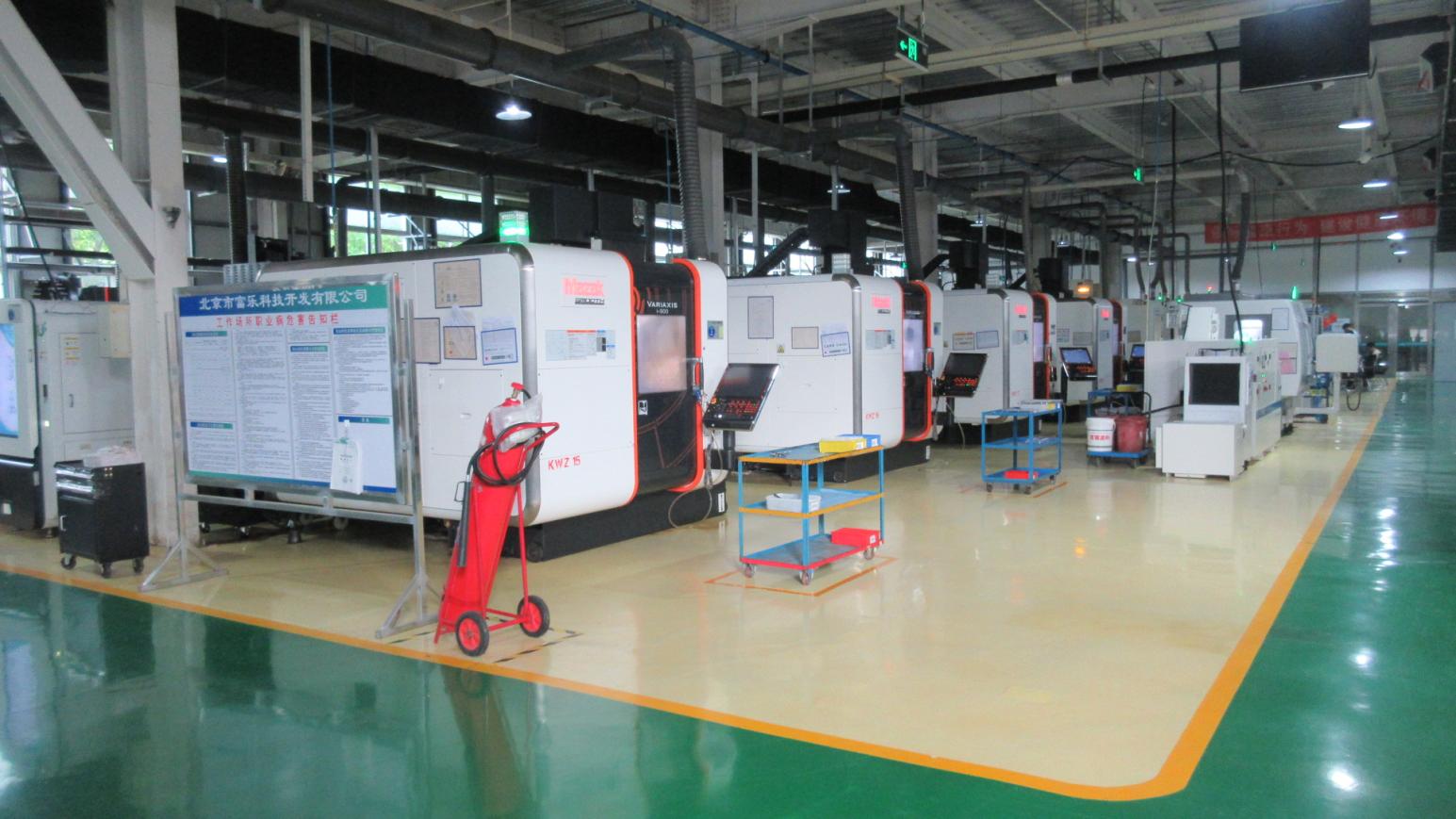
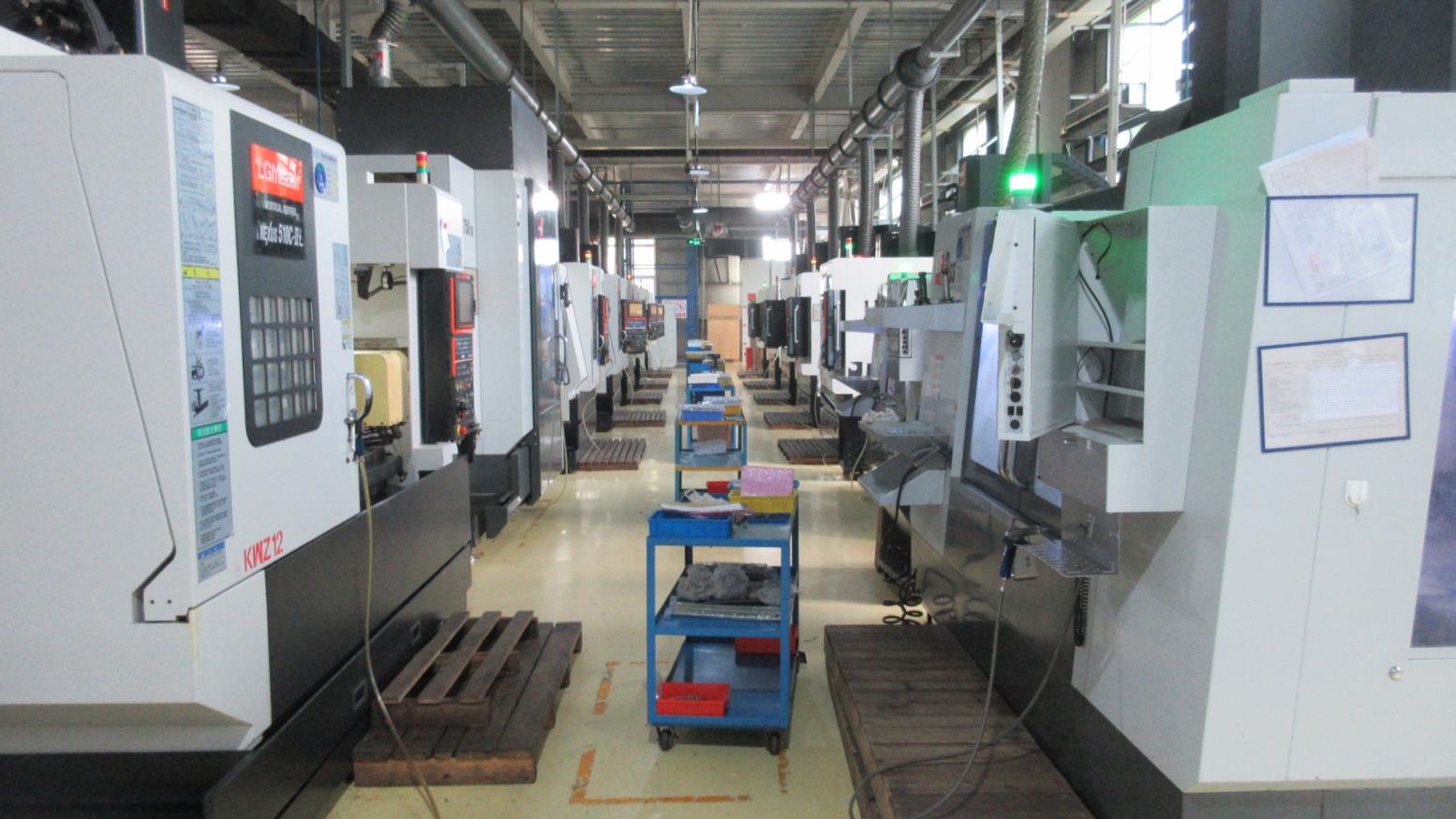
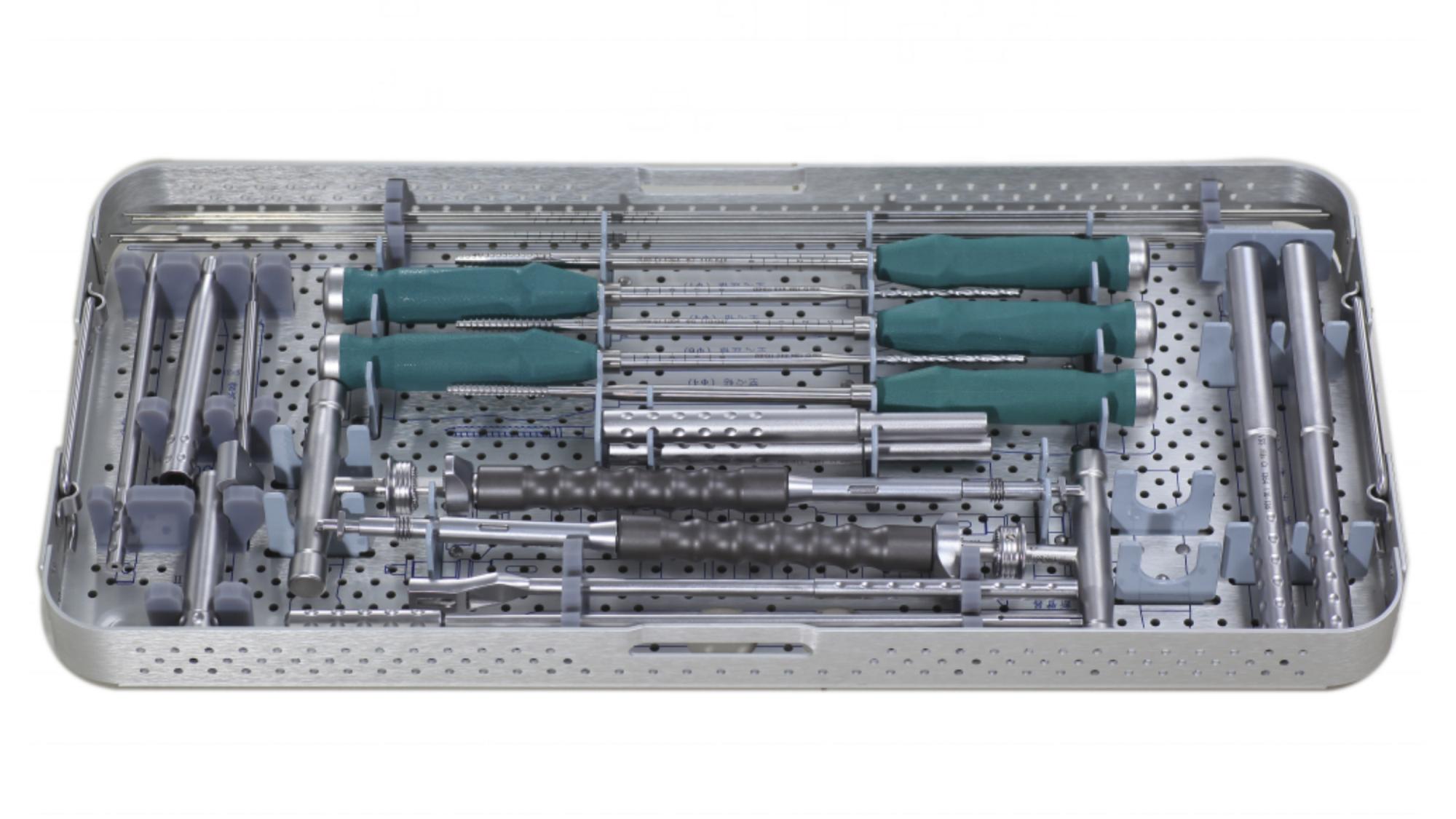
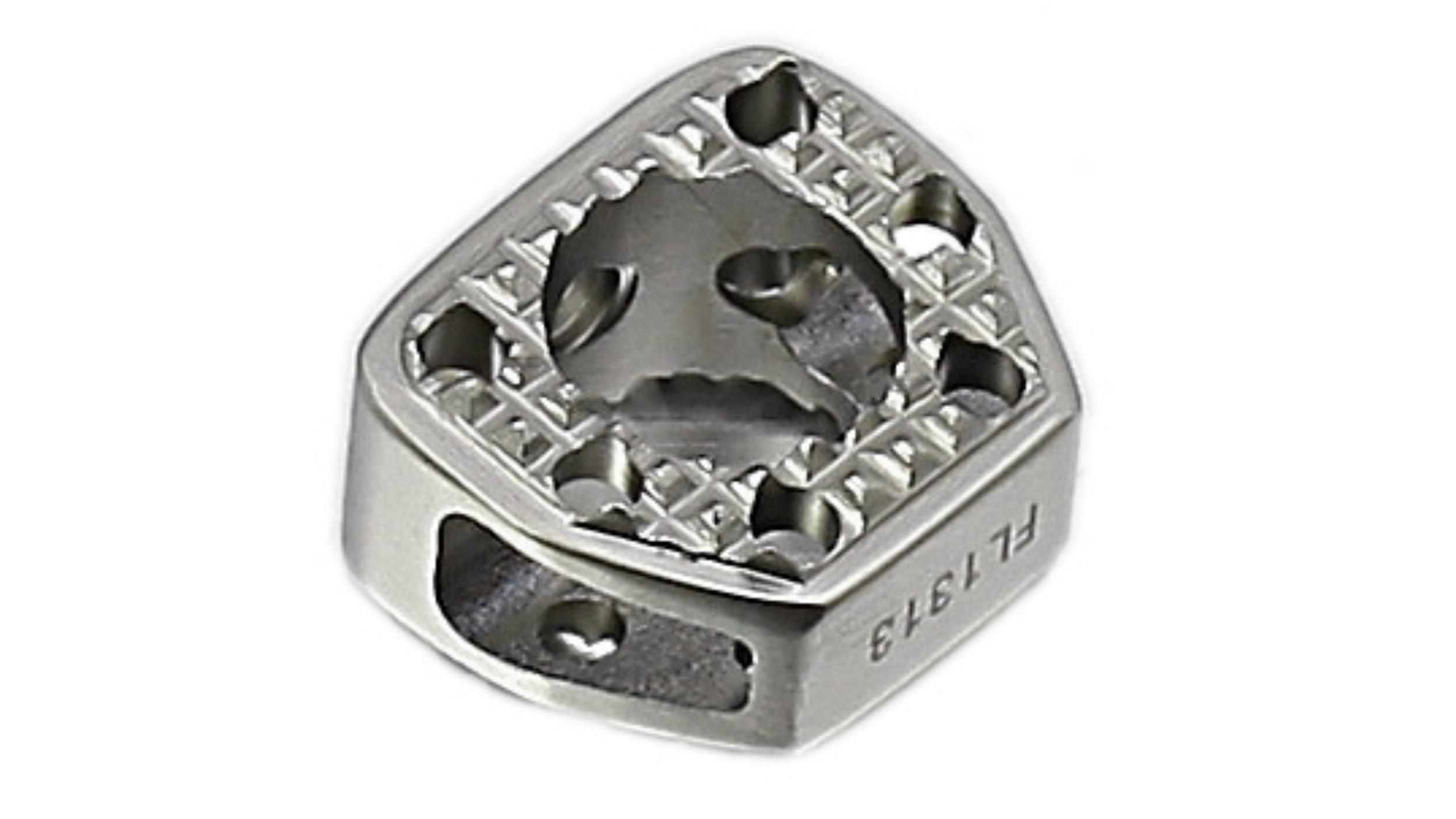
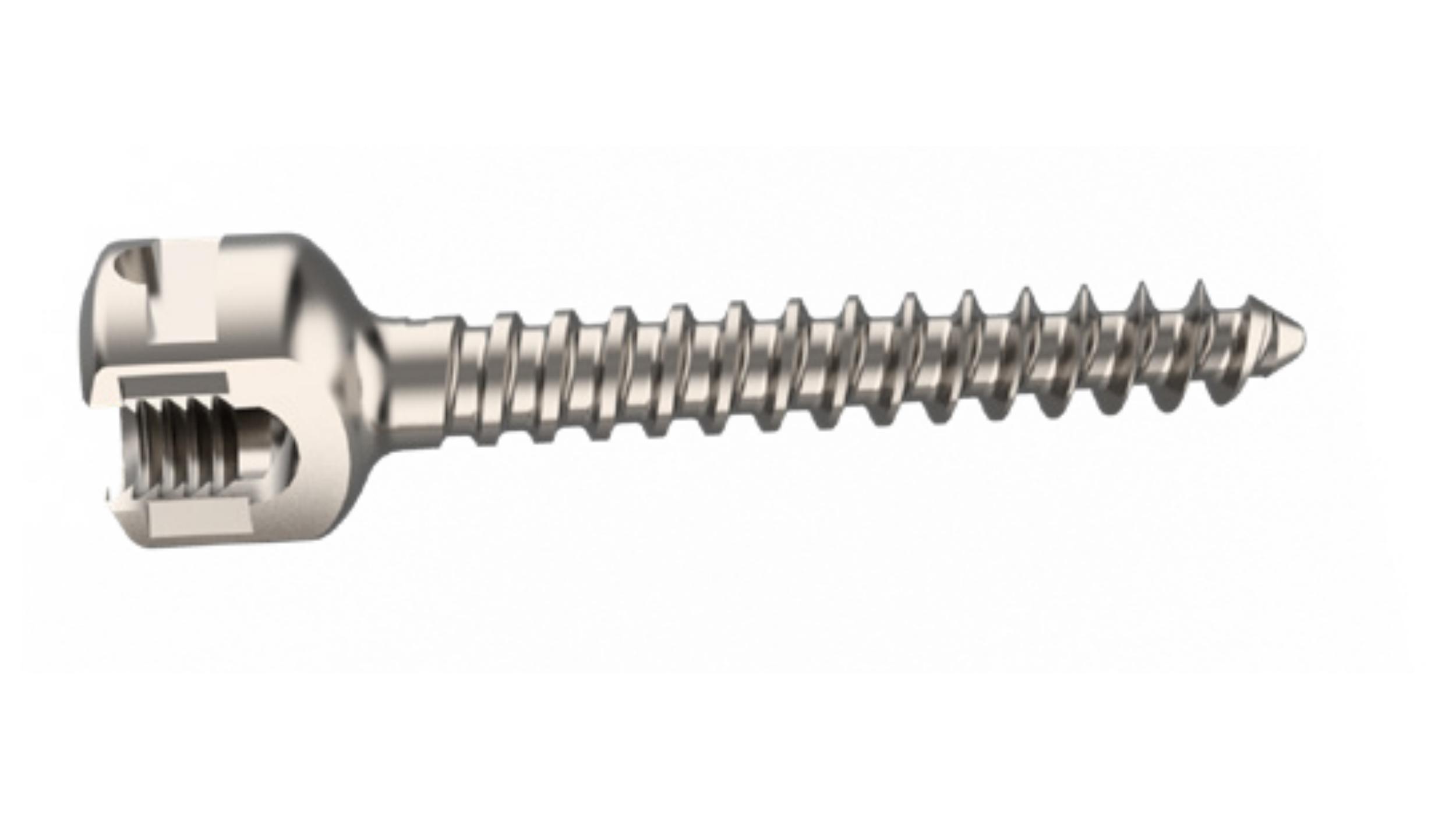
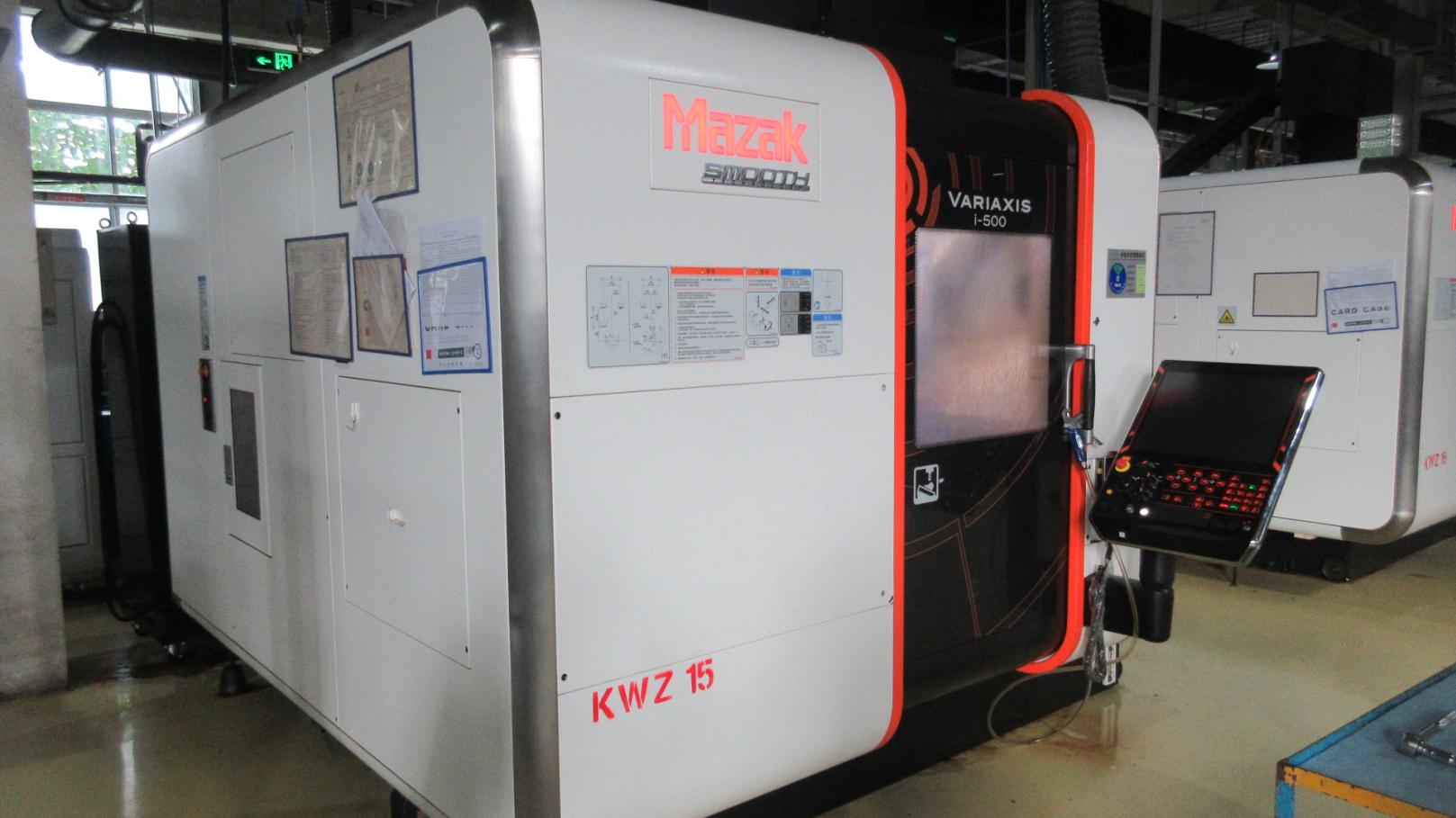
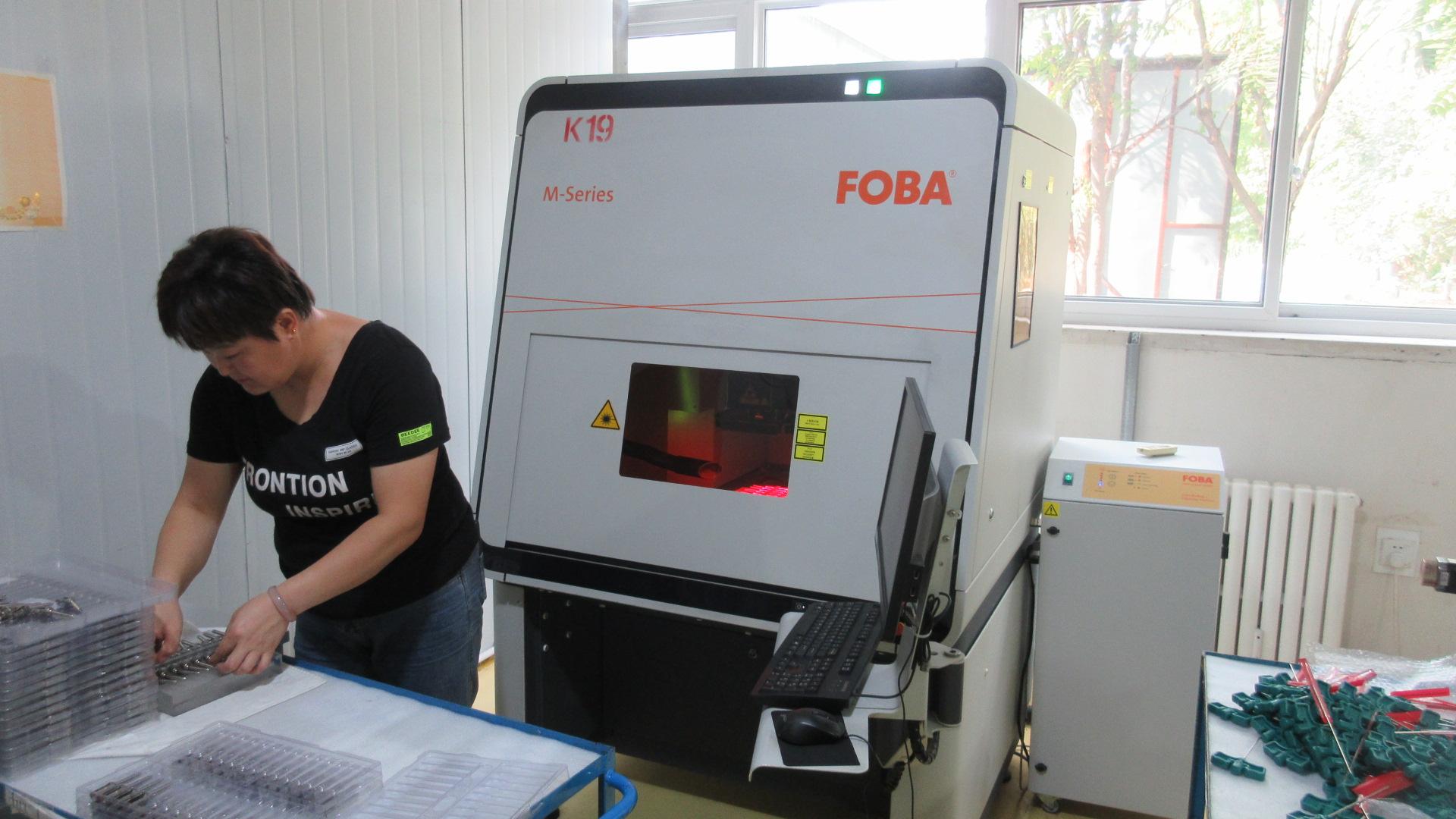
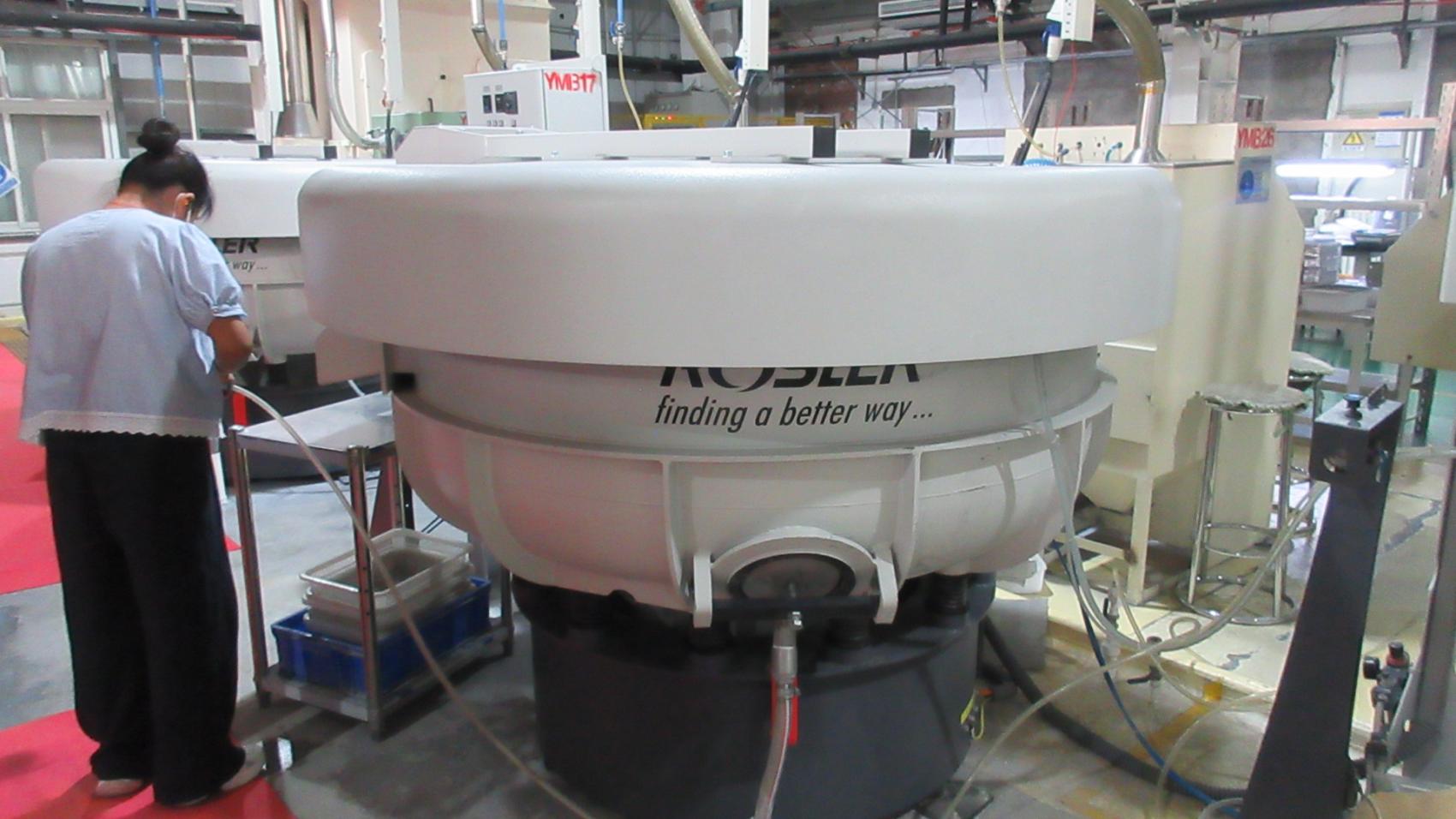
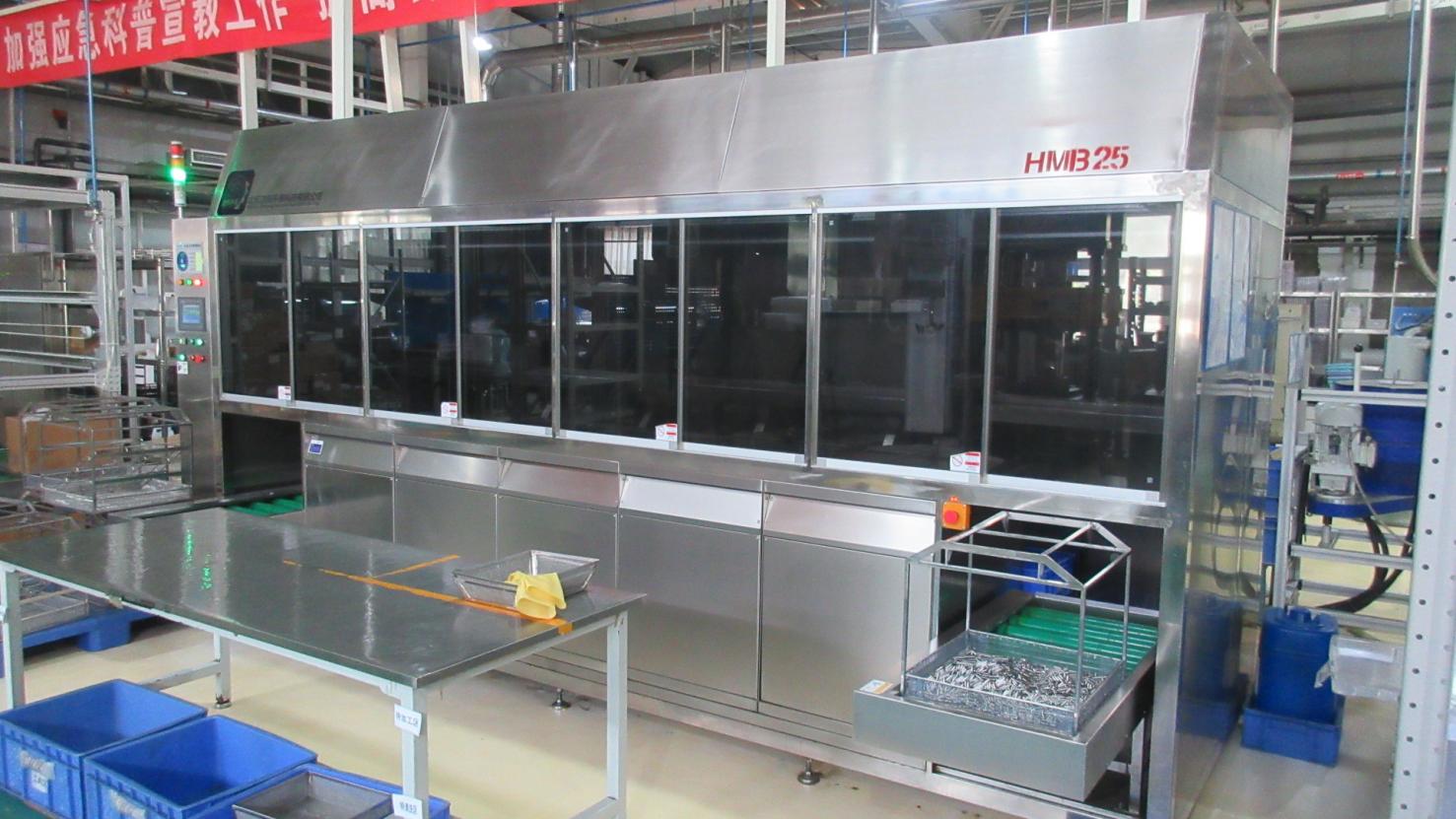
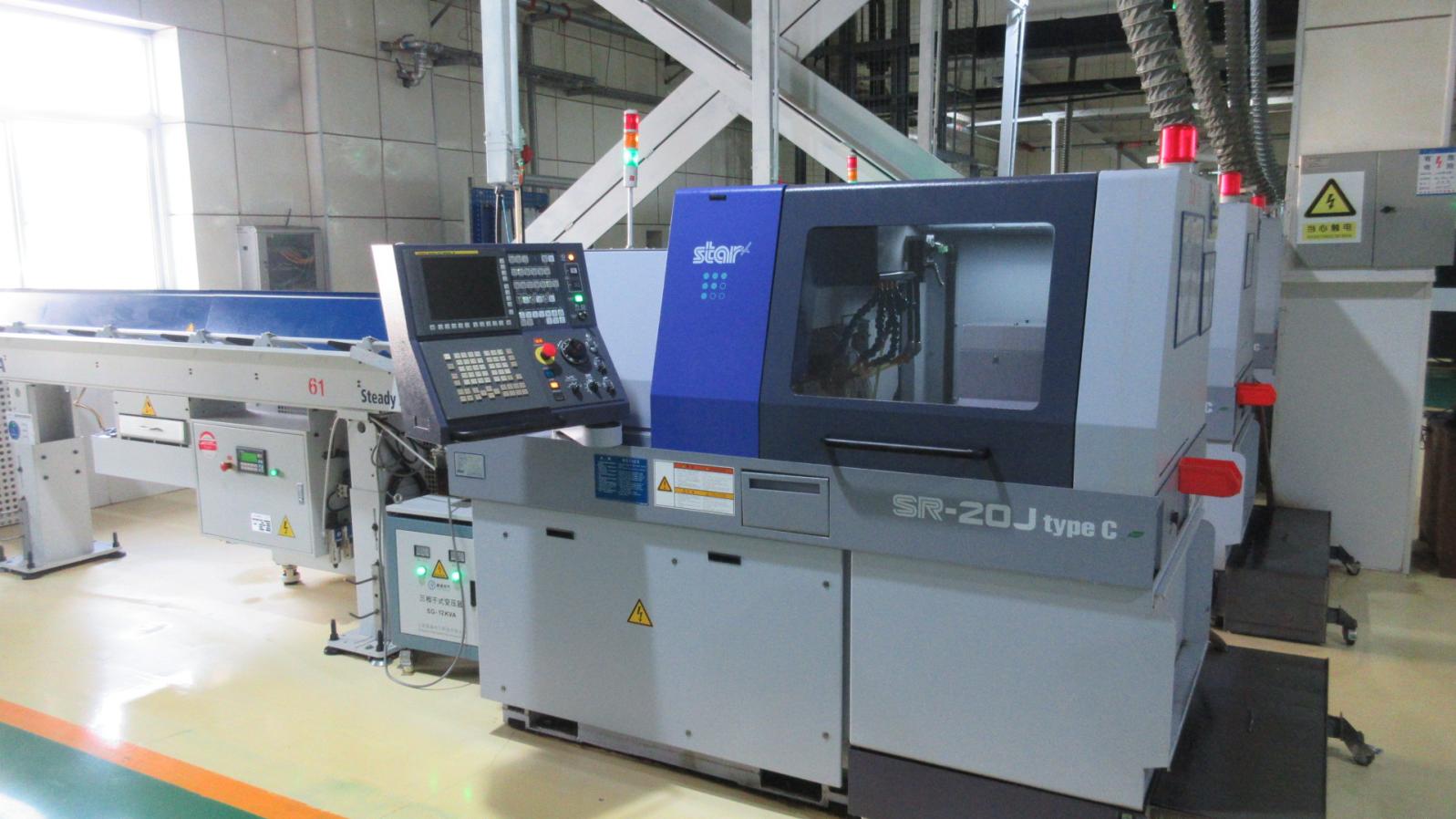
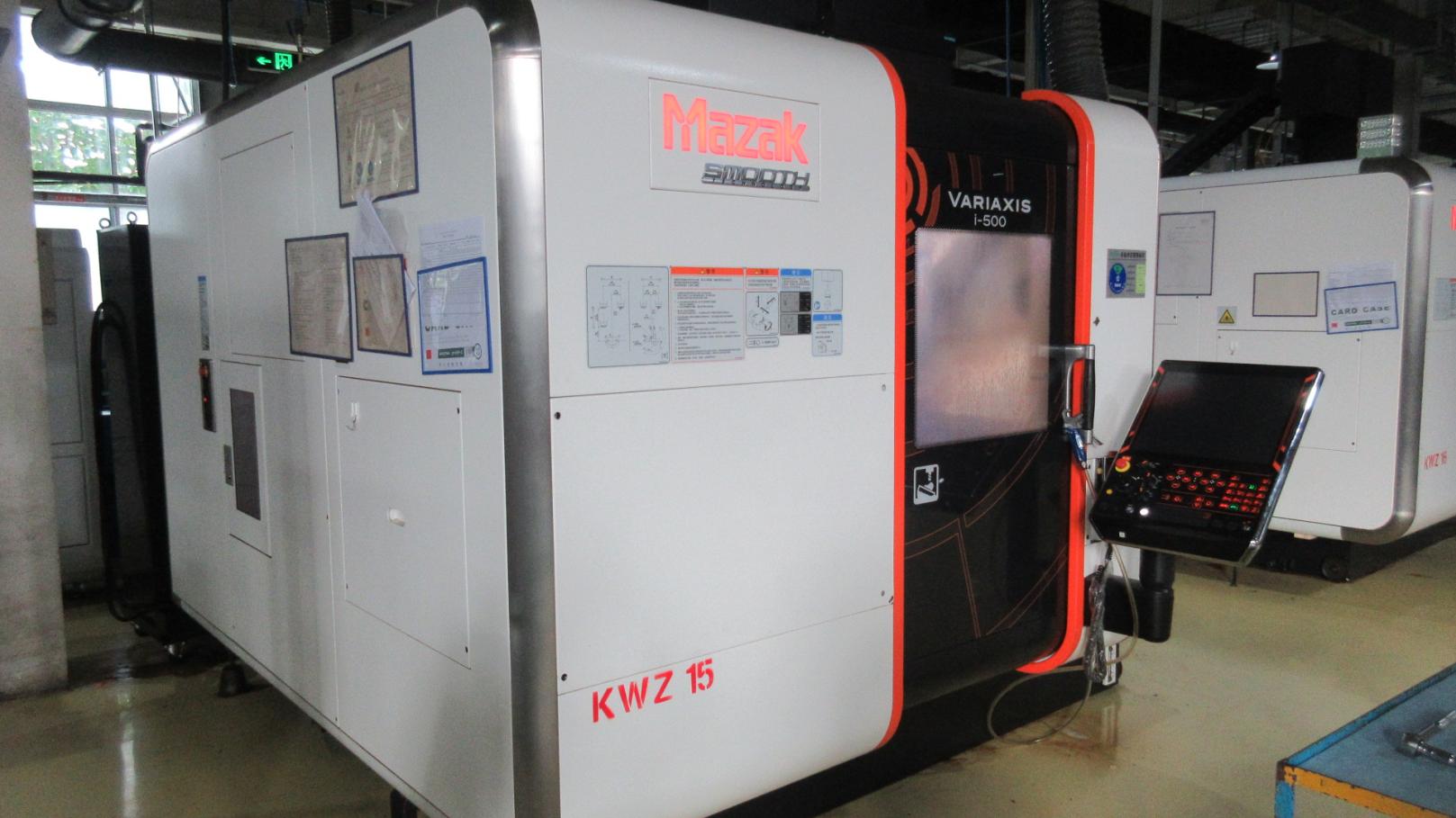
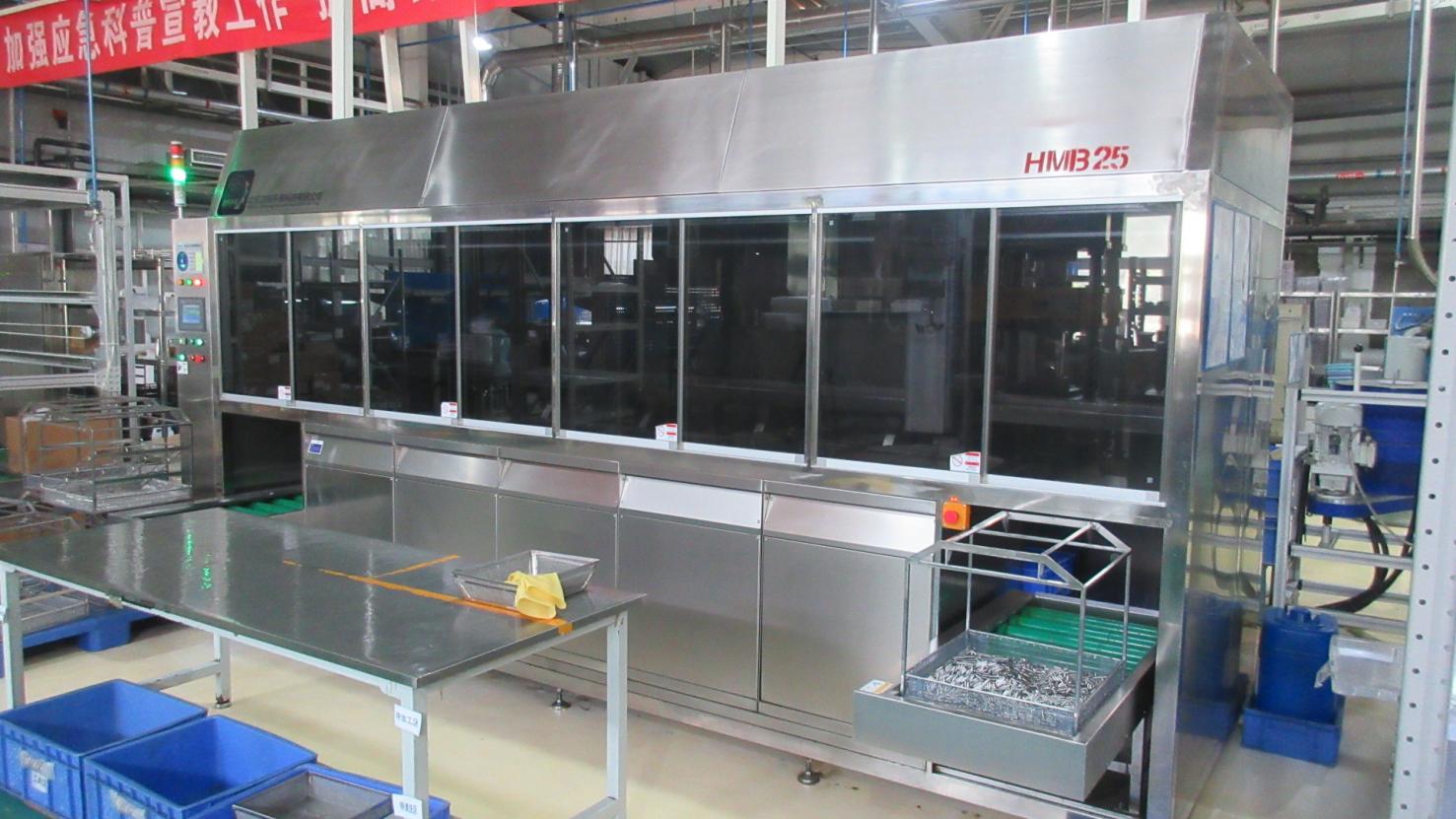
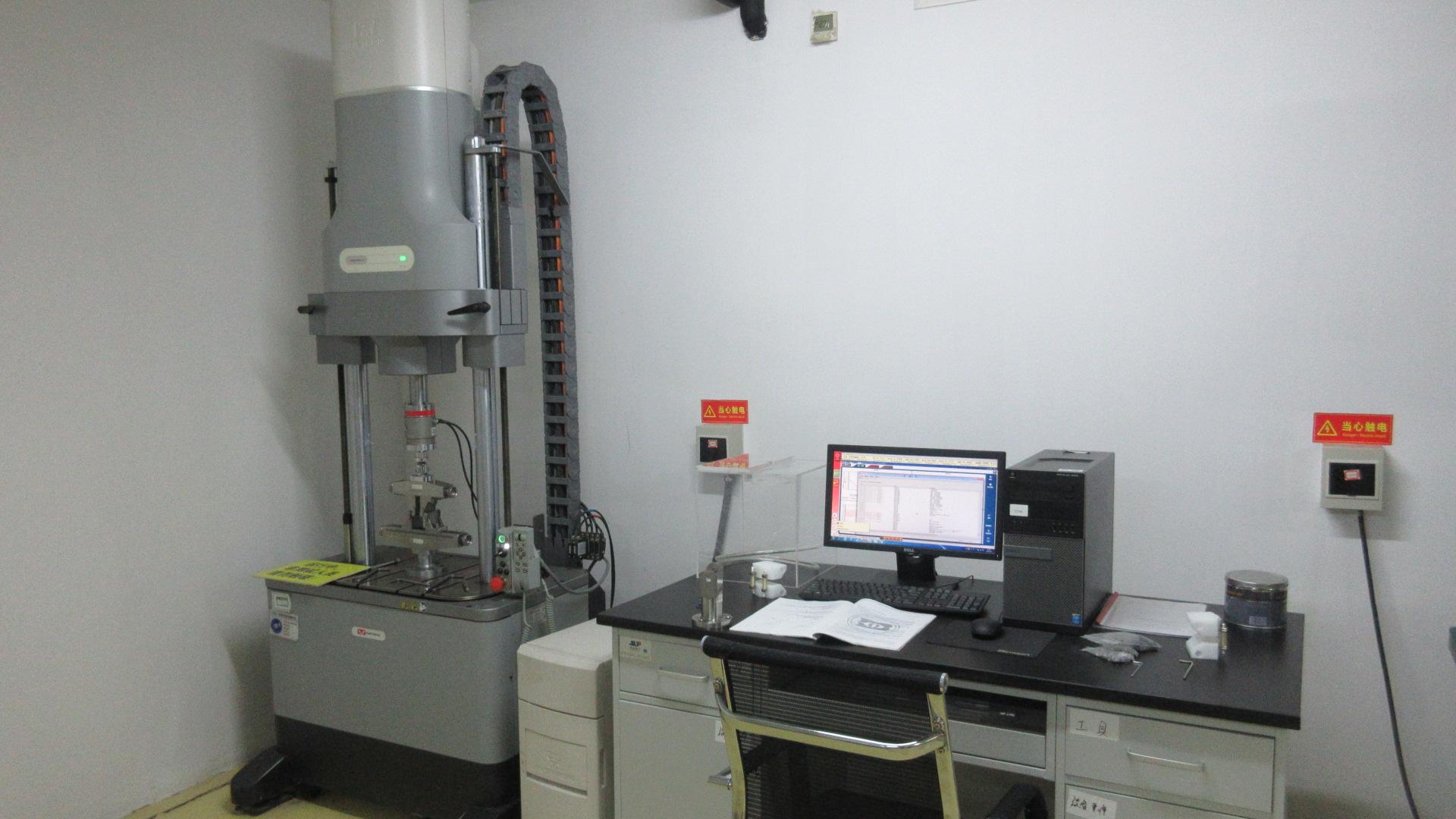
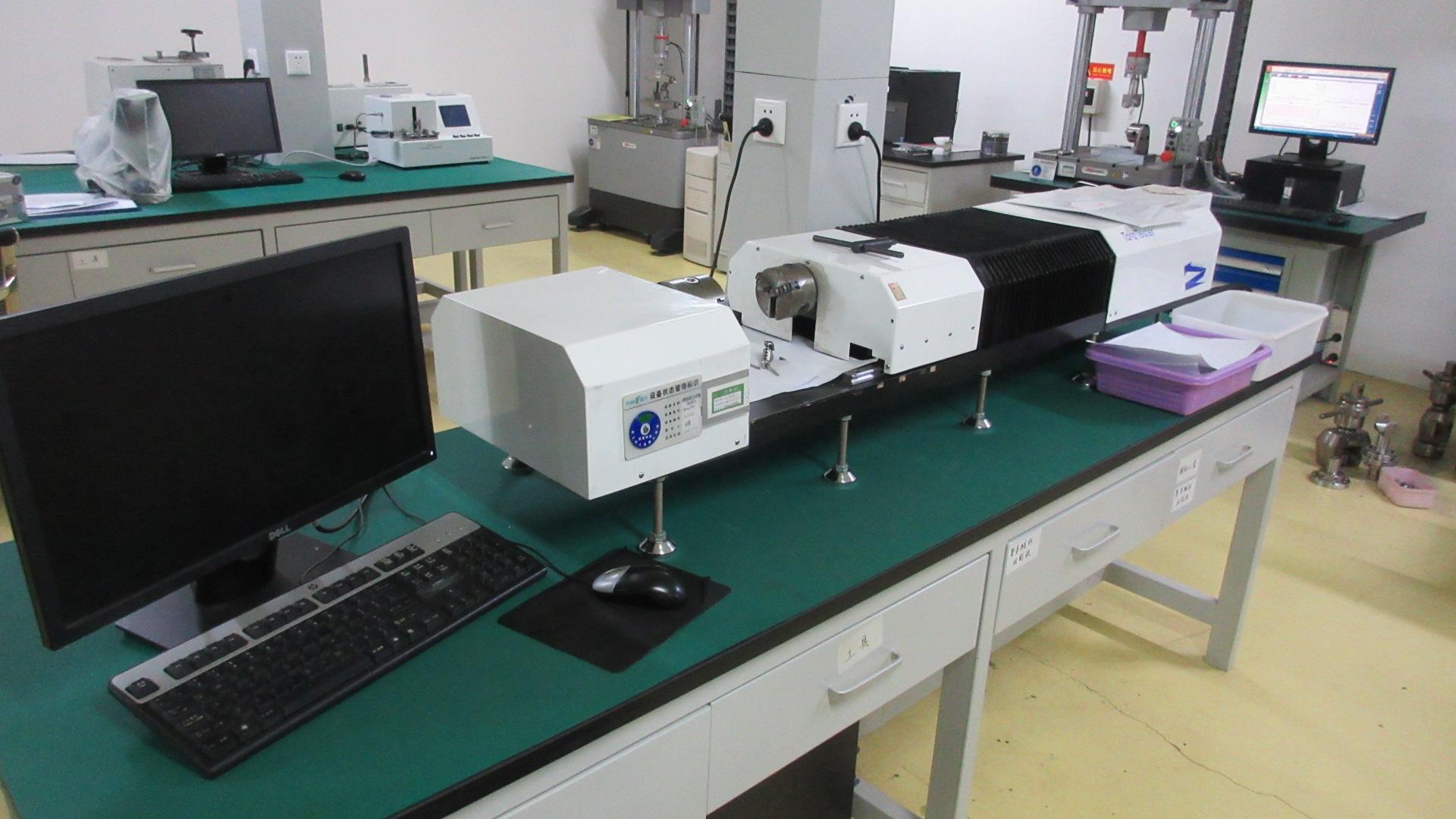
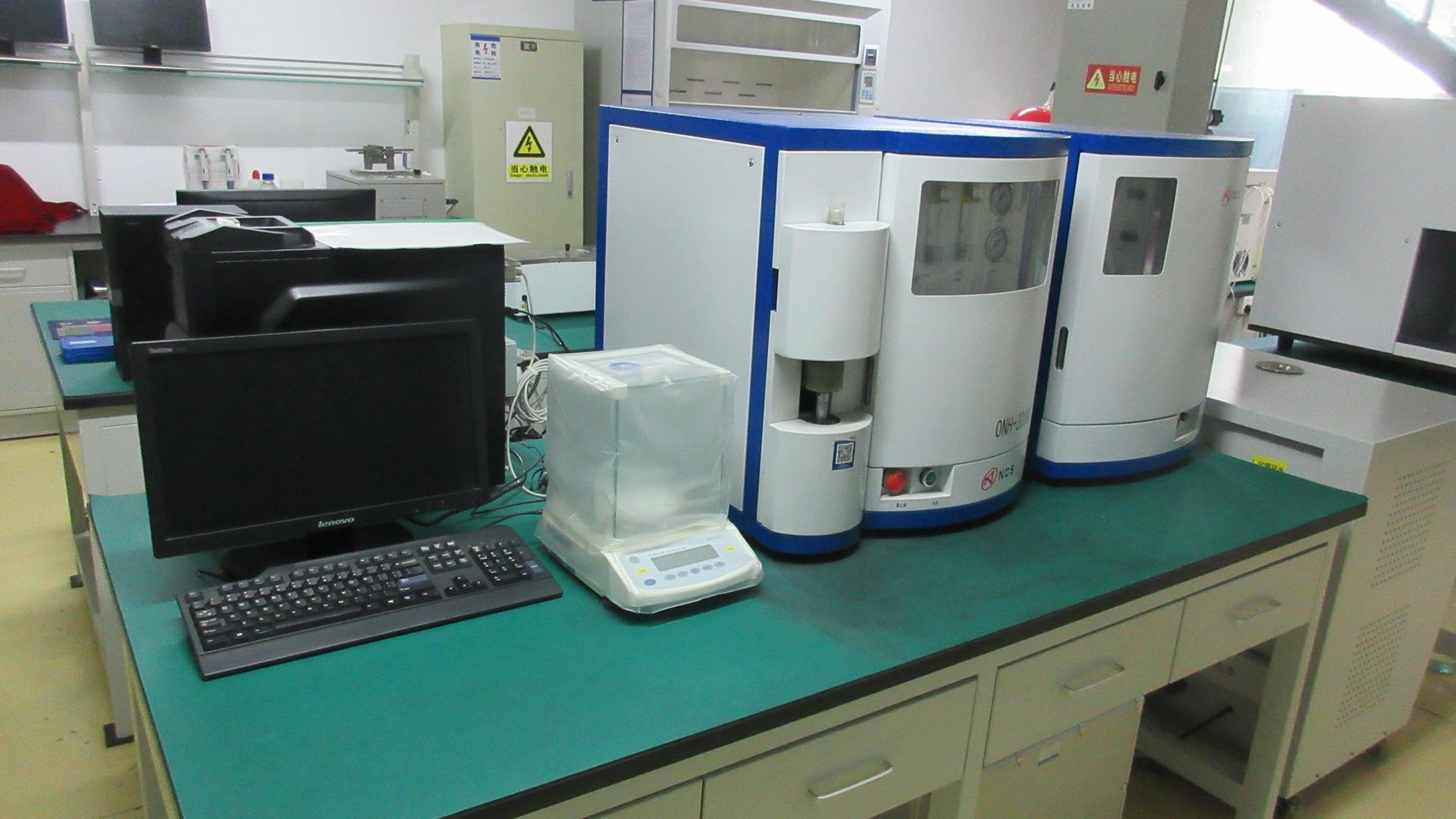
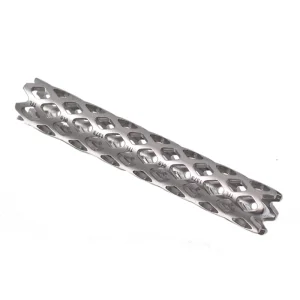
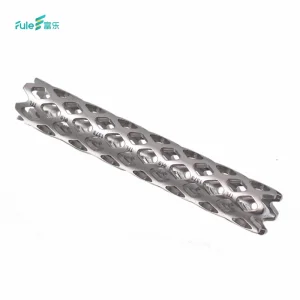
A broad array of orthopedic options, including corpectomy meshes, specialized iliac screws, and minimally invasive options for local clinics.
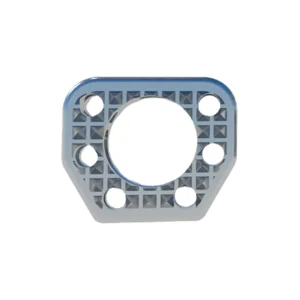
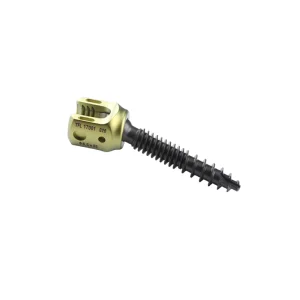
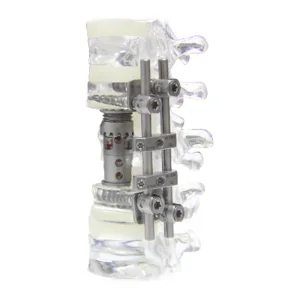
Spinal subsystems require precise engineering to withstand complex, multi-axial loading environments. The human spine experiences compression, flexion, extension, and rotation daily. When an orthopedic surgeon carries out a spinal arthrodesis (fusion) in a patient at Kabgayi Hospital, the implant must bear these forces while promoting bone fusion. Our systems use medical-grade Titanium Alloy (Grade 5, Ti6Al4V ELI), conforming to ASTM F136 specifications. This alloy features high fatigue strength, a relatively low elastic modulus close to that of cortical bone, and biocompatibility that supports stable osseointegration.
The choice of screw diameter is critical for stabilizing different regions of the spine. A 5.5mm system provides higher stiffness, making it suitable for lumbar and lumbosacral fixations where bending loads are greatest. A 5.0mm system offers a lower profile, which is useful for the thoracic spine where anatomical constraints demand smaller implants to prevent impingement on neighboring neurovascular structures. The thread profile of our screws features a dual-lead design, which cuts insertion time in half and increases pull-out resistance—a key safeguard in osteoporotic bone.
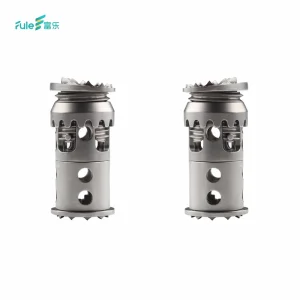
Our cervical fusion cages are manufactured using both high-grade Titanium and medical-grade PEEK (Polyetheretherketone). While titanium provides exceptional structural strength, PEEK offers an elastic modulus that closely mirrors natural human bone, reducing the risk of stress shielding and cage subsidence. The textured surfaces of the cages, coupled with generous graft windows, facilitate early bone ingrowth, accelerating the fusion process and improving recovery times for surgical patients in the Southern Province.
Important details for procurement officers, medical directors, and import agencies operating in Rwanda and the East African Community.
All Class III medical devices must undergo review by the Rwanda Food and Drugs Authority (Rwanda FDA). As a manufacturer, we provide the complete Common Technical Document (CTD) dossier, including ISO 13485 quality system certificates, CE declarations of conformity, sterile validation studies, and raw material biocompatibility reports. Our logistics team handles shipping to Kigali International Airport, working alongside local distributors to ensure smooth customs clearance and secure transport to hospitals in Gitarama and Muhanga.
We enforce a strict 100% inspection protocol across all production lines. Each implant is laser-etched with a unique lot code linked to its raw material heat number, chemical composition records, and CNC machining history. Our quality control department operates under ISO 13485 guidelines, deploying 15 dedicated QA/QC inspectors who oversee operations from initial raw titanium bar testing to final cleanroom packaging and ethylene oxide (EO) sterilization.
Yes. Our R&D team of 20 specialist engineers can modify implant profiles, screw thread pitches, and instrument configurations to meet regional clinical preferences. We offer custom processing based on CAD models, technical drawings, or physical sample prototypes, helping Gitarama orthopedic centers adjust their inventory to address local trauma demographics.
We provide detailed surgical technique guides, biomechanical evaluation papers, and step-by-step instructional videos. For large-scale procurement agreements, we can organize virtual workshops and training sessions for local surgical and biomedical engineering teams to ensure safe, effective use of our spine fixation systems.
Connect directly with our export logistics division for technical specifications, wholesale pricing schedules, and assistance with Rwanda FDA regulatory submissions.
Send Inquiry Now Fule
Fule