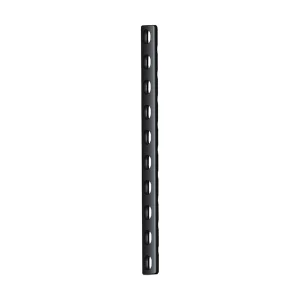
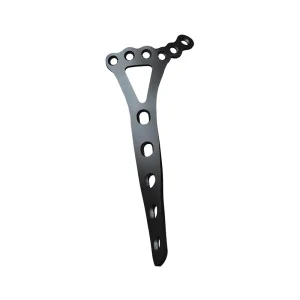
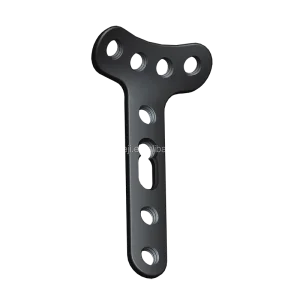
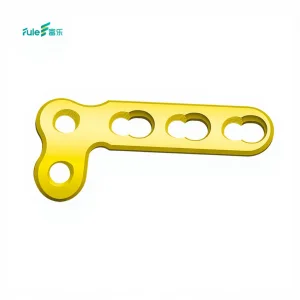
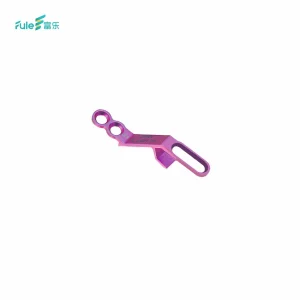
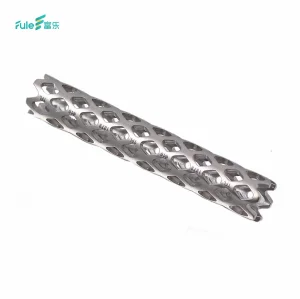
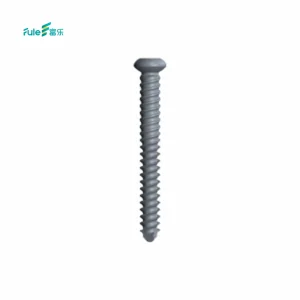
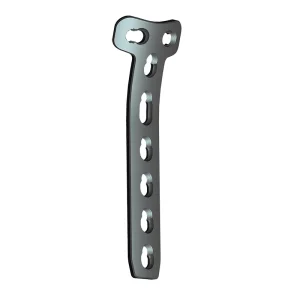
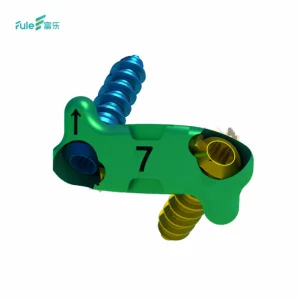
Clinically proven, CE-marked titanium alloy implant systems designed for rapid fracture fixation and optimized healing outcomes under complex local anatomical stress vectors.
The Democratic Republic of Congo (DR Congo), characterized by rapid urbanization across metropolitan hubs like Kinshasa, Lubumbashi, and Goma, alongside major expansion within the copper-cobalt mining sectors of Lualaba and Haut-Katanga, faces unique epidemiological patterns in traumatology. High rates of road traffic accidents (RTAs) and industrial mining injuries lead to complex, comminuted, and open fractures that require immediate, stable mechanical fixation. In regions with sparse post-operative rehabilitation services, orthopedic surgeons demand implant systems that offer uncompromising structural stability.
Traditional fixation methods often run high risks of non-union or mal-union when patients return to active manual labor too early. Locking Plate Systems (LCPs) mitigate these risks by functioning as internal fixators. They achieve angular stability without requiring tight plate-to-bone contact, preserving periosteal microcirculation, which is essential to prevent bone necrosis and implant-associated infections in high-humidity zones.
“Improving clinical efficacy in DR Congo relies heavily on the introduction of rigid, corrosion-resistant, and anatomically pre-contoured implants. These systems reduce operating room time and structural surgical iterations under resource-limited hospital settings.”
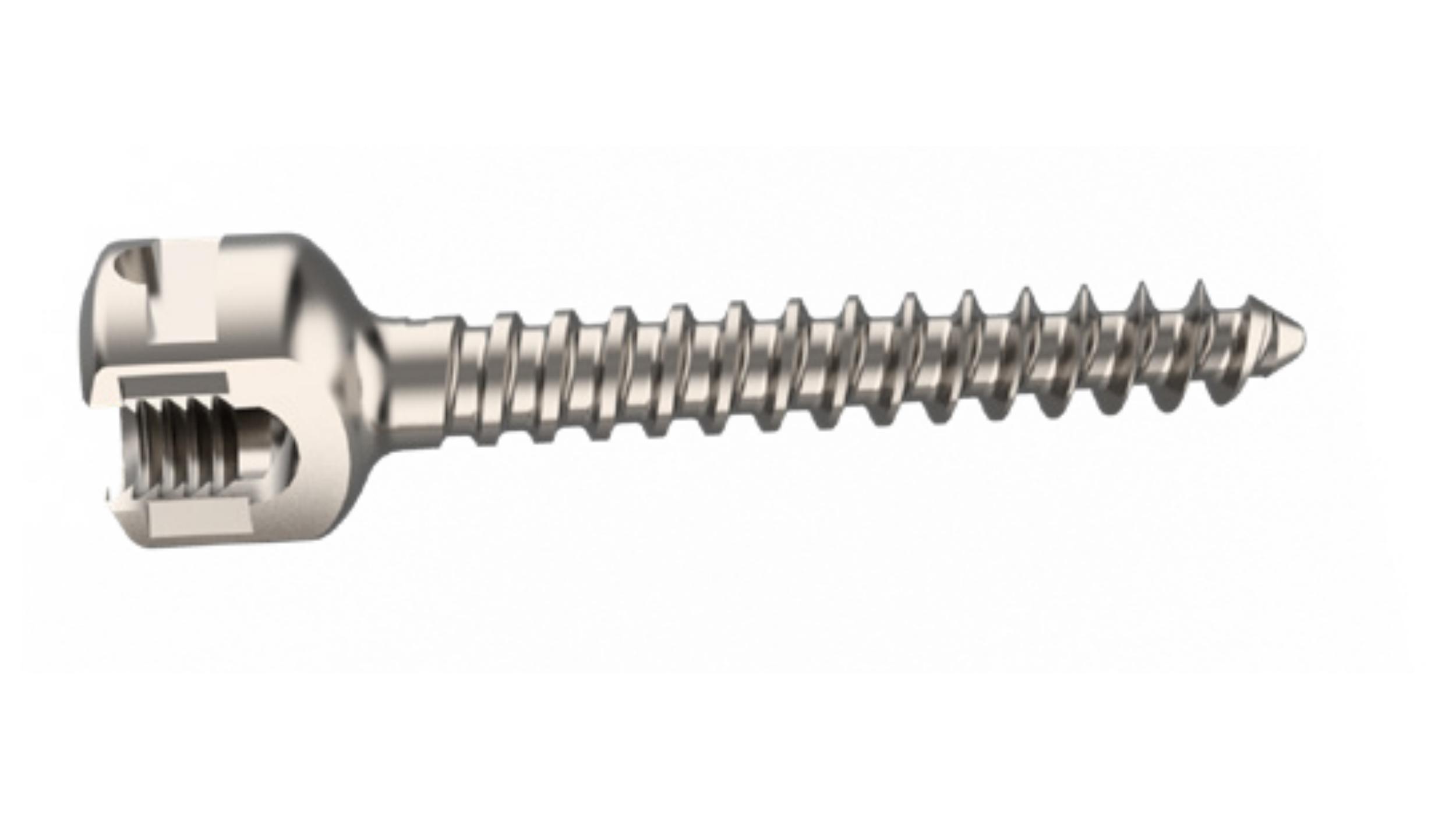
Global orthopedic supply chains frequently struggle to support Central African healthcare systems with reliable product distribution. Importers and hospitals in Kinshasa often confront long lead times or receive non-compliant implants without proper documentation. Fule Medical, backed by 29 years of medical manufacturing experience, addresses this void. We supply high-grade Titanium (Ti-6Al-4V) and pure Titanium (Grade 4) Locking Plate Systems designed to withstand structural stress while remaining highly biocompatible.
Every bone plate and locking screw manufactured at Fule Medical undergoes strict quality control protocols. Under the strict requirements of ISO 13485, raw medical-grade titanium is verified for microstructural consistency before entering our high-precision CNC machining lines. For the DR Congo market, where complex bone reconstructions must rely on resilient materials, we ensure that every implant matches global standards (ASTM F136 / ISO 5832-3).
Our Quality Assurance process includes 100% trace verification of raw materials, ensuring that every batch can be tracked back to its original heat treatment and composition certificate. This level of traceability is key to obtaining clearances with regulatory bodies like the Ministère de la Santé Publique in Kinshasa and matching the import verification protocols enforced by the Office Congolais de Contrôle (OCC).
| Material Type | Tensile Strength (MPa) | Yield Strength (MPa) | Biocompatibility Standard | Typical Clinical Application |
|---|---|---|---|---|
| Medical-Grade Titanium Alloy (Ti-6Al-4V ELI) | ≥ 860 | ≥ 795 | ASTM F136 / ISO 5832-3 | Femoral & Tibial diaphyseal reconstructive plates, locking screws. |
| Pure Titanium (Grades 1-4) | 240 - 550 | 170 - 483 | ASTM F67 / ISO 5832-2 | Mini trauma hand, foot, and maxillofacial locking plates. |
| Medical-Grade PEEK (Polyetheretherketone) | 90 - 100 | - | ISO 10993 Certified | Anterior spinal fusion interbody cages. |
Implant failure in remote regions is often caused by micro-motion, corrosion, or sub-optimal plate contouring. The combination of lock-and-compression screw holes (dynamic compression holes) in our locking plate systems allows surgeons to apply compression followed by rigid locking. This dual functionality is vital in handling complex reconstruction cases in regional hospitals like the Hôpital Général de Référence de Goma, where intraoperative C-arm fluoroscopy might not be constantly available, necessitating straightforward, high-performance implants.
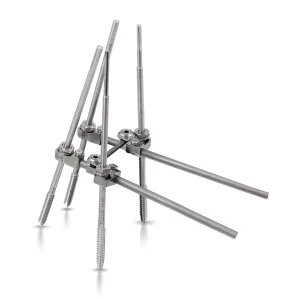
Extending surgical capabilities across DR Congo with advanced spinal fusion solutions, intramedullary nails, and specialty trauma fixation instruments.
Orthopedic surgeons operating in DR Congo hospitals encounter specific challenges, including delayed presentations of fractures, previous infections from non-traditional treatments, and significant bone loss. Understanding these clinical scenarios allows us to optimize our implant configurations:
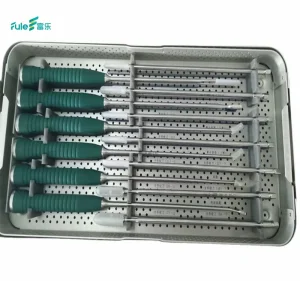
In regions with fluctuating power grids, autoclaving processes must be highly efficient. Fule Medical supplies specialized, high-grade stainless steel instrument containers and sterilizing trays that ensure heat transfer and dry rapidly, preventing post-sterilization condensation. Our titanium locking systems are compatible with standard sterilization protocols, maintaining structural integrity across repeated sterilization cycles.
Spanning over 10,000 square meters of state-of-the-art manufacturing space, our facility houses 102 CNC milling and Swiss lathe machines. We maintain a high-level testing laboratory verifying mechanical tolerances, fatigue resistance, and surface finish consistency. The images below document our daily quality checks, micro-structuring rooms, clean-room packaging, and warehouse storage operations, confirming our capacity to ship bulk medical components to the DR Congo market.

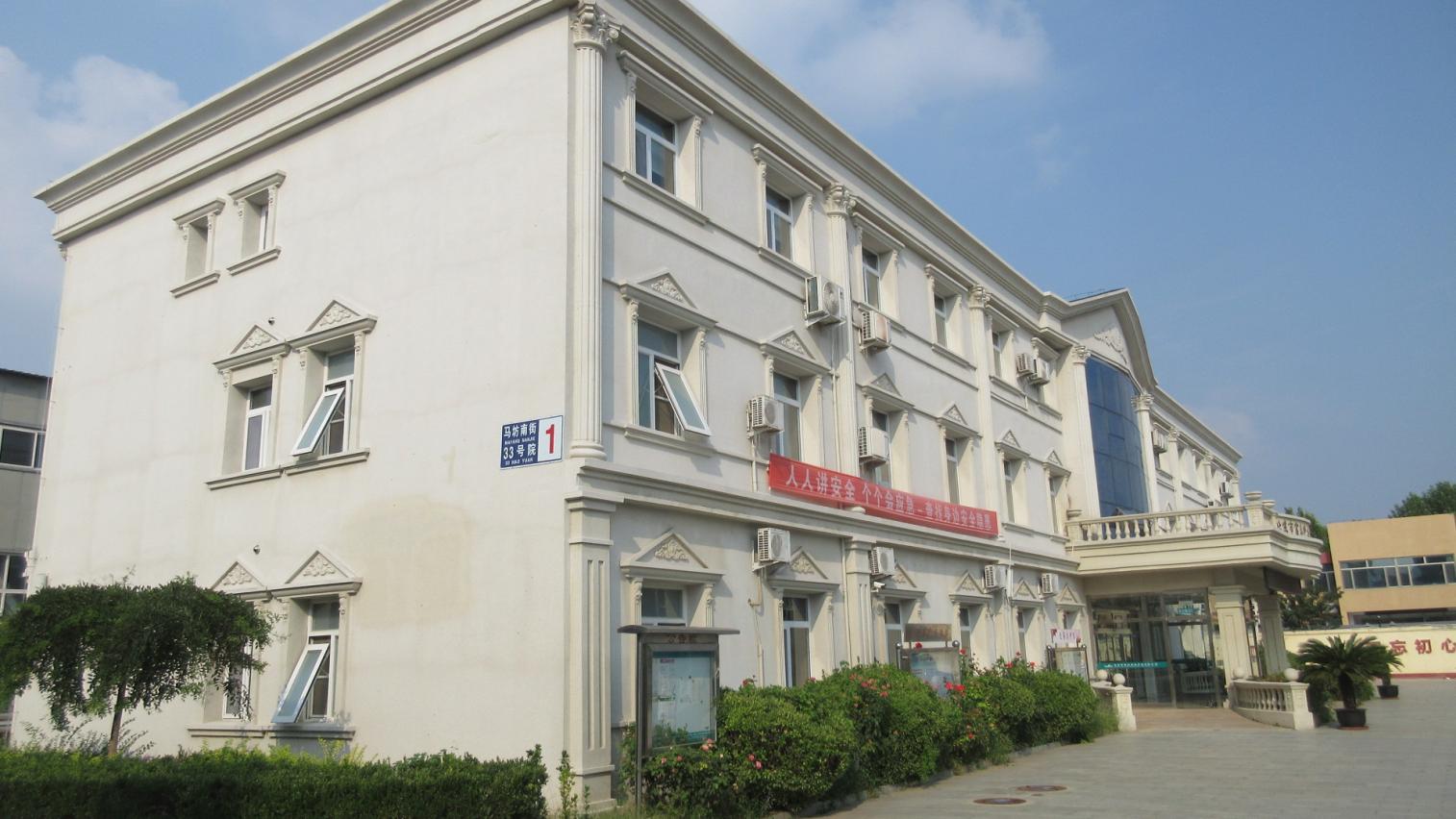
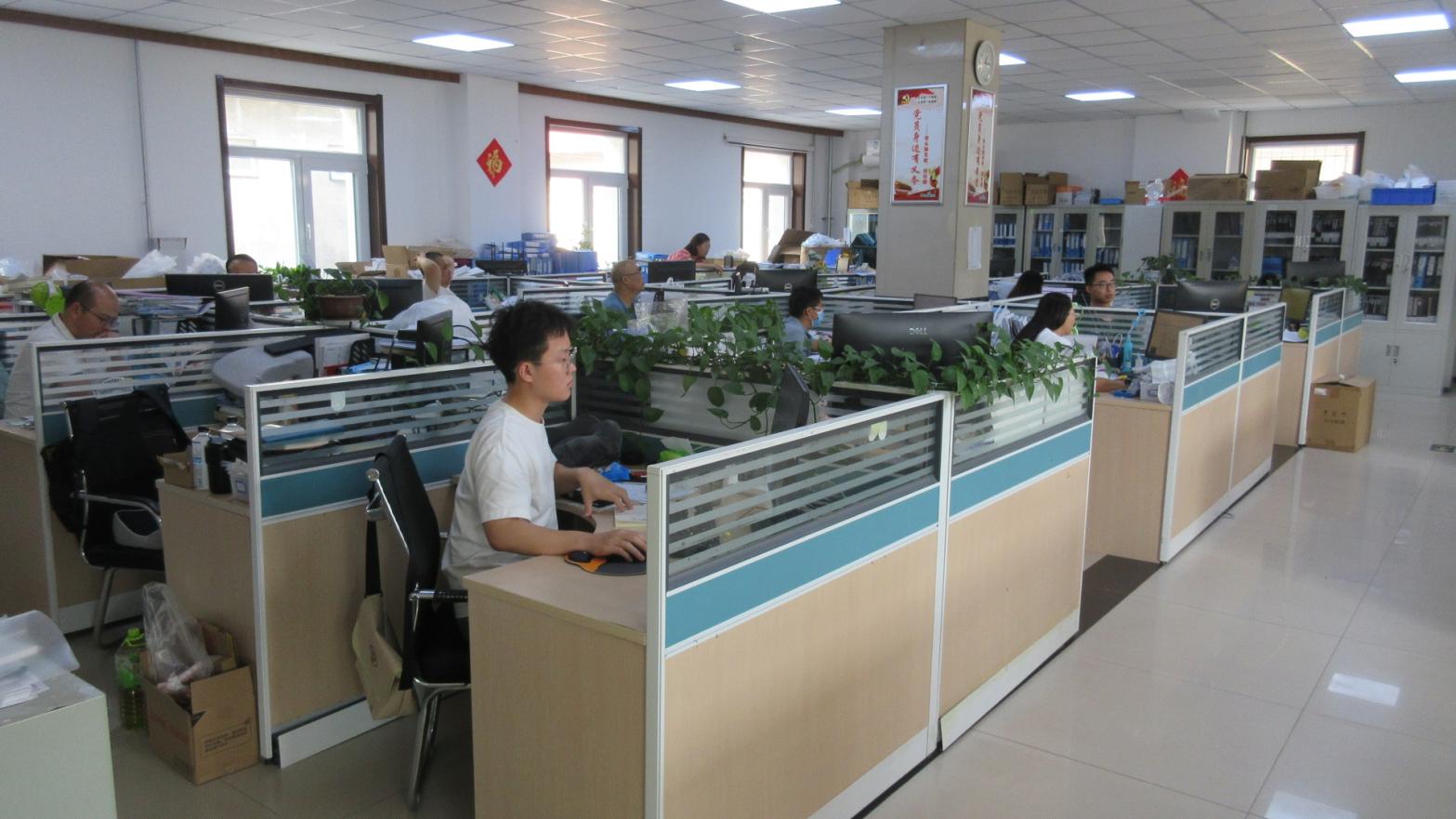
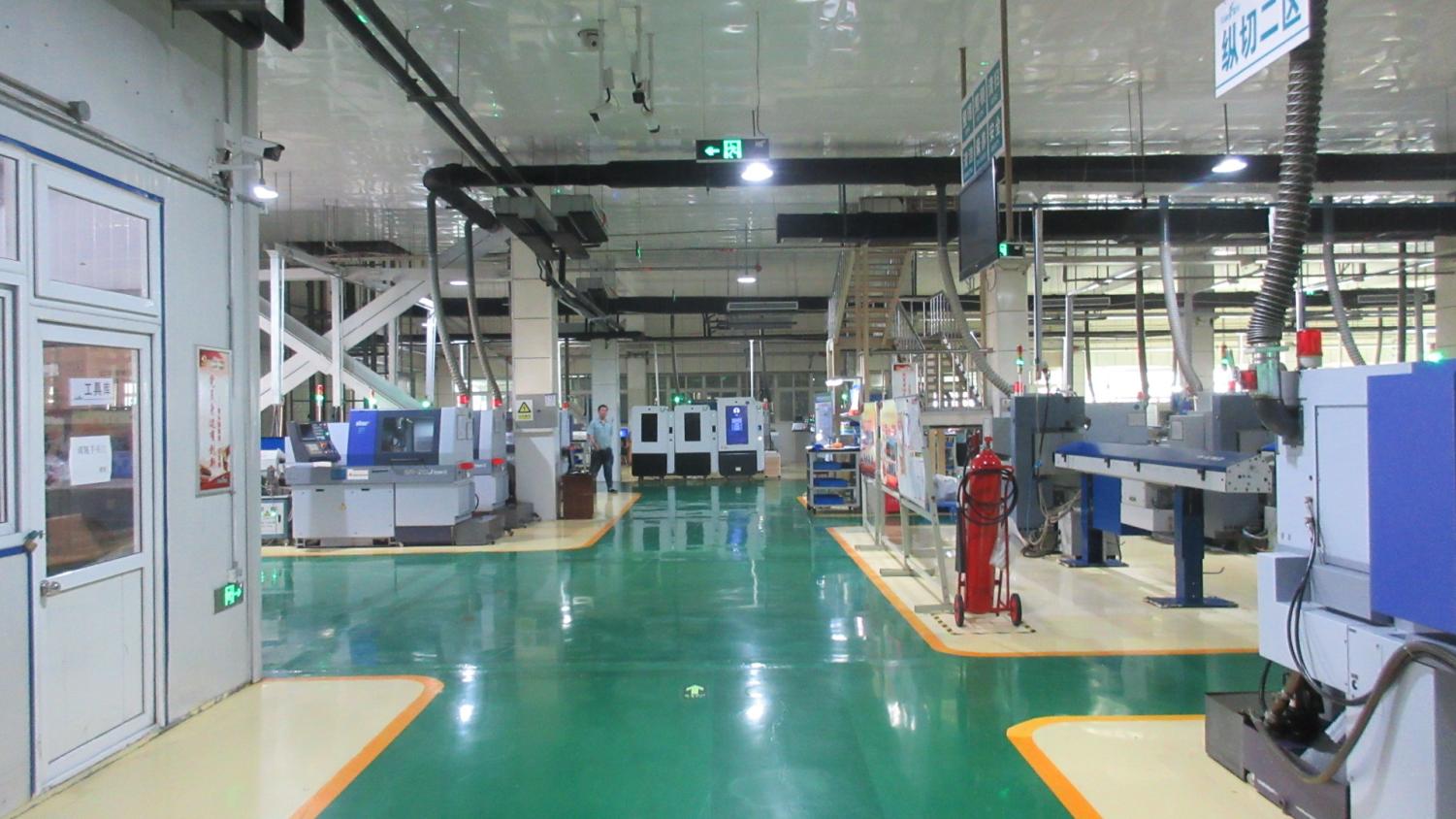
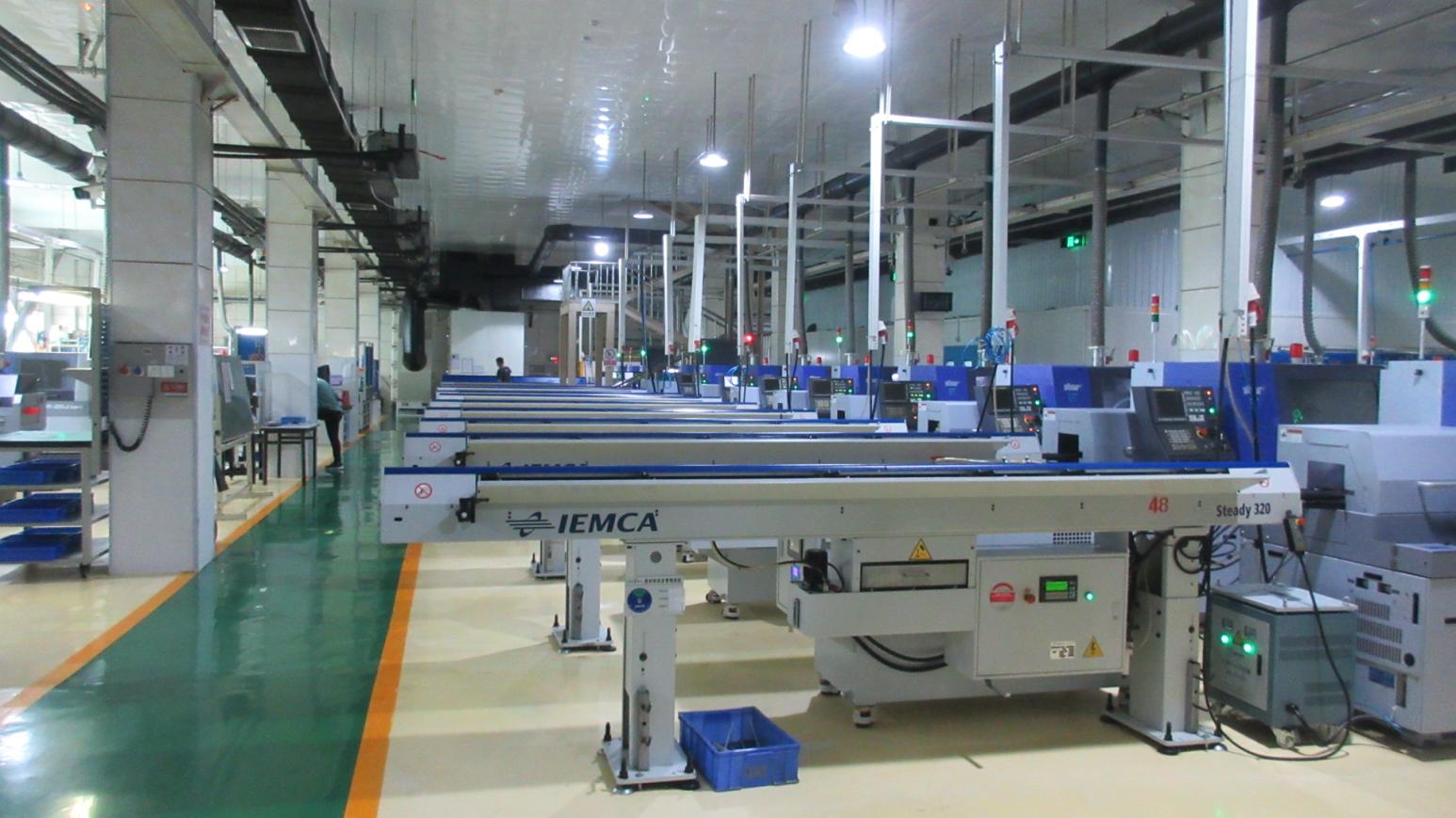
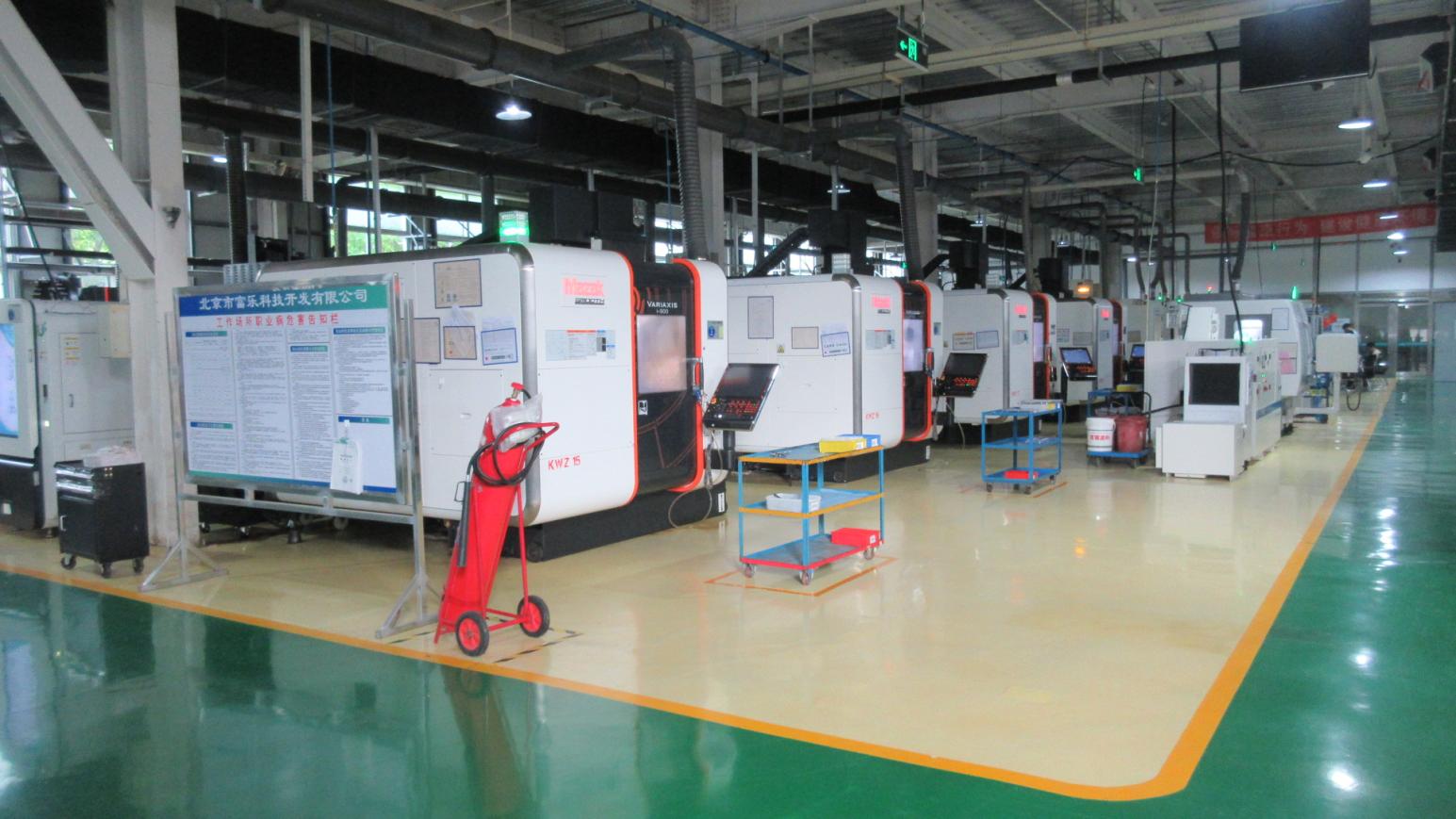
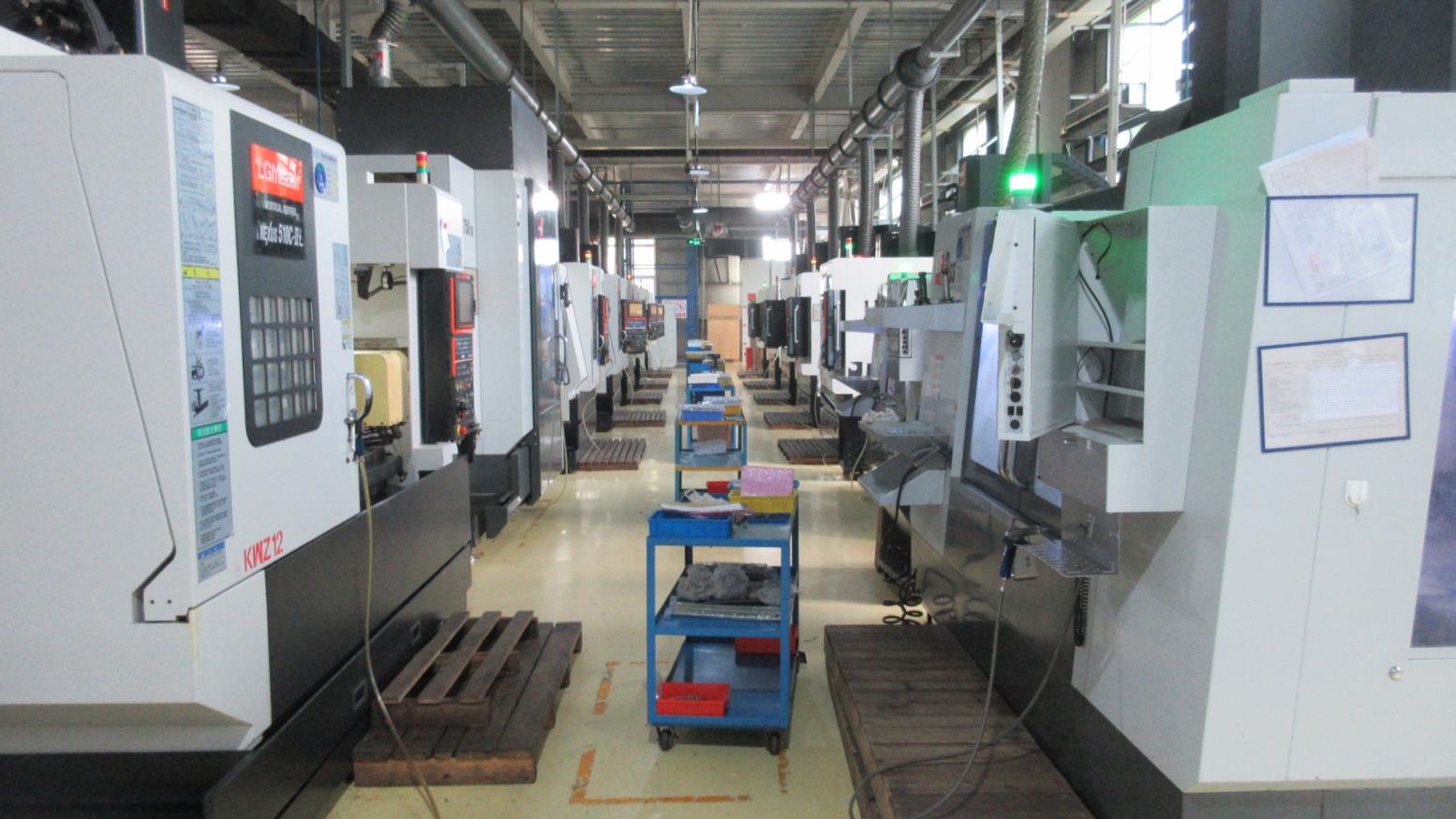
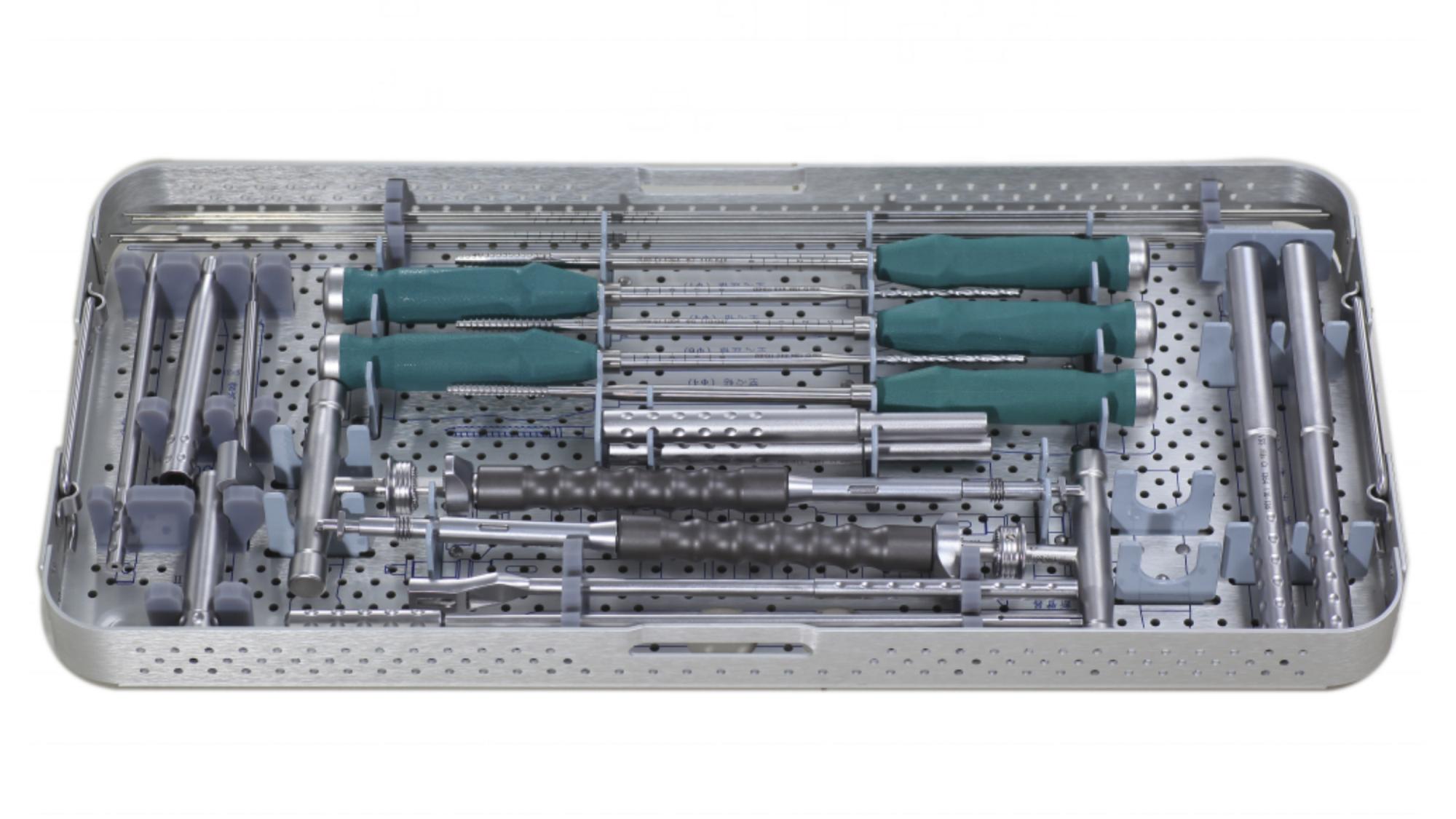
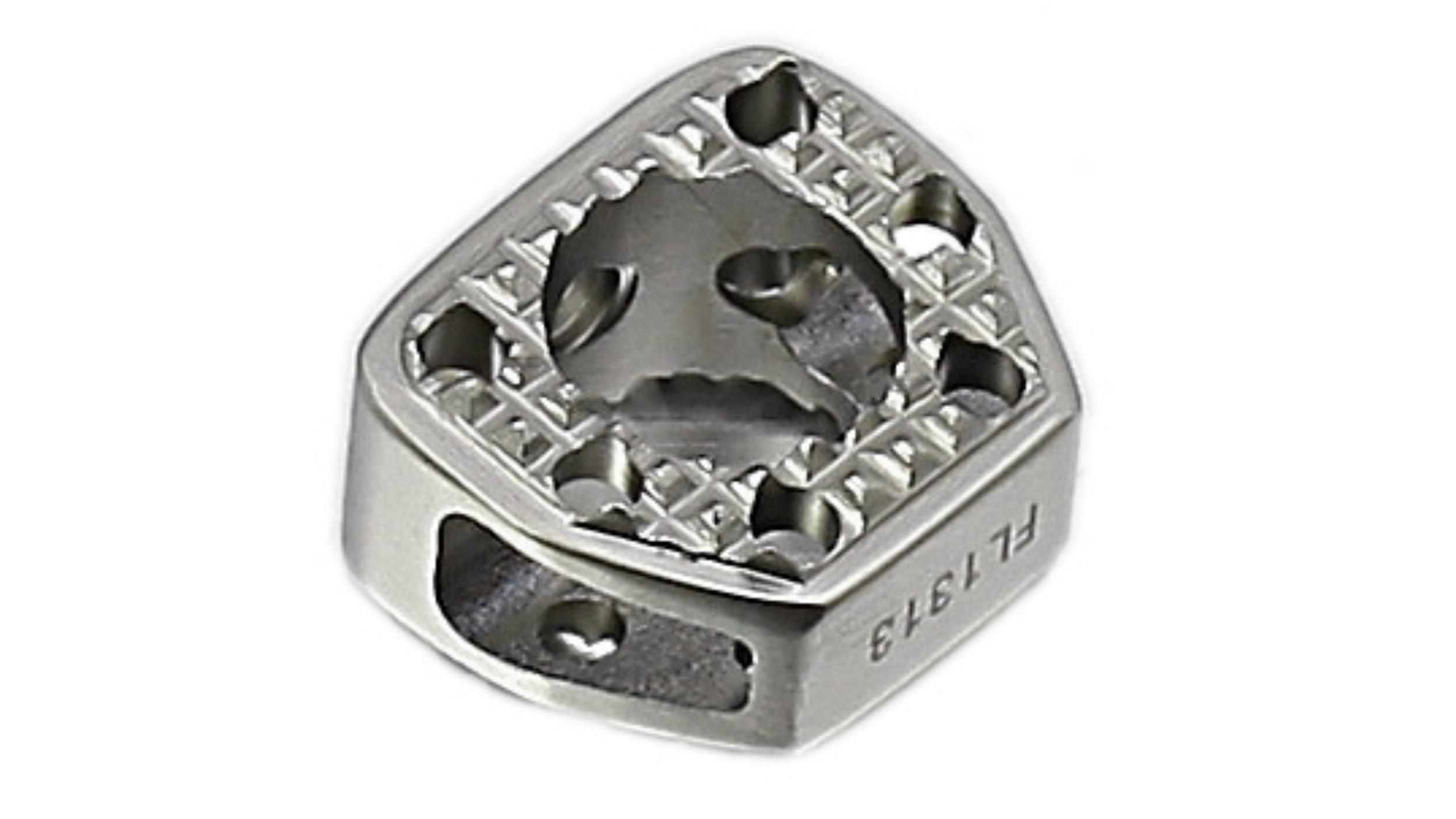
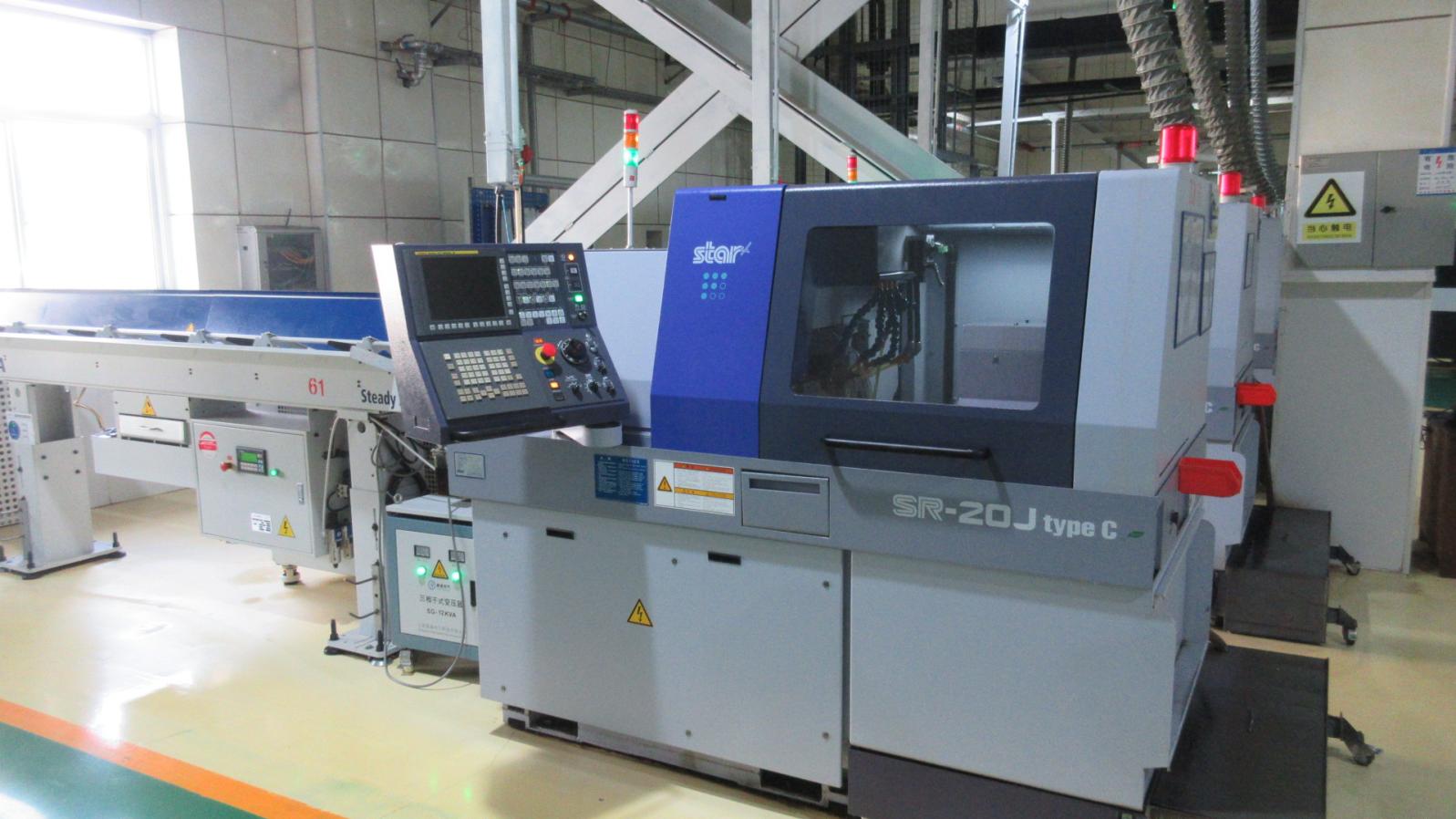
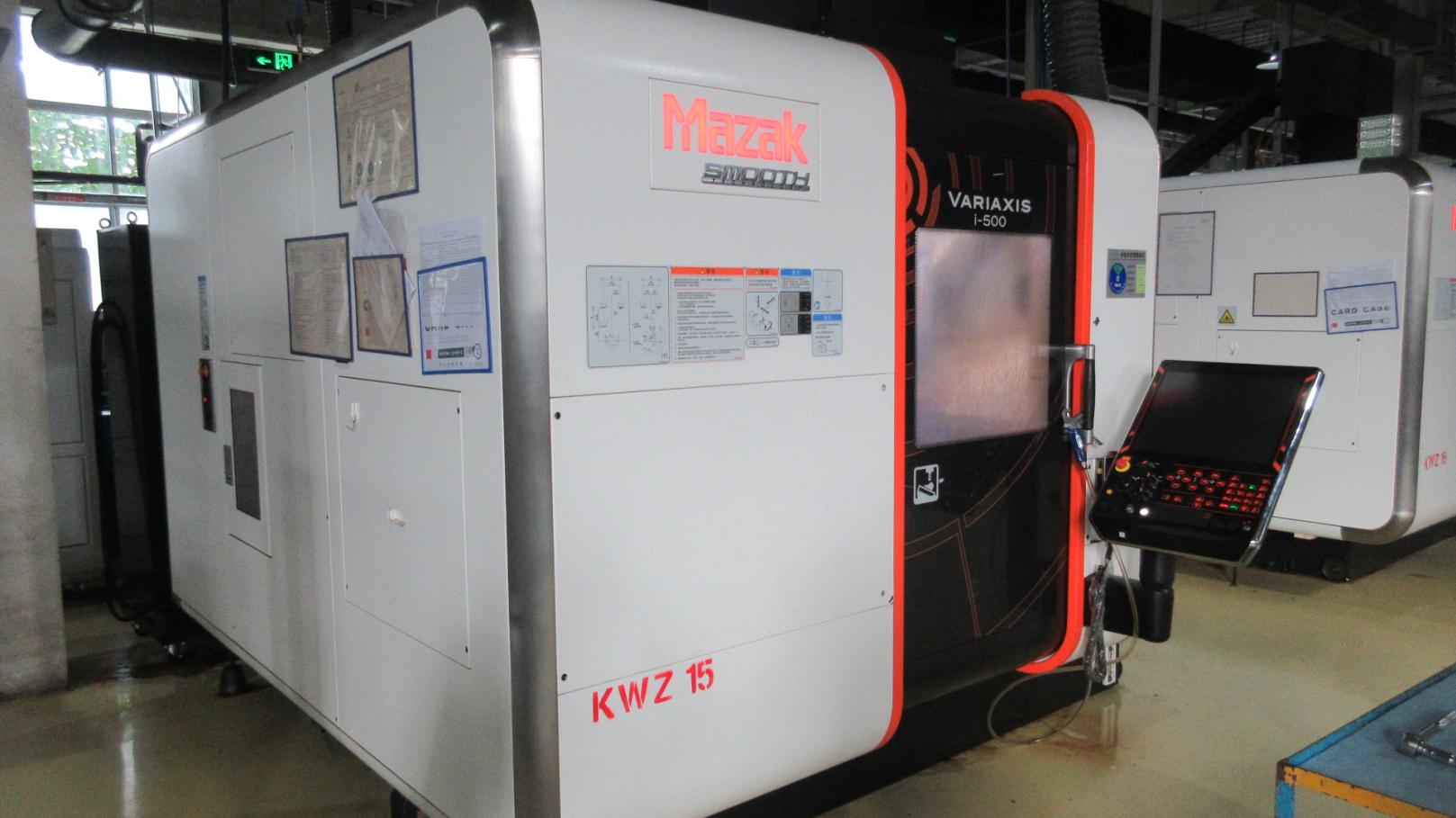
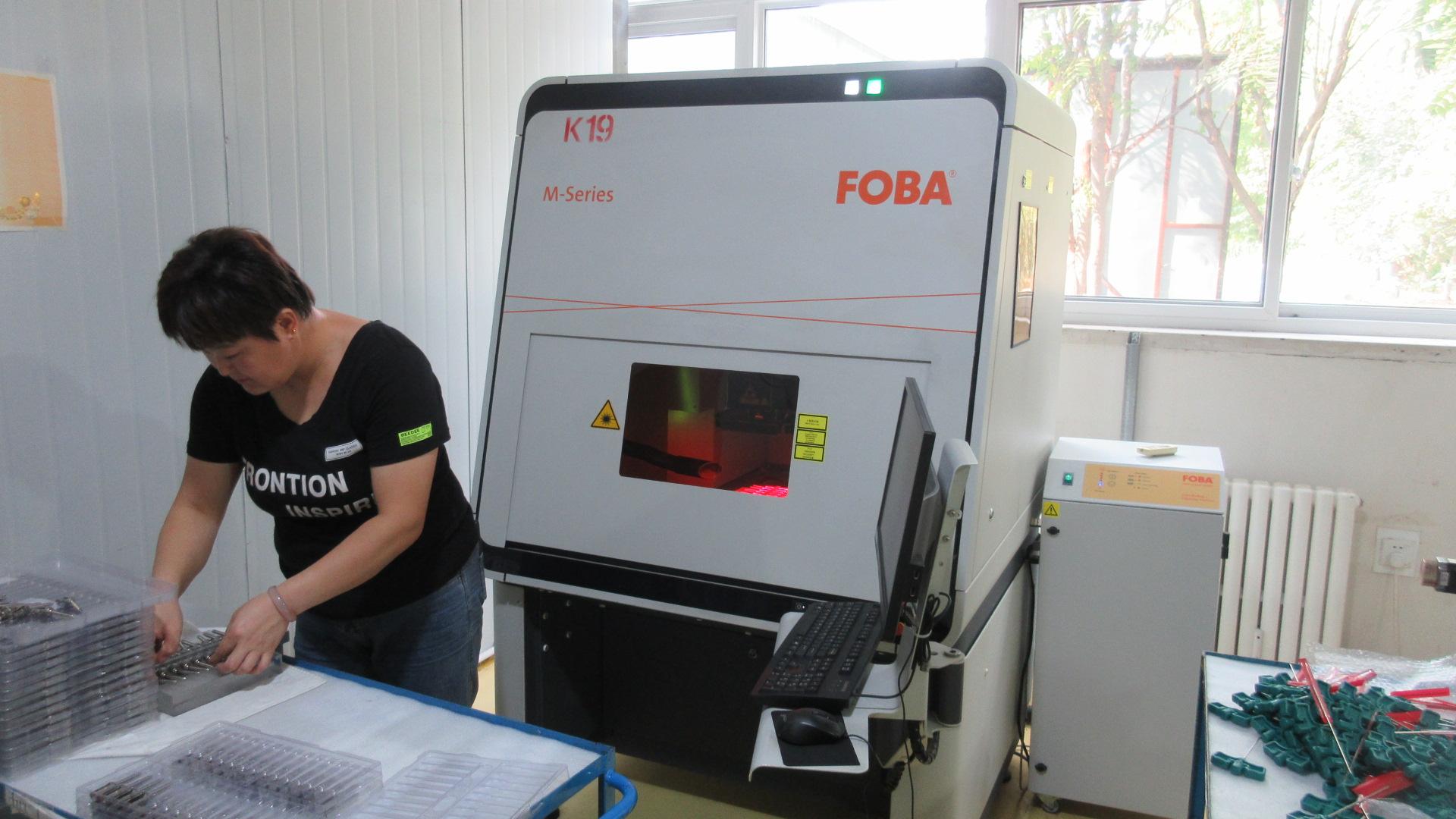
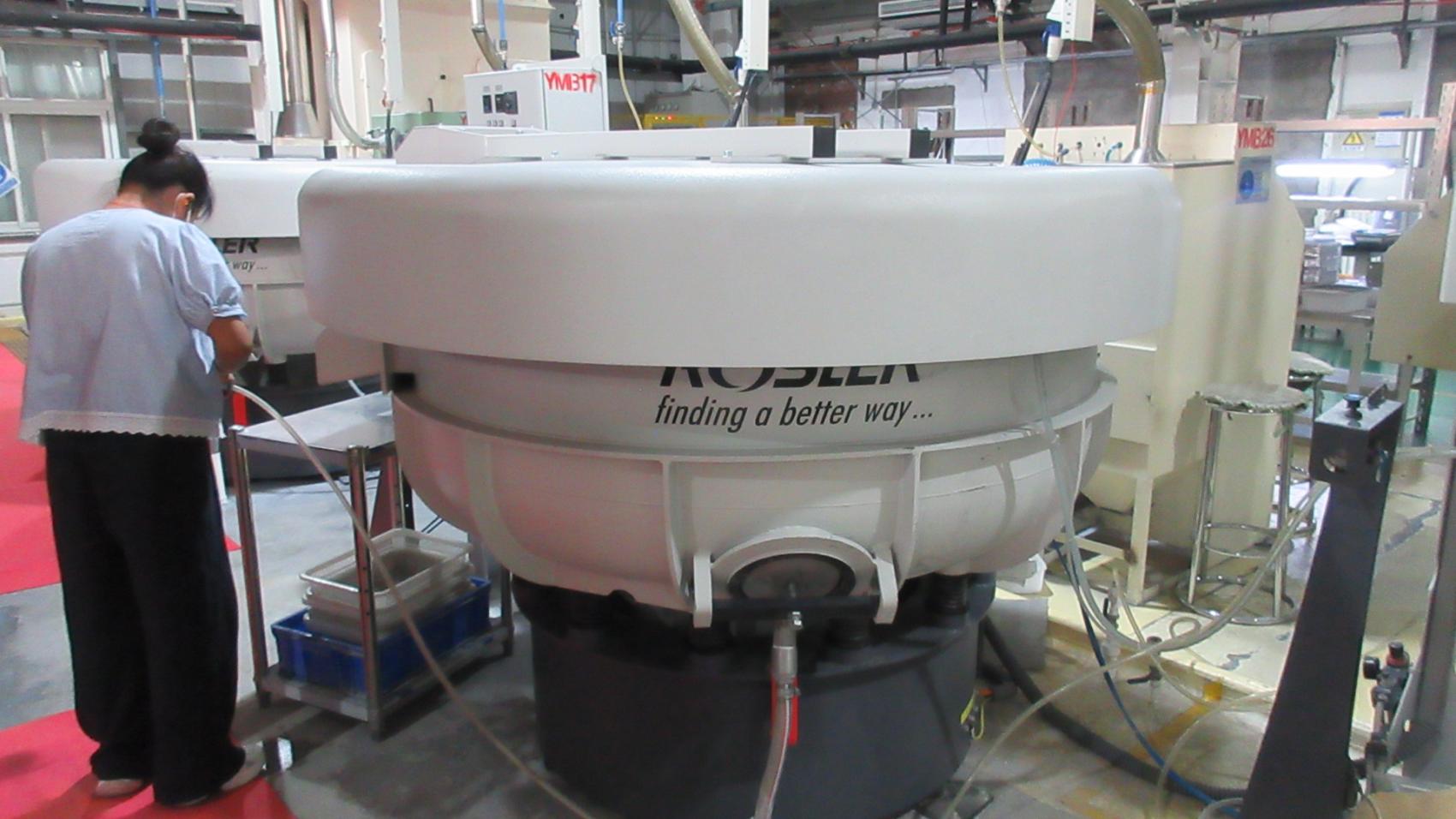
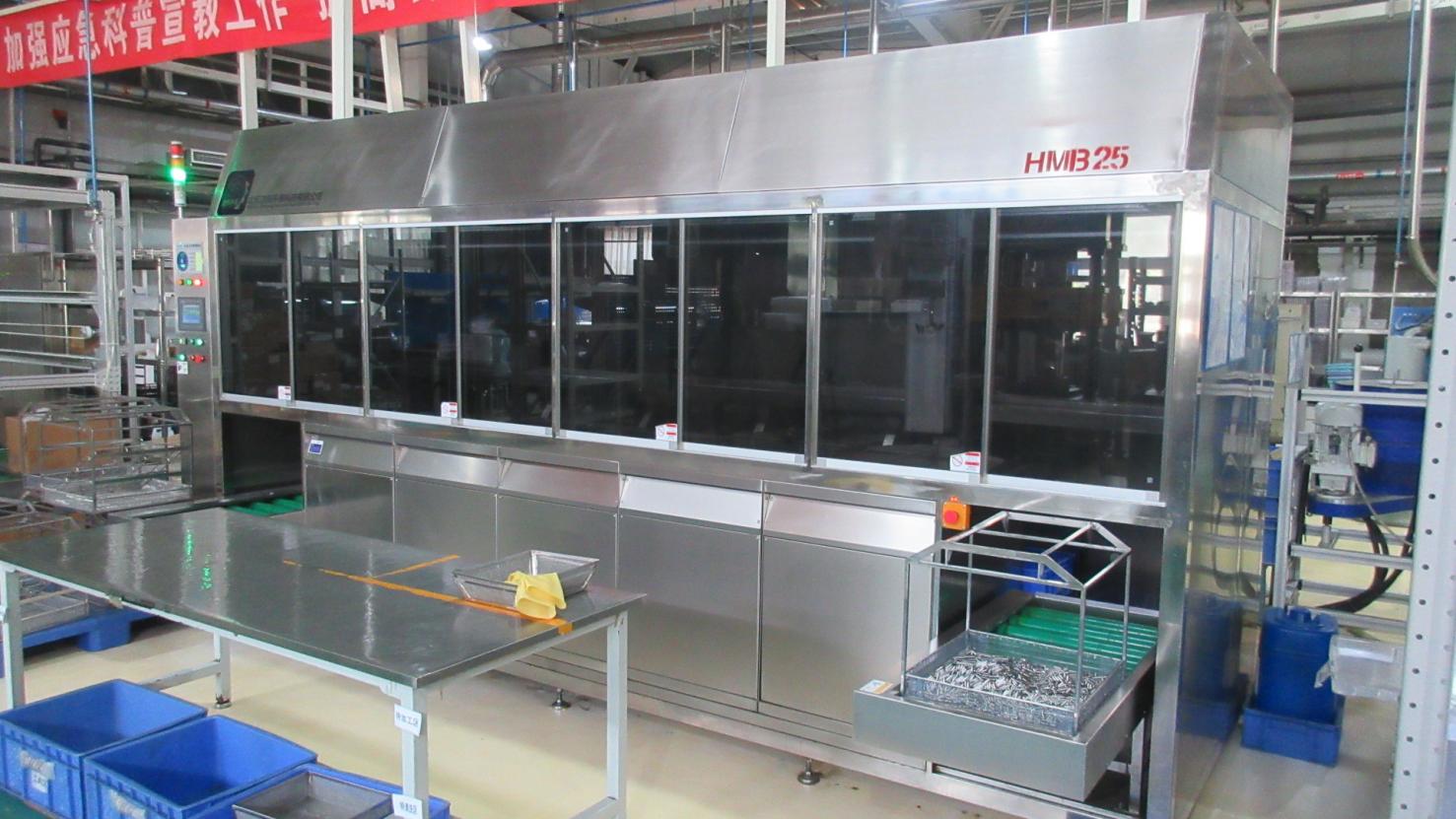
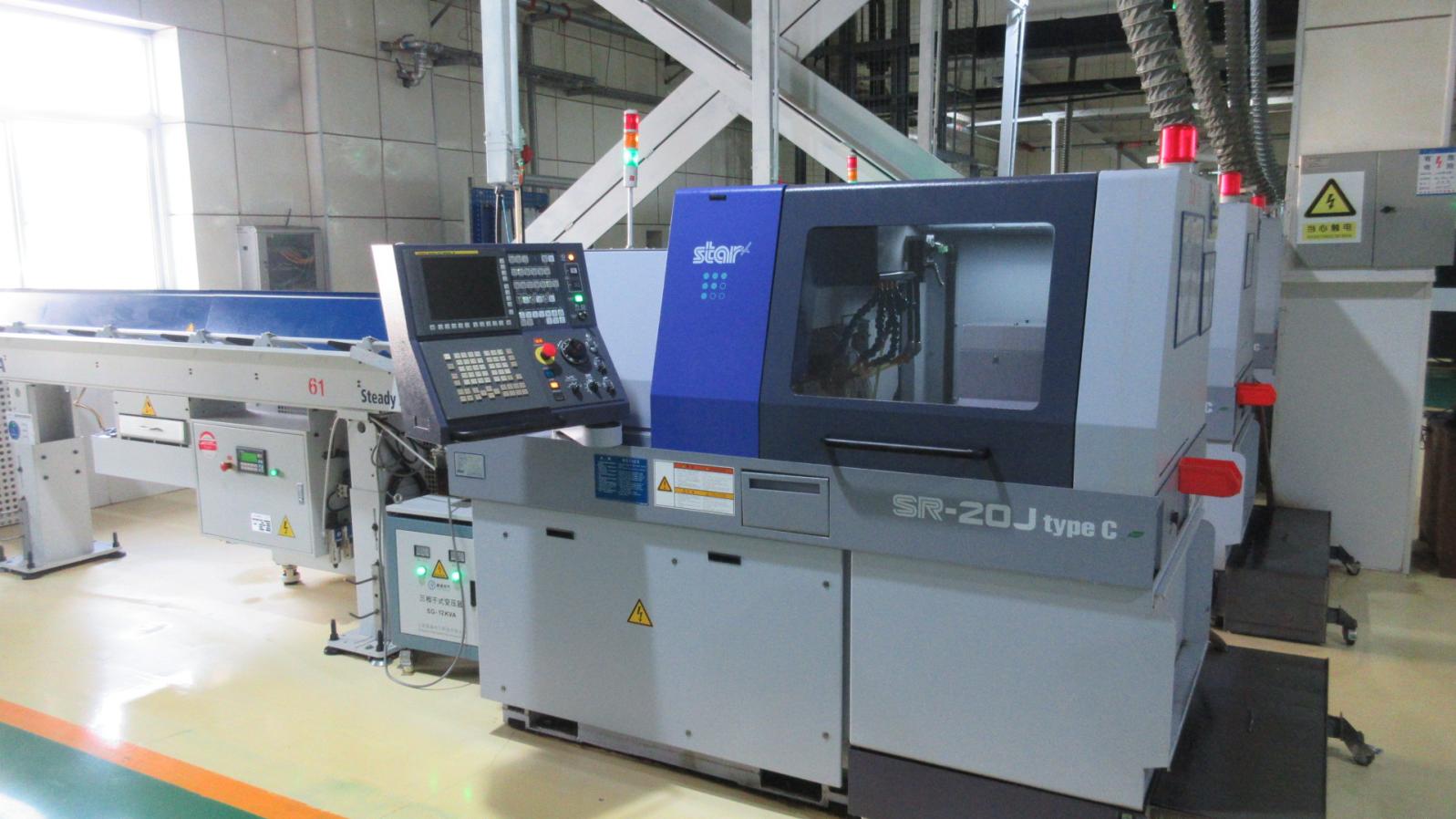
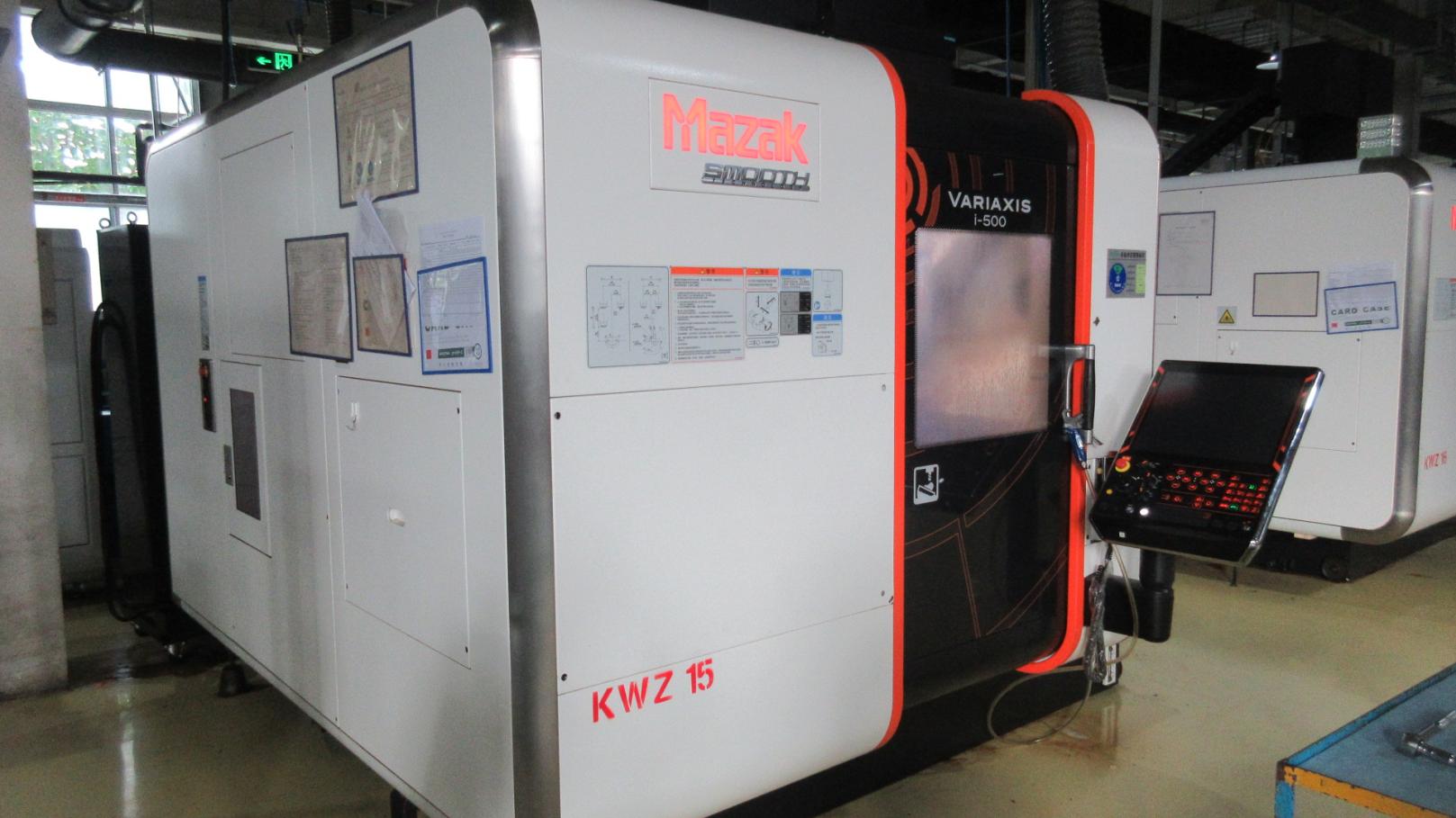
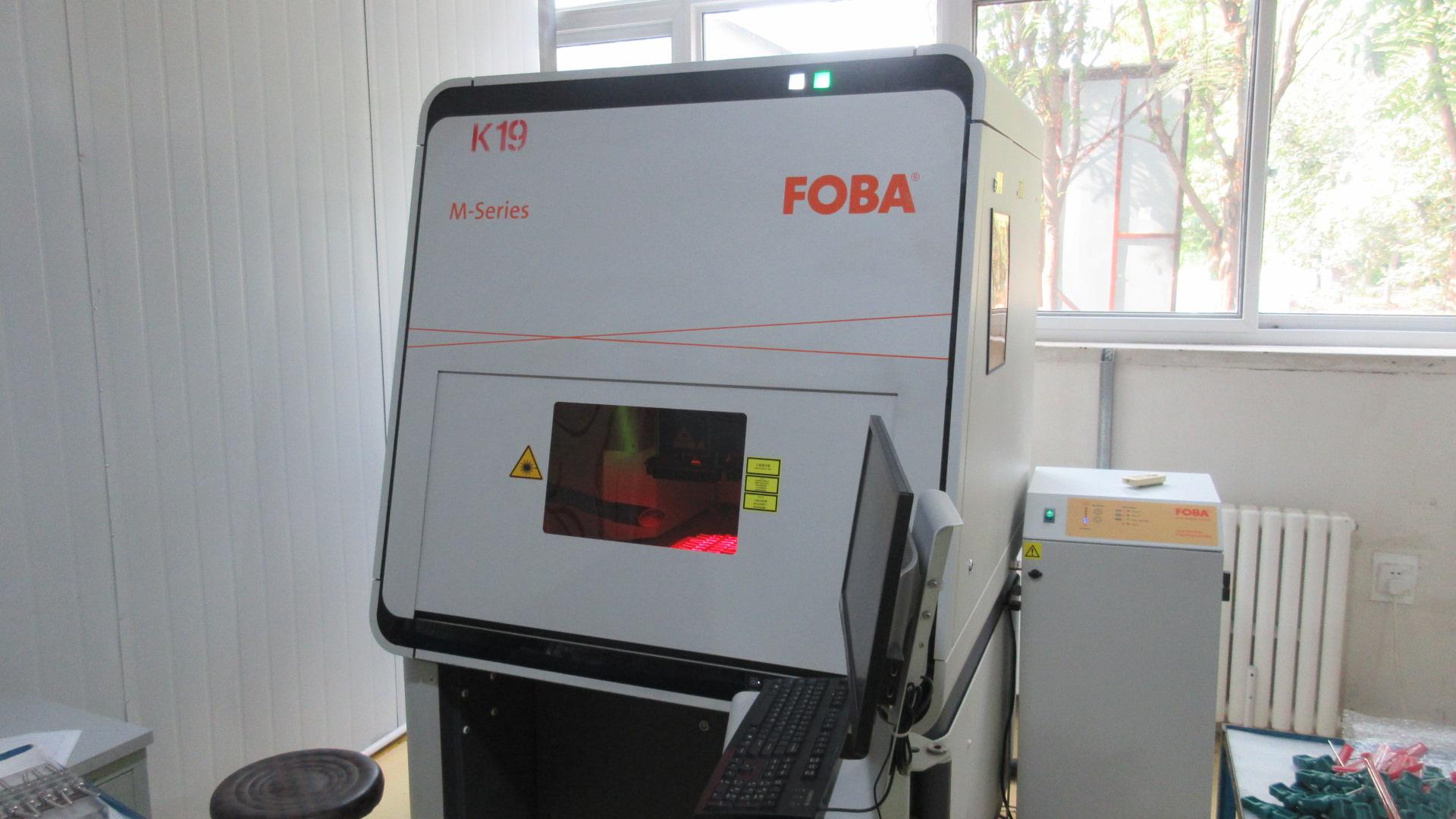
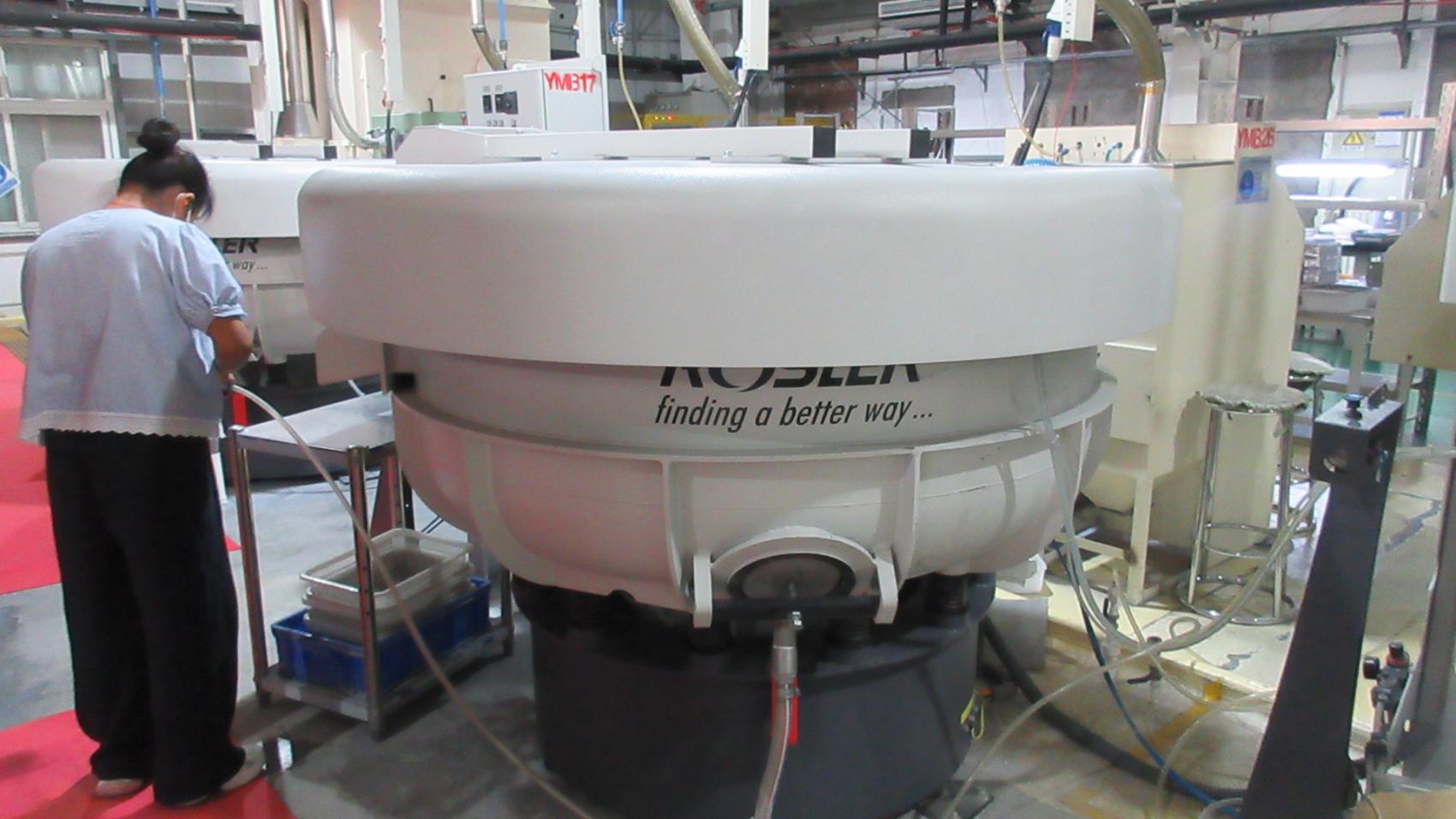
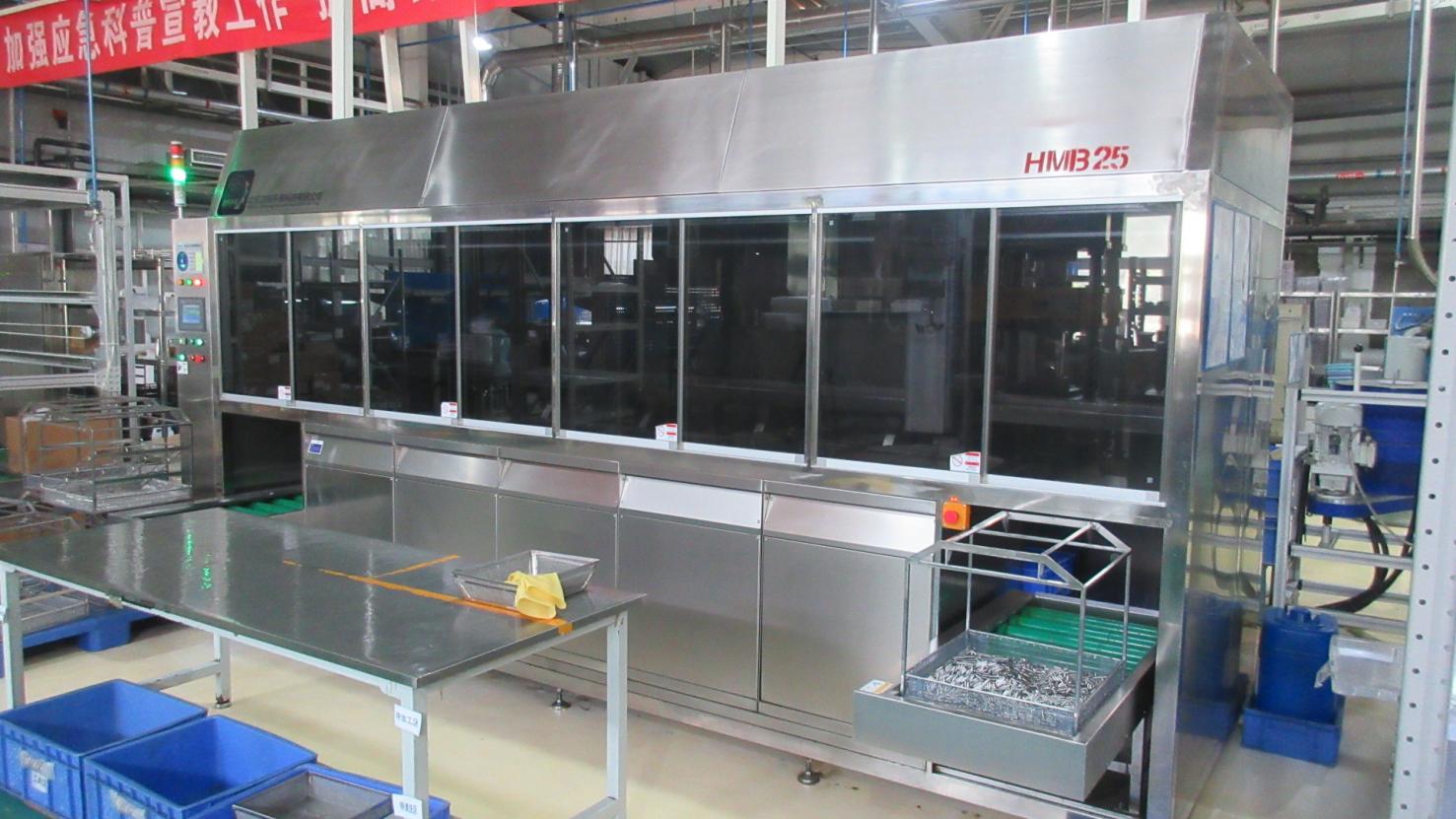
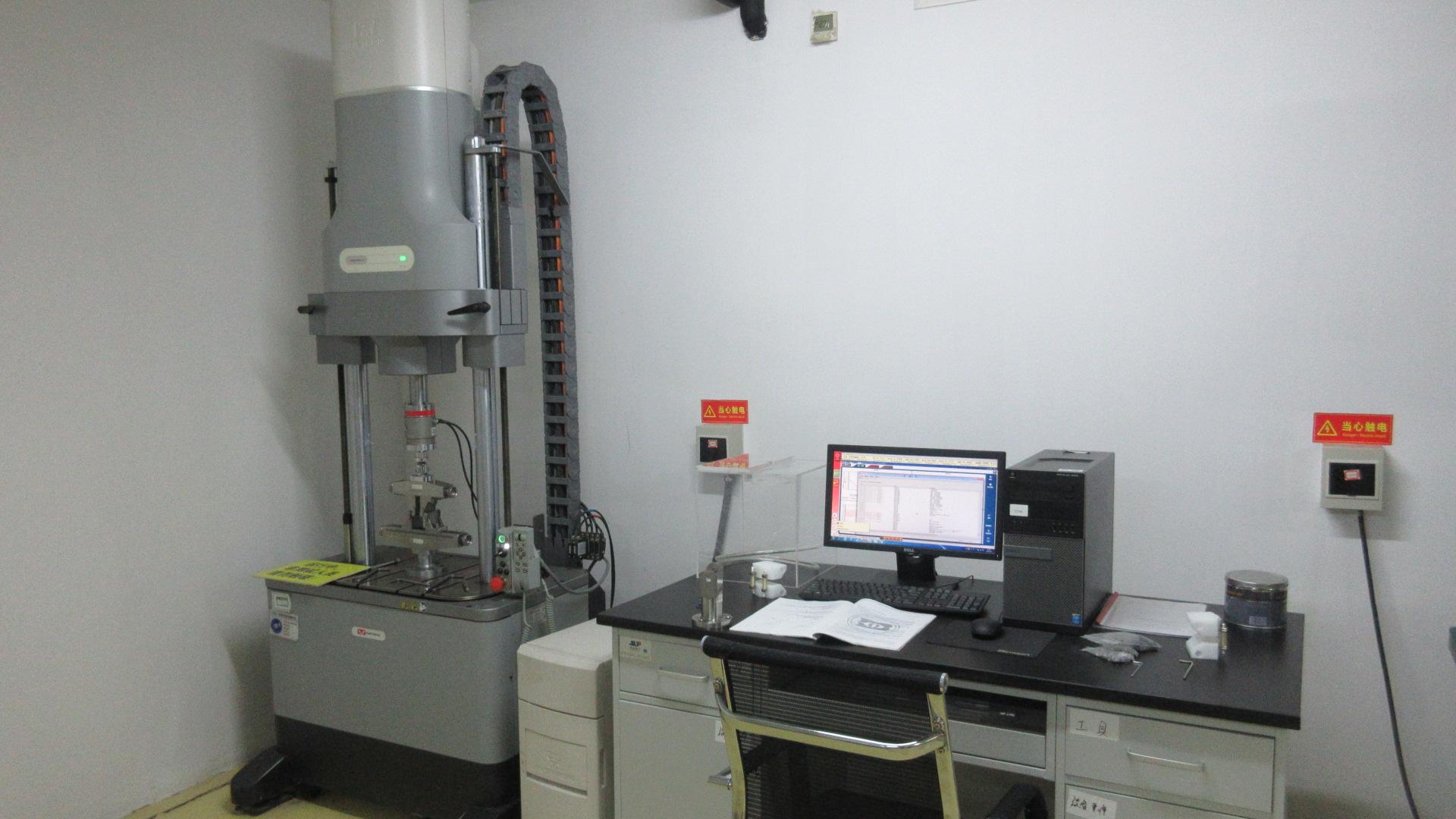
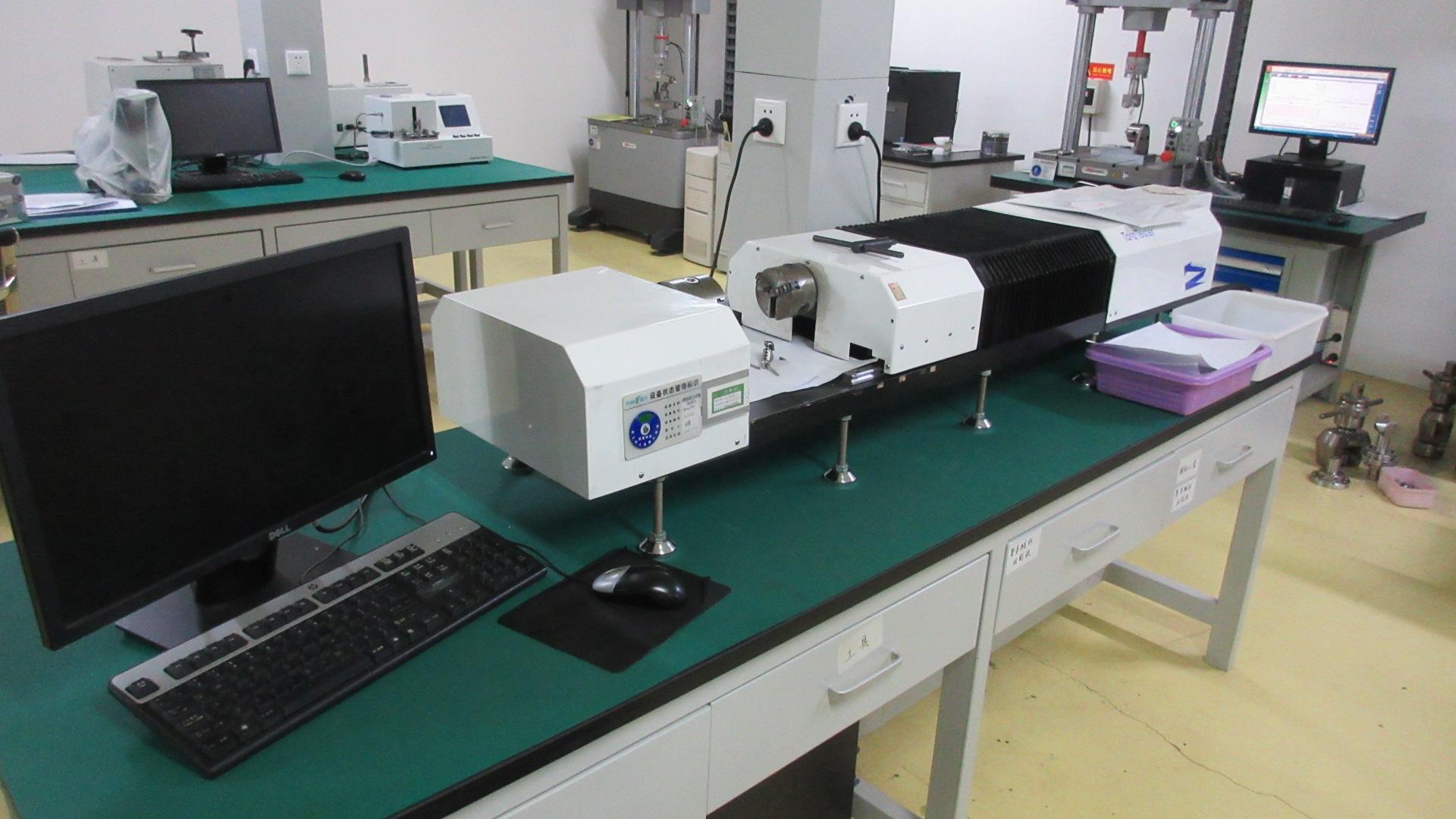
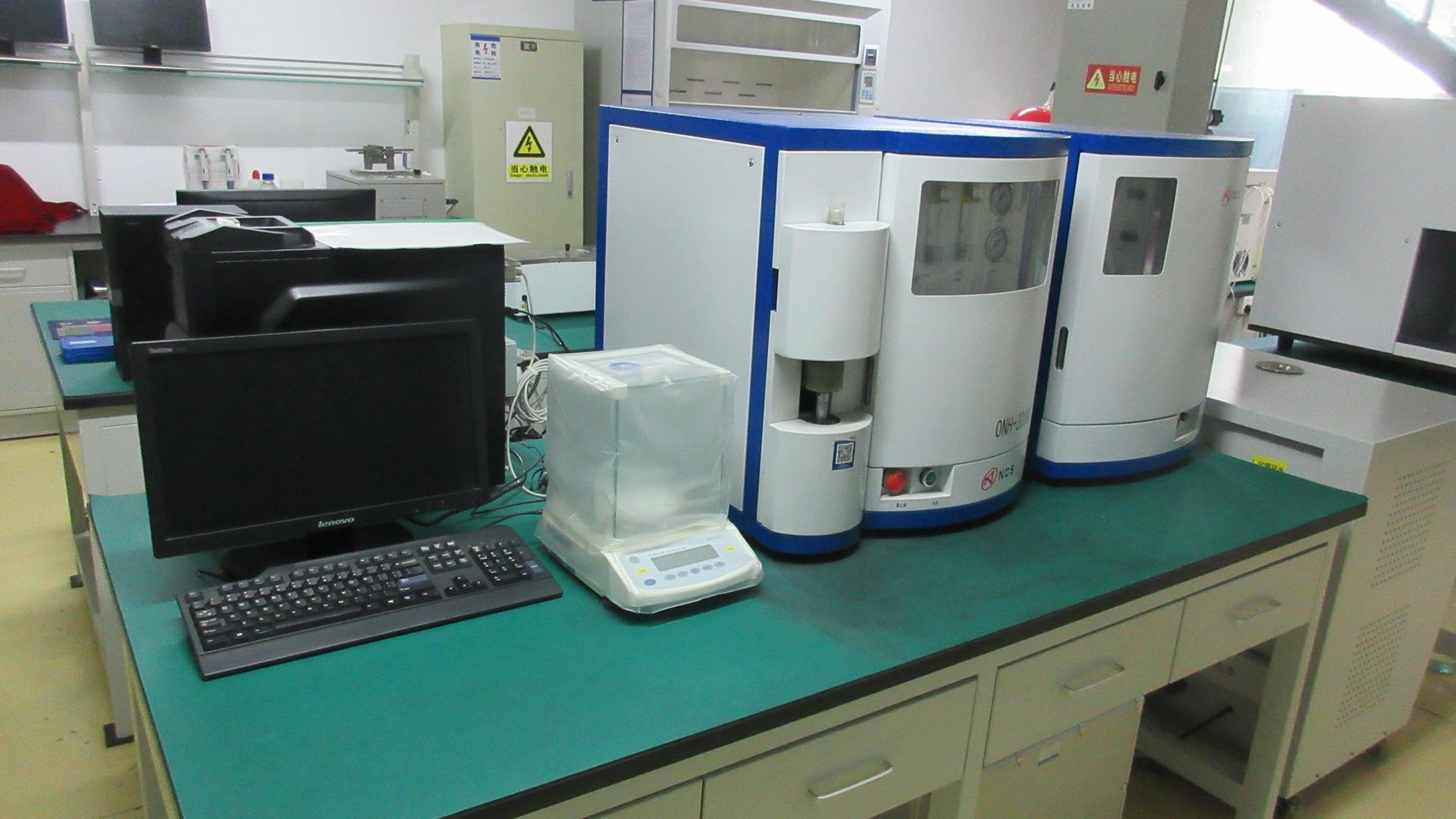
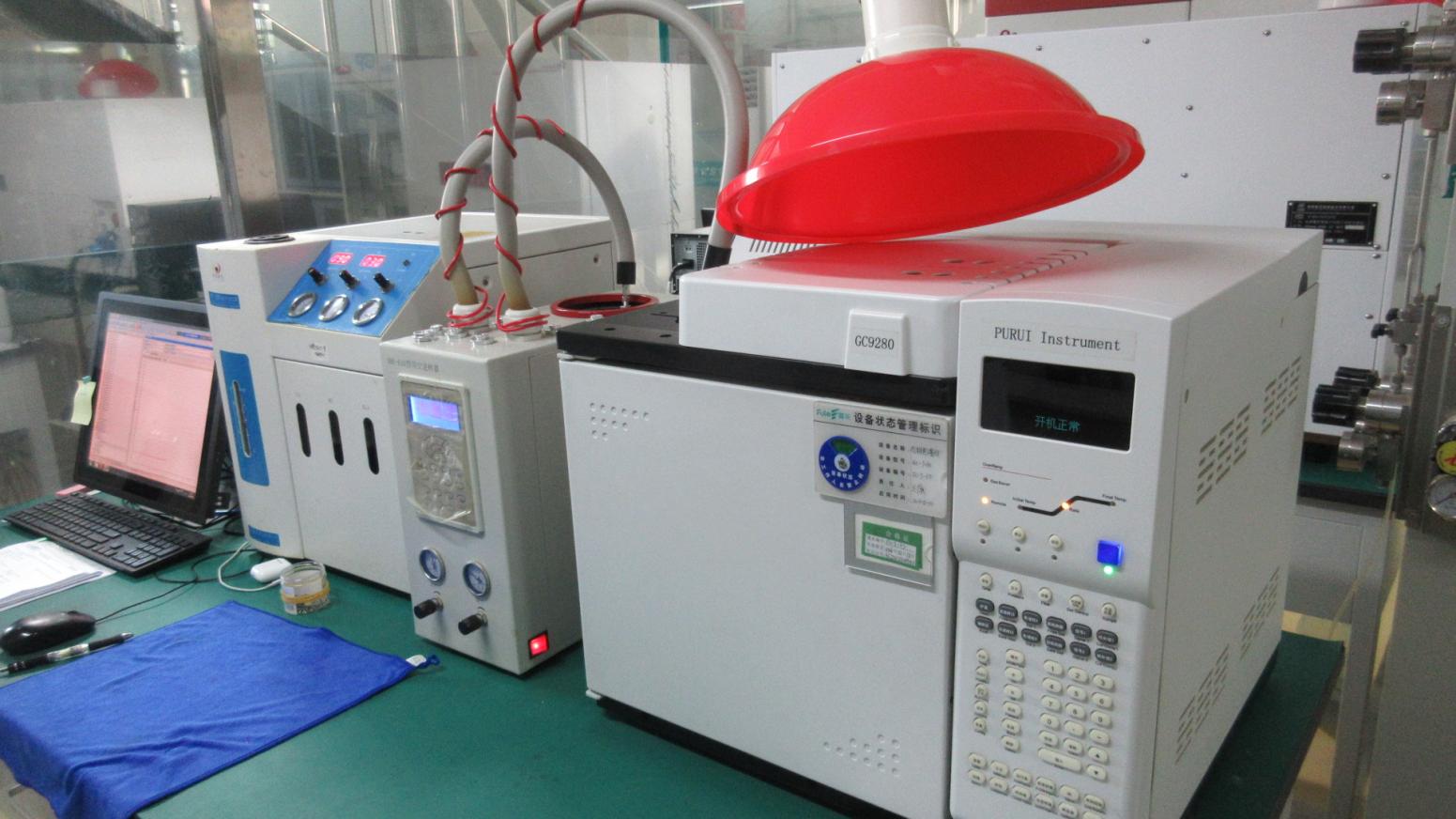
Export-ready orthopedic medical devices certified for international surgery centers, including spinal cages, posterior systems, and anatomical plate systems.
The field of traumatology is transitioning from traditional orthopedic plating to smart biomechanical solutions. Fule Medical's research team focuses on development fields that directly impact healing timelines in demanding clinical environments:
Variable angle locking systems allow screws to be angled up to 15 degrees from the central axis of the screw hole. This helps surgeons avoid pre-existing implants, joint spaces, or poor-quality bone fragments, while maintaining mechanical locking. This flexibility is highly beneficial for treating complex articular fractures in regions with limited bone grafting options.
Our titanium plates undergo Type II anodic oxidation. This treatment thickens the titanium oxide layer, reducing wear debris, lowering cold-welding risks between the screw and plate, and creating a surface that limits bacterial colonization.
Recognizing the logistics challenge in transporting large implant cases to remote areas, Fule is designing modular, multi-use surgical kits. These kits integrate core plate profiles and locking screws in a single, compact tray, simplifying sterile processing and reducing storage demands in local clinics.
Key logistics, regulatory, and mechanical answers for distributors, medical purchase directors, and hospital administrators in Central Africa.
Connect directly with Fule Medical’s international sales engineers to receive product catalogs, technical drawings, certification records, and FOB/CIF price quotes.
Send Inquiry Now Fule
Fule