Premium-grade bio-compatible implants certified for advanced skeletal stabilizing and rapid trauma intervention.
Analyzing geographical constraints, medical access barriers, and the critical need for rugged external skeletal fixation systems.
Nepal's unique topography, dominated by the Himalayas and winding hilly highways (such as the Prithvi Highway and BP Koirala Highway), gives rise to unique healthcare challenges. Road traffic accidents (RTAs) and falls from steep slopes account for an overwhelming majority of orthopedic emergencies. Severe open fractures, polytrauma, and segmental long bone disruptions require immediate, temporary, or definitive structural stabilization.
In municipal hubs like Kathmandu, Pokhara, Lalitpur, and Biratnagar, tertiary referral centers such as the Tribhuvan University Teaching Hospital (TUTH), Bir Hospital, and B&B Hospital manage high patient volumes daily. However, outside the capital valley, regional district clinics operate under constrained diagnostic resources. External fixator devices serve as the first line of defense, preventing limb loss and stabilizing patients before transfers.
For decades, traditional stainless steel external fixators were the standard in South Asian medical environments. Today, Nepalese orthopedic surgeons are transitioning rapidly to titanium alloy constructs. Titanium offers superior biocompatibility, a lower risk of pin tract infection, and compatibility with MRI scanning protocols—a vital necessity for assessing soft tissue damage in polytrauma.
Moreover, local medical suppliers face strict requirements under the Department of Drug Administration (DDA) of Nepal. Medical devices must hold verifiable CE and ISO 13485 registrations to ensure patient safety. Substandard imports fail clinical standards and put patients at risk of chronic osteomyelitis and non-union fractures.
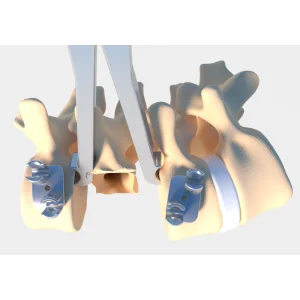
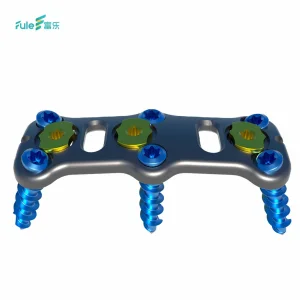
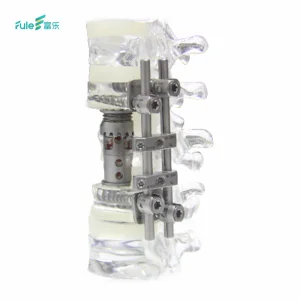
Engineered to deliver high mechanical stability for complex spinal fractures and bone trauma reconstruction.
Harnessing advanced automation, rigorous cleanroom controls, and global quality systems to support healthcare partners in Nepal.
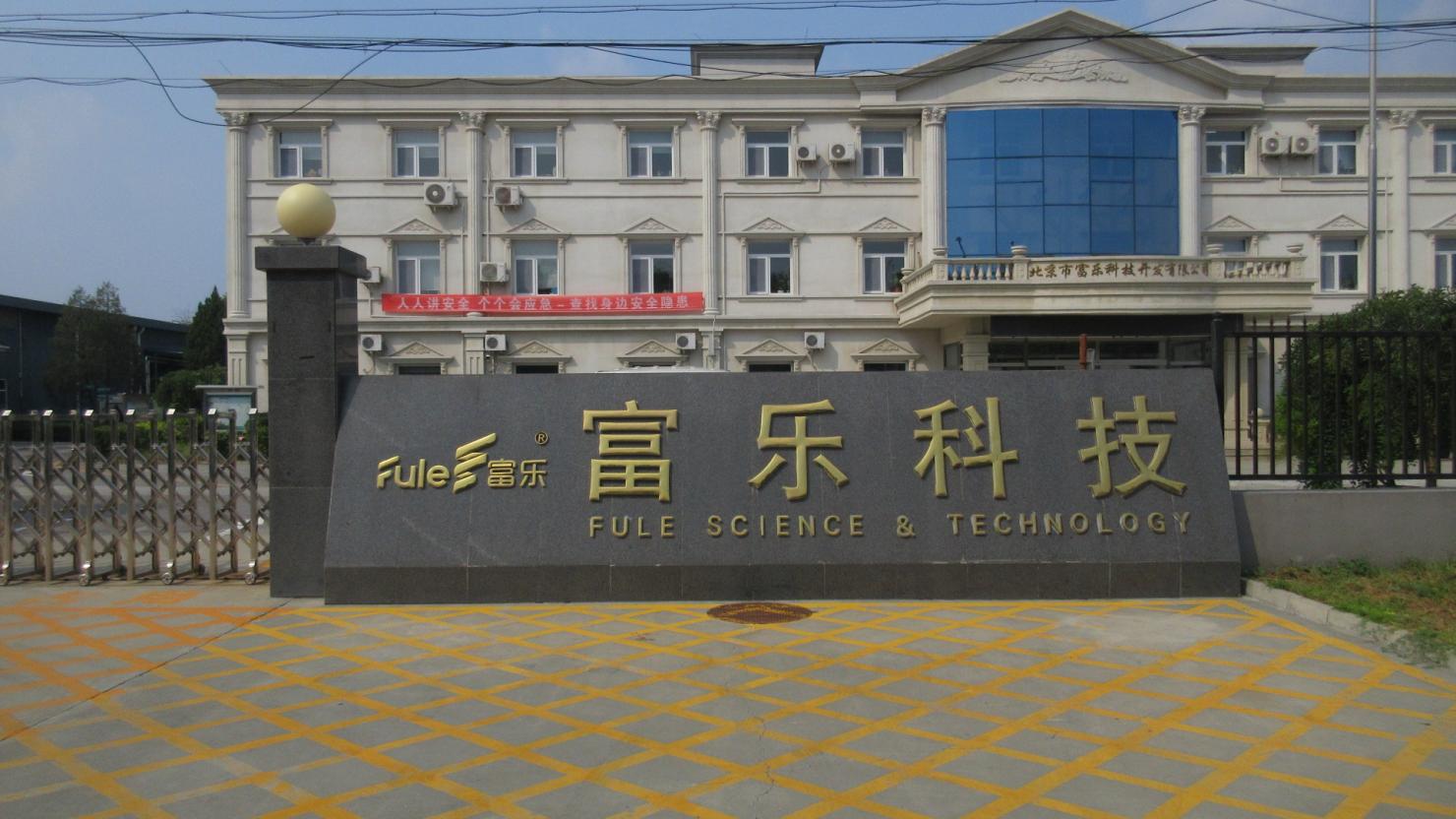
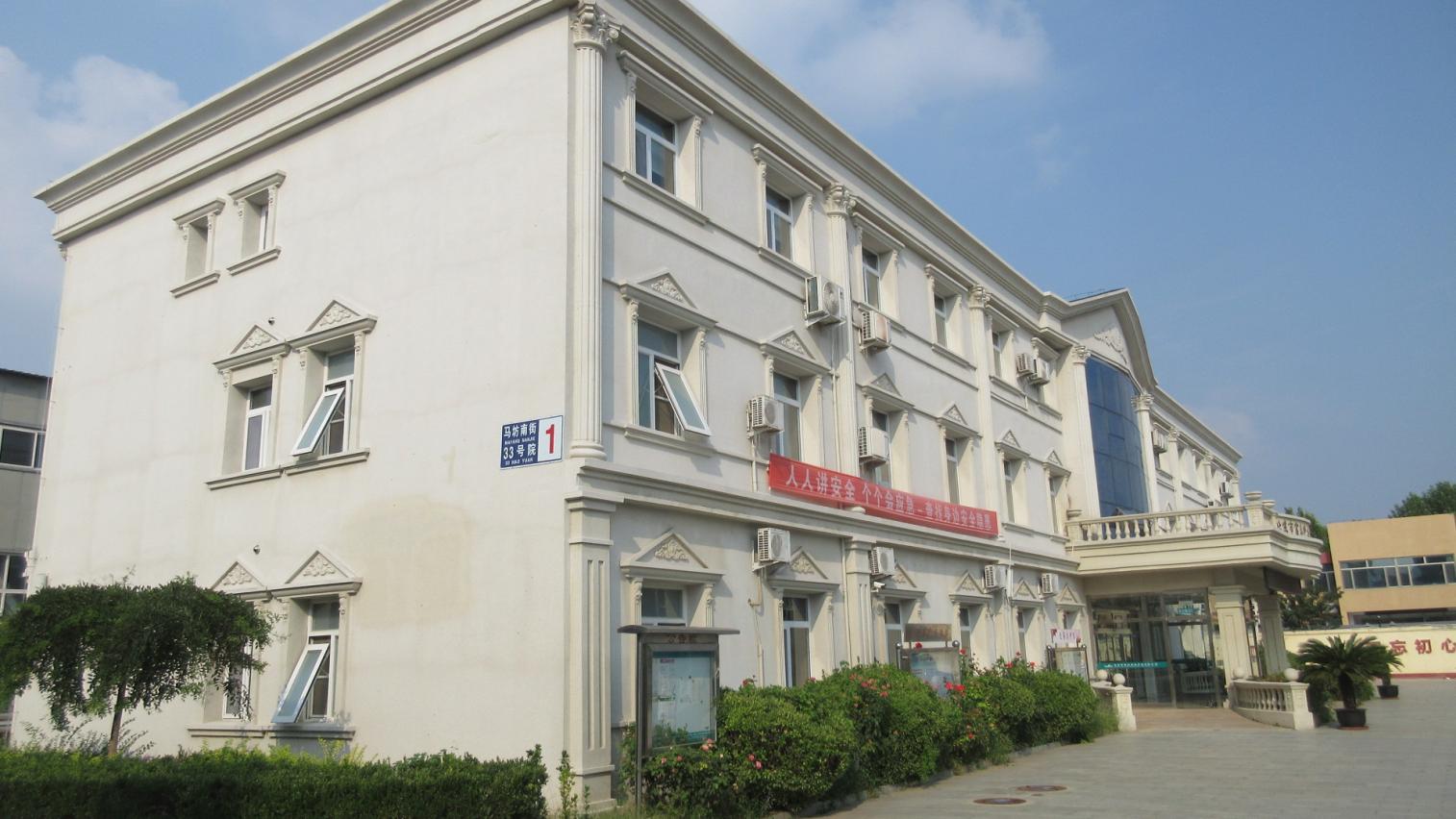
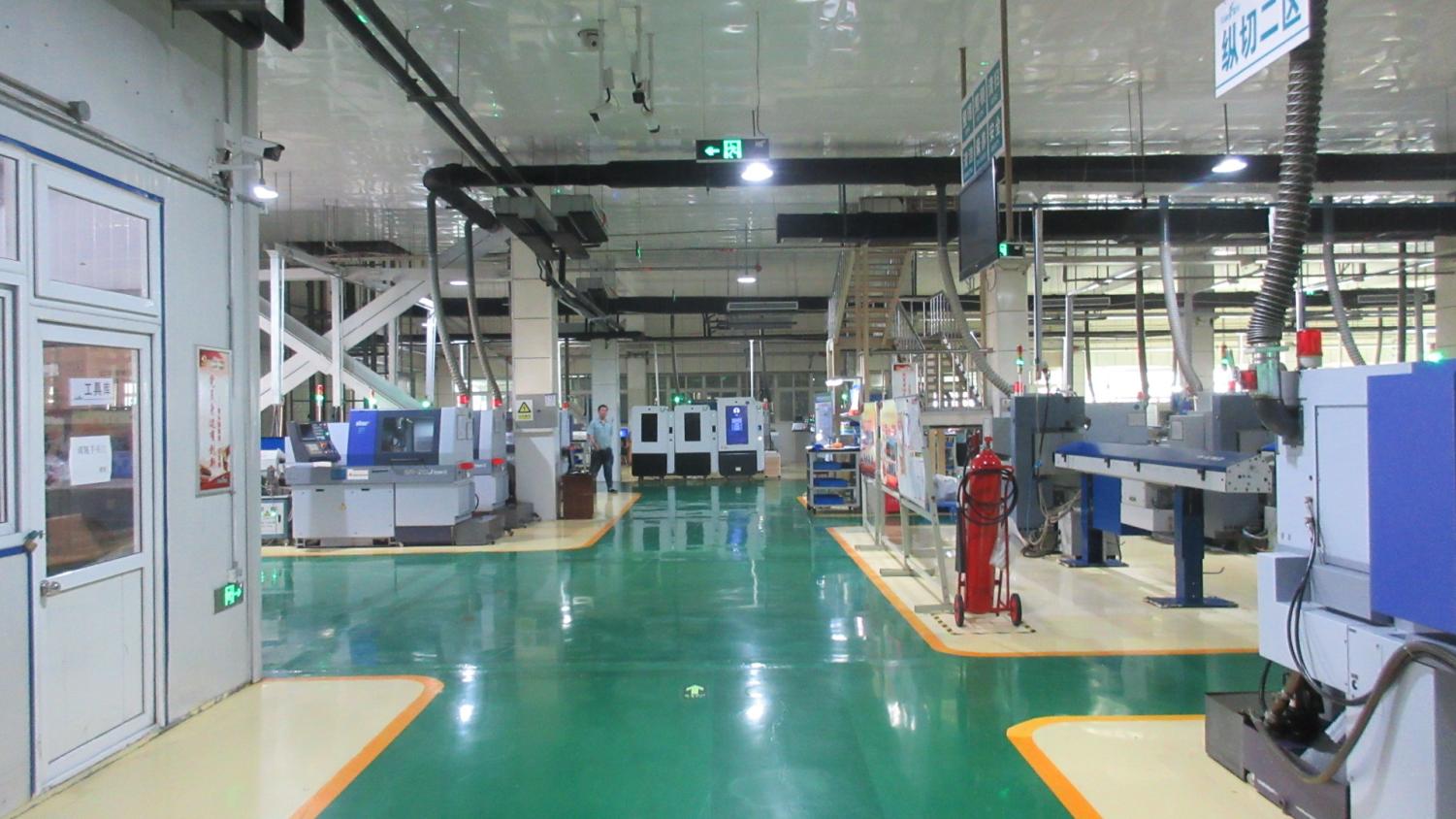
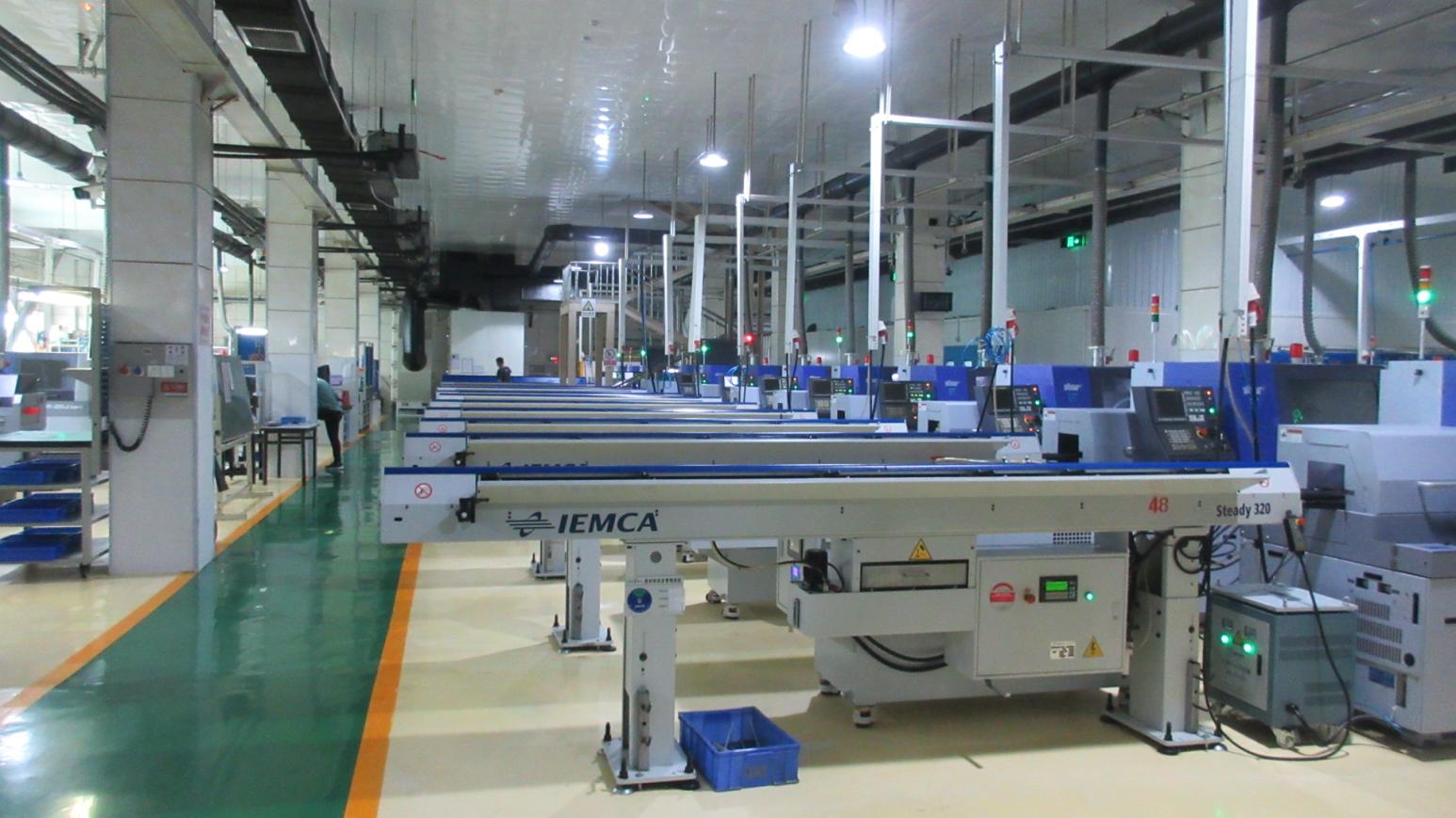
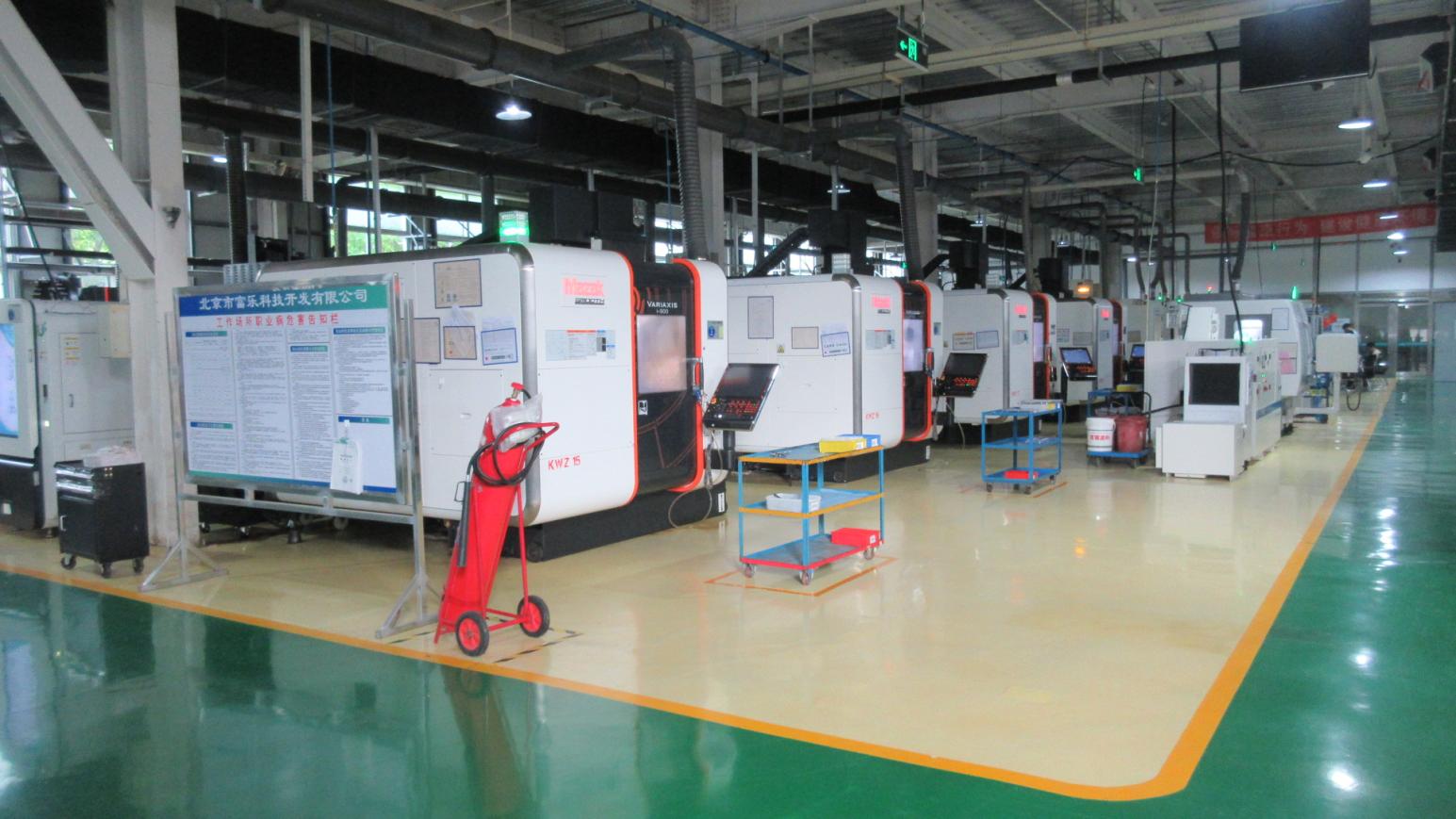
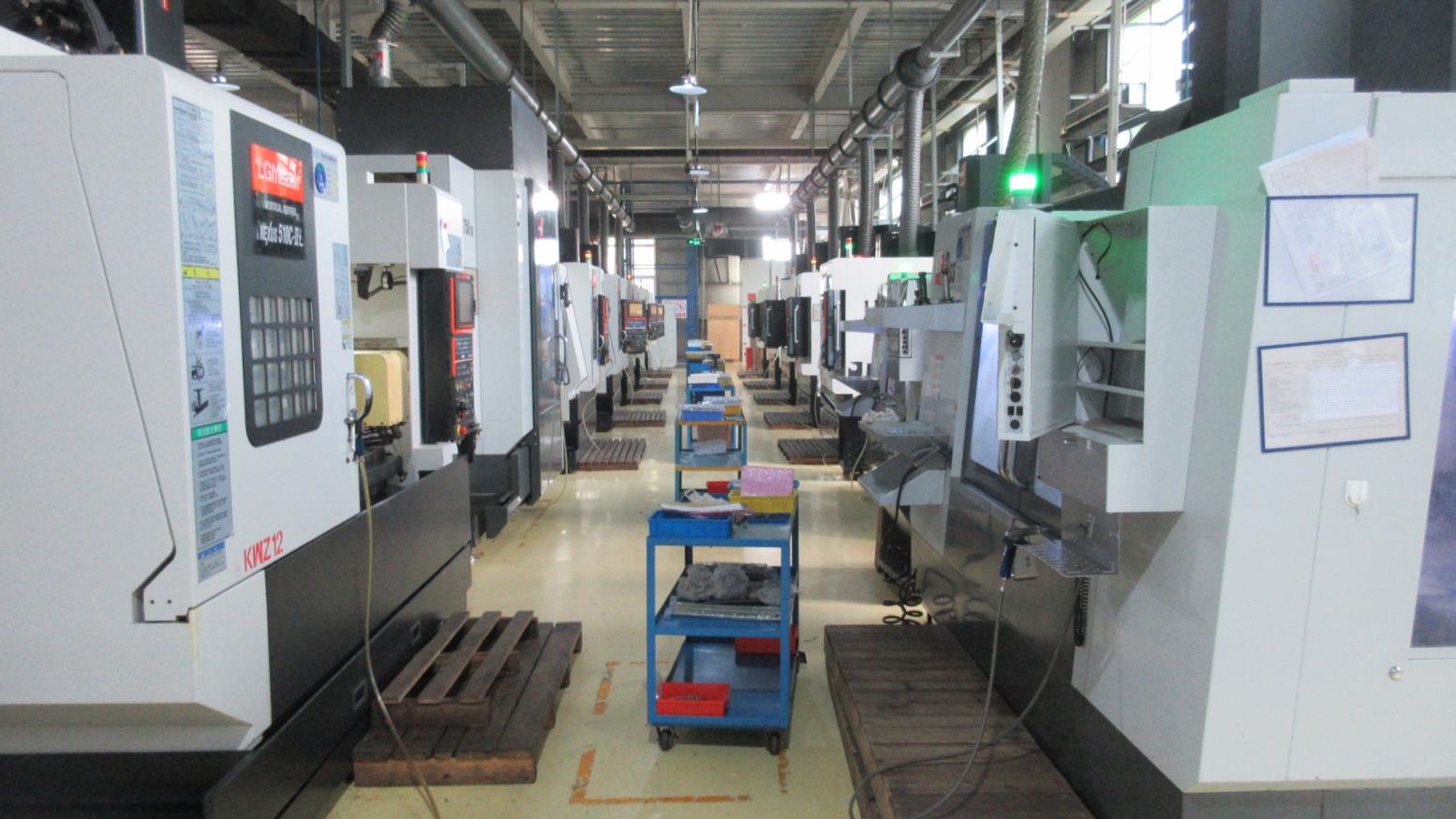
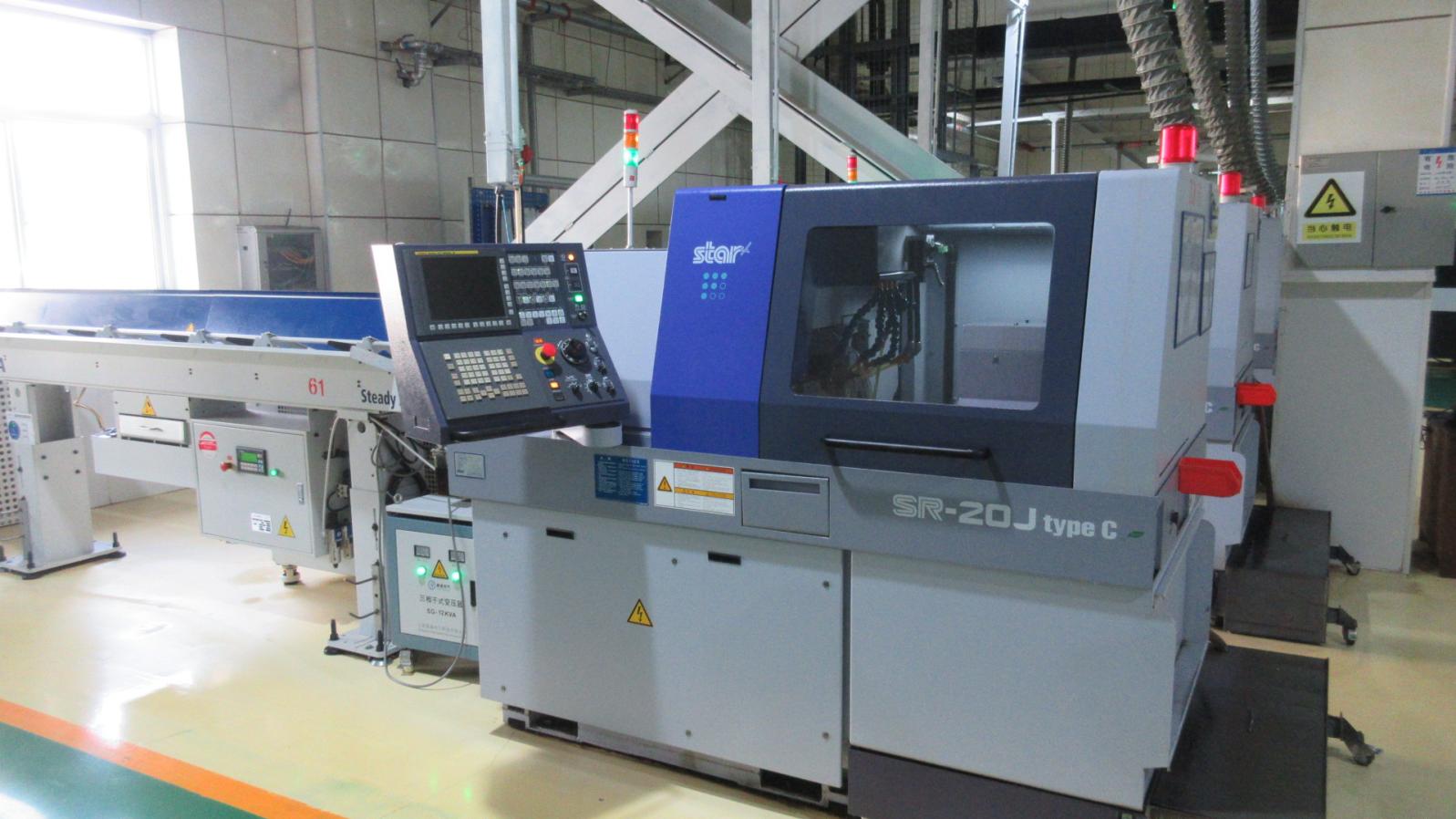
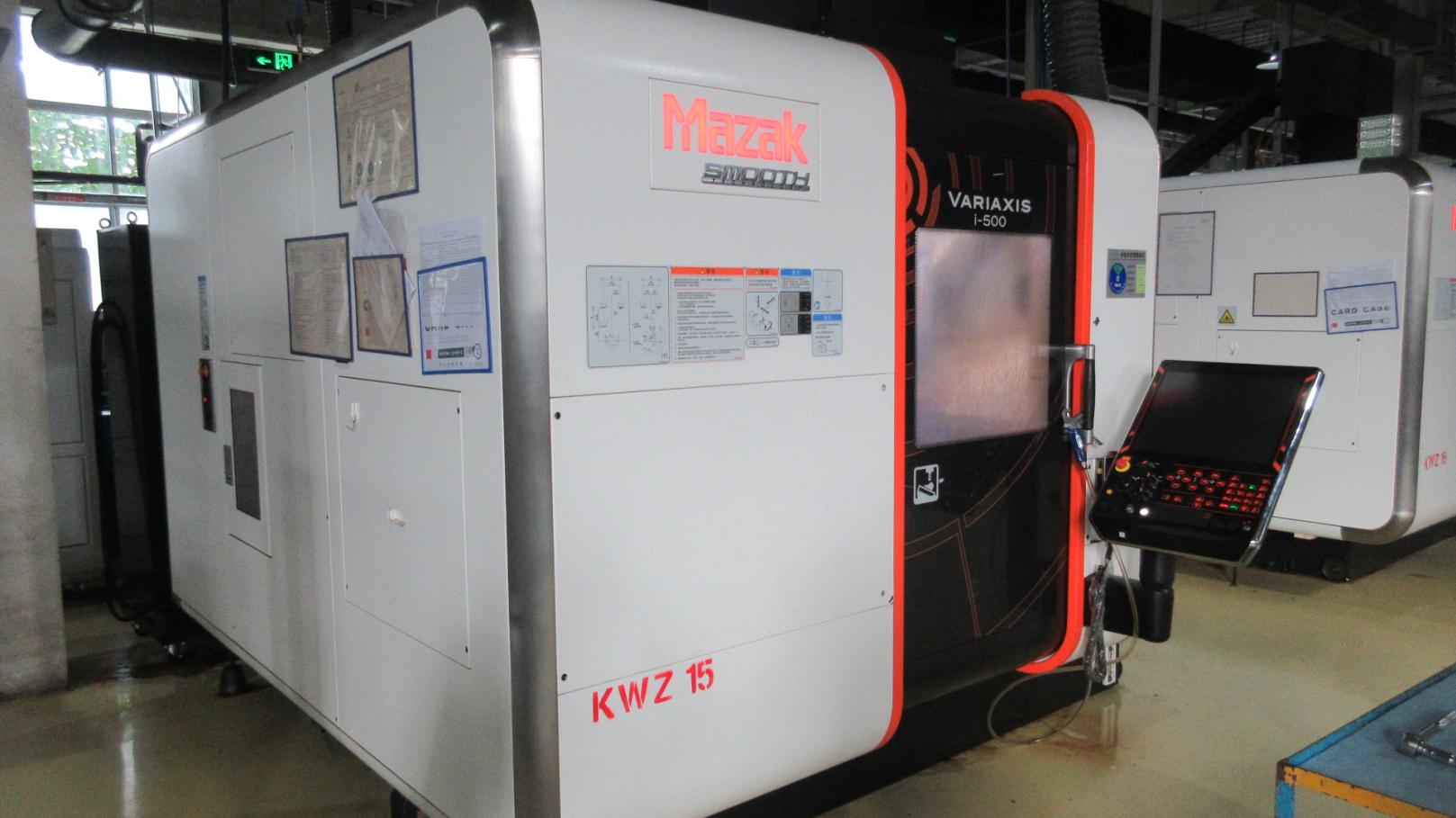
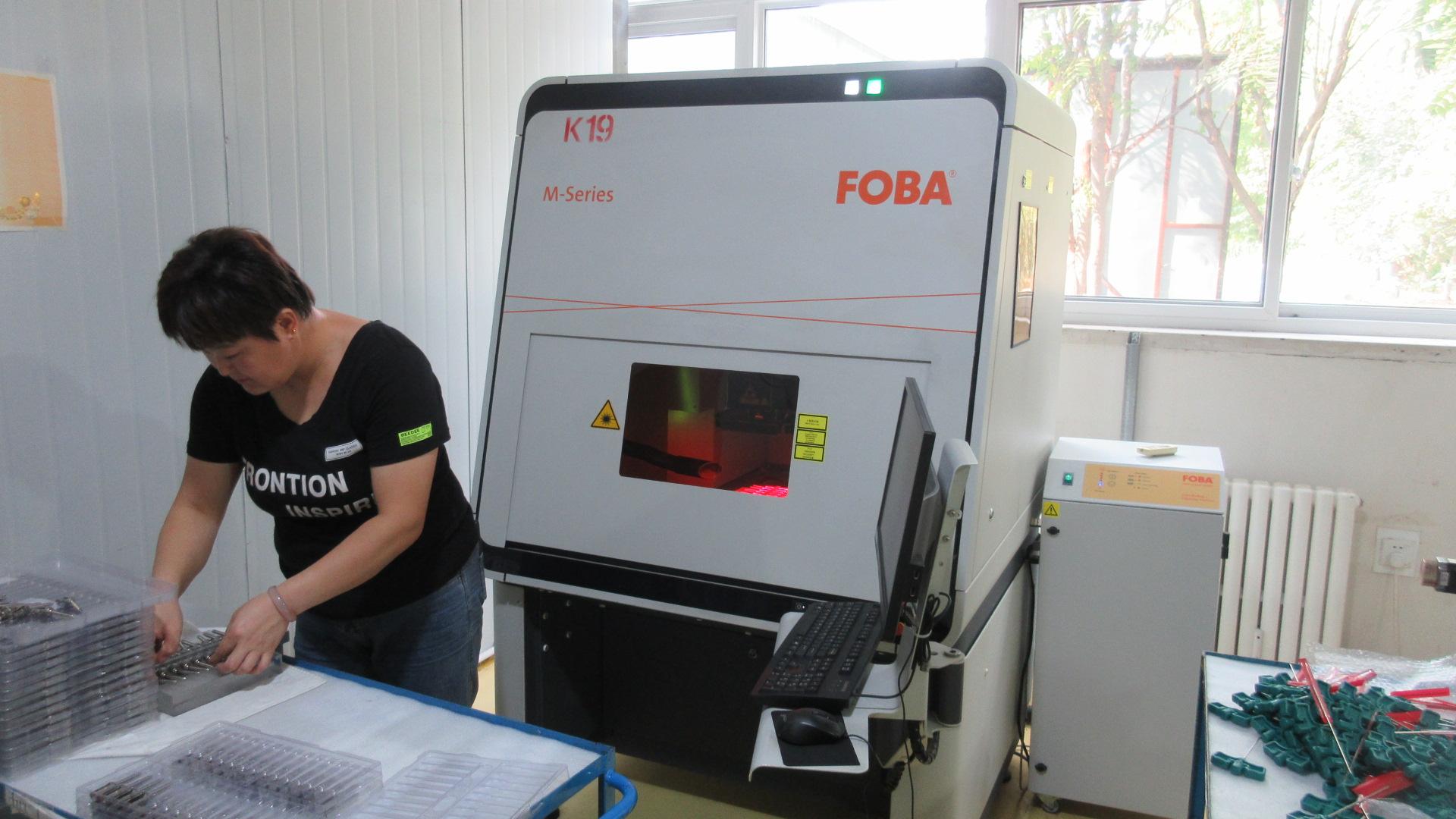
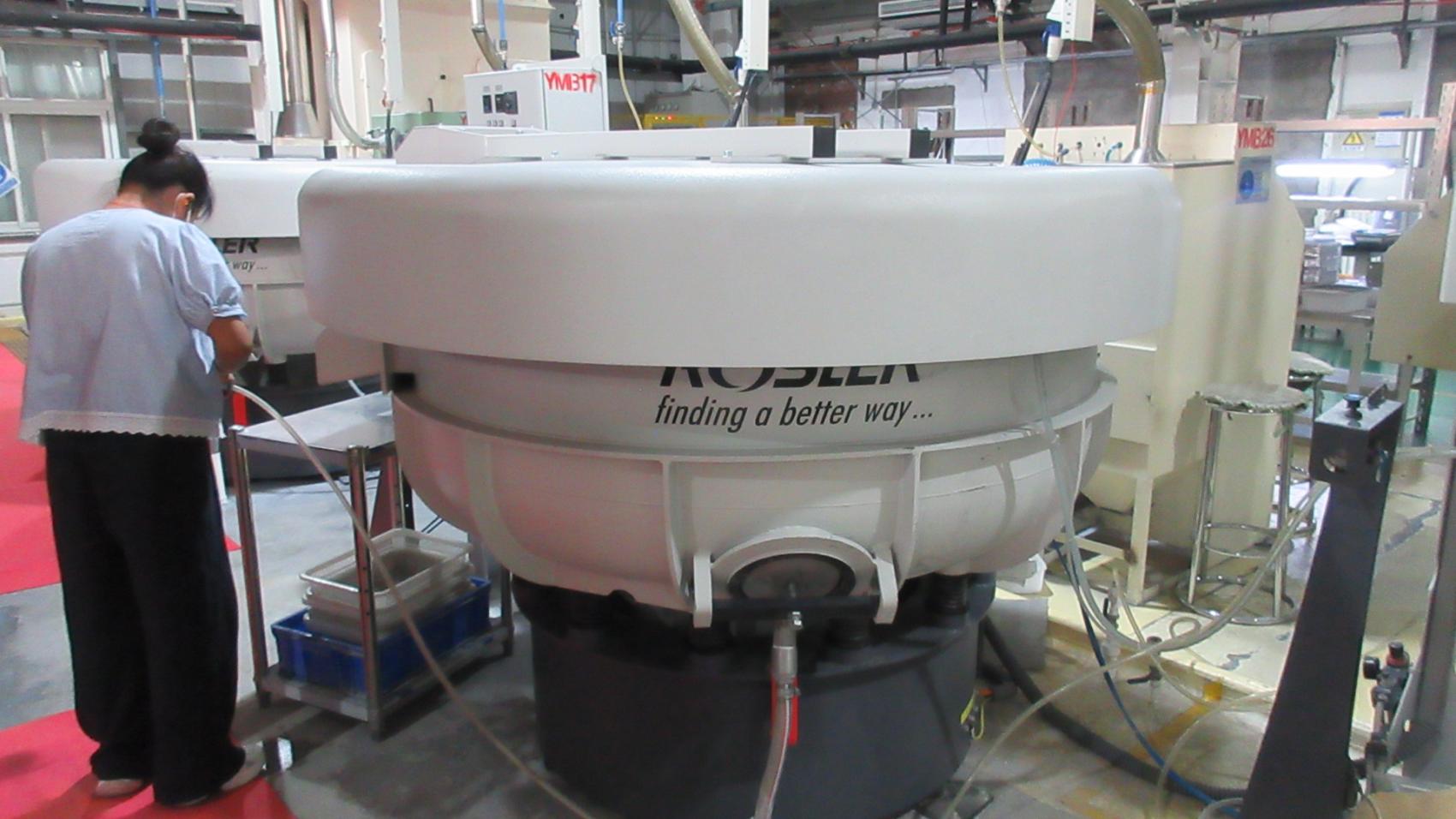
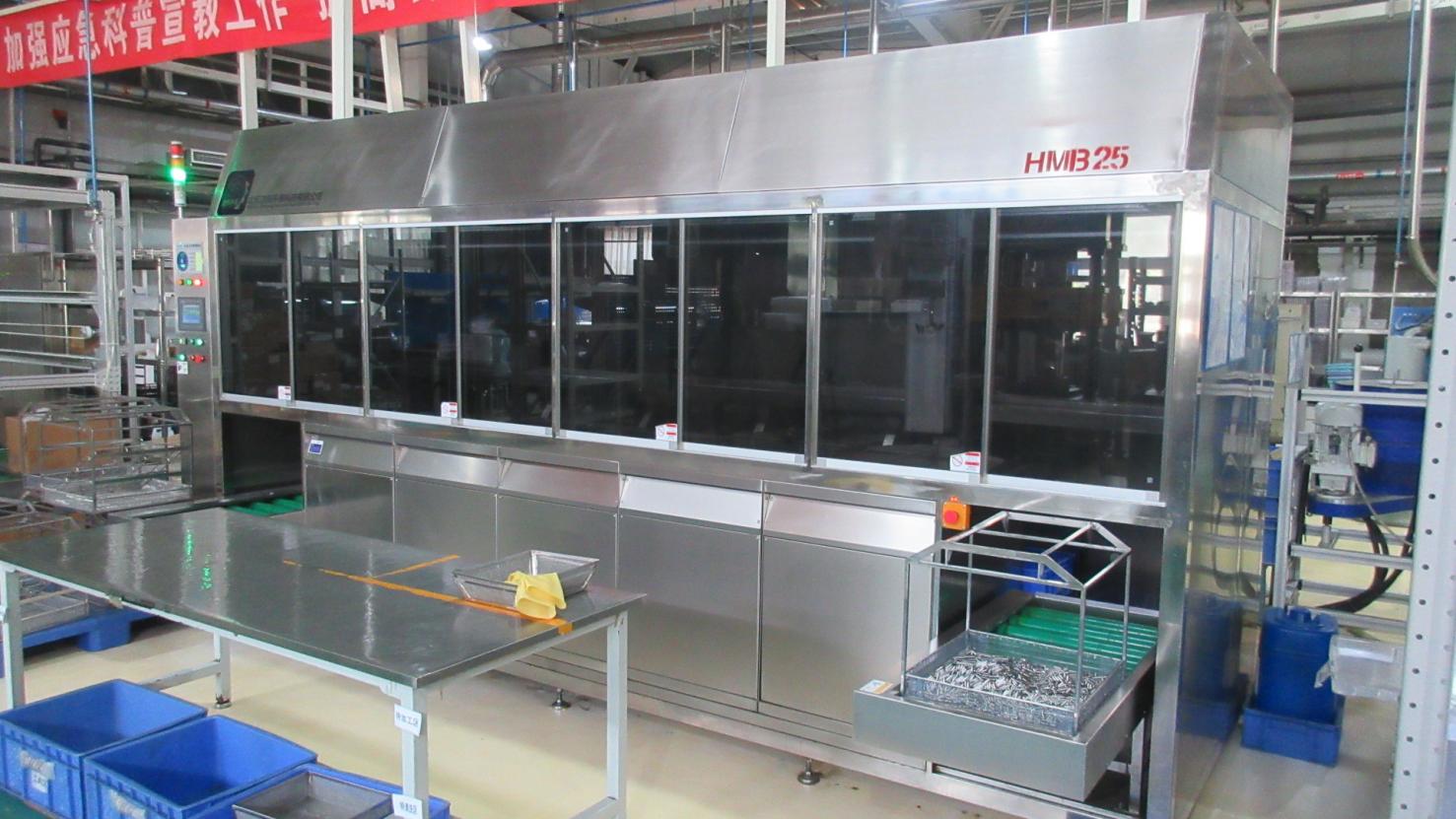
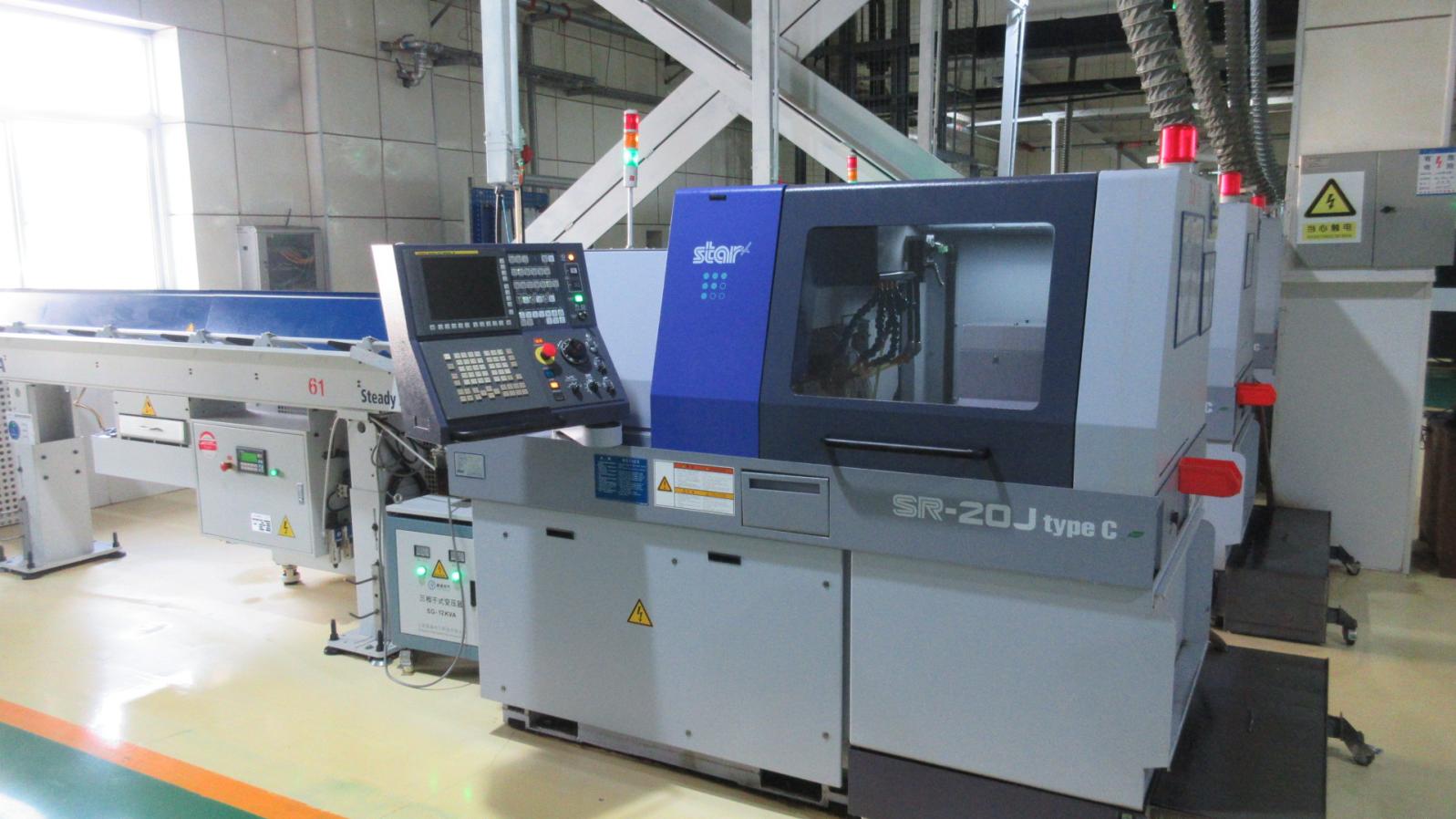
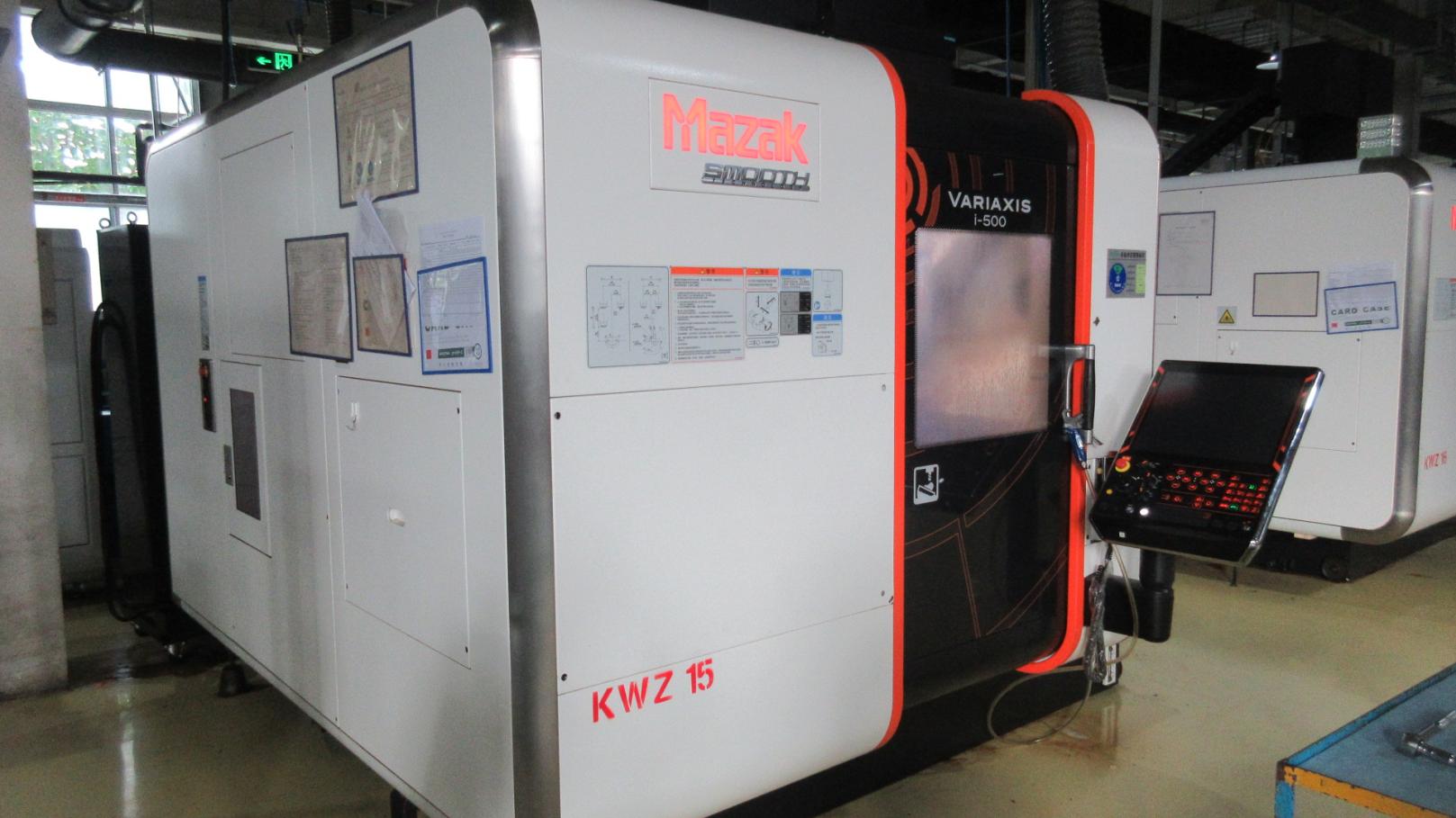
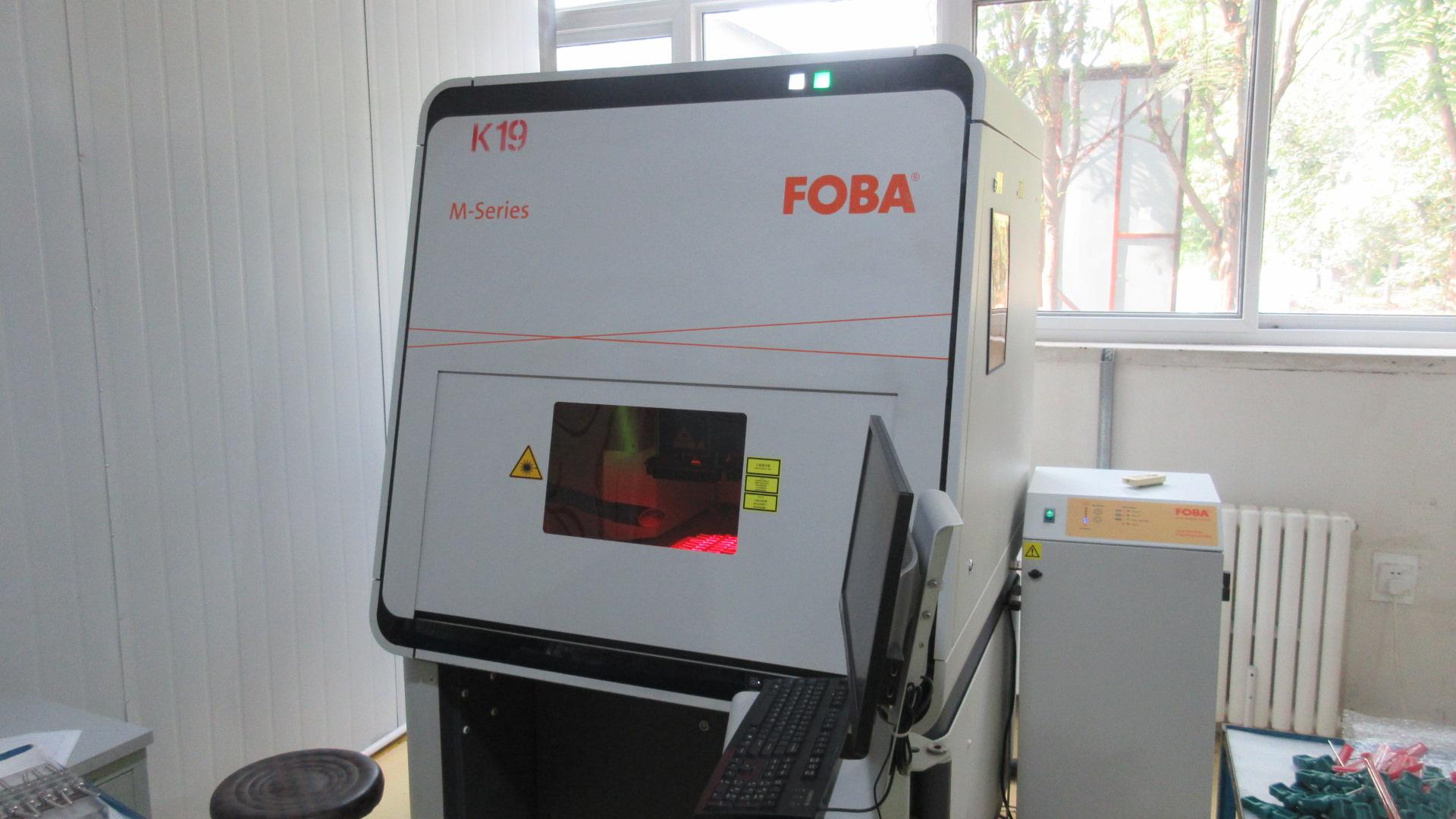
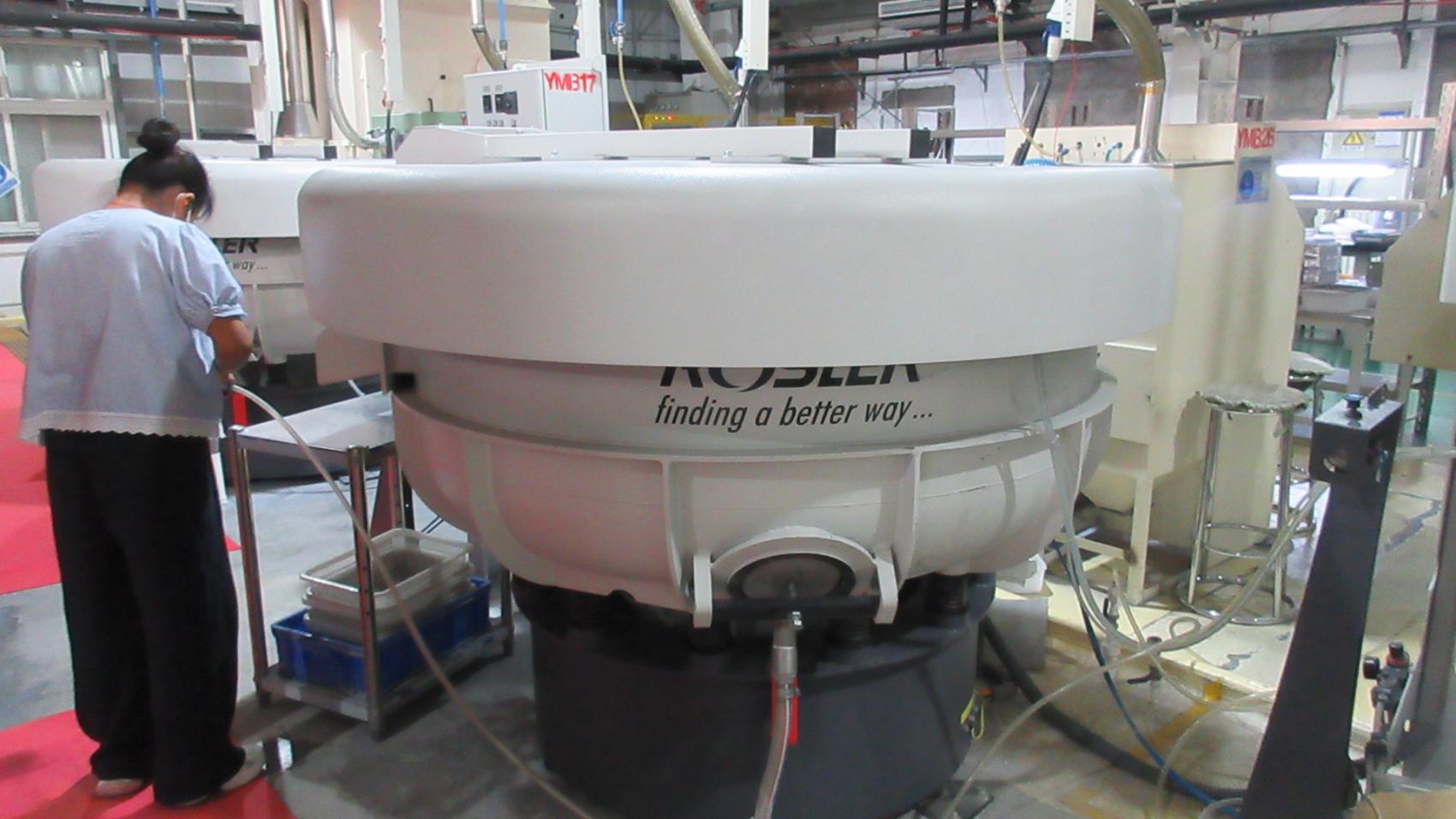
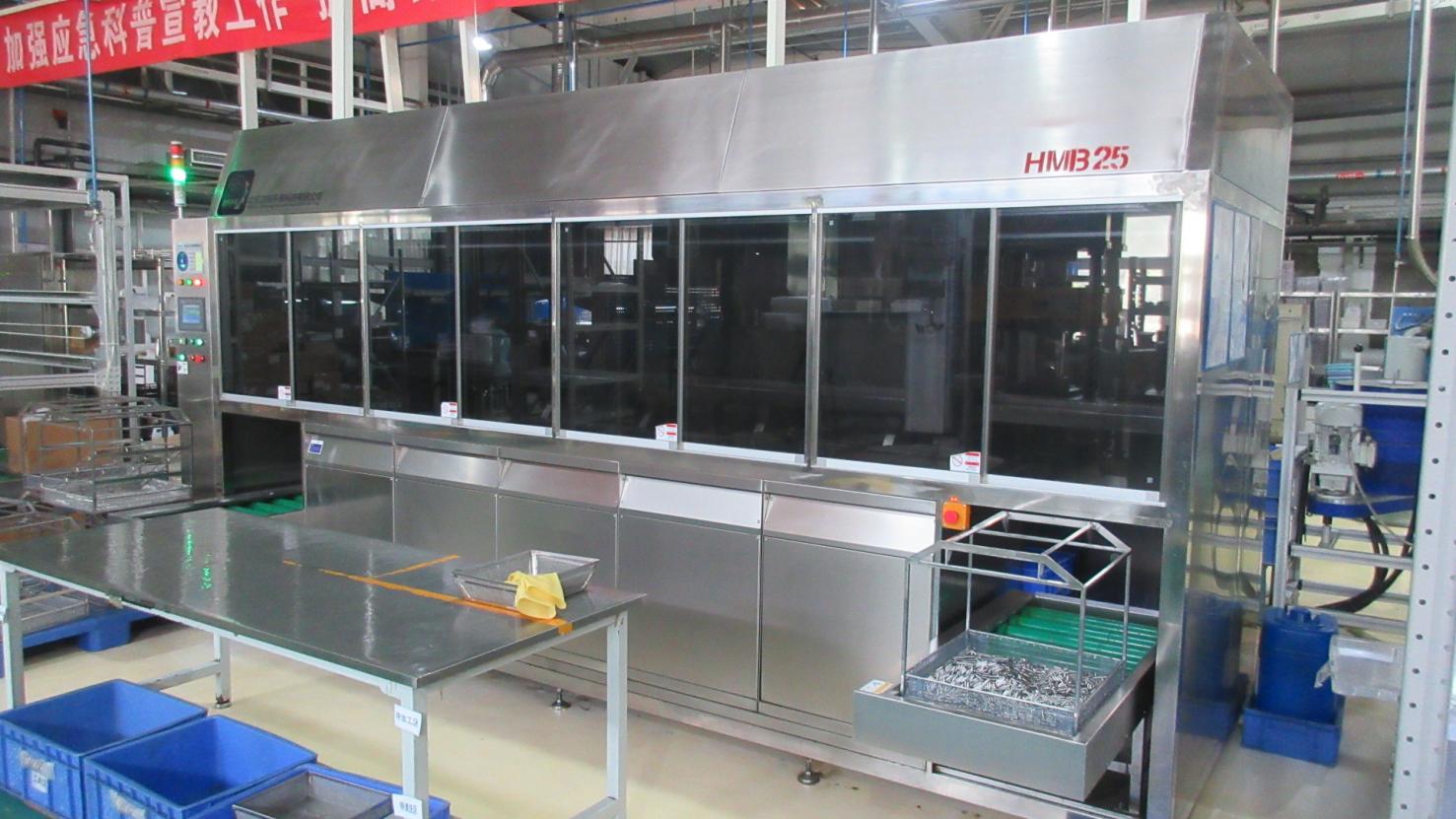
Established in 1996, Beijing Fule Science & Technology Development Co., Ltd. has developed into a premier hub for orthopedic research and manufacturing. With 29 years of export operations, we provide high-performance external fixation systems, spinal implants, and trauma plates to over 30 countries. Our facility houses 102 state-of-the-art CNC machining centers, allowing us to maintain an annual capacity of 508,000 units.
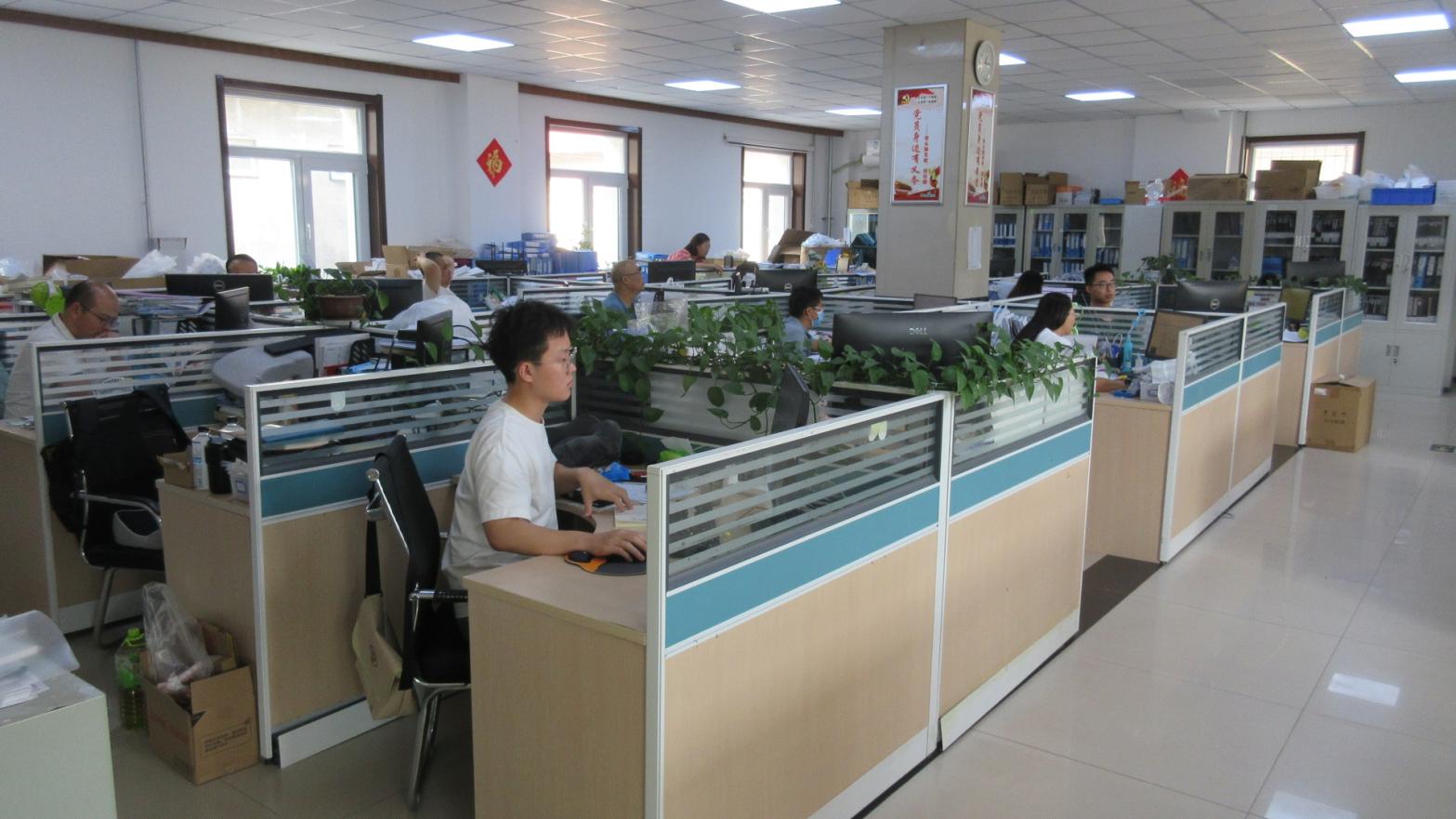
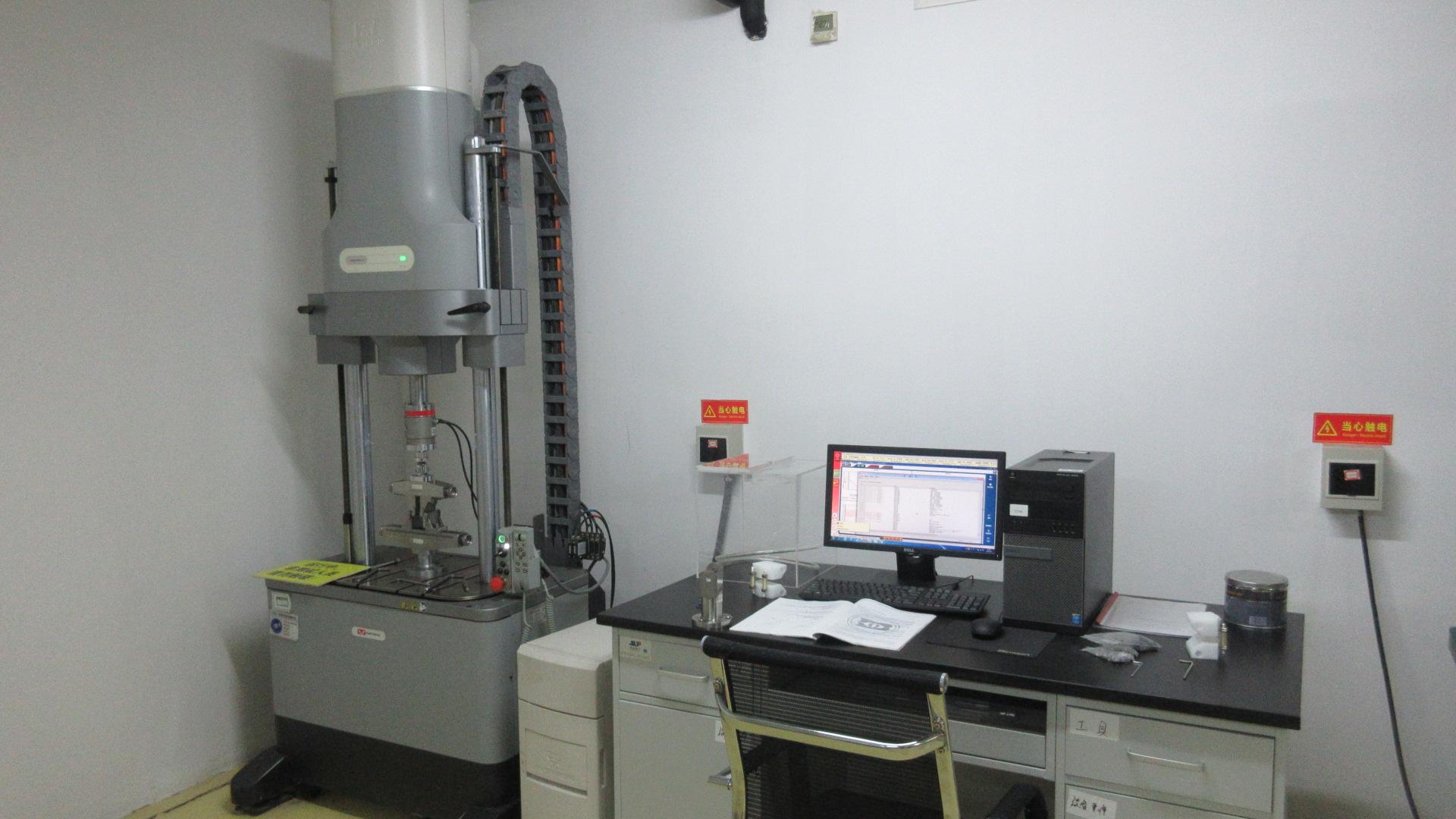
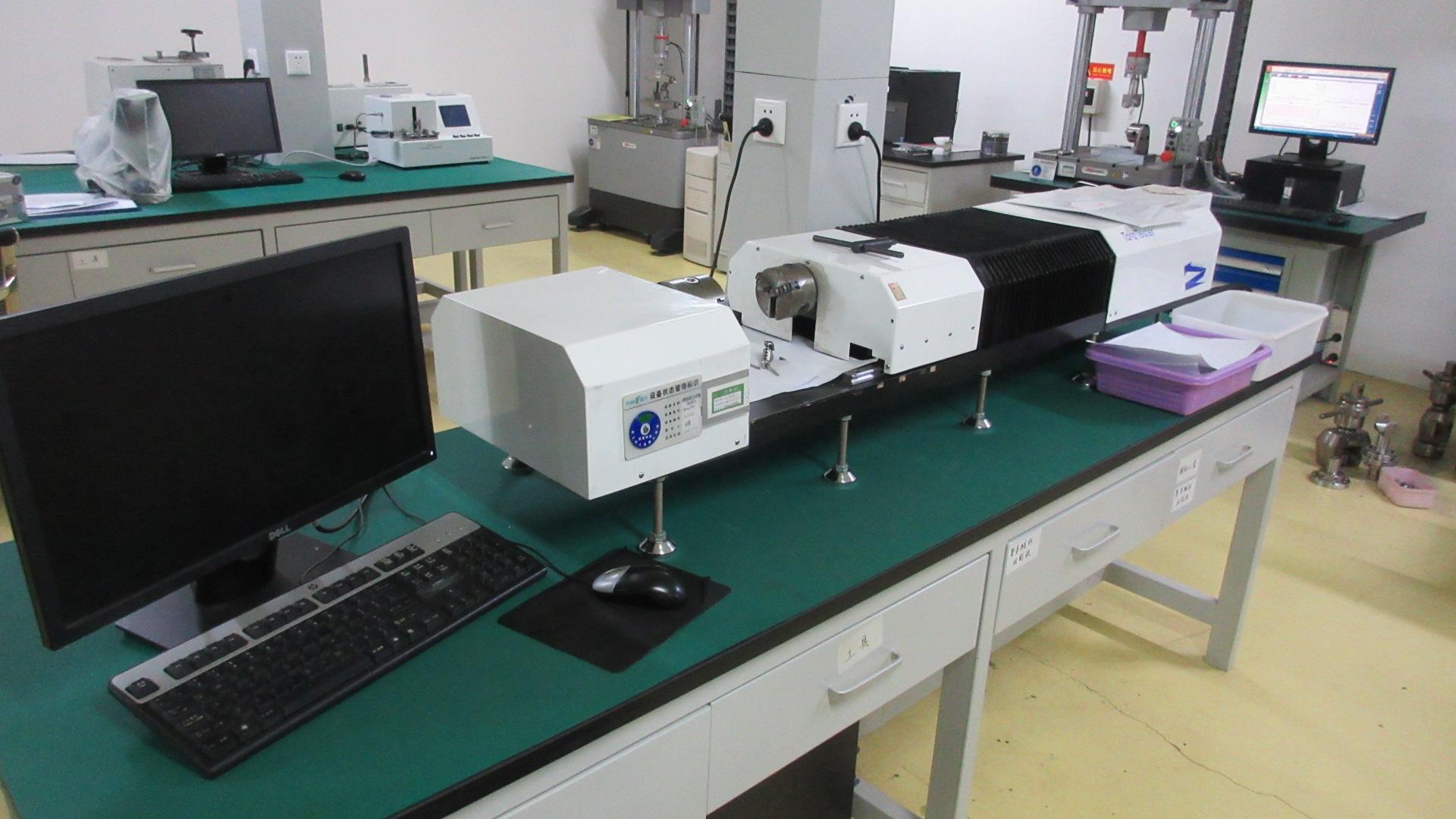
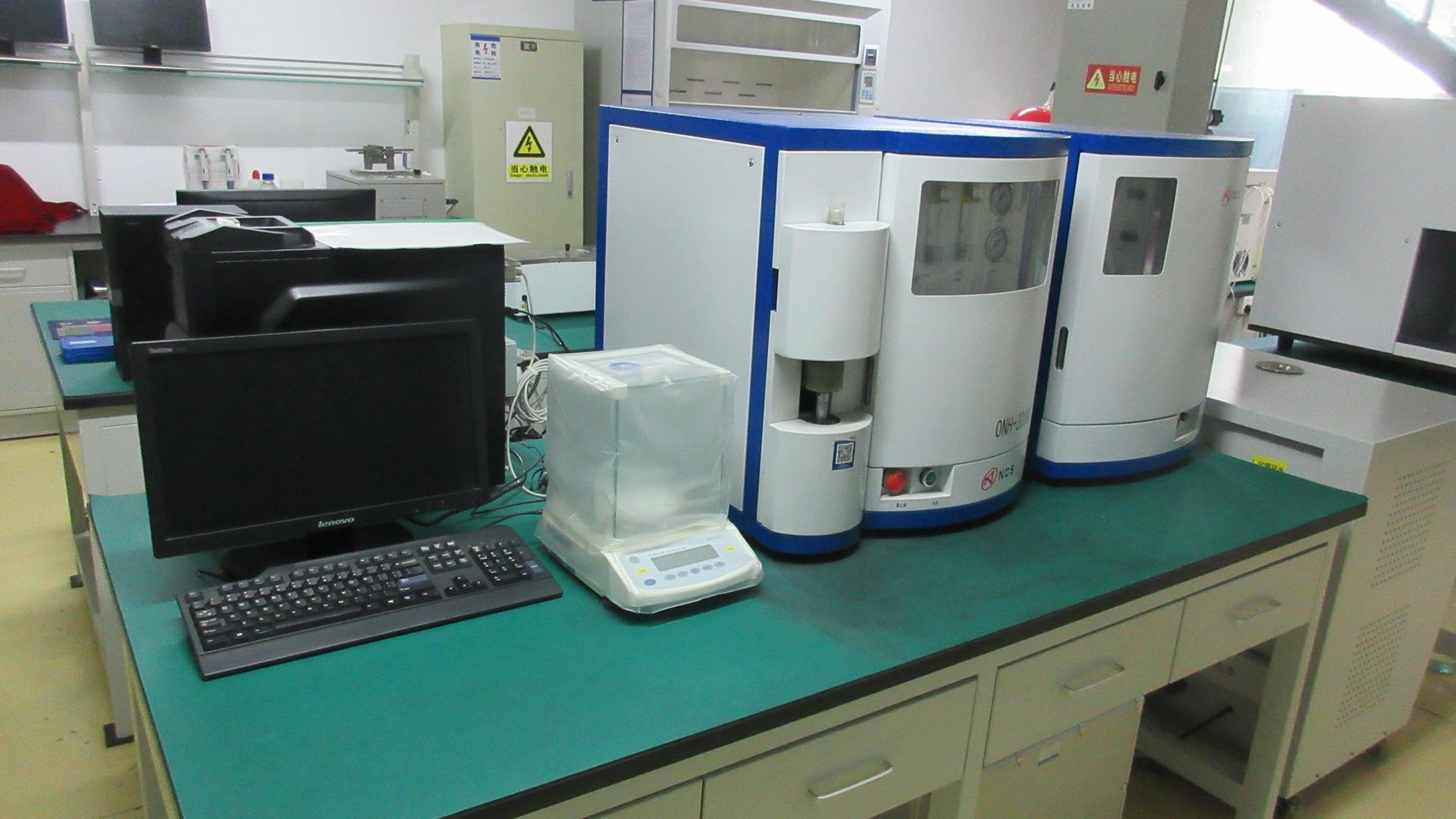
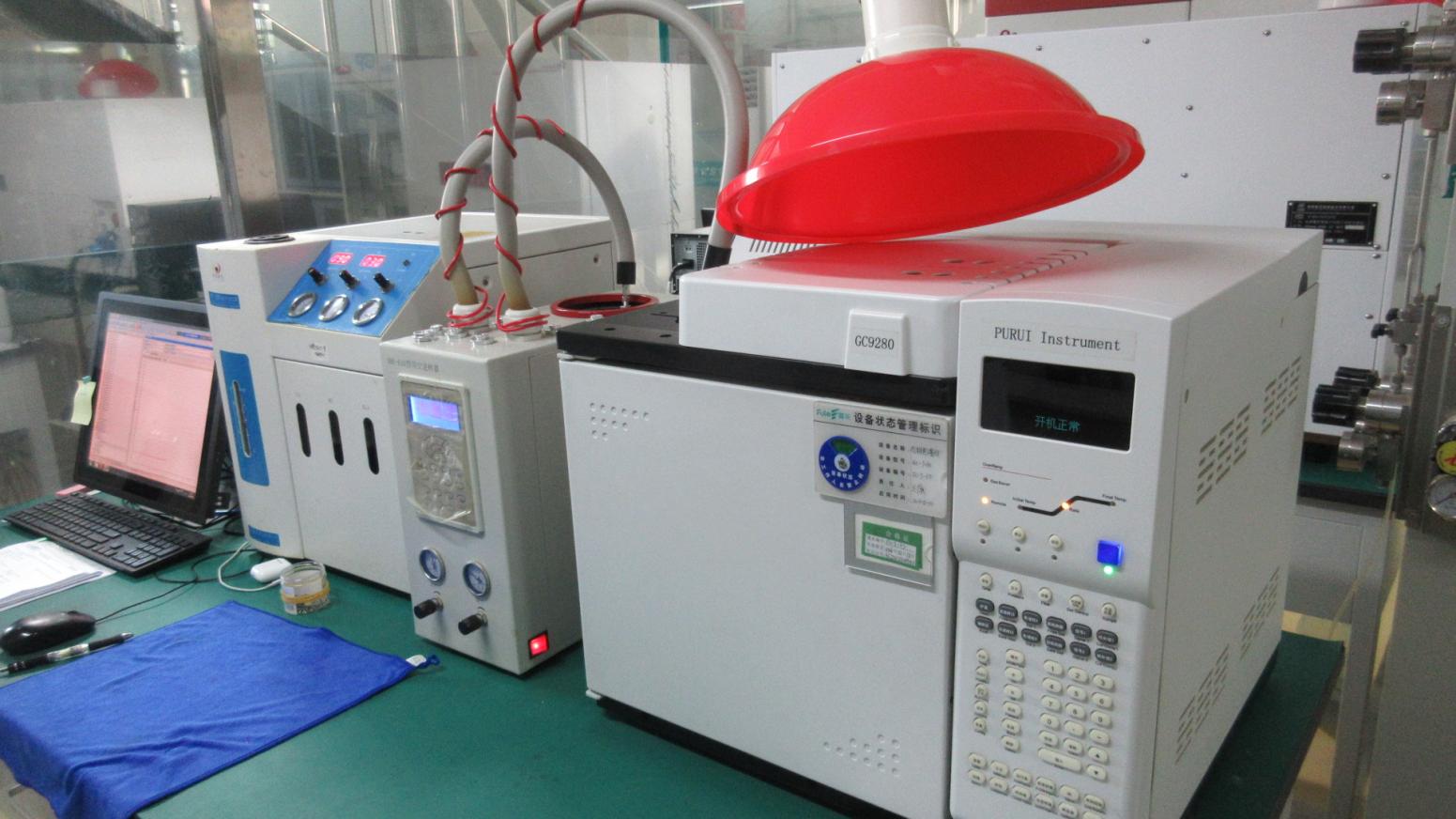
Quality control forms the core of our operations. Supported by 15 full-time QA/QC inspectors, we run a 100% inspection protocol on all raw materials, semi-finished constructs, and final products. Every batch of Grade 5 Titanium is fully traceable back to its original ingot, ensuring absolute mechanical integrity under stress.
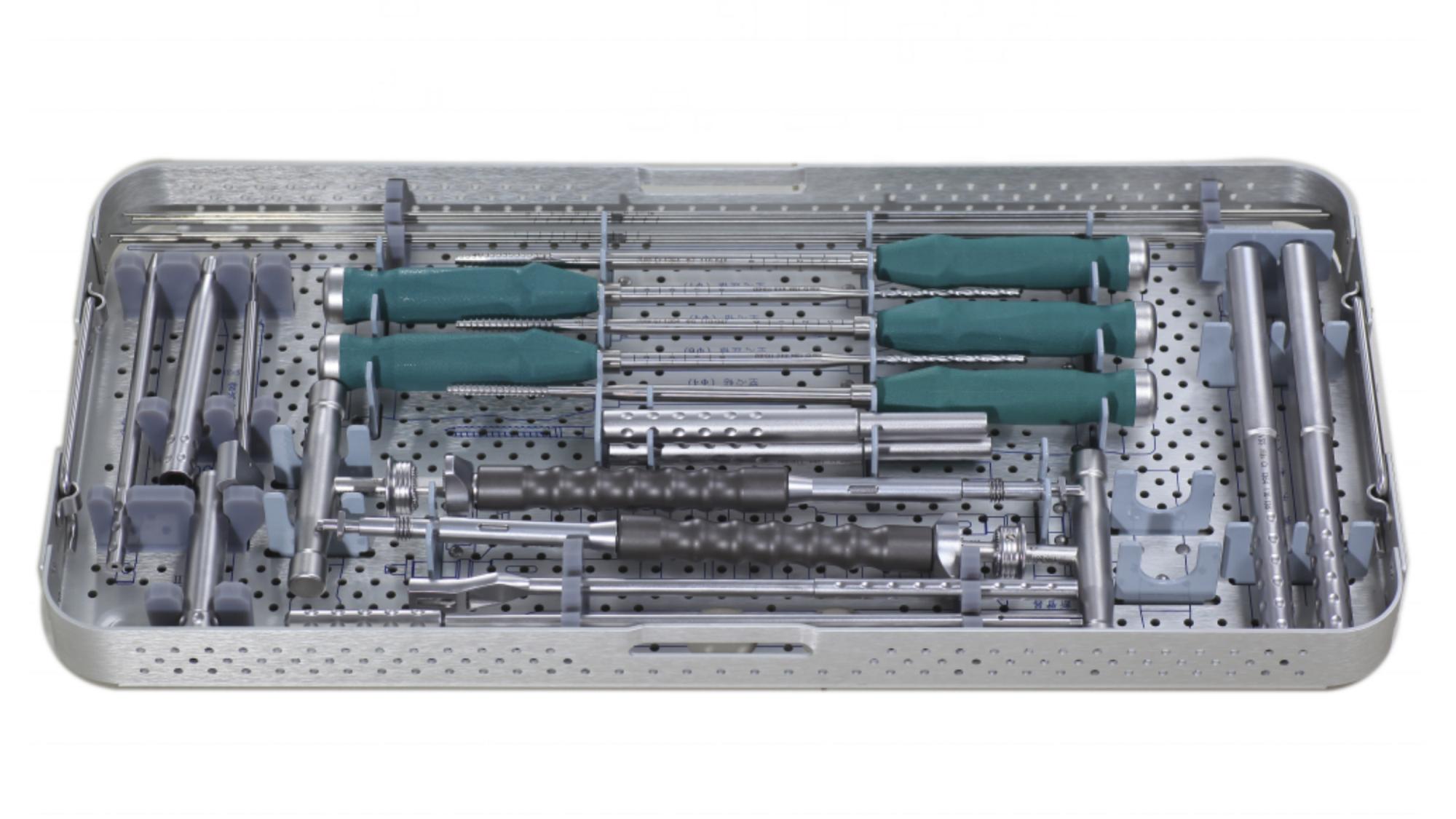
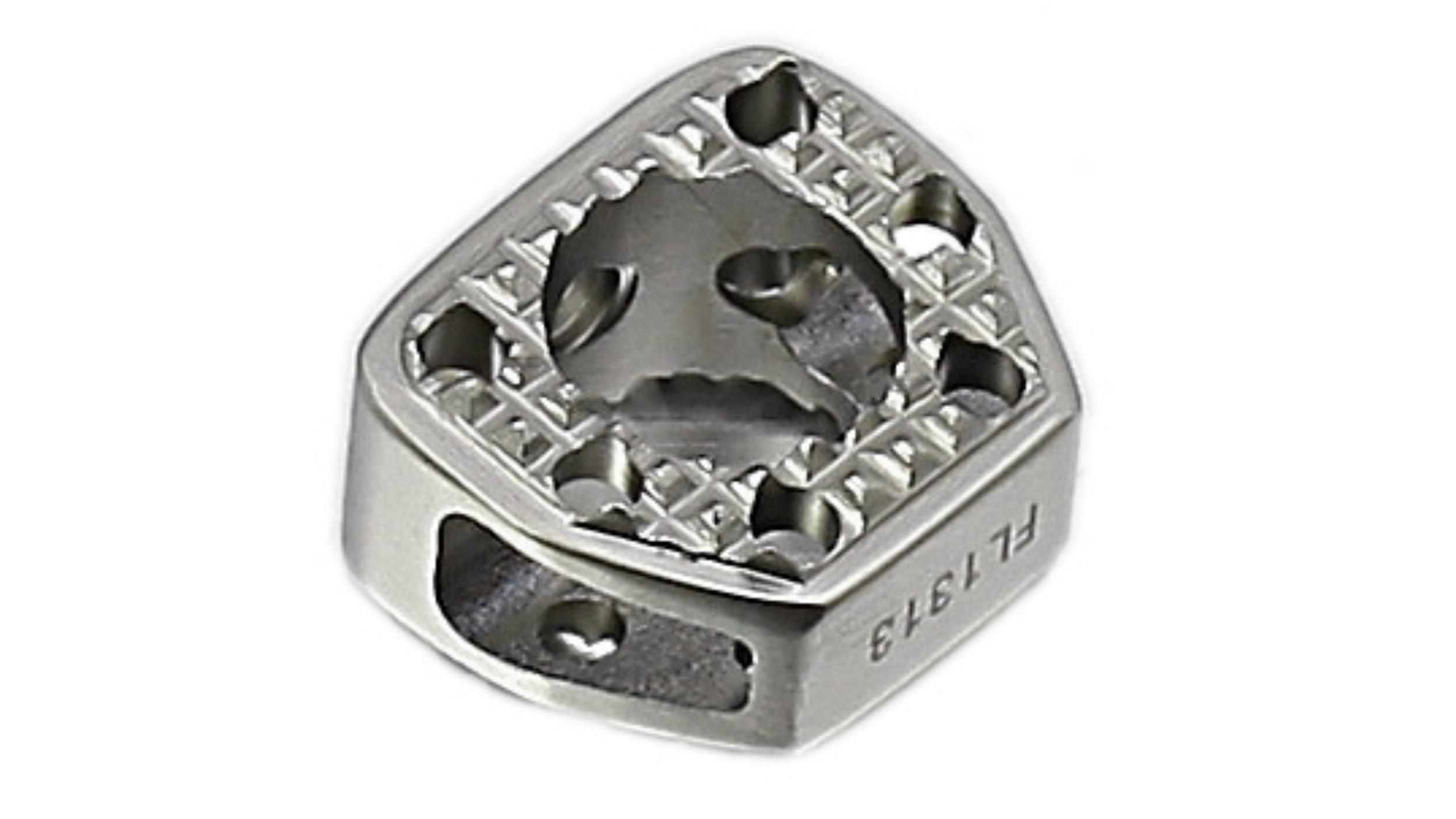
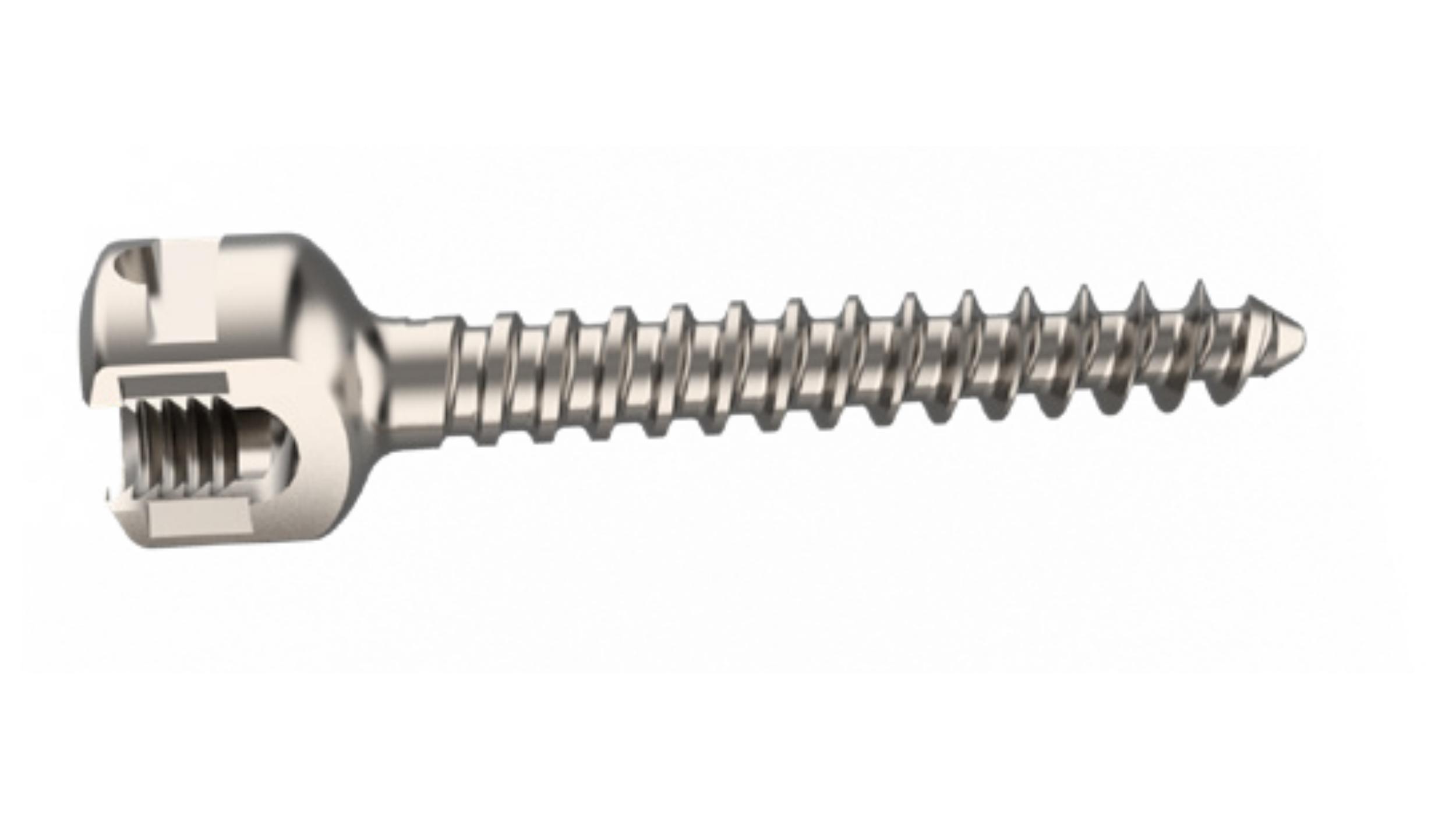
Engineering rigidity, adjustability, and biocompatibility for optimal bone healing in demanding clinical scenarios.
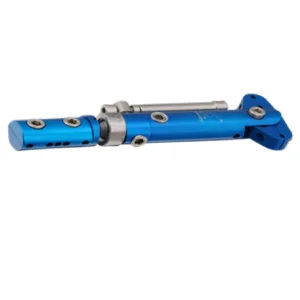
Our modular external fixators provide strong bending and torsional resistance. The carbon fiber connecting bars offer radiolucent visibility under X-ray, allowing surgeons to monitor bone healing during follow-ups without disassembly.
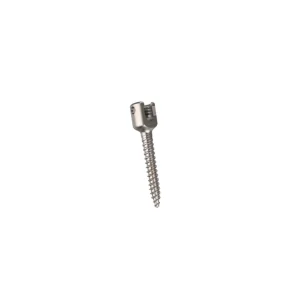
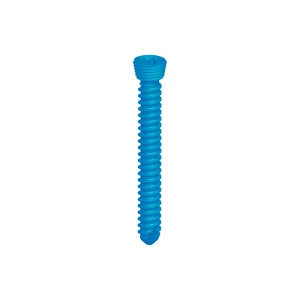
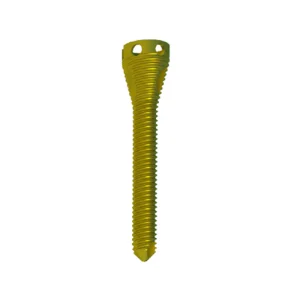
Featuring self-drilling, self-tapping Schanz screws with optimized thread profiles. This design increases pull-out strength, limits heat generation during insertion, and reduces the risk of pin loosening in osteopenic bone.
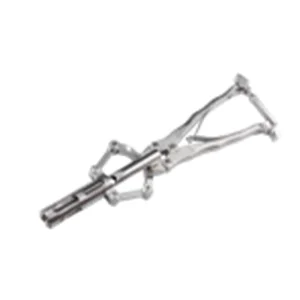
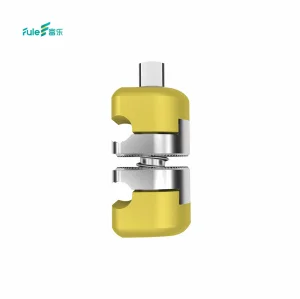
Universal clamps allow for quick assembly of monolateral, hybrid, and ring fixator configurations. This flexibility helps surgeons manage complex trauma, joint arthrodesis, and bone transport procedures.
Choosing the right material affects both biomechanical performance and patient outcomes. The table below outlines key parameters for bone stabilization constructs:
| Performance Indicator | Titanium Alloy (Ti-6Al-4V ELI) | Stainless Steel (316L) | Clinical Advantage for Nepal Cases |
|---|---|---|---|
| Tensile Strength (MPa) | 860 - 960 | 490 - 690 | Higher load support without structural deformities. |
| Elastic Modulus (GPa) | 110 | 200 | Closer to human bone modulus, reducing stress shielding. |
| Corrosion Resistance | Excellent (stable TiO2 passivation layer) | Good (susceptible to crevice corrosion) | Reduces tissue reaction and implant degradation risks. |
| MRI Compatibility | High (minimal artifact interference) | Poor (generates significant magnetic artifacts) | Enables safe post-op imaging of surrounding soft tissue. |
| Weight Reduction | ~45% lighter than stainless steel | Standard weight baseline | Improves mobility for patients recovery in rural areas. |
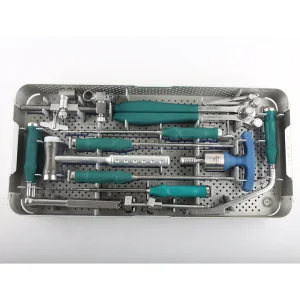
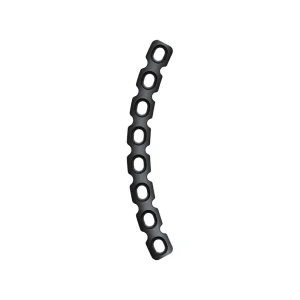
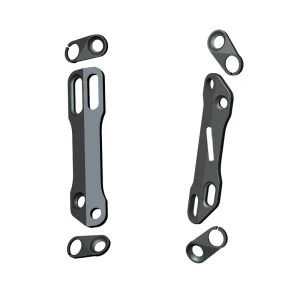
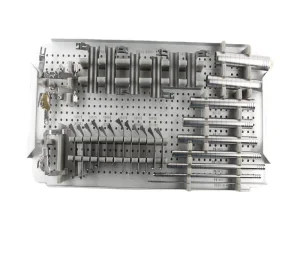
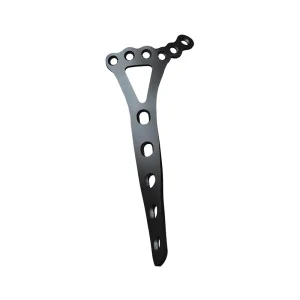
Direct supply of CE-certified orthopedic implants and instruments optimized for medical distributors and trauma centers in Nepal.
Facilitating seamless import processes, DDA compliance, and door-to-door shipping solutions from China to Kathmandu.
Navigating the Department of Drug Administration (DDA) registration is a crucial first step for medical suppliers in Nepal. We provide a complete documentation package, including Certificate of Free Sale (CFS), CE certifications, ISO 13485 quality reports, and detailed product raw material breakdowns. This comprehensive support helps our local partners secure import permits efficiently.
Our dedicated regulatory department works closely with your team, helping draft import registration dossiers and providing certificates of analysis for every manufactured batch. This minimizes clearance delays at border checkpoints and customs ports.
We offer flexible shipping options tailored to your budget and timeline. For critical trauma care shipments, direct air freight from Beijing or Guangzhou to Tribhuvan International Airport (KTM) in Kathmandu delivers products within 3 to 5 days, maintaining cold-chain or sterile conditions.
For large-scale hospital tenders and bulk inventory runs, land transport routes via Chengdu, Lhasa, and the Keyrung/Tatopani border portals provide a cost-effective option. Alternatively, sea-land shipments routing through India's Kolkata Port to the Birgunj dry port offer stable transit for bulk orthopedic hardware and instrumentation sets.
Partner with a manufacturer holding 29 years of export experience. We support hospitals, NGO clinics, and commercial distributors throughout Nepal with high-quality trauma stabilization devices.
Common questions regarding regulatory standards, shipping options, and technical parameters for orthopedic devices.
 Fule
Fule