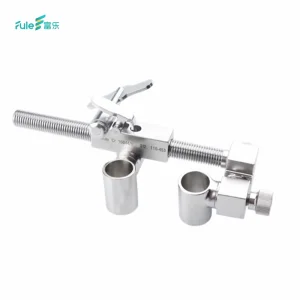
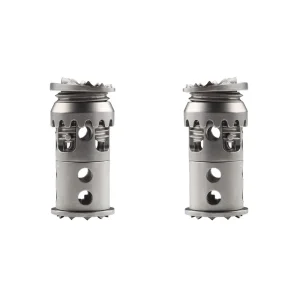
Engineered with medical-grade Grade 5 ELI titanium alloys, complying with stringent ISO 13485 and CE protocols for urgent orthopedic trauma and spinal interventions.
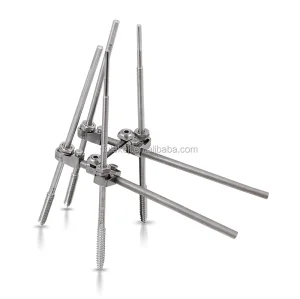
Cambodia’s healthcare infrastructure is undergoing a rapid, technology-driven paradigm shift. Over the past decade, major medical hubs in Phnom Penh—such as Calmette Hospital, Preah Kossamak Hospital, and regional referral clinics across Siem Reap and Battambang—have experienced a surge in surgical cases requiring high-fidelity orthopedic implants. Rapid urbanization and the expansion of the national road network have increased the incidence of high-impact traffic accidents and orthopedic trauma. Additionally, a rising middle class and demographic aging have escalated the demand for elective spinal fusion, decompression, and reconstructive surgeries.
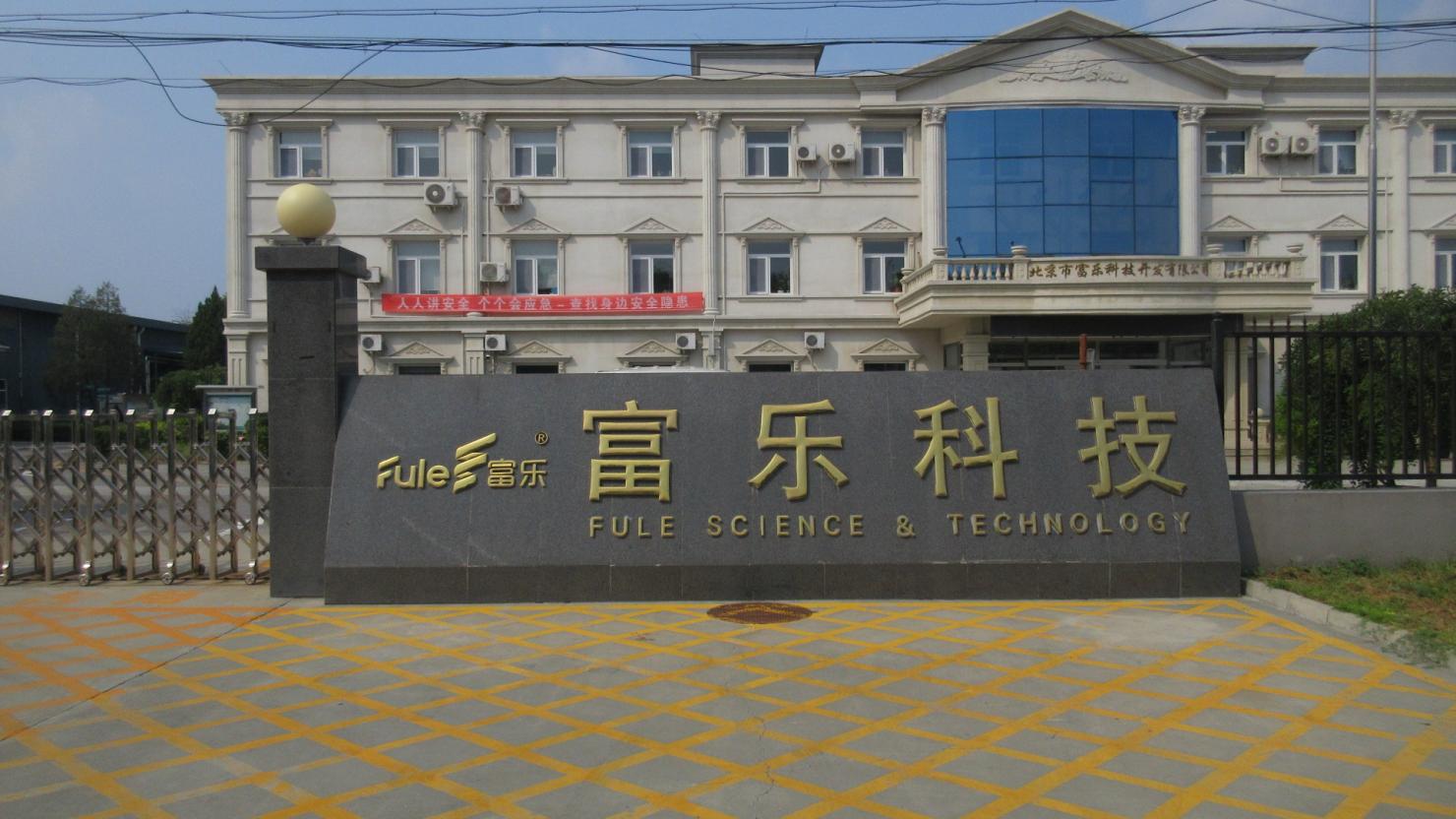
Historically, Cambodian medical centers relied on conservative treatment protocols or imported premium implants from Europe at exorbitant prices. This cost barrier prevented broad segments of the population from receiving critical treatments. As a dedicated partner to international clinical sectors, Beijing Fule Science & Technology Development Co., Ltd. steps into this gap. We provide high-end, clinically proven trauma implants, spinal systems, and external fixation solutions that balance world-class safety with cost efficiency.
Clinical Value Metric: By deploying biocompatible titanium spine systems and dynamic cervical plates directly from an ISO 13485 manufacturer, Cambodian medical institutions can reduce device procurement overhead by up to 45% without compromising mechanical integrity, tensile yield strength, or clinical outcomes.
The global orthopedic device market is strictly regulated, demanding high-level compliance under ISO 13485 Quality Management Systems and CE Class II/III certifications. Surgical-grade implants are in permanent contact with human osteo-structures, meaning they are subjected to intense mechanical loads, dynamic cyclic fatigue, and biological environments. To ensure patient safety, materials such as Ti-6Al-4V ELI (Grade 5 Extra Low Interstitial Titanium) and medical-grade PEEK (Polyetheretherketone) must meet strict ASTM and ISO standards.
Our global supply chain network links high-precision raw materials from certified steel mills to state-of-the-art manufacturing plants. We distribute finished implants to distributors across the Americas, Eastern Europe, Southeast Asia, and the Middle East. For markets like Cambodia, navigating complex import regulations, custom clearance clearances, and ministry approvals requires a partner with deep regulatory expertise. With 29 years of exporting experience, Beijing Fule provides complete technical dossiers, biocompatibility certificates, and chemical analysis certificates (MTC) to facilitate rapid registration with Cambodia’s Ministry of Health (MOH).
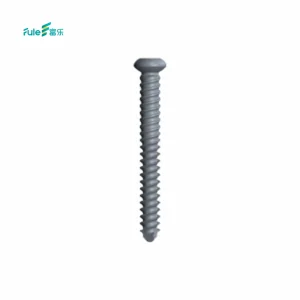
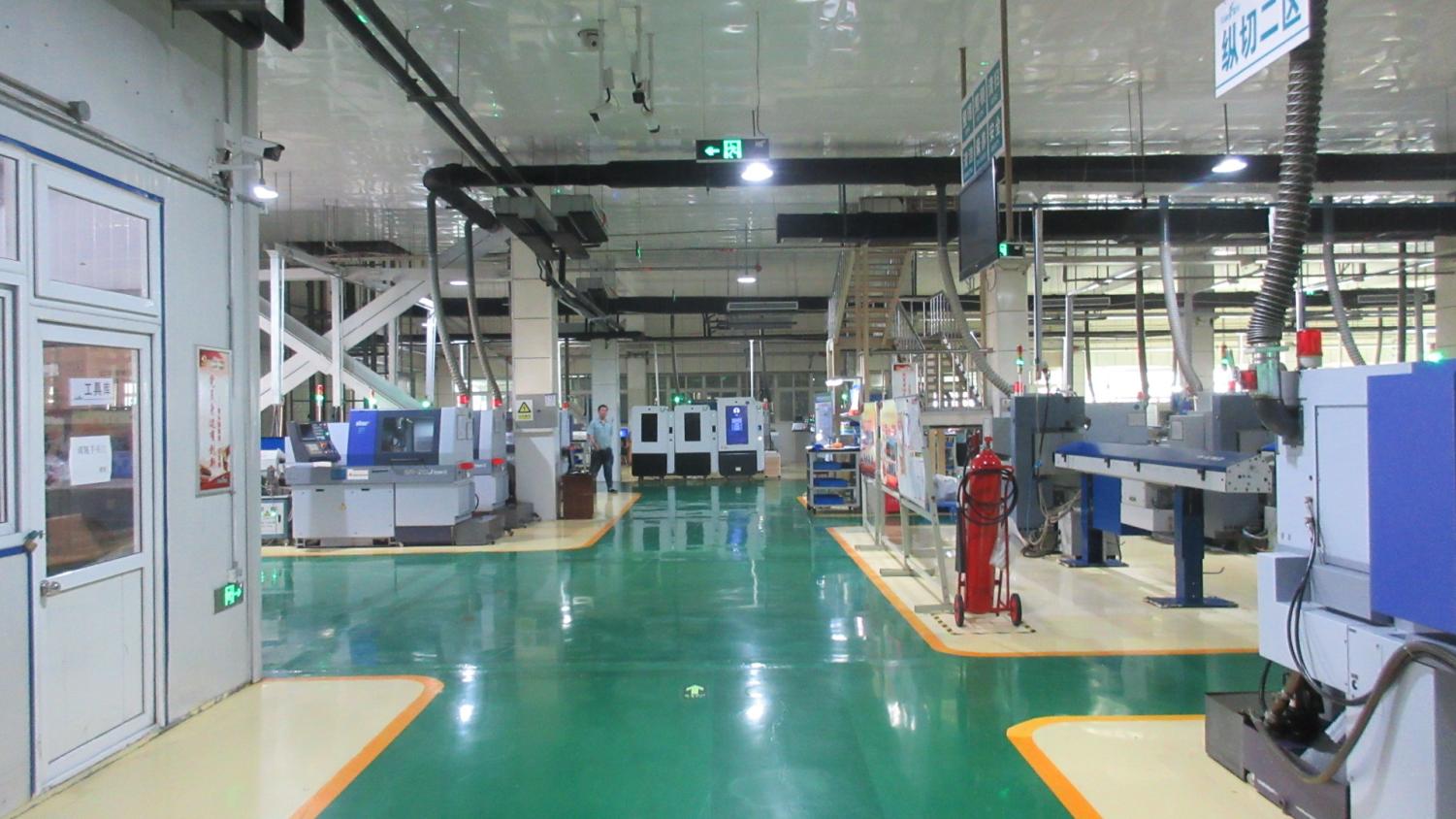
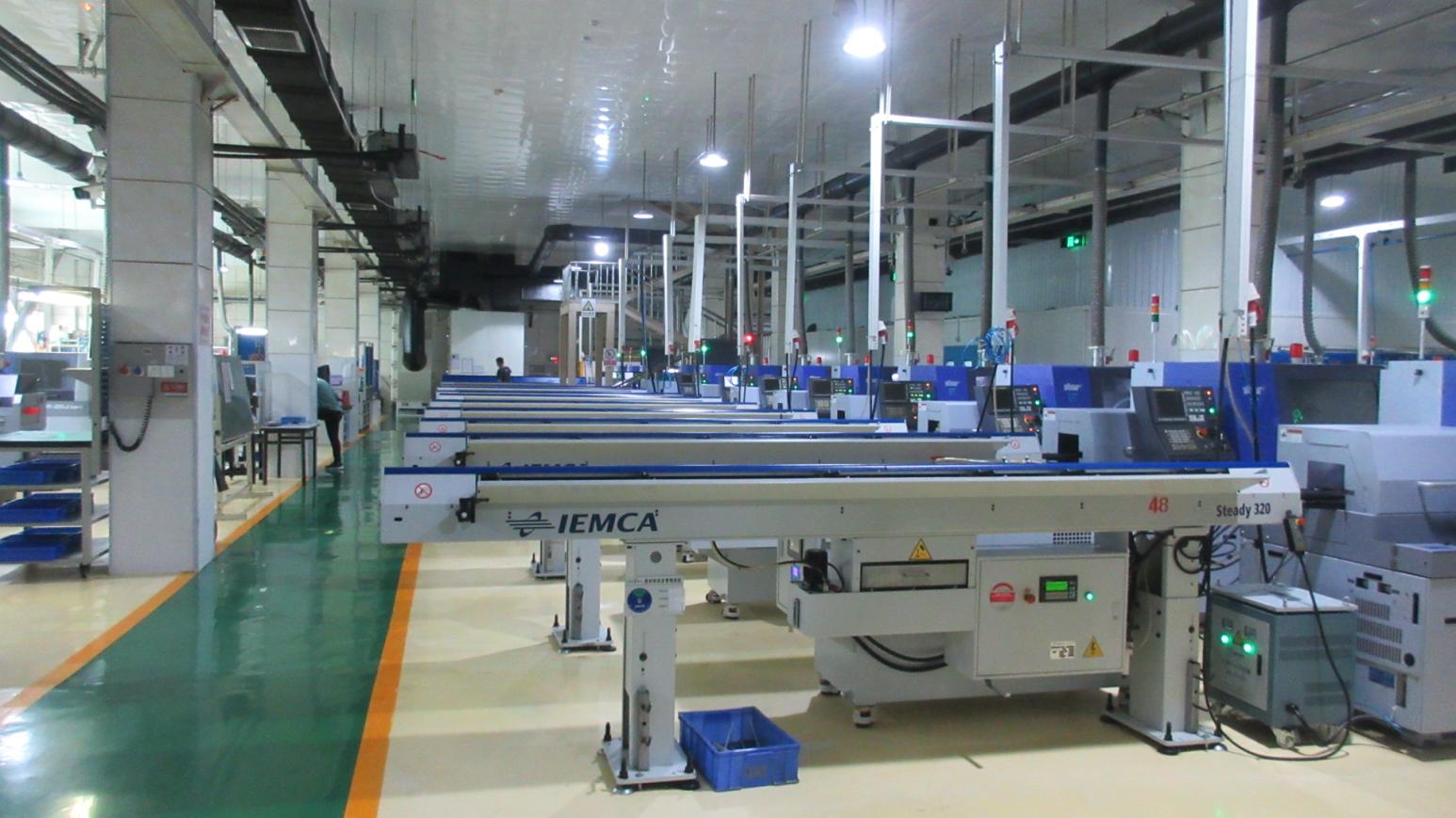
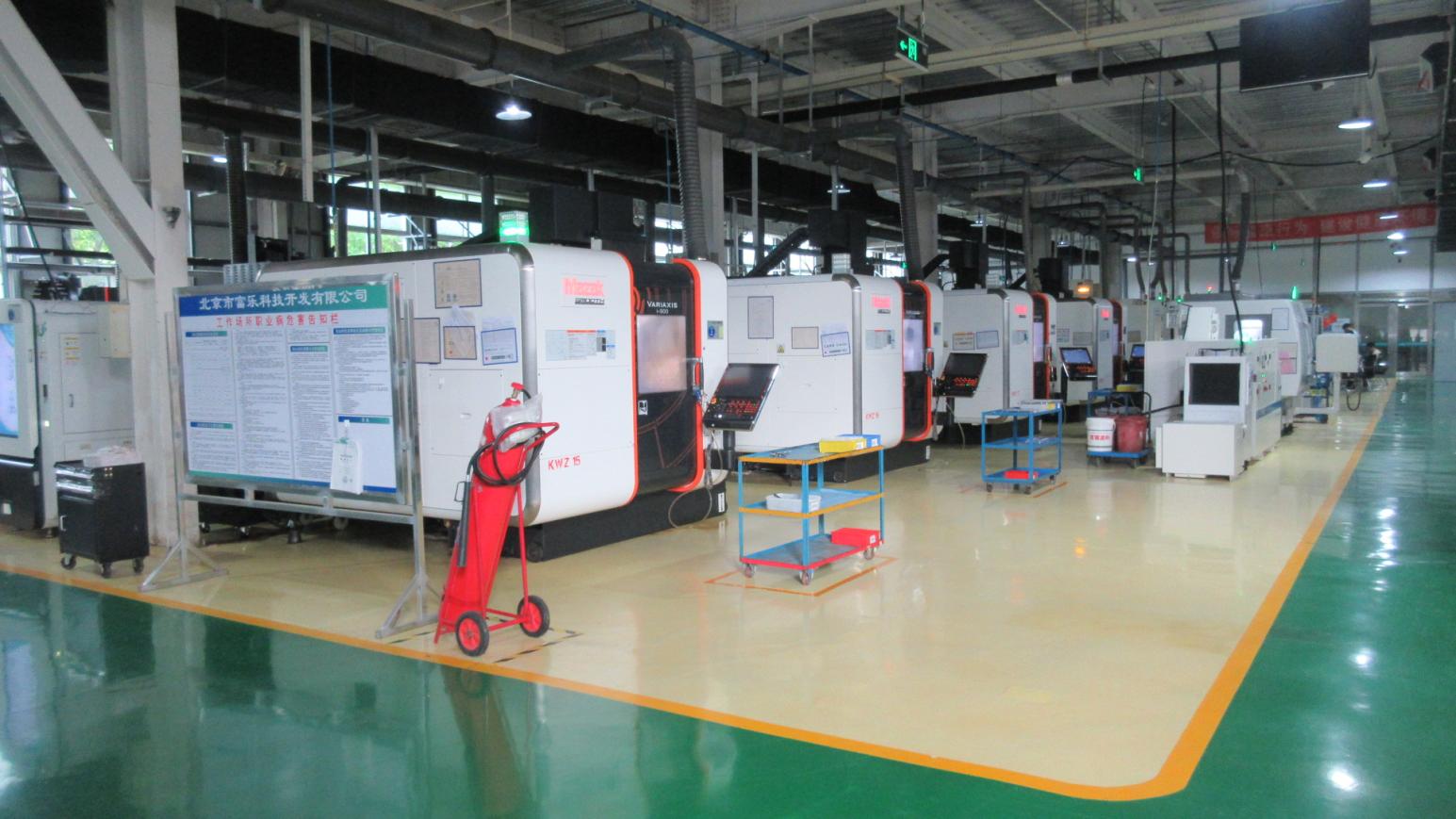
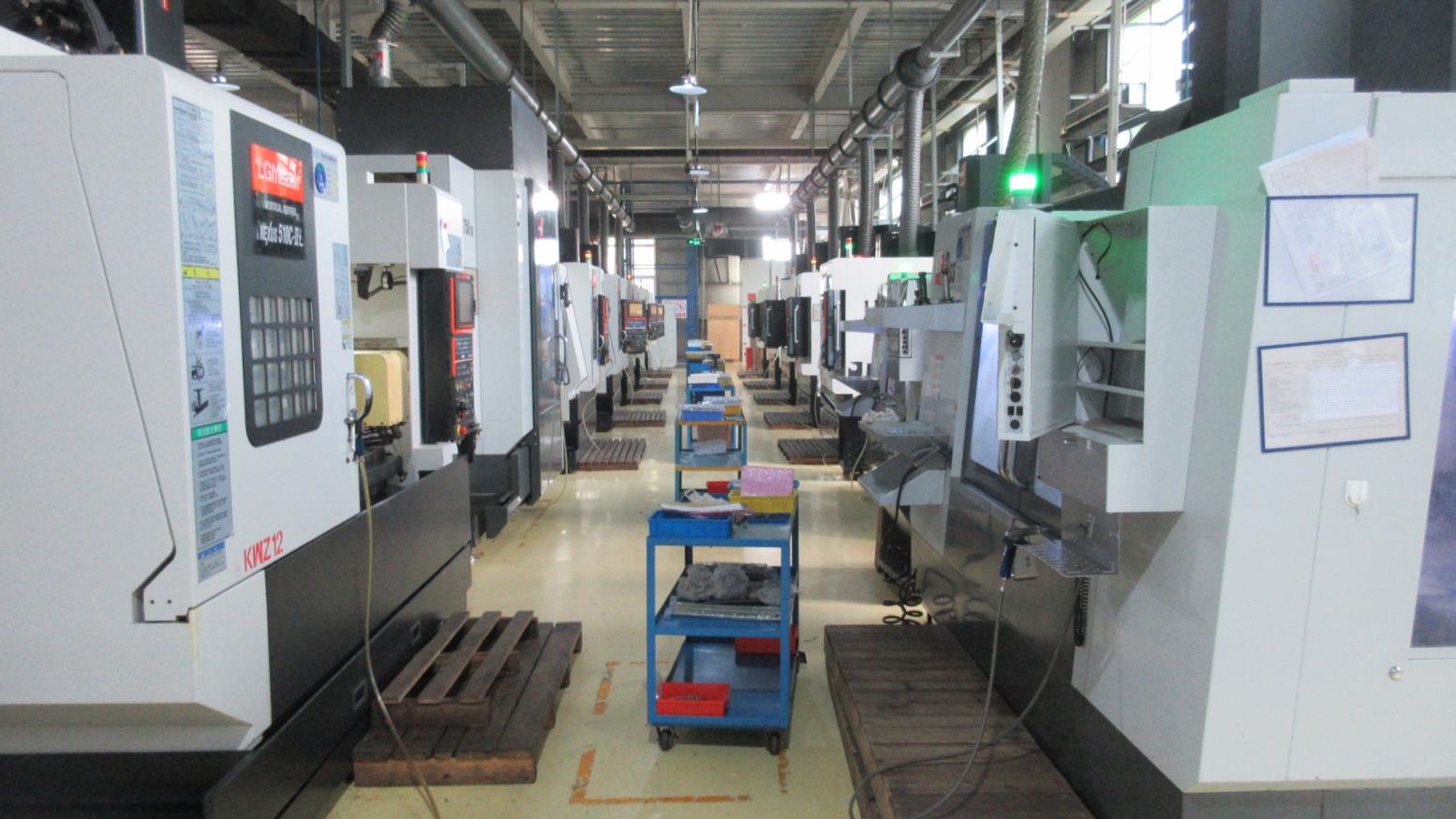
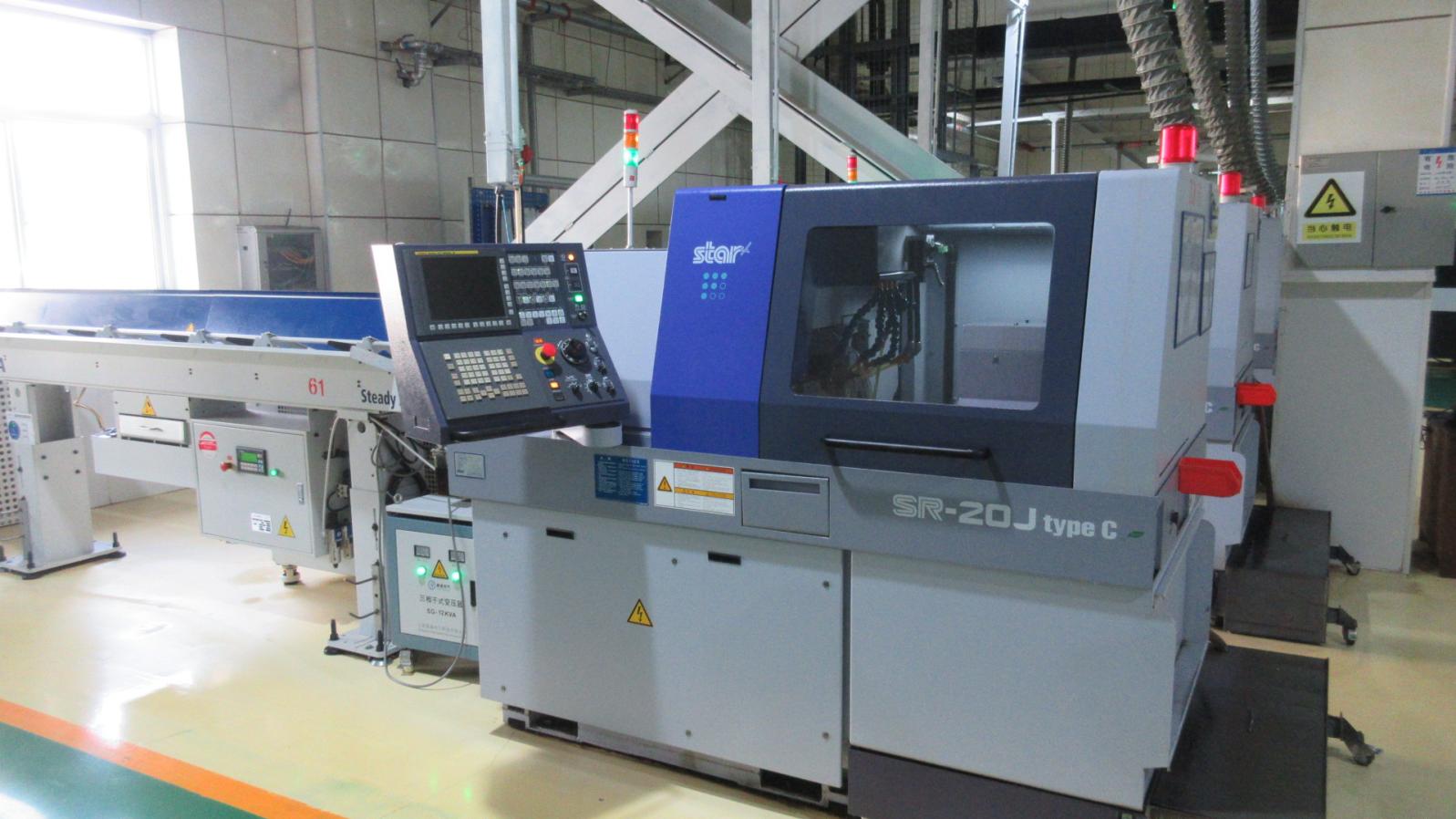
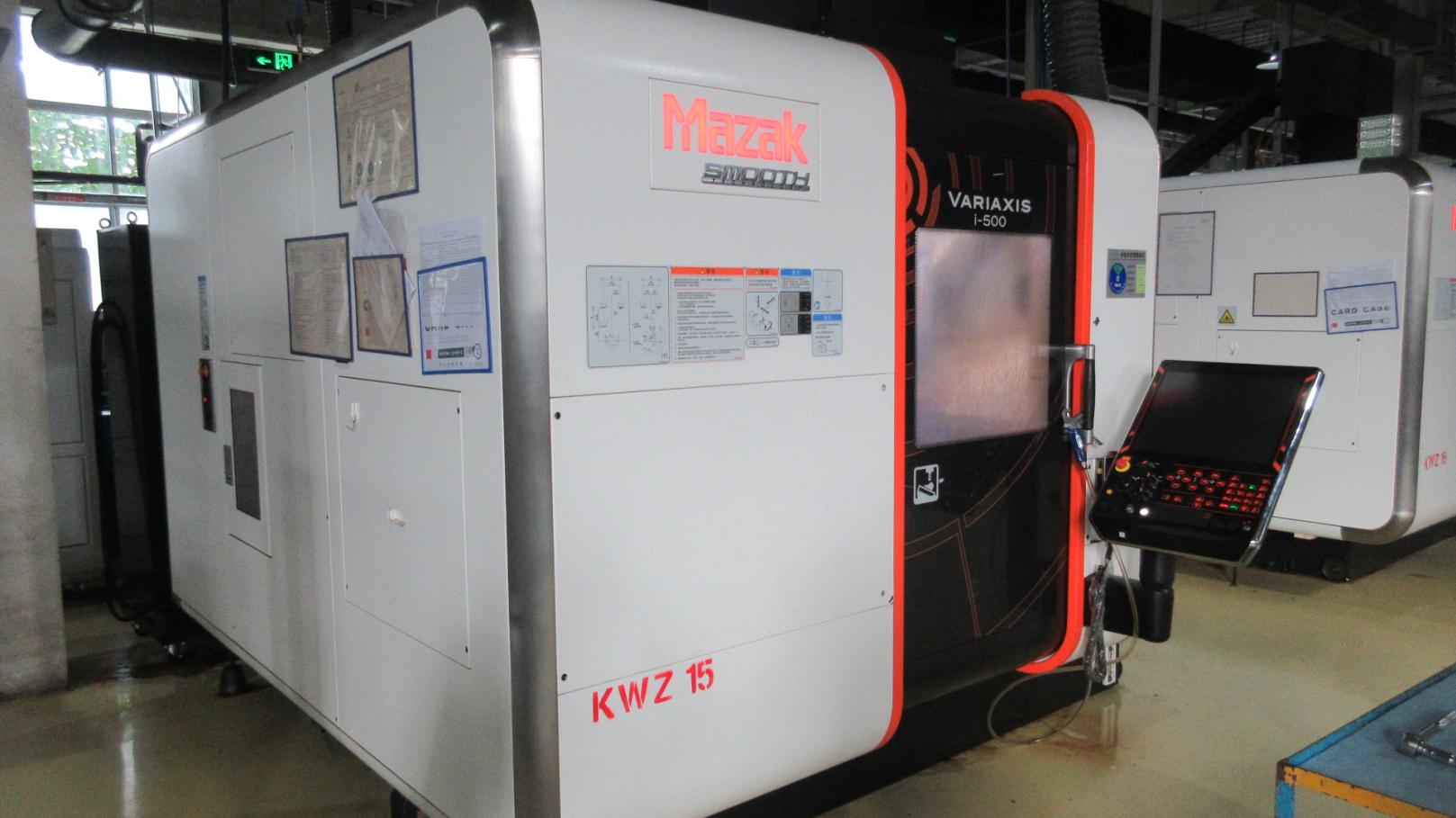
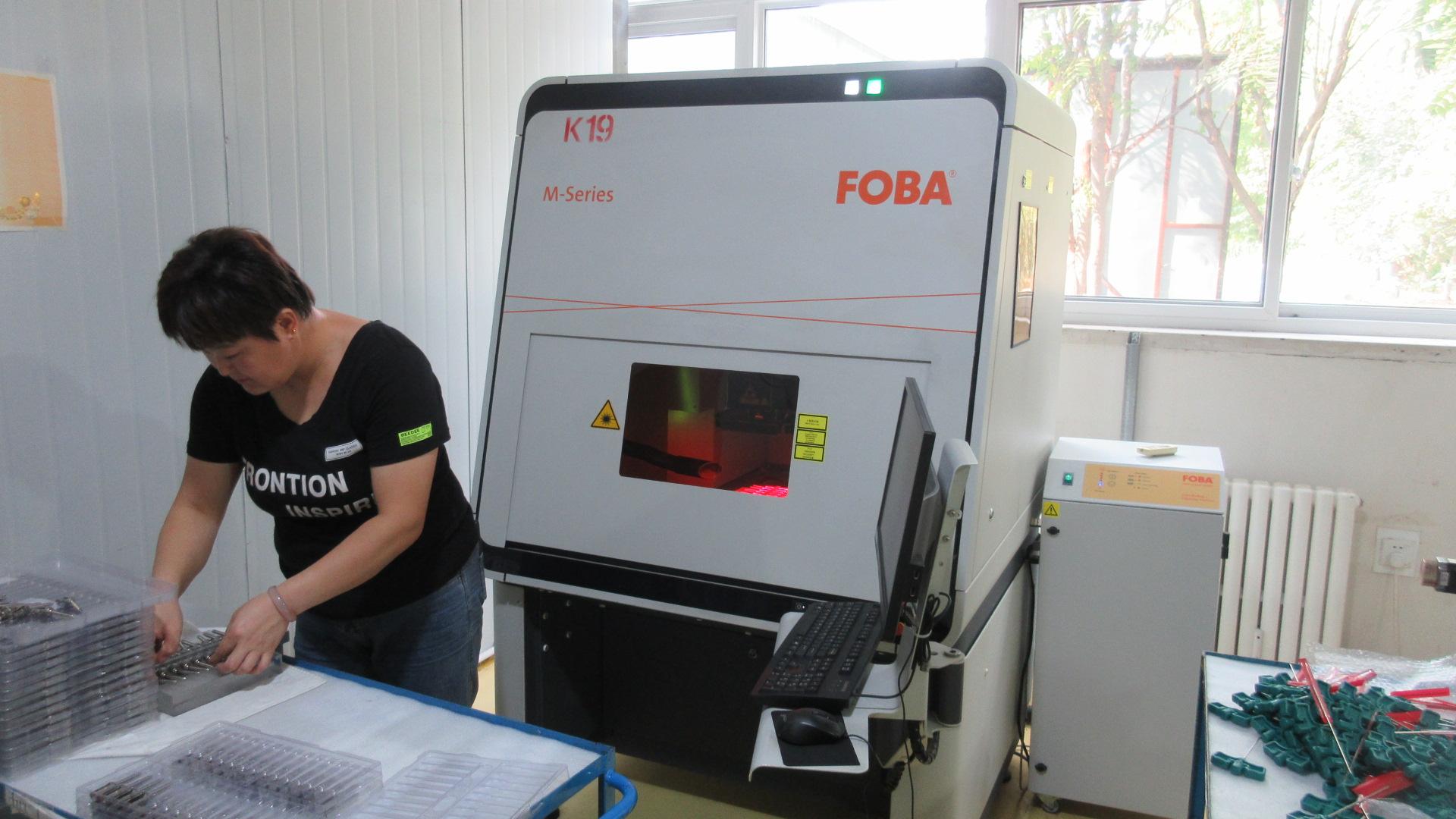
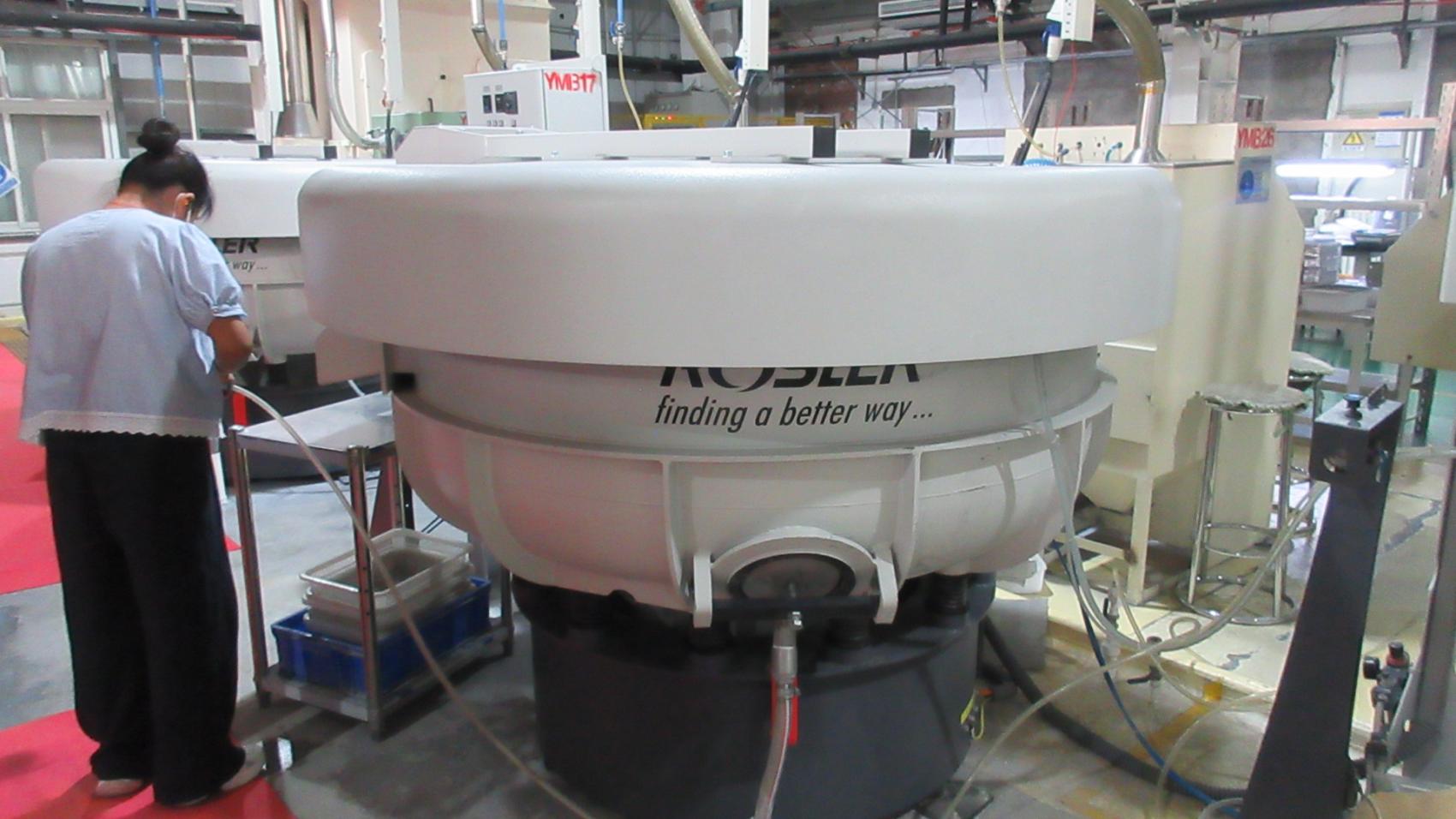
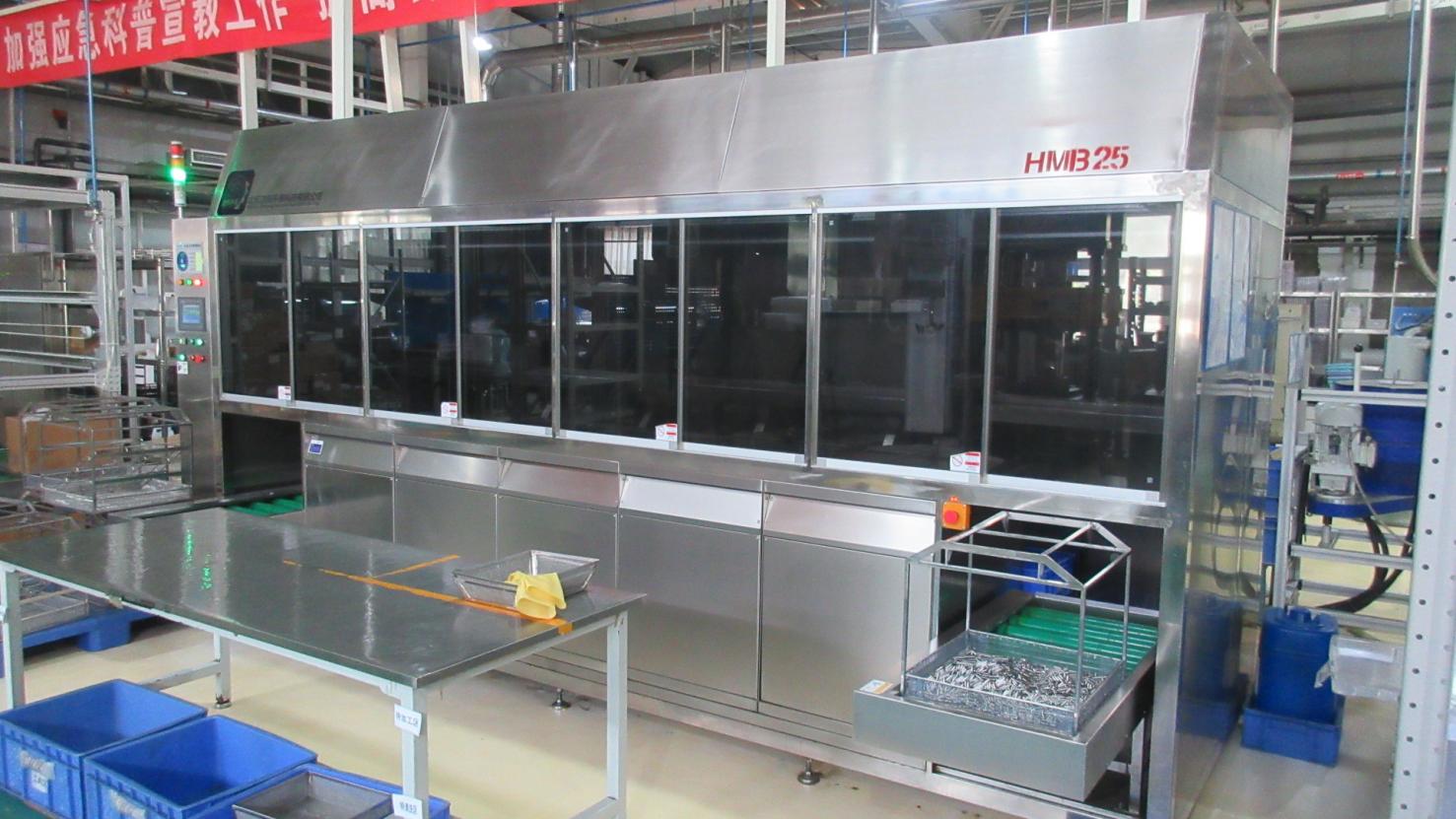
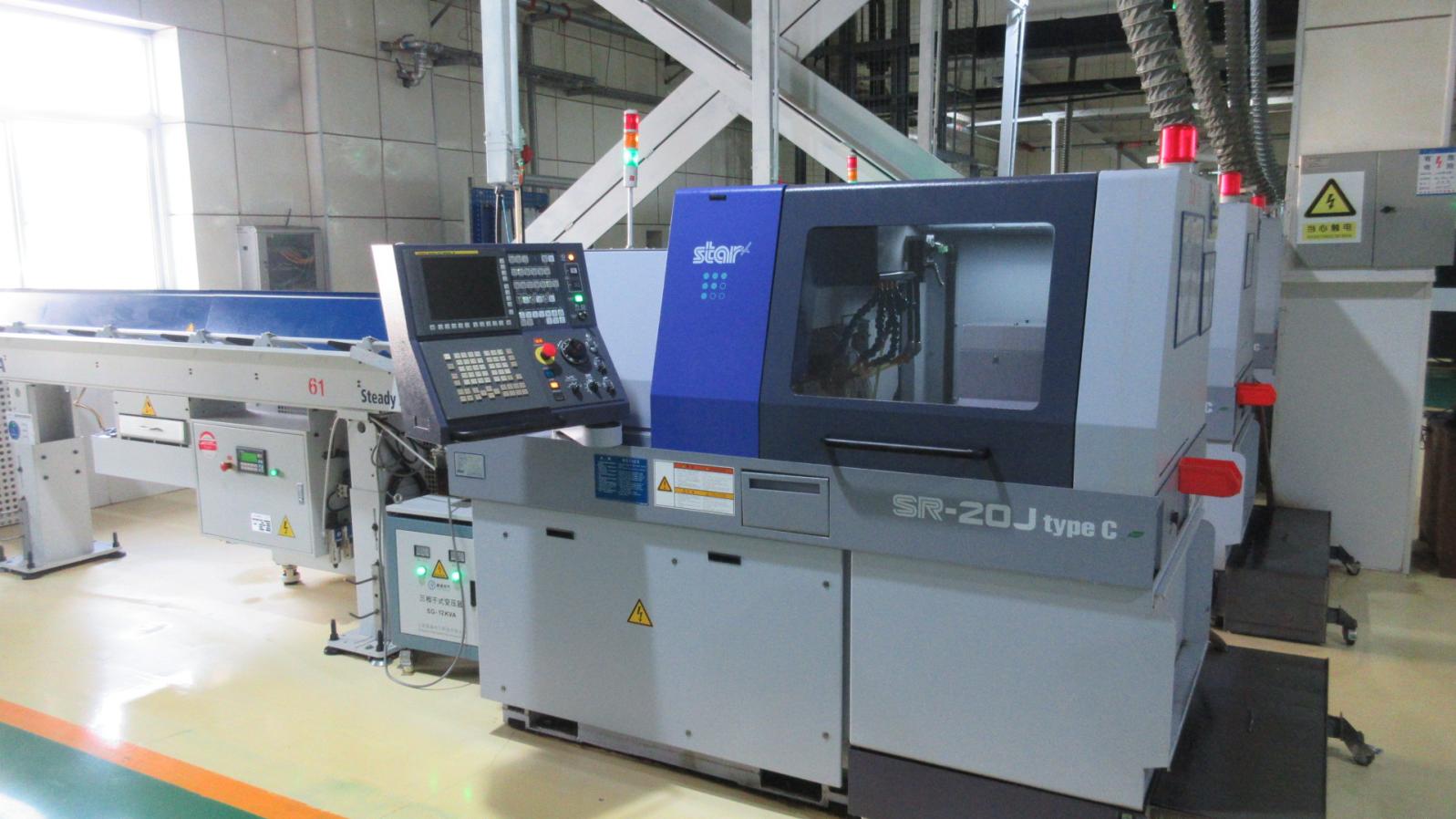
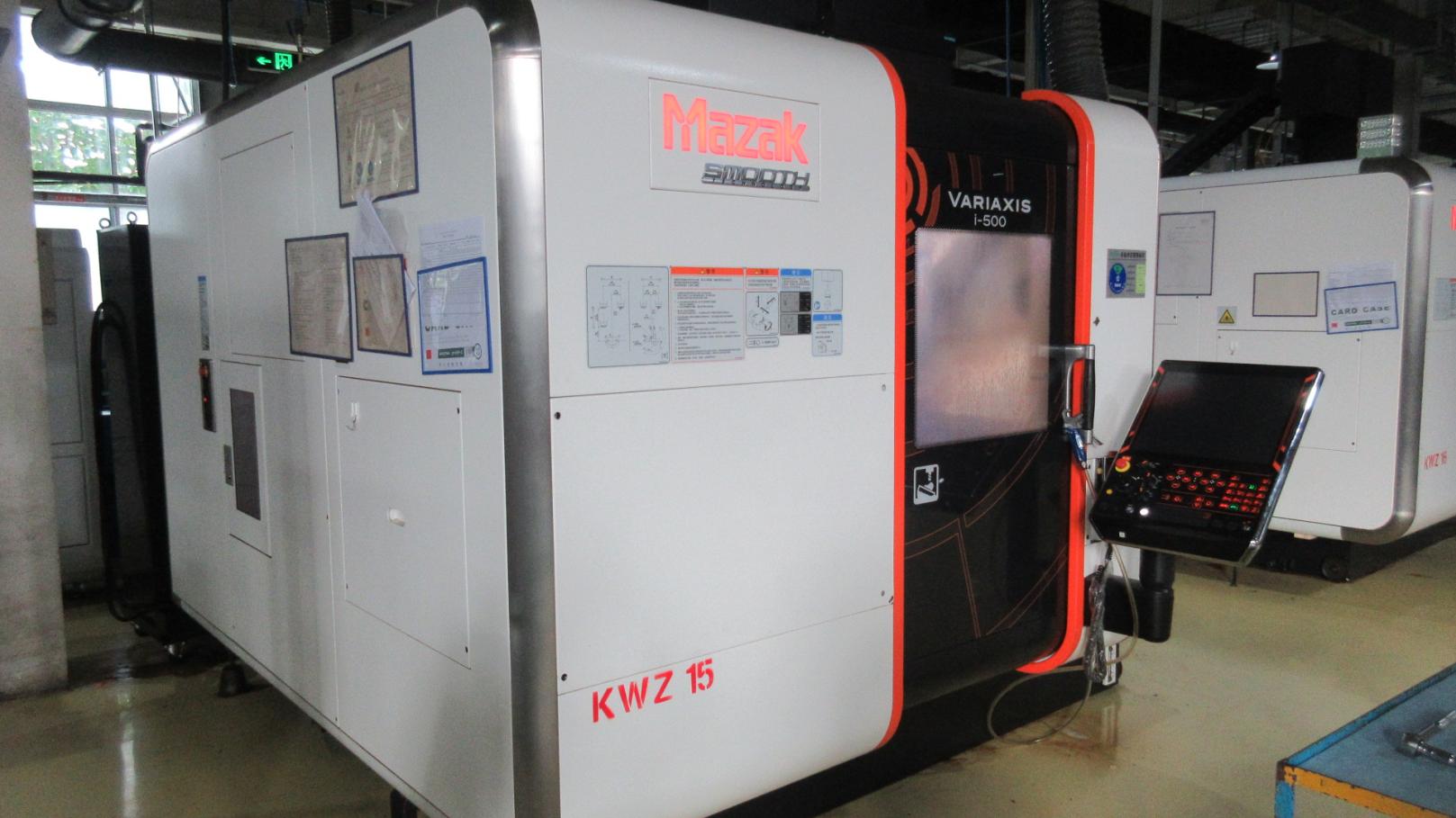
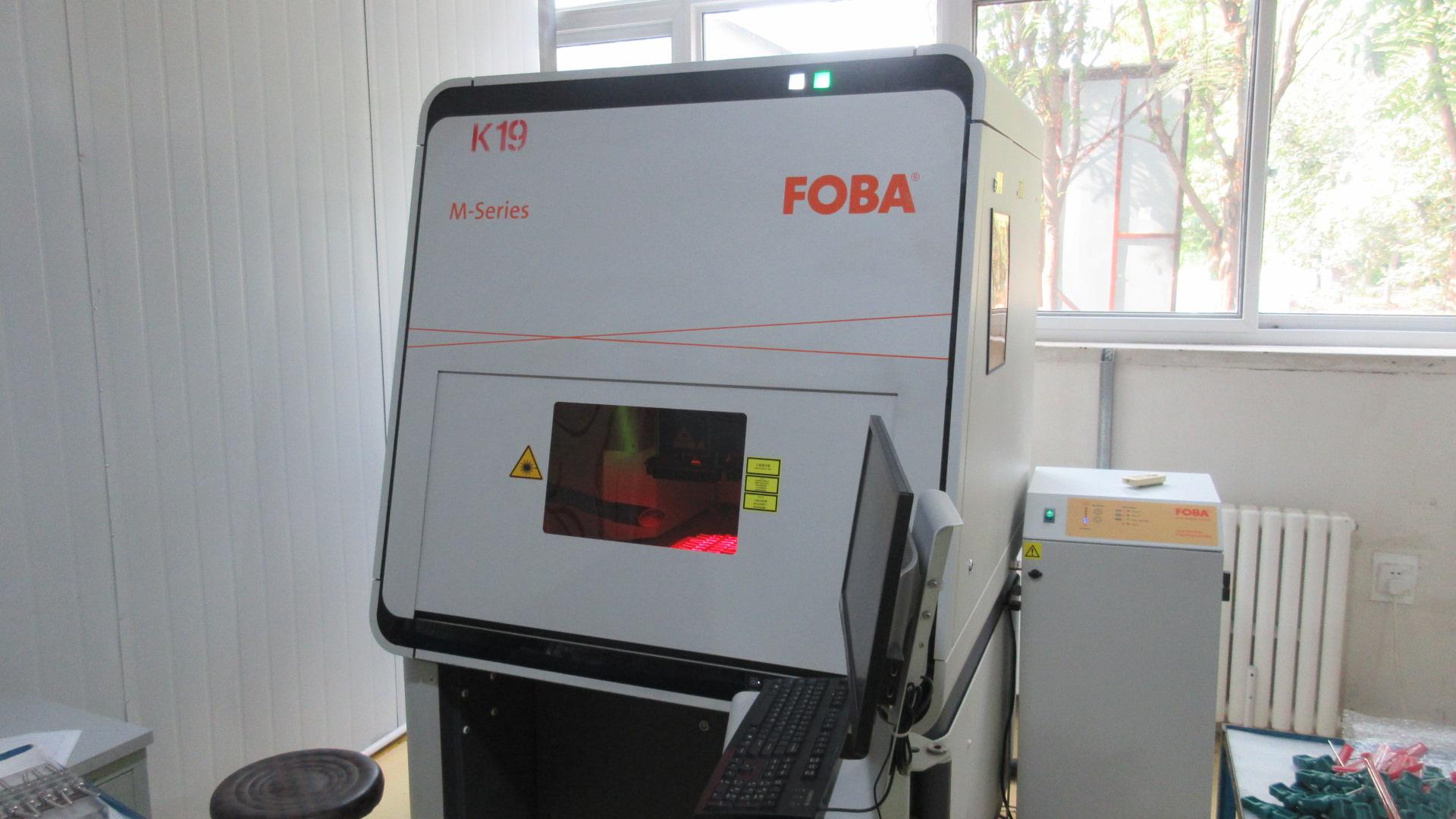
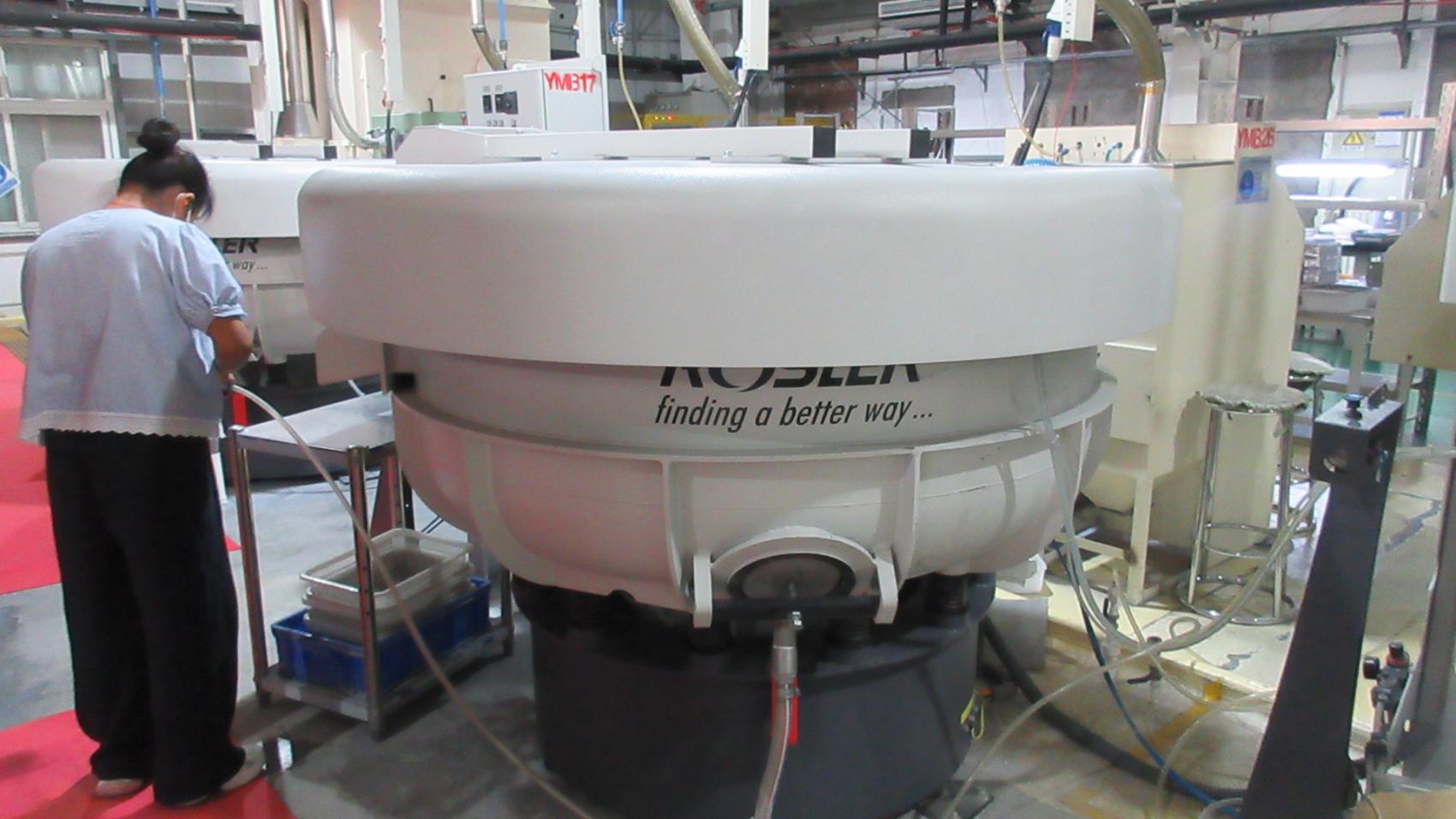
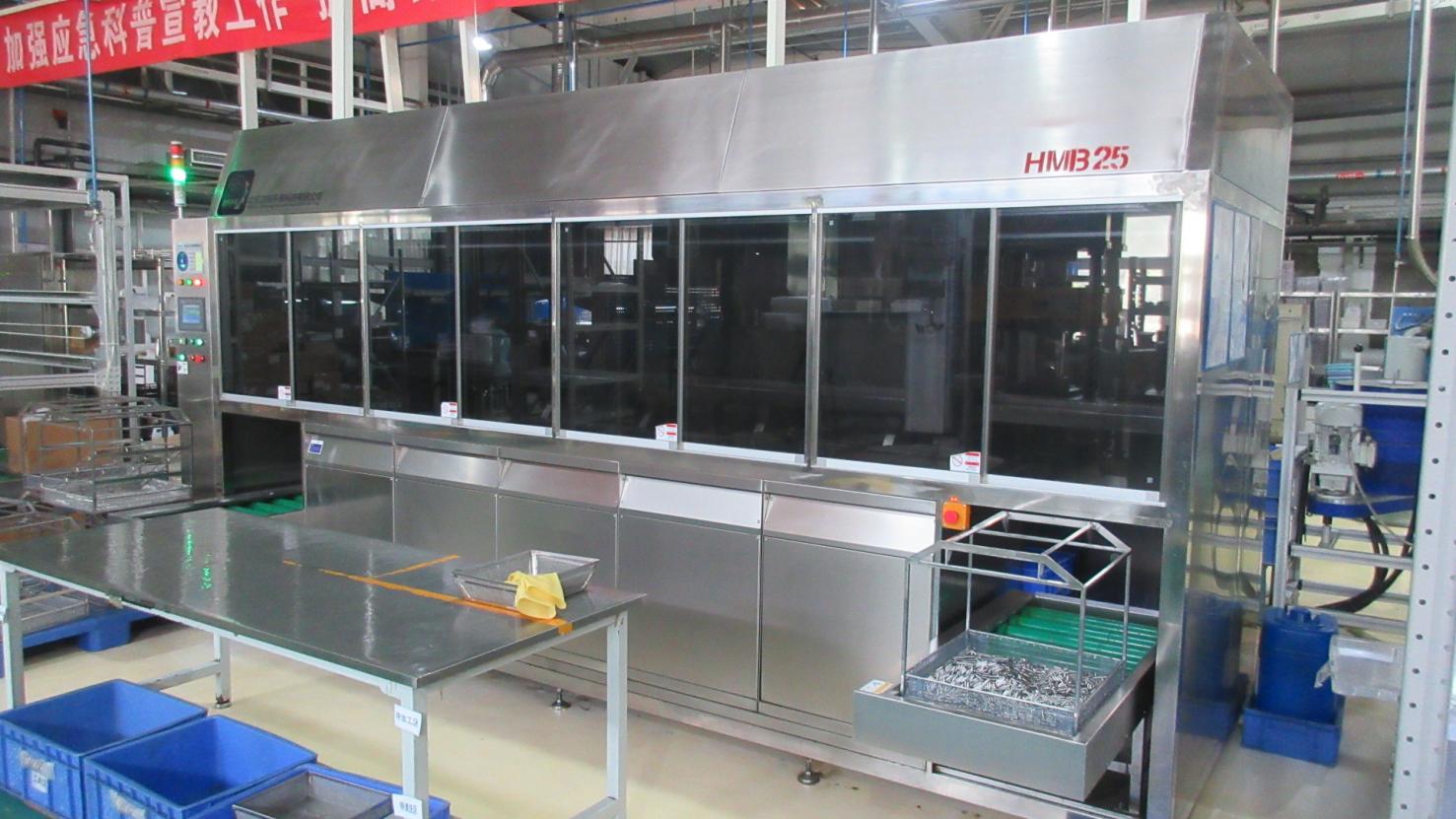
China’s advanced medical manufacturing industry is driven by massive R&D investments, advanced CNC multi-axis milling machining centers, and comprehensive industrial clusters. At our 10,000-square-meter facility in Beijing, we operate 102 state-of-the-art CNC machines, Swiss-type automatic lathes, and high-precision wire-cutting lines. These tools allow us to achieve tolerances as tight as 0.005mm. This microscopic precision is essential for ensuring that threading matches on bone cement screws, pedicle lock-in mechanisms, and cervical plating systems.
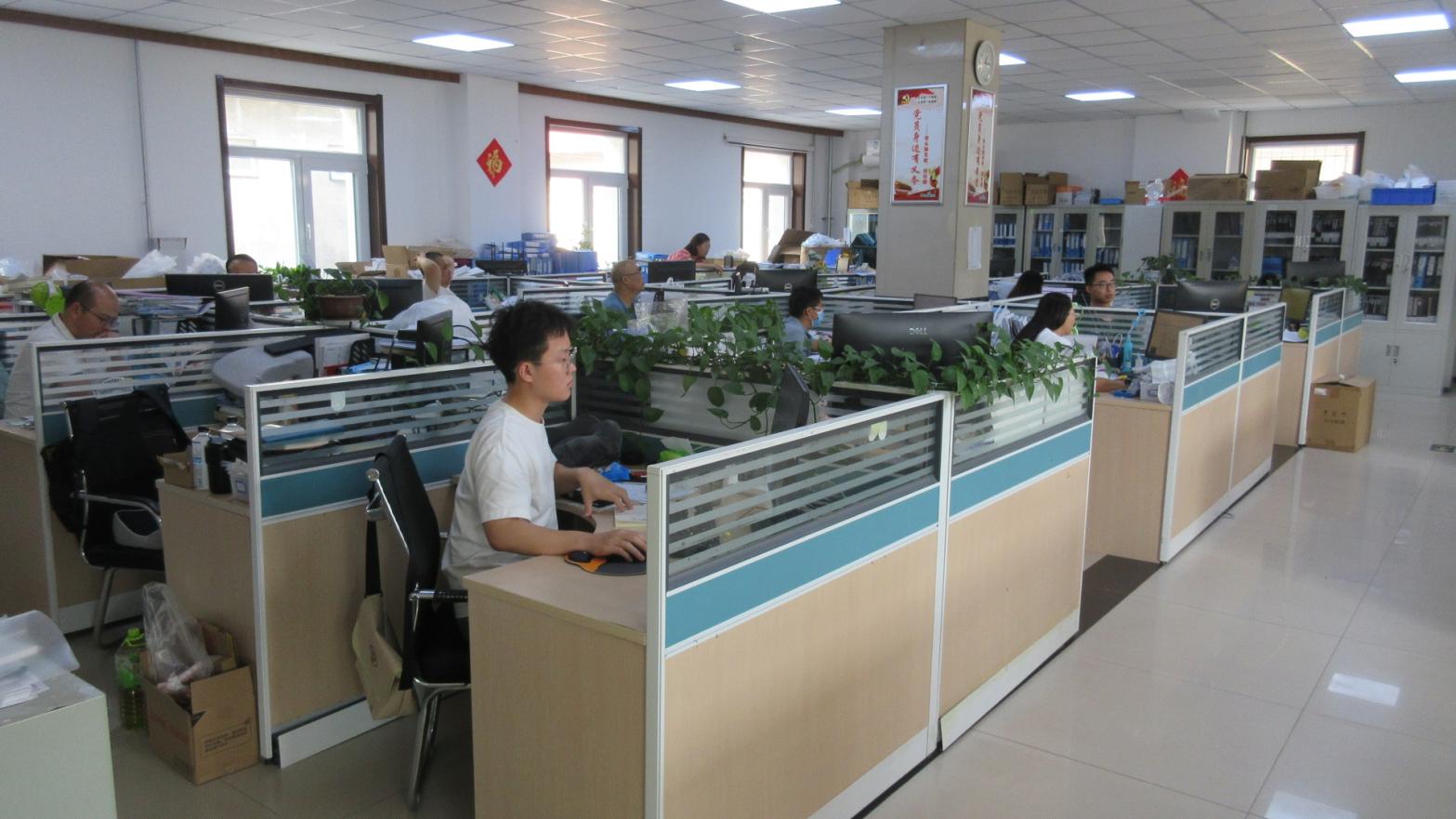
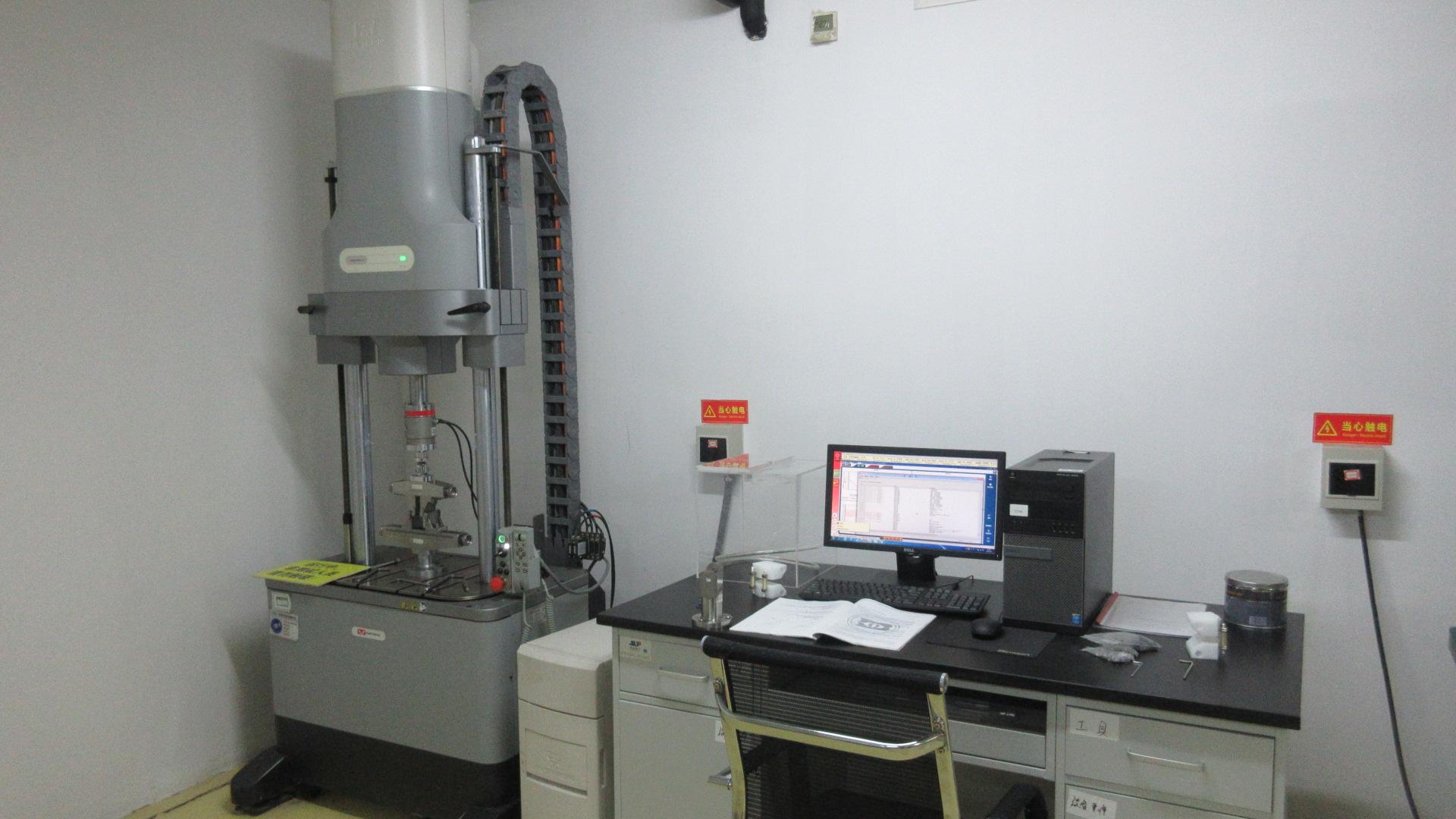
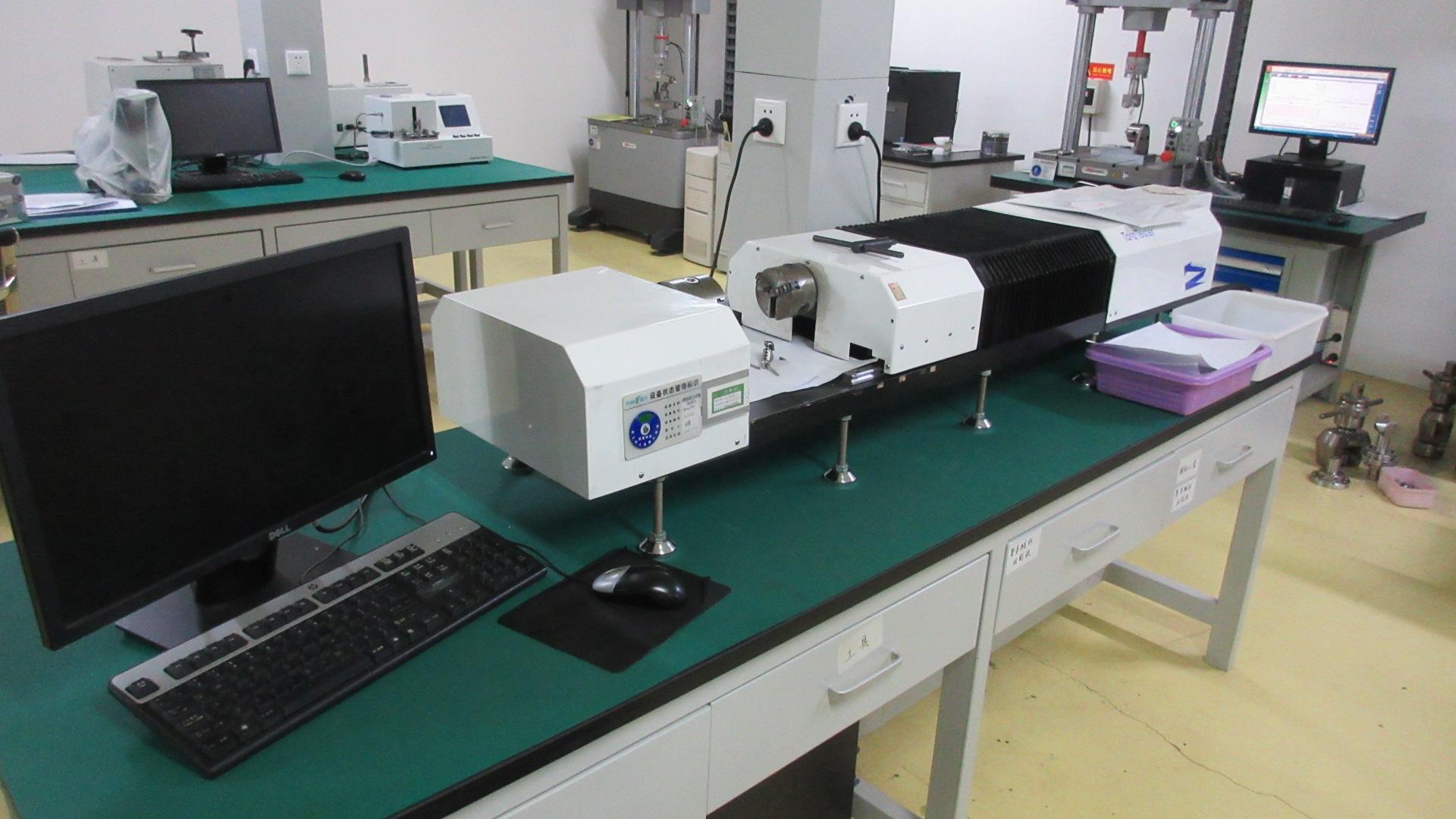
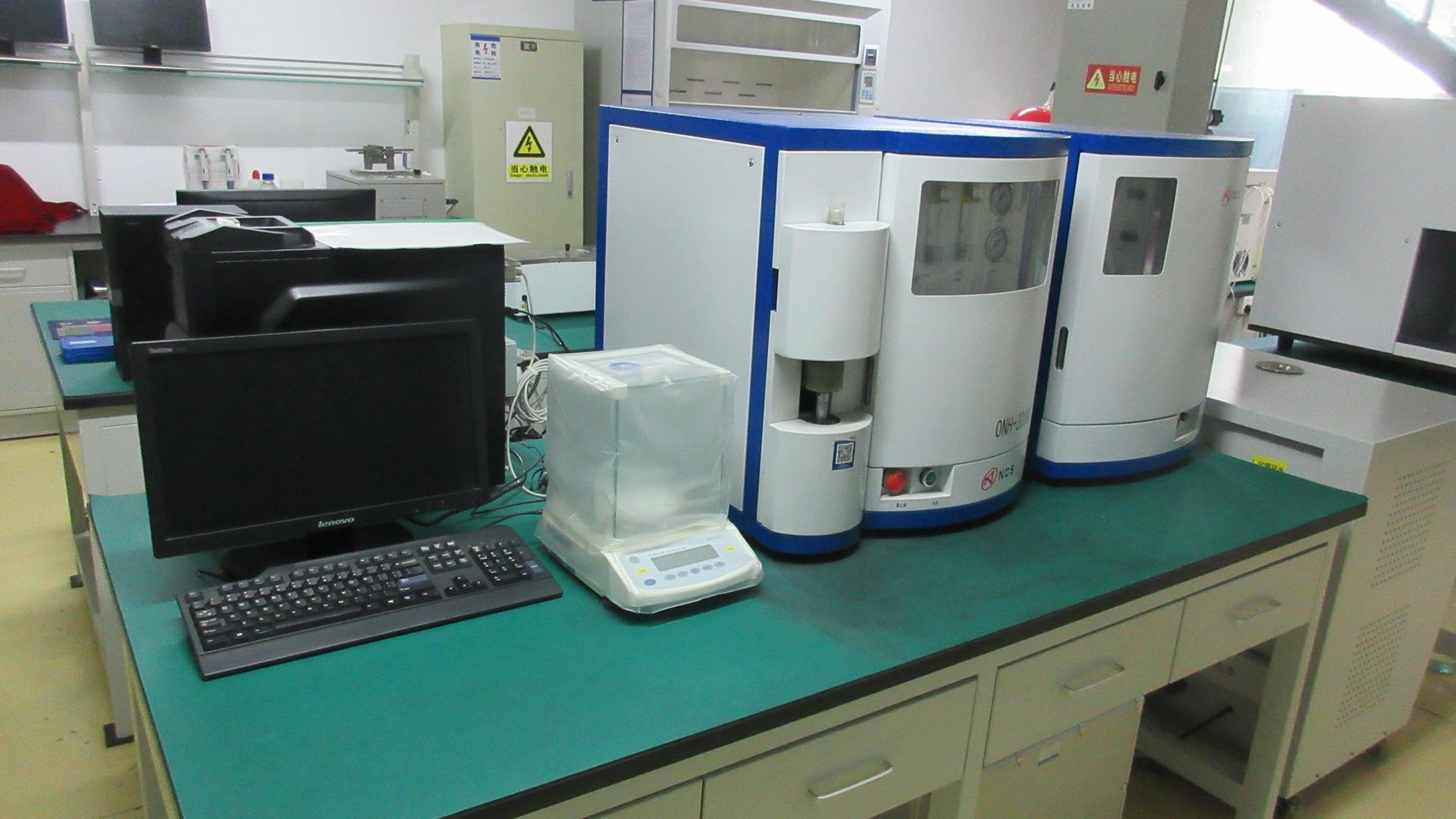
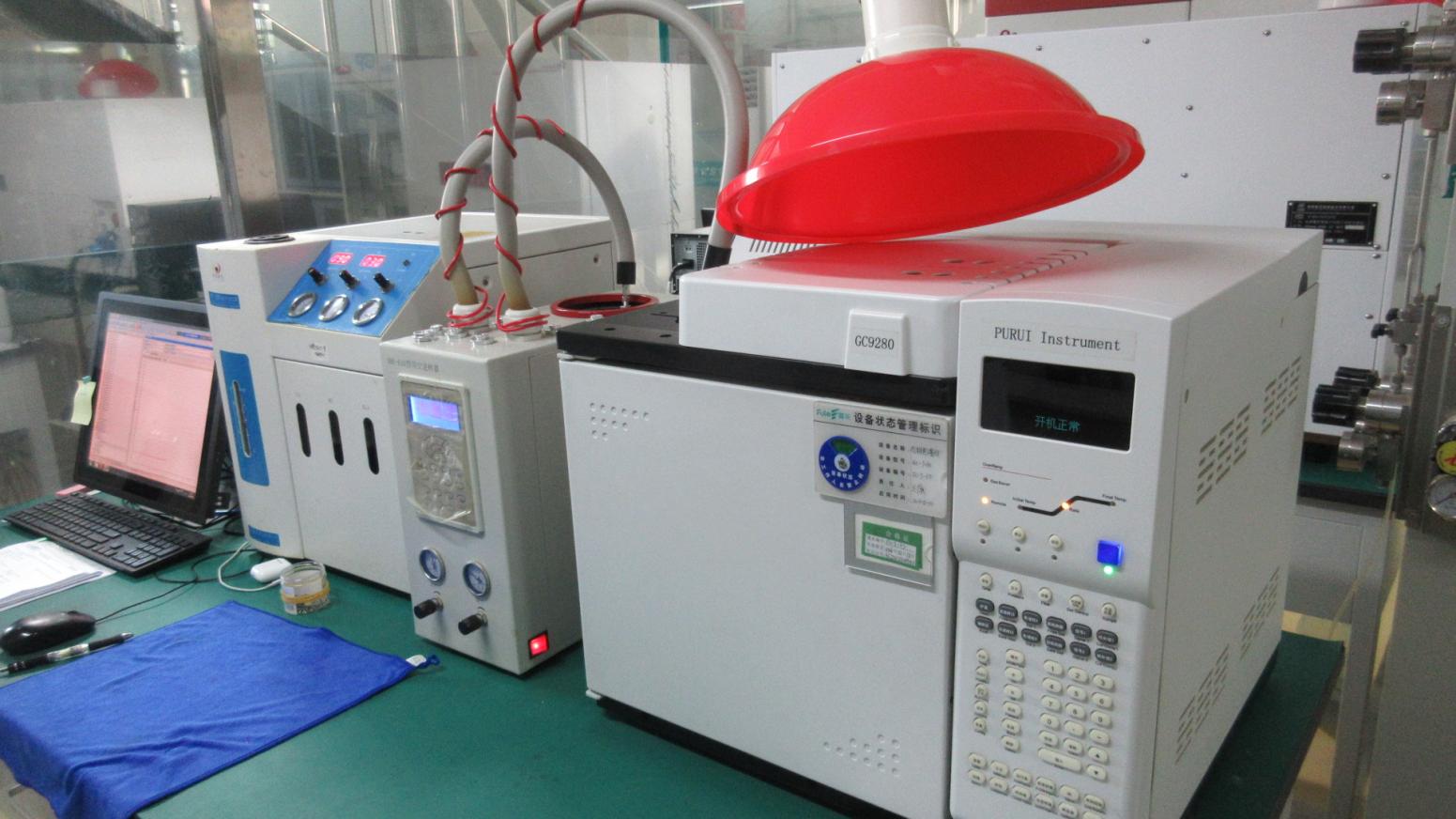
Beijing Fule’s high production capacity—exceeding 508,000 units annually—is managed by a team of 20 highly qualified R&D engineers, 15 of whom hold advanced post-graduate degrees. We integrate 100% inspection across our single, high-efficiency assembly line, utilizing 15 QA/QC inspectors. Raw materials are checked using spectrometer analysis to trace chemical purity, while finished implants undergo dynamic compression, static shear, and pull-out testing inside our fully equipped in-house laboratory. This ensures that every spinal rod, trauma plate, and external fixator kit meets the standards of high-stress orthopedic procedures.
| Parameter Details | Beijing Fule Technical Standard | Clinical Value / Advantage |
|---|---|---|
| Material Composition | TI-6AL-4V ELI (ASTM F136 / ISO 5832-3) | Superior biocompatibility, high fatigue limit, zero tissue toxicity |
| CNC Machining Precision | Tolerances down to ± 0.005mm (Swiss CNC) | Perfect interface match between locking screws and plate slots |
| Surface Treatment | Anodization, DLC (Diamond-Like Carbon), Sandblasted Micro-roughness | Optimized osteointegration and reduced friction coefficients |
| QA Traceability | 100% inspection with material-to-patient tracking codes | Full compliance with hospital clinical risk mitigation audits |
| Production Output | 508,000 units annually across trauma/spine segments | Shorter delivery lead times and immediate supply stability for large orders |
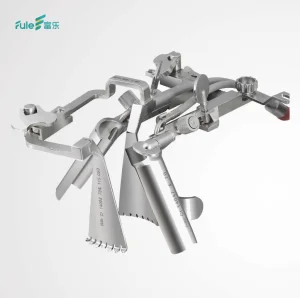
In Cambodian clinical settings, specific trauma configurations require targeted implant designs. High-velocity motor vehicle accidents frequently result in complex pelvic fractures, open tibial shaft breaks, and poly-trauma. Beijing Fule addresses these critical conditions with customizable external fixators, including the Hoffman External Fixator Kit and Kirschner Wire Olive Systems, which provide immediate skeletal stabilization without risking deep-seated osteomyelitis in compromised soft tissue.
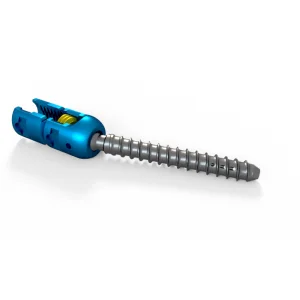
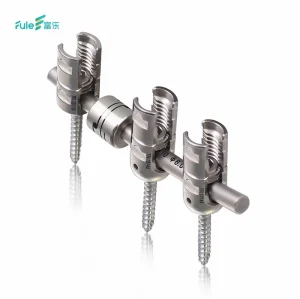
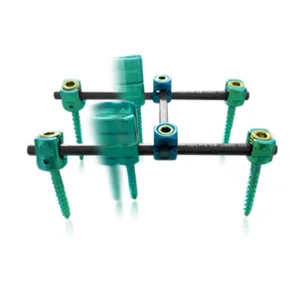
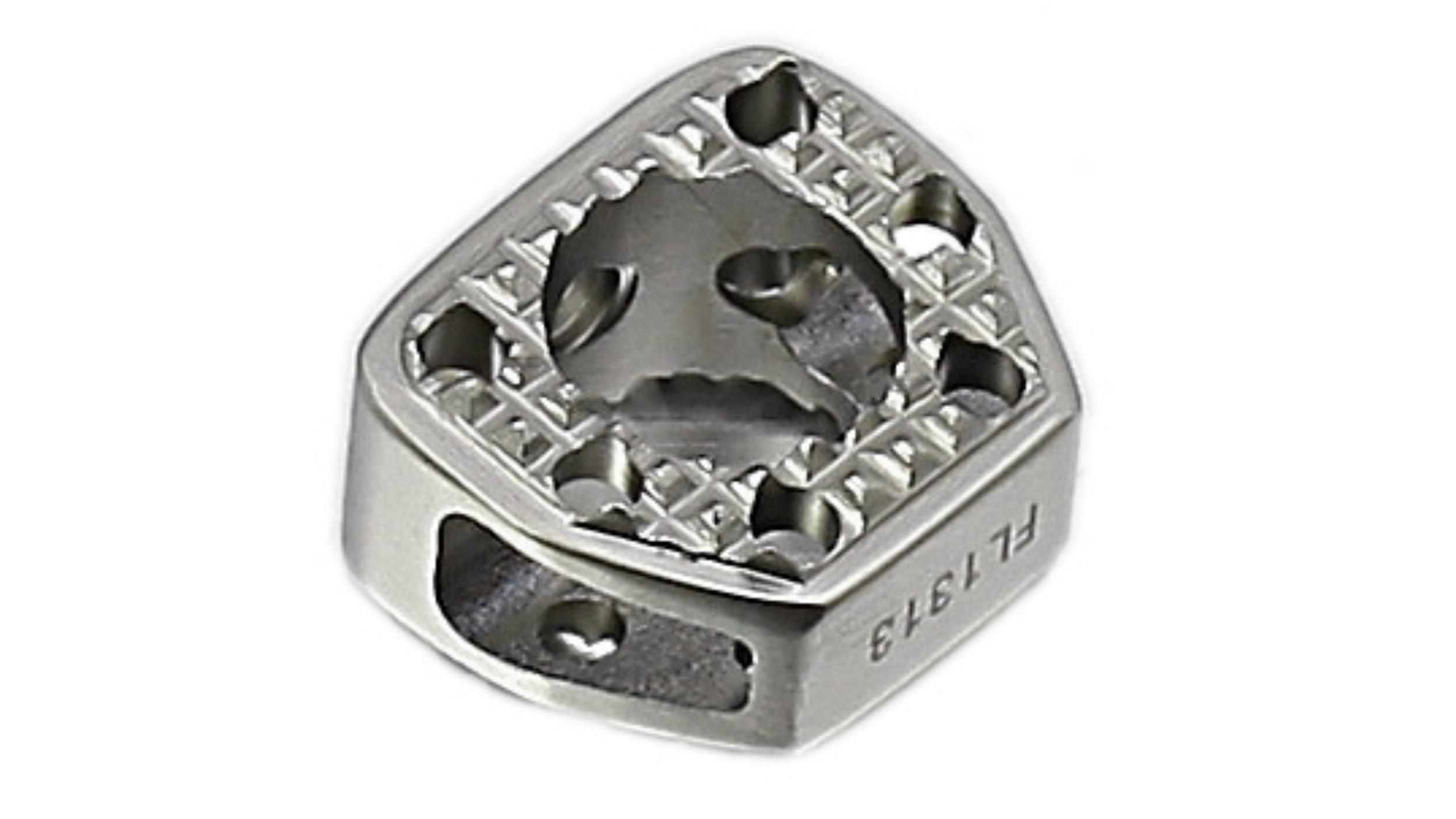
For degenerative spine care, cervical and lumbar pathologies are highly prevalent. Our anterior cervical bone plate systems and posterior titanium spinal screw-rod systems (such as the Fule Miko II Series) allow surgeons to perform precise decompression, stabilization, and fusion. These systems are designed with low-profile configurations to prevent soft-tissue irritation, while their robust locking systems minimize the risk of screw backing-out. This is crucial for patients in rural communities who may have limited access to immediate post-operative revision facilities.
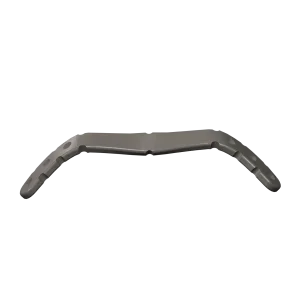
Designed for immediate intervention in complex fractures, high-impact pelvic trauma, and diaphyseal long bone reconstruction. Beijing Fule's locking plates feature combi-holes, allowing surgeons to use them as dynamic compression plates or locking constructs. This provides flexibility inside the operating theater, especially when dealing with osteoporotic bone structures frequently encountered in older demographics across Cambodia.
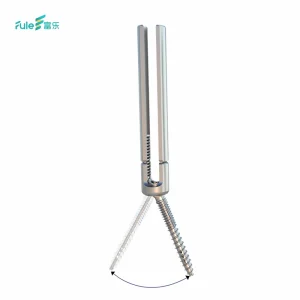
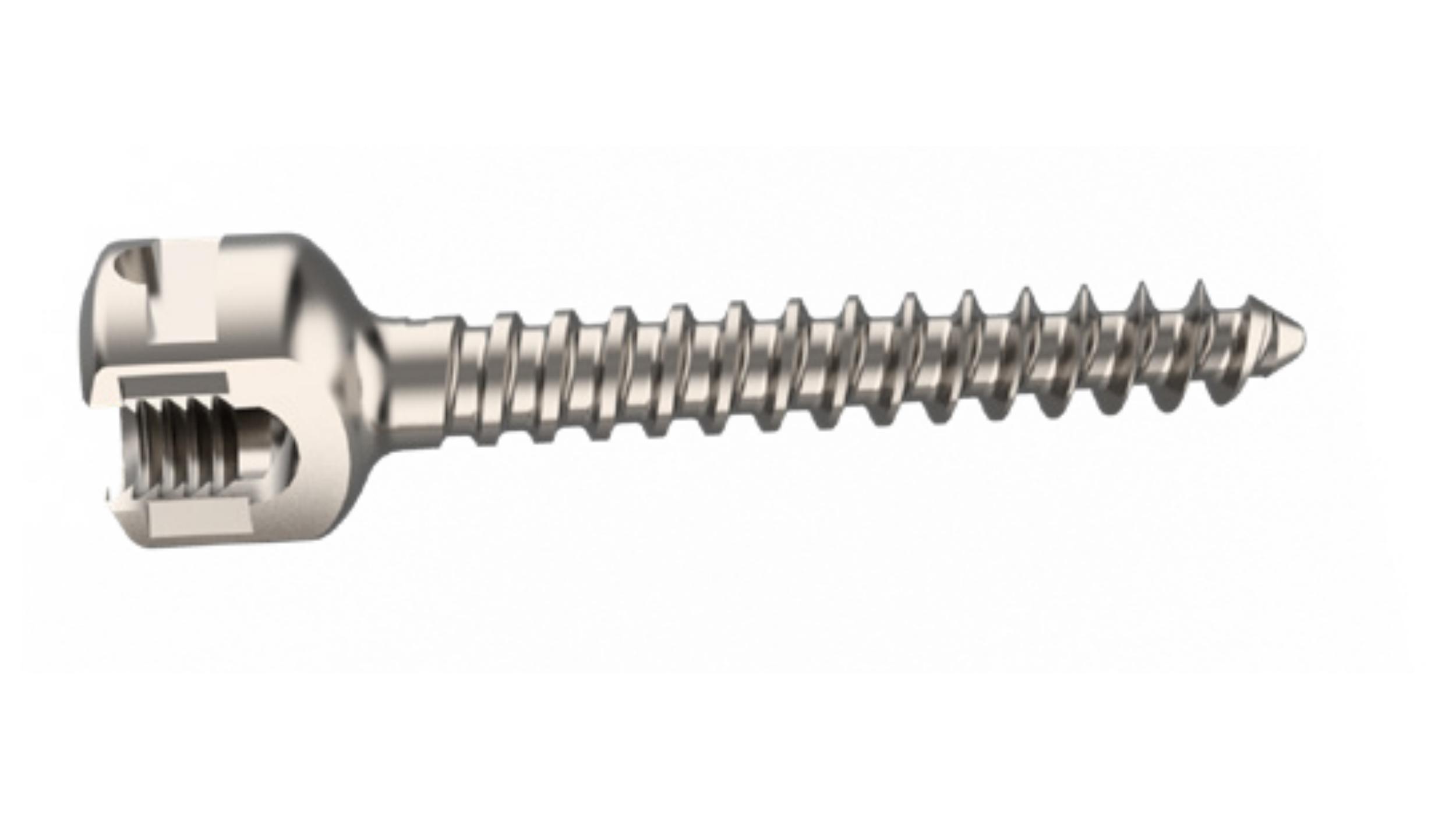
Beijing Fule spinal solutions include anterior cervical plating and posterior pedicle fixation system configurations. Engineered with color-coded screws for rapid identification during surgery, they feature self-tapping threads and optimized pitch designs. This reduces insertion torque while maximizing pull-out strength, ensuring rigid structural fusion and immediate patient mobilization.
The future of orthopedics is focused on Minimally Invasive Surgery (MIS), bioactive interface coatings, and patient-specific implant designs. Beijing Fule is actively researching bioactive bone cement screws and 3D-printed titanium mesh cages that stimulate bone growth at the cellular level. By modifying implant surfaces at the nanoscale, we can accelerate osteointegration, reduce recovery times, and decrease post-operative infection rates.
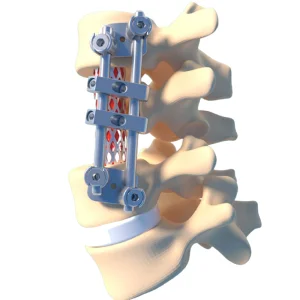
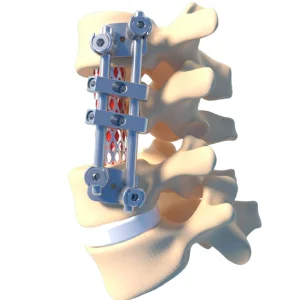
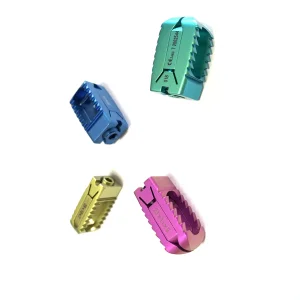
Additionally, there is growing global demand for advanced carbon-fiber composites and radiolucent materials in surgical instrumentation. This helps minimize radiation exposure for surgical teams during fluoroscopy. For hospitals in Cambodia, adopting minimally invasive spinal systems like the Fata Titanium combination, lumbar interbody fusion cages (PEEK & Titanium), and expandable lumber cages allows clinical teams to perform complex spine decompressions with minimal muscle retraction, smaller incisions, less intraoperative blood loss, and shorter hospital stays.
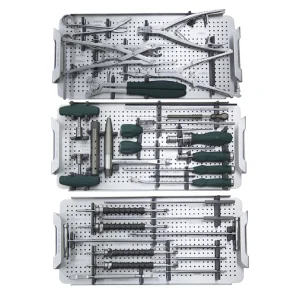
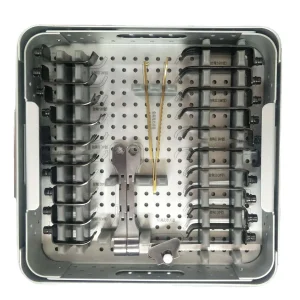
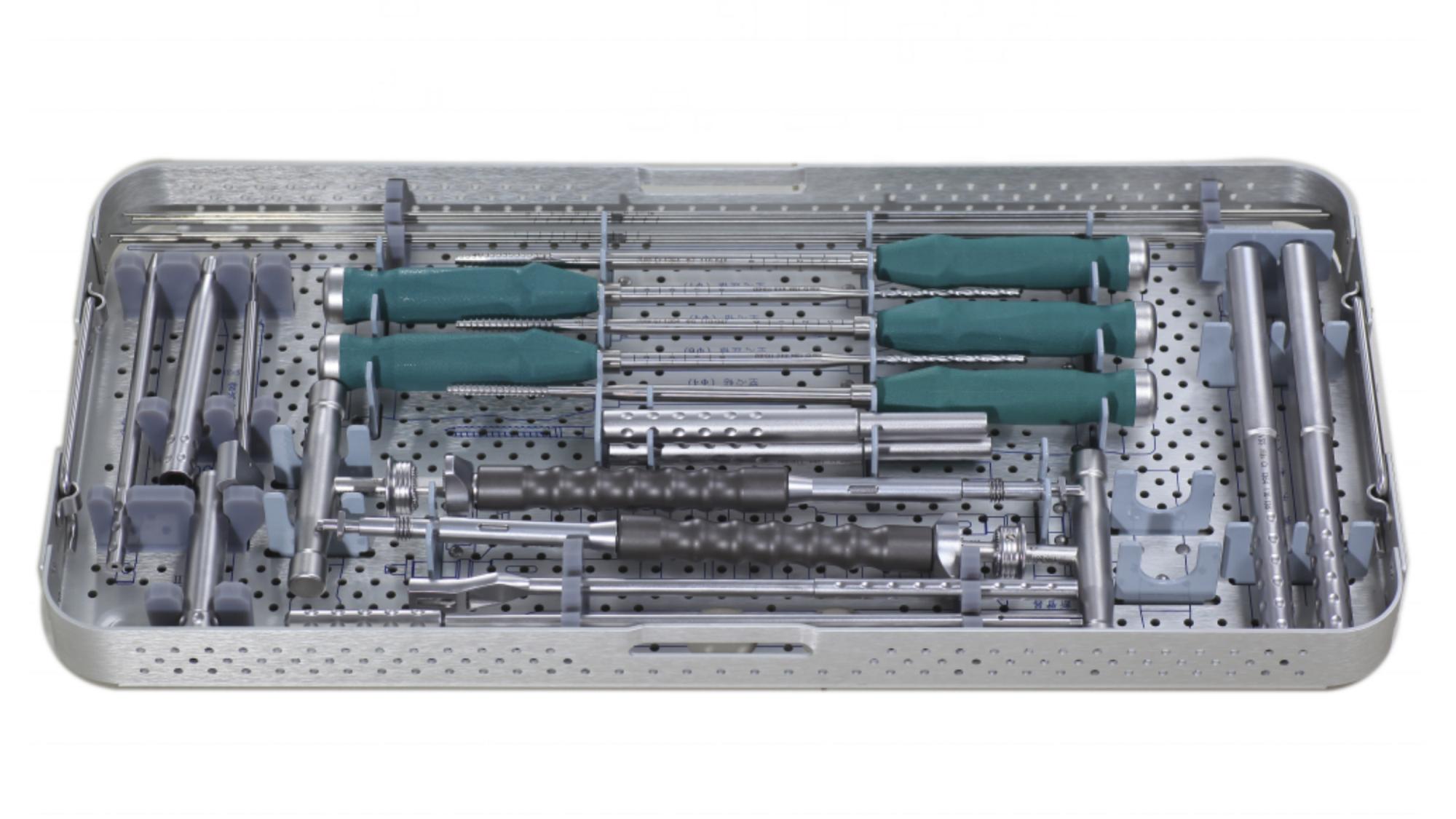
For orthopedic distributors, hospital procurement managers, and government health supply departments in Cambodia, establishing a direct, stable connection with a verified manufacturer is essential. Navigating middleman markups and uncertain shipping times can compromise clinical efficiency. Beijing Fule offers a comprehensive B2B supply package: from customized OEM/ODM implant fabrications based on technical drawings and samples, to the delivery of pre-validated surgical instrument trial sets.
We maintain deep partnerships with international logistics providers, facilitating rapid transport of titanium implants under strict temperature and shock-monitored environments from our central factory in China directly to Phnom Penh Autonomous Port (PPAP) or Phnom Penh International Airport (PNH). Every shipment is accompanied by detailed sterilization instructions, certification files, and full batch traceability reports, ensuring your distribution network remains reliable, compliant, and continuously stocked.
Explore our fully certified Class III implants, trauma systems, external fixators, and specialized surgical instrument kits designed for long-term clinical efficacy.
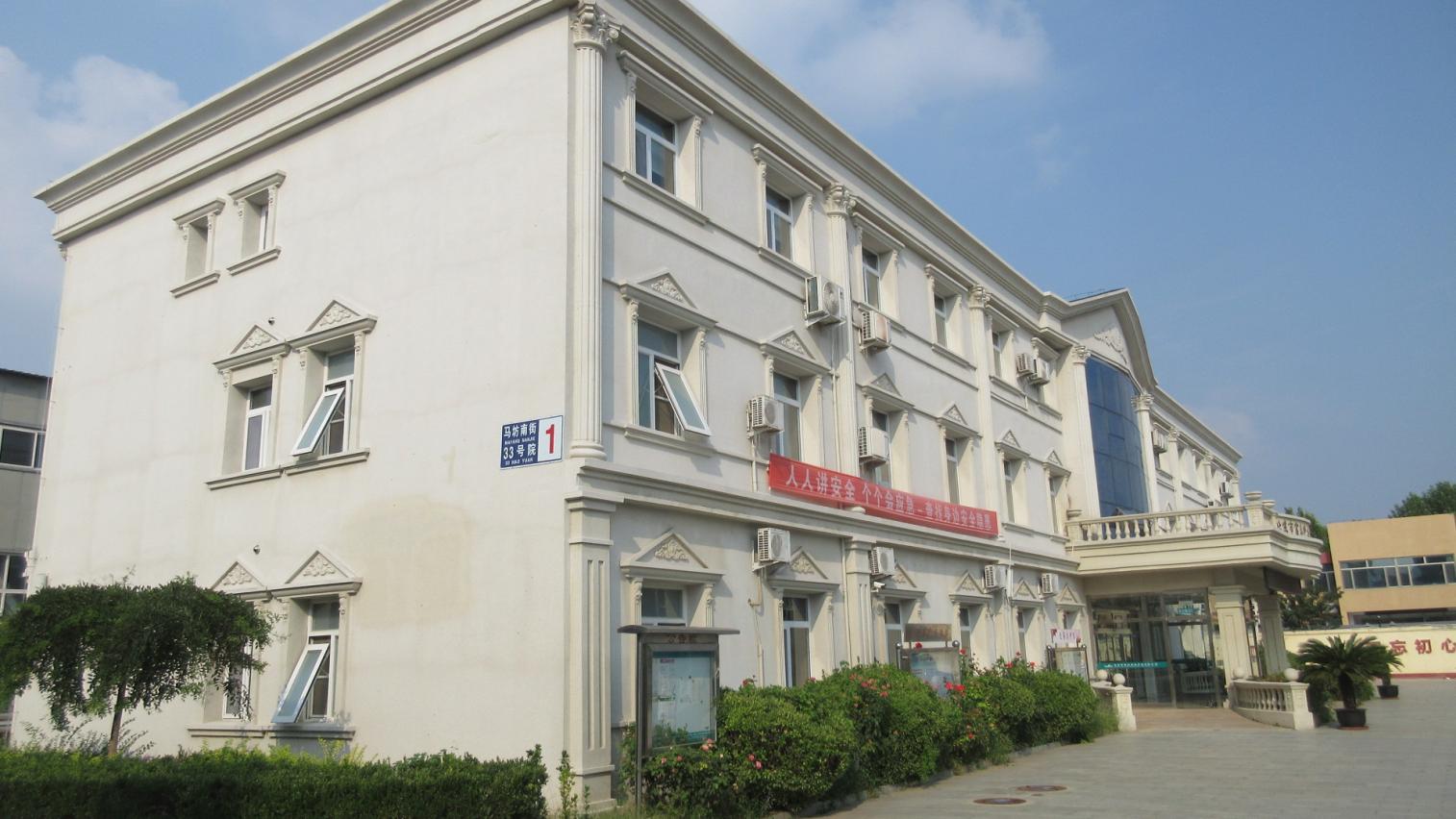
Take an inside look at our 10,000-square-meter modern medical plant, featuring ISO Class 10,000 cleanrooms and advanced quality-testing facilities.
Get answers to common technical, material, and regulatory questions from healthcare distributors and procurement officers in Phnom Penh.
Accelerate your clinical supply chain, reduce device procurement overhead, and access premium titanium implants backed by 29 years of medical engineering expertise.
Send Inquiry Now ISO 13485 Certified
 Fule
Fule