Advanced spine stabilization and intervention materials optimized for Montenegro’s clinical orthopedics departments.
Montenegro is experiencing a significant upgrade in its national health infrastructure. Governed by the Ministry of Health (Ministarstvo Zdravlja), key clinical hubs such as the Clinical Centre of Montenegro (KCCG) in Podgorica and specialized orthopedic facilities like the "Vaso Ćuković" Special Hospital in Risan are expanding their advanced trauma and neurological intervention departments. With a growing population, an aging demographic, and rising numbers of tourists along the Adriatic coast, the demand for precision orthopedic implants and reliable surgical instrument kits has grown exponentially over the past decade.
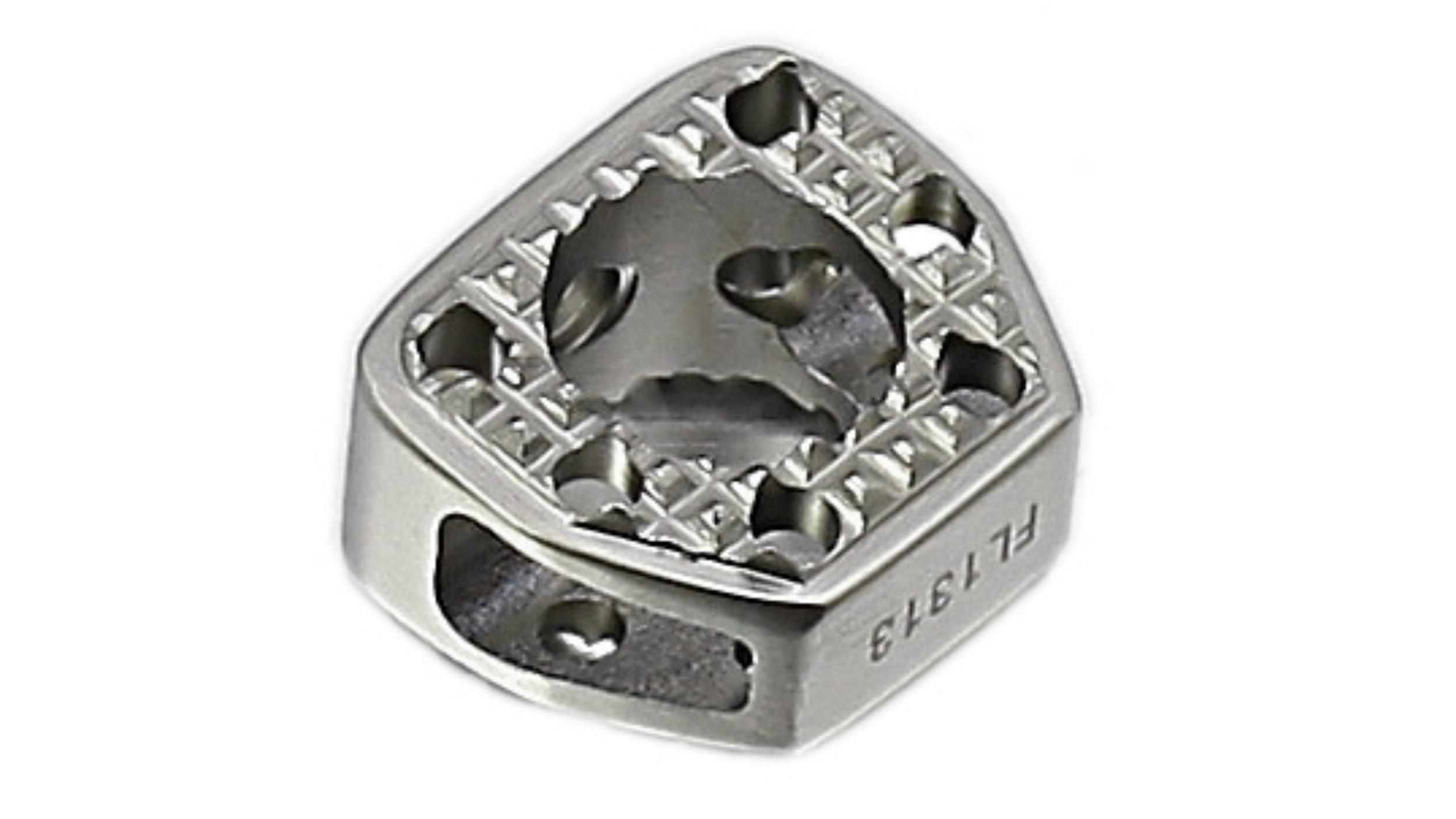
Historically dependent on high-tariff, long-lead Western European distribution channels, Montenegrin health authorities and regional B2B medical suppliers have faced challenges with component availability and excessive procurement costs. By bridging this gap, COX offers a direct pipeline of CE-marked, ISO 13485-certified titanium spinal screw-rod configurations, anterior/posterior cervical plates, and minimally invasive fusion cages. This direct factory export model provides clinical teams with the instruments required to execute complex reconstructive spinal surgeries while maintaining compliance with CALIMS (Montenegrin Agency for Medicines and Medical Devices) regulations.
“Clinical excellence in orthopedic surgery requires high mechanical fatigue strength, biocompatibility, and exact anatomical alignment. By providing customizable Ti-6Al-4V ELI (Extra Low Interstitial) implants directly to Podgorica and Risan clinical networks, COX mitigates supply chain vulnerability while ensuring competitive medical procurement outcomes.”
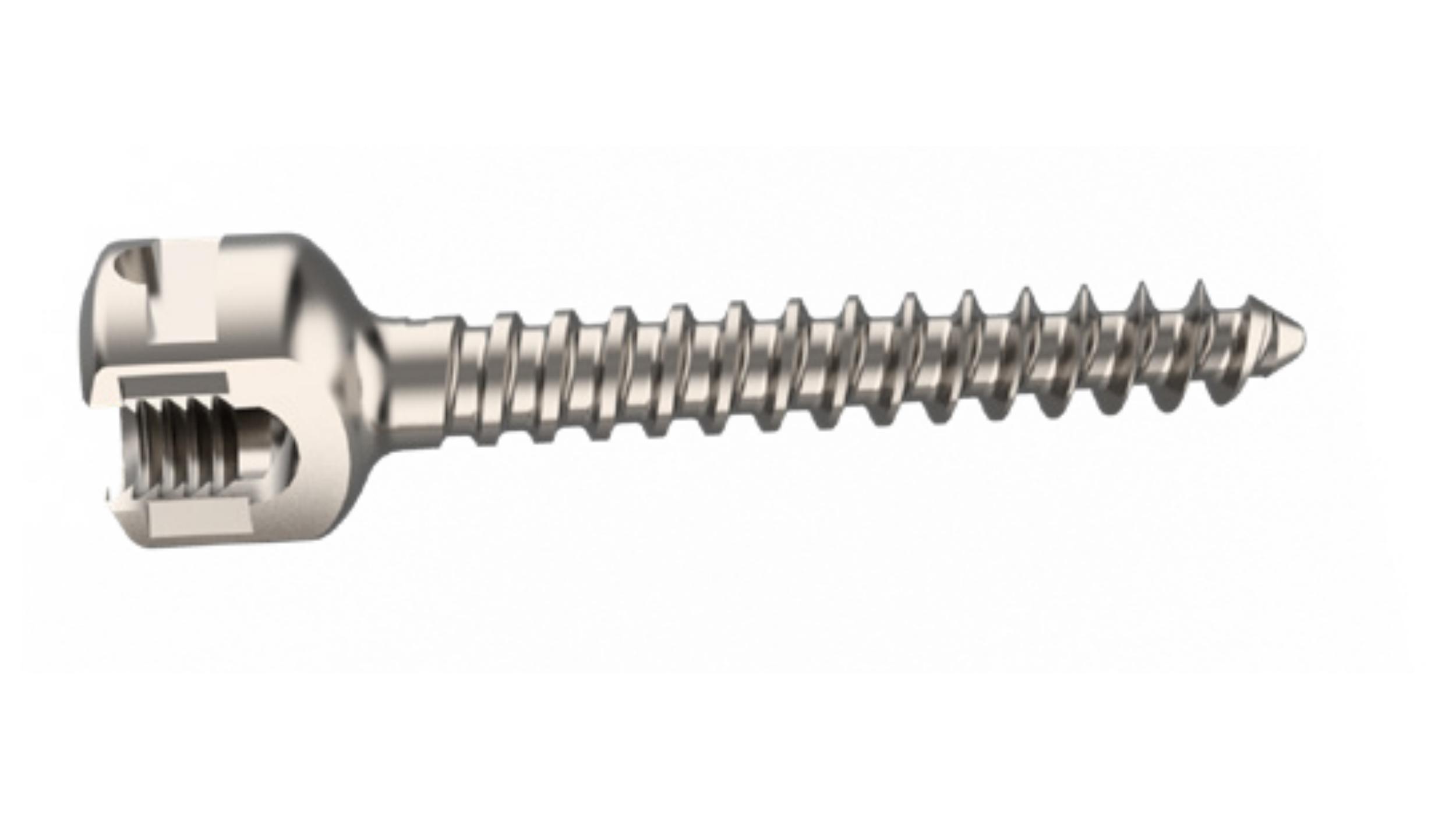
1. Emergency Traumatology along Key Transit Lines: Major infrastructure projects like the Bar-Boljare Highway demand rapid trauma support. High-quality pedicle screw systems and locking plates are essential for stabilizing high-energy spinal fractures in regional trauma centers.
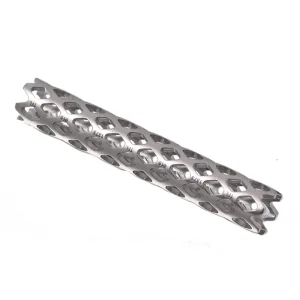
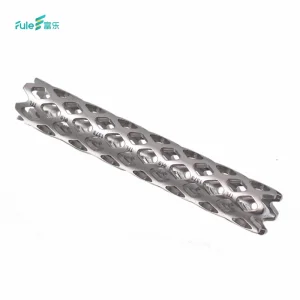
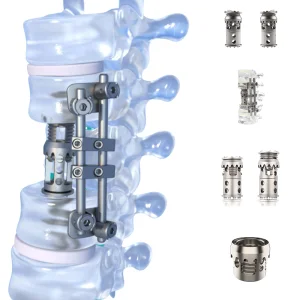
2. Aging Demographic Degenerative Spinal Conditions: Degenerative disc disease, spinal stenosis, and spondylolisthesis are increasingly treated with interbody cages and stabilization systems. The FATA expandable mesh and lumbar fusion cages provide long-term load-bearing support for older patients.
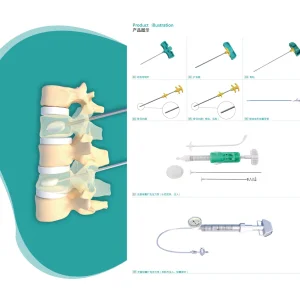
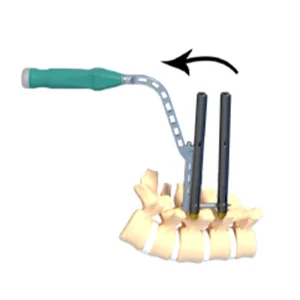
3. Minimally Invasive (MISS) Advancements: Modern clinics in Podgorica are transitioning to minimally invasive approaches. Systems featuring extended-arm assemblies allow surgeons to perform spinal stabilization through smaller incisions, reducing postoperative stay times and hospital costs.
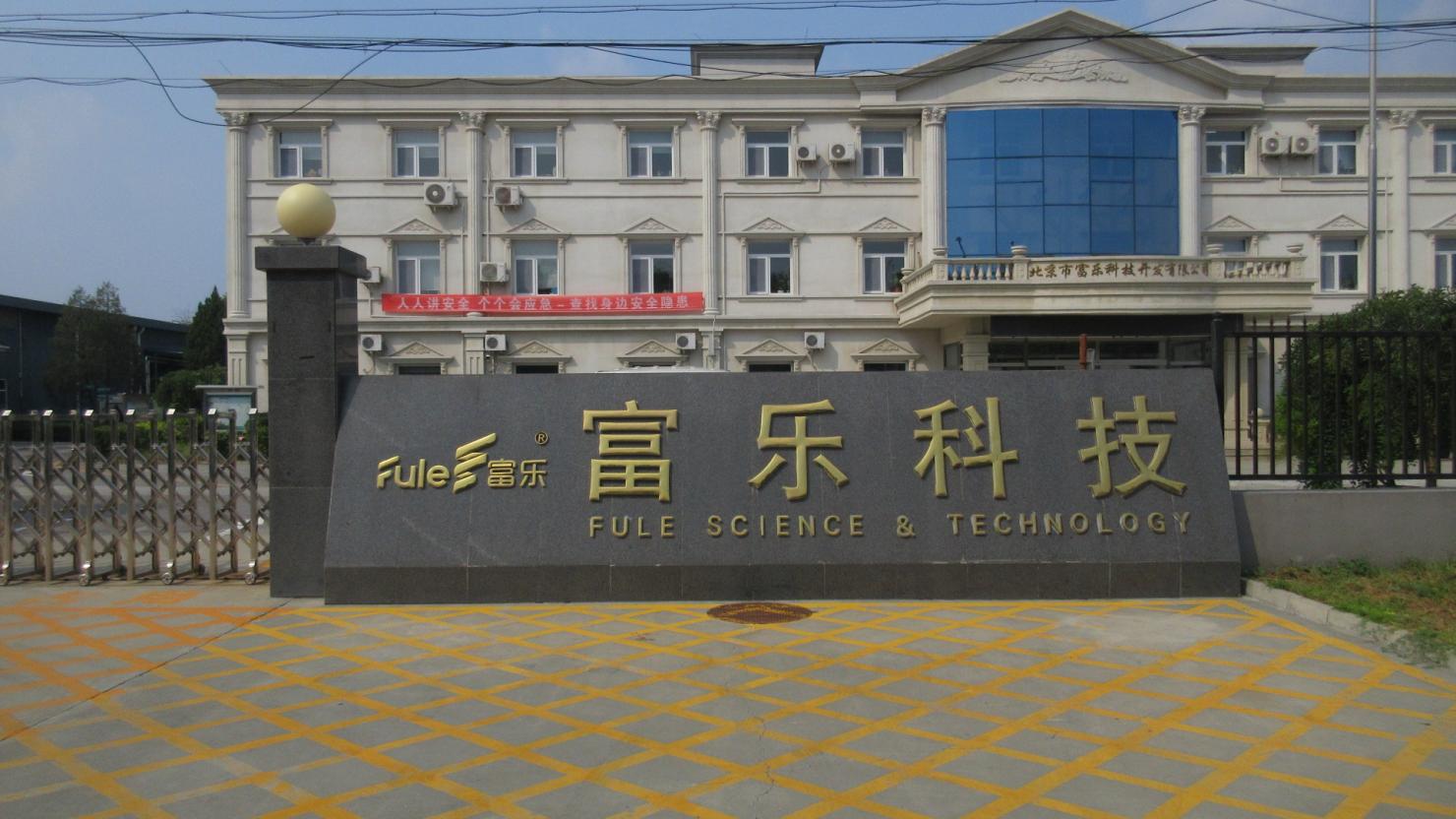
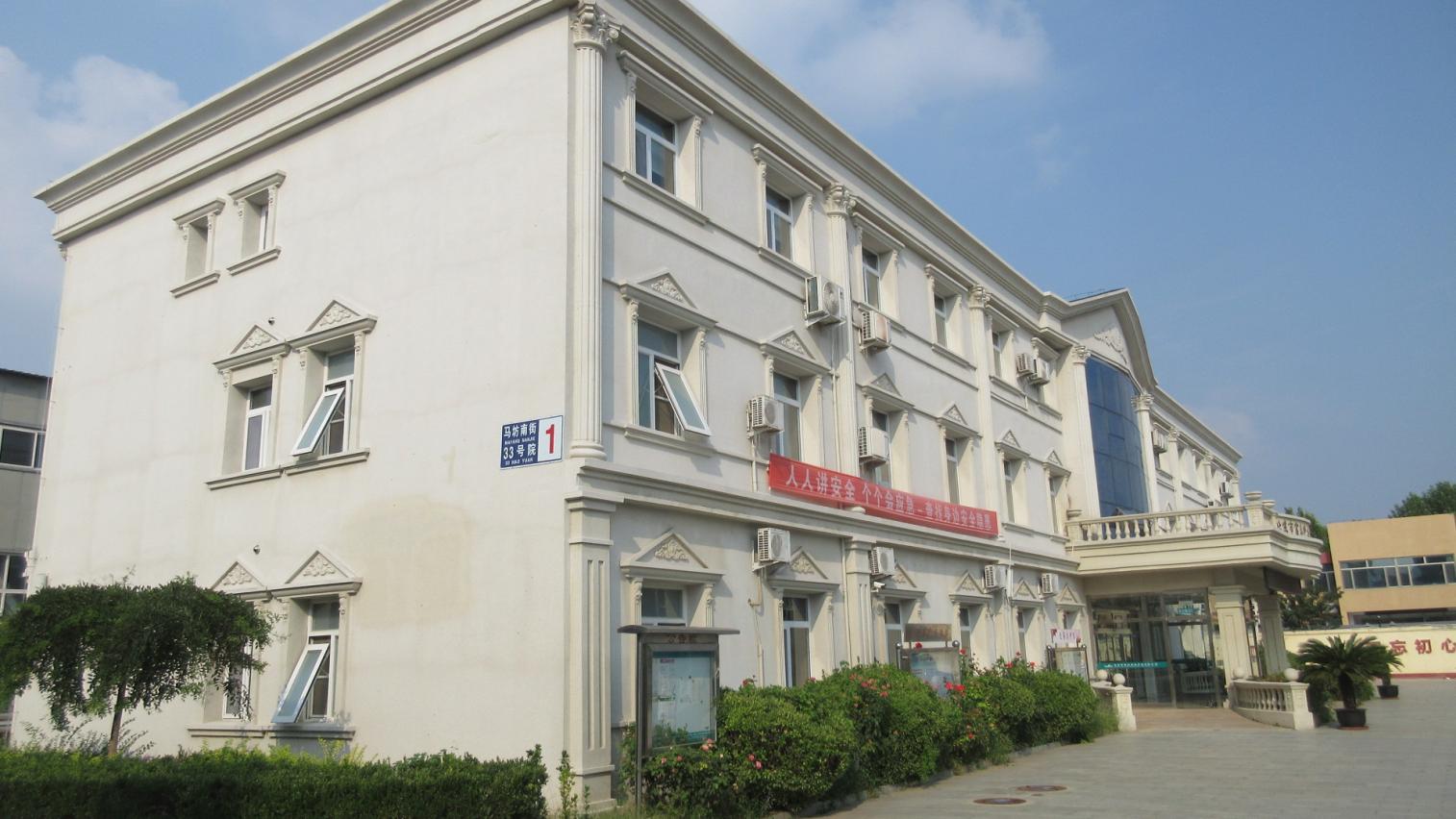
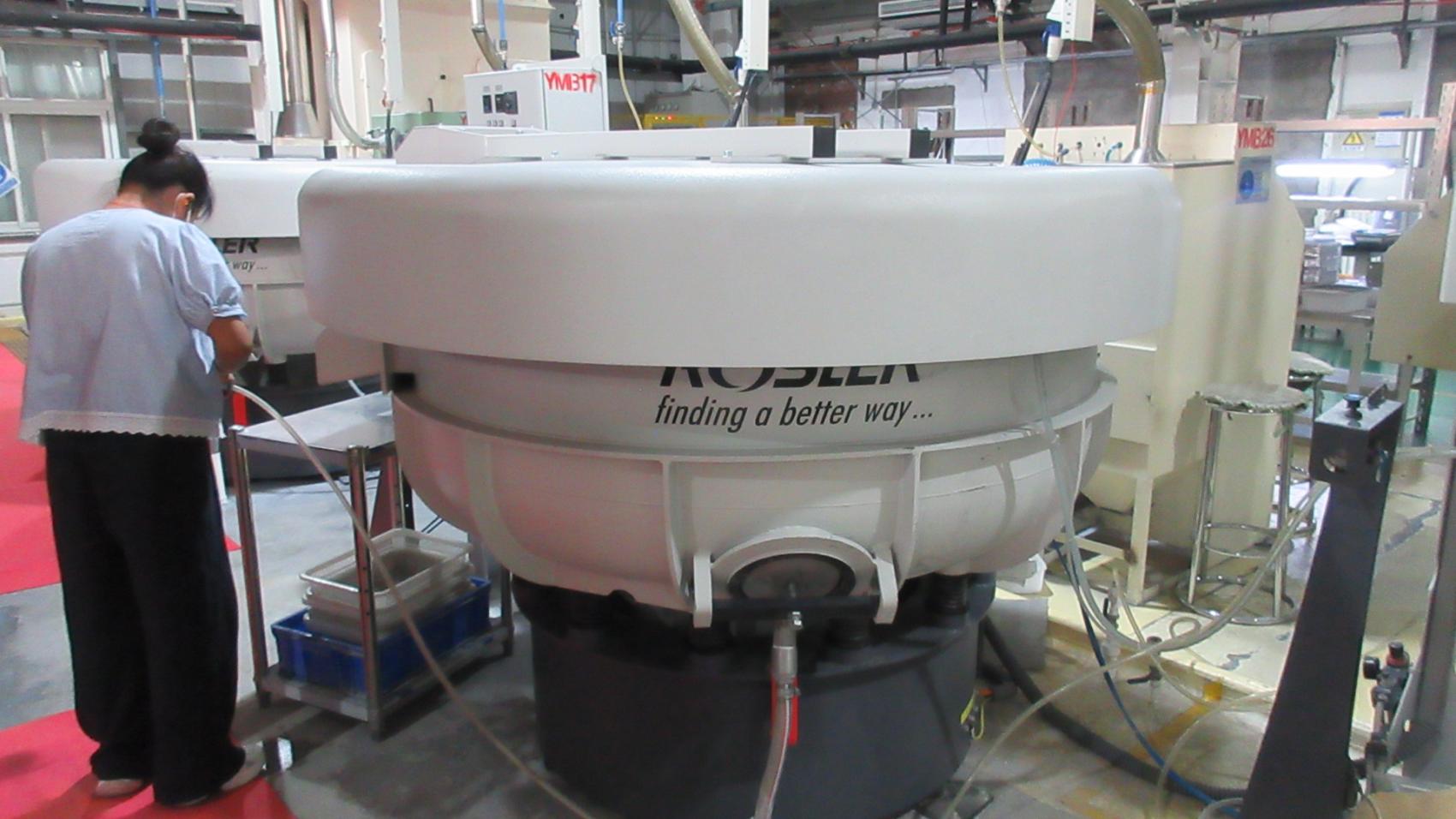
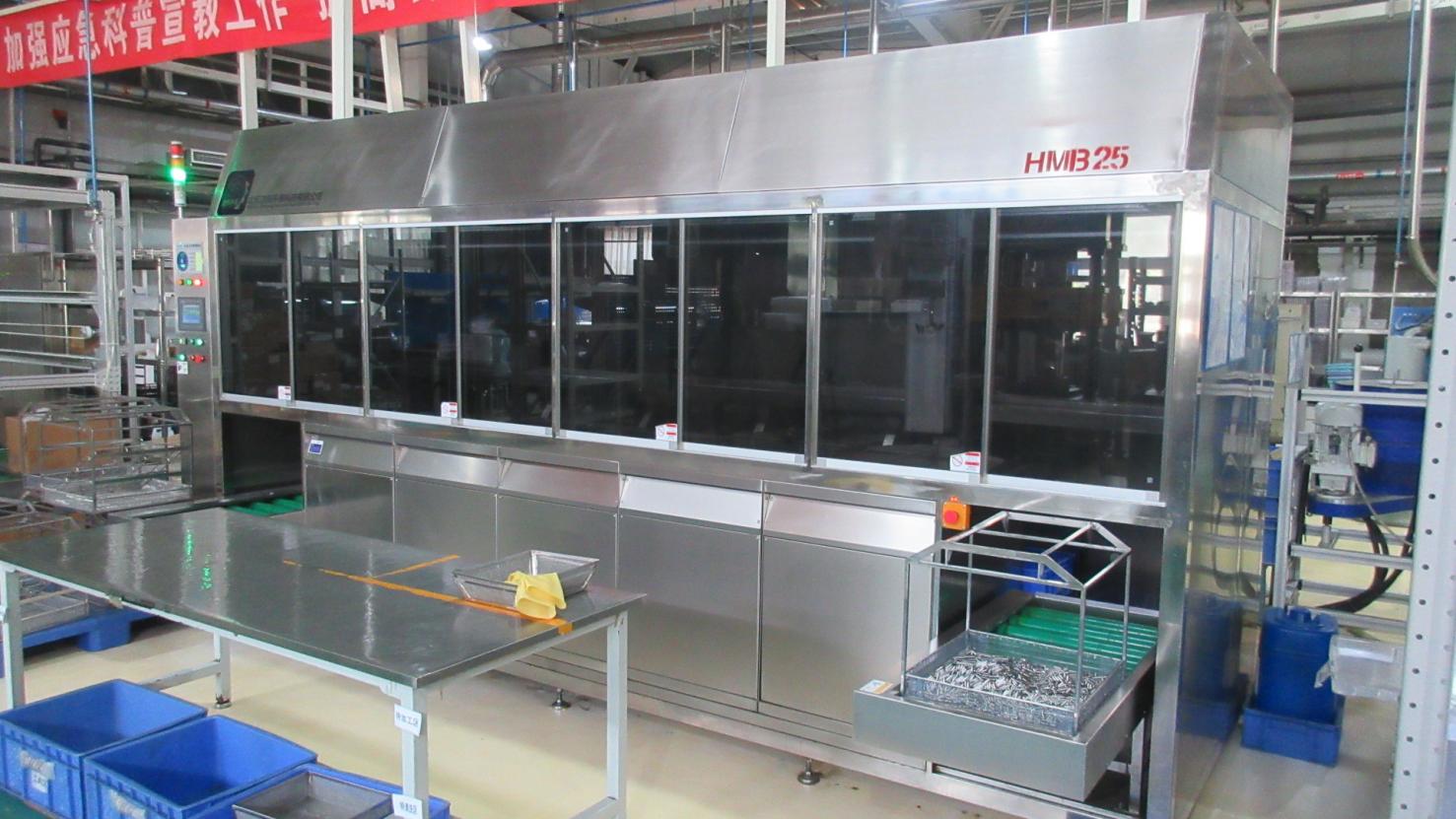
Global healthcare markets face challenges with logistics bottlenecks and rising component costs. COX addresses these issues through centralized production in our 10,000-square-meter manufacturing facility in China. Established in 1996, we manage the entire production cycle from raw Ti-6Al-4V titanium alloy processing to cleanroom packaging under class ISO 5/Class 100 conditions.
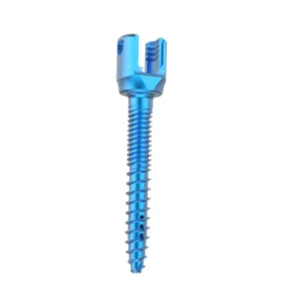
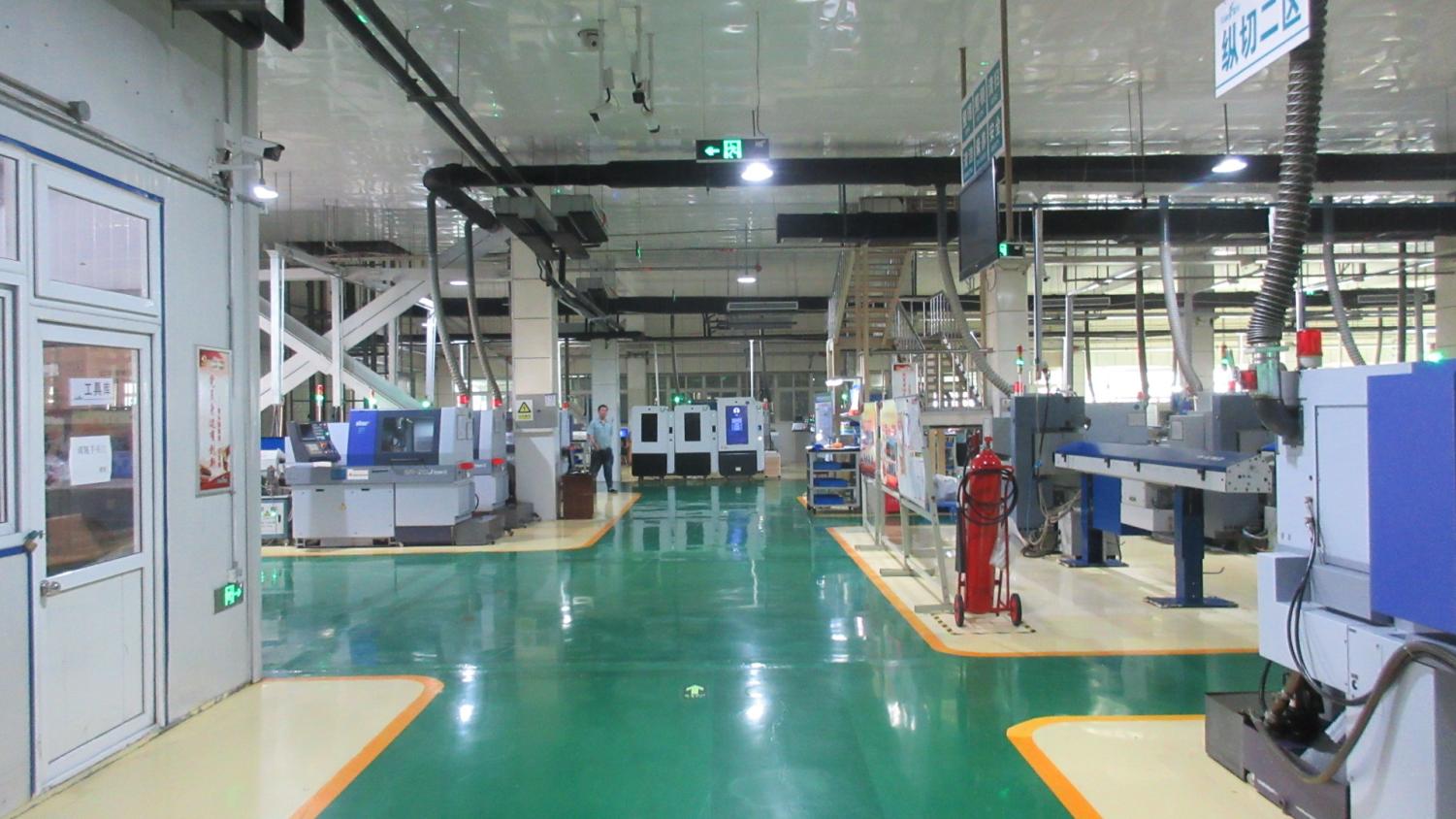
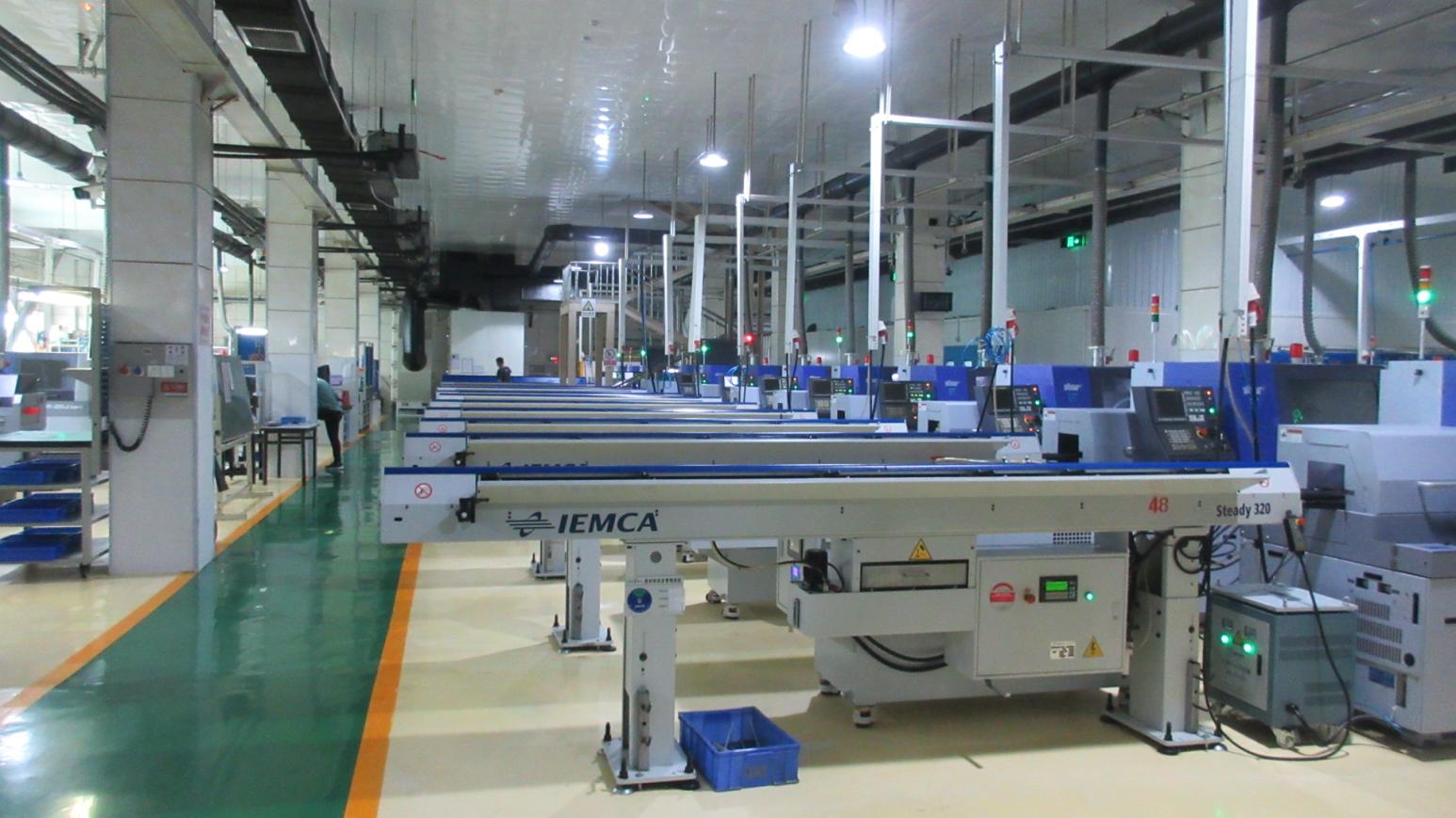
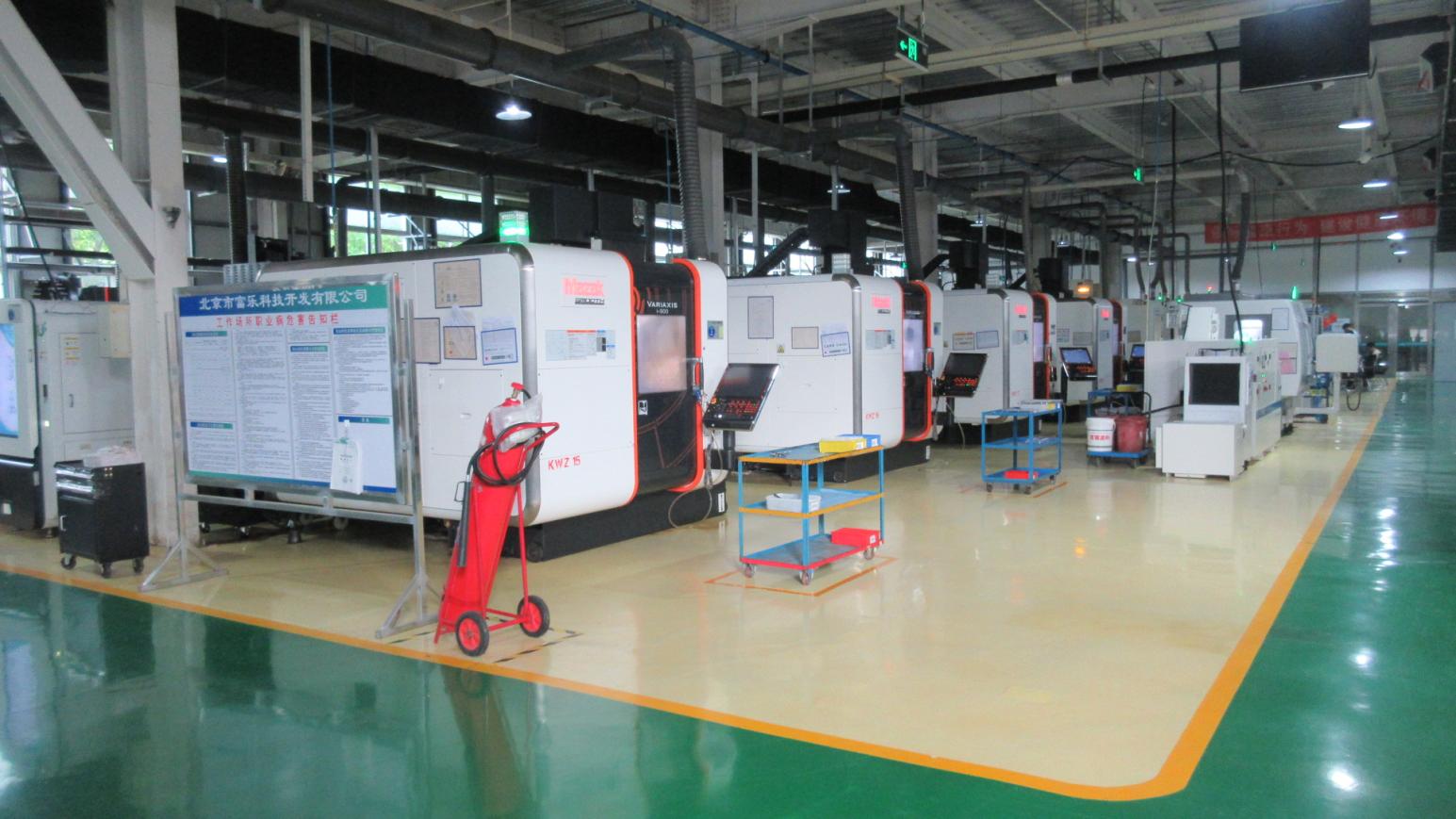
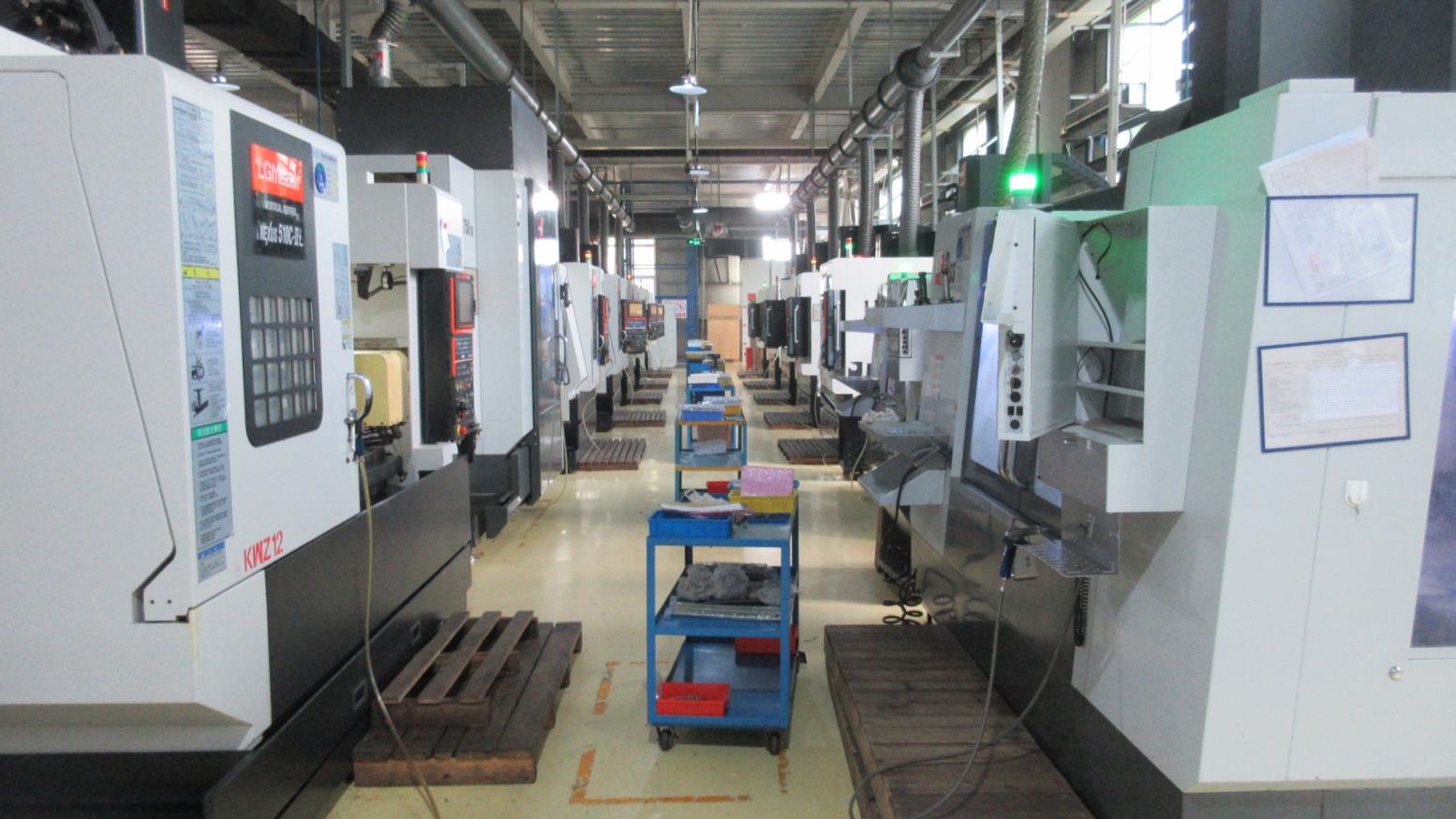
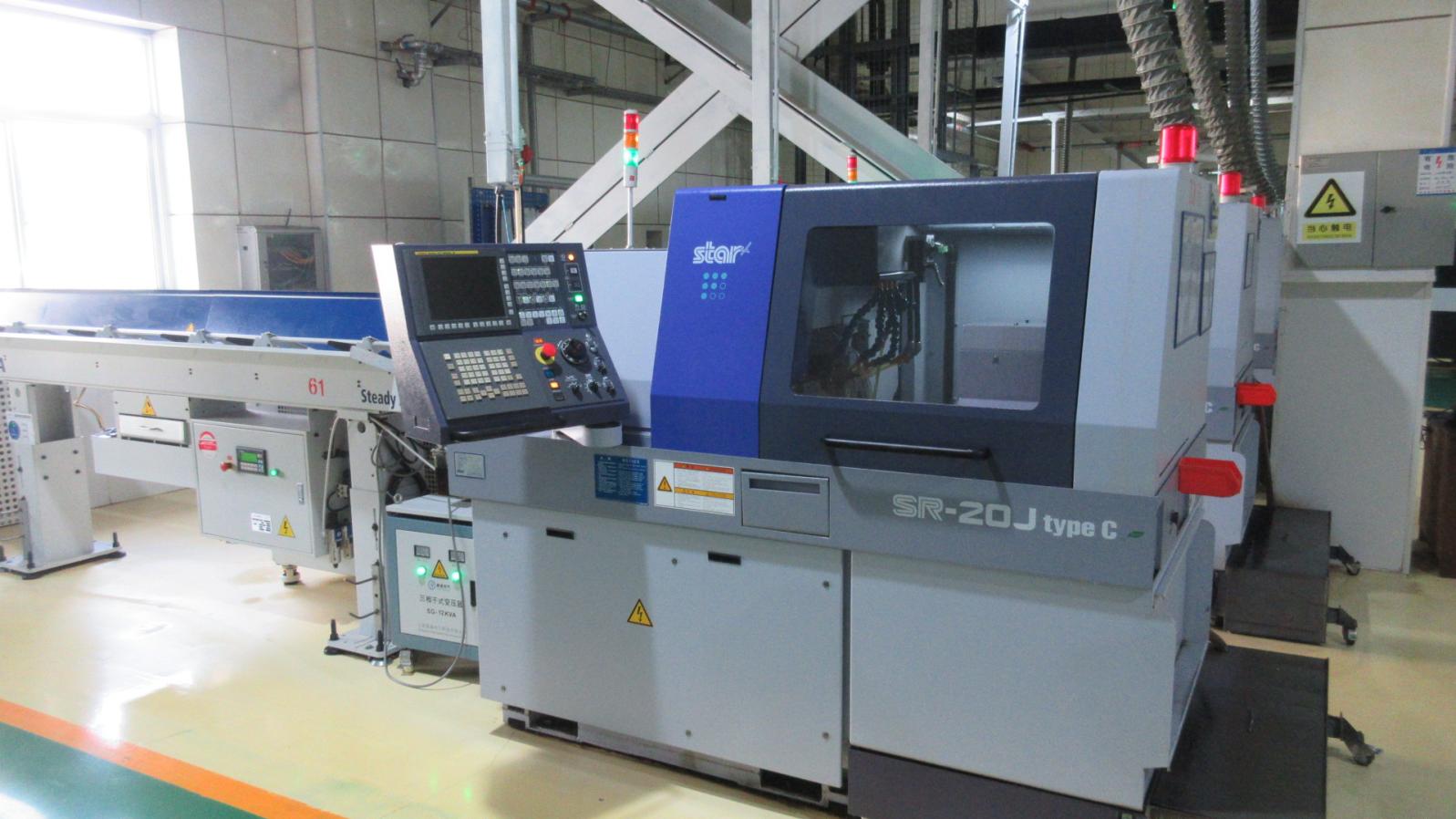
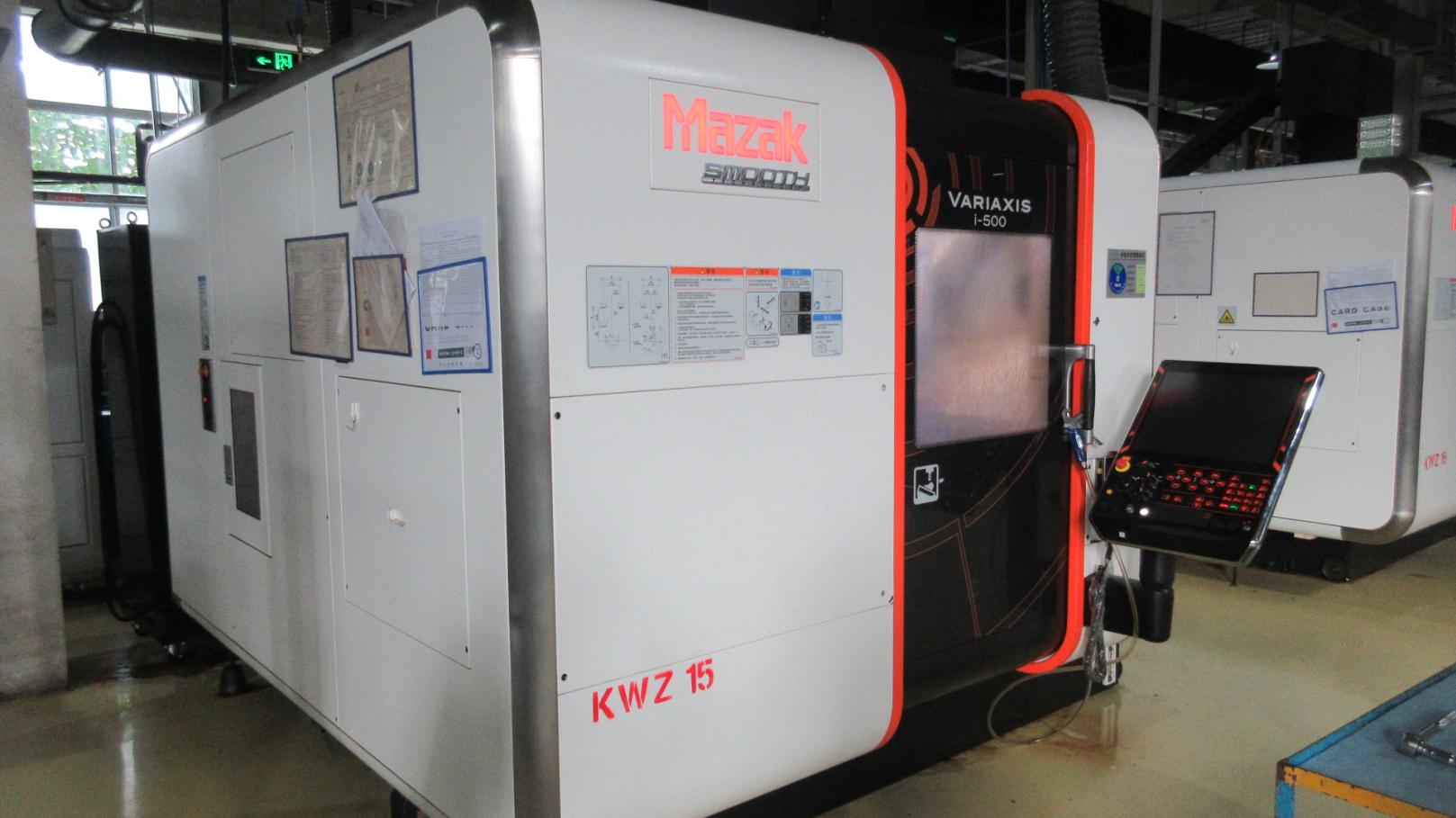
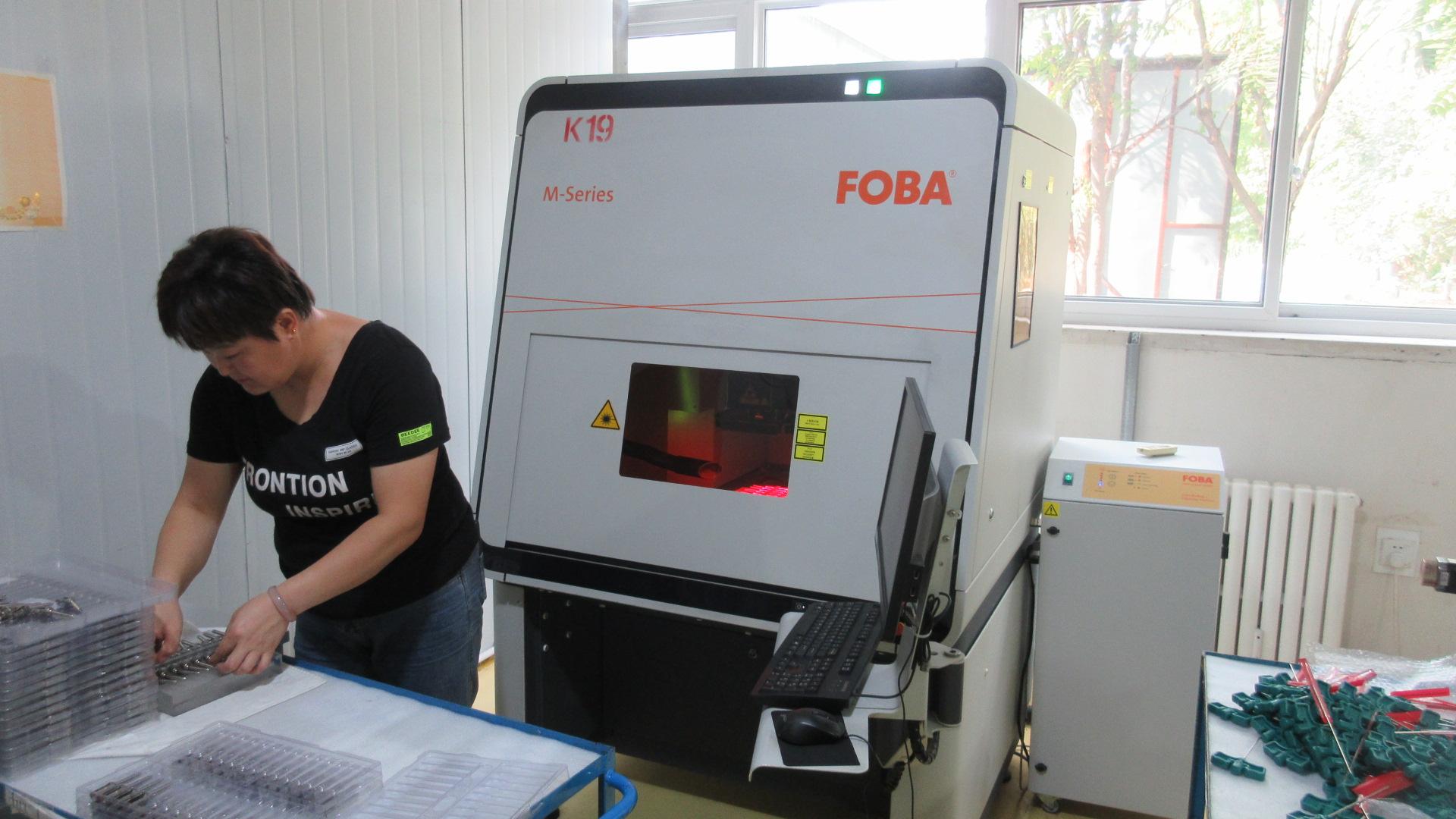
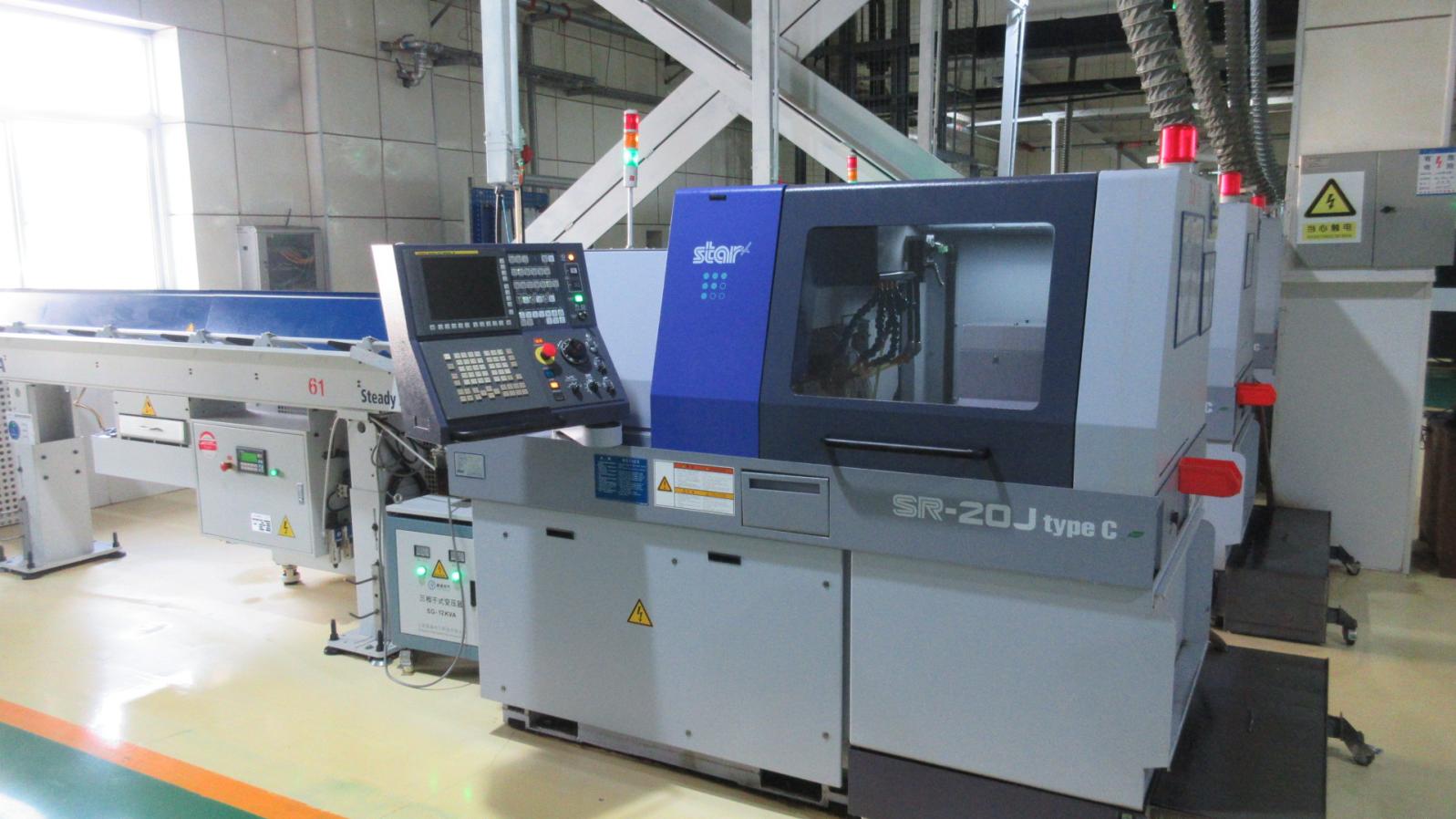
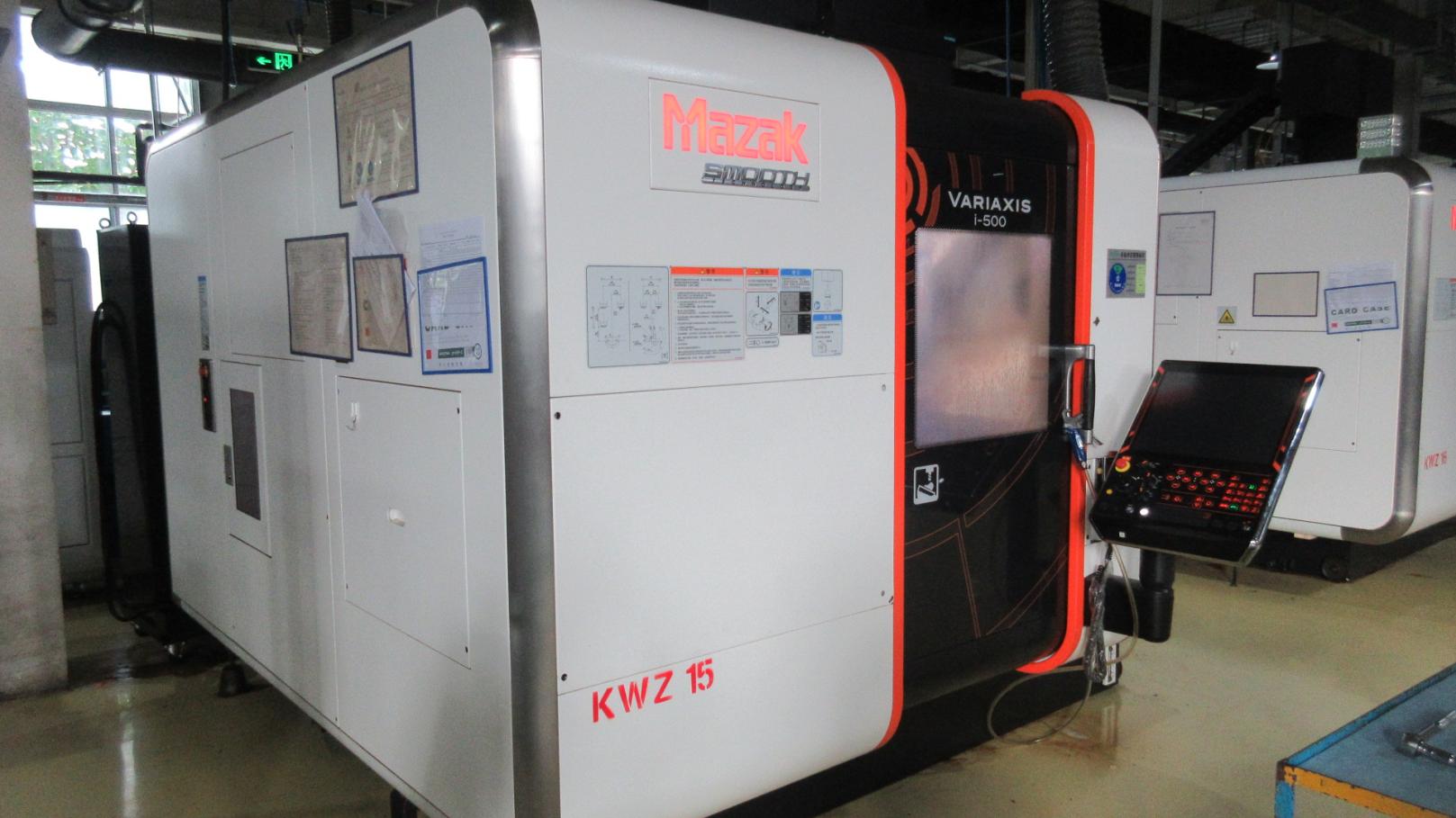
Operating 102 state-of-the-art multi-axis CNC machines enables production scalability. This setup allows us to manufacture complex geometries, including monoaxial/polyaxial pedicle screws, bone cement screws, and low-profile locking systems, with high repeatability. This integration allows us to keep lead times to the Montenegro market under 15–20 business days for standard implants, significantly shorter than the 8–12 week averages typical of European medical component distributors.
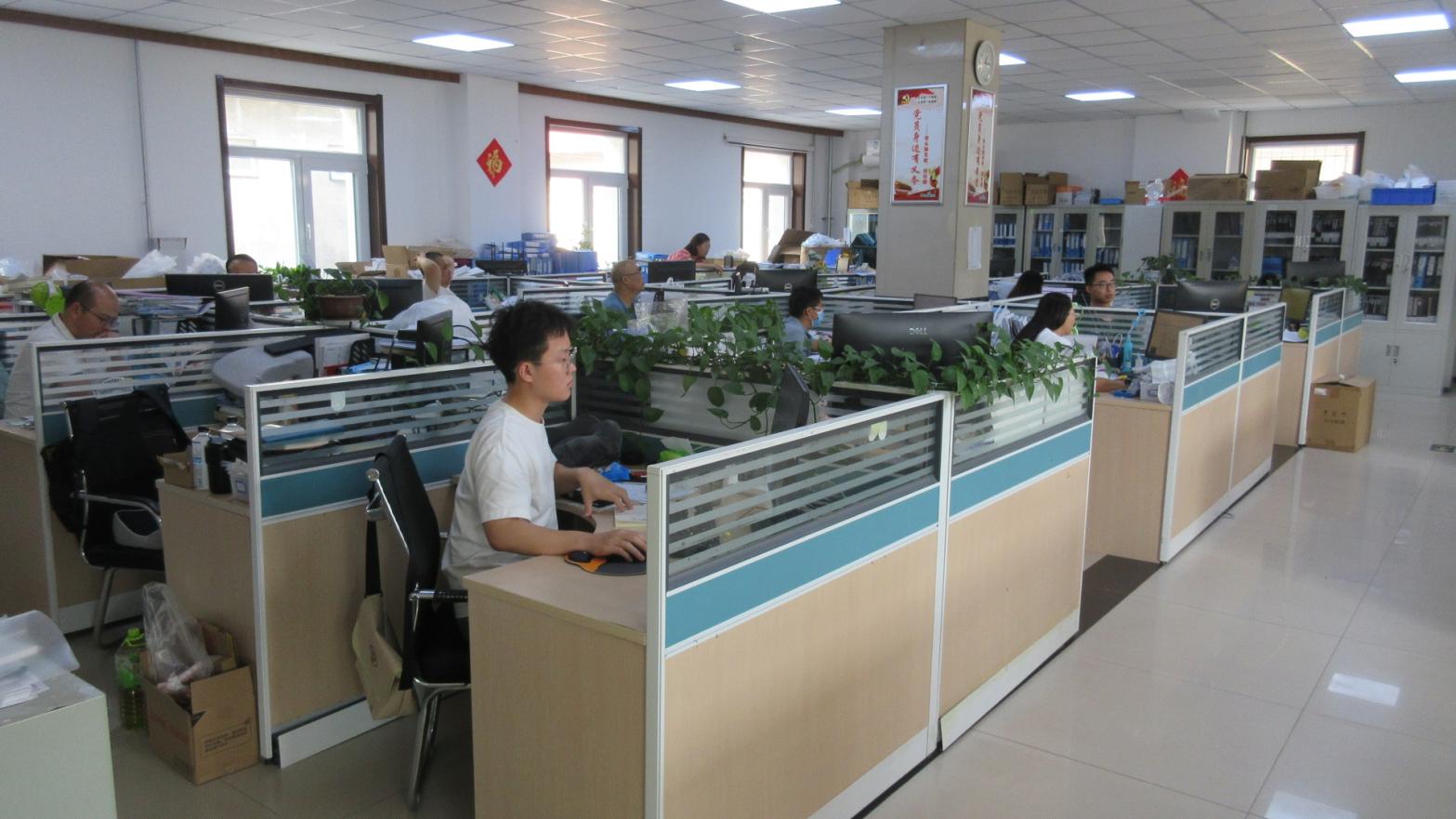
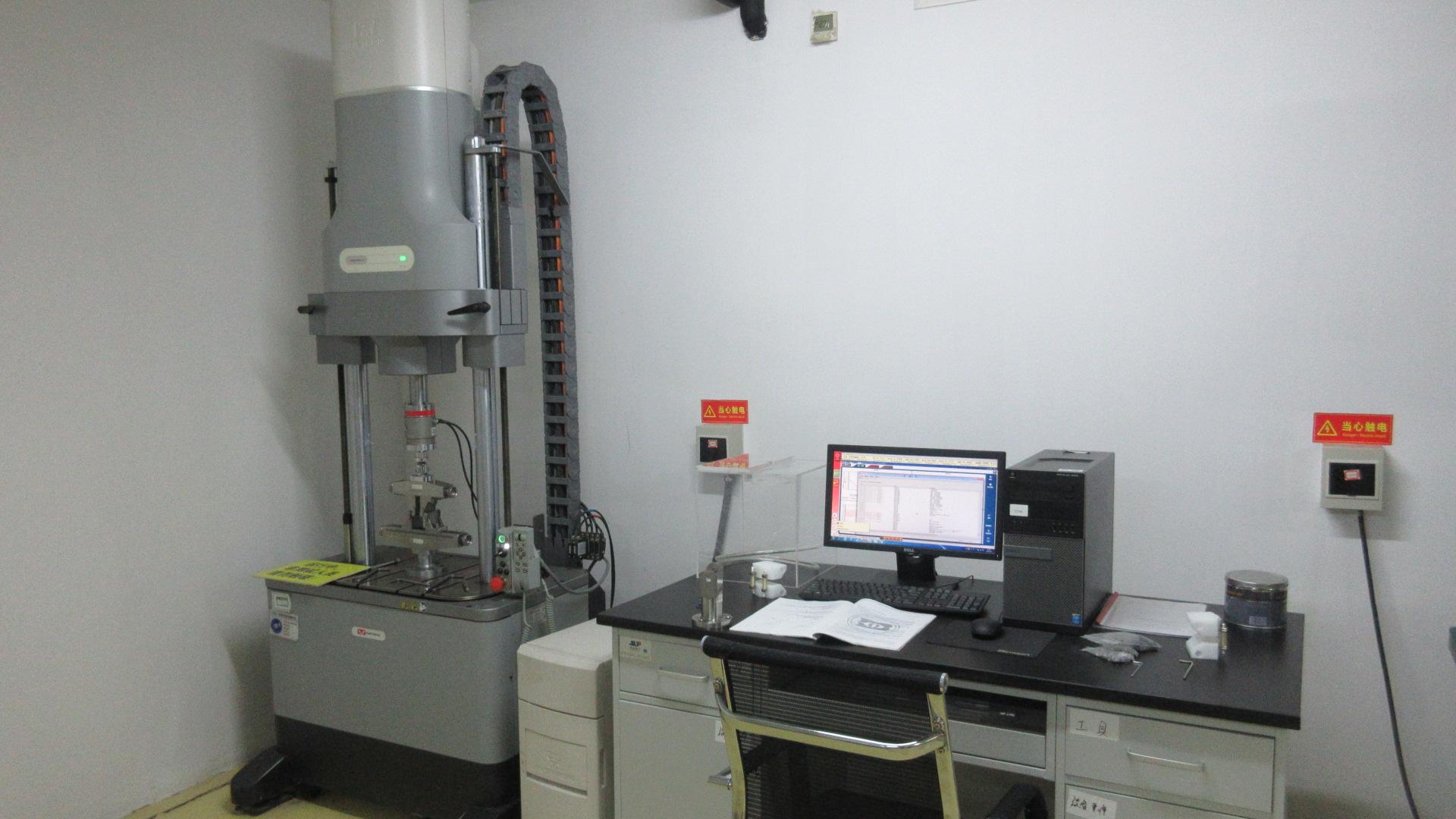
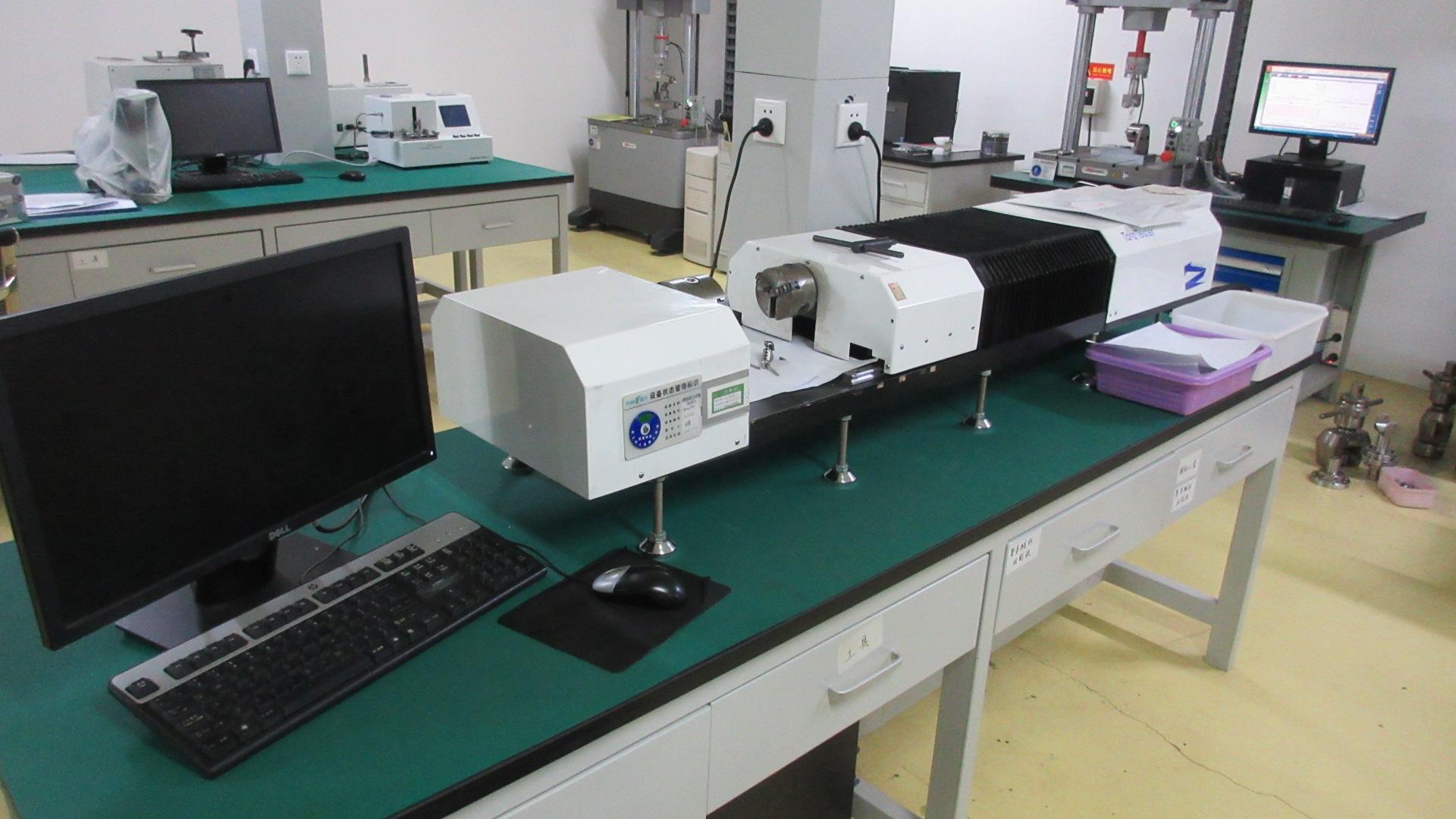
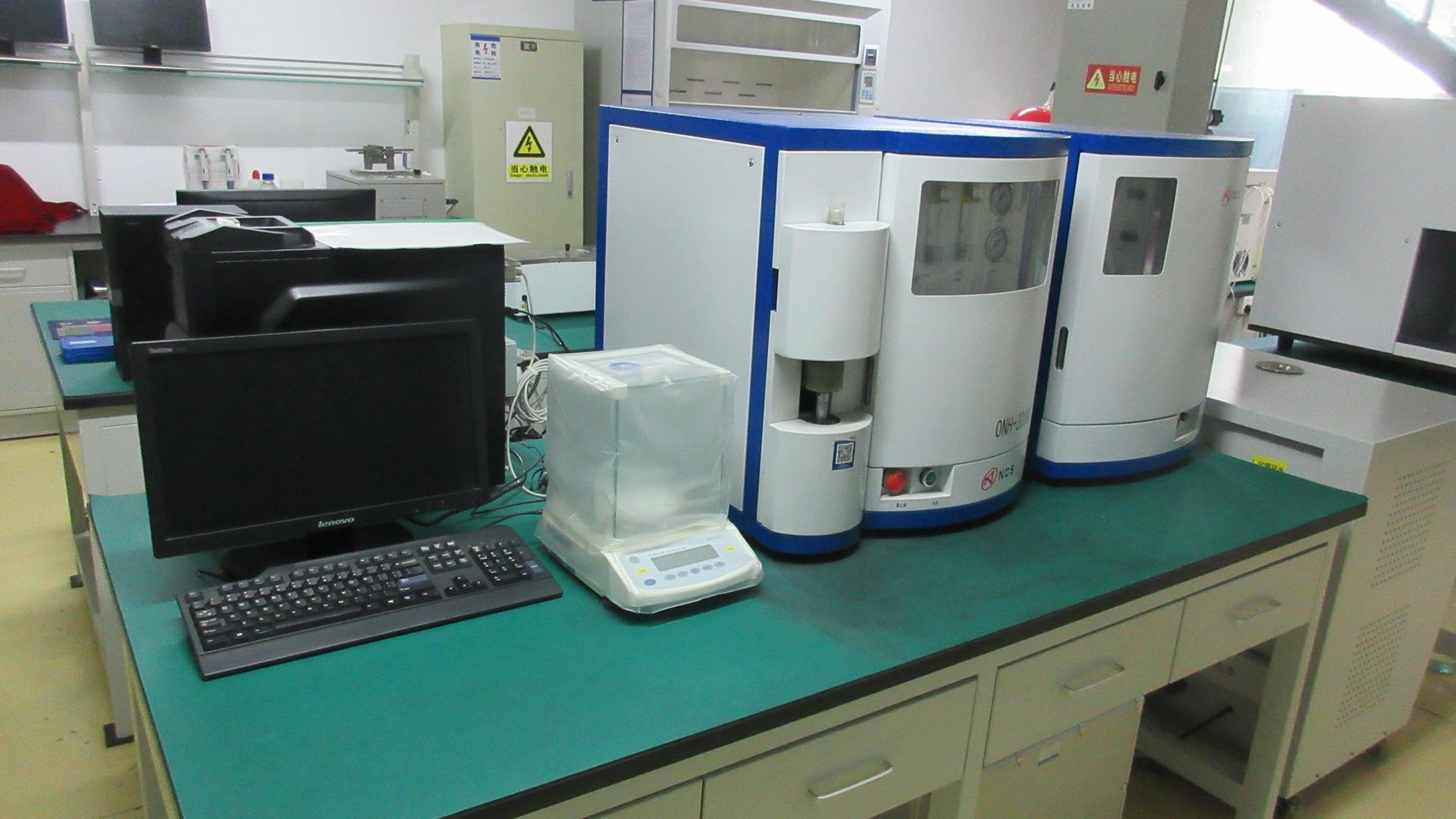
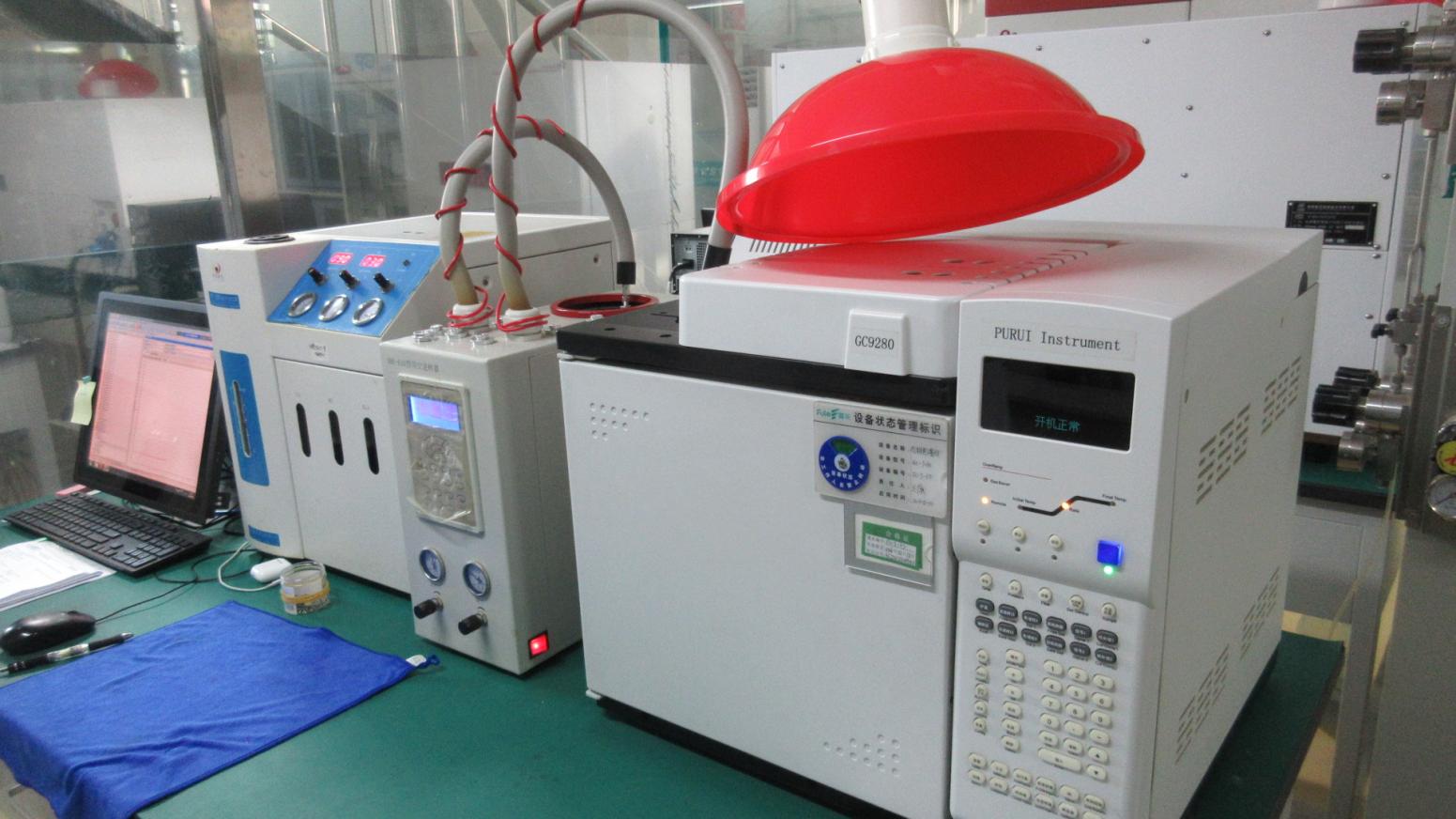
Our quality management system is supported by a dedicated team of 15 QA/QC inspectors. We conduct 100% inspections of final parts and maintain raw material traceability from medical-grade ingot processing to the finished orthopedic screws in the surgeon's hand. This direct pipeline ensures that public and private tenders in Montenegro receive high-quality medical supplies.

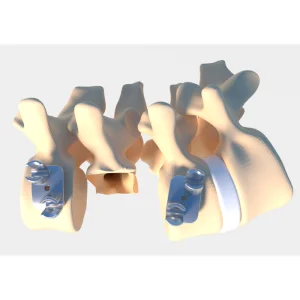
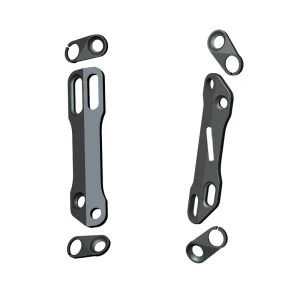
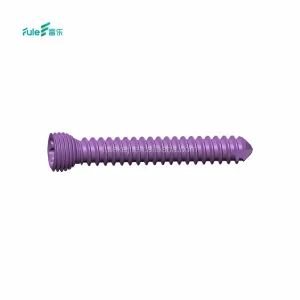
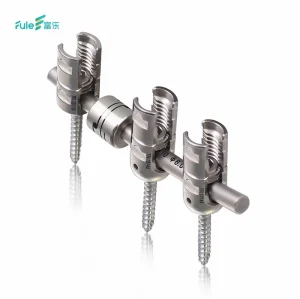
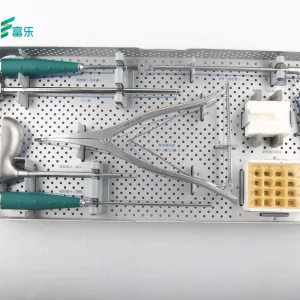
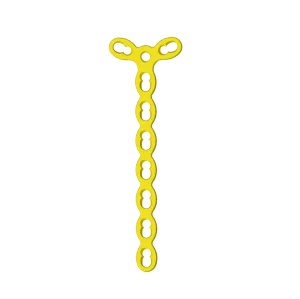
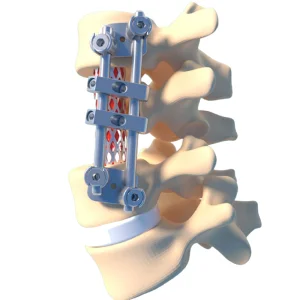
Tested spine stabilization assemblies, thoracic plates, and anatomical bone screw systems for orthopedic centers in Montenegro.
Our developmental trajectory focuses on surface modifications and biodegradable materials. Our R&D team is working to integrate 3D-printed porous titanium constructs with precise spatial lattice configurations. These micro-structured architectures mimic trabecular bone density and elastic modulus, minimizing the risk of stress shielding and promoting bone ingrowth directly into the implant body.
For the Montenegro market and neighboring Balkan medical communities, our roadmap includes introducing smart spinal instruments and navigation-guided surgical guides. These technologies integrate with intraoperative CT imaging systems to assist clinical teams during complex screw insertions. Our research also explores PEEK (Polyetheretherketone) composite materials to provide radiolucent fusion options with mechanical properties similar to human bone.
With international export operations spanning 29 years, COX implants are used across clinical markets in Eastern Europe, Southeast Asia, and South America. We support our distributors with regulatory preparation, clinical documentation, and certification processes. Our technical specialists assist Montenegrin distributors with local registration requirements to ensure compliance and reliable delivery to local hospitals.
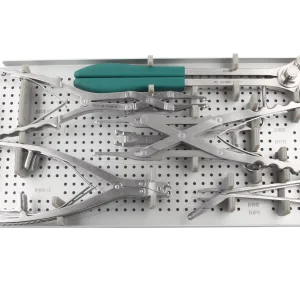
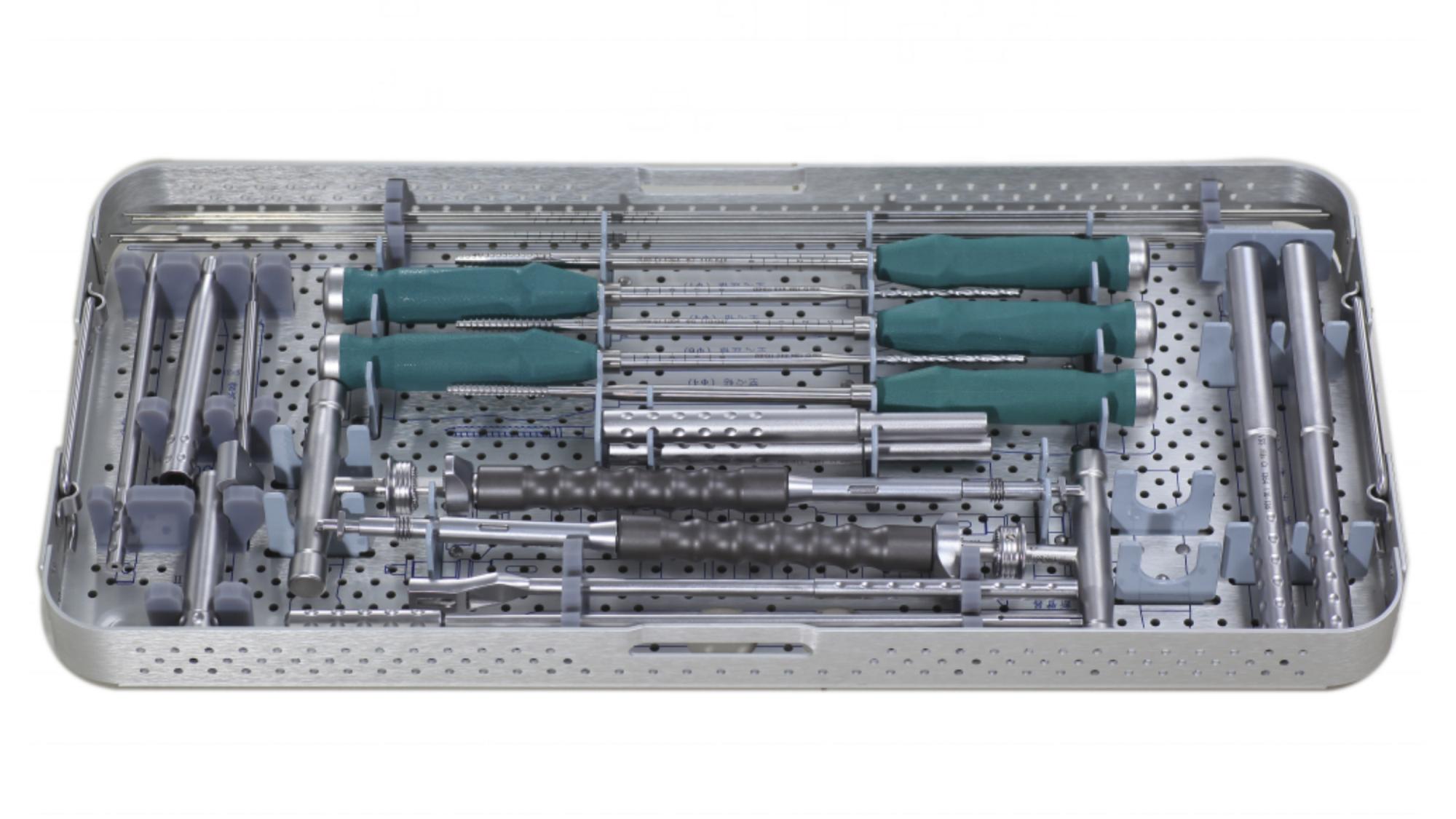
High-precision, CE-compliant spinal components and complete surgical instrument kits for spinal stabilization procedures.
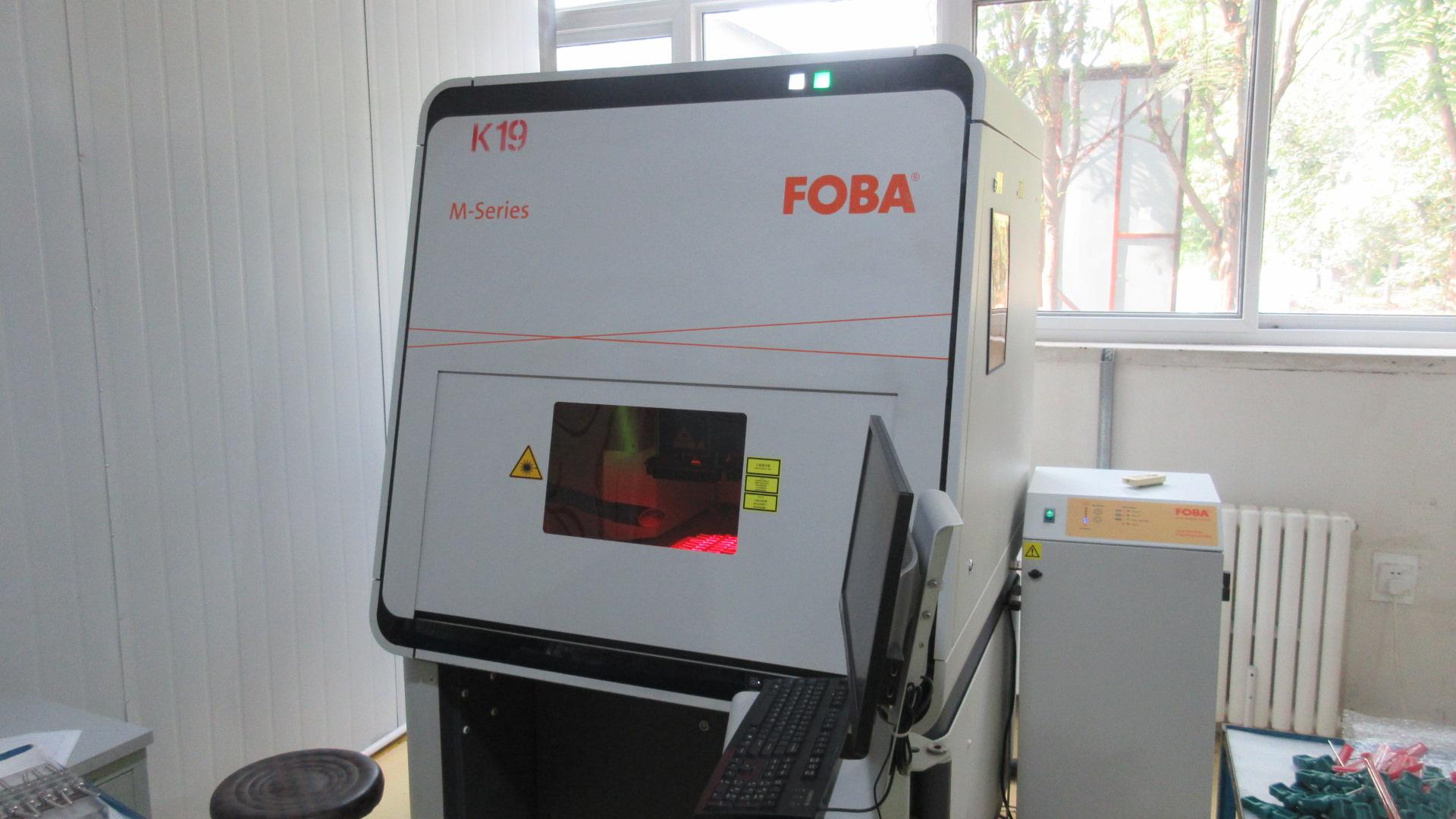
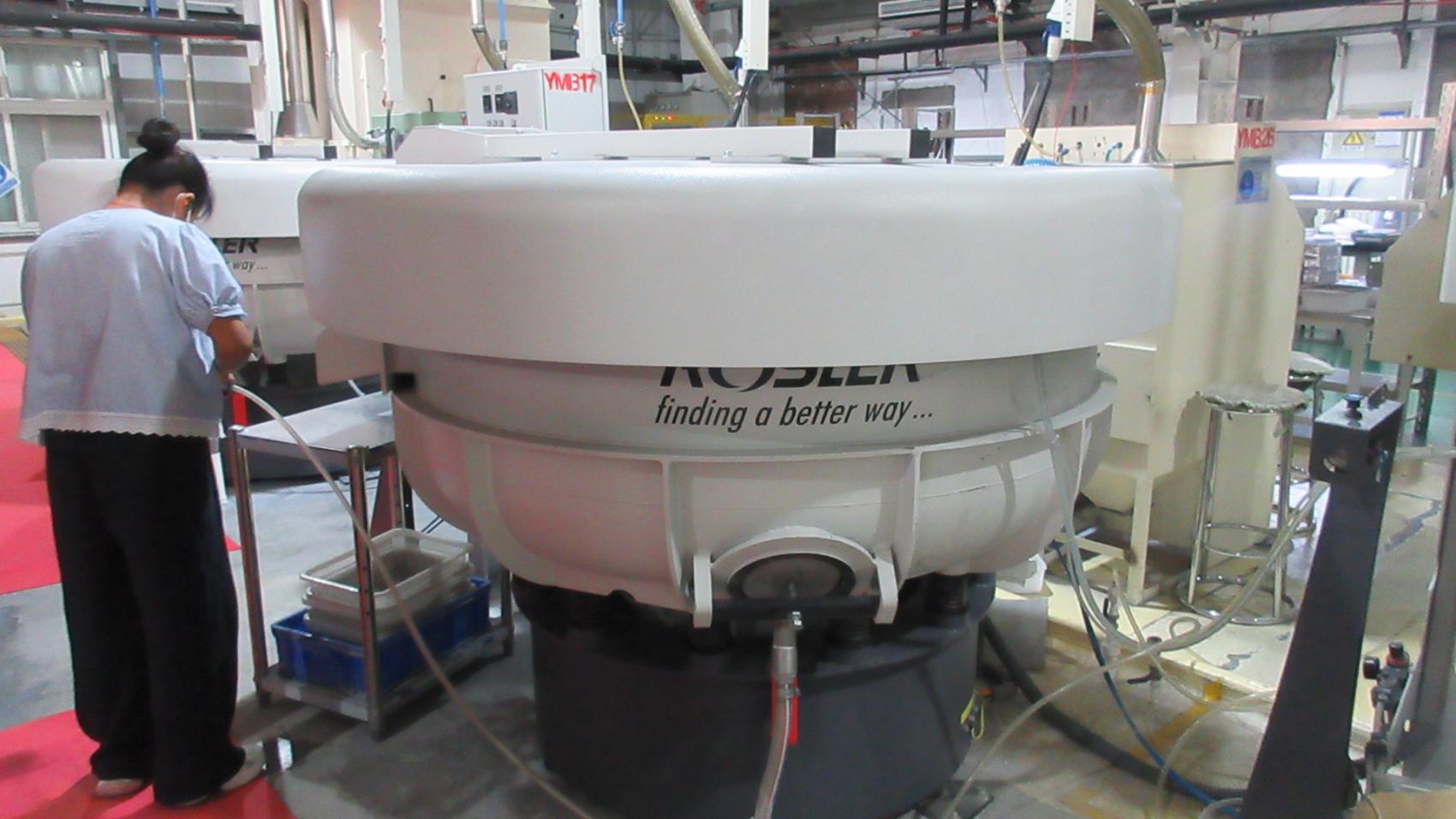
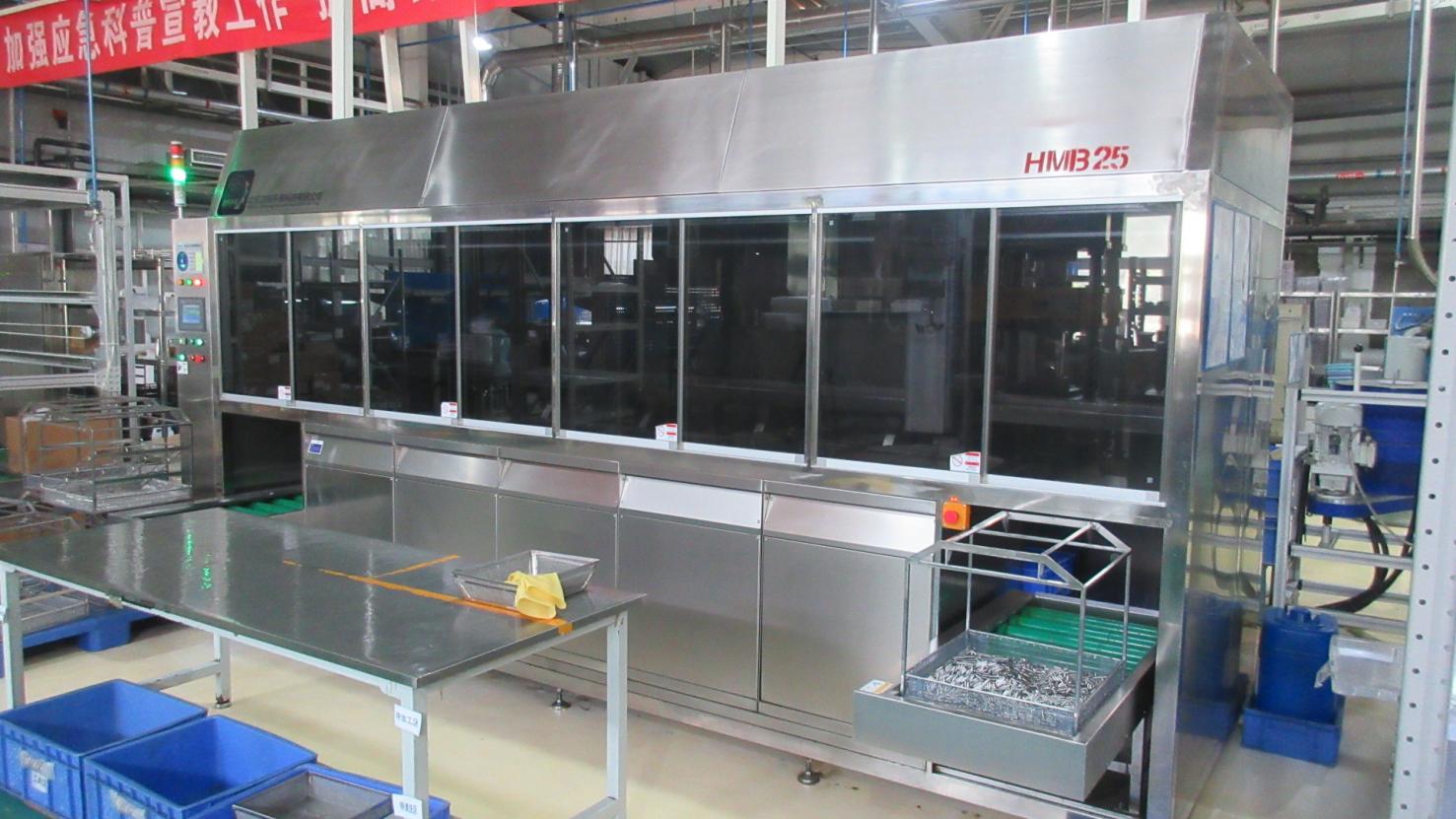
Step-by-step insight into our medical production halls, CNC centers, clean packaging facilities, and quality assurance divisions.
Answers to common questions regarding regulatory compliance, quality standards, and shipping lead times.
 Fule
Fule