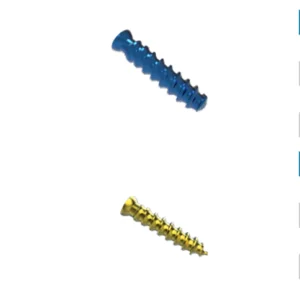
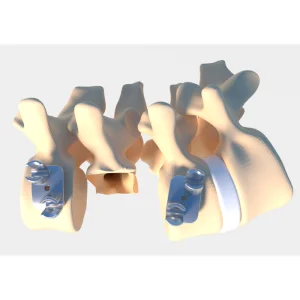
Within contemporary biomechanical engineering, the term "Therapy Gadgets" has evolved beyond consumer wellness devices to encompass highly sophisticated, implantable biological systems and spinal intervention assemblies. Modern spinal recovery and stabilization therapy demand micro-engineered medical components. These products provide load-bearing support, maintain disk spacing, and optimize biocompatibility for anatomical fusing.
For orthopedic distributors, surgical centers, and procurement officers globally, sourcing these specialized orthopedic components requires an intricate understanding of mechanical performance, structural design, and international regulatory frameworks.
Modern interbody cages and plates are not simple stabilizers. They act as osteo-conductive scaffolds. When loaded with bone grafts, they accelerate fusion across the vertebral column, shortening post-operative therapeutic timelines.
Transitioning from standard titanium to medical-grade Titanium Alloys (Ti-6Al-4V ELI) ensures a high strength-to-weight ratio, high fatigue resistance, and artifact reduction during MRI diagnostic tracking.
With an engineering cohort of 20 dedicated R&D personnel (including 15 graduate engineers and 5 associate engineers), our R&D team designs spinal implant geometry, handles surgical instrumentation ergonomics, and performs FEA (Finite Element Analysis) stress testing.
We perform 100% inspection across all production lines rather than batch testing. Backed by 15 certified QA/QC inspectors, each batch is tracked from raw material melt-source certifications through CNC machining to cleanroom sterile packaging.
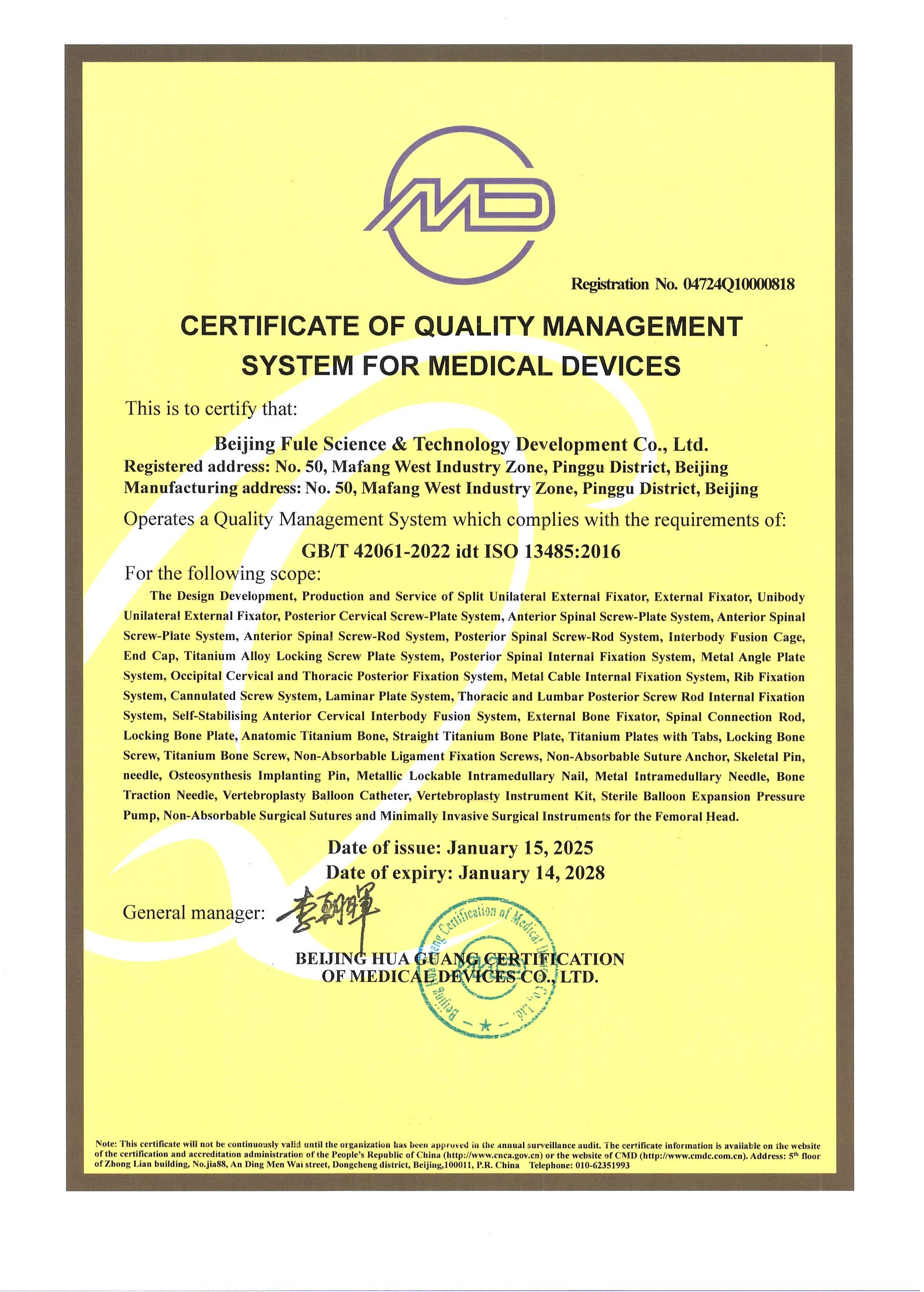
 ISO 13485 Certified
Certificate Reg No: 04724Q10000818
Fully authorized manufacturer of Class III implantable titanium devices.
Manufacturing orthopedic surgical devices demands a robust supply chain ecosystem that balances quality, cost, and logistics. Our production facility utilizes raw materials processed by certified local partners. We leverage 70 core supply chain partners to secure access to aerospace-grade titanium rods, high-precision PEEK billets, and custom machining tooling.
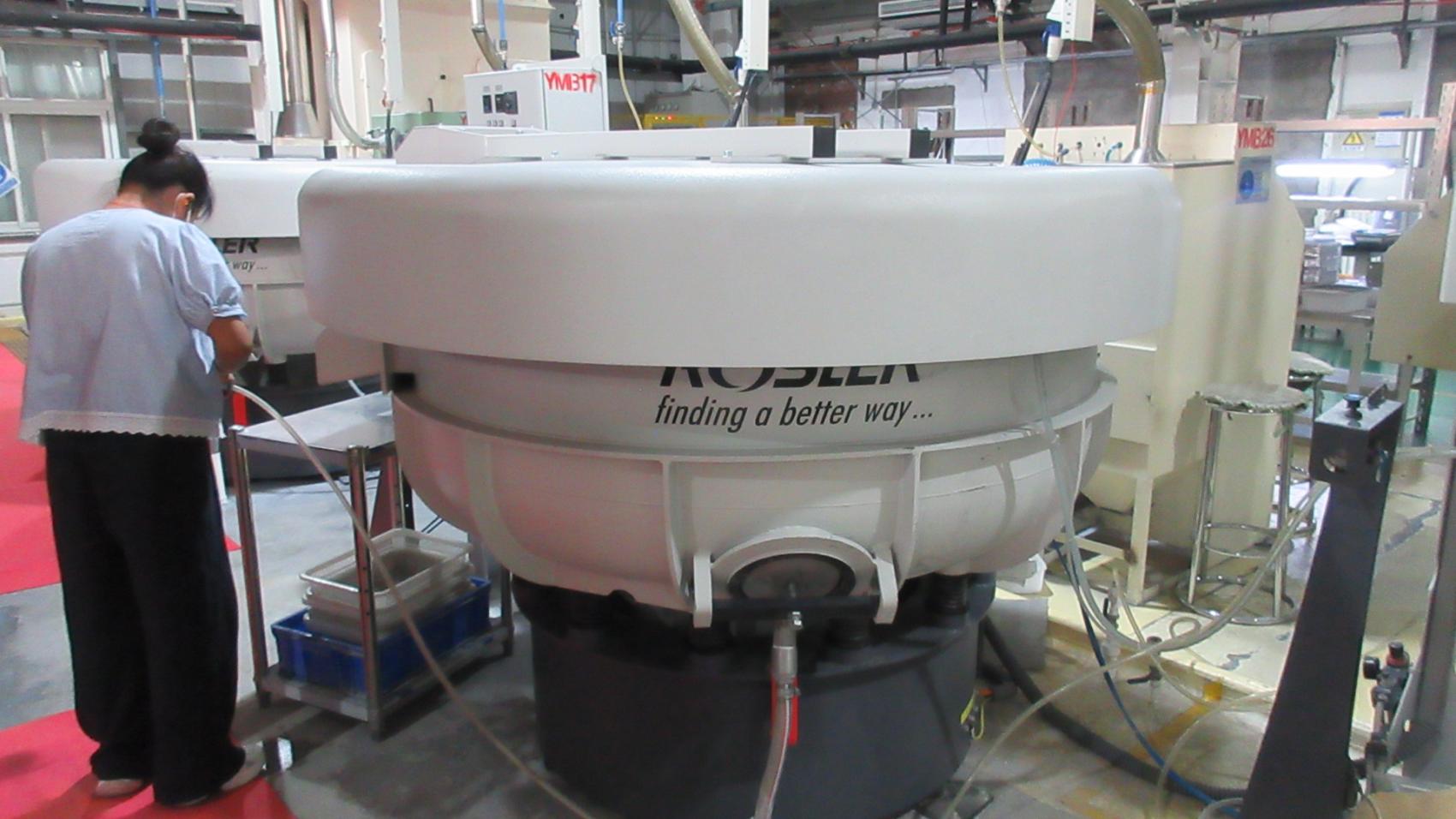
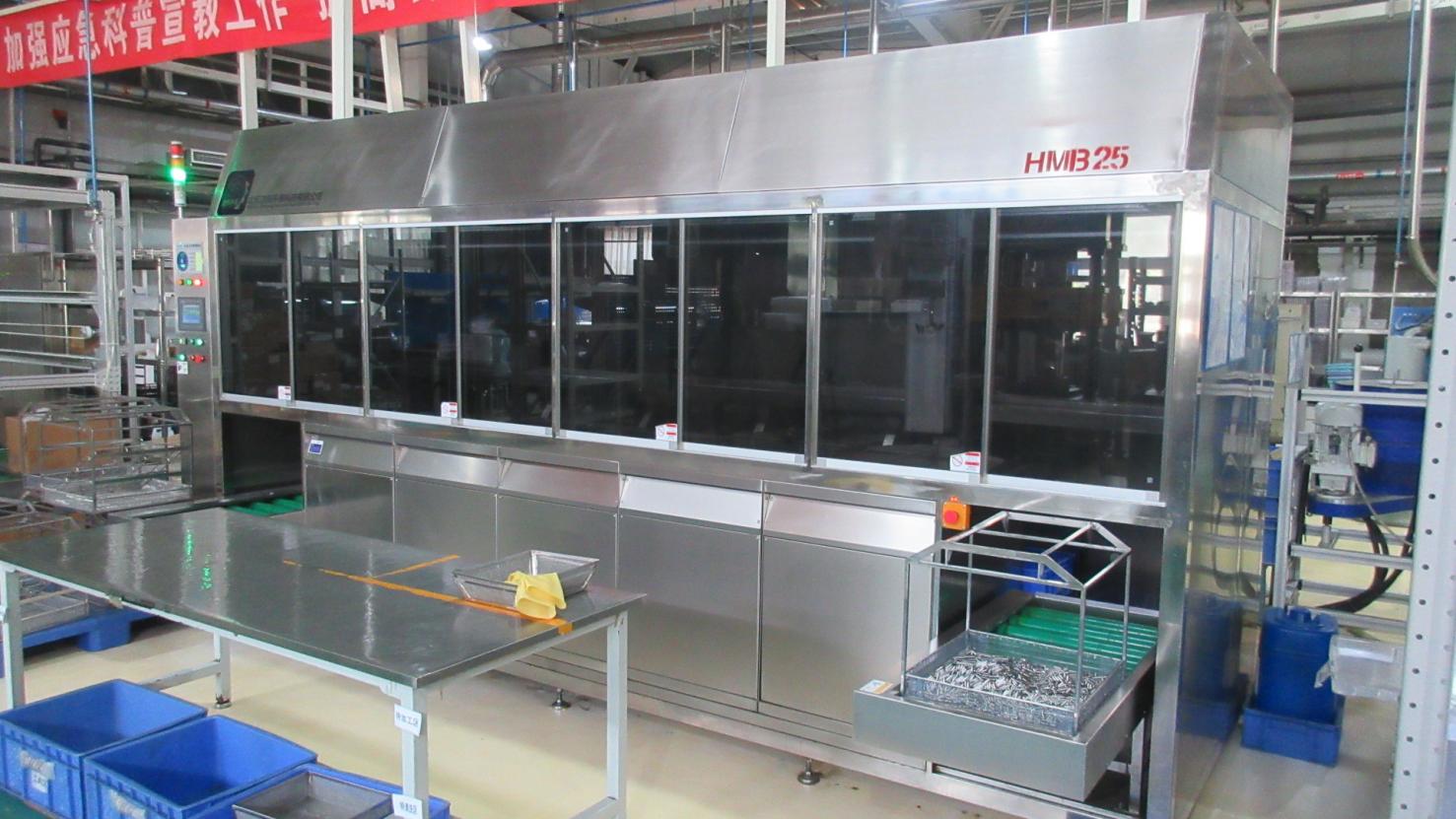
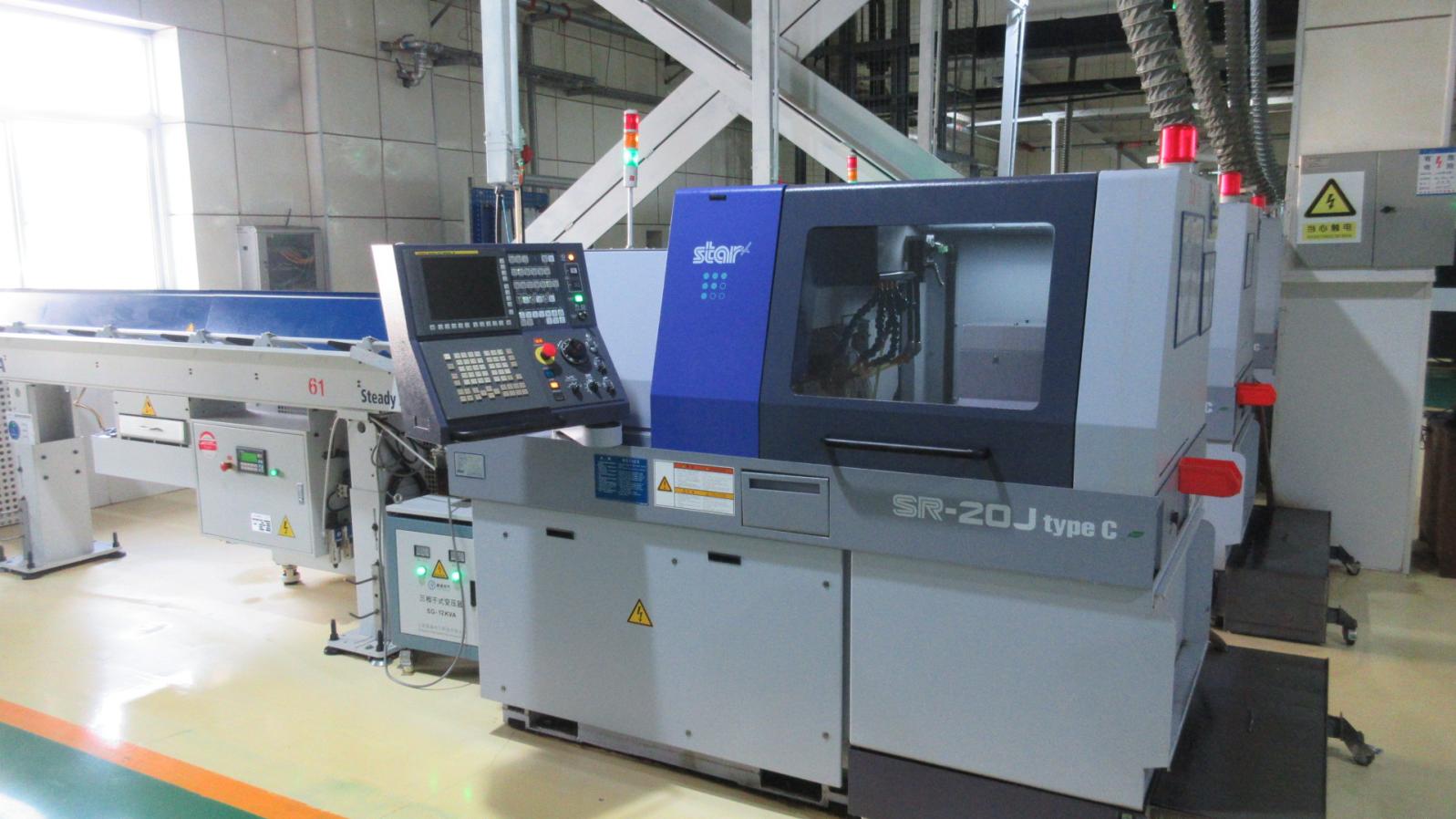
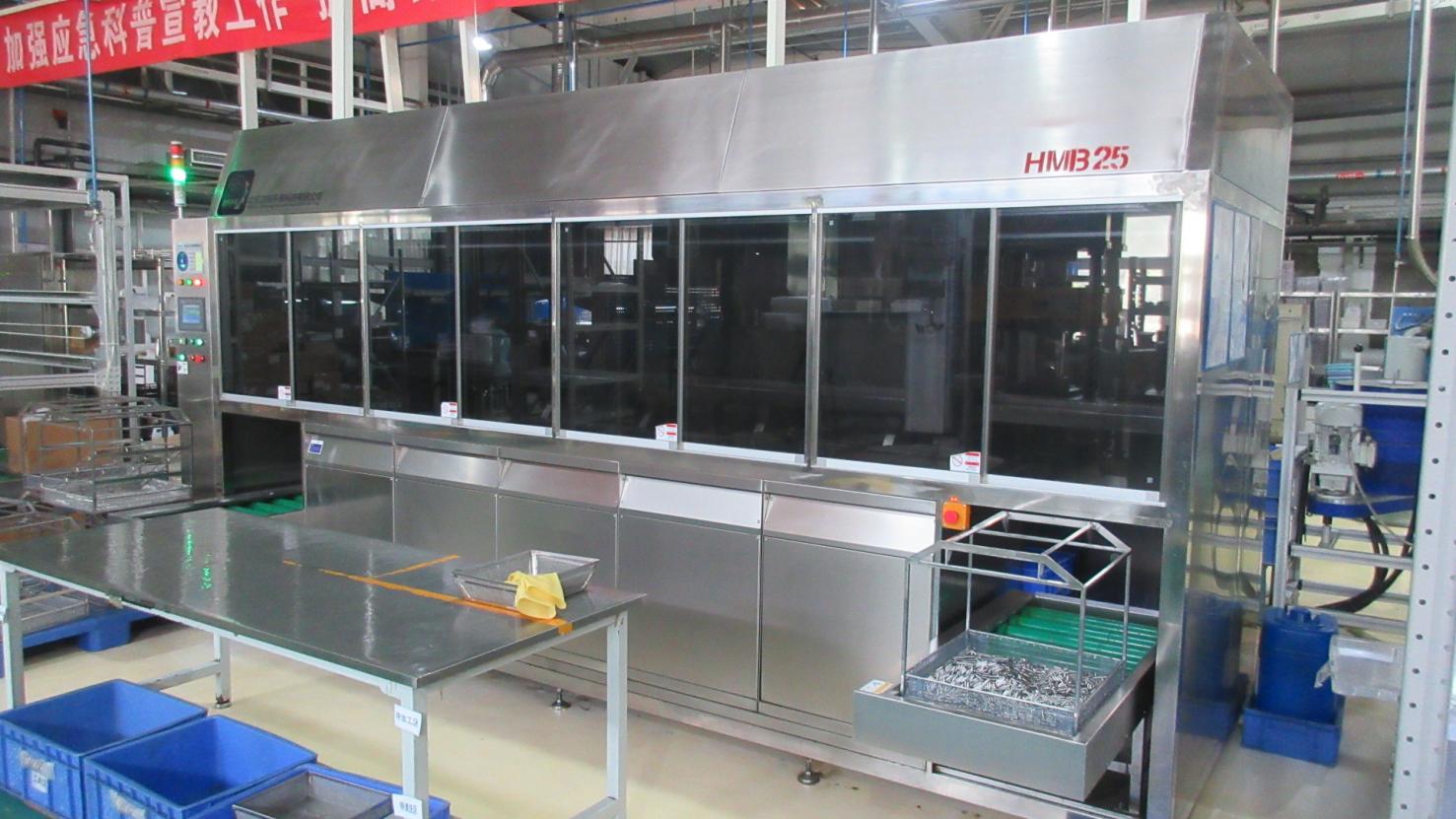
Our localized cluster in China integrates advanced CNC turning, automated ultrasonic cleaning lines, cleanrooms, and dynamic physical validation laboratories. This high-density production network lowers logistics costs and reduces manufacturing lead times, allowing us to supply global distributors with high-precision components at highly competitive prices.
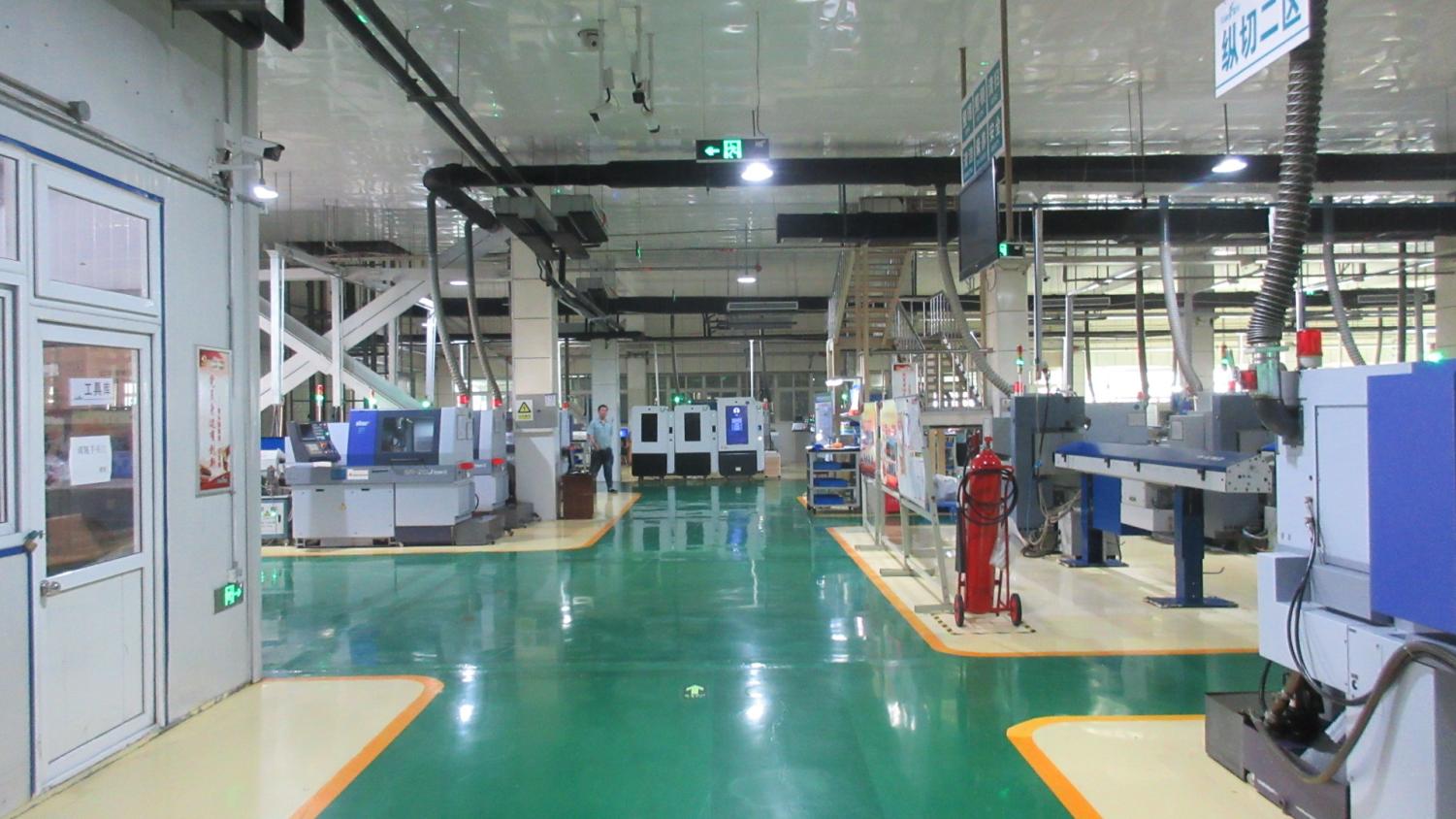
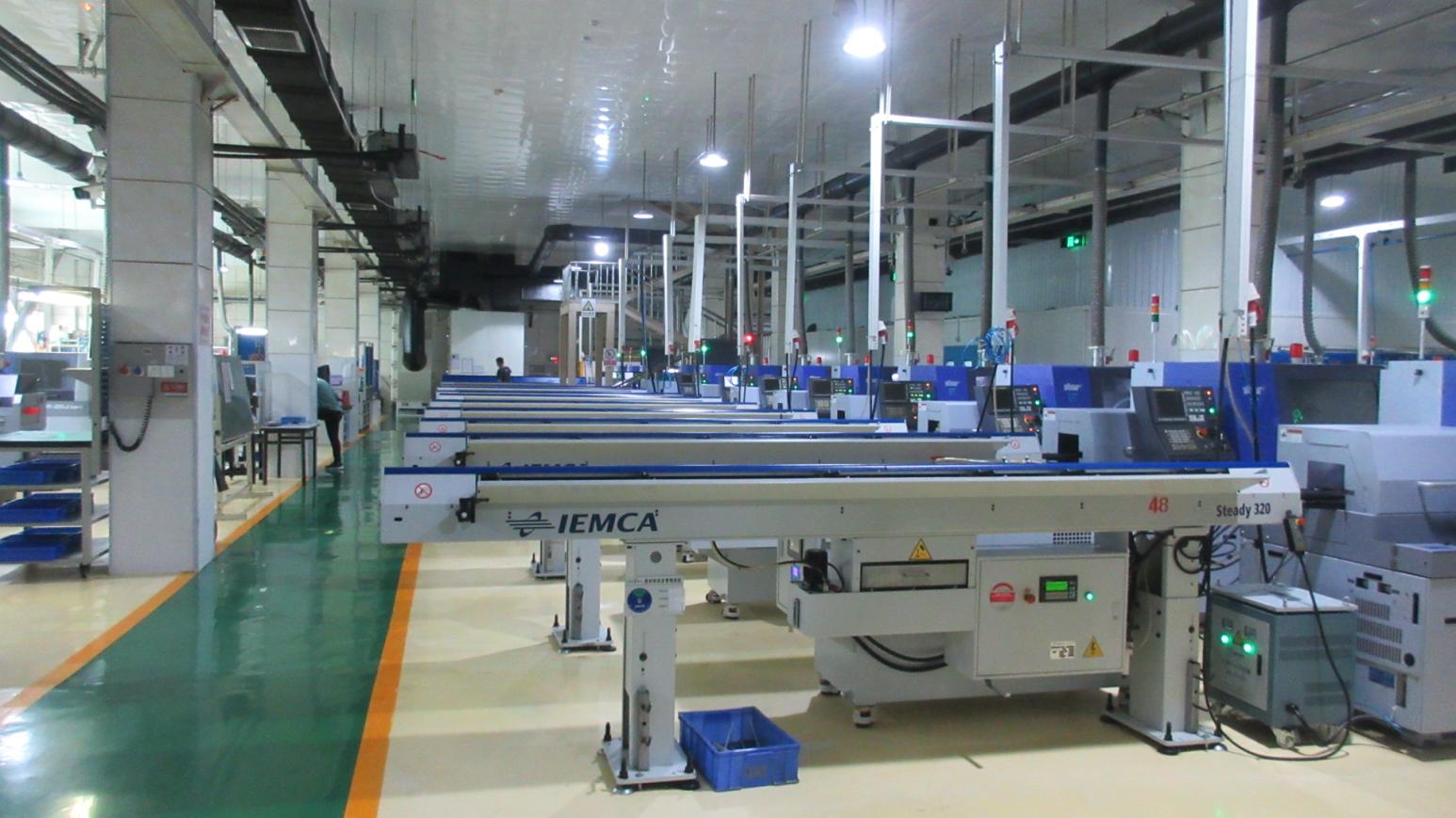
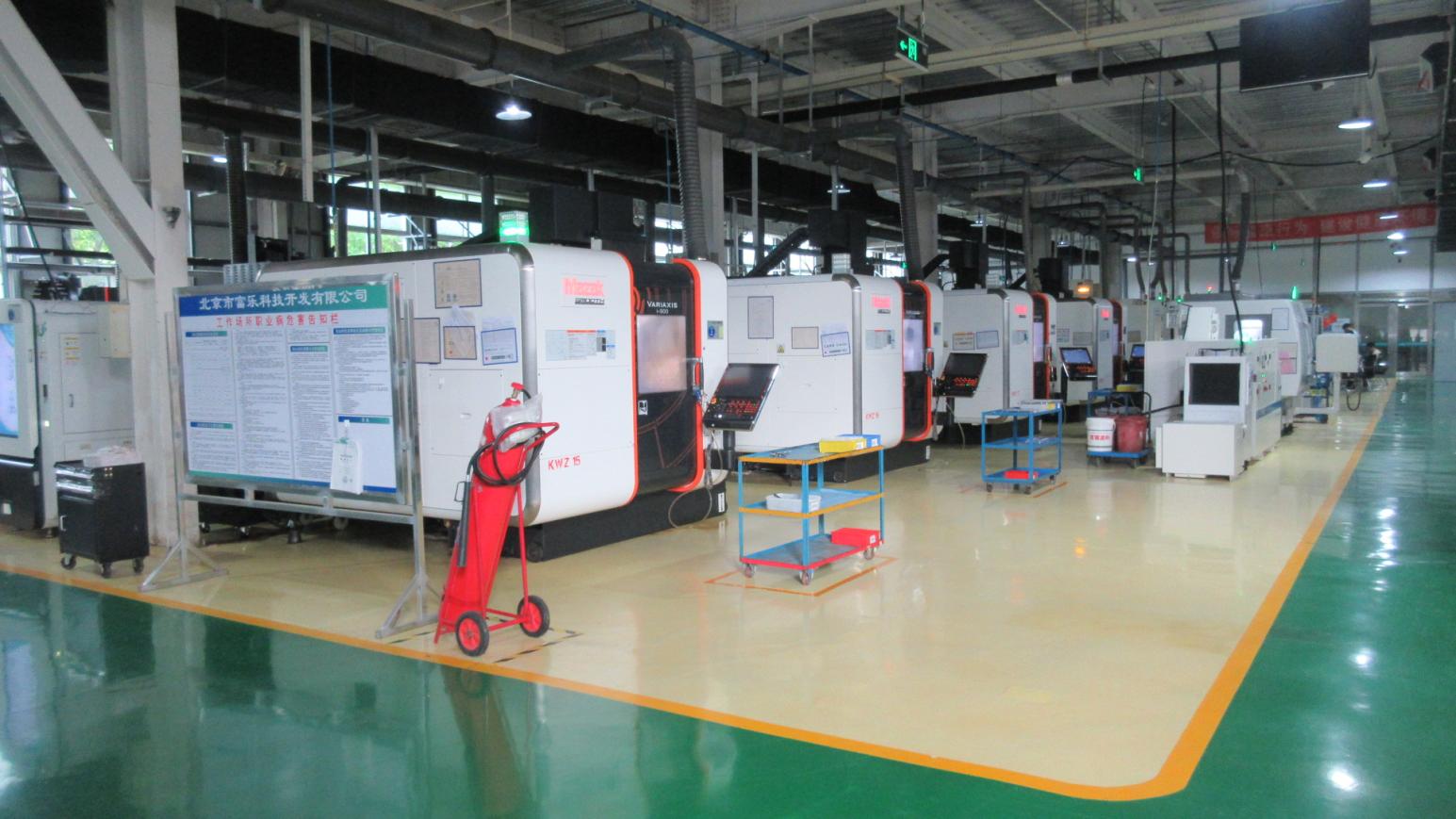
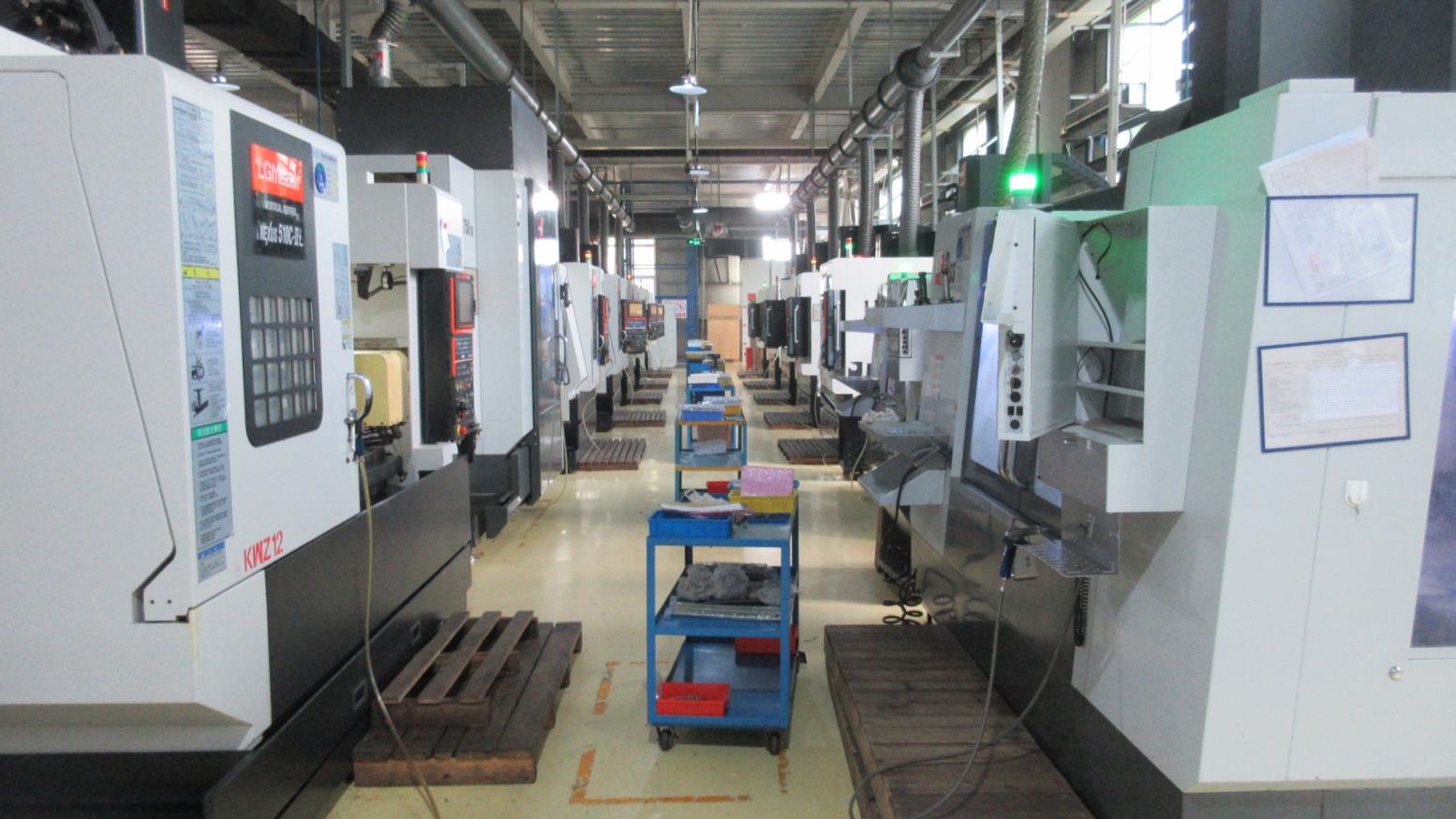
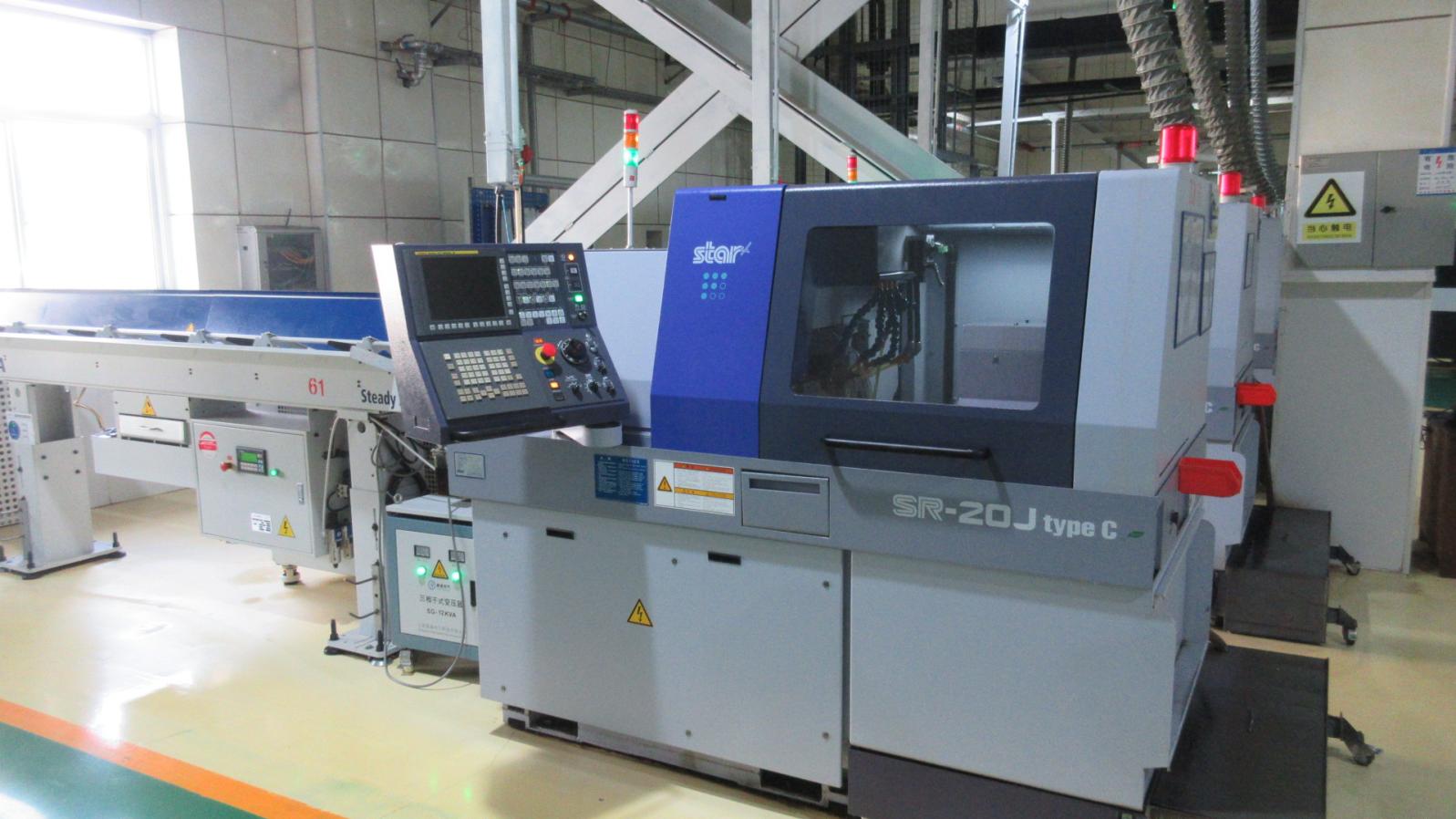
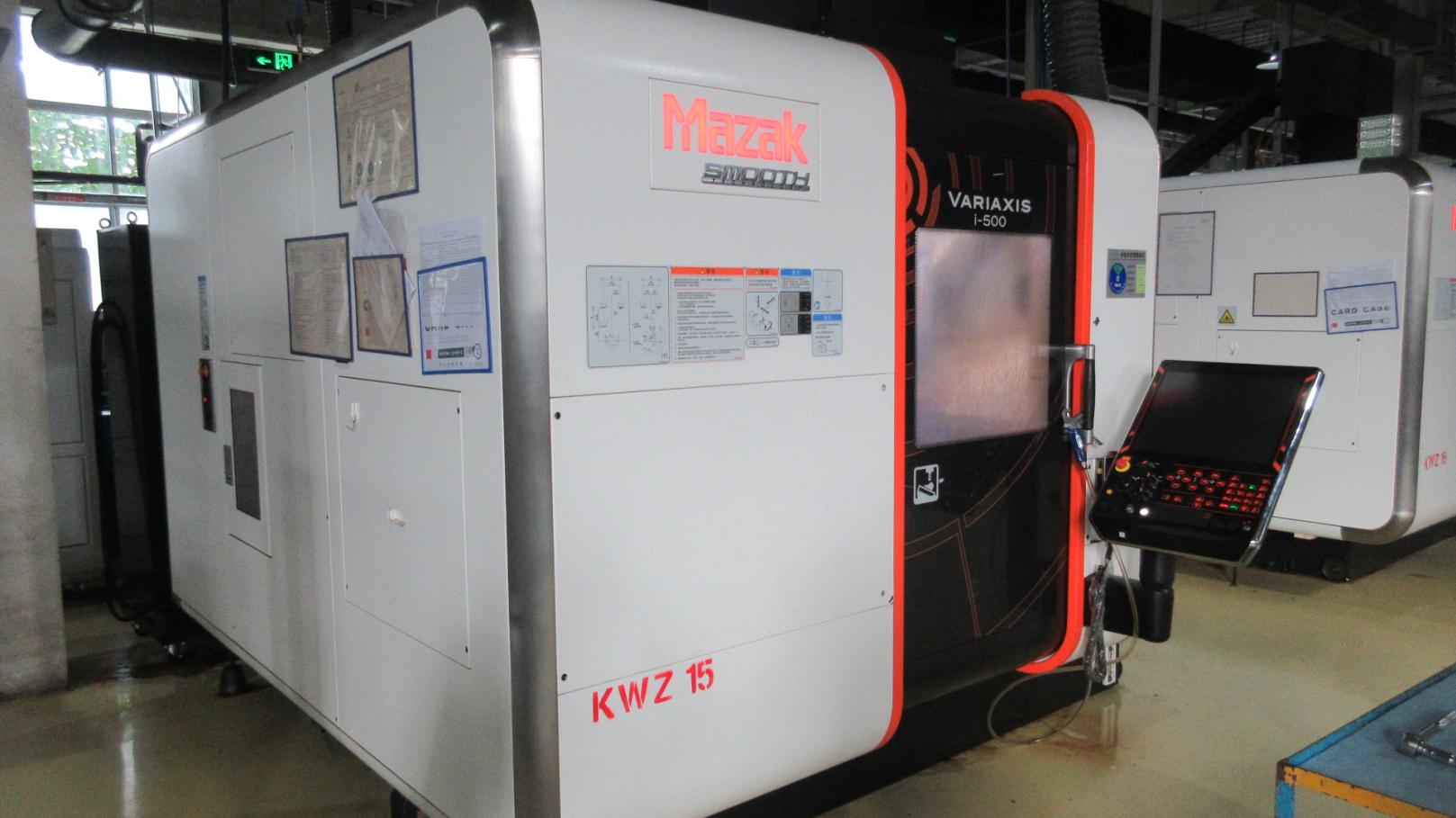
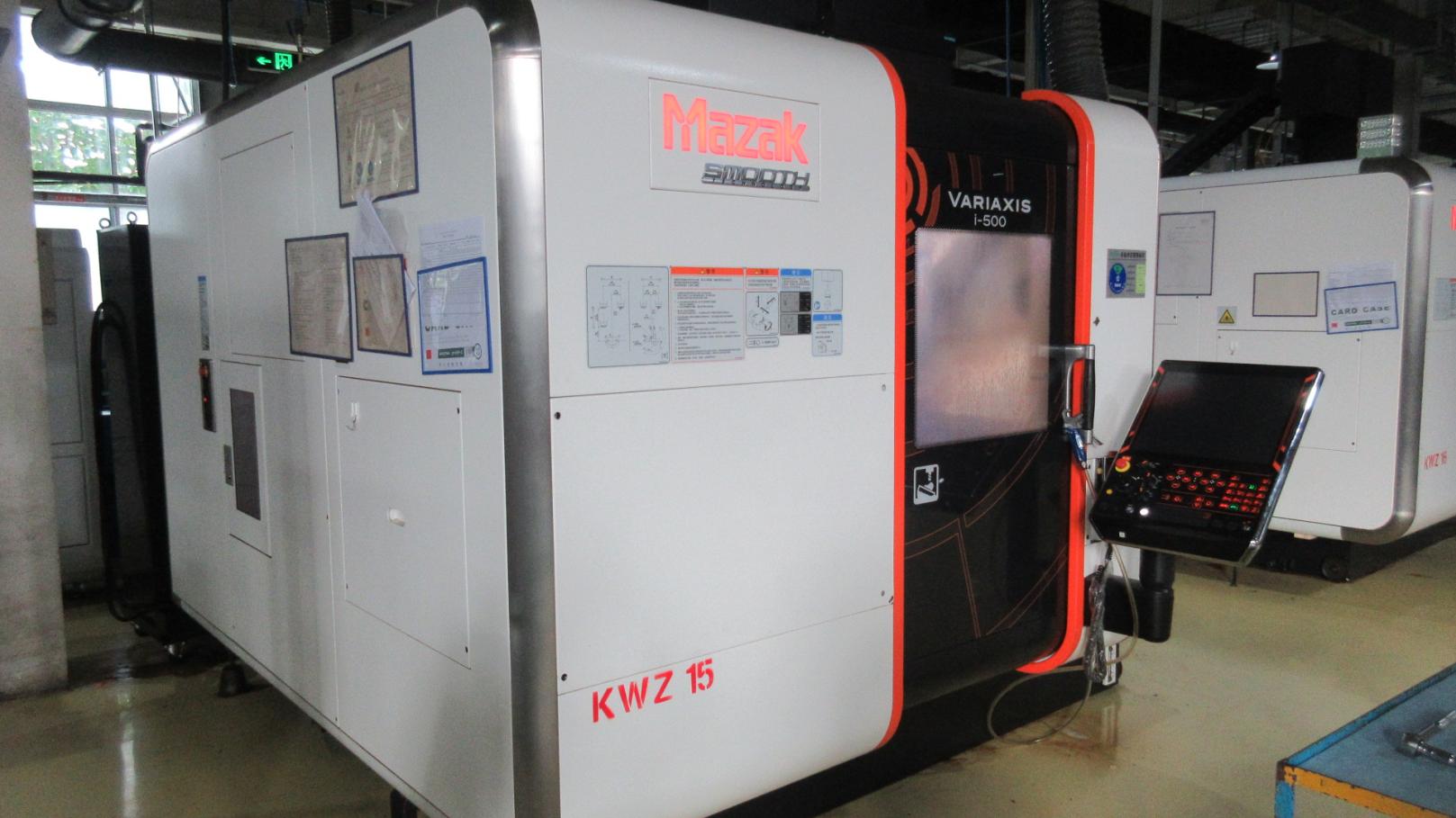
Equipped with precision CNC Swiss lathes and multi-axis milling centers to process intricate surgical implant geometries.
Focused on key markets including domestic clinical distribution (40%), Eastern Europe (15%), and Southeast Asia (10%).
Comprehensive customized options covering sample processing, graphic design, and custom clinical solutions.
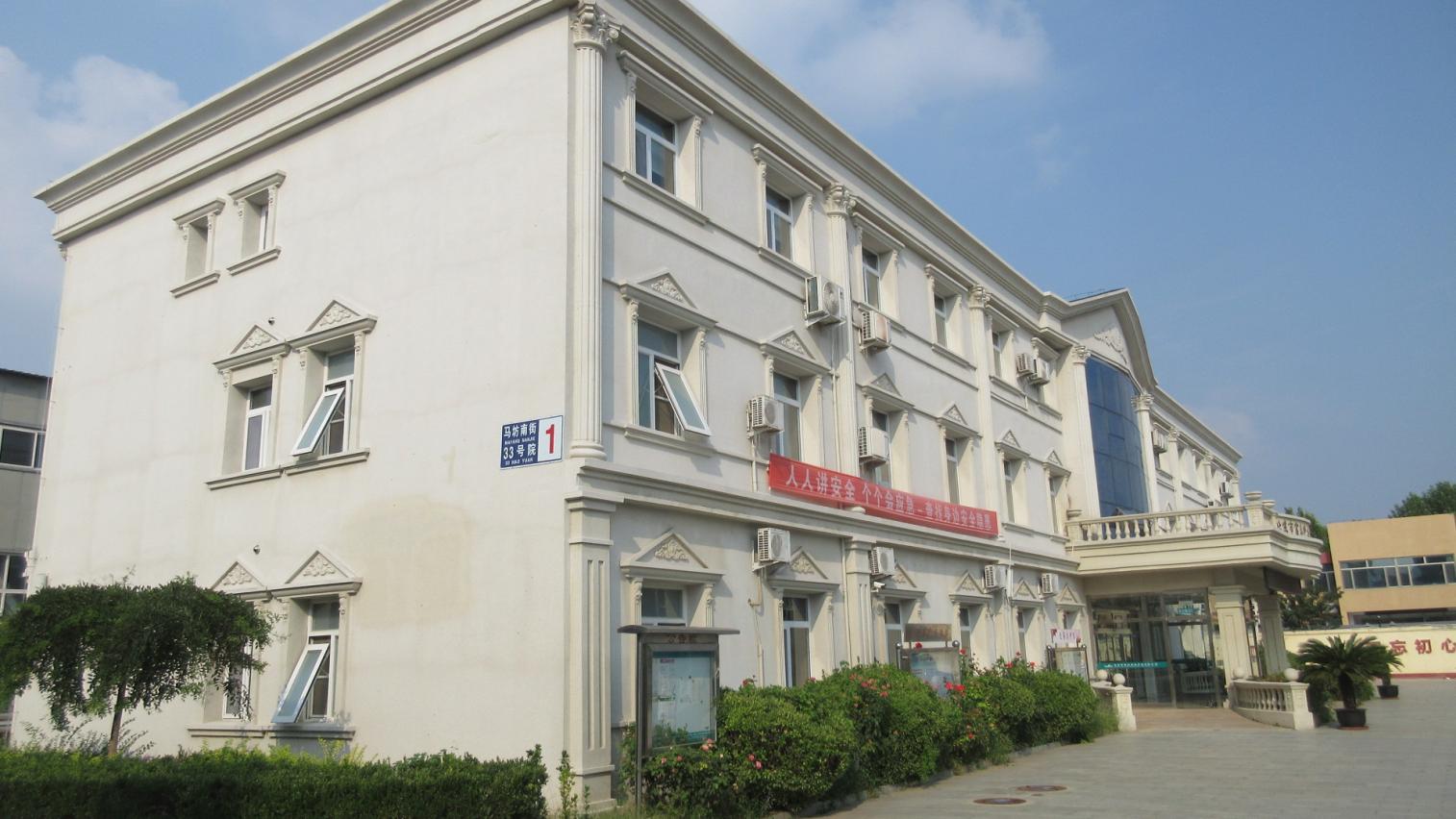
Our Beijing-based factory, Beijing FULE Science & Technology Development Co., Ltd., has supplied high-end orthopedic solutions globally for 29 years.
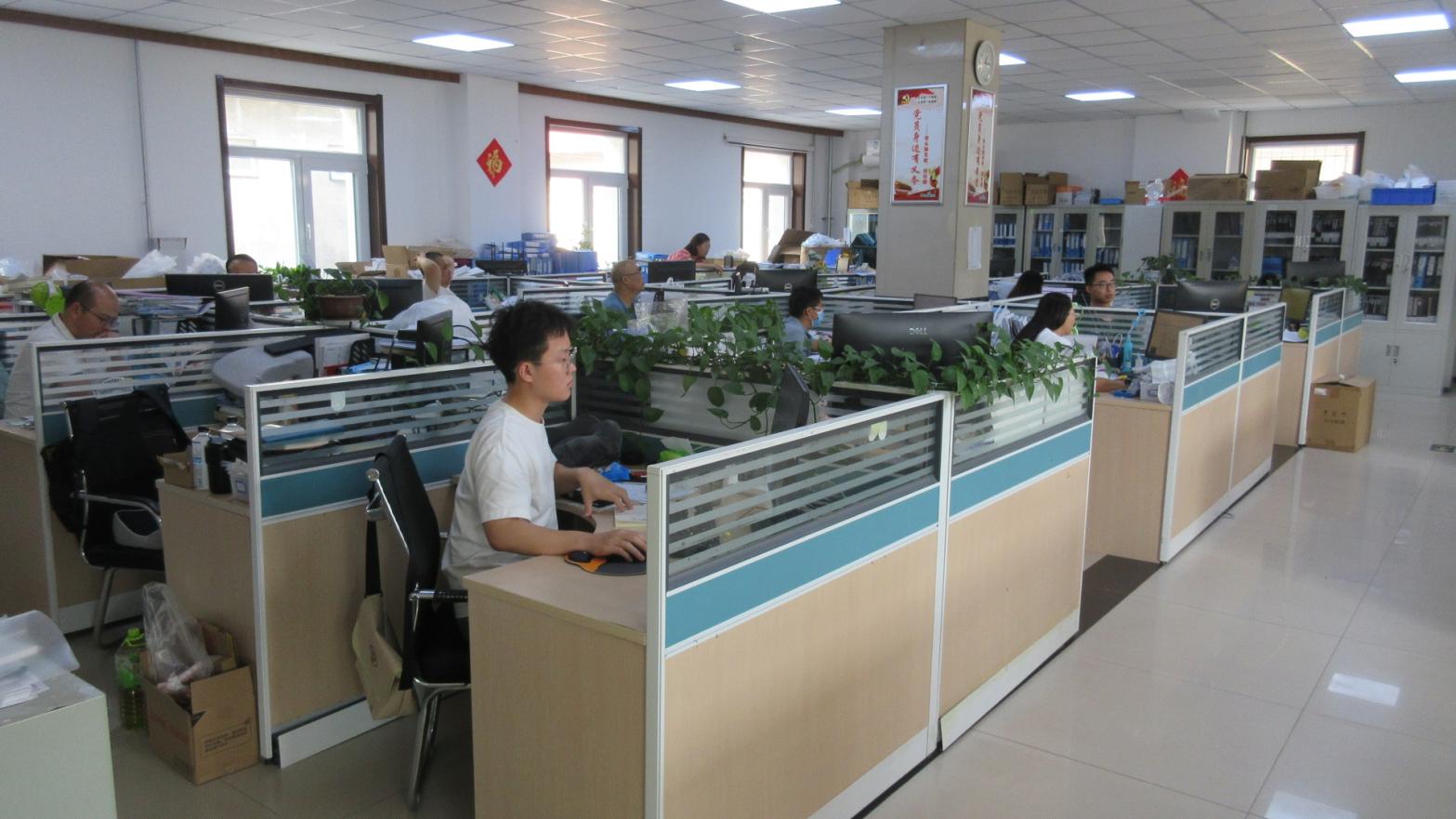
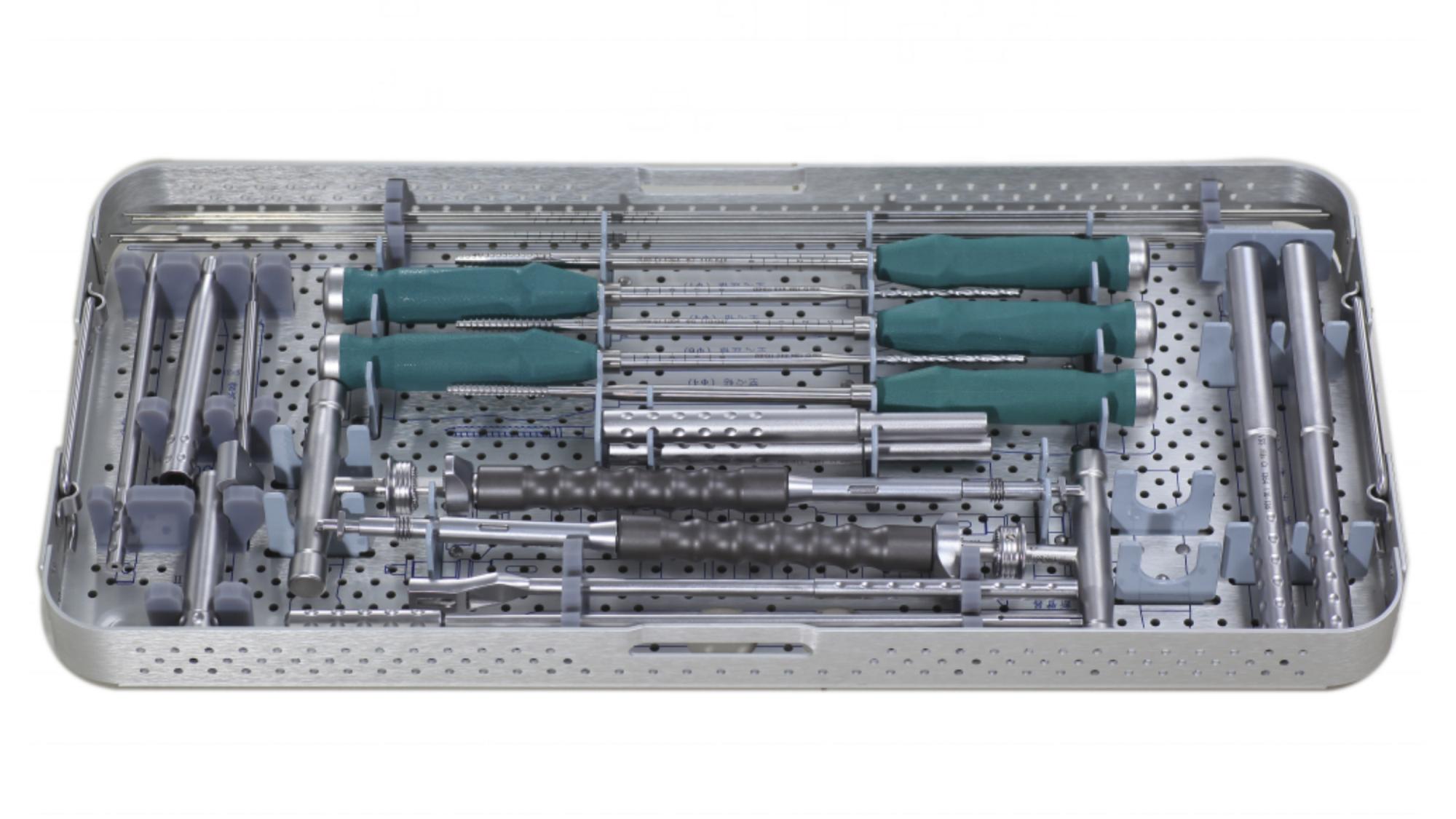
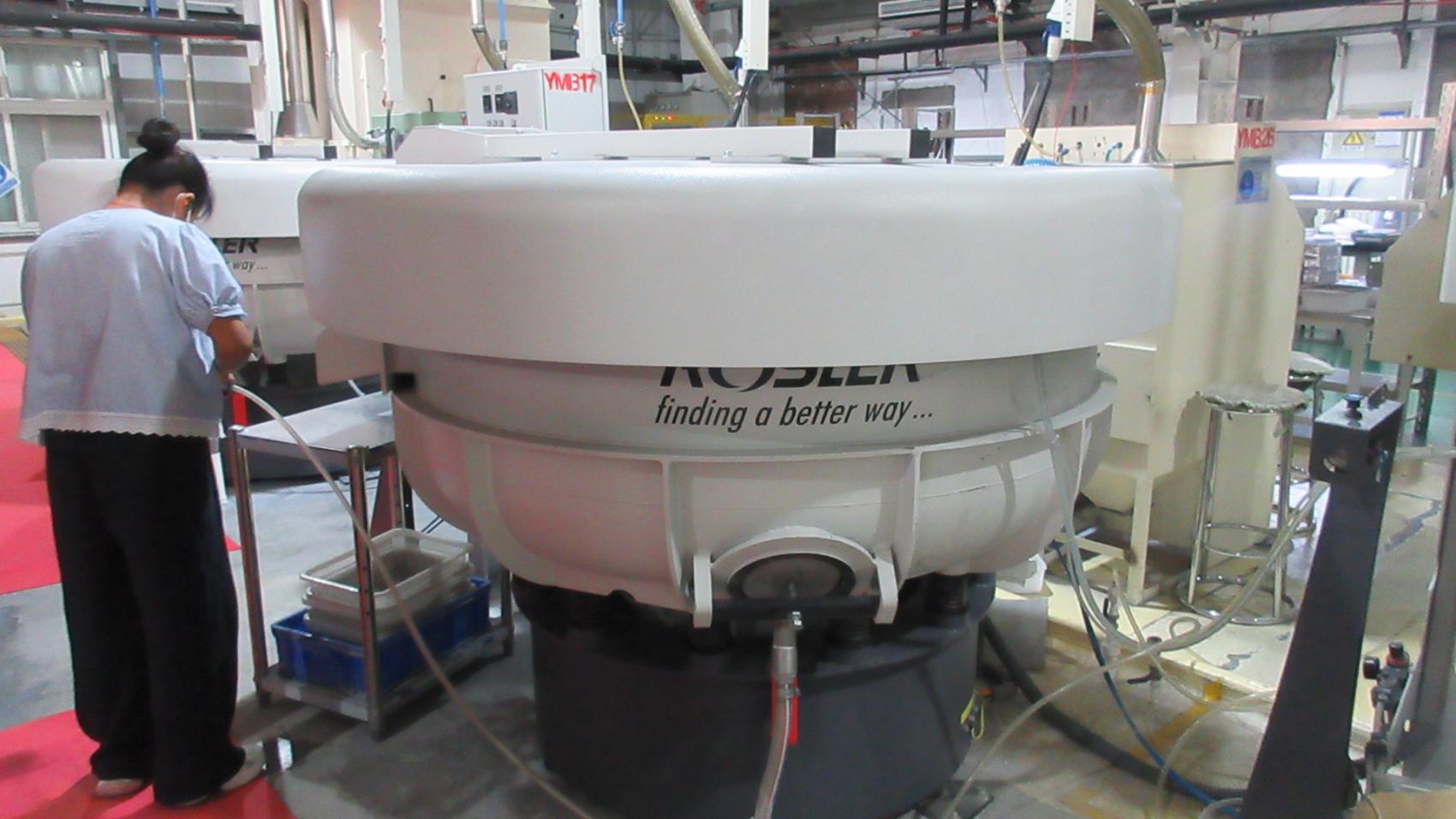
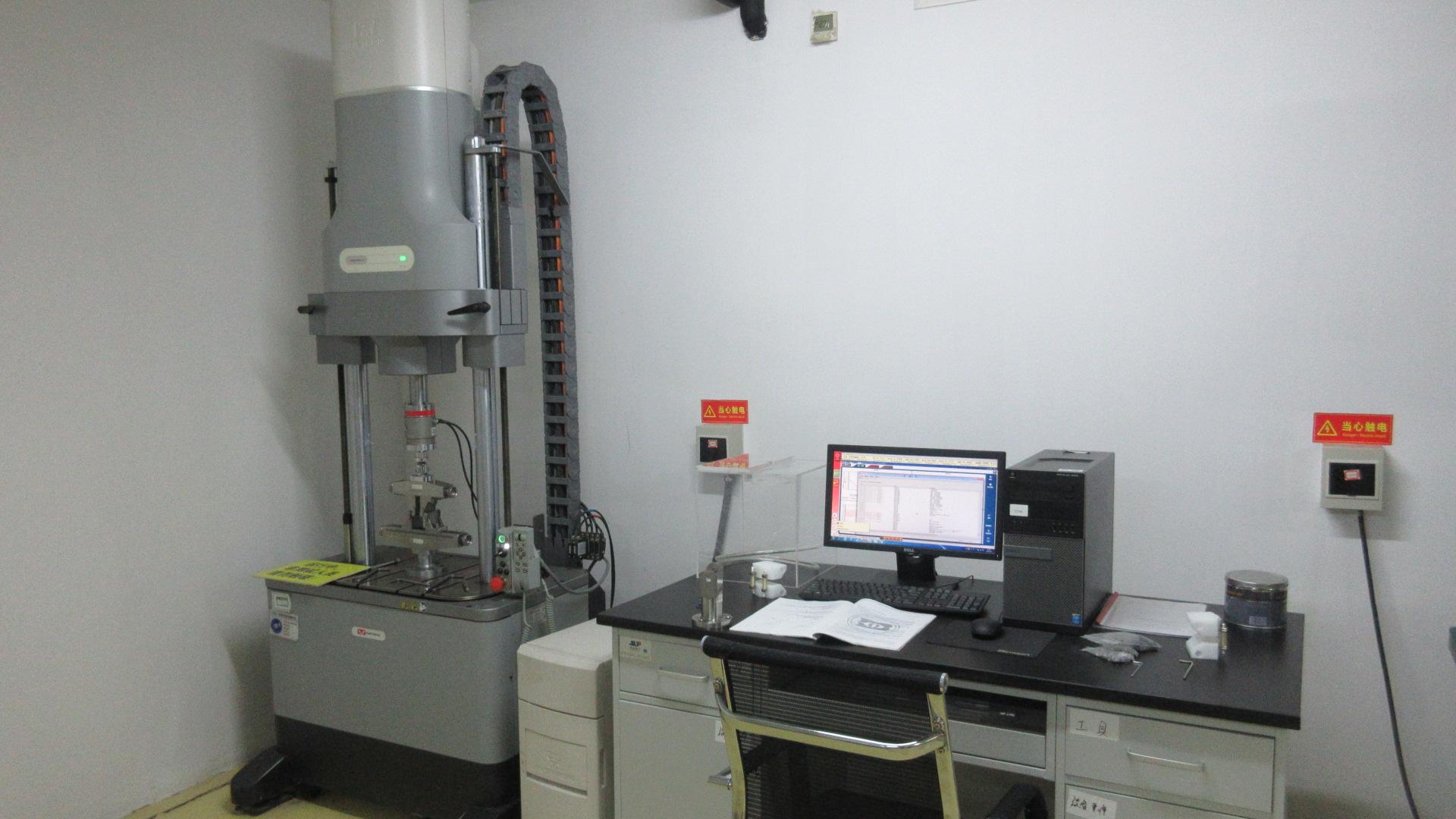
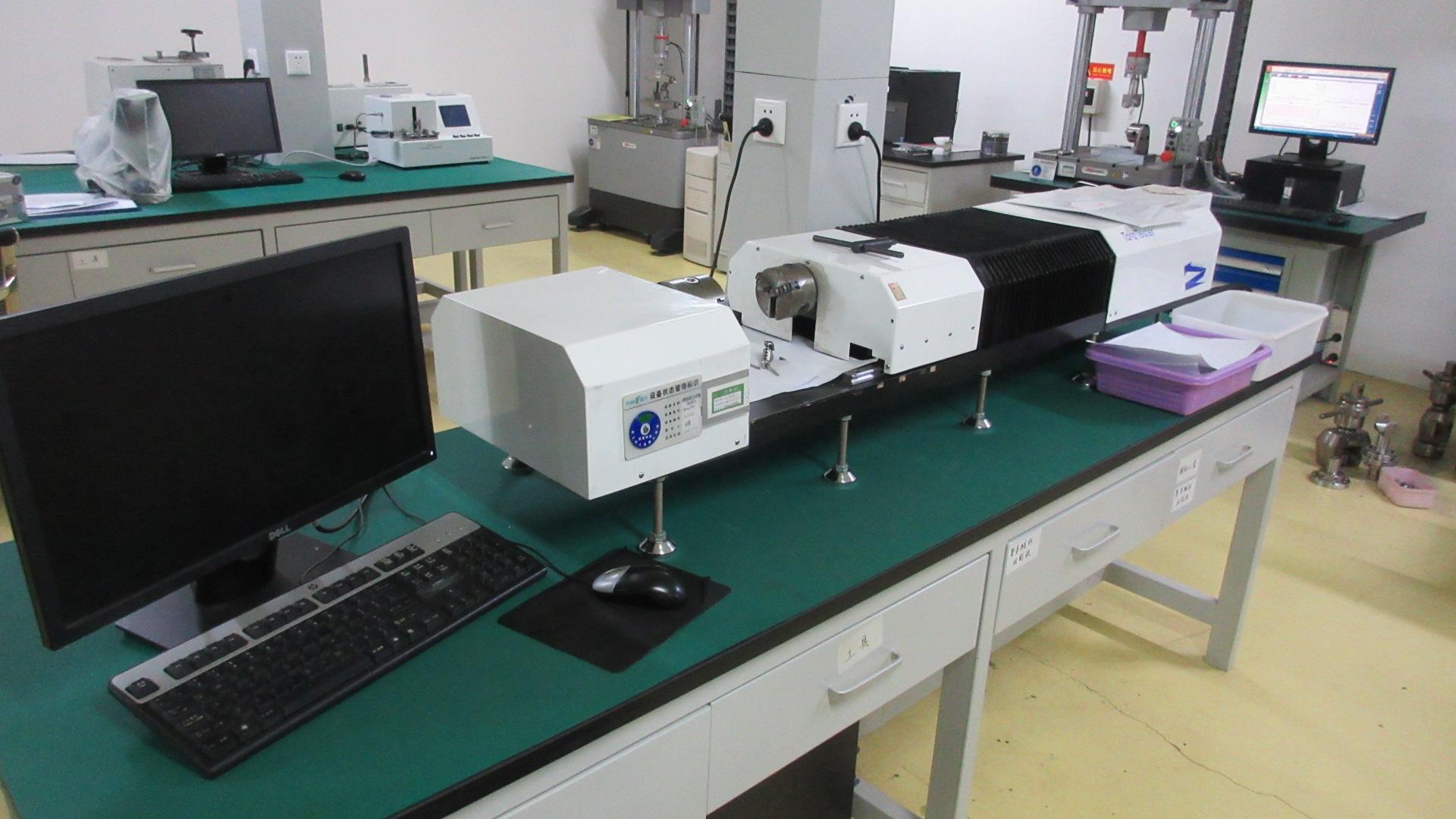
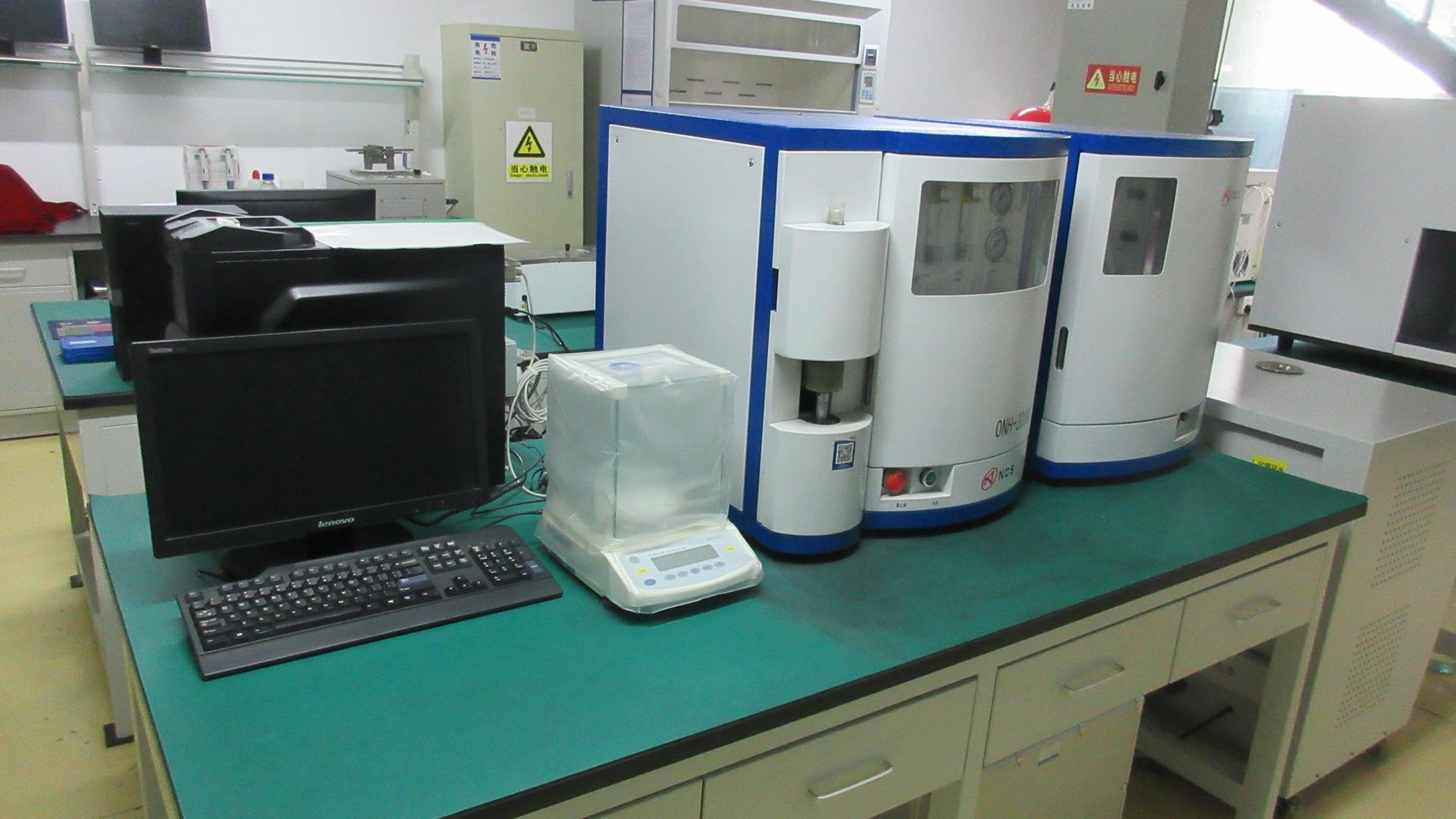
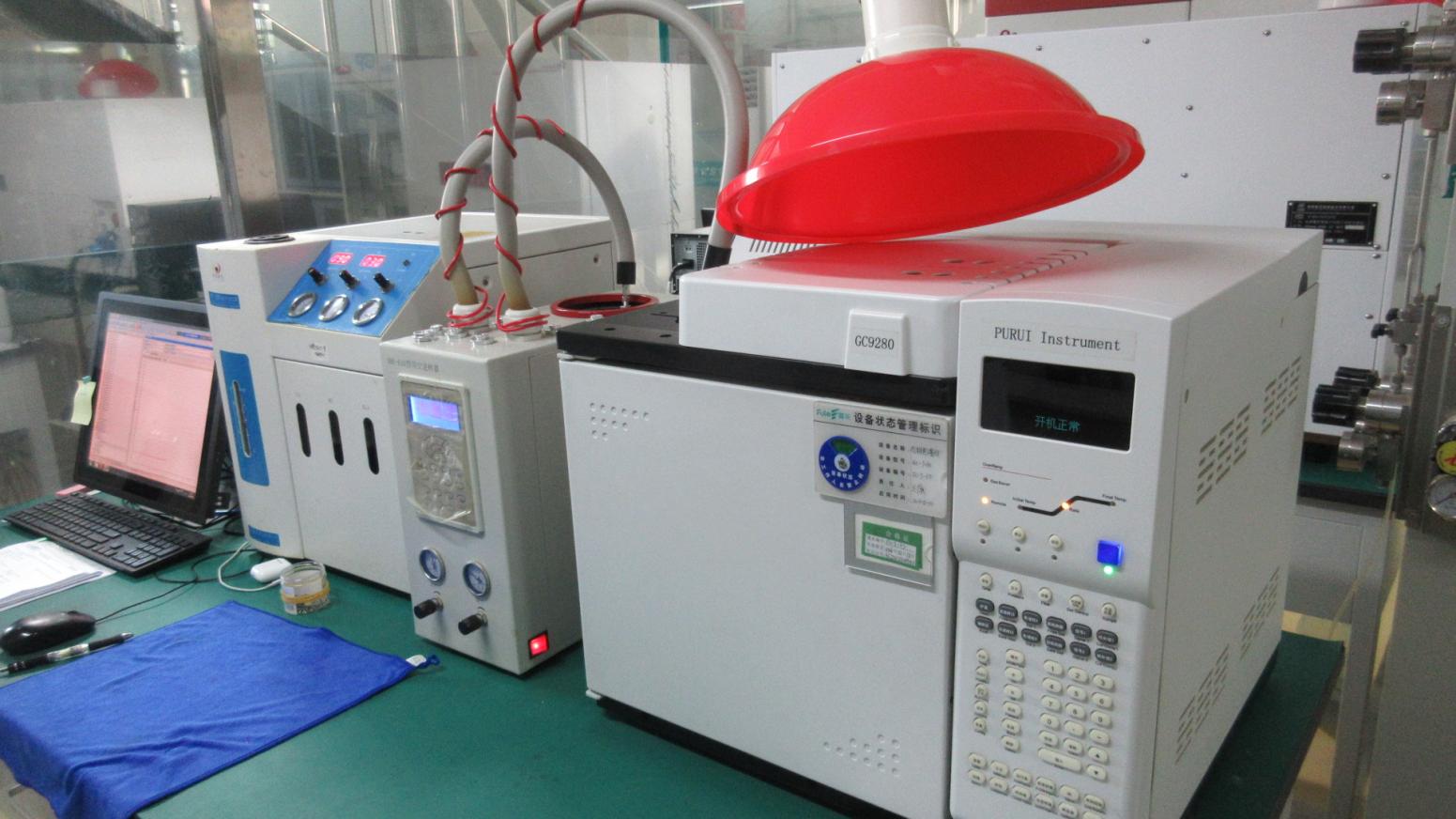
Explore our fabrication workshops, cleanroom testing chambers, automated CNC production areas, and QA packaging facilities.

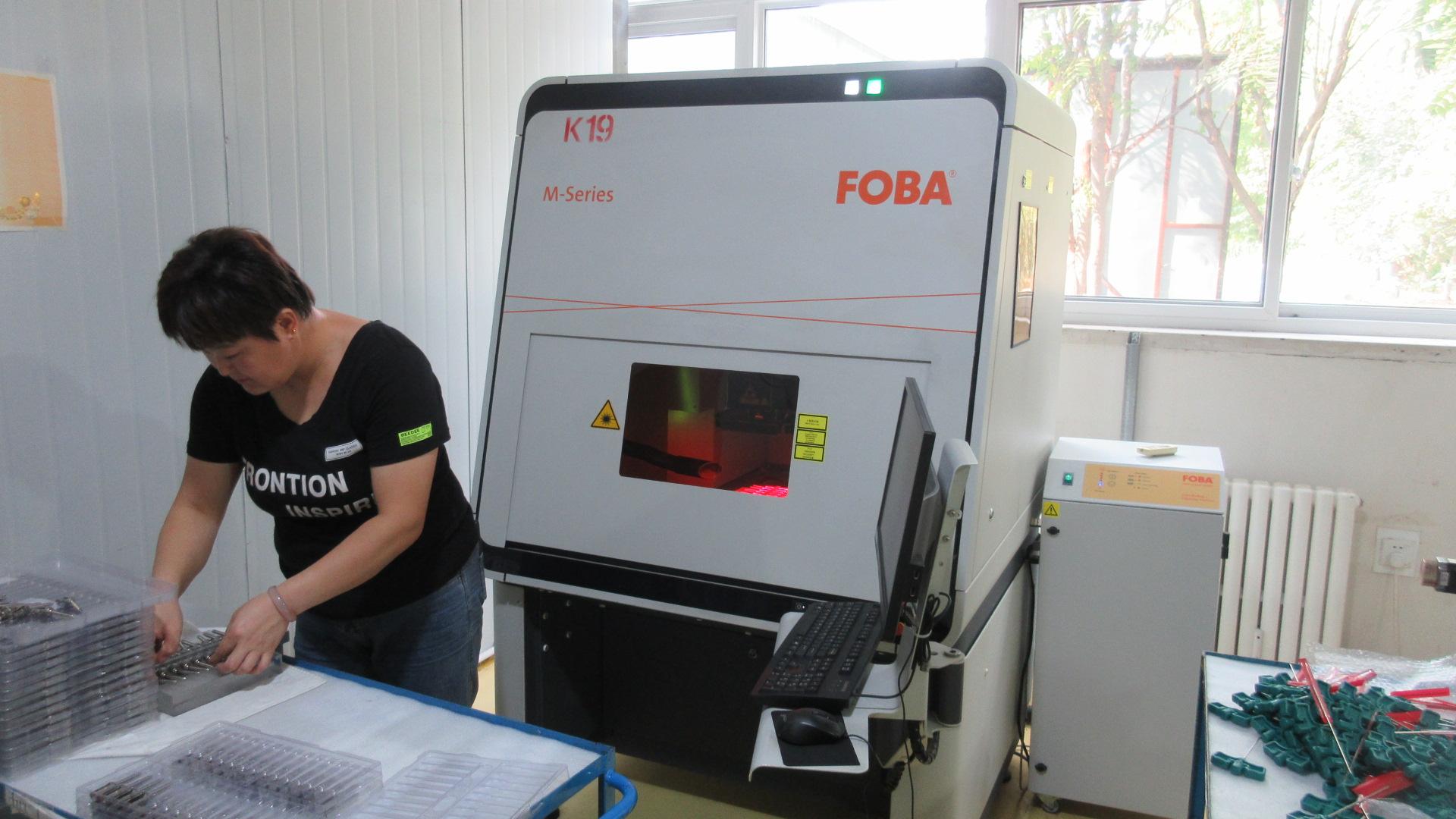
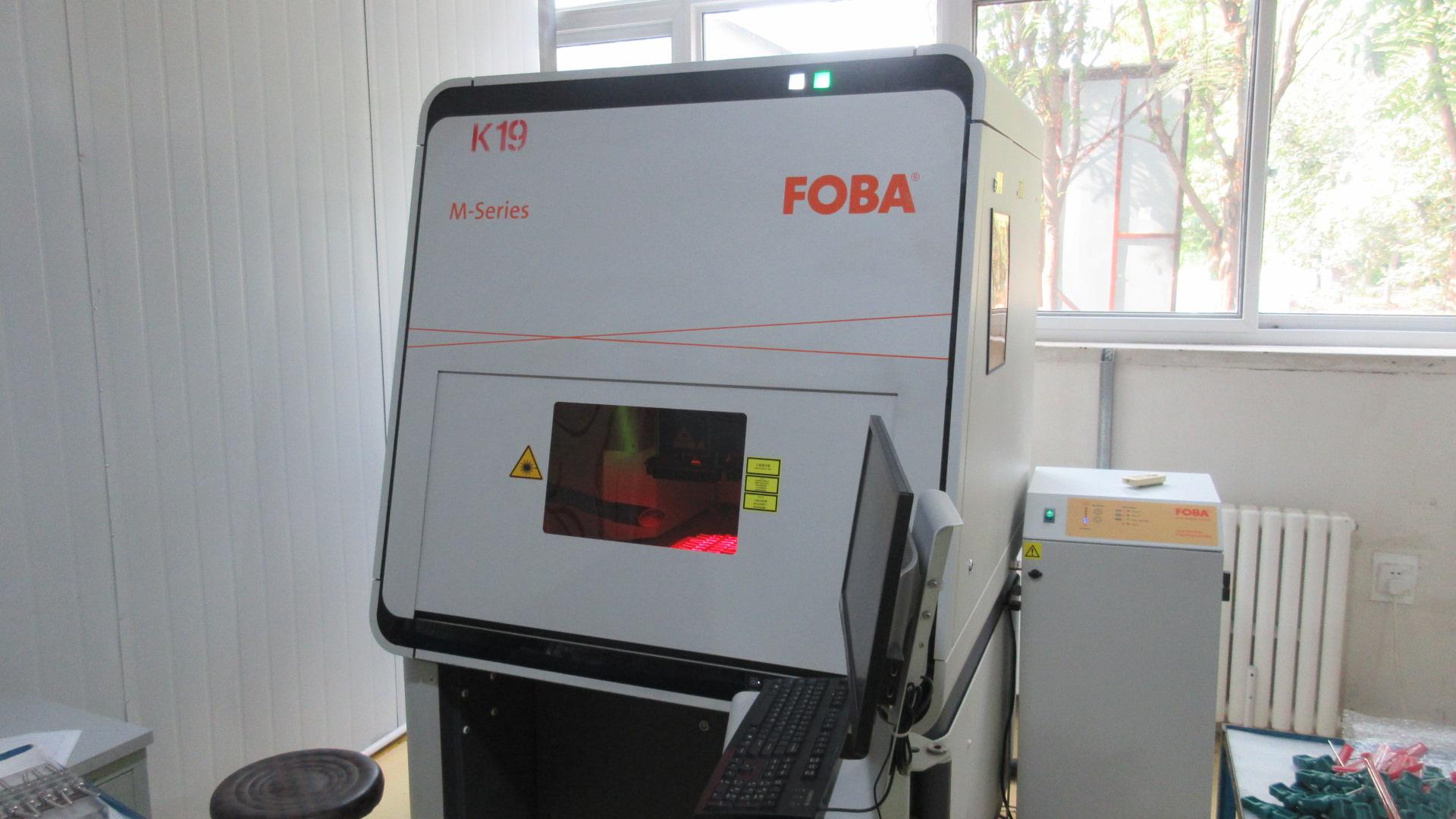
We customize labeling, instructions for use (IFU), packaging design, and laser markings to align with the specific regulatory standards of regional distribution markets across Europe, Asia, and Latin America.
Our regulatory affairs division supports global medical device registrations. We provide full technical dossiers (STED), biocompatibility reports (ISO 10993), clinical trial data summaries, and sterile validation reports.
We work with international logistics providers to coordinate shipping, clear customs, and maintain environmental controls, protecting sterile implant packaging throughout transit.
Managing procurement for healthcare facilities requires balancing cost efficiency with clinical efficacy. Our Class III orthopedic implant lines offer a cost-effective alternative to Tier 1 multinational brands without compromising quality. By partnering directly with a verified manufacturer, distributors can capture higher margins, secure reliable lead times, and access custom modifications that accommodate regional anatomical variations.
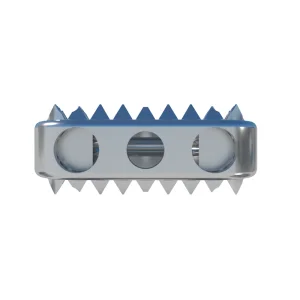
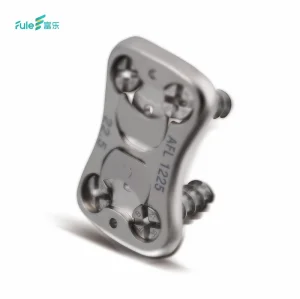
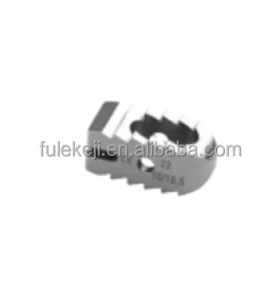
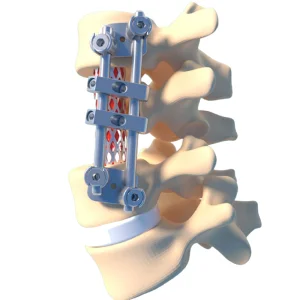
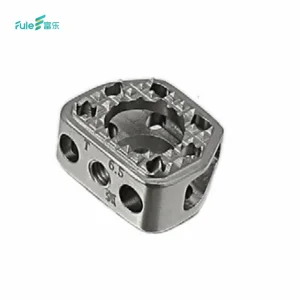
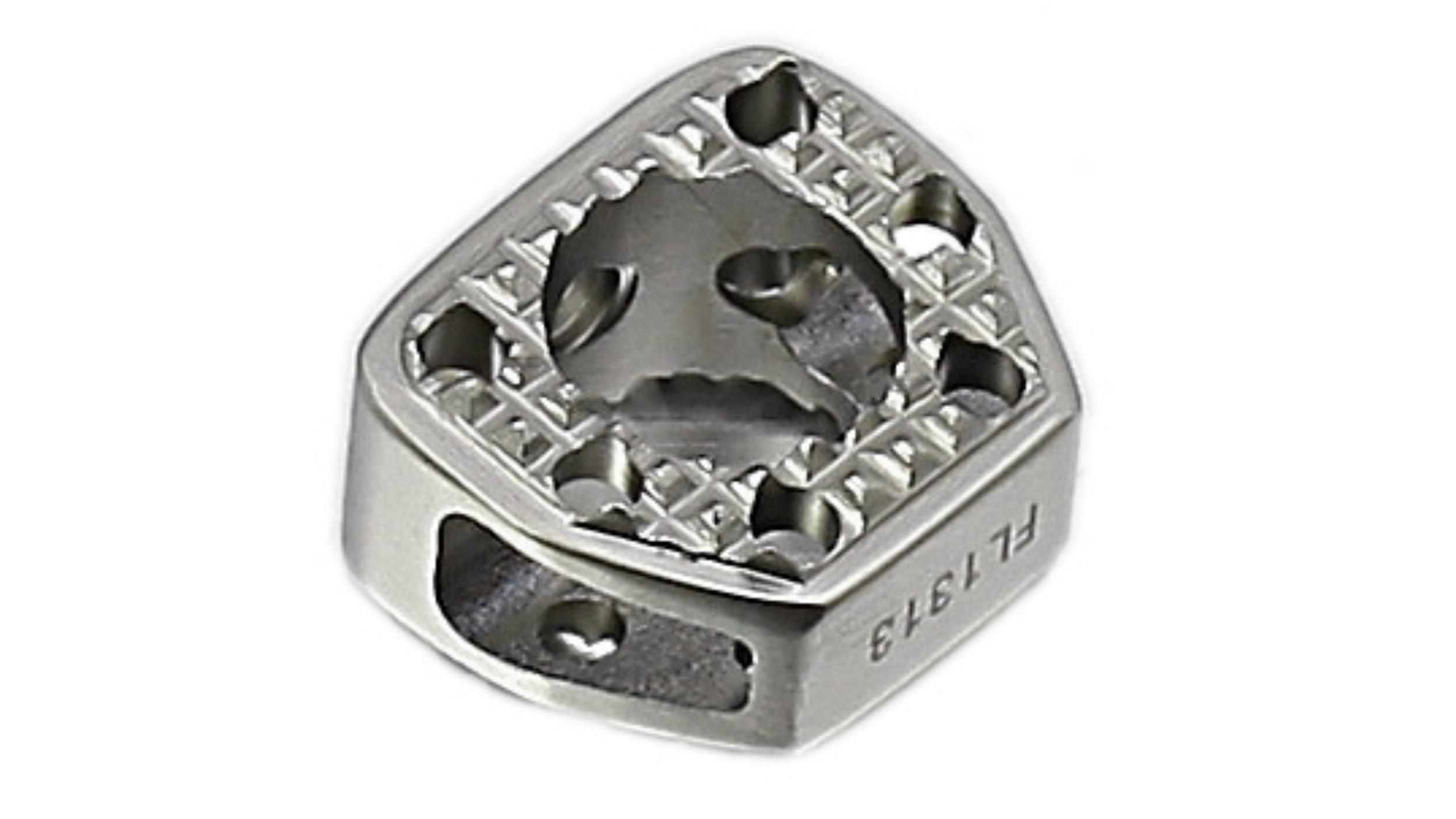
Our Anterior Cervical Fusion Cages feature hollow chambers to maximize bone graft volume, teeth patterns on the surface to prevent implant migration, and anatomy-matching profiles to restore natural lordosis. When paired with our Anterior Cervical Bone Plate Systems, they form a rigid stabilization system that promotes rapid cervical fusion.
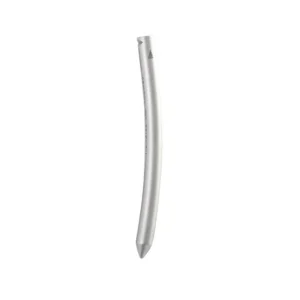
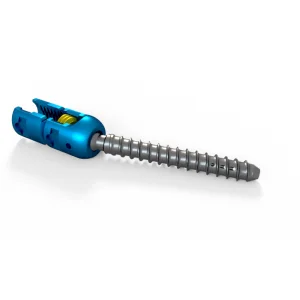
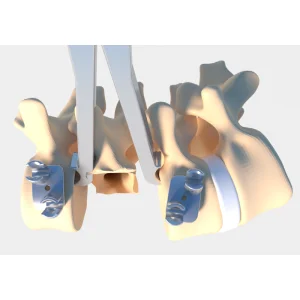
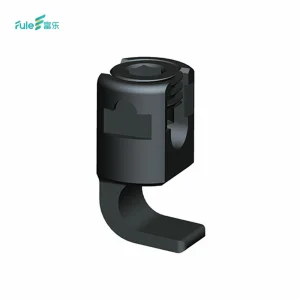
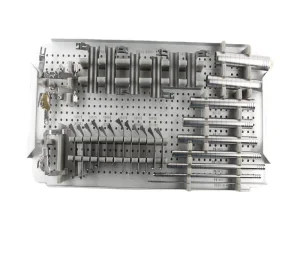
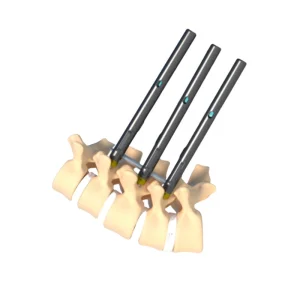
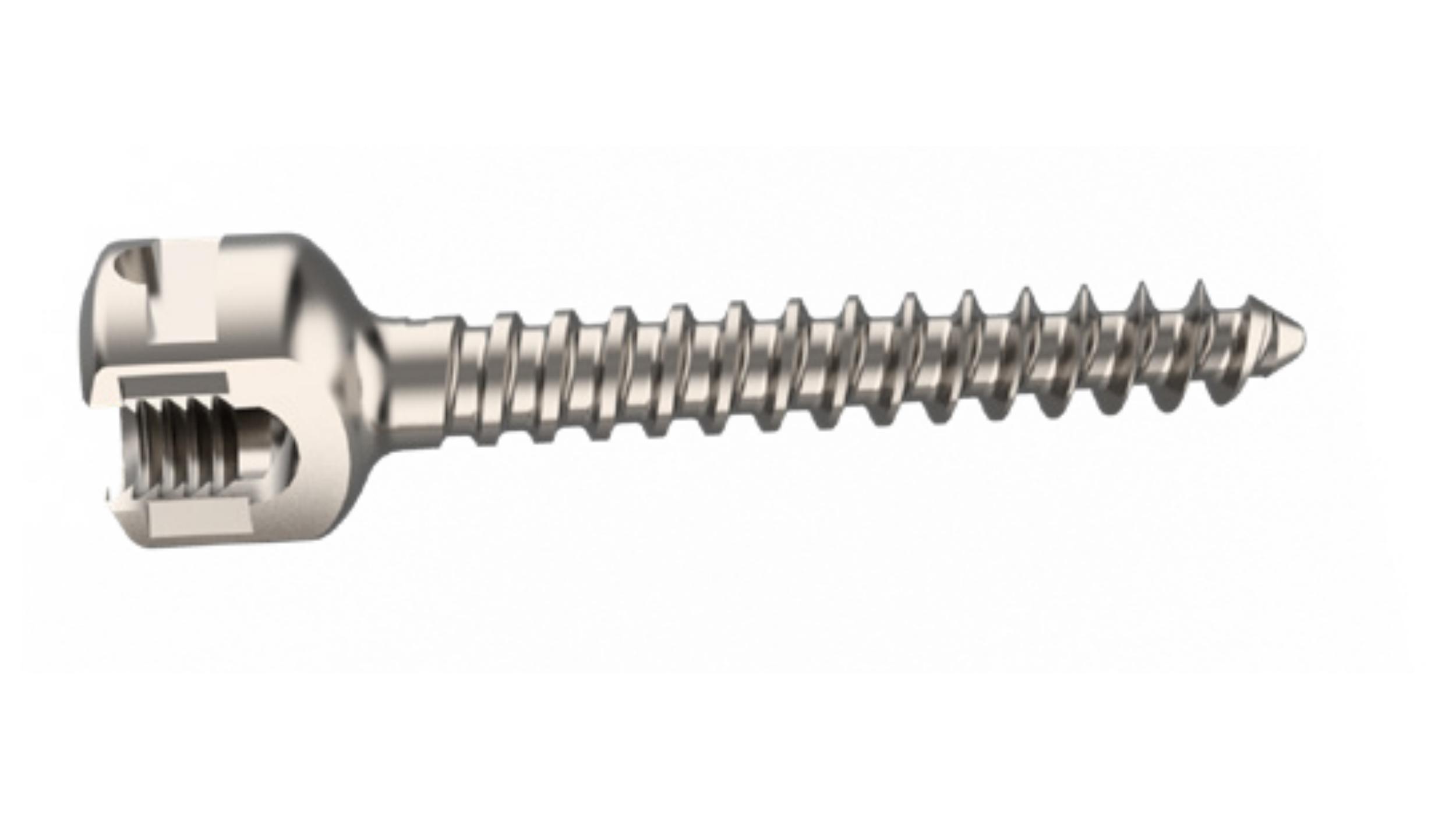
Systems like the VSSII 85mm Extended Arm Minimally Invasive System minimize soft-tissue trauma during spinal fixation. The extended sleeve design allows surgeons to insert rods percutaneously, reducing intraoperative blood loss and accelerating patient recovery.
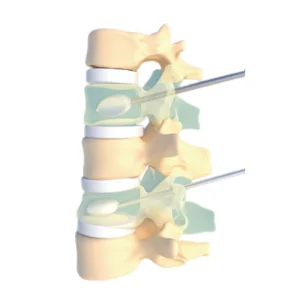
For osteoporotic vertebral compression fractures, our PKP tooling systems provide the path for targeted bone cement delivery. This procedure restores vertebral body height and relieves debilitating pain, serving as a critical intervention in geriatric spinal care.
 Fule
Fule