Explore our advanced, CE-marked Class III surgical implants designed for spinal fusion, dynamic stabilization, and long-term skeletal restoration.
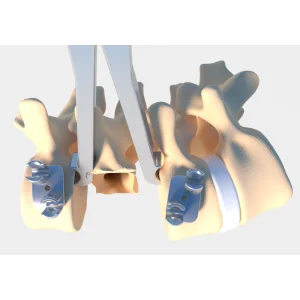
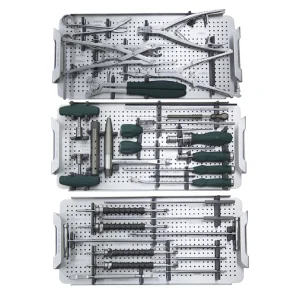
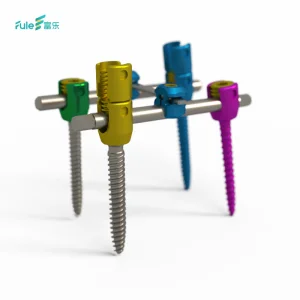
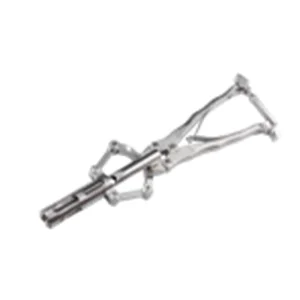
The global therapeutic devices sector—particularly orthopedic and spinal surgical implants—is undergoing a profound transformation. Driven by an aging population, rising clinical demands for minimally invasive surgery (MIS), and shifting economic paradigms in hospital purchasing, the market demands implants that deliver absolute biocompatibility, biomechanical longevity, and high clinical predictability. Historically dominated by Western conglomerates, the supply landscape has transitioned. China-based manufacturers are now leading providers of advanced implantable orthopedic systems.
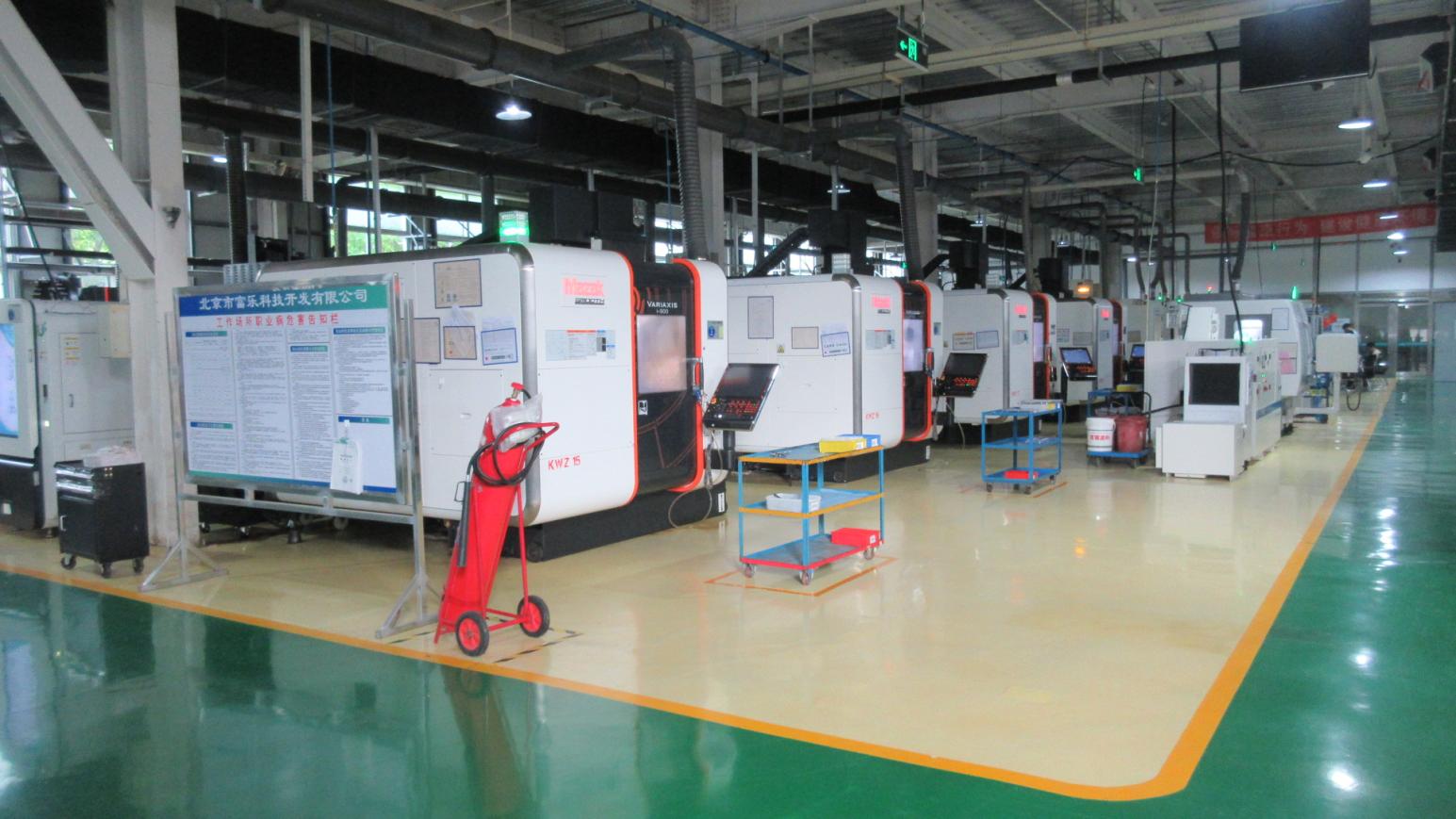
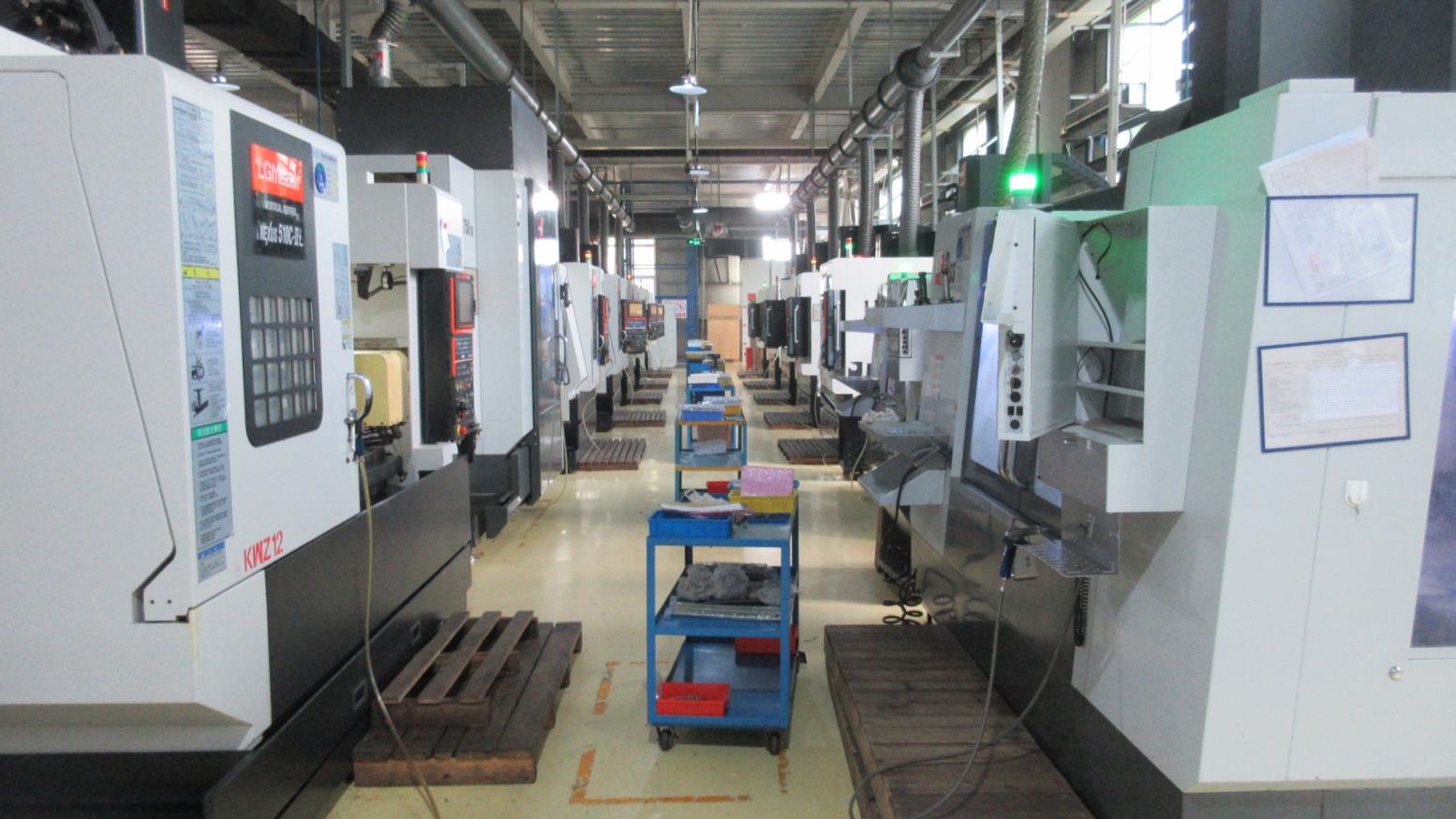
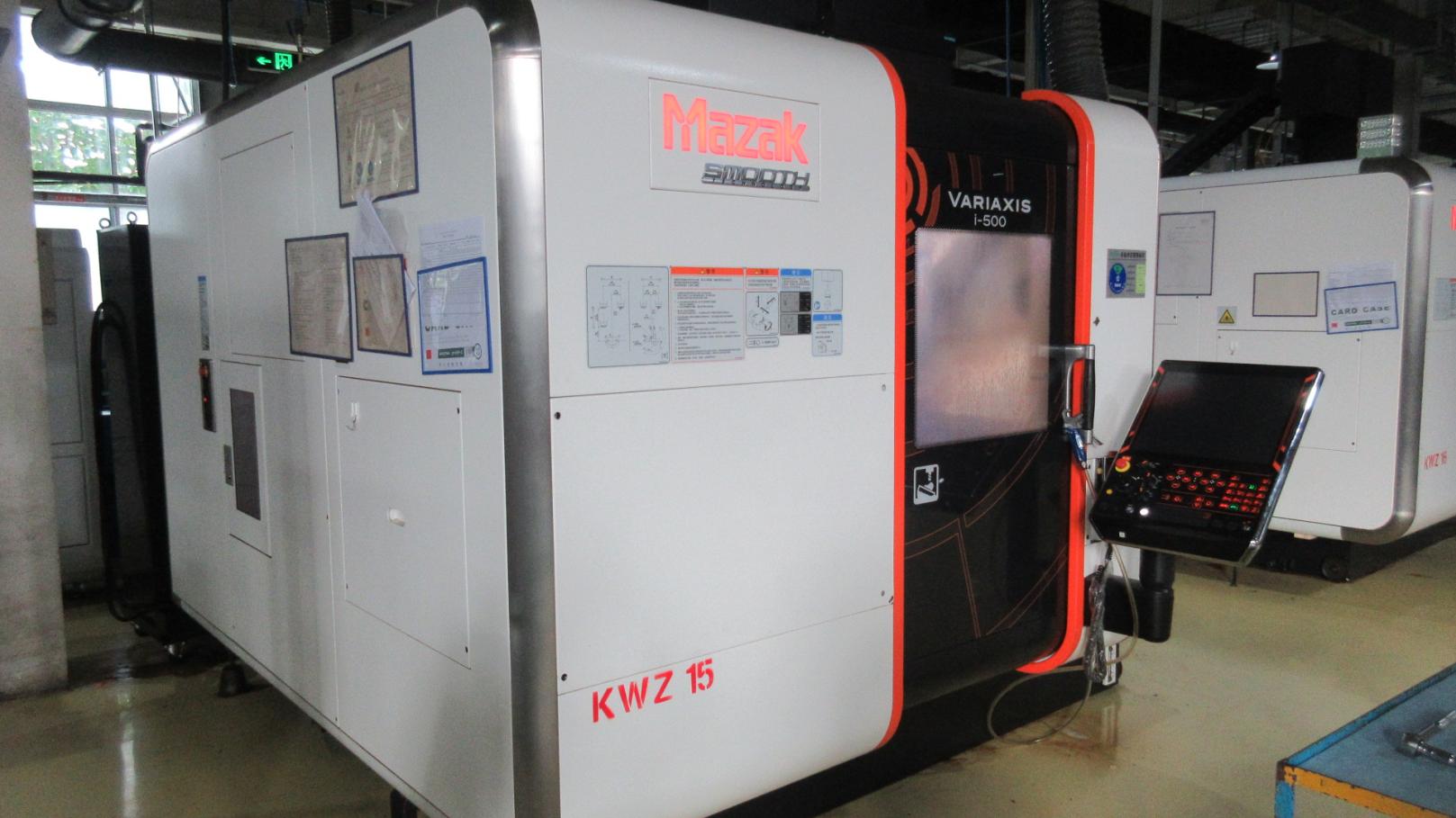
China's technological rise in orthopedic manufacturing stems from vertical integration. By pairing raw materials refining (specifically medical-grade titanium alloy formulation) with high-precision CNC multi-axis milling and Class 100,000 cleanrooms, domestic suppliers consistently match or exceed standard ISO requirements. Top China therapeutic devices suppliers & exporters have progressed from producing traditional osteosynthesis plates to engineering sophisticated Class III implantable devices, including anterior cervical cages, pedicle systems with dynamic stabilization properties, and specialized instruments for vertebral reconstruction.
Increasing incidence of spinal stenosis, degenerative disc disease, and osteoporotic vertebral compression fractures (VCF) drives global demand for resilient spine-stabilizing implants.
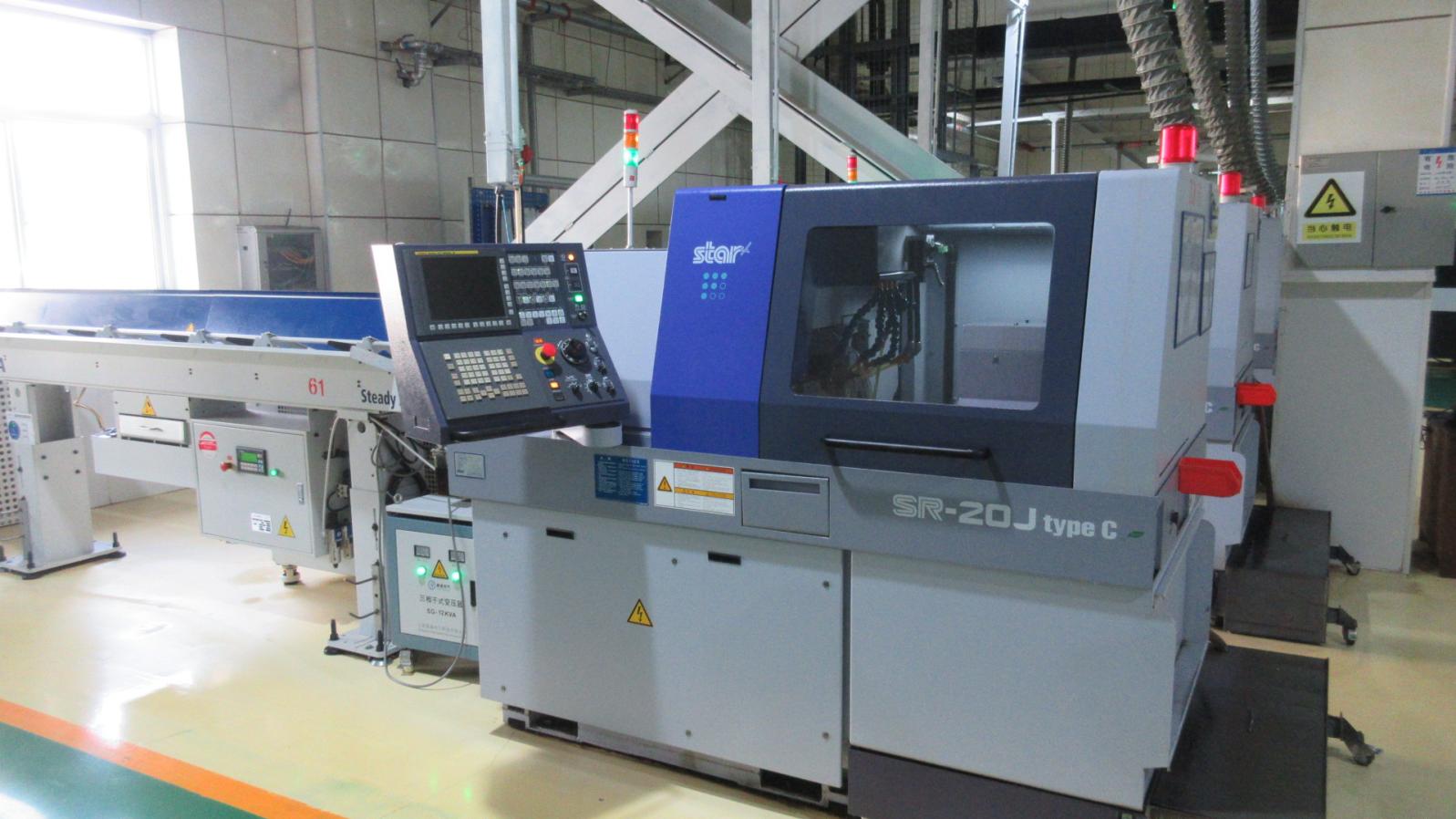
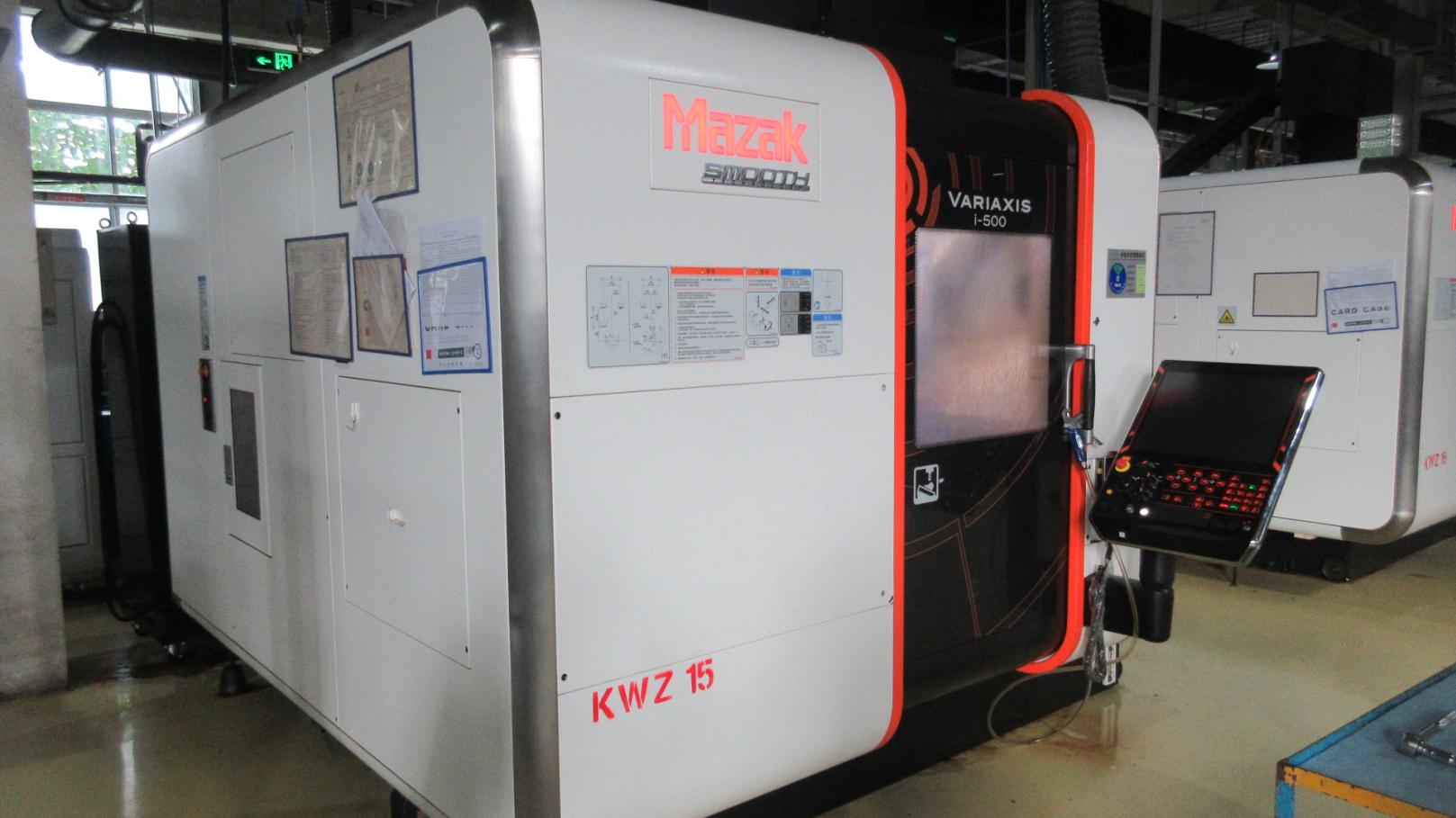
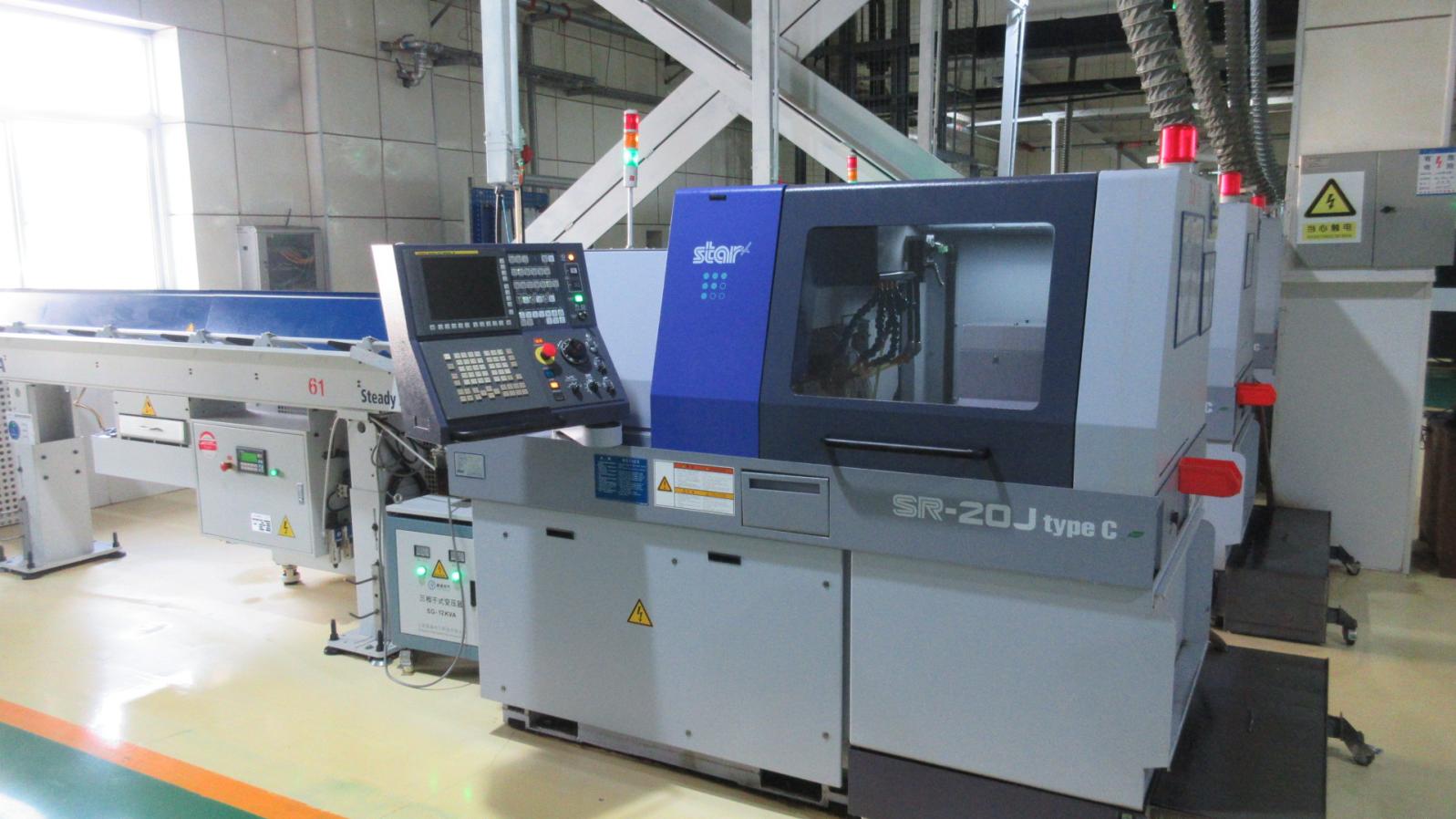
Deployment of modern multi-axis CNC machines and automated optical inspection systems yields dimensional tolerances within microns, crucial for spinal screws and locking plates.
Adherence to EN ISO 13485 and European Union CE Class III certifications guarantees product safety, traceability, and streamlined global clinical adoption.
An established orthopedic manufacturer, combining rigorous R&D with high-volume, reliable production capacities.
In modern osteosynthesis and arthrodesis, biocompatibility and mechanical matching are critical to preventing implant rejection. Standard orthopedic implants utilize medical-grade titanium alloys (primarily Ti-6Al-4V ELI) due to their favorable strength-to-weight ratio, resistance to body fluid corrosion, and modulus of elasticity that approximates cortical bone. This mechanical alignment helps mitigate the risk of stress shielding, which occurs when a rigid implant bears all the mechanical load, potentially causing surrounding bone density to decrease.
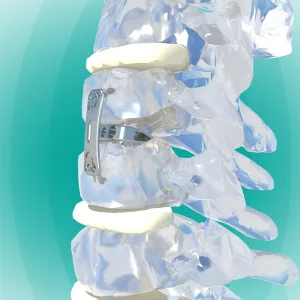
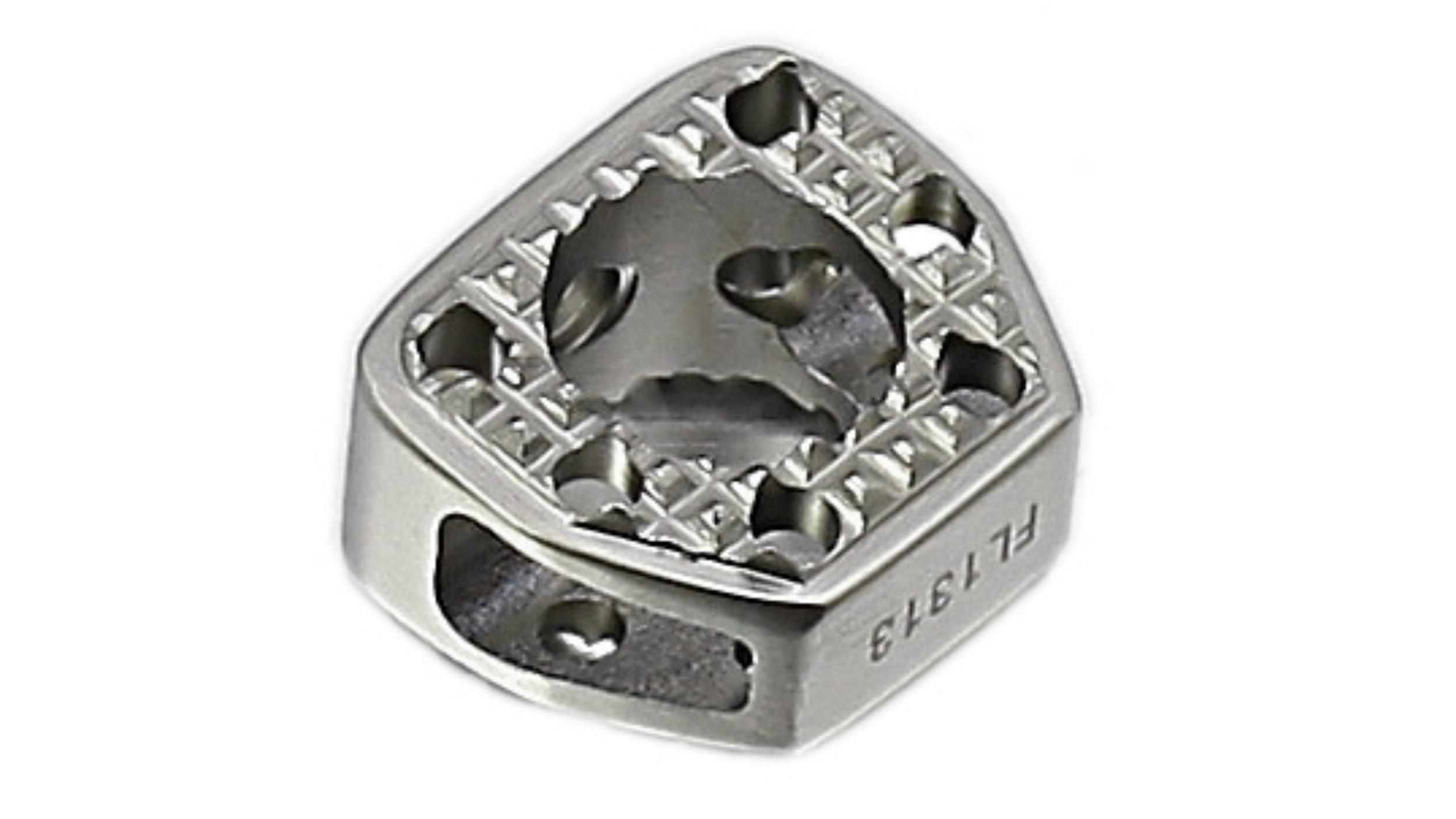
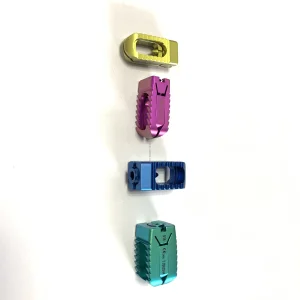
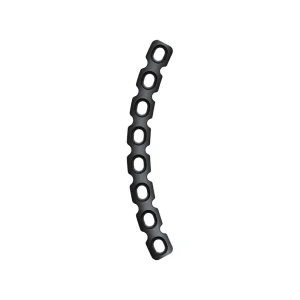
The engineering of cervical and lumbar interbody fusion cages highlights these design principles. Features like structured surface texturing and porous titanium architectures promote direct osseointegration, allowing bone cells to migrate and attach to the implant. In cervical spine surgeries, anterior cervical plate systems with integrated locking mechanisms secure these interbody cages in place, providing immediate stabilization while fusion develops.
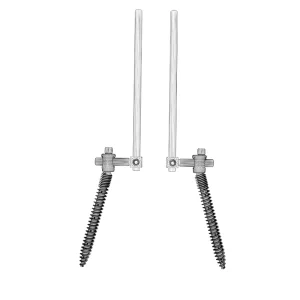
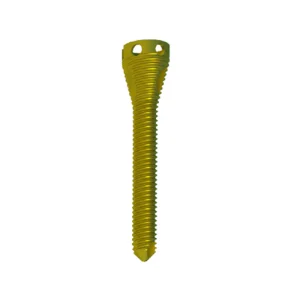
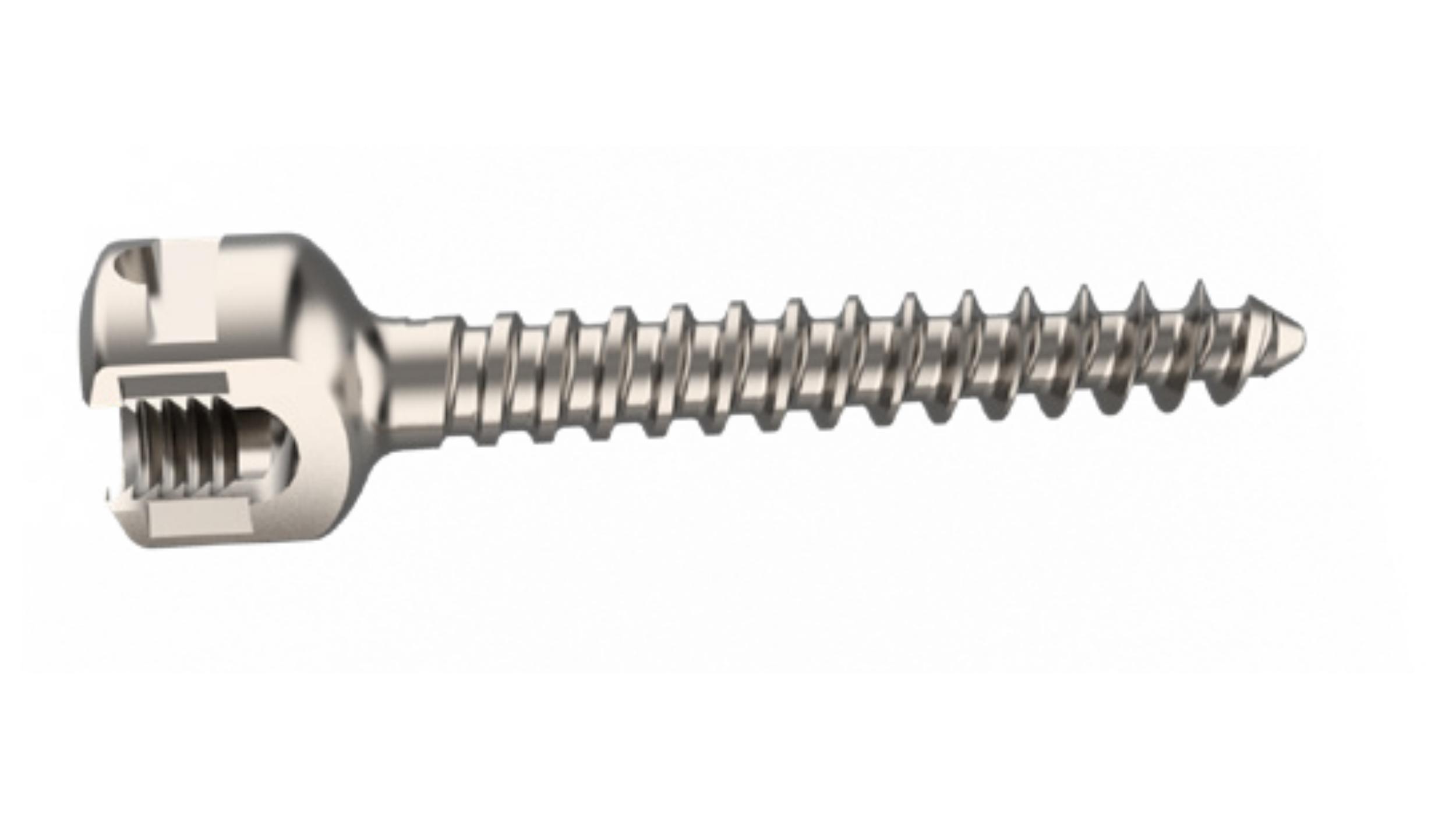
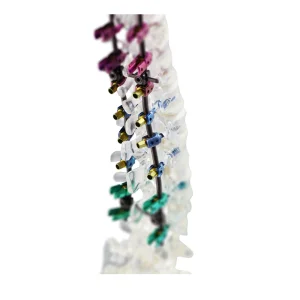
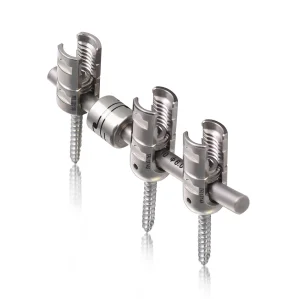
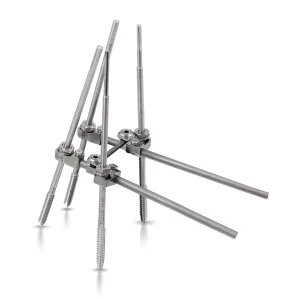
Meanwhile, pediatric and adult spinal trauma cases require robust mechanical stabilization. Posterior spinal systems (including pedicle screws, iliaca screws, and Schanz screws) are designed to manage multi-axial translational shear forces. For example, pedicle screw configurations feature dual-lead thread designs that optimize purchase in both cancellous and cortical bone. This reduces the risk of screw pull-out in patients with compromised bone mineral density.
| Implant System Type | Primary Material Alloy | Biomechanical Objective | Key Clinical Indicator |
|---|---|---|---|
| Anterior Cervical Fusion Cages | Ti-6Al-4V ELI / PEEK Combo | Restore intervertebral height; facilitate osseointegration | Degenerative Disc Disease (DDD), Cervical Radiculopathy |
| Pedicle & Iliac Screw Systems | Titanium Alloy Grade 5 | Multi-segmental rigid fixation; stabilization of trauma | Spinal Instability, Spondylolisthesis, Severe Scoliosis |
| Dynamic Spinal Stabilization | Ultra-elastic Titanium | Preserve segmental micro-motion; reduce adjacent segment stress | Early-stage Degenerative Instability |
| Kyphoplasty (PKP/PVP) Kits | Medical Stainless/PEEK/Ti | Percutaneous bone cement injection; height restoration | Osteoporotic Vertebral Compression Fractures (VCF) |
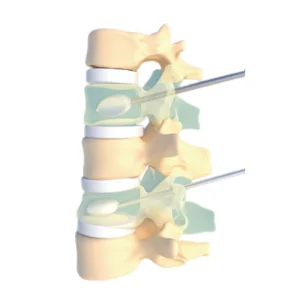
Modern surgical trends favor techniques that minimize soft tissue disruption, shorten recovery times, and reduce postoperative pain. The development of specialized Percutaneous Kyphoplasty (PKP) and Percutaneous Vertebroplasty (PVP) tools has changed the management of painful vertebral compression fractures. Using specialized guide needles and working channels, surgeons access the fractured vertebral body, inflate a bone balloon to restore structural height, and inject PMMA bone cement to secure the area. The entire procedure is performed through small incisions, minimizing vascular and muscular trauma.
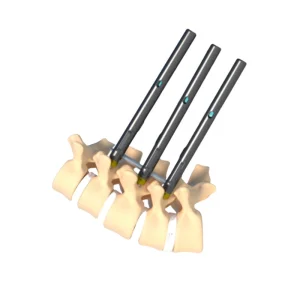
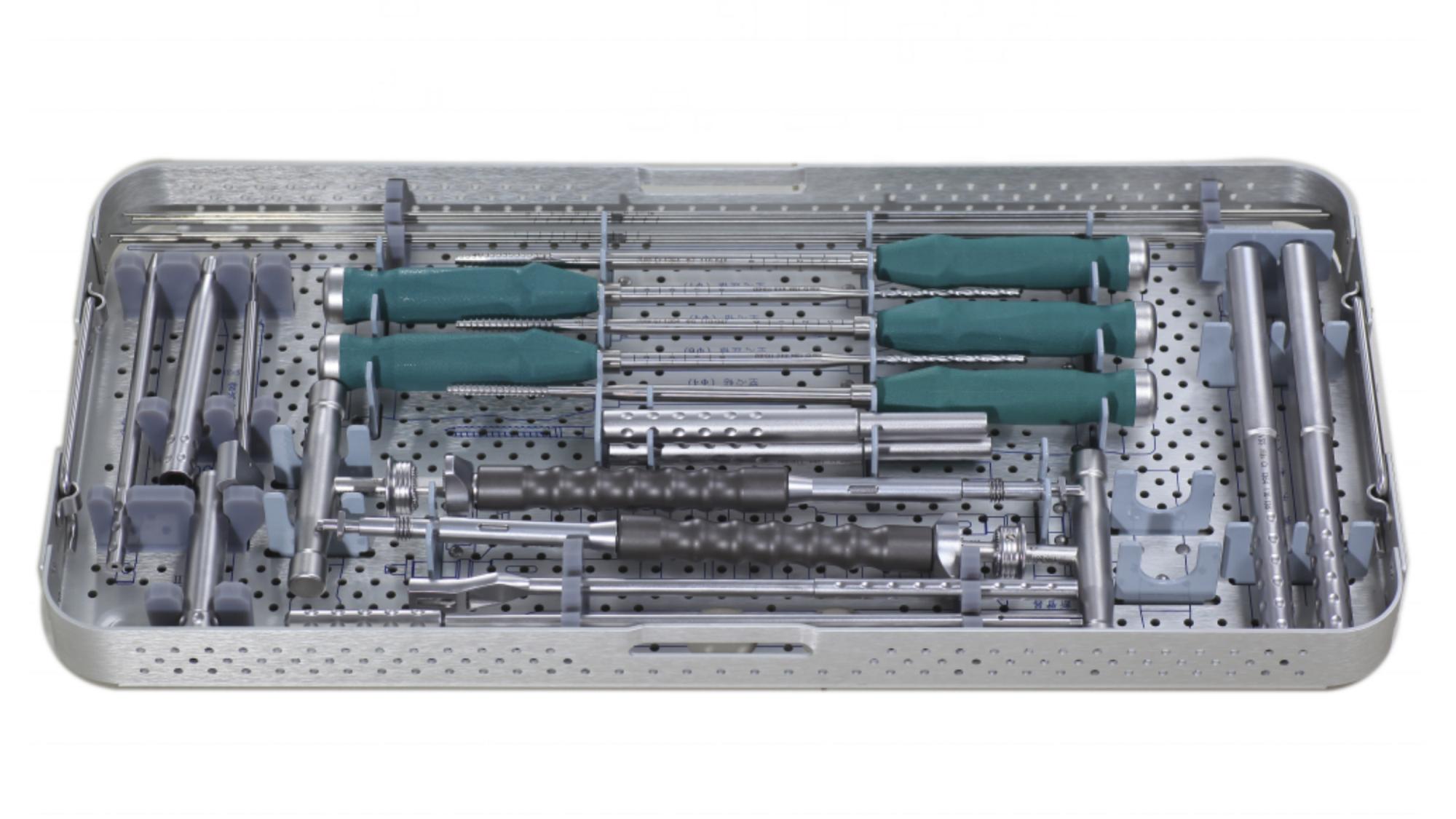
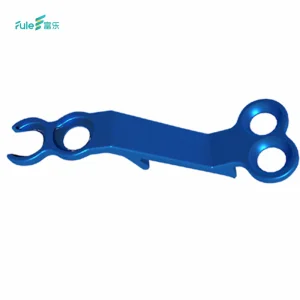
To support these techniques, manufacturers supply comprehensive surgical instrument systems. The MIKO II 5.5 Minimally Invasive Screw-Rod System is engineered to assist surgeons during percutaneous screw placement. Highly polished instrumentation surfaces, ergonomic handles, and simplified reduction mechanisms help reduce operative times and minimize intraoperative fluoroscopy exposure.
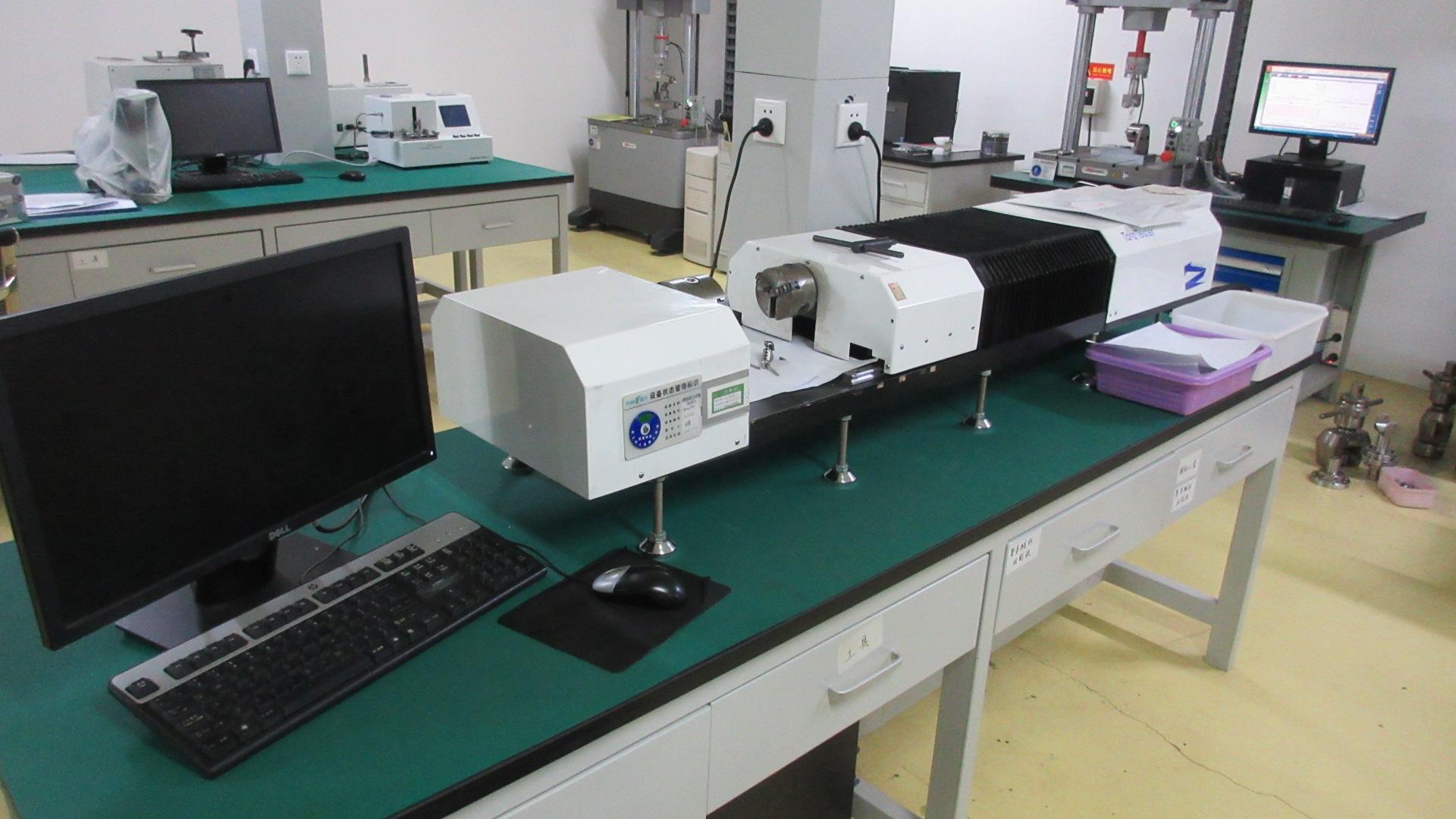
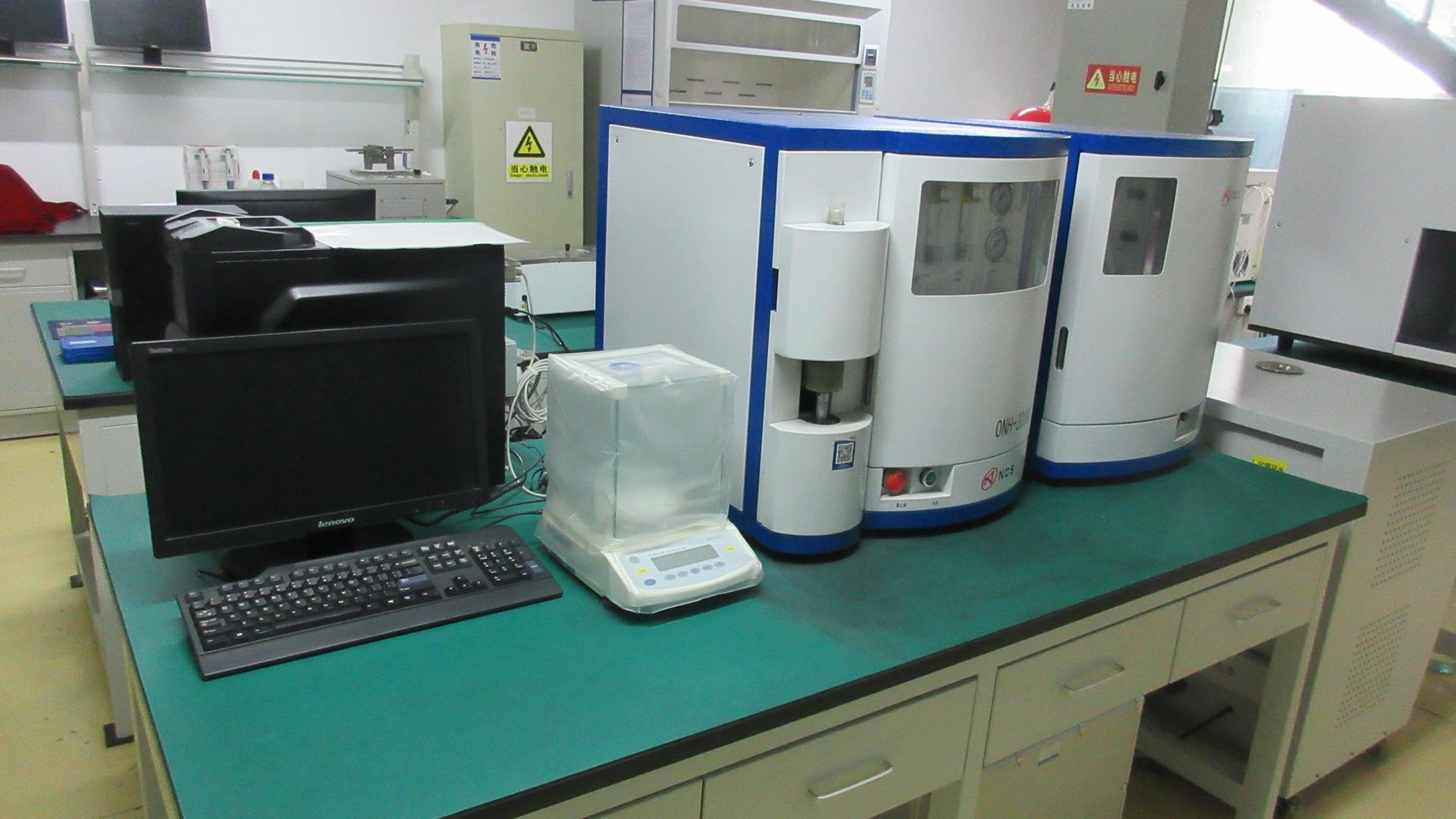
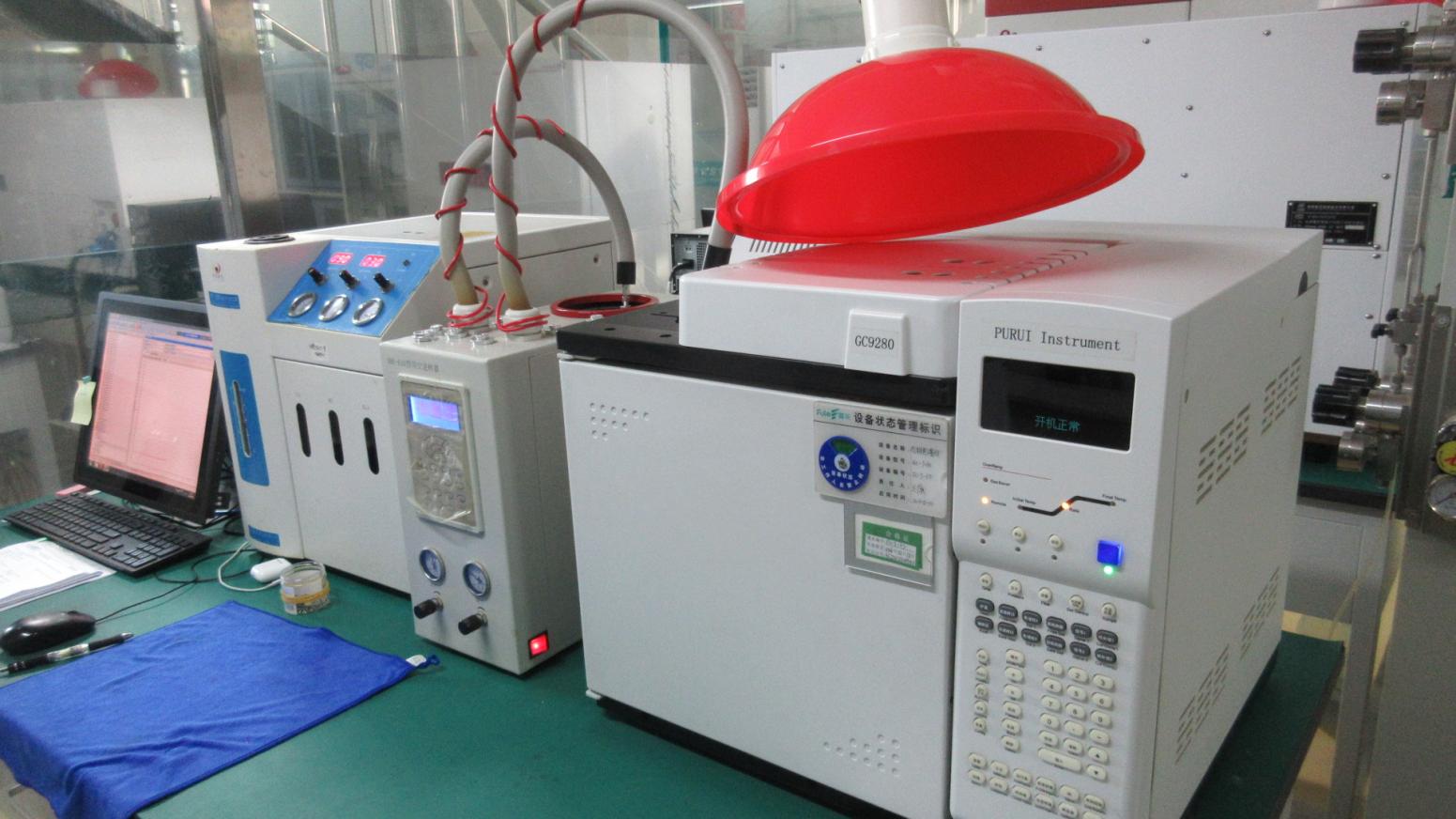
High-precision medical implants require strict adherence to regulatory standards at every stage of production. From raw material testing to final sterile packaging, quality assurance is integrated throughout the manufacturing process.
Every batch of medical-grade titanium alloy and PEEK is verified by chemical composition analysis and mechanical stress testing. Mill test reports are documented to ensure complete traceability from raw material to finished product.
Critical dimensional tolerances are inspected during CNC processing using automated optical comparators, coordinate measuring machines (CMM), and digital air gauging tools.
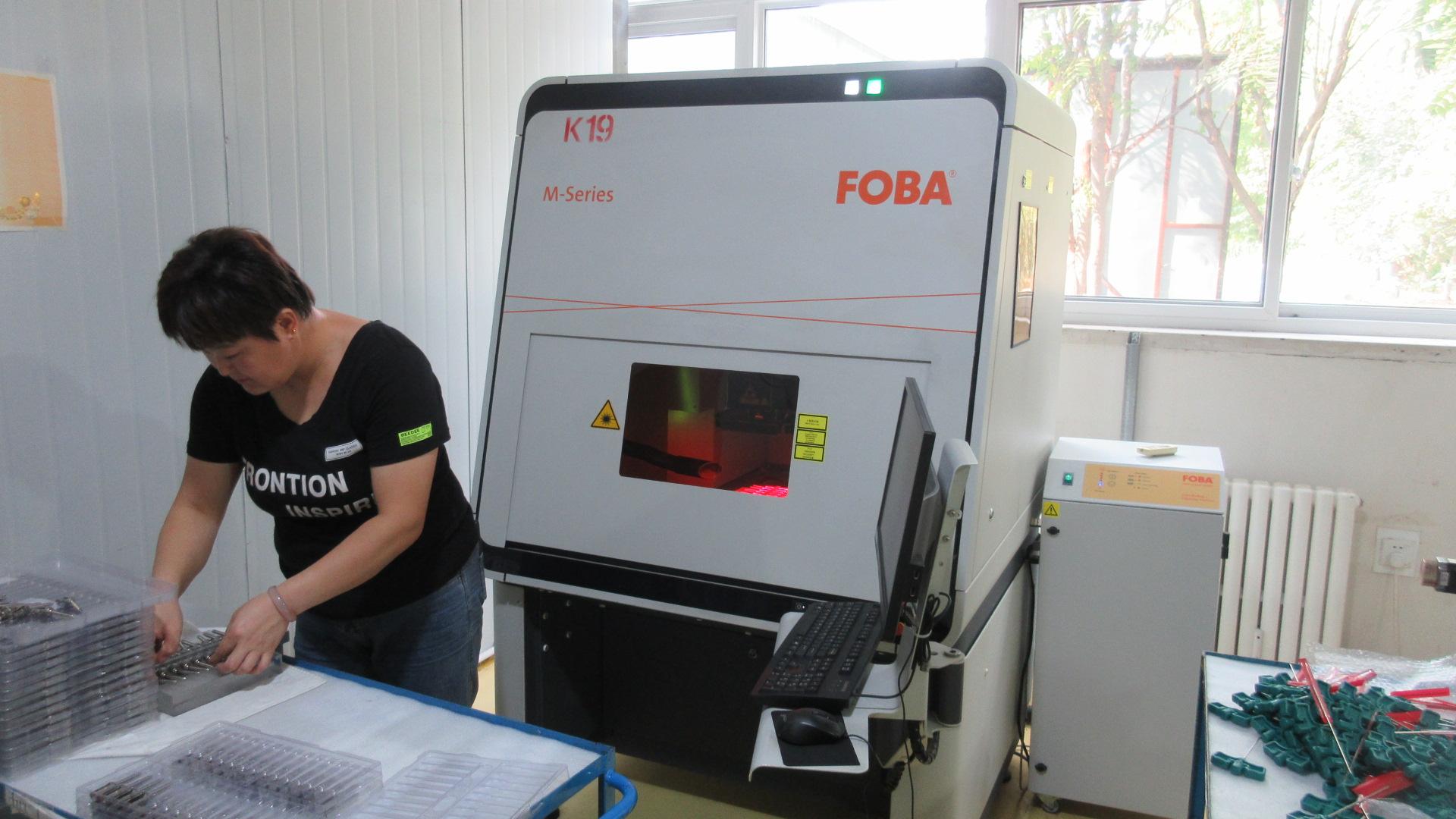
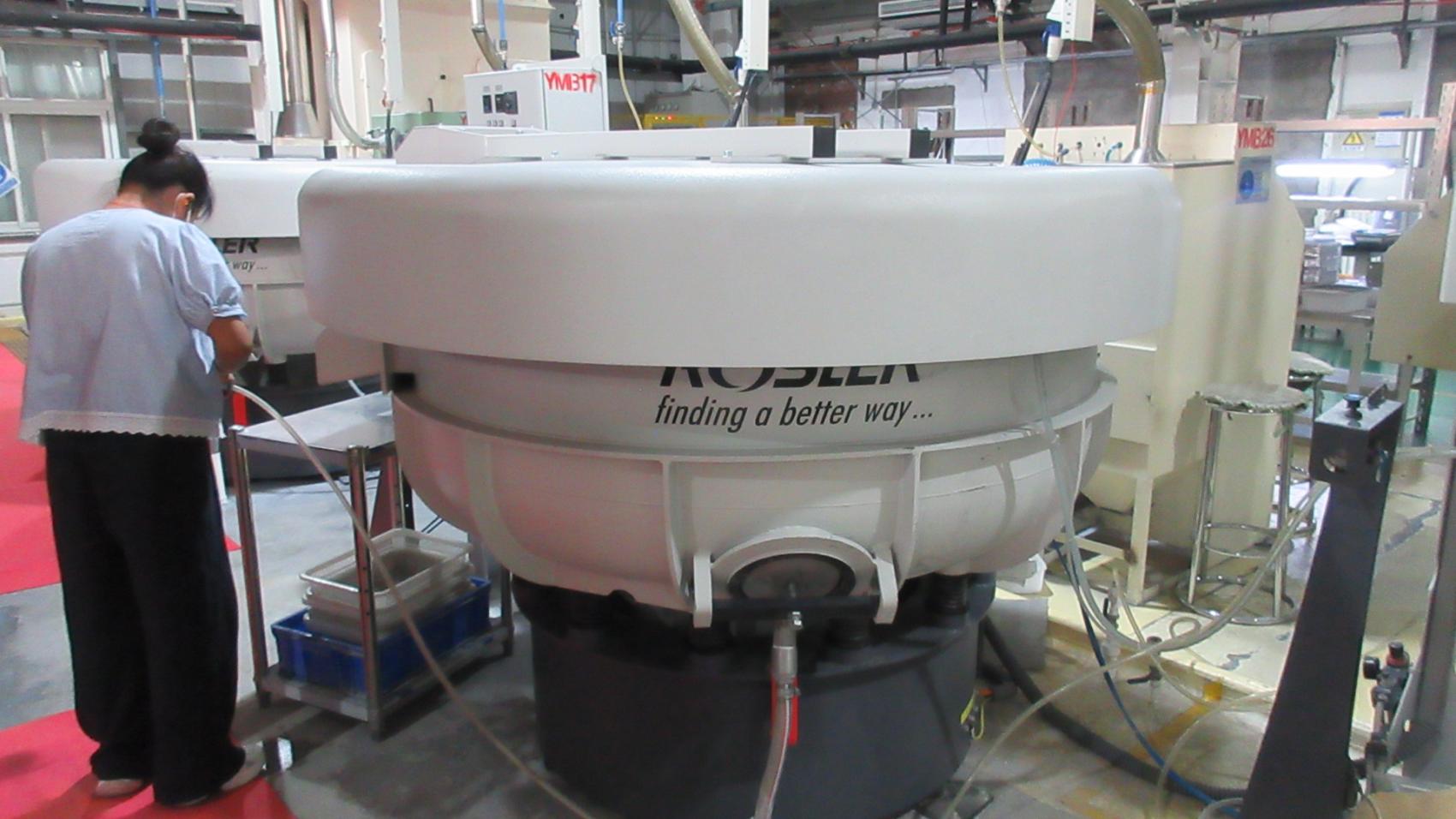
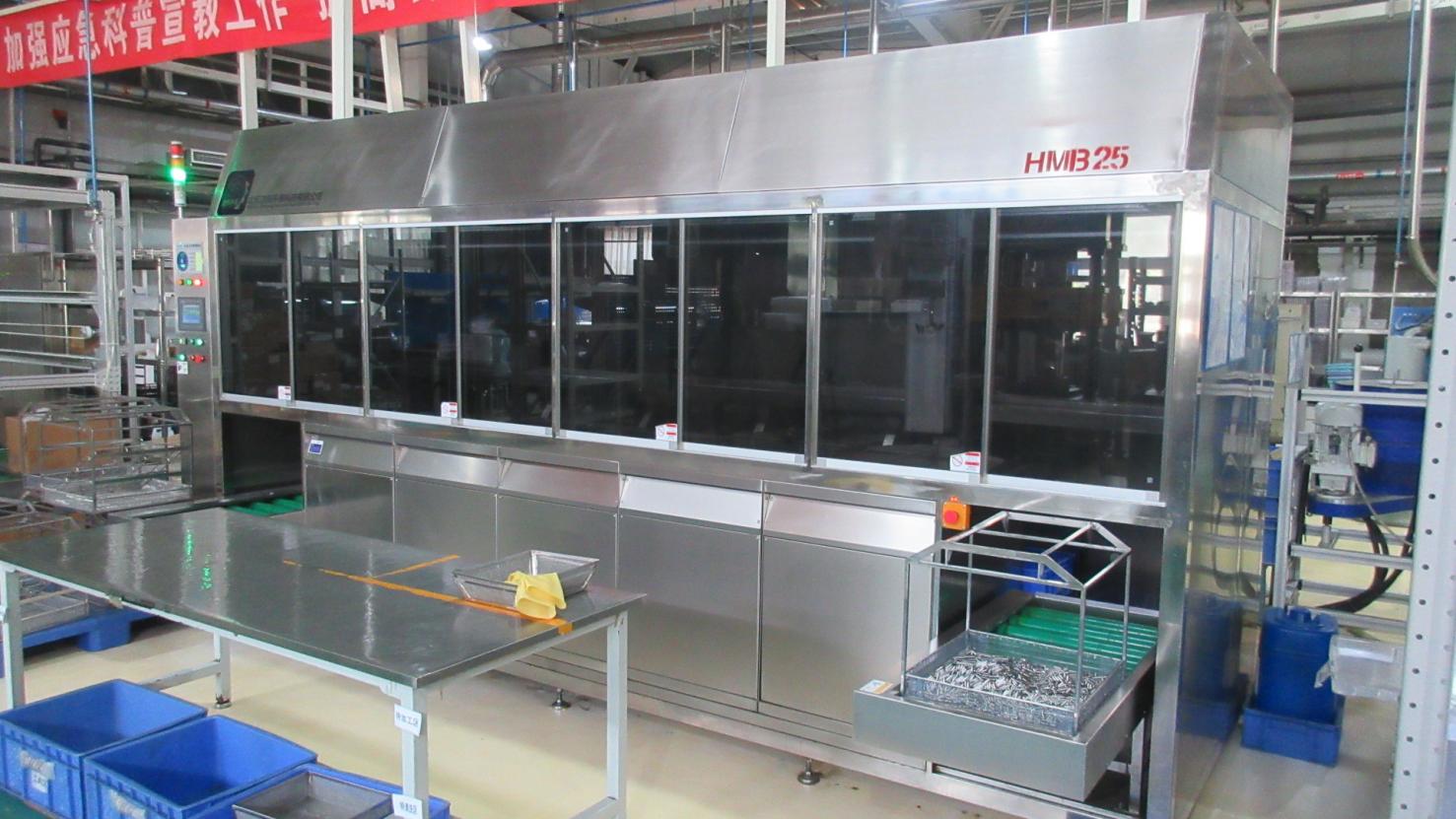
Finished implants undergo chemical cleaning, passivation, final dimensional validation, and ultrasonic particle removal. All implants undergo visual and dimensional inspection prior to packaging in cleanrooms.

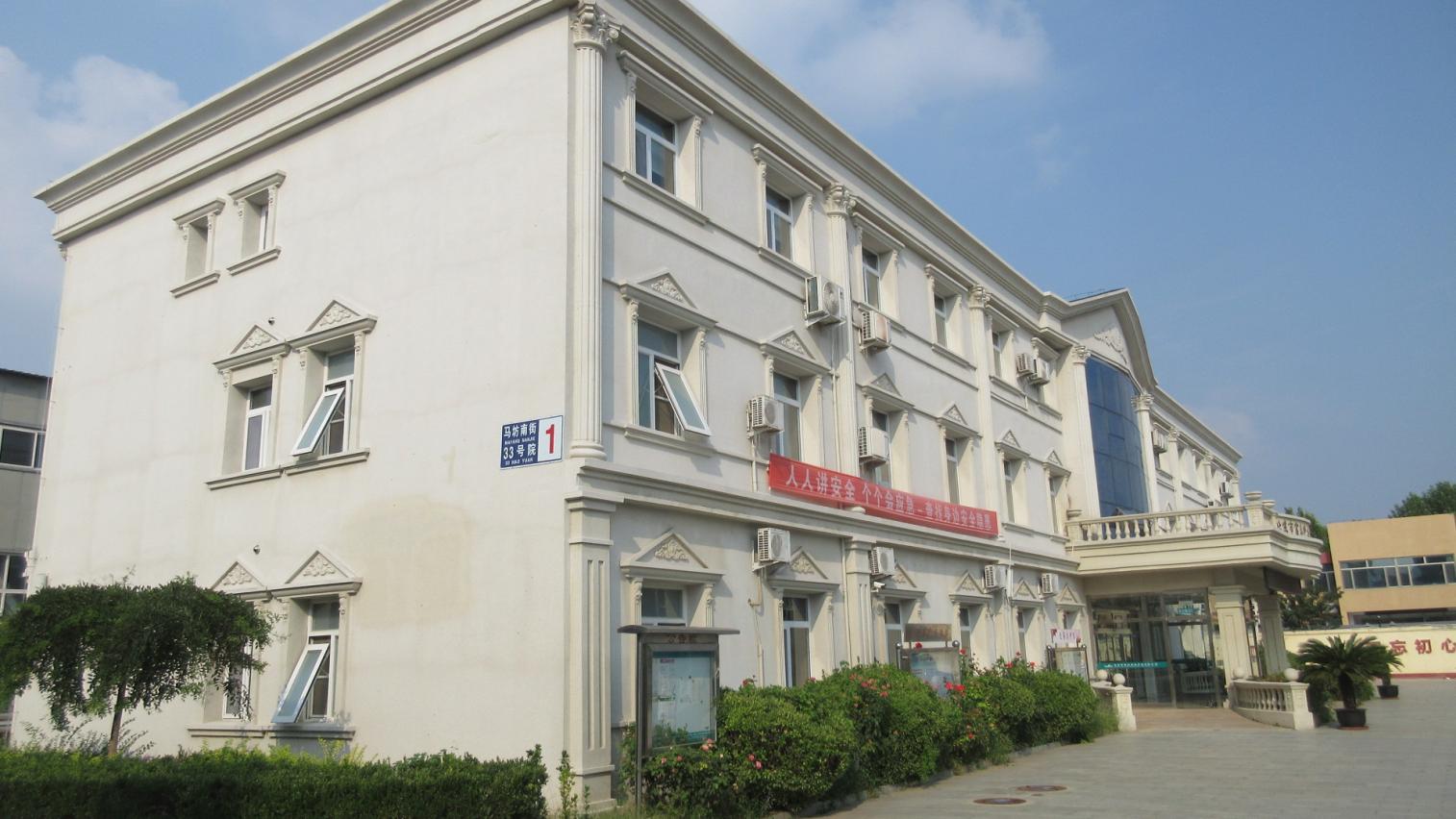
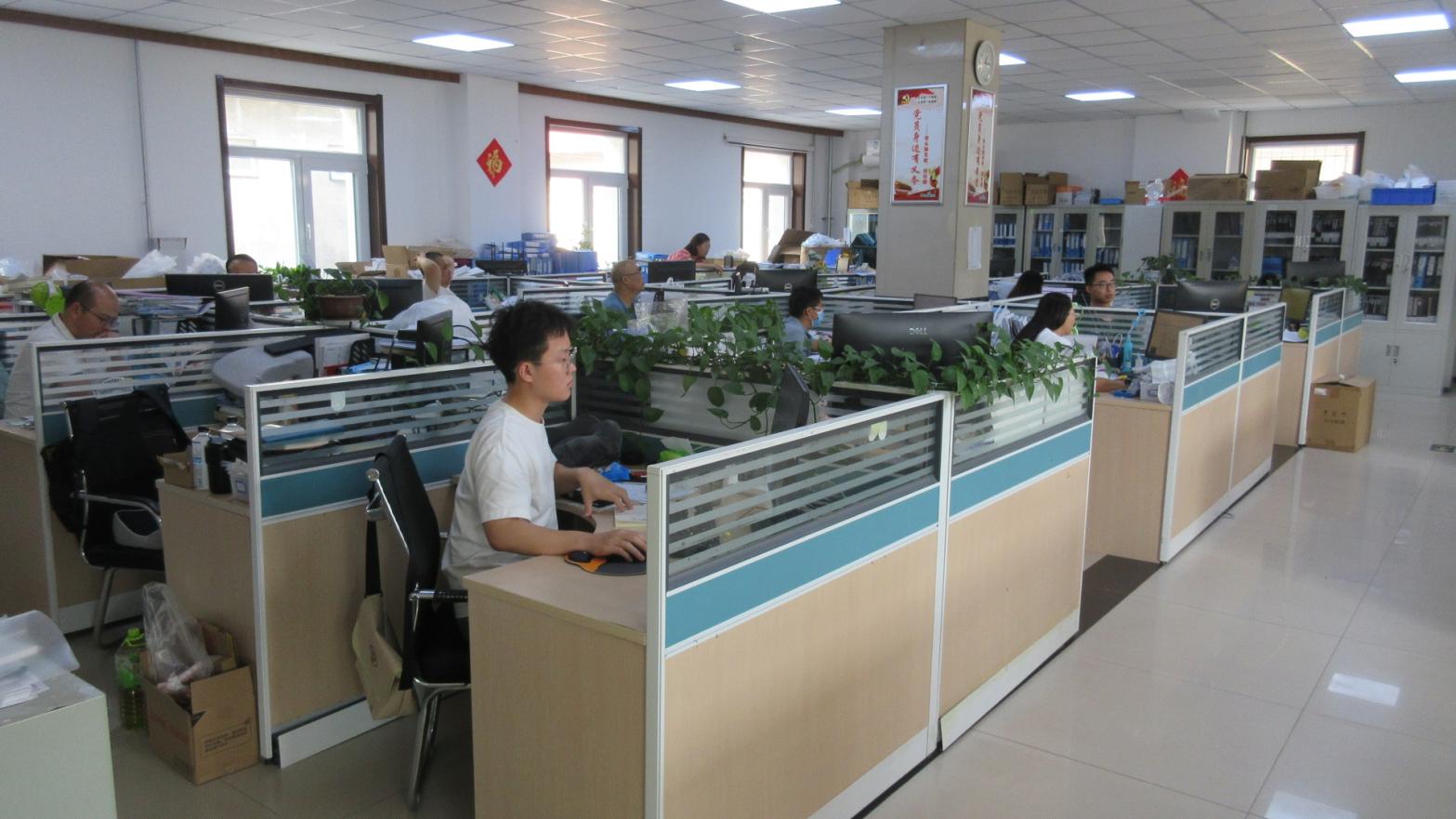
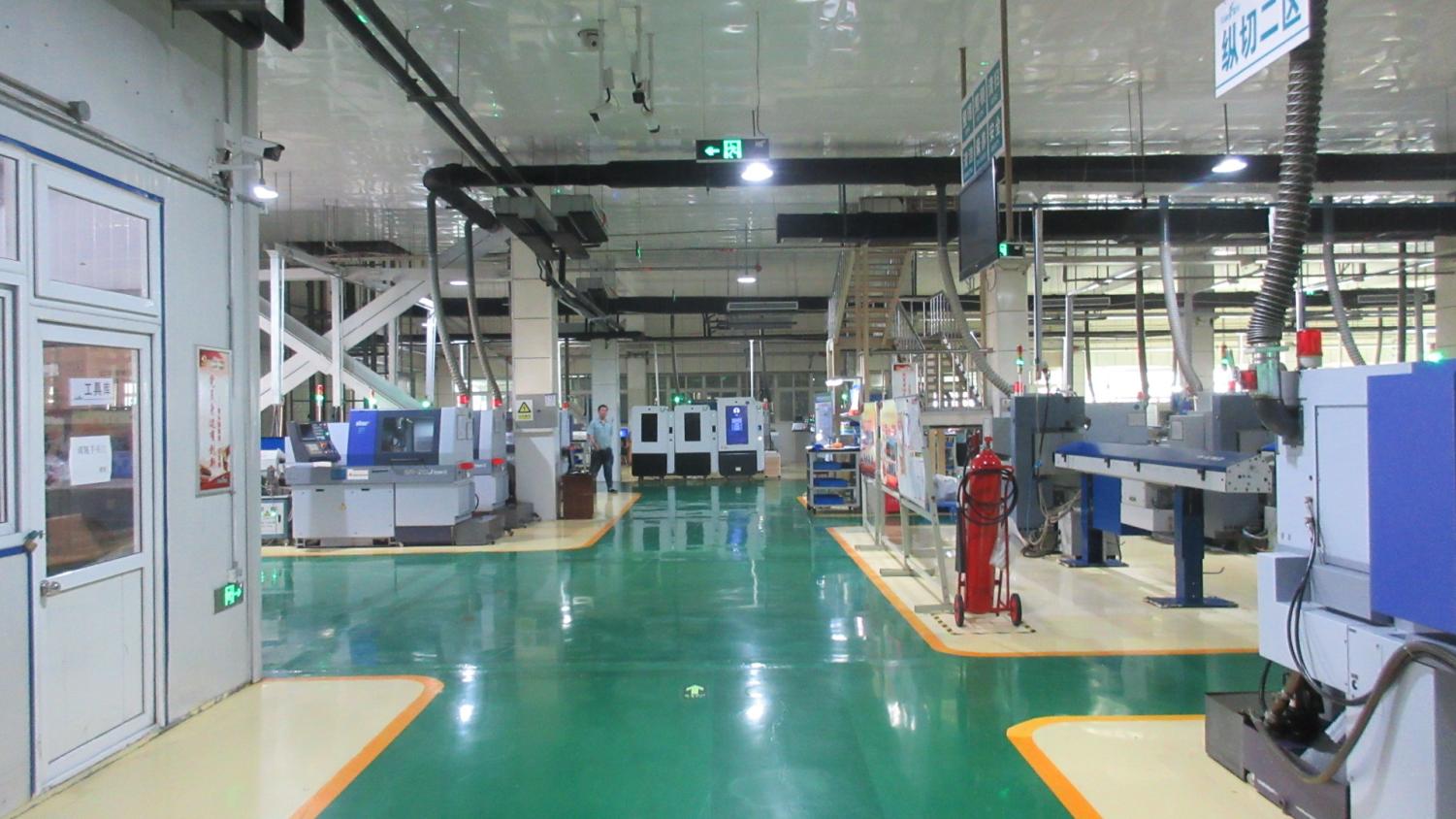
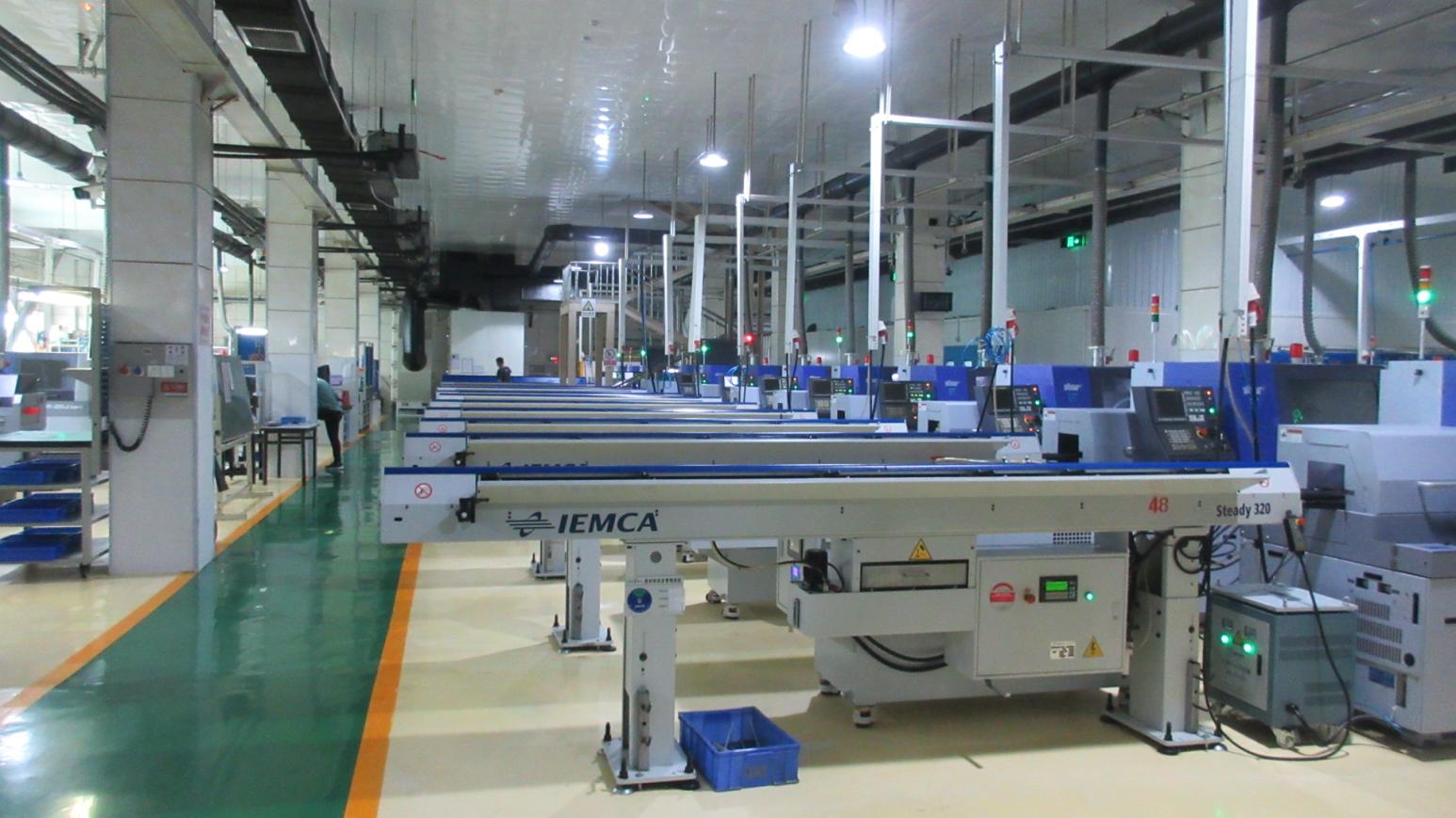
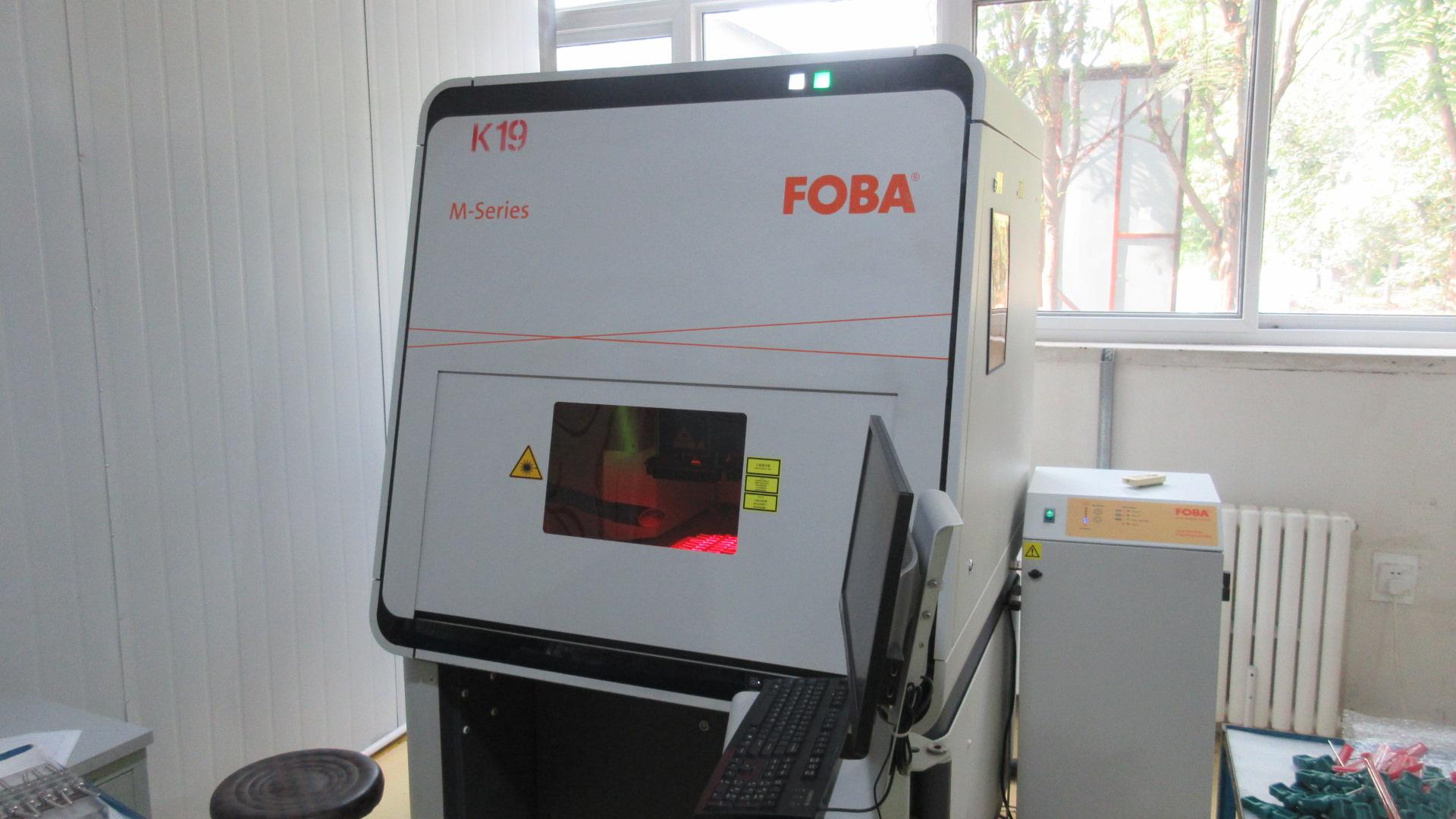
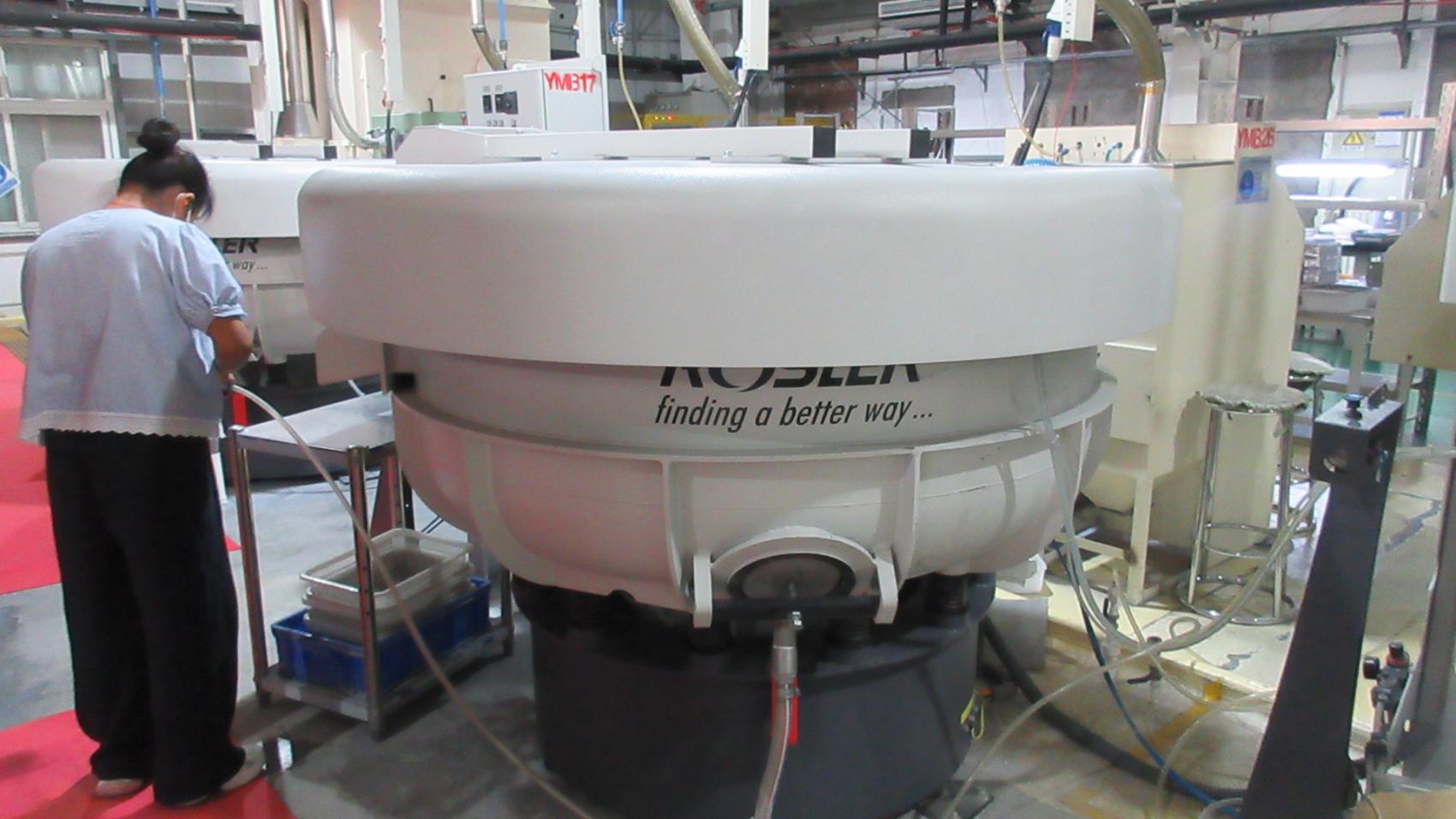
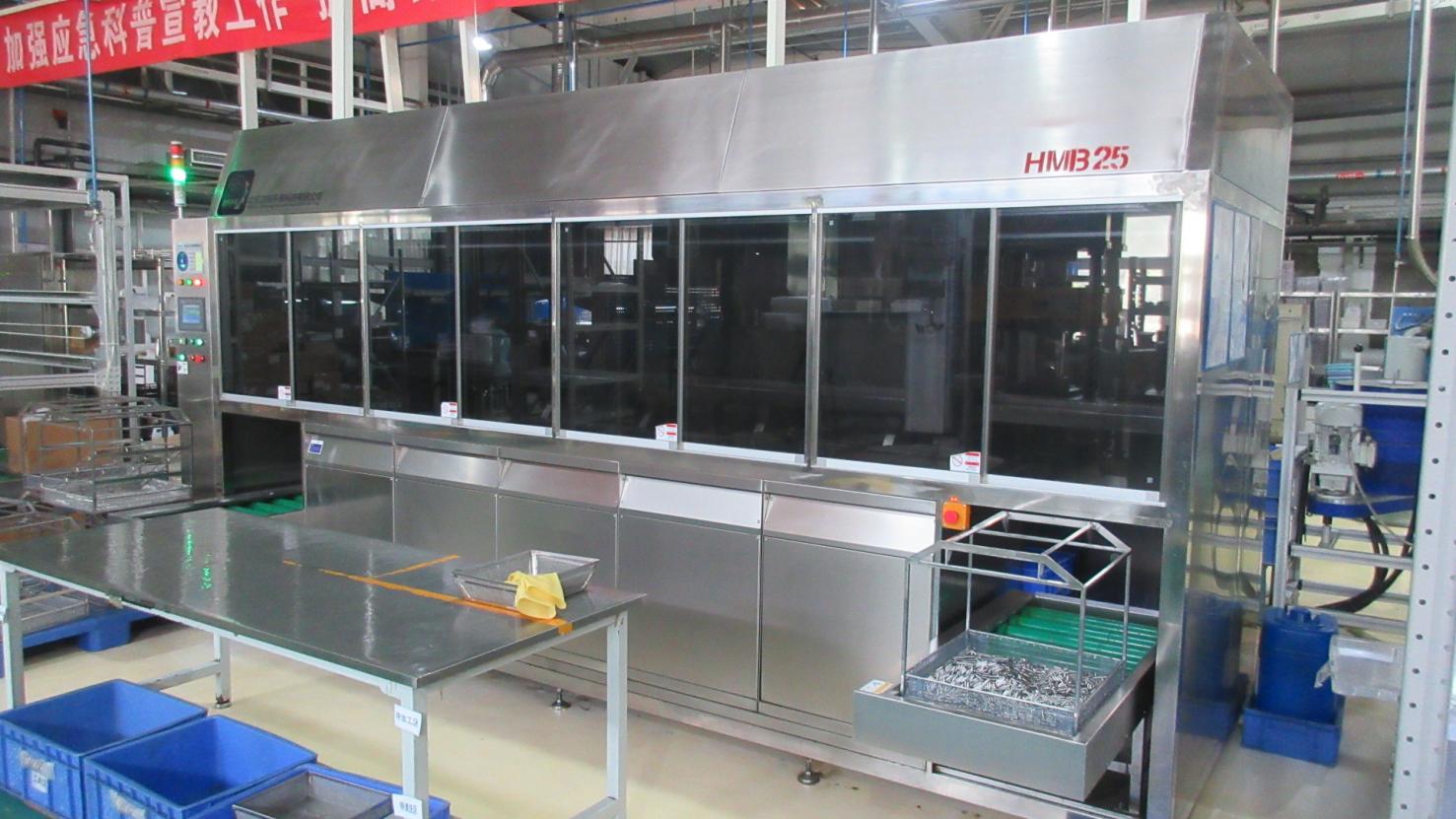
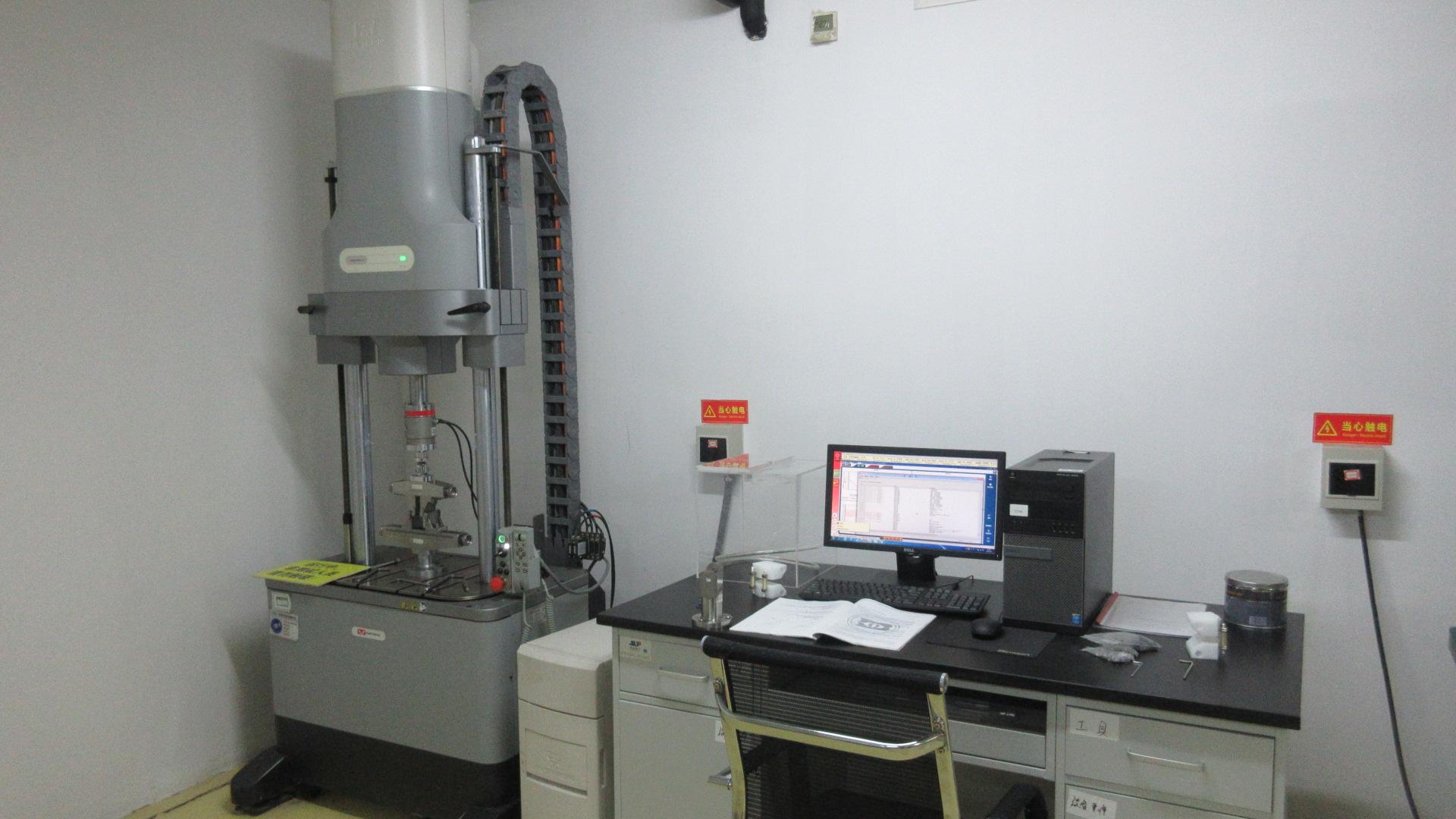
For modern clinical institutions, purchasing surgical hardware is only part of the equation. Hospitals require comprehensive support solutions that include custom instrument layouts, medical staff training, and reliable supply chains. Integrated solutions help ensure surgical departments have access to the exact implants and instruments required for diverse patient populations.
Providing complete orthopedic and spinal solutions involves combining specialized implants with matching surgical toolsets. For example, cervical plates and dynamic stabilization rods are paired with dedicated instrument trays to streamline the workflow in the operating room. This system-wide approach helps reduce surgical planning times and supports efficiency in clinical operations.
Consolidated ordering systems provide direct access to complete spinal and trauma portfolios, helping streamline administrative processes and reduce inventory costs.
Detailed technical documentation, assembly animations, and clinical user guides help surgical teams understand instrument configurations and handling profiles.
Collaborative engineering services allow for custom component sizing and plate modifications to meet specific regional requirements and clinical trends.
Additionally, maintaining a robust supply network is essential for minimizing lead times. By working closely with logistics partners and maintaining inventory levels of core components—such as pedicle screws, locking plates, and vertebroplasty sets—manufacturers can reliably meet urgent clinical demands worldwide.
Addressing key technical, regulatory, and mechanical questions for clinical committees, hospital procurement teams, and international medical device distributors.
High-performance interventional tools, anatomical trauma plates, and specialized spinal stabilization systems.
 Fule
Fule