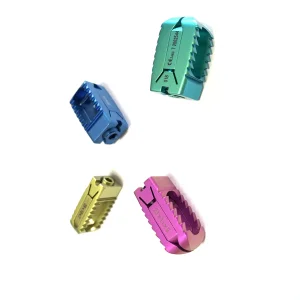
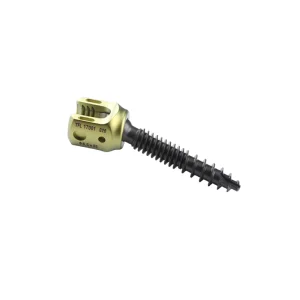
Leading the industry with CE-certified precision and clinical reliability.
In the modern medical procurement landscape, Information Gain is not just a buzzword; it is a clinical necessity. When healthcare professionals search for the "Top 10 Surgical Sutures Manufacturer & Exporters," their Search Intent transcends a simple list. They are seeking a synthesis of biocompatibility, tensile strength retention, and supply chain resilience. As a senior SEO Growth Director, we understand that E-E-A-T (Experience, Expertise, Authoritativeness, and Trustworthiness) is the foundation of surgical success.
The global surgical suture market is evolving from basic wound closure to bio-interactive systems. Today's surgeons demand materials that do more than hold tissue—they must mitigate infection, promote healing, and minimize scarring. This whitepaper analyzes the key players and the technological edge that defines a top-tier manufacturer.
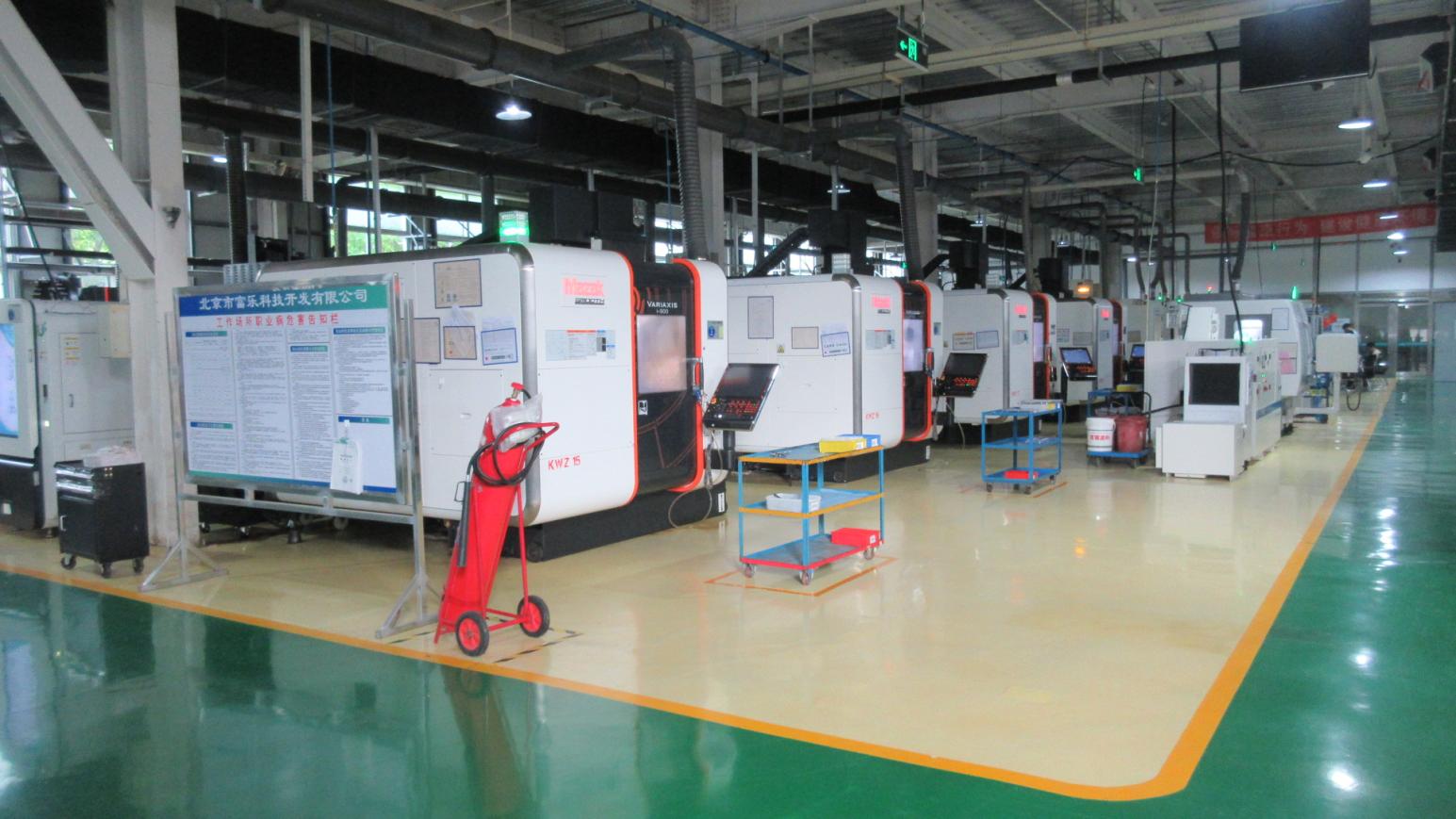
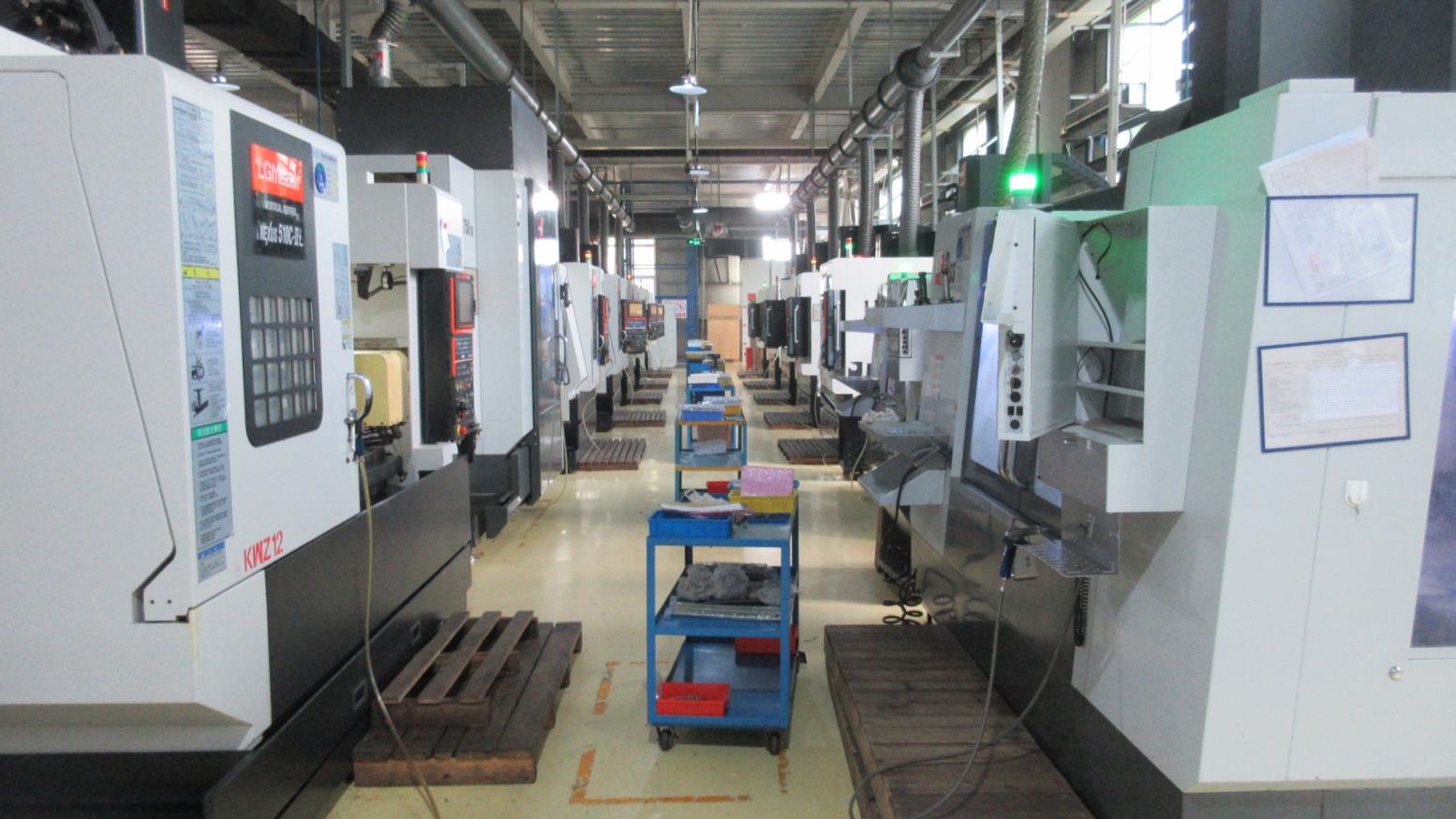
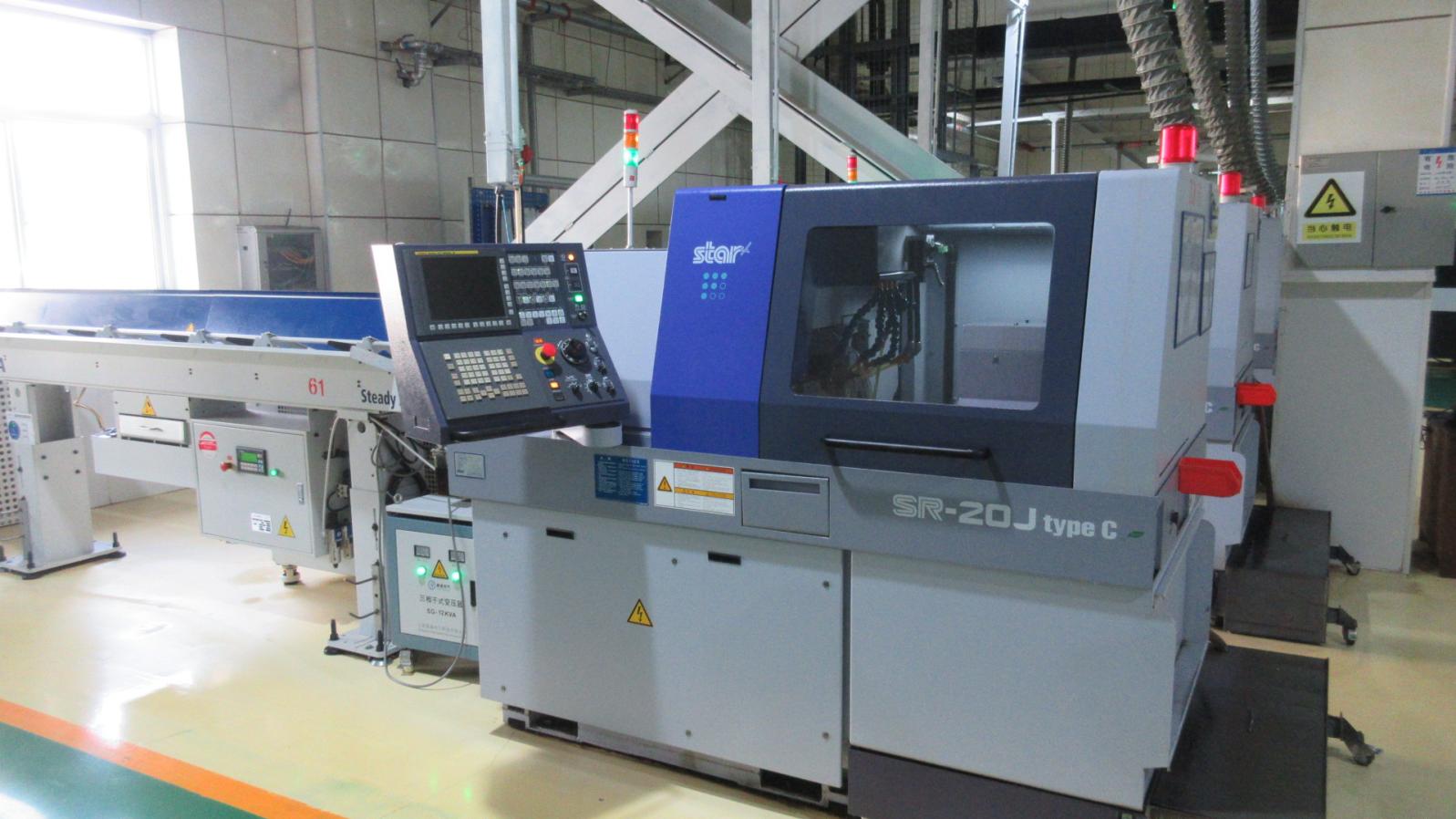
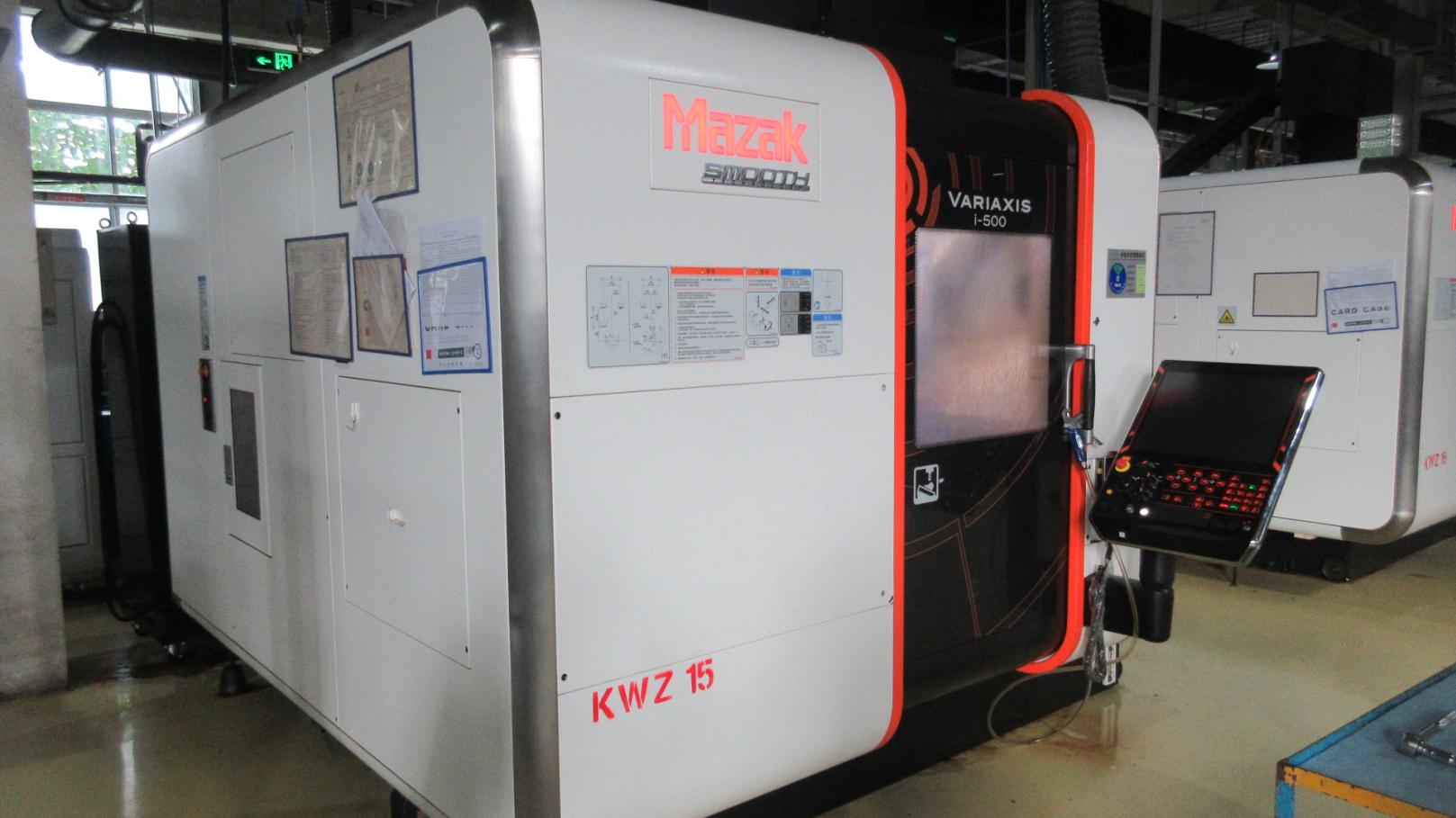
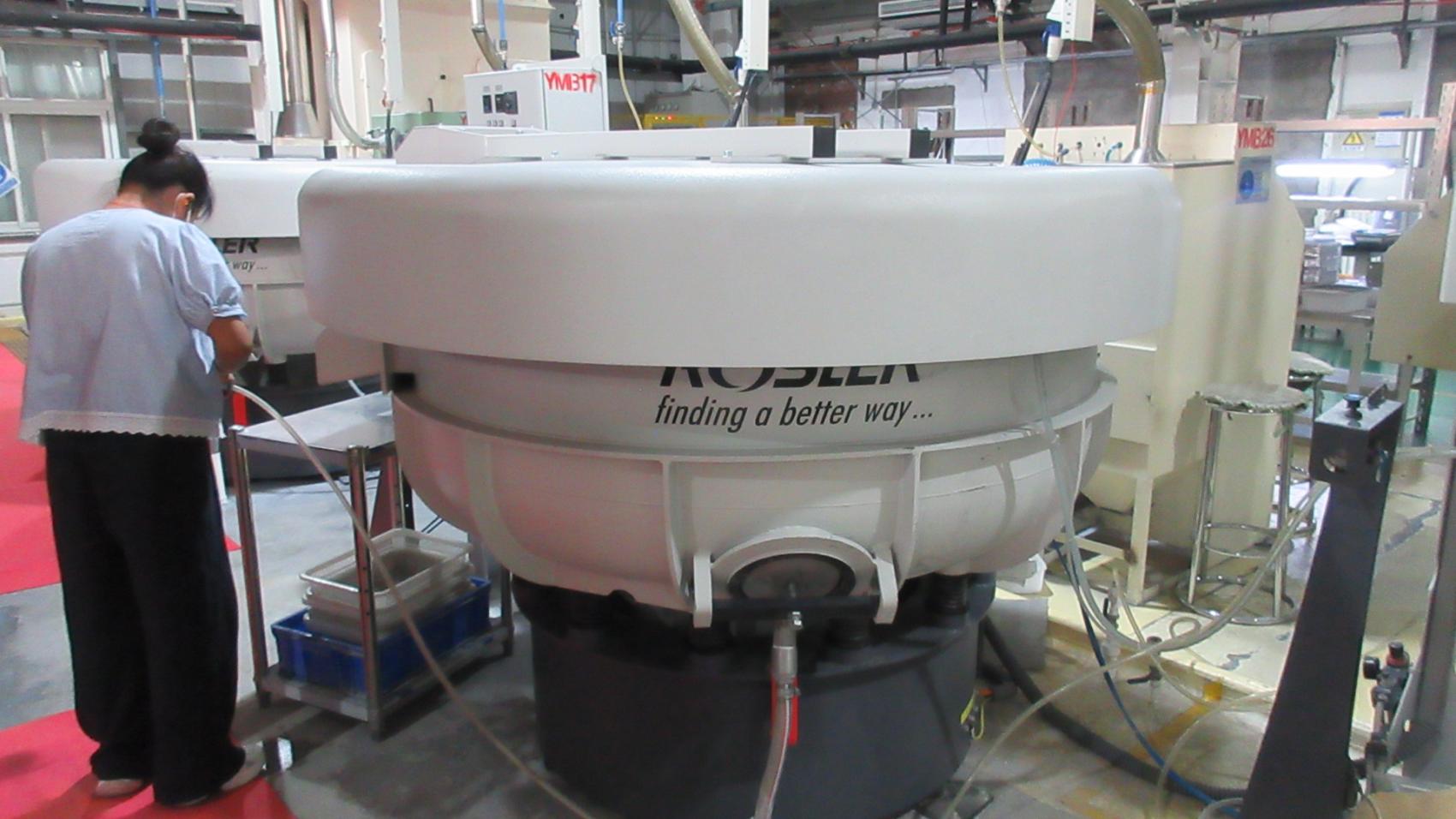
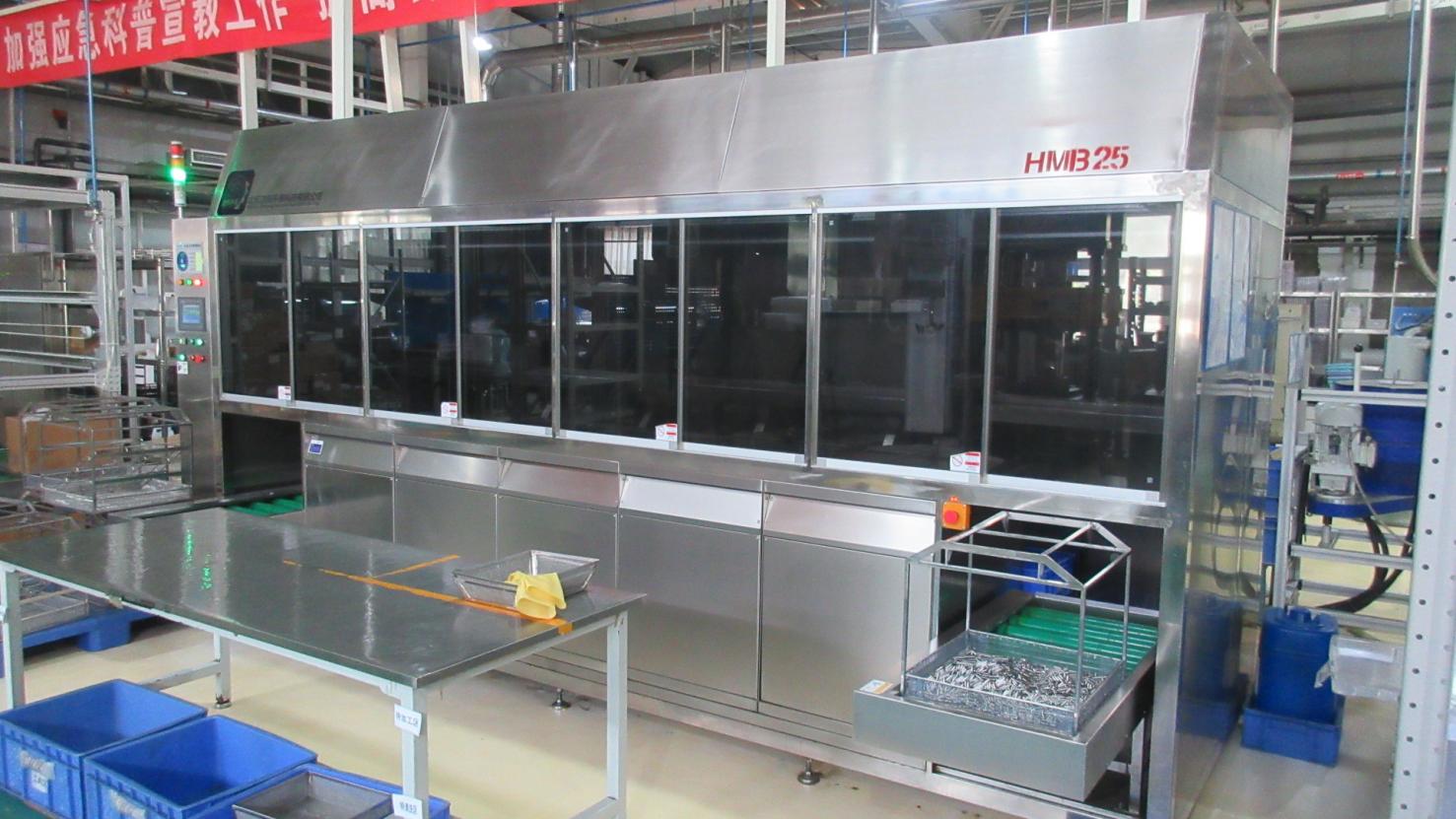
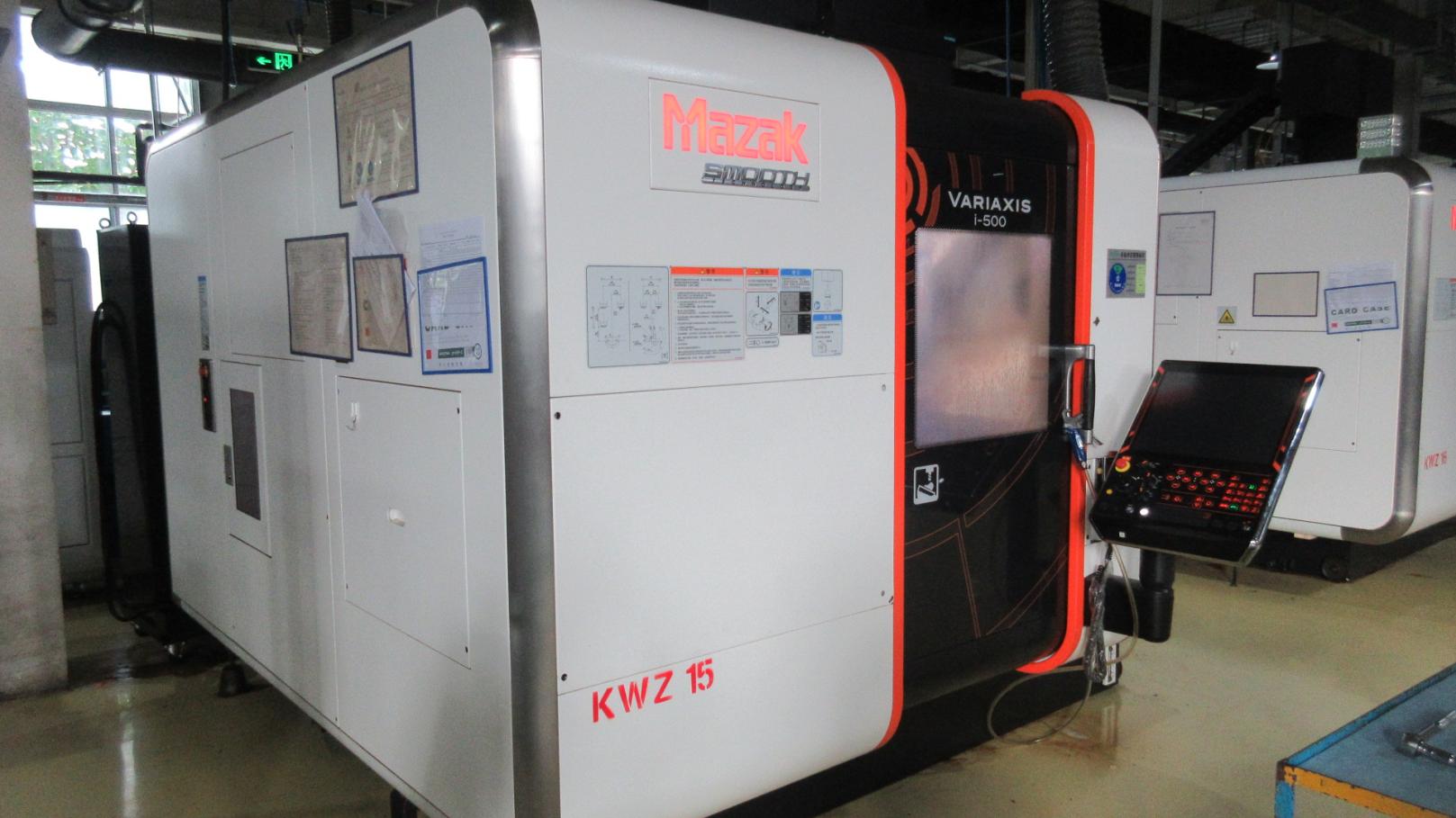
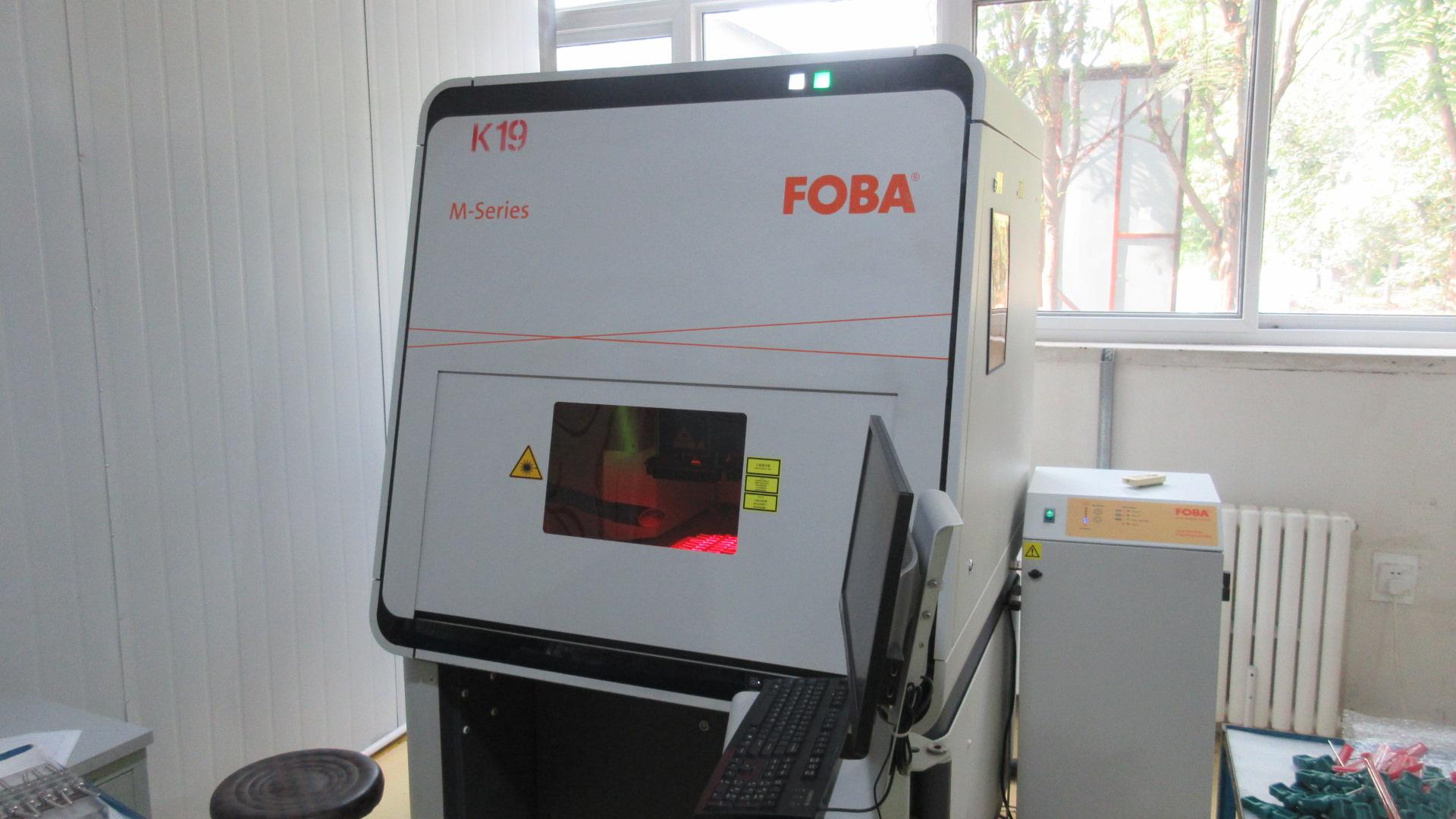
Chinese manufacturers like Beijing Fule have revolutionized the industry by integrating Vertical Manufacturing. By controlling everything from raw polymer synthesis to precision needle grinding, they offer unmatched cost-efficiency without compromising ISO13485 standards.
The rise of Antimicrobial-Coated Sutures and Barbed Suture Technology is reshaping minimally invasive surgery. Smart sutures integrated with sensors are no longer science fiction but a pending reality in smart hospital ecosystems.
Top exporters no longer sell "items"; they provide "Solutions." This includes Customized Suture Kits tailored for specific procedures like spinal fusion or cardiovascular reconstruction, optimizing operating room efficiency.
Empirical evidence of manufacturing excellence and global authority.
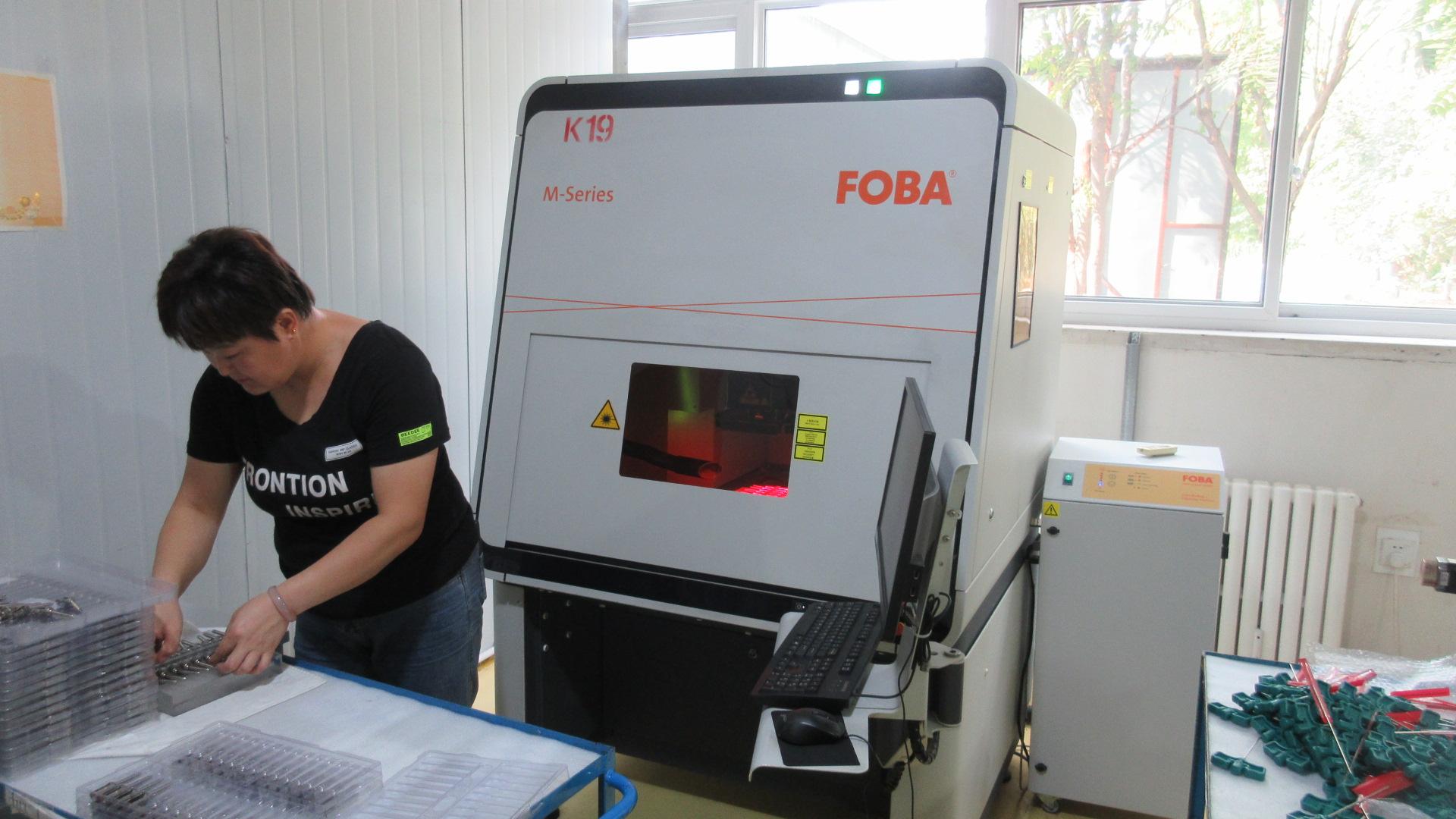
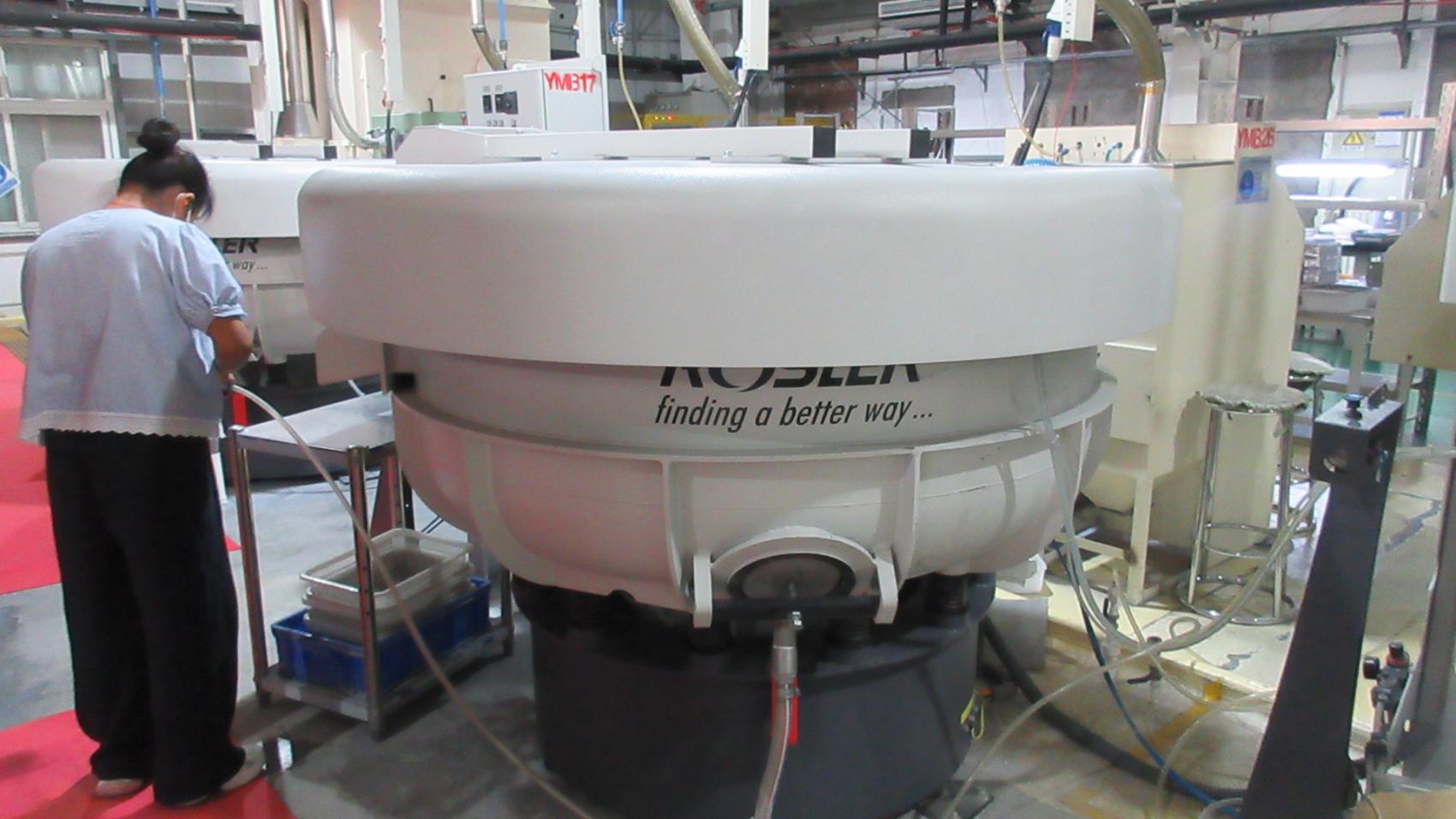
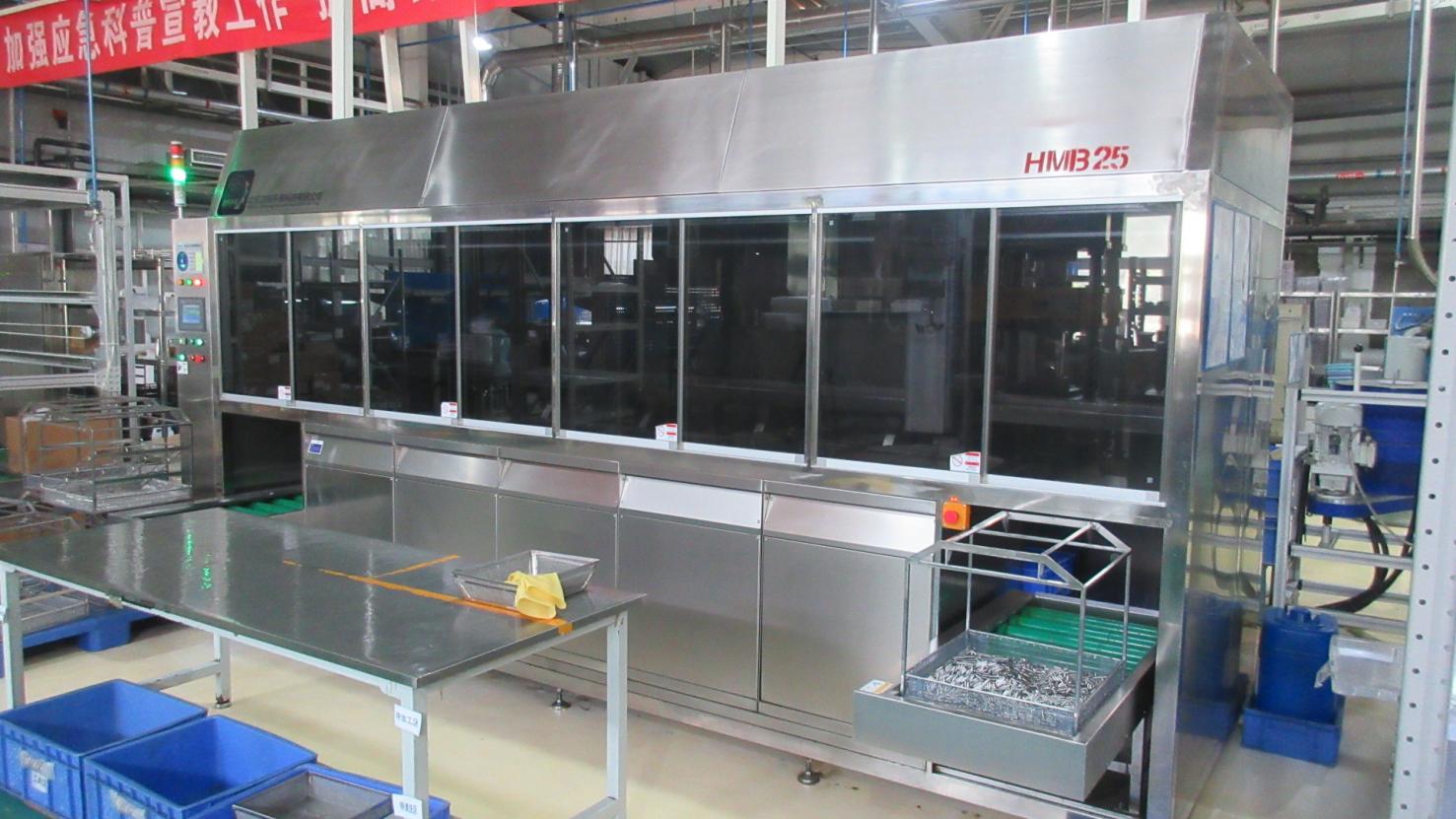
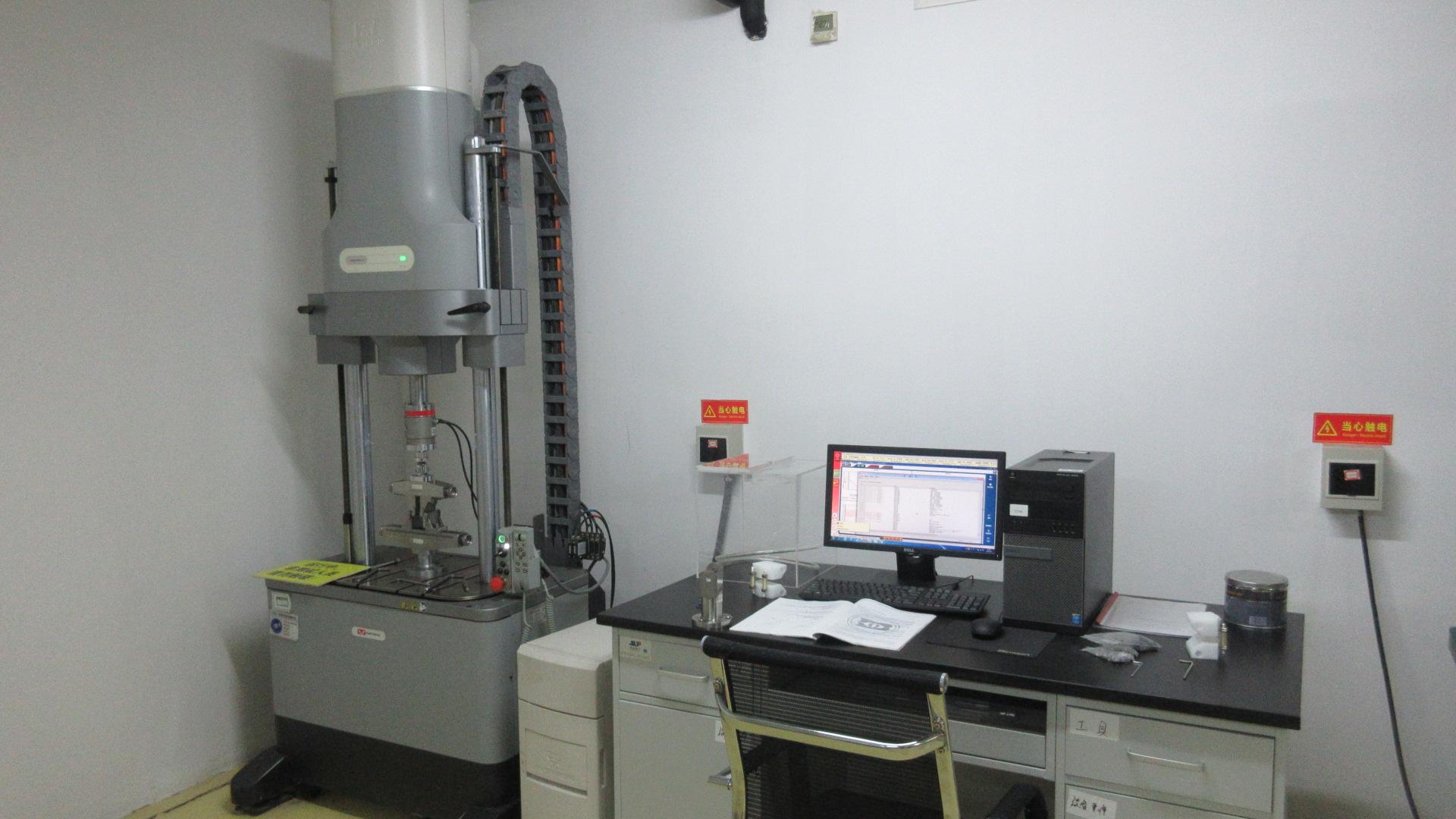
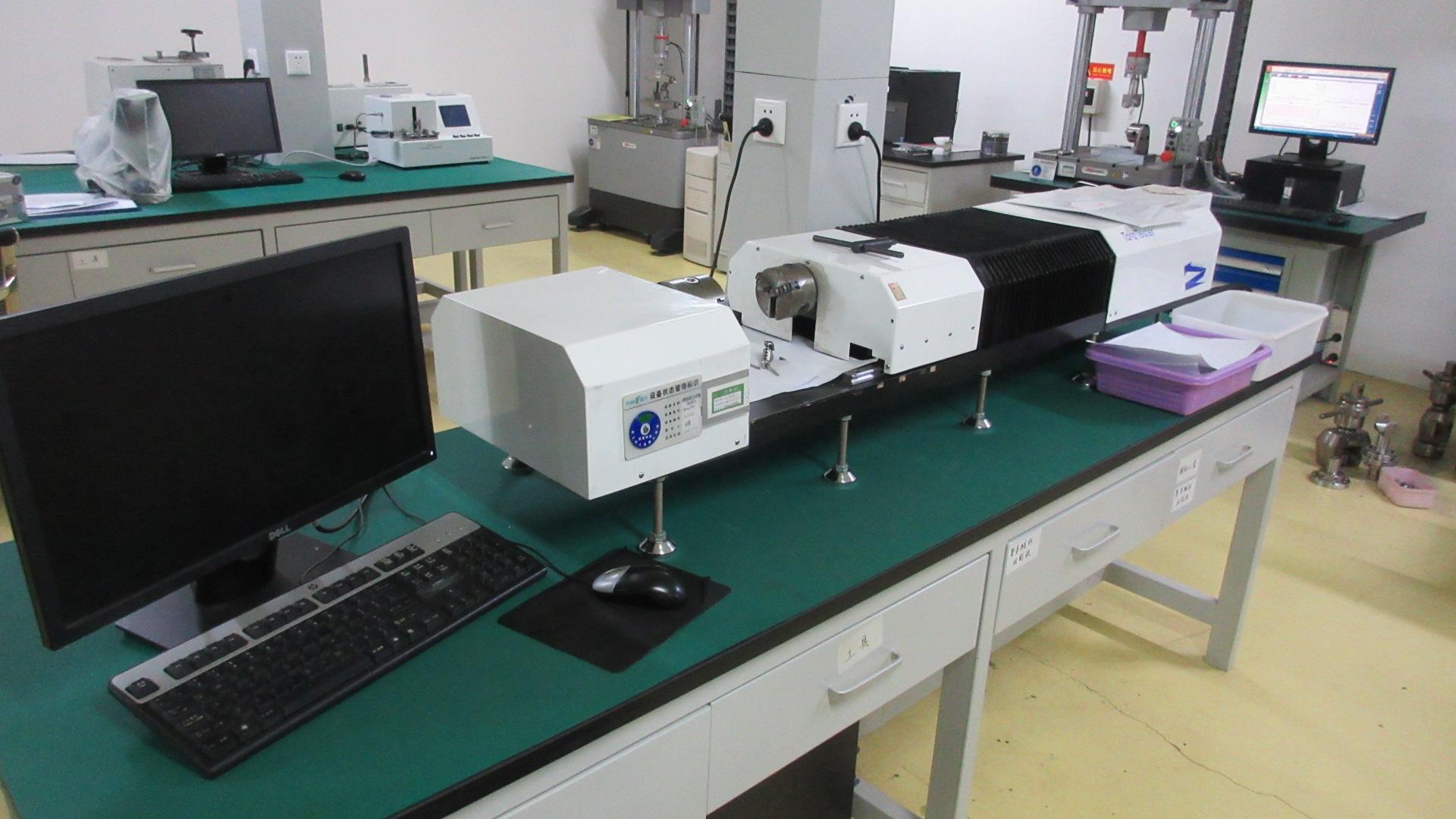
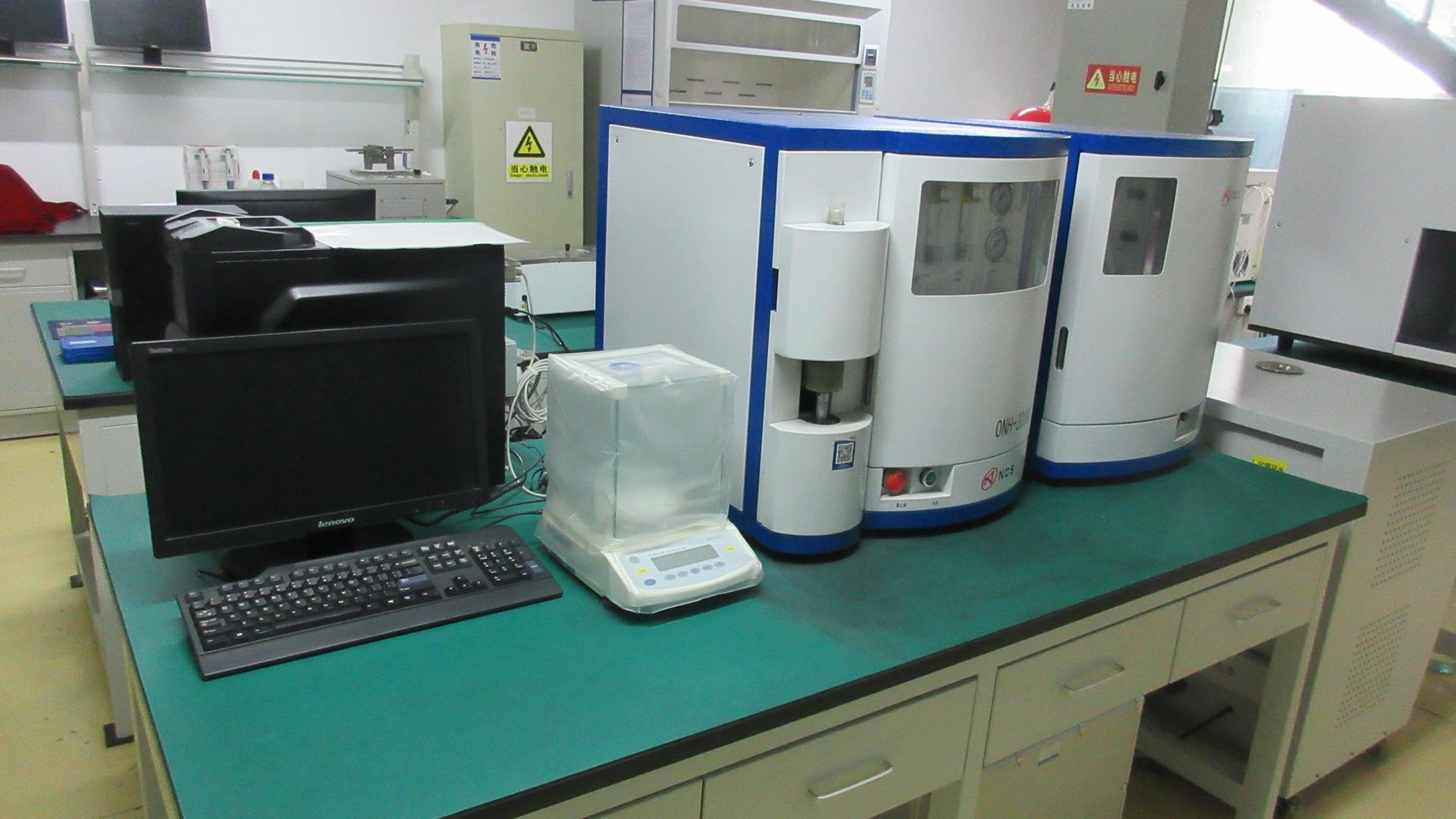
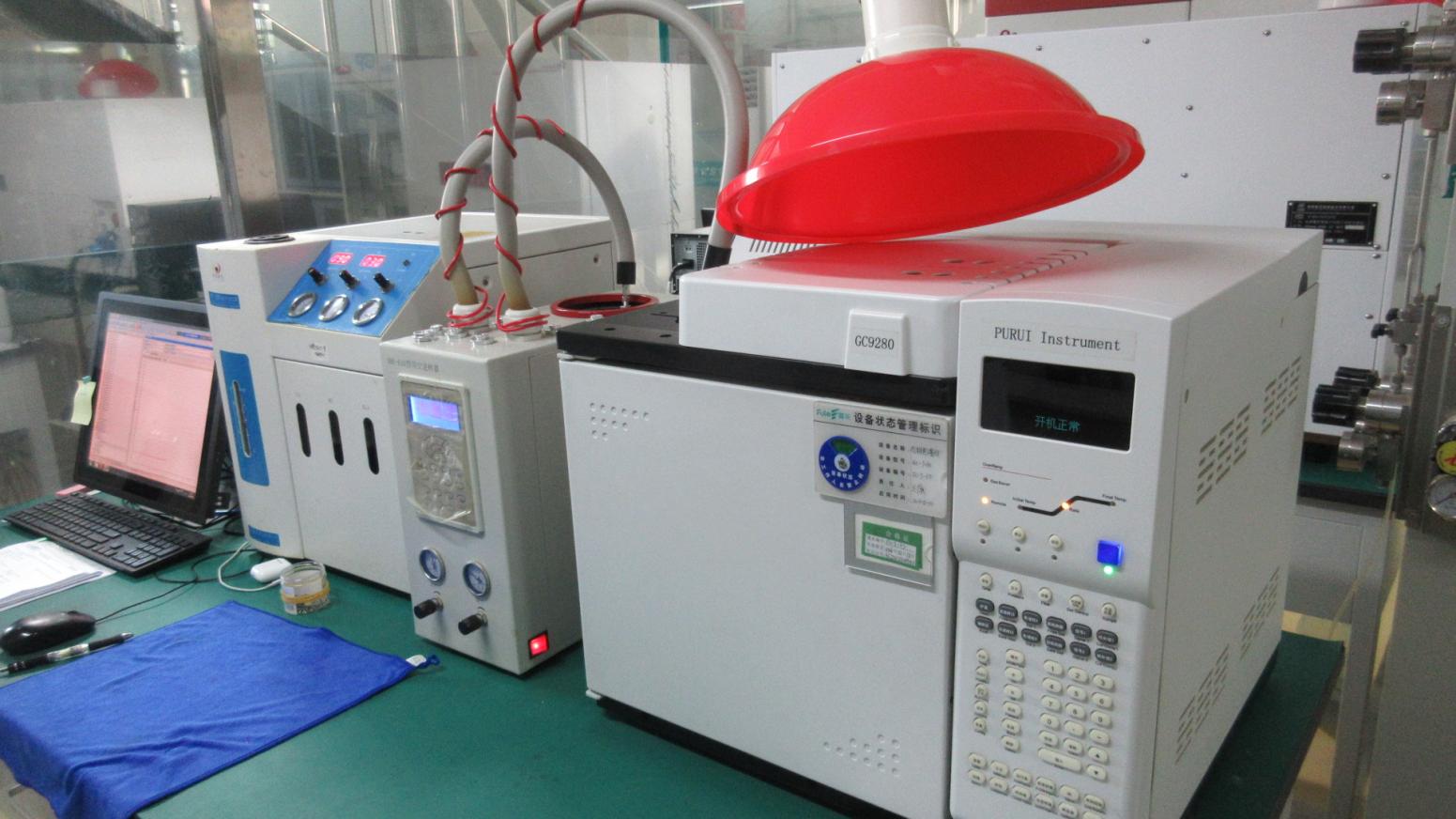
Founded on 1996-06-28, Beijing Fule has spent nearly three decades perfecting the art of medical implant and suture technology. With a 10,000㎡ facility and a dedicated team of 20 R&D engineers (including 15 with graduate degrees), the company exemplifies "Expertise." Their commitment to 100% product inspection and full traceability of raw materials ensures the "Trustworthiness" required for Class III medical devices.
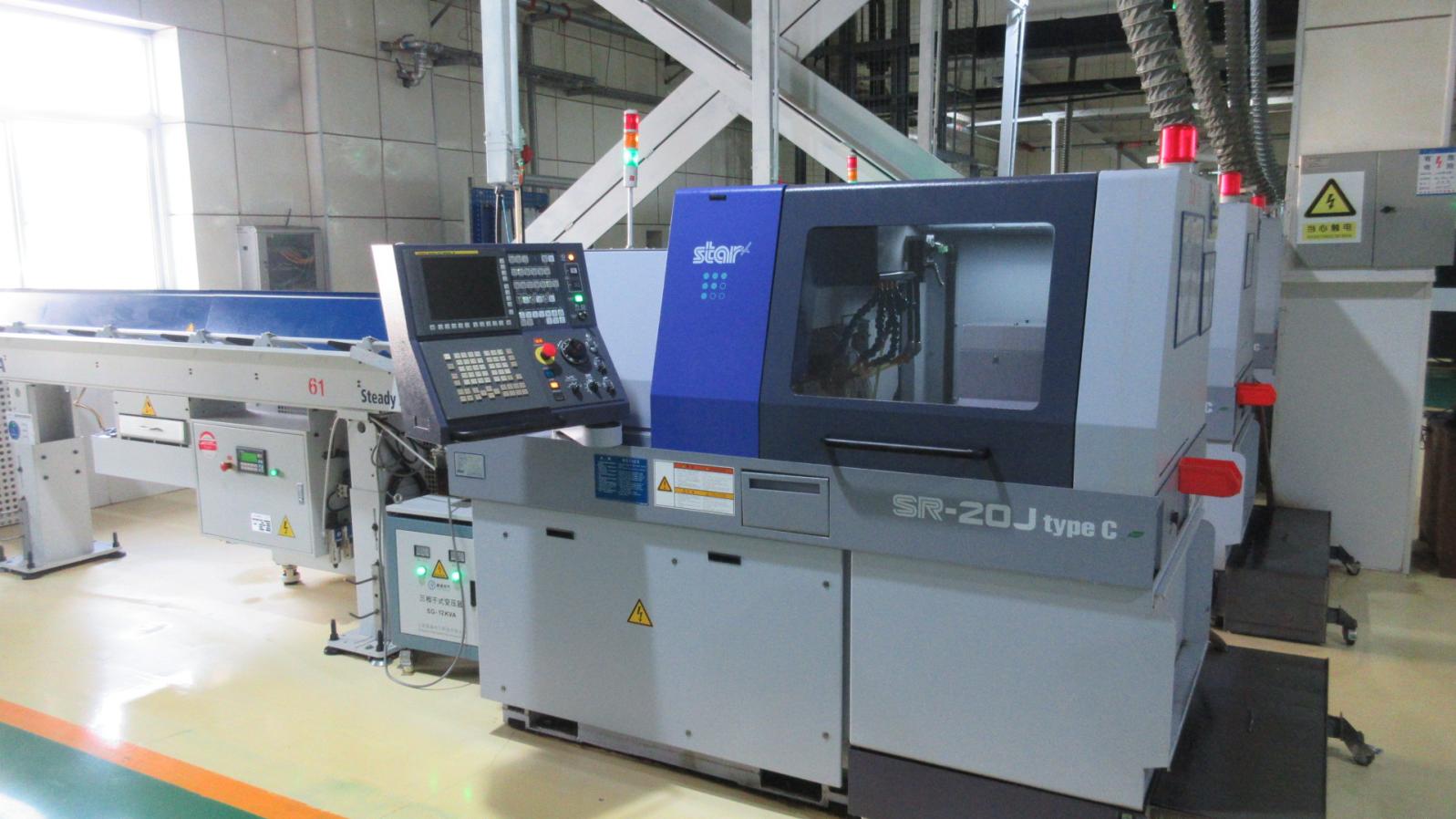
To provide true Information Gain, we must look at the specific materials that separate the "Top 10" from the rest of the market. Surgical sutures are classified by their absorption profile and filament structure.
Modern manufacturers utilize Polyglycolic Acid (PGA) and Polyglactin 910 (PGLA) for internal tissue approximation. The expertise lies in the coating—ensuring smooth passage through tissue while maintaining predictable absorption rates (typically 56-70 days).
For cardiovascular and orthopedic skin closure, materials like Polypropylene are favored for their high tensile strength and minimal tissue reaction. Leading exporters ensure these materials are "low-memory," preventing the suture from tangling during complex maneuvers.
The critical point of failure in any suture is the needle-thread junction. Top-tier Chinese factories utilize Laser-Drilled Swaging technology, ensuring a seamless transition and a pull-out force that exceeds USP (United States Pharmacopeia) standards by over 20%.
Focus on cost-per-procedure and high-volume availability. Manufacturers with massive output (500k+ units) like Beijing Fule are ideal partners for government tenders in SE Asia and Eastern Europe.
Emphasis on CE Marking and Clinical Data. The requirement is for "Information Gain" regarding long-term biocompatibility and lower infection rates (SSI reduction).
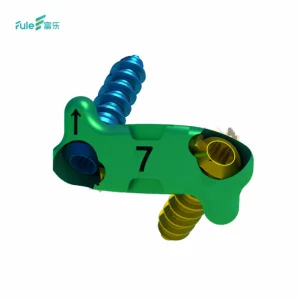
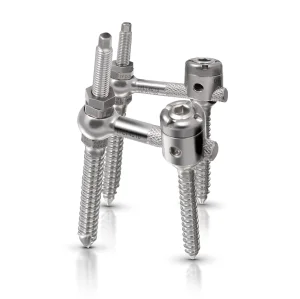
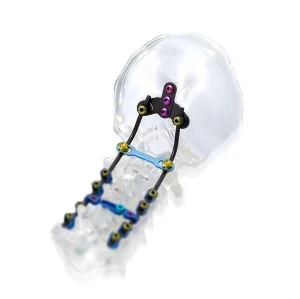
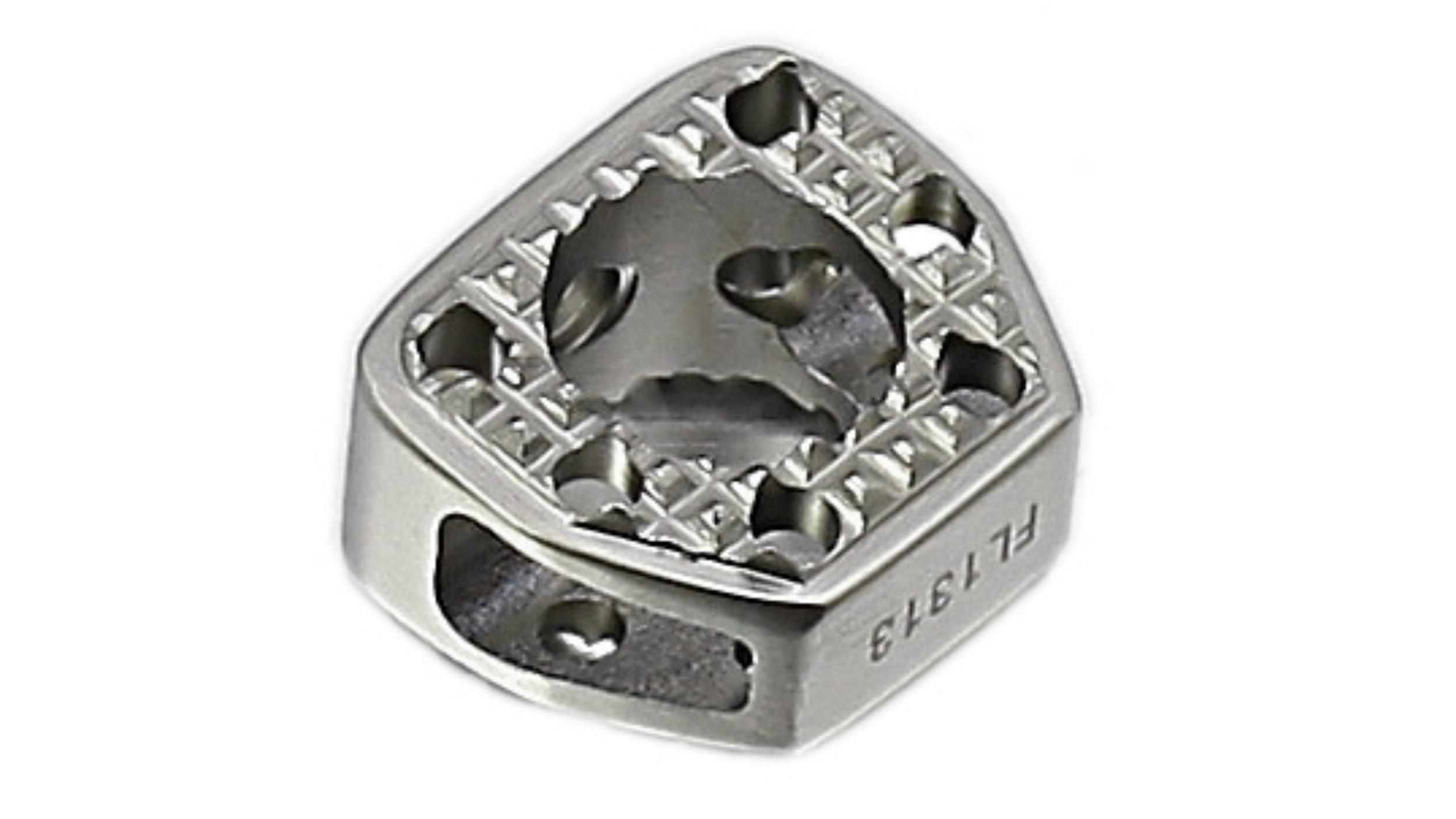
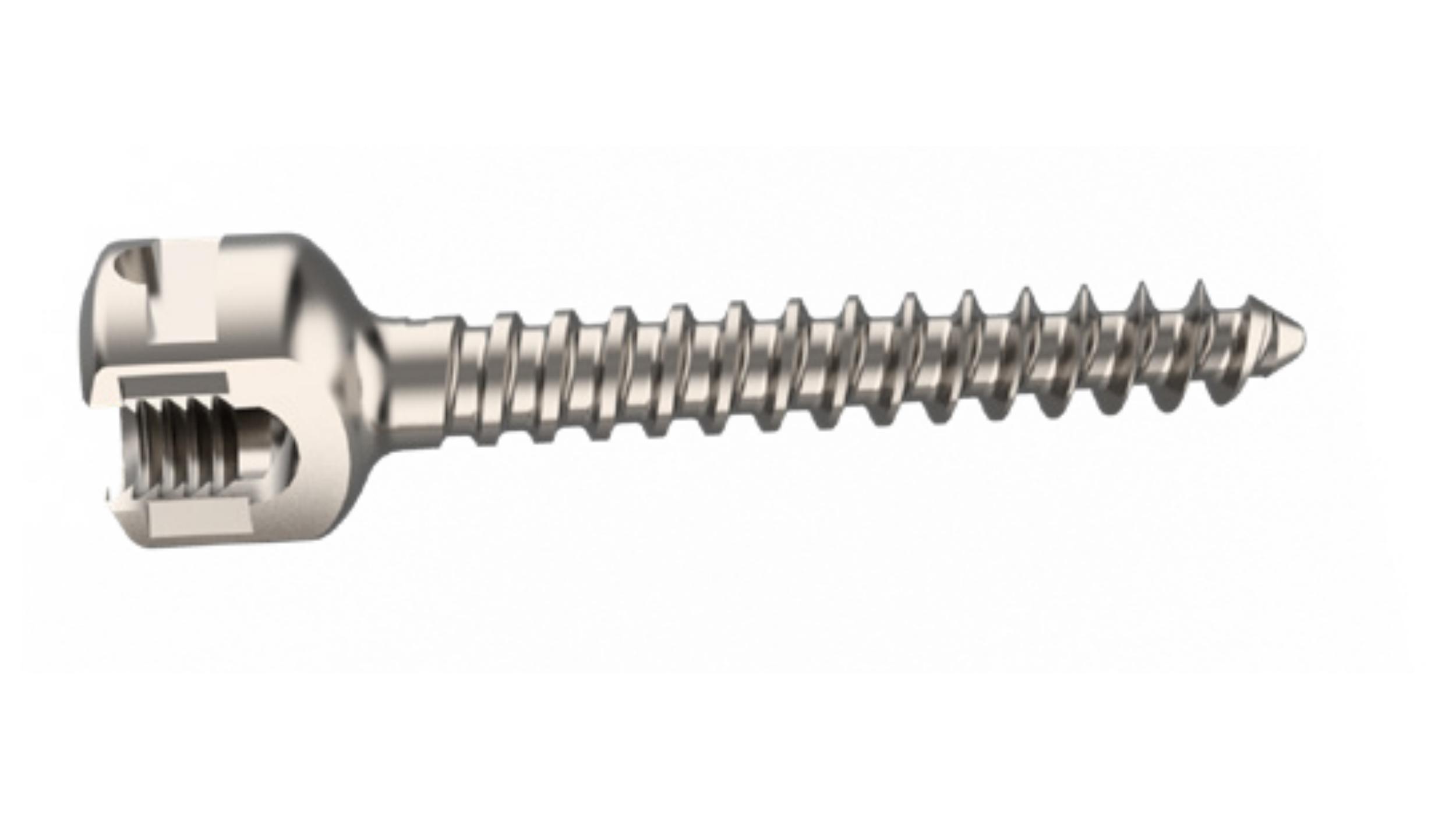
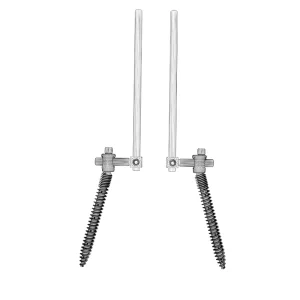
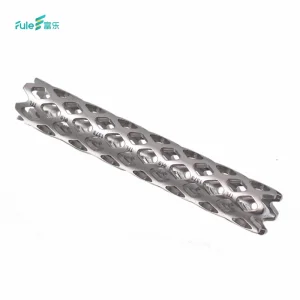
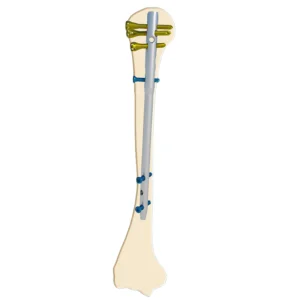
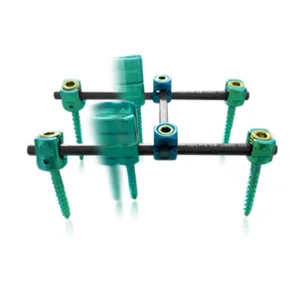
Orthopedic and Spinal clinics require integrated solutions. The combination of titanium implants and high-strength sutures ensures a holistic recovery path for the patient.



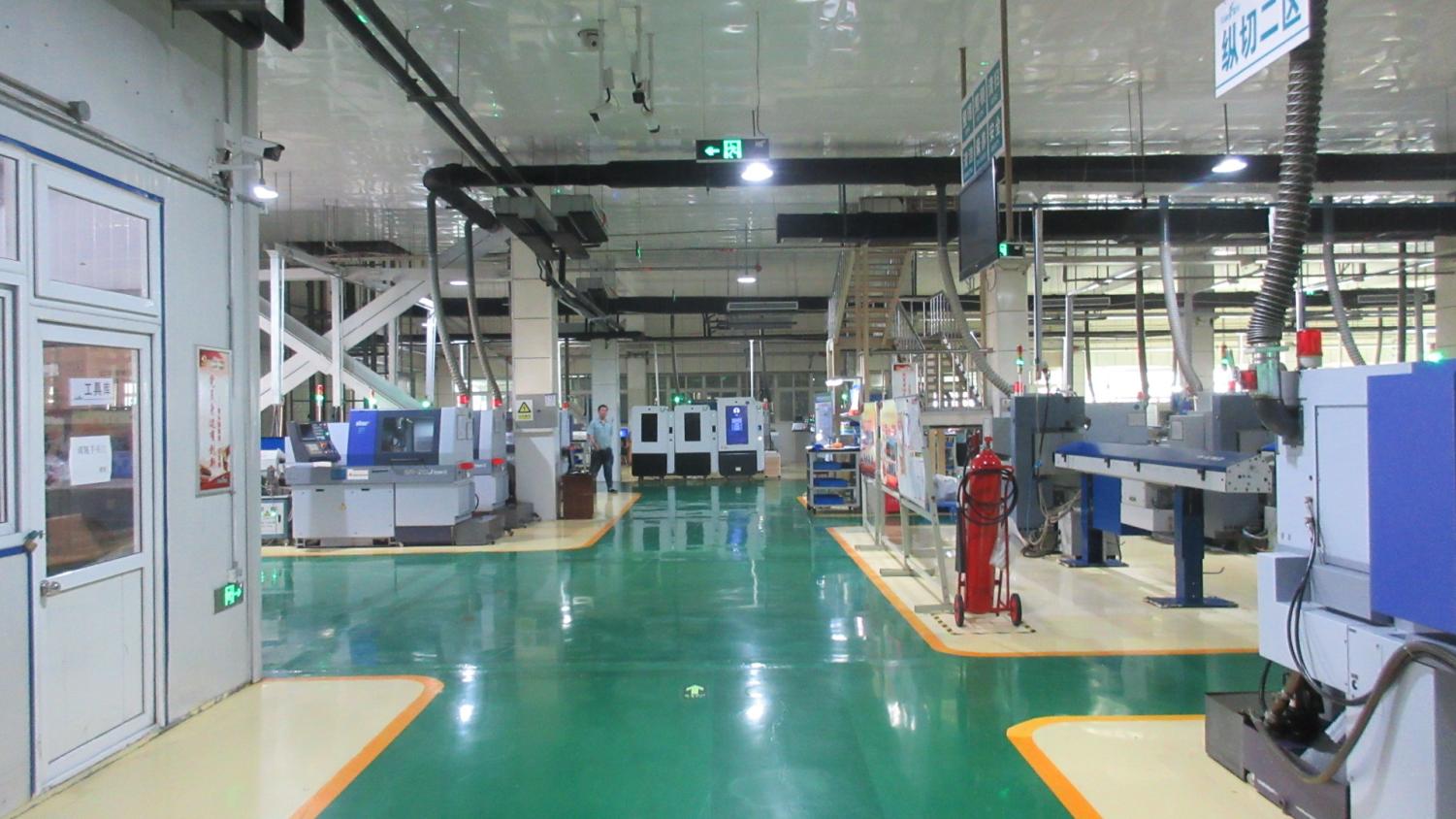
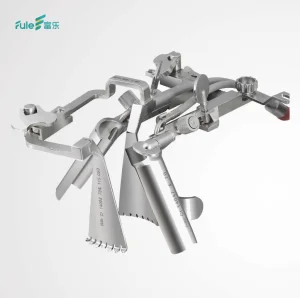
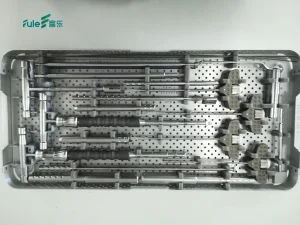
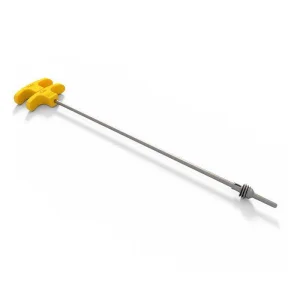
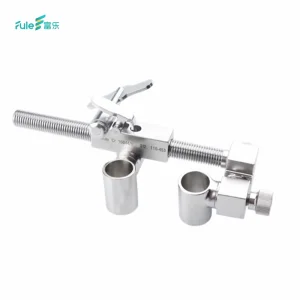
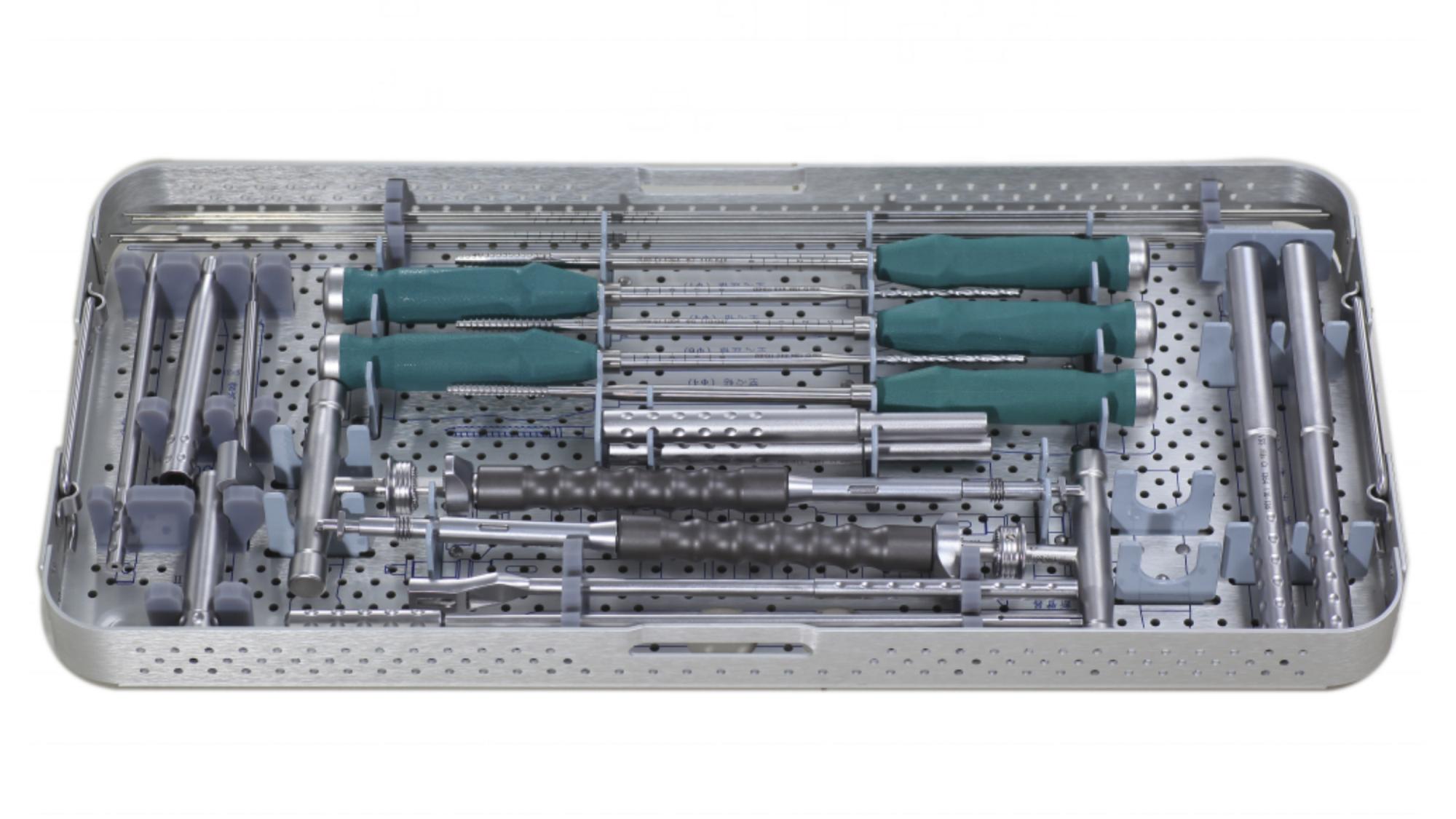
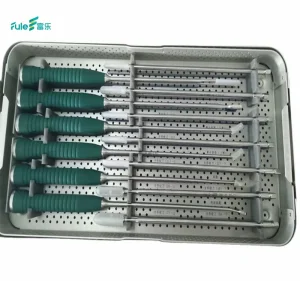
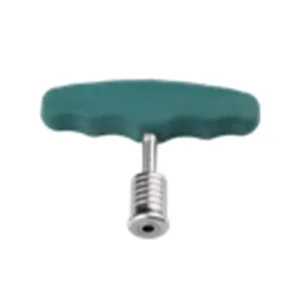
Advanced instrumentation for complex surgical interventions.
 Fule
Fule