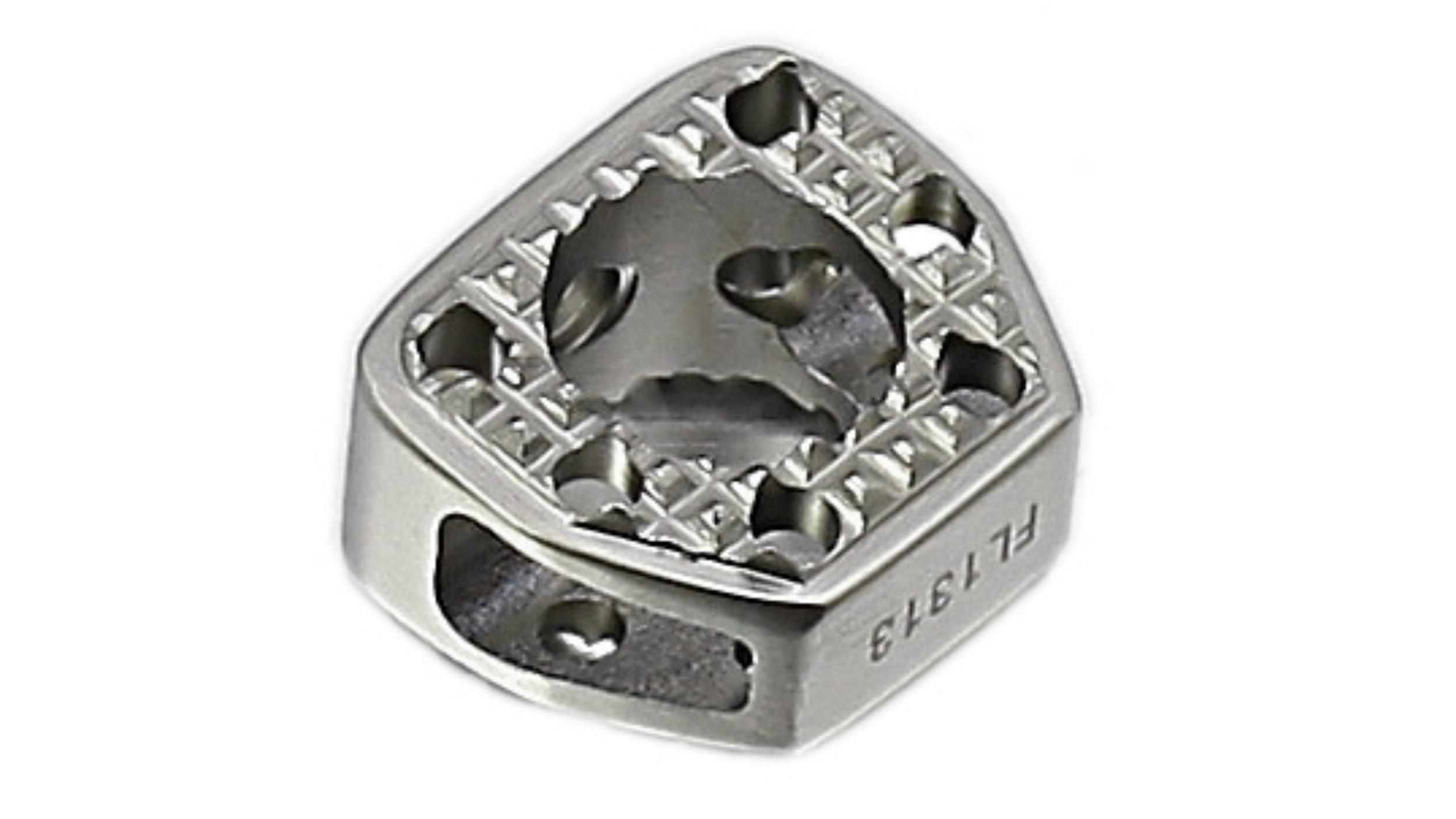
Explore our leading precision implants, thoroughly calibrated and certified for seamless integration with optical-tracking and EM-tracking surgical navigation systems.
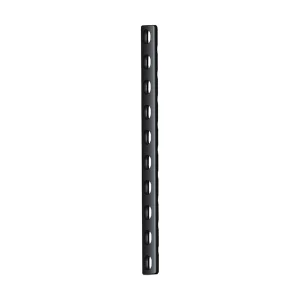
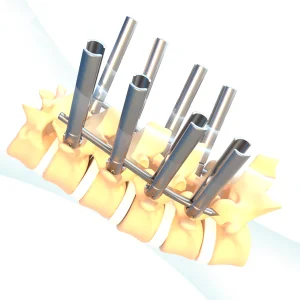
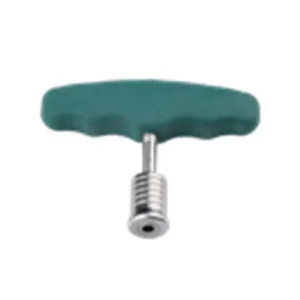
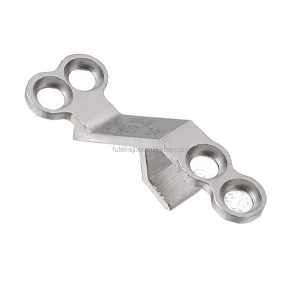
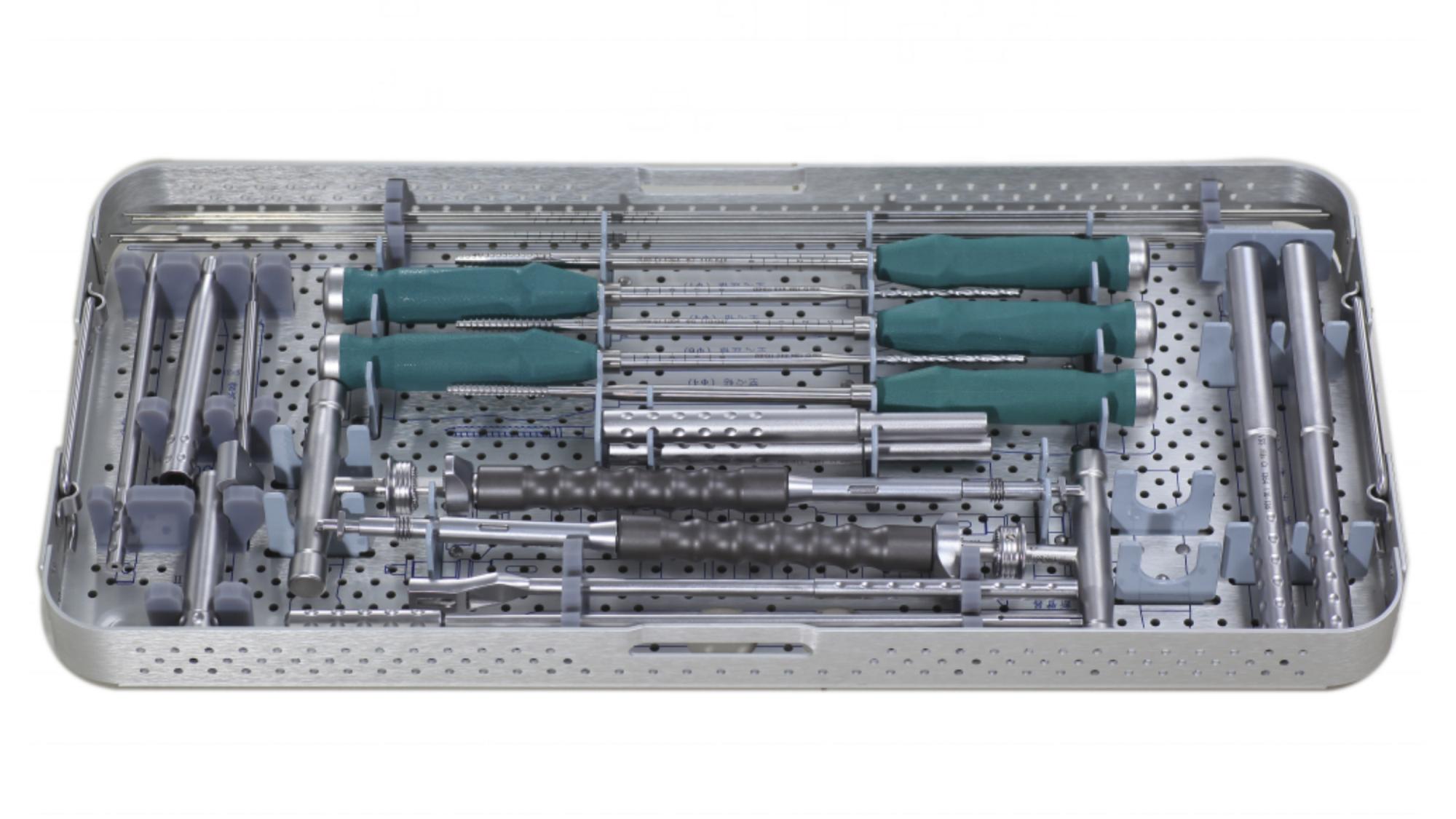
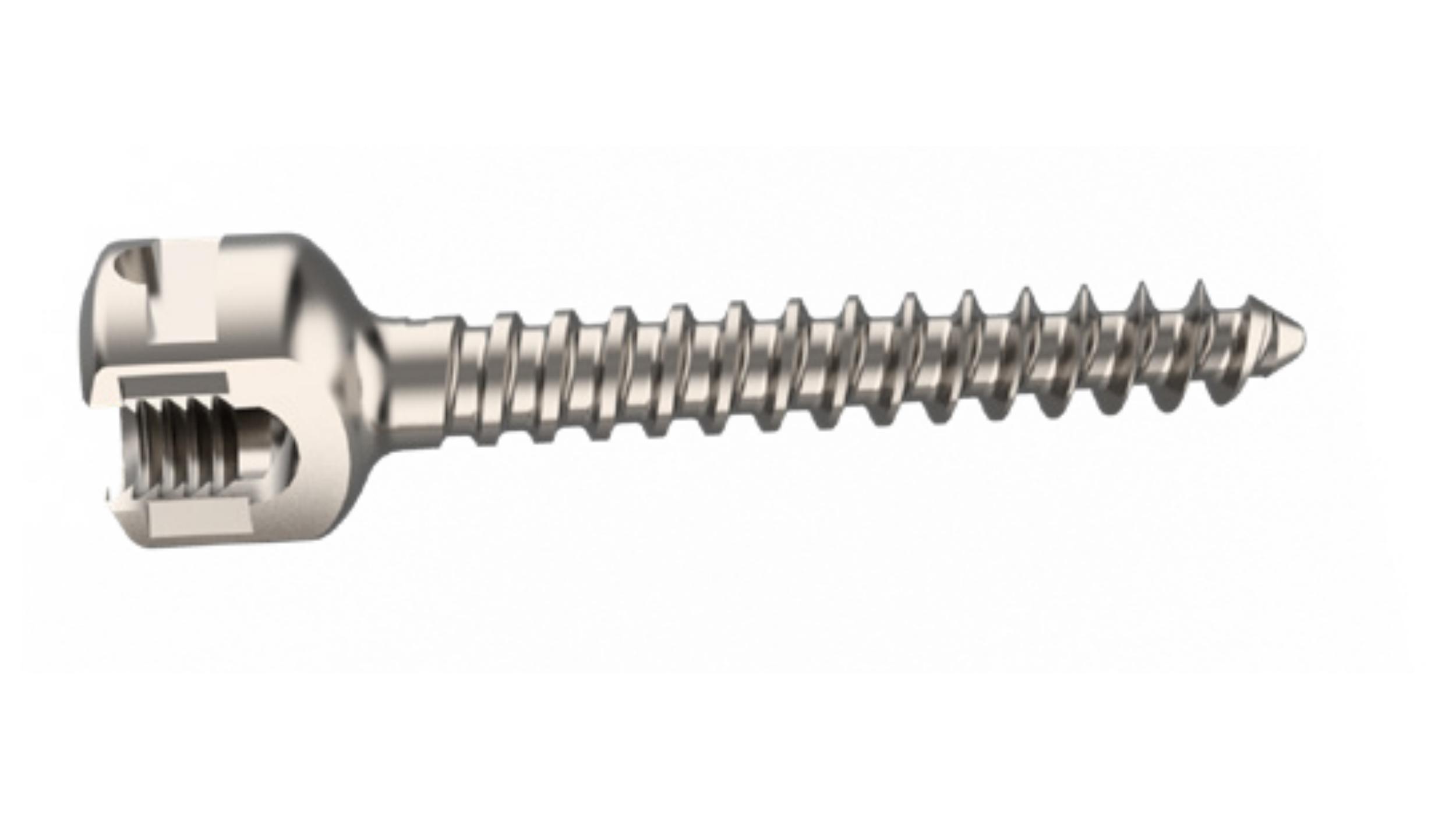
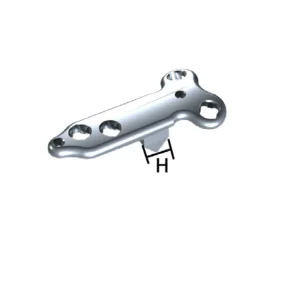
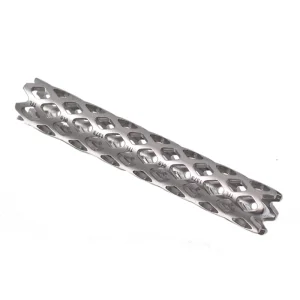
Modern surgical intervention relies heavily on the synchronization between medical hardware and tracking software. A Surgical Navigation System serves as the digital GPS for orthopedic and neurosurgical operations, providing real-time spatial positioning of surgical instruments relative to the patient's anatomical structure. However, the efficacy of computerized navigation hinges on the dimensional fidelity and material uniformity of the structural implants. High-precision orthopedic implants, such as titanium pedicle screws, anterior cervical cages, and pelvic reconstruction plates, must match the virtual models programmed into the navigation database down to sub-millimeter tolerances.
At our manufacturing facility, we establish raw material consistency using medical-grade titanium alloys (Grade 5 Ti-6Al-4V) and premium PEEK materials. Our implant kits undergo advanced optical mapping, ensuring that the navigation tracking arrays can accurately register each implant's spatial orientation. This decreases registration errors and drastically limits the calibration latency encountered during complex procedures like minimally invasive posterior spine fusions or pelvic reconstruction surgeries.
Implant geometries are precision-modeled to support active/passive infrared markers, reducing visual occlusion and enhancing 3D tracking precision in orthopedic surgeries.
Ensuring biological compatibility and durability using high-grade titanium and carbon-fiber PEEK, designed to withstand intraoperative imaging stress.
Every implantable device undergoes rigid 100% inspection with complete raw material batch tracking from supply to sterilized delivery.
Global hospital networks, B2B medical supply companies, and orthopedic institutions require high consistency and strict compliance. Sourcing orthopedic instrumentation and surgical navigation components from China introduces significant supply chain efficiencies. Our factory operates a robust production ecosystem that blends low-latency production pipelines with ISO 13485 certification standards.
By integrating structural implant production with navigation instrument manufacturing, we eliminate technical discrepancies between implants and navigation tracking tools. This end-to-end control allows us to serve markets in Eastern Europe, Southeast Asia, South America, and beyond, providing customized OEM and ODM solutions that adapt to regional surgical methodologies.
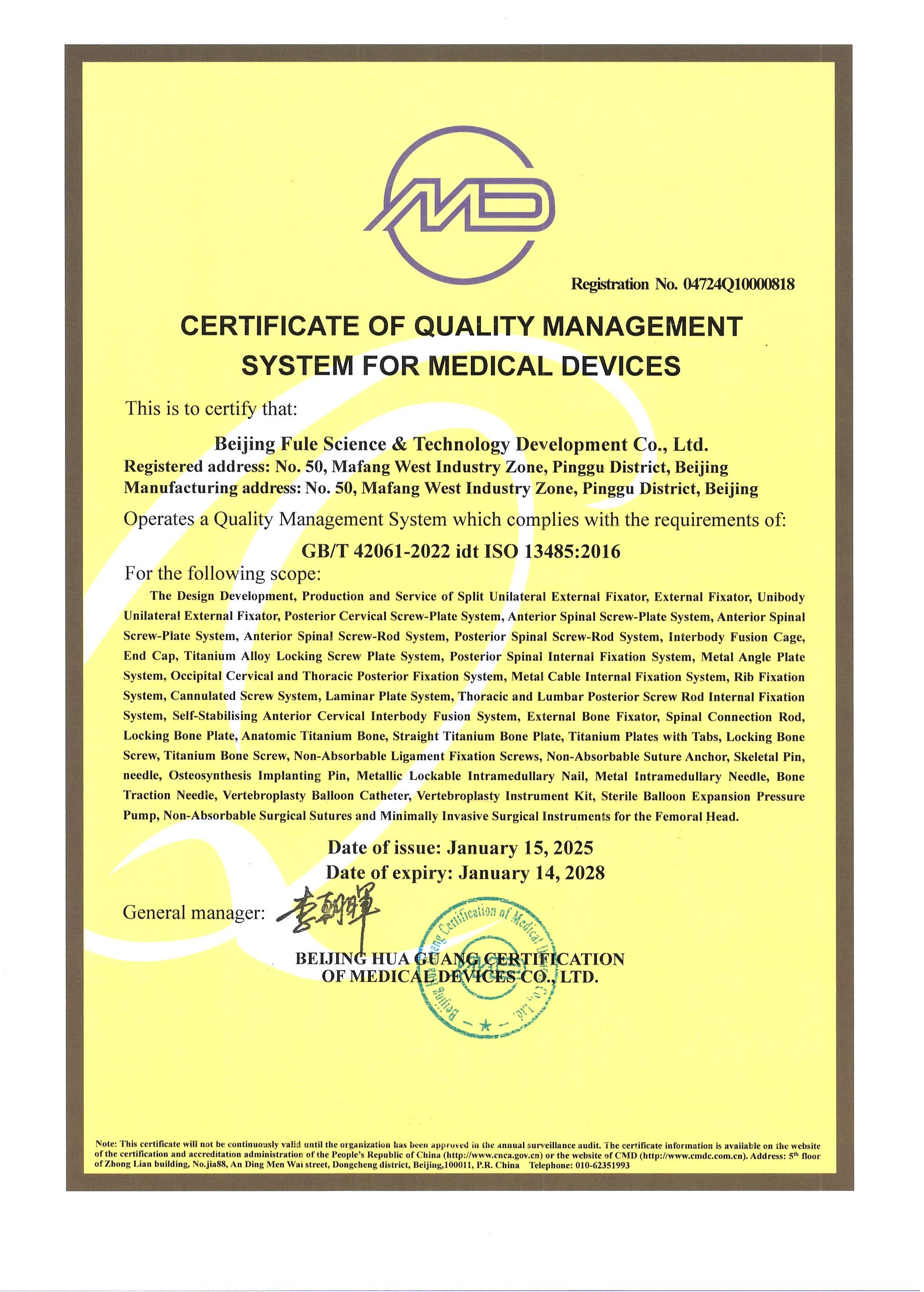
 ISO13485 Registered Factory
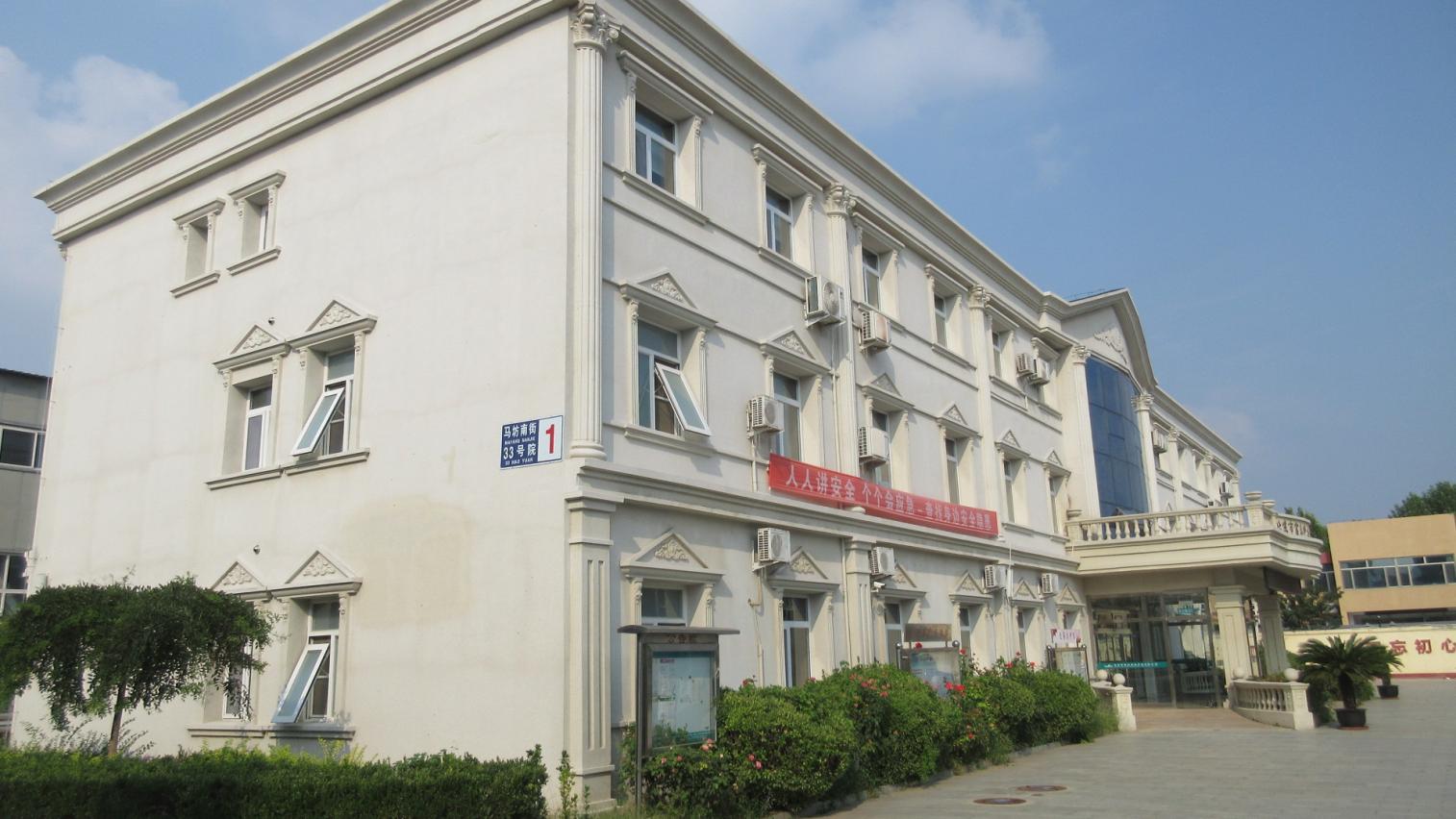
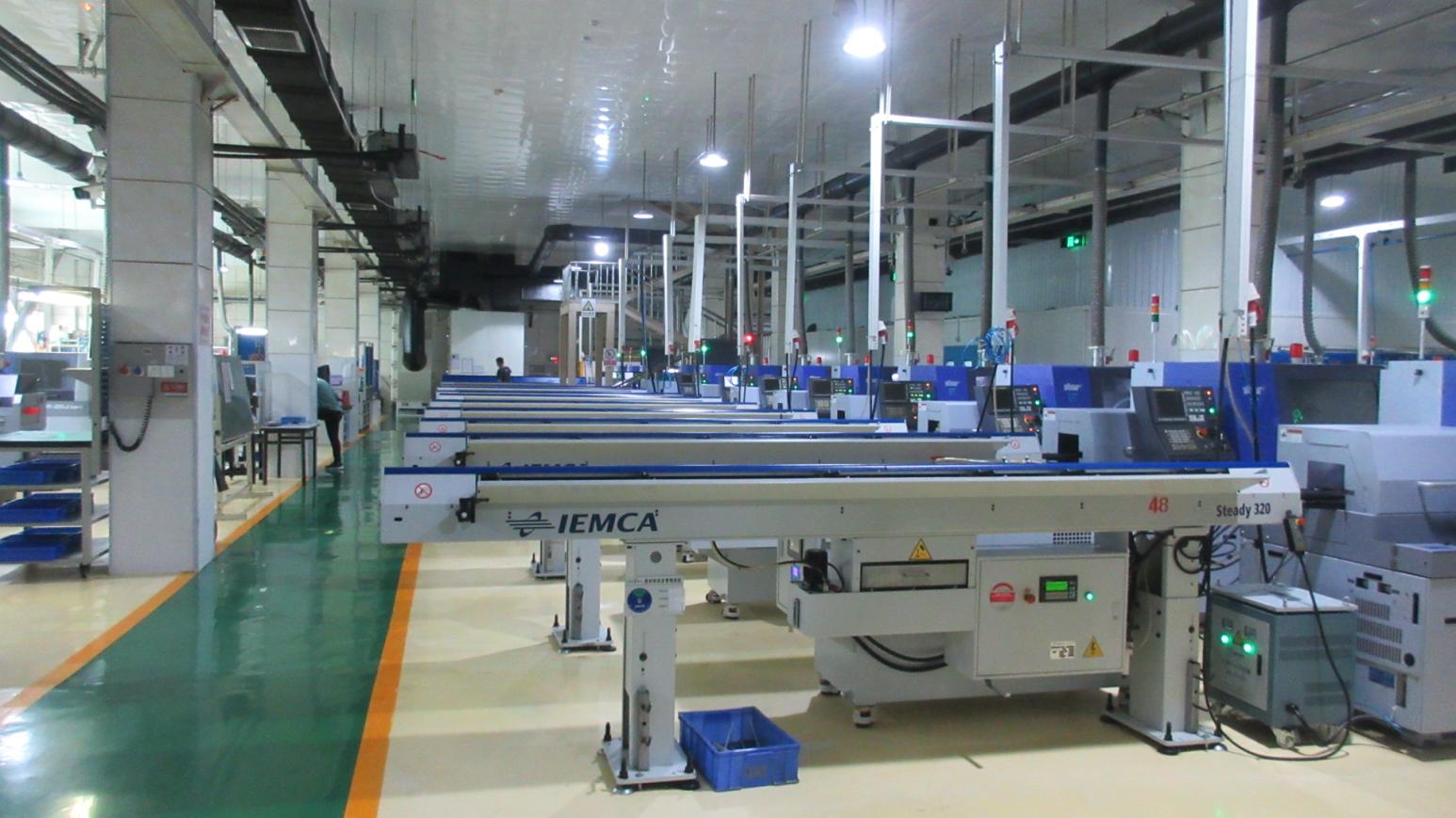
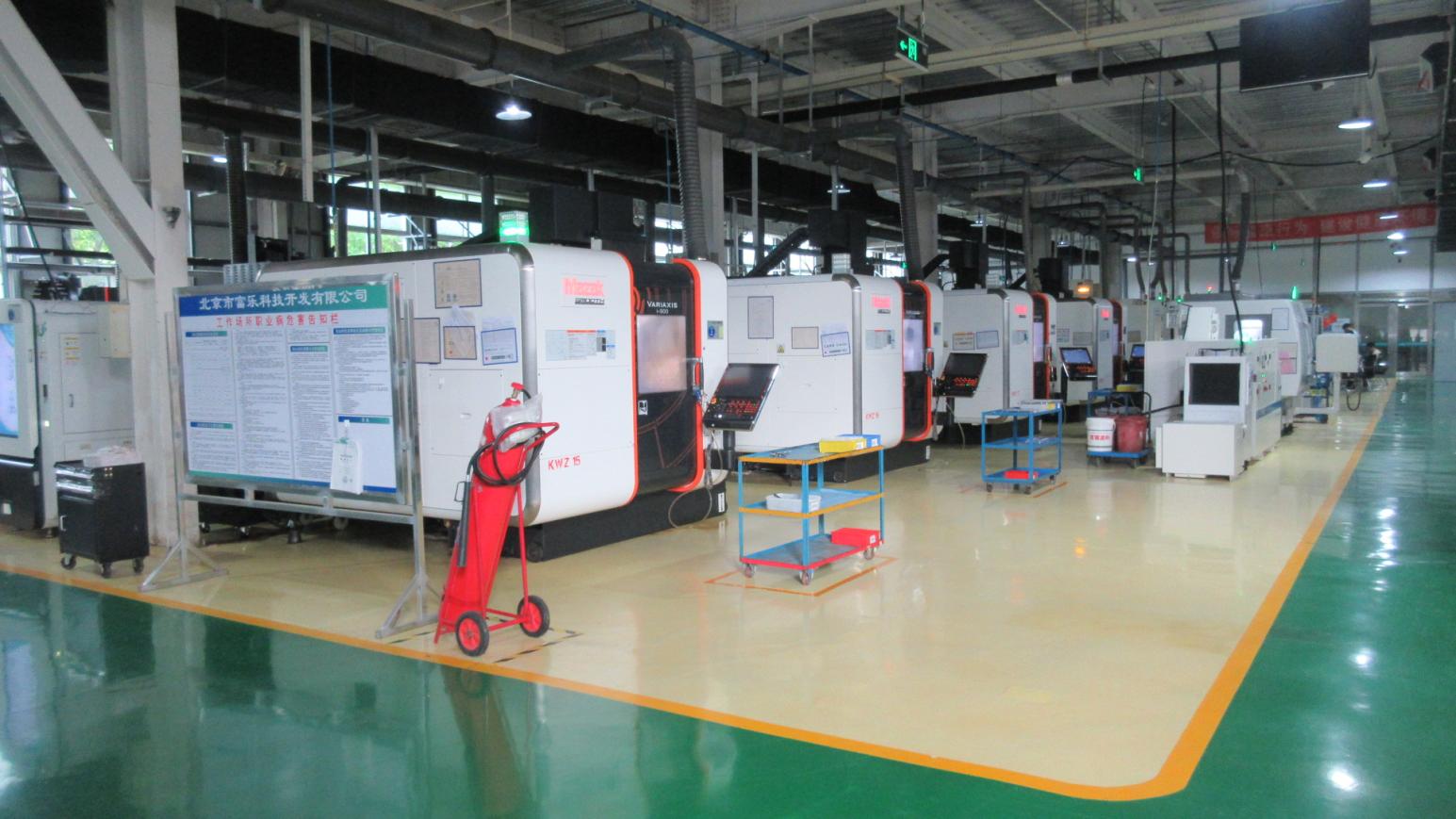
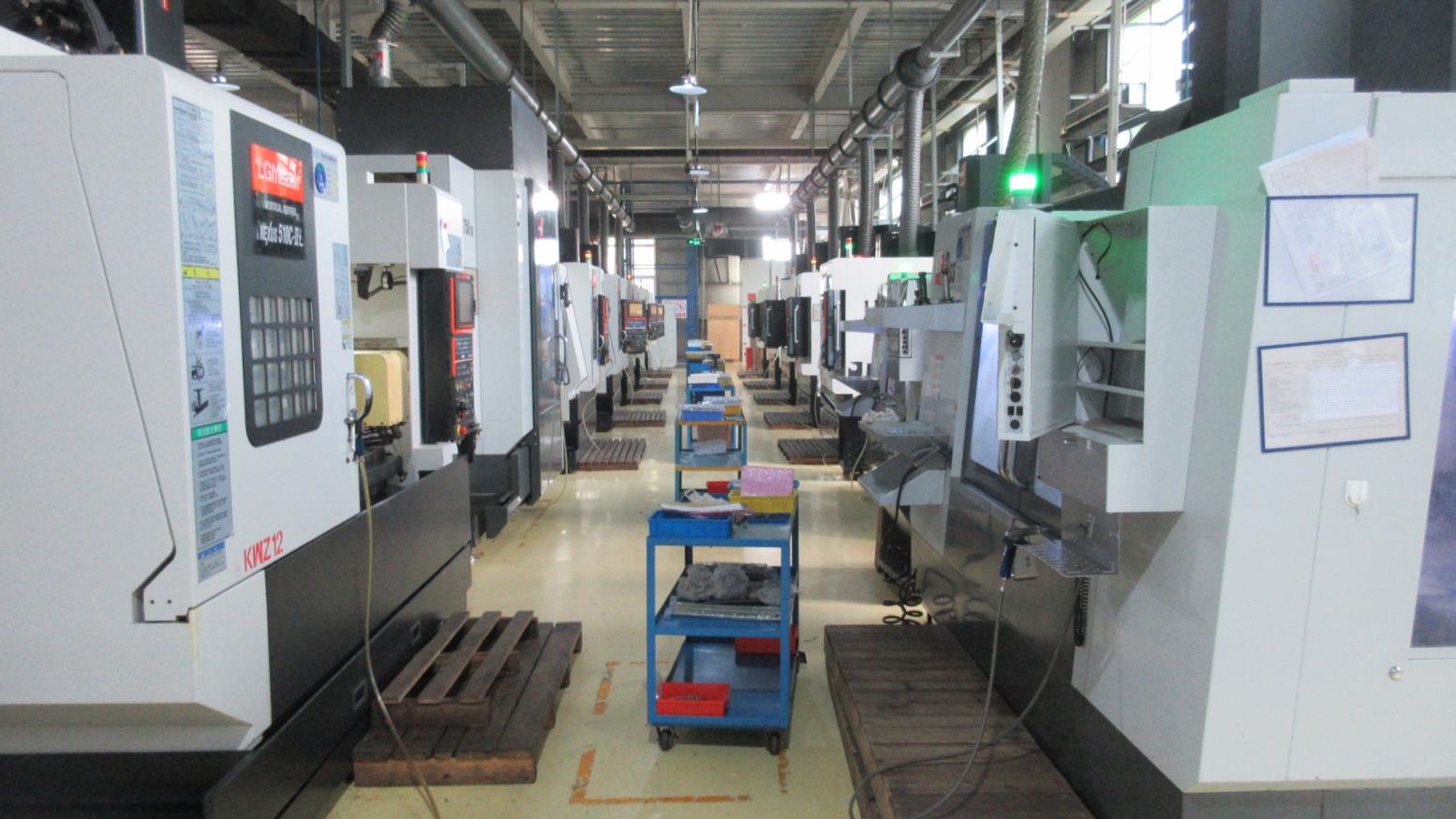
Our 10,000 square meter facility leverages modern metallurgy, state-of-the-art tooling, and meticulous laboratory verification protocols to supply world-class medical equipment.
| Feature / Metric | Specification Detail | Global Strategic Advantage |
|---|---|---|
| Establishment & Experience | Founded in 1996 (29 years of medical device engineering expertise) | Deep domain wisdom, optimized raw material sourcing, and established clinical safety profiles. |
| Facility Floor Space | 10,000 square meters of localized cleanrooms & production space | High manufacturing capacity accommodating both bulk orders and custom prototype designs. |
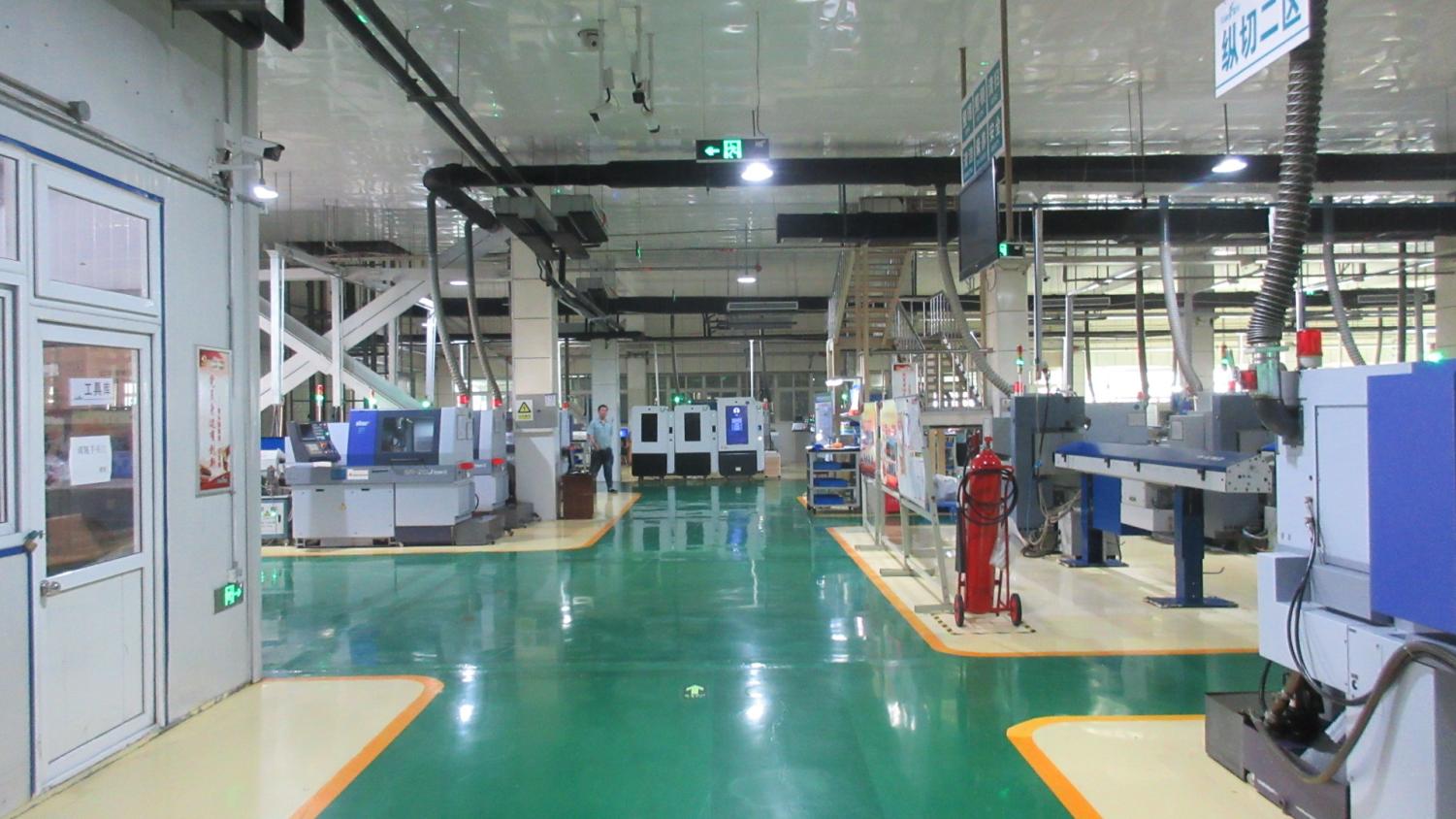
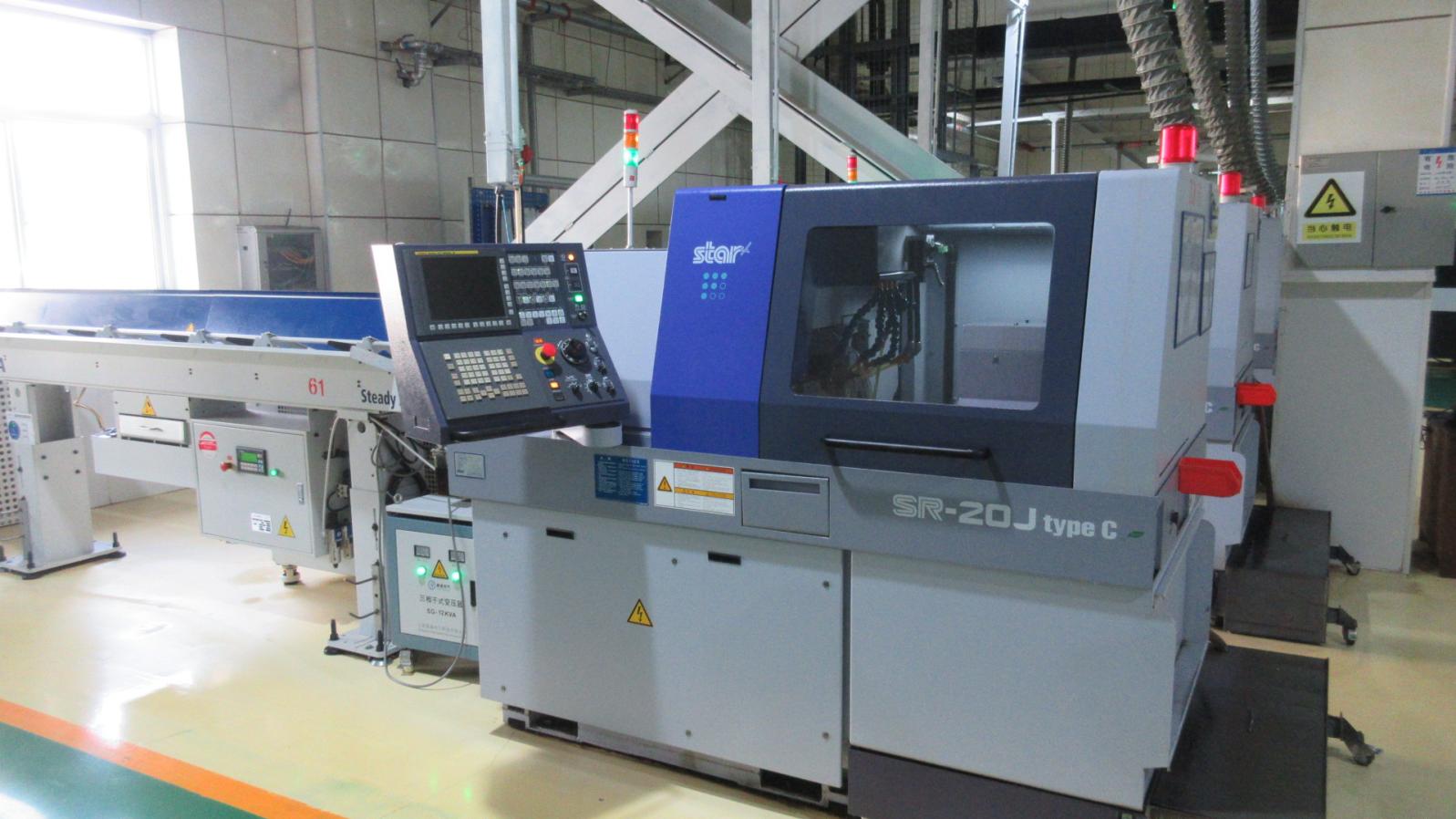
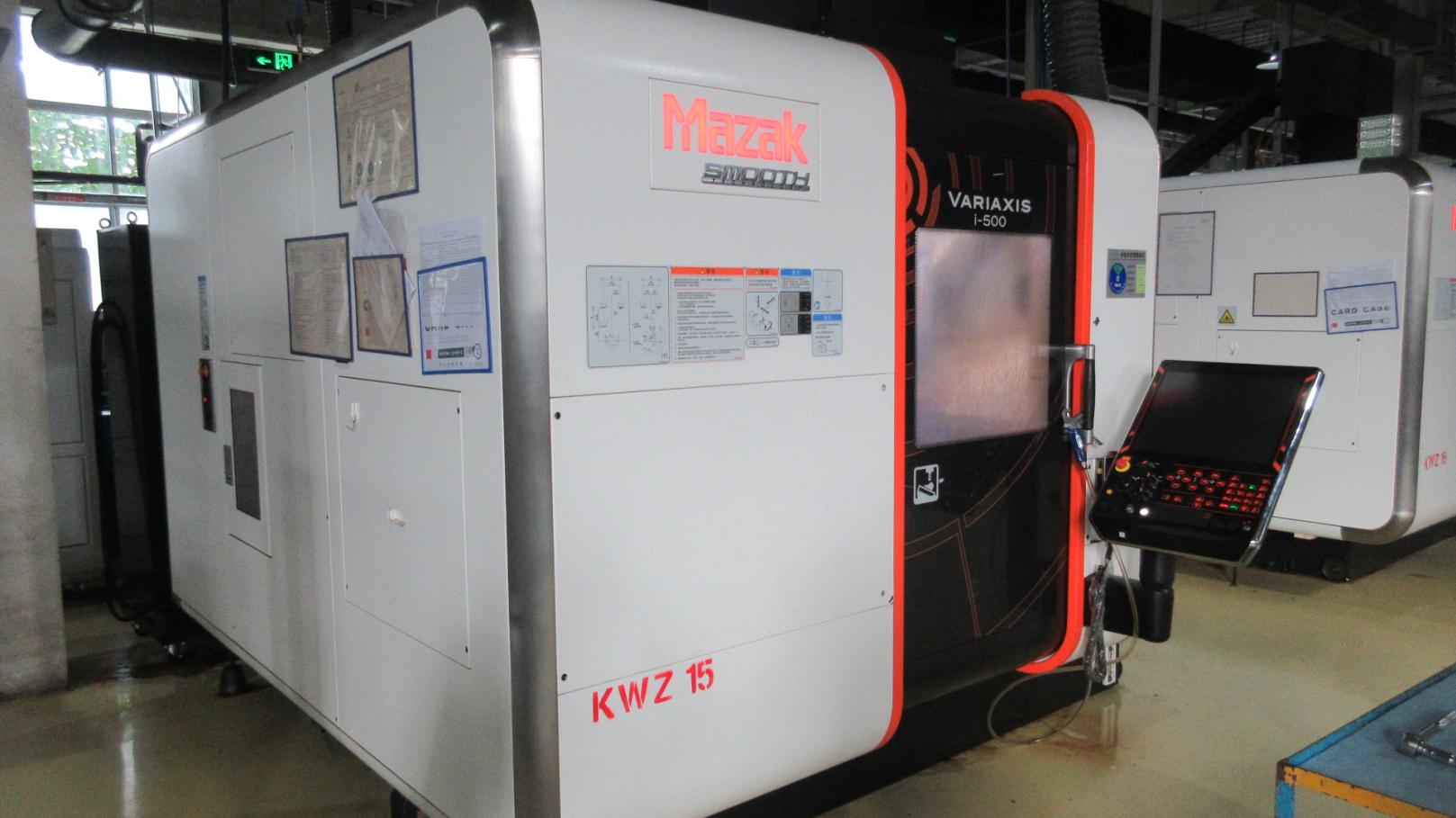
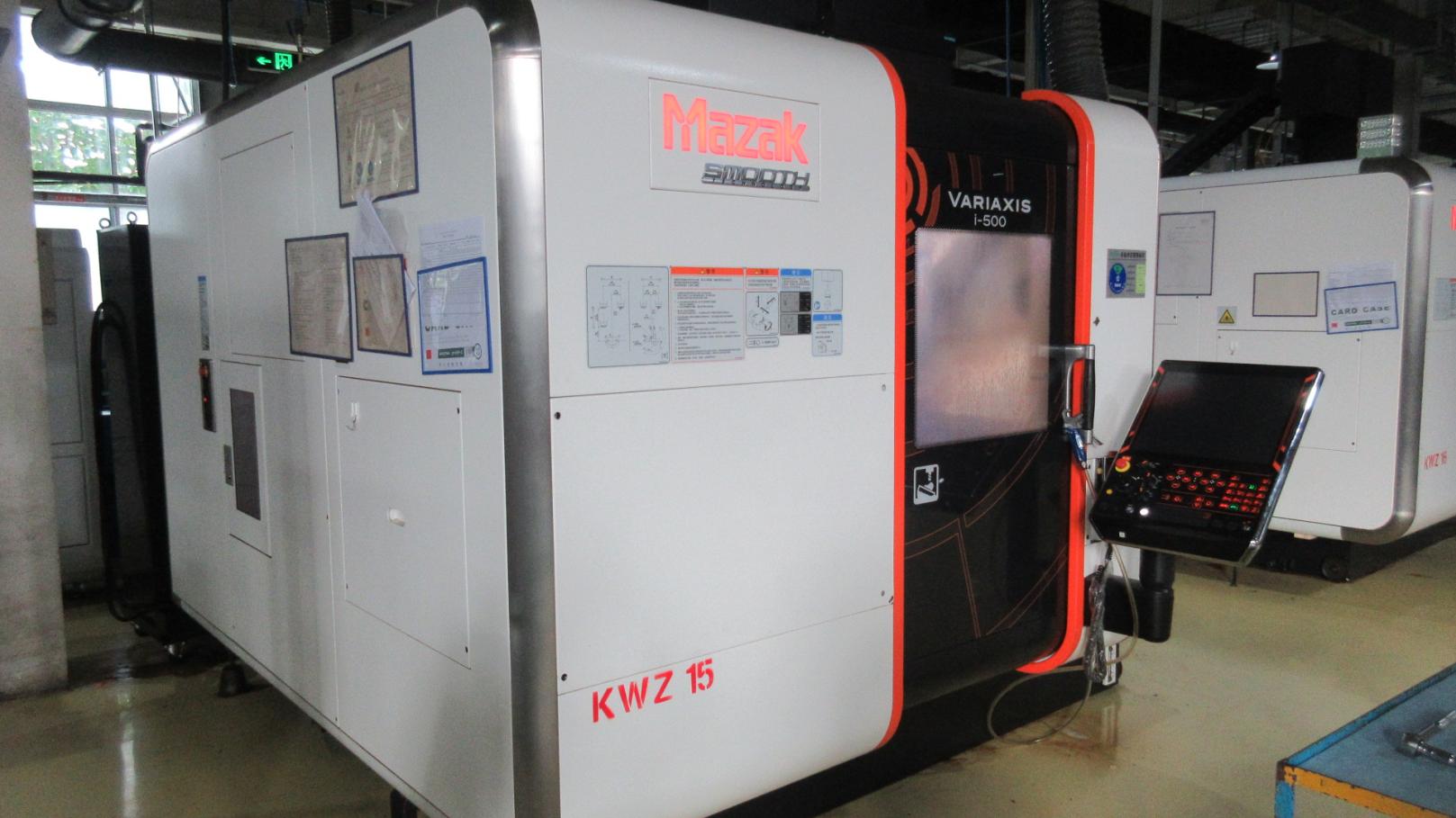
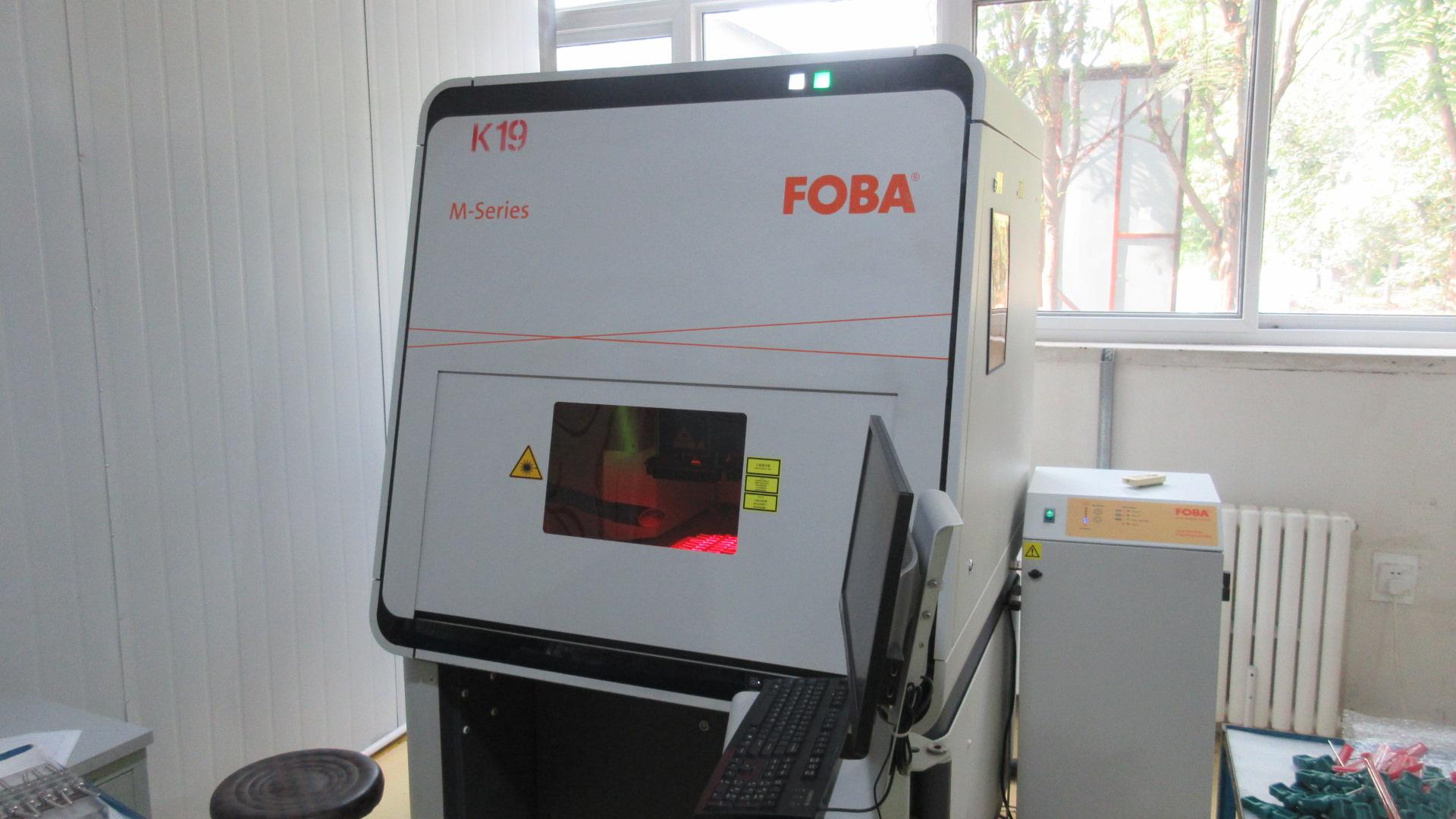
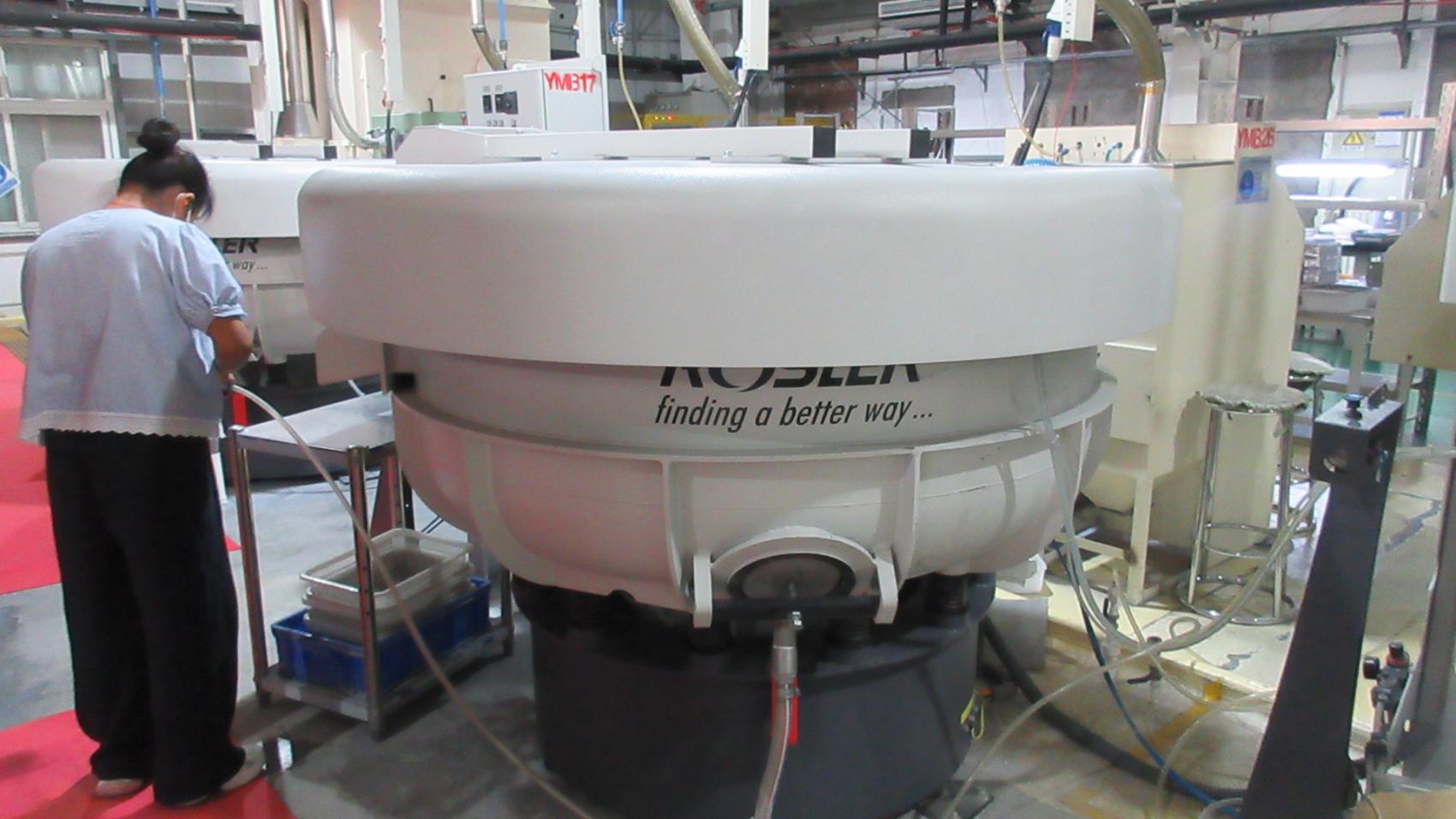
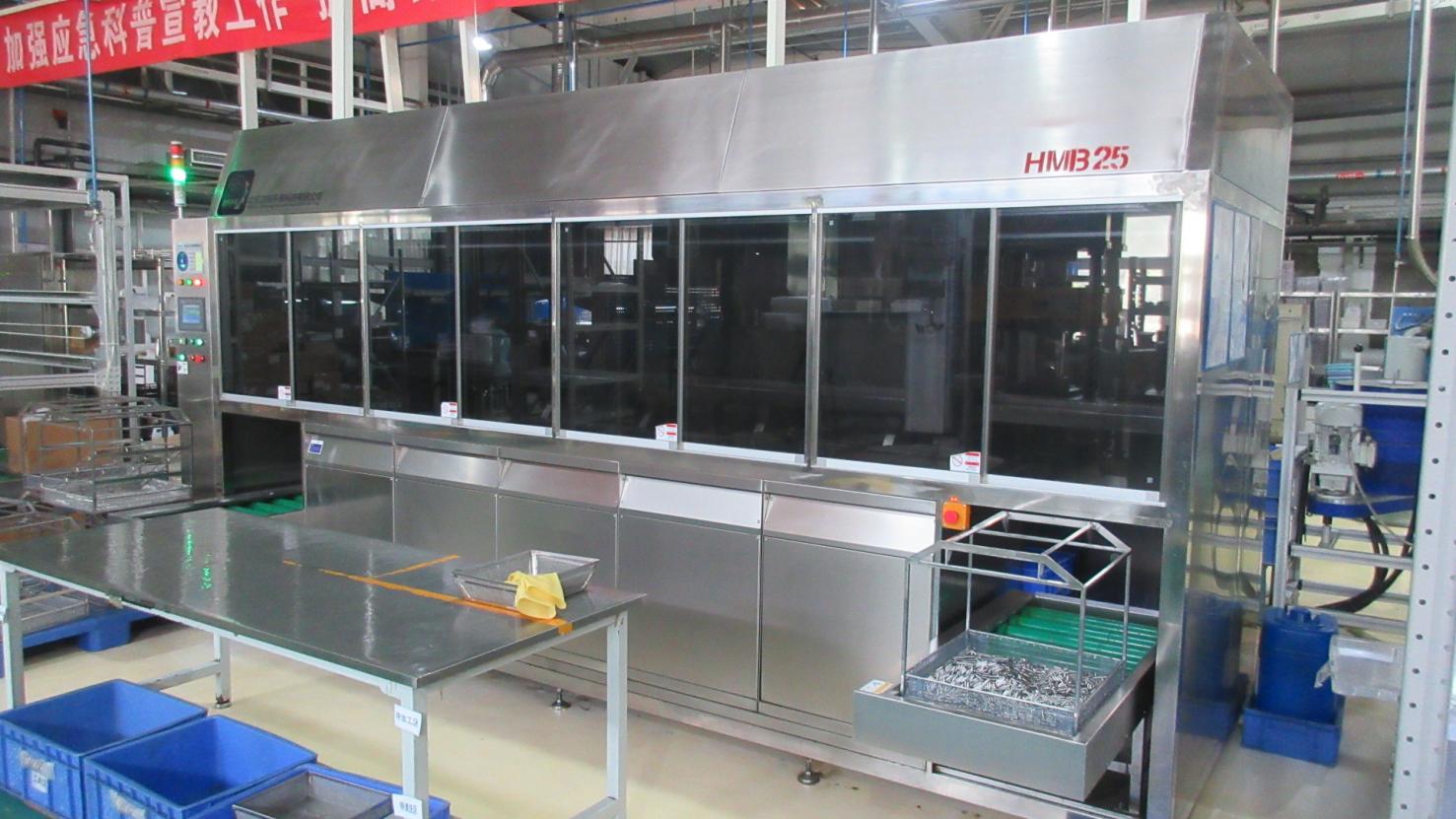
| Equipment Capability | 102 high-precision automated manufacturing machines (CNC, wire cutting, anodizing) | Ensures dimensional accuracy up to 5 micrometers, essential for digital surgical planning. |
| Regulatory Standards | ISO 13485 quality management, CE mark compatibility, Class III implants | Streamlined registration process in global markets, offering fully certified surgical equipment. |
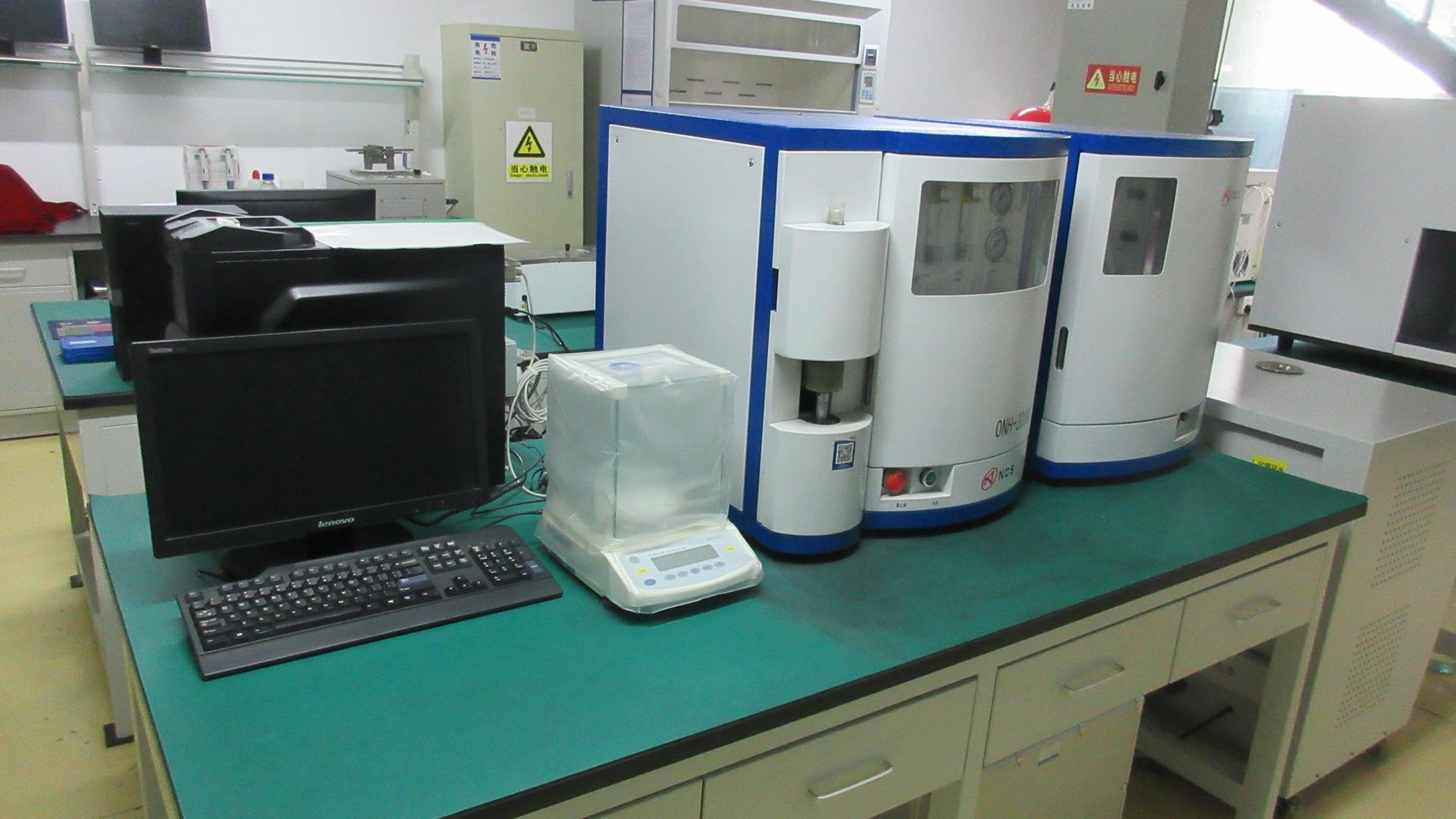
| Traceability Protocol | Raw material chemical analysis & mechanical verification reports for every batch | Complete safety guarantee for clinical practitioners and hospital procurement offices. |
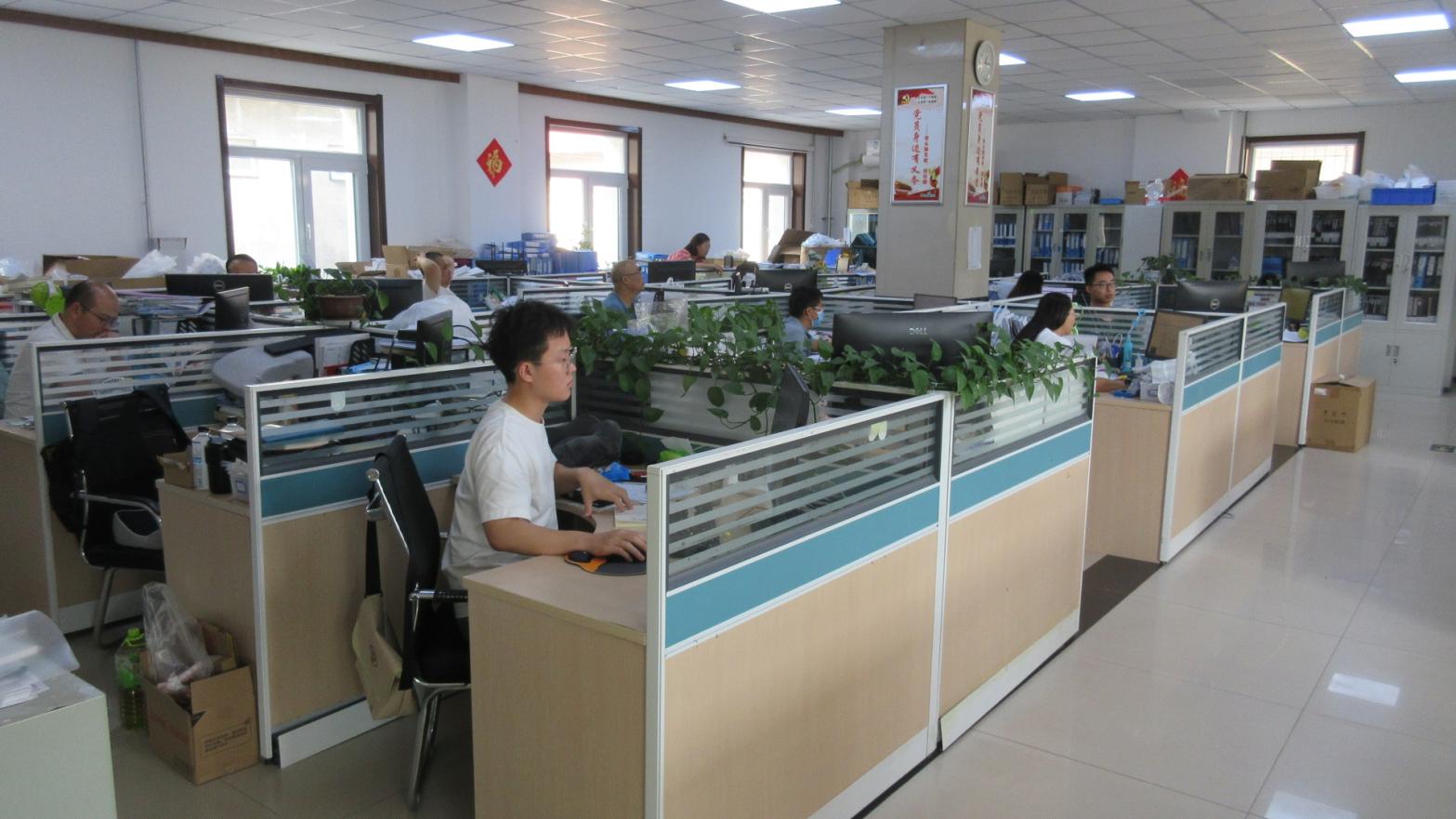
| R&D Strength | 20 professional engineers (15 graduate, 5 junior college specialists) | Continuous innovation, introducing 20+ new models annually to match evolving clinical demands. |
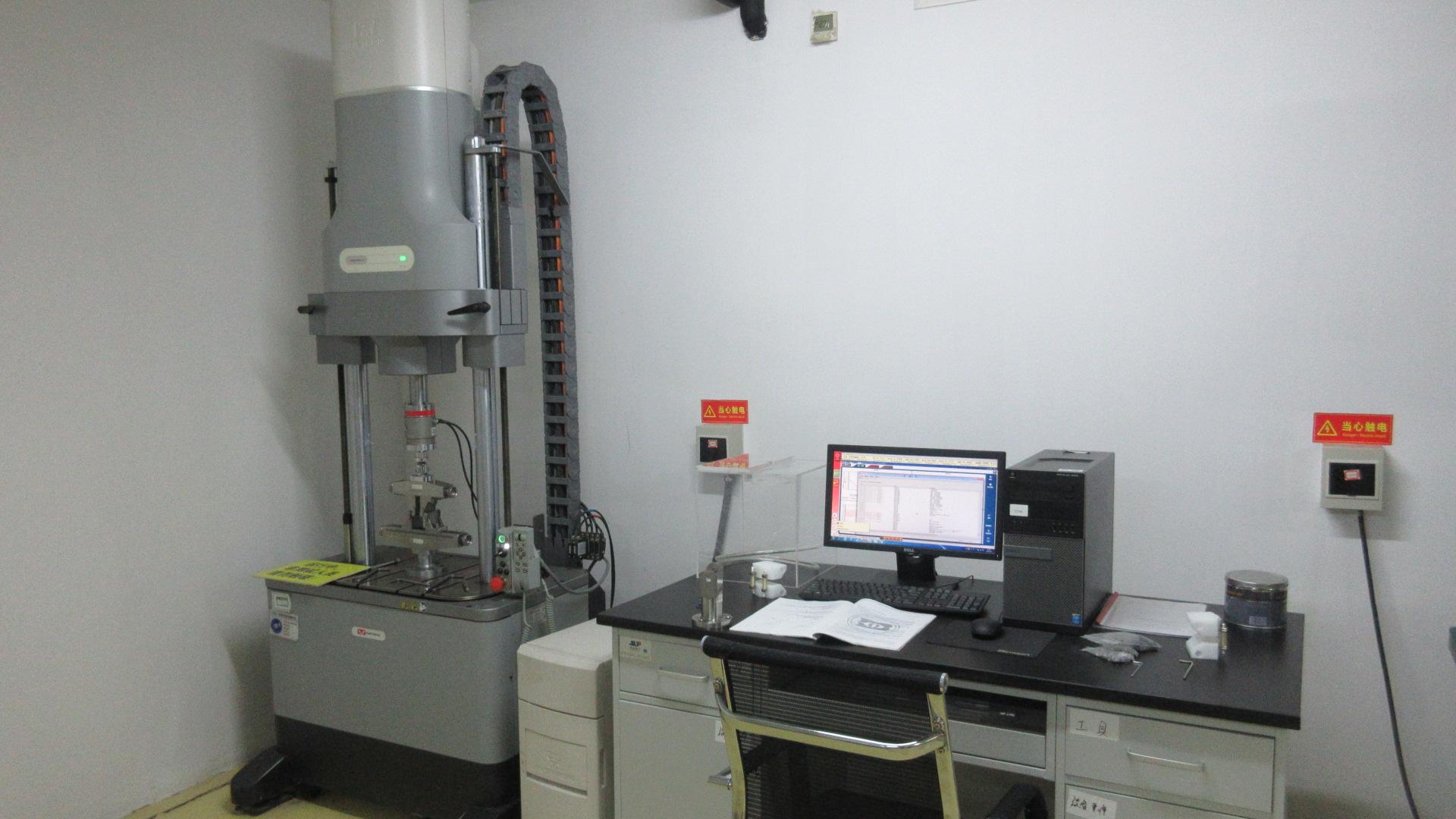
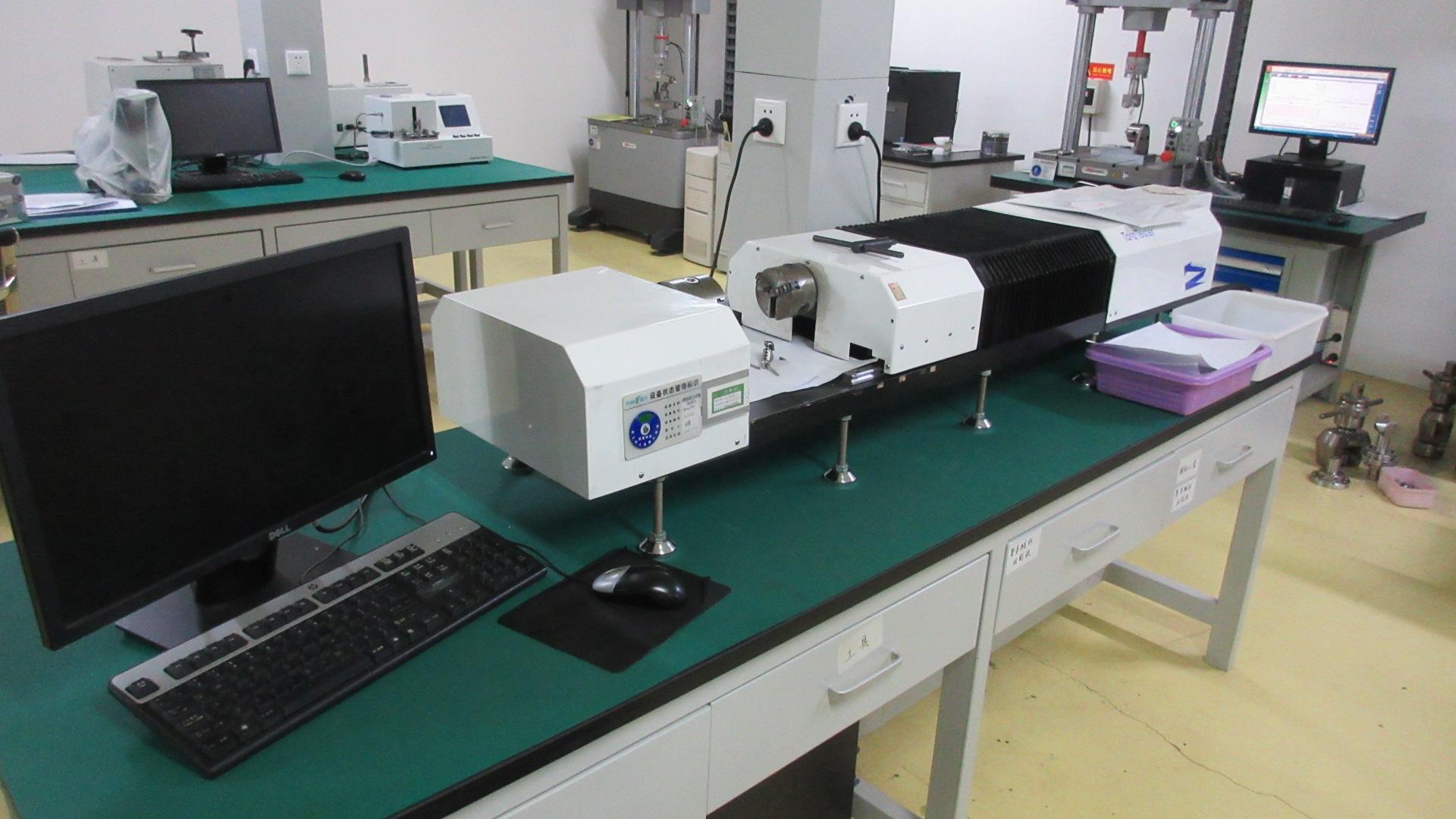
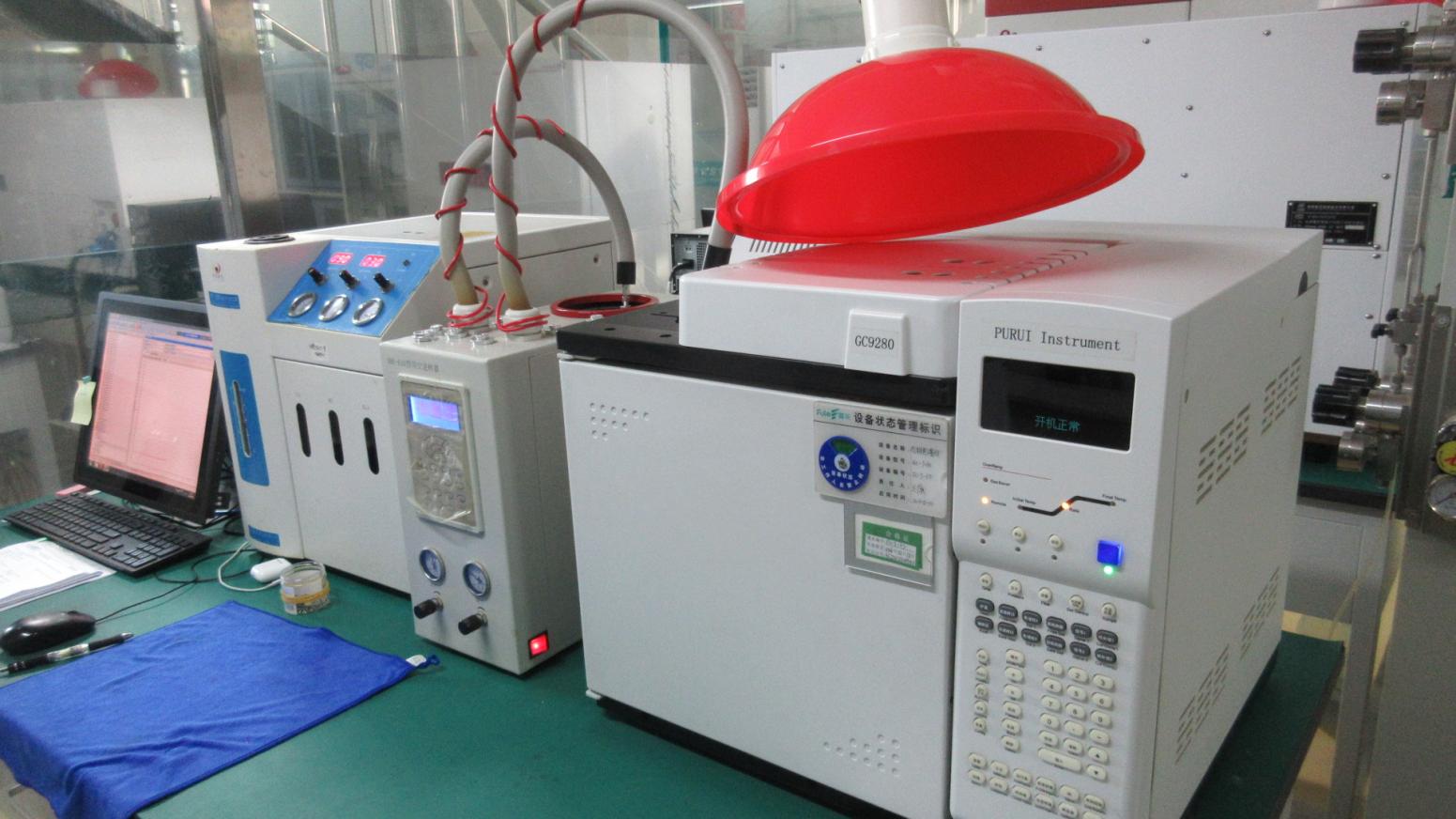
Inside our state-of-the-art cleanrooms, inspection labs, and raw material processing centers, precision is built into every device.

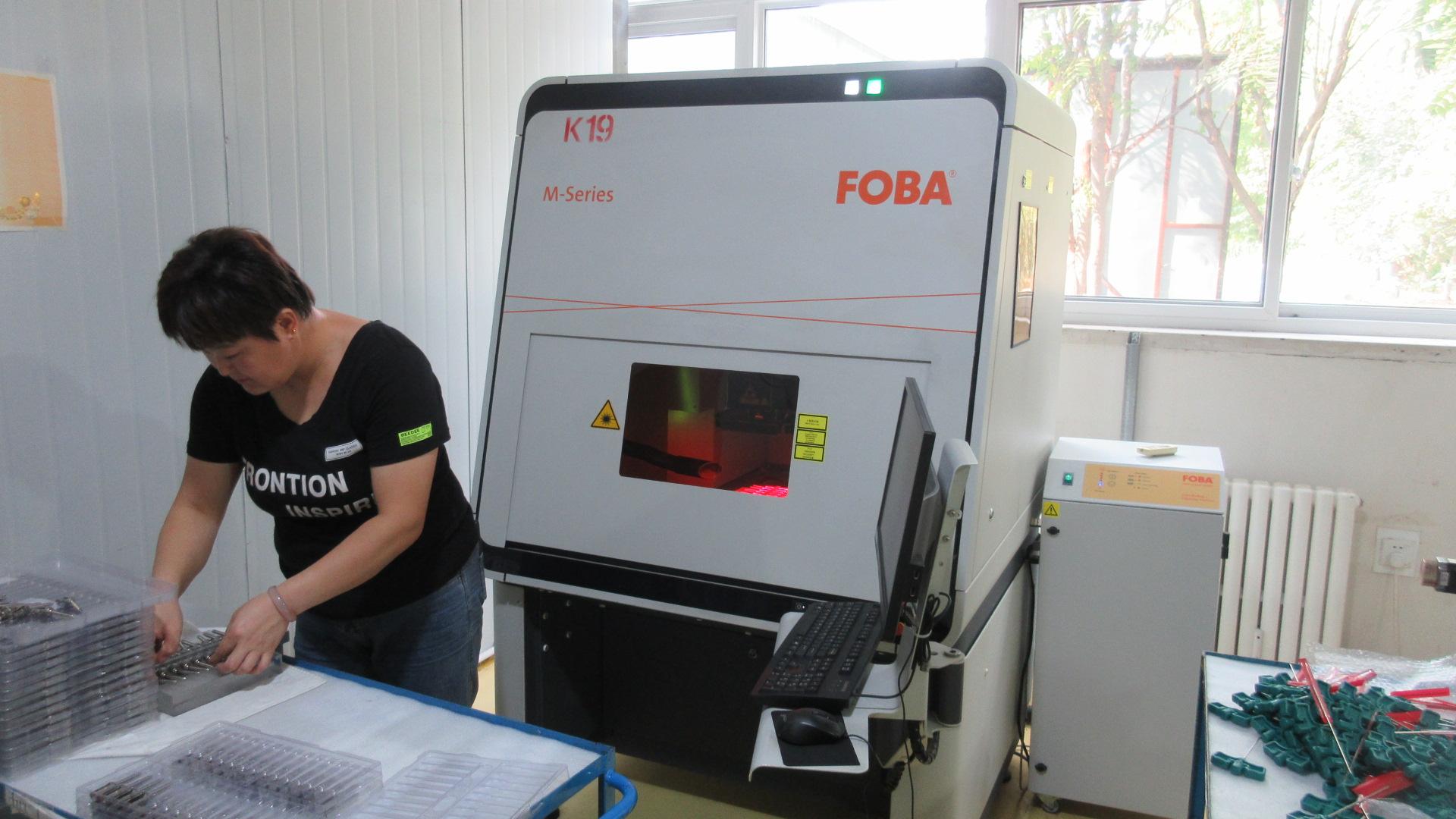
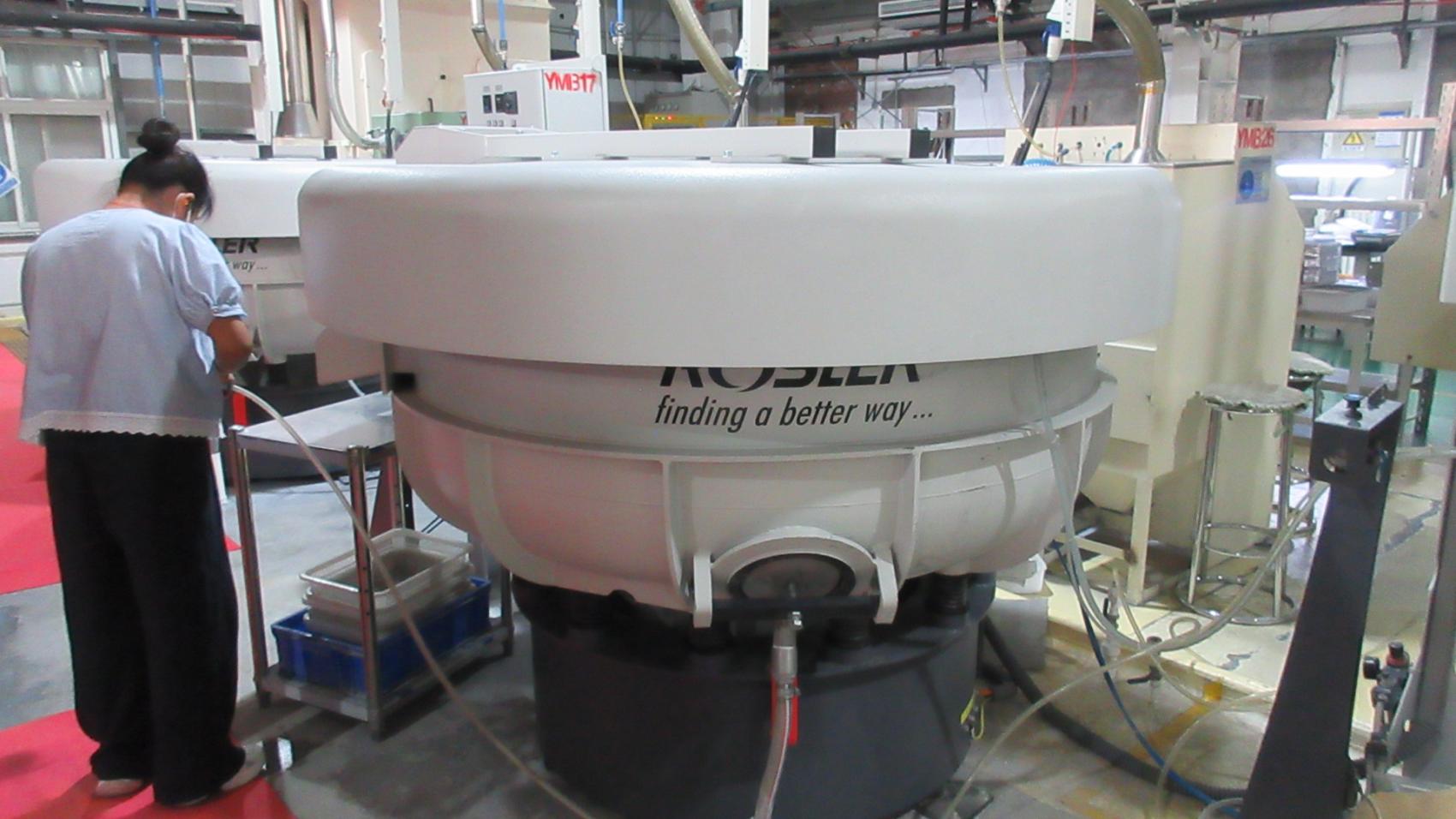
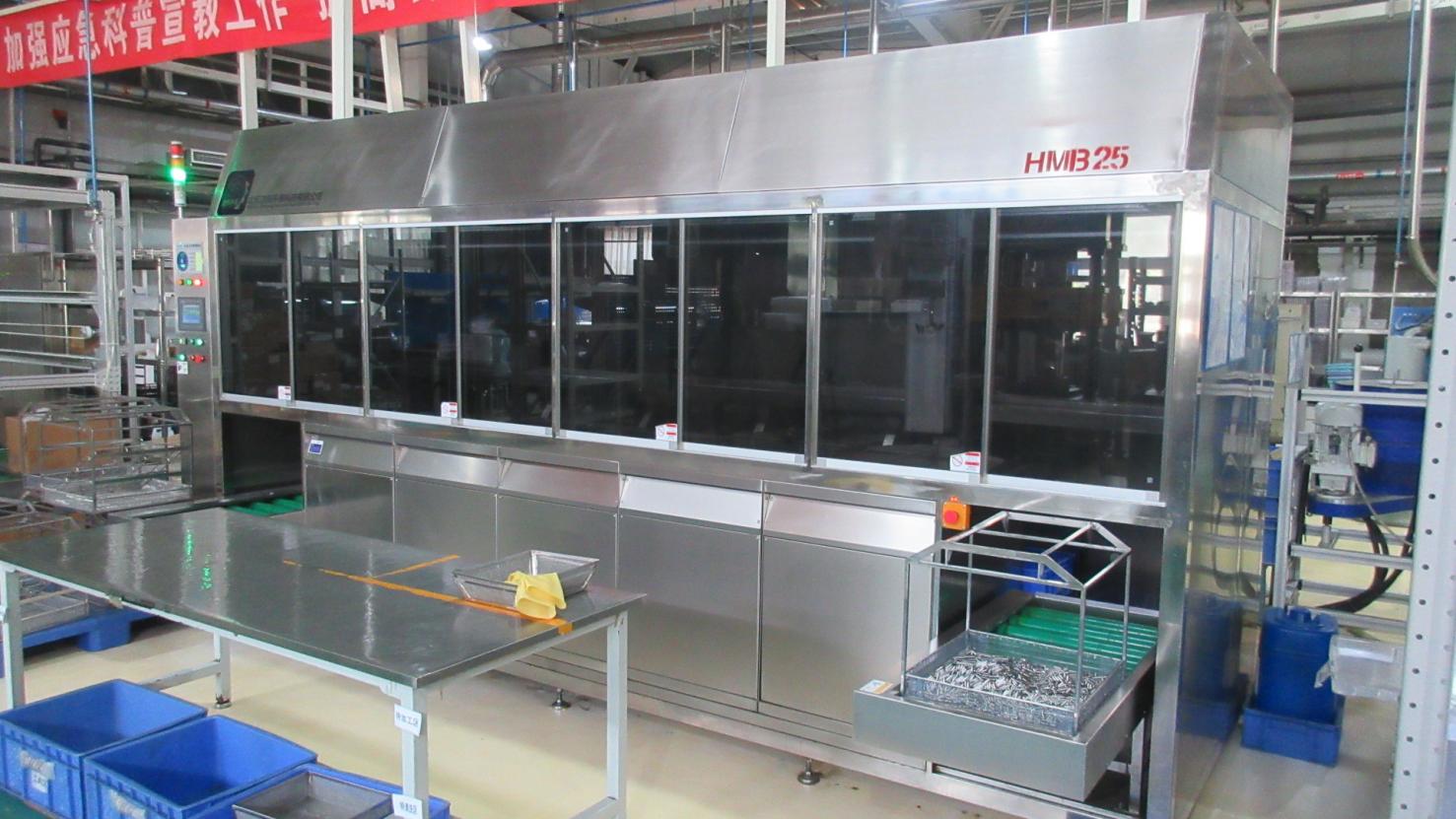
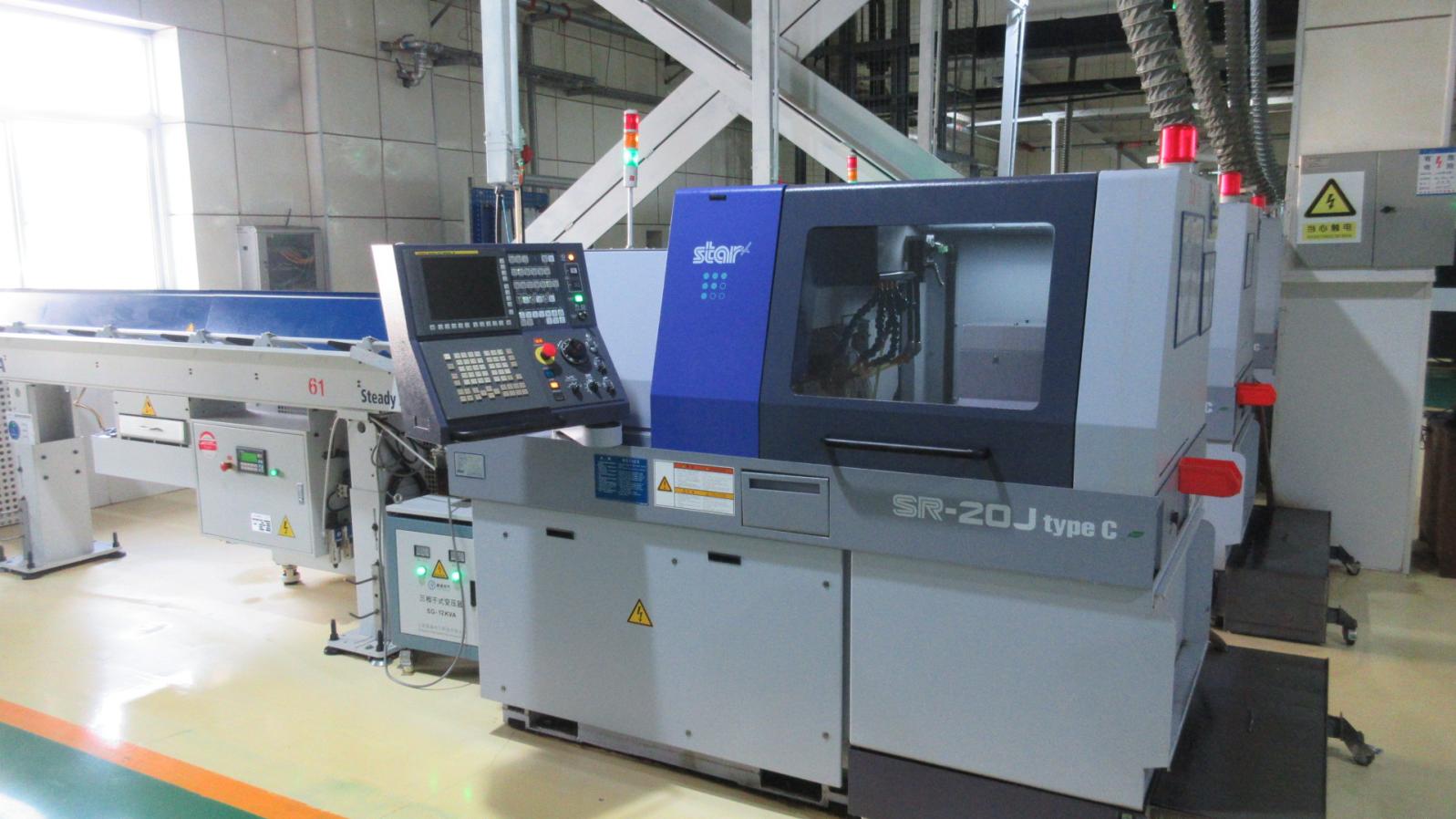
Navigating the path to product registration can be a significant bottleneck for medical device importers. To support our global distributors, we provide a full registration support service. We supply complete technical documentation, including biocompatibility dossiers, mechanical fatigue reports, packaging validation data, and clinical trial literature. Our team has successfully supported registrations across Eastern Europe, Southeast Asia, and Latin America.
Furthermore, our engineering team works closely with local surgical system integrators to adapt our implant arrays to domestic navigation platforms. Whether your workflow relies on optical cameras, electromagnetic field generators, or CT/MRI image fusion, our systems are pre-calibrated to minimize surgical setup times and spatial registration errors.
We provide full chemical composition analysis, stress-strain performance evaluations, and ISO 13485 documentation to accelerate localized medical registration.
Optimized for various surgical navigation workflows, ensuring coordinate matching between digital surgical models and implant hardware.
We supply implant products in cleanroom-sealed, radiation-sterilized protective packaging to meet global hospital infection control requirements.
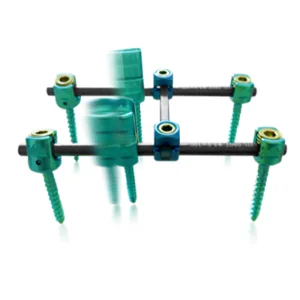
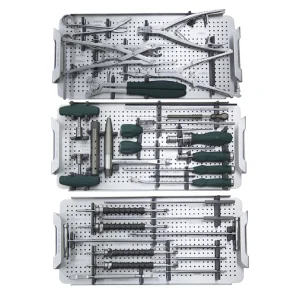
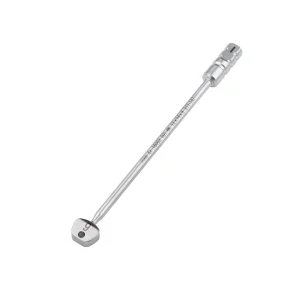
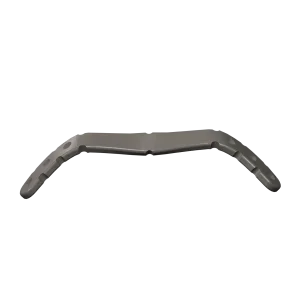
Explore our second selection of high-accuracy implants, engineered for minimal intraoperative deviation under surgical navigation guidance.
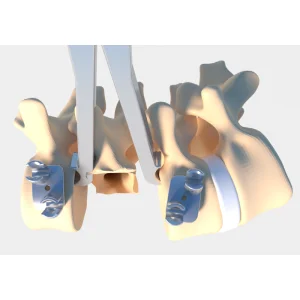
How the evolution of surgical automation is redefining orthopedic manufacturing tolerances and digital compatibility.
With the rise of head-mounted displays and real-time intraoperative projections, implants now require surface finishes that minimize light reflections. Reflected light can cause glare, disrupting the infrared camera sensors in navigation systems. Our development team has optimized implant surface finishes, creating a non-reflective matte finish on pedicle screw heads and cervical plates. This modification ensures consistent tracking under intense surgical lighting.
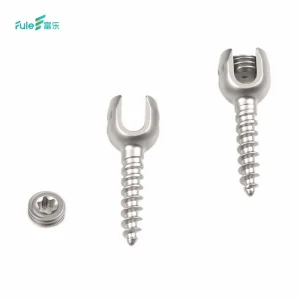
Robotic navigation arms demand strict control over implant thread geometry and mechanical fit. An inaccuracy of just 10 micrometers on a pedicle screw's guide pathway can lead to alignment deviations at the screw's tip. By utilizing CNC machining systems and testing each production run with multi-axis optical projectors, we ensure that every spinal screw aligns with the robotic guide sleeves.
Get answers to common technical, manufacturing, and shipping questions from our quality engineering team.
 Fule
Fule