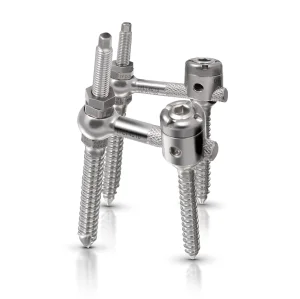
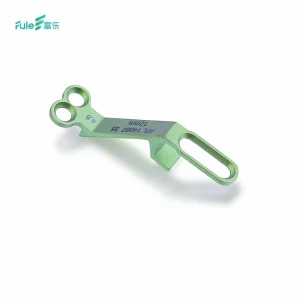
Explore our flagship, CE/ISO certified titanium systems meticulously fabricated for supreme physiological compatibility and lasting mechanical integrity.
Modern clinical traumatology and reconstructive orthopedics have entered a new era governed by micro-biomechanics, material science, and patient-specific adaptability. "Prosthetic Enhancements"—a term referring to advanced implant systems designed to restore, secure, and accelerate the natural osteosynthesis of bone and joint structures—now serve as the critical foundation of surgical interventions globally. The continuous rise in active populations, structural spinal degeneration, and severe vehicular trauma drives an unprecedented demand for implant systems that deliver superior fatigue life, complete biocompatibility, and structural stability.
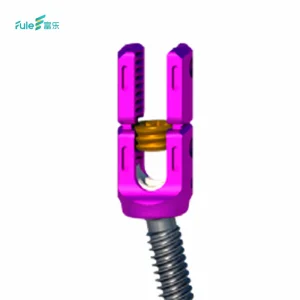
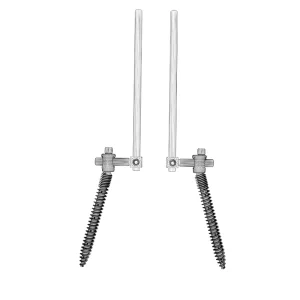
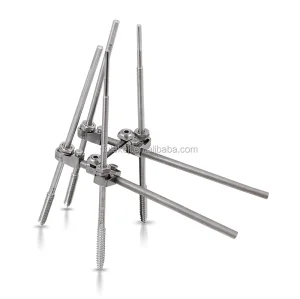
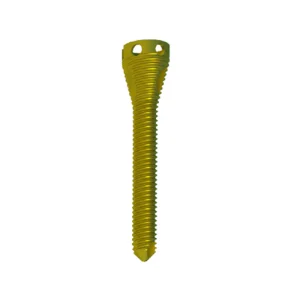
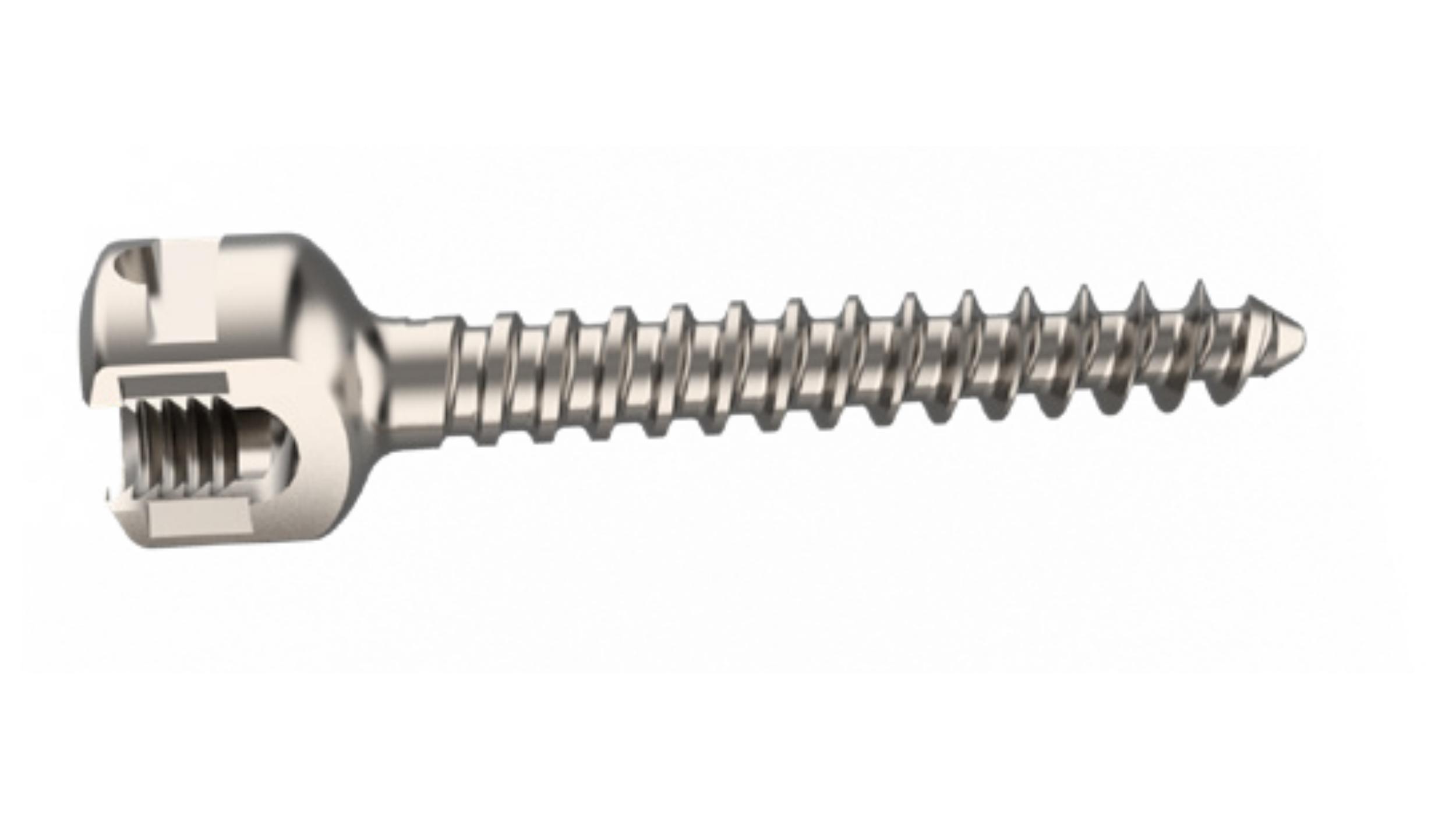
Throughout Western Europe, North America, and high-growth healthcare sectors across Latin America and the Asia-Pacific region, medical professionals seek highly reliable, regulatory-compliant systems. Modern reconstructive surgery requires titanium alloys and polymers that perfectly mimic the mechanical characteristics of human bone. Solutions like low-profile plate geometries, anatomical matching contours, and highly optimized, thread-configured pedicle systems are now essential tools to prevent joint stress shielding, accelerate early rehabilitation, and eliminate secondary correction surgeries.
Clinical success in trauma fixation hinges on minimizing stress-shielding, where the implant's stiffness prevents the bone from bearing natural physiological loads. By engineering implants with specialized Grade 5 Titanium (Ti-6Al-4V ELI) and implantable Polyetheretherketone (PEEK), our modern production lines achieve a lower elastic modulus that matches native cortical bone, vastly accelerating osteointegration and clinical outcomes.
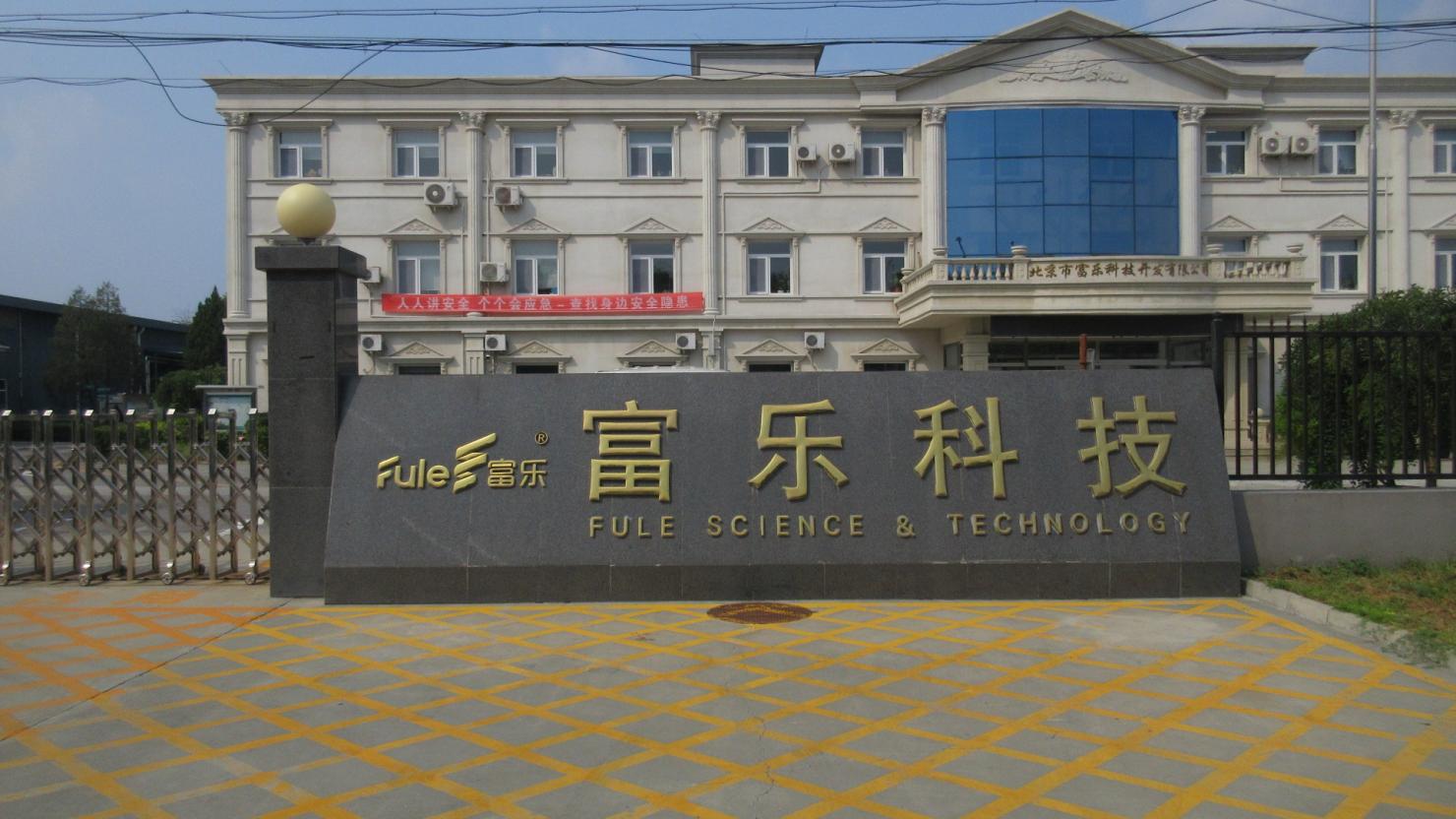
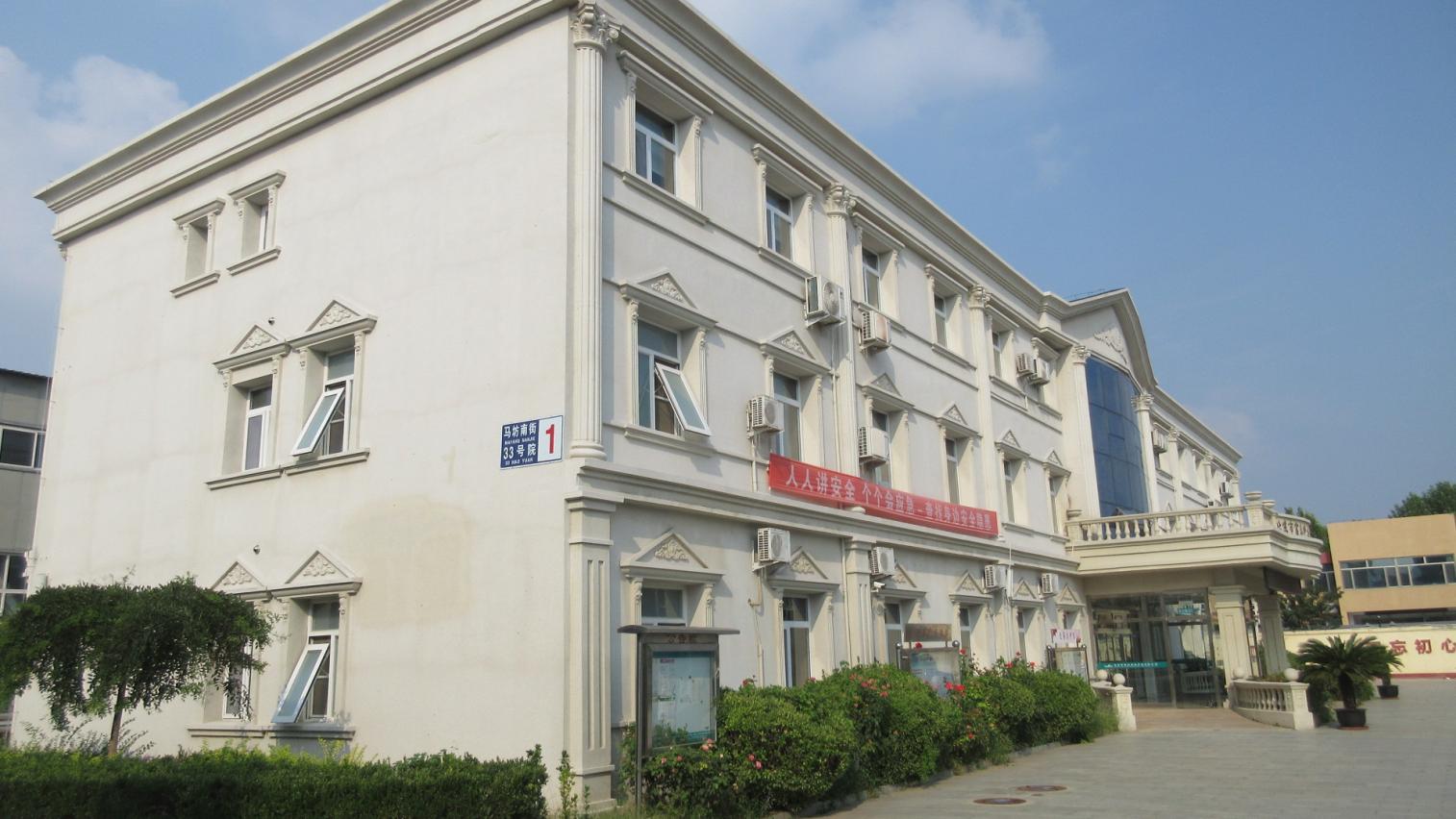
Established on June 28, 1996, Beijing Fule Science & Technology Development Co., Ltd. has developed over three decades into a leading manufacturing force in the global orthopedic implant industry. Spanning a state-of-the-art 10,000-square-meter facility, we integrate complete advanced manufacturing operations, cleanroom logistics, and rigorous material analysis under one roof. Our operation runs on a single principle: providing surgeons and distributors with absolute product reliability that stands up to clinical scrutiny.
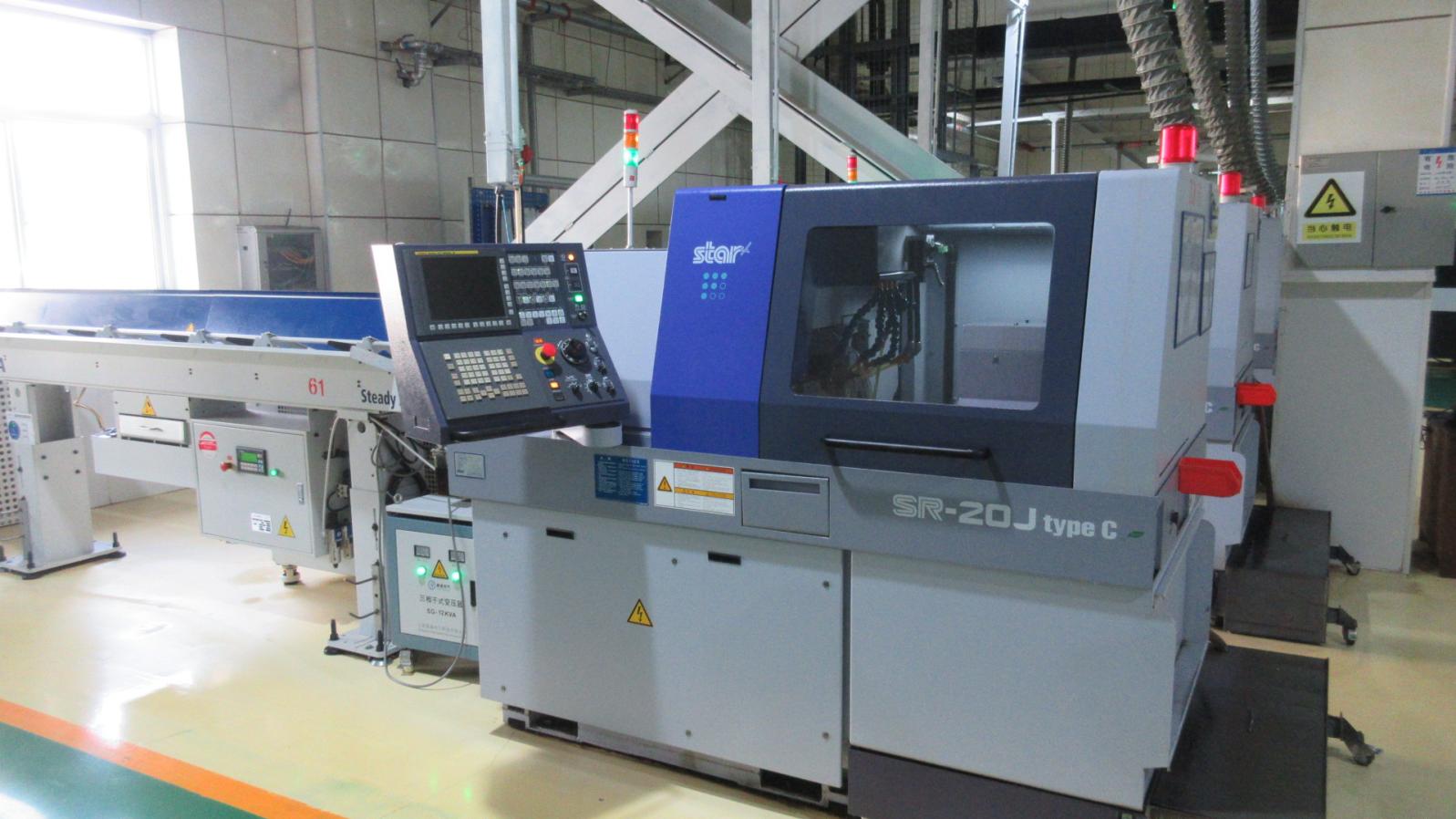
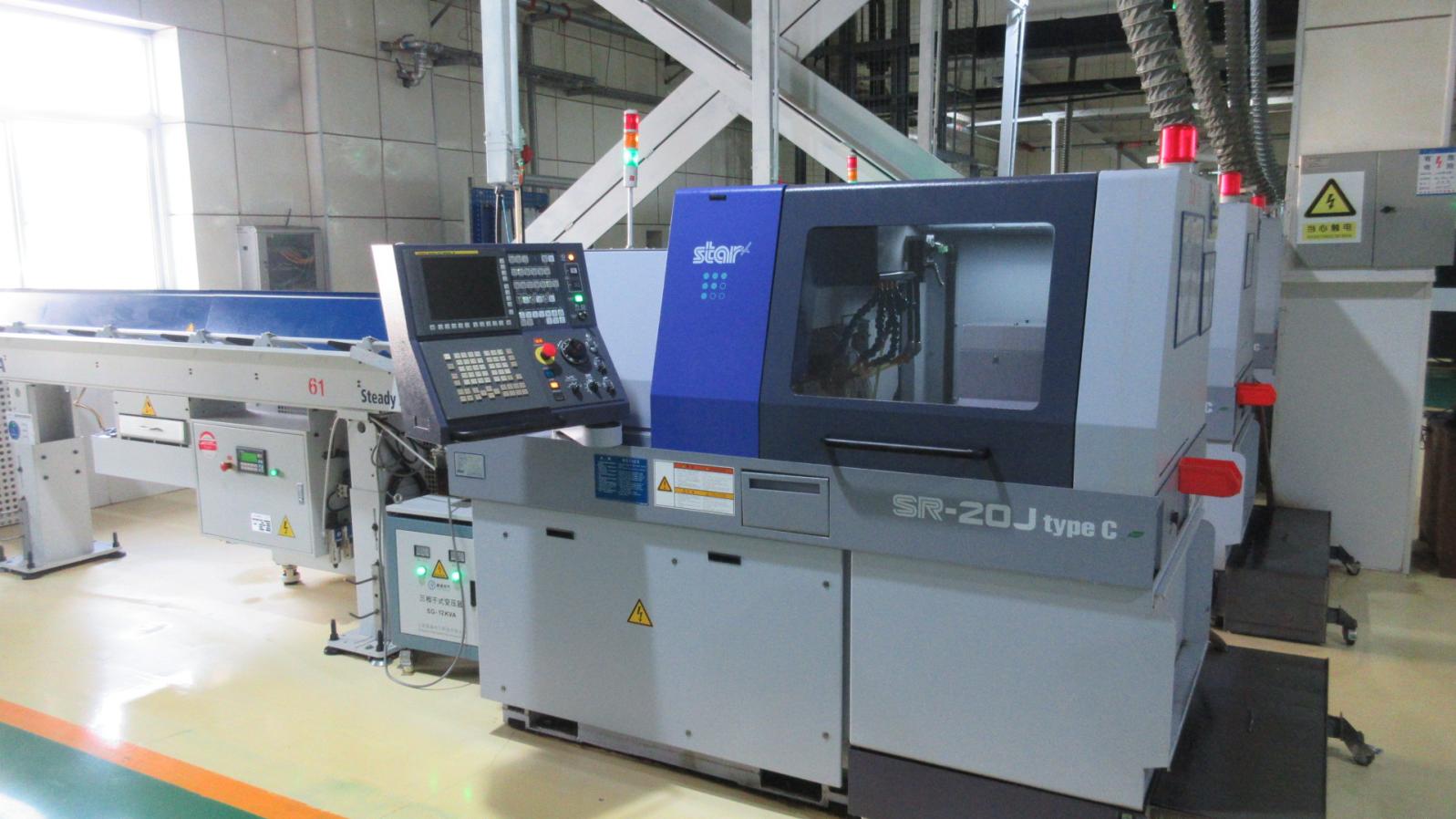
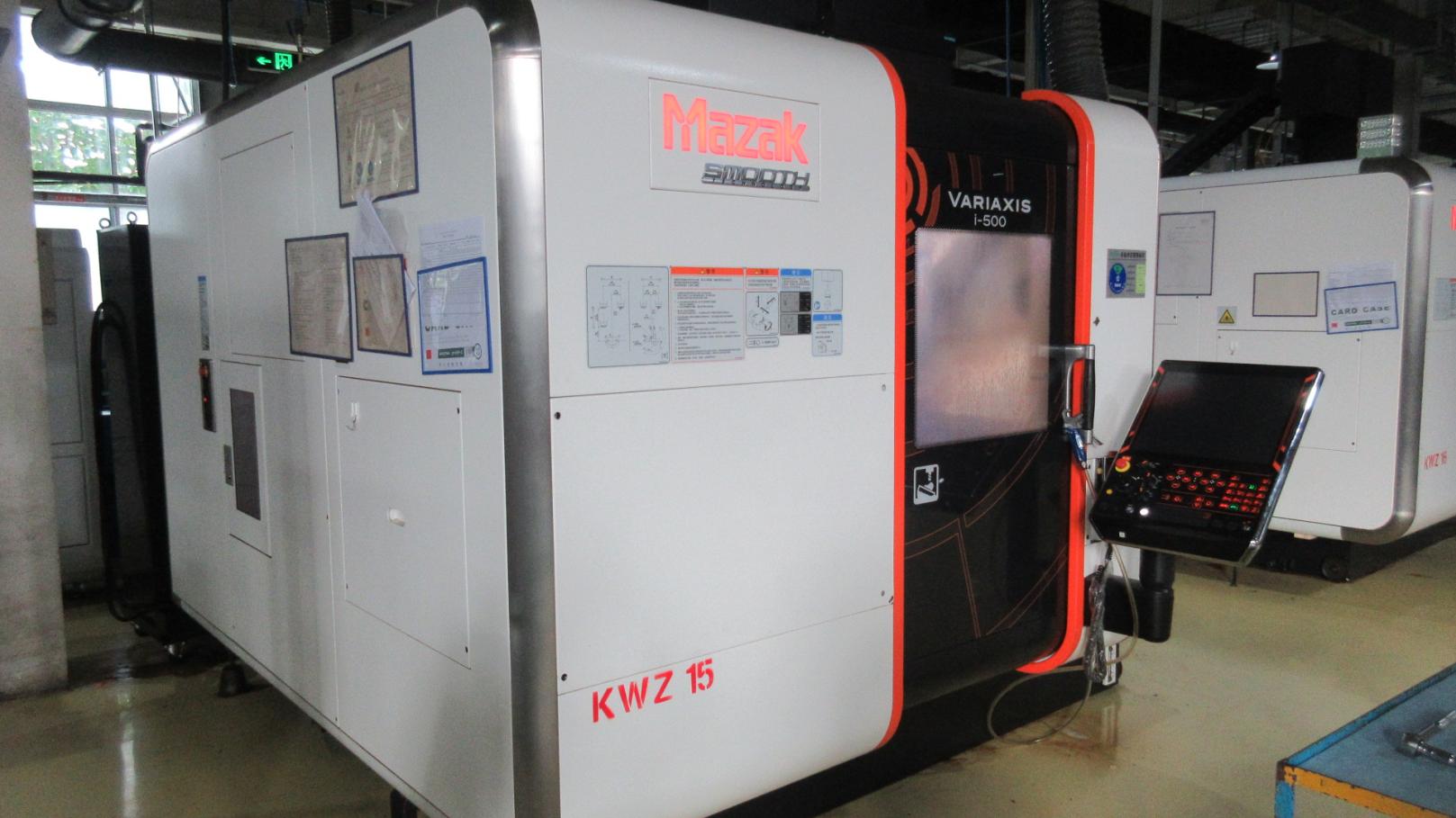
Our compliance strategy is founded on our comprehensive ISO 13485 certification and strict adherence to Class III medical device manufacturing standards. With 102 top-tier manufacturing units, including Swiss CNC automatic turning centers and high-precision milling machines, we produce over 508,000 precision units annually. Every single component—whether a micro-pedicle screw or a large anatomic femoral plate—undergoes comprehensive inspection protocols by our 15 dedicated QA/QC inspectors, backed by full raw material traceability systems that verify the chemical and physical pedigree of our metals from raw ingot to final sterilized packaging.
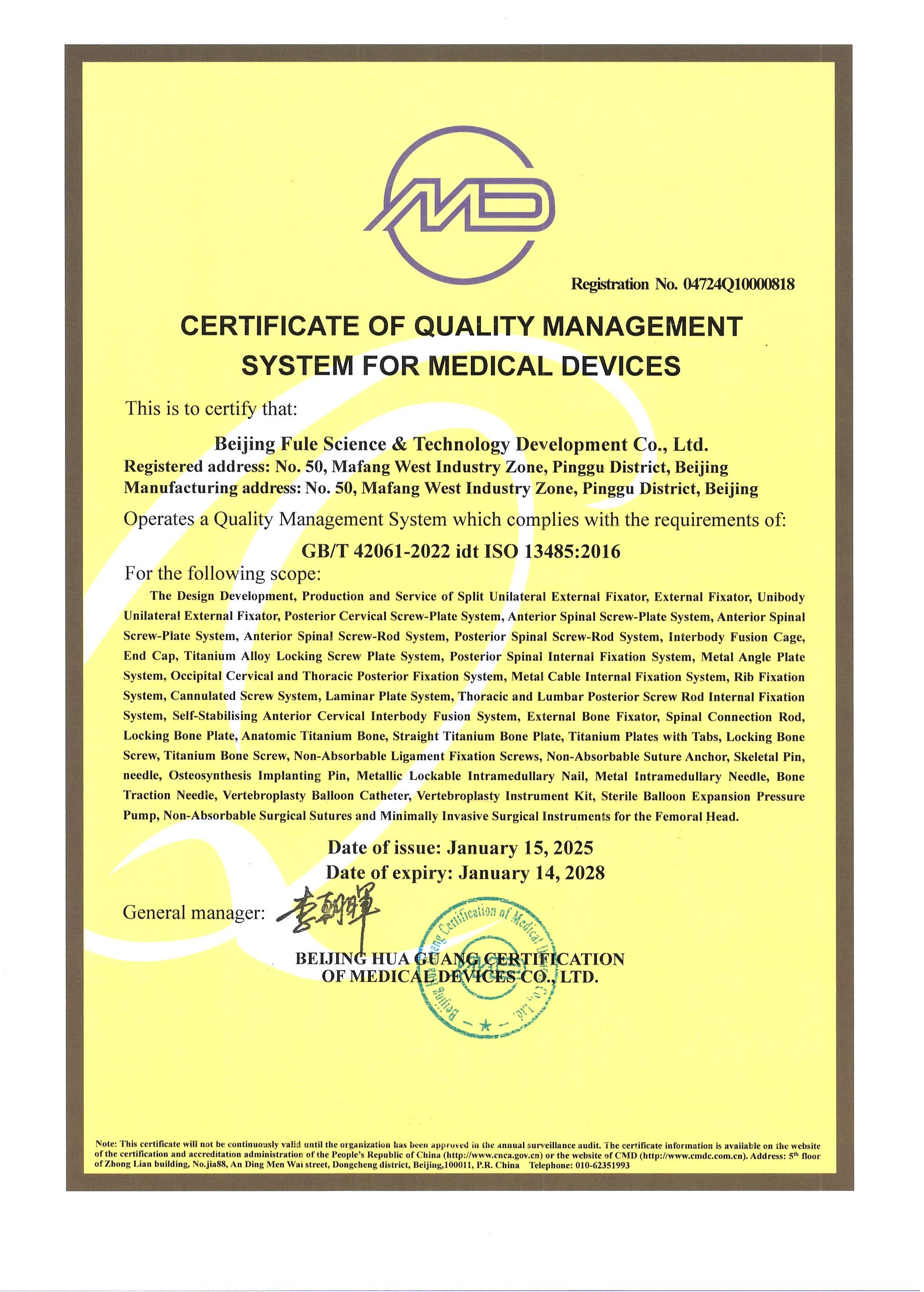
Empirical proof of our production capabilities, certifications, and global footprint, supporting our status as a trusted high-volume medical manufacturer.
 ISO 13485 Certified
The modern medical supply chain is highly sensitive to geopolitical fluctuations, raw material bottlenecks, and manufacturing delays. In this complex global environment, our manufacturing facility in Beijing, China, offers key structural advantages to international buyers. By integrating advanced production equipment with a highly integrated local industrial cluster, we deliver a stable, reliable alternative to conventional Western supply bases. Our facility operates with extreme efficiency, maintaining a large fleet of 102 Swiss-type multi-axis CNC machines that operate 24/7 with minimal tooling downtime.
This manufacturing density enables us to produce up to 508,000 units annually while maintaining strict quality control. Working with over 70 long-term supply chain partners, we ensure a reliable, uninterrupted supply of high-grade raw materials, including biocompatible titanium, medical-grade PEEK polymers, and ultra-tough surgical stainless steel. This integration protects our international clients from material shortages and allows us to provide rapid turnaround times for both standardized and custom OEM/ODM production runs.
Through advanced scheduling and localized vertical integration, we optimize manufacturing cycles without compromising clinical safety. The resulting efficiency yields competitive manufacturing margins, allowing healthcare providers, hospital networks, and medical distributors to optimize their procurement budgets while providing patients with high-quality orthopedic implants.
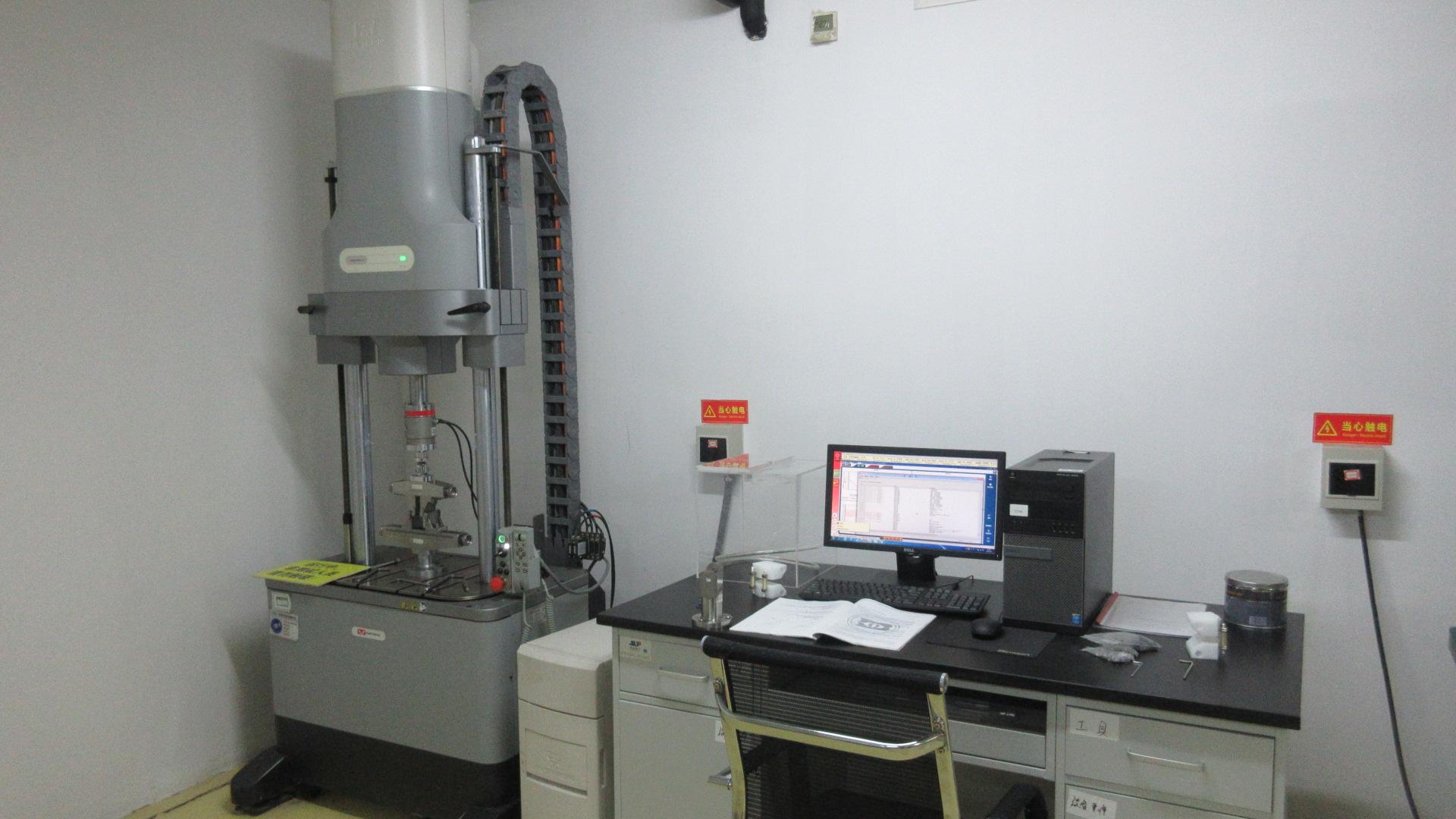
Orthopedic implants must perform reliably under complex, multi-axial mechanical stress inside the human body. Our R&D department focused on biomechanical testing to refine the mechanical properties of our titanium and PEEK implant systems. By studying physiological force distributions in the cervical, thoracic, and lumbar spine, as well as the long bones, we design implants that optimize load sharing and promote rapid bone healing.
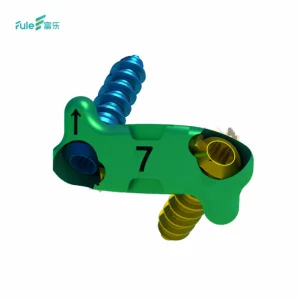
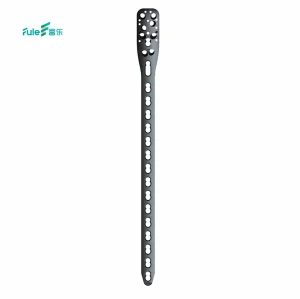
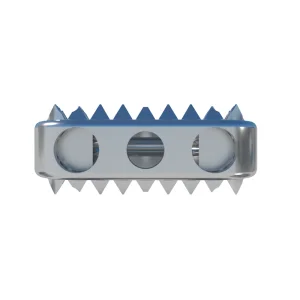
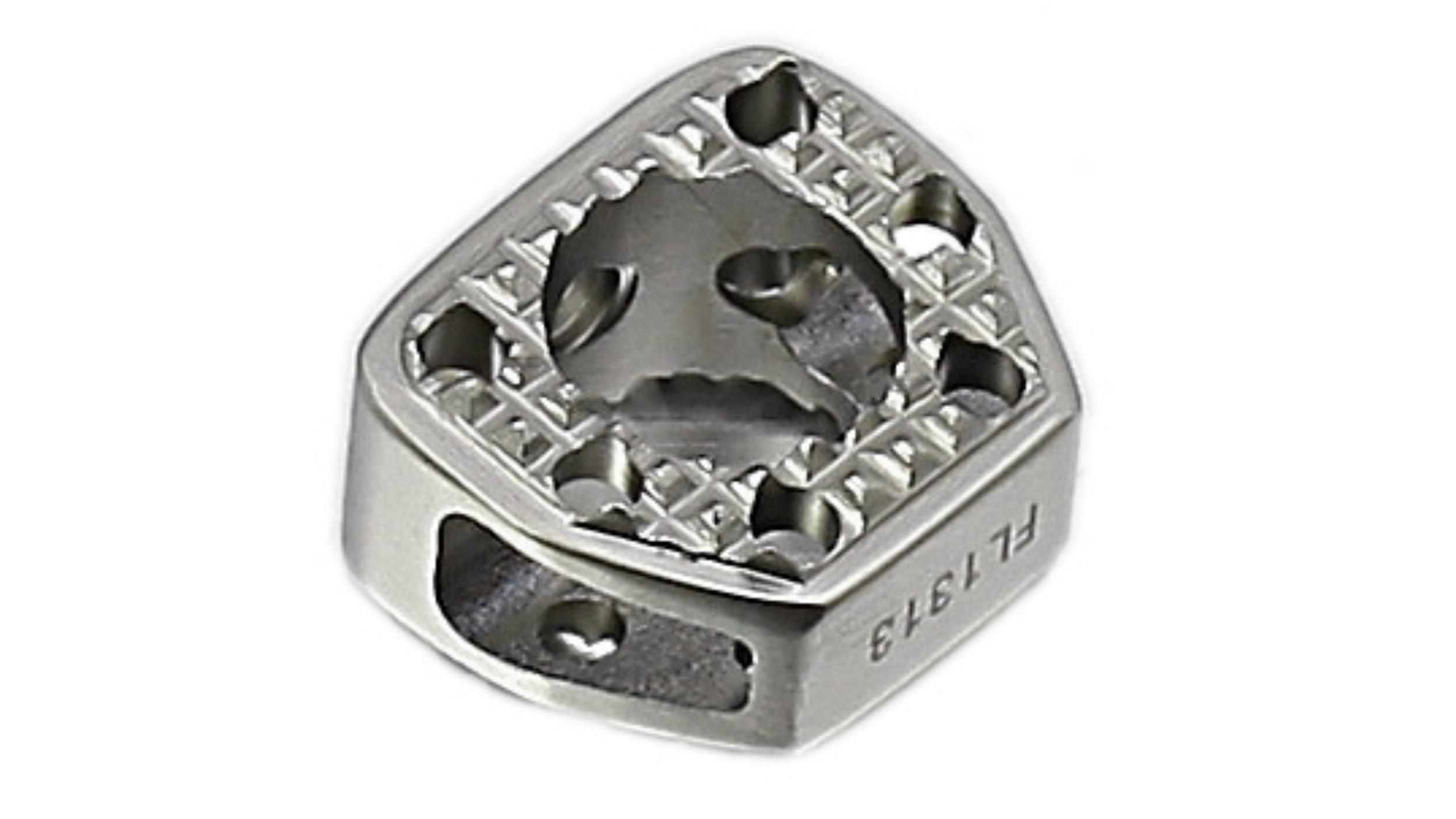
For example, our Titanium Straight & Anatomic Plate System Femoral 4.5 Limited Contact Wide Implant features a specialized scallop-back geometry. This design minimizes plate-to-bone contact, preserving the essential periosteal blood supply that is critical for bone regeneration. Similarly, our Anterior Cervical Interbody Fusion Cages, fabricated from medical PEEK, feature a modulus of elasticity that matches human cancellous bone. This design ensures natural load-sharing across the fusion site, significantly reducing the risk of cage subsidence and adjacent-segment degeneration.
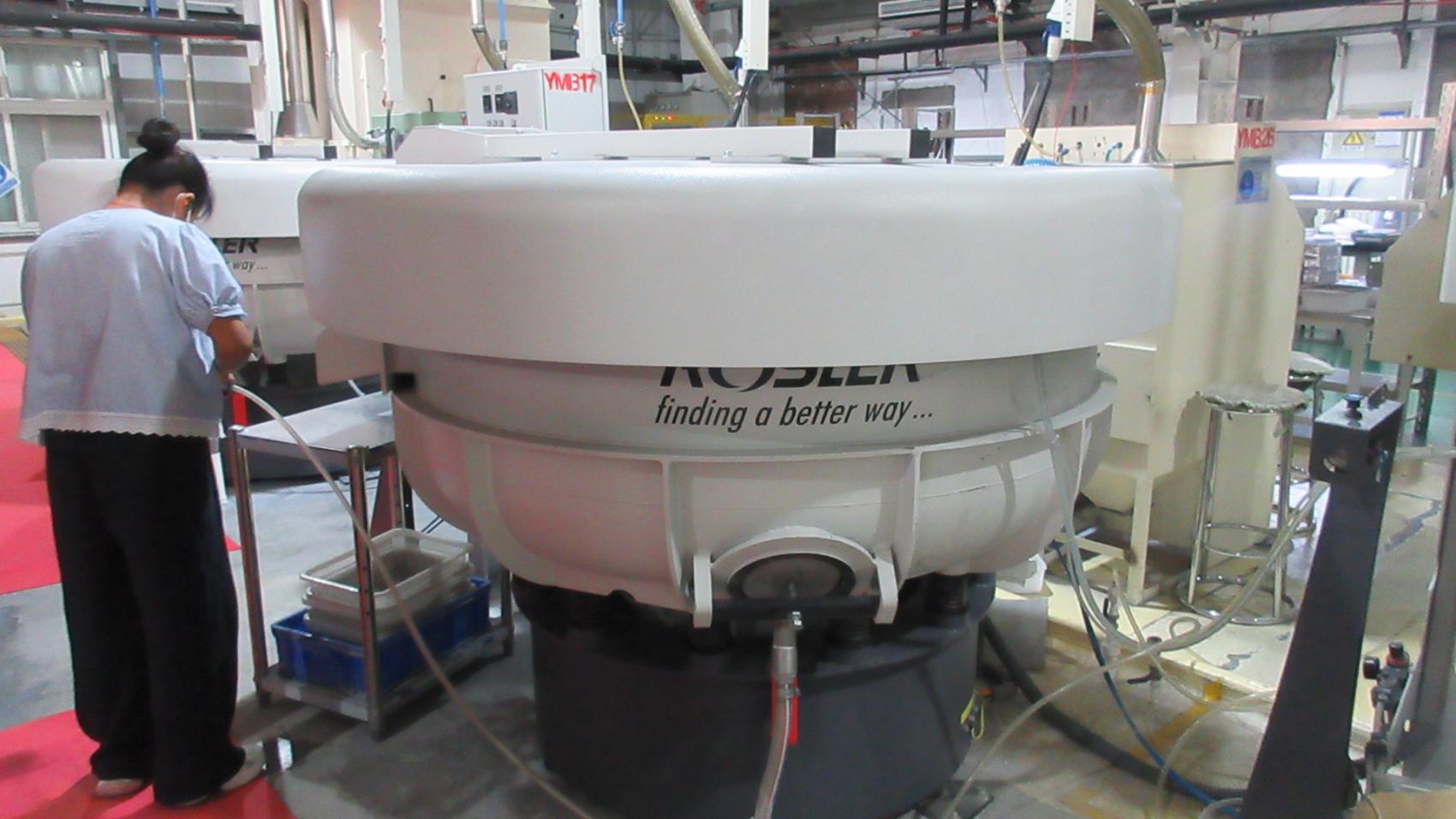
To maximize osseointegration, all titanium implants undergo advanced electrochemical passivation and micro-surface texturing. This process creates a highly stable, bio-inert titanium dioxide (TiO2) layer that prevents metal ion release, supports immediate protein adsorption, and accelerates osteoblast attachment for long-term stability.
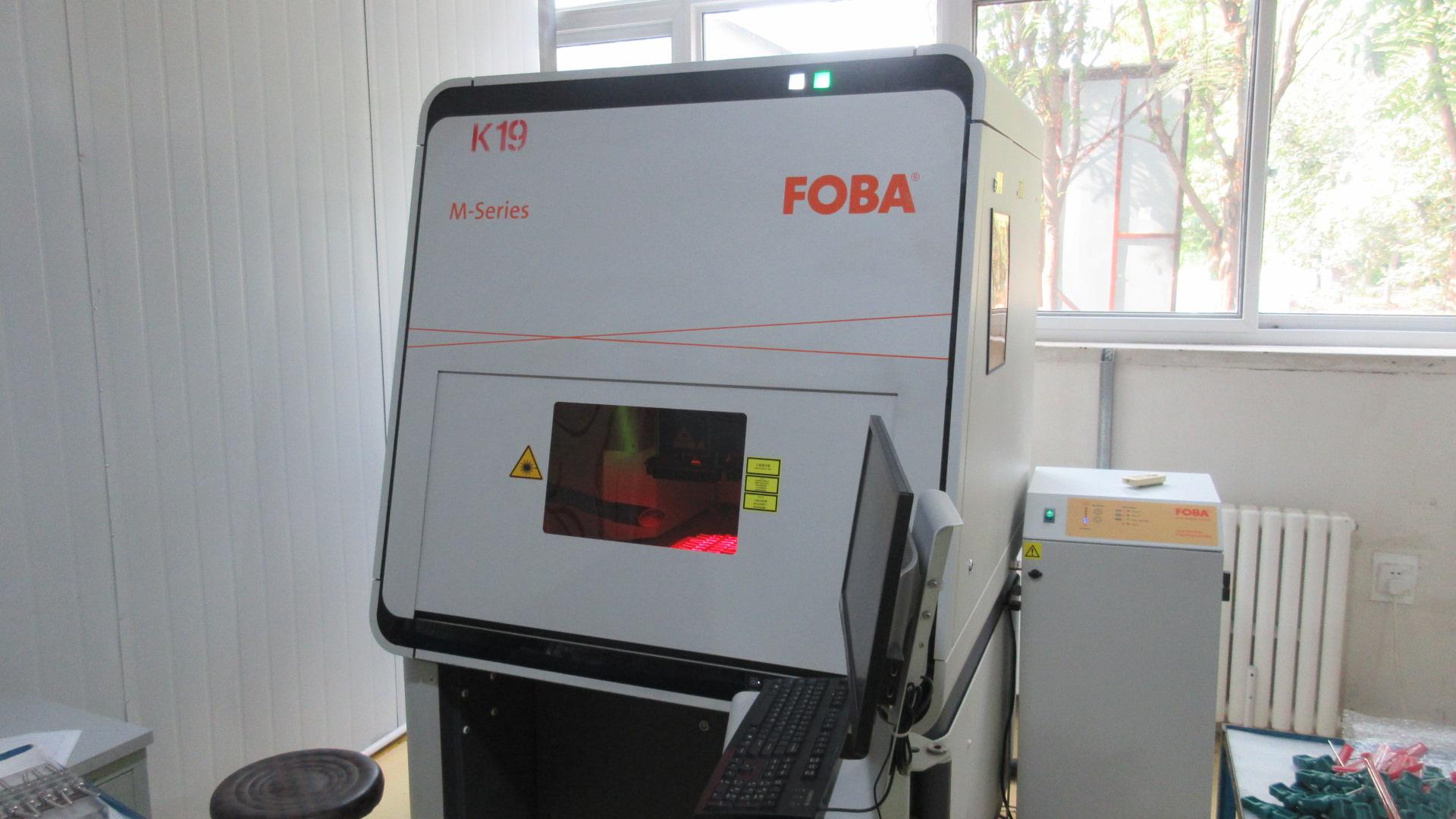
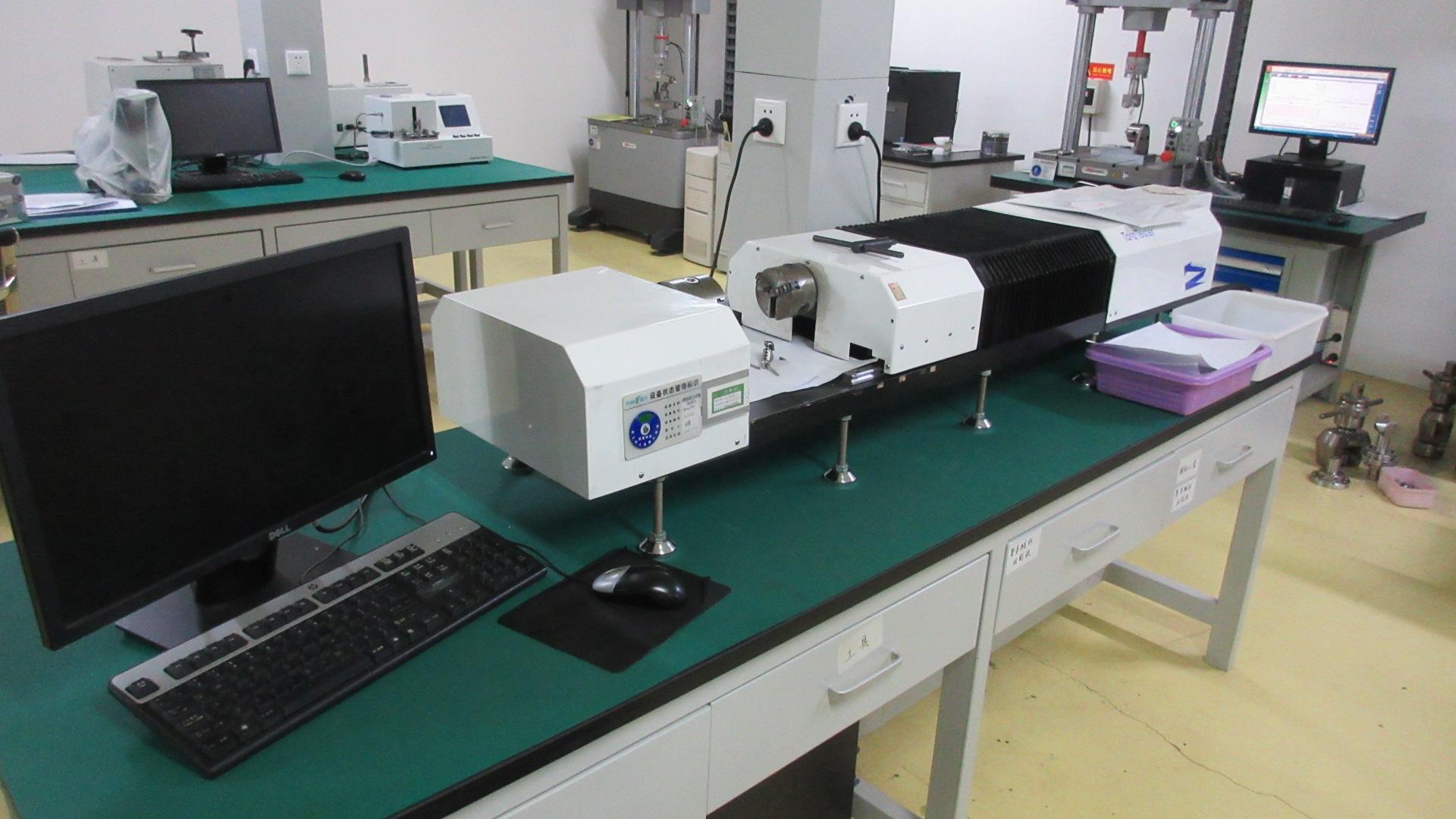
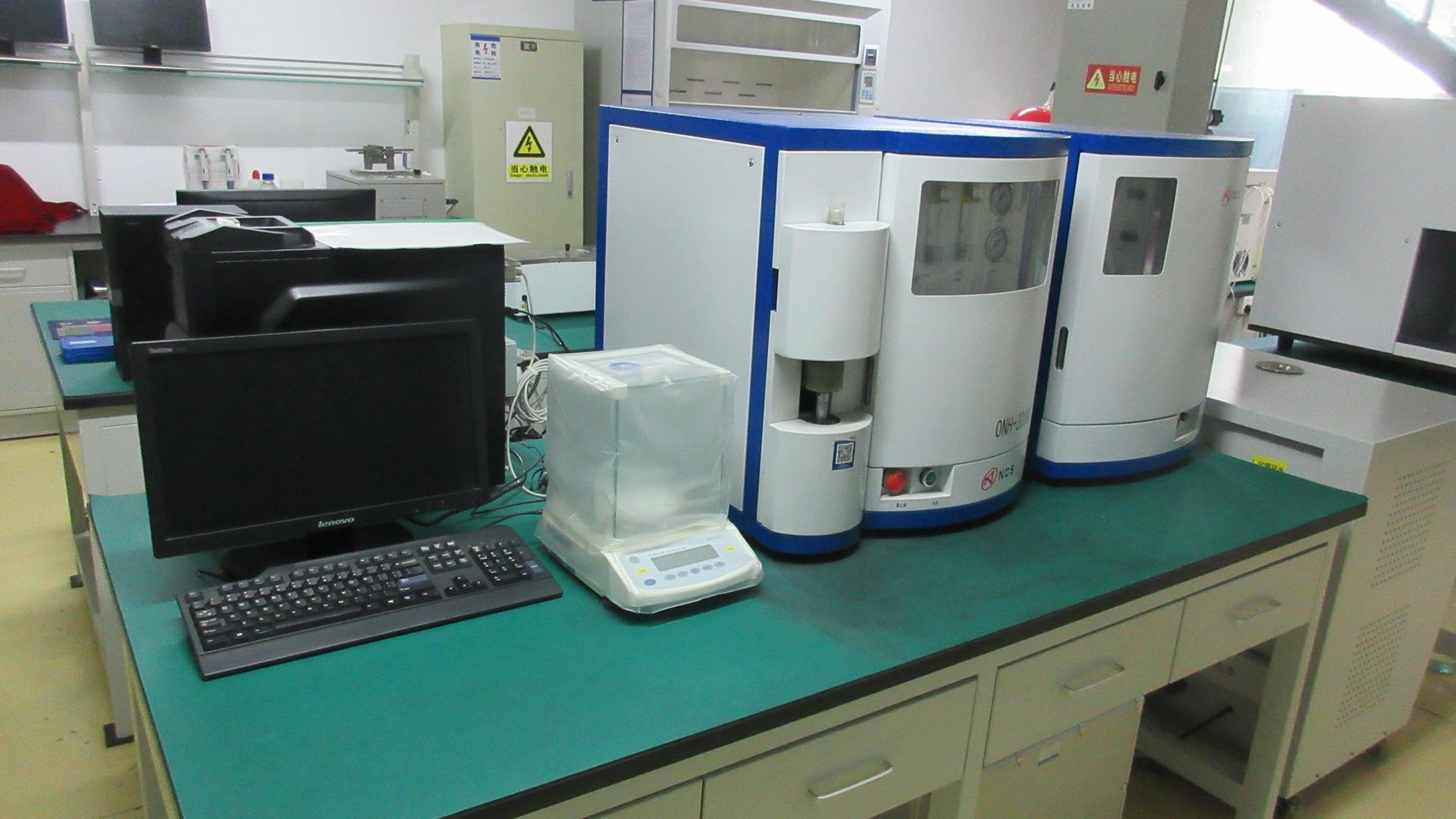
Inside our advanced manufacturing facility: High-precision CNC machining, ISO-7 cleanroom packaging, raw material testing, and comprehensive dimensional verification.
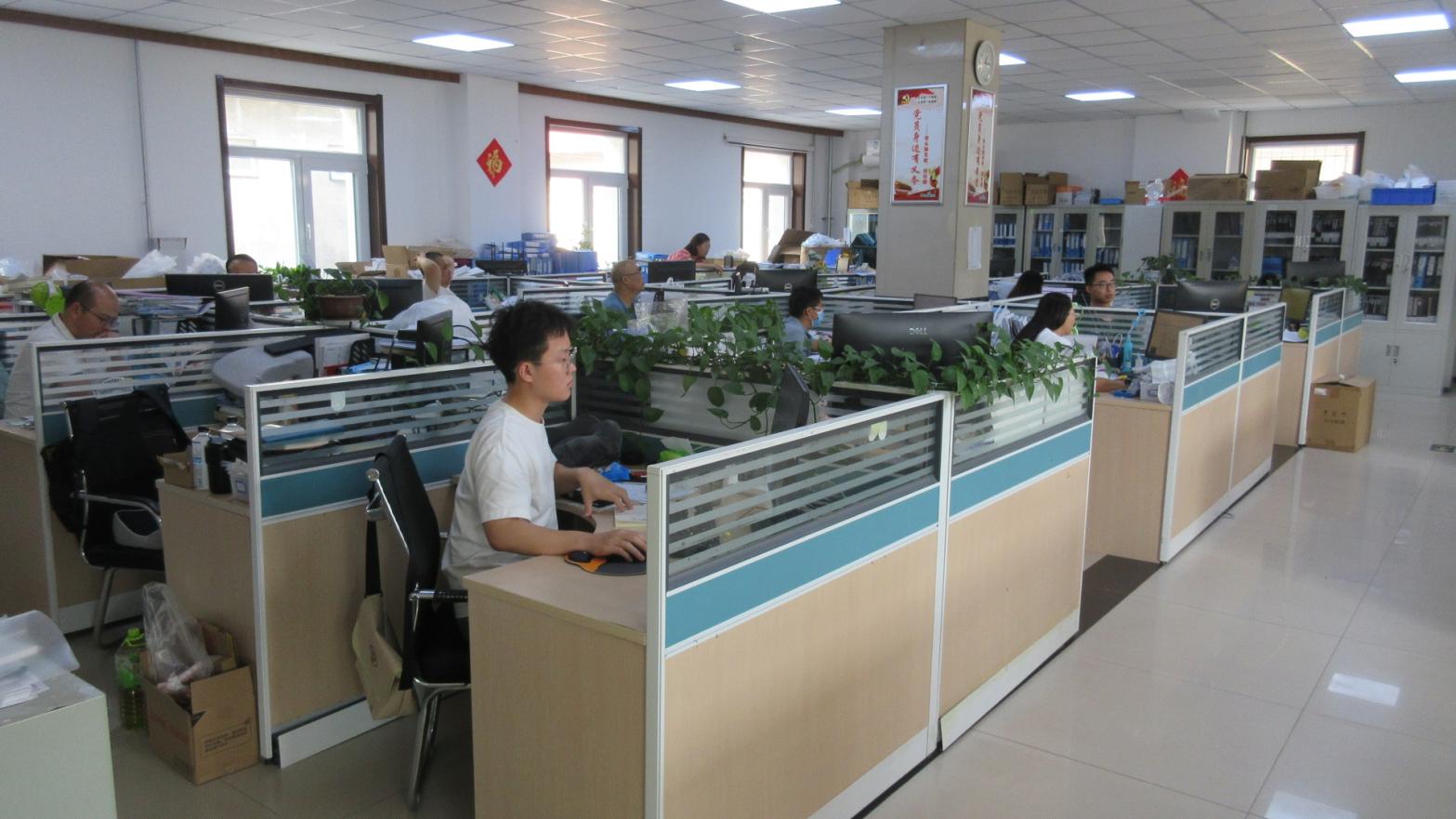
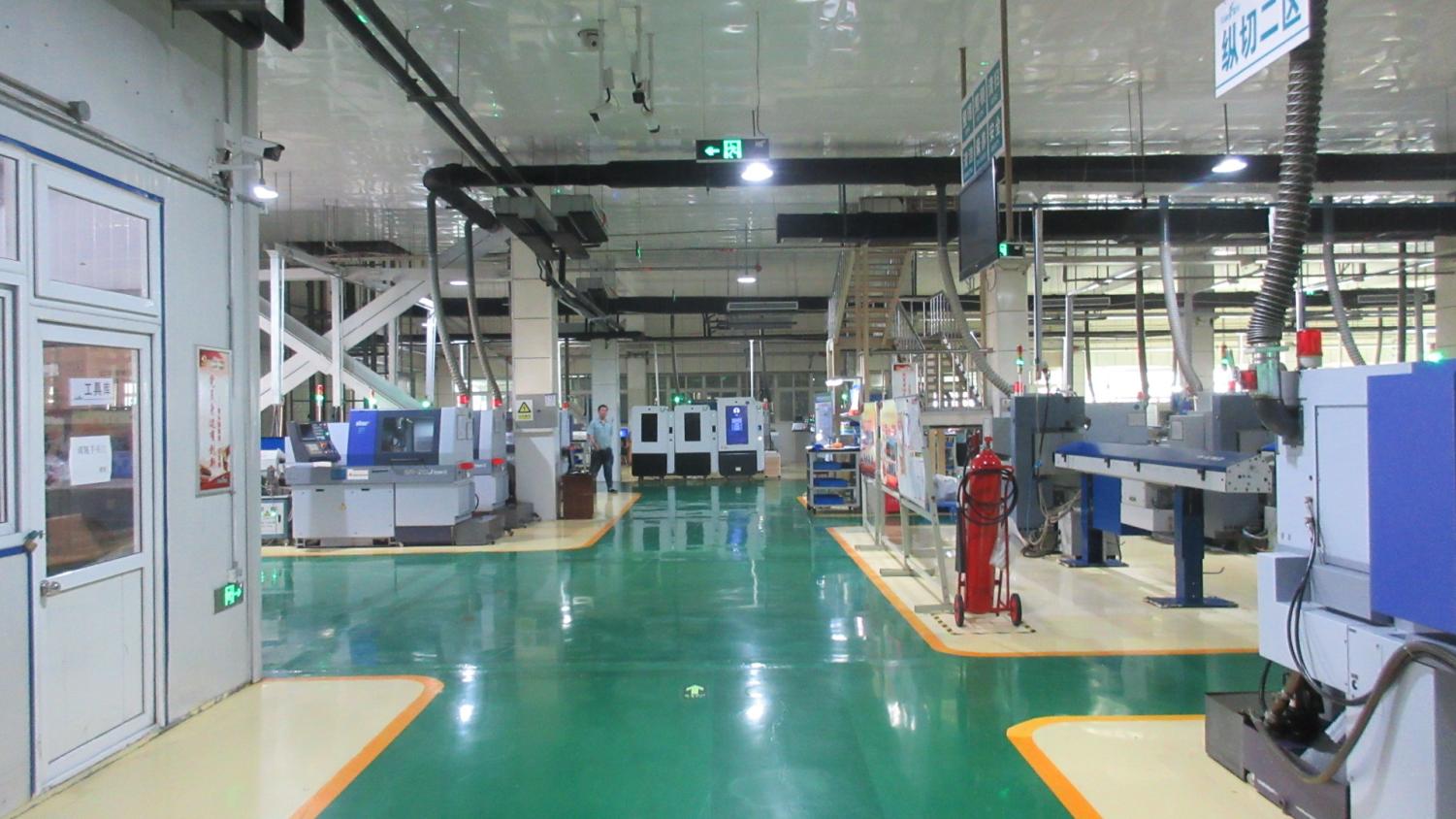
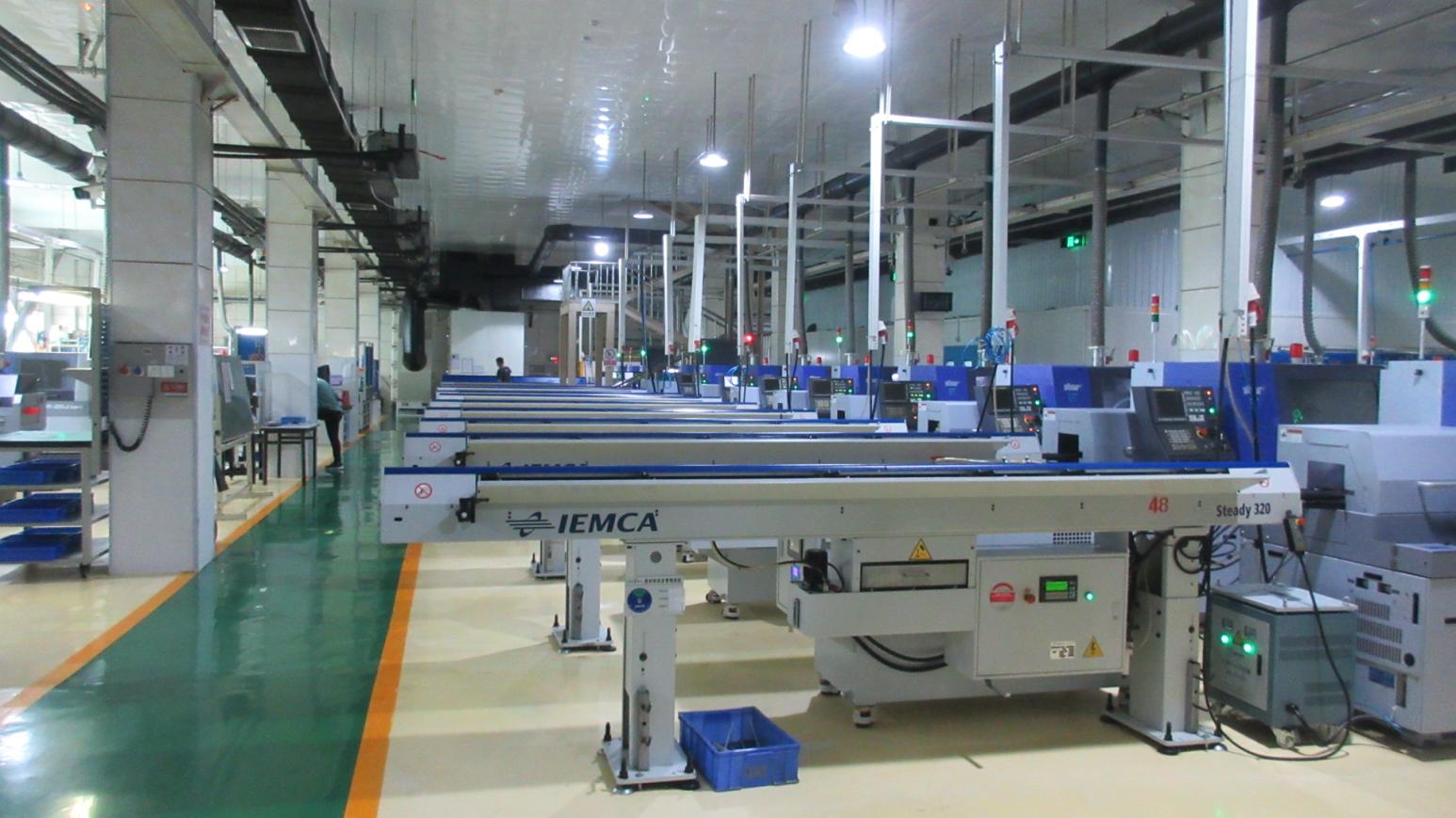
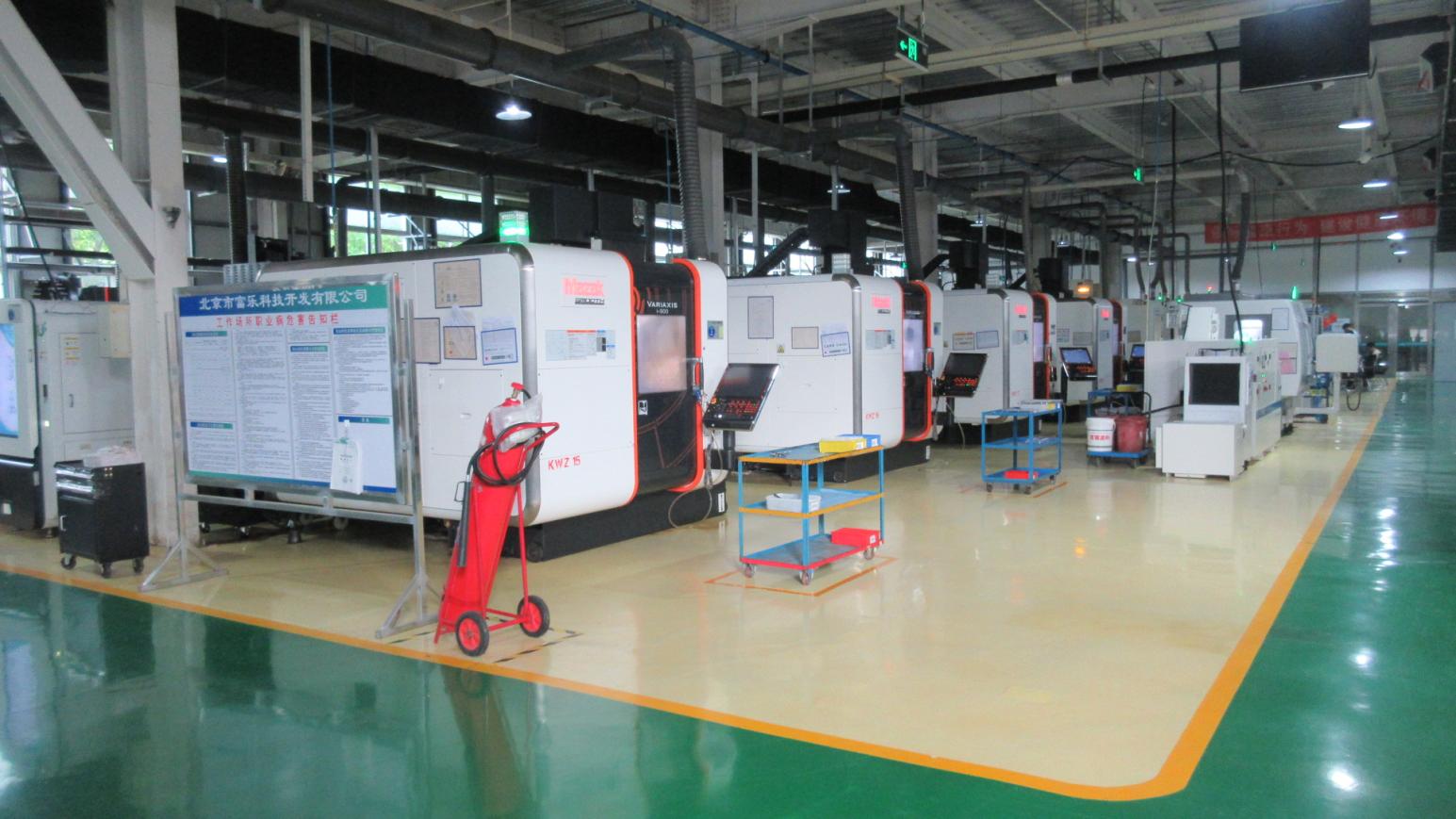
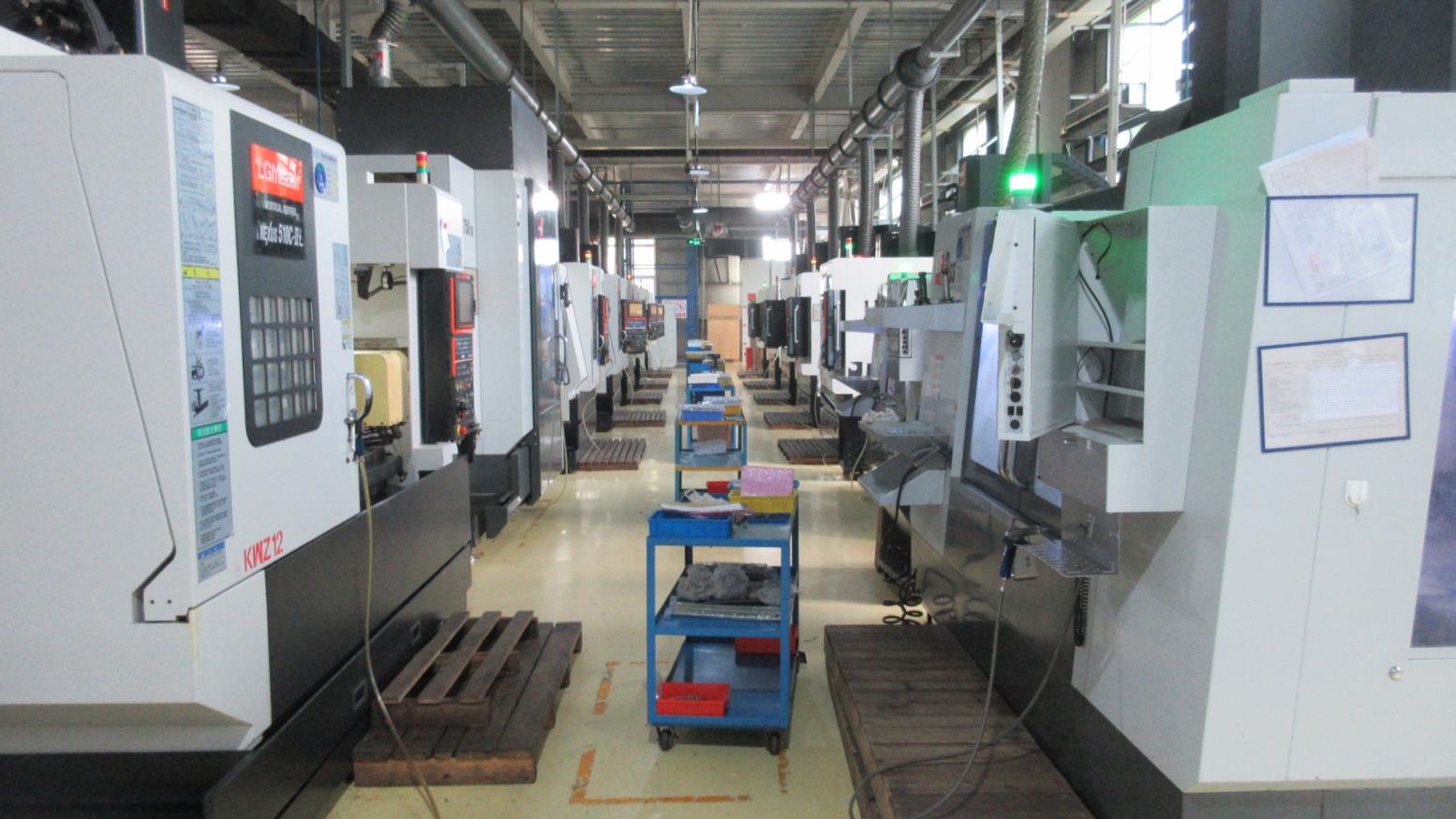
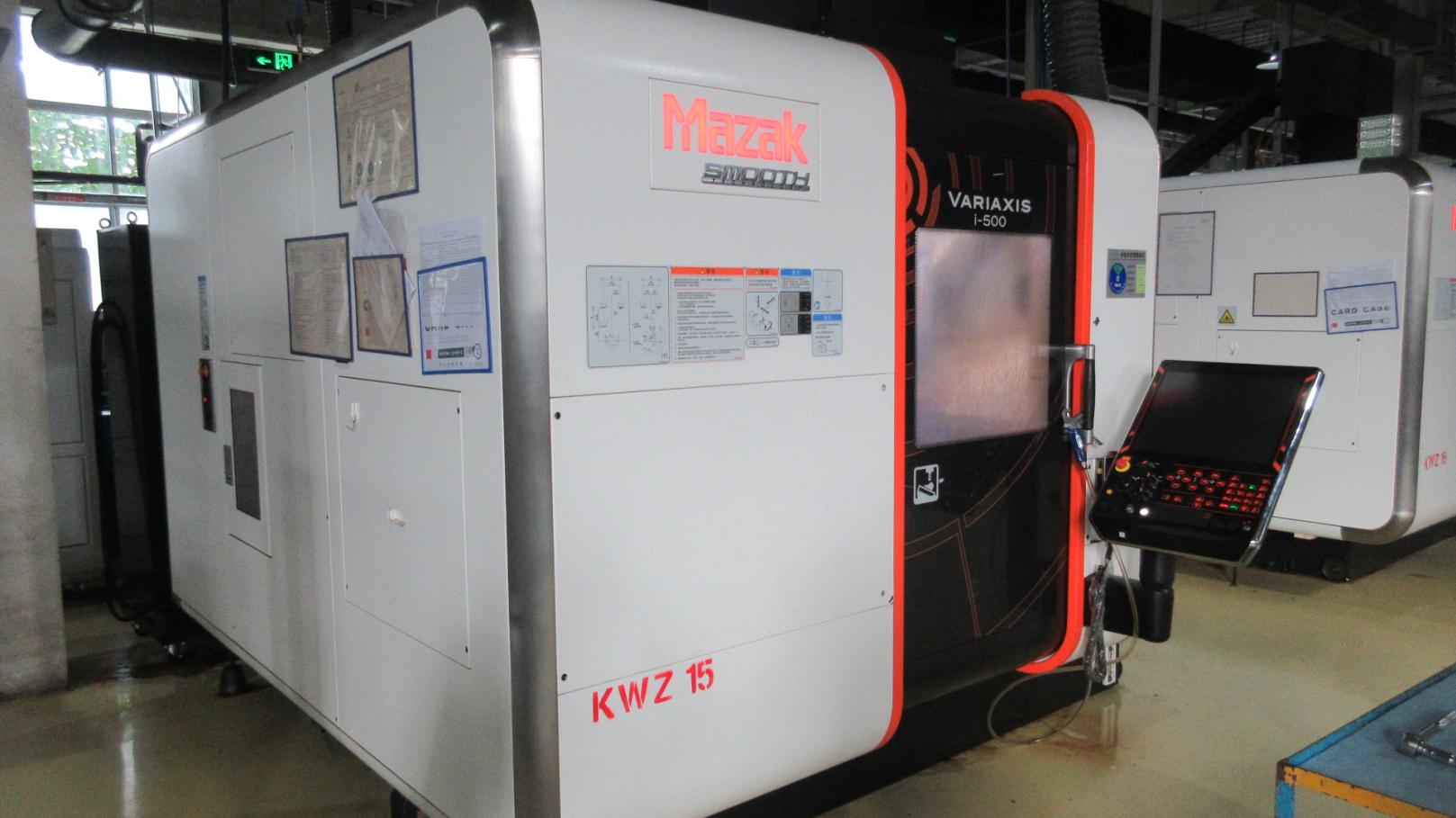
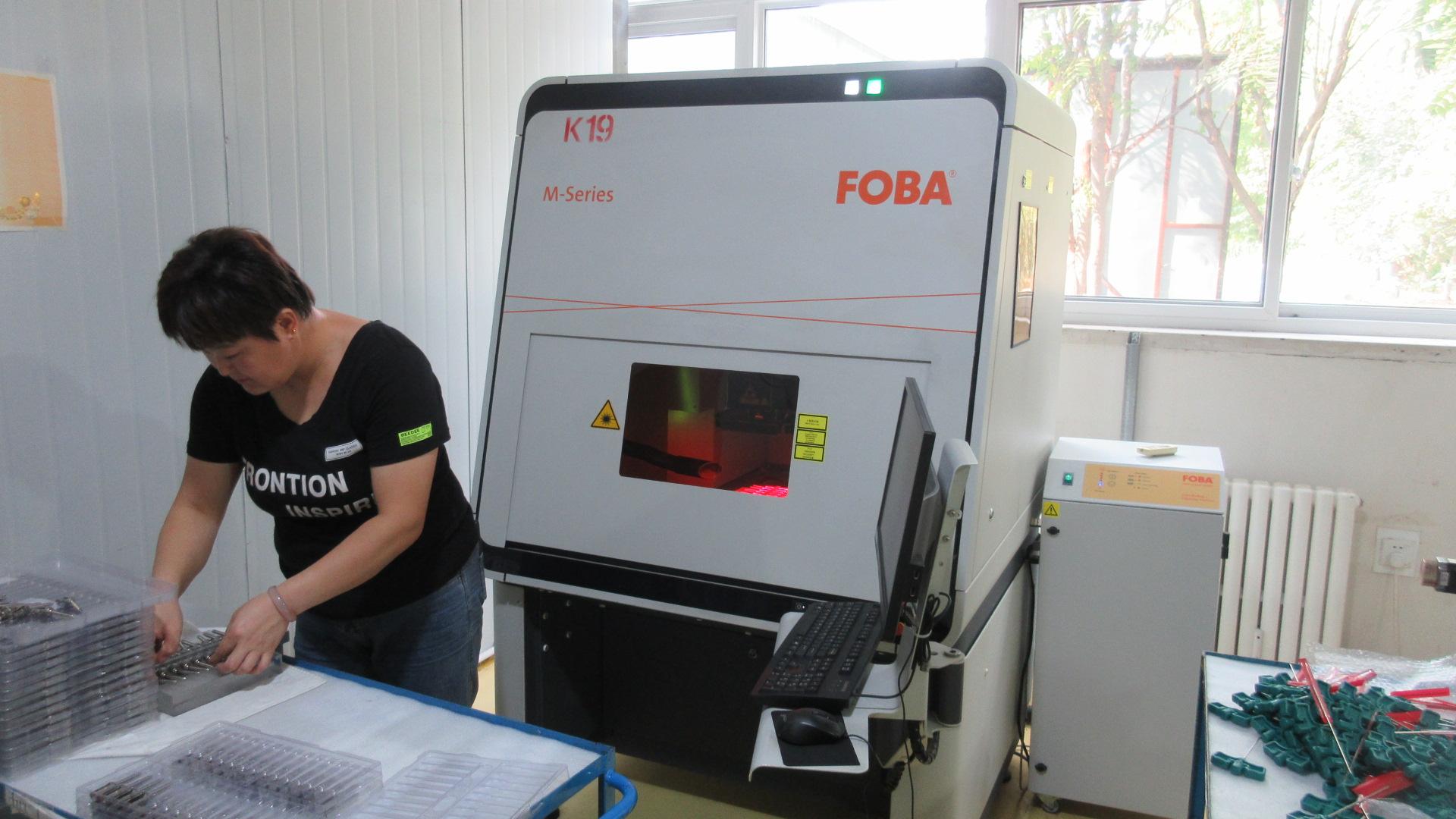
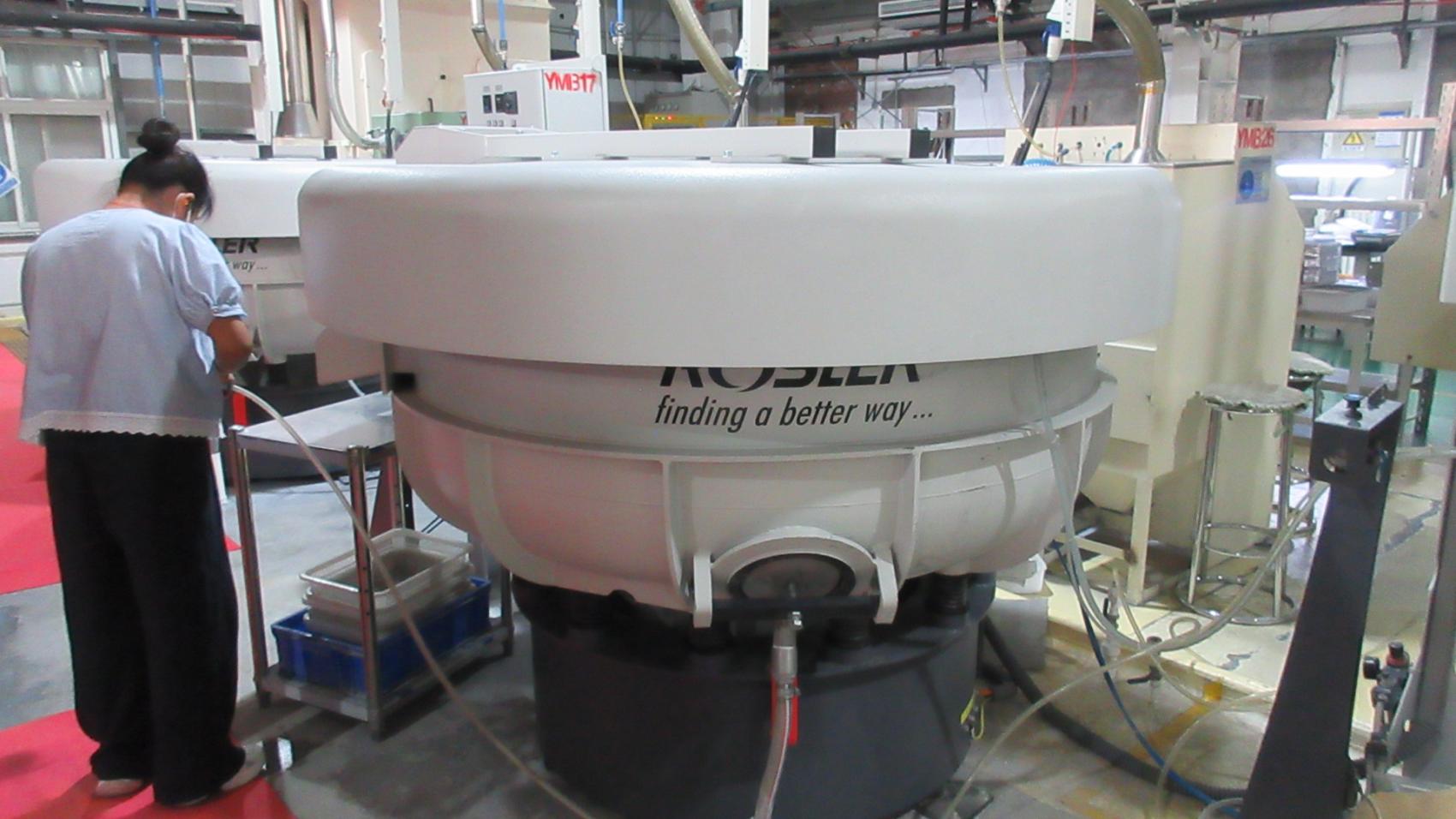
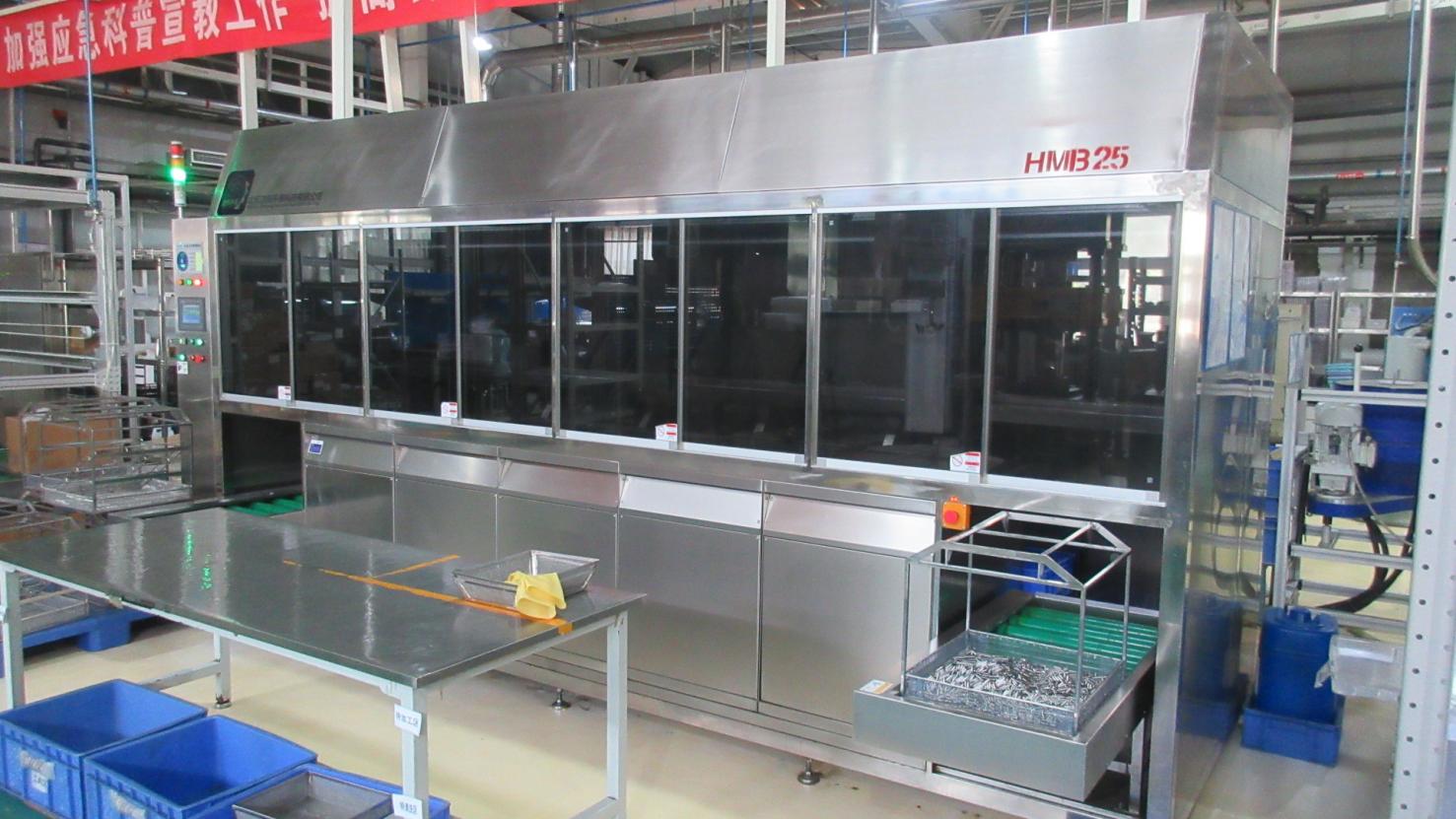
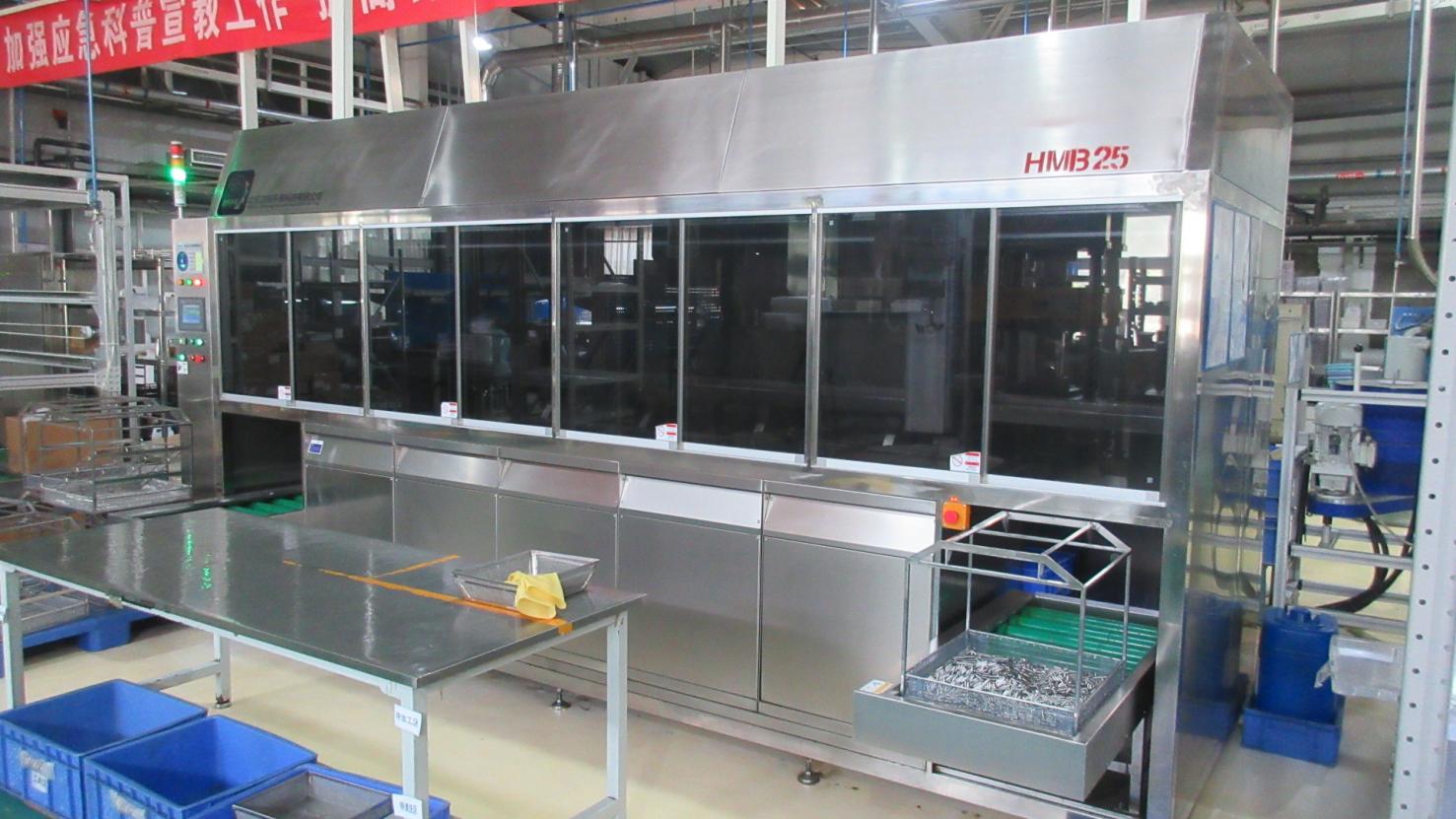
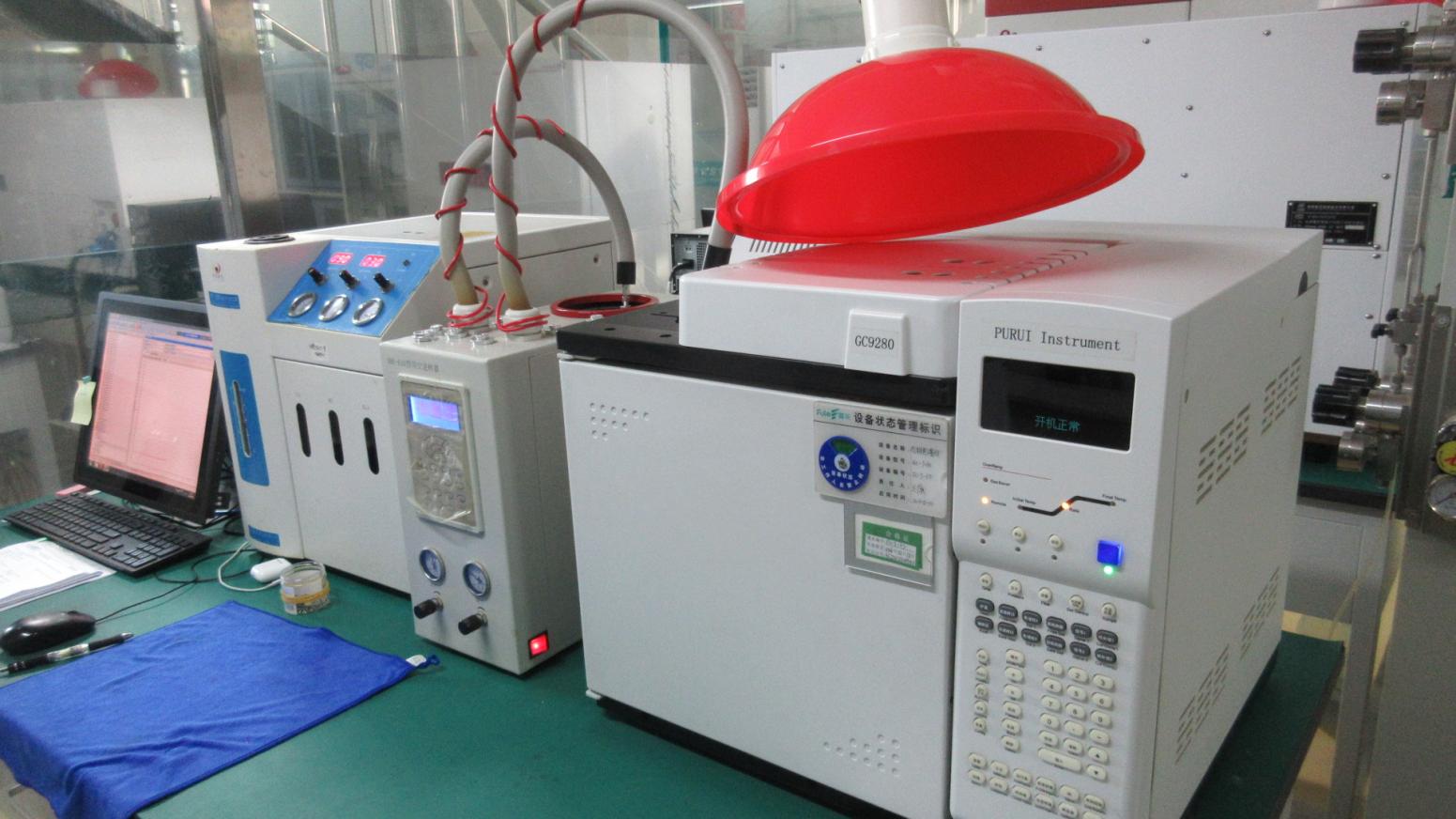
To meet the diverse clinical and anatomical needs of patients worldwide, we offer structured, collaborative engineering pathways for international OEM/ODM clients. Our R&D team consists of 20 highly qualified orthopedic engineers, including 15 postgraduates specializing in biomedical engineering and clinical design. This expertise allows us to provide professional graphic processing and physical sample conversion services for global partners.
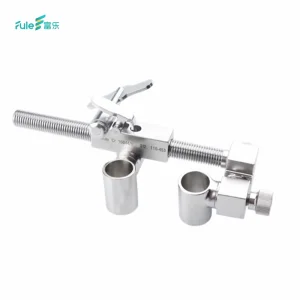
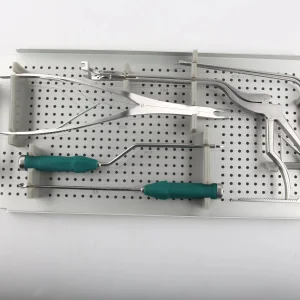
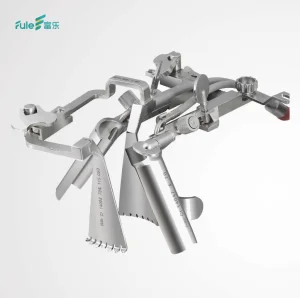
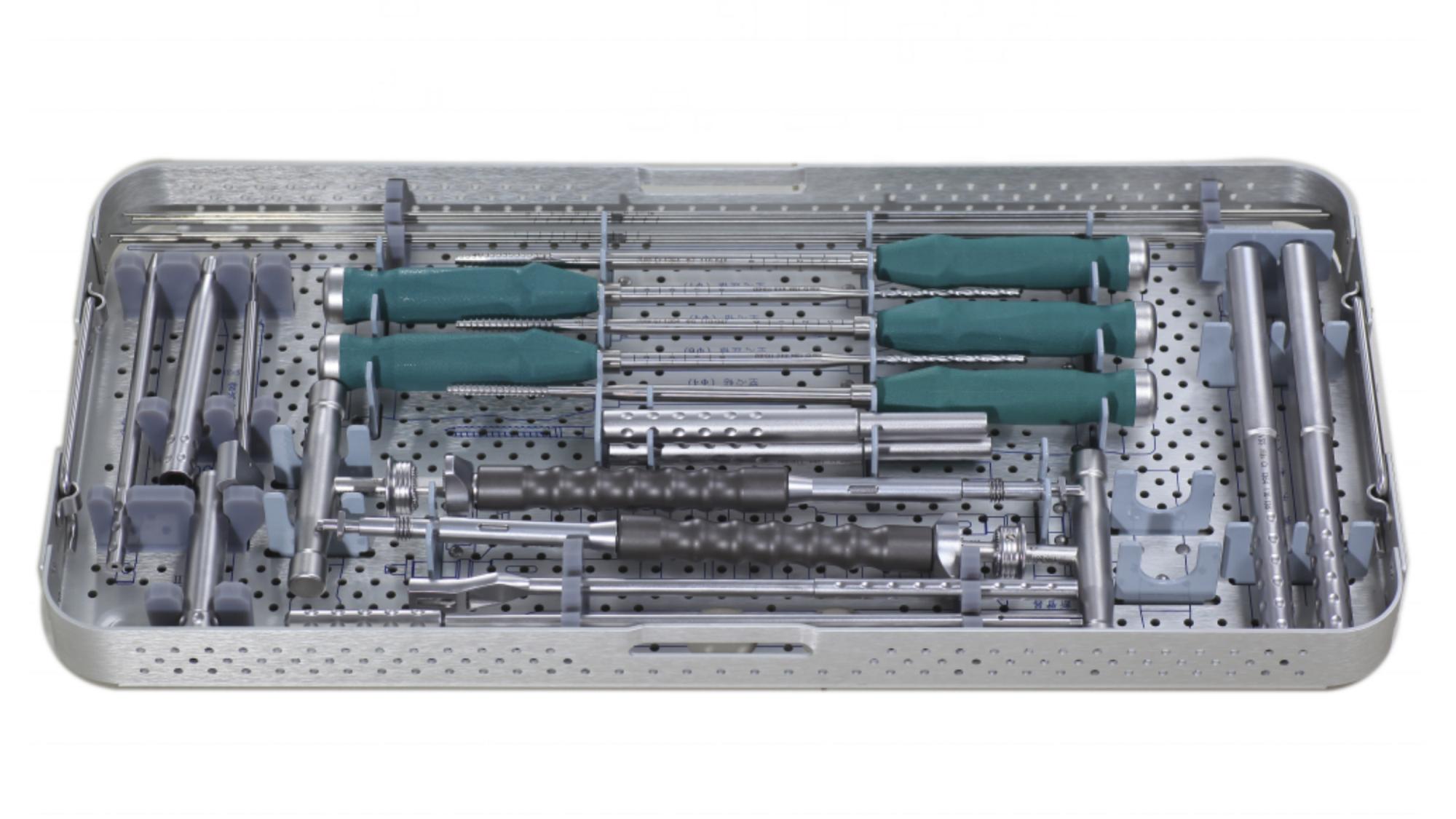
Our engineering services cover the entire development lifecycle, from initial design review to regulatory documentation support. Using advanced CAD/CAM software and finite element analysis (FEA), we simulate physiological stresses to optimize implant designs before production. In addition to custom implants, we design and manufacture specialized surgical instruments, such as our Broken Screws Removal Instruments Set, which provides surgeons with reliable tools for complex revision surgeries.
By combining state-of-the-art manufacturing with deep regulatory knowledge, we help distributors and medical brands shorten their time-to-market. Our streamlined prototyping process allows us to rapidly translate surgeon feedback into clinical-grade products, helping our partners maintain a strong competitive edge in their local markets.
Direct technical answers from our R&D and Quality Engineering departments concerning implant safety, material specifications, and regulatory pathways.
Titanium Grade 5 Extra Low Interstitial (Ti-6Al-4V ELI) features reduced carbon, hydrogen, oxygen, and nitrogen content. This metallurgical purity significantly increases fracture toughness, ductility, and resistance to fatigue cracking. Mechanically, it offers a lower modulus of elasticity compared to stainless steel, reducing stress shielding and promoting bone healing. Biologically, its inert oxide layer ensures excellent biocompatibility, preventing adverse soft-tissue reactions and supporting long-term implant stability.
Orthopedic trauma implants are subject to heavy, dynamic cyclic loads. Even a microscopic surface scratch or dimensional deviation of 0.05mm can concentrate mechanical stress, potentially leading to premature fatigue failure or surgical complications. Our 100% inspection protocol includes optical laser measuring, non-destructive crack detection, thread fit checks, and surface roughness verification. This comprehensive testing ensures that every implant we ship meets strict clinical safety requirements.
Polyetheretherketone (PEEK) features an elastic modulus (approx. 3.6 GPa) that is very close to human cancellous bone, minimizing stress shielding. PEEK is also radiolucent, allowing surgeons to clearly assess the progress of bony fusion on follow-up X-rays and CT scans. To improve integration, our PEEK cages are engineered with deep mechanical serrations and a large central graft window, providing immediate primary stability and supporting rapid bone growth.
In compliance with ISO 13485 and Class III medical guidelines, every batch of titanium or PEEK stock is assigned a unique material control number upon receipt. This ID remains with the material throughout production, surface treatment, sterile packaging, and distribution. If a quality issue is ever detected, we can trace the implant back to its specific raw material heat number, mill run, and chemical analysis report, ensuring complete traceability and accountability.
Our OEM/ODM process begins with a formal technical review of client drawings, CT scans, or clinical physical prototypes by our R&D team. Once the design is validated using Finite Element Analysis (FEA), we create a high-precision digital model and manufacture physical test samples for dimensional and mechanical evaluation. After the client approves these samples, we document the production processes, establish customized quality control plans, and begin manufacturing in our ISO-certified facility.
Premium instrumentation and specialized implant kits engineered for high-precision spinal fusion, trauma revision, and long-term joint stabilization.
 Fule
Fule