High-precision orthopedic traumatology implants, spinal stabilization, and joint reconstruction configurations designed for critical clinical applications.
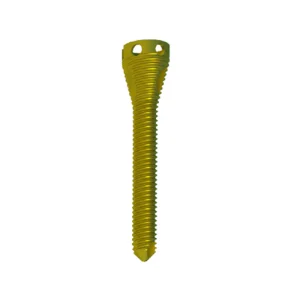
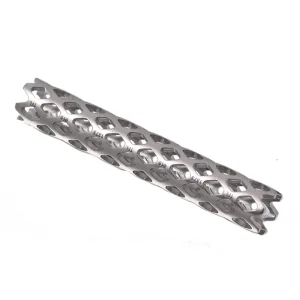
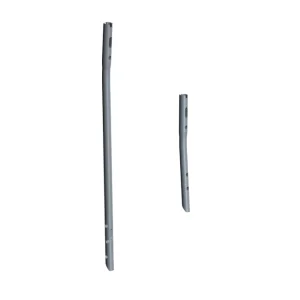
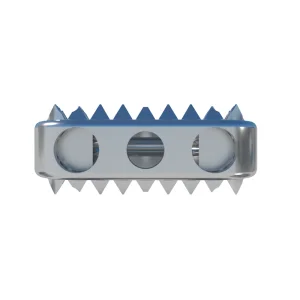
Underpinned by 29 years of medical contract manufacturing expertise. We operate under stringent quality systems to deliver traceably pure clinical hardware globally.
A deep clinical, commercial, and technical evaluation of modern orthopedic rehabilitation solutions, biomechanical materials, and global regulatory frameworks.
The global healthcare sector is witnessing an unprecedented convergence between active surgical intervention and post-operative physiotherapy. Historically segregated, the surgical implant industry (osteosynthesis trauma plates, spinal stabilization nails) and the physical rehabilitation hardware market (electrotherapy, mechanized traction, and biofeedback devices) are now co-developing unified ecosystems. As clinical studies demonstrate that patient mobility is maximized when implants are designed to facilitate early, dynamic post-operative physiotherapy, contract manufacturers must pivot. Modern OEM/ODM services must not only deliver structural titanium implants but also supply the specialized mechanical fixtures and instrumentation that enable immediate post-surgical rehabilitation.
Demographic trajectories, characterized by a rapidly aging population in the northern hemisphere and a surge in active lifestyle injuries in developing nations, are driving this convergence. The global orthopedic and rehabilitation market is projected to reach unprecedented valuations by 2030. Within this macroeconomic shift, hospitals and orthopedic centers are prioritizing integrated clinical solutions that optimize patient throughput and slash recovery timelines. Consequently, medical device distributors and hospital procurement boards require OEM/ODM suppliers who possess both surgical-grade metallurgy expertise and a deep understanding of post-operative mechanical stress profiles.
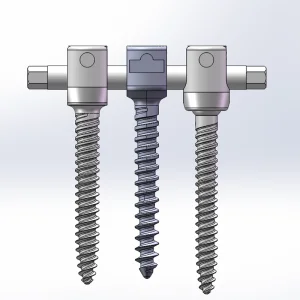
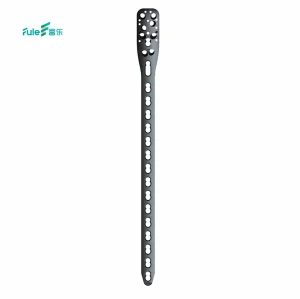
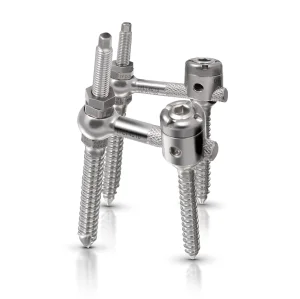
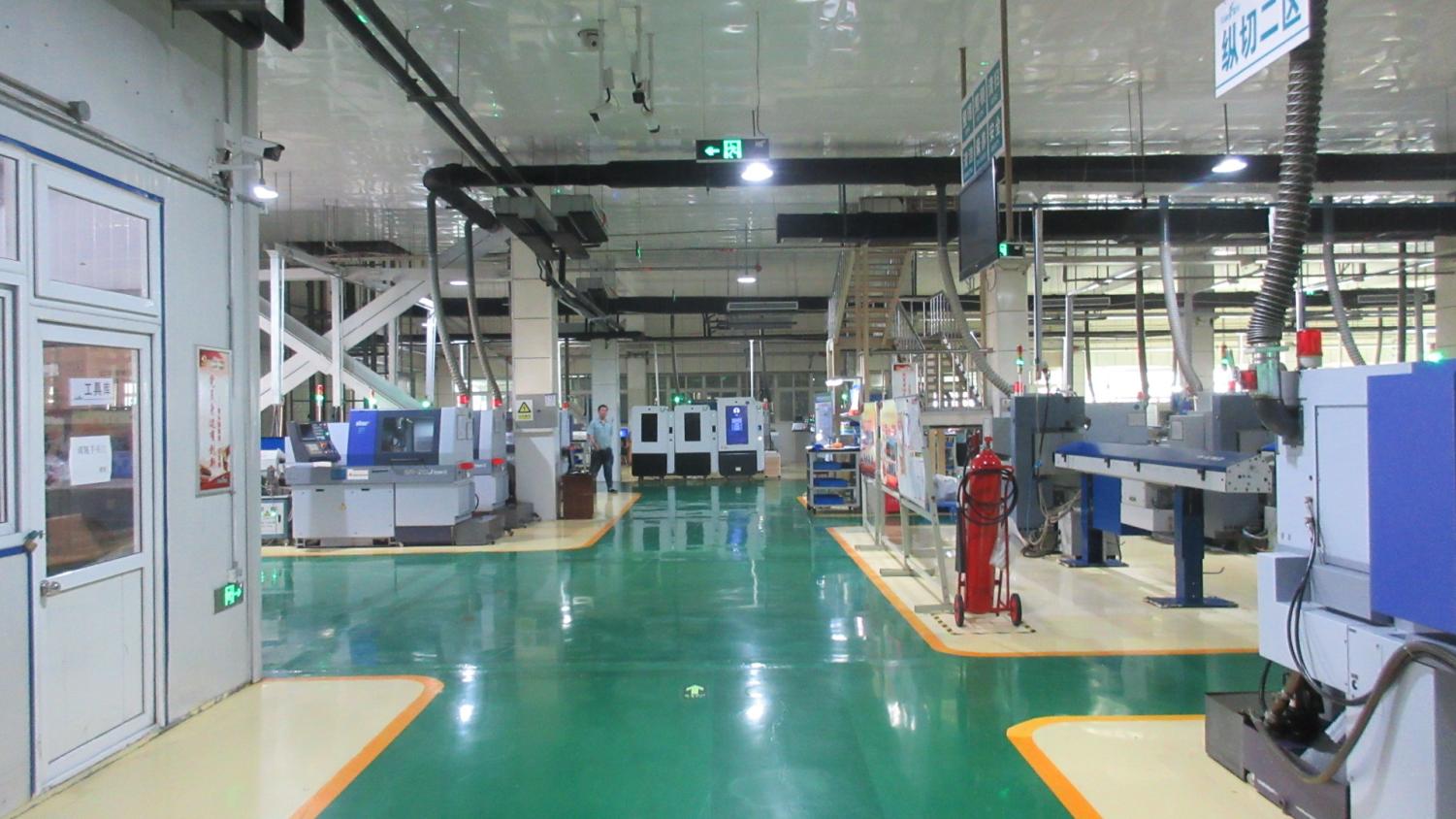
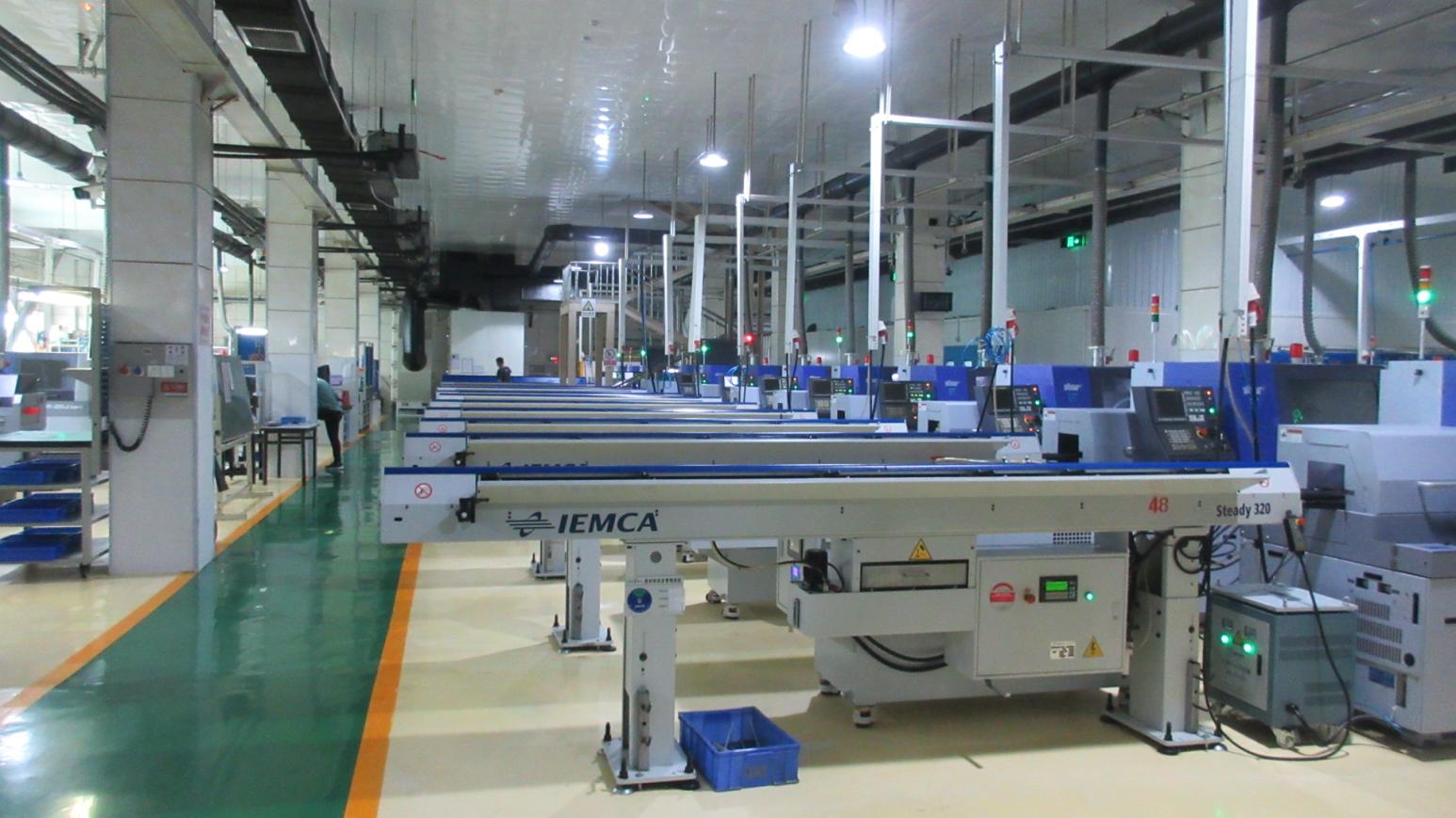
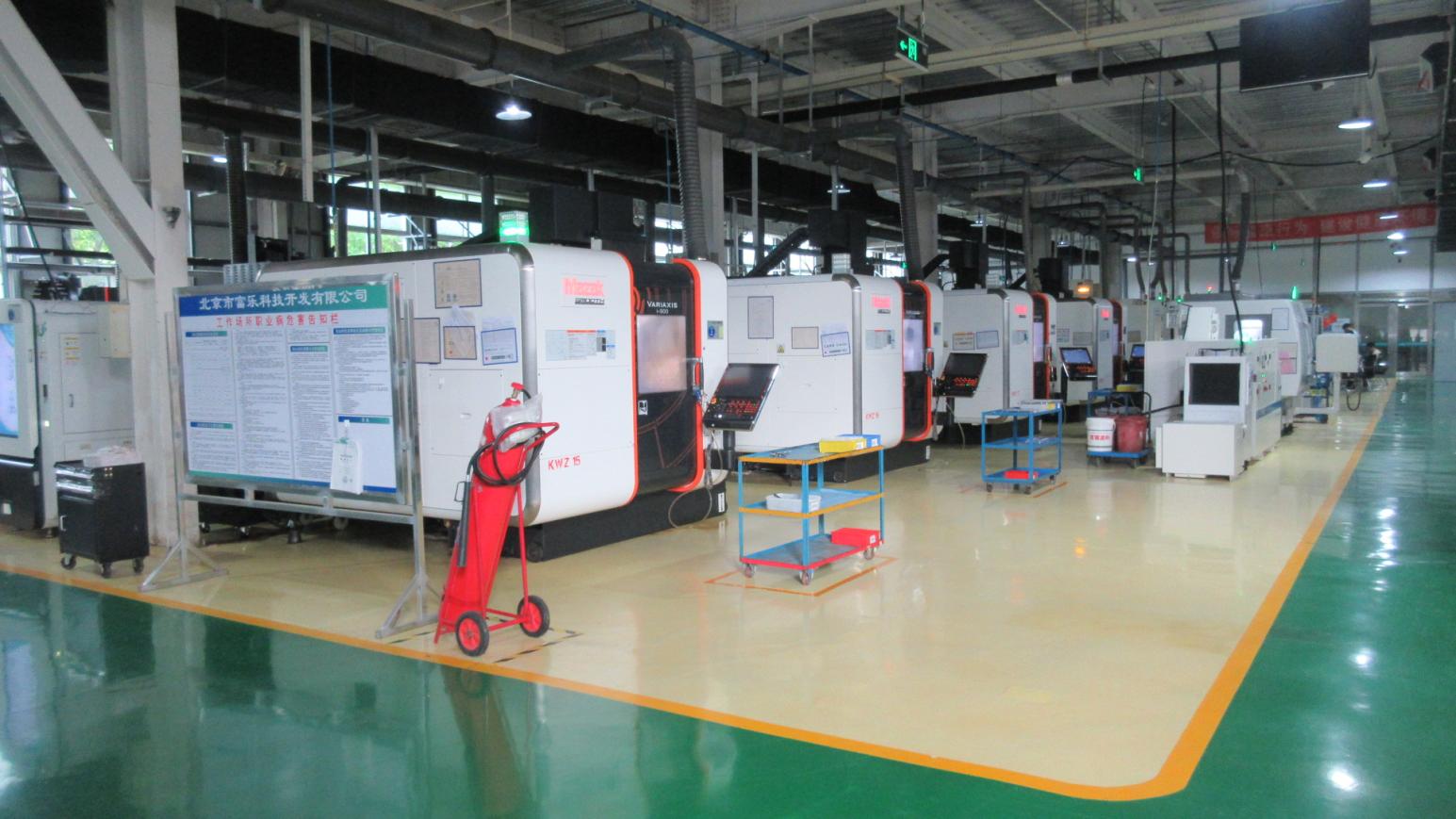
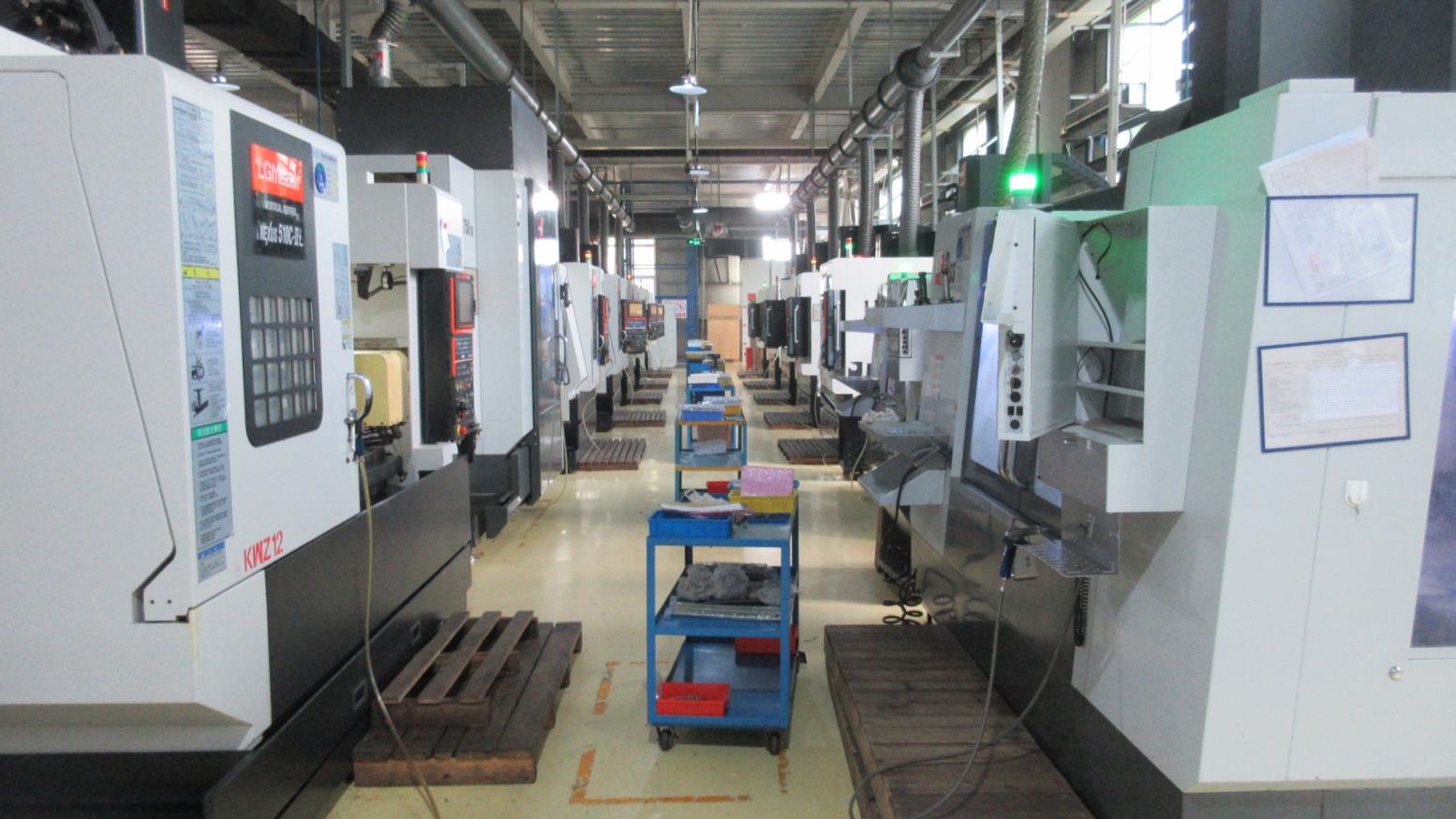
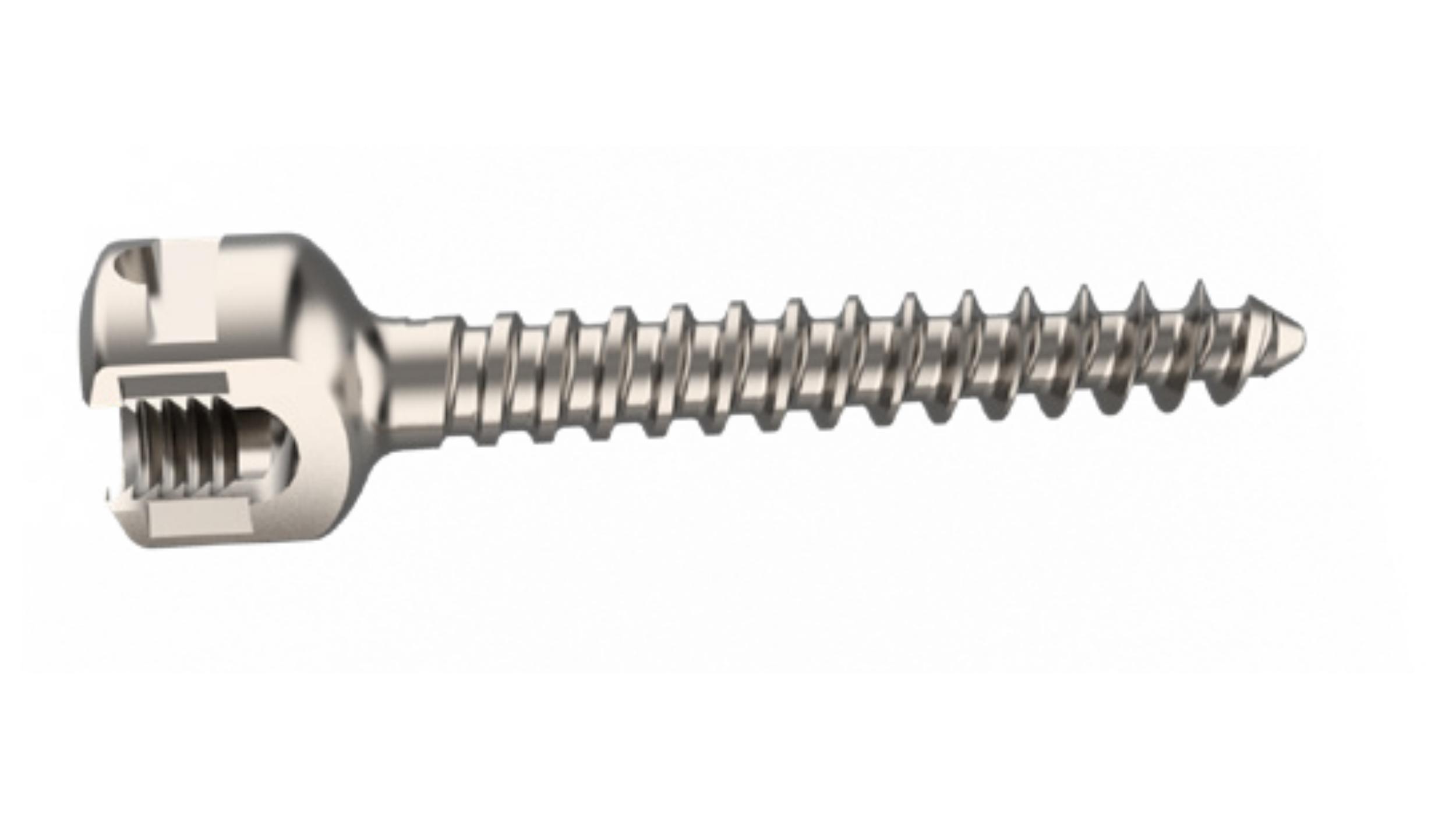
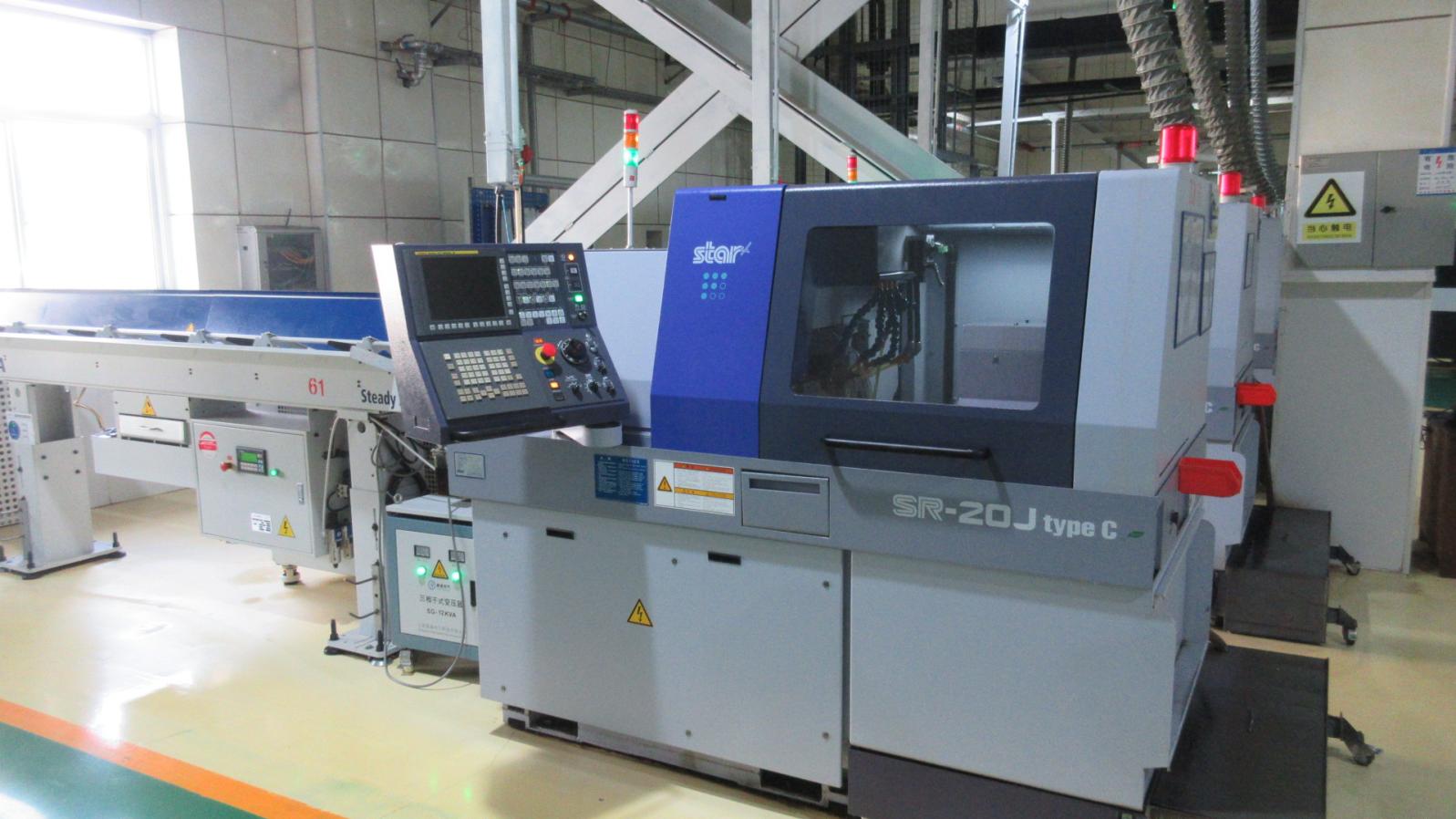
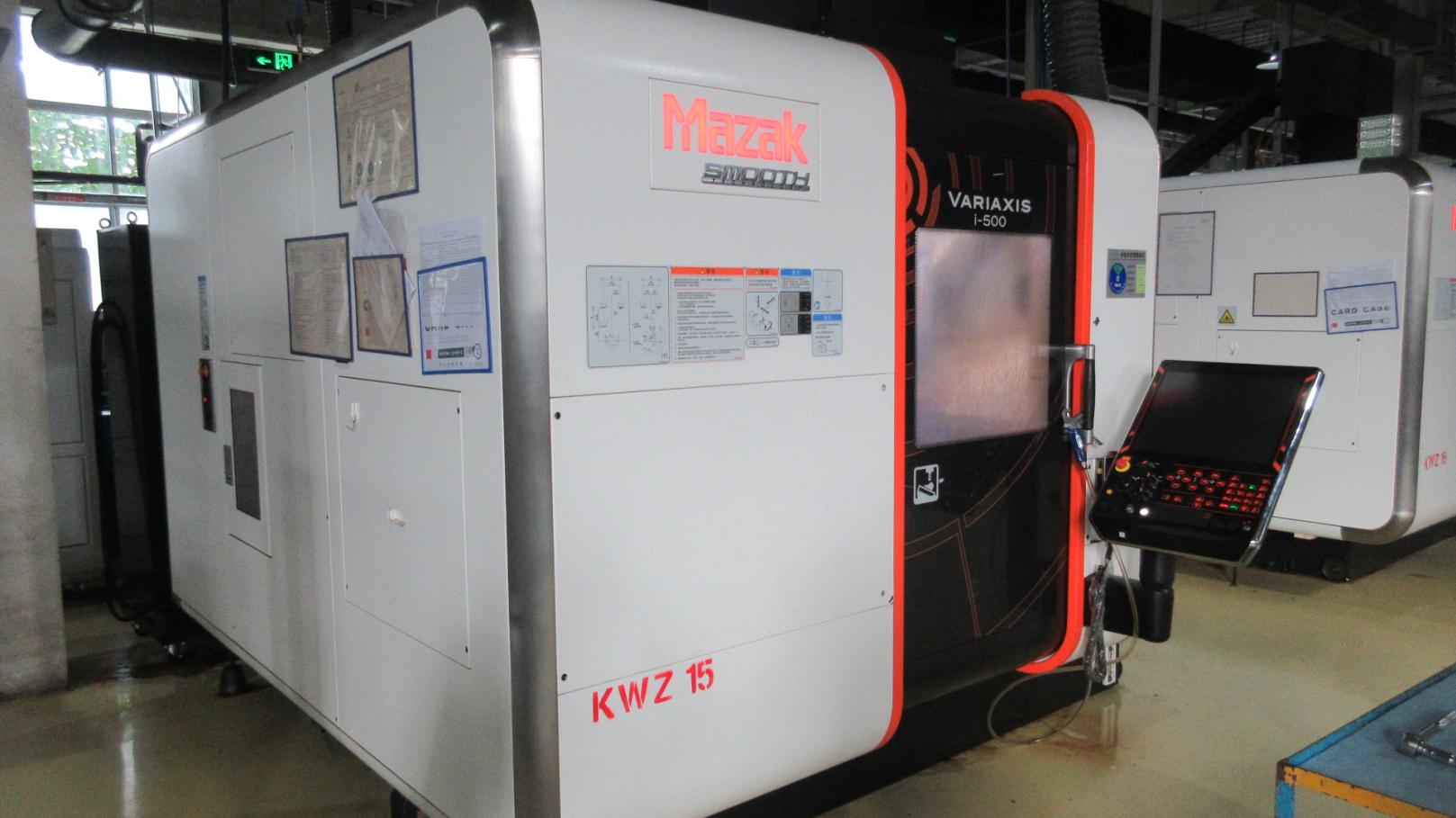
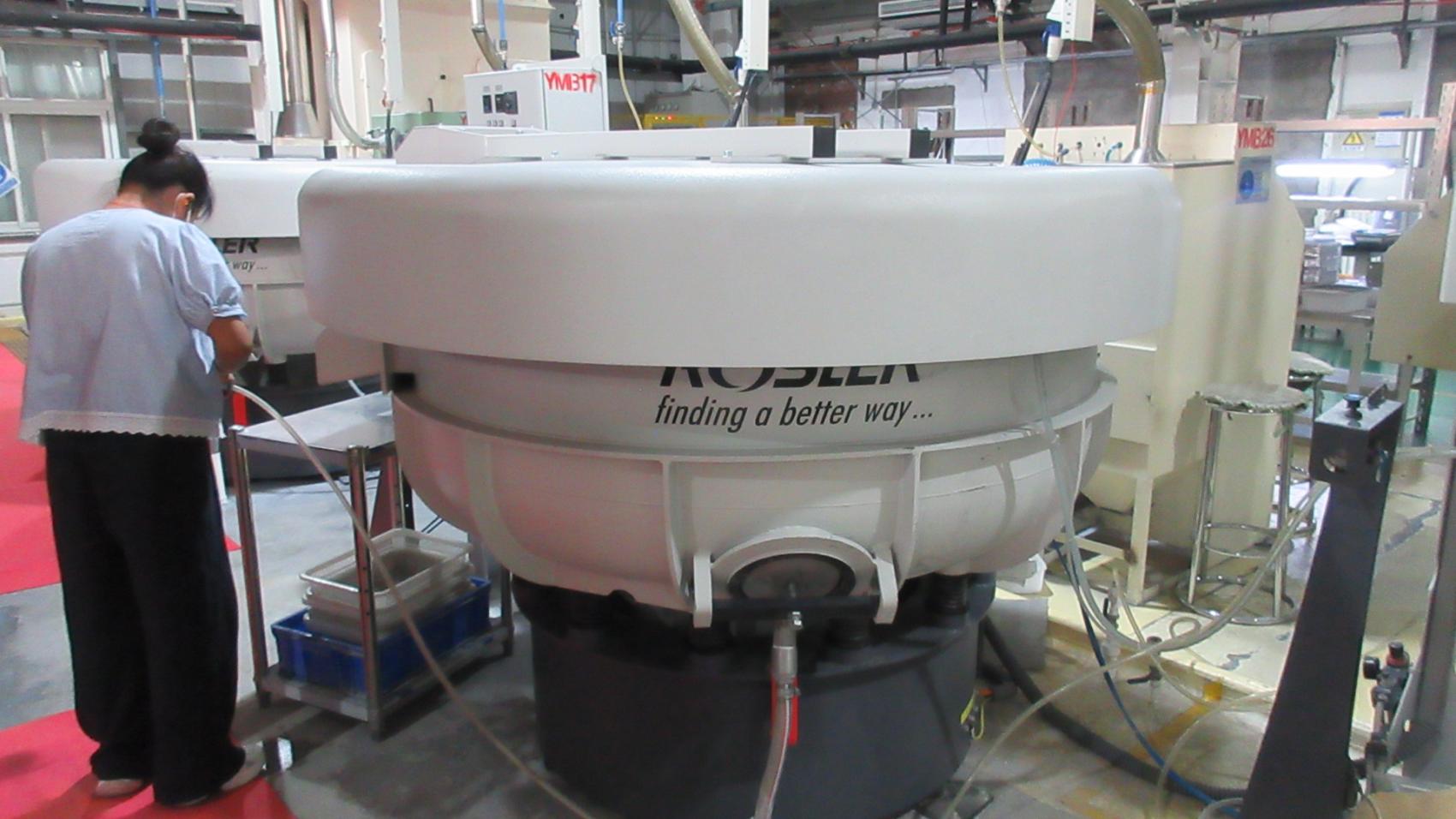
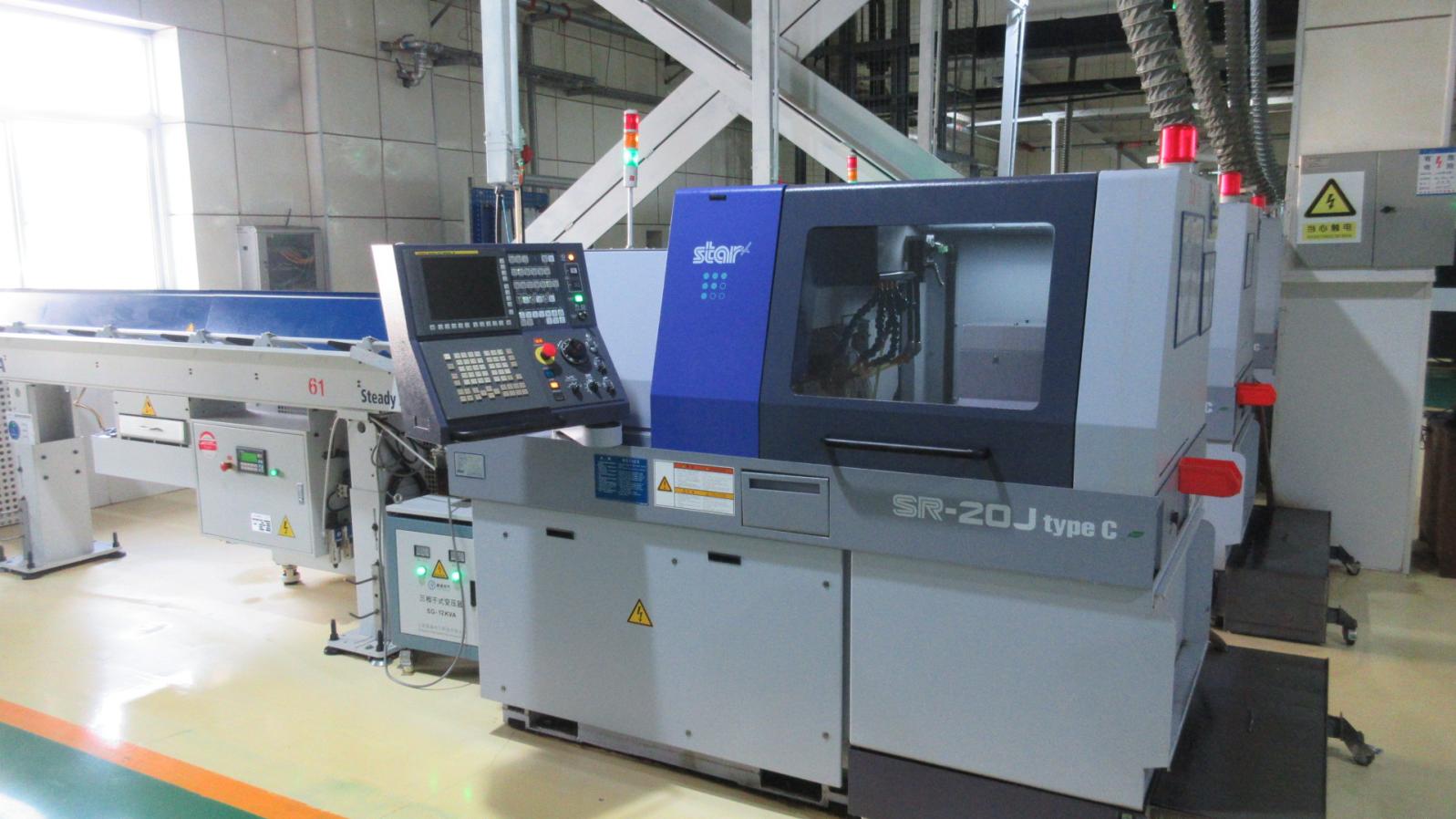
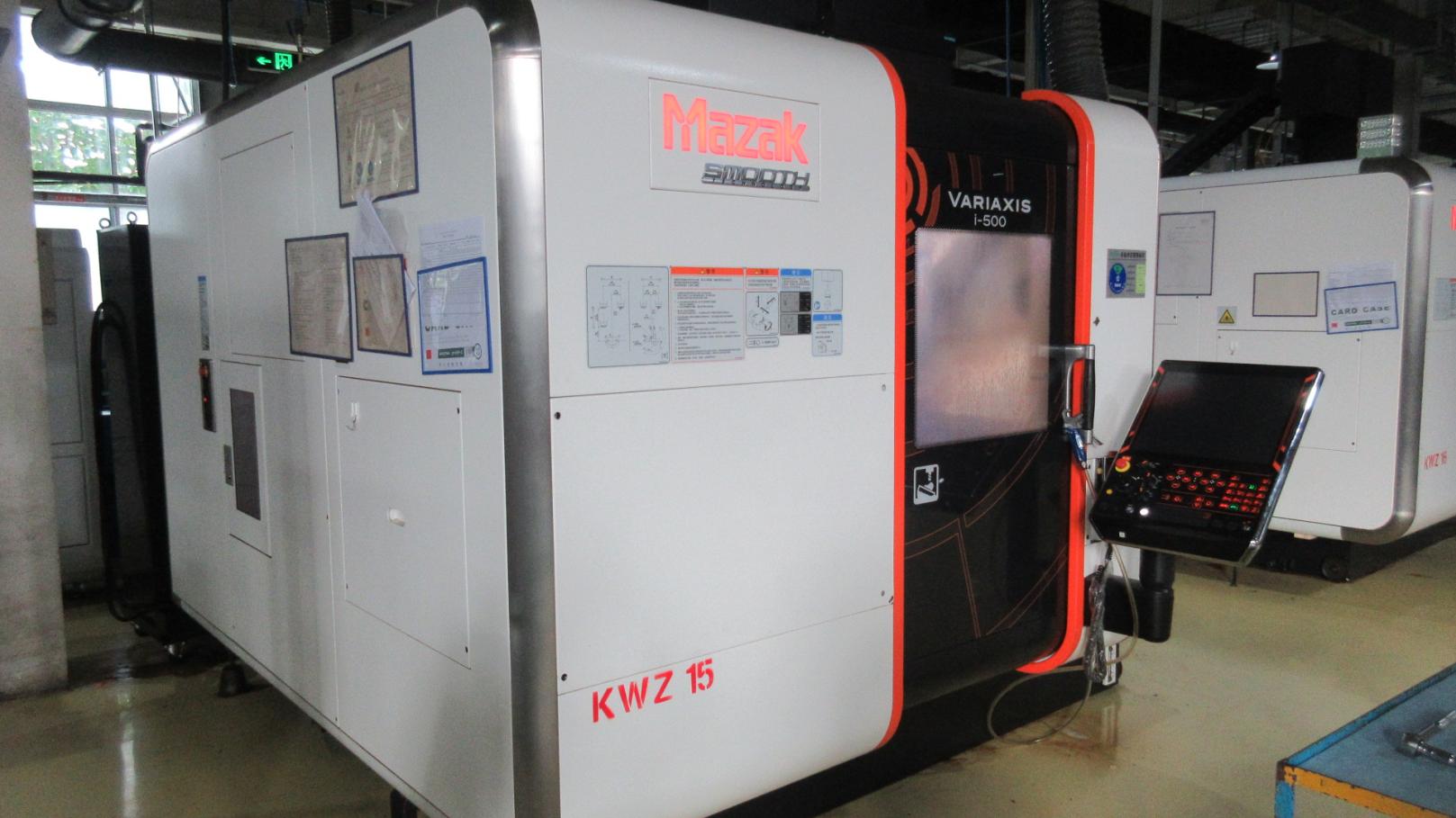
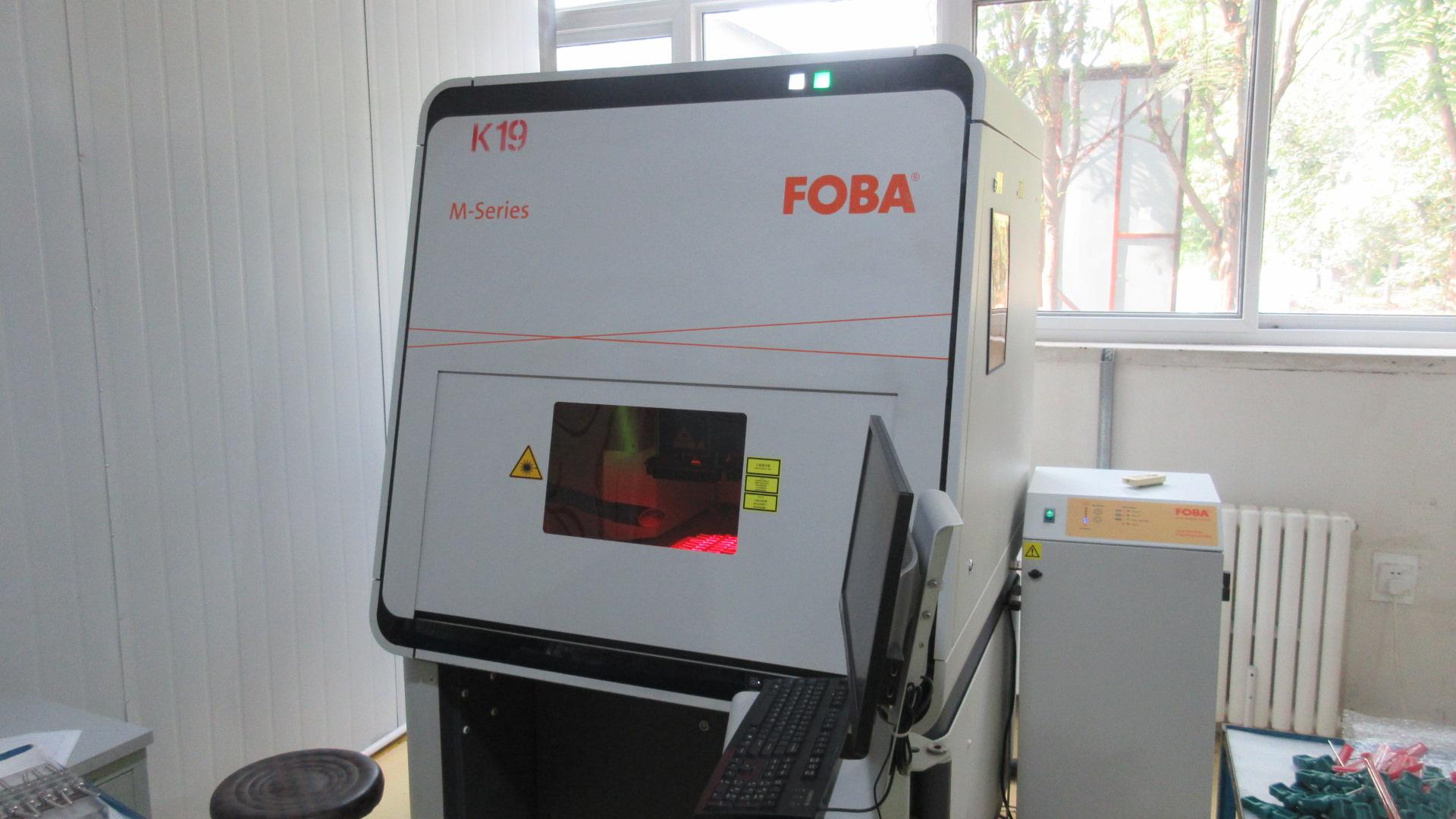
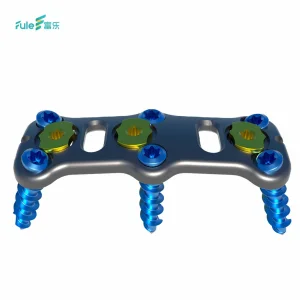
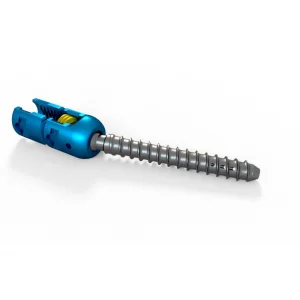
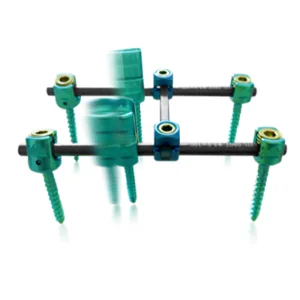
As a specialized OEM/ODM factory operating since 1996, we recognize that the manufacturing of musculoskeletal and interventional systems demands zero-tolerance quality assurance. Spanning over a 10,000 square meter state-of-the-art facility, our factory floor is equipped with 102 precision CNC machining stations, automatic Swiss-type lathes, and multi-axis milling centers. This allows for micrometer-level accuracy when fabricating complex implant systems, such as spinal pedicle screws, thoracolumbar locking plates, and intramedullary nails.
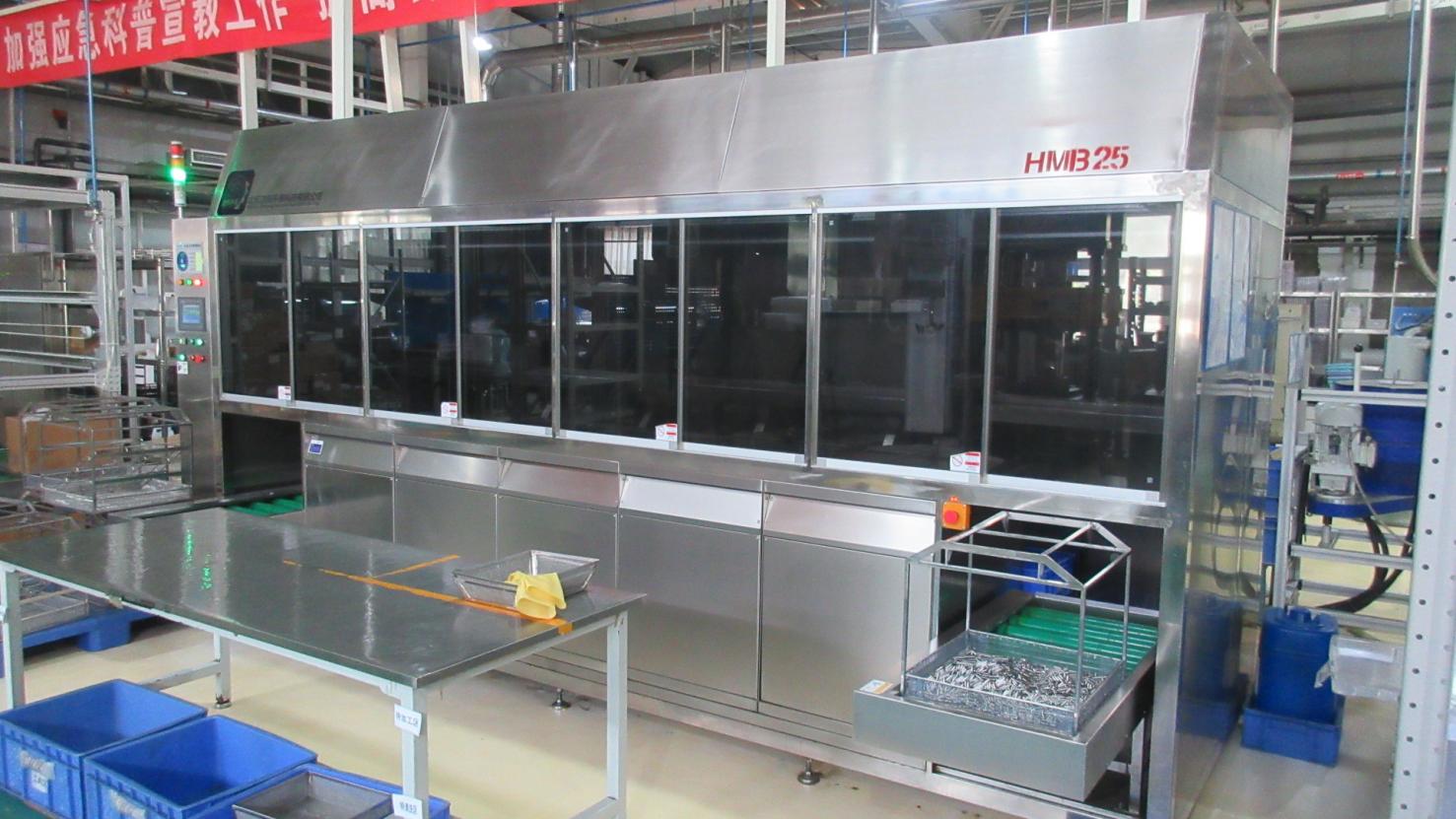
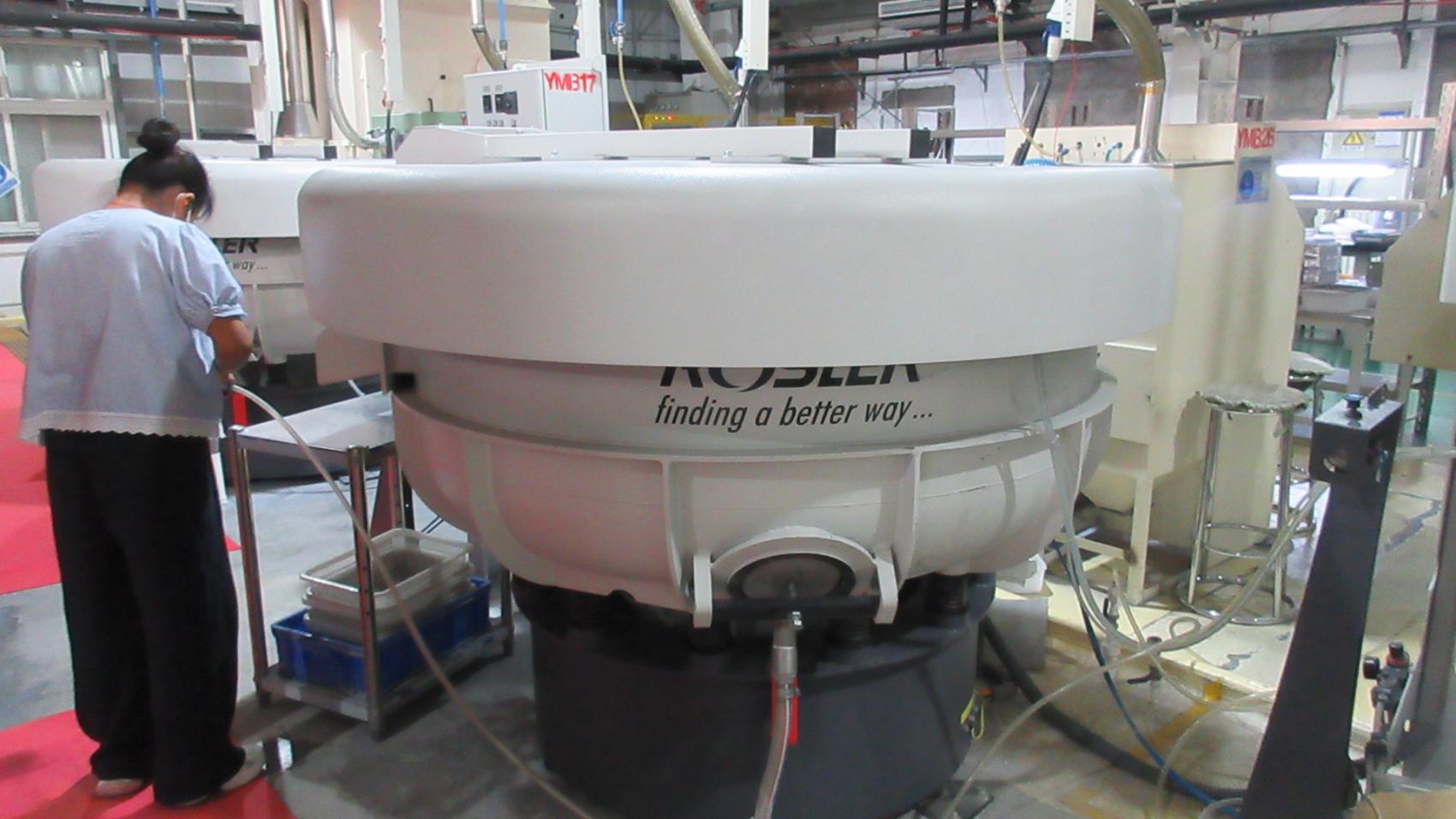
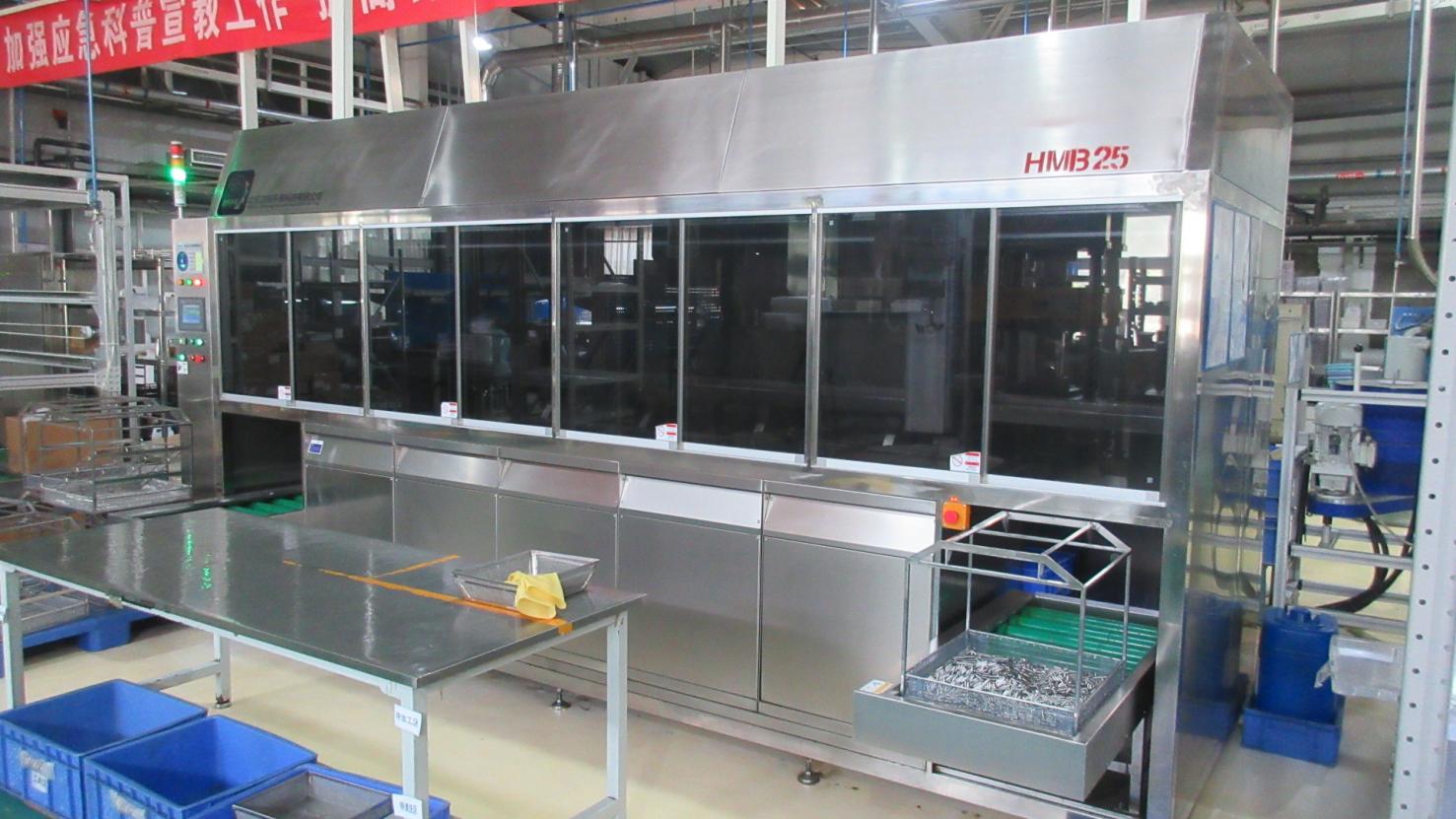
Our raw material supply chain partners—over 70 certified medical-grade metal and polymer providers—undergo rigorous bi-annual audits. Every batch of Titanium (Grades 4, 5, and 23), Stainless Steel (316LVM), and PEEK (Polyetheretherketone) is delivered with complete physical and chemical mill test certificates, ensuring trace metal purity and optimal mechanical resilience. Within our facility, we enforce ISO Class 7 cleanroom packaging standards. The quality control protocol is structured around a dedicated unit of 15 QA/QC inspectors executing 100% non-destructive testing, coordinate measuring machine (CMM) dimensional verification, and ultrasonic cleaning lines to guarantee zero bioburden contamination before serialization and export.
The future of physiotherapy and orthopedic implants resides in advanced biomimetic structures and surface modification technologies. Our 20-member R&D engineering department actively pursues innovations that bridge the gap between biological tissue and metallic hardware. Key areas of our engineering roadmap include:
Navigating the global regulatory matrix is the single largest hurdle for medical device distributors and wholesalers. As a regulatory-first manufacturer, our operations conform strictly to the international ISO 13485:2016 quality management system for medical devices. Our clinical systems hold the CE mark, permitting seamless trade across Europe, and comply with the rigorous requirements of the EU Medical Device Regulation (MDR 2017/745). Additionally, our Class III surgical lines maintain active regulatory dossiers suitable for regional market entries, including South East Asia and Latin America.
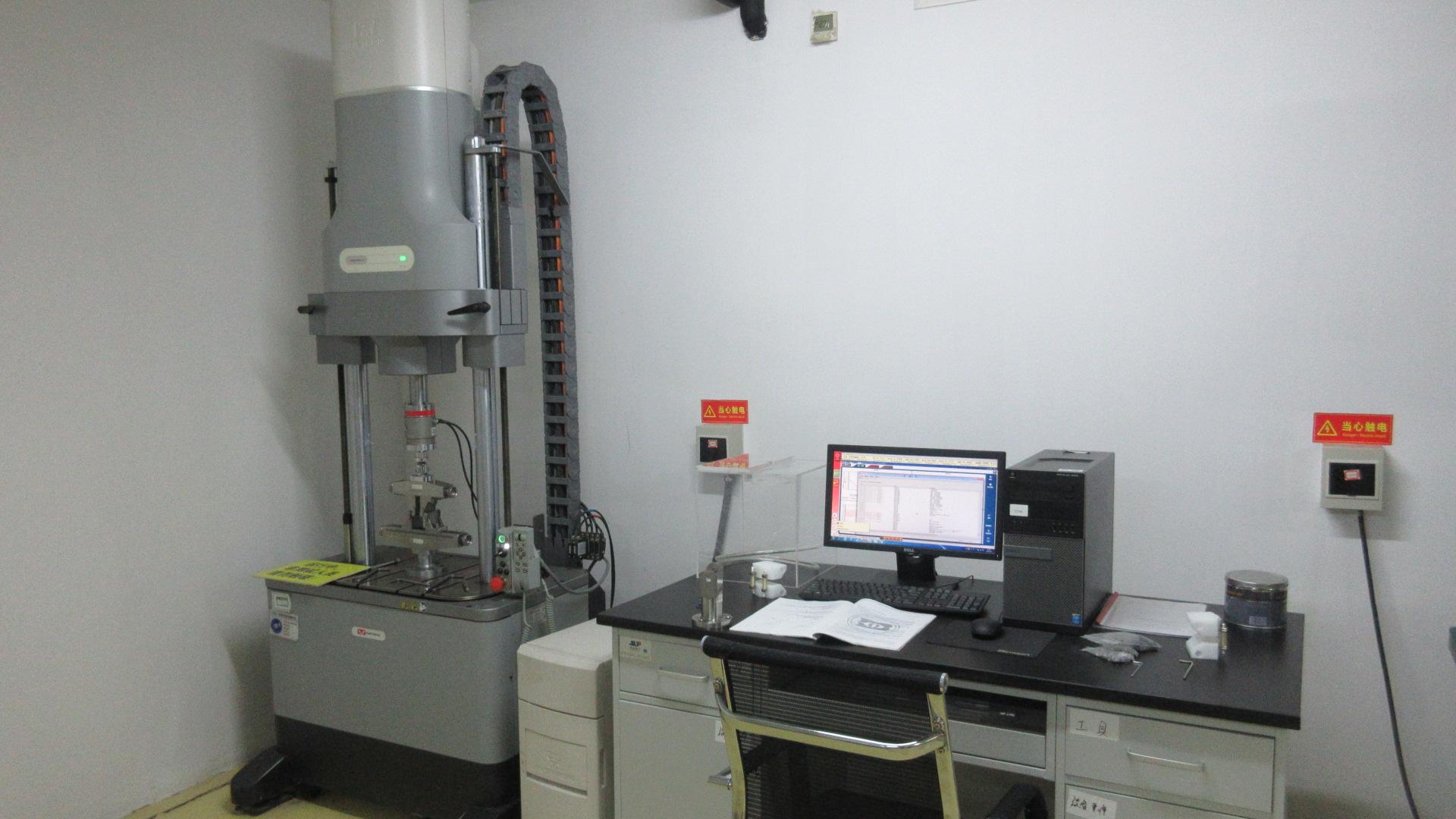
For OEM/ODM clients, we provide comprehensive technical documentation support. This includes biocompatibility evaluation reports (ISO 10993), mechanical fatigue testing data (ASTM F1717 / ASTM F543), packaging validation reports (ISO 11607), and clinical evaluation reports (CER). By furnishing our partners with ready-to-submit regulatory dossiers, we shorten registration timelines, enabling them to capitalize on market opportunities ahead of competitors.
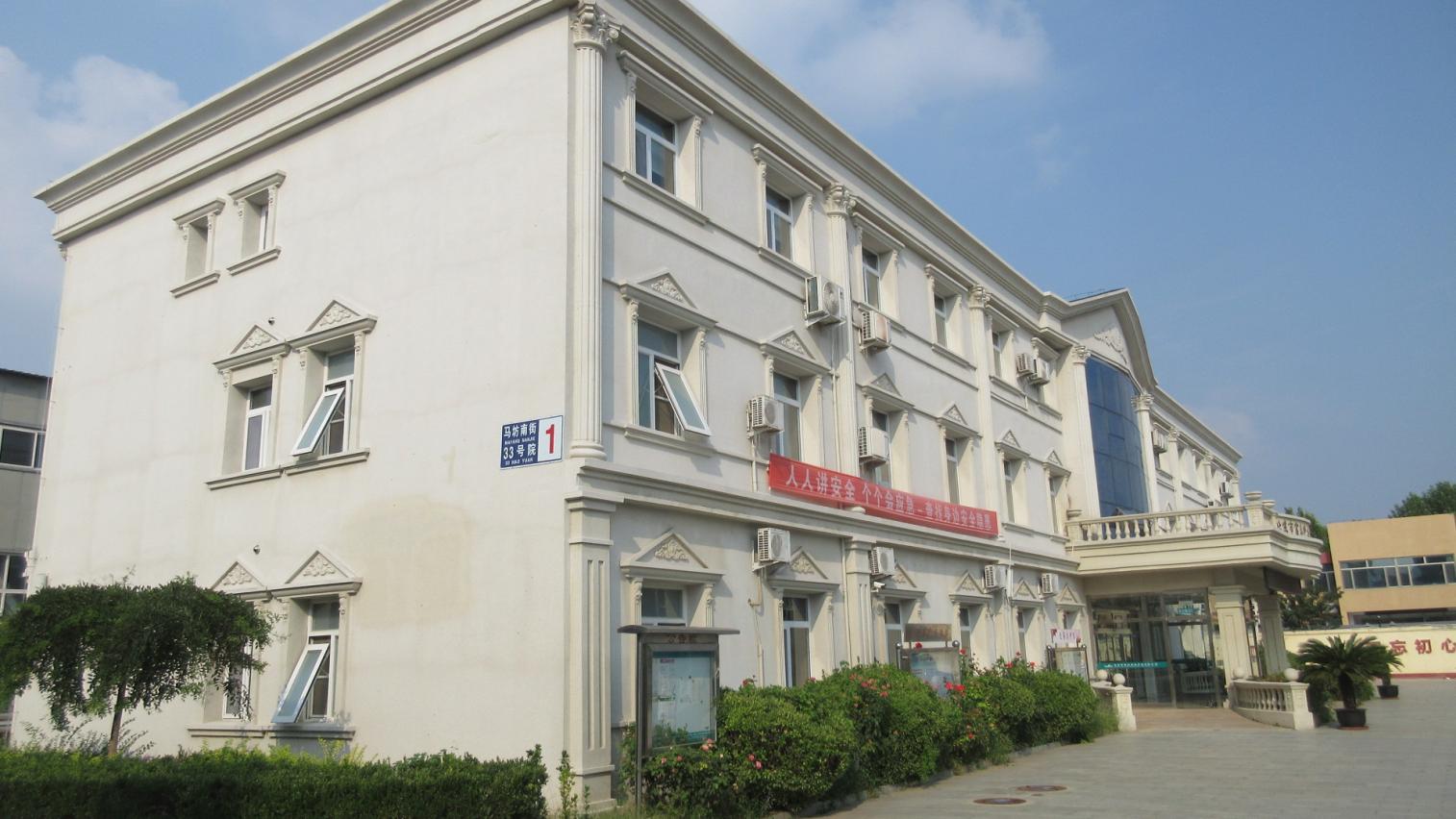
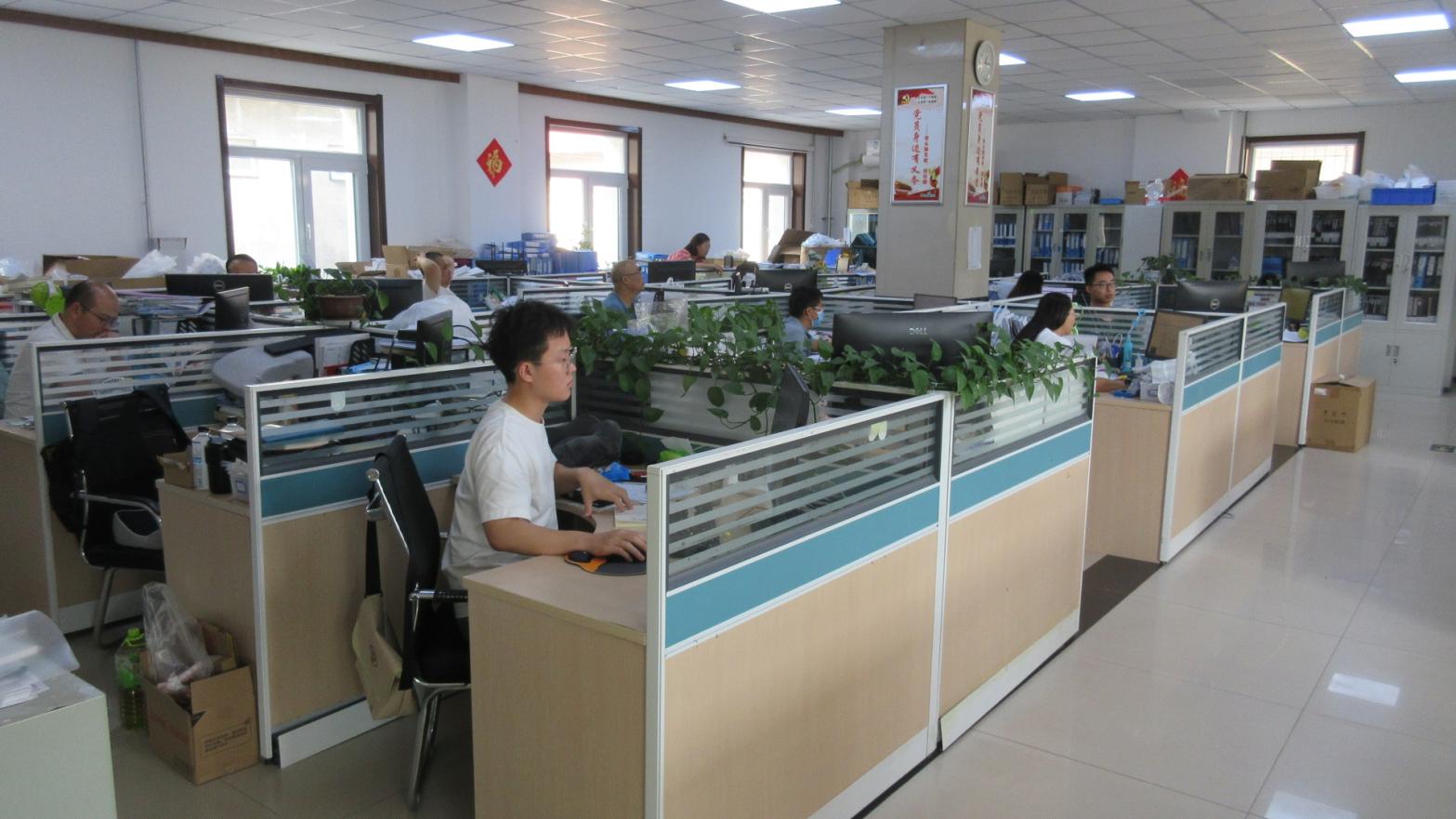
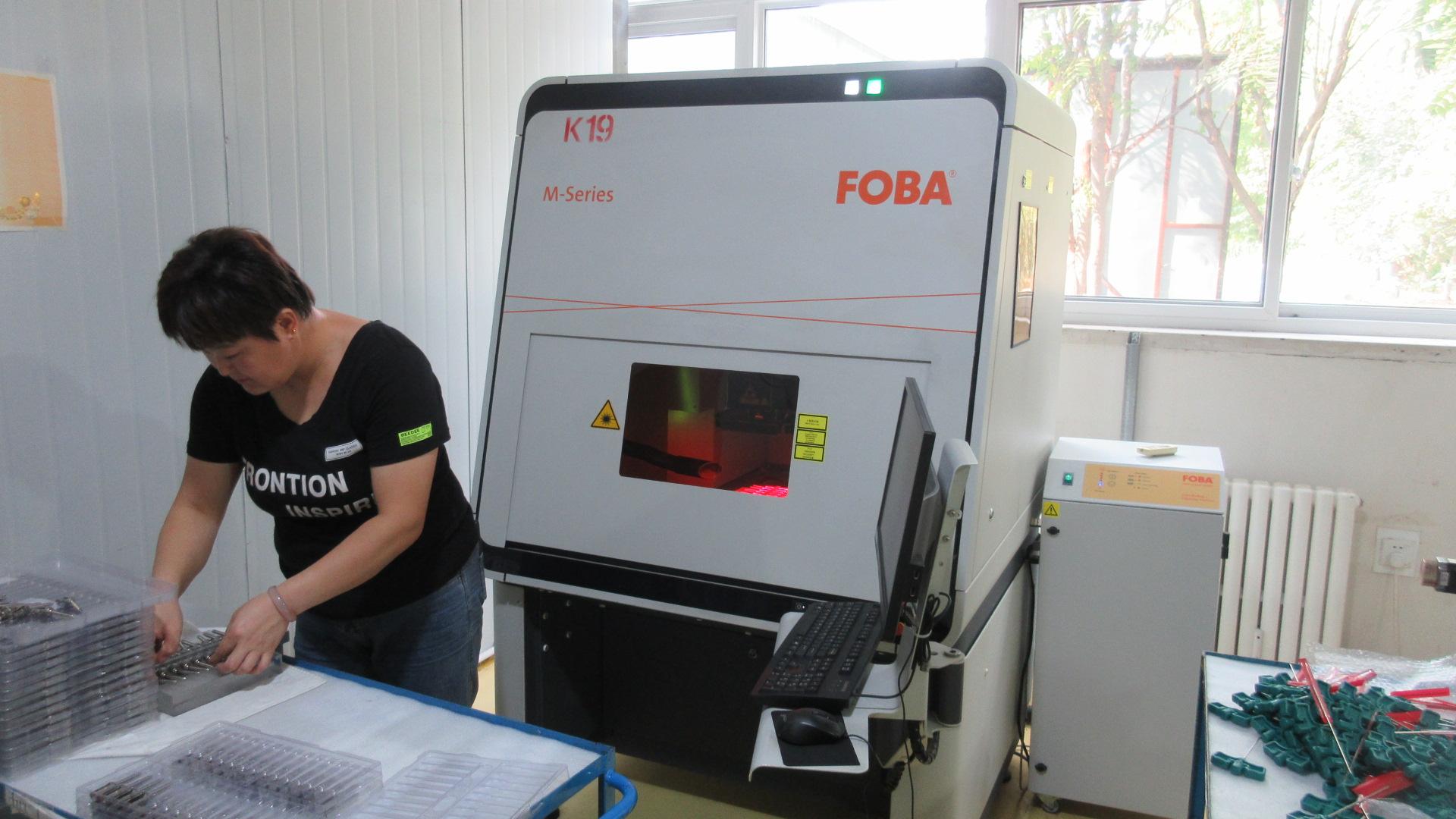
Inside our ISO 13485 certified production halls: advanced manufacturing, micro-metric testing, and sterile cleanrooms.

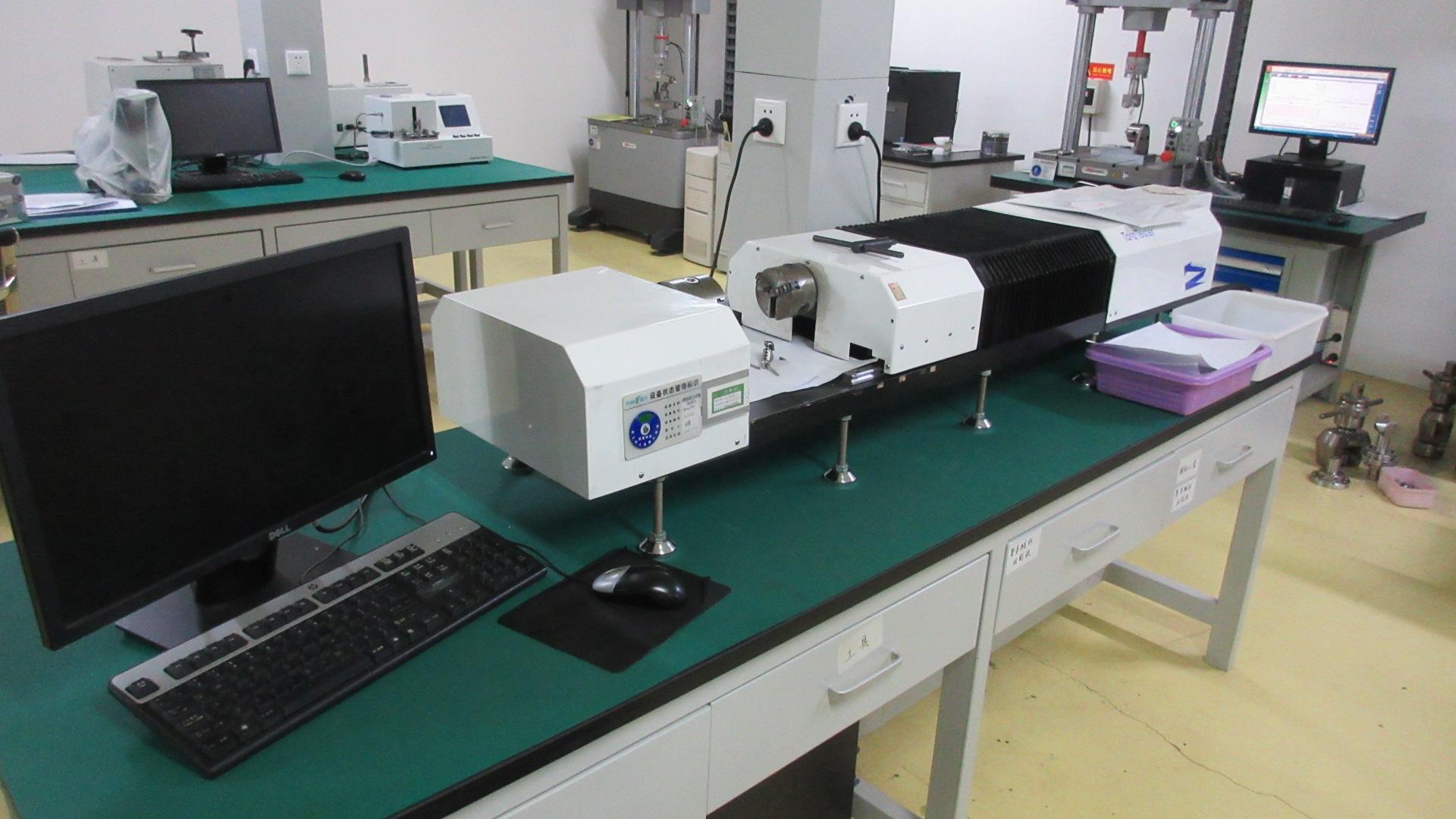
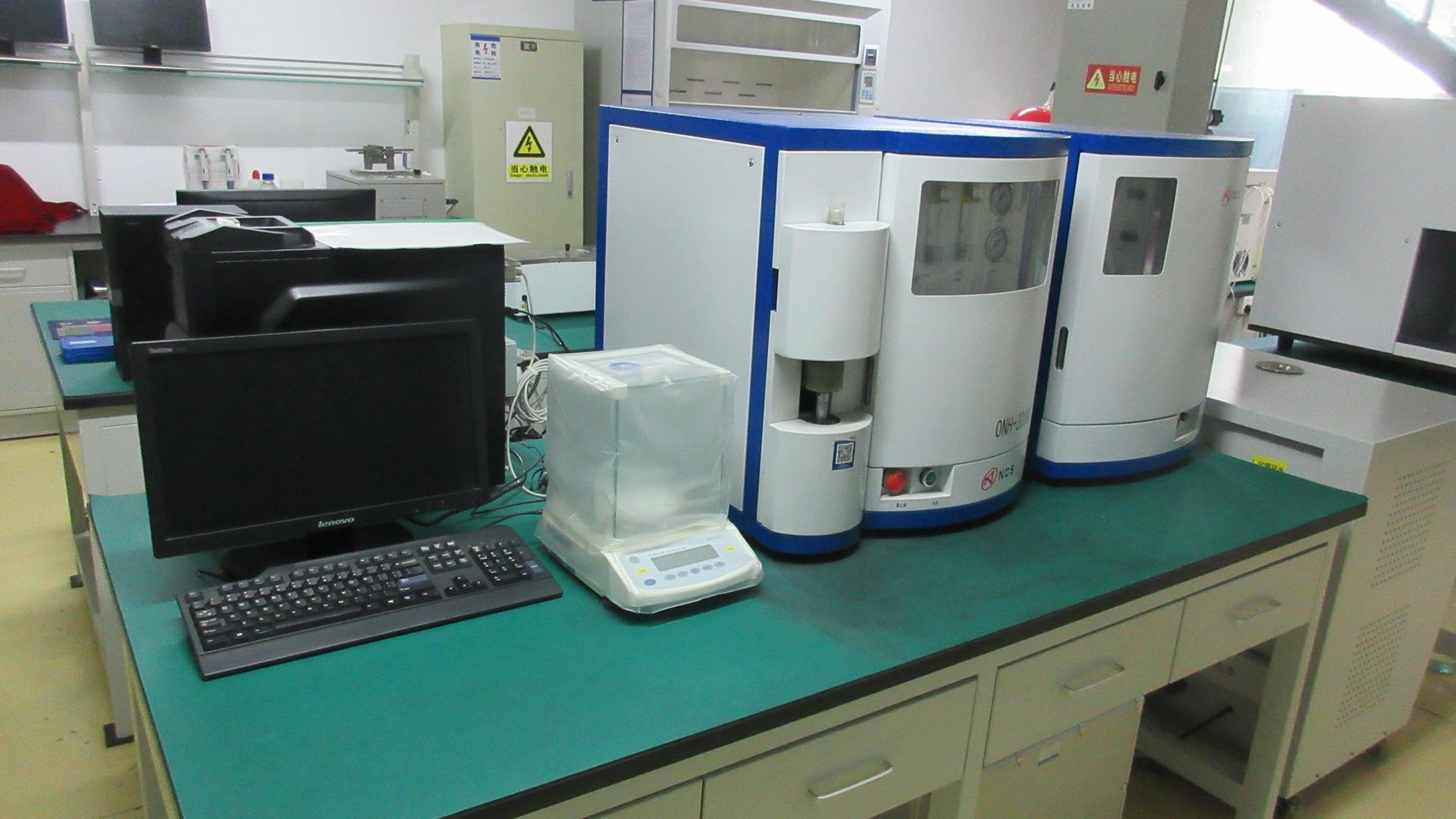
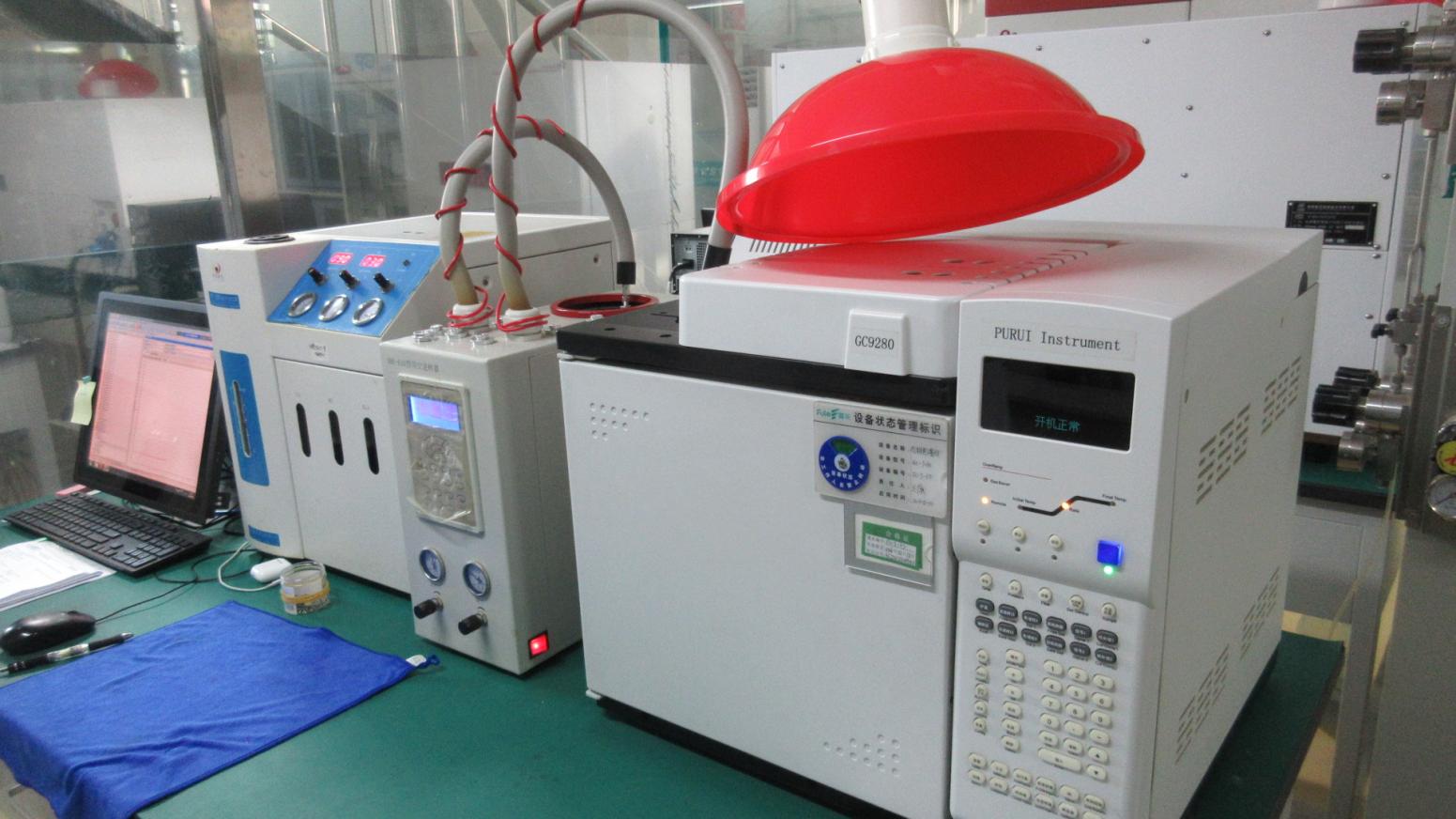
Technical and logistical insights for procurement directors, distributor networks, and OEM brand owners.
We primarily utilize medical-grade Titanium Alloys (Ti-6Al-4V ELI / ASTM F136), pure Titanium (Grades 2 & 4), high-alloy Stainless Steel (316LVM / ASTM F138), and biocompatible Polyetheretherketone (PEEK-OPTIMA). All metals undergo comprehensive microstructural analysis and chemical verification before production.
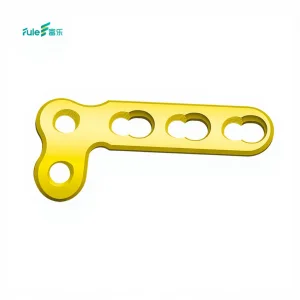
Our products undergo FEA (Finite Element Analysis) to evaluate load-sharing and stress distribution profiles. By optimizing structural design (e.g., using low-profile anatomically contoured trauma plates), we reduce stress-shielding, encouraging natural bone remodeling and allowing patients to begin active post-op physiotherapy sooner and more safely.
We provide both sterile-packed (Gamma or ETO sterilized in cleanroom class ISO 7) and non-sterile configurations depending on your regional market requirements. Packaging options include customized labels, medical-grade double Tyvek pouches, and protective outer boxes tailored with your brand identity.
We supply full technical files including ISO 13485 certificates, CE declarations of conformity, biocompatibility reports (ISO 10993), raw material test certificates (MTRs), sterilization validation reports, and dynamic mechanical fatigue reports (such as ASTM F1717/ASTM F543).
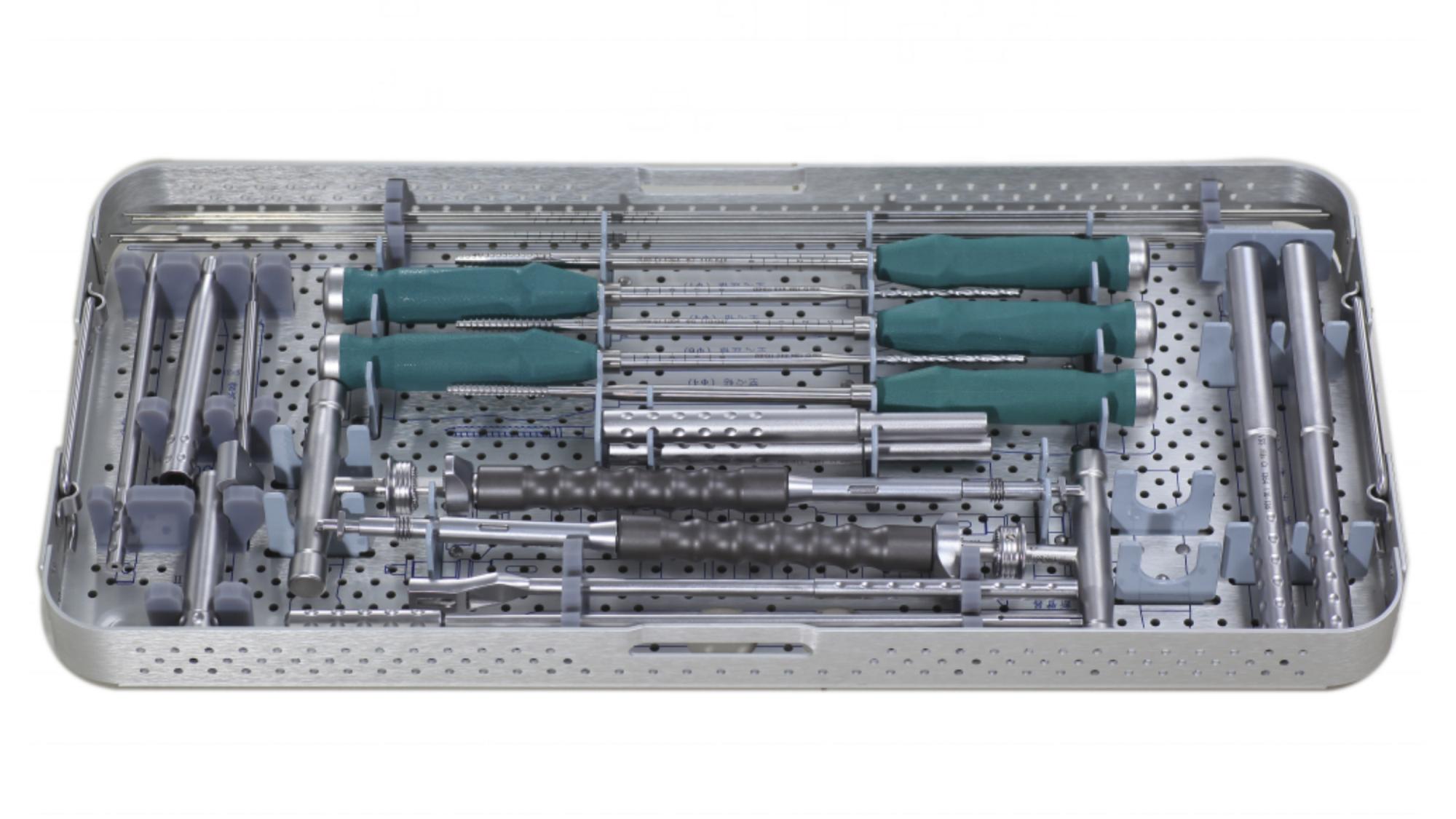
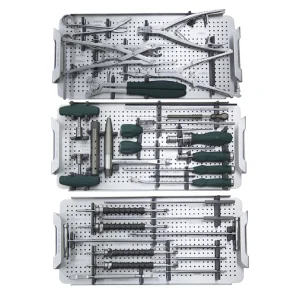
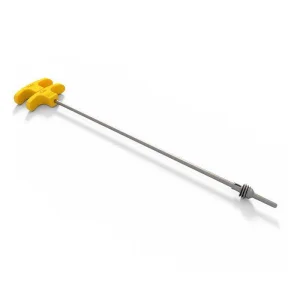
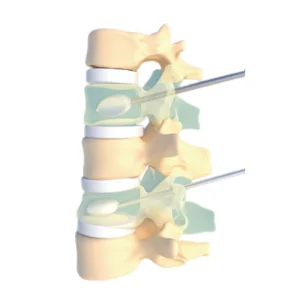
Our MIS surgical kits (such as PKP/PVP instruments and percutaneous pedicle screw tools) minimize soft-tissue detachment and muscle retraction. This preservation of muscular and ligamentous structures directly results in a lower post-surgical pain profile, enabling patients to engage in guided physiotherapy within days of the procedure.
Standard custom production runs range between 45 to 60 days, depending on geometry complexity and tooling setup. MOQs are flexible and assessed per SKU, starting from smaller pilot batches for localized clinical trials up to high-volume contract runs for national distributors.
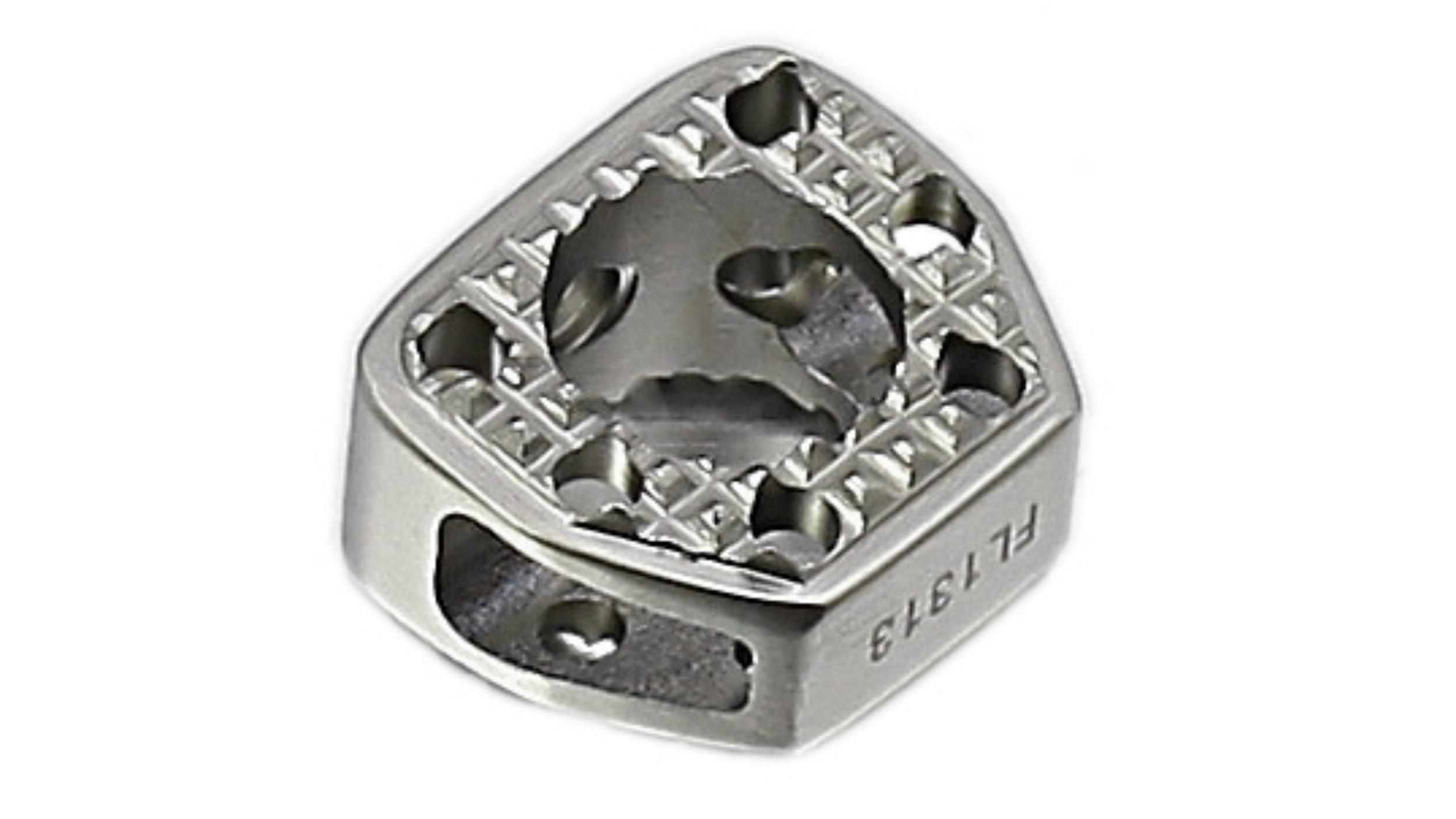
Yes, our R&D engineering team translates 3D CAD/CAM models, anatomical scans, or technical drawings into production-ready G-code. We accommodate custom anatomical plate curvatures, screw pitch adjustments, and novel interbody cage geometry developments.
Explore our specialized minimally invasive systems, spinal stabilization components, and surgical instrument setups optimized for clinical efficiency.
 Fule
Fule