Premium orthopedic implant systems designed for surgical precision, biomechanical durability, and optimal patient outcomes.
An Analysis of Advanced Biomaterial Integration, High-Precision Manufacturing, and Global Regulatory Integration in Modern Spine and Trauma Care.
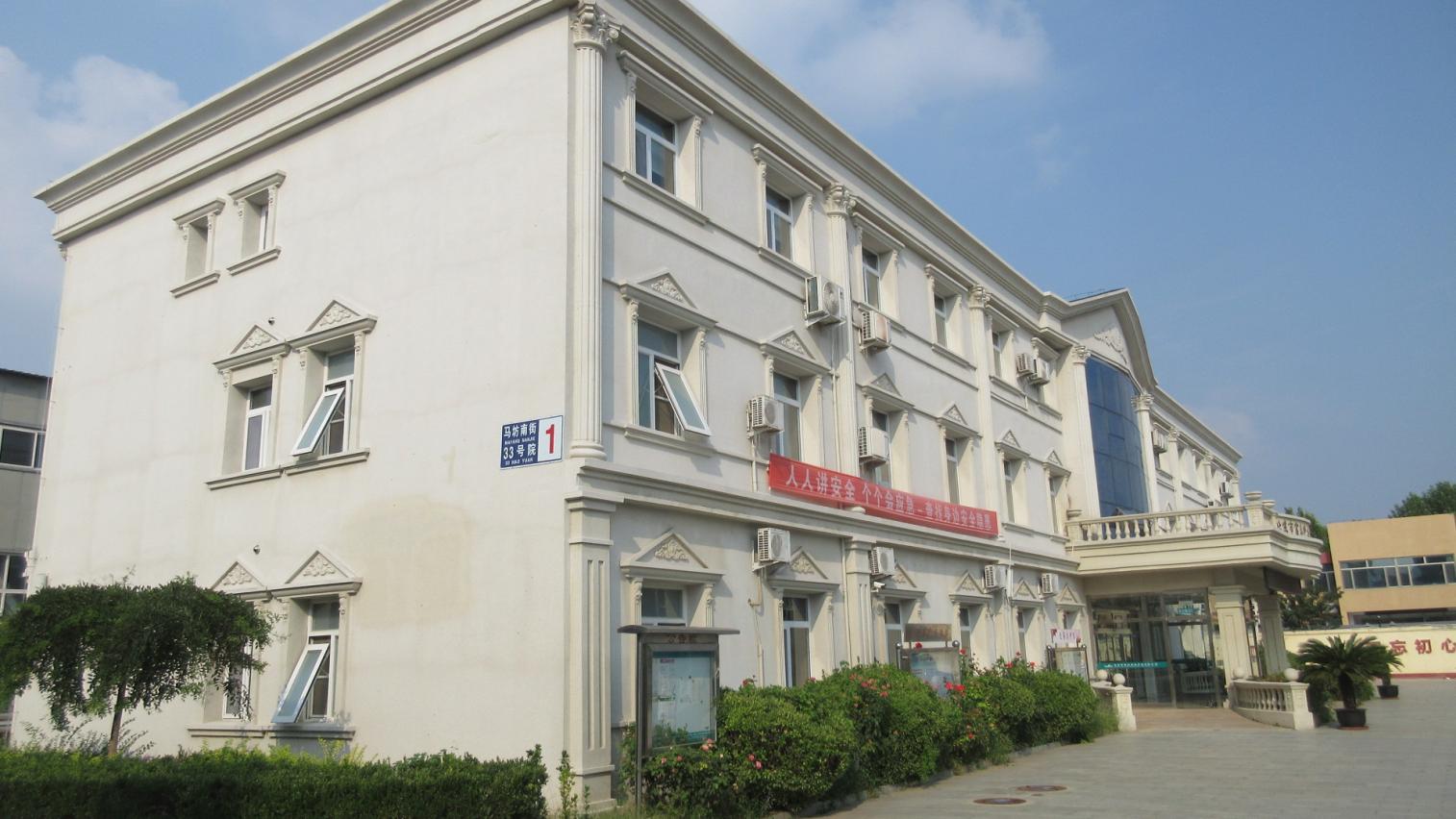
In the modern landscape of interventional medicine, the line between orthopedic implants and "medication delivery systems" has structurally integrated. Advanced surgical interfaces do not simply stabilize mechanical structures; they act as passive and active delivery systems facilitating localized therapeutic environments. Beijing Fule Science & Technology Development Co., Ltd., established in 1996, has stood at the absolute forefront of this paradigm. Operating with a 10,000 m² state-of-the-art facility, we engineering premium Titanium and PEEK (Polyether ether ketone) systems that optimize load distribution while serving as matrices for osteoinductive materials, bone morphogenetic proteins (BMP), and localized antibiotic elution.
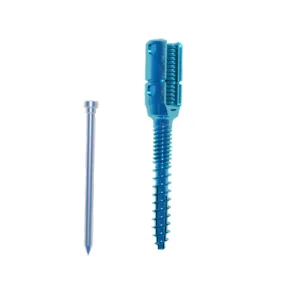
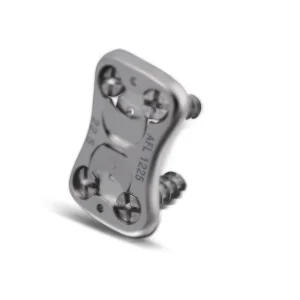
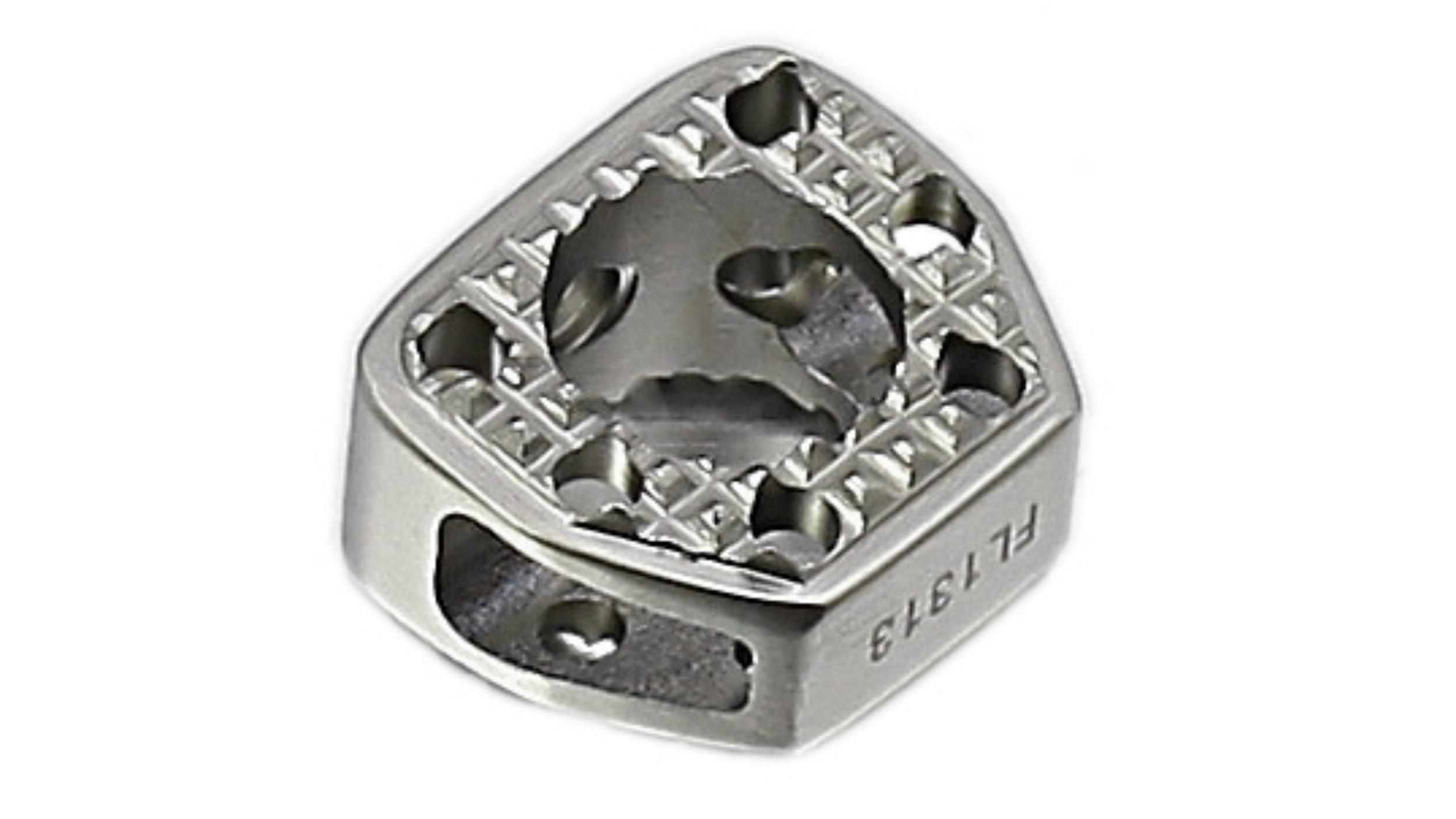
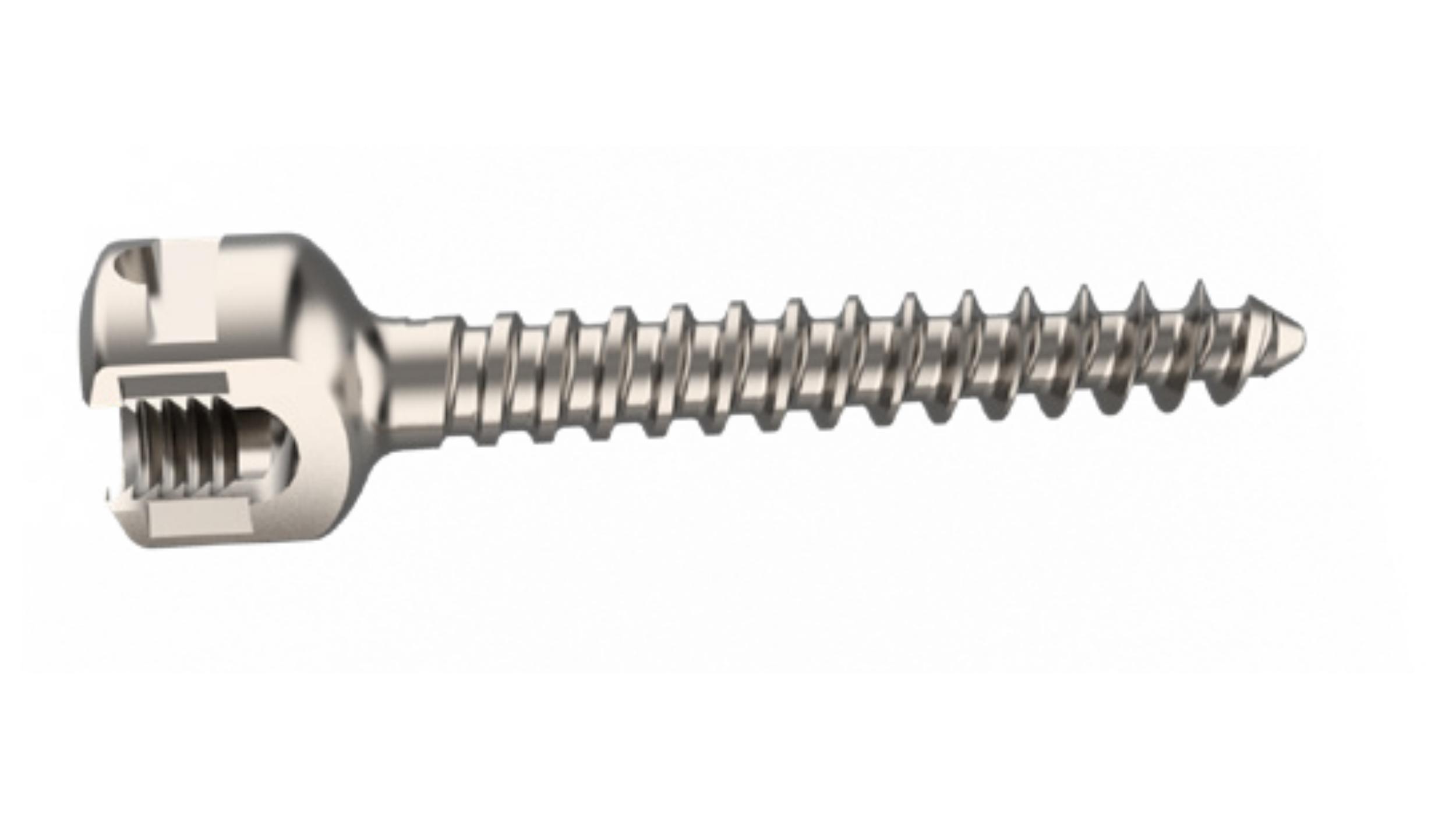
The global clinical demand is moving away from simple structural stabilization toward active bio-integration. This transition requires implants like our Anterior Cervical Spine Plate System and Expandable Reduction Pedicle Screws to feature micron-level surface structuring. These advancements minimize postoperative instability and expedite osteointegration, fulfilling the dual roles of structural reinforcement and therapeutic delivery platforms.
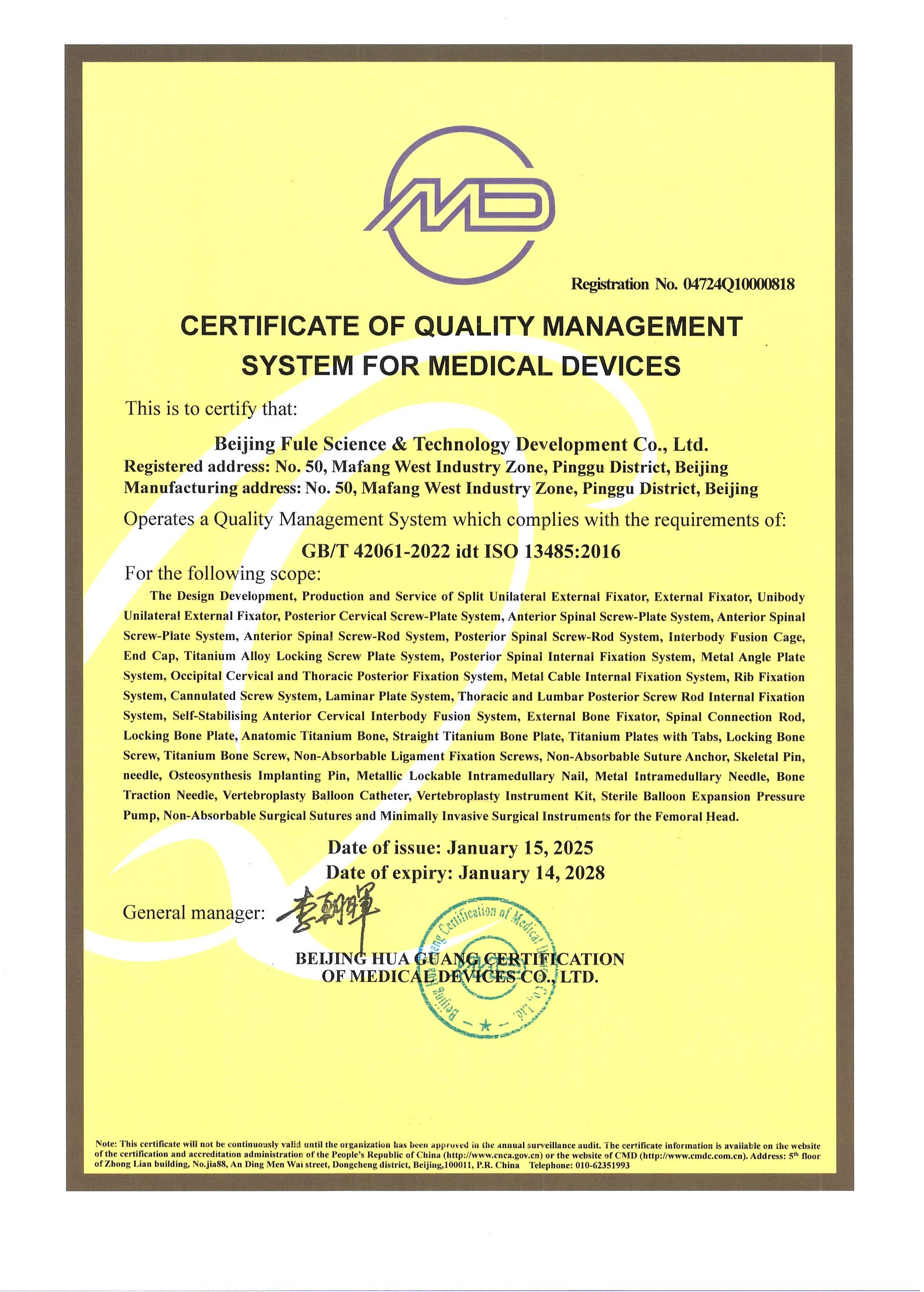
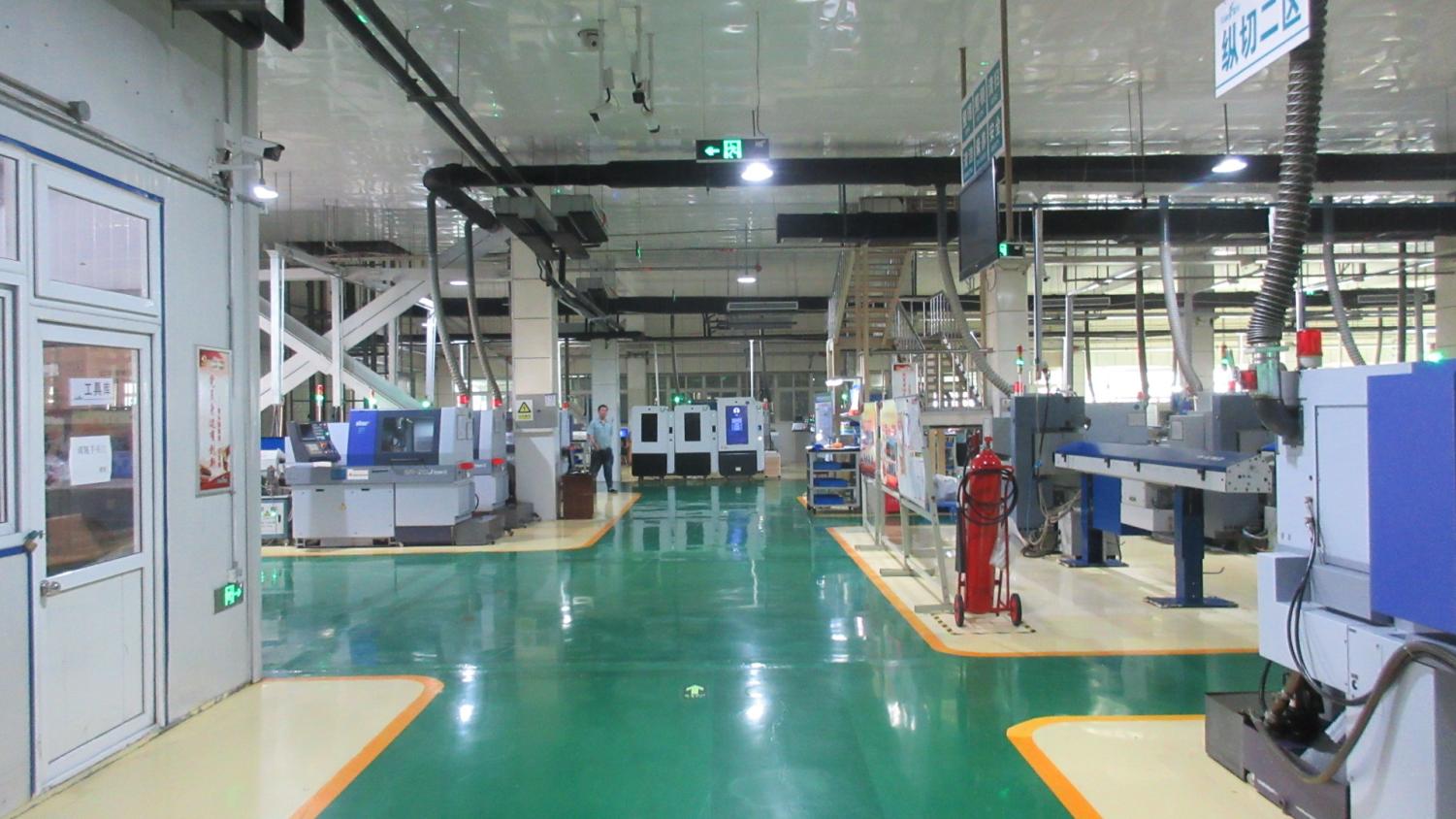
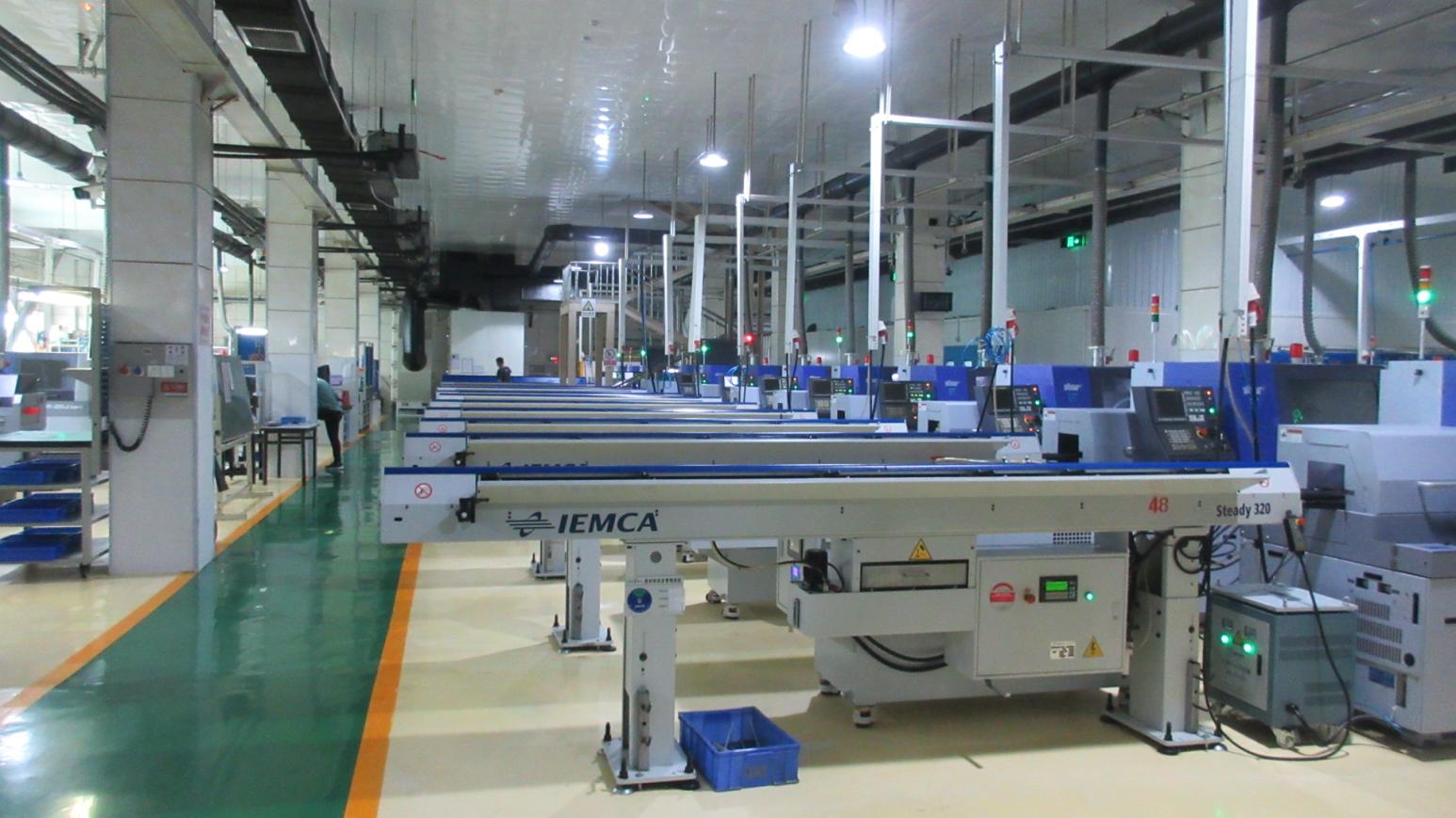
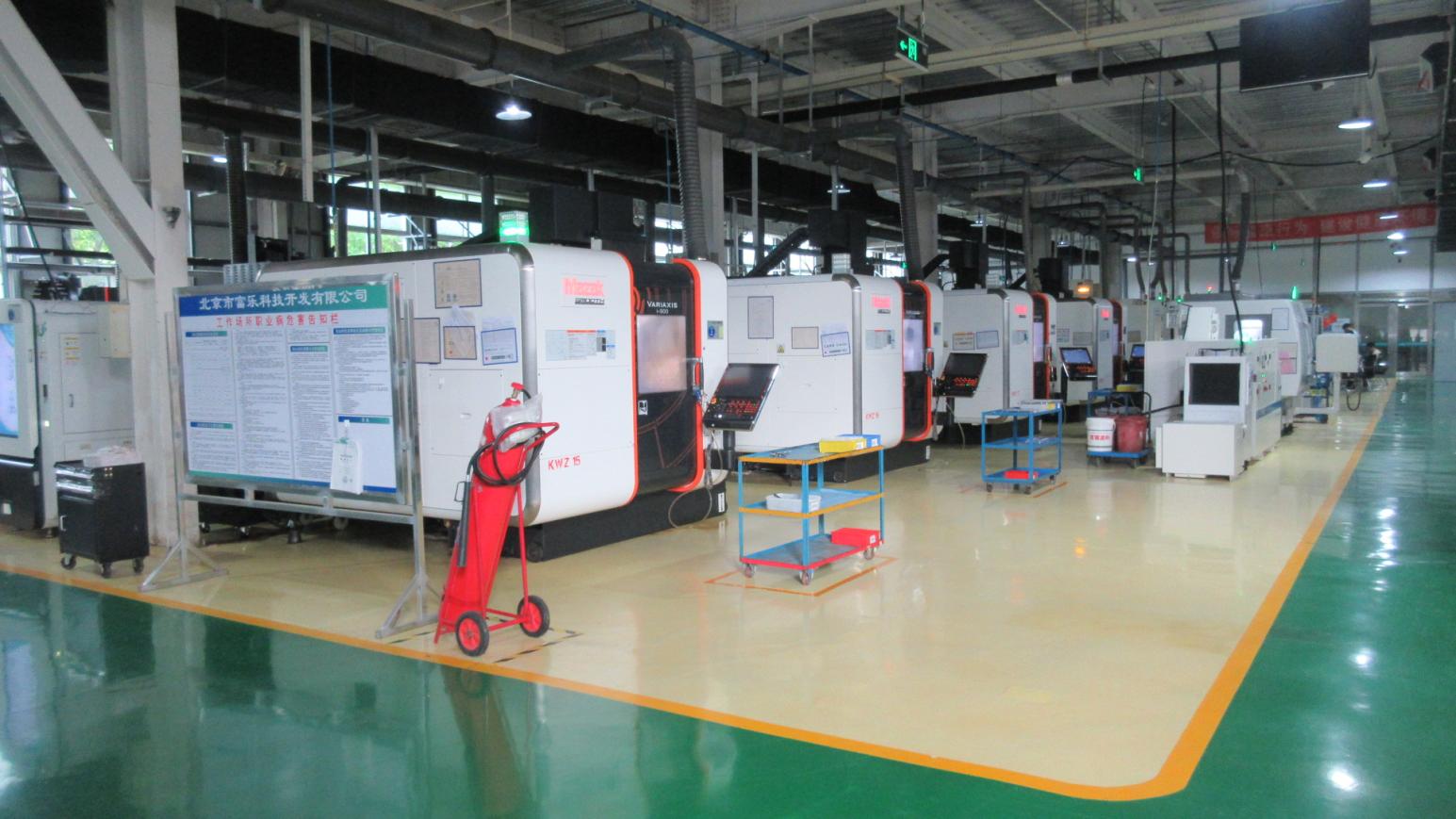
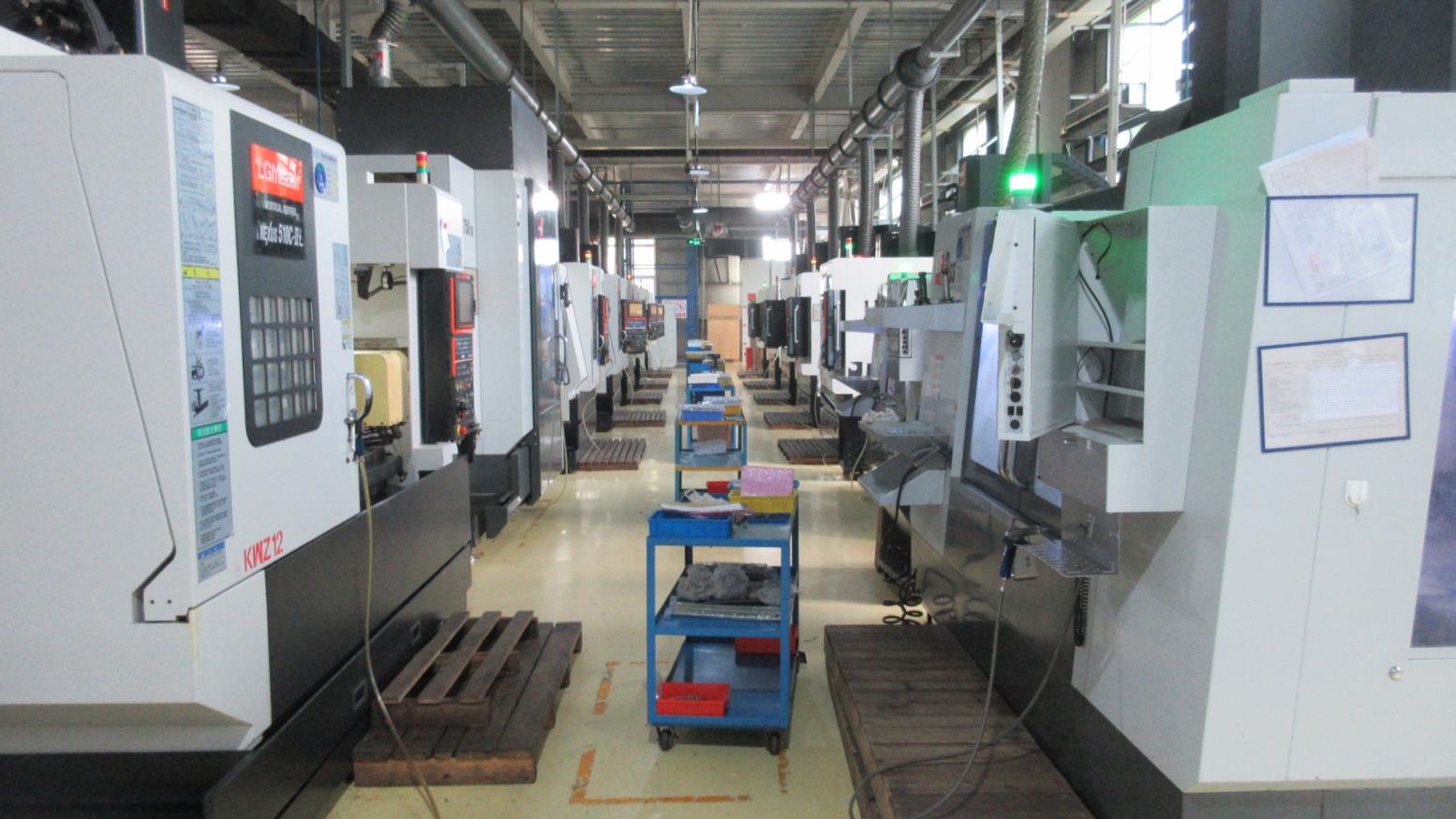
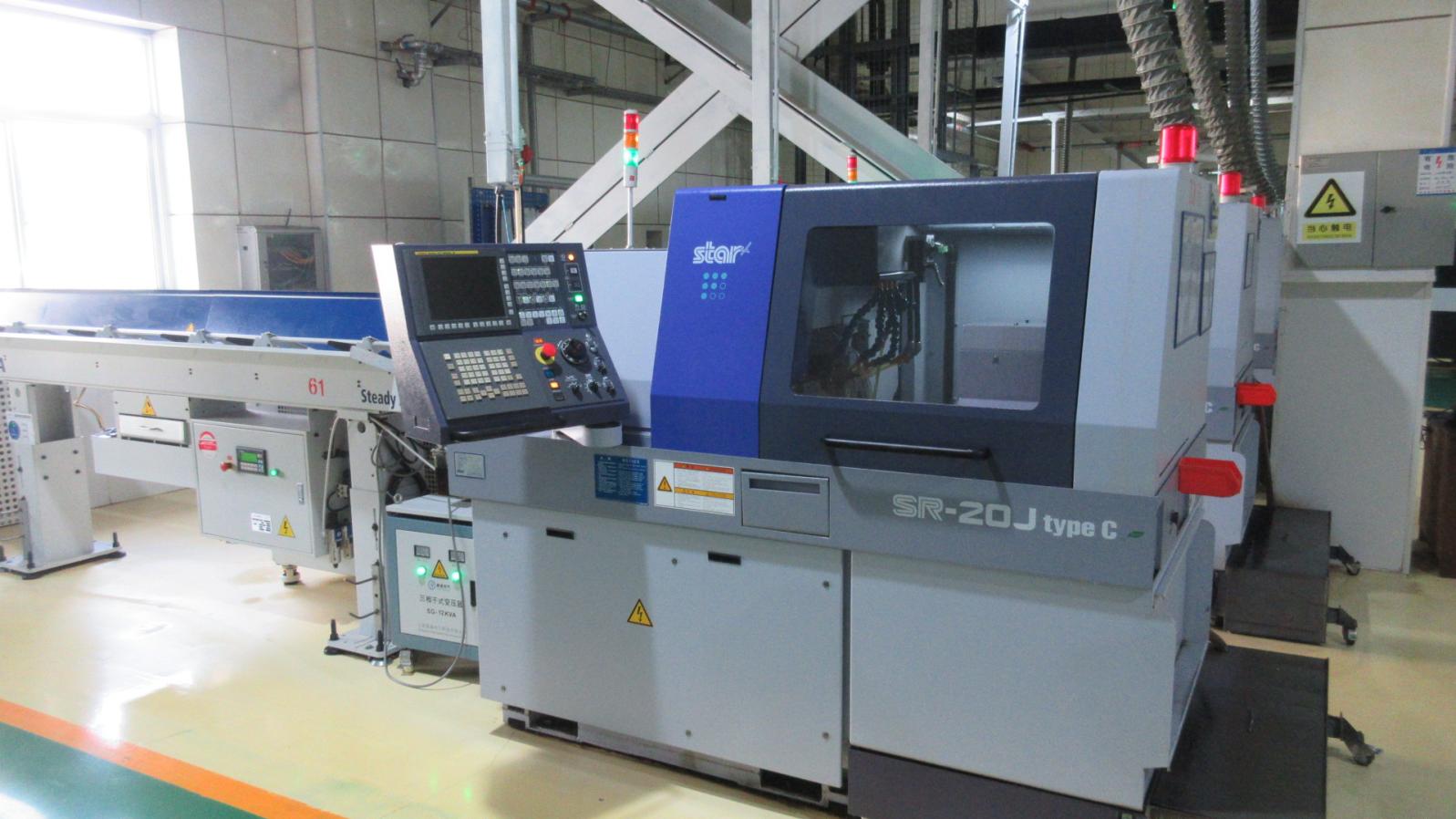
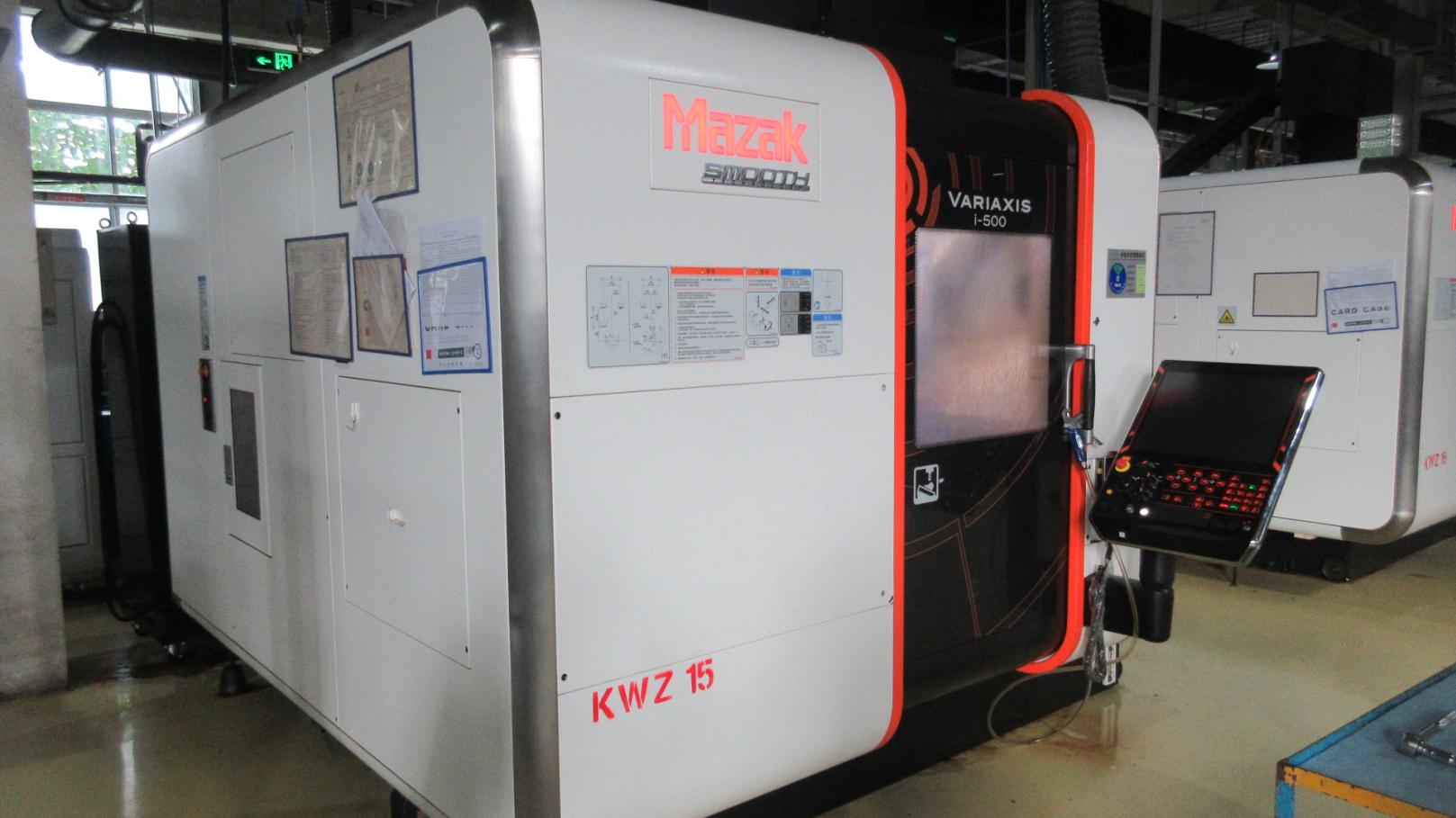
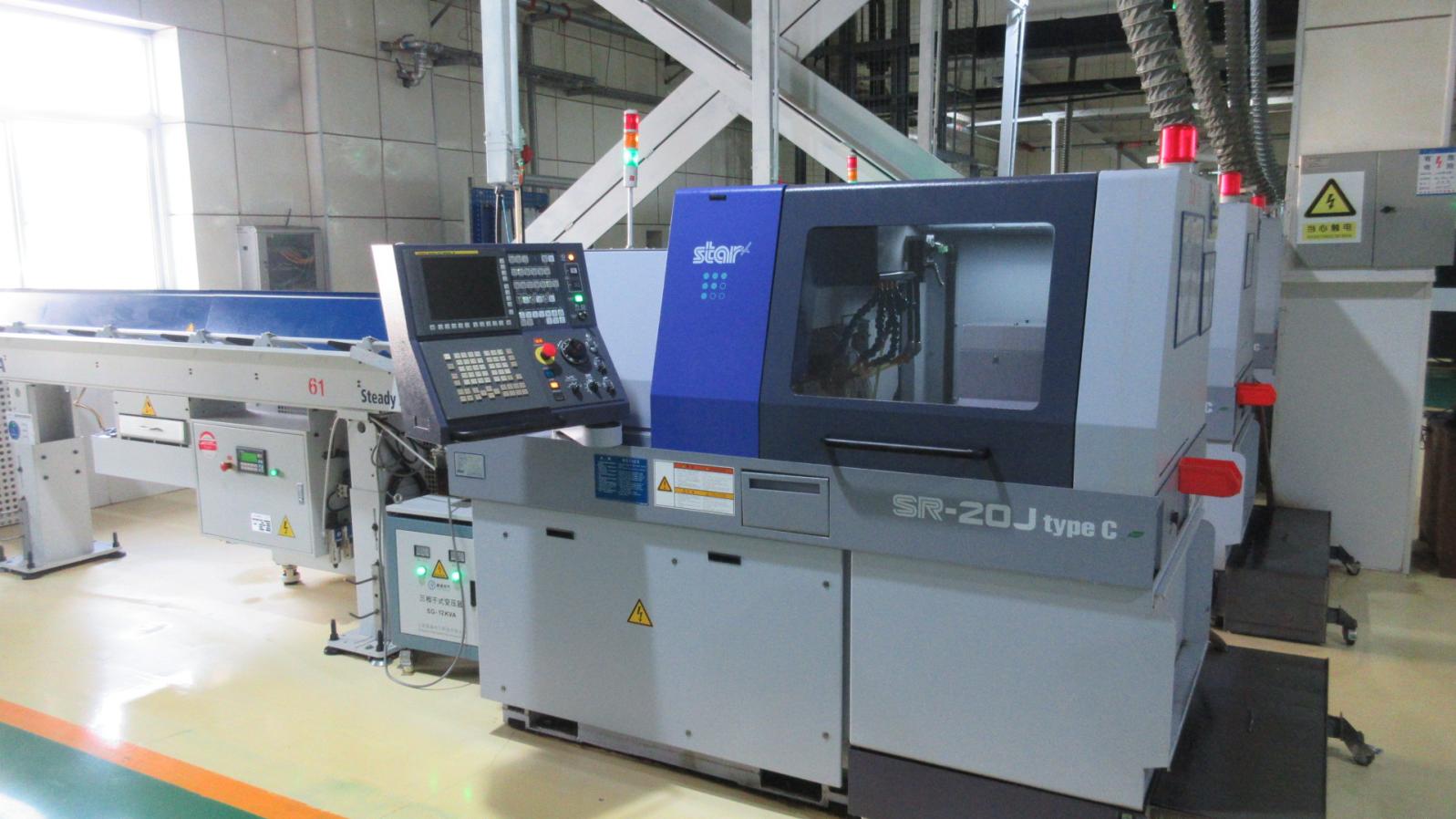
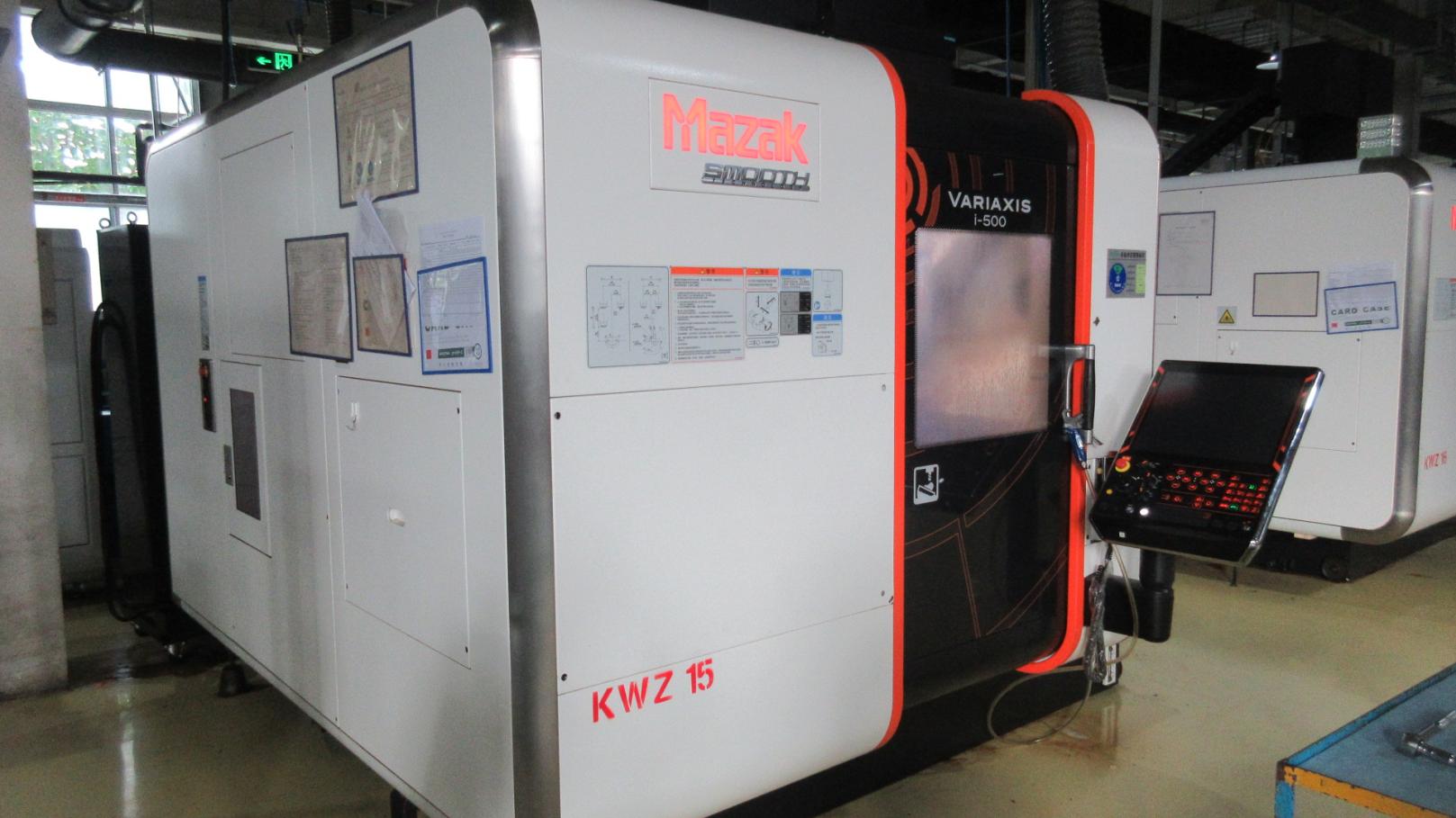
Our manufacturing hub in Beijing executes a strict "Factory 4.0" framework. With over 102 precision production machines, including ultra-precise 5-axis Swiss CNC turning centers and automated wire EDM systems, we maintain absolute dimensional repeatability down to ±0.005mm. The orthopedic manufacturing paradigm cannot afford deviations. Under our ISO13485 certification framework, every single implant component—from the Titanium 5.5 Usmart System Expandable Screw to our Anterior Zero-profile Interbody Cages—undergoes a rigorous production route mapped by a digitized traceability matrix.
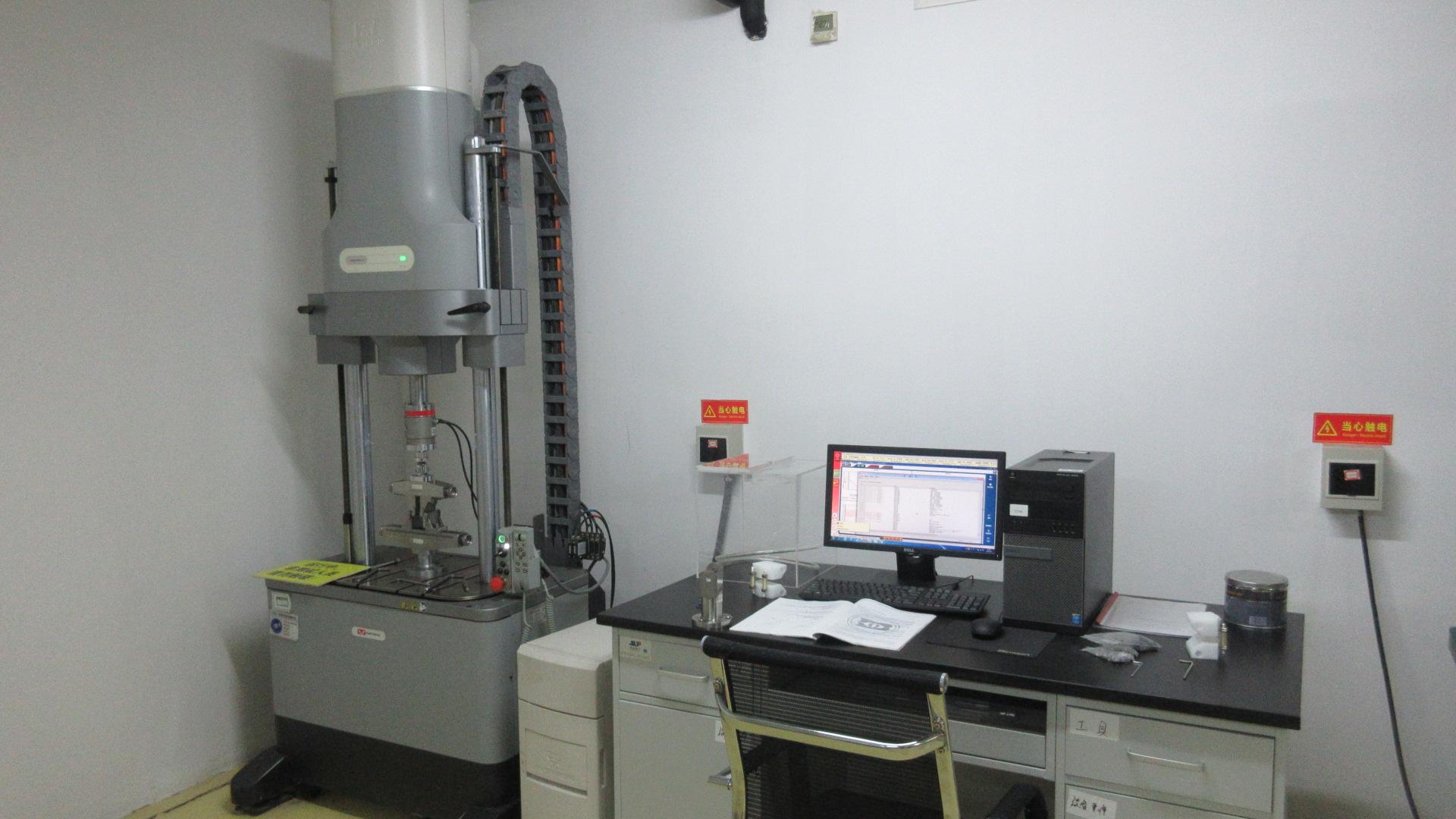
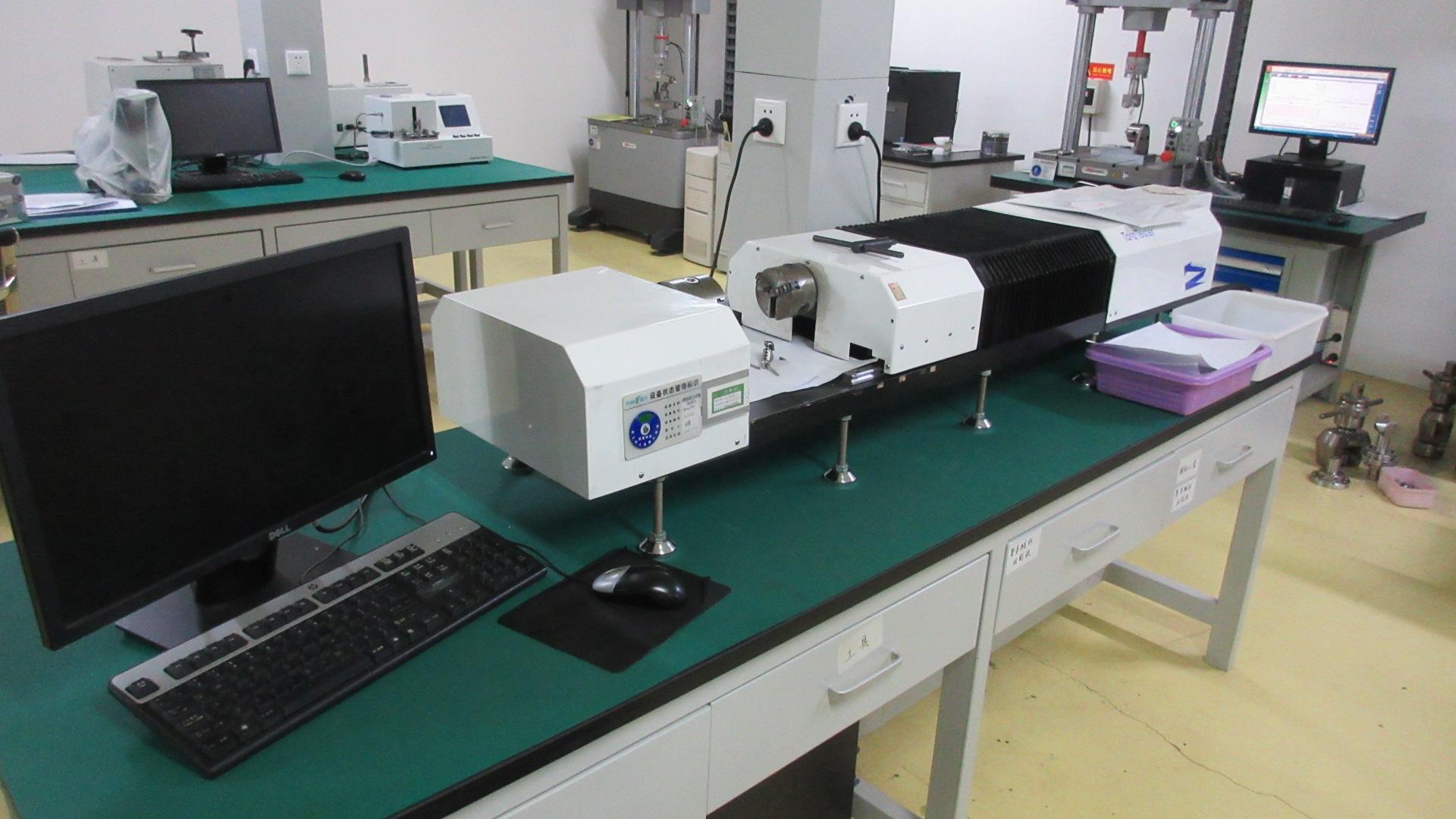
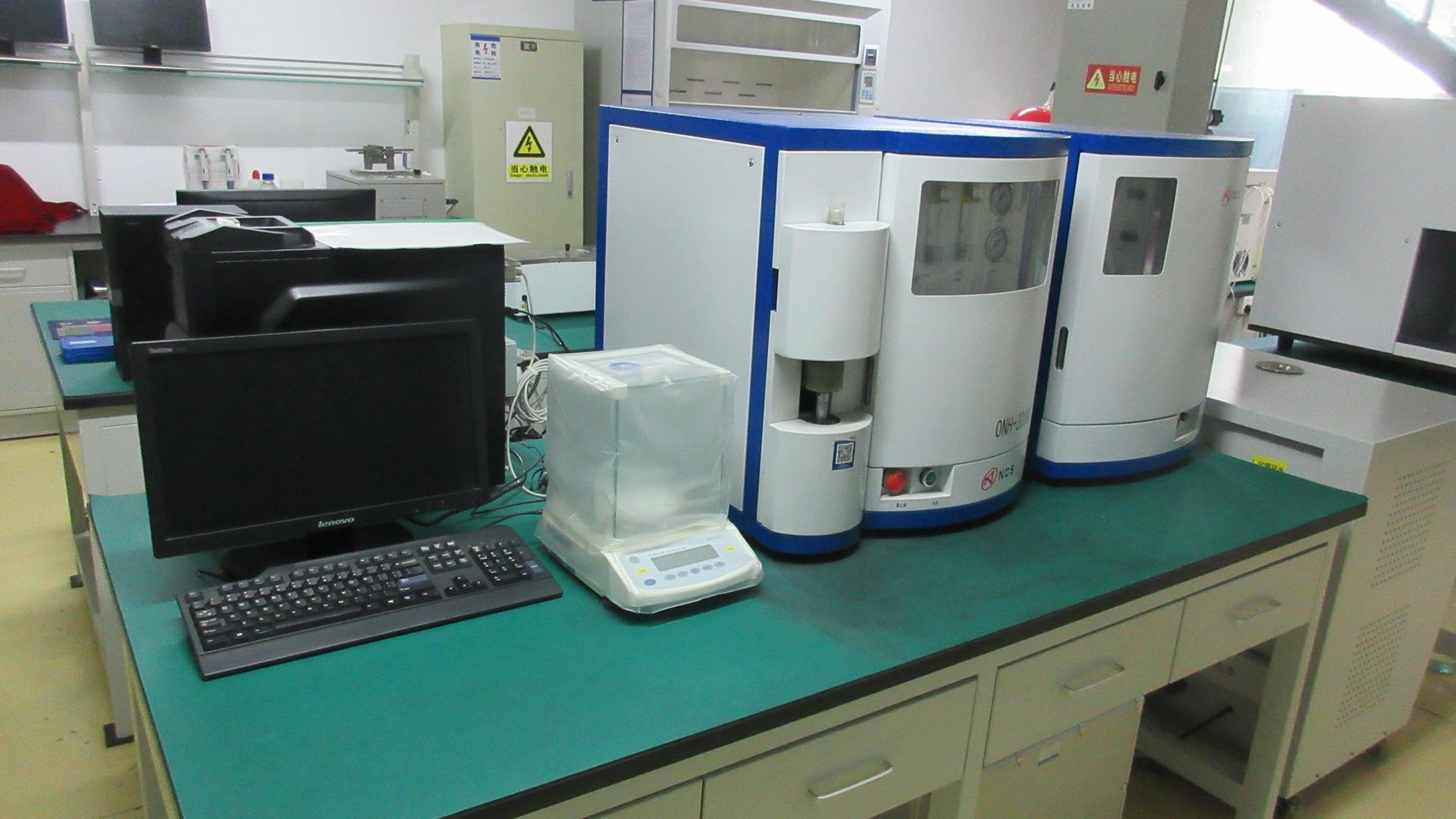
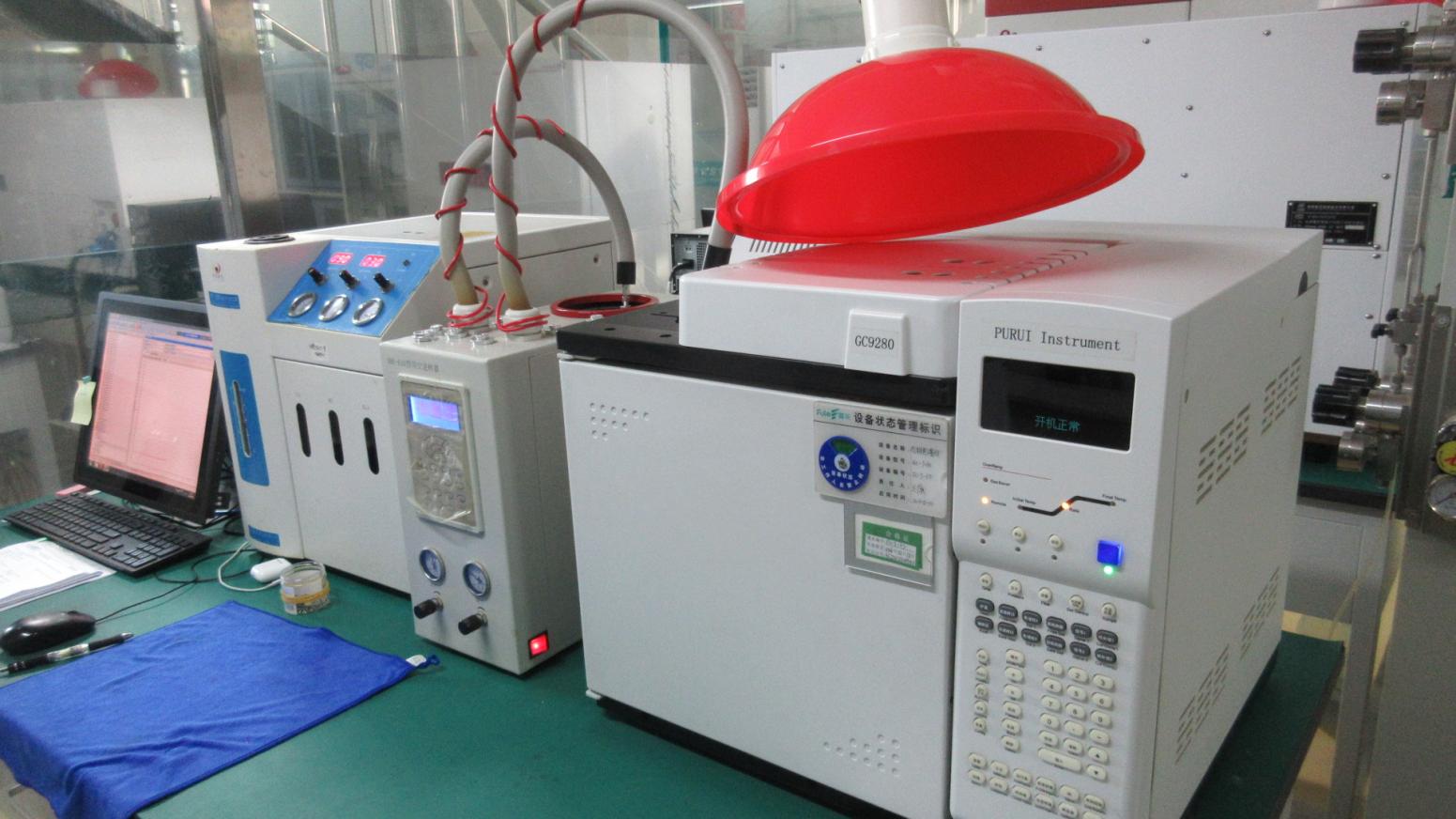
Raw materials represent the foundation of medical-device E-E-A-T. We source exclusively medical-grade titanium alloys (Ti-6Al-4V ELI) complying with ASTM F136 and implant-grade PEEK. This ensures that every delivery system exhibits optimum fatigue strength, bio-compatibility, and corrosion resistance. Our 15 QA/QC inspectors execute comprehensive destructive and non-destructive testing, including fluorescent penetrant testing, coordinate measuring machine (CMM) dimensional analysis, and fatigue testing up to 5 million cycles to match and exceed FDA and CE regulatory standards.
Understanding the mechanical specifications of orthopedic delivery systems is crucial for global medical distributors and hospital procurement teams. Below is the structural specifications overview for our key product suites:
| System Classification | Material Grade | Surface Modification | Primary Clinical Indication | Surgical Access Path |
|---|---|---|---|---|
| Anterior Cervical Plate | Titanium Alloy (Ti-6Al-4V ELI) | Type II Anodization (Anti-galling) | Degenerative Disc Disease, Trauma | Minimal Open Anterior |
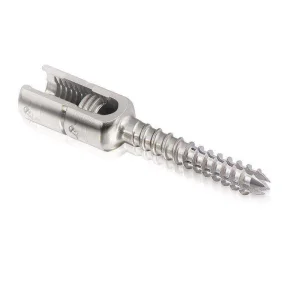
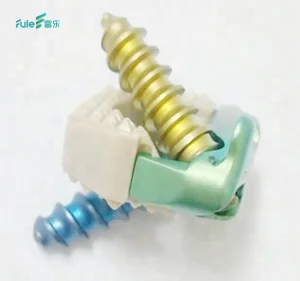
| Expandable Pedicle Screw | High-tensile Titanium | Acid-etched Micro-texture | Osteoporotic Spine Stabilization | Posterior Percutaneous / Open |
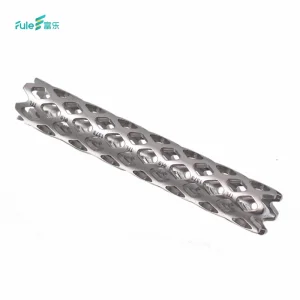
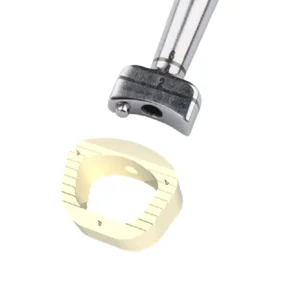
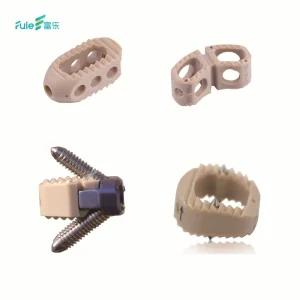
| Zero-Profile Interbody Cage | Medical PEEK & Titanium Alloy | Tantalum Marker Integration | Spondylolisthesis, Spine Fusion | Anterior Lumbar / Cervical |
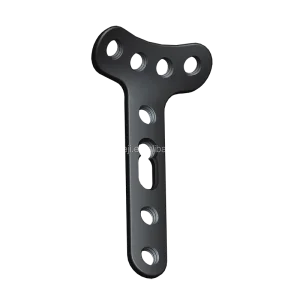
| Mini Trauma Plates | Pure Titanium (Grades 2/4) | Electropolished Passivated | Hand, Foot, Maxillofacial Trauma | Direct Subperiosteal |
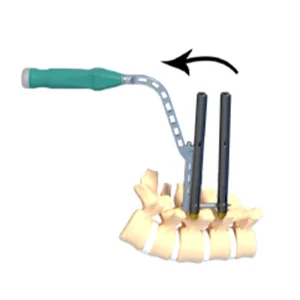
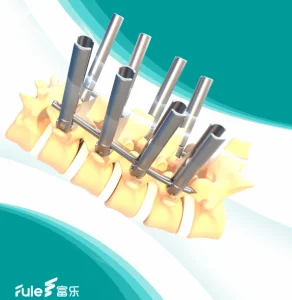
Our technology roadmap aligns with the shift toward minimally invasive spinal surgery (MISS). The VSSII 85mm Extended Arm Minimally Invasive System is engineered specifically to match these parameters, enabling spine surgeons to operate through smaller incisions while maintaining optimal visual reference. Future revisions of our product portfolio incorporate embedded RFID micro-tags to support post-implantation tracking, tracking local biomechanical strain, and identifying structural stress points during long-term clinical checkups.
Exporting implantable Class III medical devices requires navigating highly complex international regulatory environments. Fule's regulatory strategy is built around localized compliance, supported by extensive clinical validation. Our Class III spinal fusion and trauma fixation systems carry complete CE markings, enabling smooth customs and regulatory clearance across EU member states and associated regions.
We assist our global partners (wholesalers, regional distributors, hospital procurement offices) by providing comprehensive technical documentation, including:
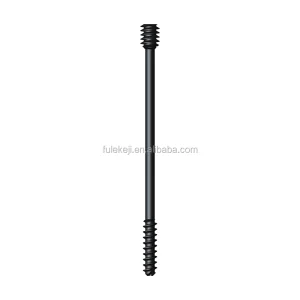
This robust regulatory framework ensures that whether you are sourcing the Occipitocervical Thoracic Spinal Screw-Rod System or the DHC Titanium Cannulated Spine Screw System, your compliance requirements are fully satisfied before the product arrives in port.
Beijing Fule offers flexible, transparent procurement frameworks optimized for high-volume distributors and international hospital consortiums. We recognize that medical sourcing involves mitigating risks around lead times, unit consistency, and quality drift. By partnering with 70 key global supply chain nodes, we ensure consistent raw material flow even during macroeconomic volatility.
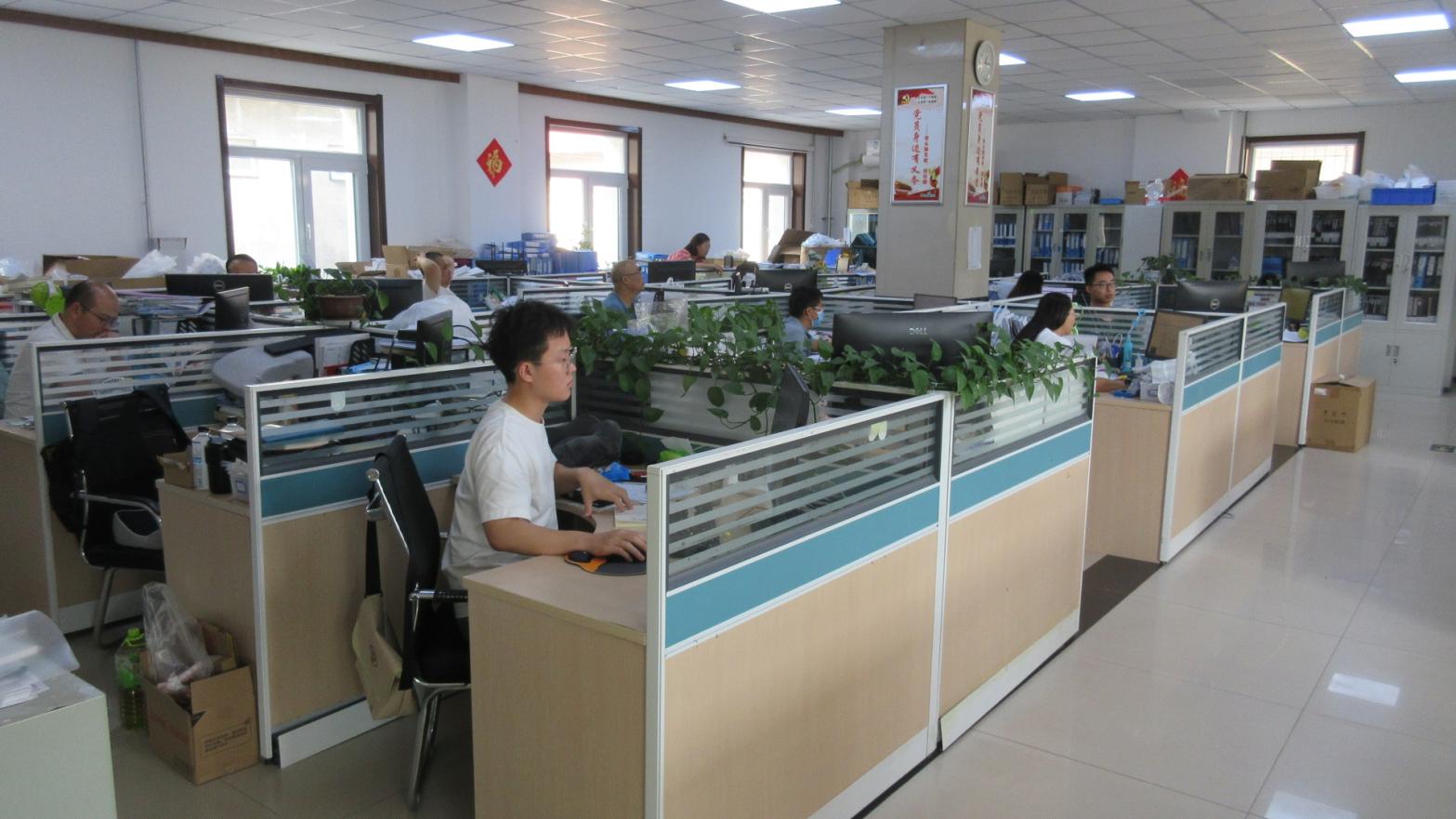
Our customization team supports dynamic OEM/ODM requirements. With over 20 R&D engineers (including 15 graduate specialists), we provide quick prototyping based on clinical feedback, custom instrument design, and regional-specific packaging solutions. Our pricing models remain highly competitive without compromising structural integrity or manufacturing precision, resulting in optimized total-cost-of-ownership (TCO) profiles for international purchasers.
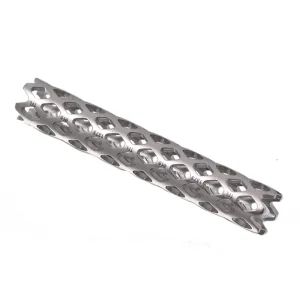
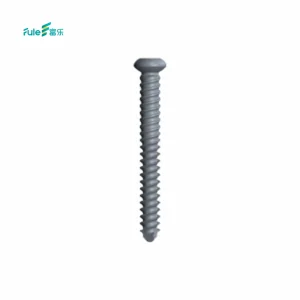
Explore our secondary selection of CE-certified implants and instrumentation, serving trauma, reconstruction, and complex spinal surgeries worldwide.
Get professional clarity regarding quality parameters, biomechanical designs, and custom medical engineering support.
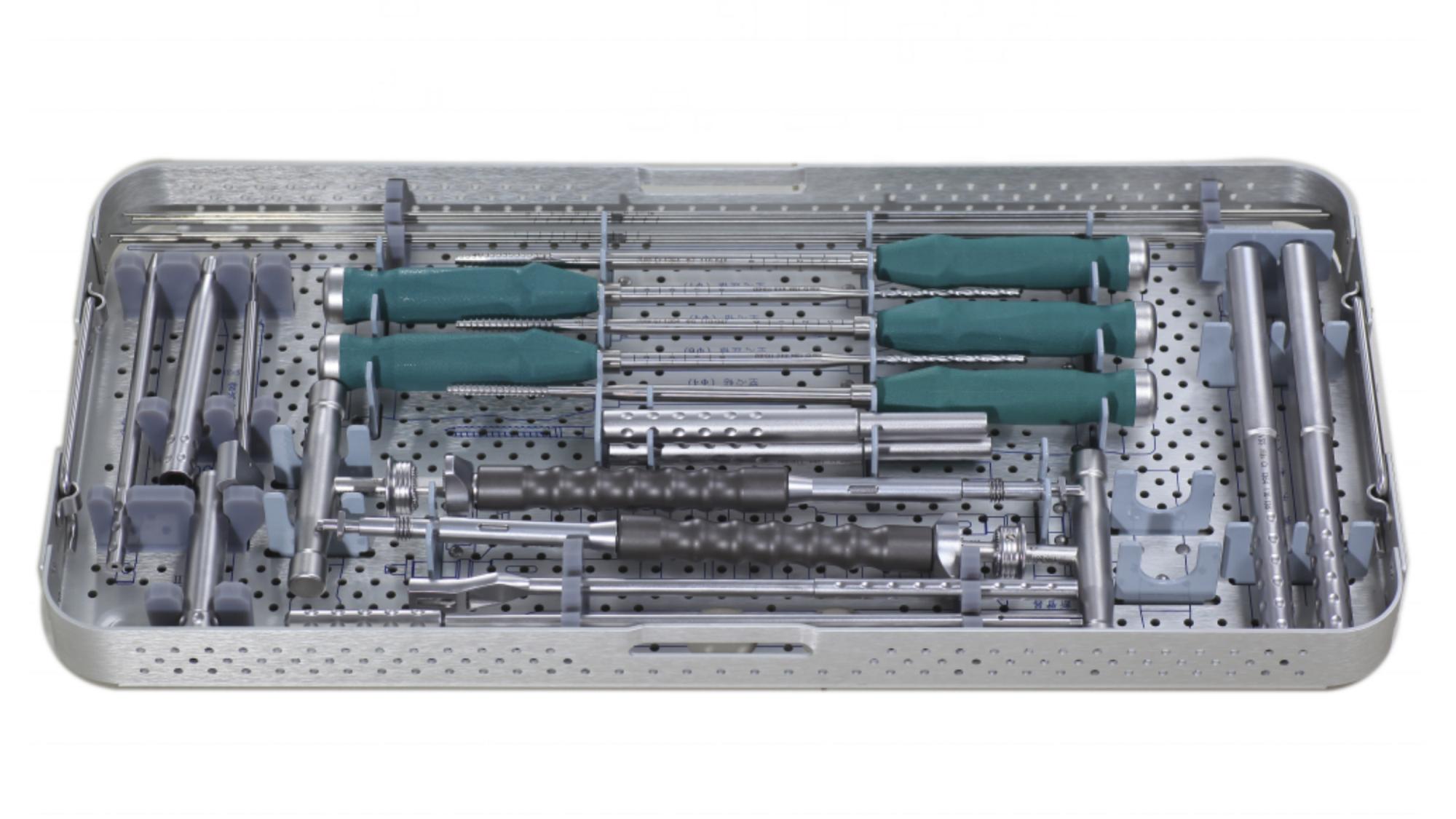
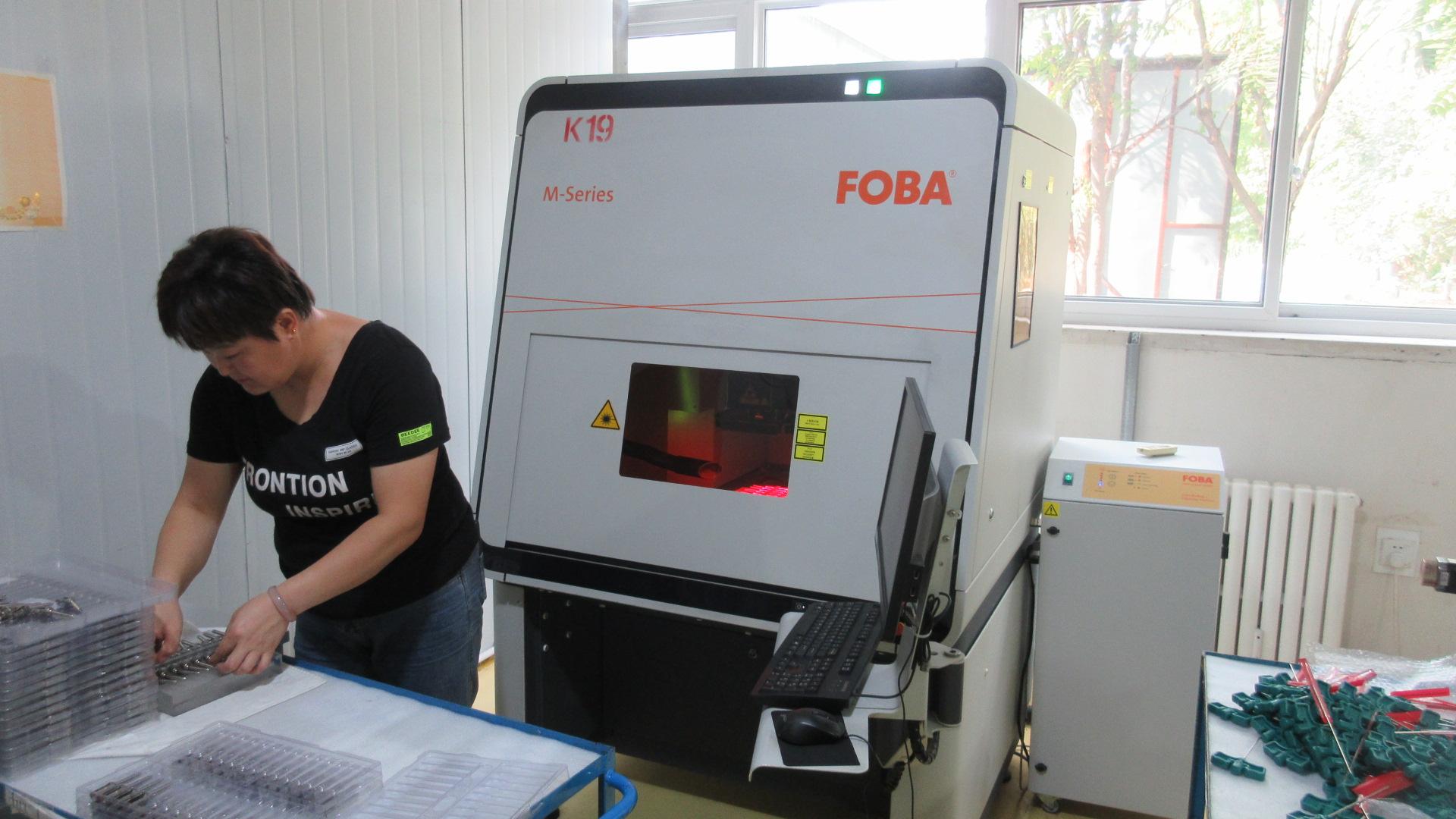
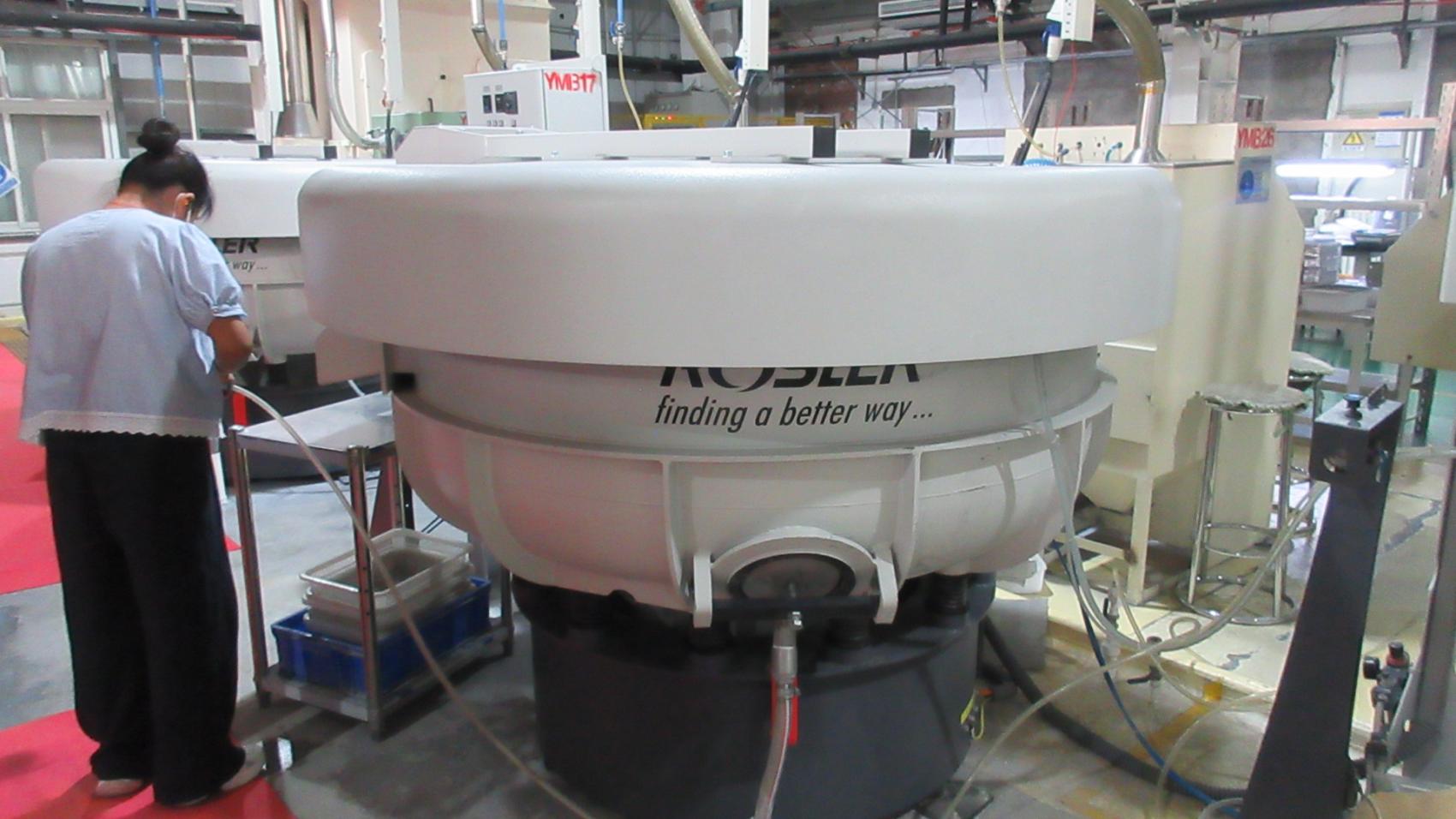
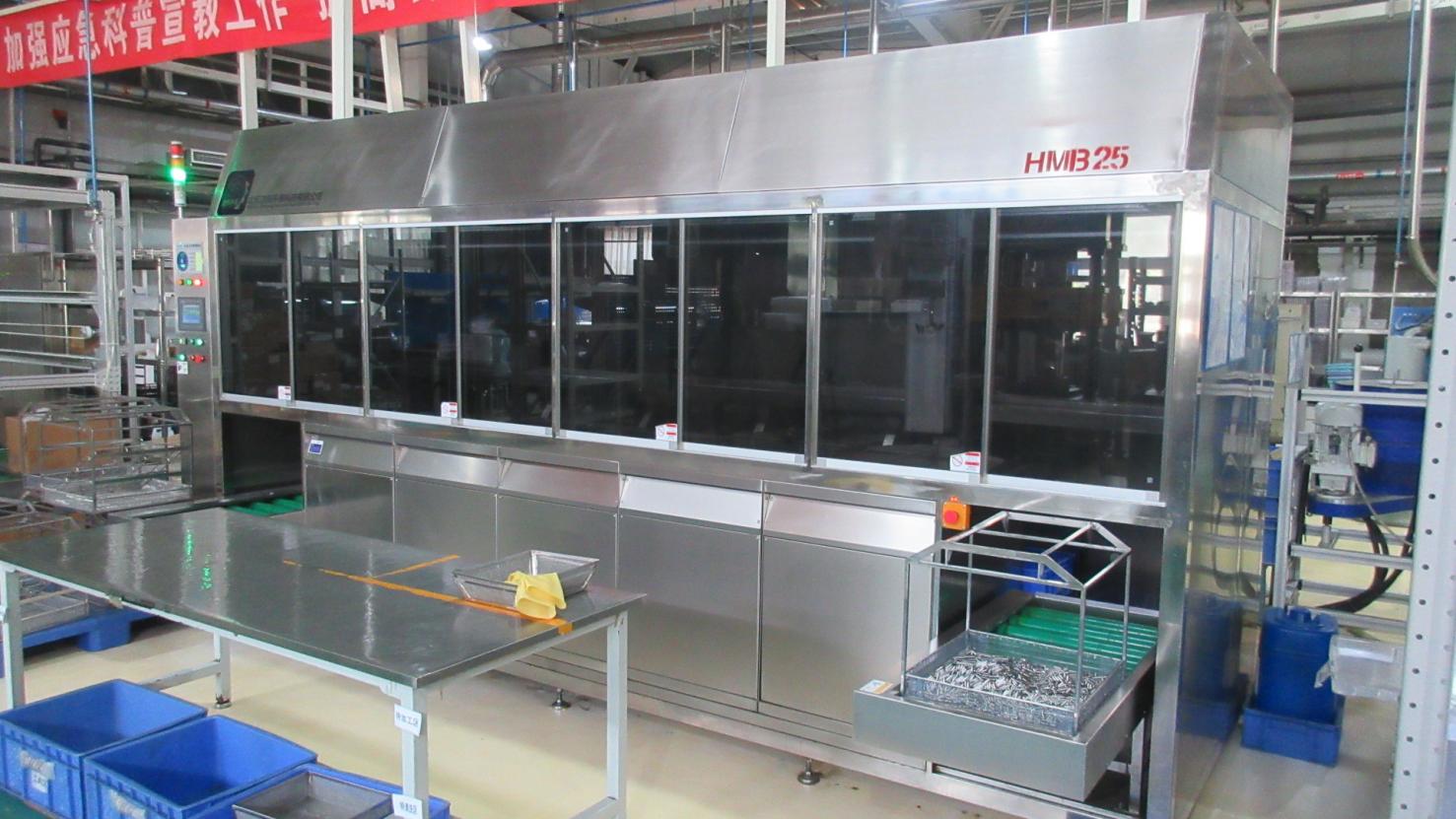
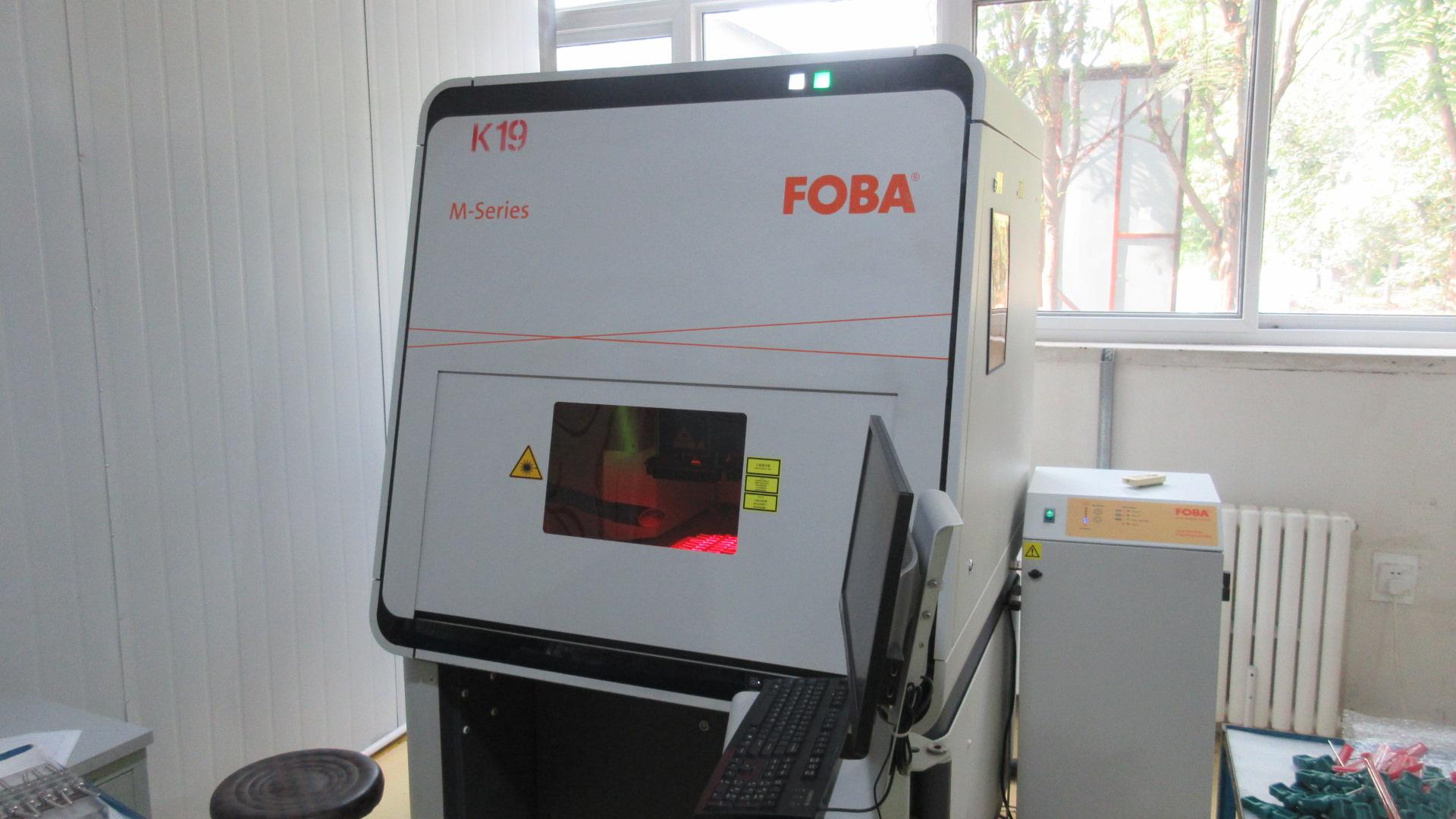
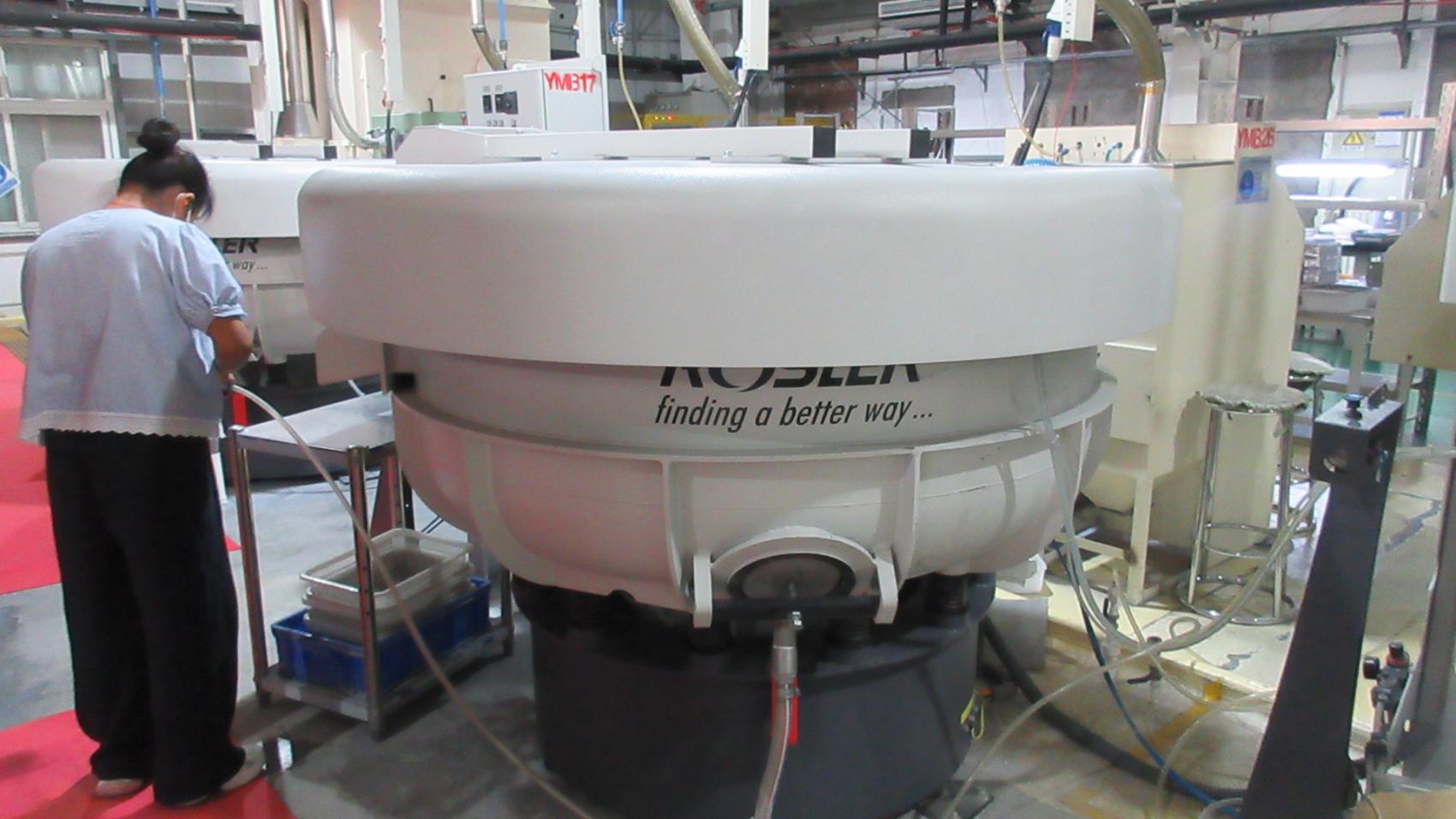
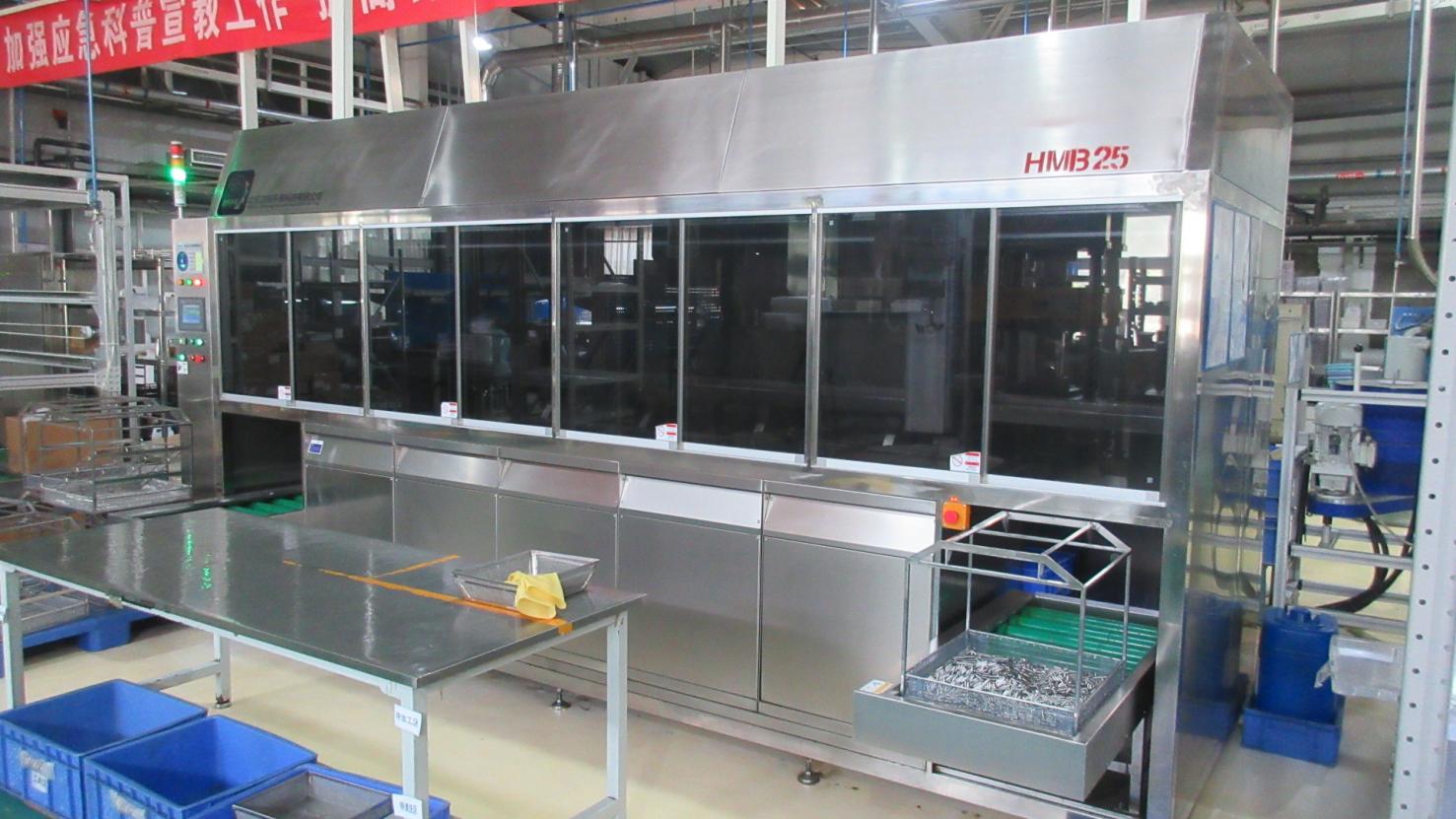
Visual overview of our factory floor, machining centers, production outputs, and international registration certifications.


 Fule
Fule