Fule
Fule

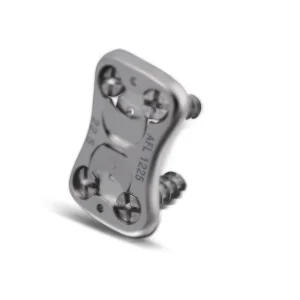
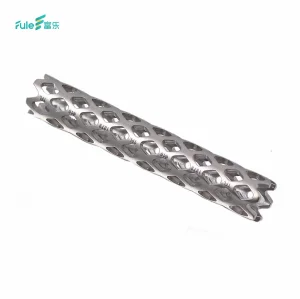


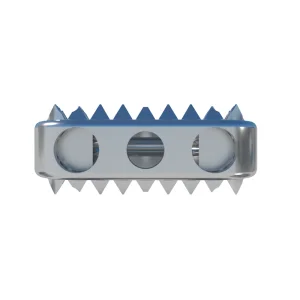
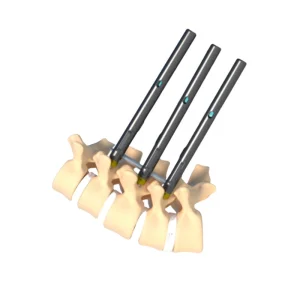
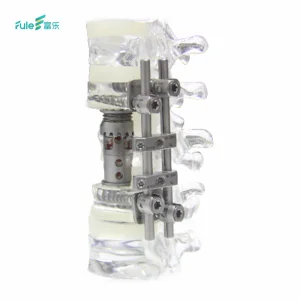
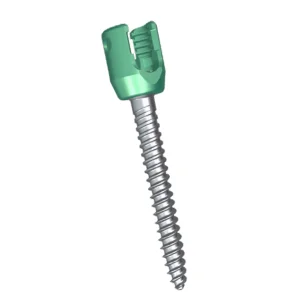
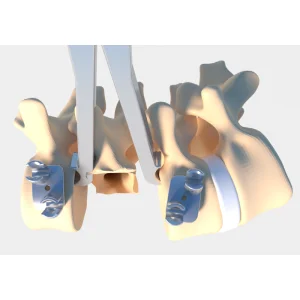
The global healthcare sector is witnessing a paradigm shift from standardized implant interventions to highly personalized clinical solutions. At the center of this revolution is the integration of advanced OEM Medical Imaging Software. Modern medical software no longer functions as a standalone viewer; it is the fundamental bridge that connects diagnostic imaging modality inputs (CT, MRI, X-Ray) with high-precision physical intervention systems (spinal fixation screws, anatomical plates, and personalized fusion cages).
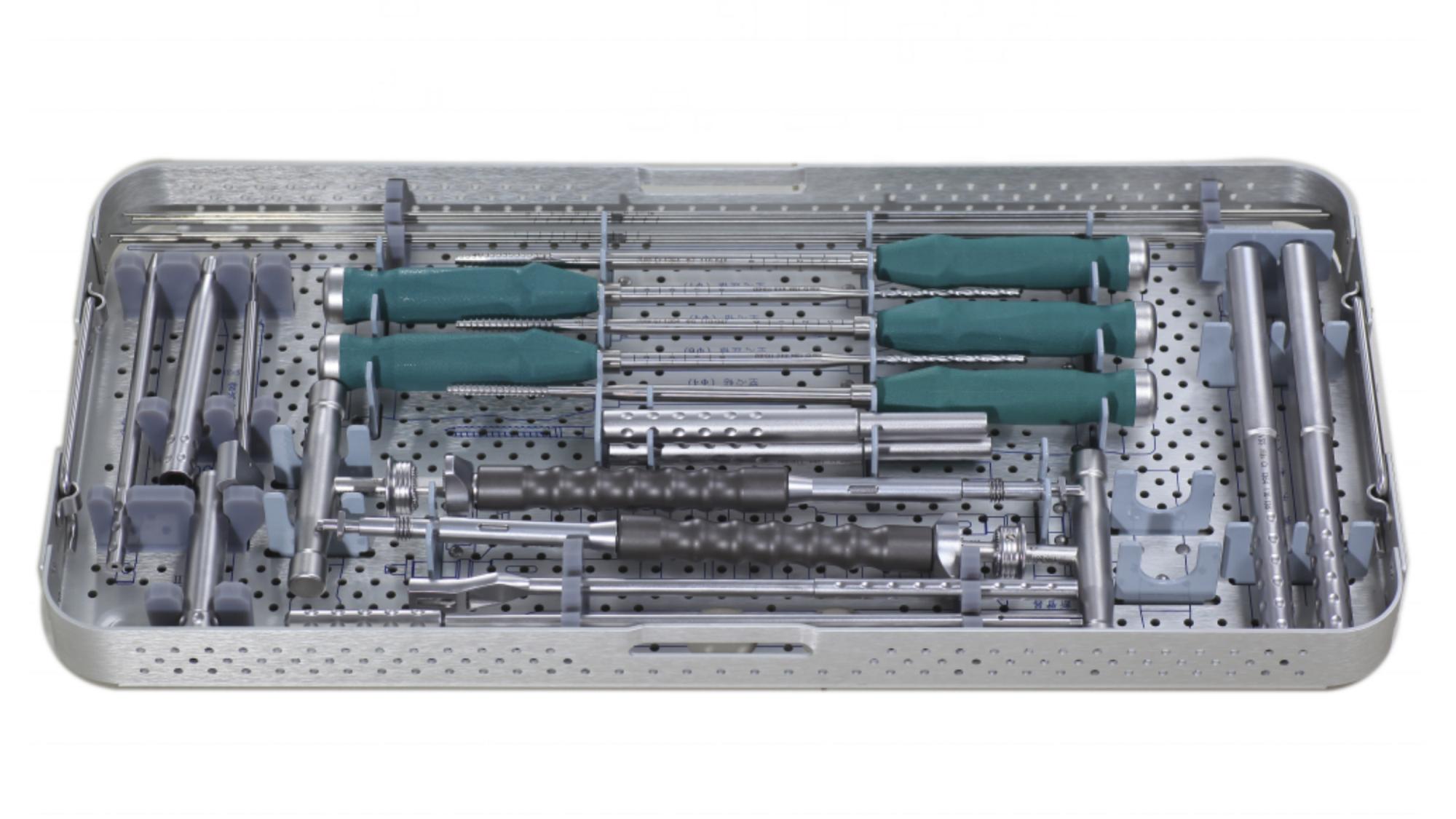
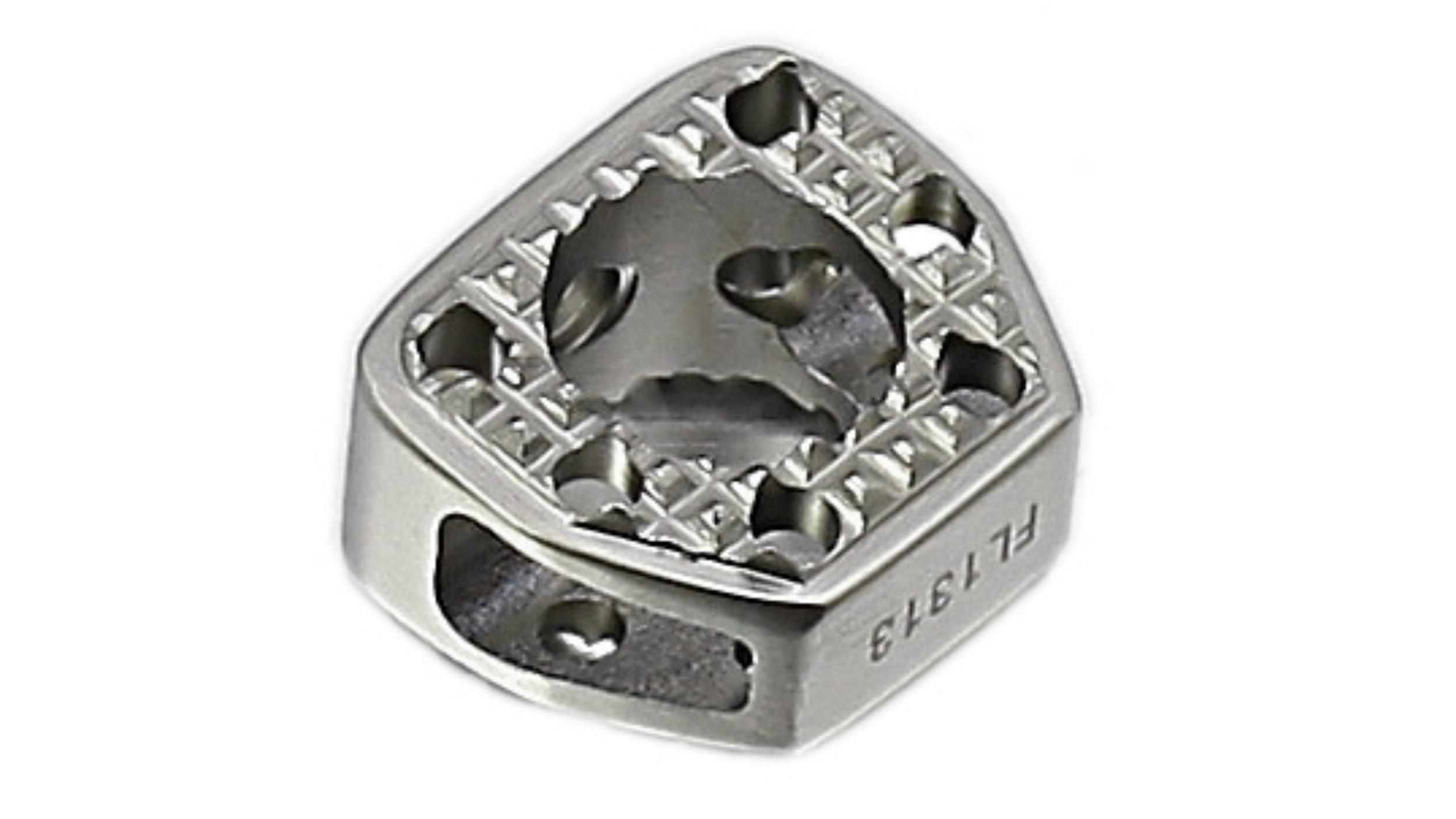
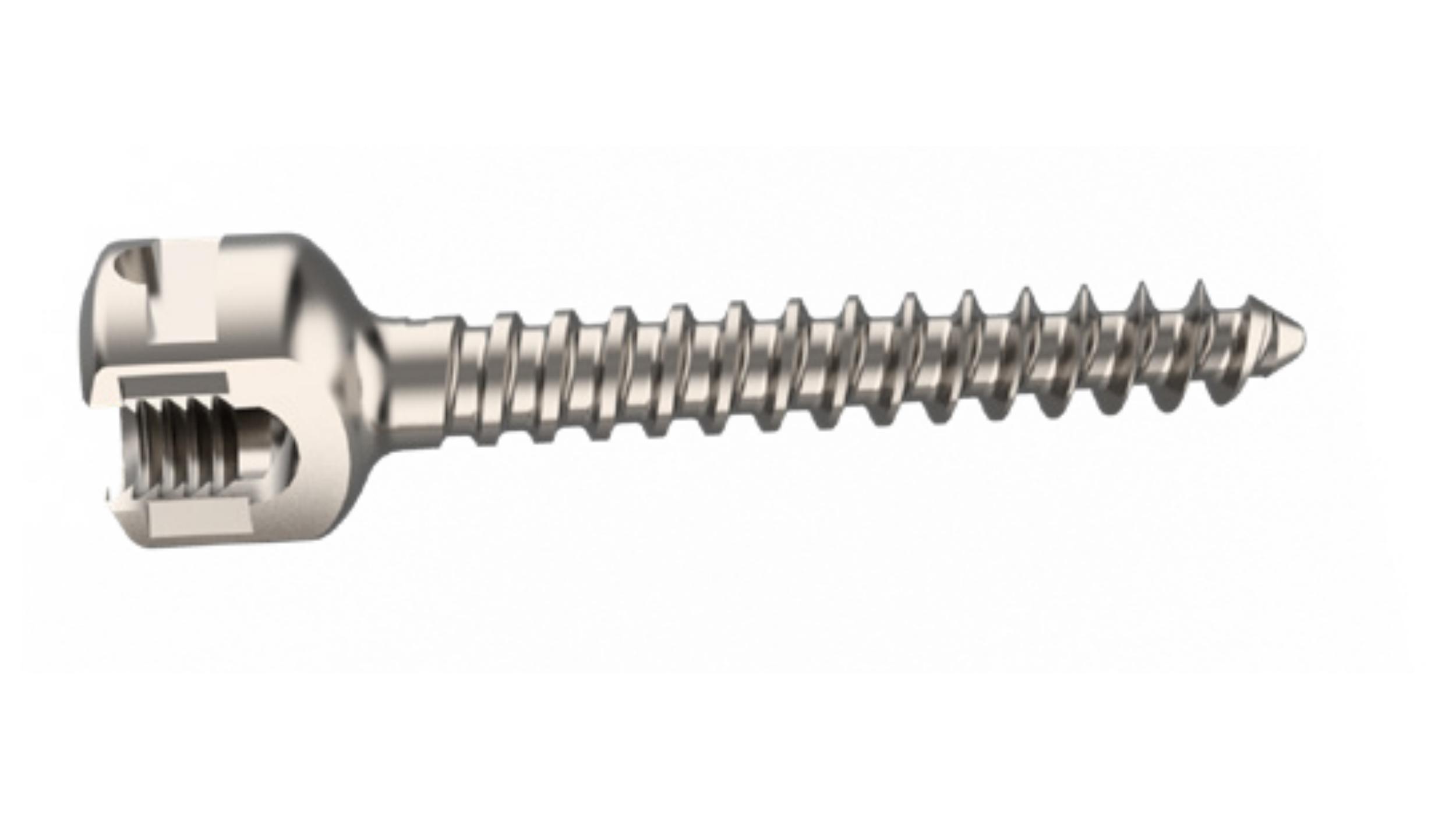
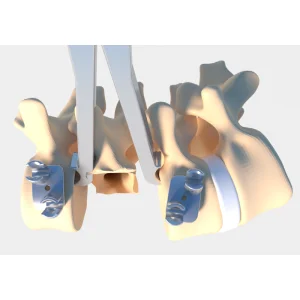
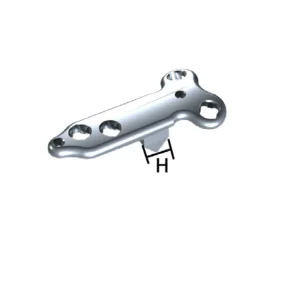
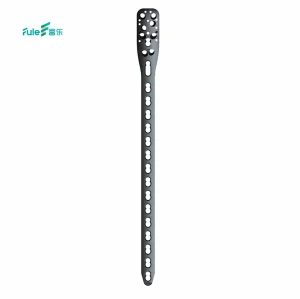
In contemporary orthopedics and neurosurgery, surgical planning demands an absolute synthesis between digital CAD data and DICOM (Digital Imaging and Communications in Medicine) raw data. By deploying sophisticated segmentation algorithms, medical personnel can convert slice-by-slice voxel representations of patients' pathology into precise 3D surface meshes (STL/OBJ formats). These meshes form the anatomical foundation upon which customized titanium implants—such as the Fule MIKO II Series and anterior cervical plates—are designed, validated, and eventually fabricated.
Macro-Industry Outlook & Digital Ecosystem Dynamics
Globally, healthcare providers face rising demands to reduce operating theater time, lower readmission rates, and mitigate perioperative risks. Digital surgery ecosystems driven by OEM software solve these challenges. Leading medical institutions recognize that incorporating cloud-native DICOM archiving, AI-assisted lesion extraction, and parametric implant templates dramatically reduces the cycle time for patient-specific planning. As an established developer and exporter, our objective is to supply modular, white-label PACS (Picture Archiving and Communication System) software components and planning tools that enable regional distributors and device manufacturers to build comprehensive digital pipelines.