China Best Epidural Equipment Manufacturer & Suppliers

Precision-Engineered Interventional Systems, Spinal Implants, and Advanced Clinical Solutions Certified Under ISO13485 & CE Regulations

1996
Established Date
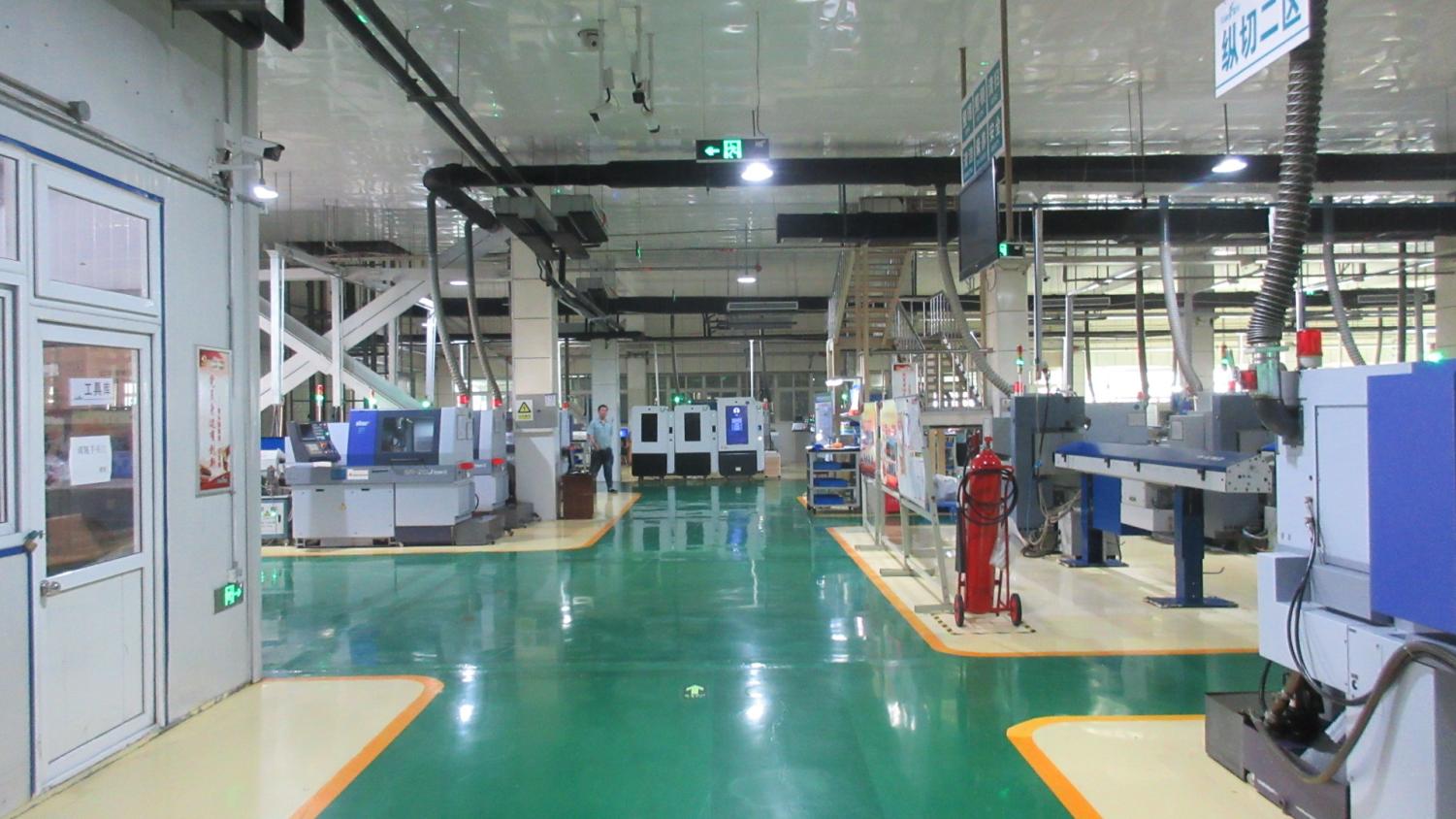
10,000㎡
Production Space
29 Years
Exporting Experience
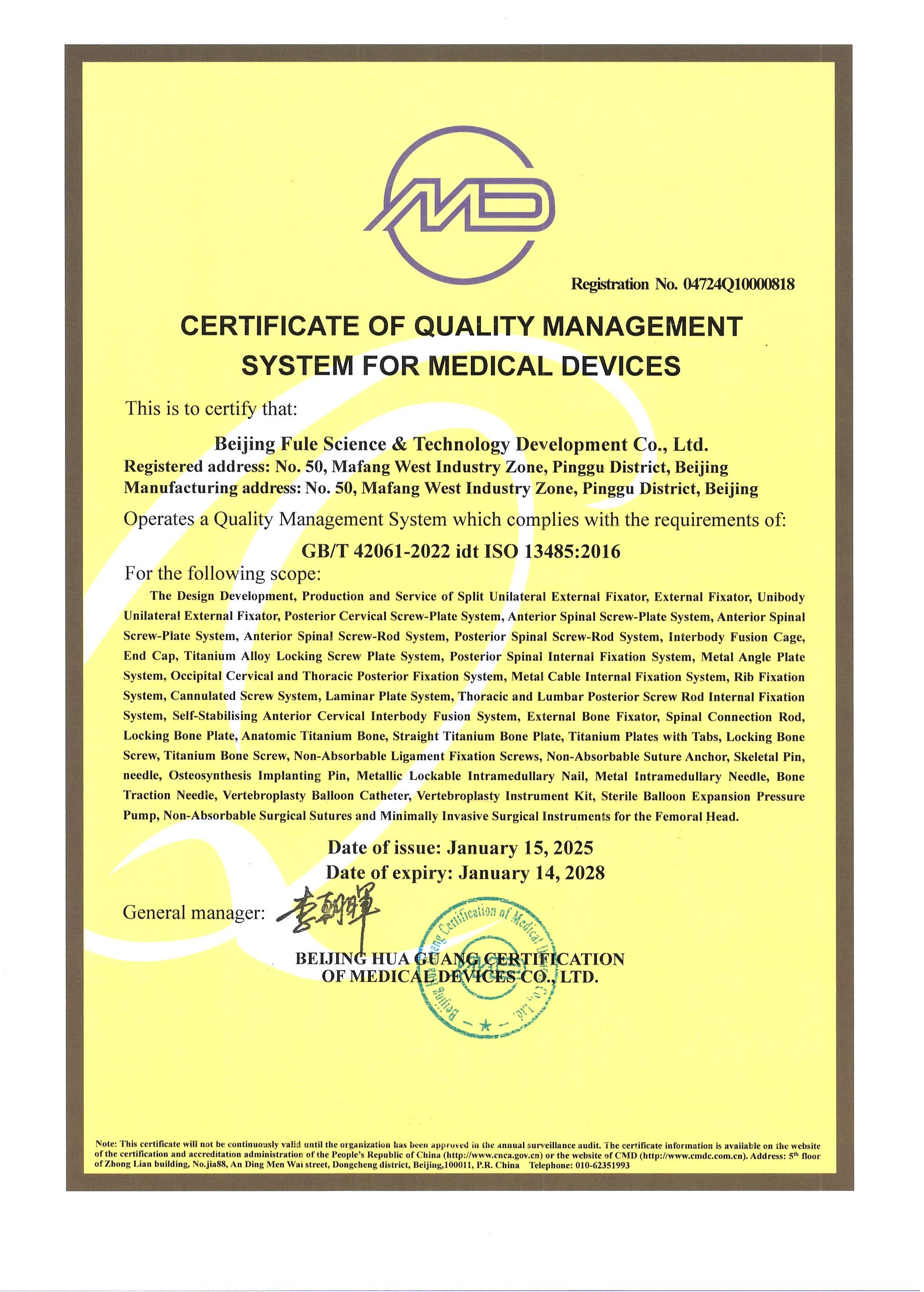
ISO13485
Certified QA

Global Procurement Challenges in Spinal & Epidural Equipment

For medical device distributors, hospitals, and surgical buying centers, sourcing class-III medical materials—such as epidural access kits, lumbar interbody cages, and spinal systems—represents a high-risk procurement process. Safety, biocompatibility, and consistent structural tolerances are non-negotiable. Sourcing managers face multiple hurdles:

  • Regulatory Compliance Barriers: Sourcing class-III orthopedic and spinal implants without CE marking or ISO13485 audits can completely halt clearance processes at customs in the EU and North American markets.
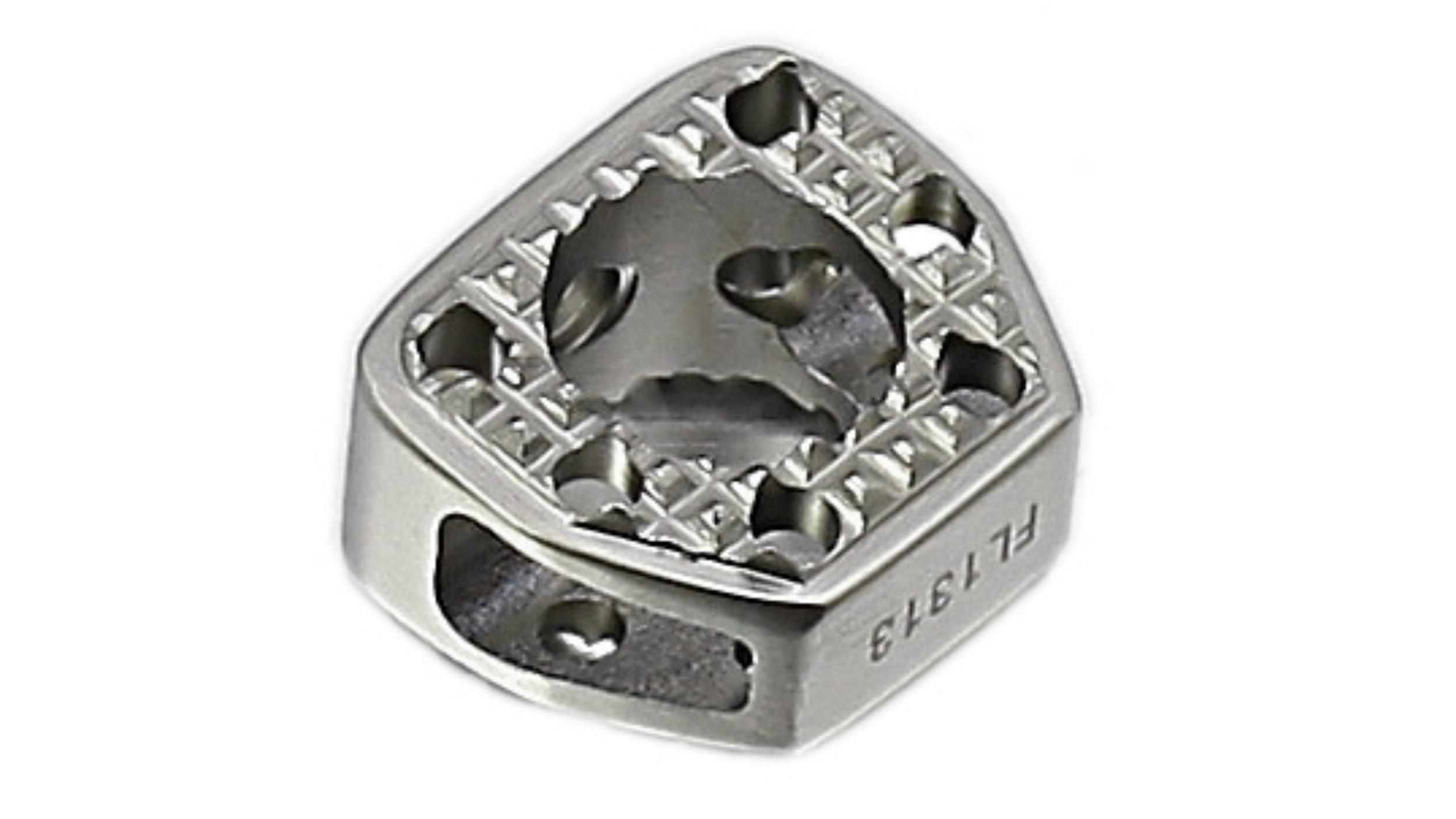
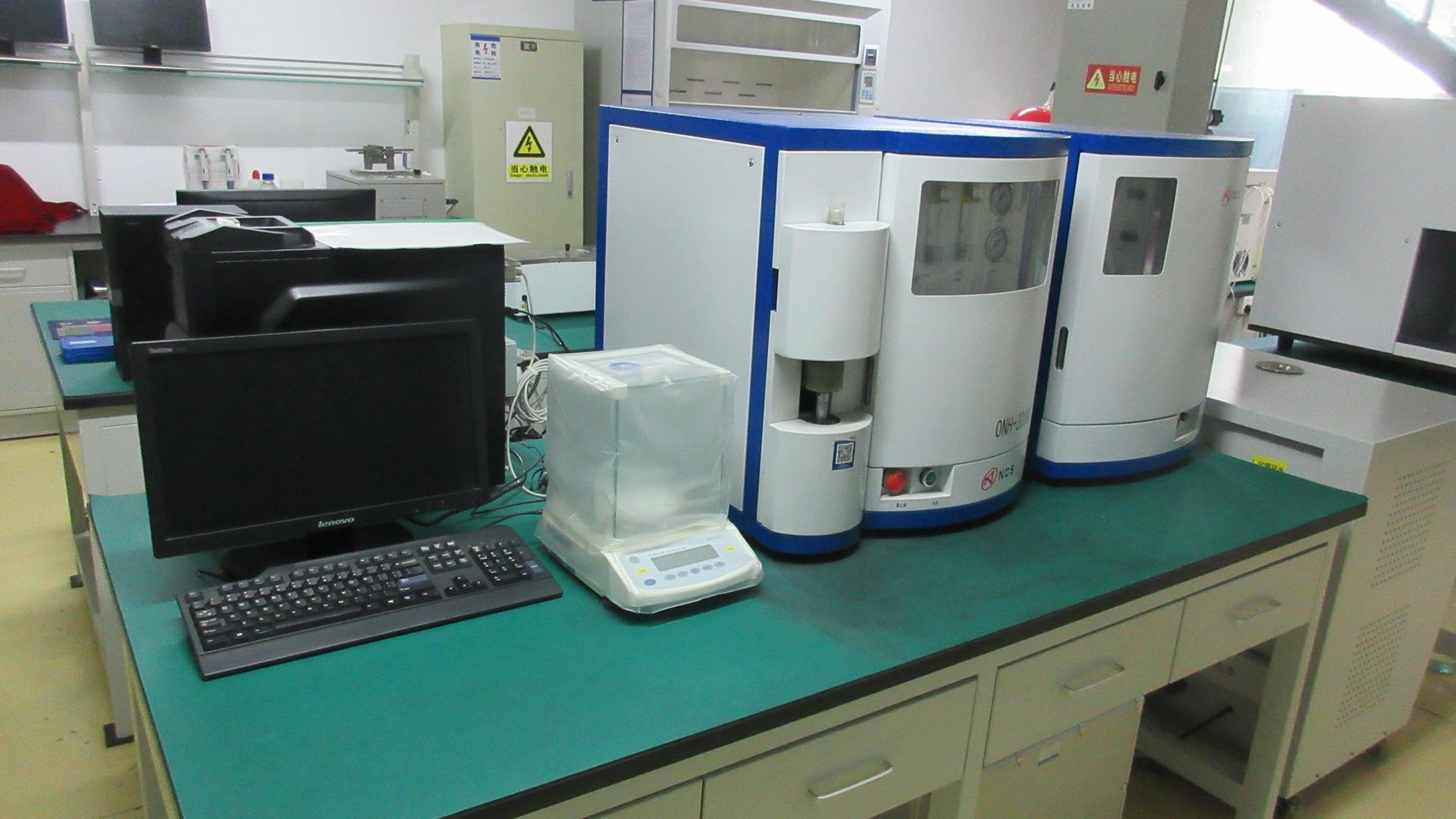
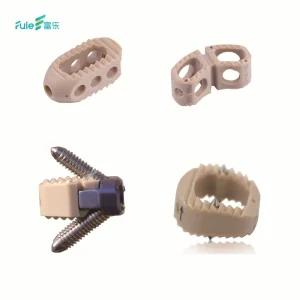
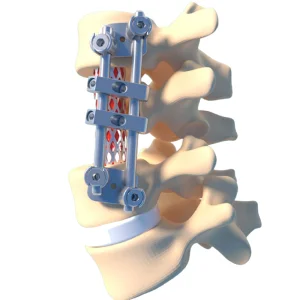
  • Traceability of Raw Materials: High-grade medical implants require complete raw material chemical characterization sheets, ensuring that Grade 5 Titanium (Ti-6Al-4V) or medical-grade polyetheretherketone (PEEK) meets global implantable standards.
  • Supply Chain Fragility: Small-scale suppliers cannot guarantee high-volume production metrics, causing critical delays in hospital surgical backlogs.

As a pioneer with 29 years of exporting history, Beijing Fule addresses these needs by combining precise metallurgic fabrication, advanced Clean Room environments, and a robust raw material tracing network.

Macro Industry Solutions: Minimally Invasive Spine & Interventional Systems

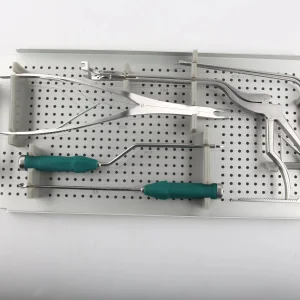
The surgical landscape is shifting rapidly from open spinal fusion toward minimally invasive spine surgeries (MISS) and targeted epidural interventions. Techniques like the Unilateral Biportal Endoscopy (UBE) and extended-arm spine systems allow surgical procedures with minimal muscular dissection, reducing hospital stays and postoperative pain.

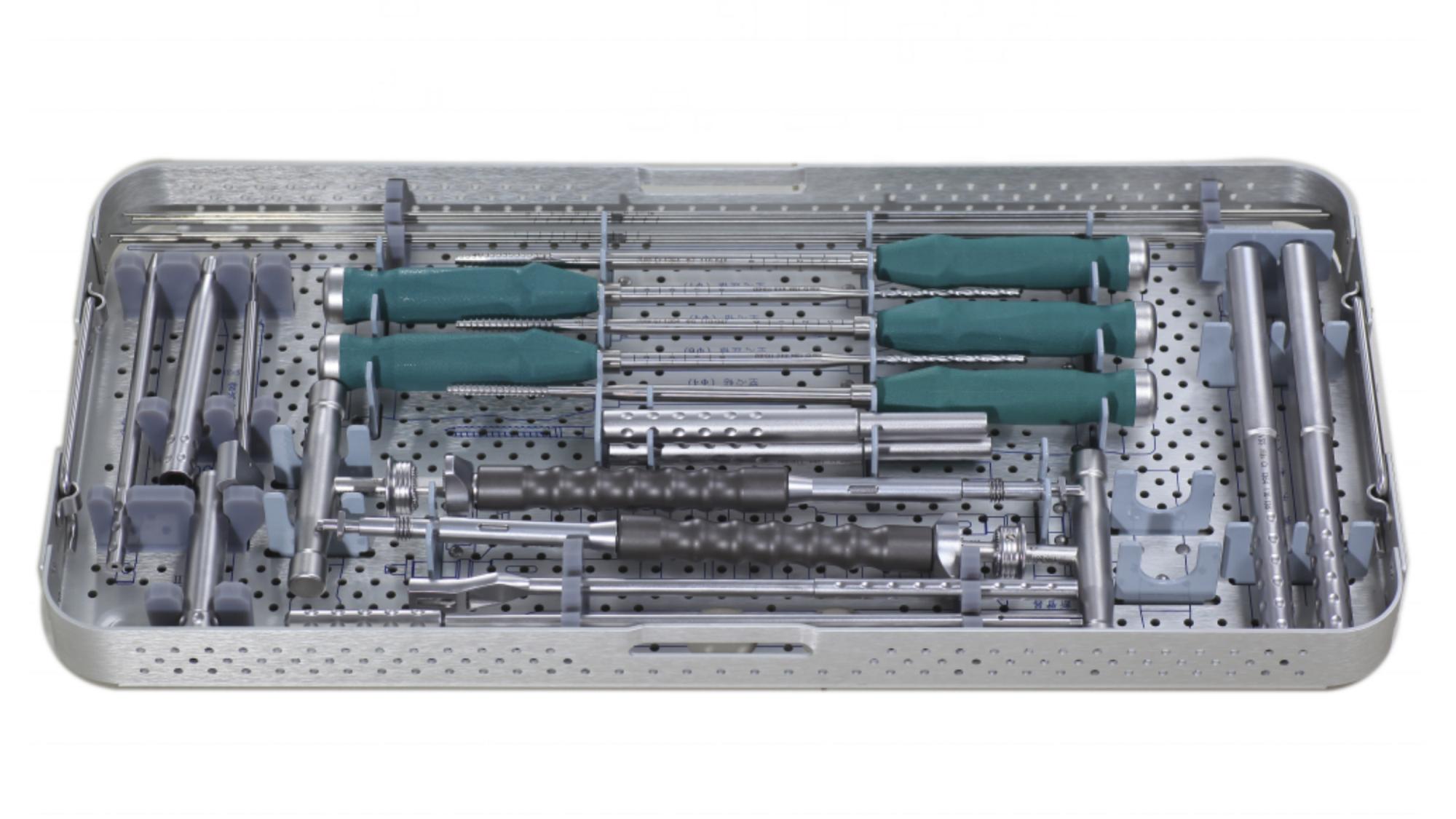
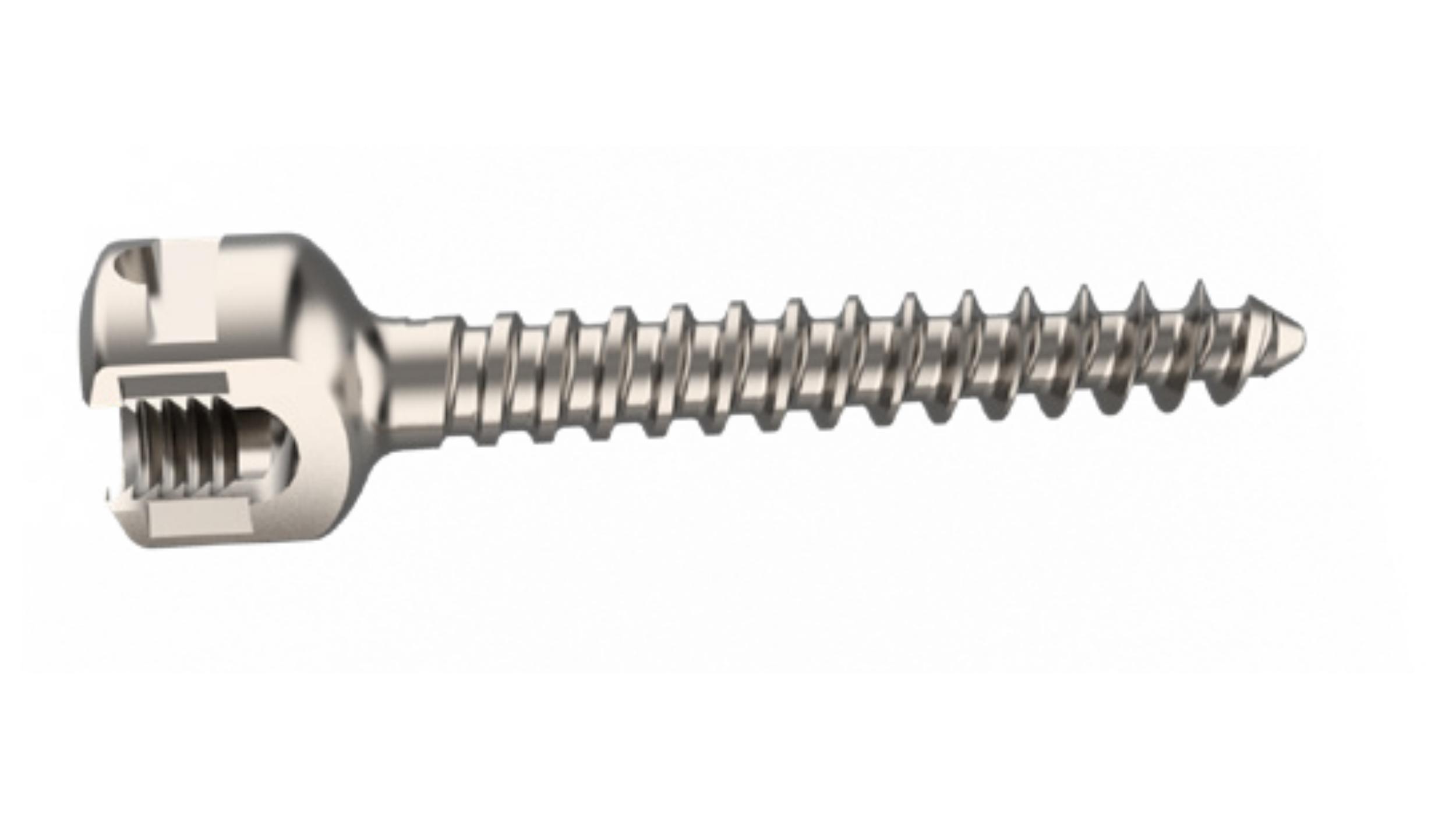
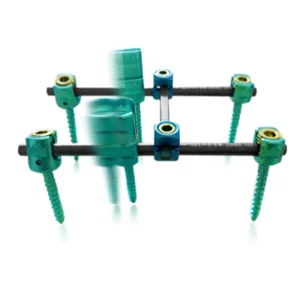
Beijing Fule provides complete clinical suites designed for these advanced procedures. By offering products like the customizable VSSII 85mm Extended Arm system, we bridge the gap between traditional orthopedic fixation and advanced interventional therapeutics.

Technical Roadmap & Future Outlook (Next-Gen Biomaterials)

The future of interventional spine and epidural equipment is defined by surface modifications, bio-absorbable materials, and intelligent guidance.

Phase Material Focus Technological Advantage
Phase 1: Metallic Fixation Grade 5 Titanium & Titanium Alloys High tensile strength, biocompatibility, and classic radiopacity.
Phase 2: Modern Polymers PEEK (Polyetheretherketone) Elastic modulus matching human cortical bone, reducing stress shielding.
Phase 3: Surface Bio-Activation Silicon Nitride coatings / 3D-Printed Porous Titanium Accelerated osseointegration and antimicrobial protection.

Beijing Fule is continuously investing in our R&D roadmap. Currently employing 20 specialized R&D engineers (including 15 graduate-level specialists), we launch more than 20 new products annually to keep pace with changing surgical demands.

Company Specifications

Registration
1996-06-28
Floor Space
10,000 ㎡
Accept Languages
English
Years Exporting
29 Years
Years in Industry
29 Years
ISO Quality Cert
ISO13485
Annual Output
508,000 Units
Production Lines
1 Line
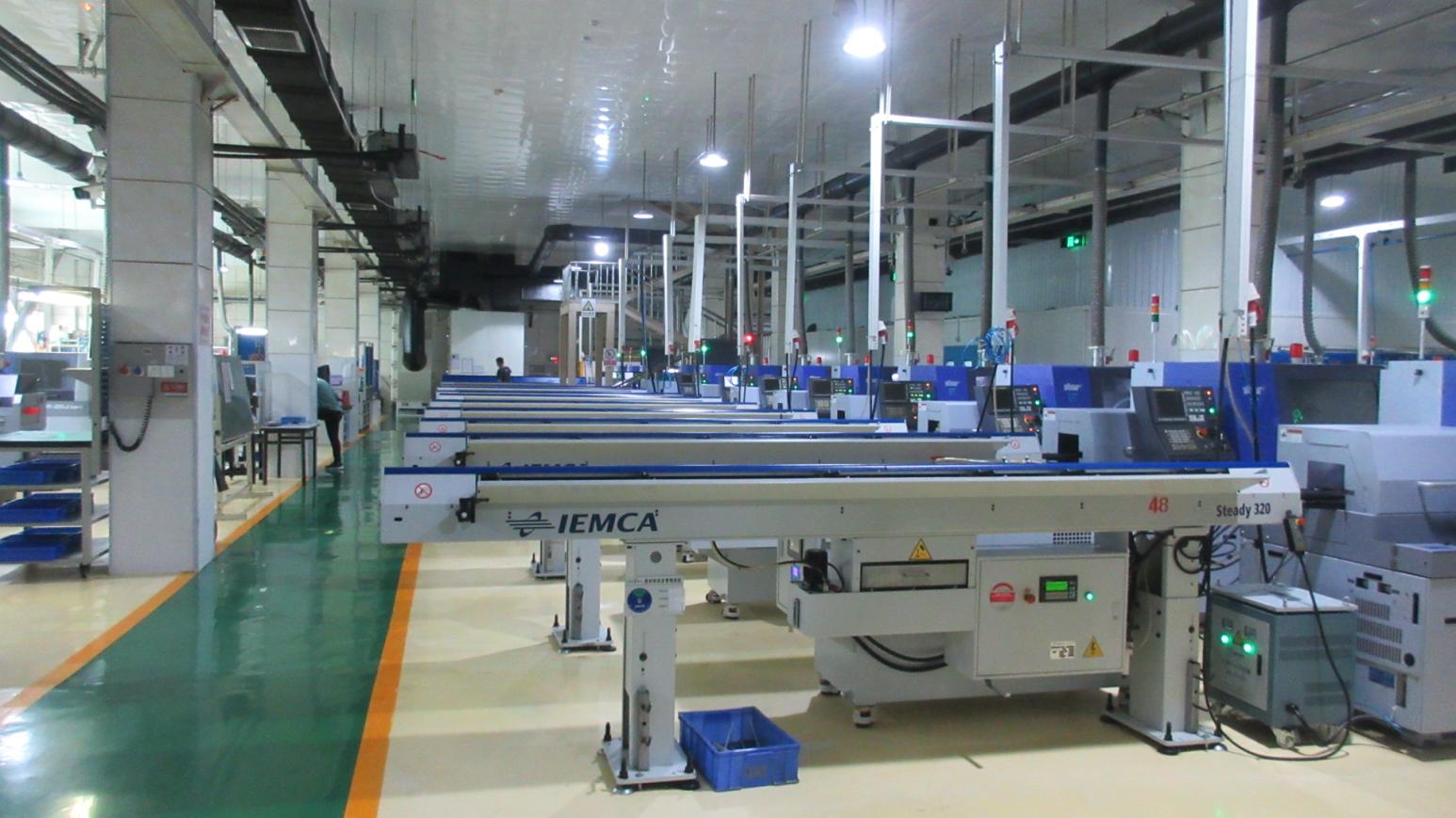
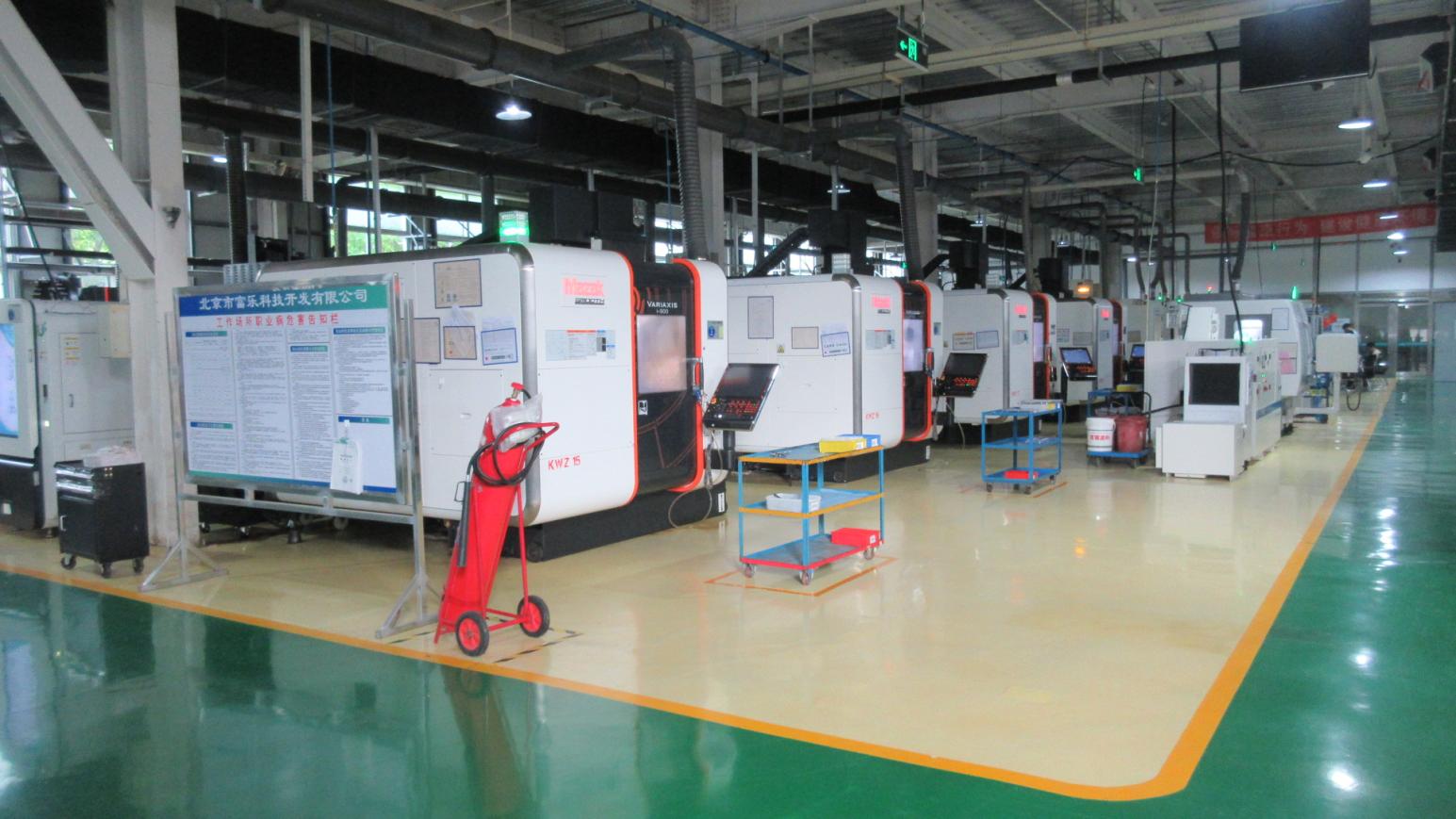
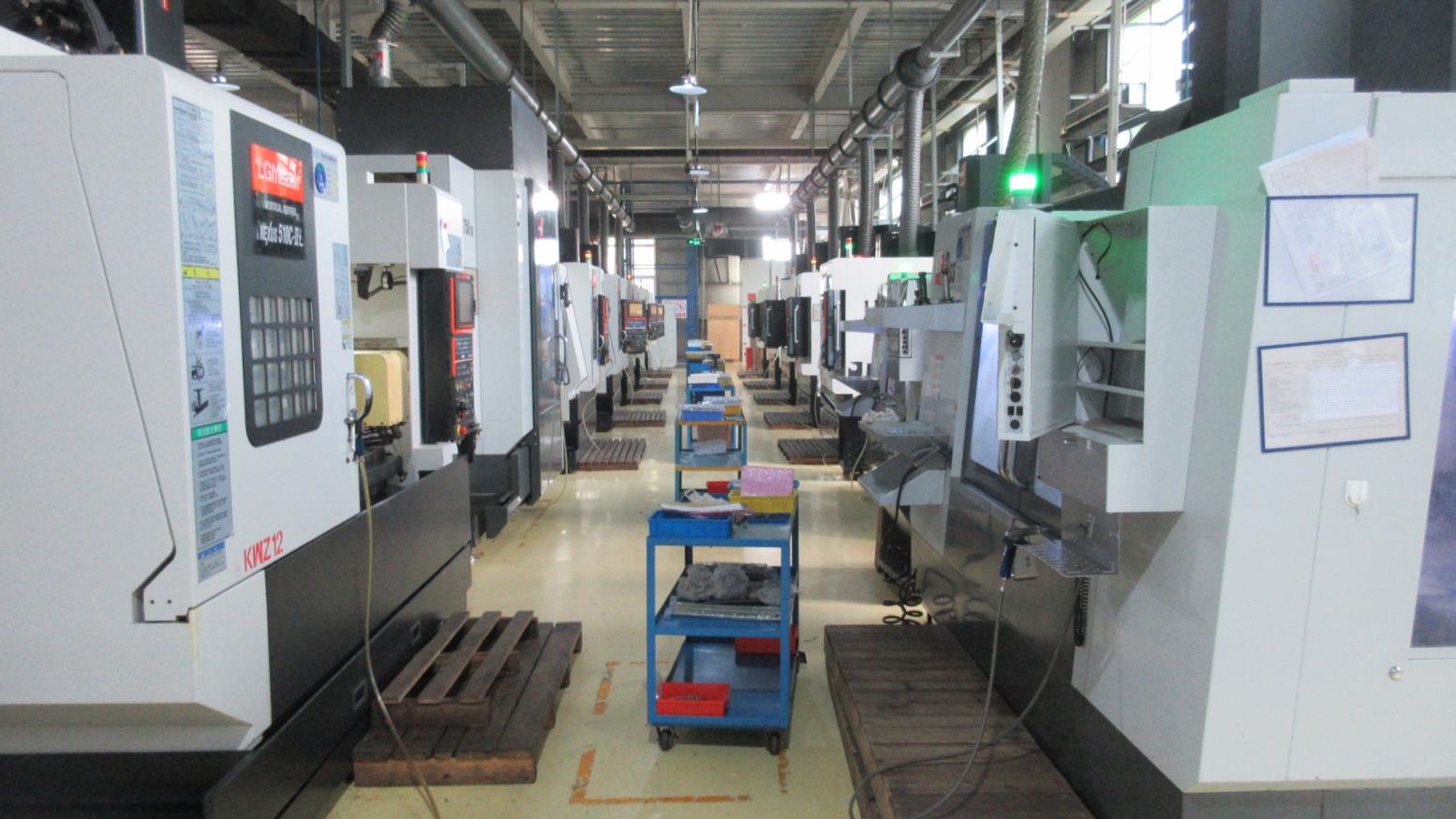
CNC Machines
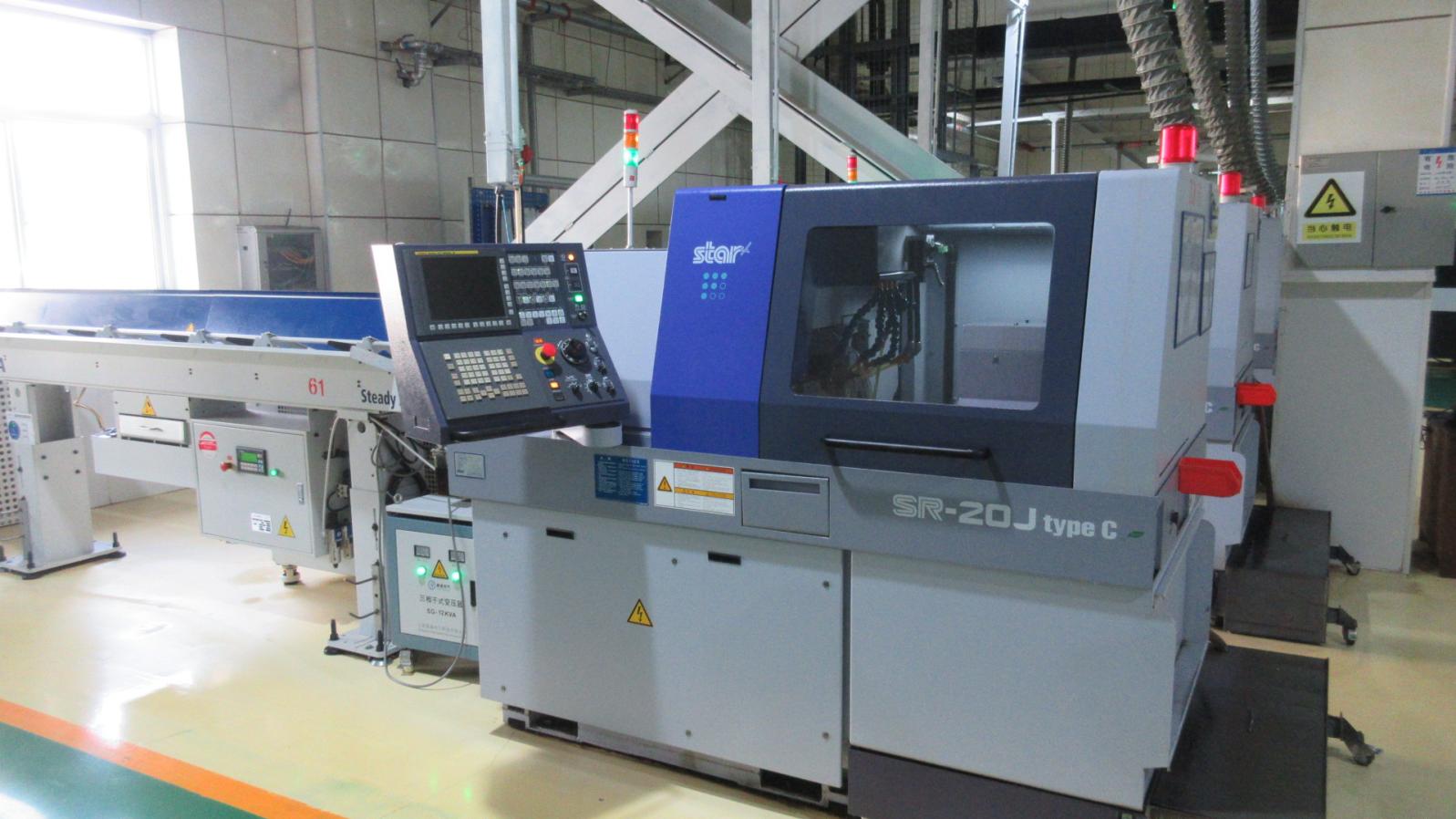
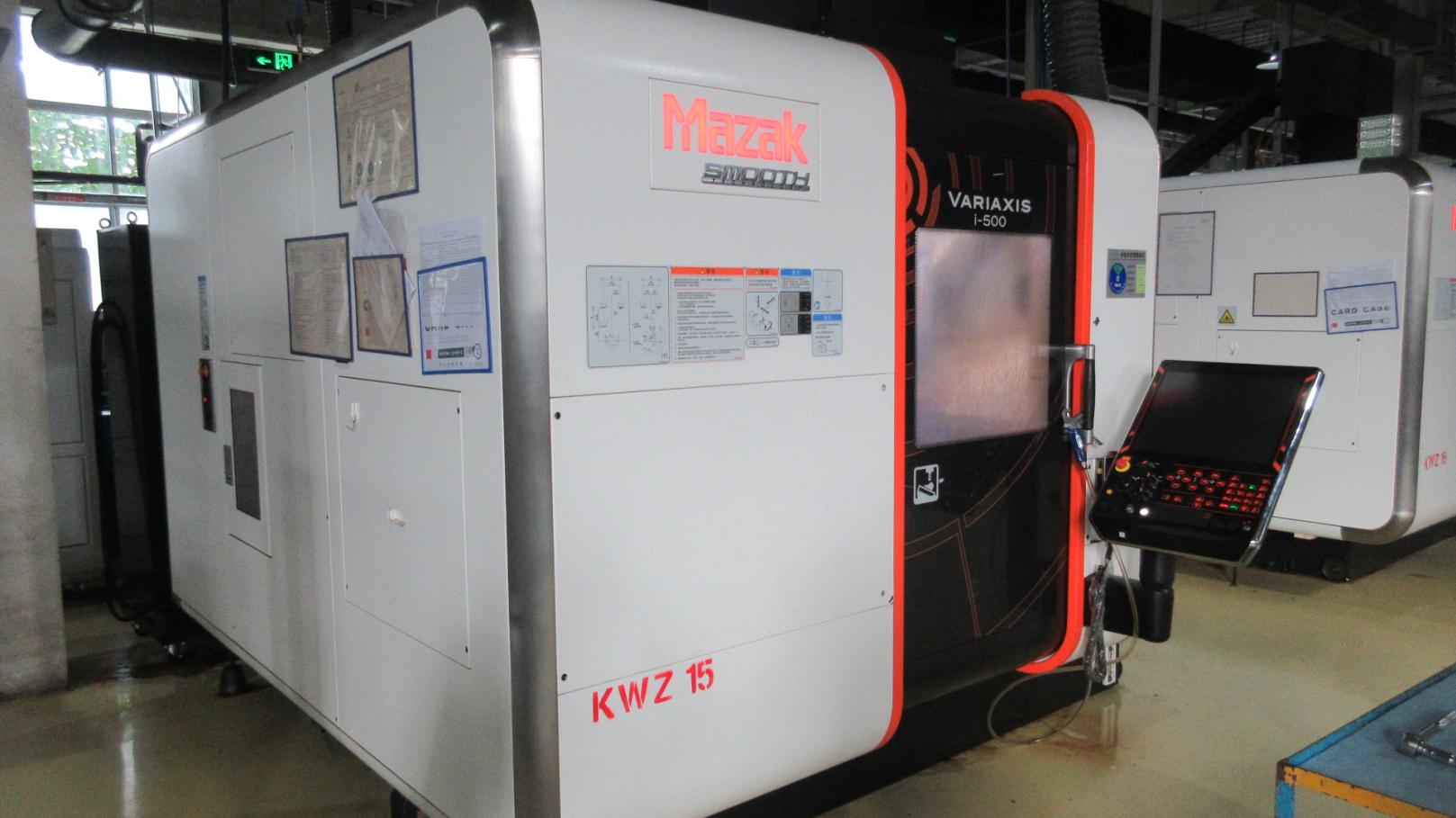
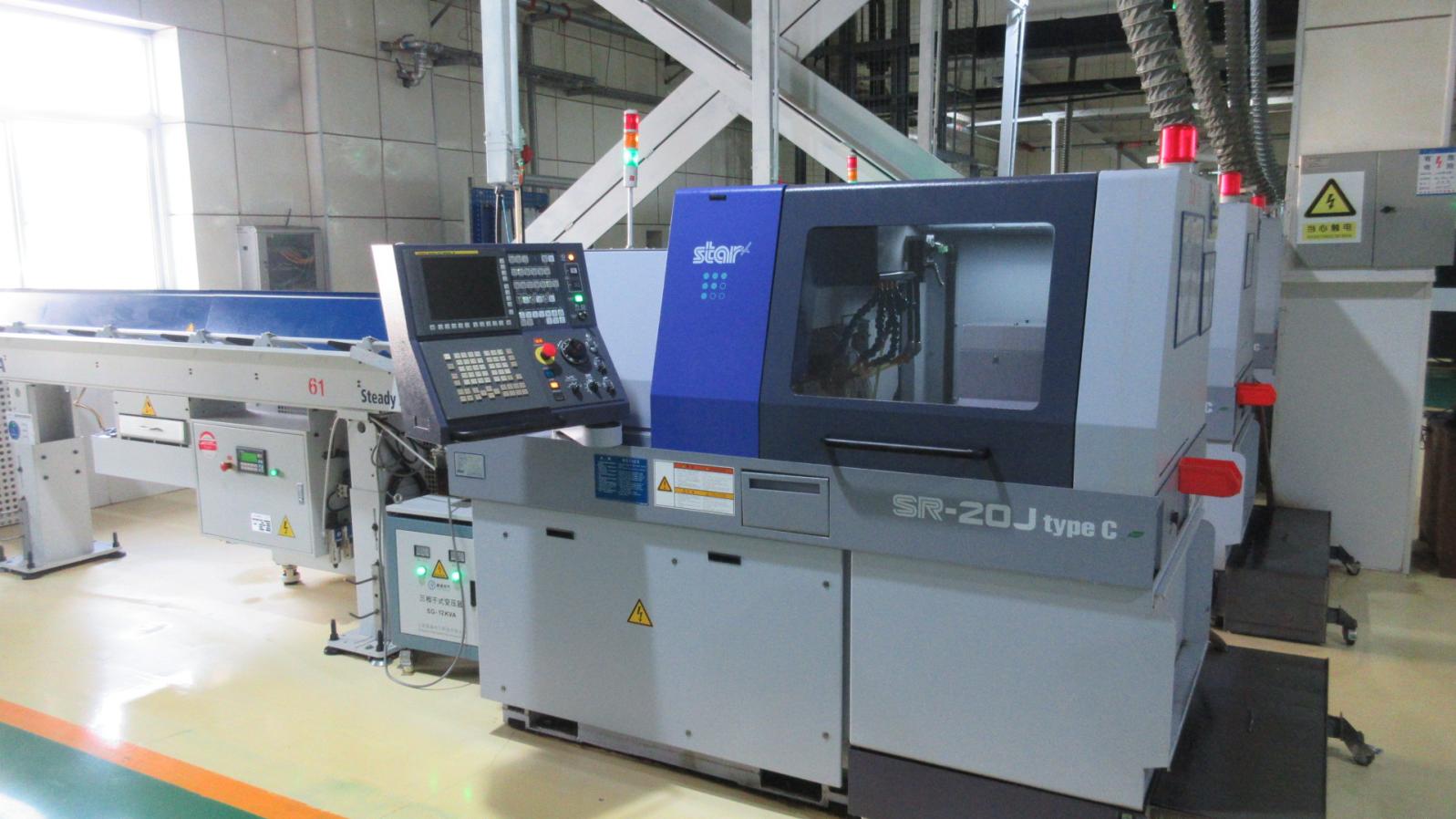
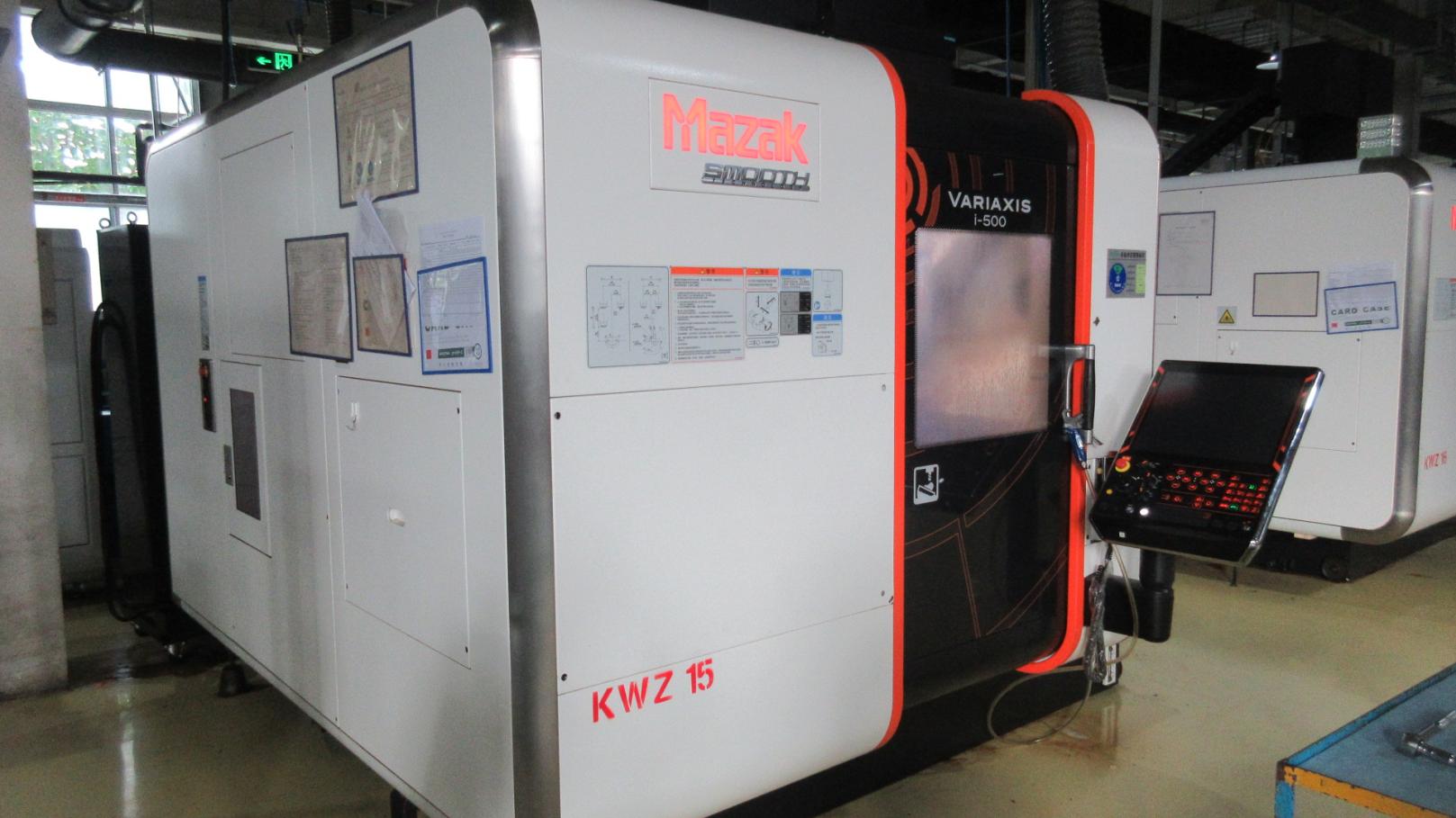
102 Units
QA/QC Inspectors
15 Inspectors
R&D Engineers
20 (15 Graduate, 5 Junior)
Primary Markets
Domestic(40%), Eastern Europe(15%), Southeast Asia(10%)
ISO13485 Logo

Fully certified under international medical manufacturing standards (04724Q10000818).

Clinical & Procurement FAQs

Answers to critical questions regarding compliance, clinical efficacy, and distribution partnerships.

What regulatory certifications does Beijing Fule maintain for spinal and interventional implants? +
Beijing Fule manufactures all Class III medical devices in strict compliance with ISO13485 quality control guidelines. We hold international certificates (including CE certifications) ensuring that our materials are compliant for distribution across Eastern Europe, Southeast Asia, and various local markets.
What testing protocols are utilized to ensure the quality of clinical implants? +
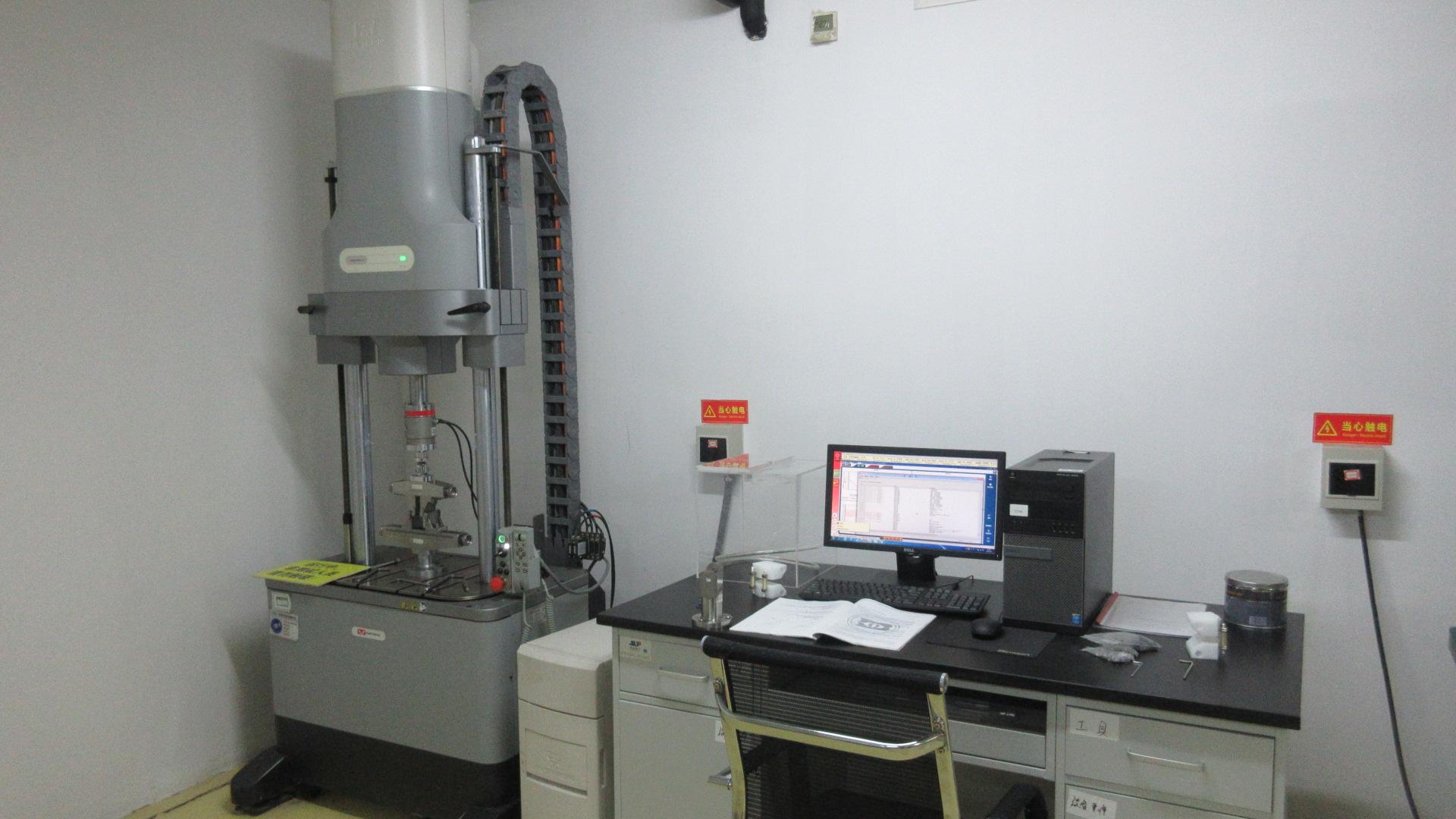
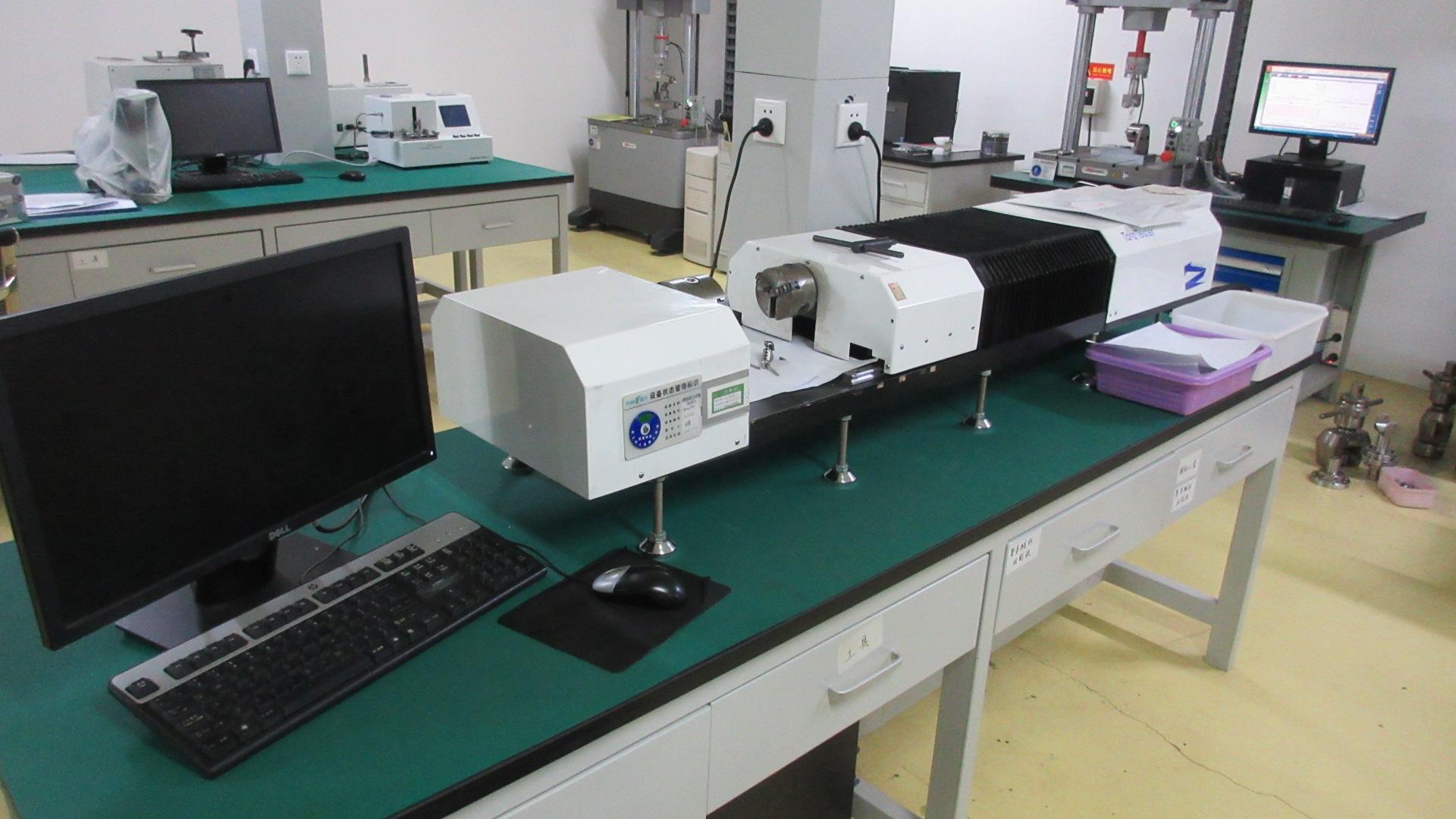
We perform 100% inspection on all orthopedic and interventional materials using 15 internal QA/QC inspectors. Materials undergo rigorous mechanical testing (tensile, compression, fatigue resistance) and chemical verification to guarantee absolute patient safety.
Can you support customized design modifications (OEM/ODM) for local hospitals? +
Yes, our engineering team consists of 20 experienced R&D specialists. We support custom sample processing, graphic design modifications, and fully customized on-demand clinical adaptations to fit targeted anatomical challenges.
What is the typical warranty period provided for spinal implants? +
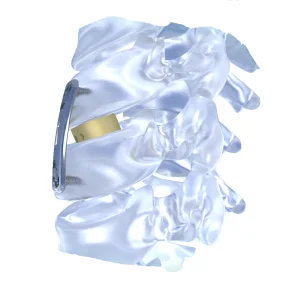
Beijing Fule offers a comprehensive 5-year warranty on selected premium implants, such as the UBE Spinal Technique kits and PEEK/Titanium cervical cages, ensuring peace of mind for hospitals and procurement managers.

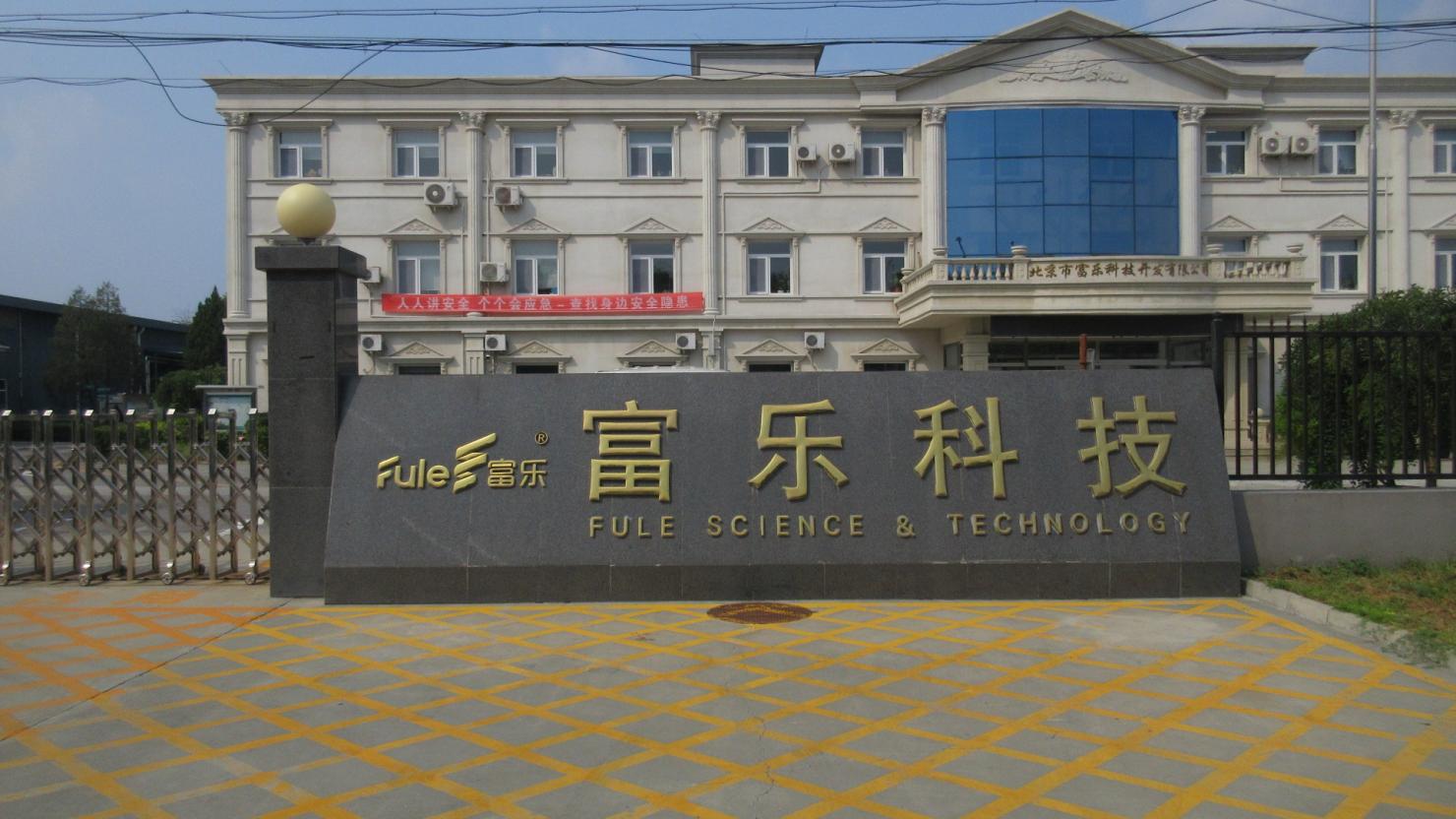
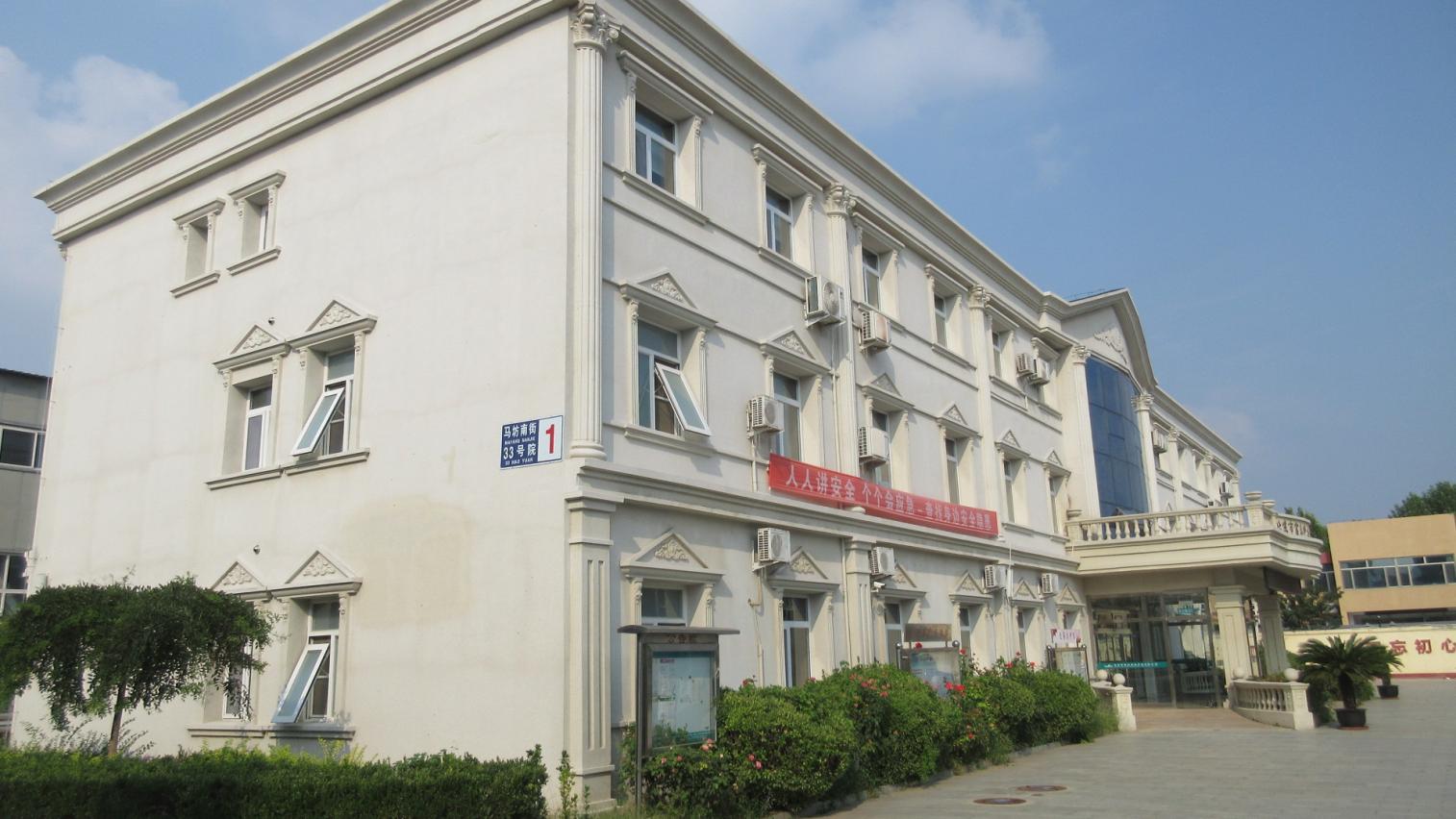
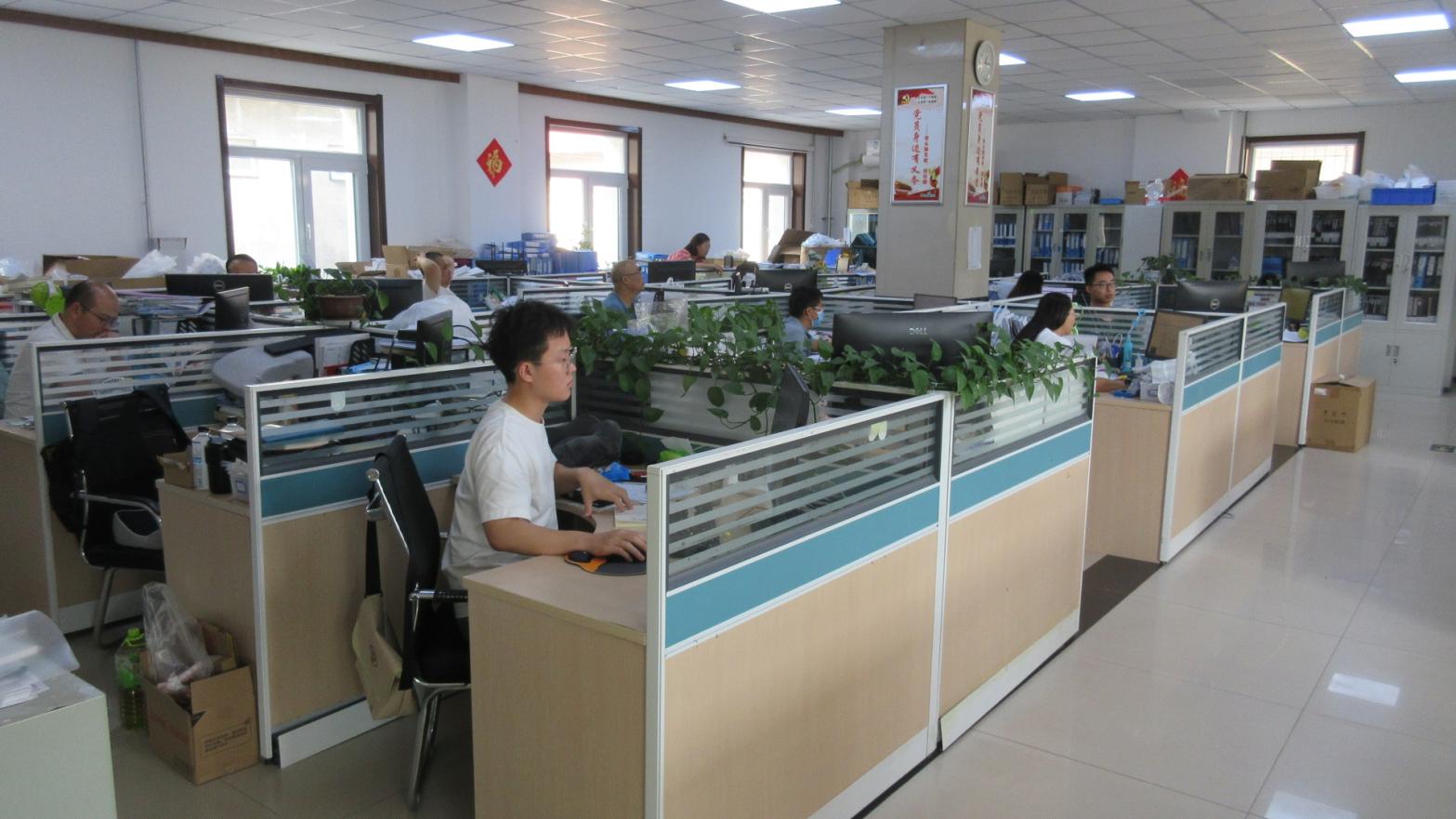
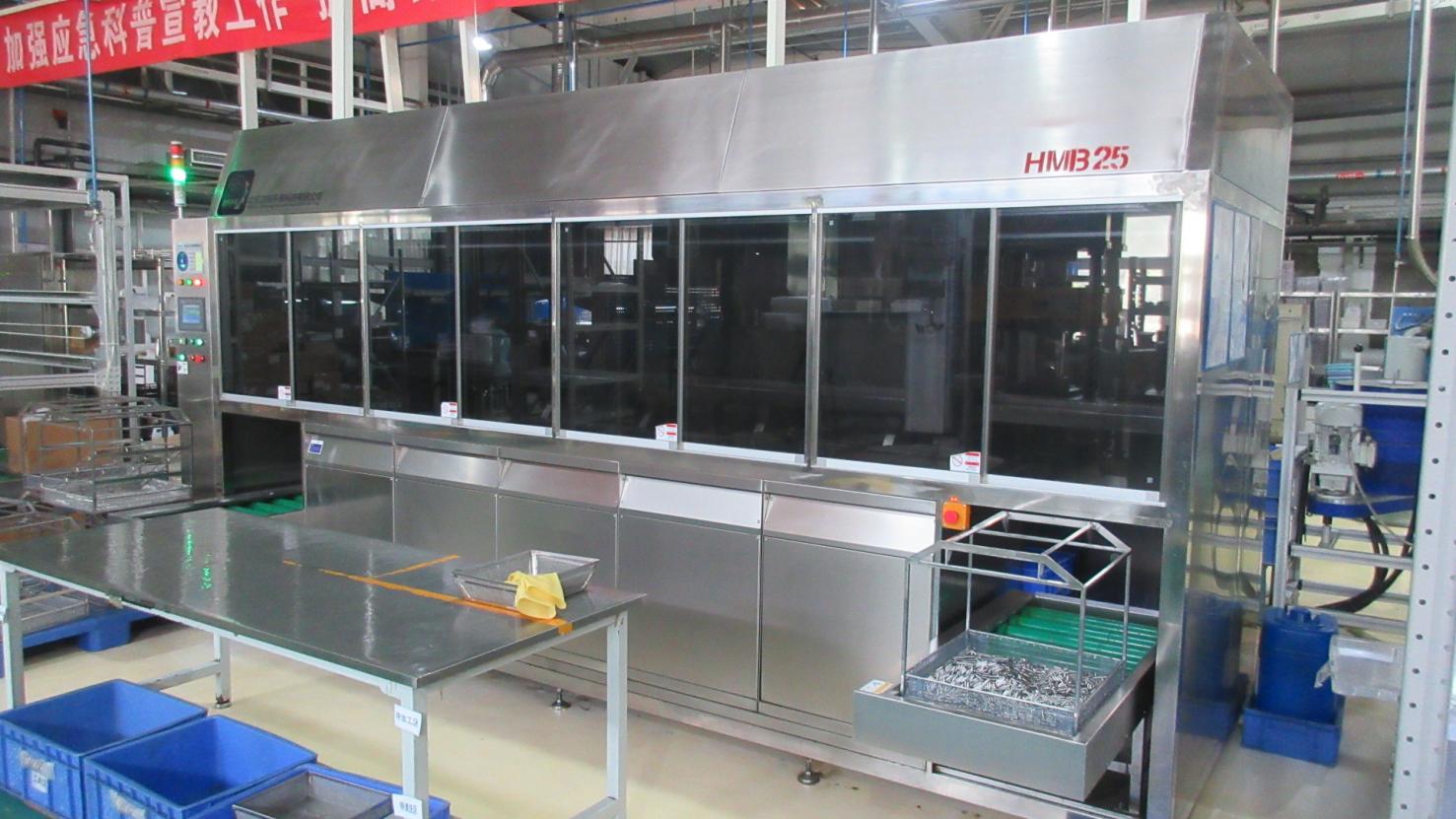
Production Environment & Technical Inspection Gallery

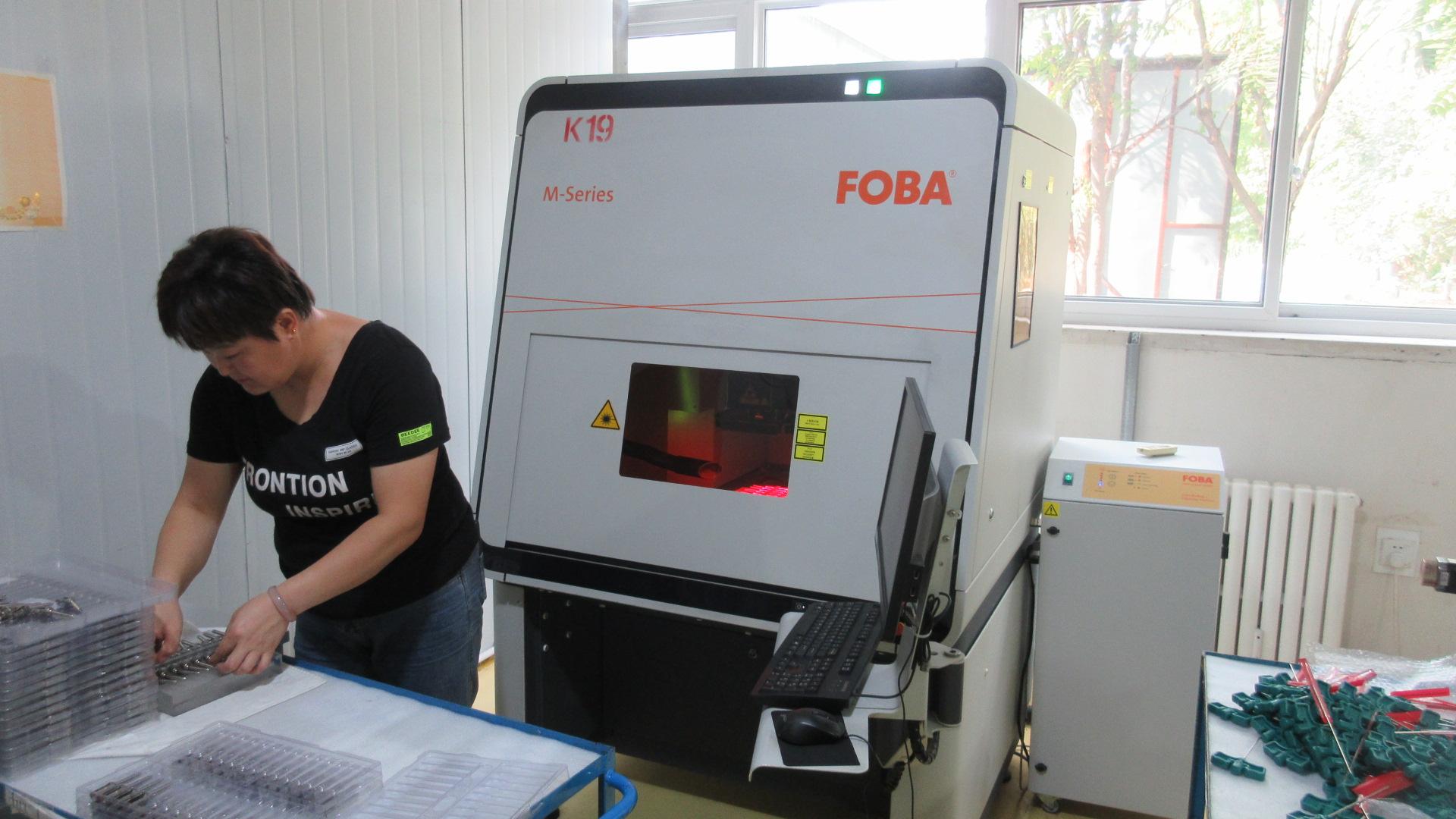
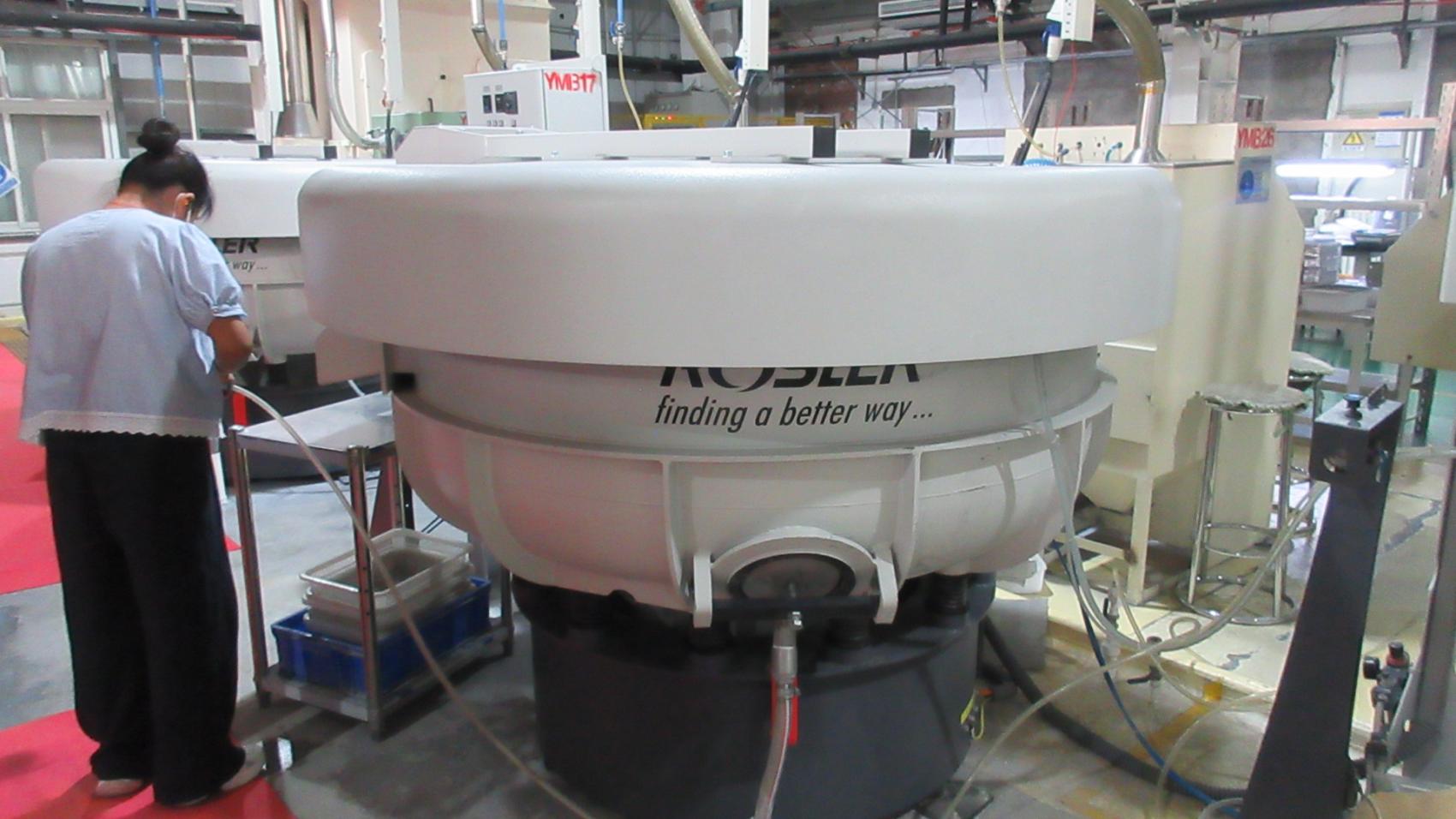
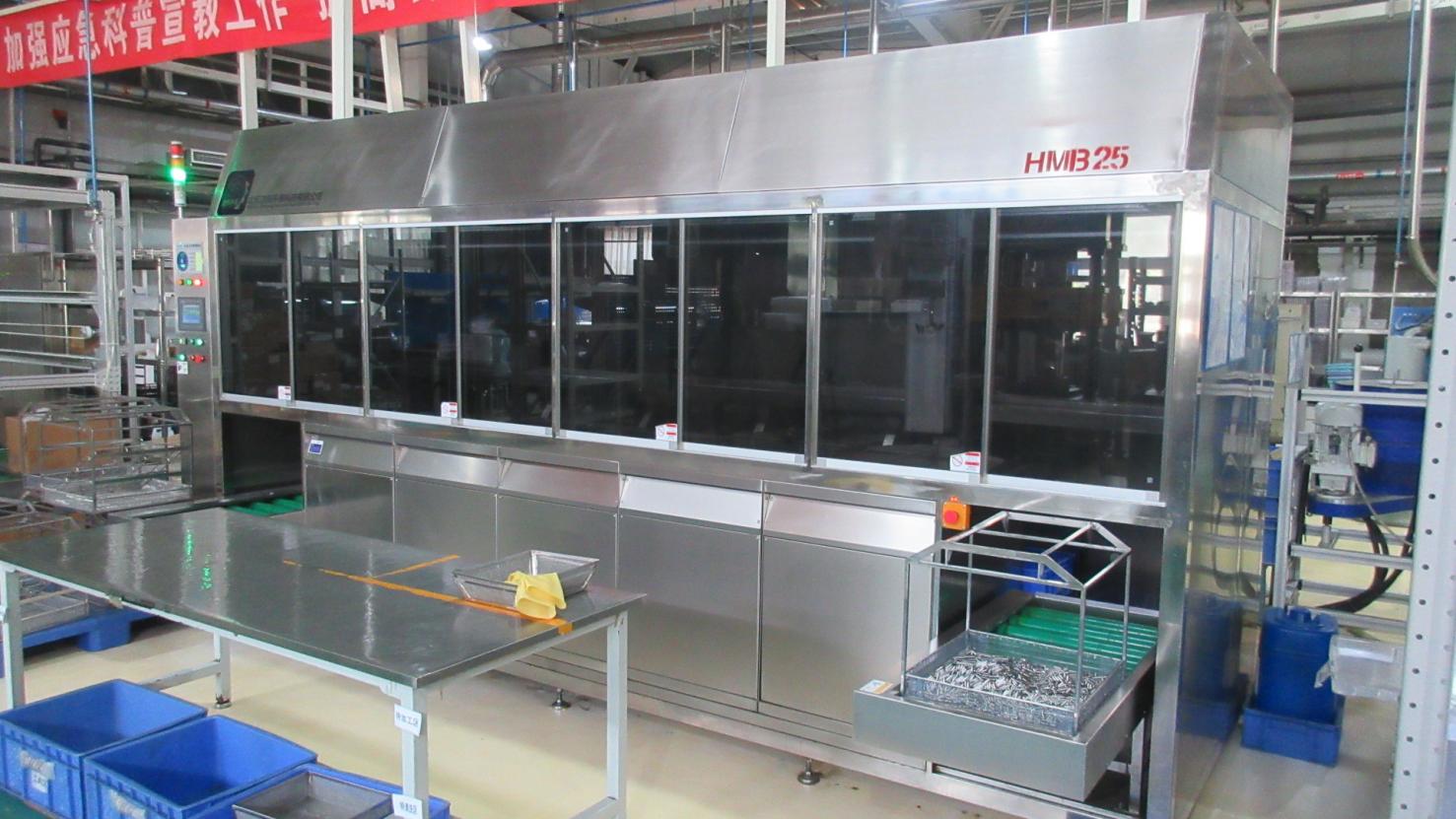
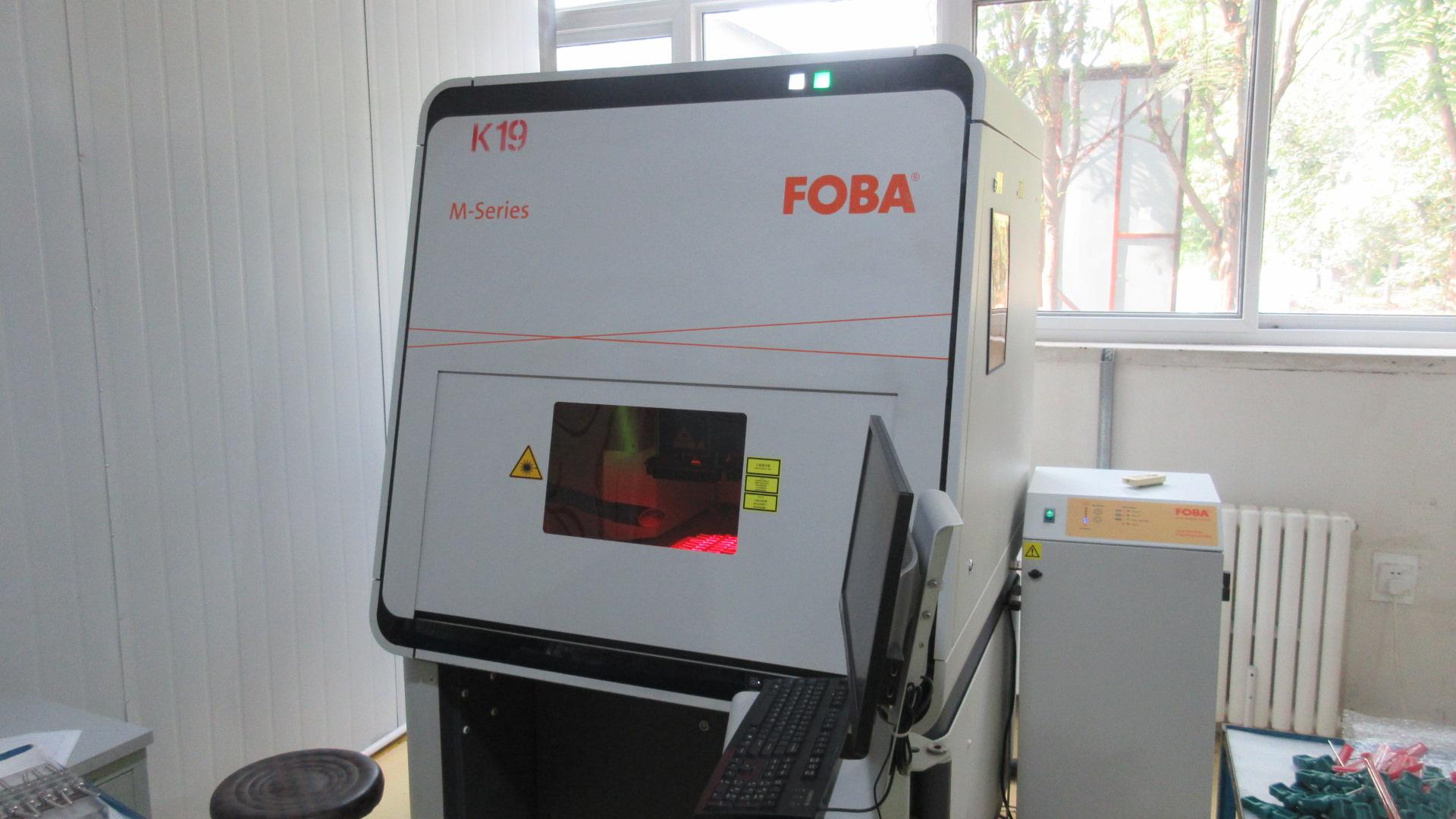
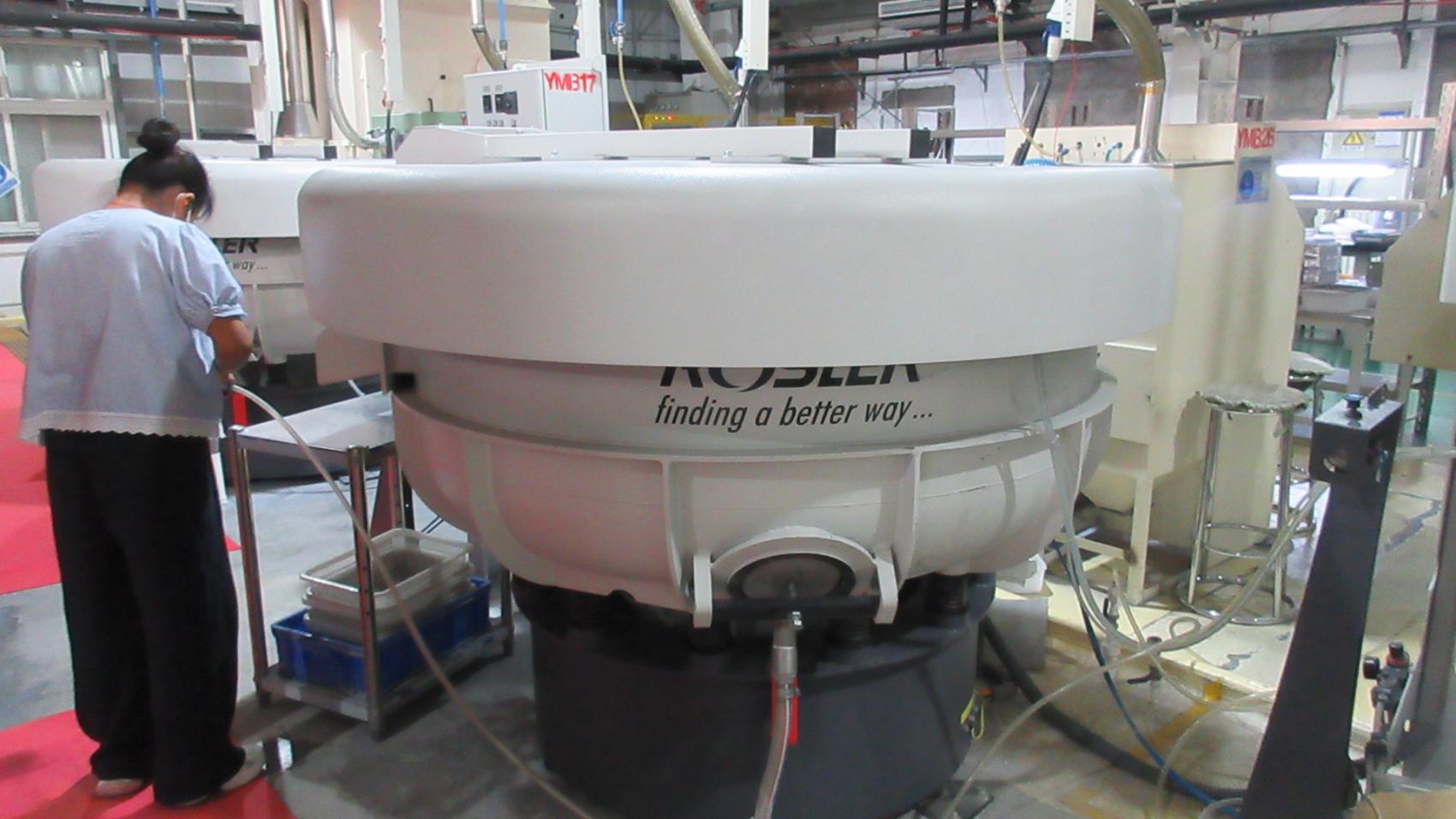
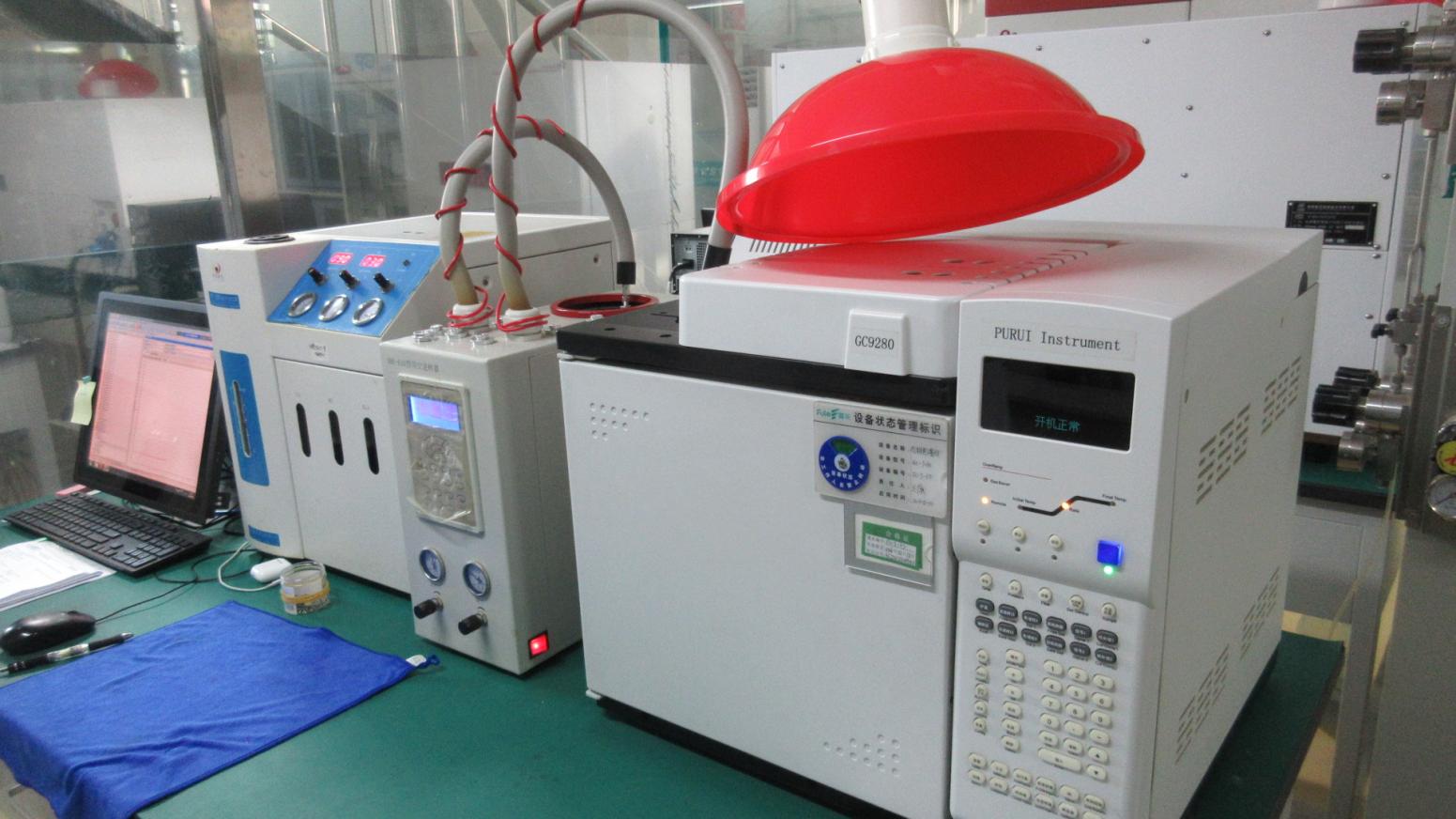
Visual evidence of our 10,000 square meter facility and precision manufacturing setups.