Explore our leading Class III implantable solutions manufactured with premium-grade biocompatible metals and engineering polymers.
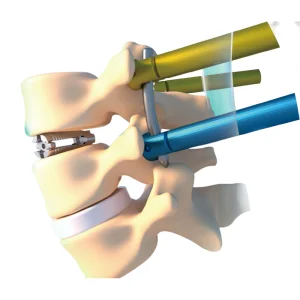
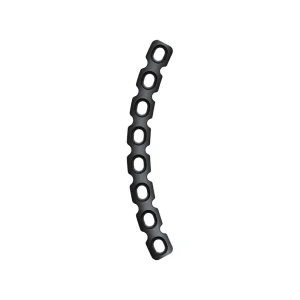
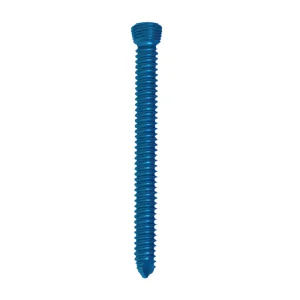
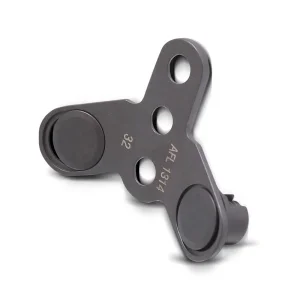
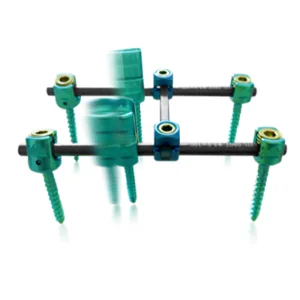
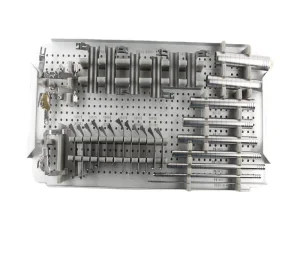
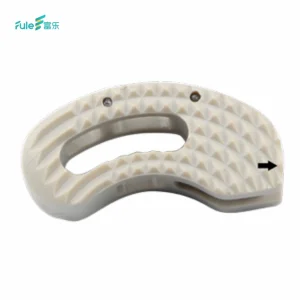
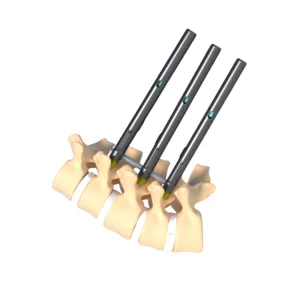
Biomechanical devices represent the apex of biomedical engineering, bridging the gap between mechanical principles and physiological systems. These devices—including spinal fixation networks, trauma plates, joint prostheses, and customized intramedullary nails—rely on advanced structural dynamics to restore physical motility, alleviate severe chronic pain, and stabilize critical skeletal structures during healing. In orthopedic and spinal surgery, the design criteria are exceptionally high; these implants must bear cyclic load regimes, resist severe tribological wear, avoid mechanical mismatch (which induces stress shielding), and exhibit total biocompatibility.
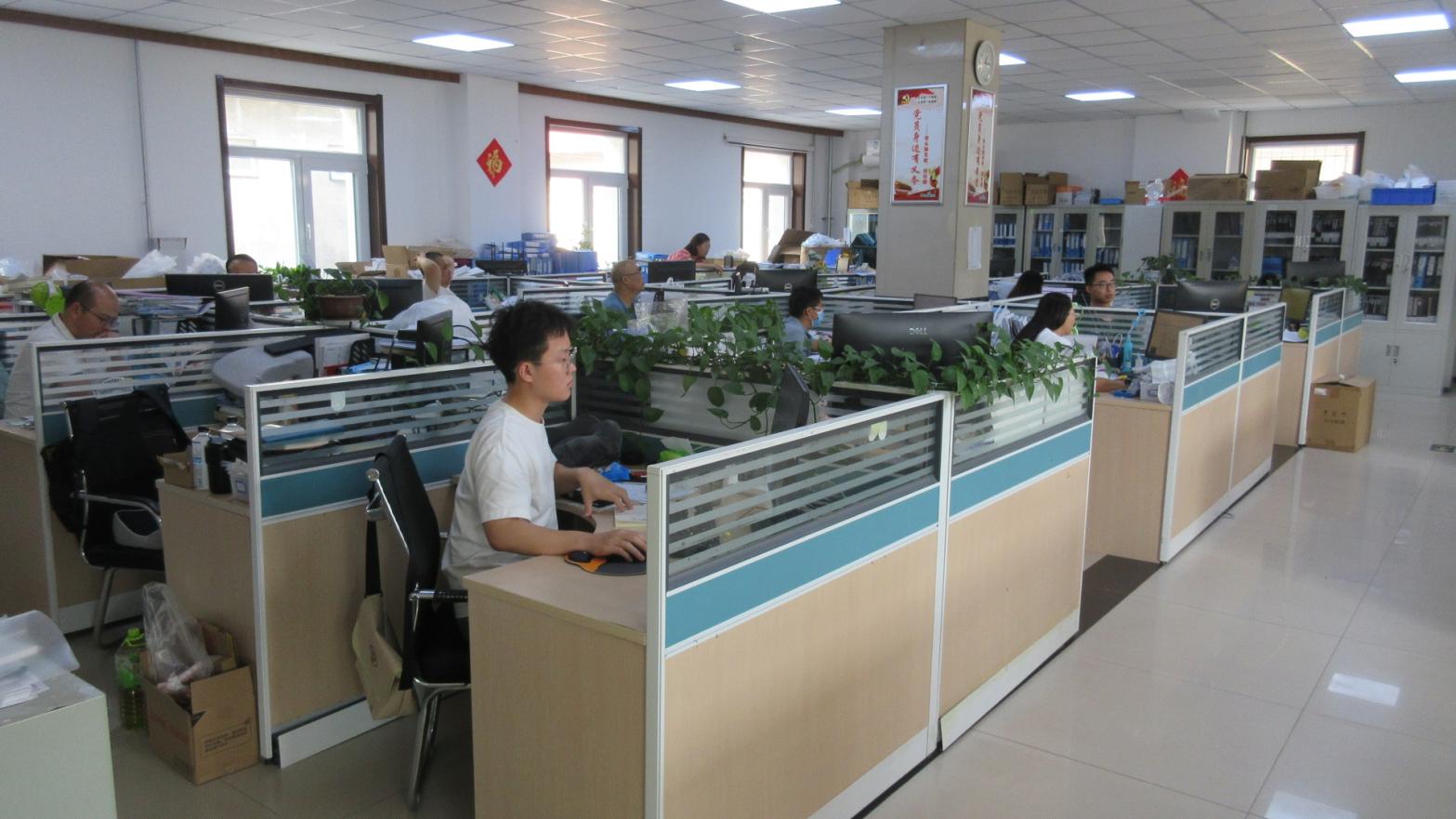
Established on June 28, 1996, Beijing Fule Science & Technology Development Co., Ltd. has developed over a span of 29 years into a core manufacturing leader in the biomechanical and orthopedic domain. Utilizing a state-of-the-art facility covering 10,000 square meters of production and R&D floor space, the company delivers high-precision manufacturing systems calibrated for global surgical requirements.
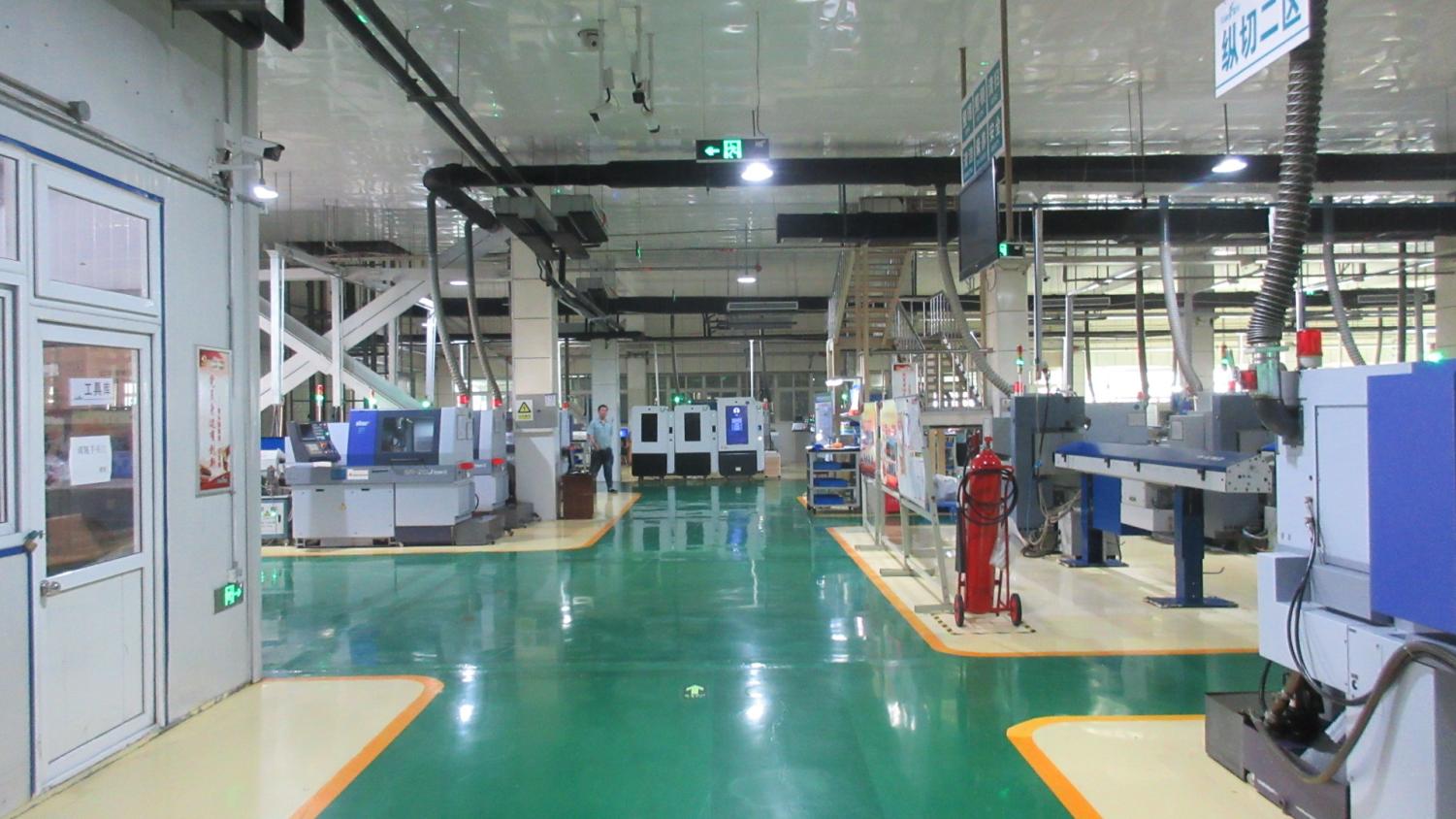
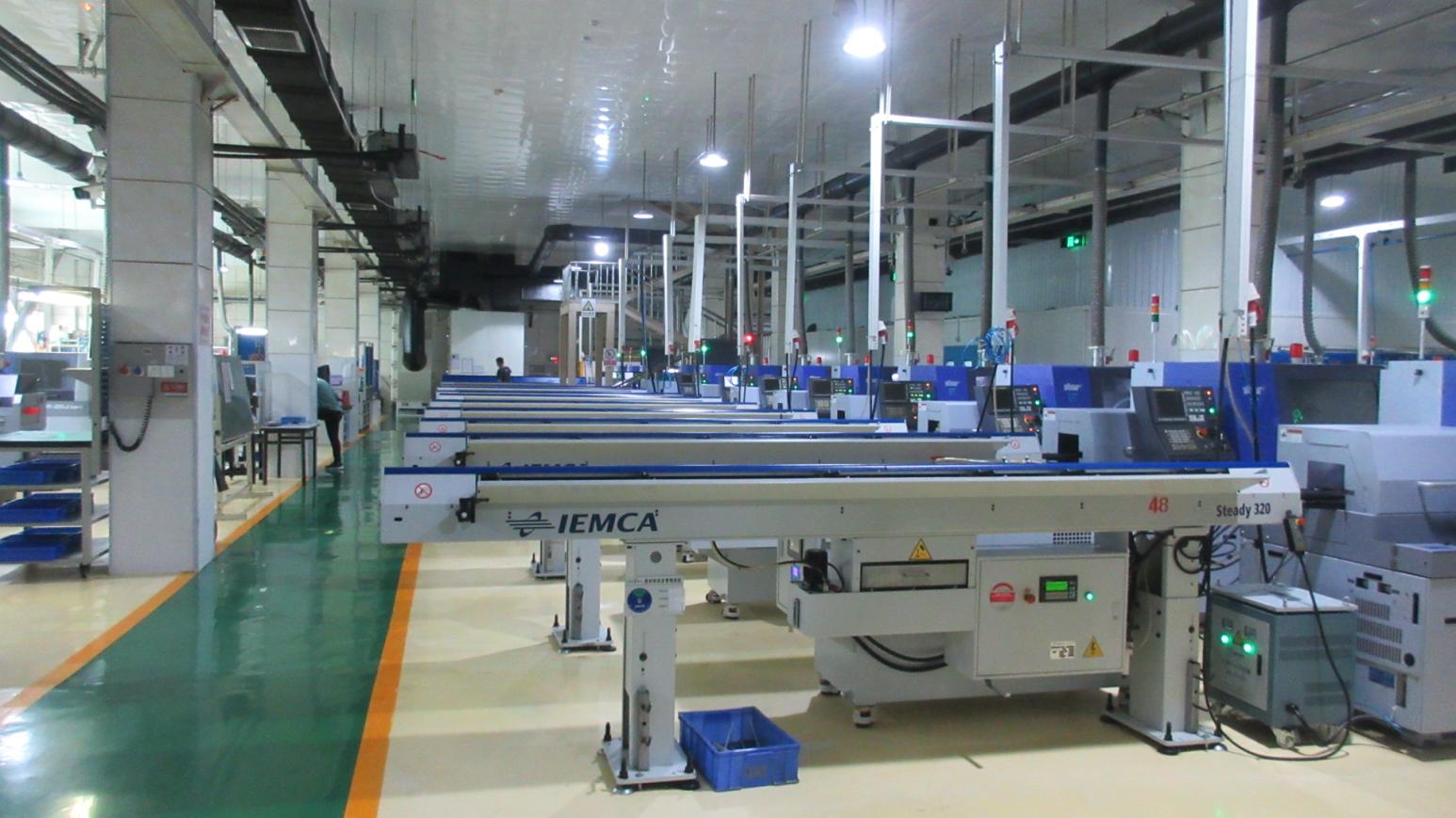
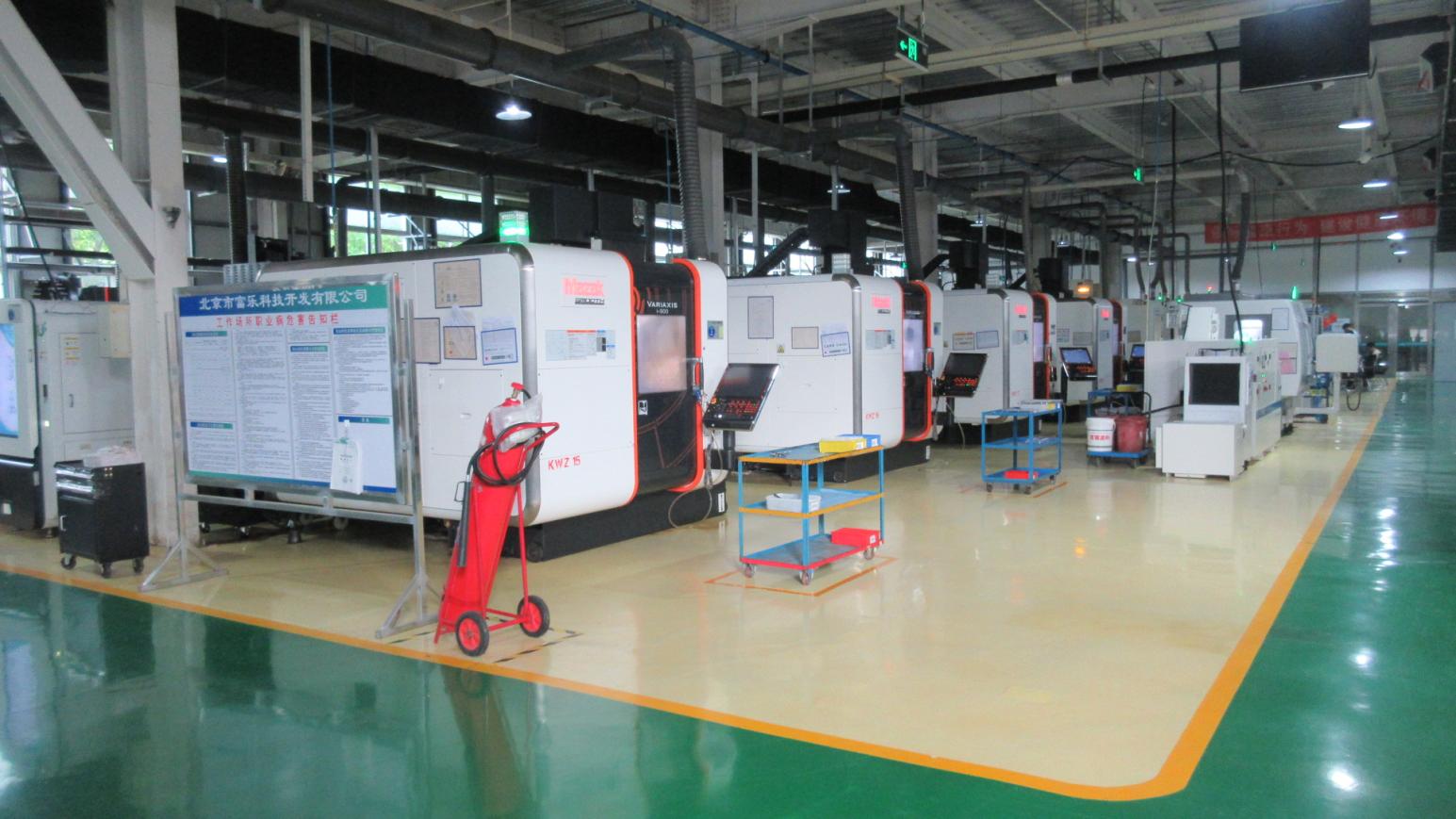
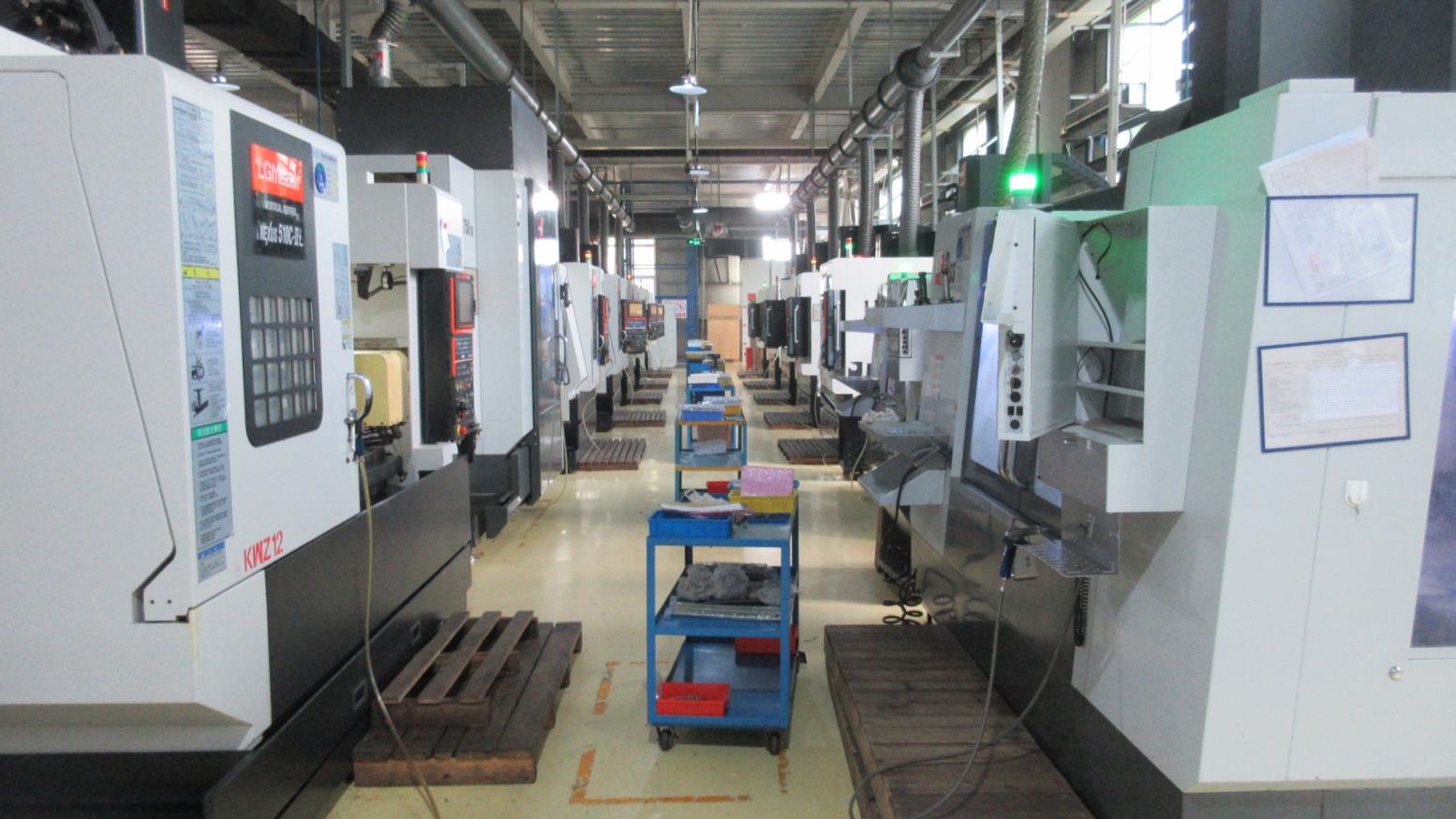
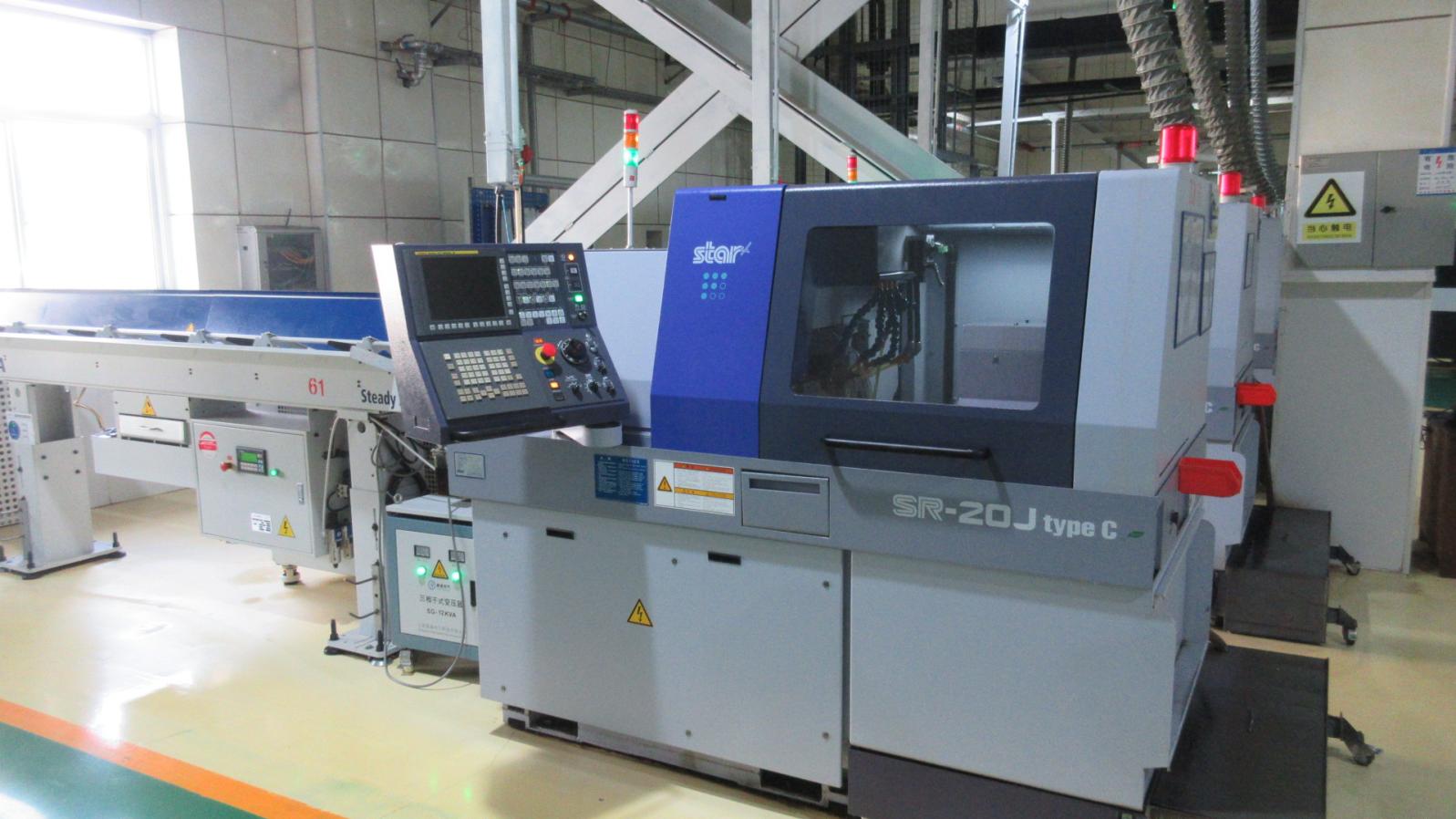
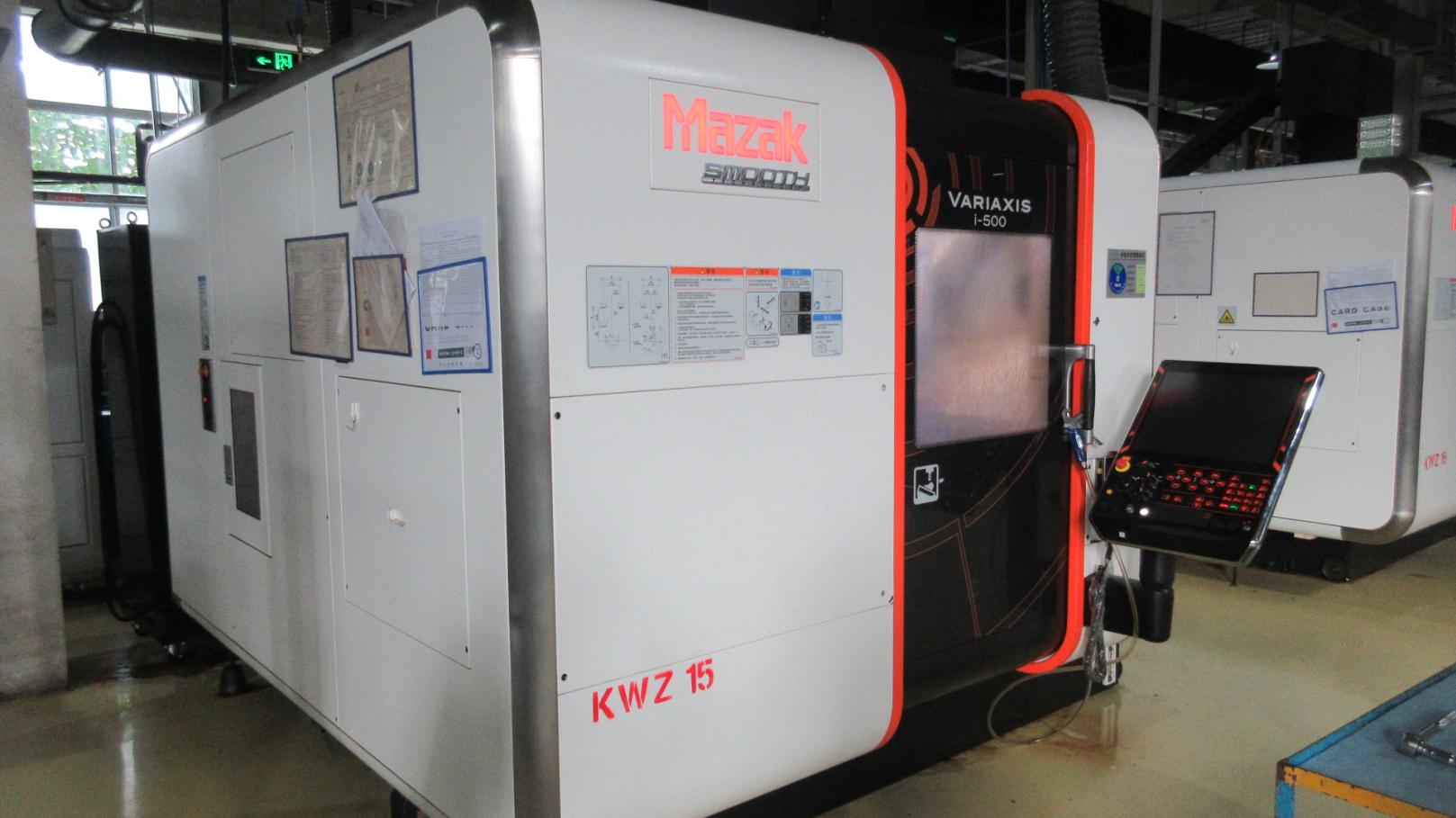
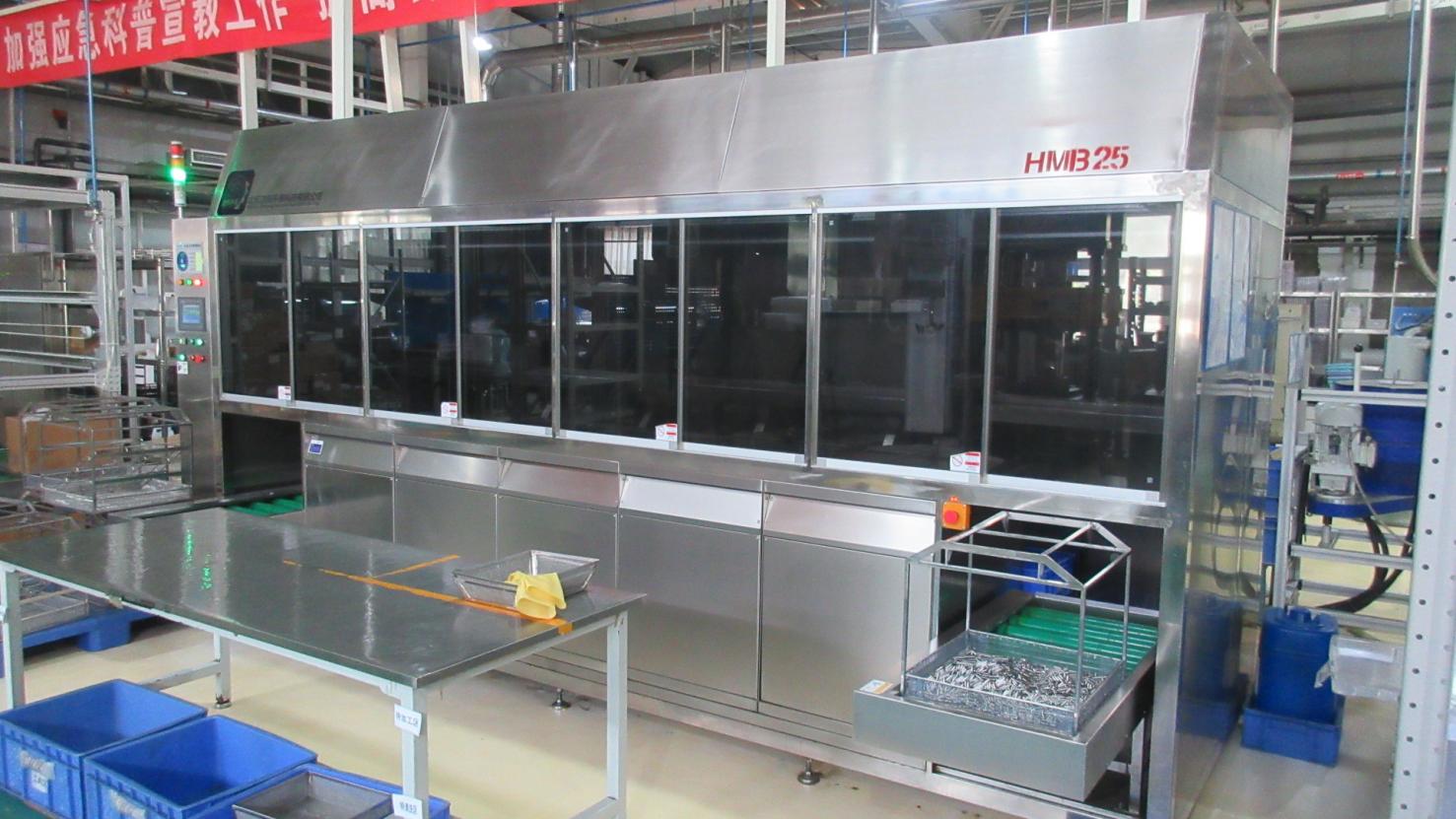
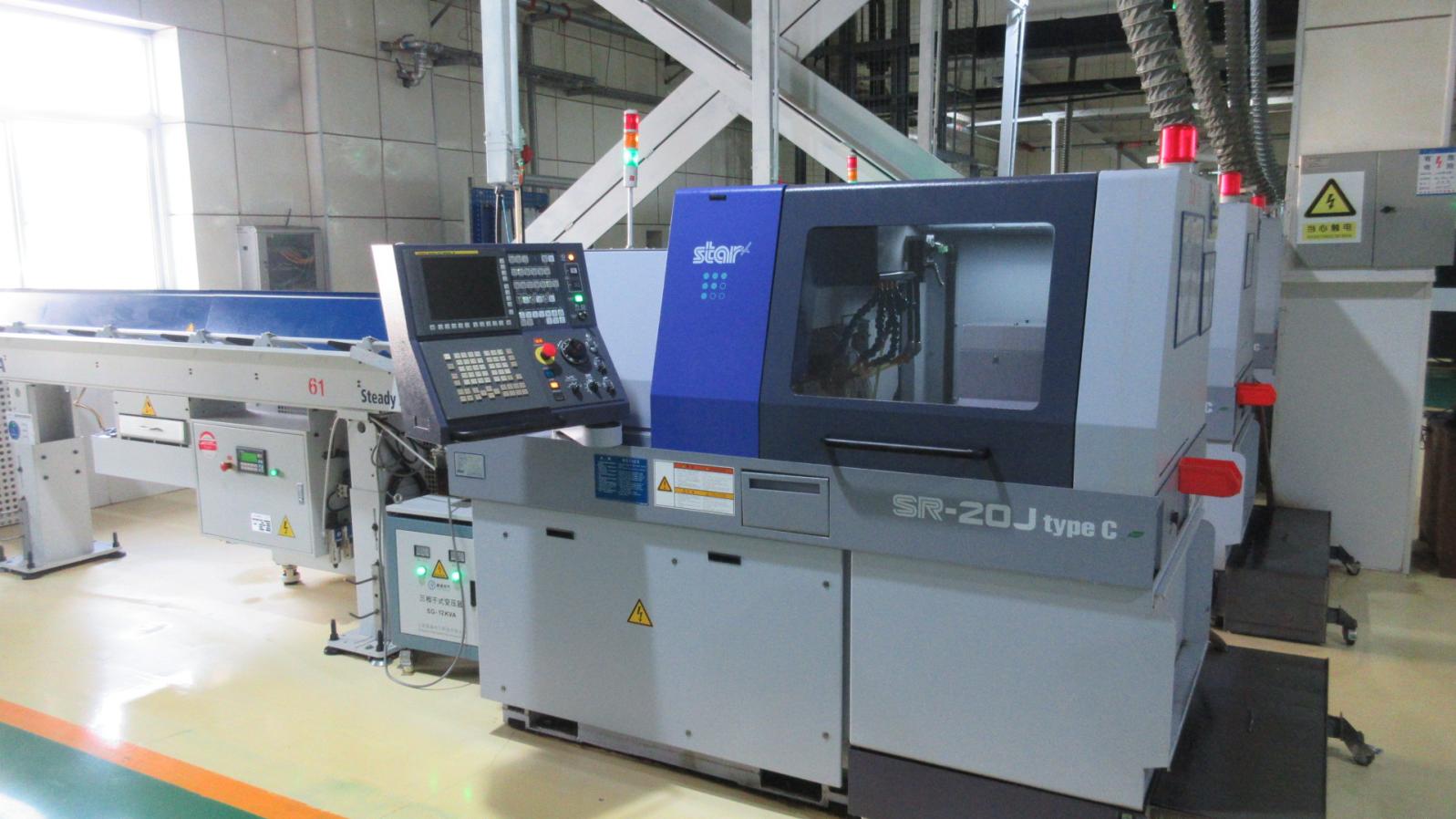
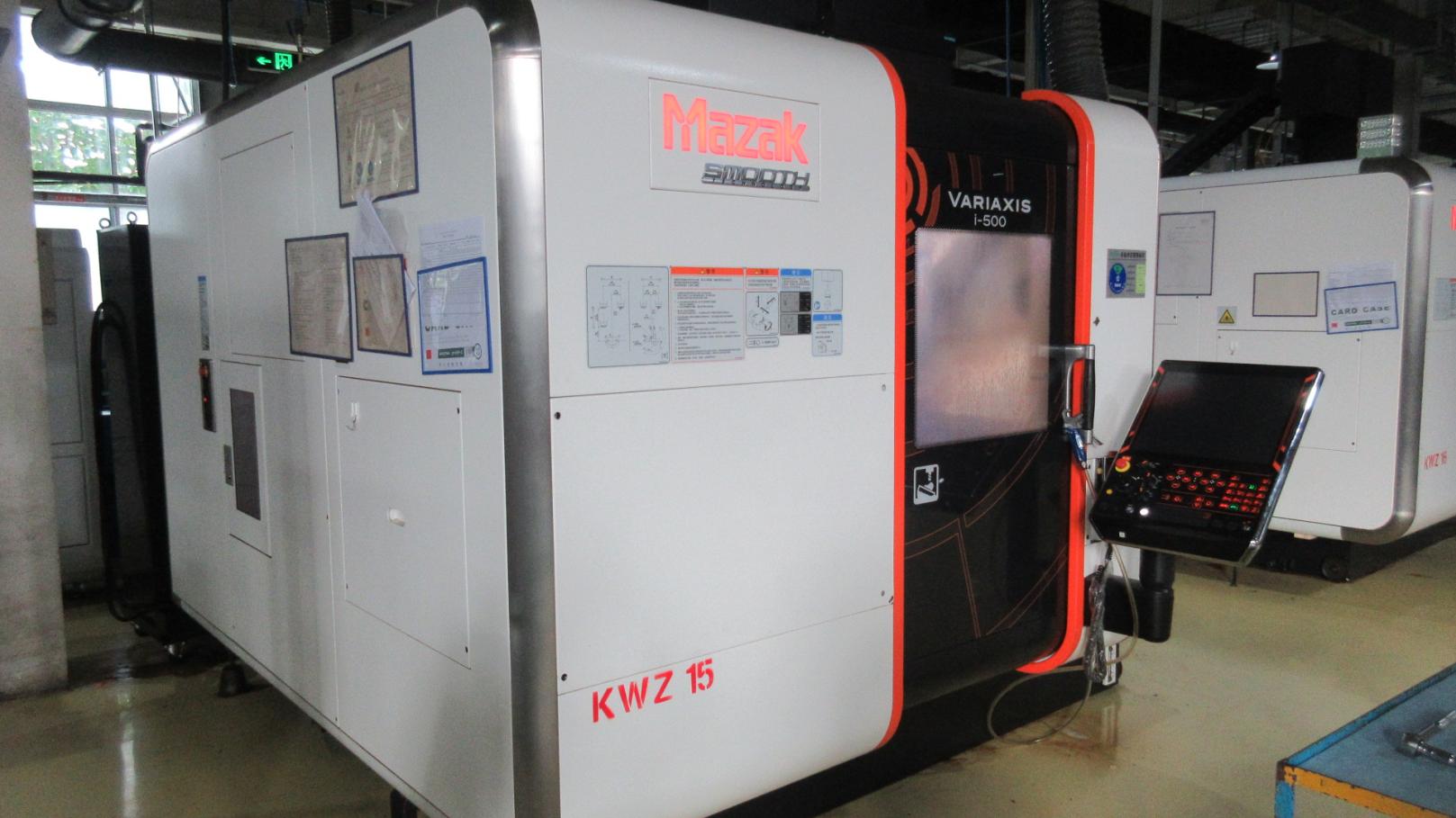
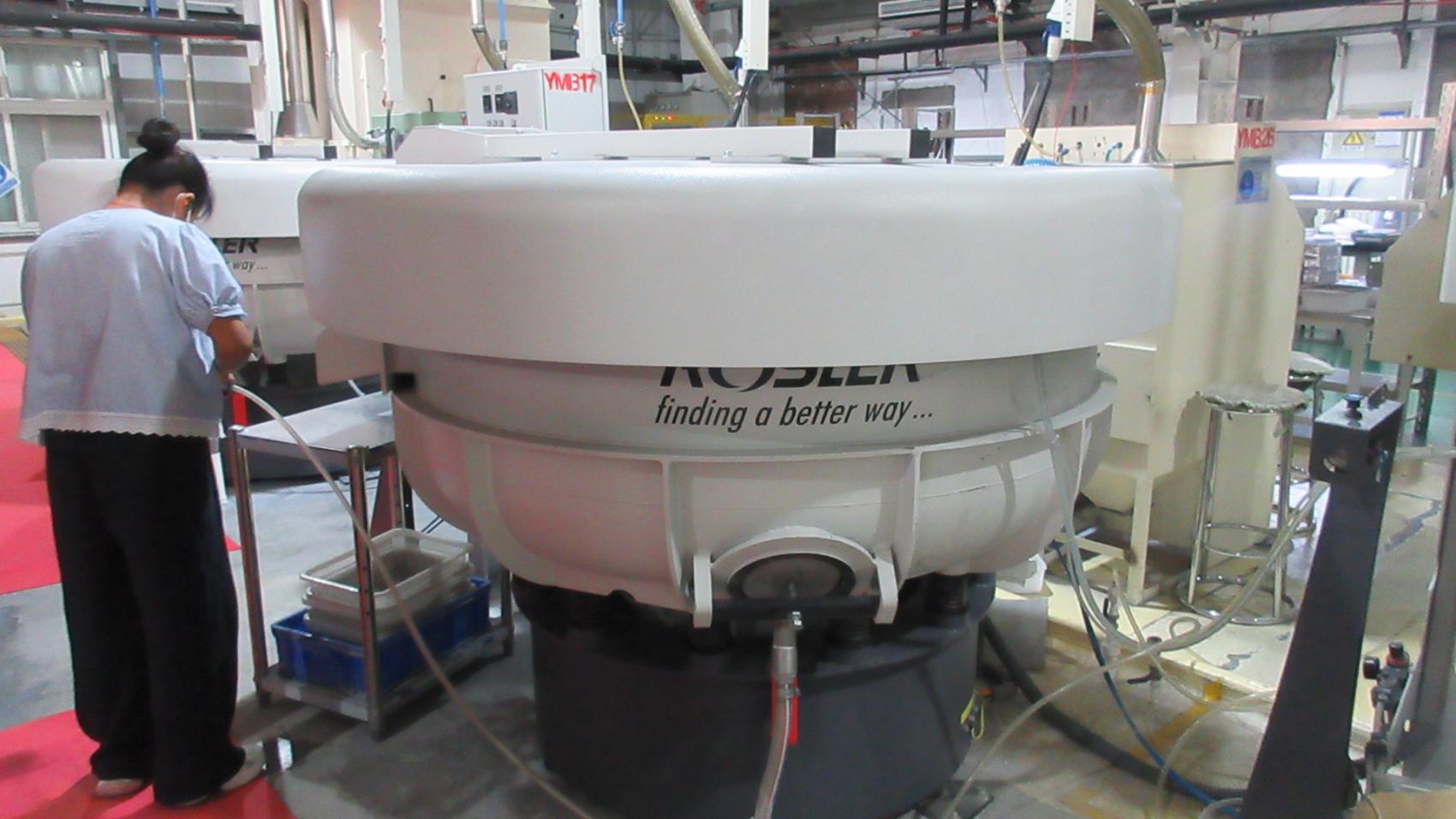
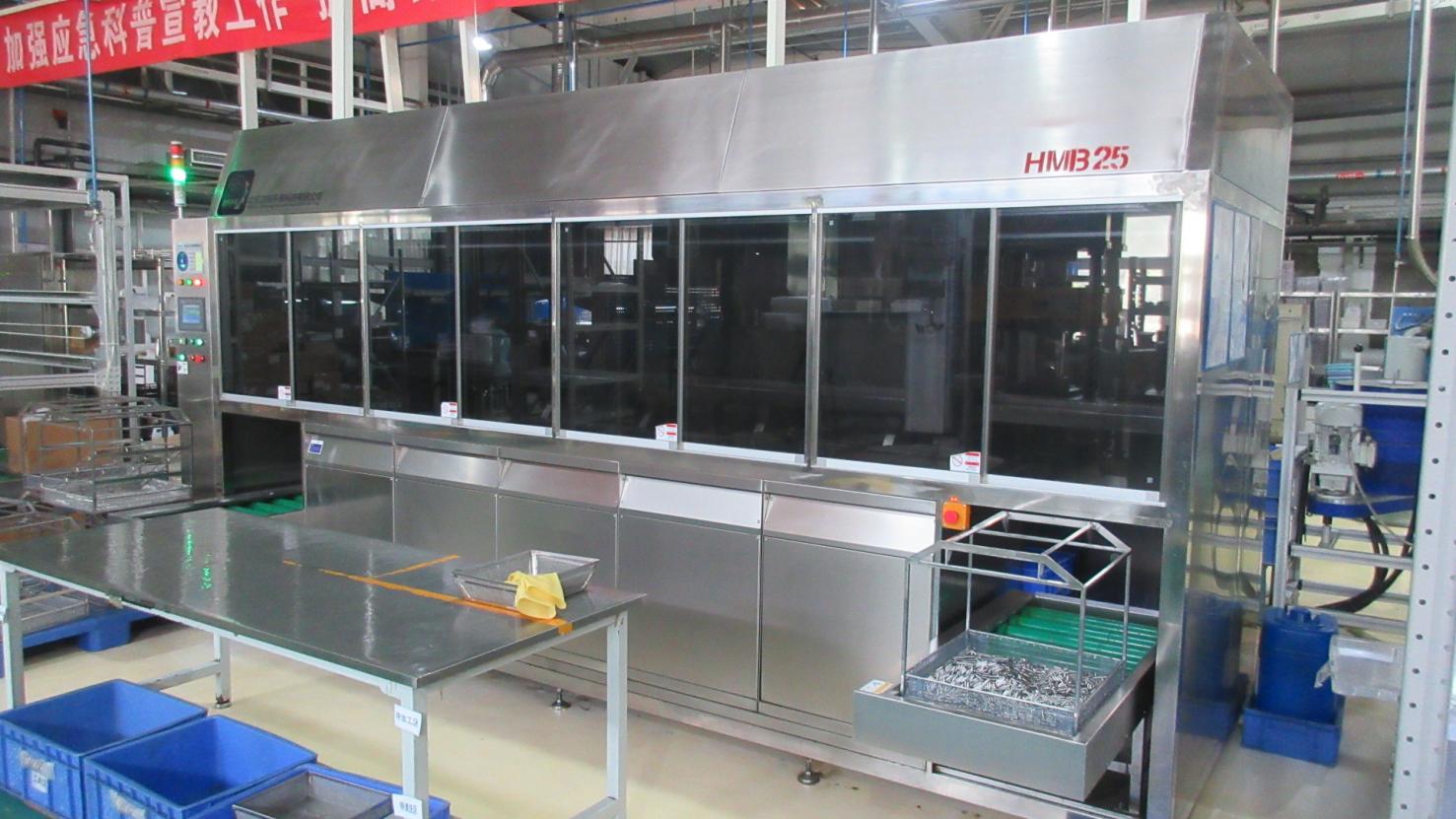
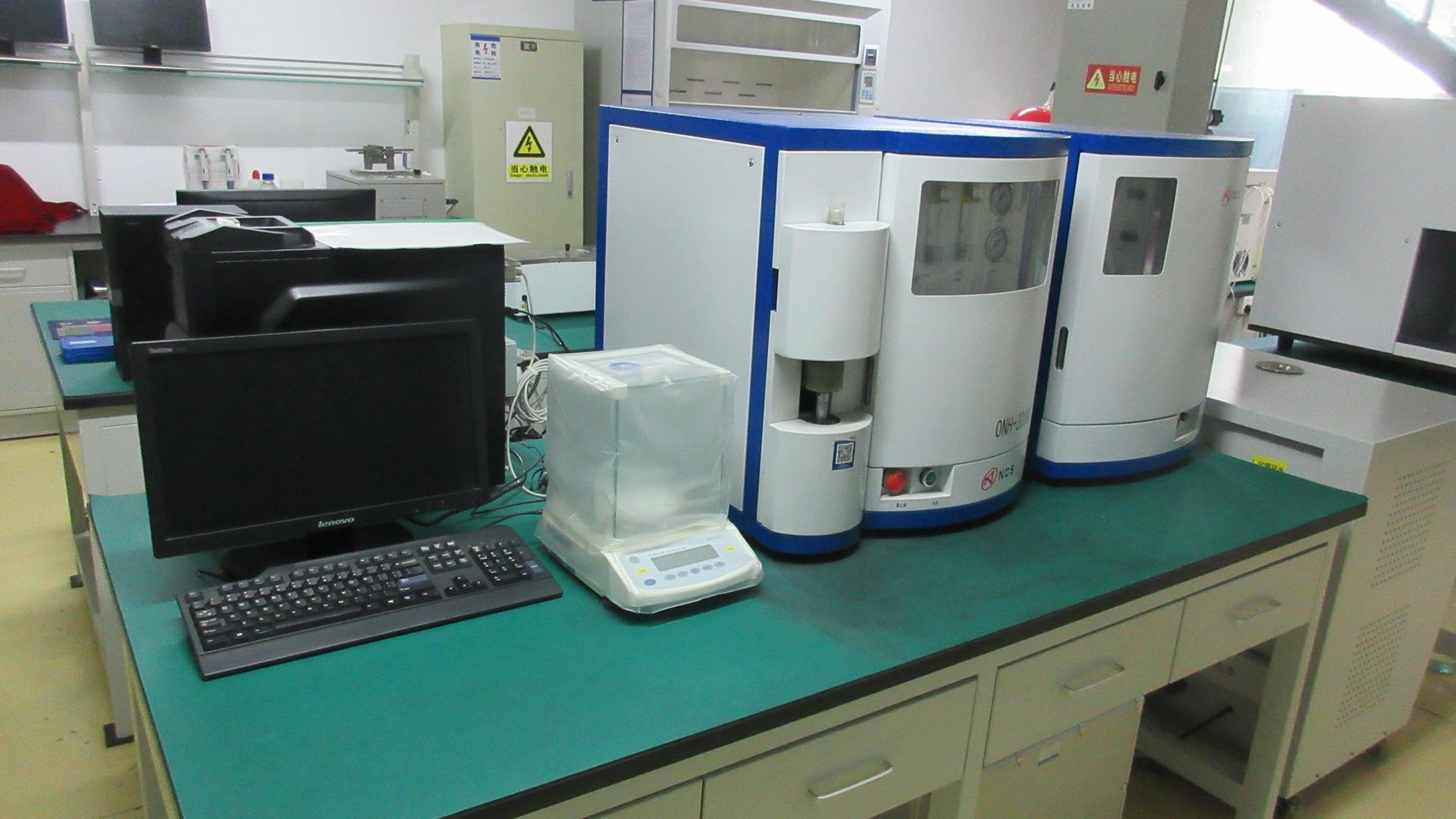
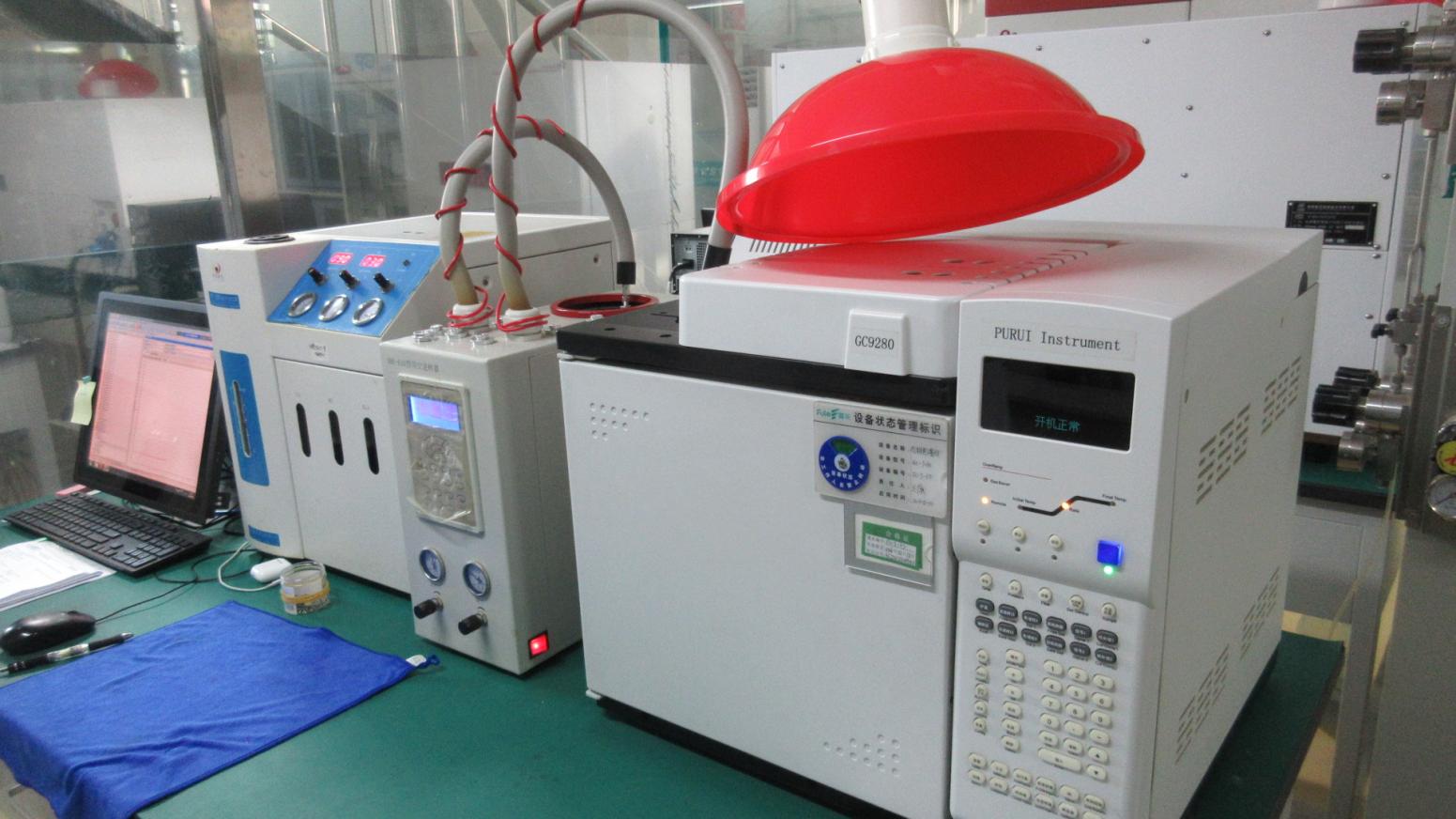
With an annual output exceeding 508,000 finished orthopedic devices, Beijing Fule employs a strict operational design certified under ISO 13485. The facility runs automated multi-axis milling, Swiss-type high-speed turning, and chemical surface treating lines under rigorous cleanroom conditions. R&D operations are spearheaded by 20 dedicated engineers—75% of whom hold advanced graduate-level degrees—driving forward at least 20 new high-performance medical systems every calendar year.
Procuring medical-grade biomechanical solutions requires alignment with international clinical and regulatory standards. For healthcare groups, global wholesalers, and medical distributors, standardizing procurement specifications is critical for patient safety and regulatory compliance.
| Procurement Factor | Standard Specification | Beijing Fule Capability Details |
|---|---|---|
| Raw Material Compliance | ASTM F136 (Ti-6Al-4V ELI), ASTM F2026 (PEEK) | 100% Traceable raw materials certified from premium international suppliers. |
| Quality Auditing | ISO 13485, CE Class III conformity | Dual validation pathways with complete factory-level traceability audits. |
| Production Technology | High-speed multi-axis CNC, cleanroom packaging | 102 advanced CNC machinery setups operating in Class 100,000 cleanrooms. |
| Warranty & Lifetime | Minimum 2 years (instrumentation), 5+ years (implants) | Extensive warranties (up to 5+ years) with comprehensive regulatory dossiers. |
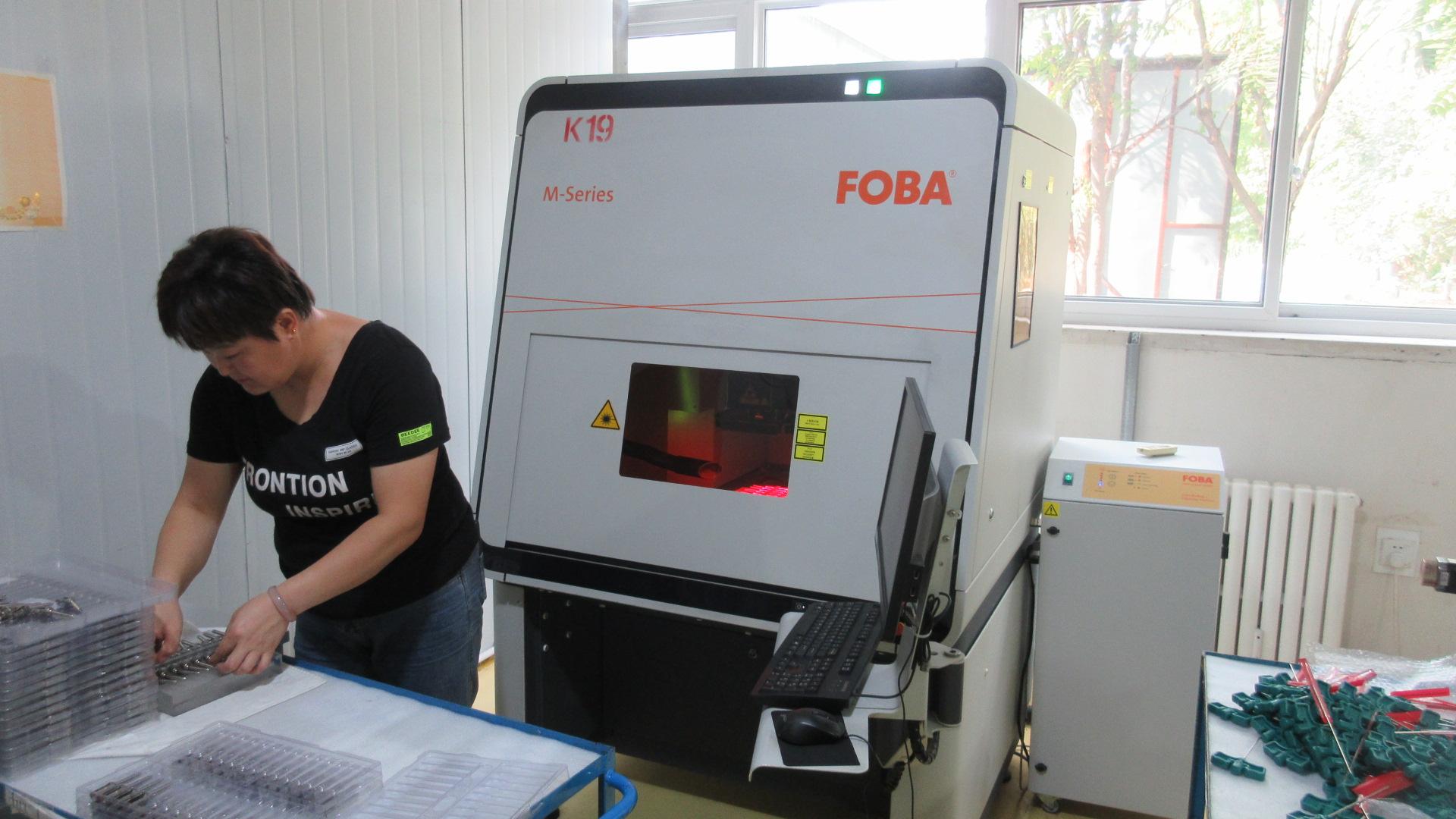
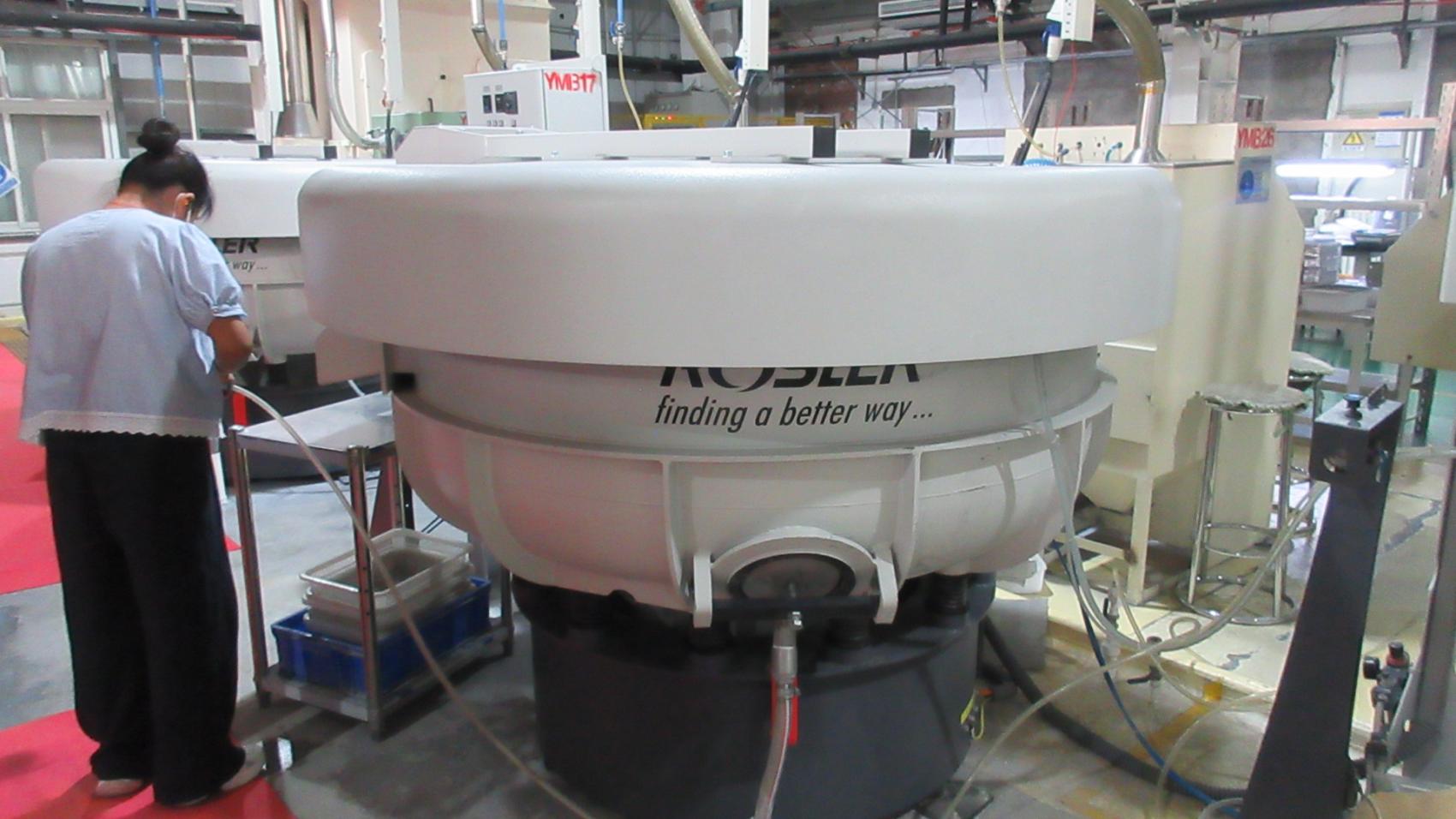
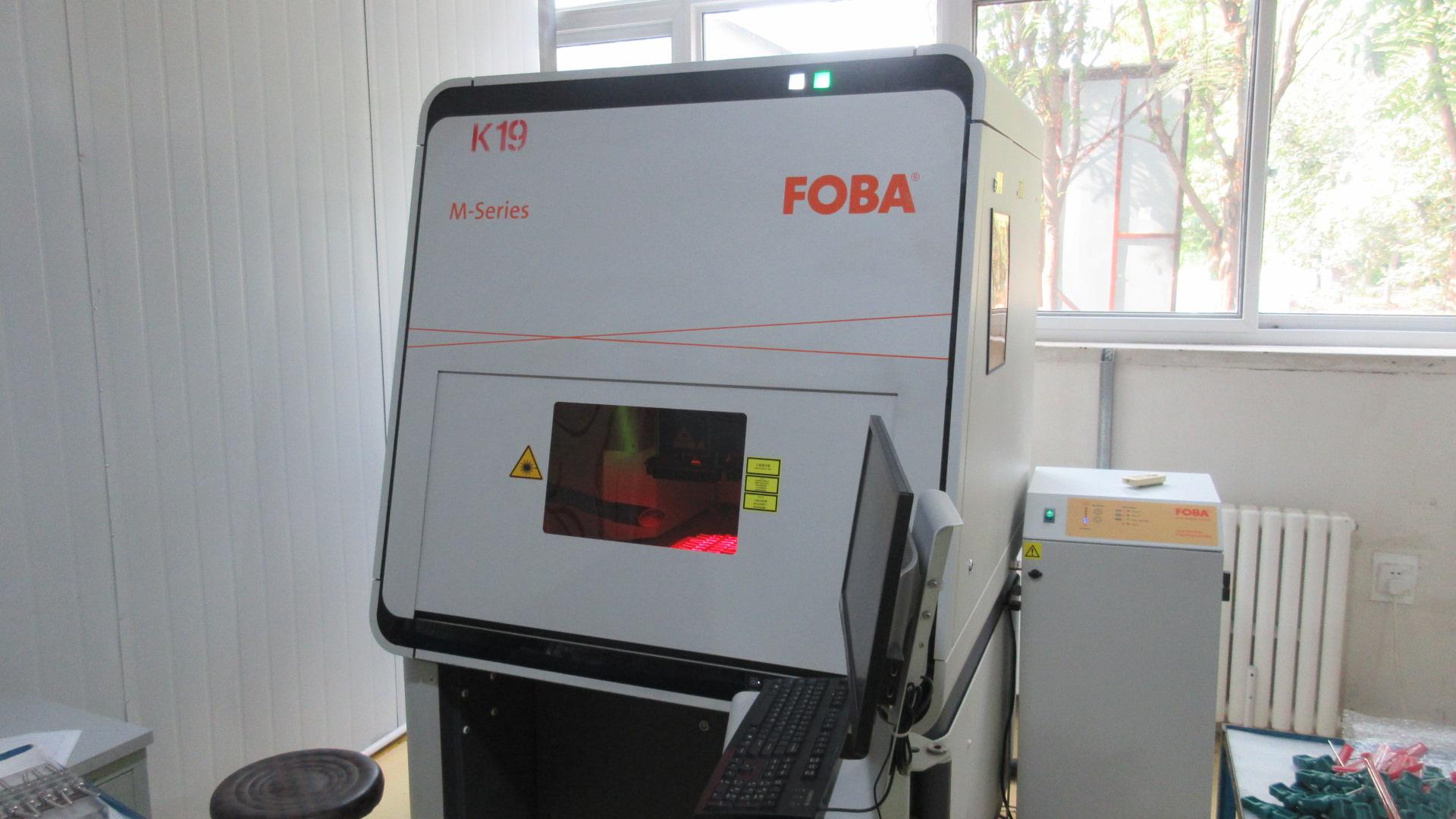
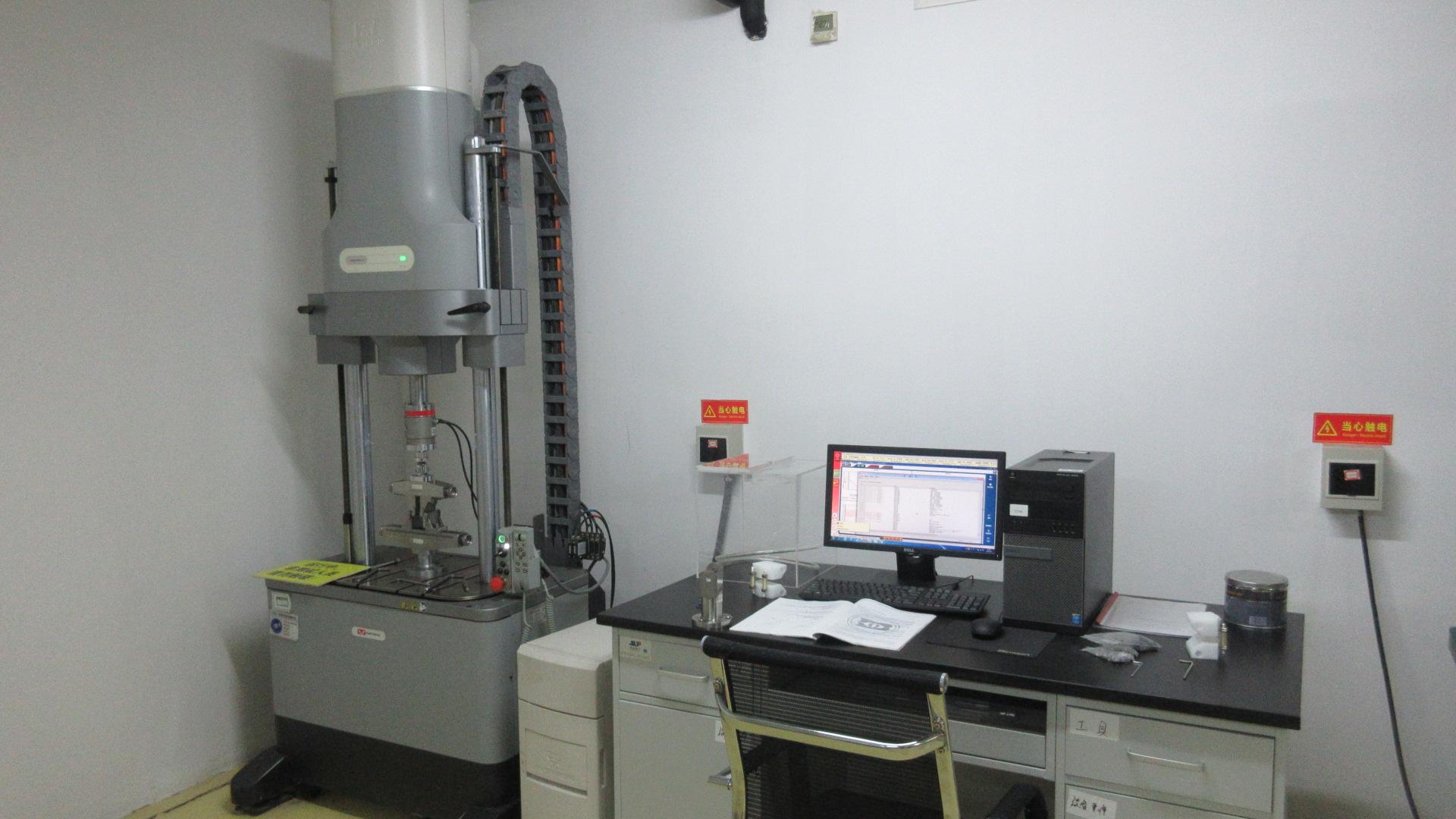
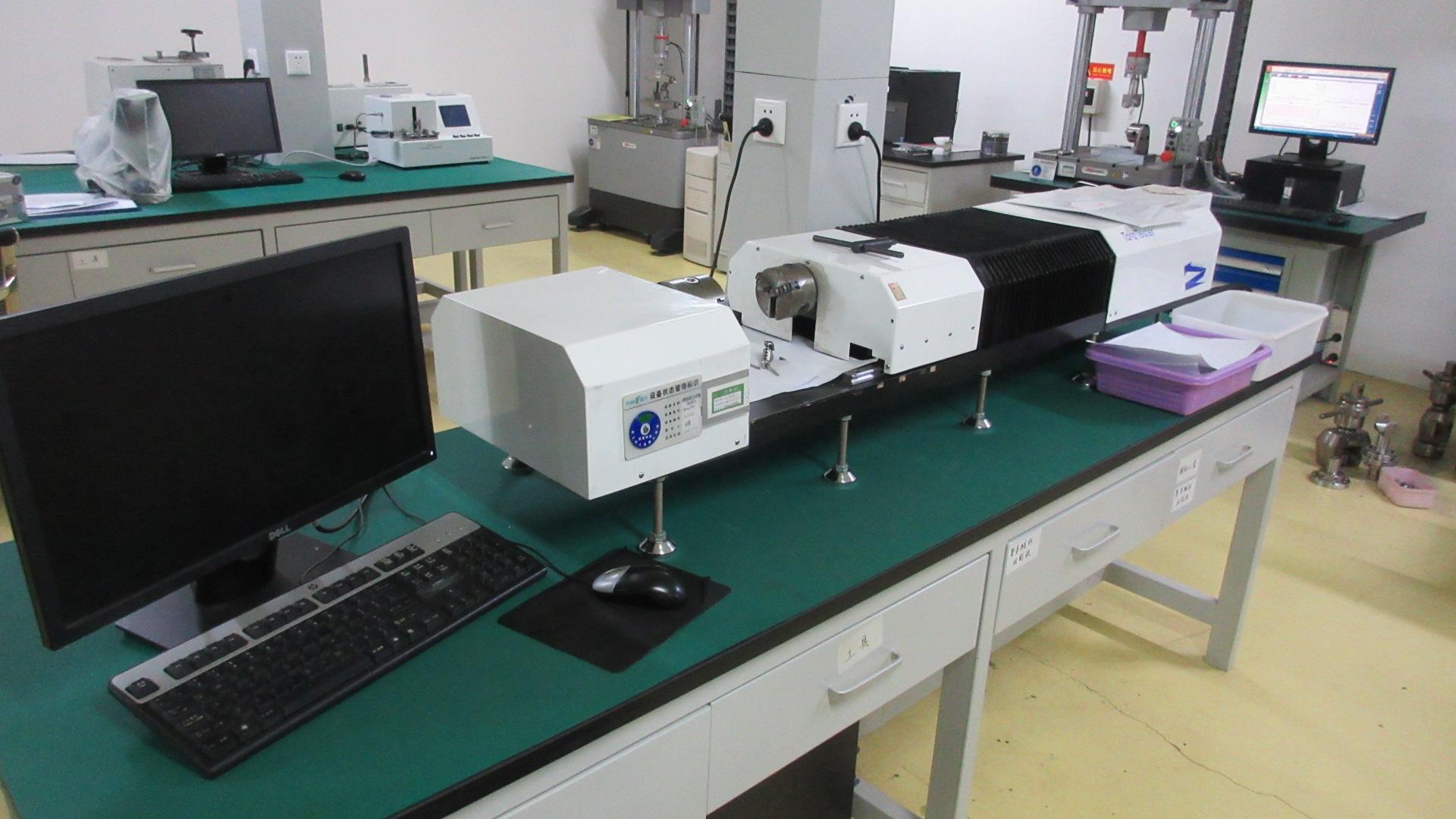
Inside our ISO 13485 certified cleanroom environments and production centers, demonstrating advanced engineering excellence.


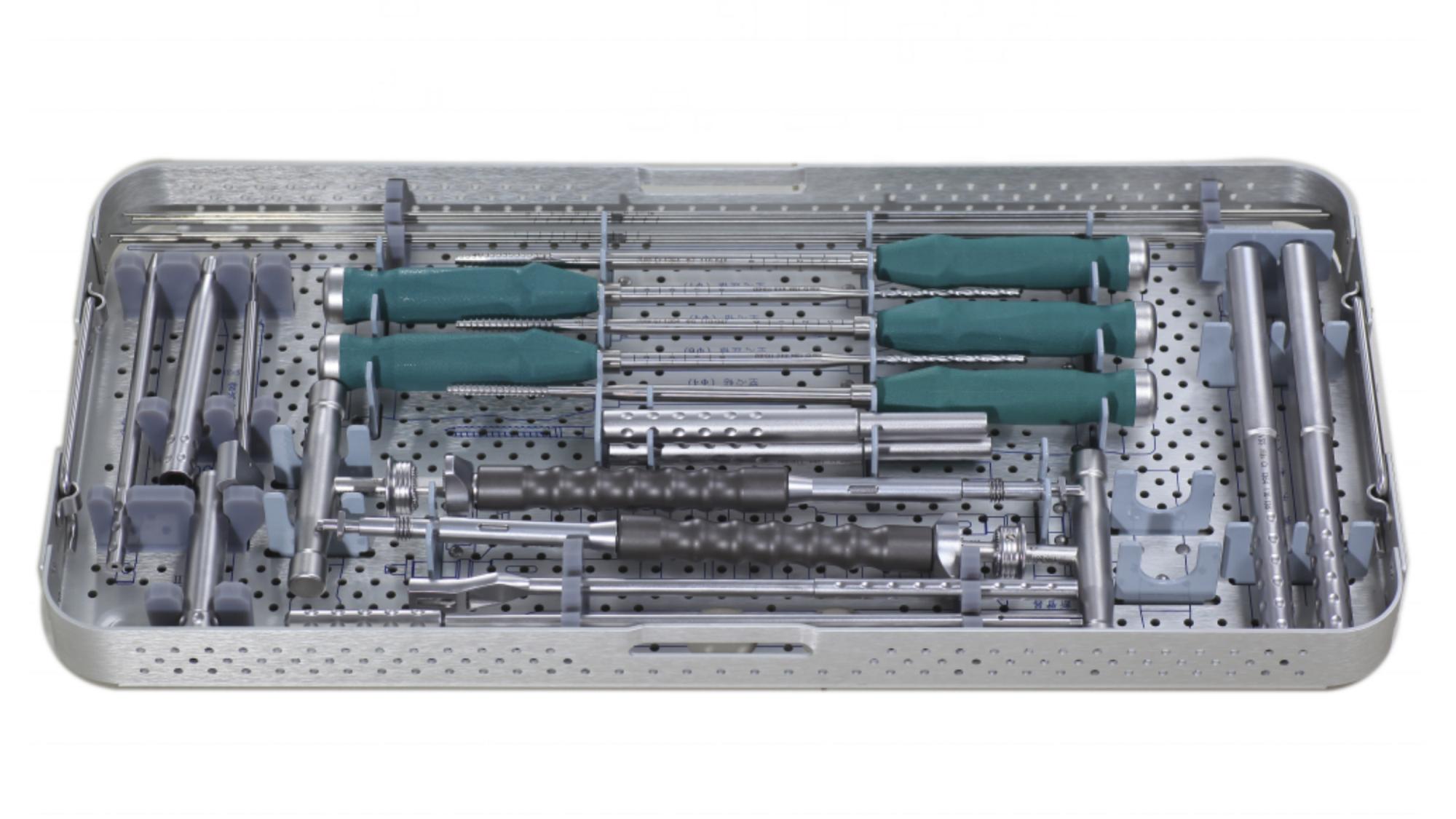
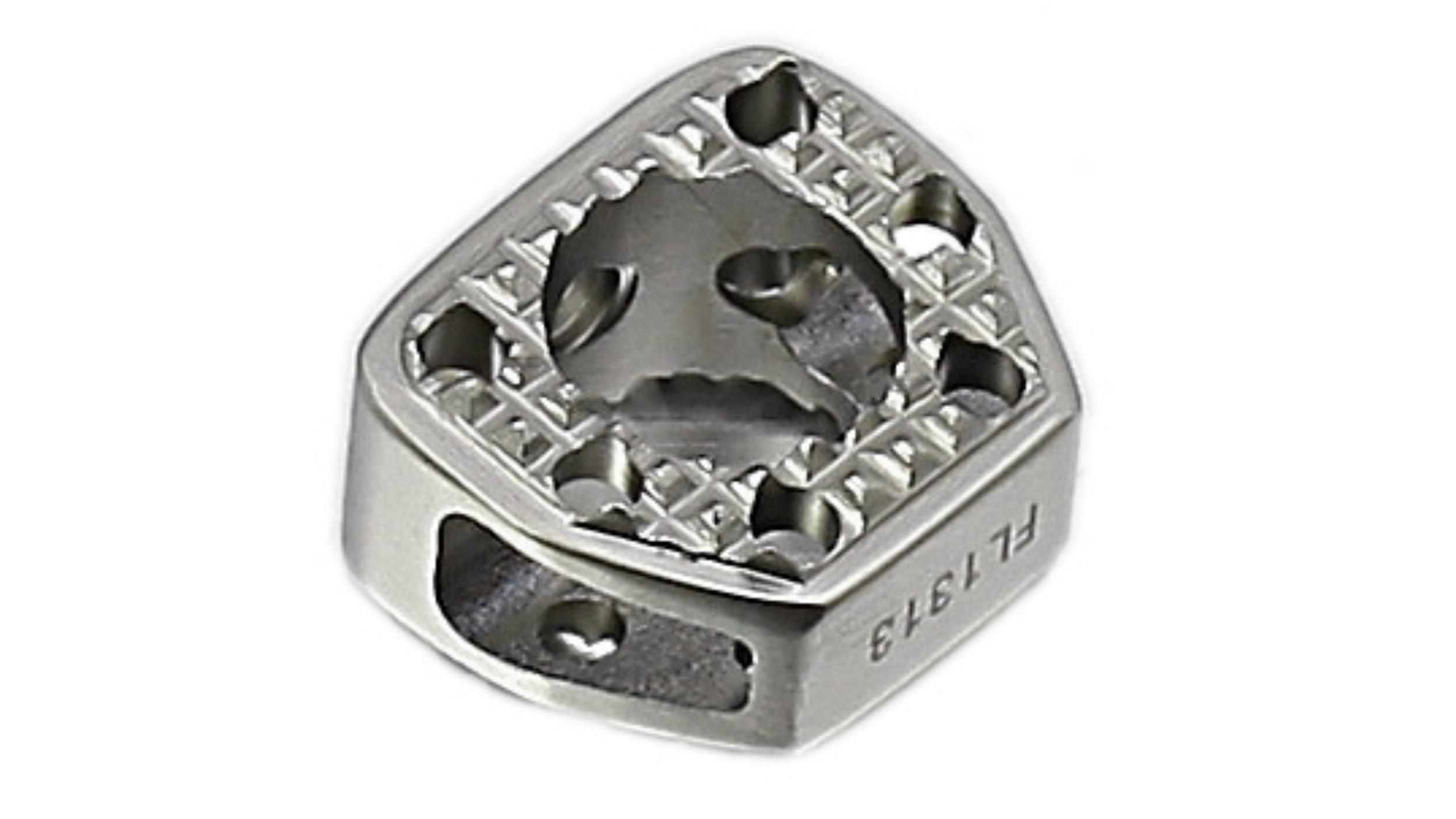
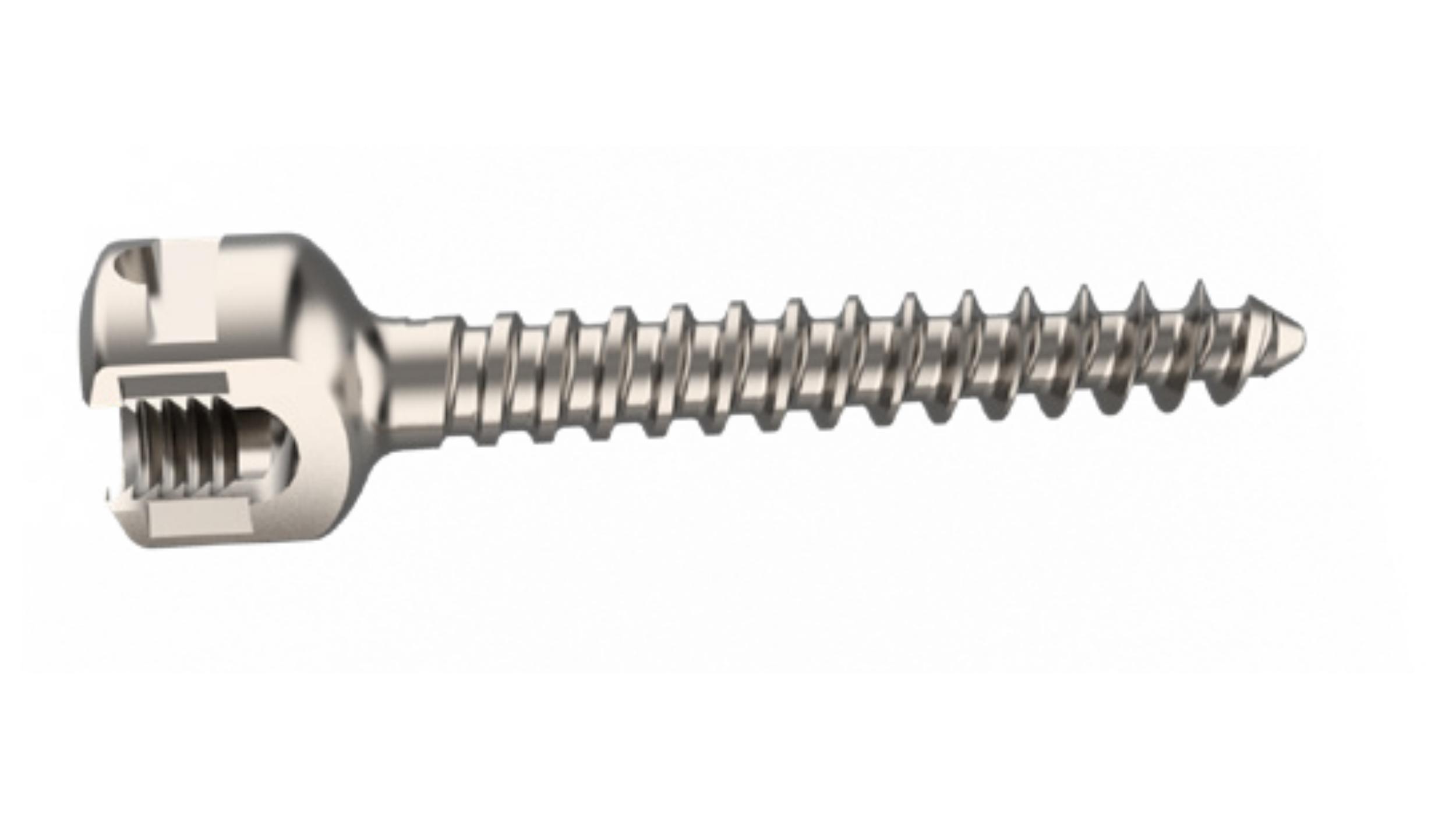
The biomechanics sector is witnessing rapid transformations driven by digital healthcare integrations and advanced metallurgy. Four primary trends shape the industry today:
Electron Beam Melting (EBM) and Direct Metal Laser Sintering (DMLS) allow the fabrication of micro-porous titanium structures. These porous surfaces simulate trabecular bone networks, promoting direct bone in-growth and reducing healing times.
Polyetheretherketone (PEEK) remains the polymer of choice for spine fusion cages due to its radiolucency. It prevents artifacts under CT and MRI scans, allowing surgeons to evaluate post-operative fusion processes cleanly.
Surgical trends lean heavily toward muscle-sparing approaches. The development of specialized MIS-TLIF instruments, percutaneous screw pathways, and expandable cages minimizes intraoperative blood loss and shortens hospital stays.
Next-generation research focuses on embedding micro-strain gauges inside orthopedic plates to continuously track real-time fracture healing, helping to identify non-unions before catastrophic hardware failures occur.
China's orthopedic supply chain offers substantial cost-efficiencies without compromising safety or regulatory compliance. Manufacturers like Beijing Fule capitalize on local industrial ecosystems to streamline vertical integration. From cleanroom injection molding and multi-axis machining to automated surface etching and high-end packaging, all processes occur in-house.
This integration directly eliminates mid-tier transaction margins, optimizes lead times, and allows for rapid customization. For global buyers, this means securing top-tier Class III medical devices (with a 5+ year clinical track record) at highly competitive wholesale rates, protecting downstream margins in cost-sensitive healthcare systems.
A reliable implant supplier must offer more than just physical hardware; they must provide comprehensive clinical and regulatory support. Beijing Fule ensures smooth local integration through several key pillars:
Expert answers addressing the critical requirements of global procurement, compliance, and material selection.
Every single implant (whether PEEK or Titanium Alloy) is laser-etched with a unique control lot number. This lot number links back to the original Mill Test Certificate (MTC) of the raw material bar or resin, confirming compliance with ISO 5832-3 or ASTM F136 standards. This guarantees complete clinical accountability throughout the life cycle of the implant.
PEEK (Polyetheretherketone) possesses an elastic modulus (3.6 GPa) that closely matches human cortical bone. This helps avoid stress shielding, a common cause of implant subsidence. Additionally, PEEK is radiolucent, allowing surgeons to monitor bone fusion progress under X-ray and CT scans without implant-induced artifacts.
Our implant systems are subjected to extensive mechanical testing, including static and dynamic fatigue tests (under ASTM F382 standards for bone plates and ASTM F1717 for spinal constructs). These tests simulate millions of load cycles to ensure the devices can withstand normal physiological loads without premature failure.
Beijing Fule maintains an active regulatory affairs department that prepares and manages technical files for global registration. Our systems conform to ISO 13485 quality standards, and we provide CE-marked dossiers to streamline local import clearances and clinical compliance evaluations.
Yes. Supported by 20 R&D engineers and advanced CAD/CAM software suites, we provide comprehensive customization options. We can manufacture components based on custom engineering blueprints, sample designs, or specific anatomical requirements.
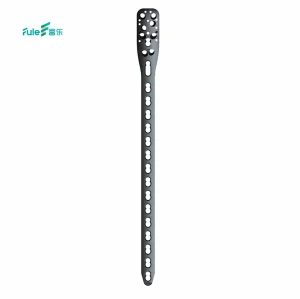
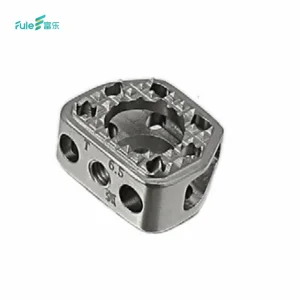
Explore our wider range of orthopedic trauma systems, anatomical plates, and specialized spine surgery instrumentation.
 Fule
Fule