What is Wearable Health Technology and How Can It Benefit You?

Time:2026-05-19 Author:Liam
0%

Wearable Health Technology is revolutionizing how we monitor our health. This innovative technology includes devices like smartwatches, fitness trackers, and ECG monitors. These tools gather real-time data on our physical activities, heart rates, and even sleep patterns. With the rise of chronic illnesses, understanding our health metrics has never been more critical.

Many people are embracing these devices for their potential benefits. They promote proactive health management and encourage a more active lifestyle. However, reliance on technology can sometimes lead to anxiety about data results. Users must find a balance between tracking health and enjoying daily life.

Despite the advantages, issues remain. Some may struggle with data overload or misinterpretation of metrics. The effectiveness of Wearable Health Technology heavily depends on individual user engagement. It’s essential to choose a device that suits personal health goals, ensuring it serves as a helpful companion rather than a source of stress.
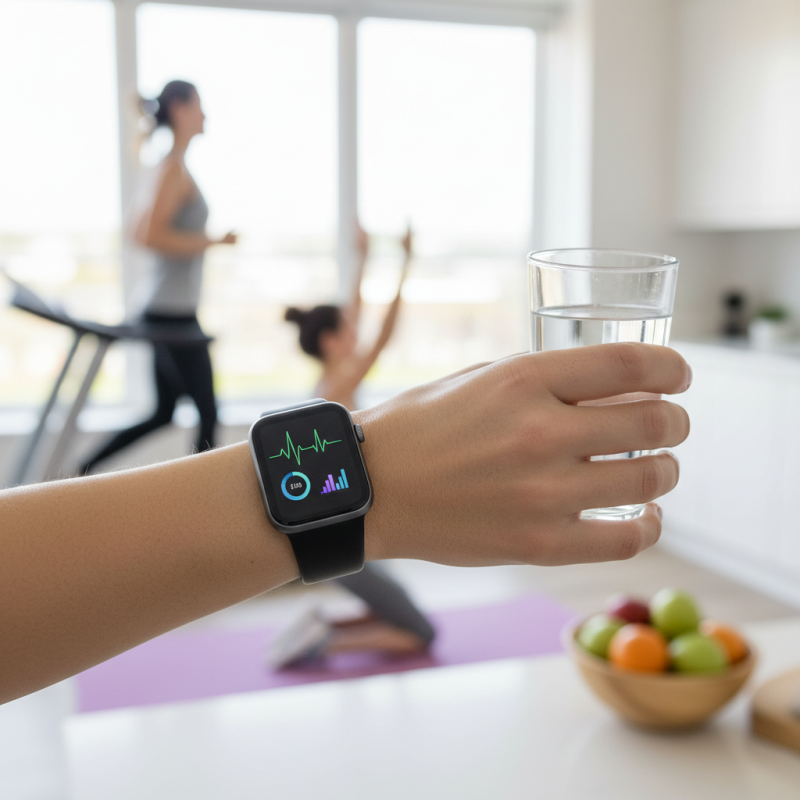
What is Wearable Health Technology and How Can It Benefit You?

Definition of Wearable Health Technology

Wearable health technology refers to electronic devices that monitor health metrics in real-time. These devices are often worn on the body or as accessories. Common examples include smartwatches, fitness bands, and smart clothing. According to a report by Grand View Research, the global wearable health technology market is projected to reach $97.6 billion by 2027, reflecting its growing impact on individual health management.

These technologies enable users to track vital signs such as heart rate, sleep quality, and physical activity. In fact, a study by the American Heart Association found that 40% of smart wearable users reported improved awareness of their health. This empowerment can lead to better lifestyle choices. However, while these devices provide valuable data, accuracy can vary. Users should critically evaluate information, considering factors like device calibration.

Furthermore, reliance on technology poses challenges. Not all users know how to interpret the data correctly. Misunderstandings can lead to anxiety regarding health conditions. The balance between leveraging technology benefits and maintaining informed skepticism is crucial. Users must remain engaged in their health journey, using wearables as tools rather than crutches.

Wearable Health Technology Usage Statistics

This bar chart illustrates the estimated number of users (in millions) for various types of wearable health technologies. Fitness trackers lead the market, followed by smartwatches and health monitors. Such data highlights the increasing adoption of wearable technology in health management.

Types of Wearable Health Devices and Their Functions

Wearable health devices come in various forms, each designed to monitor specific health metrics. Fitness trackers are popular for monitoring physical activity. They count steps, track heart rate, and monitor sleep patterns. Users can set fitness goals and see their progress over time. This feature encourages a more active lifestyle.

Smartwatches also offer comprehensive health functions. They can monitor heart rate variability, blood oxygen levels, and even ECG readings. Some watches alert users to irregularities in their heart rhythm. These alerts can lead to early detection of potential health issues. Users might find themselves relying on these alerts for daily health checks.

Wearable technology is not without its challenges. Some people may find the data overwhelming. Alternatively, inaccurate readings can create unnecessary worry. It's essential to interpret data thoughtfully. Consulting with healthcare professionals can provide clarity. Balancing technology and personal health management is crucial for effective use.

What is Wearable Health Technology and How Can It Benefit You?

Device Type Function Health Benefits Target Audience
Fitness Tracker Tracks physical activity, heart rate, and sleep patterns Improves fitness, promotes active lifestyle Health-conscious individuals
Smartwatch Provides notifications, tracks health metrics Convenient tracking of daily activities and health Tech-savvy users
Heart Rate Monitor Monitors heart rate in real-time Helps in managing heart-related health issues Athletes and individuals with health concerns
Smart Clothing Integrates sensors to monitor body metrics Provides insights for performance optimization Professional athletes and fitness enthusiasts
Glucose Monitor Measures blood glucose levels Essential for diabetes management Diabetes patients

Benefits of Wearable Health Technology for Individuals

Wearable health technology is revolutionizing personal wellness. Devices like fitness trackers and smartwatches provide real-time data on heart rate, activity levels, and sleep patterns. A report by the Global Health Data Network estimates that wearable technology can reduce healthcare costs by up to 30% through preventive health measures.

These devices empower individuals to take control of their health. According to a study published in the Journal of Medical Internet Research, 67% of users report increased motivation to exercise regularly. They offer insights into daily activity, nudging users toward healthier choices. Regularly monitoring vital signs can help detect issues early, leading to timely interventions.

Tips: Set specific health goals. Aim for realistic milestones. Small changes create lasting habits.

Wearable technology also fosters community support. Many users share progress with friends or online groups. This social aspect can enhance motivation, but it's essential to be cautious. Not everyone finds success. Some may feel overwhelmed by constant data. Reflect on personal goals and capabilities to avoid burnout. Balance technology use with mindful practices to maximize benefits.

Potential Drawbacks and Limitations of Wearable Devices

Wearable health technology has revolutionized personal wellness. These devices provide insights into daily activity, heart rate, and sleep patterns. However, they are not without flaws. Data accuracy can vary greatly. Many users find that their devices do not align perfectly with medical readings. This inconsistency can lead to misinformation about one’s health.

Privacy is another significant concern. Wearables often collect sensitive data, raising questions about how it’s used and shared. Users may be unaware of how their health information is stored or who can access it. This lack of transparency can cause anxiety for many.

Additionally, reliance on these devices could lead to decreased physical activity. Some might choose convenience over traditional methods of staying fit. The temptation to let technology do the tracking can be strong. Not everyone has the technical literacy to interpret the data correctly. As a result, users could misjudge their health status, relying too heavily on the insights of their devices.

Future Trends in Wearable Health Technology and Innovation

Wearable health technology is evolving rapidly. Future trends show increased integration with artificial intelligence. Devices will not only monitor health metrics but also provide personalized insights. Imagine a smartwatch that learns your routines. It can suggest optimal exercise times based on your heart rate variability. Such innovations could lead to better lifestyle choices.

Privacy concerns are unavoidable in this realm. Users must question how their data is used. Understanding privacy policies is crucial. Striking a balance between convenience and security will be essential. It’s important to reflect on whether convenience is worth potential risks.

Tips: Choose devices that prioritize data security. Regularly review app permissions and settings. Engage with platforms that are transparent about data usage. Your health is valuable, and you should protect it.

FAQS

: What is wearable health technology?

: Wearable health technology includes devices that track health metrics in real-time. They are usually worn on the body.

What types of metrics can these devices monitor?

Devices can monitor heart rate, sleep quality, and physical activity levels. They help users understand their health better.

How can wearable devices improve health awareness?

Research shows that many users report increased health awareness. This awareness can lead to better lifestyle choices.

Are the health data from wearables always accurate?

Data accuracy can vary among devices. Users should critically evaluate the information and consider device calibration.

What challenges do users face with wearable health technology?

Some users may misinterpret data, leading to unnecessary health anxiety. Thoughtful interpretation is crucial for effective use.

How could future wearables be more helpful?

Future devices may integrate with AI for personalized insights. They could suggest optimal activities based on individual metrics.

What privacy concerns should users consider?

Users need to understand how their health data is used. Reviewing privacy policies is essential for ensuring data security.

How can users balance reliance on technology and personal health?

It's important to use wearables as tools, not crutches. Engaging actively in health management is crucial for effectiveness.

What can users do to protect their health data?

Choose devices that prioritize data security. Regularly review app permissions and stay informed about data usage policies.

Can the data from wearables be overwhelming?

Yes, some users find the information overwhelming. Seeking advice from healthcare professionals can help clarify important metrics.

Conclusion

Wearable Health Technology refers to electronic devices that can be worn on the body to monitor health metrics and provide valuable insights into an individual's wellness. These devices come in various forms, such as smartwatches, fitness trackers, and even advanced clothing, each serving functions like heart rate monitoring, sleep tracking, and exercise analysis. The benefits of Wearable Health Technology for individuals include enhanced health awareness, motivation for fitness, and the ability to track chronic conditions in real-time.

However, there are potential drawbacks and limitations, such as privacy concerns and the accuracy of the data collected. As technology progresses, the future of Wearable Health Technology looks promising, with innovations focusing on better integration with healthcare systems and more sophisticated monitoring capabilities. Overall, Wearable Health Technology has the potential to significantly improve personal health management and facilitate proactive healthcare.

Liam

Liam

Liam is a dedicated marketing professional with a profound expertise in the industry, where he excels at highlighting the unique advantages of our core products. With a keen understanding of market trends and consumer needs, Liam frequently updates our company’s professional blog, providing......