Medical simulation equipment plays a crucial role in the healthcare training landscape. According to a report from the Society for Simulation in Healthcare, the global medical simulation market was valued at approximately $2.78 billion in 2020. This figure is expected to surpass $6 billion by 2026, highlighting the increasing reliance on these tools. Medical simulation enhances learning outcomes. It allows healthcare professionals to practice skills in a risk-free environment.
Despite its advantages, not all training programs utilize the latest medical simulation equipment effectively. A survey by the Accreditation Council for Graduate Medical Education indicated that around 20% of residency programs do not incorporate simulation training adequately. This gap can lead to inadequately prepared healthcare providers, which is concerning. Quality medical simulation equipment can bridge this gap, allowing for more immersive training experiences.
Simulators like high-fidelity manikins and virtual reality systems are transforming how students absorb complex medical concepts. They support diverse learning styles and encourage critical thinking and teamwork. However, institutions must continually assess their technology use. Regular updates and evaluations of the equipment's effectiveness are essential to maximize training outcomes. Investing in the right medical simulation equipment is vital for creating effective, hands-on learning experiences.
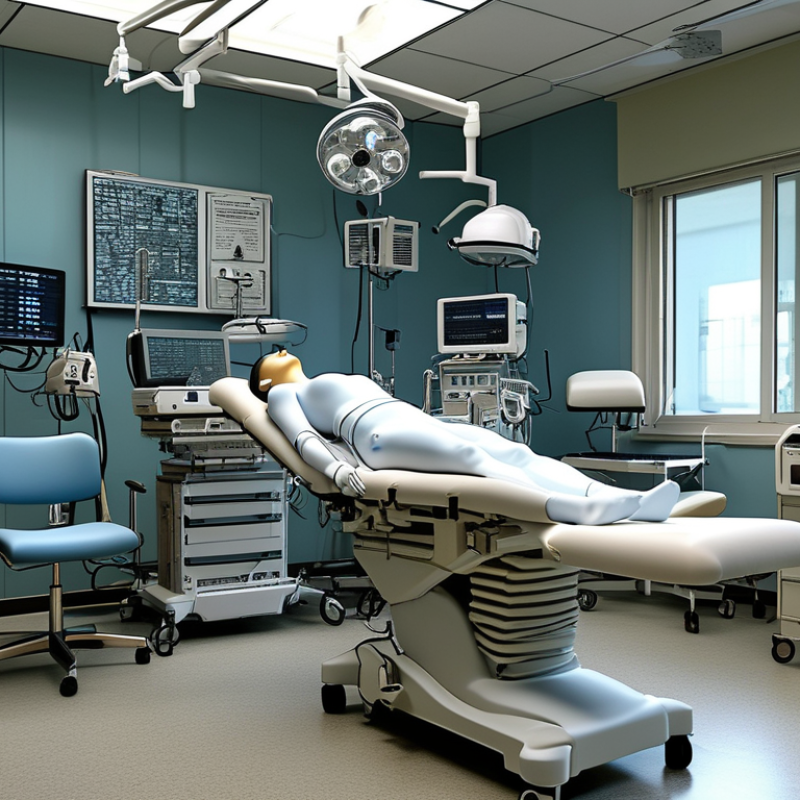
In today's healthcare environment, effective training with medical simulation equipment is essential for developing skilled professionals. A report by the Society for Simulation in Healthcare highlights that simulation-based training improves clinical skills retention by 56%. This growth emphasizes the importance of utilizing advanced simulation tools in medical education.
Additionally, a study from the Journal of Medical Internet Research found that 73% of trainees reported increased confidence after using simulation equipment. It provides a risk-free platform for practicing critical skills. Such hands-on training allows healthcare workers to make errors without harming real patients, fostering a deeper understanding of medical procedures.
Tips: Choose simulation equipment that reflects real-life scenarios. This realism enhances learning. Engage in debriefing sessions after simulations. Reflecting on performance can reveal areas for improvement. Always prioritize safety and ethical considerations in training exercises.
Medical simulation has transformed healthcare education significantly. It allows learners to practice in a safe environment. Trainees can make mistakes without real-life consequences. This is crucial for building confidence and competence. Effective simulation can replicate everything from routine procedures to high-stakes emergencies. Trainees engage in realistic scenarios that prepare them for actual patient care.
In many programs, medical simulation enhances critical thinking skills. Learners face challenging situations that require quick decision-making. They learn to assess and respond efficiently to varying complexities. However, not every simulation scenario works well. Some may not reflect real-world challenges accurately. This discrepancy can hinder true preparedness. Continuous improvement in simulation design is essential.
Feedback from both educators and students guides this process. Discussions about what worked and what didn’t lead to better training outcomes. Simulation also fosters teamwork among healthcare professionals. Collaboration is vital in actual medical settings. Yet, not all participants engage well. The dynamics may vary, affecting learning outcomes. Addressing these challenges is part of refining medical education.
Simulation technology has advanced remarkably in recent years. These innovations have significantly influenced medical training. High-fidelity simulators now provide realistic scenarios. Trainees can practice in a safe environment, enhancing their skills without risking patient safety.
Virtual reality is one such advancement. This technology immerses users in lifelike situations. It allows for repeated practice of complex procedures. However, numerous challenges remain. Access to such technology is not universal, which can create disparities in training. Additionally, the effectiveness of simulations can vary based on user experience and instructor guidance.
Moreover, the integration of artificial intelligence plays a crucial role. AI can analyze trainee performance, offering personalized feedback. This level of assessment was once unimaginable. Yet, the reliance on technology raises questions. Are we losing essential hands-on experience? Balancing traditional methods and advanced simulation is vital for effective training. The journey toward perfecting medical education continues.
High-fidelity manikins play a crucial role in medical simulation training. Their realistic features help students practice essential skills. These manikins can mimic various medical conditions, providing learners with a hands-on experience. They often include responsive eyes and adjustable vitals, making scenarios feel genuine.
One key feature is their ability to simulate real-time physiological responses. This grants trainees a deeper understanding of patient reactions. However, the technology is not foolproof. Occasionally, malfunctions can disrupt training sessions. Instructors must be prepared to adapt and troubleshoot.
Furthermore, integrating high-fidelity manikins in mock emergencies can enhance team collaboration. Trainees learn to communicate effectively under pressure. Still, reliance on technology can lead to discomfort in real-life situations. Practicing on manikins should complement, not replace, clinical rotations. Balancing simulation training with actual patient interactions remains vital for developing compassionate care.
Virtual reality (VR) is transforming medical skills training. By simulating real-life scenarios, VR enables learners to practice without risk. It immerses students in a controlled environment, allowing for repeated practice of complex procedures. Trainees gain valuable feedback on their performance, enhancing their learning experience.
Incorporating VR in training recognizes that mistakes can occur. It promotes a safe space for learners to address errors and refine techniques. Practicing under simulated stress helps build confidence. Medical professionals can hone their skills before facing real patients. This technology is not about perfection; it's about growth and understanding.
Tips for effective VR training:
1. Engage with the material.
2. Embrace mistakes as learning tools.
3. Collaborate with peers for diverse insights.
Effective training requires commitment. Emphasize the importance of reflection after each session. Analyzing performance can lead to better outcomes. VR's role in medical training highlights innovation and adaptability in healthcare education.
| Equipment Name | Key Features | Applications | Technology Used | Training Focus |
|---|---|---|---|---|
| Patient Simulator | Realistic physiological responses | Advanced life support training | High-fidelity simulation | Emergency care |
| Surgical Simulator | Interactive surgical procedures | Surgical skill training | Virtual Reality | Minimally invasive techniques |
| Cardiac Simulator | Real-time cardiac monitoring | Cardiac emergencies | Augmented Reality | CPR and defibrillation training |
| Anesthesia Simulator | Dynamic drug delivery | Anesthesia techniques | Simulation software | Patient safety |
| OB/GYN Simulator | Gestational monitoring | Obstetric emergencies | Computer-based simulation | Childbirth procedures |
| Pediatric Simulator | Pediatric-specific scenarios | Child healthcare emergencies | Interactive modeling | Pediatric resuscitation |
| Trauma Simulator | Mass casualty scenarios | Trauma care | Virtual and augmented reality | Triage and quick decision-making |
| Interventional Skills Trainer | Hands-on skill practice | Minimally invasive procedures | 3D modeling and interaction | Technical proficiency |
| Virtual Reality Headset | Immersive environments | Various medical scenarios | Virtual Reality technology | Patient interaction |
Medical simulation equipment plays a vital role in healthcare training. Investing in such technology not only enhances learning but also offers significant cost-effectiveness. A report from the Society for Simulation in Healthcare indicated that simulation training can reduce medical errors by 30%. This leads to safer patient care and can lower costs associated with malpractice claims.
Medical institutions often face budget constraints. However, the return on investment (ROI) from using simulation equipment is substantial. A study published in the Journal of Patient Safety found that each dollar spent on simulation training could save between $5 to $6 in potential costs from errors and complications. These figures underscore the importance of considering the long-term benefits of simulation training.
Tip: When evaluating medical simulation equipment, focus on realistic scenarios that can be replicated across various training sessions. This enhances the practical skills of healthcare providers. Engaging staff in feedback sessions after training can highlight areas for improvement in both the equipment used and the training methods employed. Continuous assessment is crucial to ensure that the simulations are meeting educational needs effectively.
: Simulation training enhances clinical skills retention by 56%, making it vital in medical education.
About 73% of trainees reported increased confidence after using simulation equipment.
Hands-on training allows errors to be made safely, fostering understanding without putting patients at risk.
Select equipment that mimics real-life scenarios, as this realism significantly enhances the learning experience.
Debriefing helps reflect on performance and identifies areas needing improvement, which is crucial for growth.
High-fidelity simulators and virtual reality create immersive, risk-free environments for practicing complex procedures.
Yes, challenges include unequal access to technology and variations in effectiveness based on user experience.
AI analyzes trainee performance and provides personalized feedback, enhancing the training experience.
Yes, the balance between traditional methods and advanced simulation is essential for comprehensive training.
Continuously seek improvement, reflect on learning, and prioritize ethical considerations during training exercises.
Medical Simulation Equipment plays a crucial role in enhancing healthcare education by providing realistic training environments for medical professionals. The importance of medical simulation lies in its ability to bridge the gap between theoretical knowledge and practical skills, allowing learners to practice and hone their abilities in a risk-free setting. Recent advancements in simulation technology, including high-fidelity manikins and virtual reality, have significantly improved training effectiveness, enabling more immersive and interactive experiences.
Additionally, the cost-effectiveness and return on investment (ROI) of medical simulation equipment make it an essential component of modern medical education. By investing in high-quality simulation tools, healthcare institutions can ensure that their staff are better prepared for real-life scenarios, ultimately leading to improved patient outcomes and safety. As the field of medical training continues to evolve, the integration of advanced simulation technologies will remain vital for developing competent and confident practitioners.

Fule