In today's fast-paced medical environment, choosing the right Emergency Medical Services Equipment is crucial. Every decision impacts response time and patient outcomes. This equipment ranges from portable defibrillators to advanced life support systems. Selecting reliable gear can be challenging for first responders and healthcare professionals alike.
Experience in this field reveals the importance of quality over quantity. It's easy to get overwhelmed by many options available in the market. However, understanding specific needs can streamline the purchasing process. Whether you're outfitting an ambulance or a medical facility, prioritizing essentials enhances readiness and efficiency.
Many buyers overlook the significance of training with purchased equipment. It is not enough to have the latest gear if staff are not proficient in using it. Frequent practice with Emergency Medical Services Equipment can save lives. Ultimately, making informed choices reflects a commitment to excellence in emergency care.
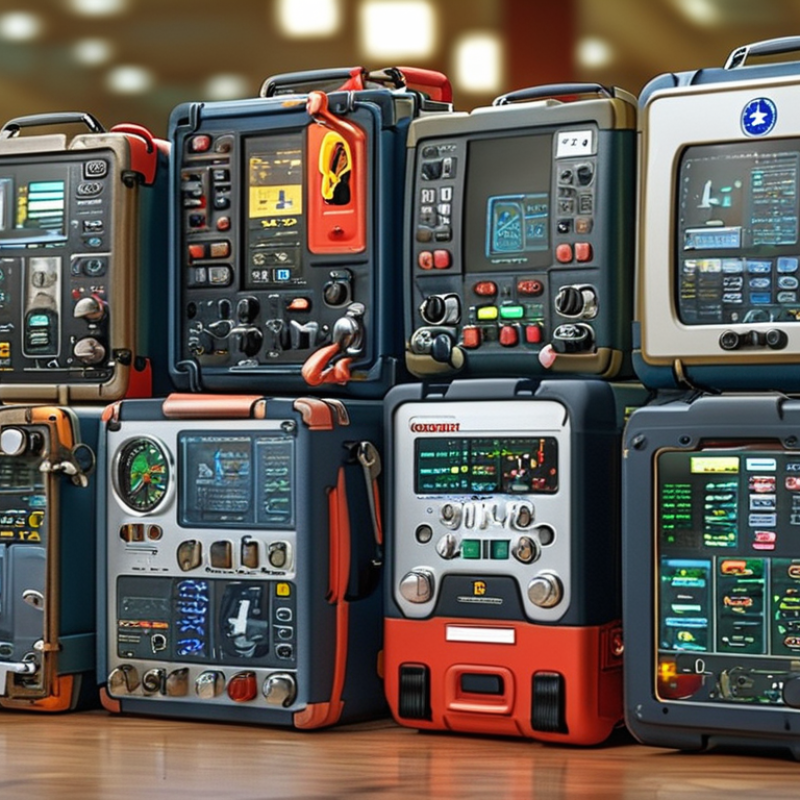
When selecting emergency medical services (EMS) equipment, several essential criteria must be considered. Reliability stands out as a key factor. According to a report by the National Highway Traffic Safety Administration, the effectiveness of EMS equipment directly impacts patient outcomes. A reliable defibrillator can increase survival rates in cardiac arrest situations, emphasizing the need for dependable tools.
Durability is another critical aspect. Equipment often faces rugged conditions in the field. A study by the American College of Emergency Physicians highlights that gear must withstand harsh environments. This need for resilience can't be overstated—equipment failure during an emergency can have dire consequences.
Additionally, ease of use is crucial for efficiency. Many reports suggest that intuitive design reduces training time. A device that is challenging to operate can lead to delays in care. Furthermore, accessibility for all EMS personnel, regardless of experience level, is vital for delivering timely assistance. Balancing these criteria can significantly influence the success of emergency responses, yet many agencies still grapple with integrating them into their purchasing decisions. Reflecting on these aspects can lead to better-informed choices for essential EMS equipment.
When considering emergency medical services (EMS) equipment, several crucial types should be prioritized. First, personal protective equipment (PPE) is essential for safeguarding responders. Data shows that nearly 25% of emergency responders experience exposure to infectious diseases. Proper PPE minimizes these risks and enhances responder safety.
Another vital category is medical apparatus for patient assessment and treatment. Cardiac monitors, defibrillators, and glucometers play significant roles in emergency response. An industry report indicates that effective use of these tools can improve patient outcomes by over 50%. Rapid access to accurate readings becomes a lifeline in critical situations.
Vehicles equipped for emergency response are also key. Ambulances should have adequate space for equipment and medical personnel. Effective design can reduce response time and streamline patient transfers. An analysis found that delays in transport can increase morbidity rates dramatically. This emphasizes the need for properly outfitted vehicles in the EMS sector.
Overall, the right equipment can make a compelling difference in emergency care. Choices made in procurement should reflect an understanding of both the mission and the environment. Each piece of equipment must be evaluated for its practical application and ease of use in high-pressure situations.
When it comes to choosing emergency medical services equipment, understanding top brands is crucial. The right equipment can save lives and improve response times. Many manufacturers specialize in different aspects of emergency care, from basic supplies to advanced medical devices. Each brand brings unique features and reliability to the table.
Understanding the reputation of various manufacturers is essential. Research their history and customer reviews. Look for companies known for their quality control and innovative technology. Strong warranties and excellent customer service are also signs of a trustworthy brand.
Tips: Always evaluate what you need before purchasing. Consider your specific service area and patient needs. Don't hesitate to ask for demonstrations or training. This ensures your team is well-prepared. Remember, not every well-known brand meets your requirements. Sometimes, lesser-known manufacturers offer surprising quality and value. Stay open-minded and prioritize function over name recognition.
When budgeting for emergency medical services equipment, understanding costs is crucial. A comprehensive report by the National Association of Emergency Medical Technicians (NAEMT) indicates that equipment accounts for approximately 30% of an EMS budget. This percentage can fluctuate based on the level of service and operational needs. Higher demand for advanced life support systems also elevates these expenditures.
Each piece of equipment comes with its own price tag. For instance, a cardiac monitor can range from $20,000 to $40,000. While it’s easy to focus on advanced technology, basic equipment like stretchers and oxygen systems also add to the budget. A study published in the Journal of Emergency Medical Services highlights that agencies often overlook the maintenance costs associated with this equipment, which can add up significantly over time.
Allocating funds wisely requires careful planning. EMS departments should prioritize essential purchases first. A review of past expenditures could illuminate areas for improvement, ensuring that each purchase aligns with operational goals. Regular assessments of equipment usage and condition can guide future investments. Engaging stakeholders in budgeting discussions may reveal new perspectives on prioritizing needs. Balancing innovation with financial sustainability remains a challenge that demands ongoing reflection and adjustment.
Emergency Medical Services (EMS) equipment reliability is crucial. Regular maintenance ensures that these life-saving tools are ready when seconds count. According to the National Association of Emergency Medical Technicians, 20% of EMS equipment fails during critical operations due to inadequate maintenance. This statistic highlights the urgent need for a systematic upkeep approach.
Training is equally important. Practitioners must be proficient in using all equipment effectively. Research from the American College of Emergency Physicians indicates that 30% of medical personnel feel unprepared to operate advanced life support equipment. This gap can lead to hesitation and delays in patient care. Regular training sessions can bridge this knowledge gap, enhancing response times during emergencies.
However, inconsistent training schedules can result in knowledge decay. Ensuring everyone is up to speed can be challenging. Some departments may lack access to updated training resources. This reflects a need for a commitment to ongoing education. Continuous assessment of skills and knowledge can help maintain high standards in emergency medical care. Wouldn't it be wise to prioritize proactive measures in both maintenance and training?
| Equipment Type | Maintenance Frequency | Training Required | Common Issues | Service Life Expectancy |
|---|---|---|---|---|
| Automated External Defibrillator (AED) | Monthly | Basic CPR and AED Training | Battery Failure, Pad Expiration | 5-10 years |
| Ambulance Stretchers | Quarterly | Stretcher Handling and Safety | Mechanical Failures, Wear and Tear | 10 years |
| Cardiac Monitors | Biannual | Advanced Cardiac Life Support (ACLS) | Calibration Issues, Software Updates | 7 years |
| Oxygen Delivery Systems | Monthly | Oxygen Administration Training | Leaking Tanks, Regulator Issues | 15 years |
| Trauma Kits | Annually | Basic First Aid Training | Expired Supplies, Inventory Needs | 3-5 years |
: PPE protects responders from infectious diseases. Approximately 25% of responders face this risk during emergencies.
Medical apparatus is crucial for assessment and treatment. Their effective use can boost patient outcomes by over 50%.
Ambulances need space for equipment and personnel. Proper design can cut response times and enhance patient transfers.
Equipment typically takes up about 30% of an EMS budget, varying by service needs and operational demands.
Many agencies overlook maintenance costs. These costs can accumulate significantly over time, impacting budgets.
It's essential to focus on necessary items first. Past expenditures can help reveal improvement areas for future purchases.
Balancing innovation with financial sustainability is difficult. Ongoing reflection and adjustments are often needed.
Regular evaluations can guide future investments. They help ensure that equipment aligns with operational goals.
There's often too much focus on advanced tech. Basic items like stretchers also add to the budget but are crucial.
Involving stakeholders can provide new perspectives. This participation can shape better prioritization of needs.
When selecting Emergency Medical Services Equipment, it is crucial to consider a range of essential criteria to ensure effectiveness and reliability. Key factors include the specific needs of the medical team, equipment durability, ease of use, and compliance with health regulations. The types of equipment to explore cover various categories such as defibrillators, stretchers, and first aid kits, each serving vital roles in emergency response and patient care.
Moreover, understanding the budget for Emergency Medical Services Equipment purchases is important to balance quality with affordability. Maintenance procedures and ongoing training for personnel are also critical to maximize the efficiency of the equipment in high-pressure situations. By taking these factors into account, emergency services can enhance their operational readiness and ultimately improve patient outcomes.

Fule