Chronic care is becoming a daily reality for millions of families. The World Health Organization reports that noncommunicable diseases caused at least 43 million deaths in 2021. Diabetes, cardiovascular disease, cancer, and chronic respiratory conditions remain major drivers. “NCDs are the world’s biggest killers,” says Dr. Tedros Adhanom Ghebreyesus, Director-General of the WHO. His warning gives this industry context beyond sales figures.
The International Diabetes Federation’s Diabetes Atlas estimates that 537 million adults lived with diabetes in 2021. That number may reach 783 million by 2045. These figures support continued demand for glucose meters, continuous glucose monitoring systems, blood-pressure monitors, respiratory devices, wound-care supplies, and home rehabilitation equipment. China has become an important manufacturing base for these Chronic Care Products. Its supply chain combines electronics, medical materials, precision assembly, and large-scale export experience.
This overview examines ten Chinese manufacturers associated with chronic-care solutions. The selection should consider more than factory size. Regulatory registration, ISO 13485 quality systems, clinical evidence, product accuracy, traceability, and after-sales service matter greatly. Buyers should also examine software security and replacement-part availability. A low unit price can hide higher long-term costs.
No manufacturer ranking is completely objective. Product categories differ, and public data is uneven. Some companies disclose extensive technical information, while others provide limited evidence. Therefore, this list is a practical market guide, not a clinical endorsement. Readers should verify current certifications, local approvals, and independent test results before purchasing. That caution feels necessary, especially when a small sensor or monitor influences everyday treatment decisions.
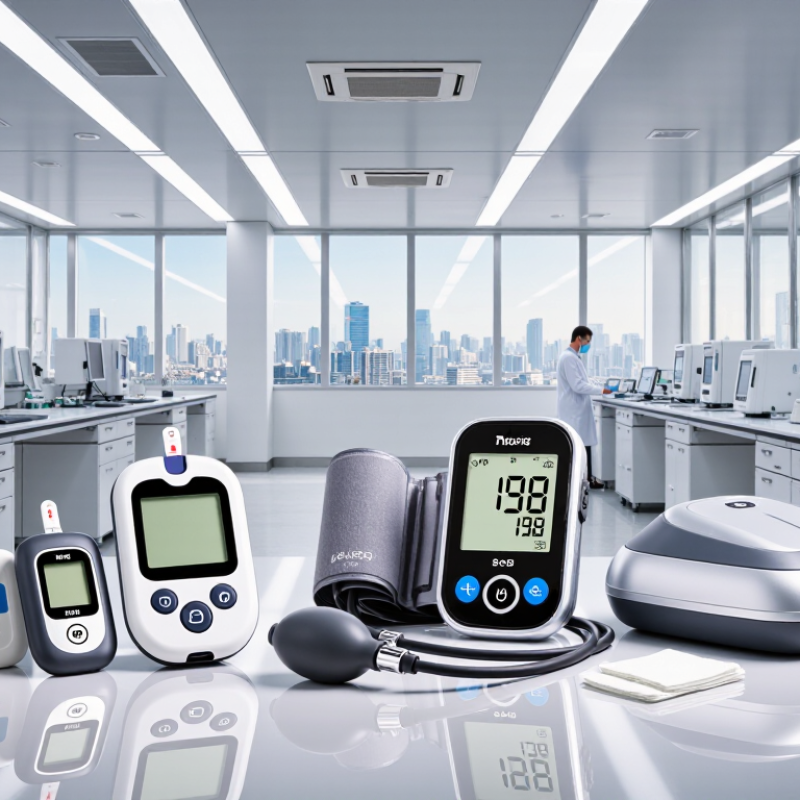
In China, chronic care products support long-term disease management, not only hospital treatment. The scope includes home blood-pressure monitors, glucose testing systems, inhalation devices, wound-care supplies, mobility aids, and medication-adherence tools. Some nutrition and rehabilitation products also belong here, depending on their claims and regulatory classification.
The need is substantial. The World Health Organization’s China Noncommunicable Diseases Country Profile reports that noncommunicable diseases cause about 88% of deaths in China. The China Hypertension Survey, published in The Lancet, found hypertension prevalence of 27.9% among adults aged 18 years and older during 2012–2015. These figures show why reliable monitoring at home matters. A small screen, a test strip, or a correctly fitted support device can influence daily decisions.
However, the category remains imperfectly defined. A wellness wearable may track trends, while a regulated medical device supports clinical assessment. They are not interchangeable. The National Medical Products Administration’s classification framework should guide product claims, registration, and market analysis. Manufacturers should also consider elderly users, rural access, data privacy, and device usability. A technically accurate product can still fail when instructions are too small or replacement supplies are difficult to obtain. Industry rankings should therefore assess clinical relevance, evidence quality, after-sales support, and real-world adherence, rather than production volume alone.
China Top 10 Chronic Care Products Manufacturers
Ranking Chinese chronic care manufacturers requires more than checking revenue or factory size. China’s National Health Commission reports that chronic diseases cause about 88% of all deaths in the country. The IDF Diabetes Atlas, 10th edition, estimated 140.9 million adults in China were living with diabetes in 2021. These figures show why product reliability, clinical usefulness, and long-term support deserve greater weight.
Regulatory compliance should be the first screening factor. Manufacturers need documented quality systems, traceable materials, and valid approvals for each product category. Independent testing and clinical evidence can reveal whether a glucose monitor, mobility aid, or home-care device performs consistently. Manufacturing capacity also matters. A strong supplier should maintain stable output during demand spikes, while protecting batch records and component quality. Low prices alone are not convincing.
User experience separates practical products from impressive brochures. Clear displays, readable instructions, replaceable parts, and responsive service can improve daily adherence. Digital functions should protect patient data and support healthcare workflows without unnecessary complexity. The WHO Noncommunicable Diseases Country Profiles 2022 emphasizes prevention and continuous care, not isolated treatment events. Therefore, ranking should include training, maintenance, delivery coverage, and complaint handling. No ranking is perfectly objective. I would still question any list that ignores rural access, caregiver feedback, or performance after twelve months.
This framework ranks manufacturers using weighted, non-brand evaluation criteria. Regulatory compliance, clinical evidence, and manufacturing quality receive the greatest emphasis because they directly influence the safety, reliability, and long-term suitability of chronic care products.
China’s top ten chronic care product manufacturers reflect a broad and practical market. Their portfolios commonly cover glucose monitoring, blood-pressure devices, respiratory equipment, wound-care supplies, and rehabilitation tools. The selection should consider regulatory records, manufacturing capacity, clinical evidence, export experience, and after-sales service. A low price alone is not enough.
The China Chronic Disease and Risk Factor Surveillance report found diabetes affected about 11.9% of adults in 2018. The same survey recorded hypertension in approximately 27.5% of adults. WHO also reports that noncommunicable diseases cause nearly 89% of deaths in China. These figures explain the demand for reliable home monitoring and long-term treatment support. The ten profiles show different strengths. Some focus on sensor accuracy and data connectivity. Others emphasize durable respiratory machines or affordable rehabilitation equipment.
Manufacturing scale remains important, but it can hide weaknesses. Quality consistency between production batches deserves closer attention. Public filings, ISO 13485 certification, clinical validation, and post-market feedback provide stronger evidence than promotional claims. The National Medical Products Administration’s registration information is useful for checking product categories and approval status. Still, public data is sometimes incomplete. Buyers should verify calibration, service coverage, replacement parts, and training before purchasing. Small details matter. A clear instruction label can prevent a serious daily mistake.
| Profile | Primary Chronic-Care Segment | Representative Product Types | Typical Regulatory Classification in China | Relevant Quality or Technical Standards | Main Care Setting | Typical Distribution Channels | Market Positioning |
|---|---|---|---|---|---|---|---|
| 01 | Blood Glucose Monitoring | Blood glucose meters Test strips Lancing devices | Usually Class II medical devices; classification depends on the specific product and intended use. | ISO 13485 quality management; applicable blood-glucose-monitoring requirements and electrical-safety standards. | Home care, pharmacies, outpatient diabetes clinics and community health centers. | Pharmacy networks, e-commerce, hospital procurement and diabetes-management programs. | High-volume consumables supported by recurring test-strip demand. |
| 02 | Insulin Delivery | Insulin syringes Pen needles Insulin pens | Disposable injection products are commonly regulated as medical devices; exact classification varies by design and claims. | ISO 13485; applicable standards for sterile, single-use injection and hypodermic equipment. | Hospitals, diabetes clinics, pharmacies and home self-management. | Hospital tenders, pharmaceutical distribution, retail pharmacies and online medical platforms. | Emphasis on sterility assurance, dimensional accuracy and patient-friendly design. |
| 03 | Blood Pressure Monitoring | Automatic upper-arm monitors Wrist monitors Ambulatory monitors | Electronic blood-pressure monitors are generally regulated as Class II medical devices. | ISO 13485; IEC 80601-2-30 and related electrical-safety and electromagnetic-compatibility requirements. | Home monitoring, primary care, hospitals and hypertension-management programs. | Pharmacies, consumer healthcare retailers, e-commerce and institutional procurement. | Combines home usability with measurement validation and connectivity features. |
| 04 | Respiratory Care | CPAP devices Non-invasive ventilators Humidifiers | Respiratory support equipment is commonly subject to Class II or Class III controls, depending on intended use and life-support function. | ISO 13485; IEC 60601-1 and product-specific respiratory equipment standards. | Sleep centers, hospitals, respiratory clinics and home care. | Specialty distributors, hospital channels, home-care providers and authorized service networks. | Technology-led segment requiring clinical support, software management and after-sales service. |
| 05 | Oxygen Therapy | Oxygen concentrators Oxygen cylinders Portable oxygen systems | Oxygen concentrators and related equipment are generally regulated as medical devices; classification depends on specifications and intended use. | ISO 13485; IEC 60601-1 and applicable oxygen-concentrator performance and safety requirements. | Home respiratory care, hospitals, nursing facilities and emergency-care settings. | Medical-equipment distributors, rental providers, hospitals and online healthcare channels. | Demand is linked to respiratory disease management, aging populations and home-care adoption. |
| 06 | Dialysis Consumables | Hemodialysis tubing Dialyzers Bloodline sets | Many dialysis disposables are subject to higher-risk medical-device controls because they contact blood or support extracorporeal circulation. | ISO 13485; applicable biocompatibility, sterility, endotoxin and dialysis-equipment standards. | Hospitals, dedicated dialysis centers and renal-care facilities. | Hospital procurement, centralized tenders and specialist medical distributors. | Quality consistency, validated sterilization and dependable clinical supply are key differentiators. |
| 07 | Wound and Ostomy Care | Advanced dressings Negative-pressure wound therapy Ostomy accessories | Classification varies by composition, sterility, active function and intended clinical use; many products fall within Class II or Class III controls. | ISO 13485; biocompatibility, sterility, packaging and wound-contact requirements as applicable. | Hospitals, wound clinics, nursing homes and home nursing services. | Specialist distributors, hospital purchasing groups, pharmacies and home-care providers. | Focused on chronic wounds, diabetic foot care, pressure injuries and post-surgical management. |
| 08 | Rehabilitation and Mobility | Wheelchairs Walking aids Electrotherapy equipment | Classification depends on whether the product is a non-powered aid, powered device or active therapeutic system. | ISO 13485; applicable wheelchair, electrical-safety, electromagnetic-compatibility and rehabilitation-equipment standards. | Rehabilitation hospitals, elder-care facilities, community care and home use. | Medical-equipment dealers, rehabilitation centers, public procurement and e-commerce. | Addresses long-term functional support for stroke, arthritis, neurological and age-related conditions. |
| 09 | Home Health Monitoring | Pulse oximeters Thermometers Connected vital-sign monitors | Many electronic home-monitoring devices are regulated as Class II medical devices when intended for diagnosis or monitoring. | ISO 13485; IEC 60601-1, electromagnetic-compatibility and product-specific performance standards. | Home care, primary care, telehealth and chronic-disease management programs. | Retail pharmacies, e-commerce, telemedicine platforms and institutional buyers. | Combines low-cost hardware with data connectivity, remote monitoring and user education. |
| 10 | Home Care and Medical Support Equipment | Electric patient beds Pressure-relief mattresses Patient lifts | Classification varies by powered function, patient-support role and level of clinical risk. | ISO 13485; applicable medical-bed, lifting-equipment, electrical-safety and mechanical-safety standards. | Home nursing, nursing homes, hospitals and long-term-care institutions. | Institutional procurement, rental services, elder-care operators and medical-equipment distributors. | Supports long-term care, reduced-mobility management, fall prevention and caregiver efficiency. |
Note: Company identities and brand-level information are intentionally omitted. Regulatory classifications and standards may vary by product configuration, intended use, risk level and current Chinese regulatory requirements.
China’s top ten chronic care product manufacturers are increasingly organized around practical disease-management needs. Their main categories include glucose meters, continuous glucose monitoring systems, digital blood-pressure monitors, nebulizers, home oxygen equipment, mobility aids, wound-care products, and rehabilitation devices. These products support diabetes, hypertension, respiratory disease, and post-stroke recovery.
Technology is becoming more connected. Bluetooth-enabled meters can transfer readings to mobile platforms, while sensor-based systems track glucose changes throughout the day. Smart pressure monitors can identify irregular readings, although accuracy still depends on cuff placement and user training. The World Health Organization reports that noncommunicable diseases cause about 74% of global deaths. This creates strong demand for reliable home monitoring, not only hospital equipment.
Healthcare applications are also moving closer to the patient. A compact nebulizer may help an older adult manage treatment beside the bed. A pressure monitor can support follow-up in rural clinics with limited staff. The IDF Diabetes Atlas, 11th edition, estimates that 589 million adults lived with diabetes in 2024. Chinese manufacturers are responding with portable designs, remote data transmission, and locally adapted interfaces. Yet connectivity is not a cure. Some products still create confusing alerts, and elderly users may need direct instruction. Better clinical validation and clearer after-sales support remain necessary.
China’s top 10 chronic care products manufacturers are increasingly judged by quality systems, not production volume alone. Reliable suppliers follow applicable medical device regulations, maintain traceable batches, and document corrective actions. ISO 13485-based processes can support consistency, while local registration requirements remain essential. A blood pressure monitor should deliver stable readings across repeated home use. A wound-care product should remain sterile, clearly labeled, and safely packaged.
Market demand is shifting toward home-based care, remote monitoring, and easier daily routines. Older adults often prefer large displays, simple controls, and readable instructions. Manufacturers are responding with connected devices, recyclable packaging, and smaller products for home storage. However, digital features can create new concerns, including data protection, battery failure, and confusing app interfaces. No factory is flawless. A polished certificate cannot replace practical testing with patients, caregivers, and clinical professionals.
Tips: Compare suppliers through audit records, sample testing, complaint rates, and delivery history. Ask how they handle recalls and production changes. Check whether instructions match the user’s language and health literacy. Do not judge quality from appearance alone. A lower price may hide weaker traceability or shorter testing cycles. Industry development is promising, but independent verification still matters.
Common products include glucose meters, blood-pressure monitors, nebulizers, oxygen equipment, wound-care supplies, and rehabilitation devices. Some support daily home care.
Compare regulatory records, manufacturing capacity, clinical evidence, export experience, and after-sales service. Price alone is weak evidence.
Diabetes and hypertension affect many adults, creating strong demand for reliable home measurements. Consistent readings matter.
Review applicable registration information, ISO 13485-based systems, batch records, clinical validation, and complaint data. Certificates are not enough.
Bluetooth and sensor systems can transfer readings and track changes over time. Connectivity helps, but it does not cure disease.
Confusing alerts, weak batteries, data-protection concerns, and difficult app interfaces may reduce practical value. Older users may need help.
Large displays, simple controls, clear labels, and readable instructions can reduce daily mistakes. Small details matter.
Request samples, test repeated readings, inspect packaging, and review delivery and complaint histories. Appearance can mislead.
Users may need calibration, training, replacement parts, repairs, or help understanding instructions. Support gaps become serious quickly.
A lower price may reflect efficient production, but it can also hide weaker traceability or shorter testing cycles. The difference needs checking.
This article explores the development of Chronic Care Products in China, covering devices, supplies, and digital solutions designed to support the long-term management of conditions such as diabetes, cardiovascular disease, respiratory disorders, and mobility limitations. It explains the scope of the sector and introduces the key factors used to evaluate leading manufacturers, including product quality, technological capability, research and development strength, production capacity, regulatory compliance, clinical value, and customer support.
The profiles of China’s top ten chronic care manufacturers highlight diverse product categories, from monitoring equipment and rehabilitation aids to home-care solutions and connected health technologies. The article also examines how these products are applied across hospitals, clinics, community services, and home settings. In addition, it reviews quality standards, intelligent manufacturing, remote monitoring, aging-related demand, and other market trends shaping the industry. Together, these insights provide a clear overview of China’s chronic care manufacturing landscape and its future development potential.

Fule